Even after being here for a few decades, Mitsubishi is still trying to find its place in the North American market. Giants like Honda and Toyota are always on everyone’s mind, but smaller grands tend to get lost in the shuffle. At the same time, it wasn’t long ago where EVs were all the rage while hybrids chugged along. Those tides are shifting slowly but surely; the 2025 Mitsubishi Outlander excels both at being a viable option to other strictly gas-powered crossovers, and in the electrified space, the plug-in hybrid variant has proven to be the brand’s golden goose. The million-dollar question then becomes: which one should you buy?
What’s new for 2025?
The current, fourth-generation Mitsubishi Outlander debuted for the 2022 model year. Its predecessor is best forgotten; sharing the same platform as the Nissan Rogue, the Outlander received a shot in the arm with fresh styling, much more modern tech, and proven powertrain options that were new to Mitsubishi. Inside and out, the Outander became a much more competitive product pretty much overnight.
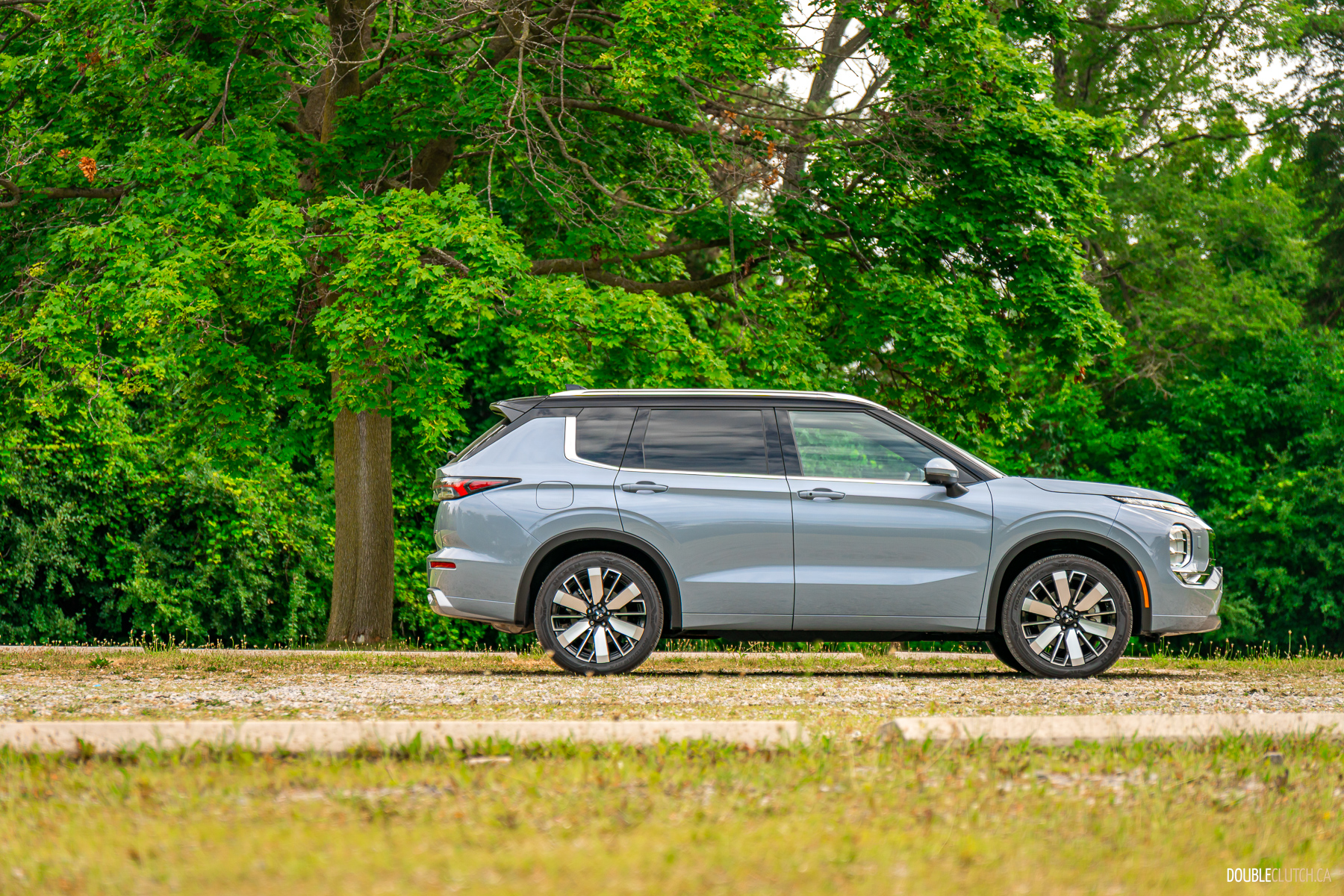
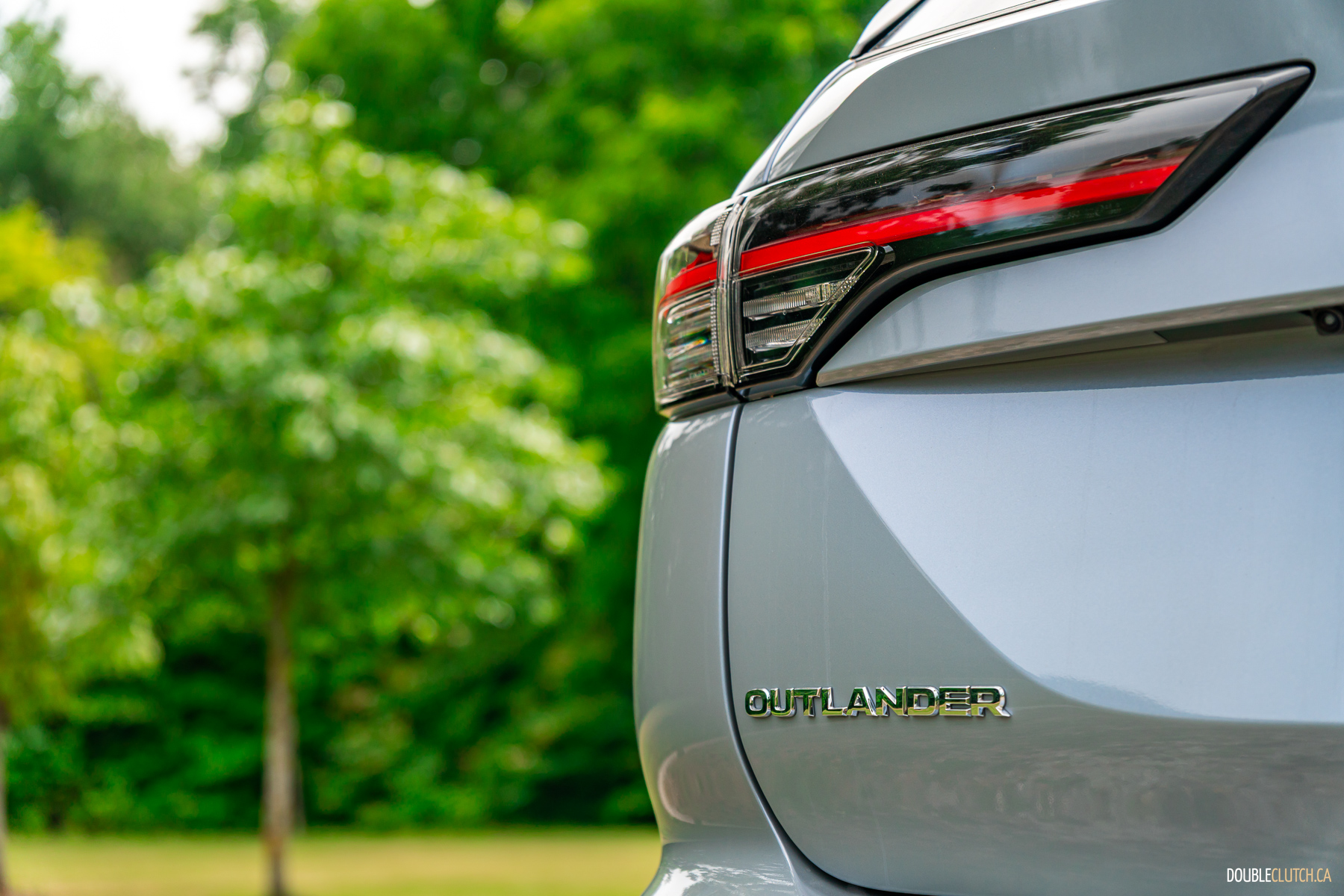
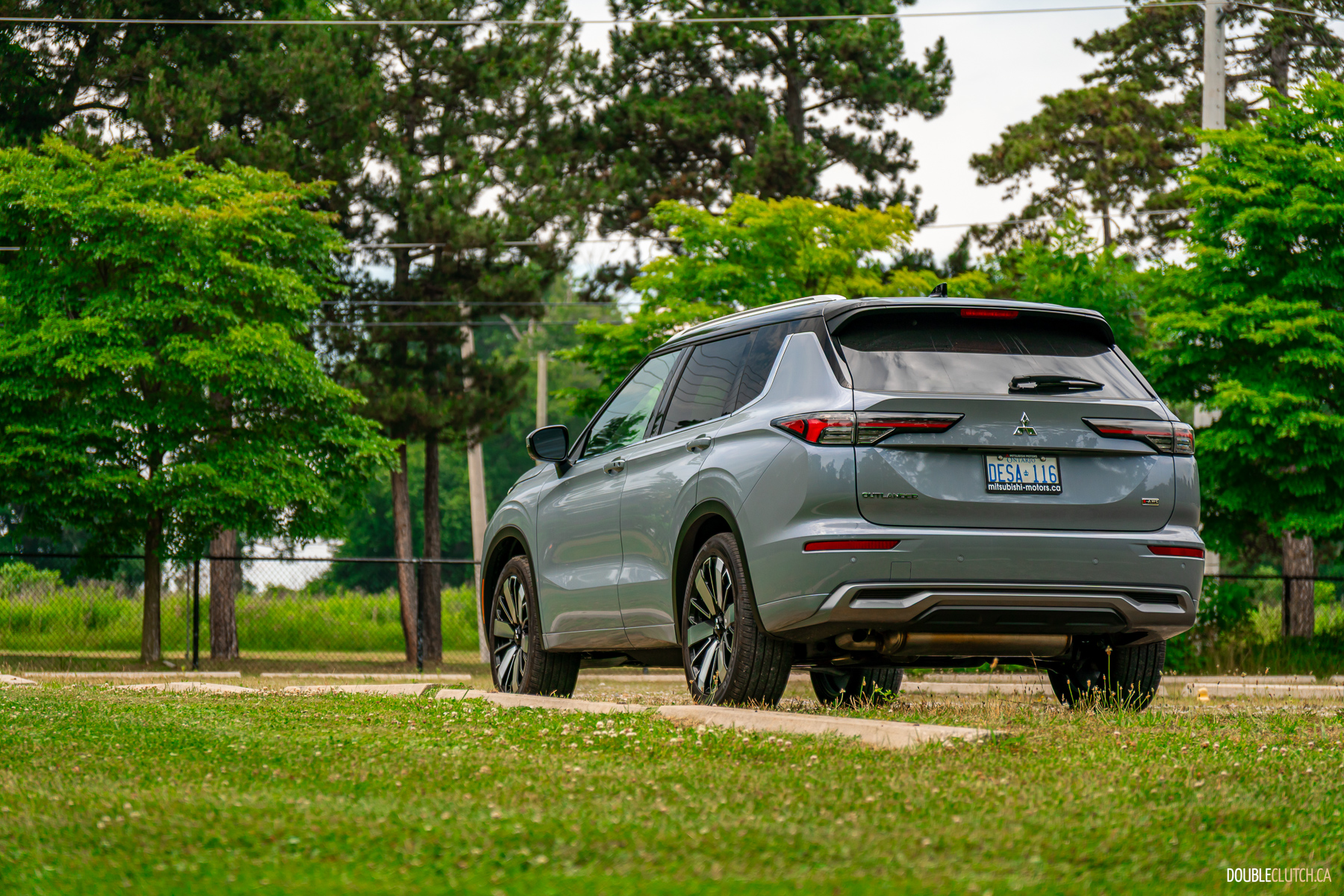
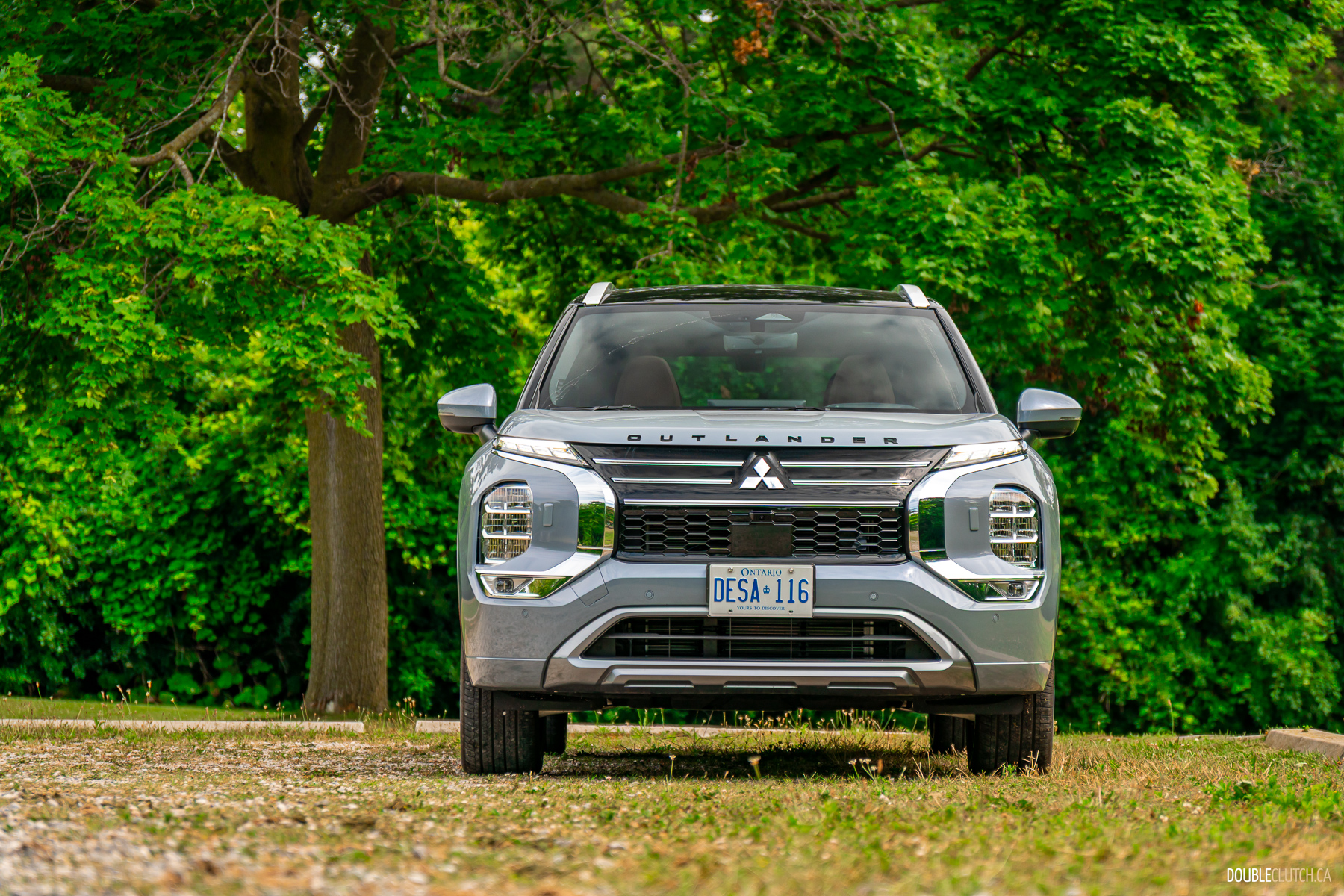
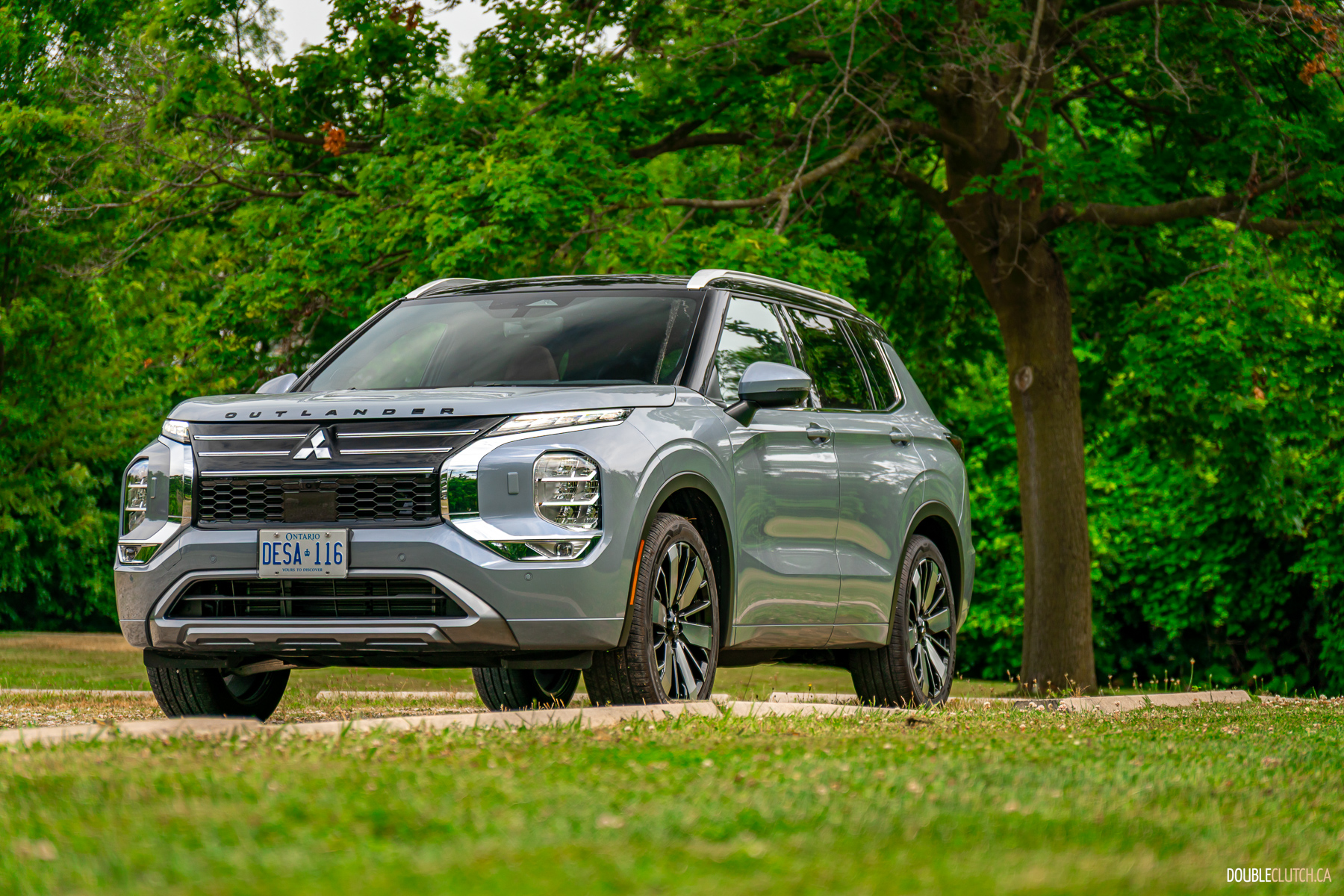
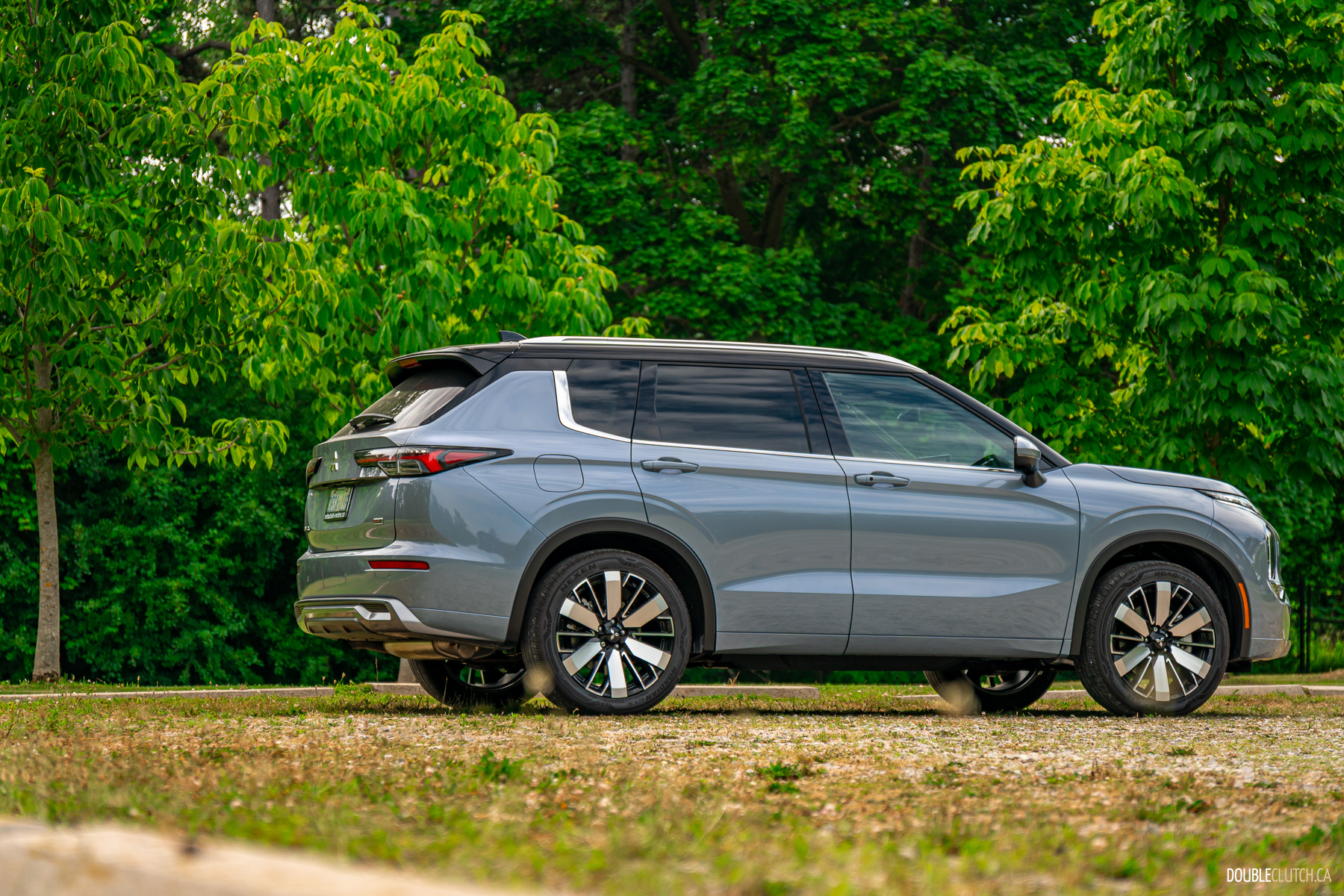
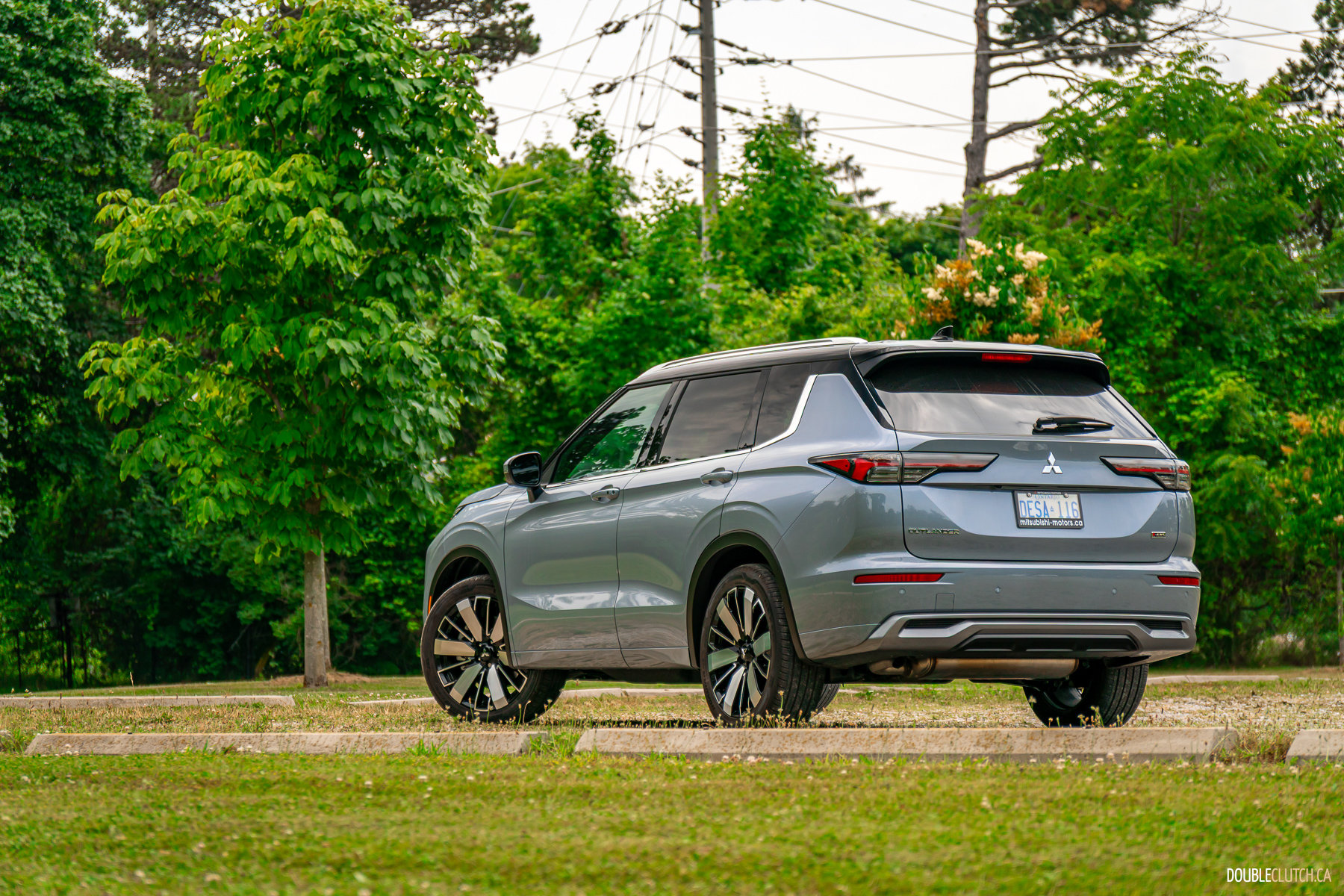
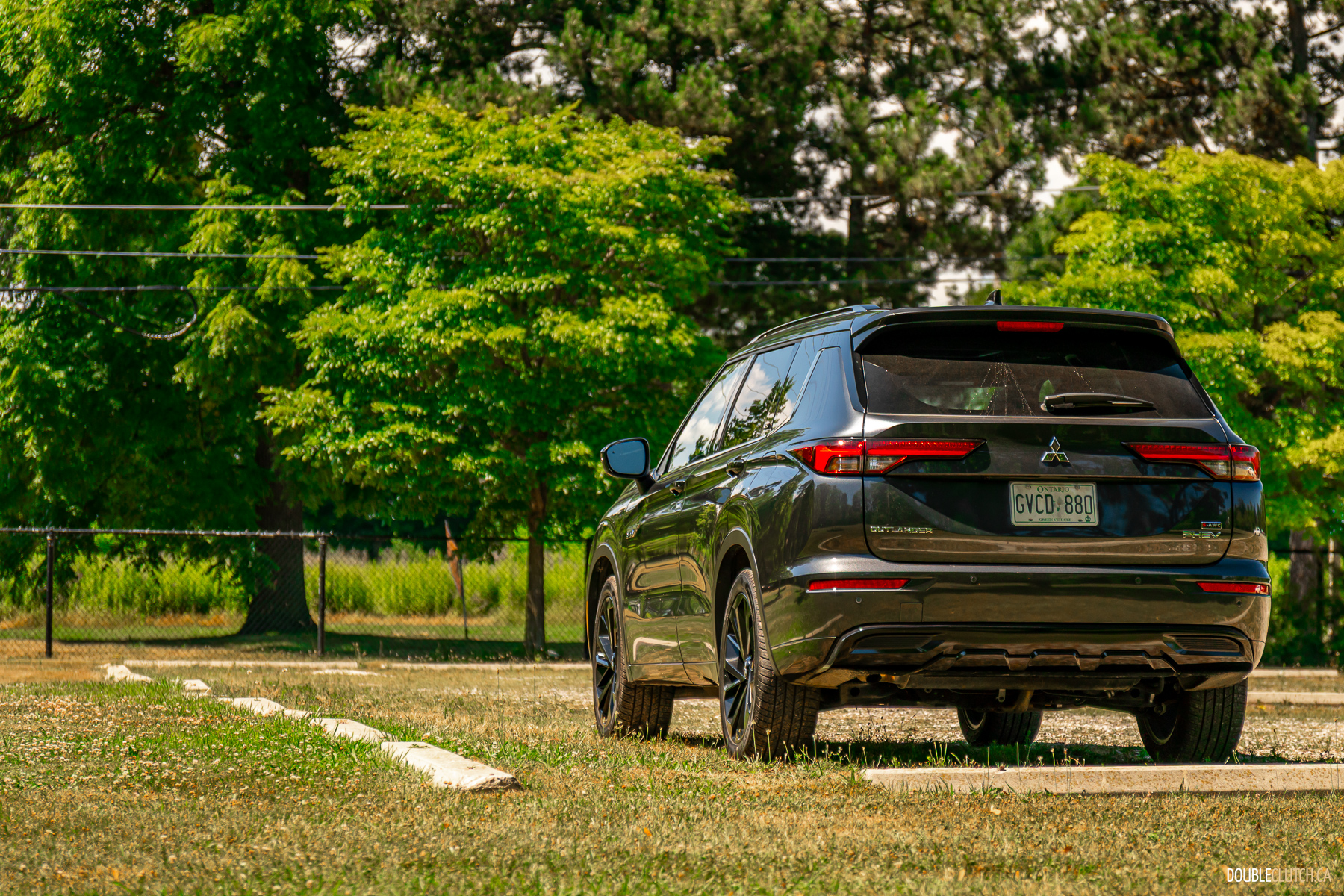
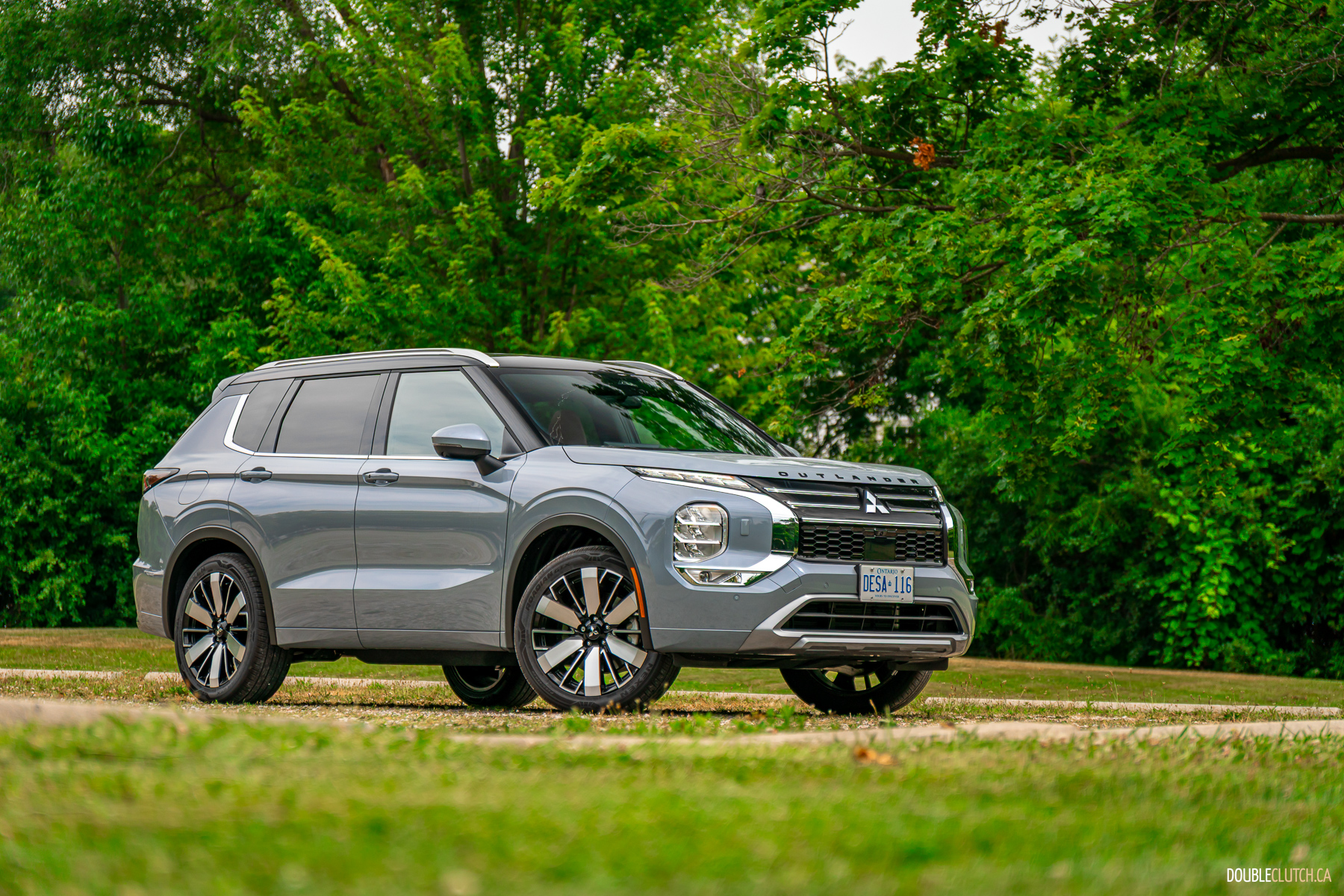
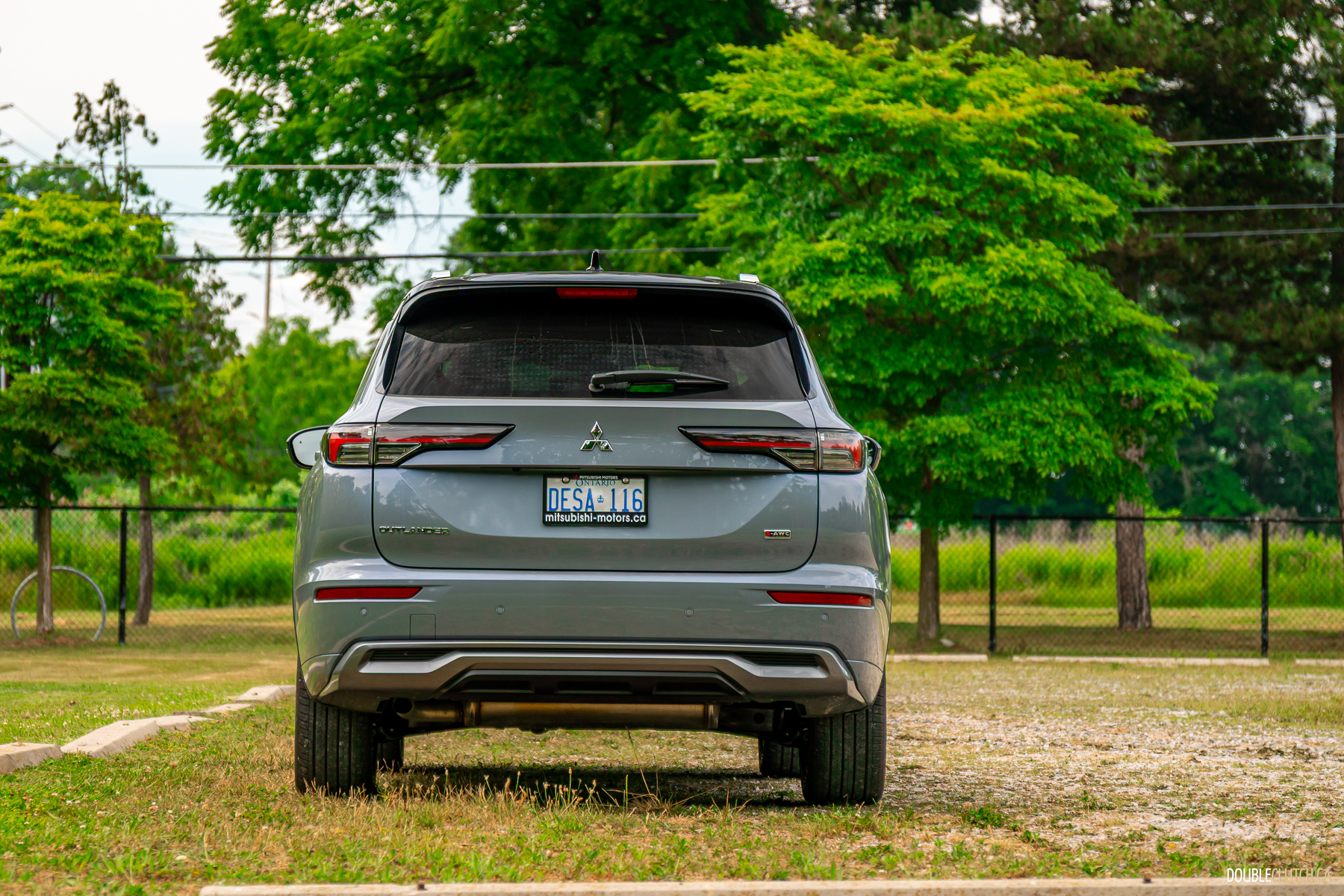
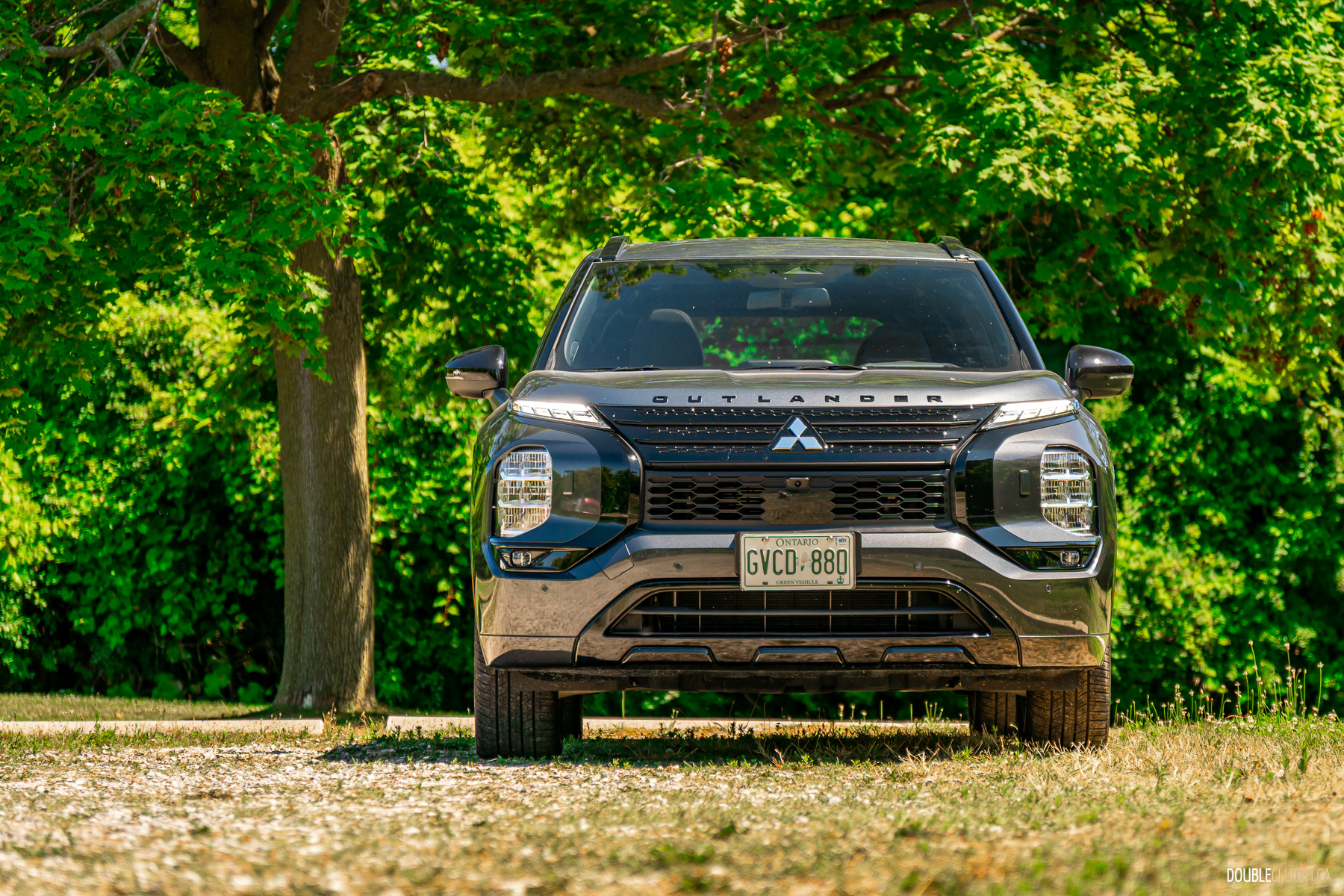
For 2025, the Outlander receives a subtle refresh that may or may not be to everyone’s liking. Our gas-only GT Premium tester features a very busy front end with an overuse of chrome. Once you go beyond the front bumper and grille, the Outlander is fairly standard-issue, with similar proportions and styling cues that blend in with the rest of the segment. LED lighting can be found front and rear, and the new 20-inch wheel design is quite attractive.
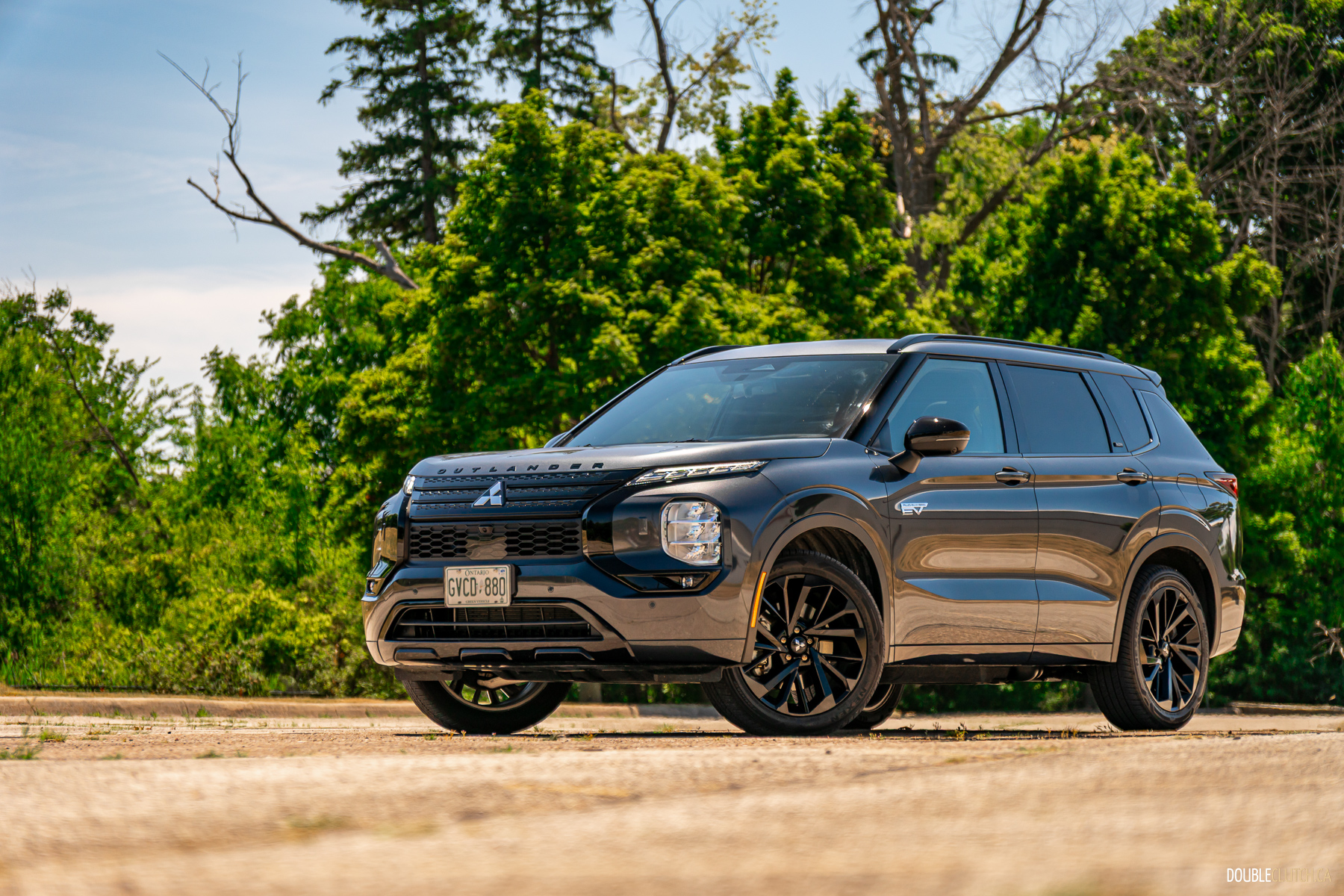
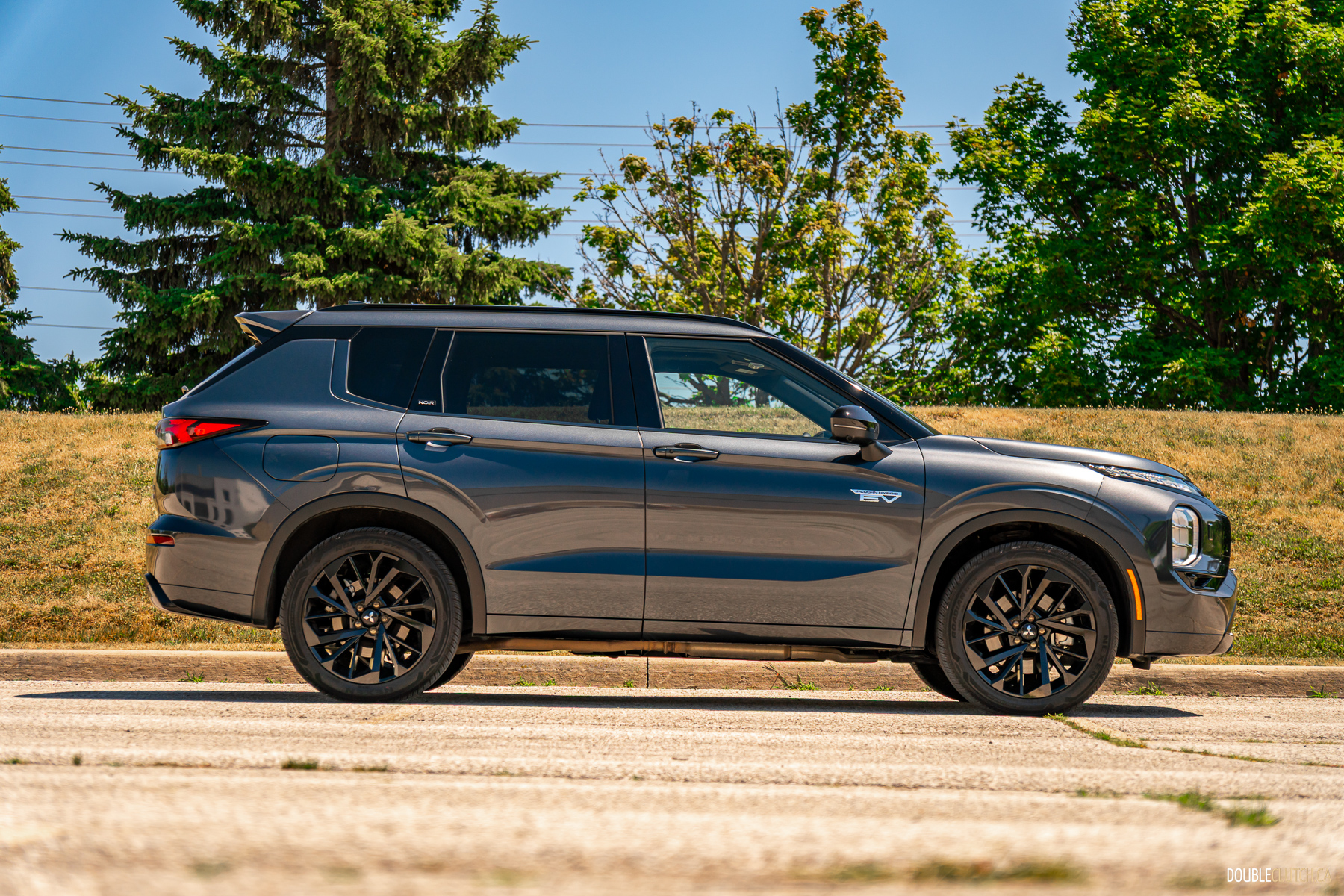
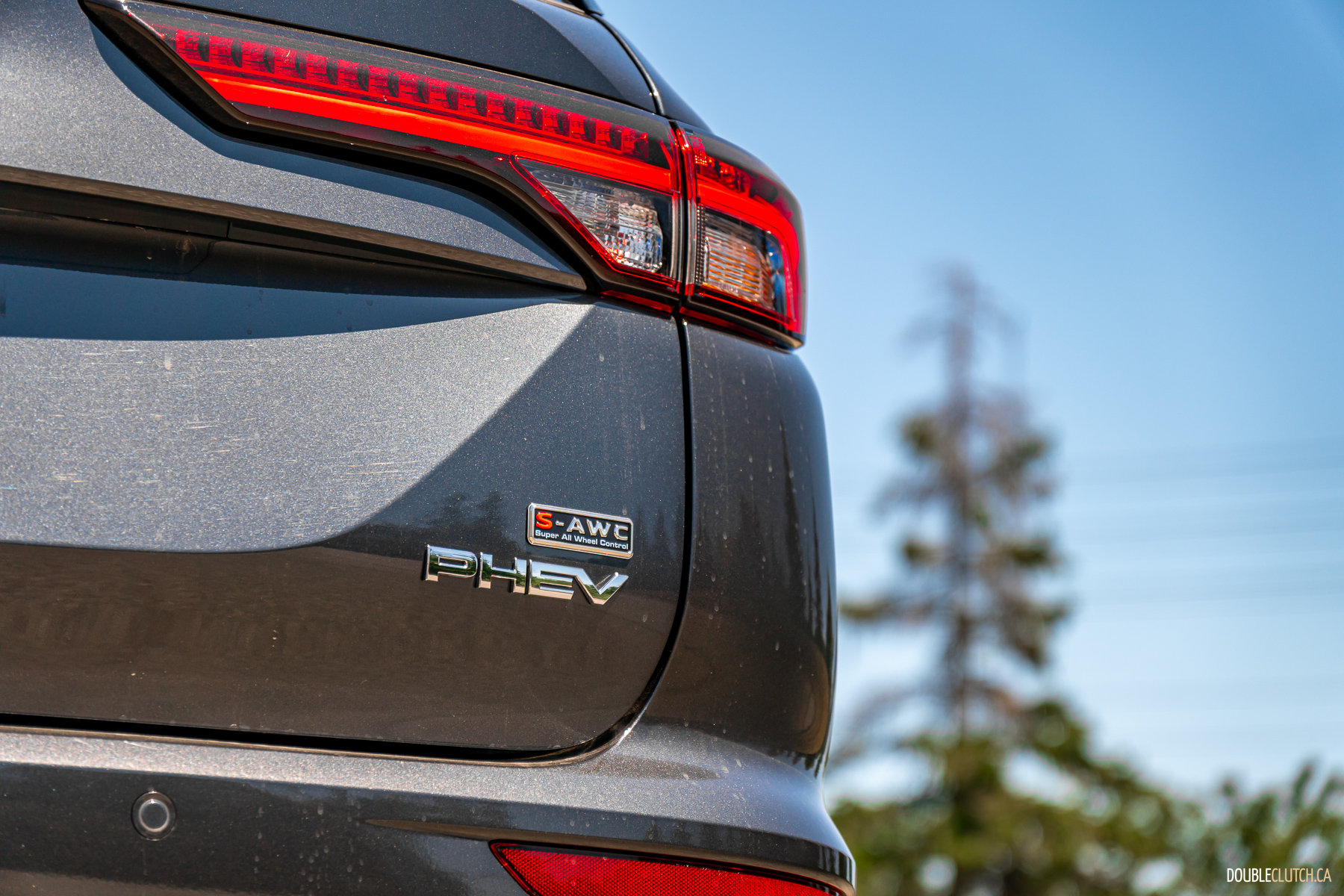
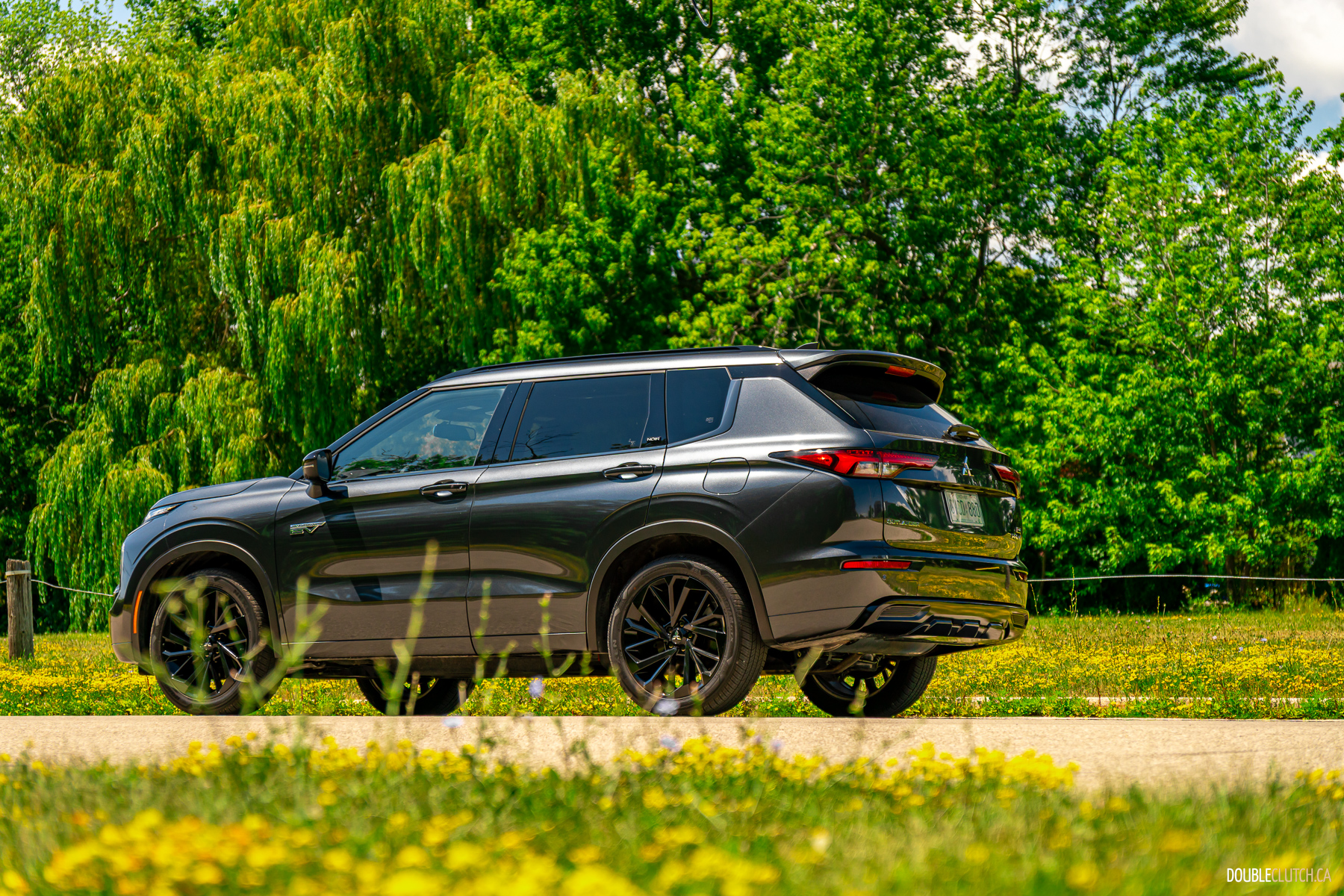
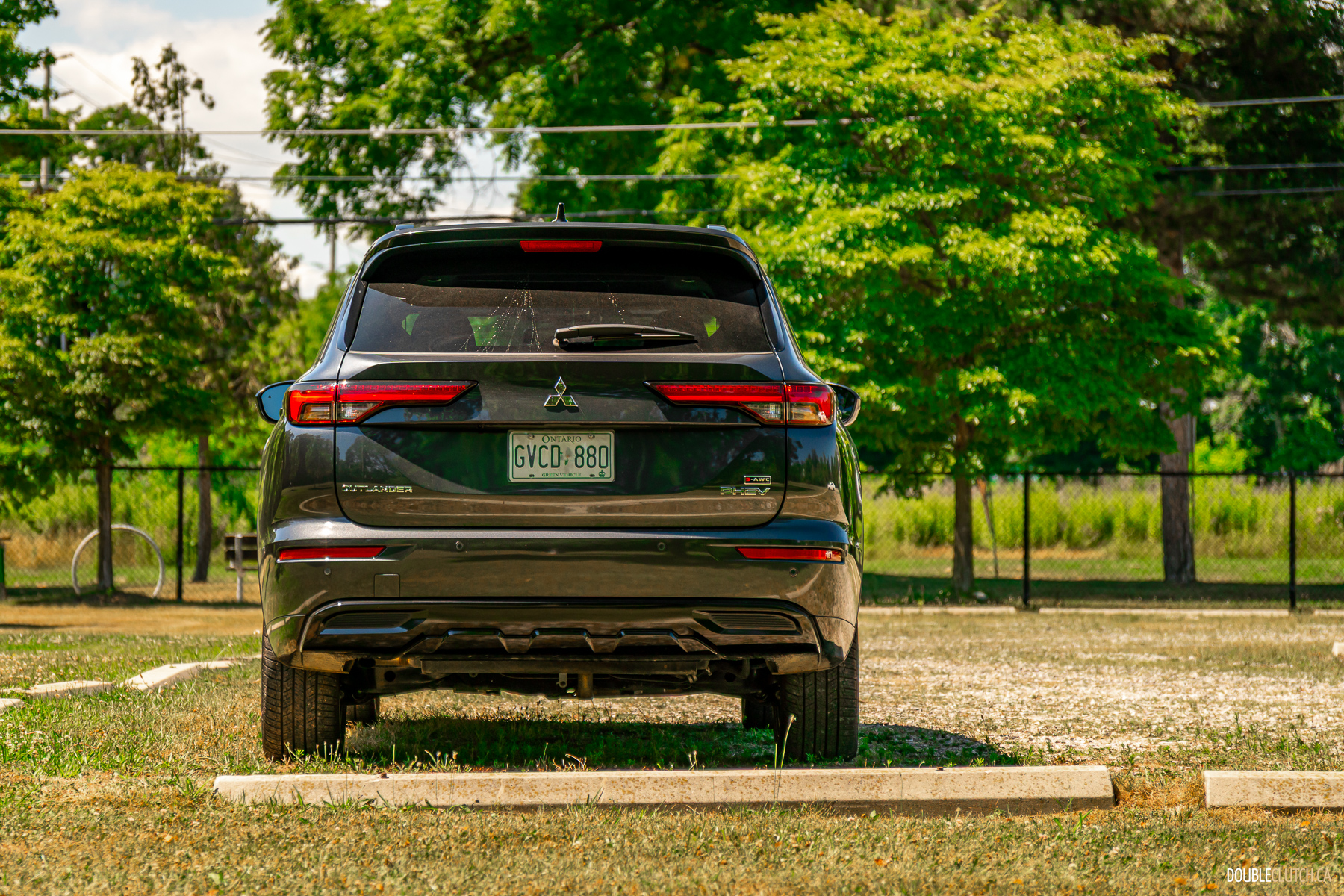
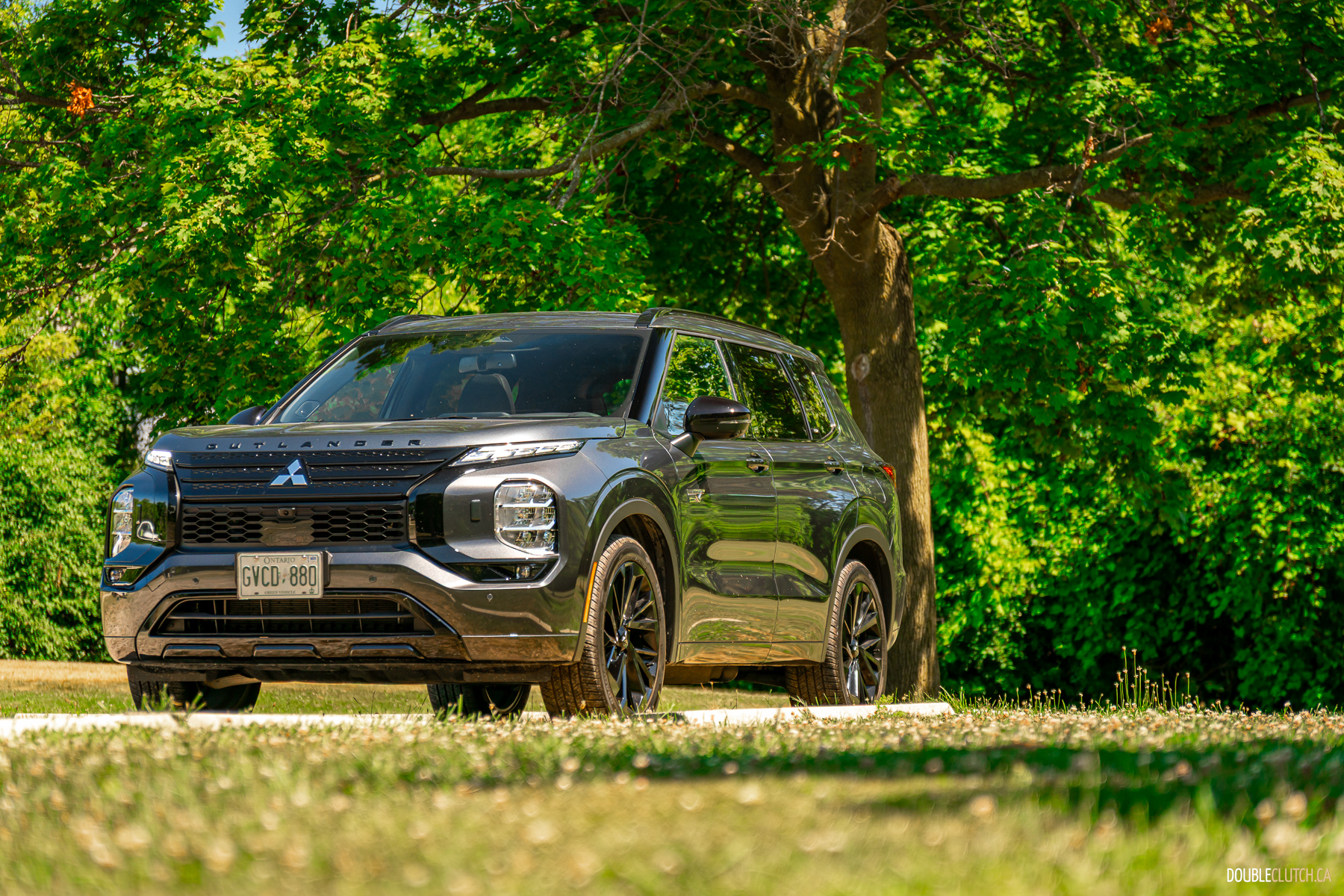
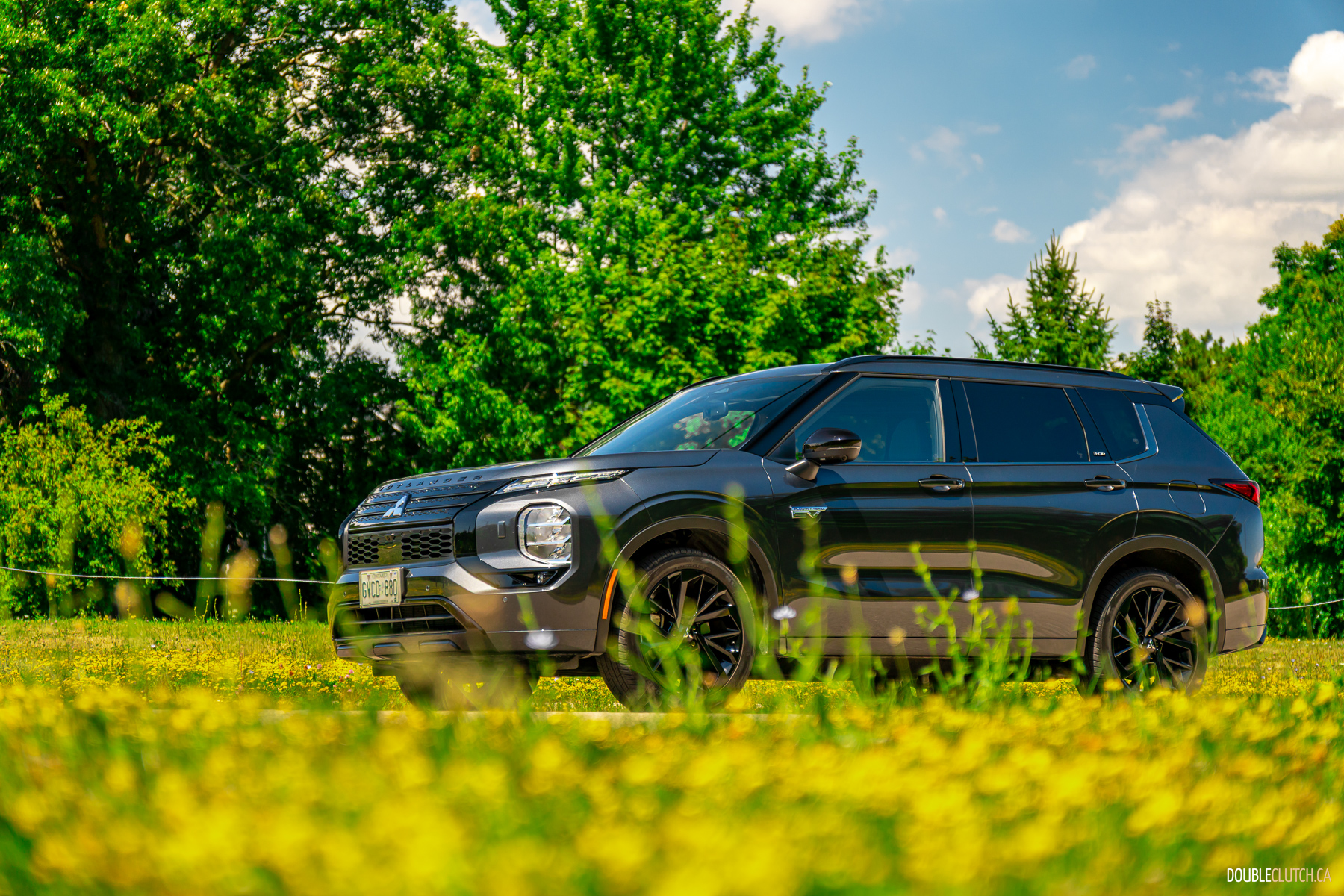
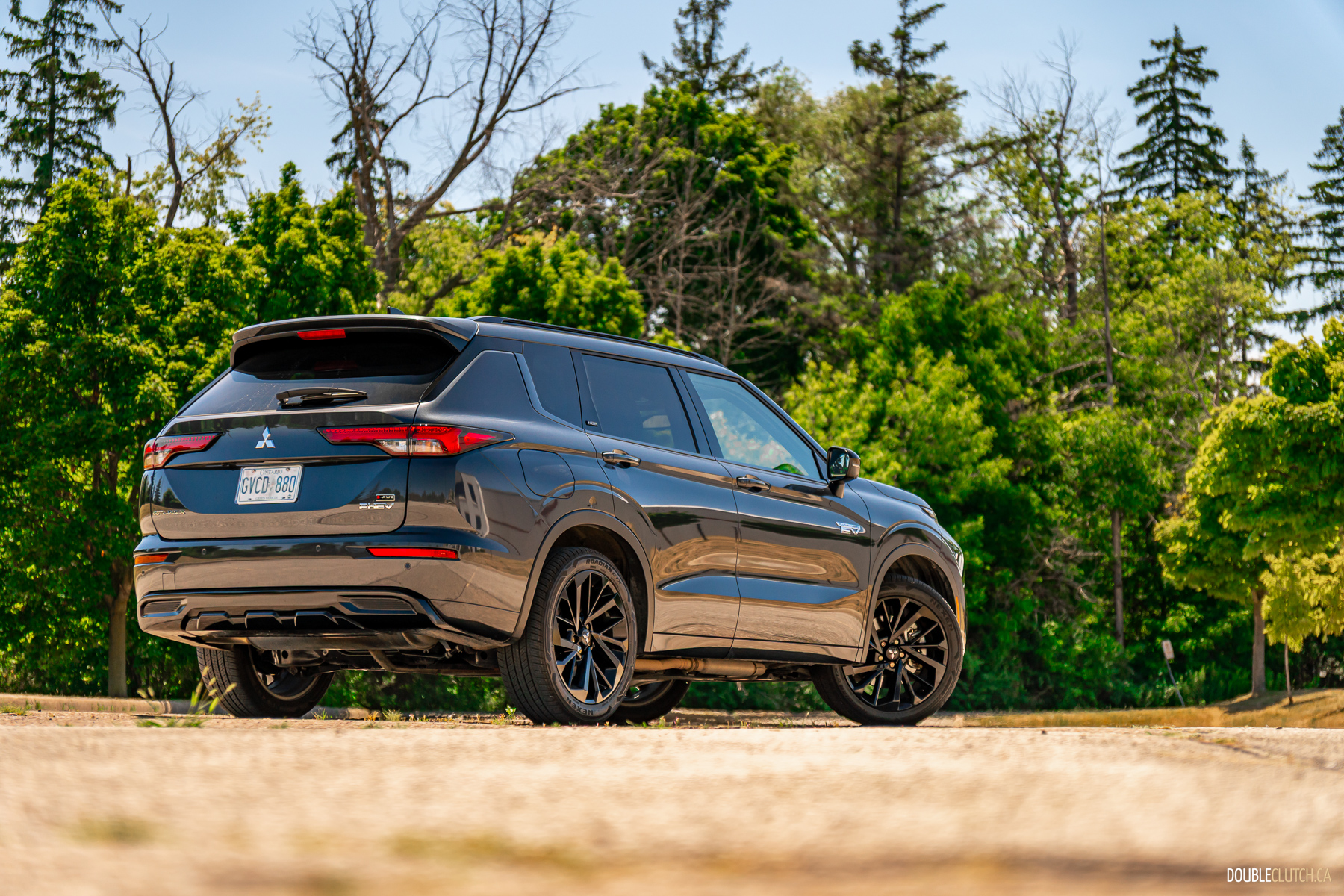
I preferred the look of our Outlander plug-in hybrid tester. It featured the top-end Noir option package that blacked-out most of the chrome trim I found overdone on the gas-powered Outlander. The front grille and bumper trim looked much cleaner and more aggressive overall, while Mitsubishi left lettering and logos chrome for some contrast. The wheels are blacked-out, too; it’s nothing exciting, but attractive overall. It’s worth noting the Noir package is limited to the PHEV.
Interior
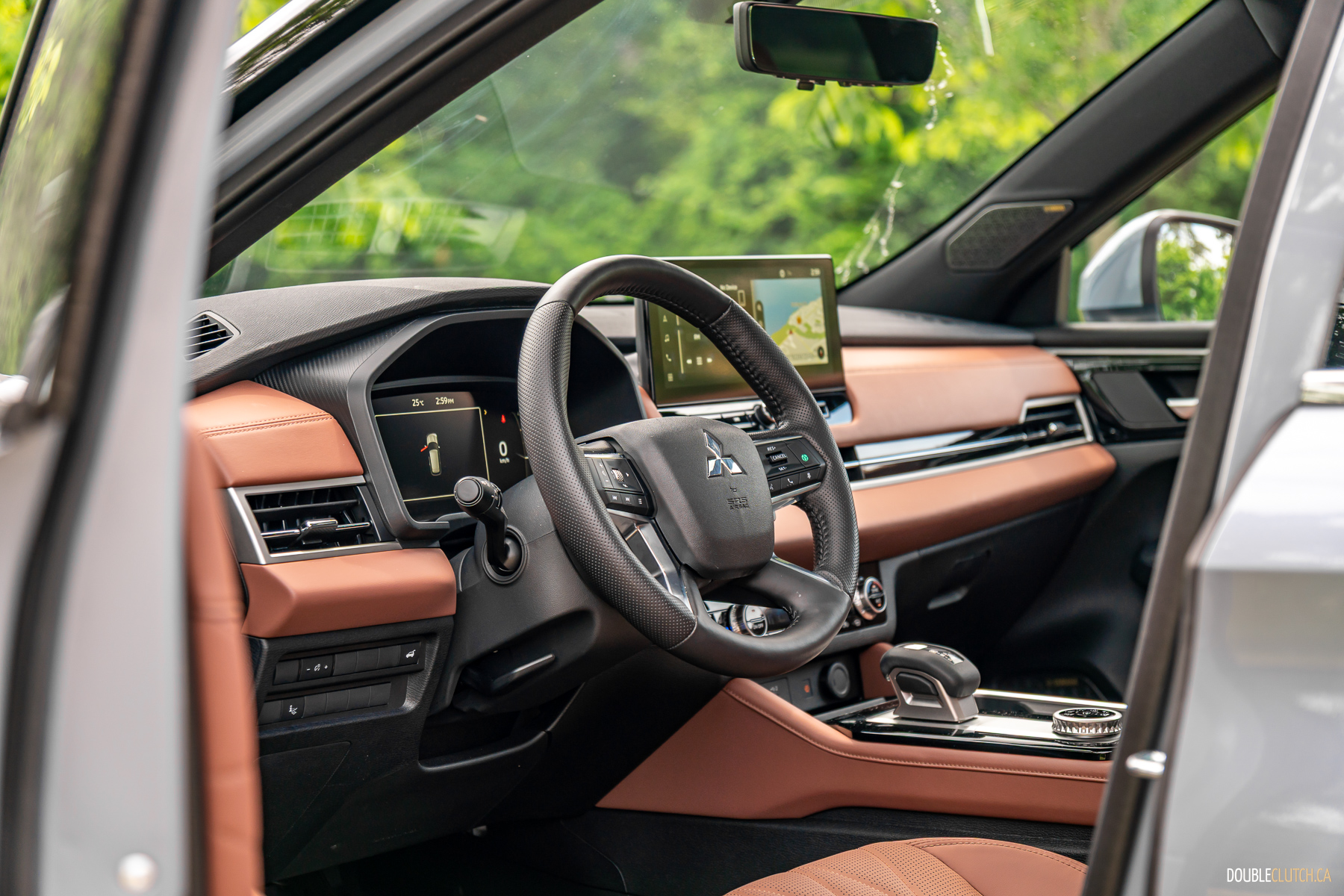
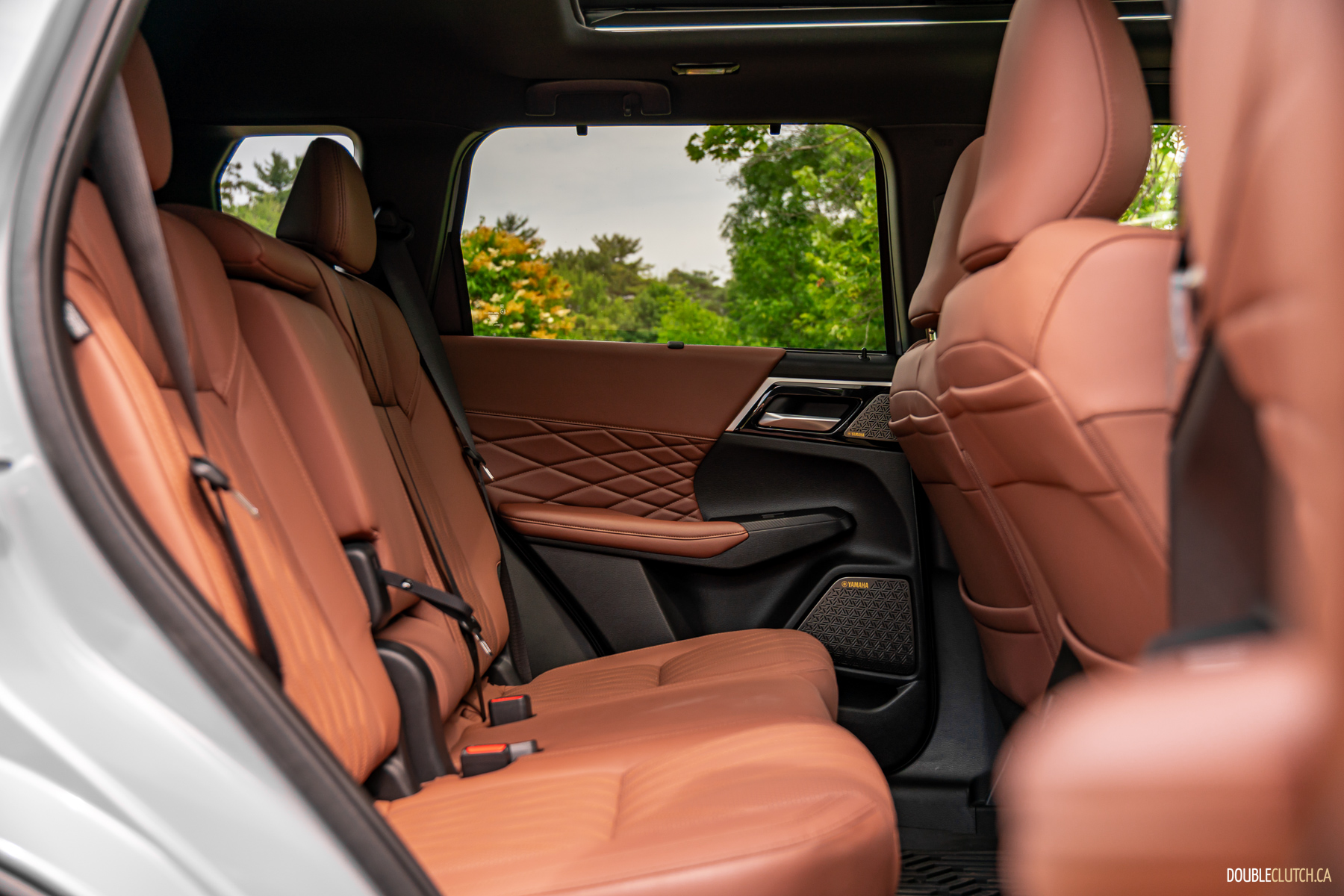
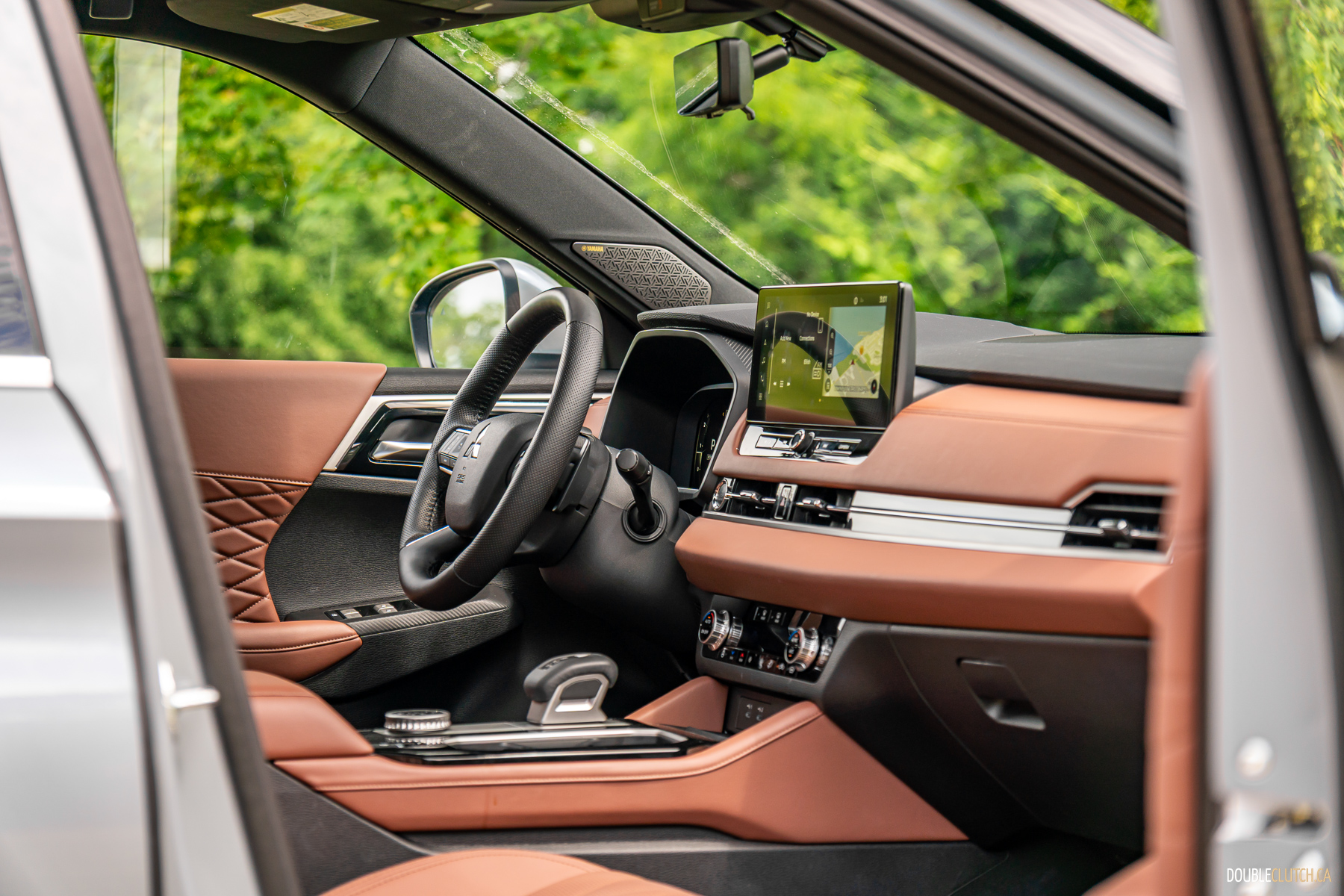
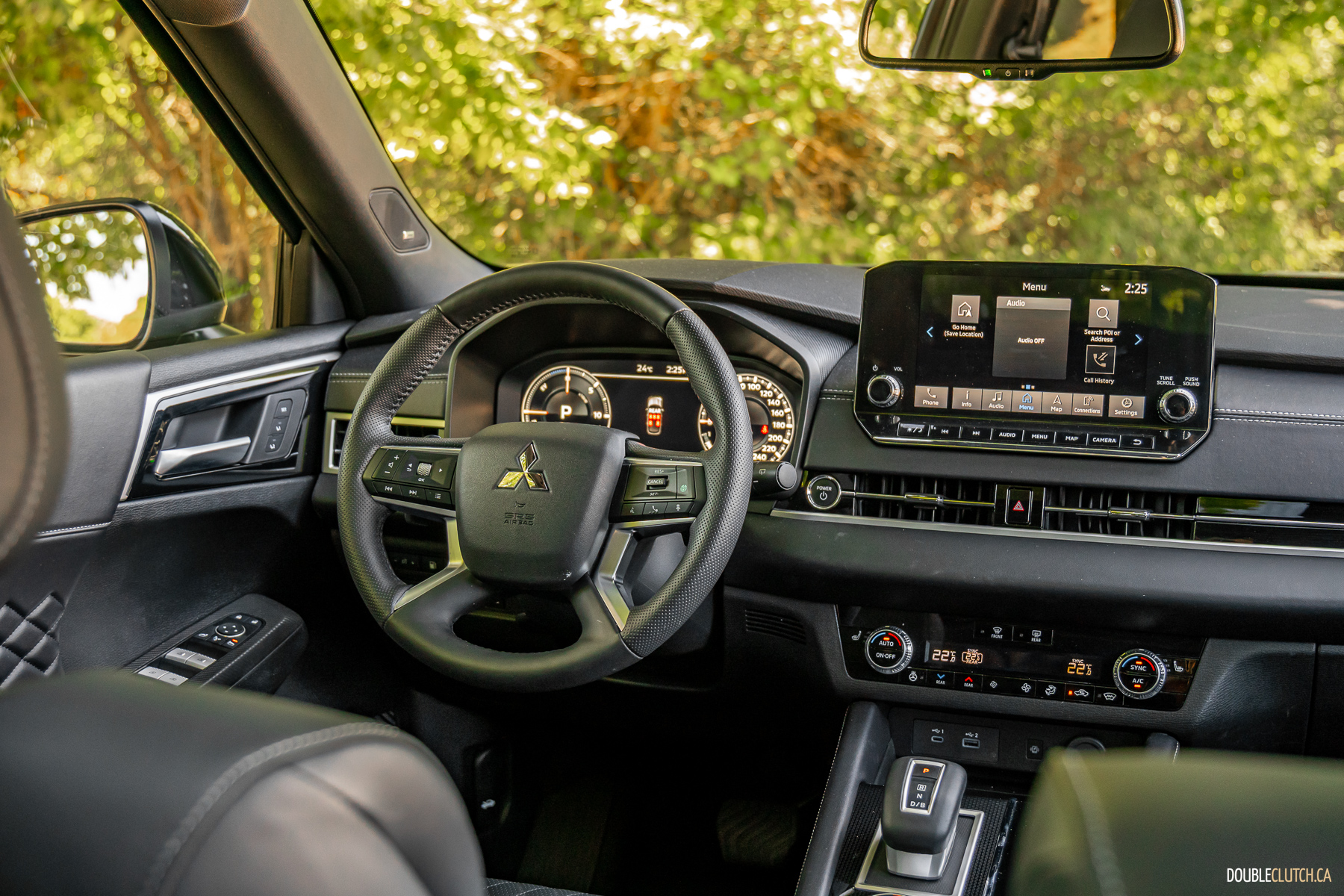
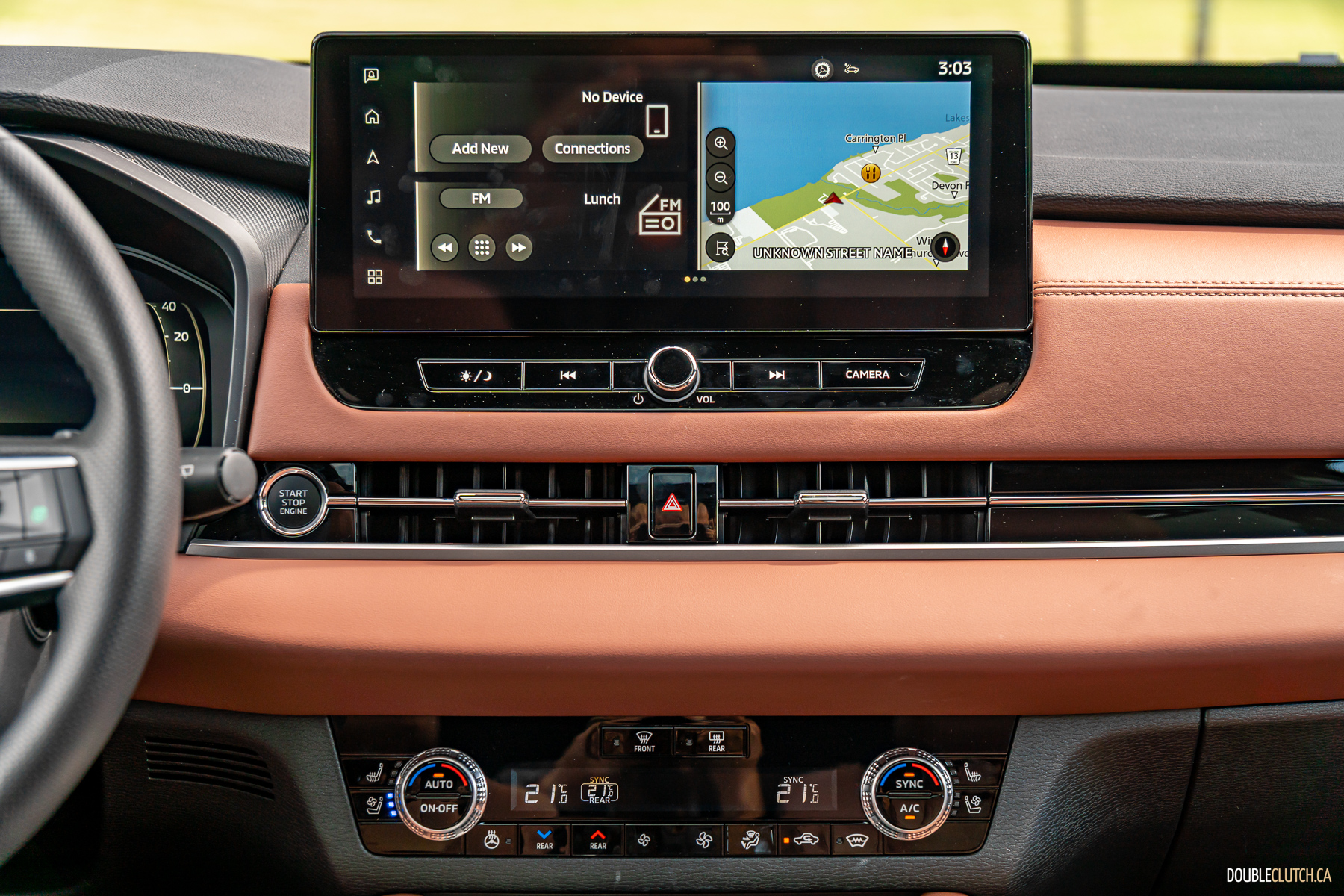
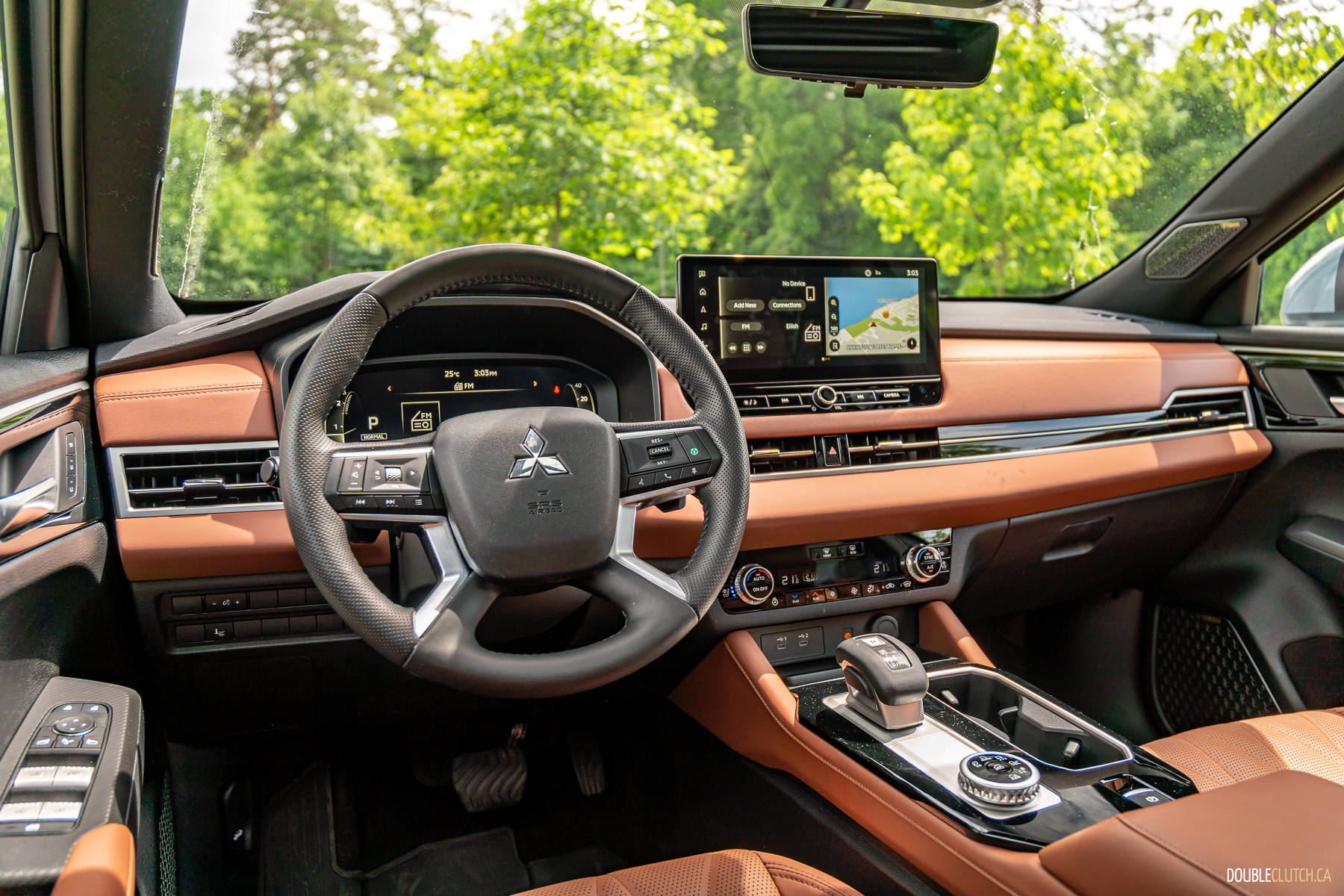
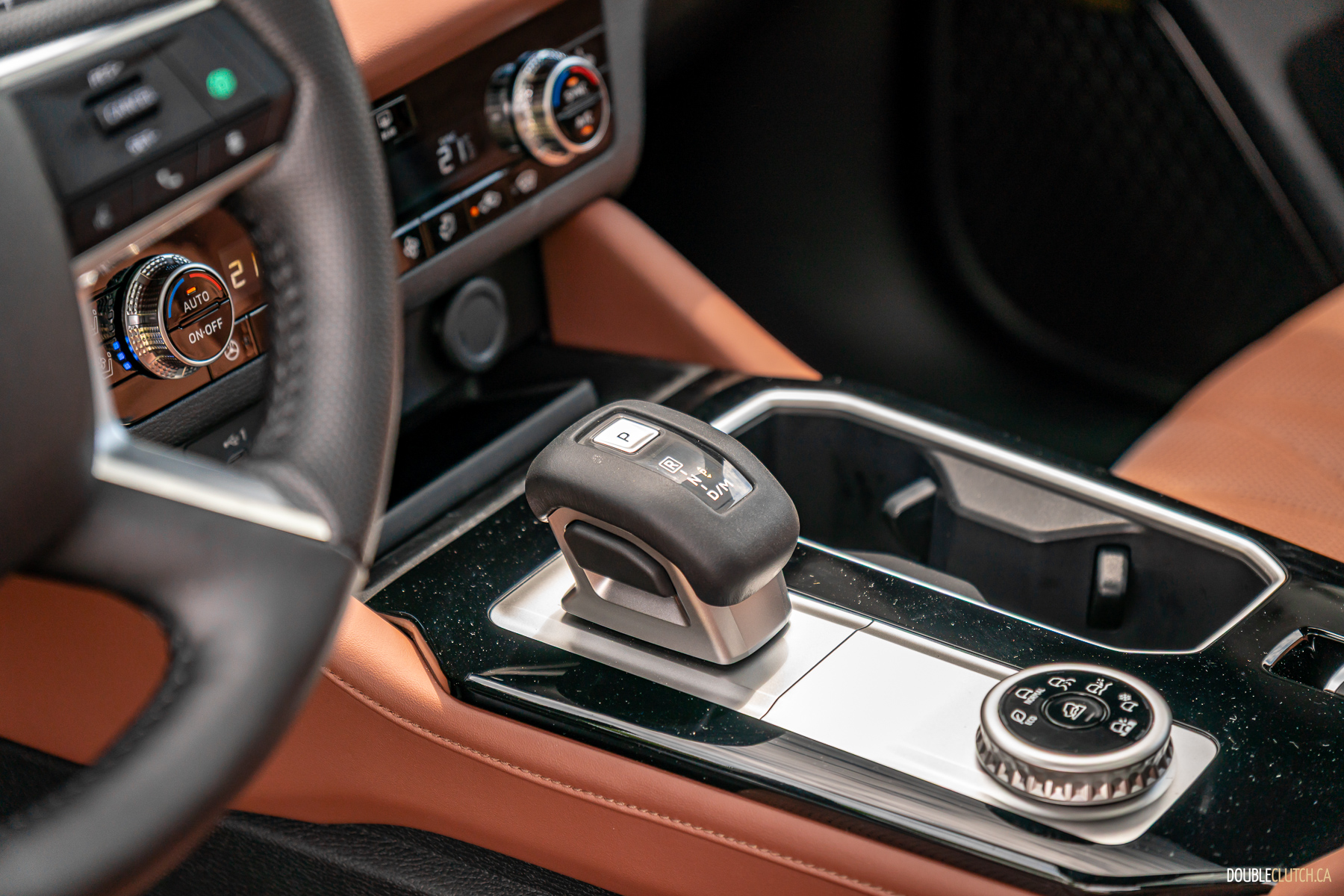
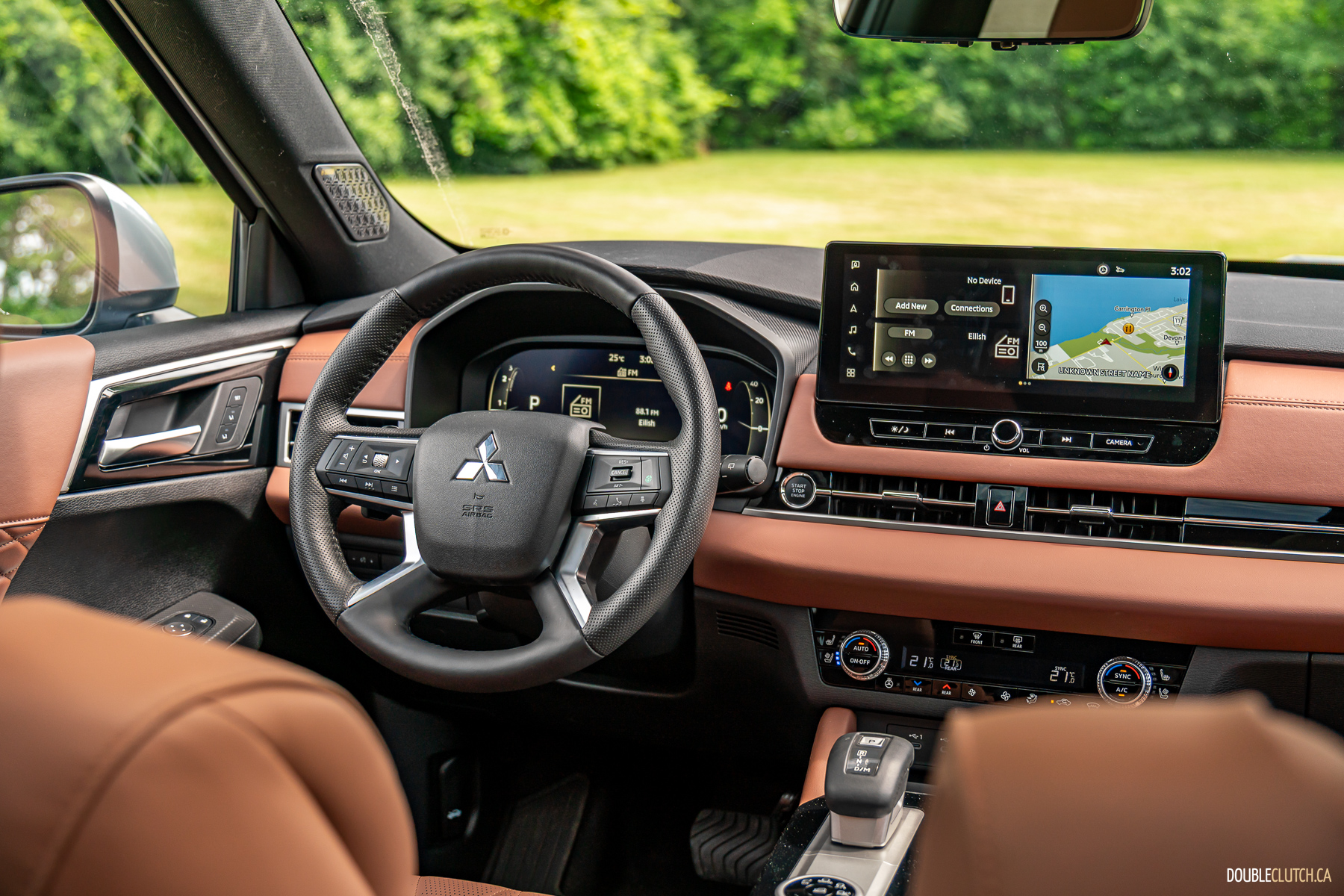
Three years after its debut, the 2025 Outlander’s interior still looks attractive whether you go gas or PHEV. I’d even say it’s one of the best-looking in the segment. Mitsubishi uses quality materials throughout; there’s some hard-touch sections here and there, but it’s out of the way. Both top-trim testers featured semi-aniline leather finished in brown, and they both popped nicely against the black. This leather appears on the seats, dash, and door panels, looking especially luxurious with the diamond stitching.
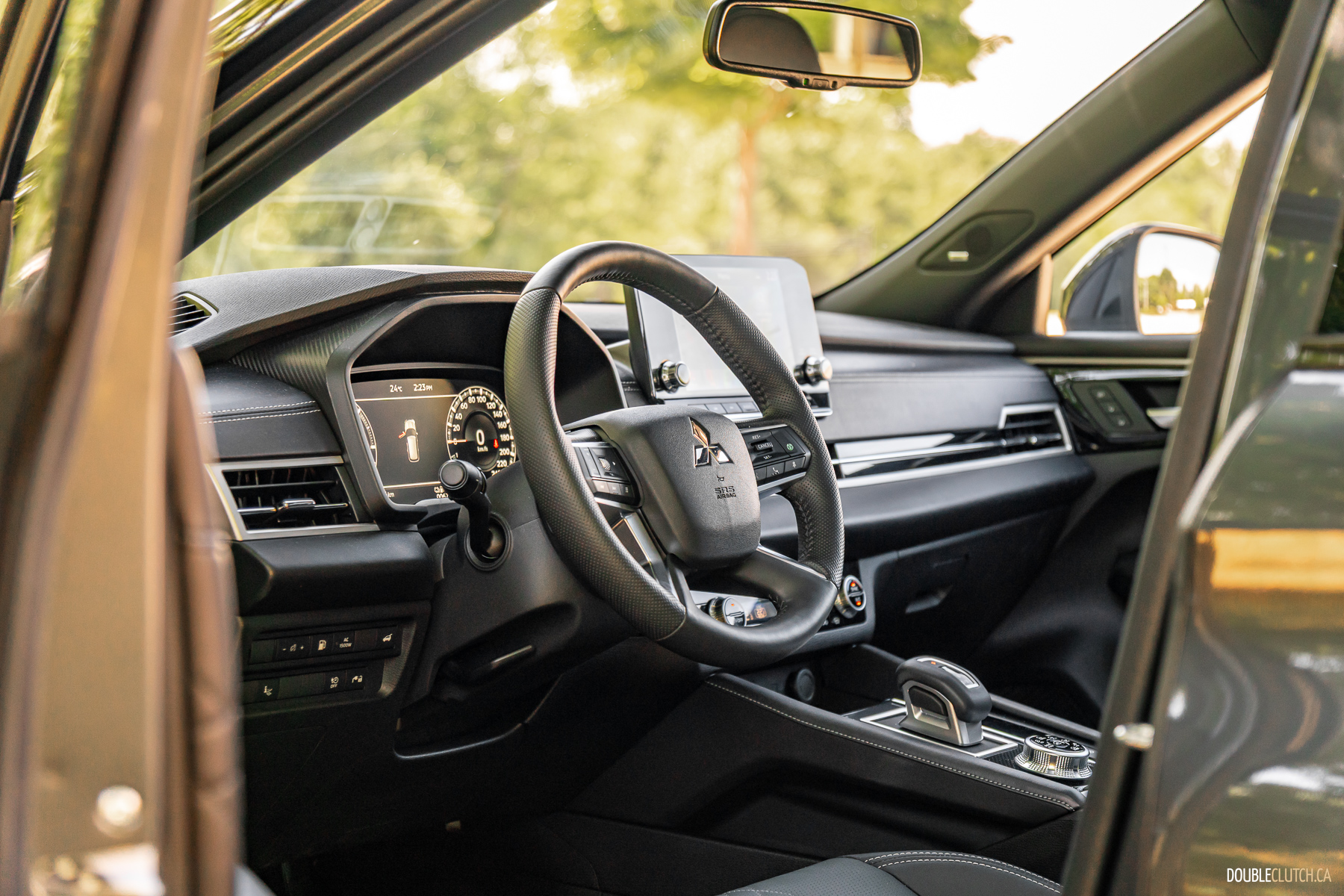
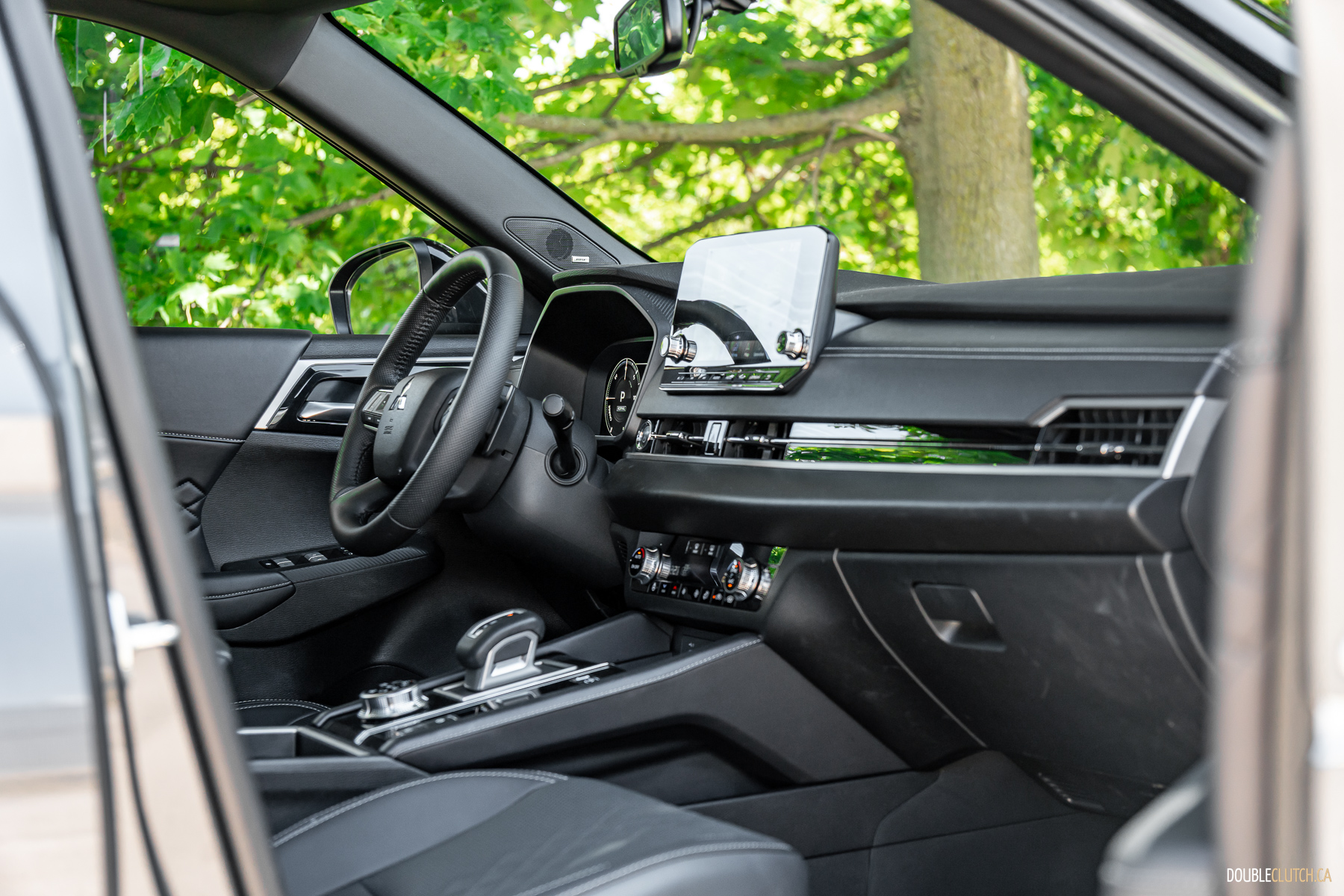
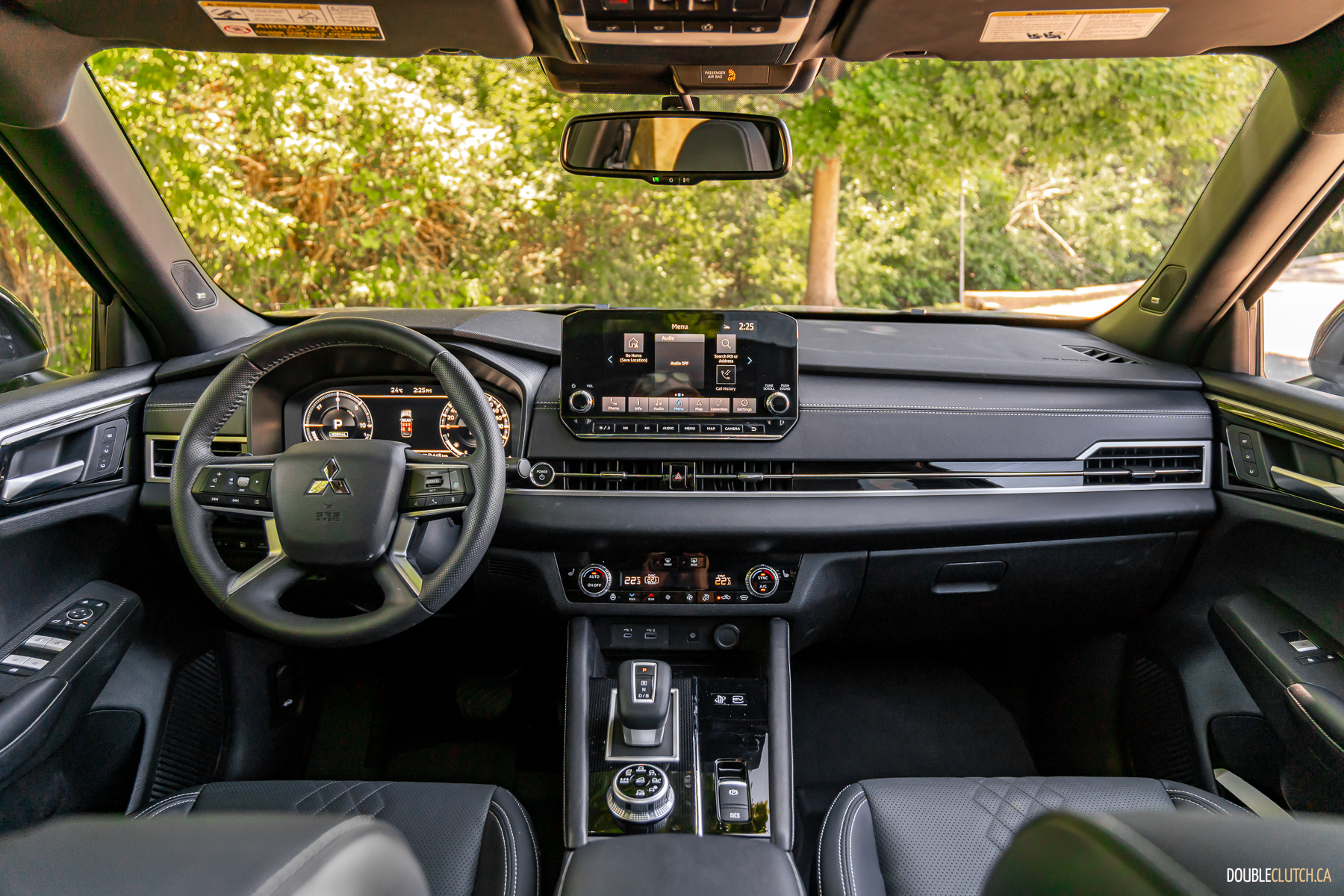
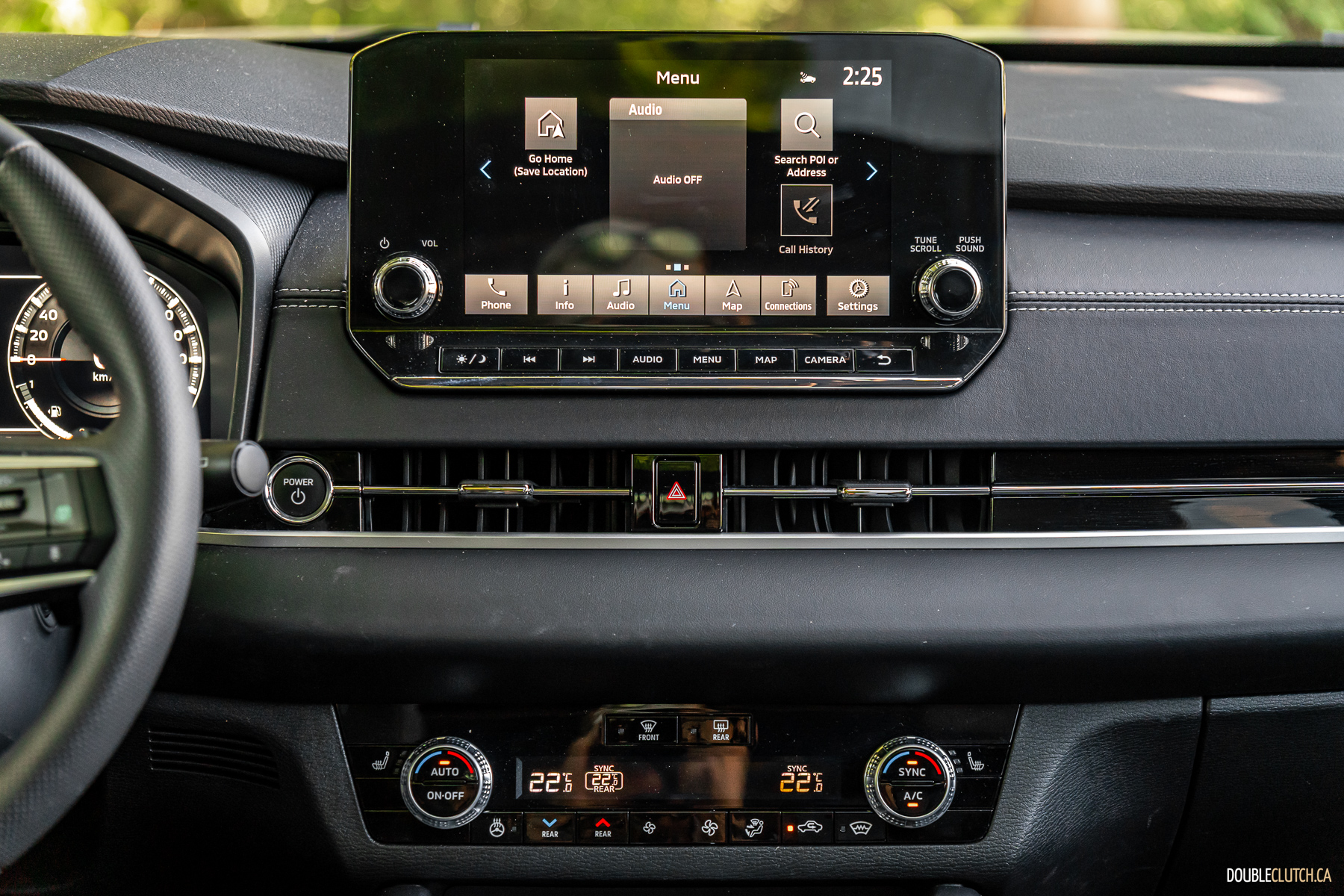
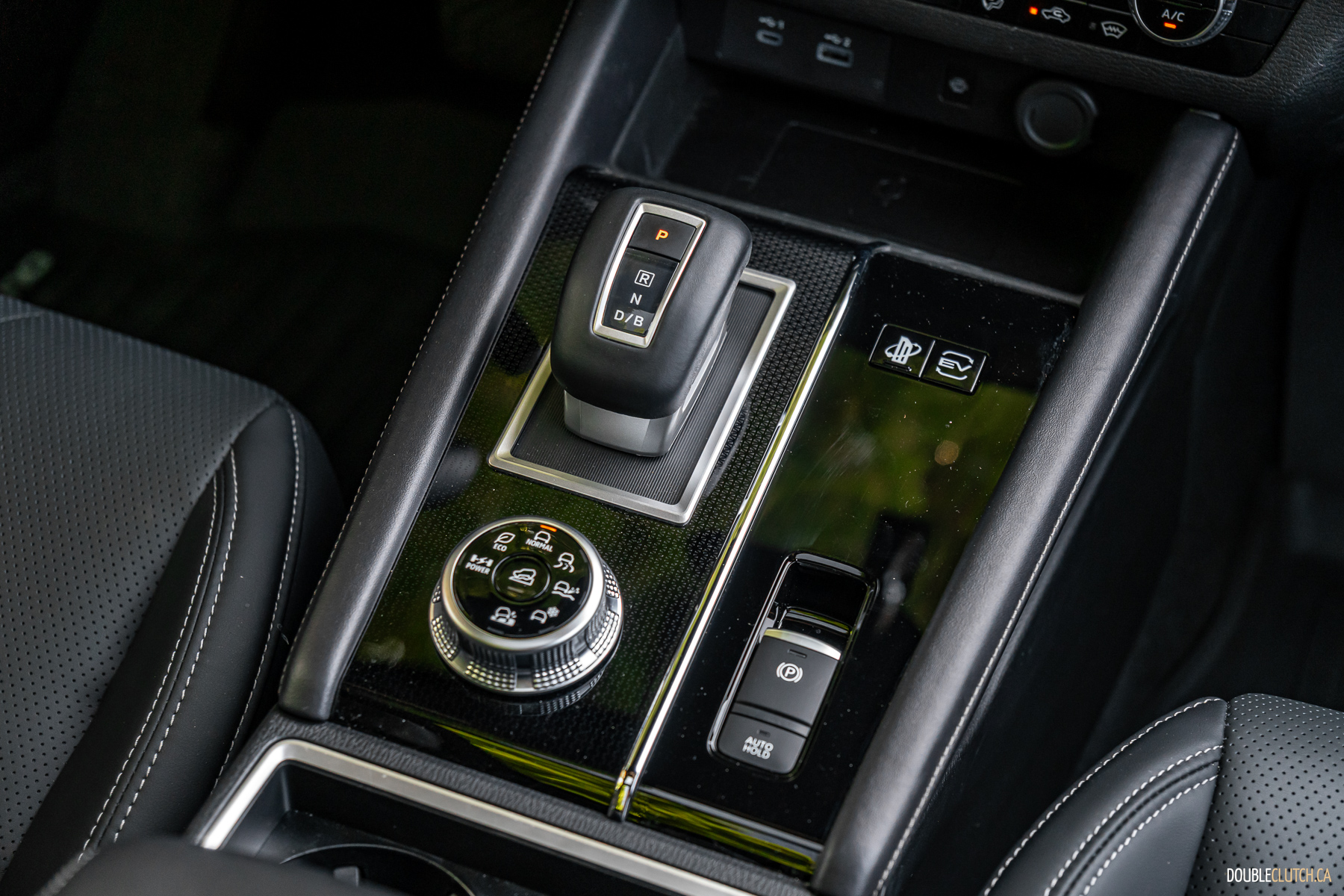
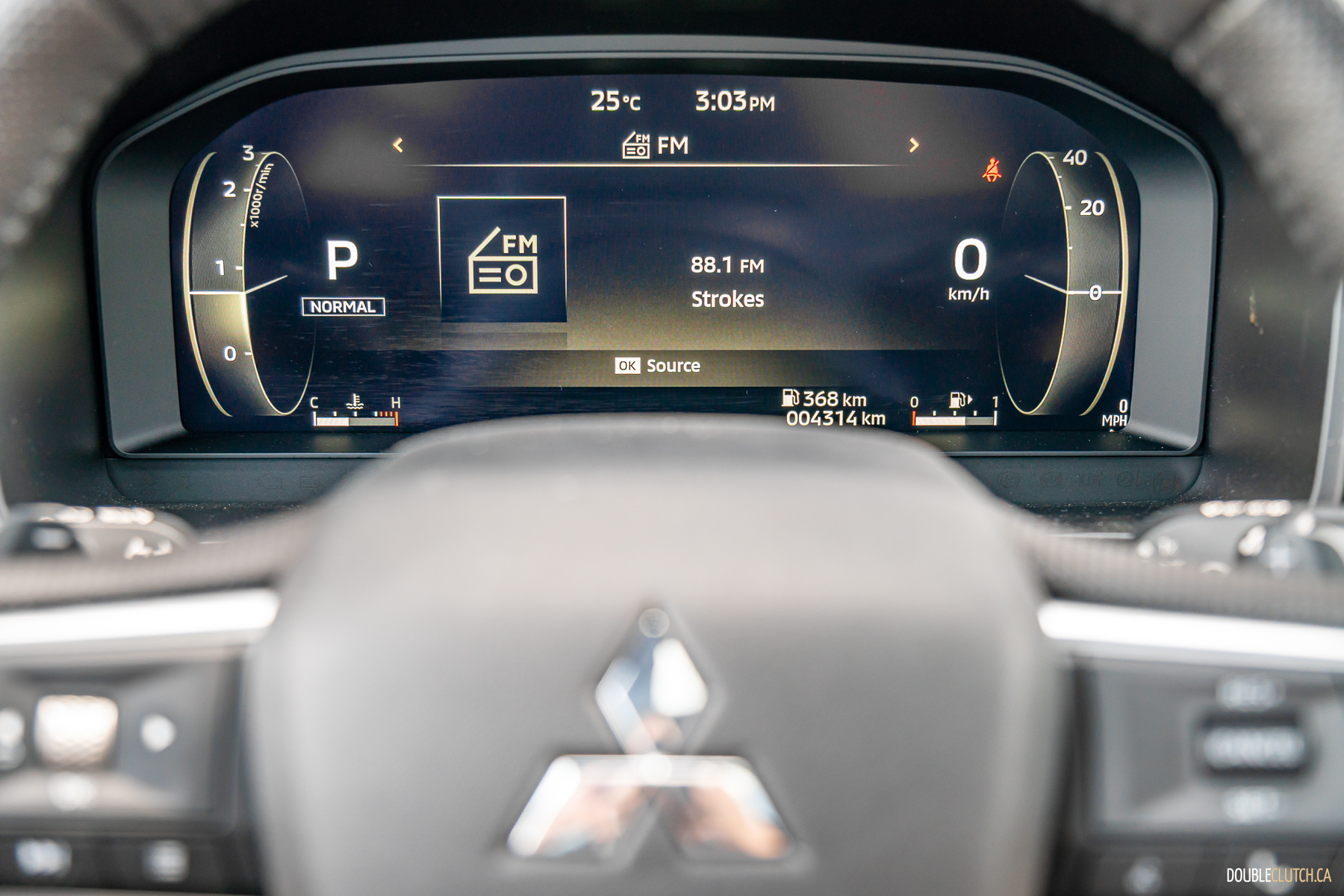
The overall dash design is clean and simple; ergonomics are well-thought-out, and I prefer it over the current-generation Toyota RAV4 and even the Honda CR-V. The Outlander doesn’t overwhem you with massive touchscreens or overly complicated tech. Wireless Apple CarPlay and Android Auto are standard on both gas and PHEV Outlanders, and both top-spec trims here have wireless charging. Mitsubishi’s interface is similar to Nissan’s infotainment but reskinned; the 12.3-inch touchscreen is crystal clear and easy to use, and both top-trim Outlanders include a heads-up display.
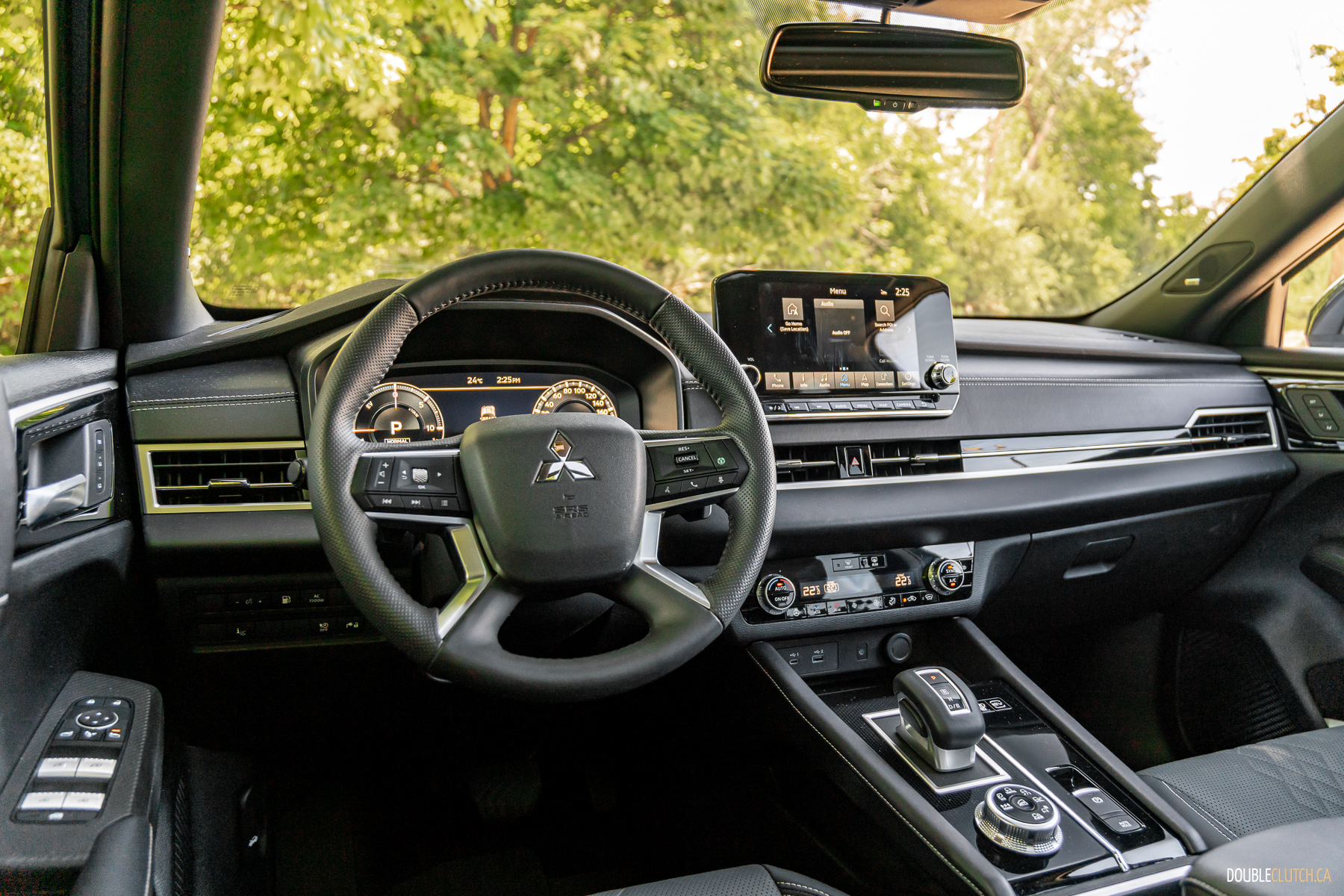
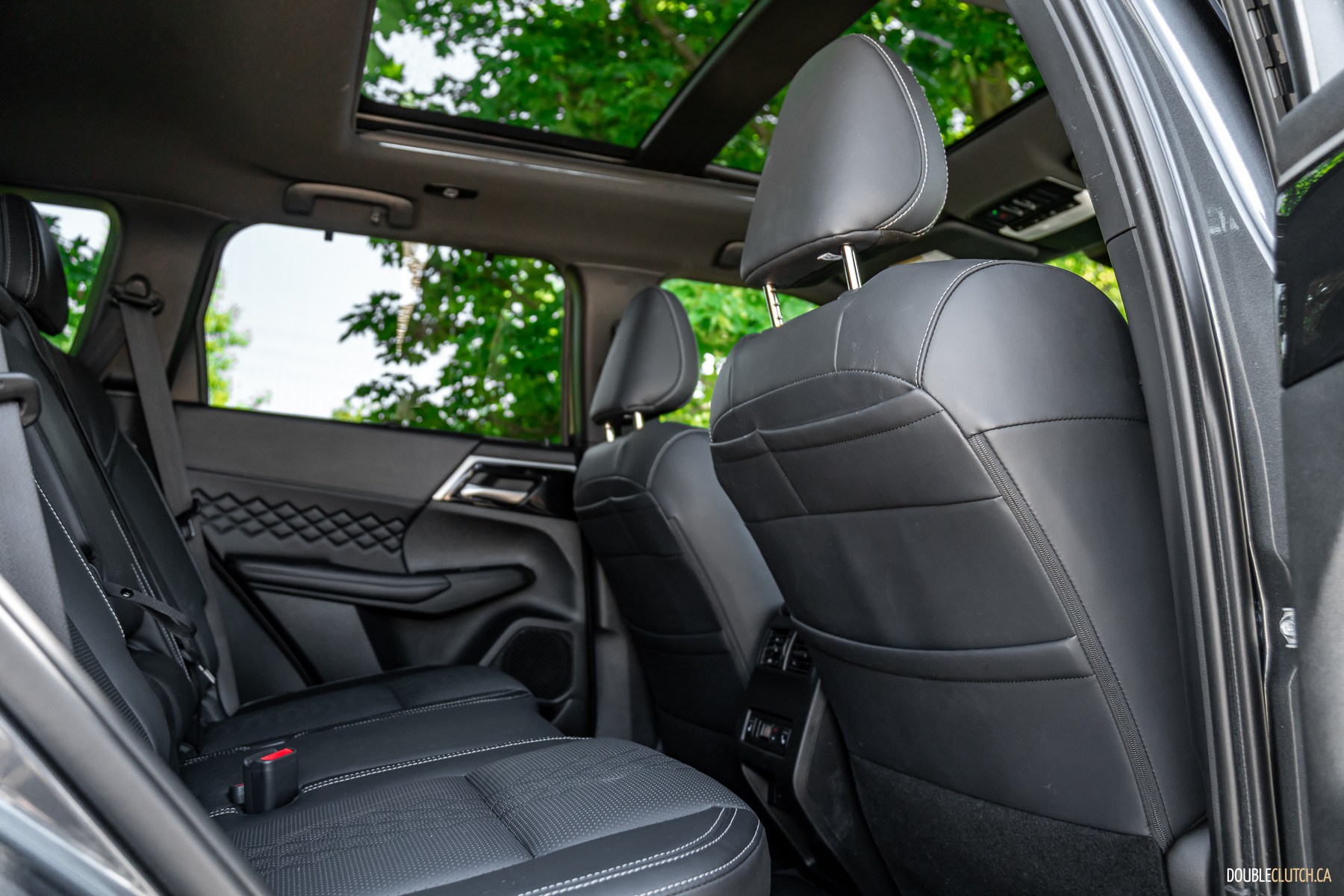
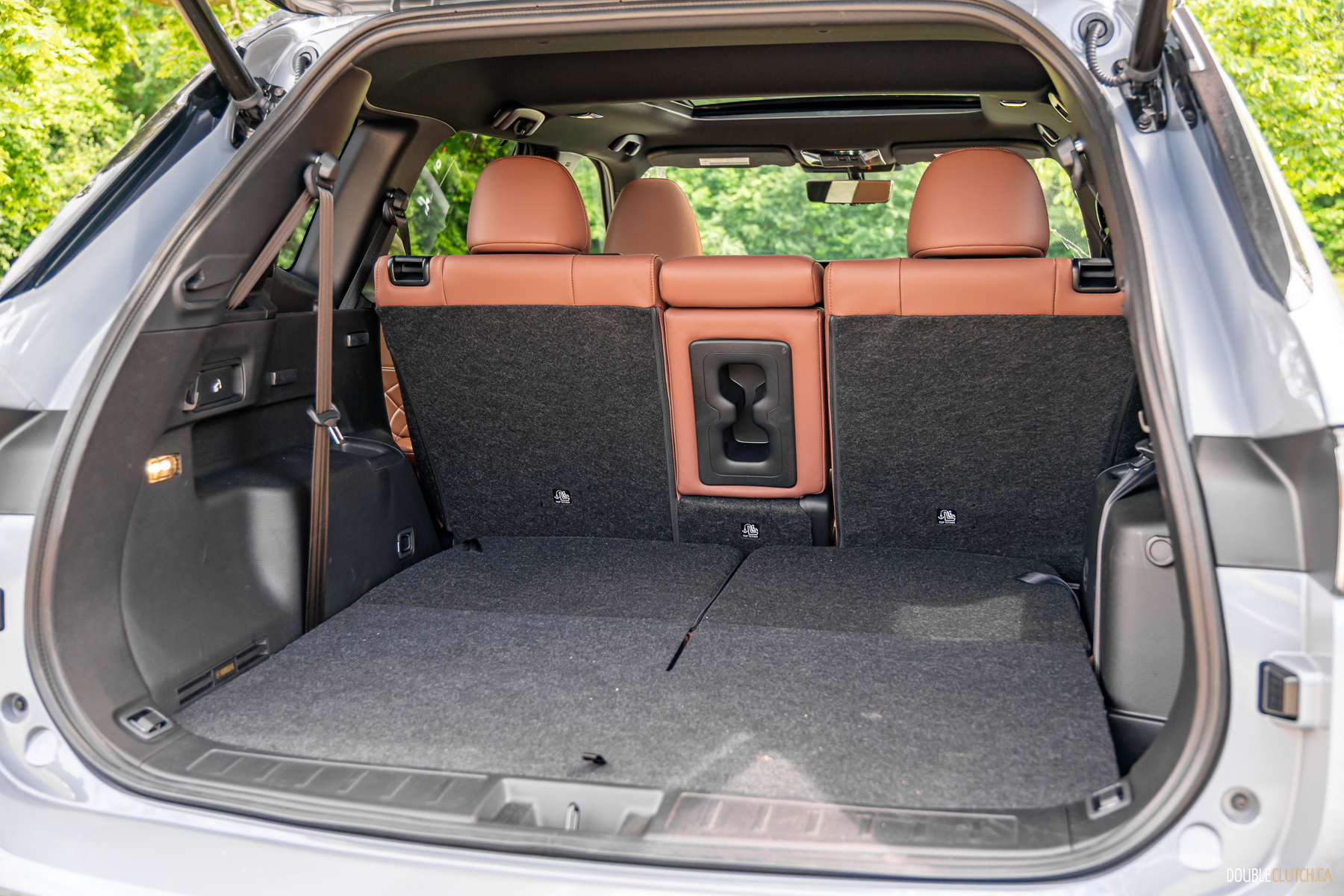
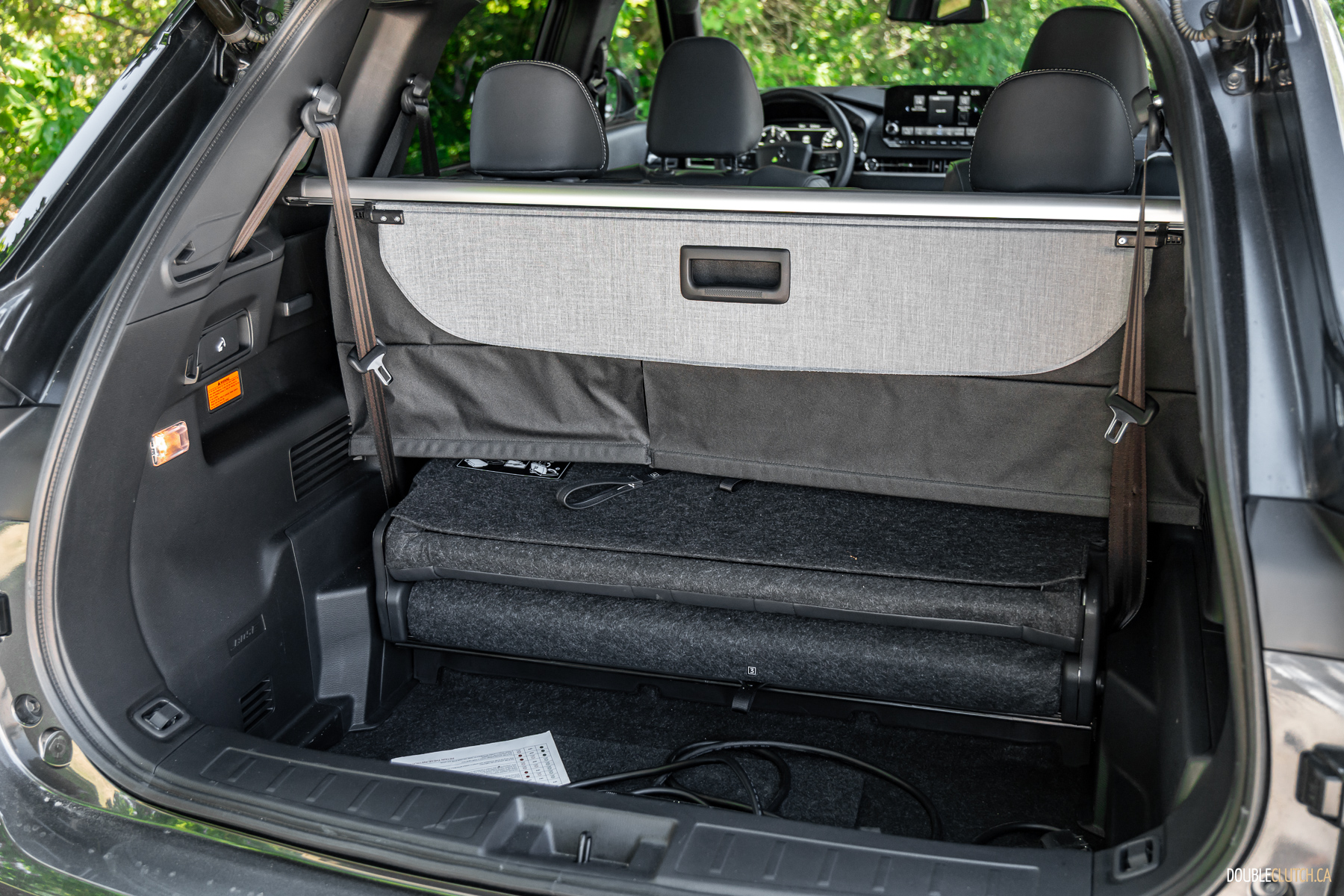
A couple of key differences I noticed: the PHEV lacked the ventillated seats from our gas-only tester. Not a dealbreaker, but disappointing especially in a heatwave. The PHEV is also missing the gas Outlander’s wonderful 12-speaker Yamaha sound system. Instead, it retains the Bose setup from previous years. It’s okay at best, but the Yamaha setup is easily the best in the mainstream segment. Beyond that, the Outlander is plenty roomy for adults in the first and second rows regardless of the powertrain you pick, and it’s one of the few compact crossovers with a third row, but those two seats are strictly for children or very short trips. Cargo space is virtually identical between the two.
Powertrain, performance, and driving impressions
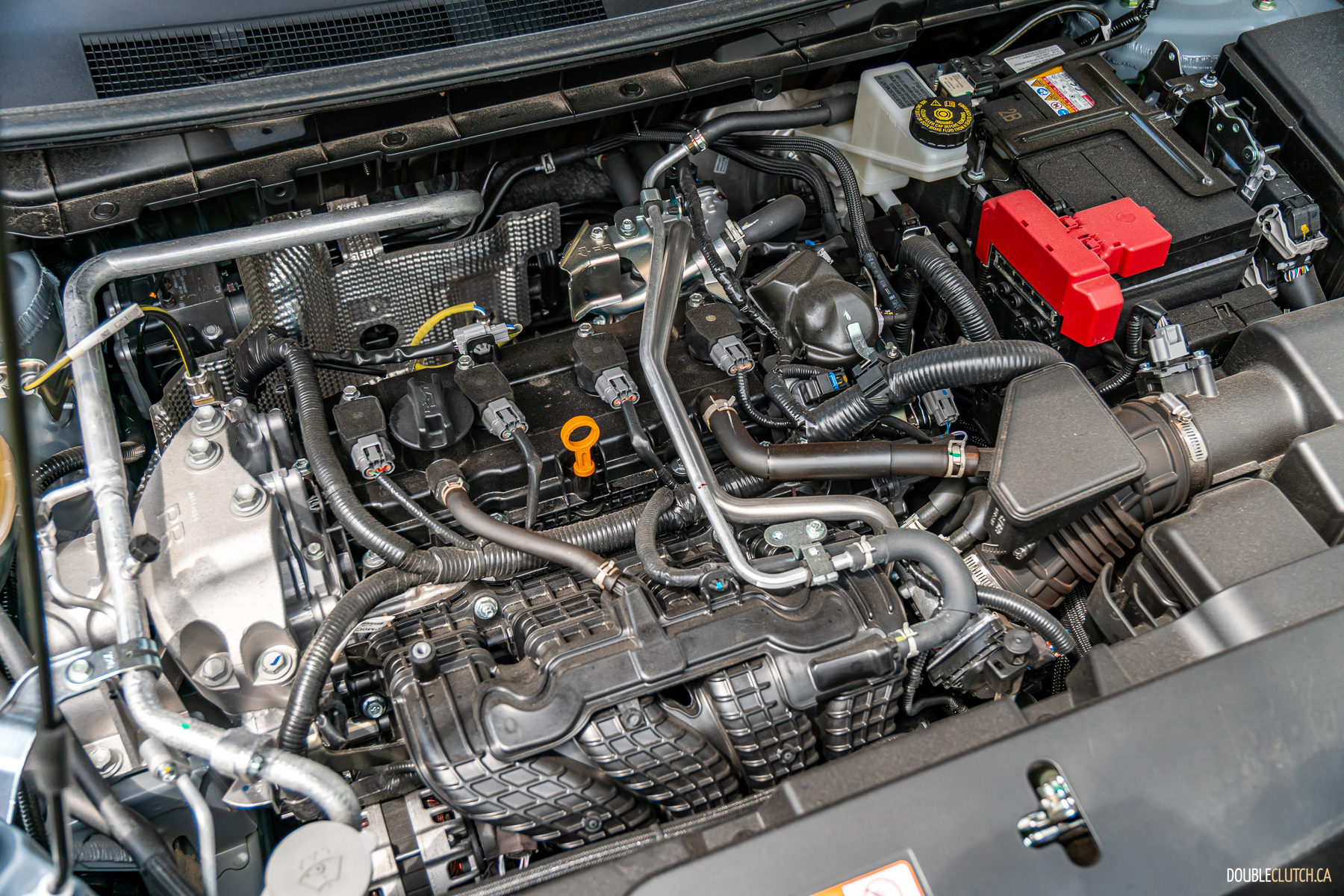
Aside from the busy front end, my other peeve with the gas-only Outlander is the powertrain. Nissan’s older, normally aspirated 2.5-litre four-cylinder engine is found under the hood, offering 181 horsepower and 181 pound-feet of torque. Paired with a CVT, and the writing is on the wall. It’s fine around town, but on the highway, passing manoeuvres require planning — and that’s before you fill all seven seats. Fortunately for the 2026 model year, Mitsubishi is swapping in Nissan’s 1.5-litre turbo-four. Rated at 201 hp and 225 lb-ft of torque in the Rogue, that should put a spring in the Outlander’s step.
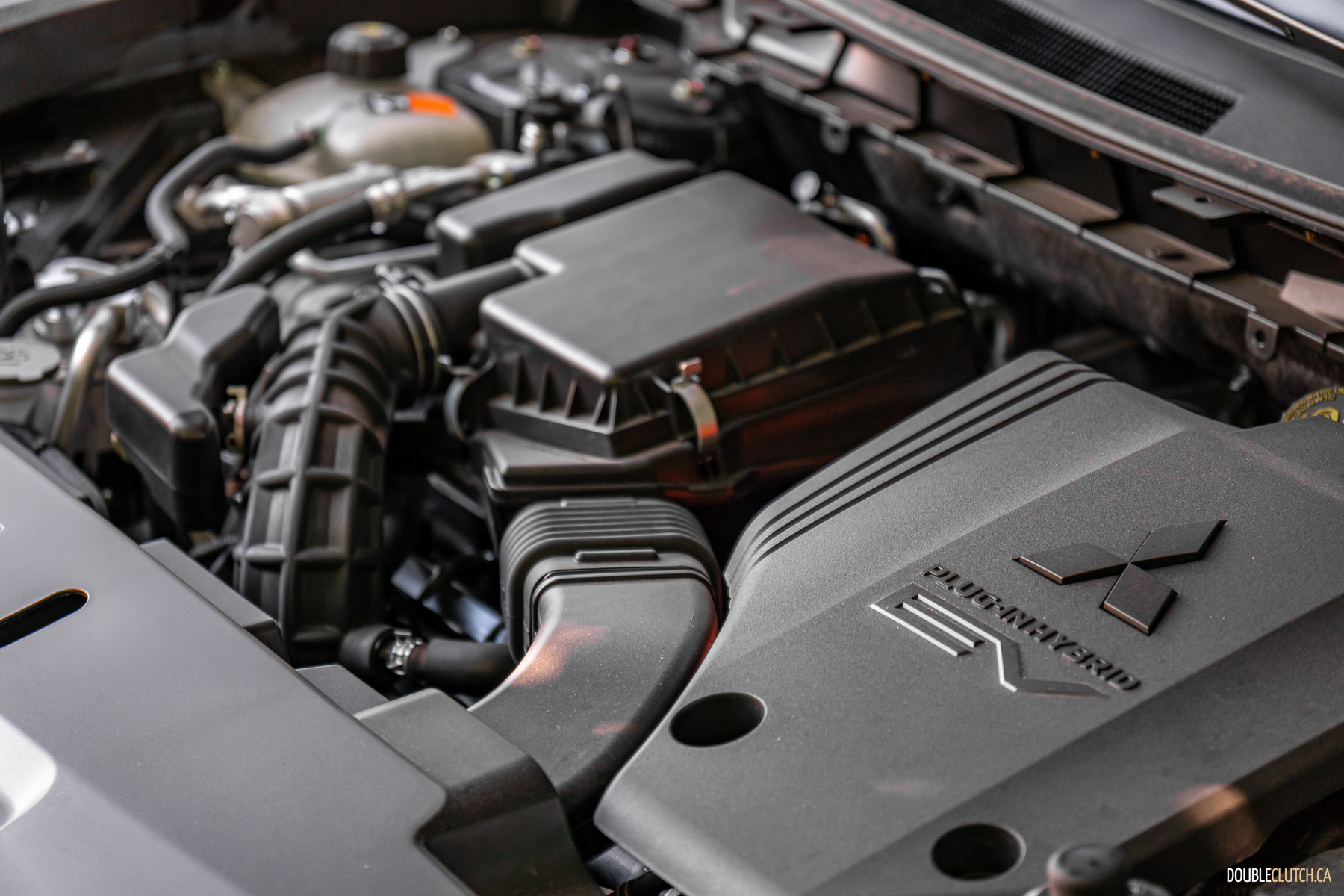
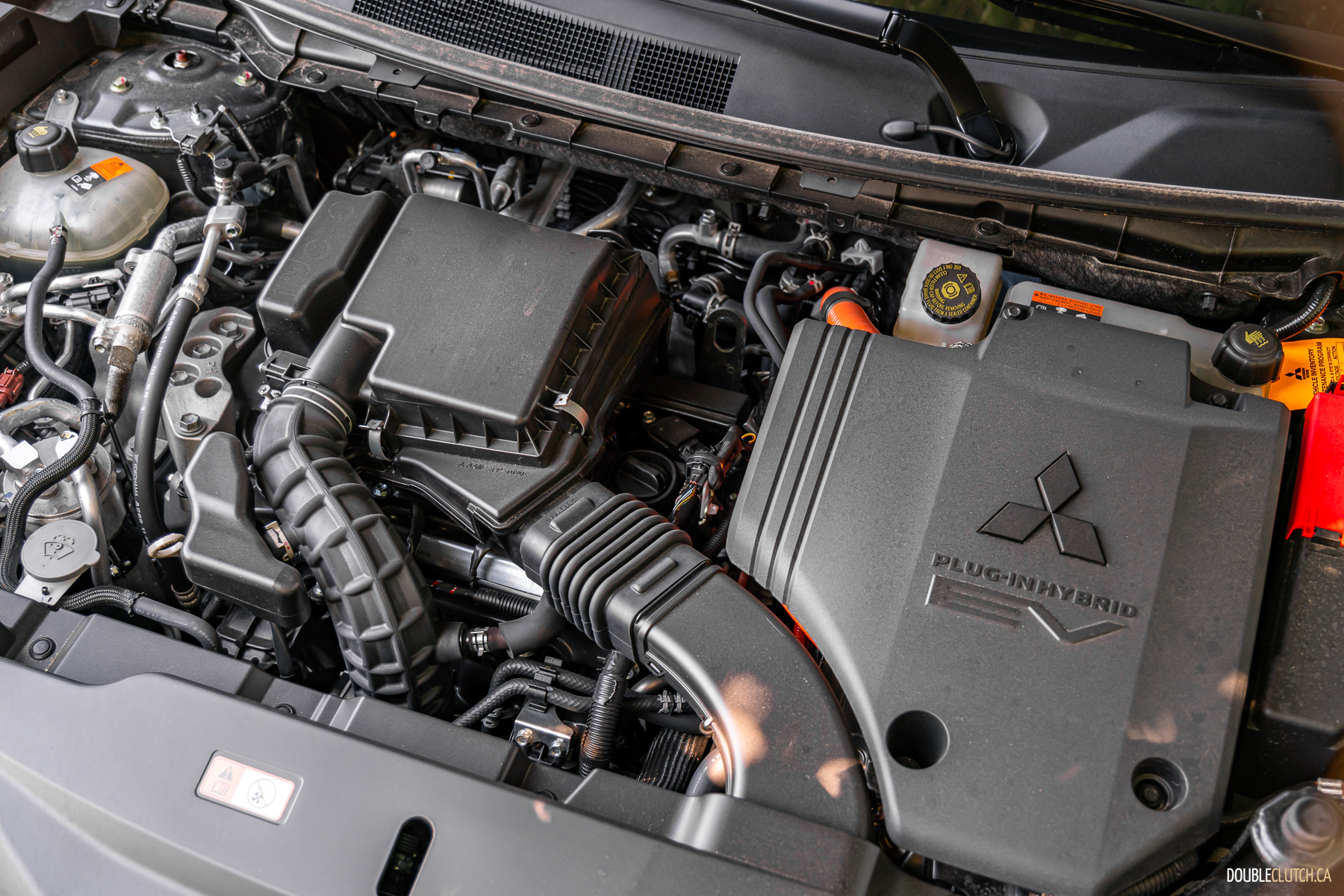
The Outlander PHEV, oh the other hand, truly shines. With 248 hp and 332 lb-ft of torque on tap combined, the plug-in Outander moves with authority. It gets up to speed with ease, and the CVT works so well with this powerplant that I mostly forgot it was even there. Look for a zero-to-100 km/h run of 6.7 seconds, which is a whopping 1.5 seconds faster than the gasser.
No matter which powertrain you pick, all Outlanders in Canada are all-wheel-drive, and they all exhibit great road manners. The ride is quiet and impressively composed for the segment, though I felt the Outlander leans more towards the sporty end of the segment. It handles better than I expected around tight corners and twisty roads. The PHEV takes things a step further, feeling even more planted with the battery pack adding a bit of extra weight but lowering the centre of gravity. The Outlander is sportier than expected, but don’t expect a Lancer Evo. The standard-issue, all-season Nexen tires scream when pushed hard.
Fuel economy
Our all-gas Outlander GT Premium tester offers respectable fuel efficiency, but my real-world numbers were way off. Mitsubishi rates it at 9.8 L/100 kilometres in the city, 7.9 highway, and 8.9 combined. To get around the four-popper’s leisurely performance, I kept it in sport mode the entire time but consequently averaged 10.2 L/100 km.
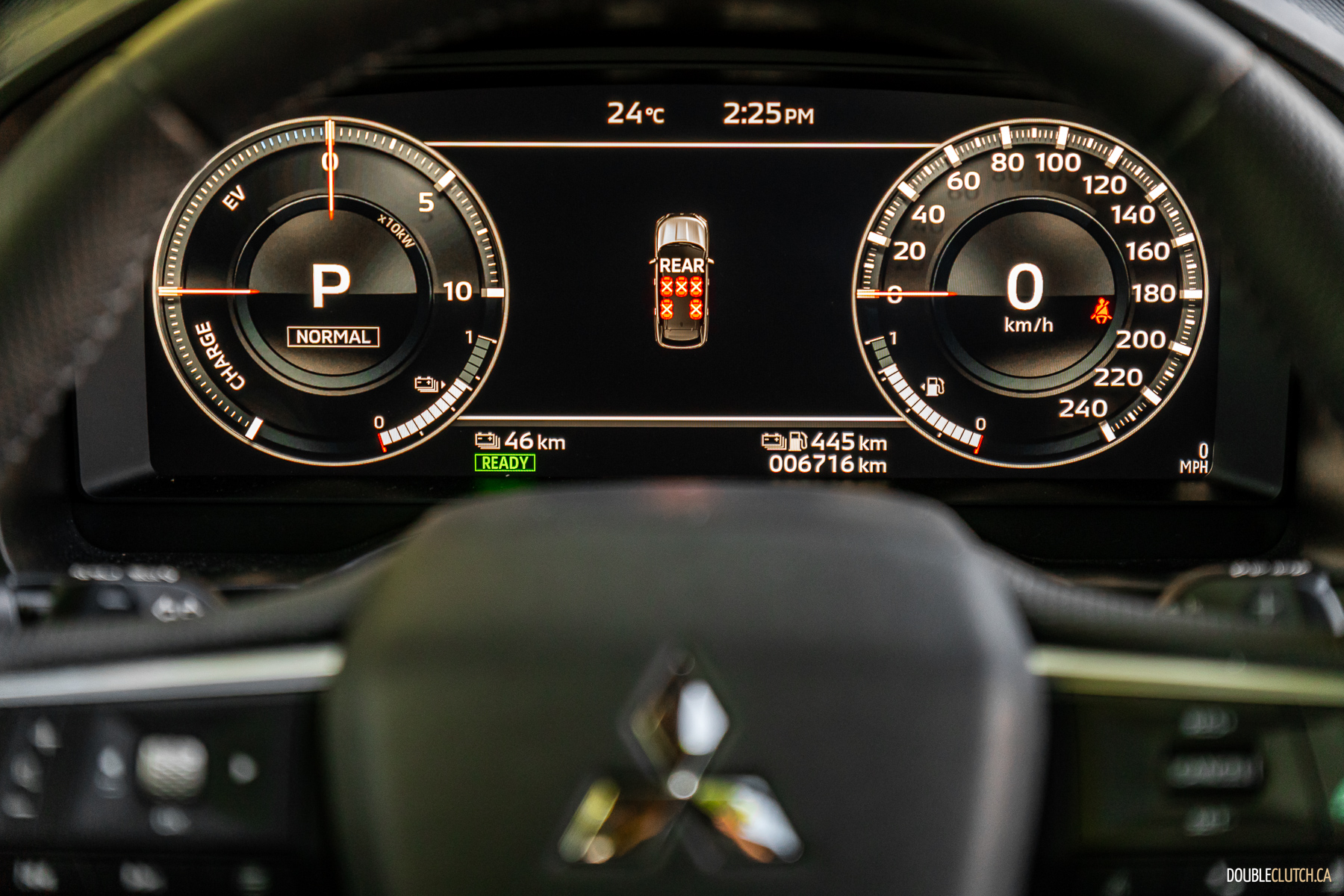
The Outlander PHEV is night-and-day, but that’s to be expected. Mitsubishi estimates an electric-only range of 61 kilometres, which is right in line with competitors like the Toyota RAV4 Prime, Hyundai Tucson, and Ford Escape PHEVs. When the electrons run out, look for 9.2 L/100 kilometres in the city and 8.7 highway, which is still reasonable. I spent most of my week with the Outlander PHEV commuting in EV mode, which helped bring down the average to 4.5 L/100 kilometres. That’s not just impressive for a seven-seat crossover; that’s impressive, period. Both Outlanders take regular-grade fuel.
So, which Outlander should you buy?
Pricing for the gas-only Outlander ranges from $35,598 for the base ES trim, all the way up to $48,398 as-tested for our top-end GT Premium tester, including $900 for the two-tone dark grey paint with a black roof. The Outlander PHEV pretty much picks up where the gasser tops out, starting at $48,698 for the ES and topping out at $61,498 as-tested for our Noir tester, including $600 for our tester’s two-tone look. If you don’t particularly care for the blacked-out bits, the GT Premium PHEV offers the same amount of bells-and-whistles for $58,798.
No matter how you look at it, $10,000 is a sizeable difference between the two. Our Outlander GT Premium tester offers one of the best interiors in the segment, the ability to seat seven, and a fantastic sound system, though it desperately needs more gusto. The Outlander PHEV Noir, on the other hand, fixes pretty much all of my complaints, albeit for a price. Still, with how many I see on a daily basis, the 2025 Mitsubishi Outlander does something right in PHEV form. If you can justify the extra cost — you can always go for a lesser trim level — plugging in is the right call here.