MILL VILLAGE, N.S. – There’s more to hockey than the NHL. This sounds obvious, but there’s a lot of times where that message gets lost. We tend to focus only on the top level of anything and write off anything else as inconsequential. This applies to racing, too. Despite the hype, fanfare, Hollywood influence, manufactured Netflix drama, there is more to racing than just F1. But although the odds of you playing in the NHL are, let’s face it, essentially zero, you can still play in a league, develop skills, revel in the thrill of competition, and enjoy it just for the love of the game. That’s what the Nissan Sentra Cup is for.
Nissan Canada tends to be very French. There’s a lot of legacy personnel carried over from their corporate partners across the pond at Renault, and a lot of that personality — specifically a passion for competitive motorsport — comes with them. Unlike some Japanese car companies that keep their international branches on a very short leash, Nissan is a bit more willing to listen and experiment. This is how Nissan started their own racing series in Canada.
It isn’t a tale of a big struggle, a harrowing fight to get a passion project off the ground in the face of corporate penny pinchers. No, it’s quite a bit simpler than that, as was told to me over dinner and a bottle of wine in a loud restaurant in Halifax — in a cacophony of incredibly thick French accents from Nissan Canada execs. It was also at this table that I learned the difference between an accent from Quebec, and an accent from France.
“When Jacques ‘eard about zis [Nissan] Micra, he called me and asked how much eet was. And zen he said he ‘ad a perfect idea for de car. I am a little jealous I did not sink of it first.”
This was Didier Marsaud, Nissan Canada’s director of communications. He’s also a former automotive journalist with extensive background in motorsport, having covered the Paris-Dakar rally for seven years when it actually ran from Paris to Dakar, among many other things. He started out as a temporary transplant from Renault, who then declined the offer to return to France years ago.
“When Didier told me da Micra was going to be so affordable, I told him dis is da perfect time to do a monotype series. We ‘ave to do it.”
That was Jacques Deshaies, a former automotive journalist from Quebec. He now runs JD Promotion & Compétition, which organizes Nissan’s racing series, and he’s done so since day one 11 years ago. The idea of a one-make spec racing series wasn’t new globally, but was relatively new to Canada, and the prevailing idea was to keep it as affordable as possible.
It’s no surprise Marsaud caught on to this so keenly. He was a huge proponent of the Renault Clio Cup in Europe, a popular one-make spec racing series run with tiny hatchbacks that travelled all over Europe. It became quite popular due to its low barrier to entry and fantastic on-track action. In fact, the rule book for our series was lifted directly from the Renault Clio Cup, with (most of) the words “Renault” and “Clio” crossed out.
The pair pitched the idea to Christian Meunier, another French-from-France expat who was chairman of Nissan Canada at the time, and now chairman of Nissan south of the border. There was no pushback. No feasibility studies. Not much in the way of cost/benefit analysis. It wasn’t meant to be a big profit-generating operation like the Renault Clio Cup, just a fun way to get the Nissan name out in the wild for the sake of it.
It was green-lit immediately.
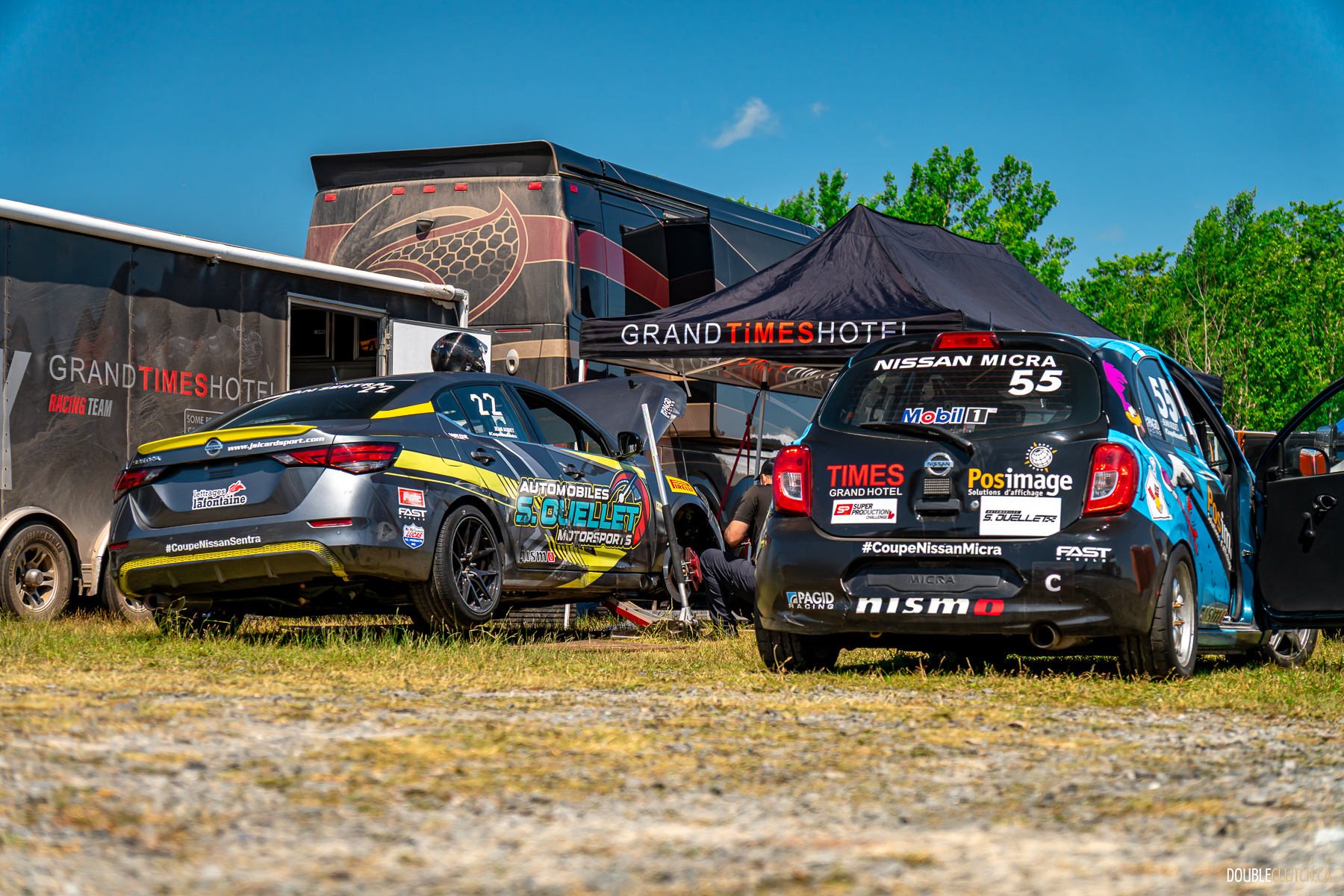
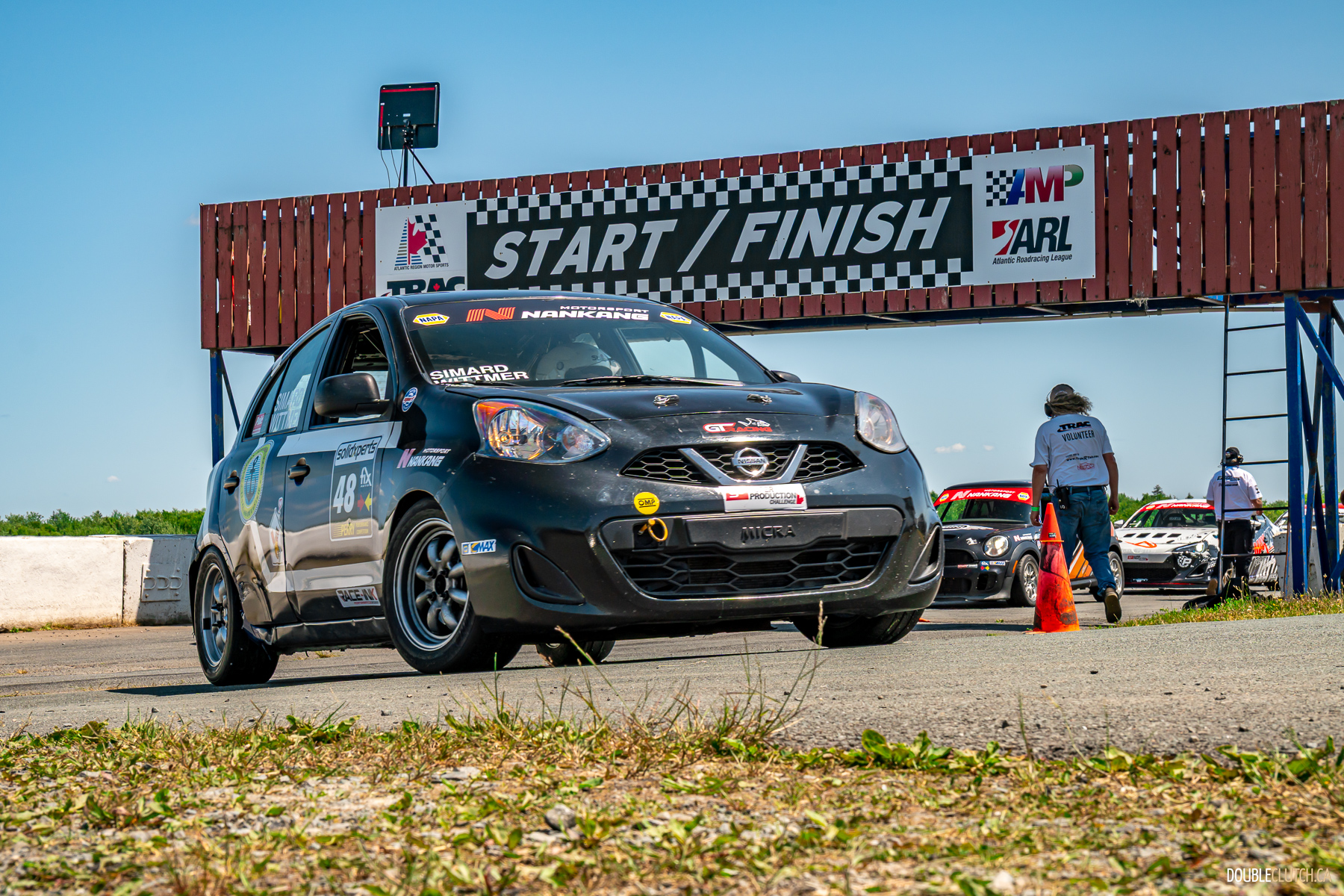
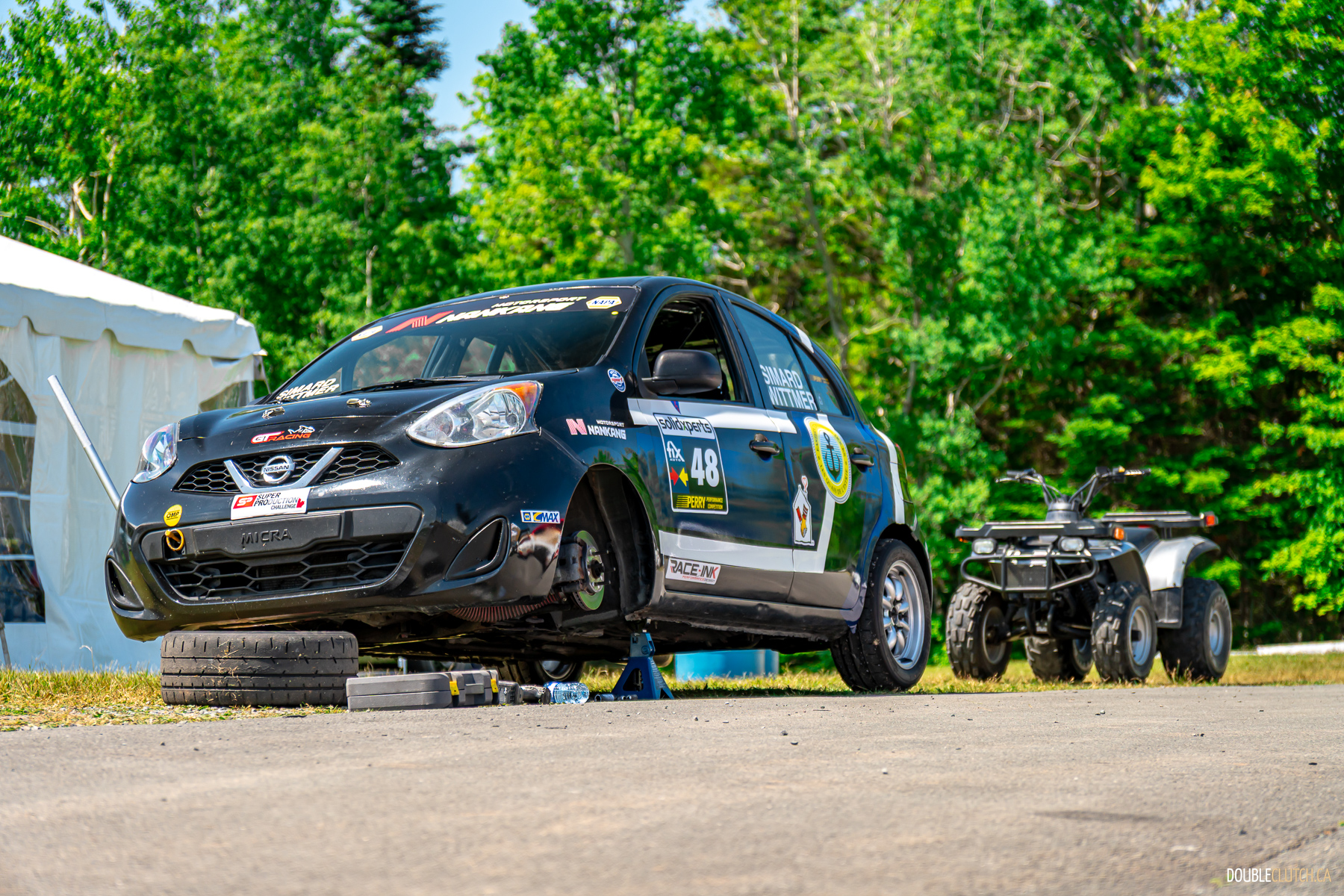
When the Nissan Micra Cup started in 2014, a track-prepped Micra cost a little over $20,000, and the cost of a season of racing was typically about $50,000. Neither of those figures are chump change, but they’re peanuts in the frighteningly expensive world of competitive motorsport. For comparison’s sake, when Mazda launched the MX-5 Cup in 2016, its cup cars cost about three times more, and that was still among the cheapest factory-backed race cars in the world. They’ve only gone up since.
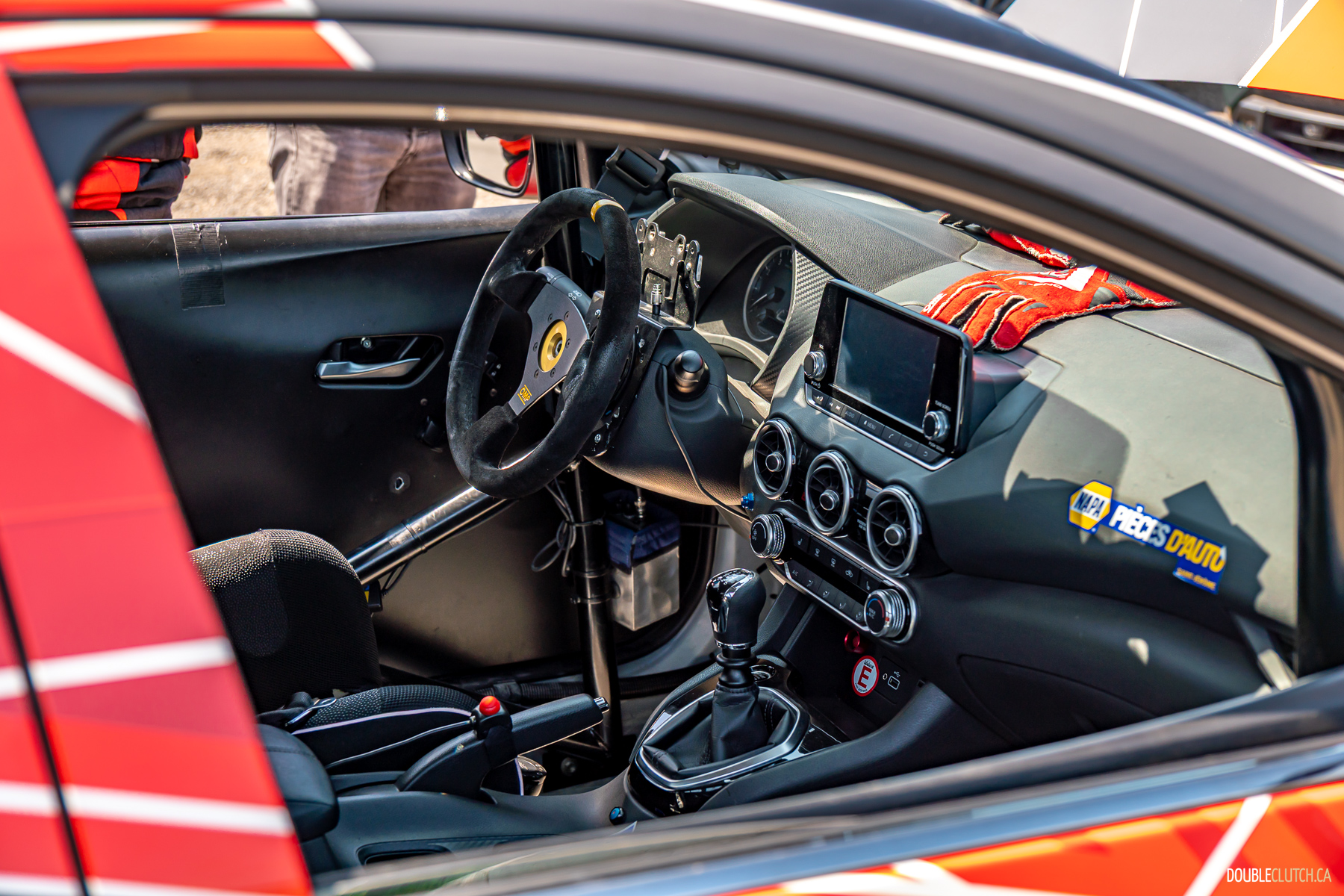
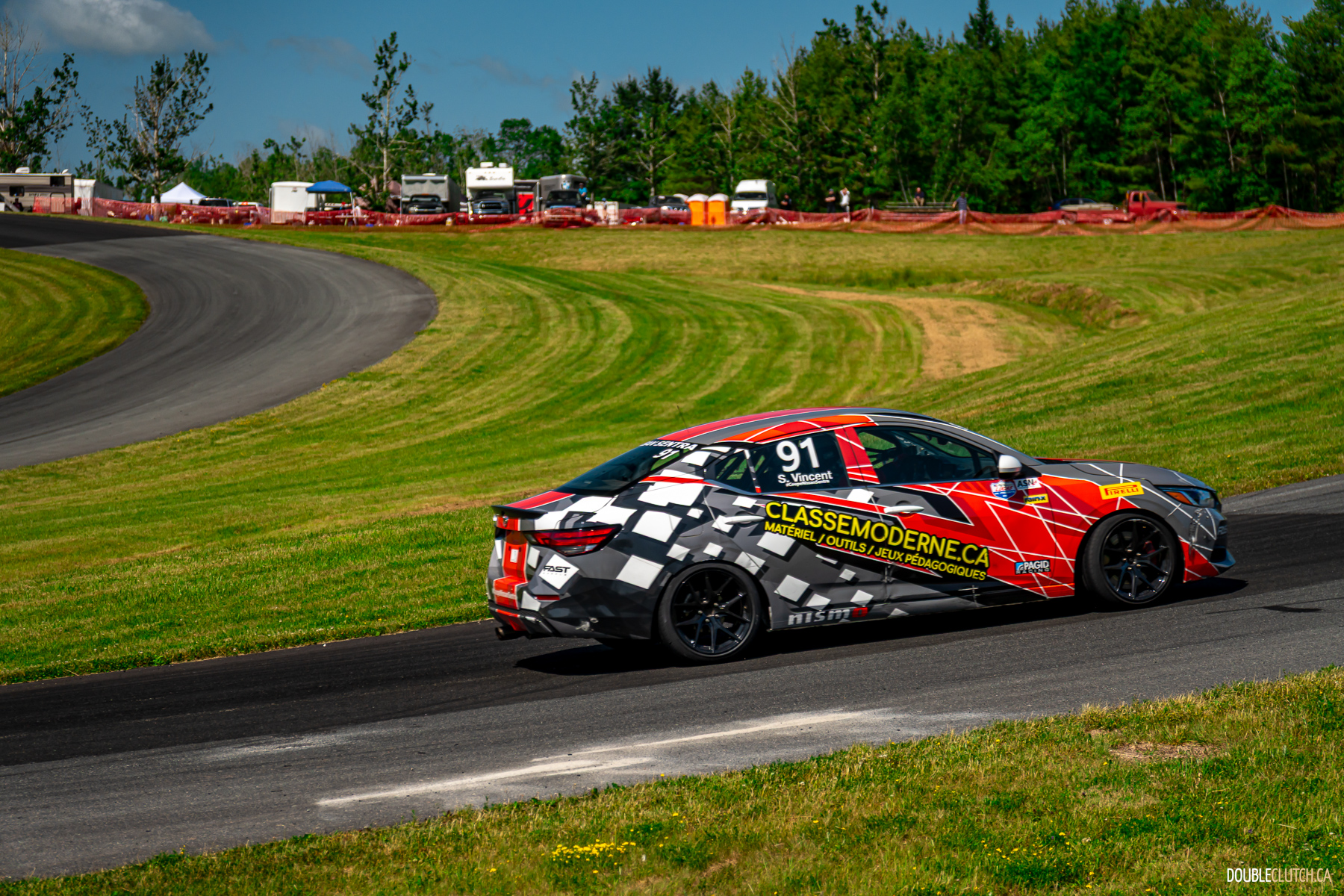
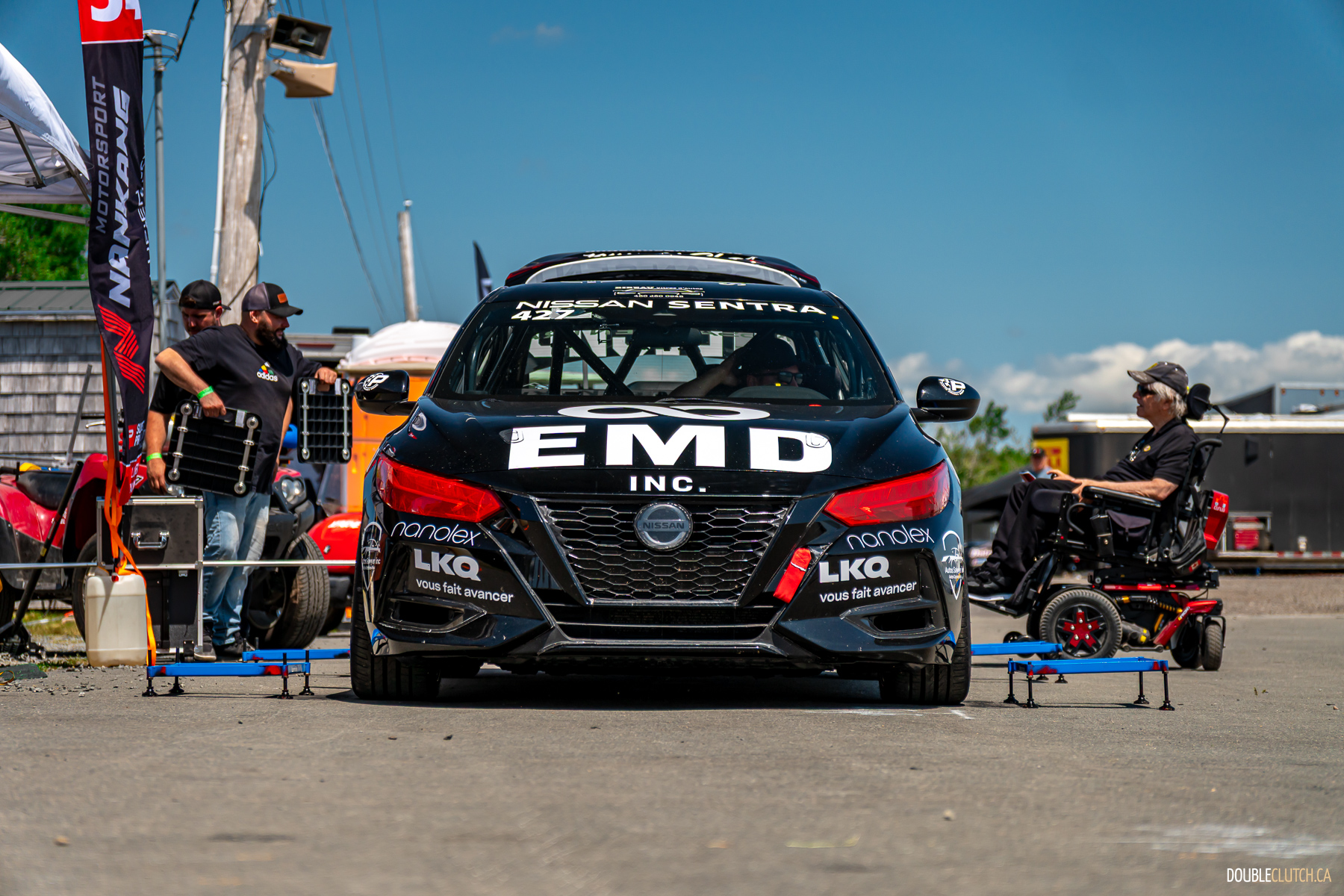
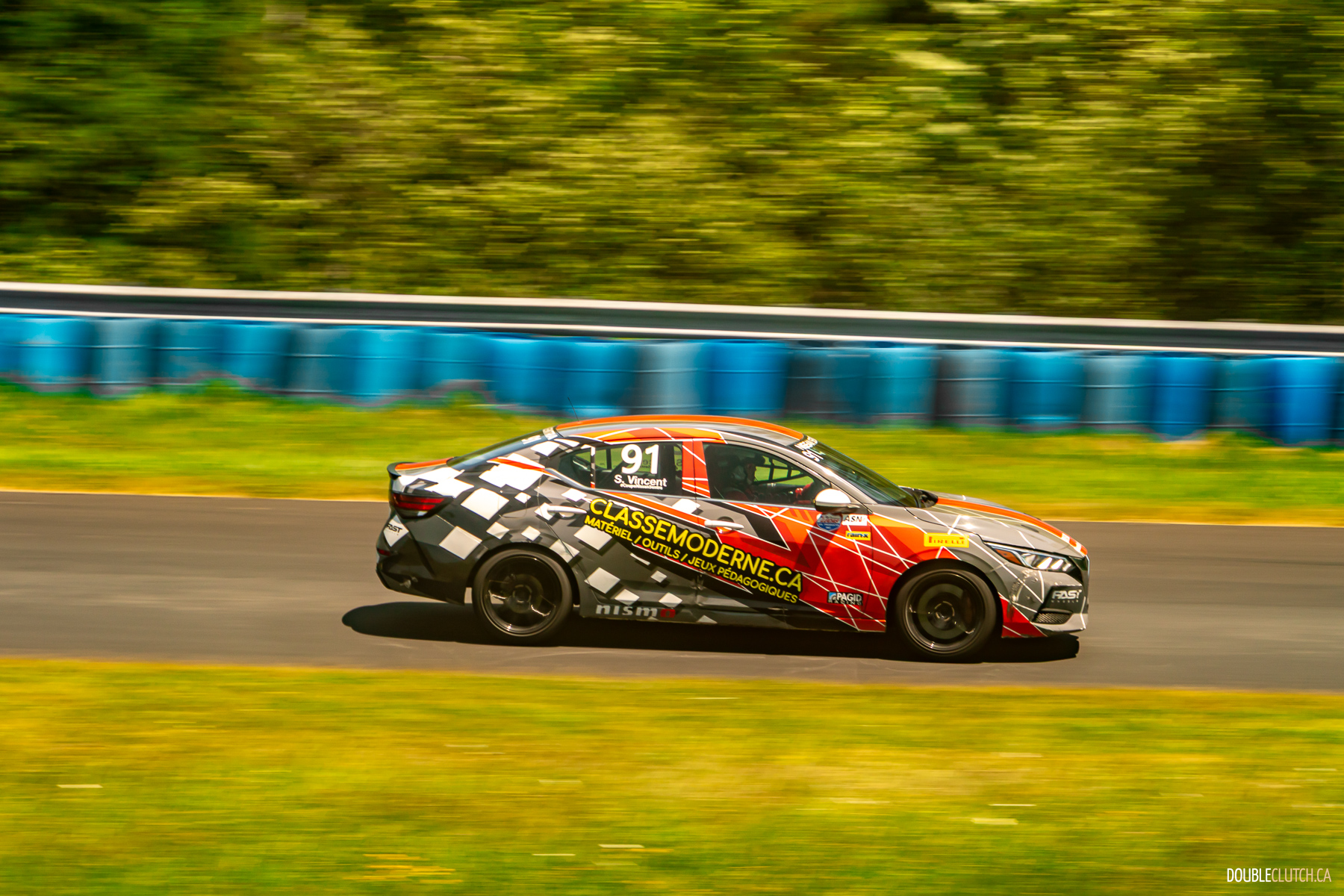
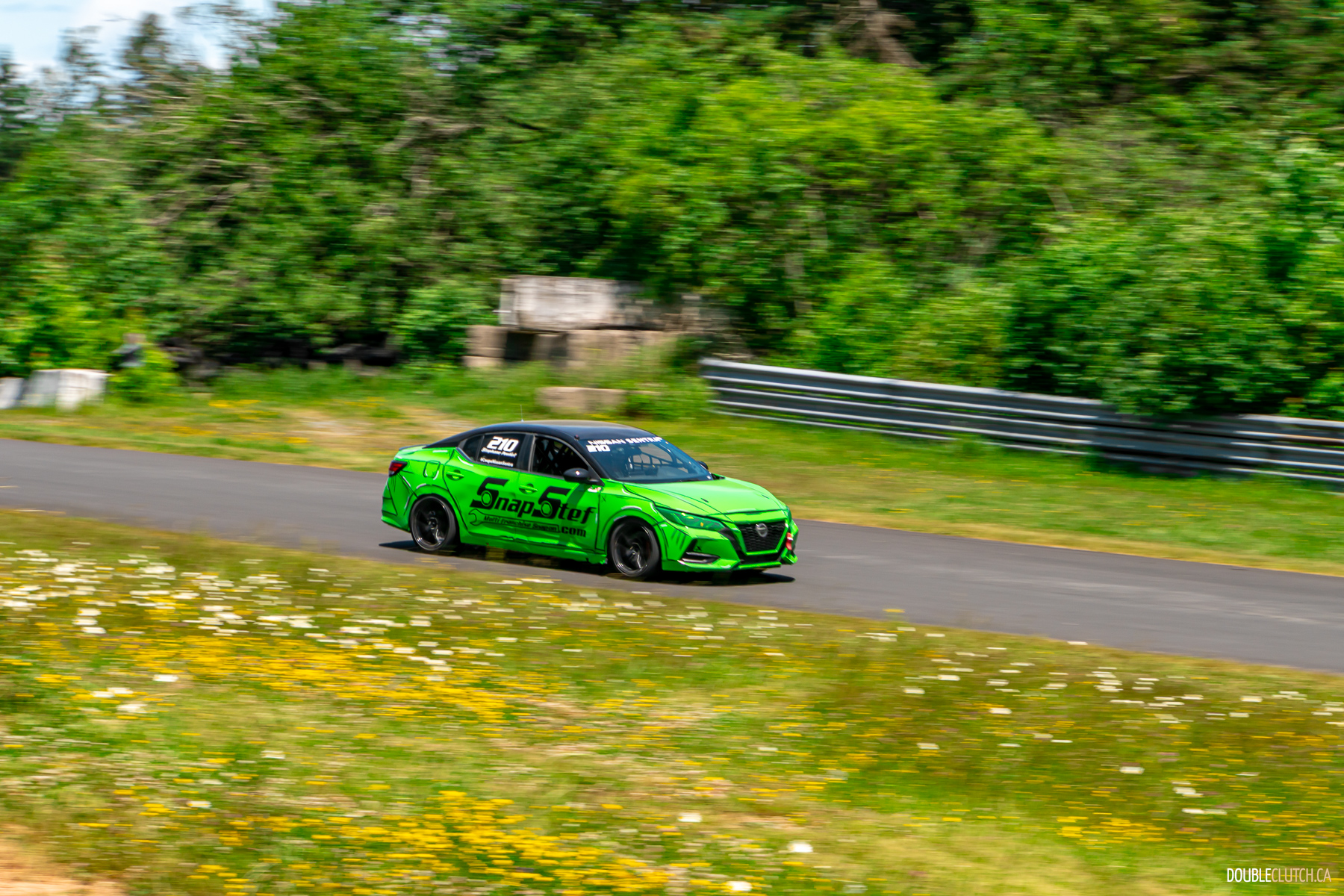
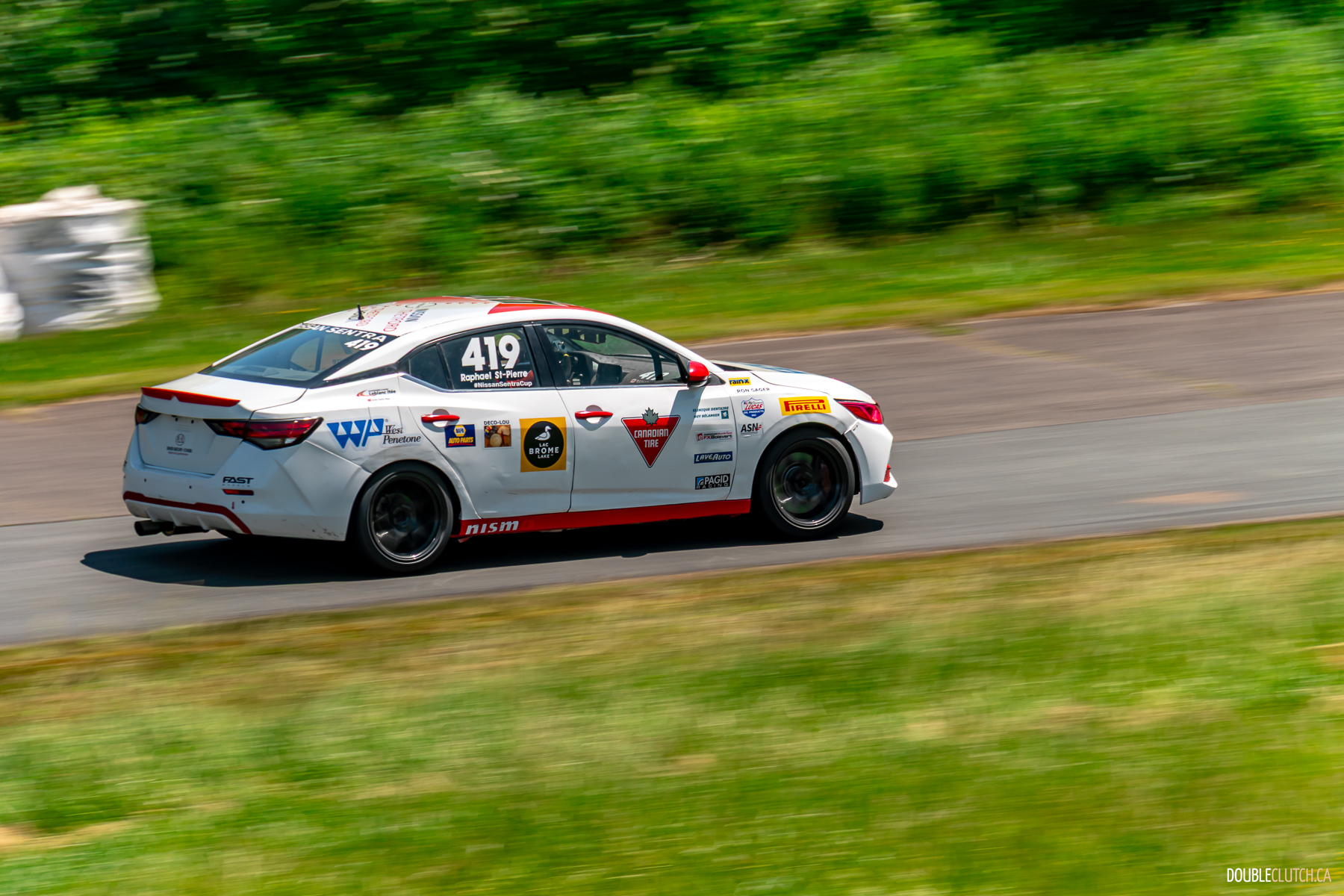
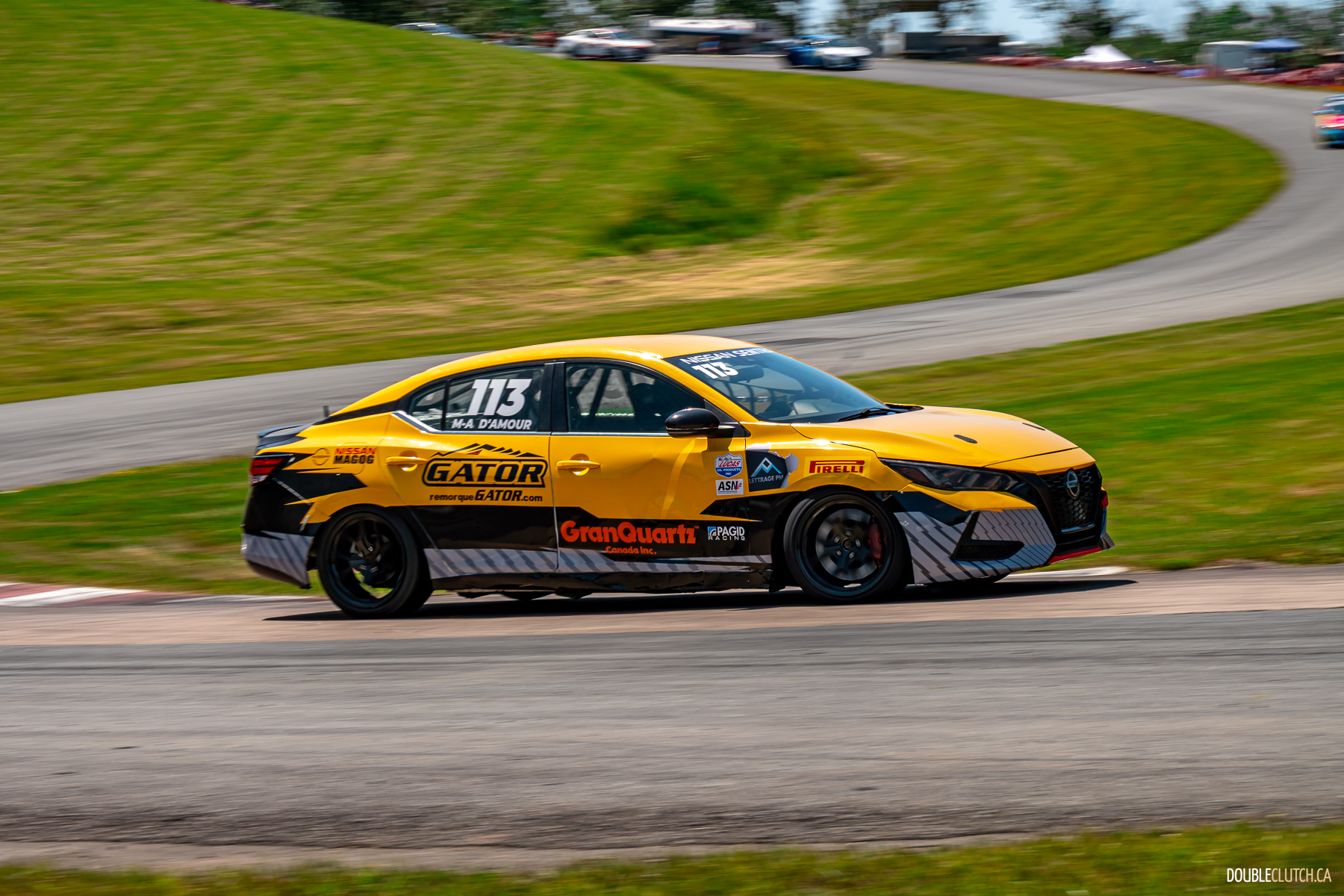
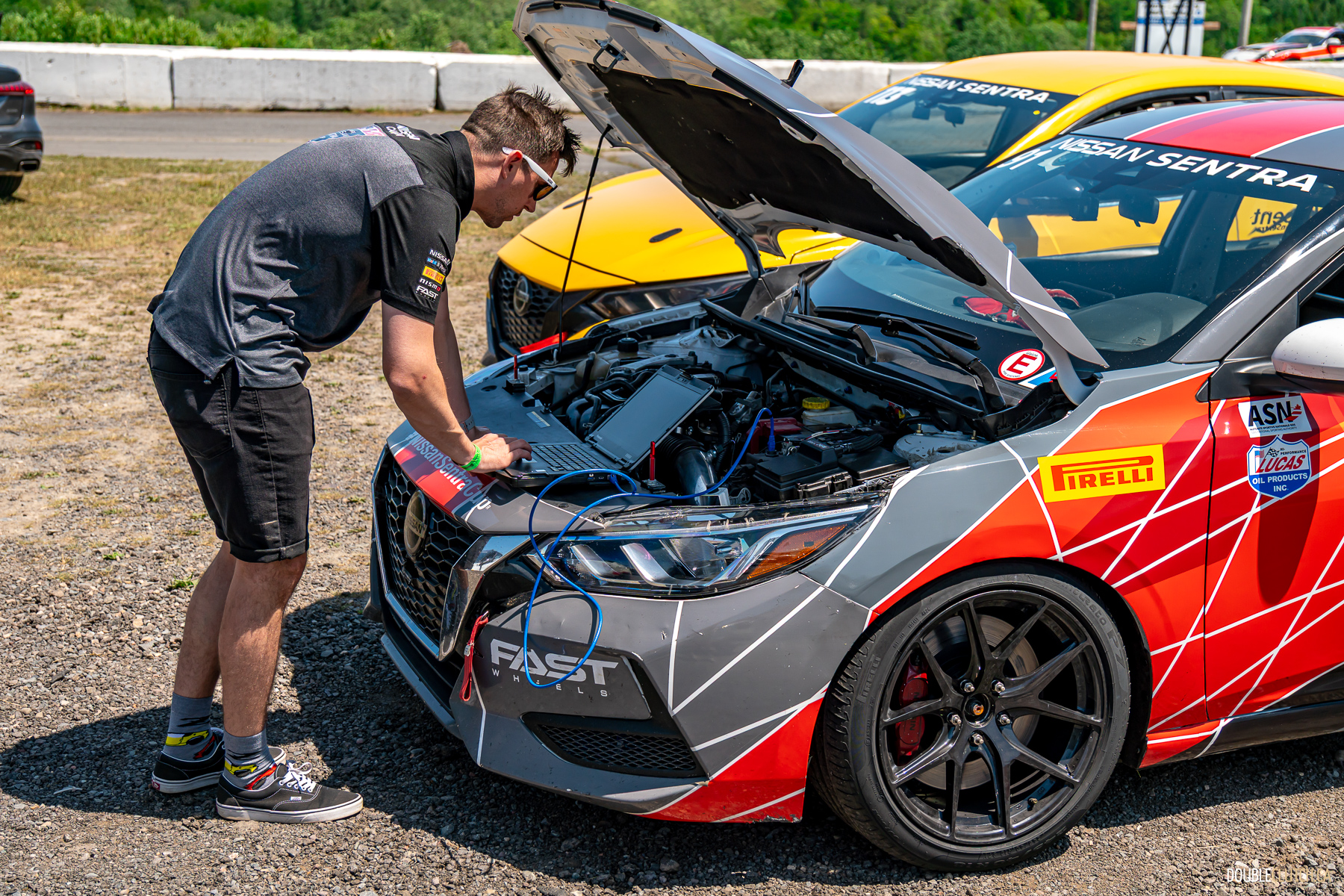
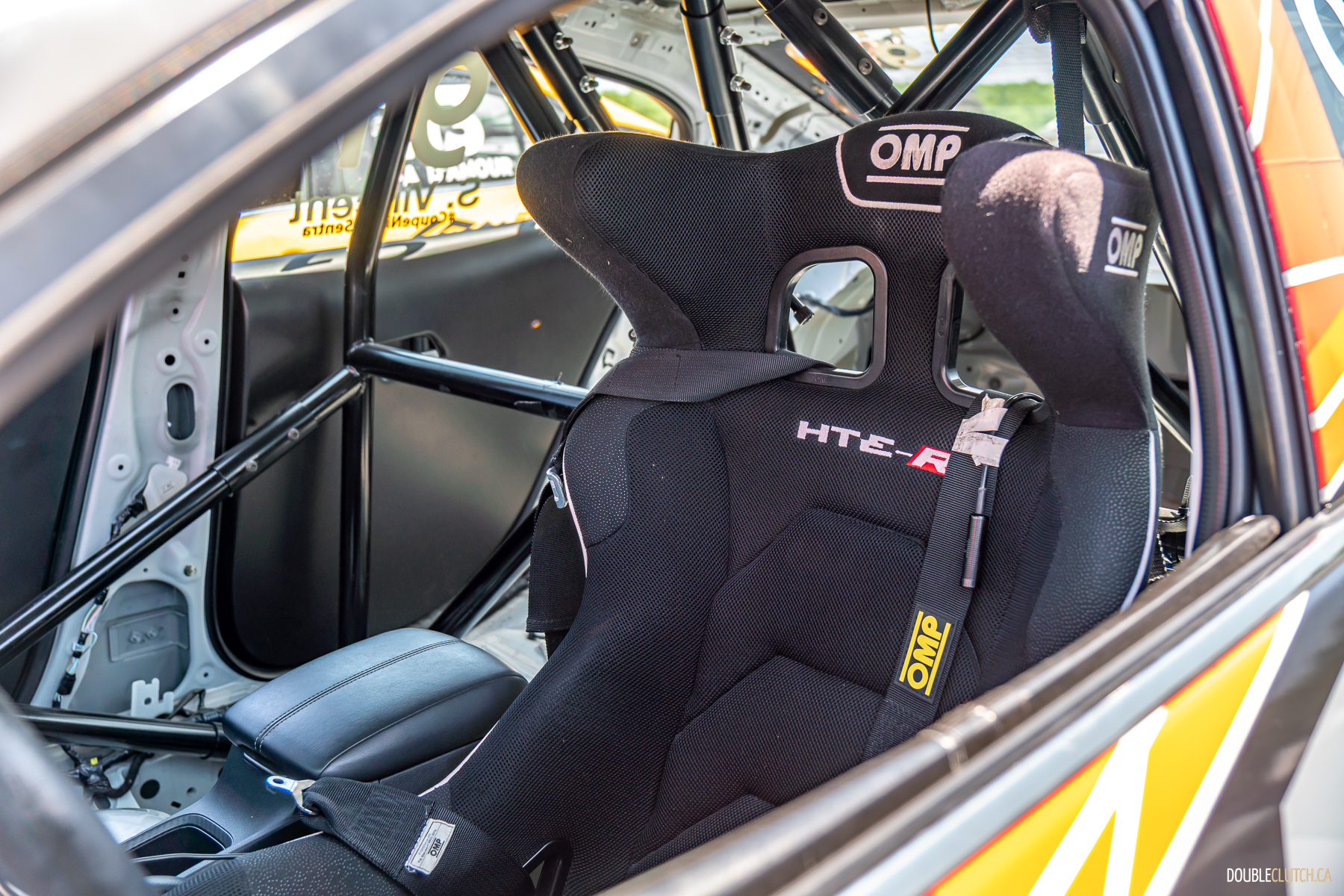
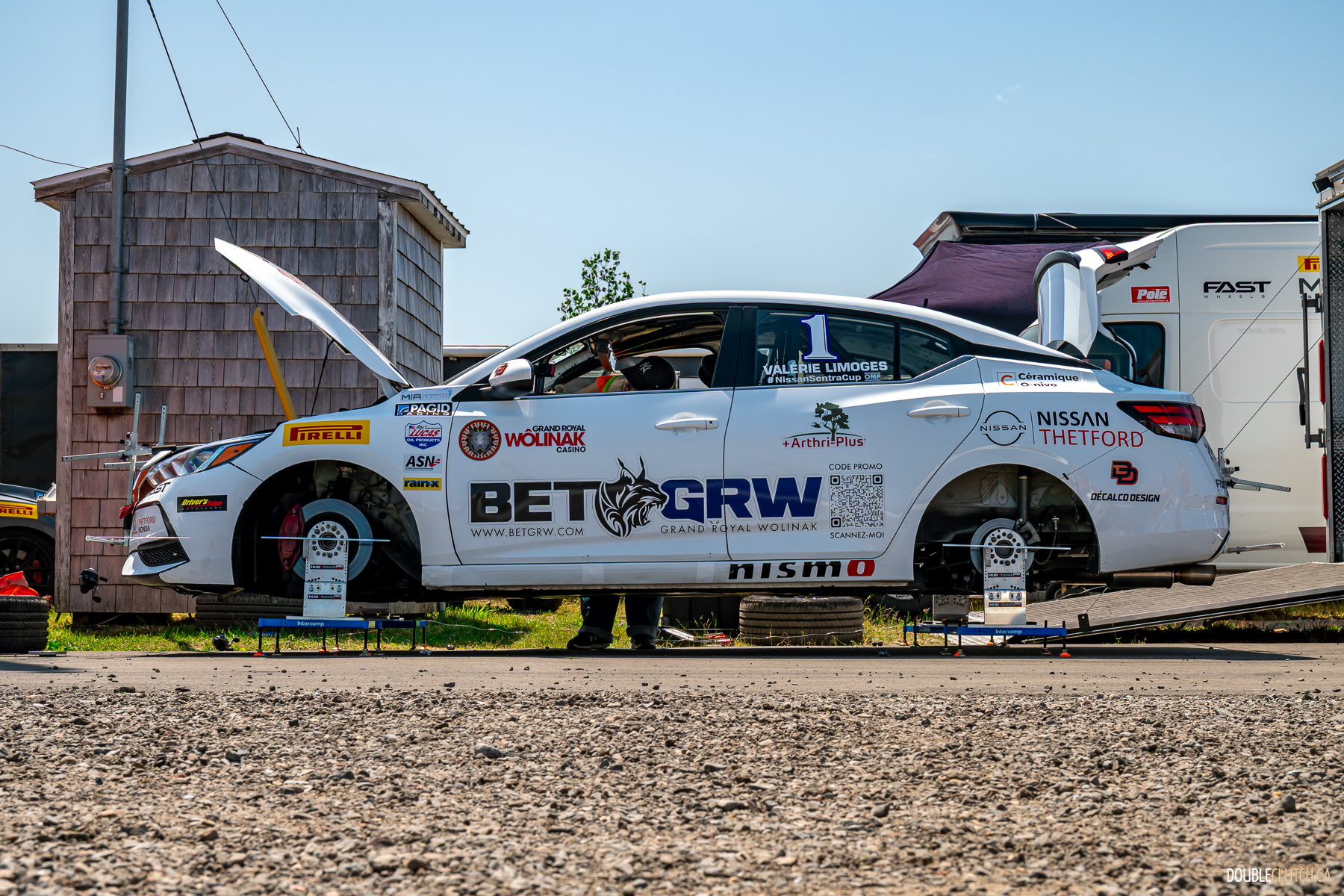
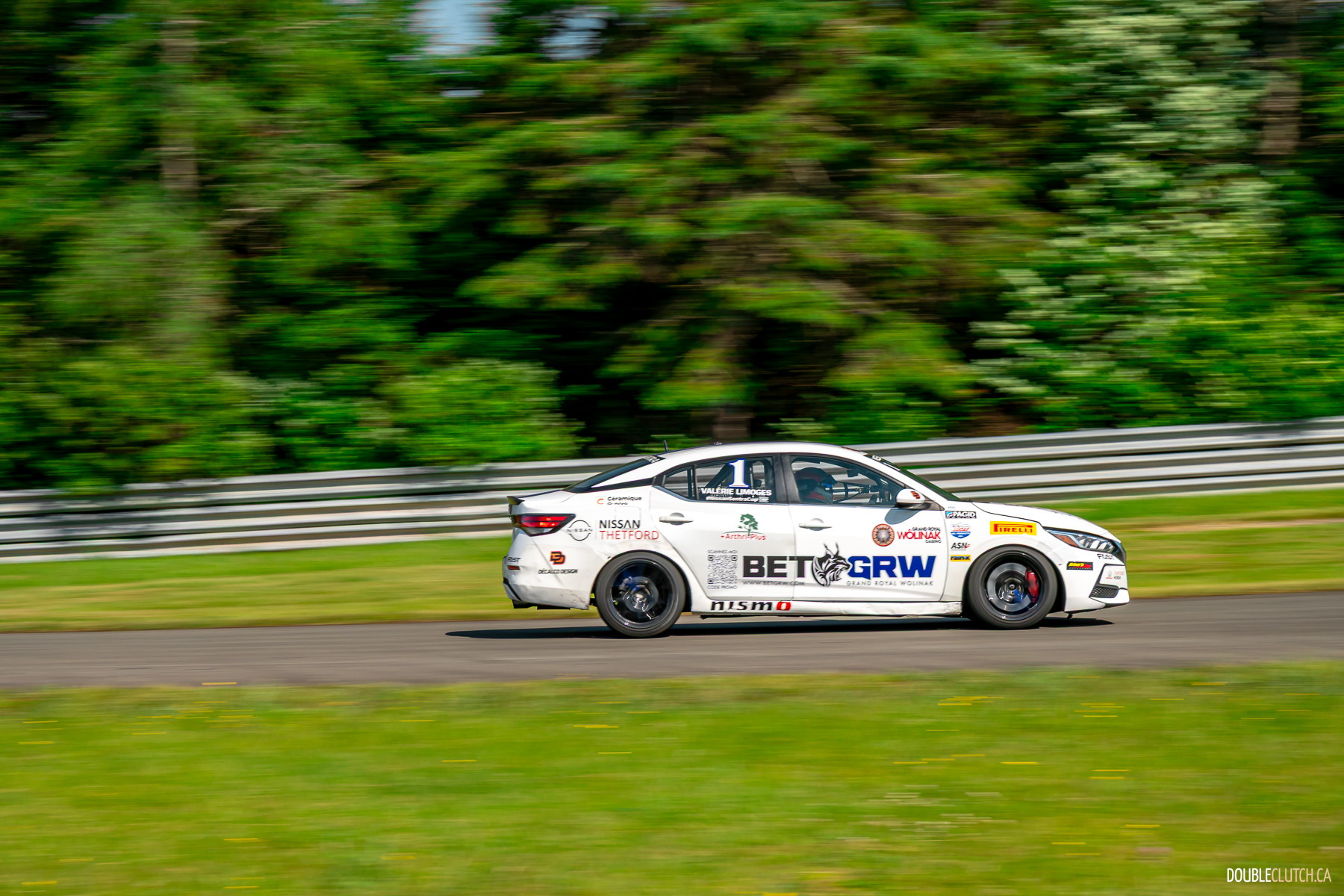
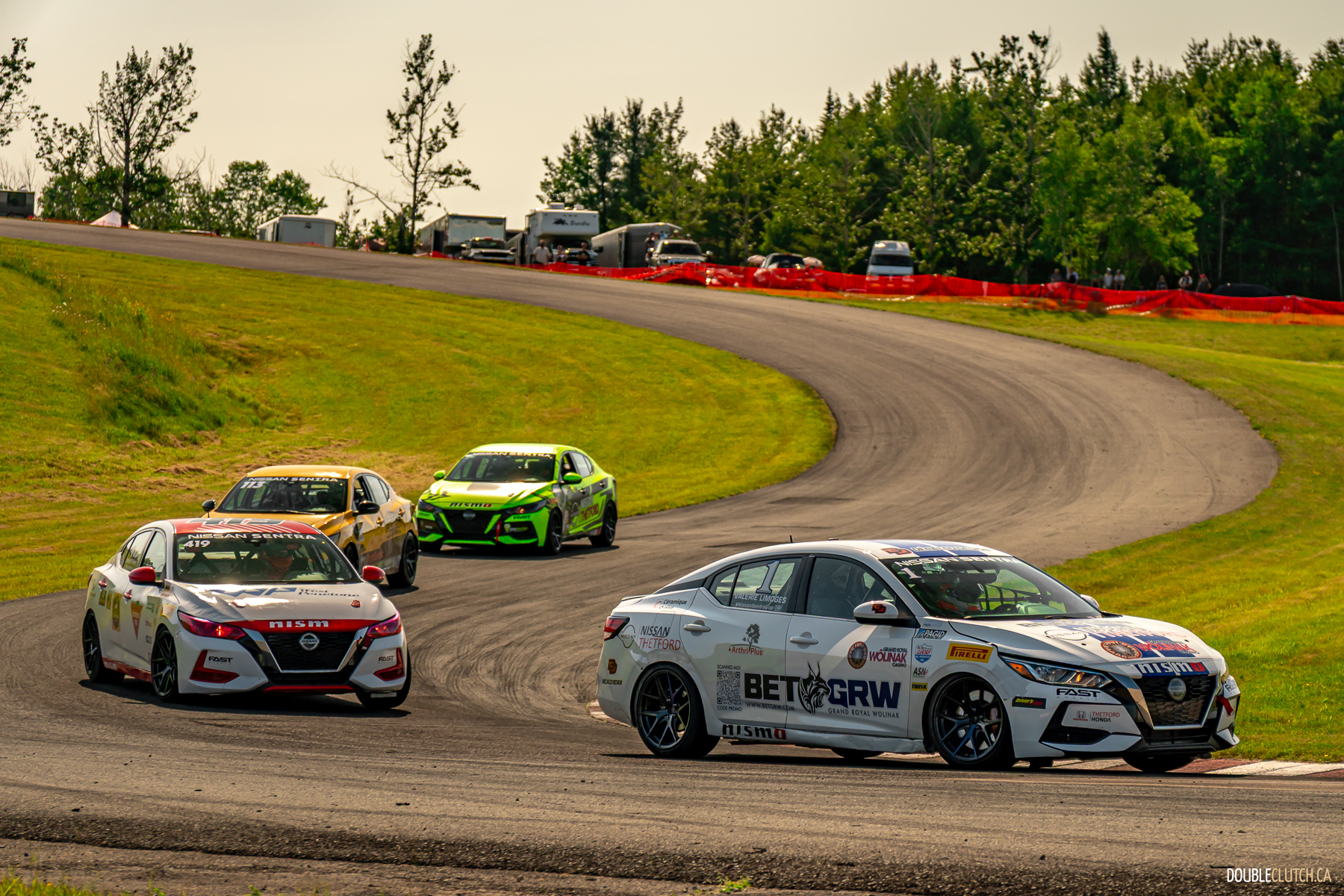
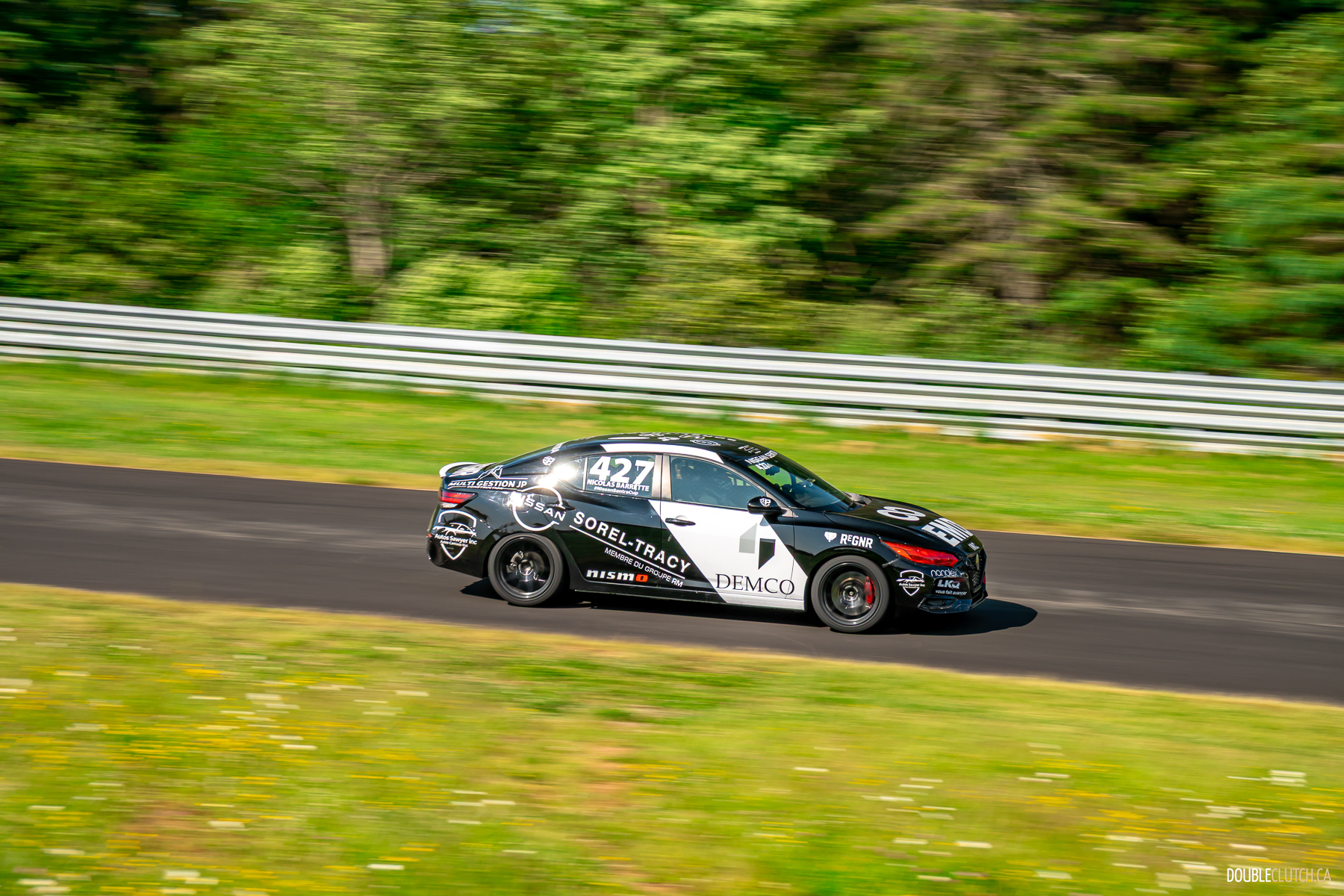
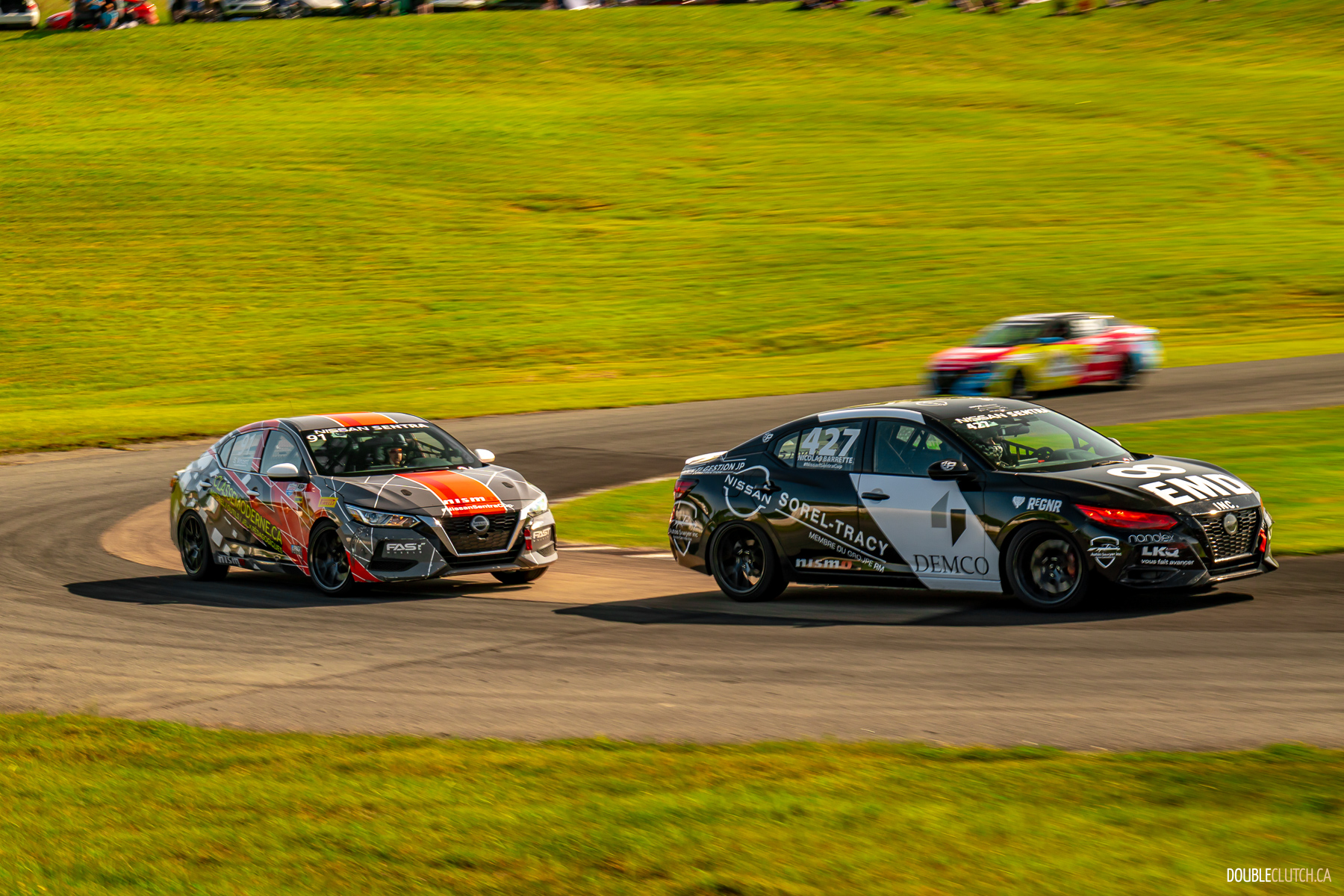
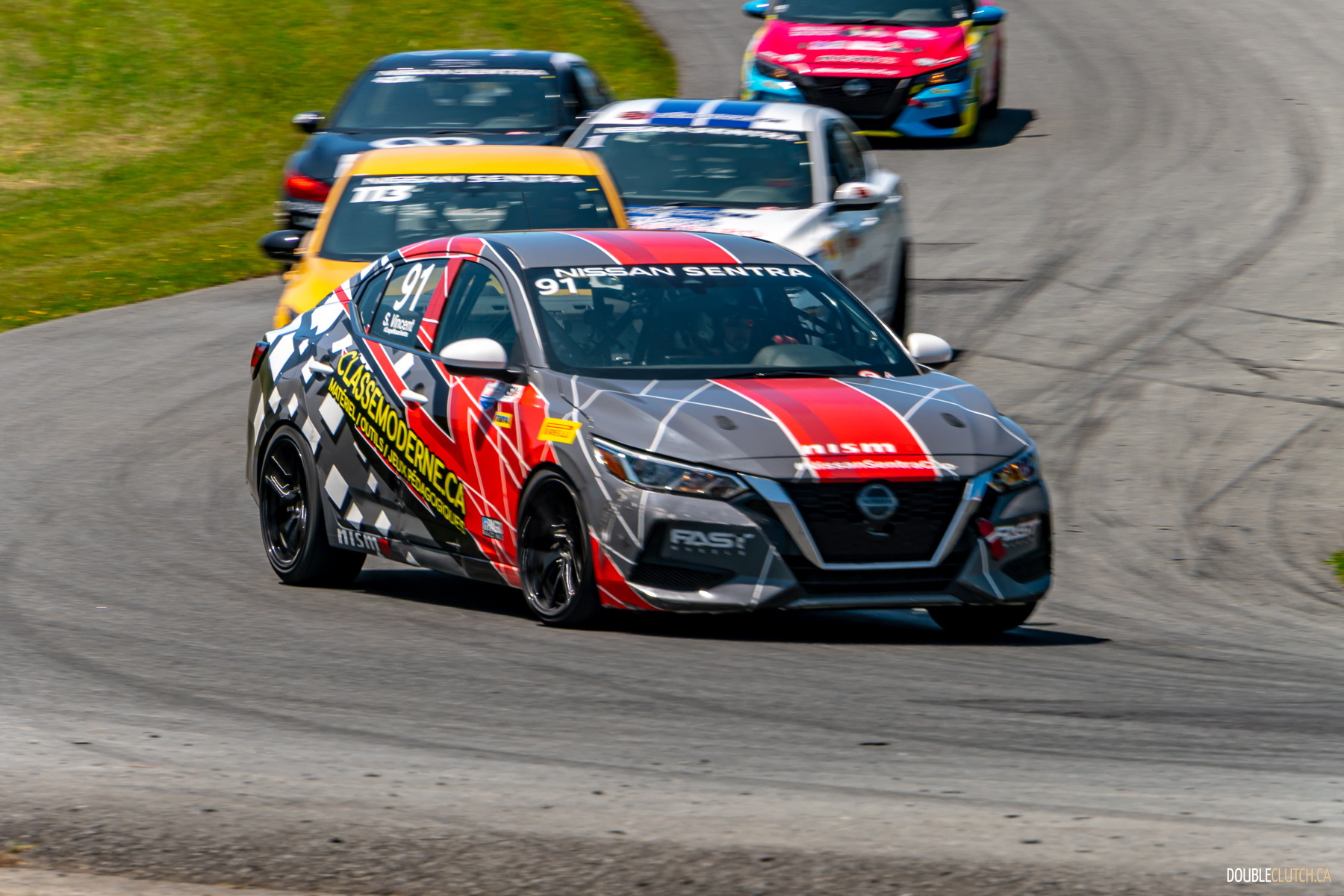
Naturally, Nissan Canada phasing out the petite Micra a few years ago necessitated the transformation into the Sentra Cup. Costs have gone up as a result, but the Sentra is a much more substantial car. Whereas the Micra was basically a showroom-stock vehicle with a roll cage and some interior panels removed, the Sentra Cup cars have upgraded intake and exhaust systems, BC Racing coilovers, and larger four-piston brakes from a Nissan Z to better manage the extra power and weight.
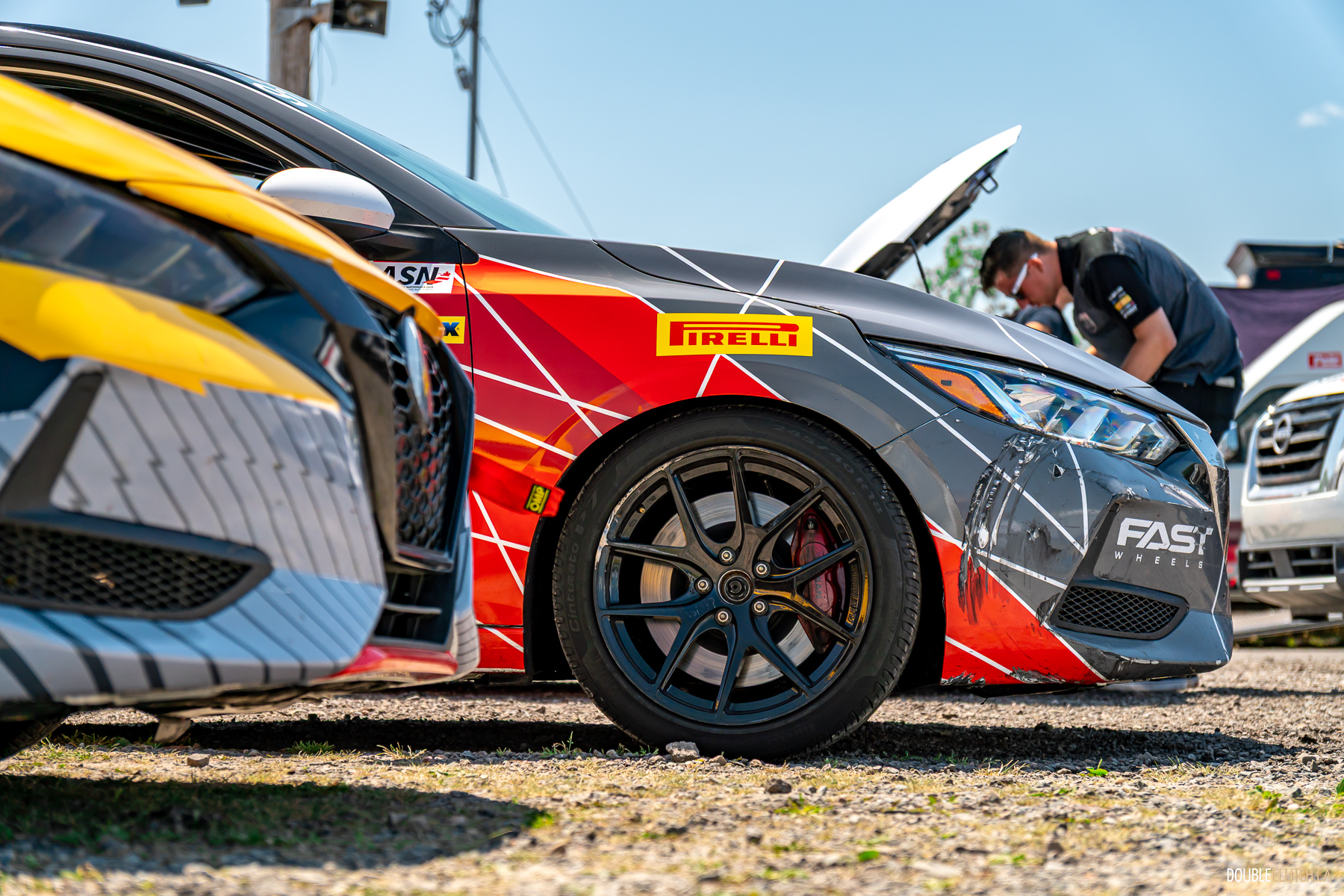
The Sentra Cup cars are generally quite stout and don’t have any real weaknesses that take them offline on a regular basis. Consumable items are quite inexpensive, too. For example, every car runs the same 245/40/18 Pirelli P7 Cinturato street tire wrapped around Fast FC04 wheels, neutralizing the hideous cost of burning through sets of tires as a matter of routine that’s endemic to nearly all racing.
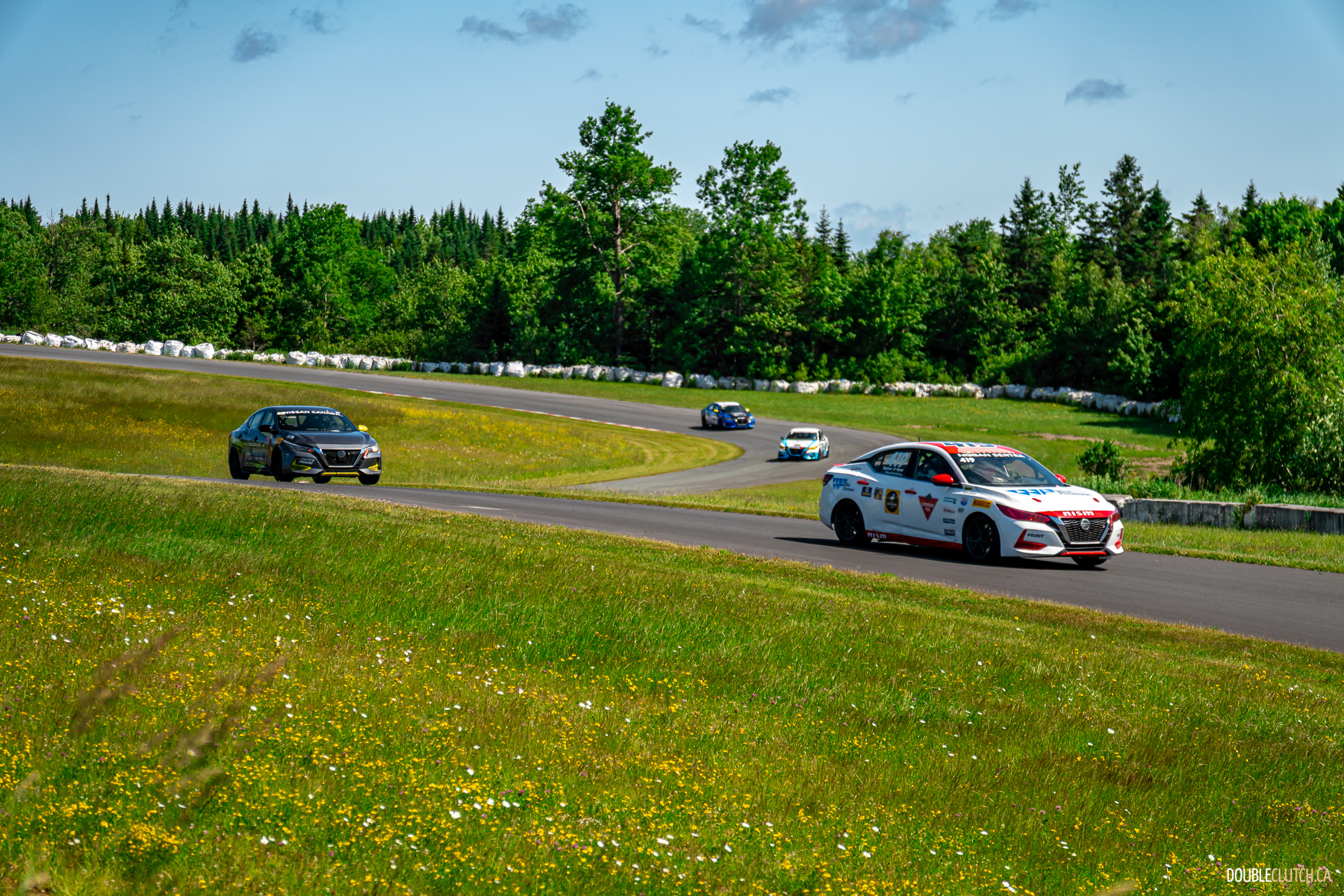
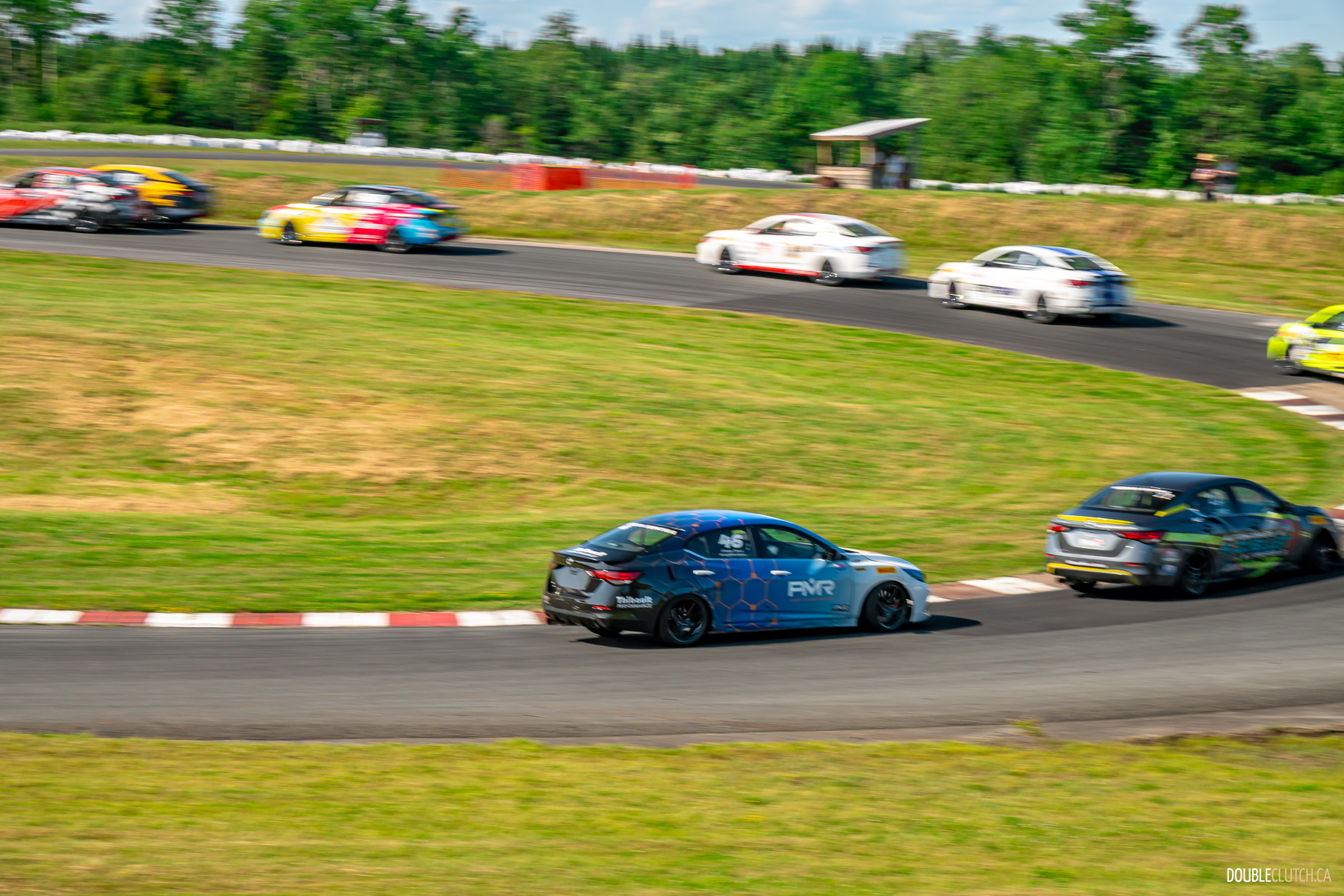
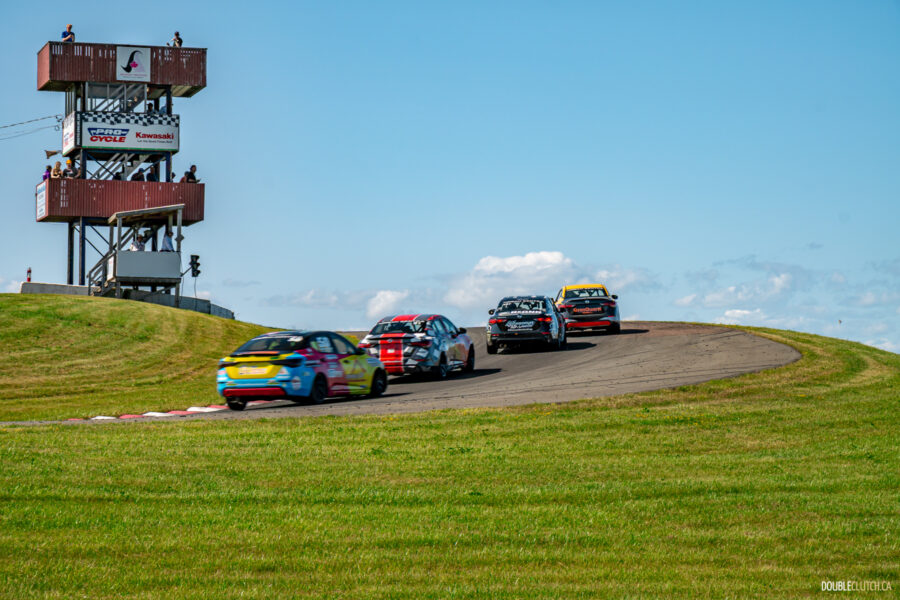
There’s six weekends of racing per year, with two or three races per weekend. Most are held in Quebec, because that’s where most of the race tracks — and fans of amateur racing — in Canada are, but they do trek out to Ontario once or twice a season. The event I checked out was at Atlantic Motorsports Park in Mill Village, Nova Scotia, just under an hour north of Halifax.
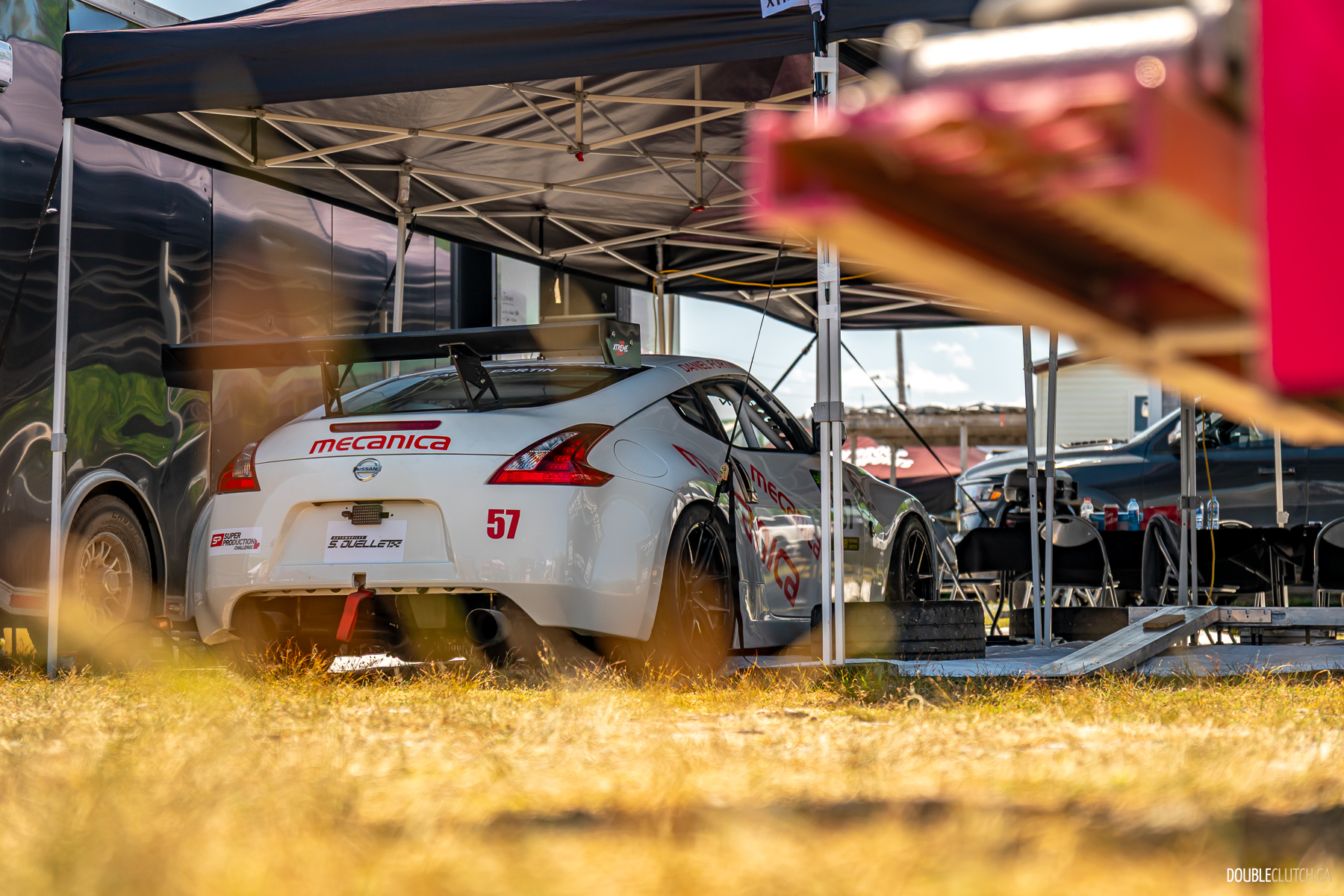
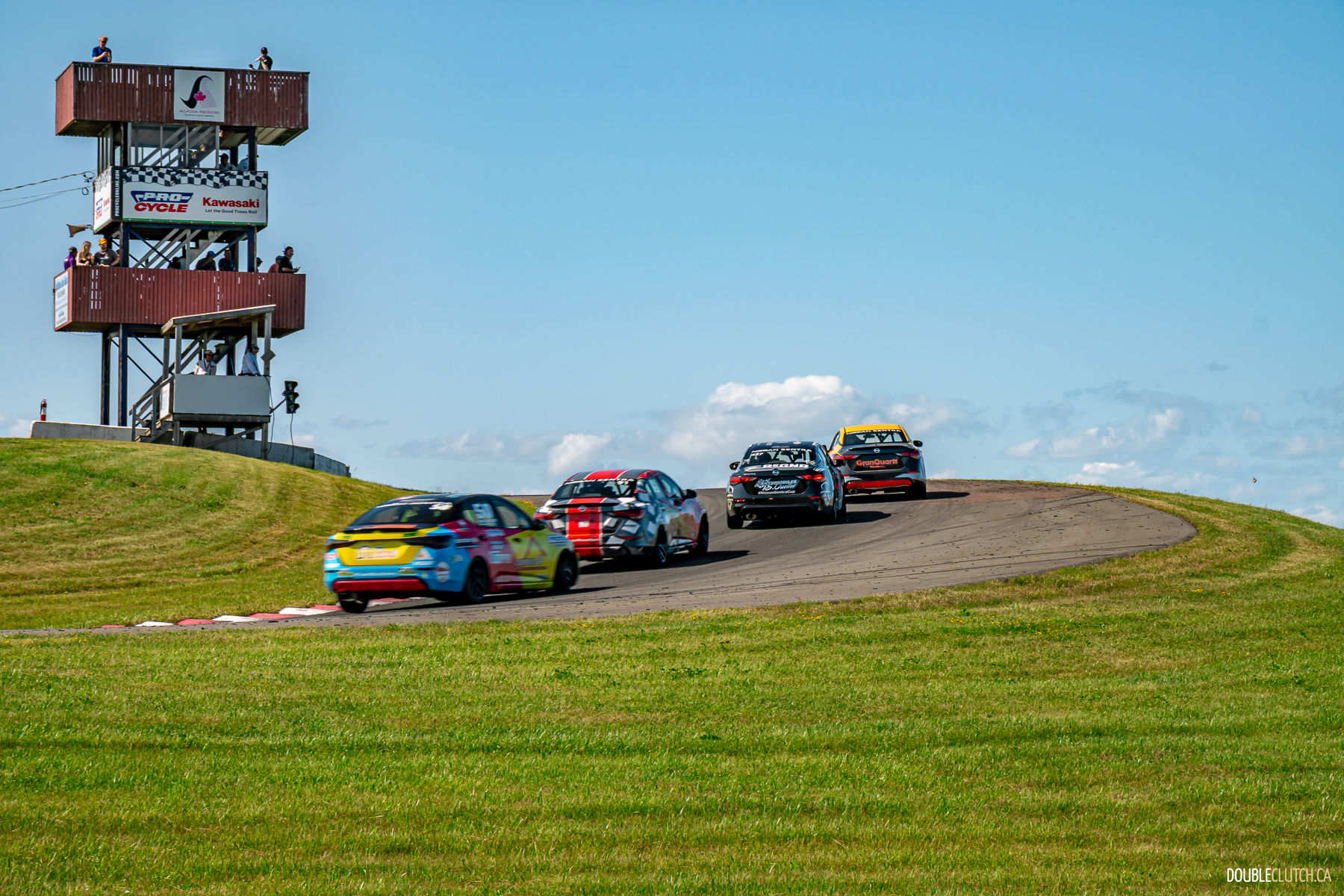
It’s a charming, authentically old-school facility with very basic accommodation and rudimentary stands, but fabulous views of the tricky undulating track from the infield. Multiple local race series ran the same weekend as the Sentra Cup, one of them being the Super Production Challenge (SPC) which tends to overlap with Sentra cup events. It’s fitting; this series is where a lot of the Micra Cup cars moved on to, and are doing quite well.
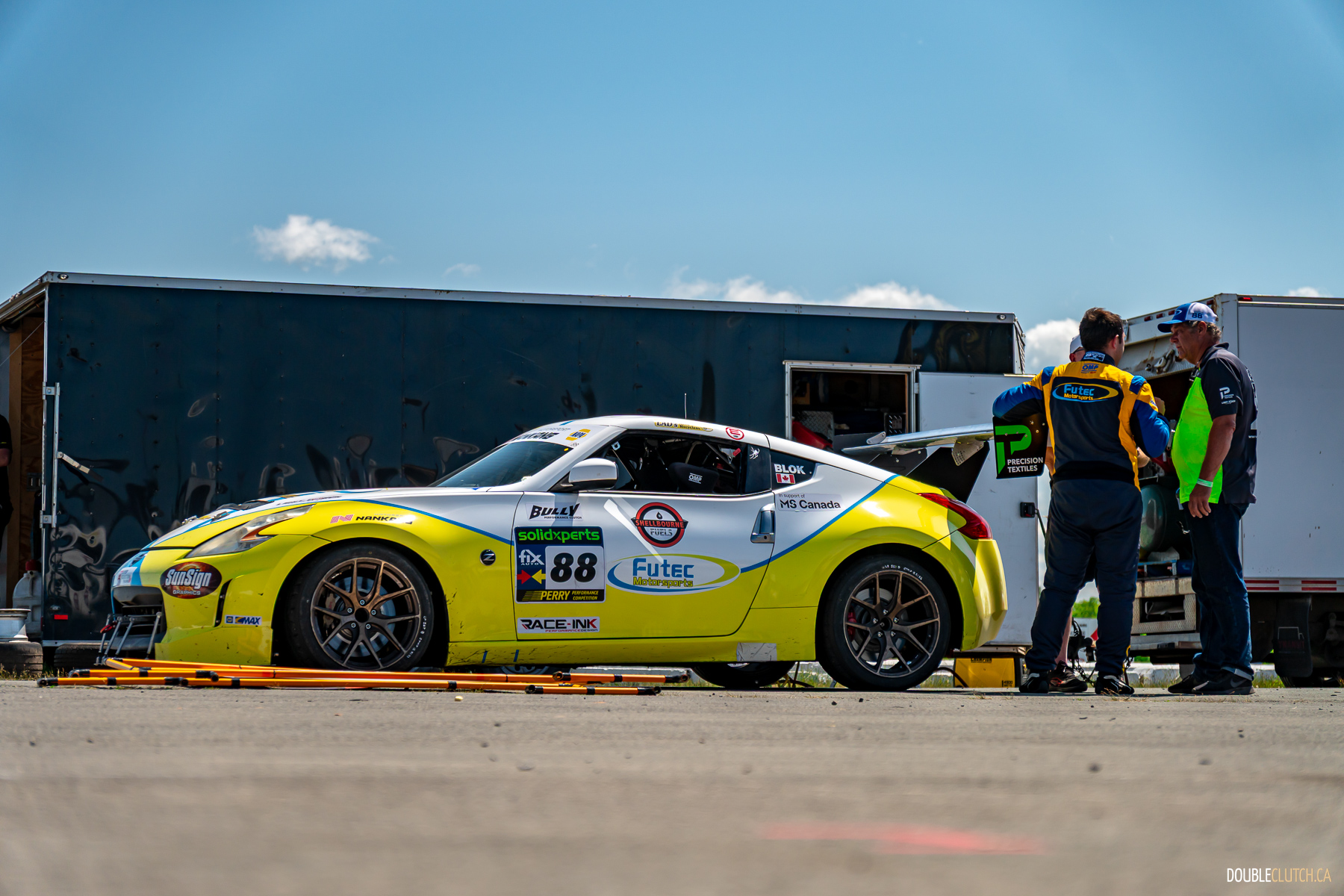
A 370Z won that SPC event, by the way. It’s hard not to notice Nissan’s significant presence in an environment like this.
Entry fees for the Sentra Cup are minimal, serving to mostly cover costs of renting the track, and there’s no prize purse. Marsaud and Deshaies wanted to keep money out of the series as much as possible to keep things pure, and also sane. The competition is fierce enough as-is; Nissan’s tech scrutineer often finds teams trying to quietly gain an unfair advantage with tweaks to their cars. Exams are frequent and thorough to keep everything above board.
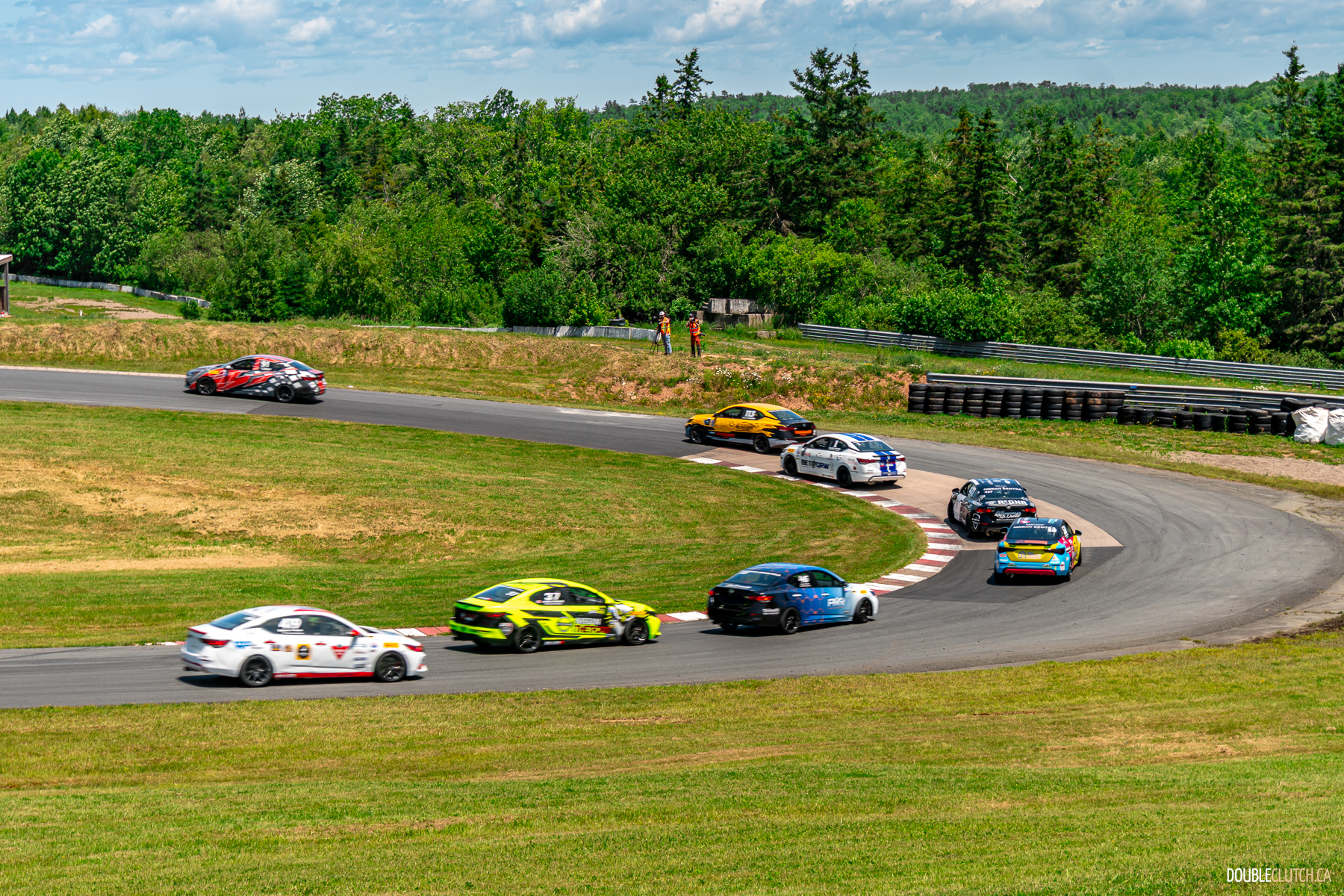
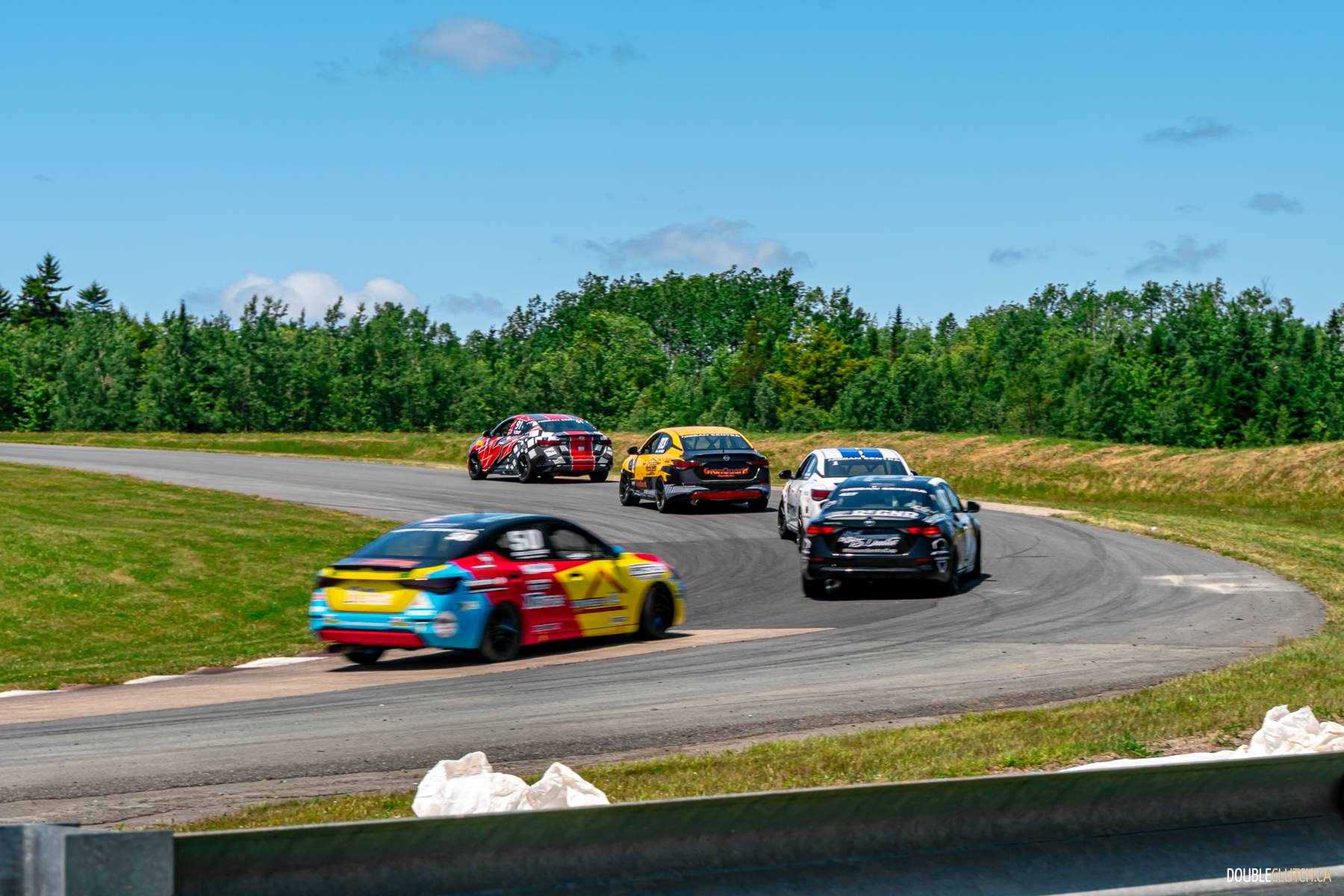
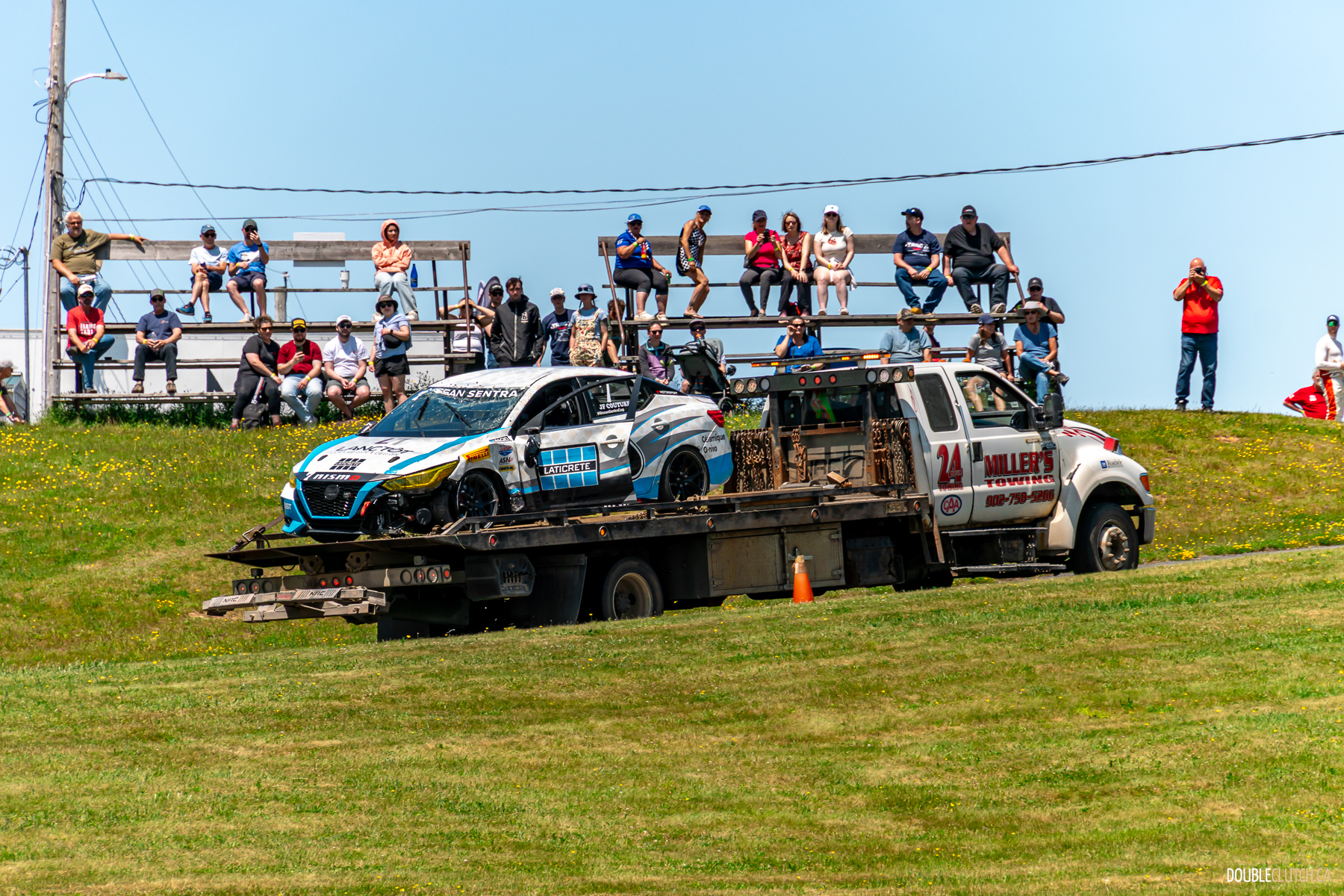
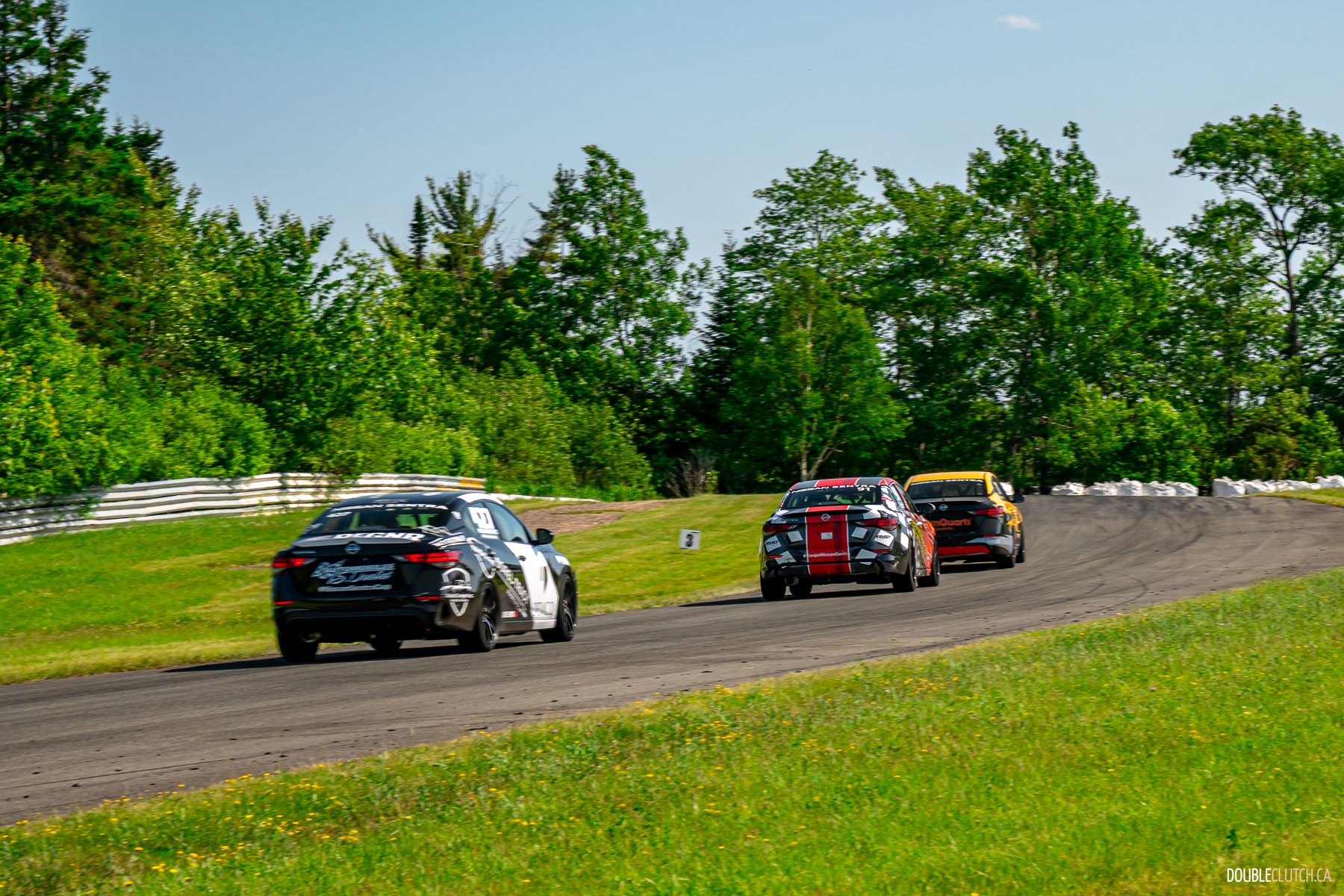
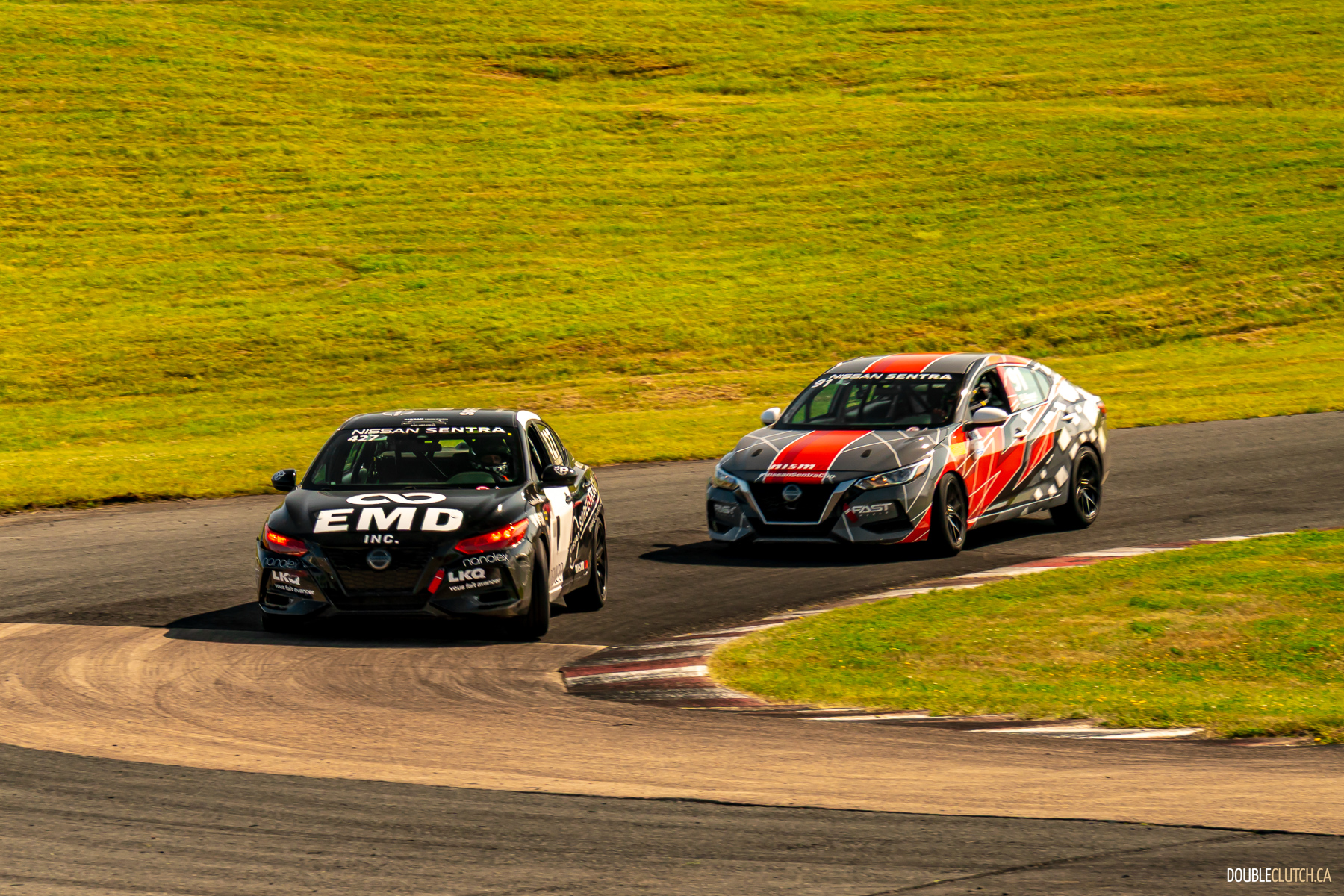
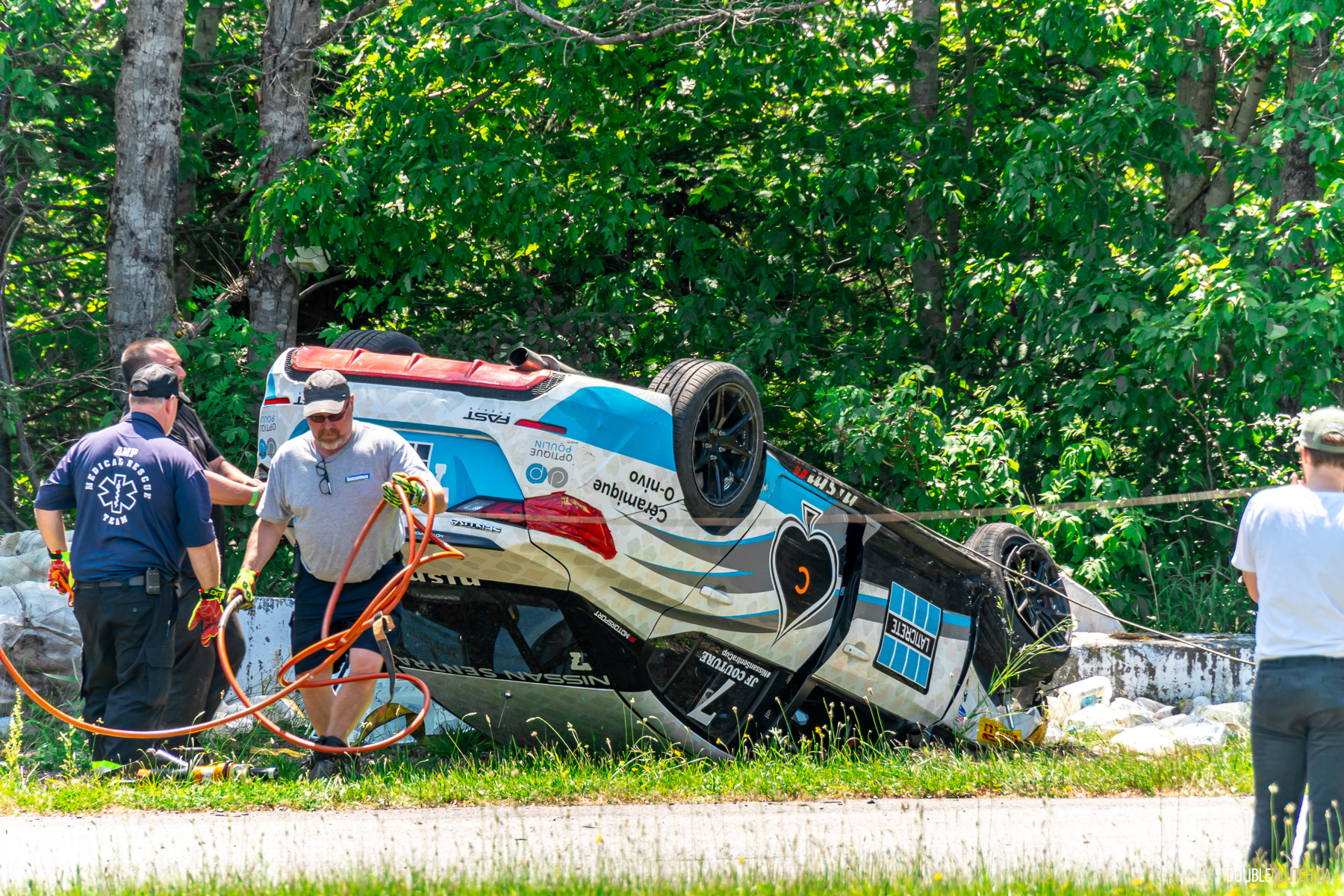
On such an even playing field, racing for little more than pride, the on-track action makes Formula 1 look tame. For the duration of every 40-minute race session, cars are tightly packed together on track. Everyone is always looking for an opportunity to gain in a braking zone, going two-wide through a corner, charging down a straightaway just inches from each other fighting for who gets to the next corner first. Over-exuberance is a regular occurrence; a rollover happened while three cars fought for one position in the first race of the weekend.
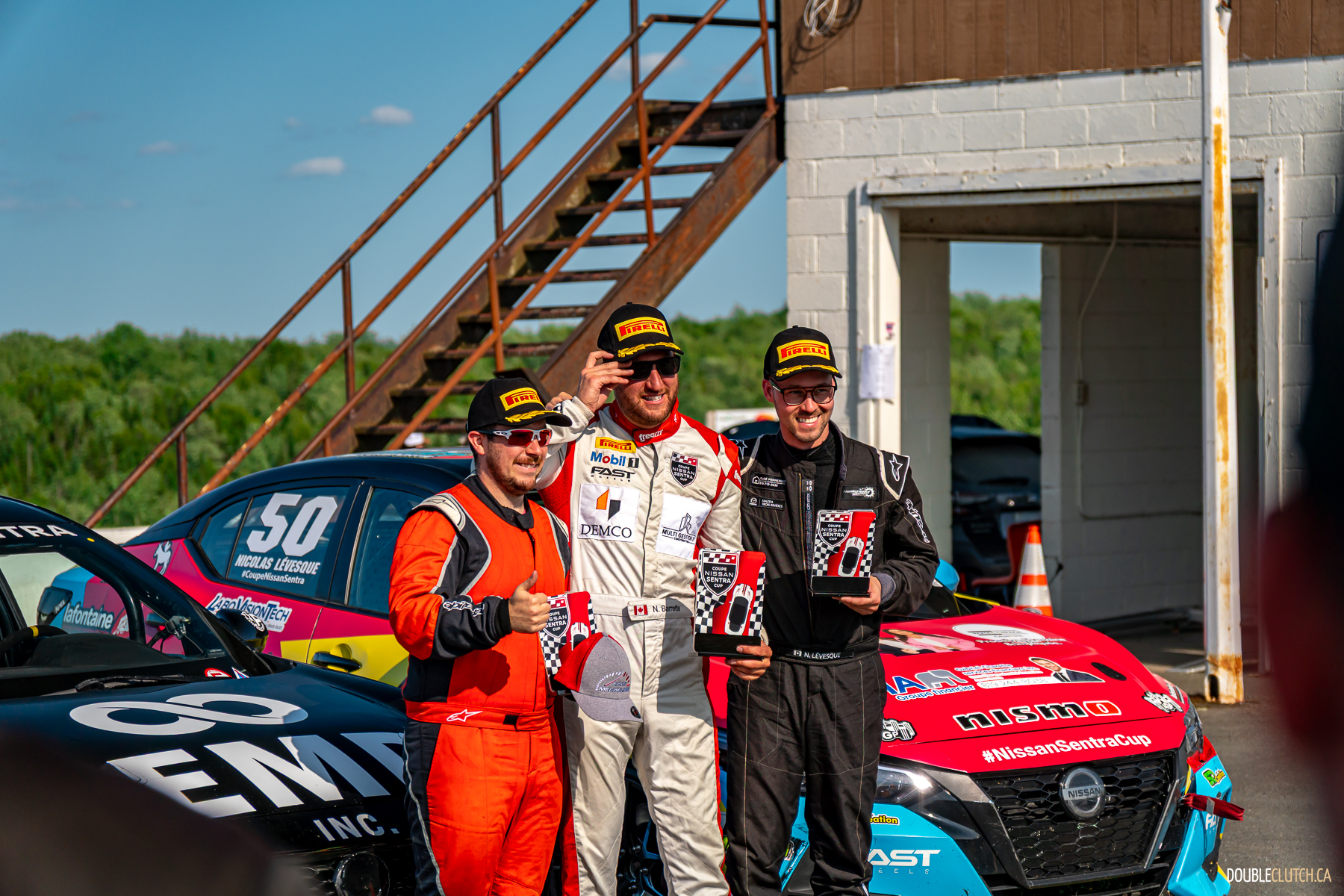
While competition is ferocious on track, it’s all very friendly. Everyone wants to do well and bring home trophies, but moreover, it’s all about the fun of it. Some drivers are novices who only got in to have fun and have developed their skills to a point where they’re getting near-podium finishes. Others are seasoned veterans with multiple championships under their belt, both from this and other race series. It’s anybody’s race and that’s the beauty of it all.
It’s easy to become disillusioned with professional motorsport when you start thinking about the monetary part of the equation. The amount of resources poured down the toilet in destroyed racing slicks, literal jet fuel, bespoke parts made from exotic materials, high-performance brakes, all sent out on track to be almost deliberately destroyed over and over again, is nothing sort of significant. That’s not even getting into the R&D side of the equation. It’s no coincidence that the winning-est teams in racing tend to have the deepest pockets.
Sure, in any racing, you have to pay to play. But sometimes, that’s substituted for pay-to-win, and in turn, get-paid-and-keep-winning. Not so with the Nissan Sentra Cup. It follows the European — nay, decidedly French — school of thought that puts emphasis on being pure, simple, and honest, leaving the differentiatior down to execution and raw merit. It’s not Formula 1, and it’s all the better for it.