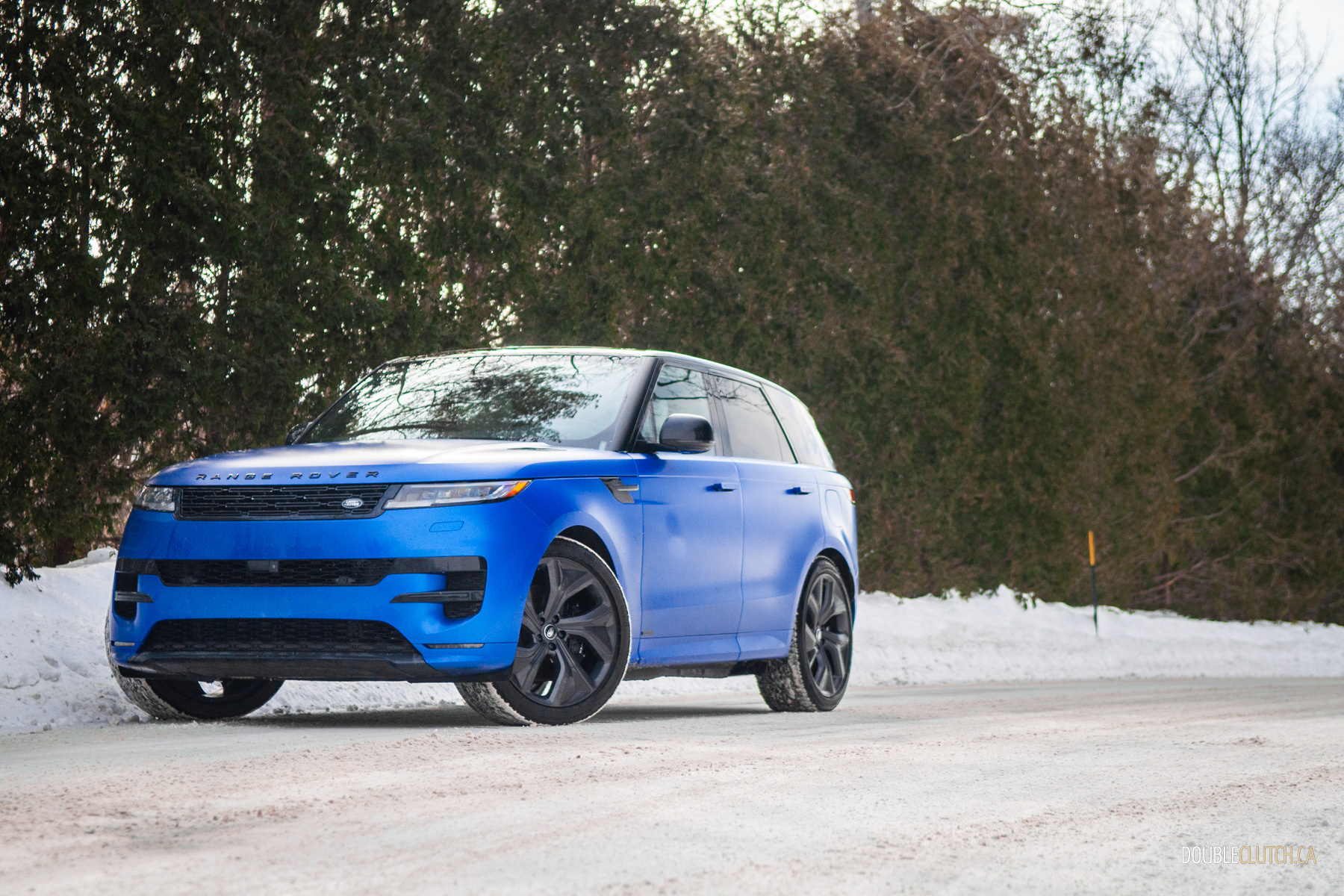
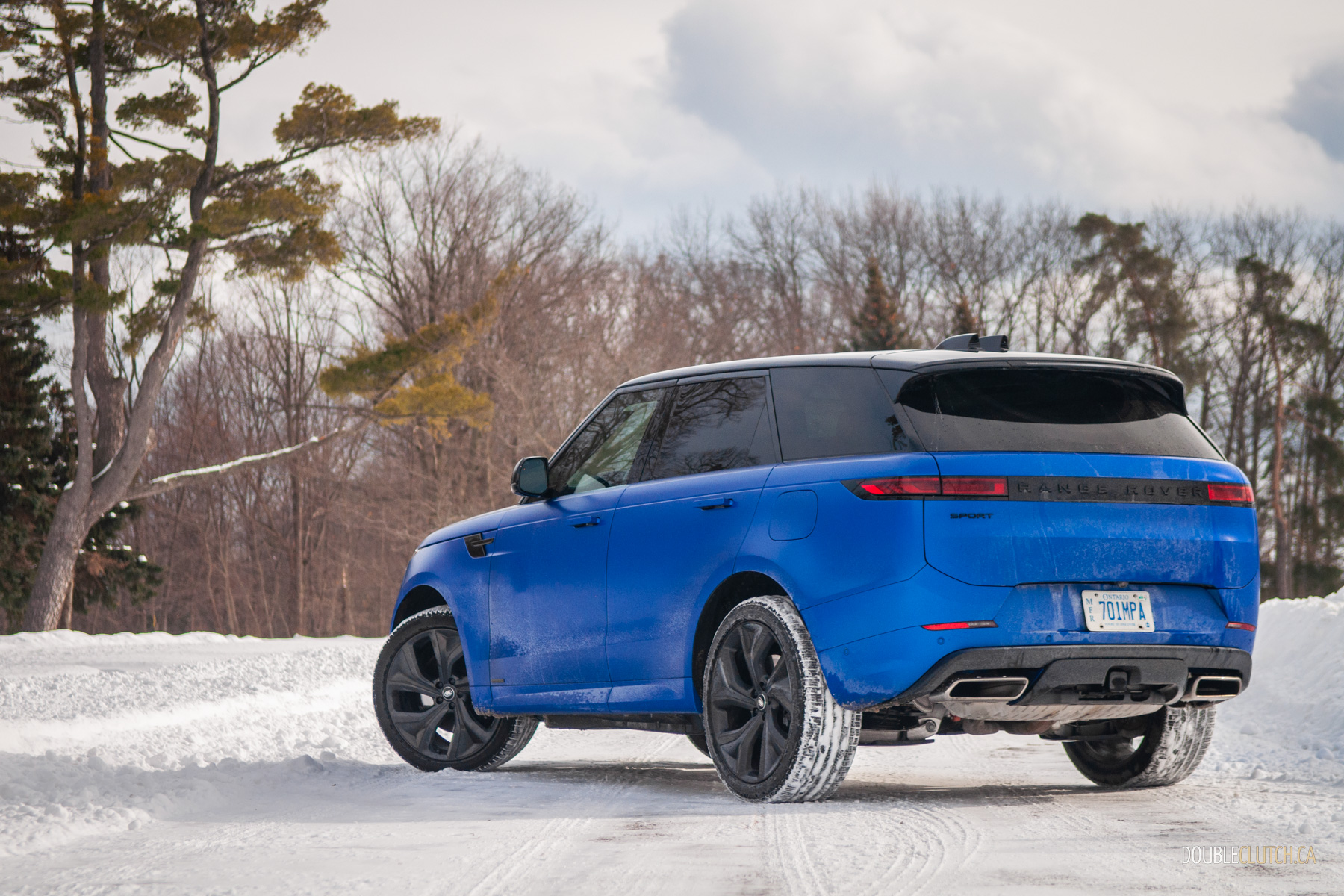
This 2025 Range Rover Sport PHEV is an interesting blend of priorities. On one hand, it offers far more power and performance than anyone realistically needs. On the other hand, it wears green license plates, is quite reasonable on fuel, and even has some of the best electric-only range of any plug-in hybrid on the market. It’s sensible without giving up the titular Sport in its name at all.
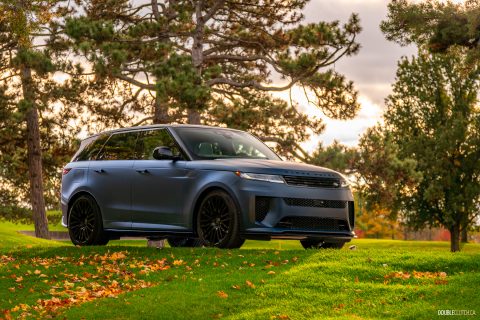
In a roundabout way, it might even be faster than the fire-breathing V8-powered SV we drove recently – not in any measurable sense, but because this one can slip into carpool or green lanes and glide past congestion in near silence.
Exterior design • Familiar shape, loud paint
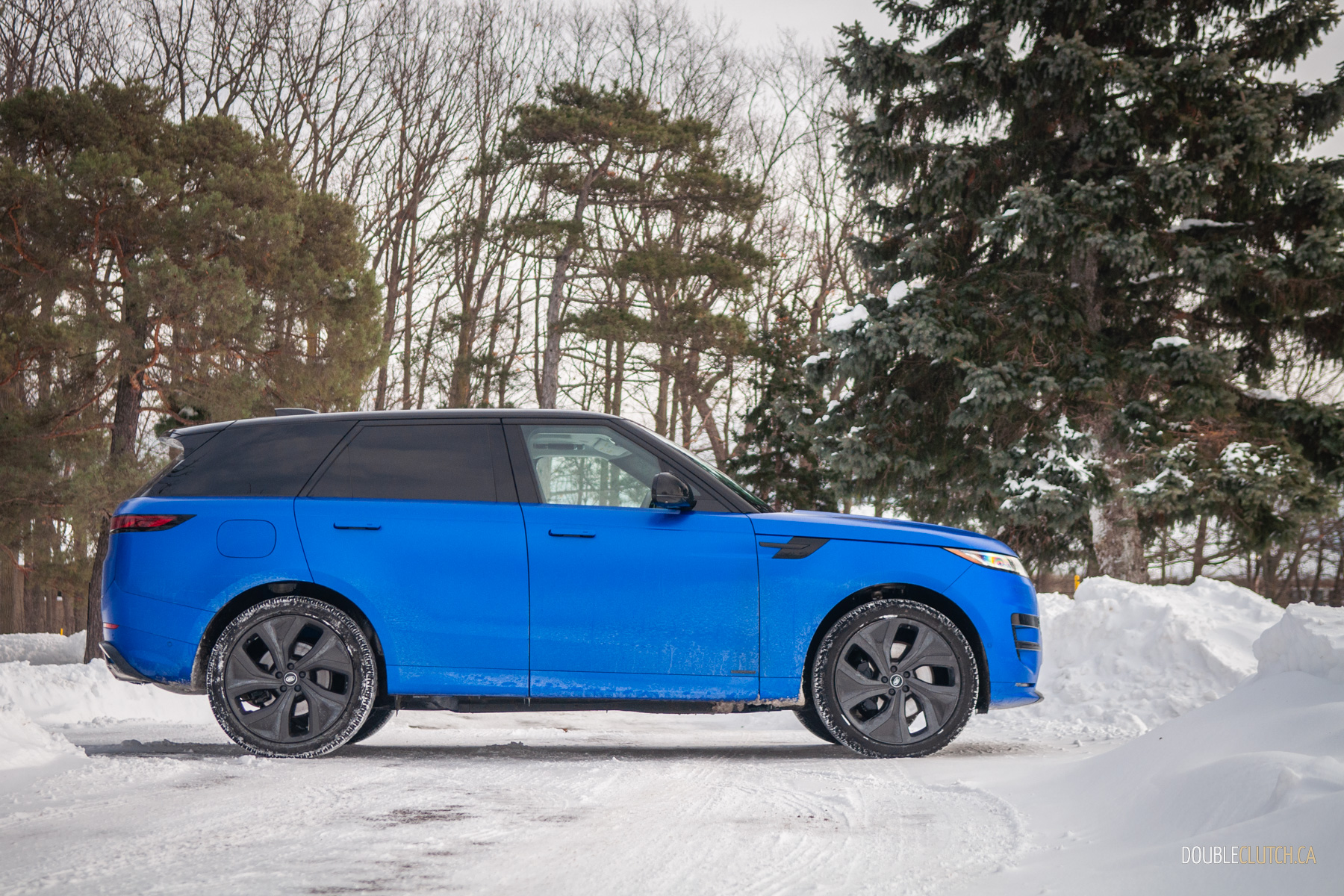
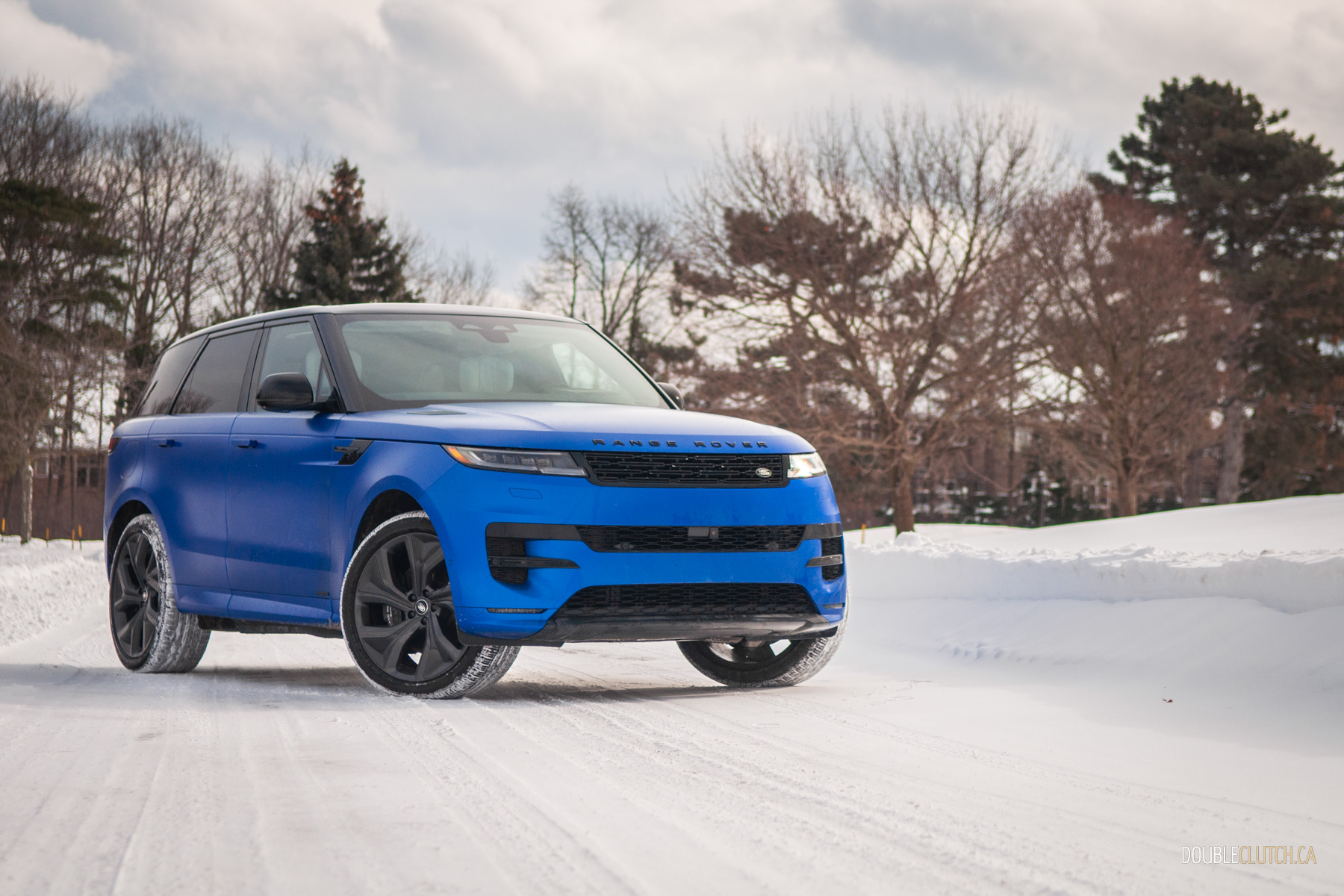
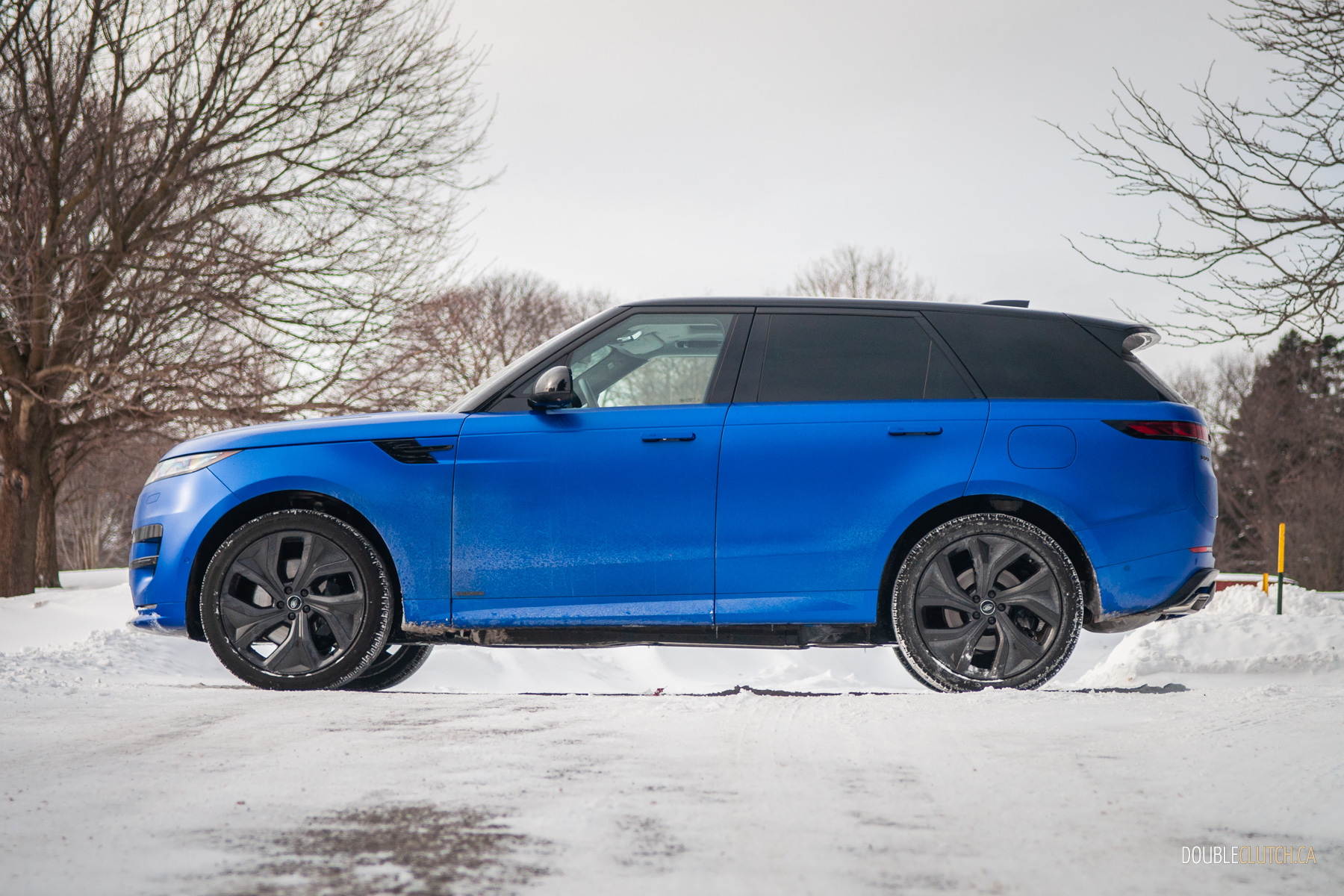
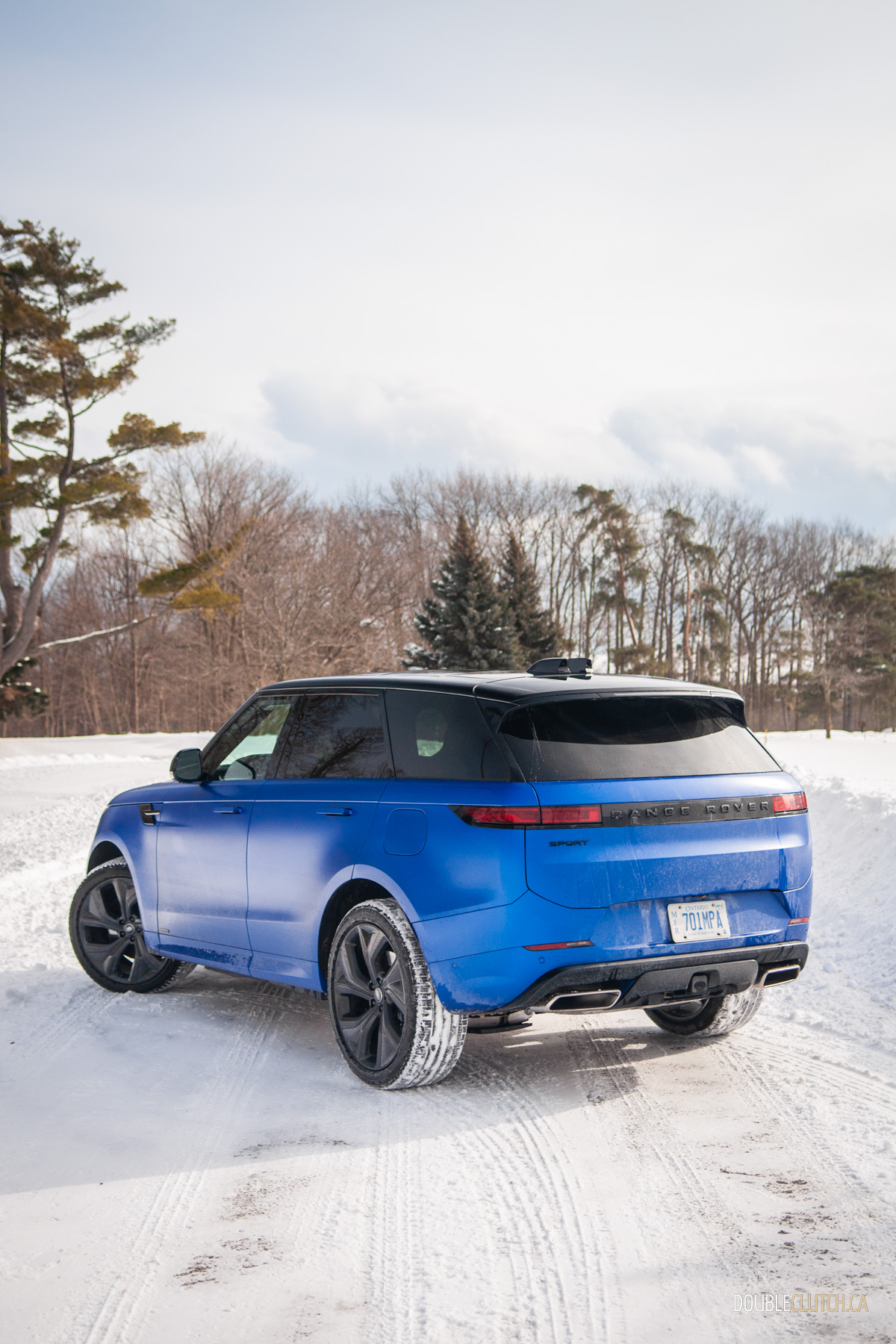
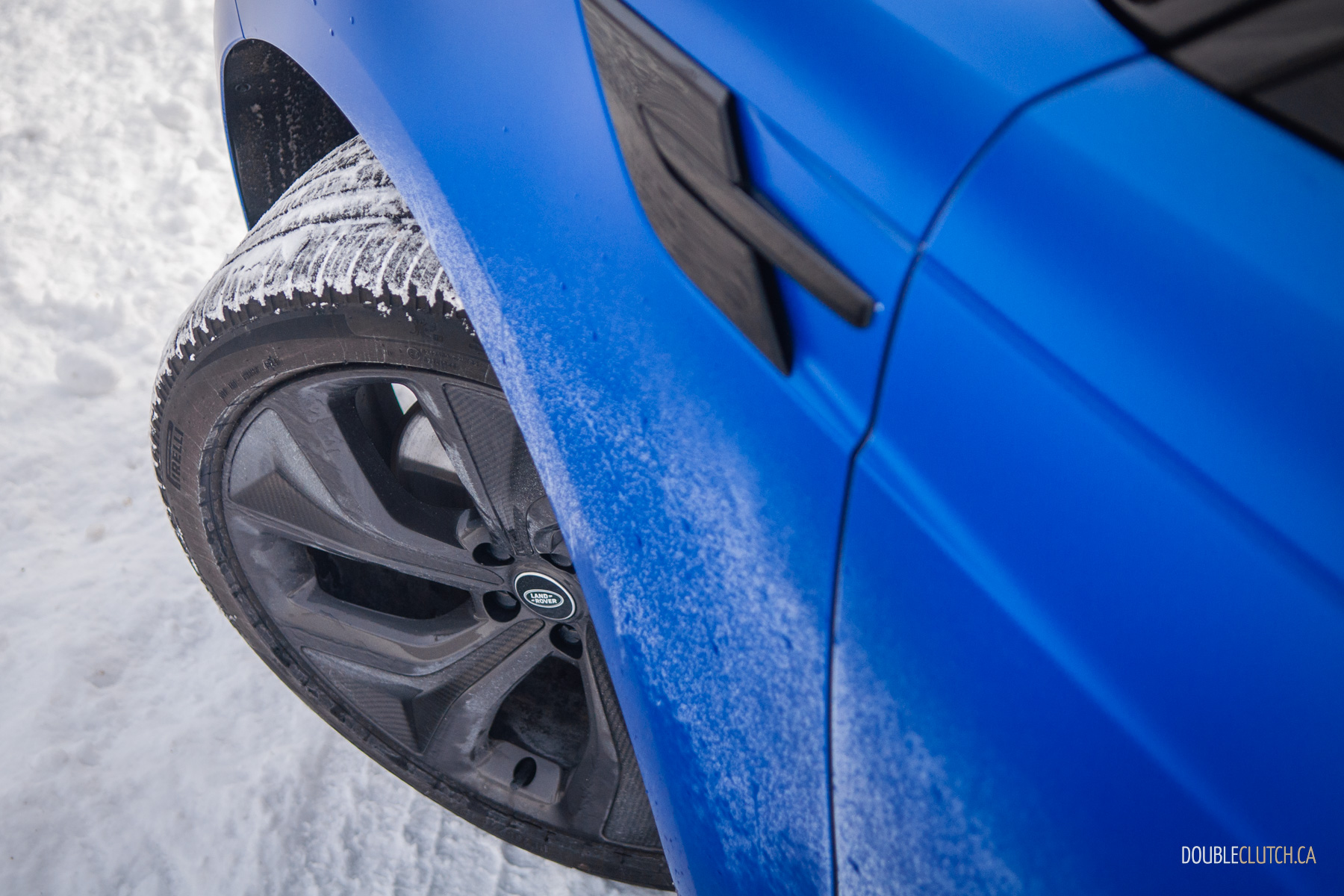
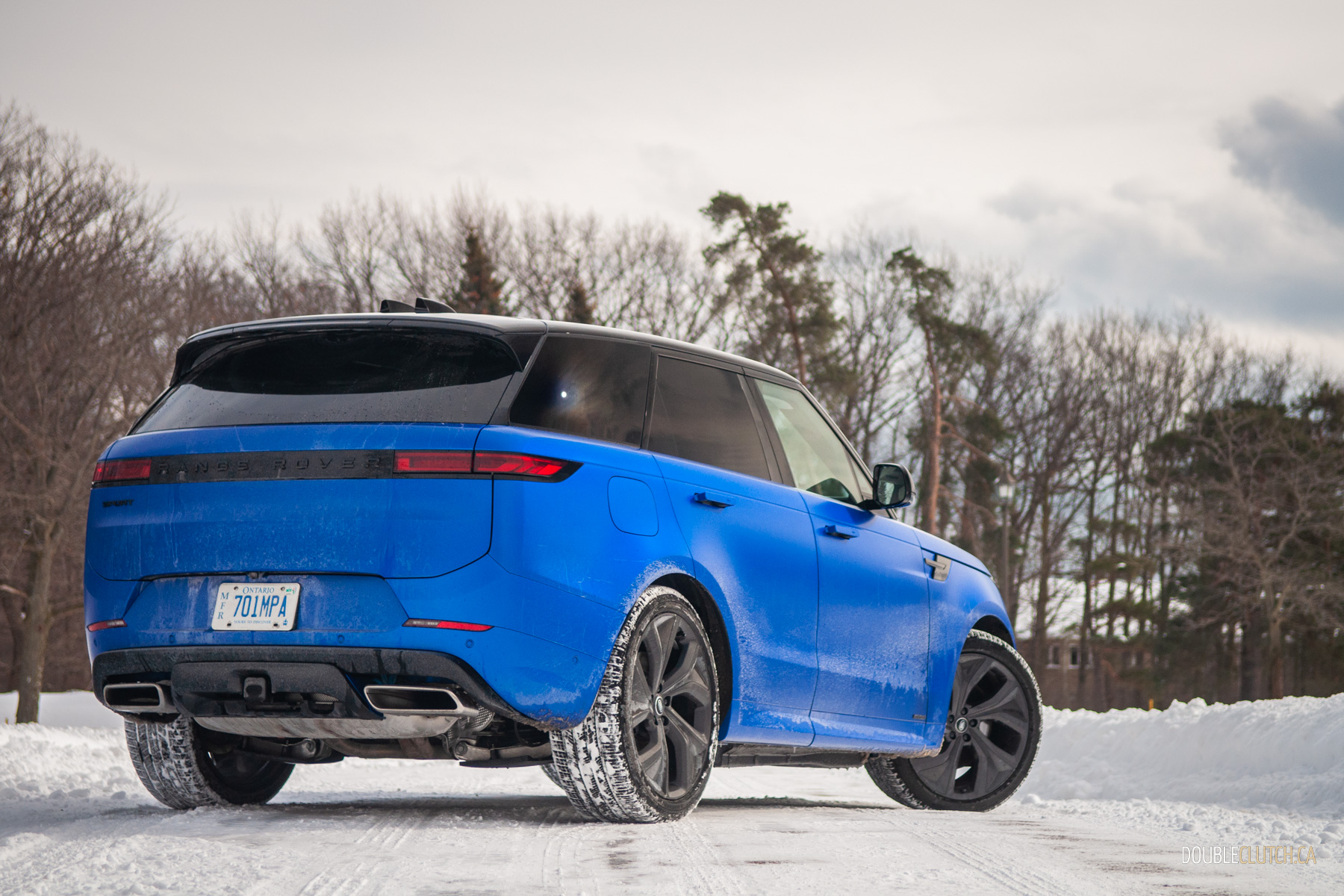
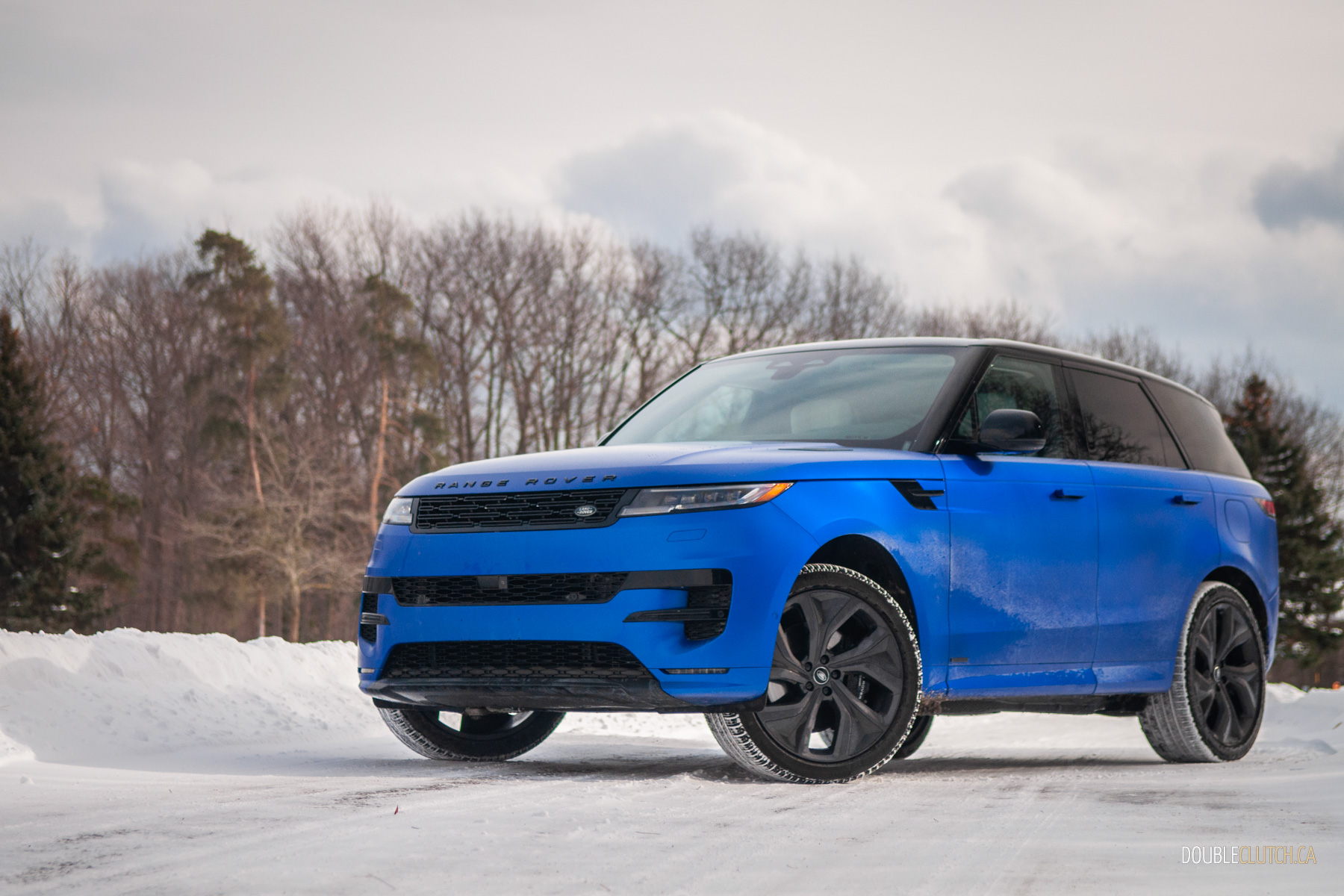
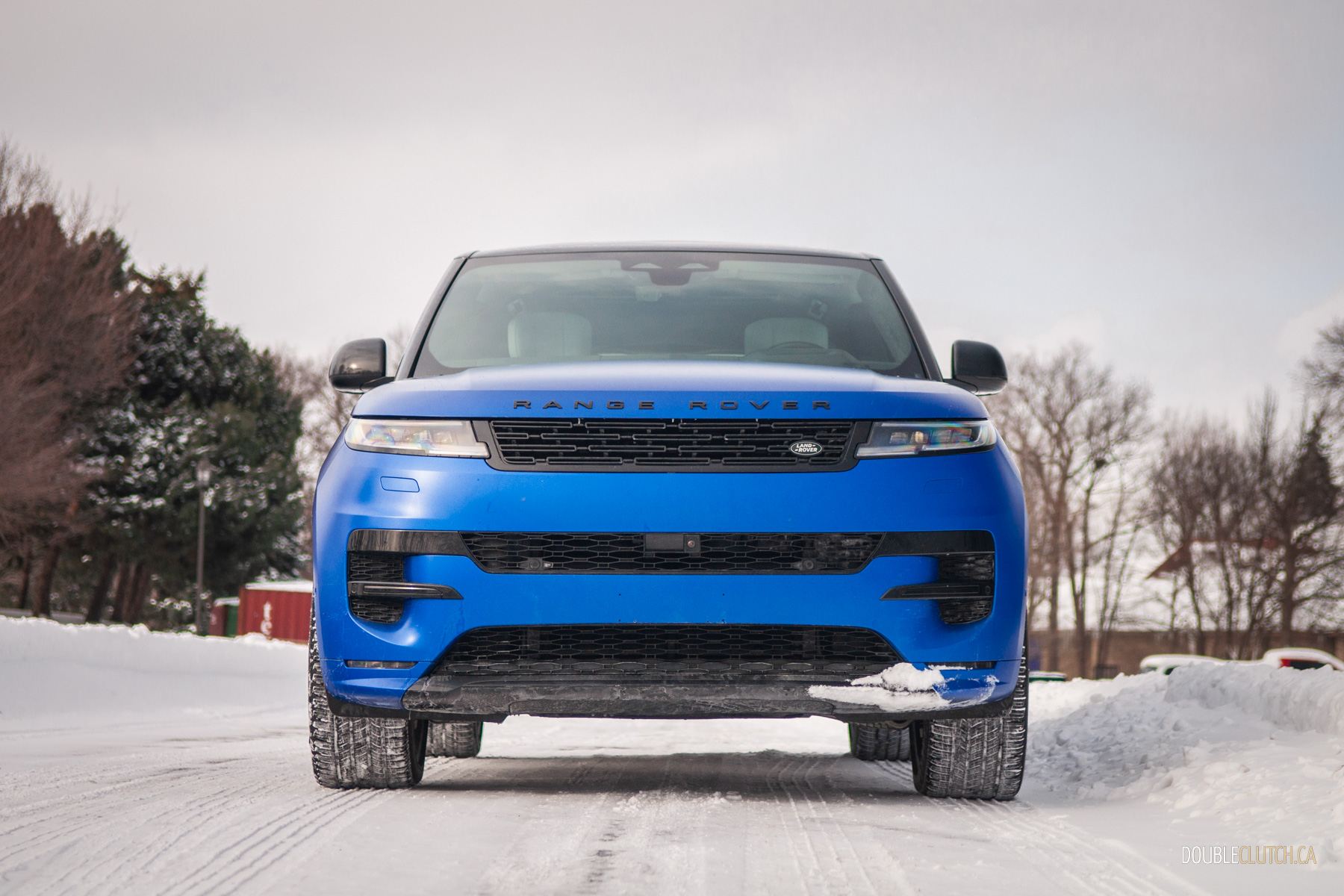
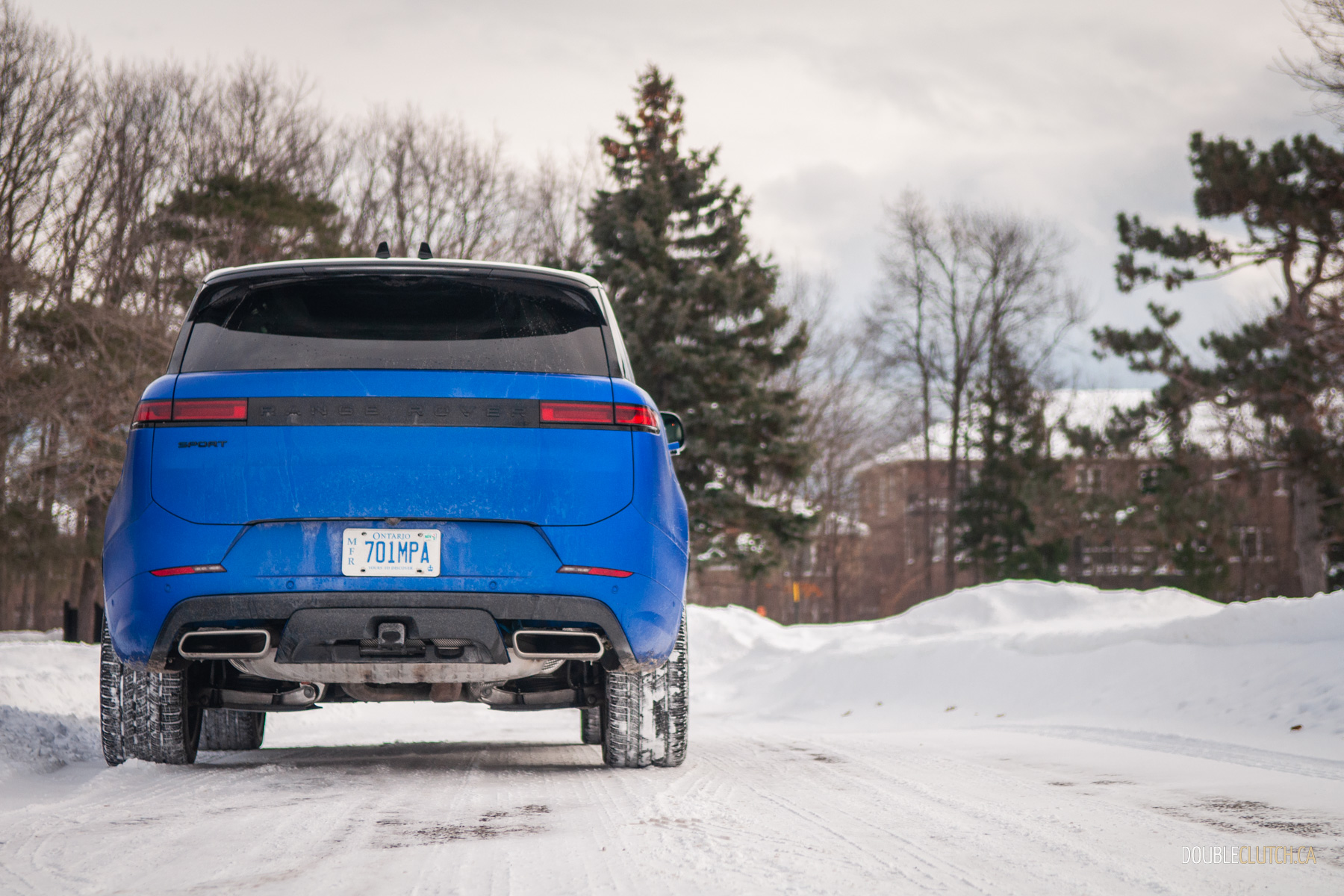
The Range Rover Sport’s exterior is largely unchanged, which is perfectly fine; good design doesn’t age out quickly. I don’t feel as warmly about this tester’s satin-finish Velocity Blue paint, however. I can see a younger version of myself loving it, but that younger self is long gone, and I’d feel better about a beige, or a more demure hue of blue. To each their own.
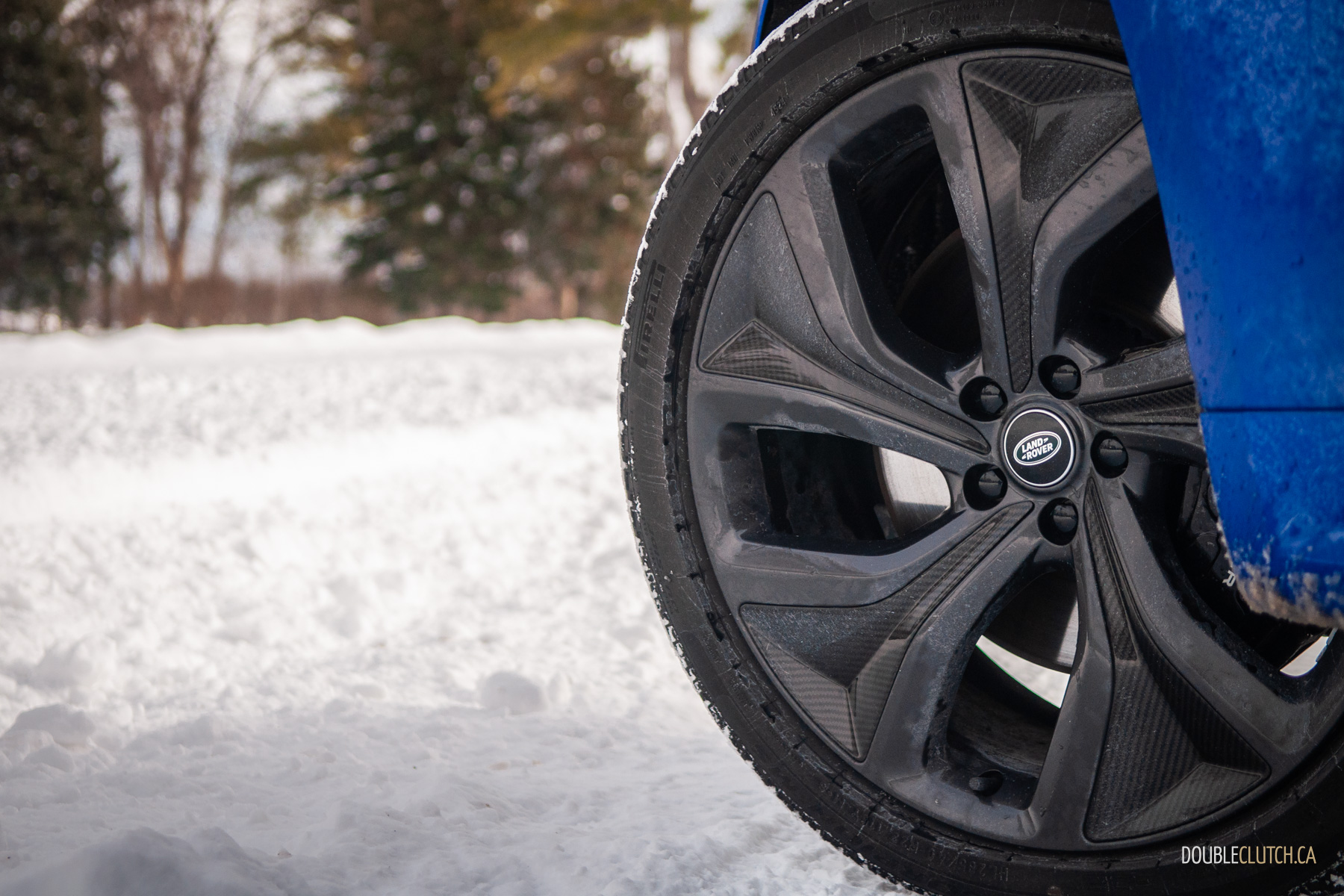
That look is finished off with 23-inch blade-style wheels featuring carbon fibre inserts, along with extensive blacked-out trim to reinforce the Sport in this Range Rover Sport. It’s a spec that wants attention, and whether that’s a positive or a negative will depend entirely on the buyer. A younger me would call it baller.
Interior space • The song remains the same
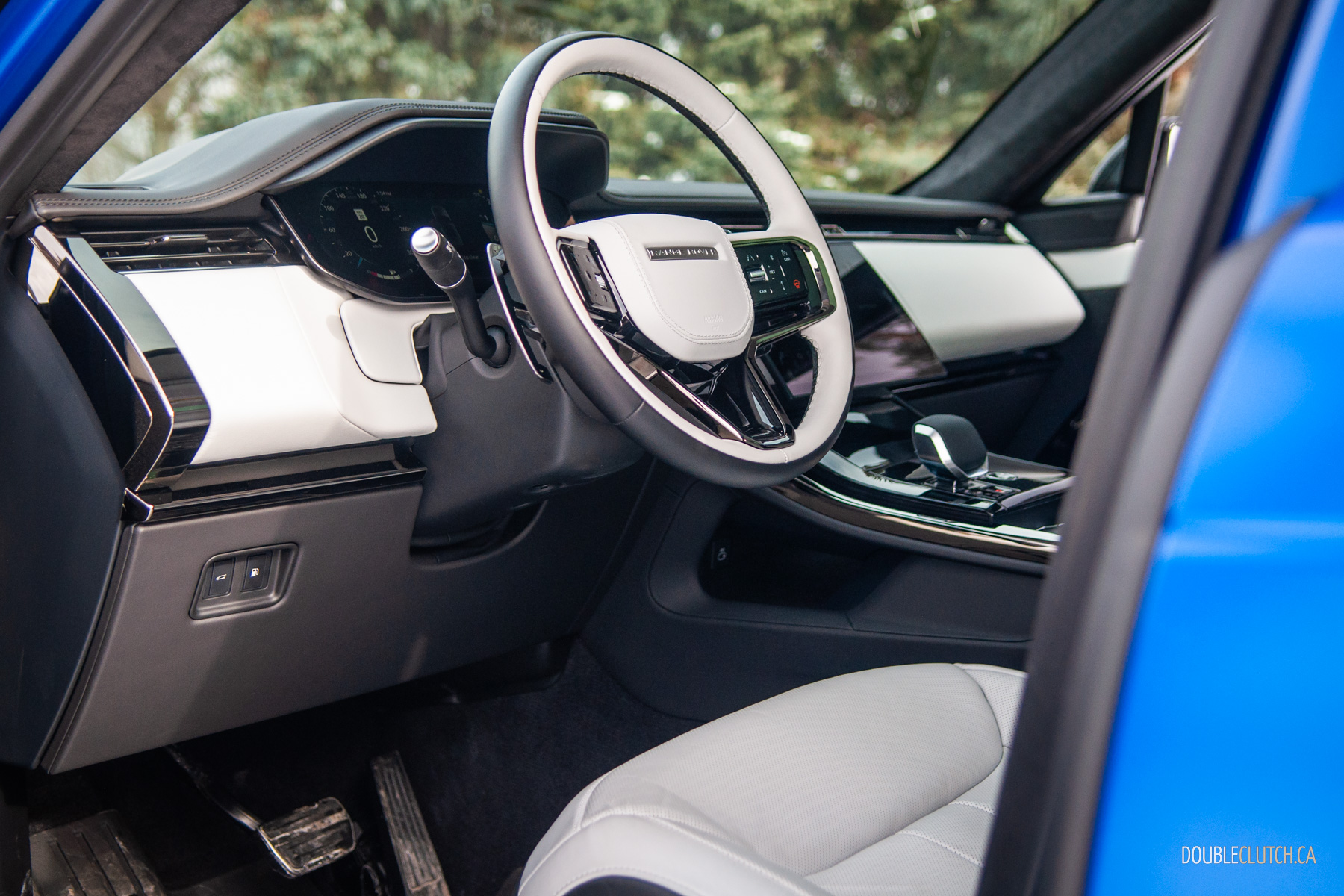
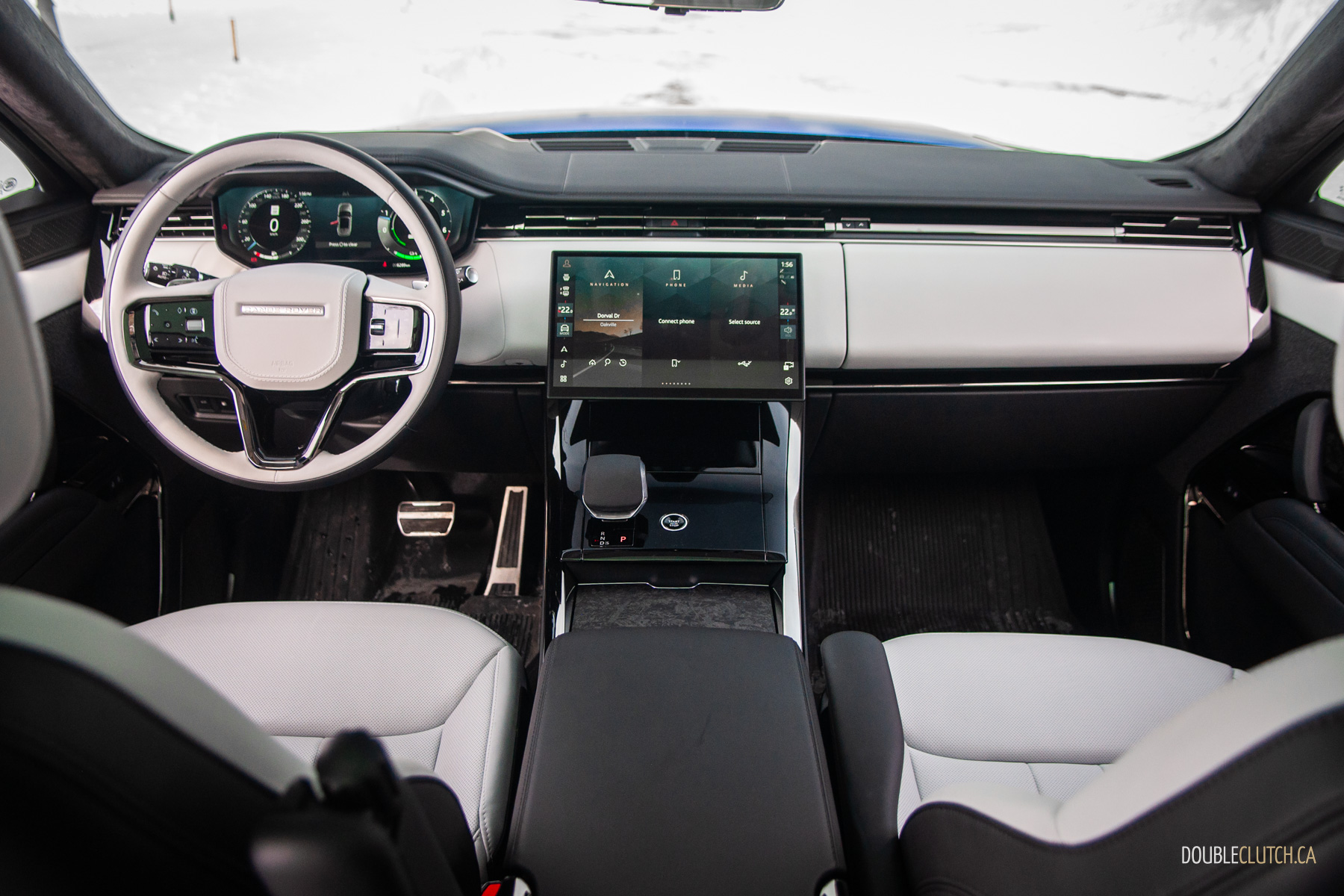
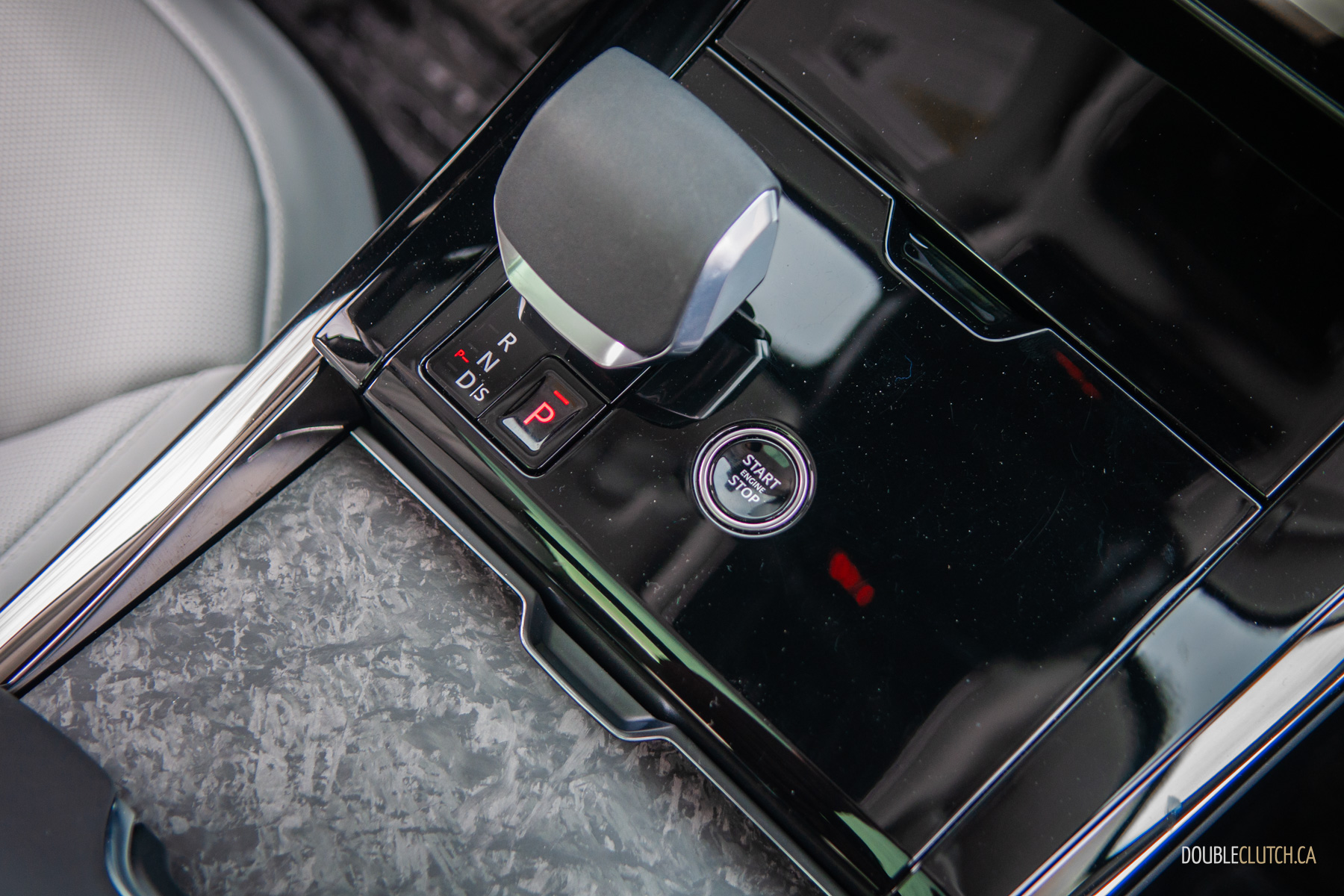
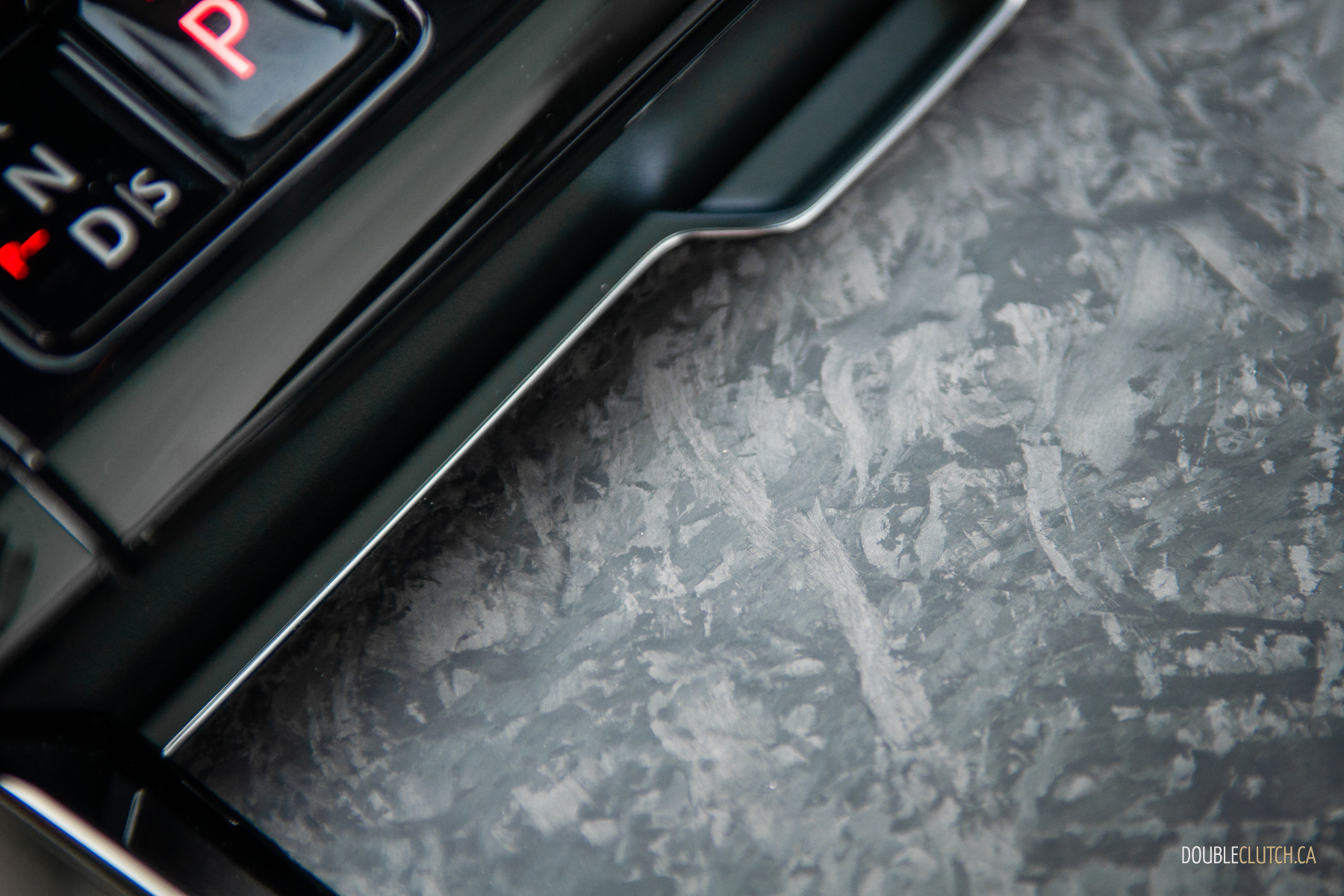
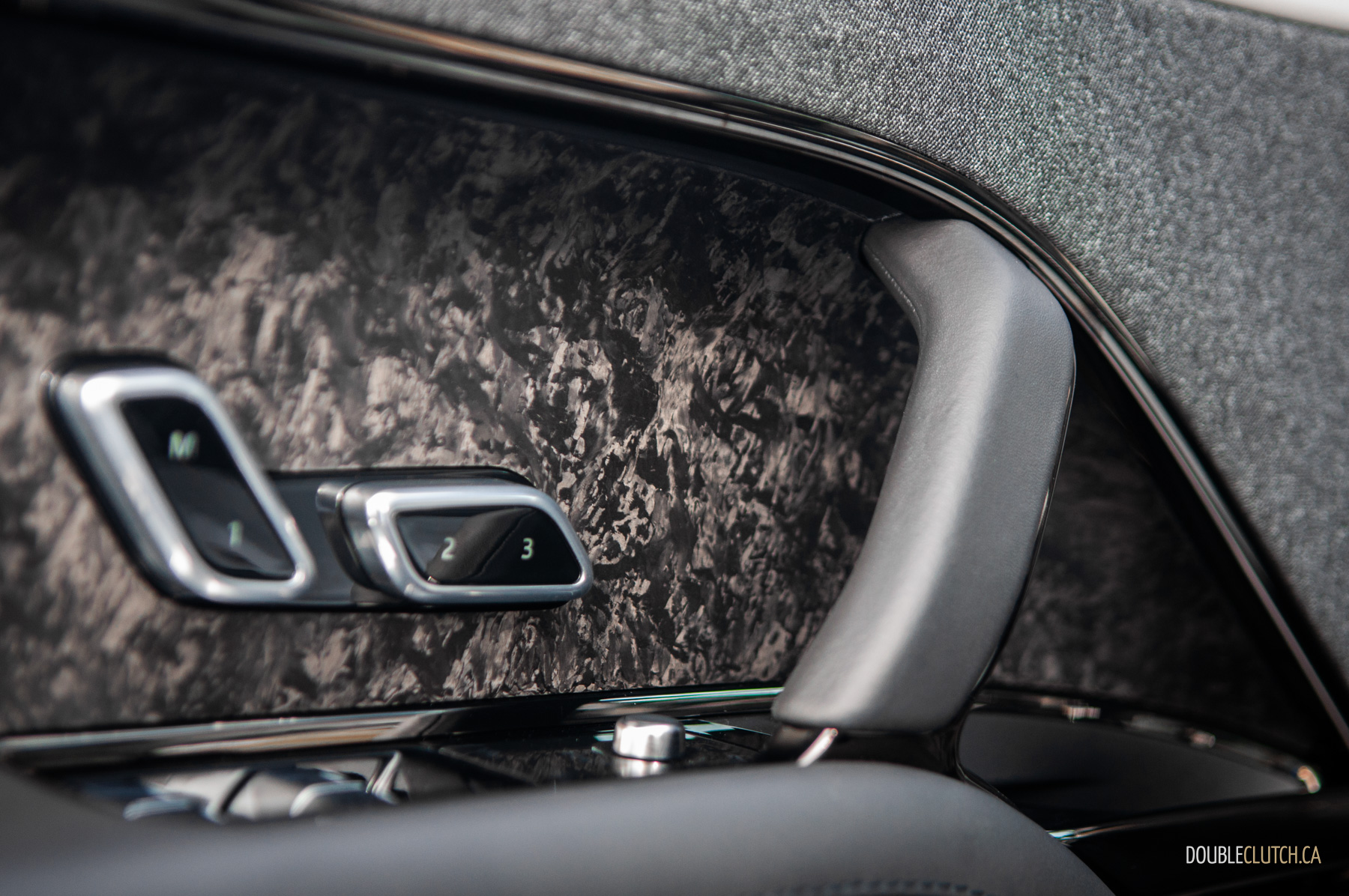
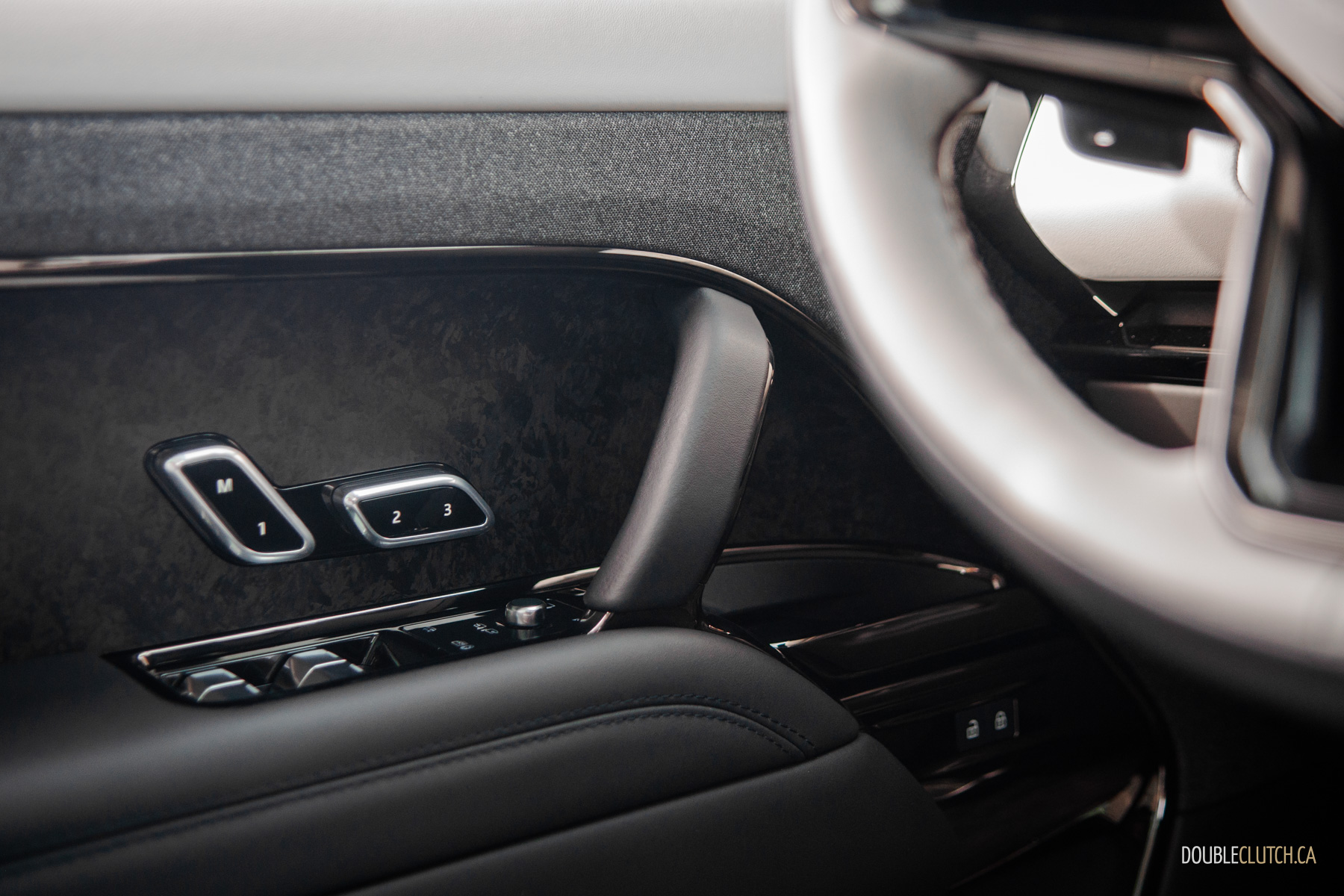
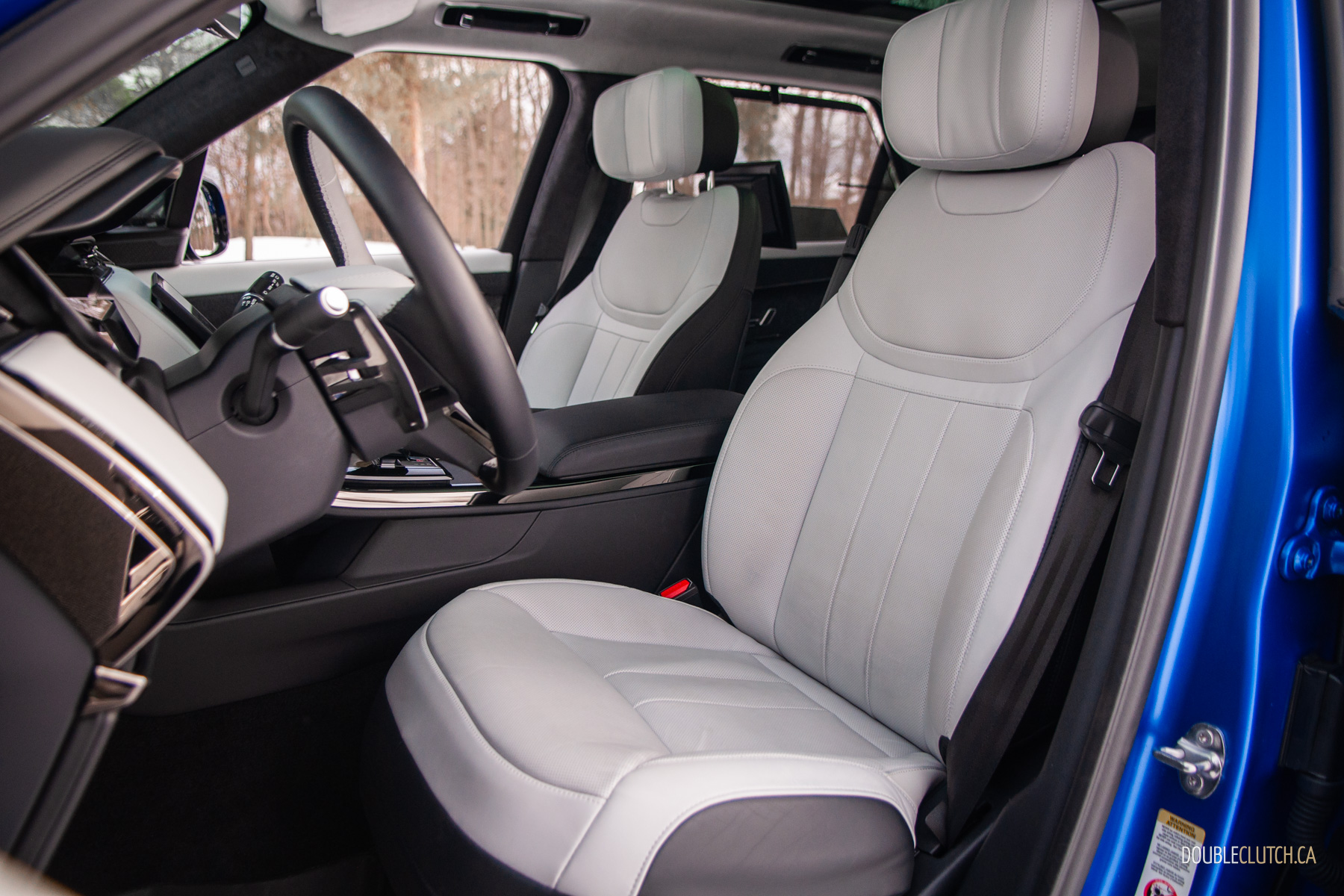
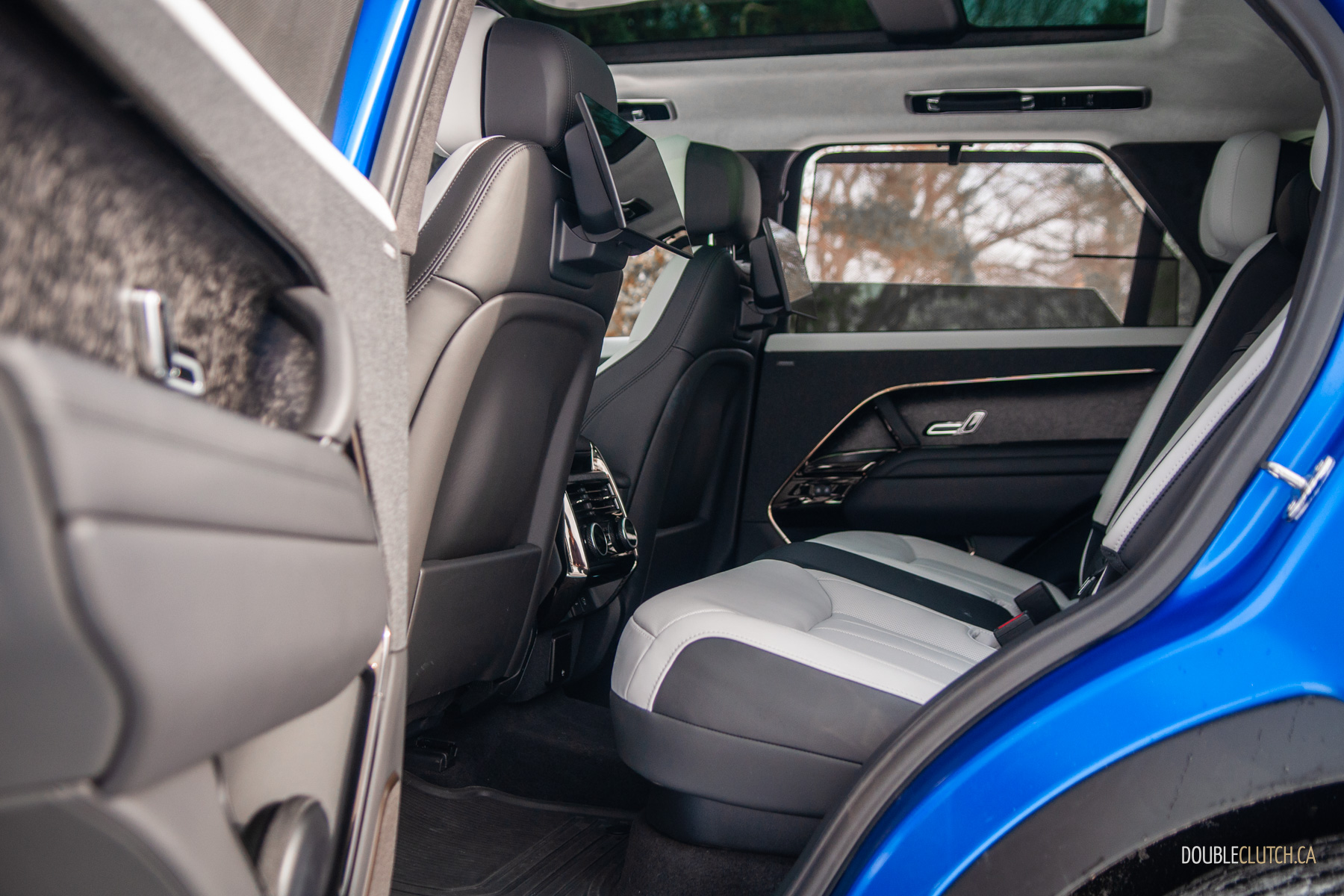
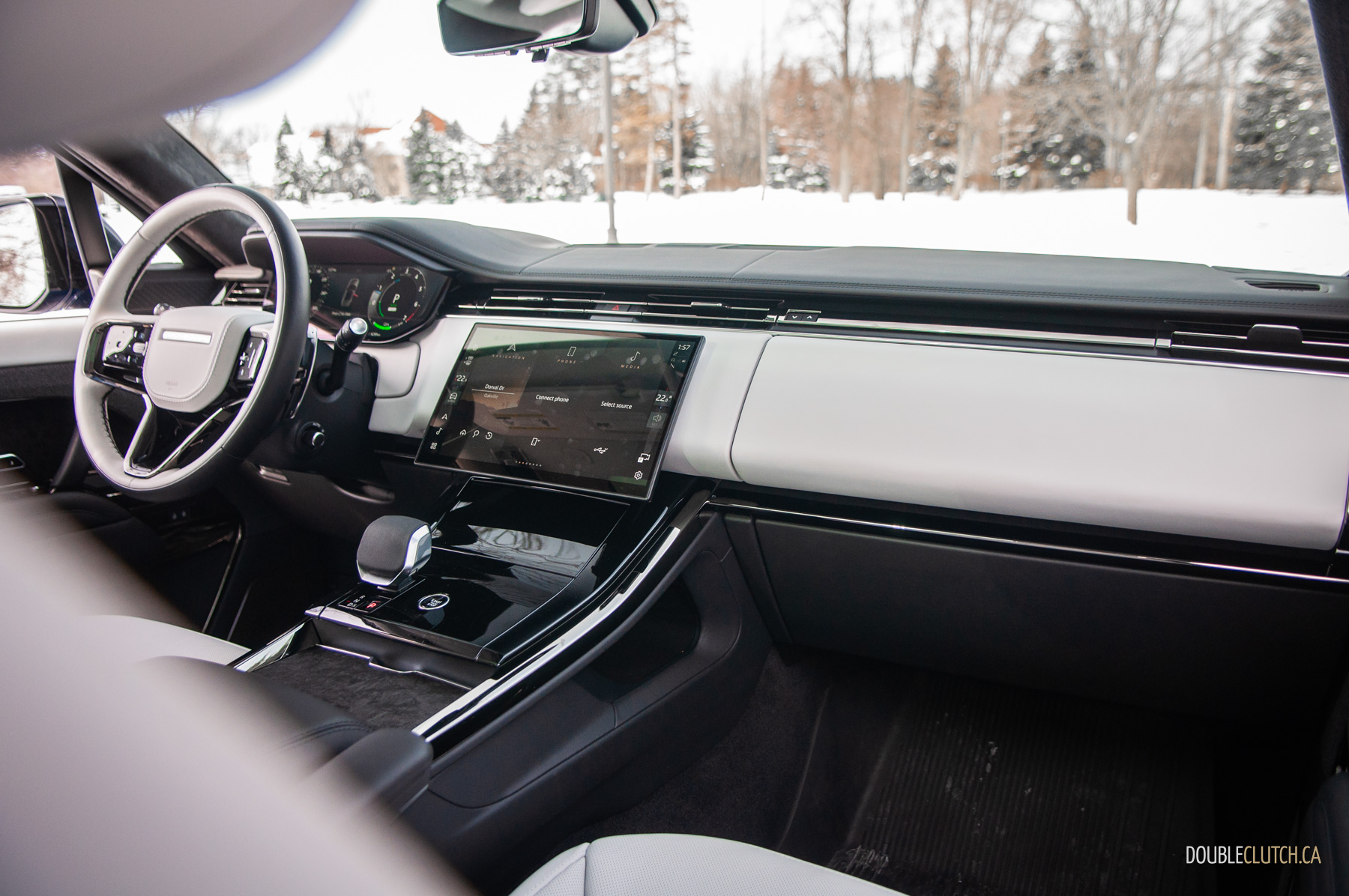
Inside, the story is much the same, unchanged with good reason. The cabin remains clean, minimalist, and unmistakably Range Rover, and worthy of a suitably baller sticker price. It’s worth noting that this Autobiography’s interior is very nearly exactly identical to the top-trim SV, down to the same White Cloud Windsor leather and forged carbon trim.
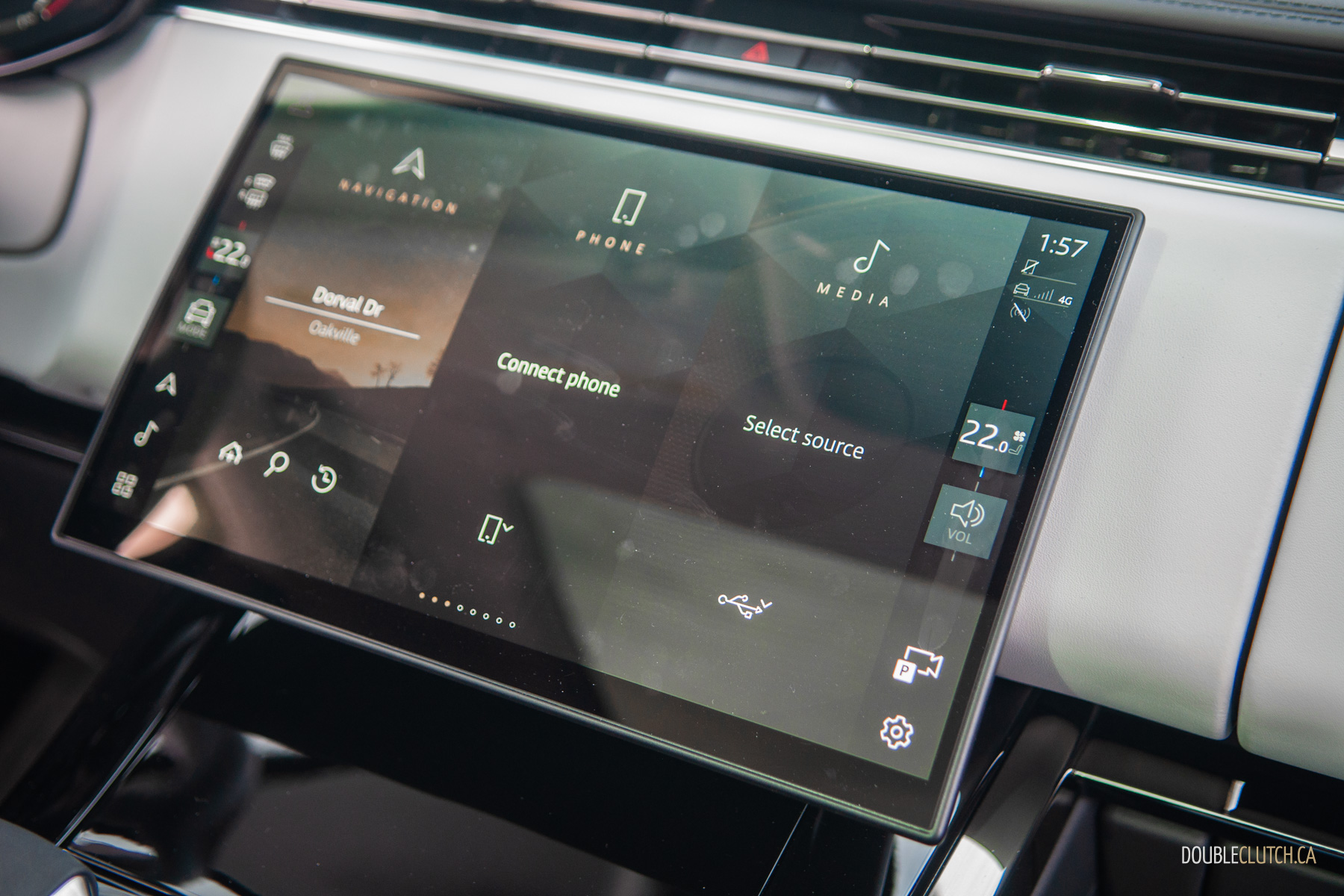
Infotainment is handled by a 13.1-inch floating touchscreen running JLR’s Pivi Pro system. There’s a learning curve here, no question, but once you acclimate, it works quite well. It’s responsive, logically laid out once understood, and visually polished.
Audio comes courtesy of the 29-speaker Meridian Signature system, which sounds excellent – maybe not quite Bowers & Wilkins good, but comfortably among the upper tier of in-car audio. It strikes a confident balance between luxury and sport without tipping into ostentation.
Powertrain • Things get interesting
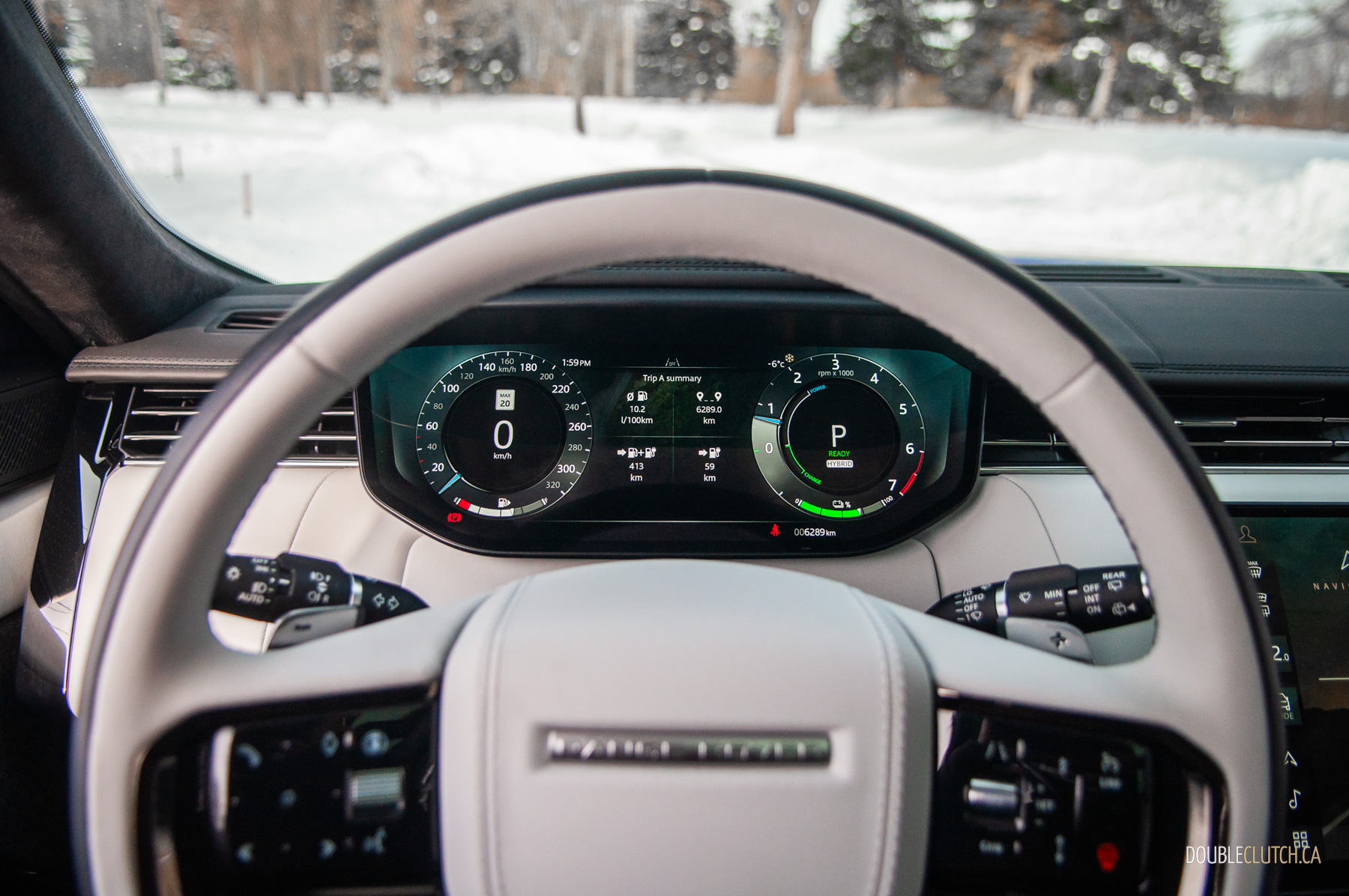
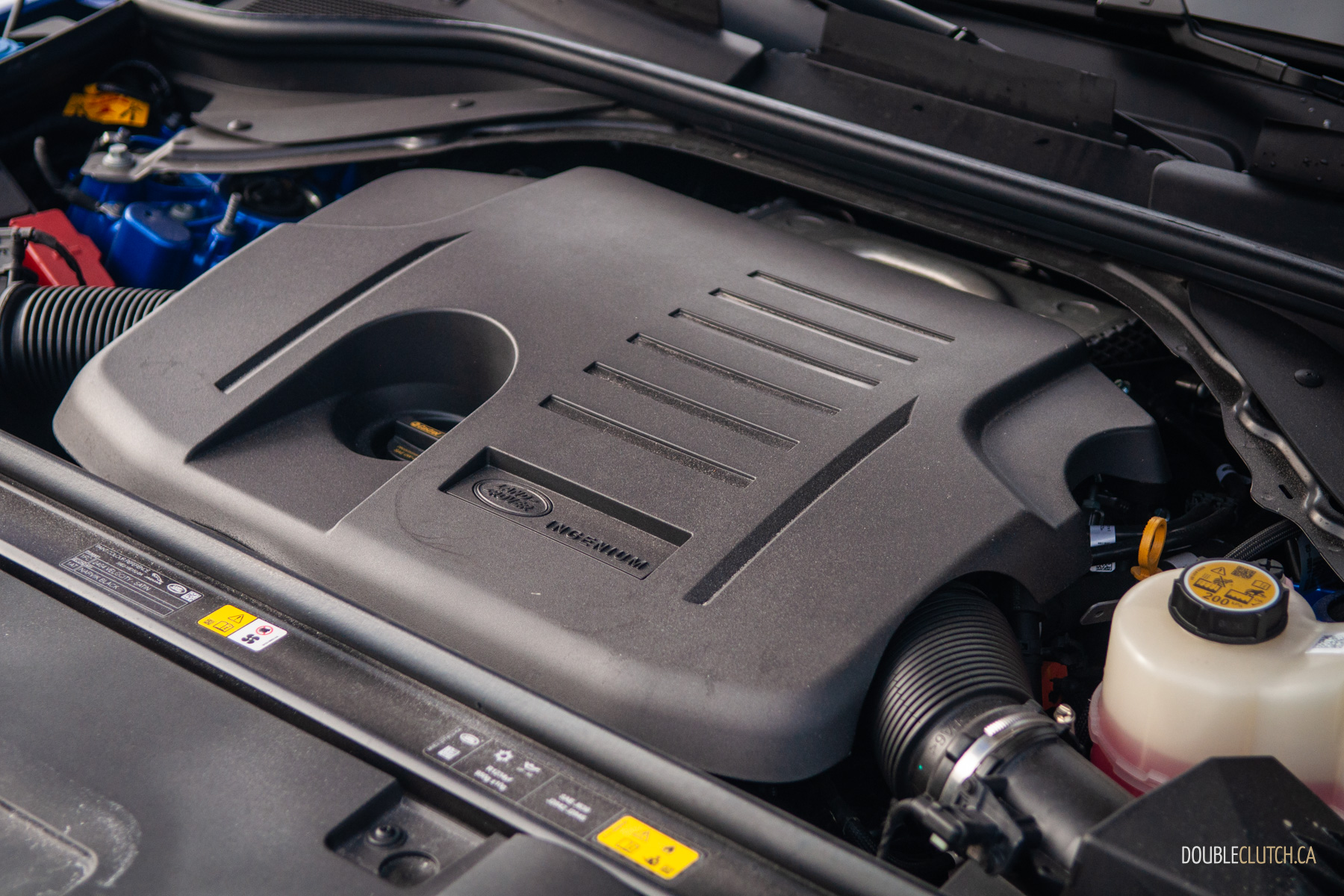
Under the skin, this Autobiography is powered by Land Rover’s P550e plug-in hybrid setup. It pairs the company’s in-house 3.0-litre turbocharged inline-six with an integrated electric motor and a 31.8 kWh battery, producing a combined 534 horsepower and nearly 600 lb-ft of torque.
The duality here is what impresses most. It’s exceptionally refined, properly powerful, and yet surprisingly efficient. Displayed fuel consumption over the test hovered around 10.2 L/100 km even without religiously plugging it in. Do charge it, and you’re looking at up to 85 km of electric-only range, which is more than enough to cover most daily commutes and errands.
It’s not trying to be a fire-breathing SV, but it’s properly quick, and in the real world it would give something like a Mustang GT a harder time than you might expect. Land Rover has a long history of leaning on other companies like BMW, Jaguar, and Ford for their engines, and getting a fairly new engine to play nice and, more importantly for a Range Rover, feel nice with an electric powertrain as well is a very impressive feat. It feels far more mature than it is.
Driving impressions • Range Rover first, Sport second
Our loaded comes standard with the Stormer Handling Package, which includes Dynamic Air suspension, a torque-vectoring differential, and four-wheel steering. As expected, ride comfort is impeccable, even on the huge wheels. This is still very much a Range Rover, and it glides over broken pavement – or no pavement at all – with an ease few rivals can match.
Body control is excellent as well, and while it feels redundant to say at this point, it really does put the “Sport” in Range Rover Sport. The four-wheel steering helps shrink the vehicle around you, particularly at lower speeds, and everything – steering, suspension, throttle response – feels beautifully calibrated. Nothing stands out because nothing is out of place. It just feels right.
Money
There’s no avoiding it: this is an enormous amount of money to spend on an SUV. At $165,550 before destination and Canada’s luxury tax, you’re nearing two hundred grand (granted, $13,200 is wrapped up in the paint). That can buy you an awful lot of AMG or Alpina.
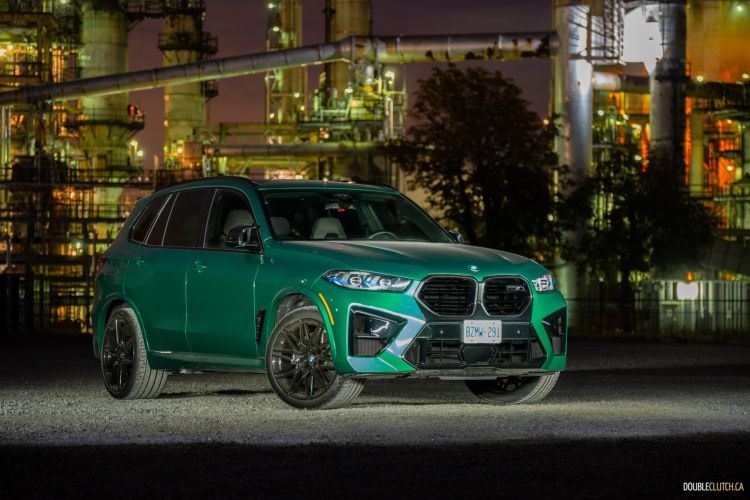
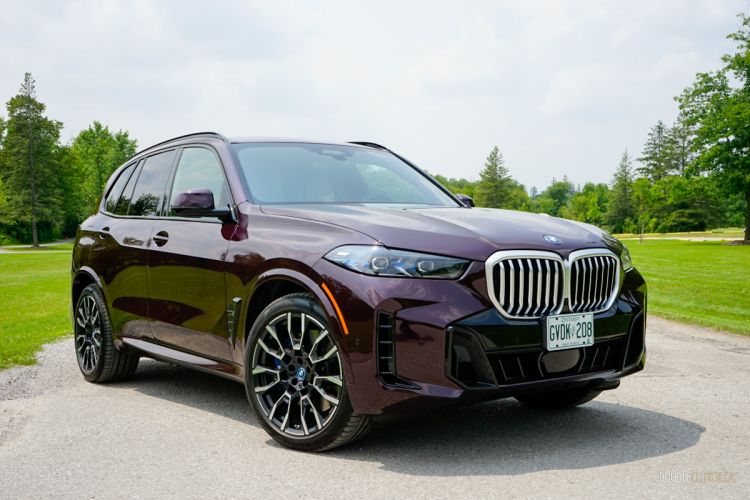
On paper, it’s pretty much only the BMW X5 xDrive50e – similarly sized, similarly fast, and similarly electric – that threatens to undermine the Range Rover’s worth. But that argument only goes so far. What you’re paying for here is the Range Rover experience: the design, the interior execution, the sense of cohesion, and the way everything works together so effortlessly. The fact that it’s a good truck and a good sports car, and all Range Rover is what closes the deal.
Wrap it up
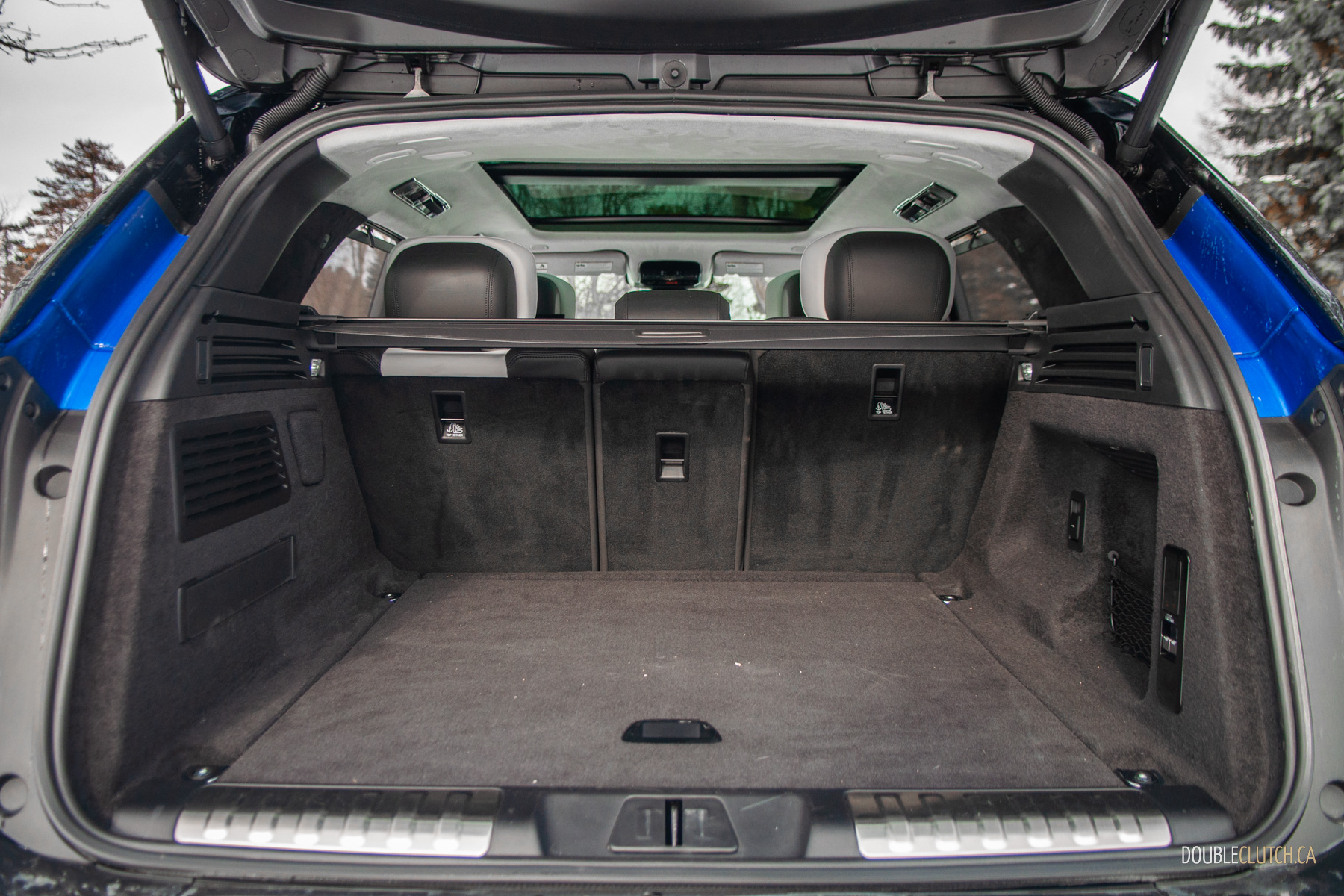
This right-sized Range Rover can do more, haul more, glide more comfortably, handle with greater poise, and, depending on how and where you drive, even get you where you’re going faster. And in this particular specification, it looks like a million bucks while doing it – for better or worse.
It may not be the most rational choice in this segment, but it’s a compelling one. And for buyers who want luxury, performance, and modern electrification without giving up what makes a Range Rover feel like a Range Rover, this 2025 Range Rover Sport PHEV might be the only vehicle that can do it all so well.