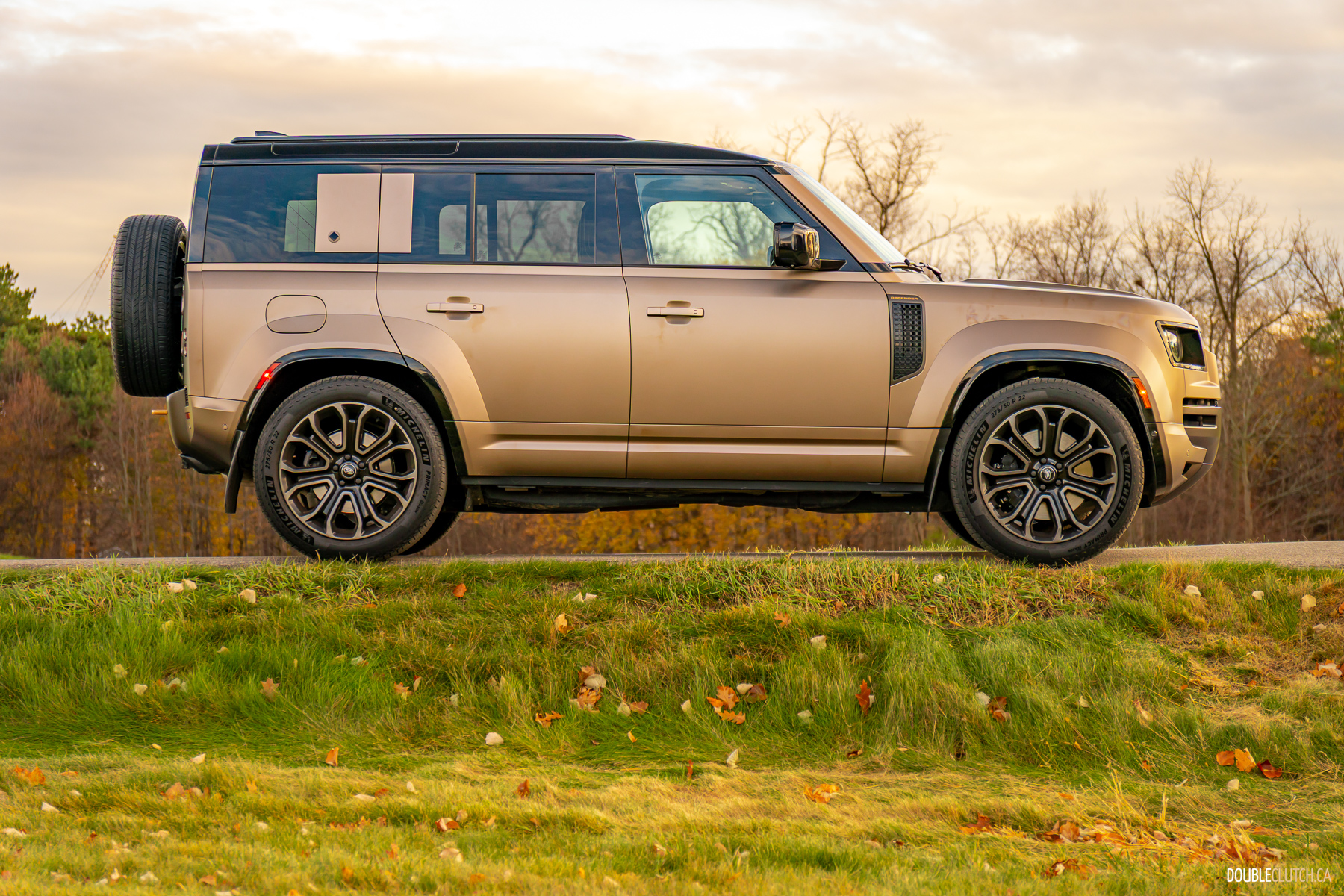
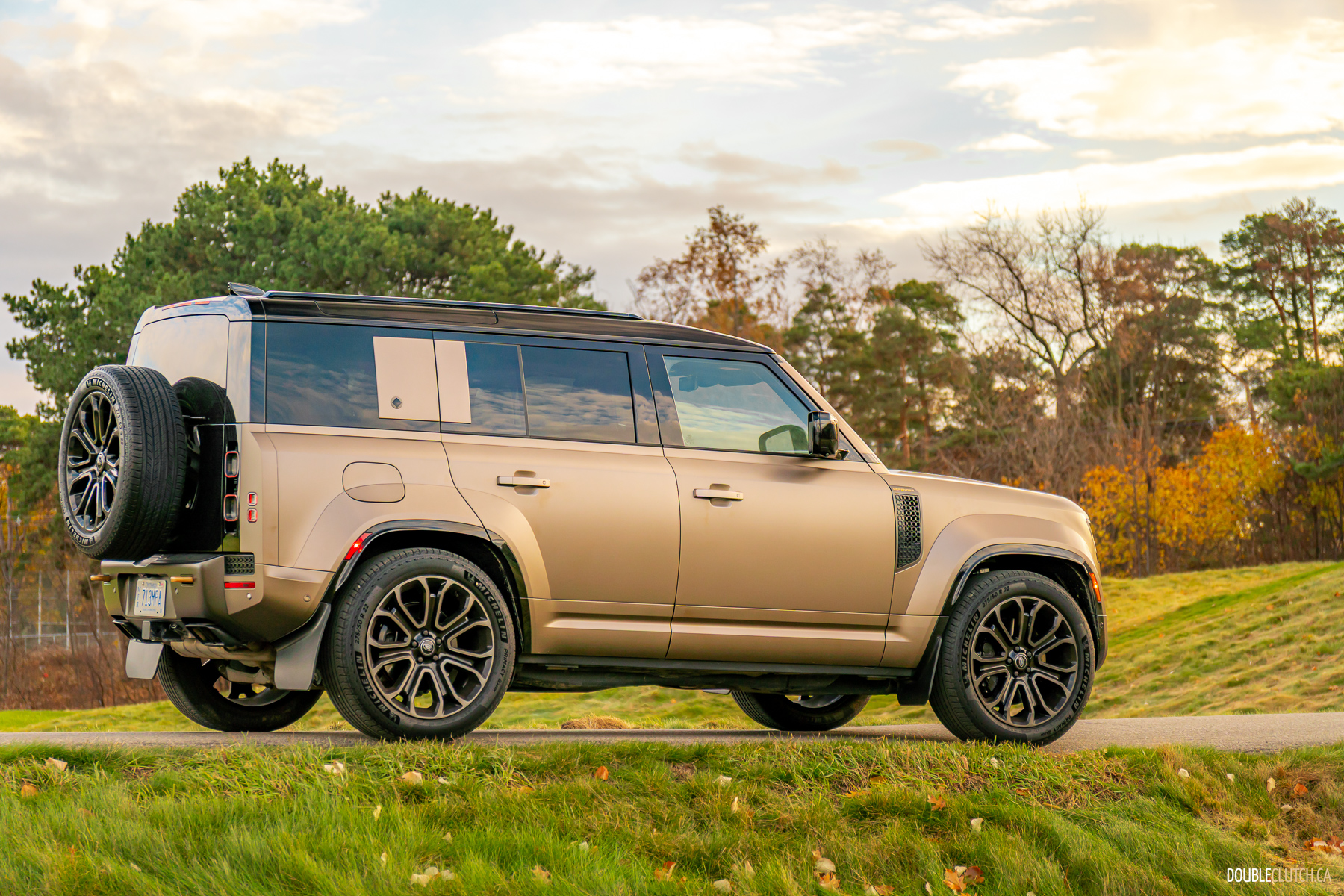
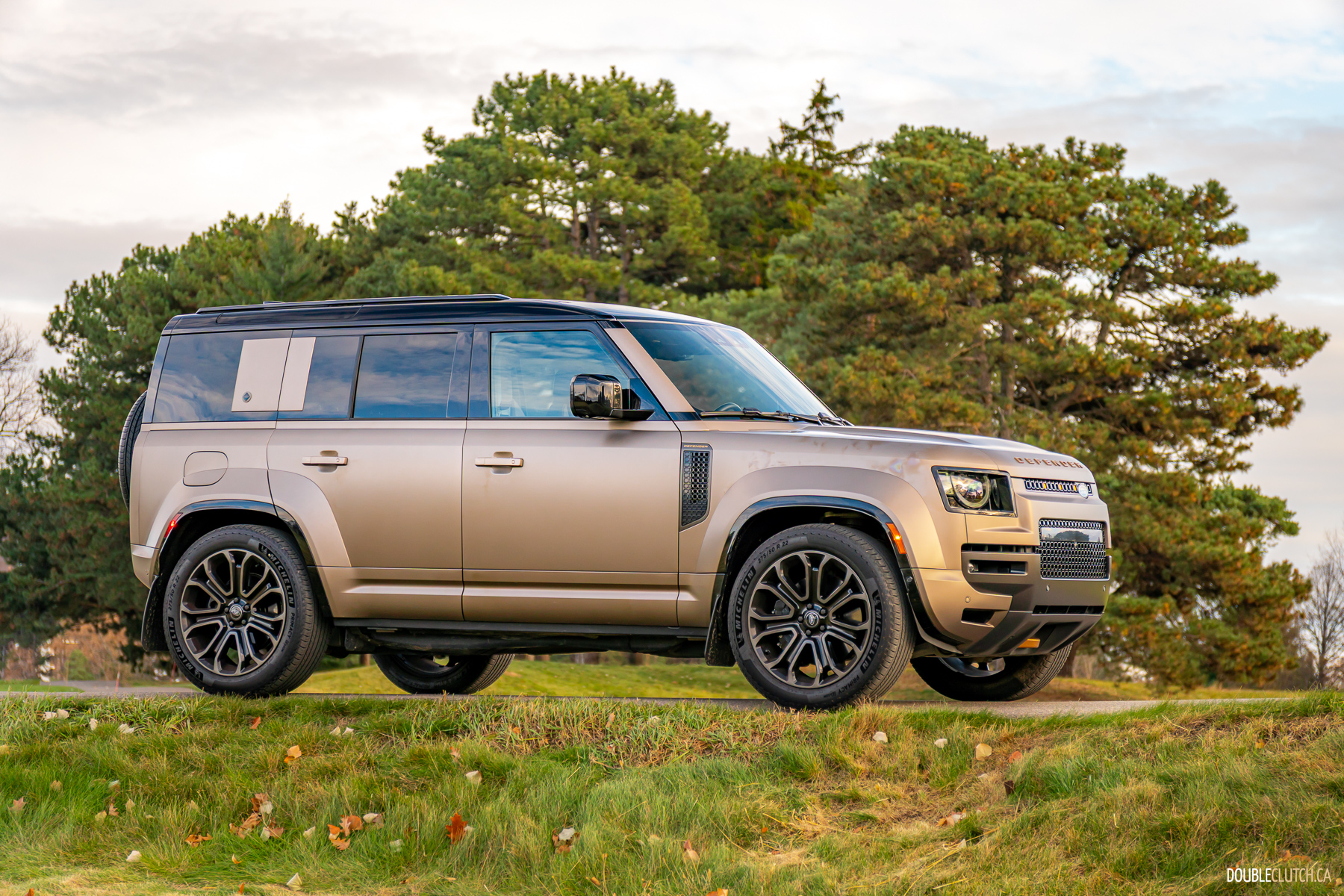
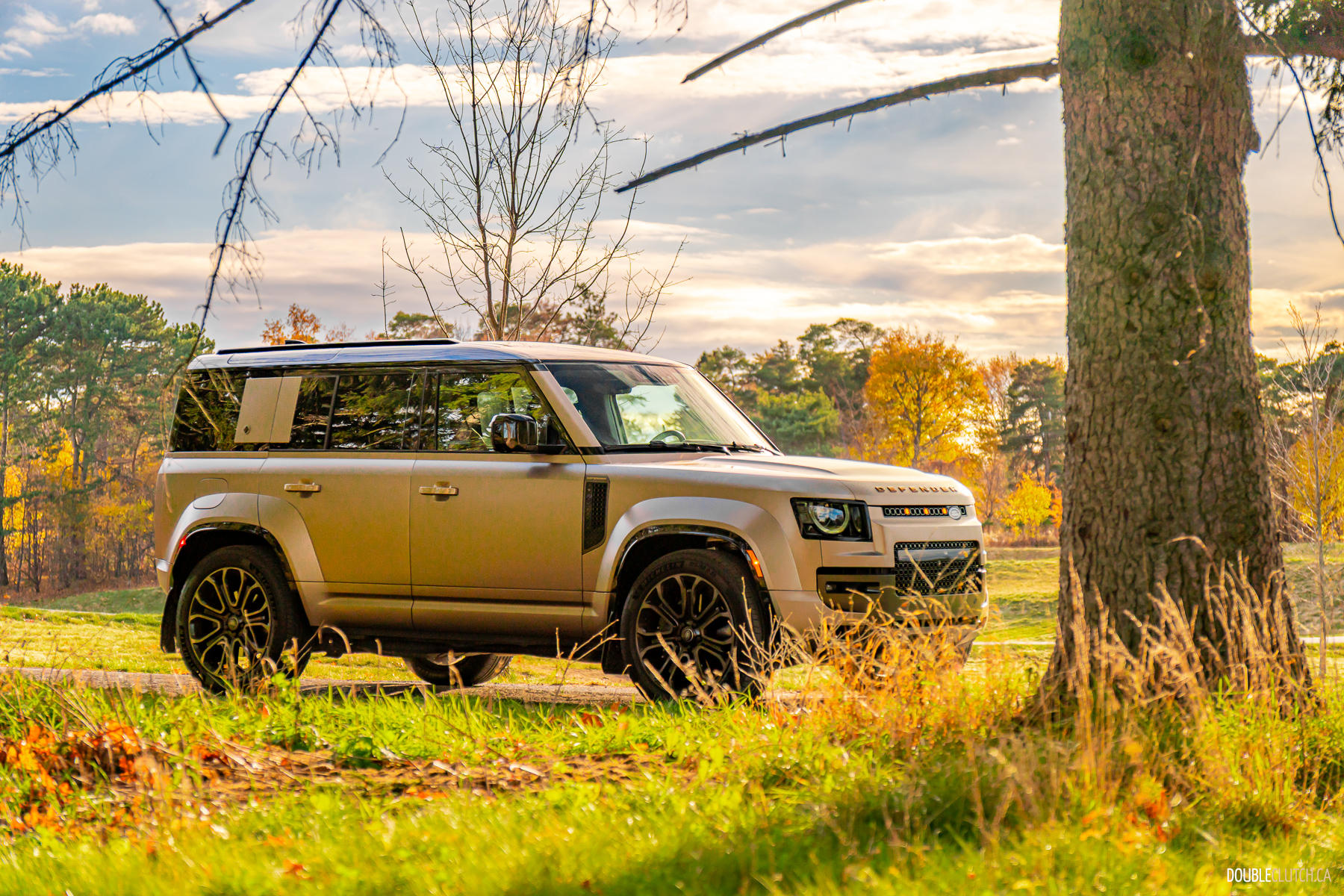
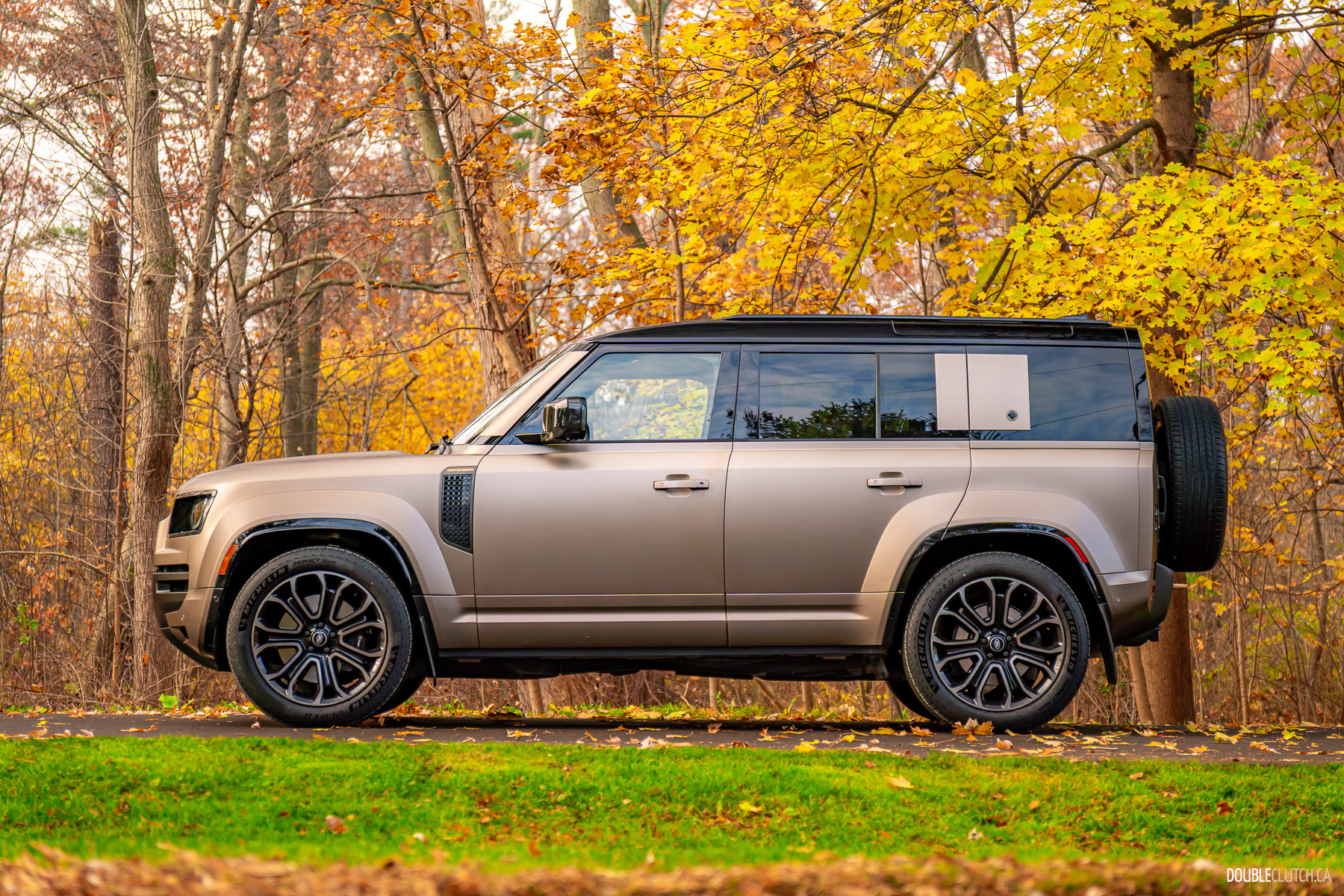
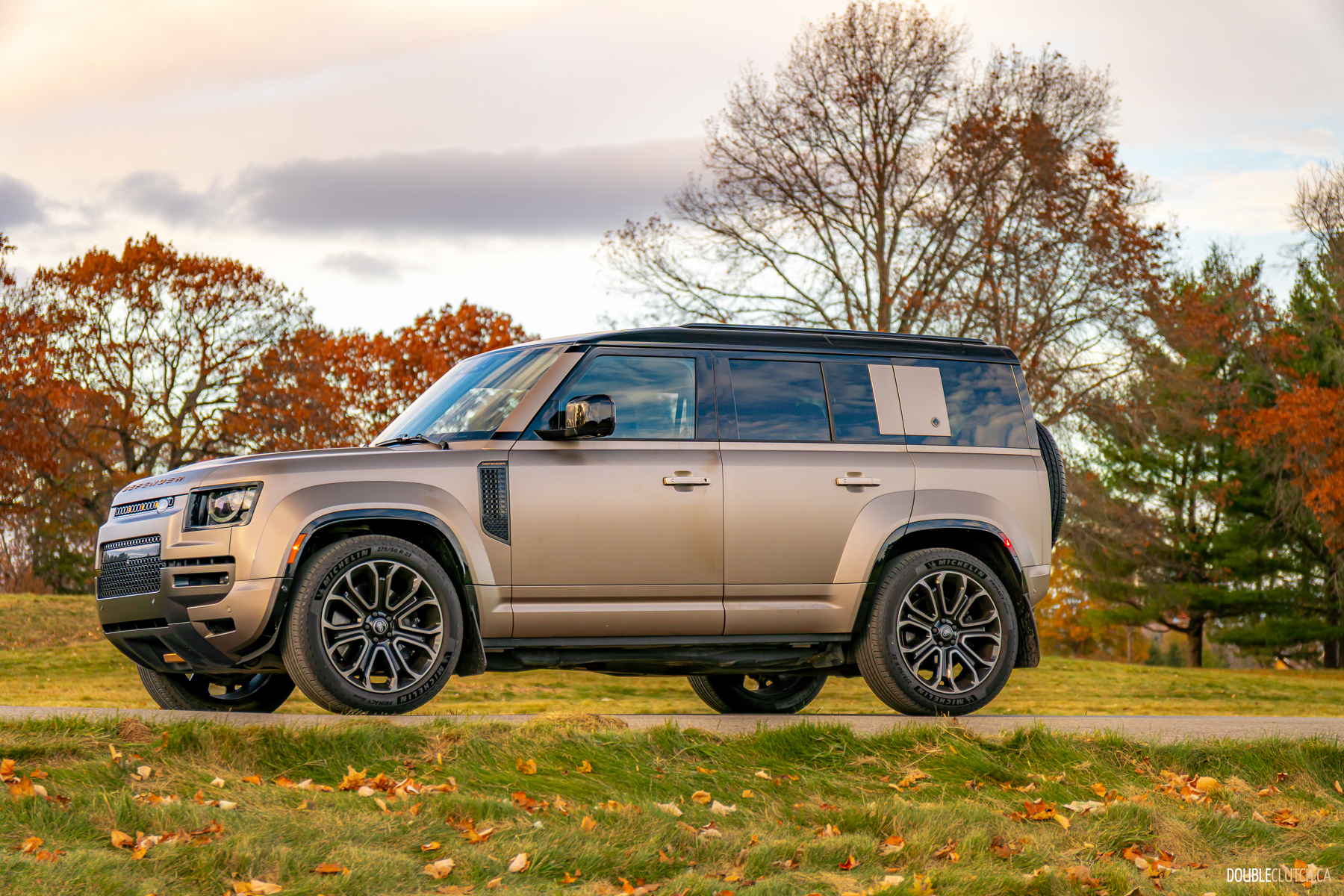
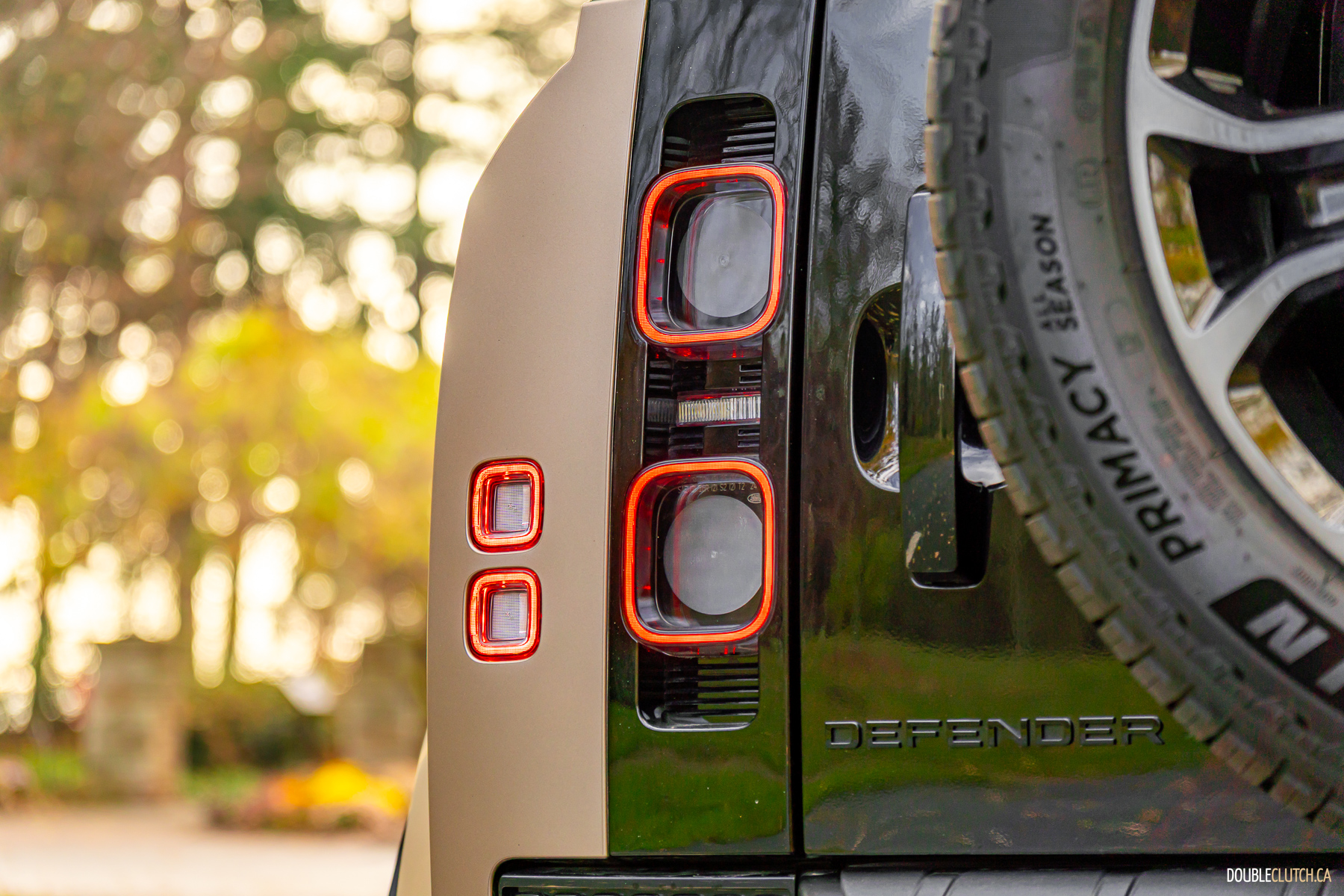
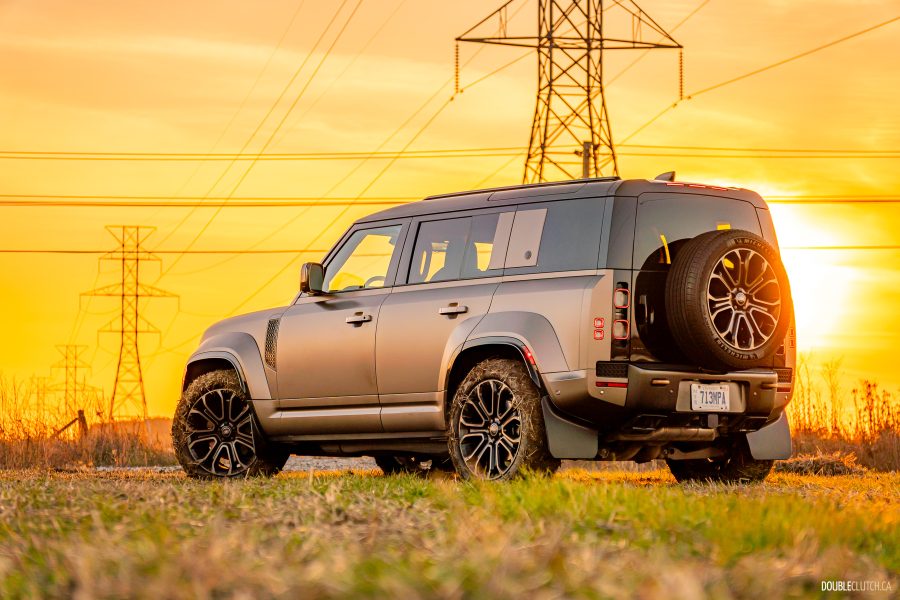
I almost think of high-performance SUVs as modern analogues for the last gasp of the American muscle car era. Cars were getting bigger, more powerful, more opulent, expensive, more over-the-top in every way, and the prevailing dialogue before it all came crashing down was: no one needs this. Much in the same vein, this 2026 Land Rover Defender OCTA is superfluous. It’s a recipe that is part Mercedes G-Wagon, part Ford Bronco Raptor, part BMW X5M Competition, and all Land Rover. No one needs this for sure, but I can’t help wanting it. Let’s look at how the formula comes together.
Start with two parts BMW X5M Competition
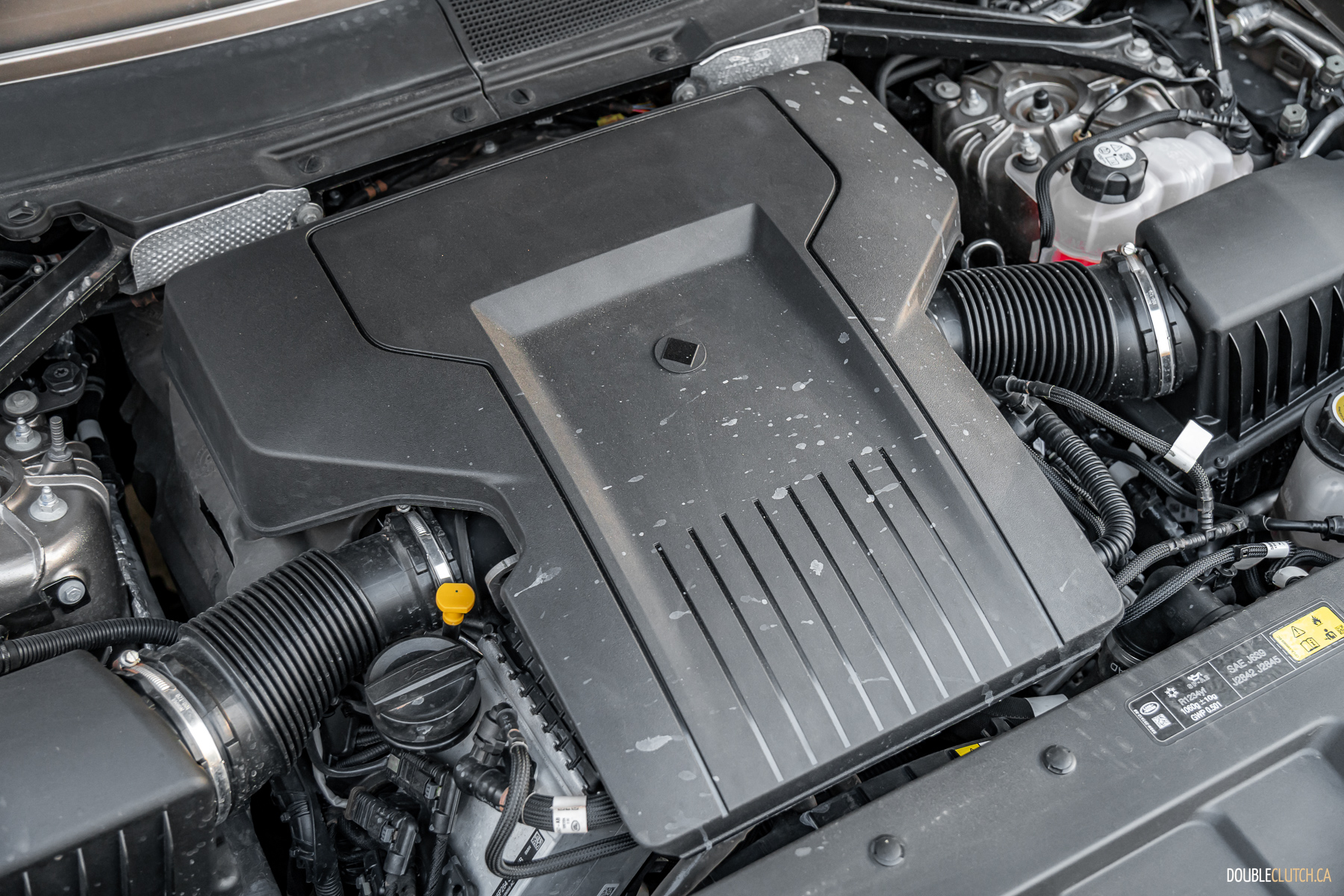
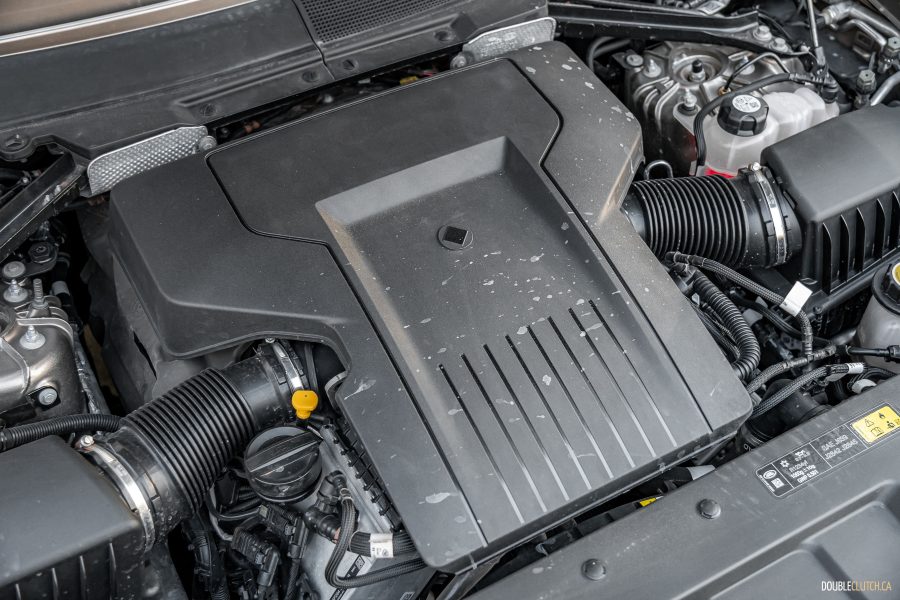
The base of this whole recipe is the same vicious S68R engine lifted out of BMW’s top-tier M vehicles, and shared with the similarly superfluous Range Rover Sport SV. It’s a twin-turbocharged, 4.4-Litre V8 that produces 626 horsepower and 553 foot-pounds of torque, which is an alarming amount of alacrity in what’s supposed to be a utilitarian brick.
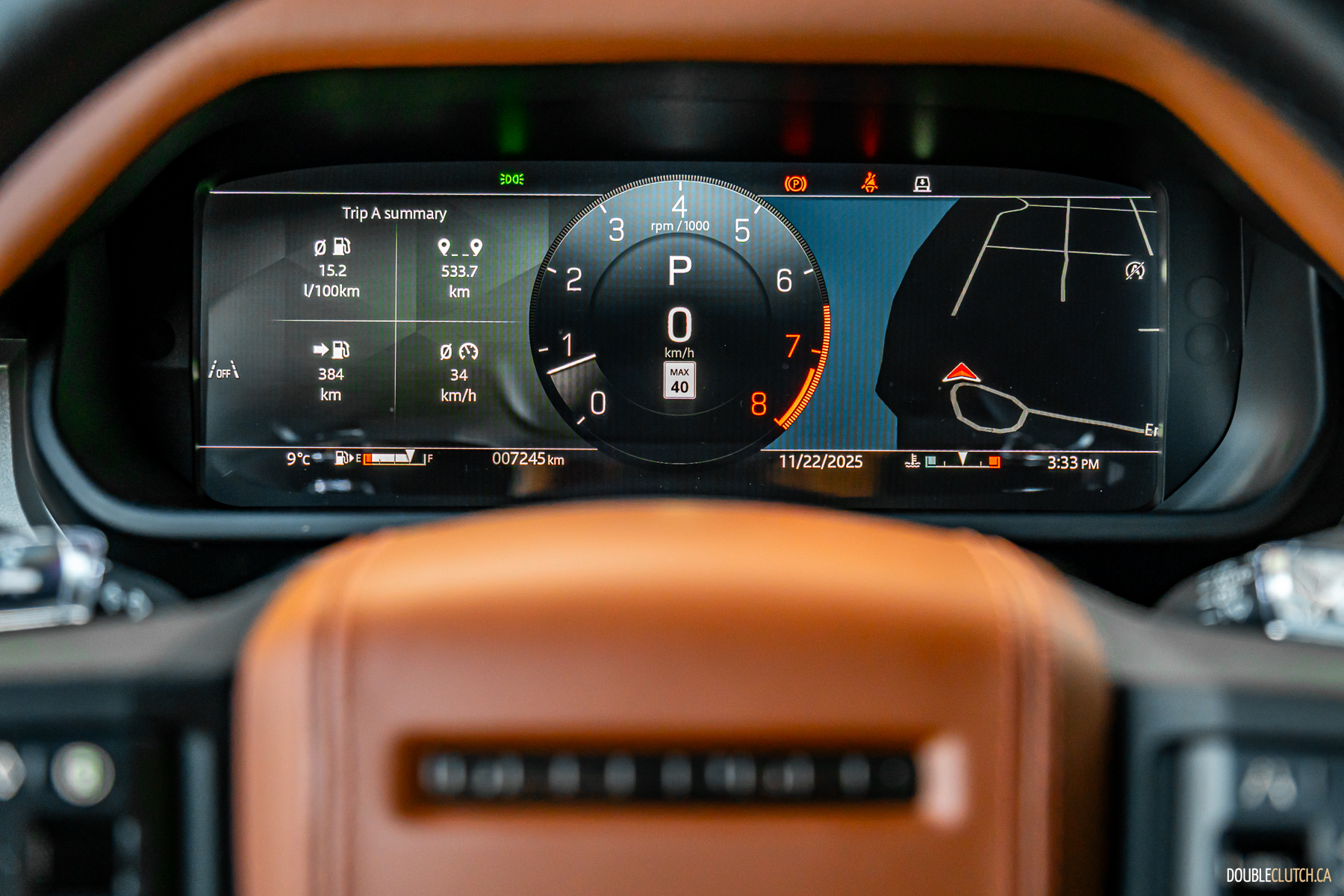
Despite having substantially more power than the FoMoCo-sourced supercharged 5L V8 in the former flagship Defender V8, it is measurably more refined, being smoother around town thanks to BMW’s slick mild-hybrid integration, and as a plus, it’s actually easier on fuel if (and only if) you can resist the corrupting effect of absolute power and drive sensibly. Average fuel use landed at 14.9L/100km at the end of the week, but it didn’t take much to drop that off a cliff.
Power is handled by the same ZF 8-speed native to both this engine and Land Rover’s own applications, and there’s not much to be said about it beyond it being effectively faultless. At full tilt, it sounds and feels furious, screaming to 100km/h in four seconds, with an accompanying mechanical scream and enough burbling theatrics to keep a modern audience entertained. Its only compromise is one that can’t be measured: I’d say the classic 5L V8 sounds better around town – the new German power plant can feel a bit synthetic at times.
Add a half measure of Ford Bronco Raptor
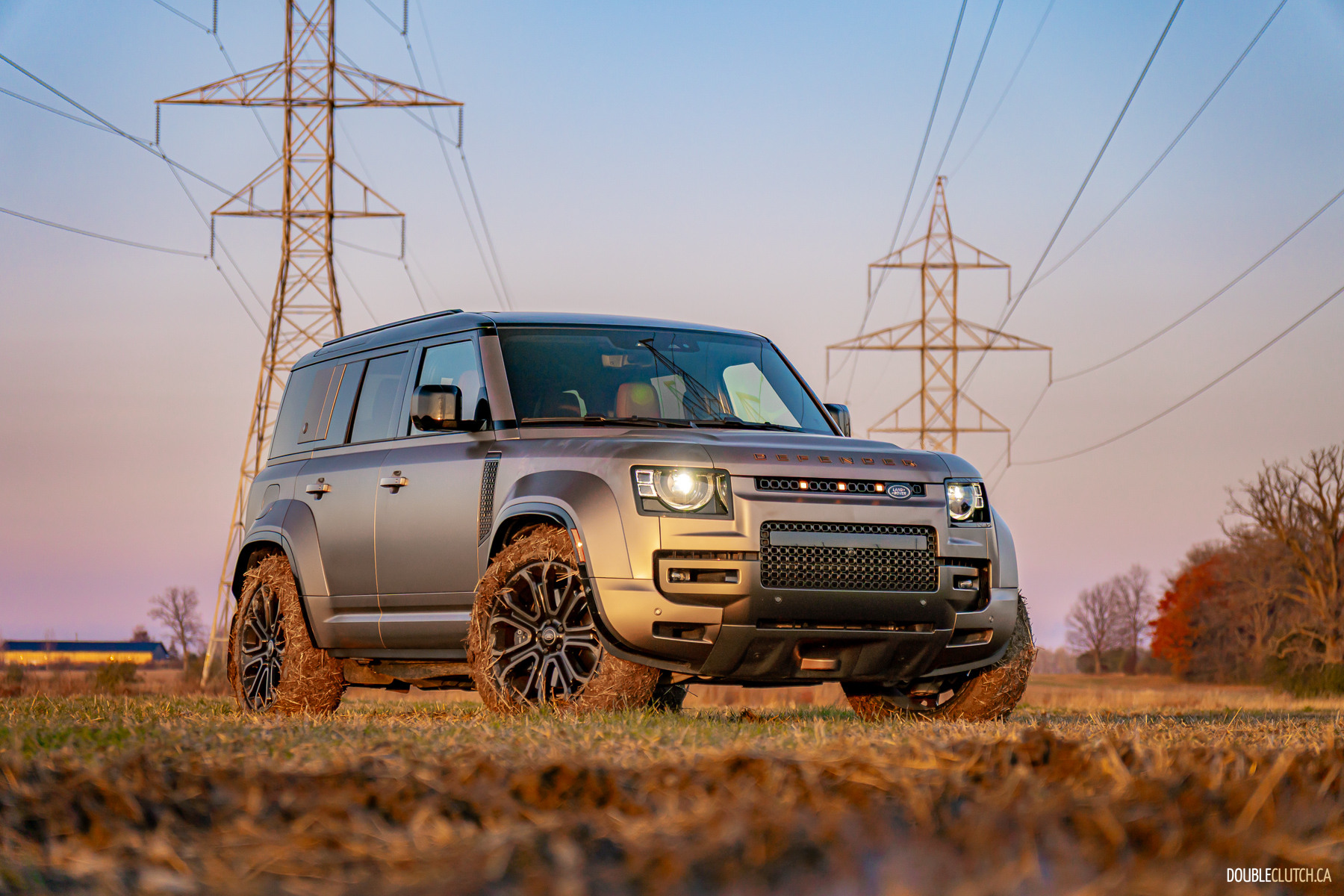
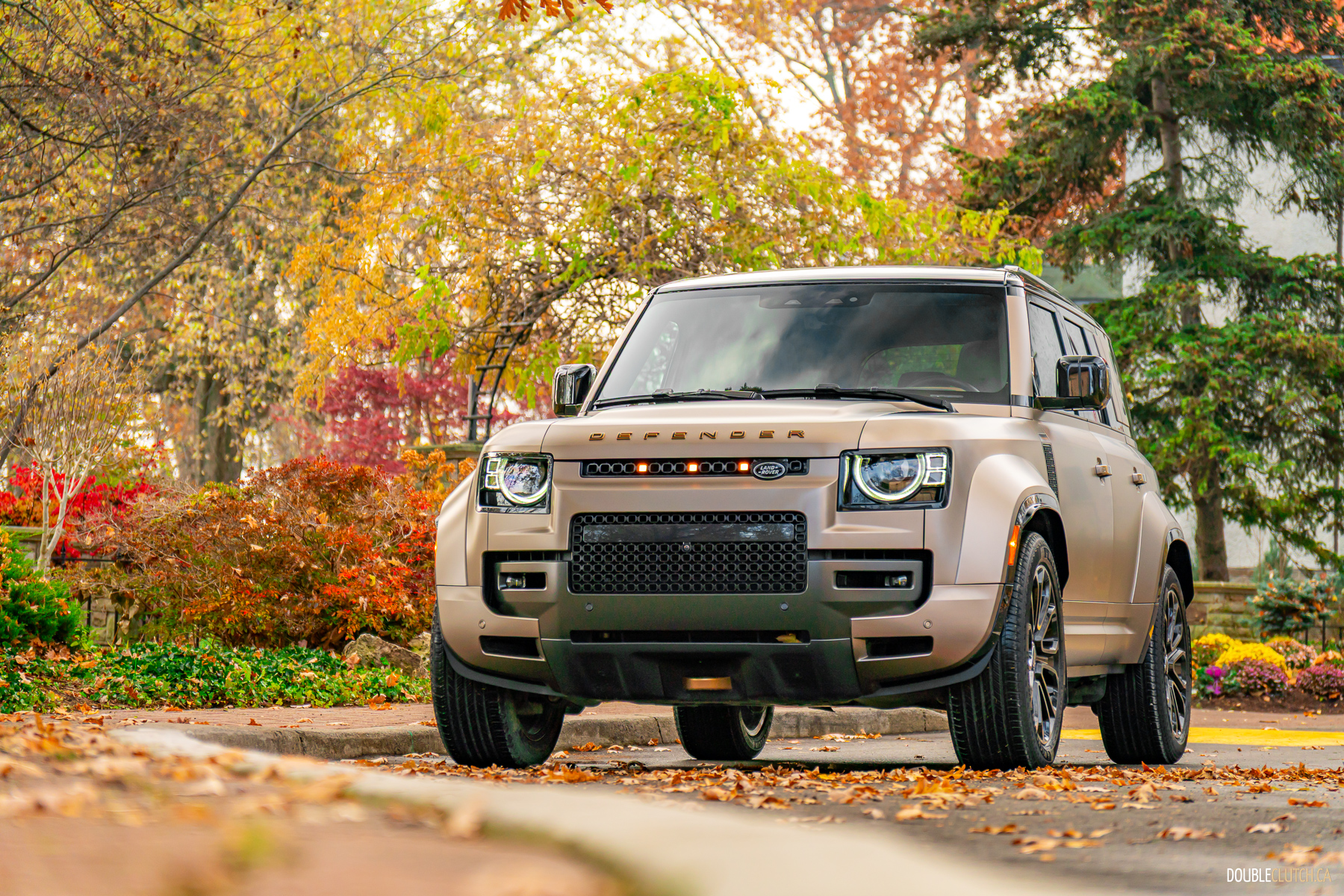
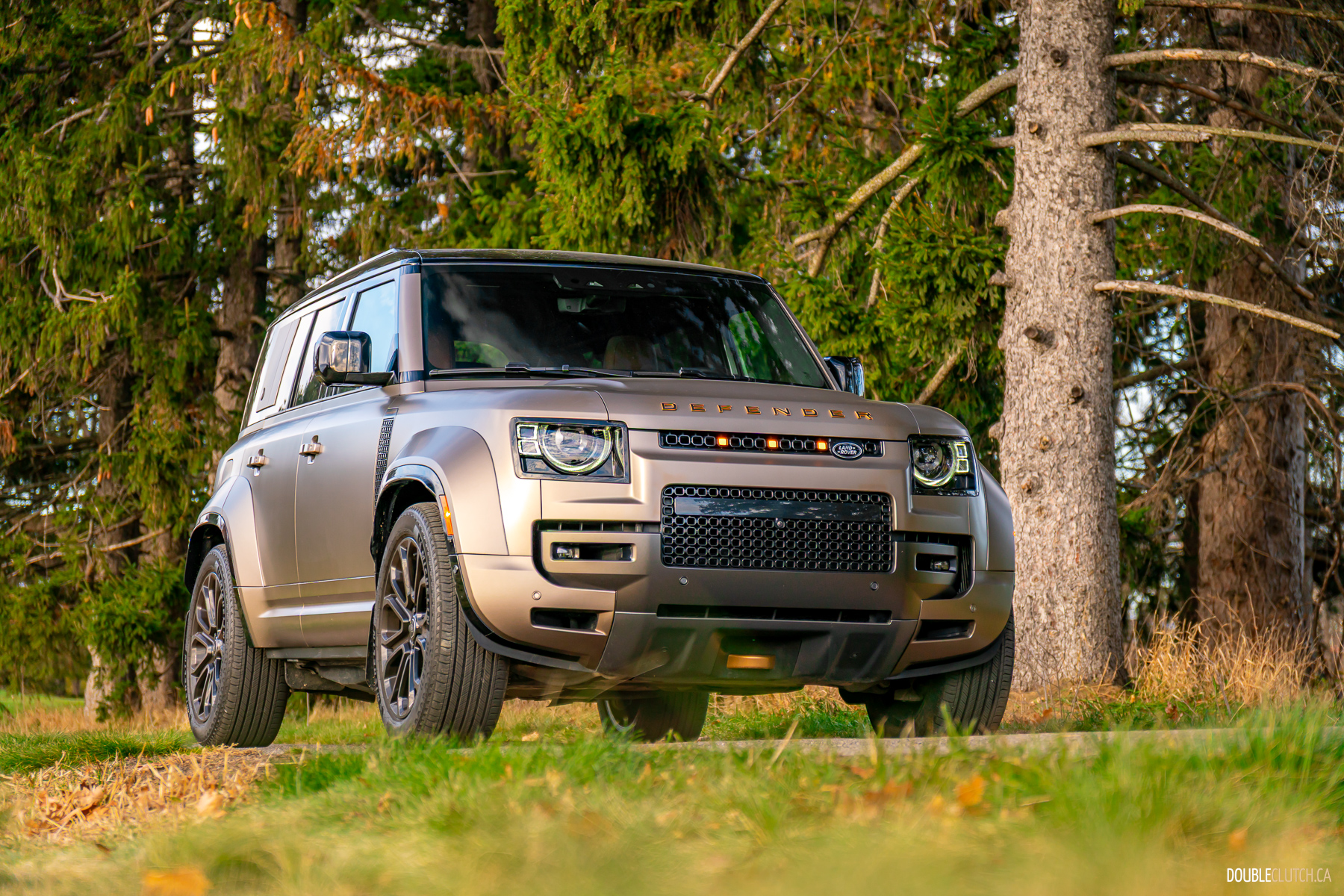
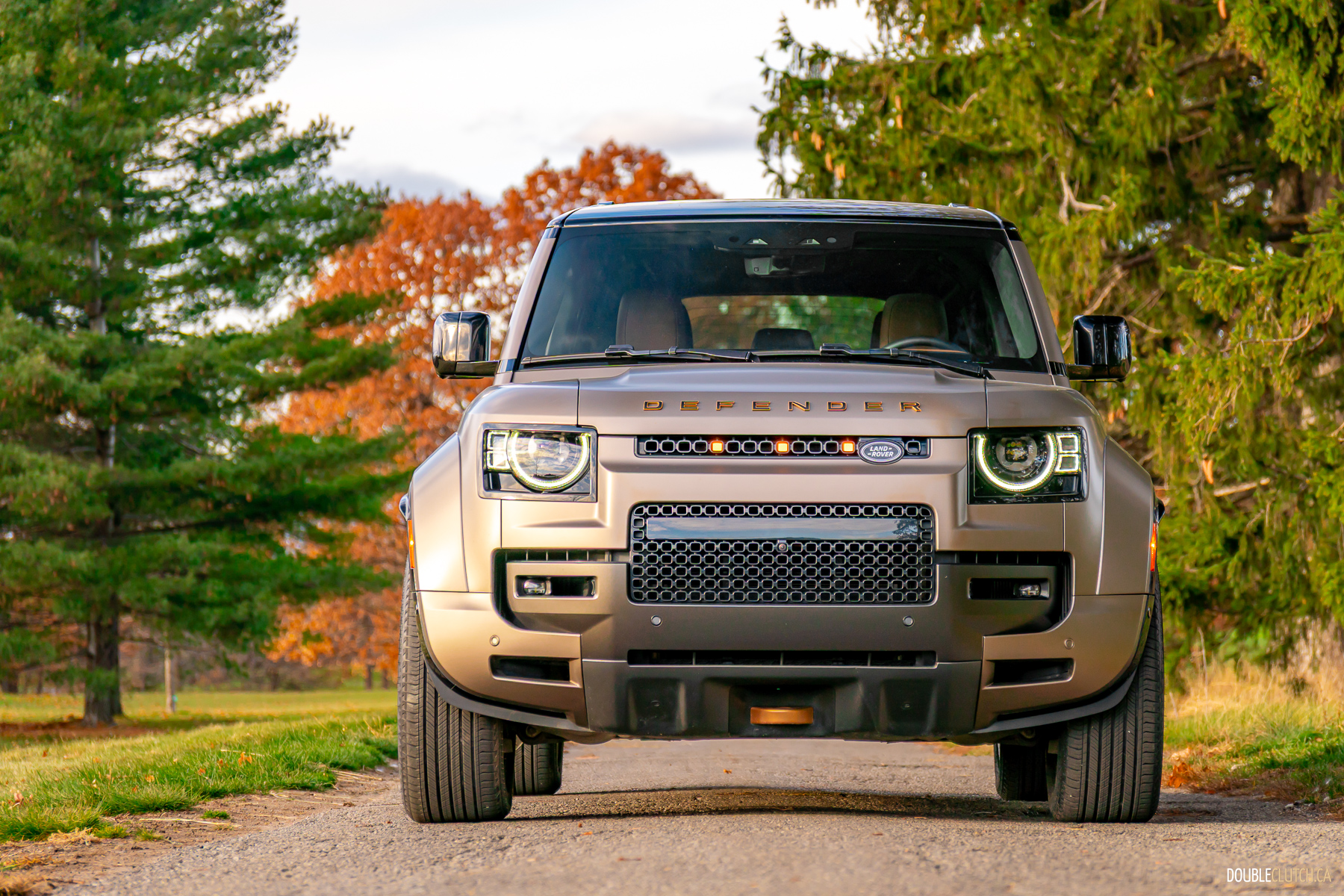
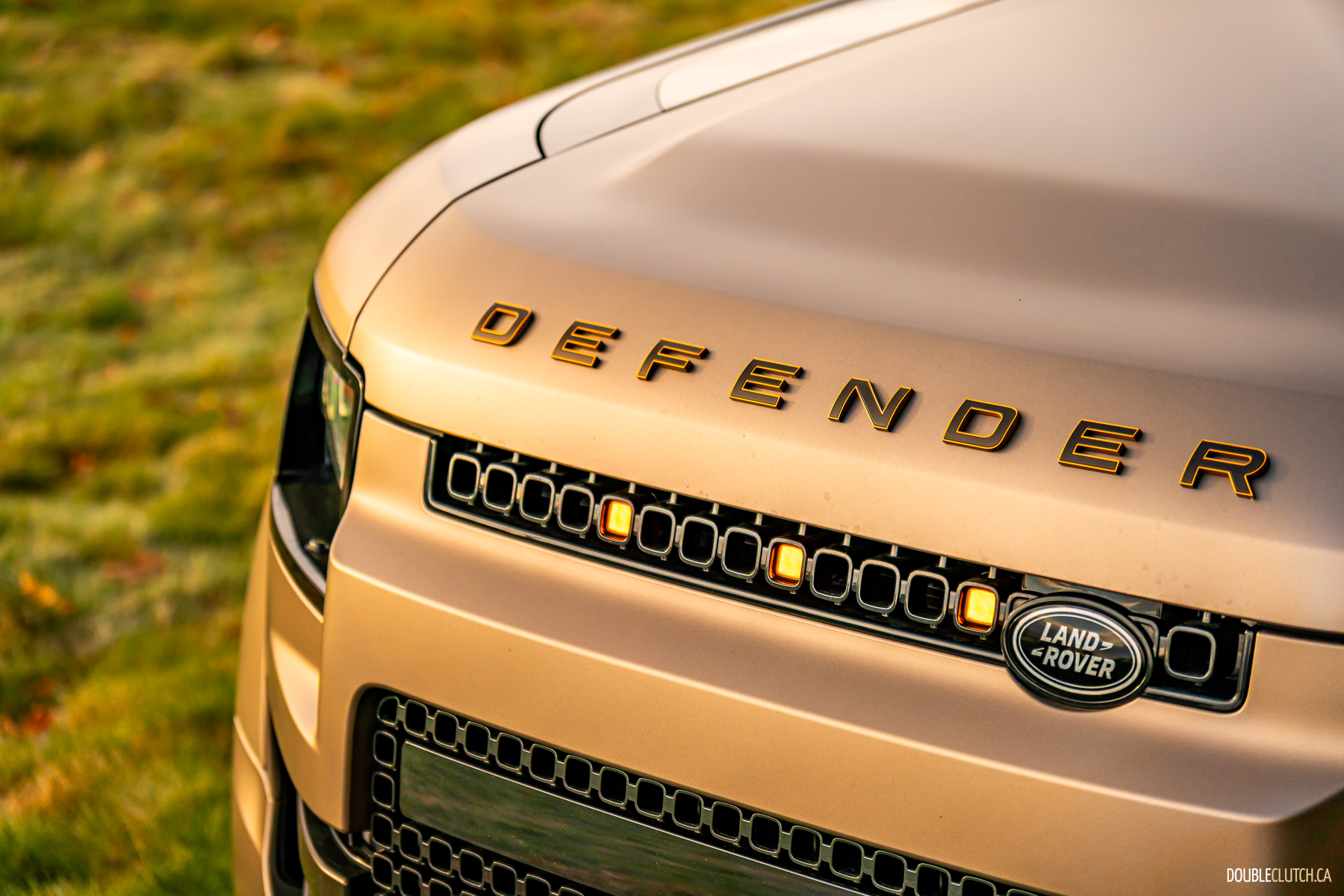
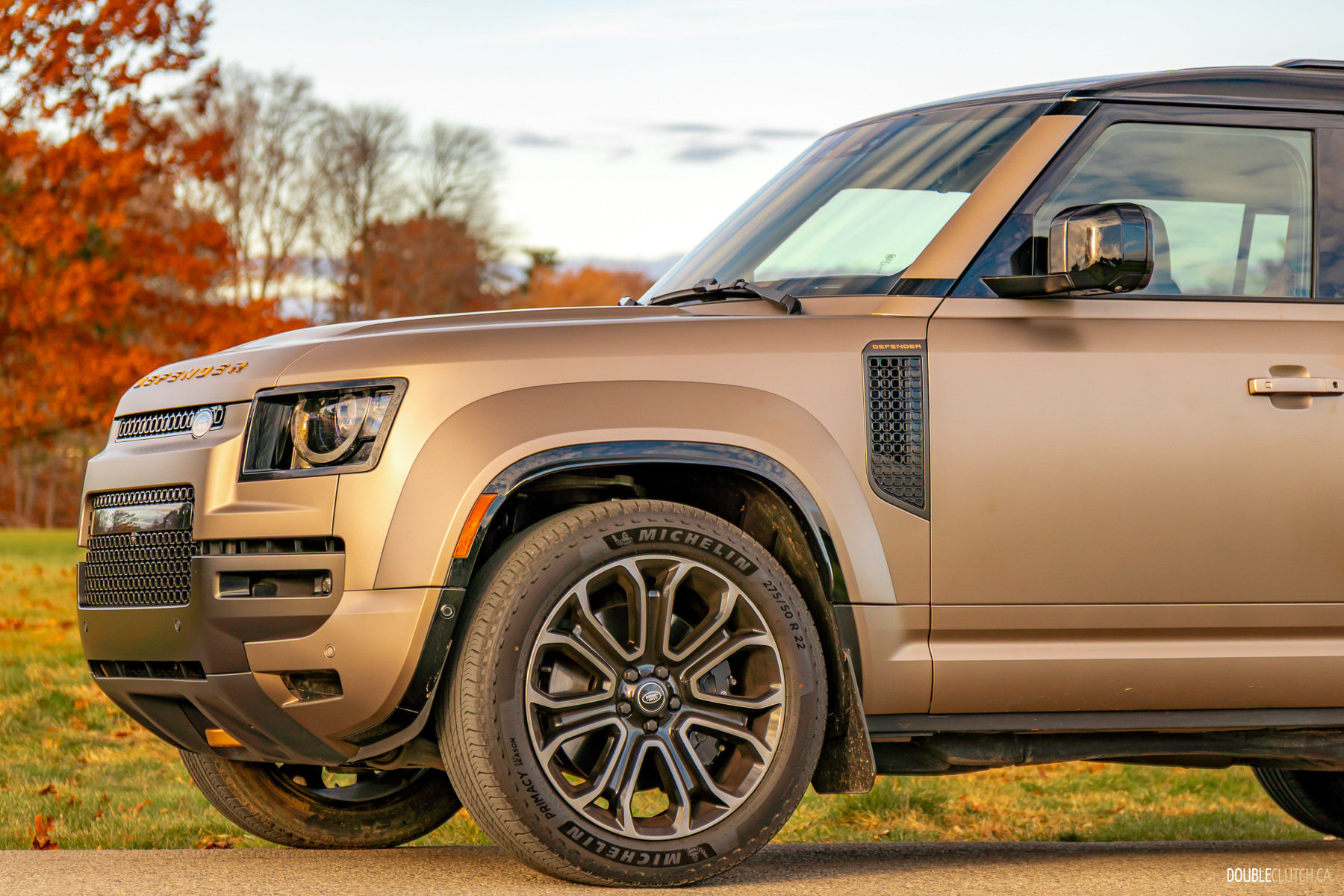
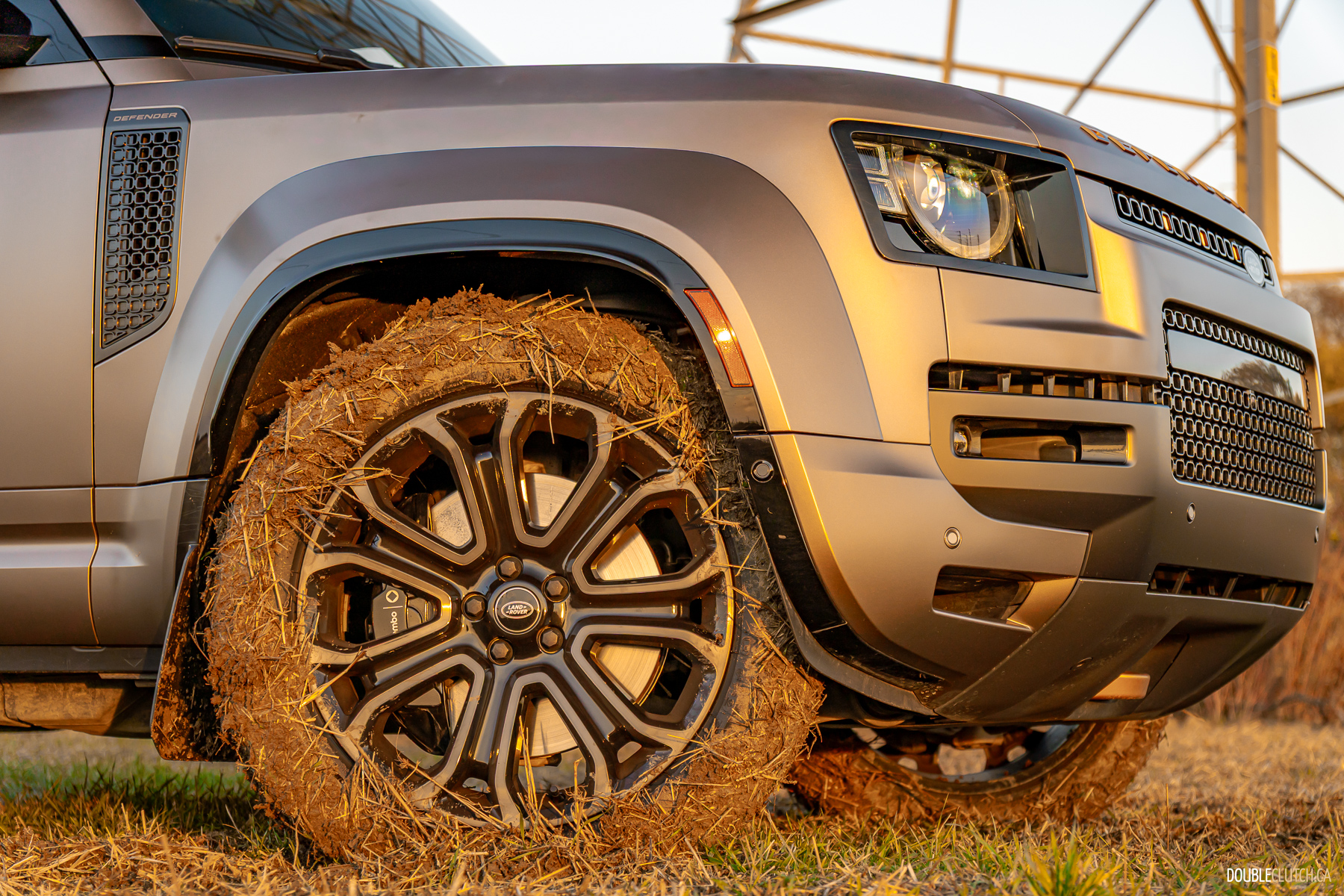
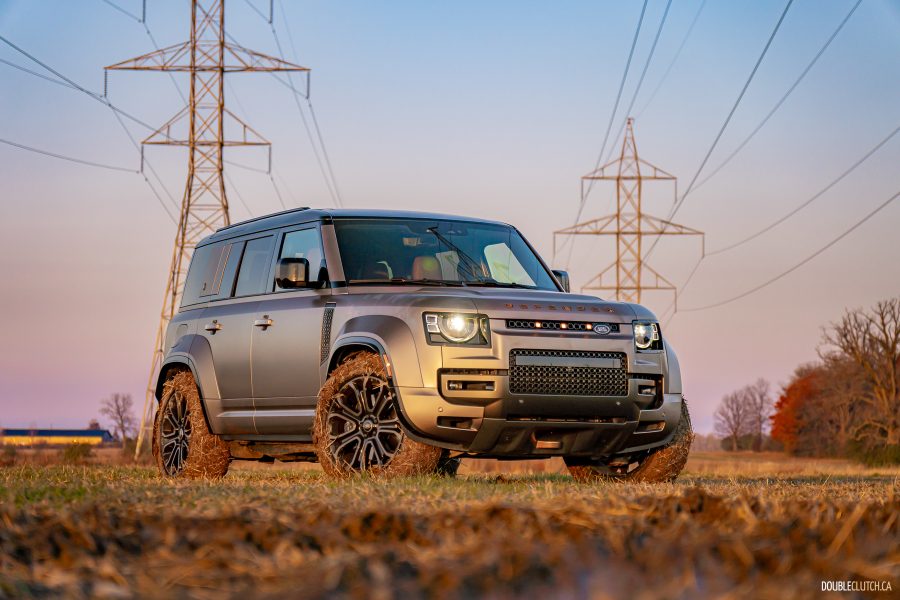
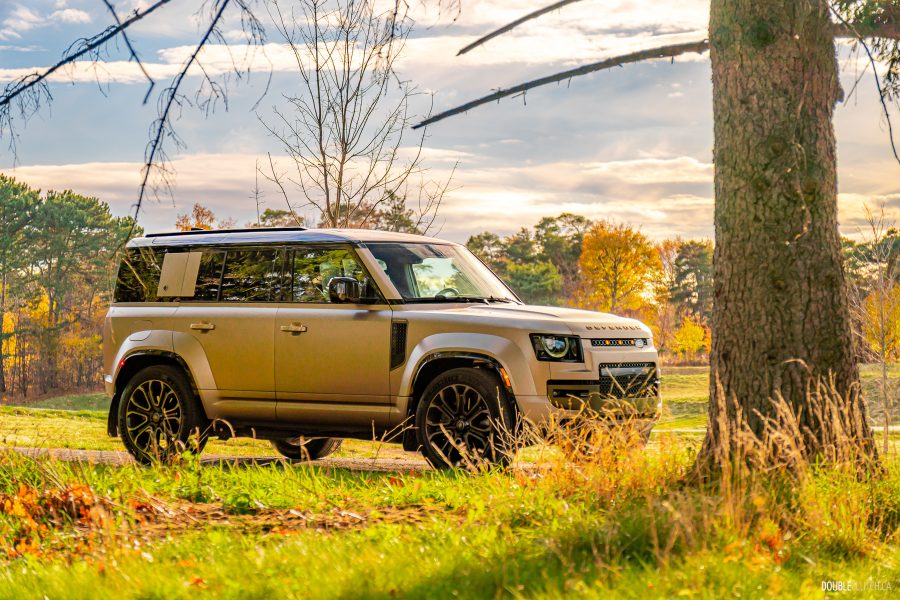
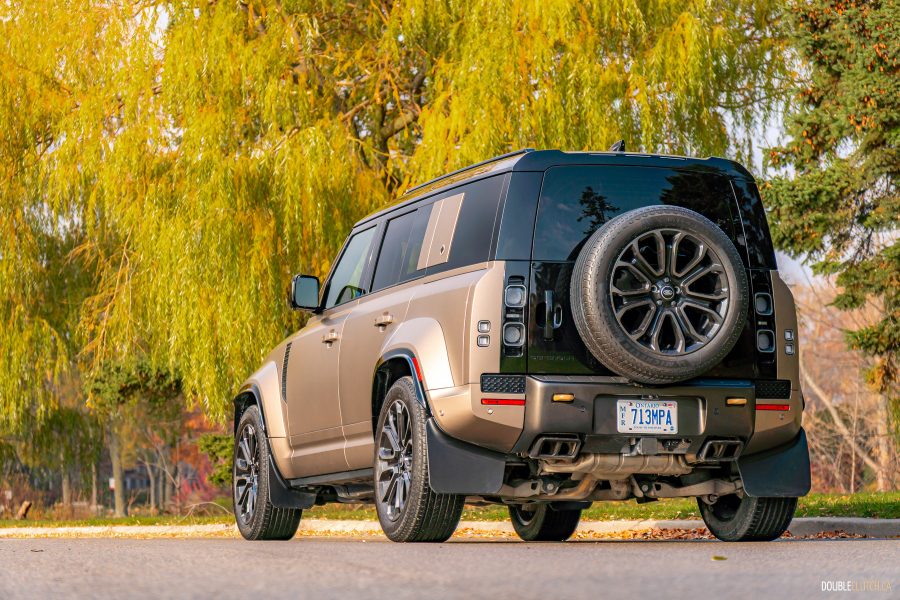
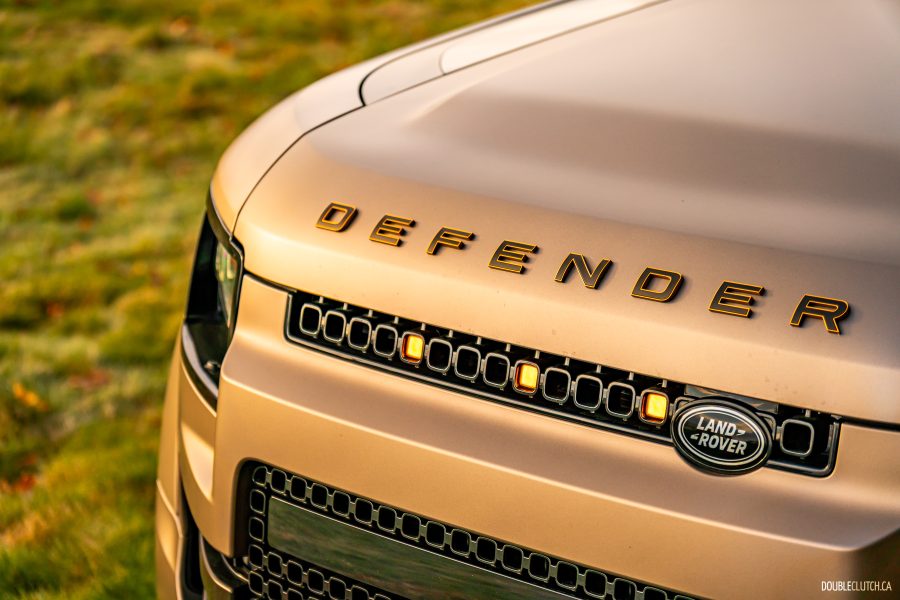
The OCTA has just a dash of the Braptor’s excessive machismo. At a glance, it is not very obviously different from a base Defender, but the differences do add up to a meaningfully more menacing vehicle. Like the Yankee, it has significantly wider, sharper-edged fender flares to accommodate its 2.7-inch wider track, and as such, does come with amber clearance lights in the grille as well, as it is just wide enough to need them in its home market across the pond. A single massive tow hook centrally located under the first of several skid plates further sets the tone.
Mechanically, it has longer and much stiffer control arms than the rest of the Defender clan, for better durability in extreme situations and better wheel articulation. Beyond that, the Defender was already pretty well endowed with rear and center lockers, as well as excellent off-road angles and fording depth, all of which have been enhanced greatly on this OCTA. Approach/breakover/departure angles come in at 40.2, 29, and 42.8 degress, respectively, with a water fording depth of 39.4 inches – the latter two figures of which actually best the purpose-built weapon that is the Braptor. In a rare show of sensibility, no Defender, including this OCTA, has a locking front differential, as Land Rover says it’s unnecessary – it’s more than capable enough without.
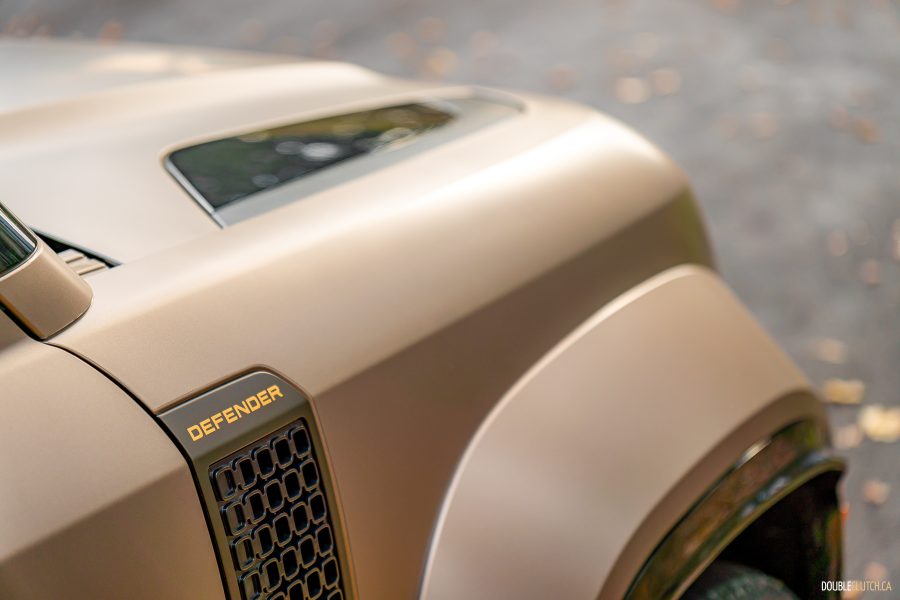
Land Rover has never really gone in for the electronic disconnecting sway bars like Ford and Jeep have, instead opting to eliminate sway bars altogether. This new system is called 6D Dynamics (as deployed on the Range Rover Sport SV to fabulous effect), and it’s genius: it hydraulically cross-links the shock absorbers so that their motions naturally cancel each other out. It’s all routed through a central unit that can either act as though the wheels are totally disconnected for unparalleled articulation, while also enabling incredible on-road manners. It works in tandem with adjustable air suspension to suit every situation.
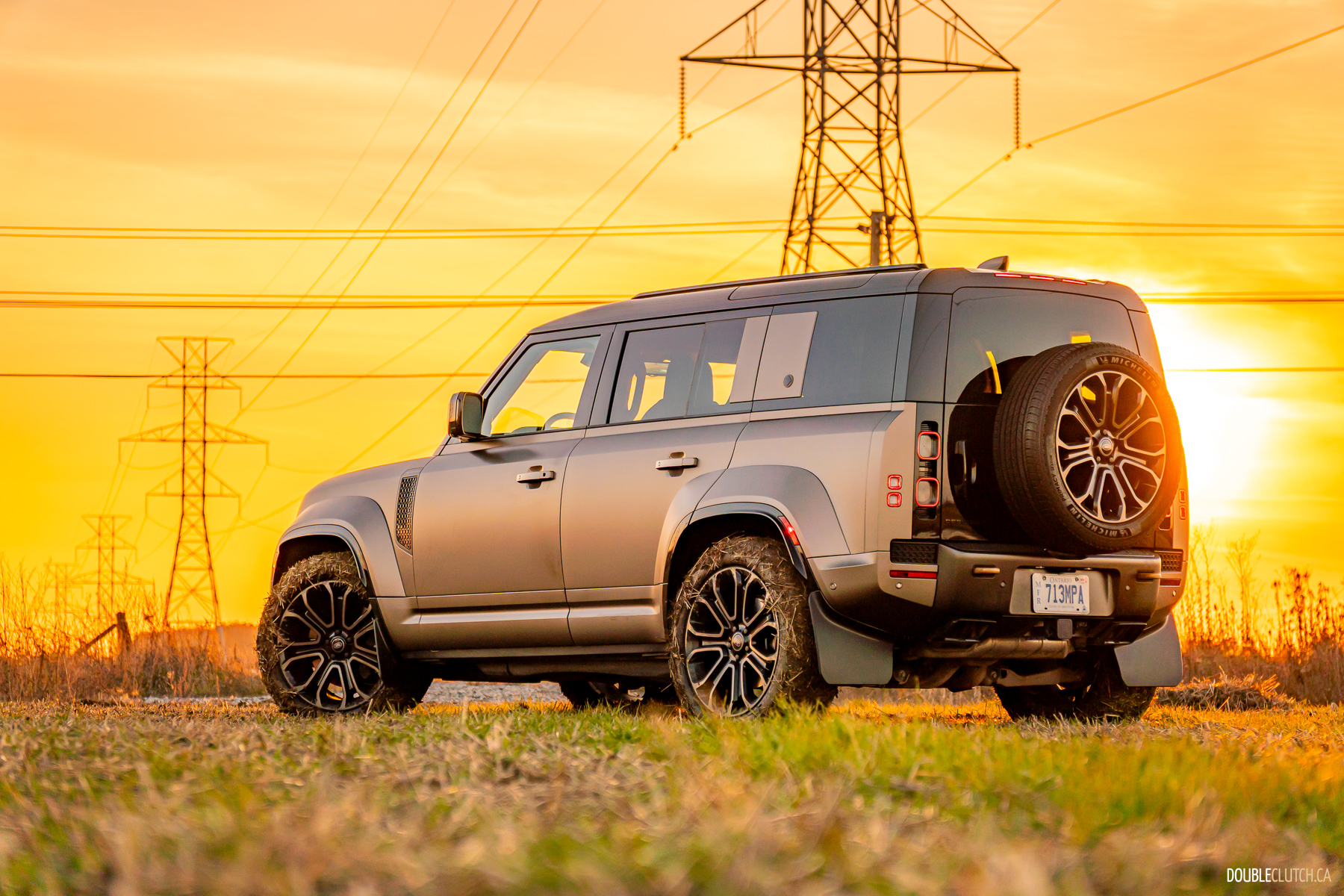
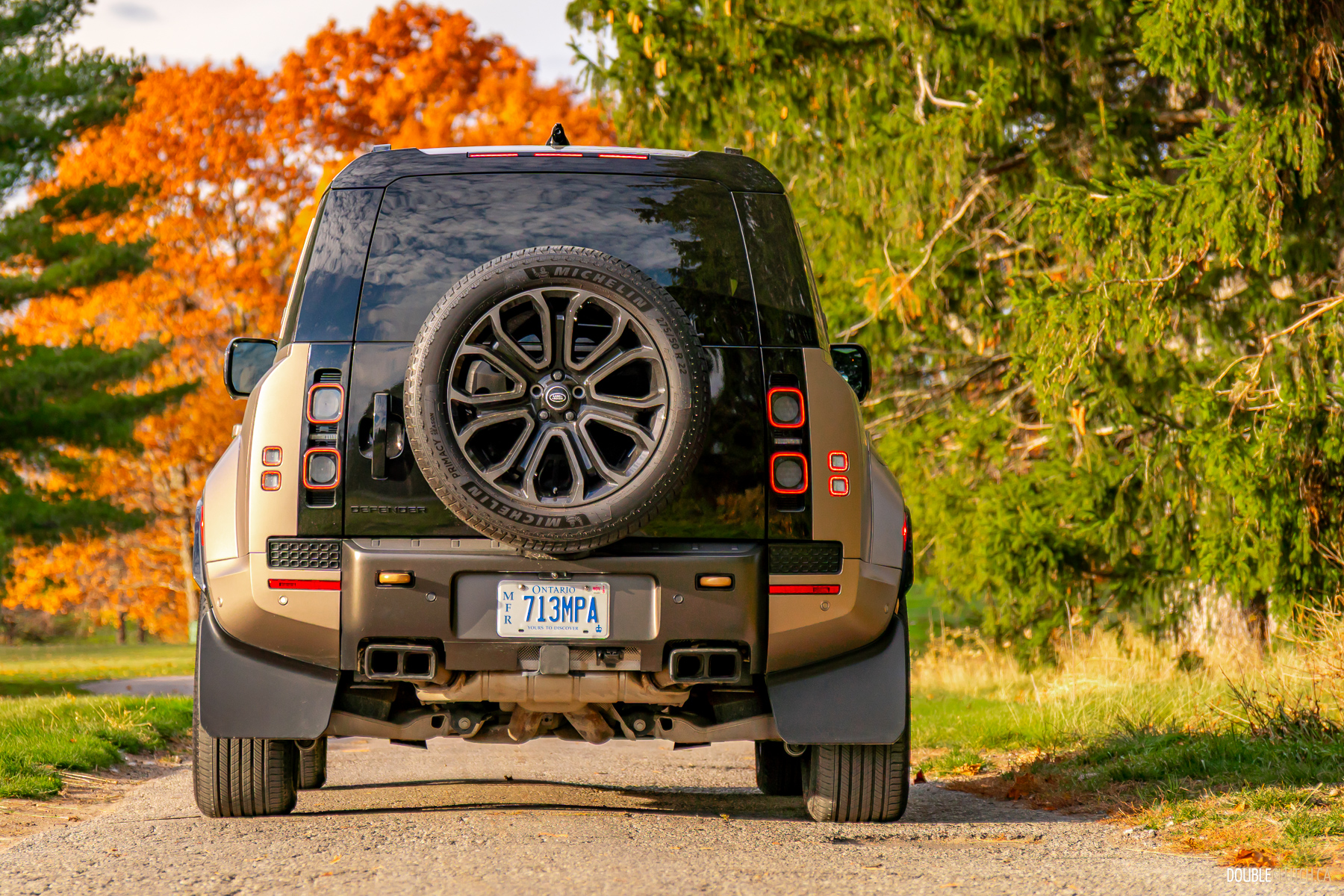
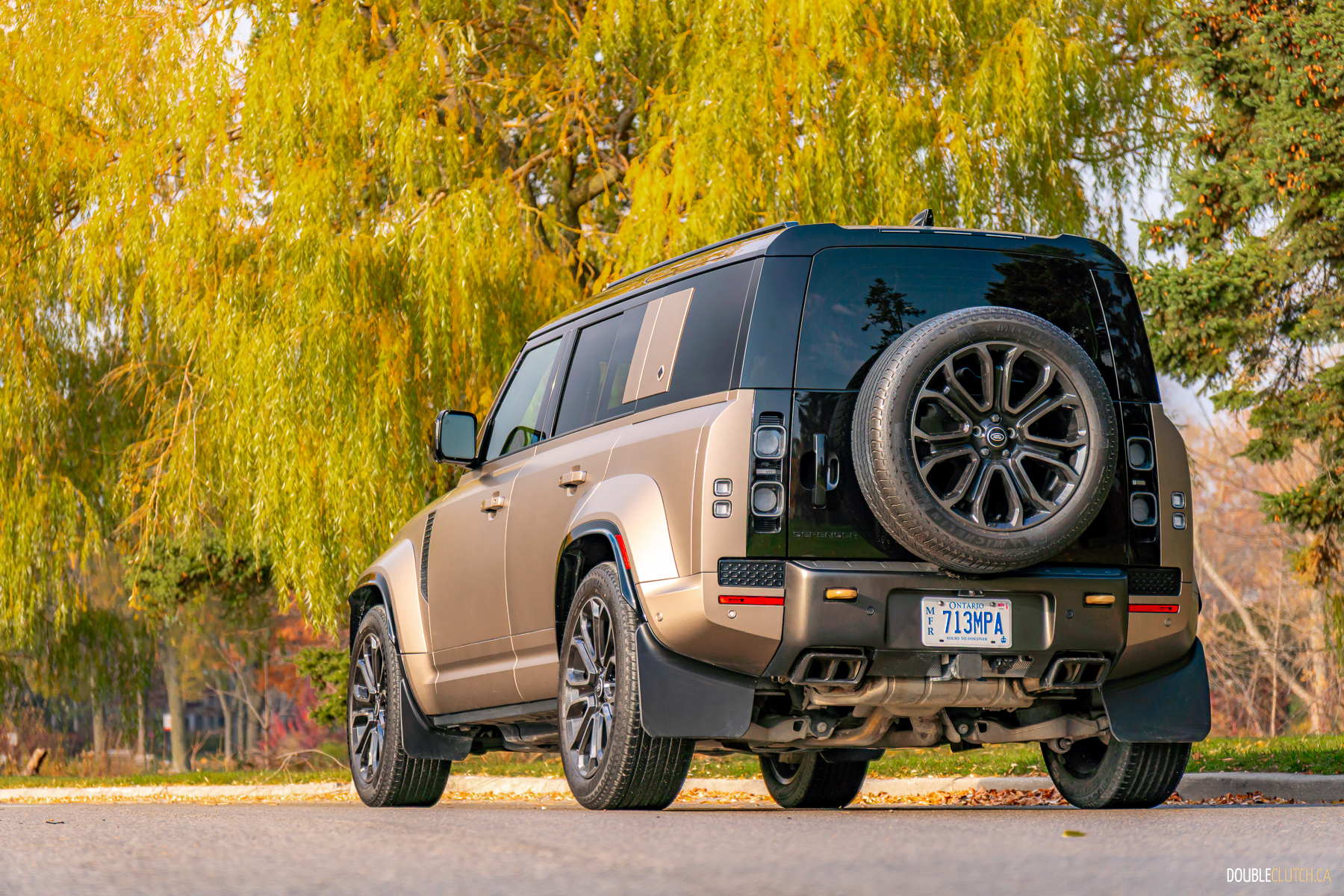
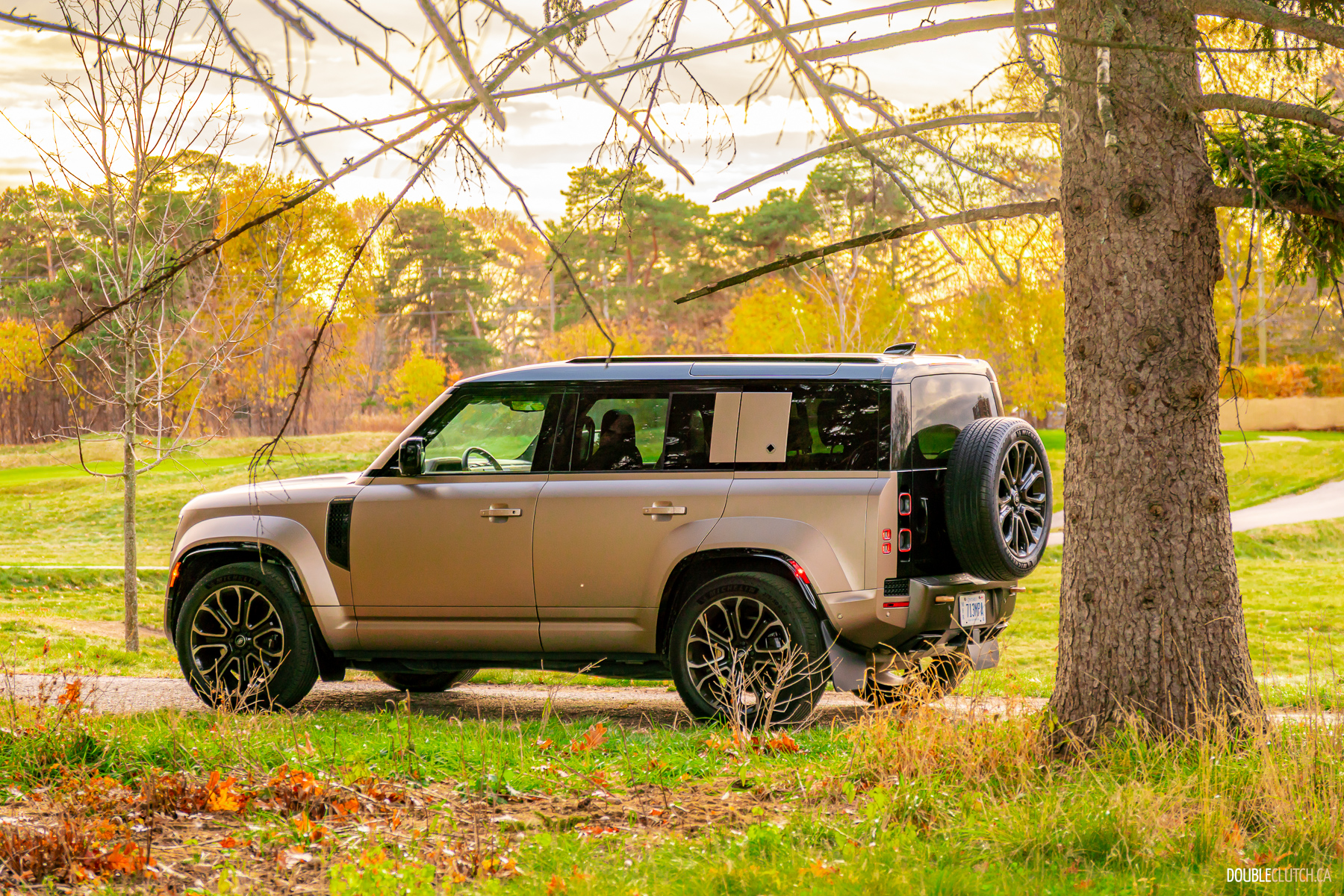
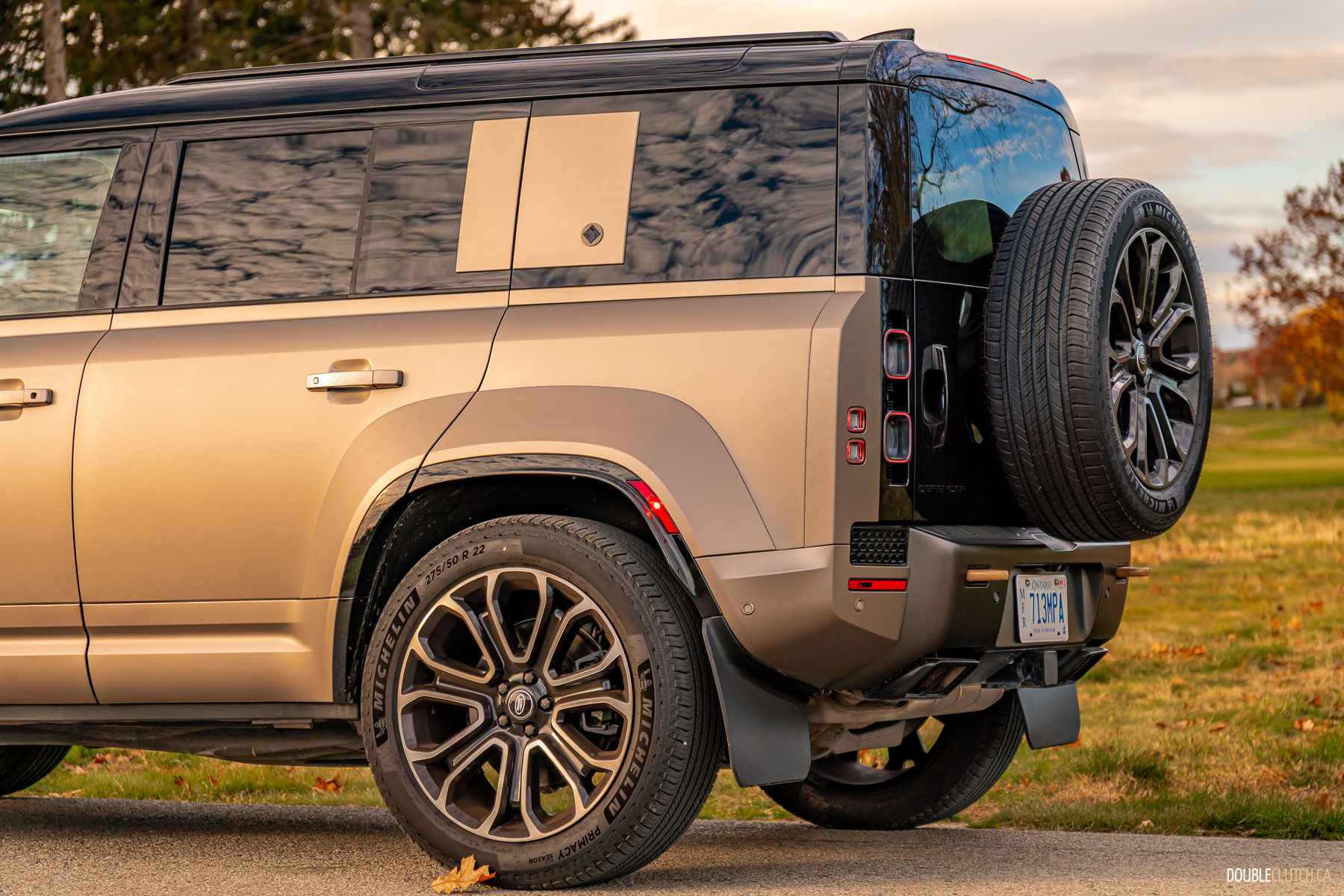
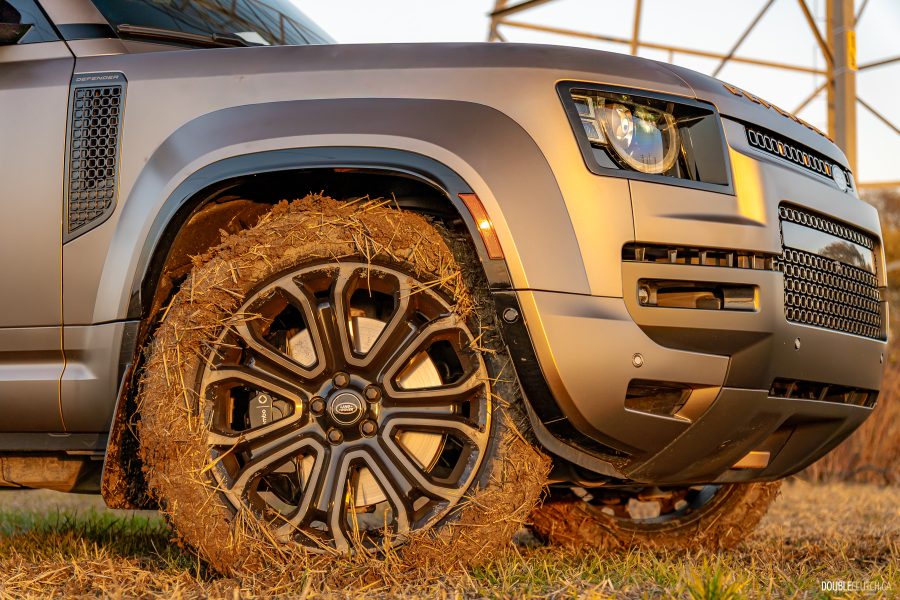
While a Defender OCTA can be optioned (for a pittance of $350) with smaller, tougher-looking wheels and meaty all-terrain tires to fully make use of its extreme off-road capability, our tester was fitted with the standard 22-inch wheels and Michelin Pilot Sport All-Season for better on-road potential. Despite this sub-optimal footwear, the OCTA was completely unfazed when I waded into a field that wasn’t so much mud, like I thought, but a clay-like muck that consumed my own footwear, much to my chagrin. If it hadn’t handled it so easily, I might have been more careful and able to save those Chucks.
Plus one part Mercedes Galendewagen
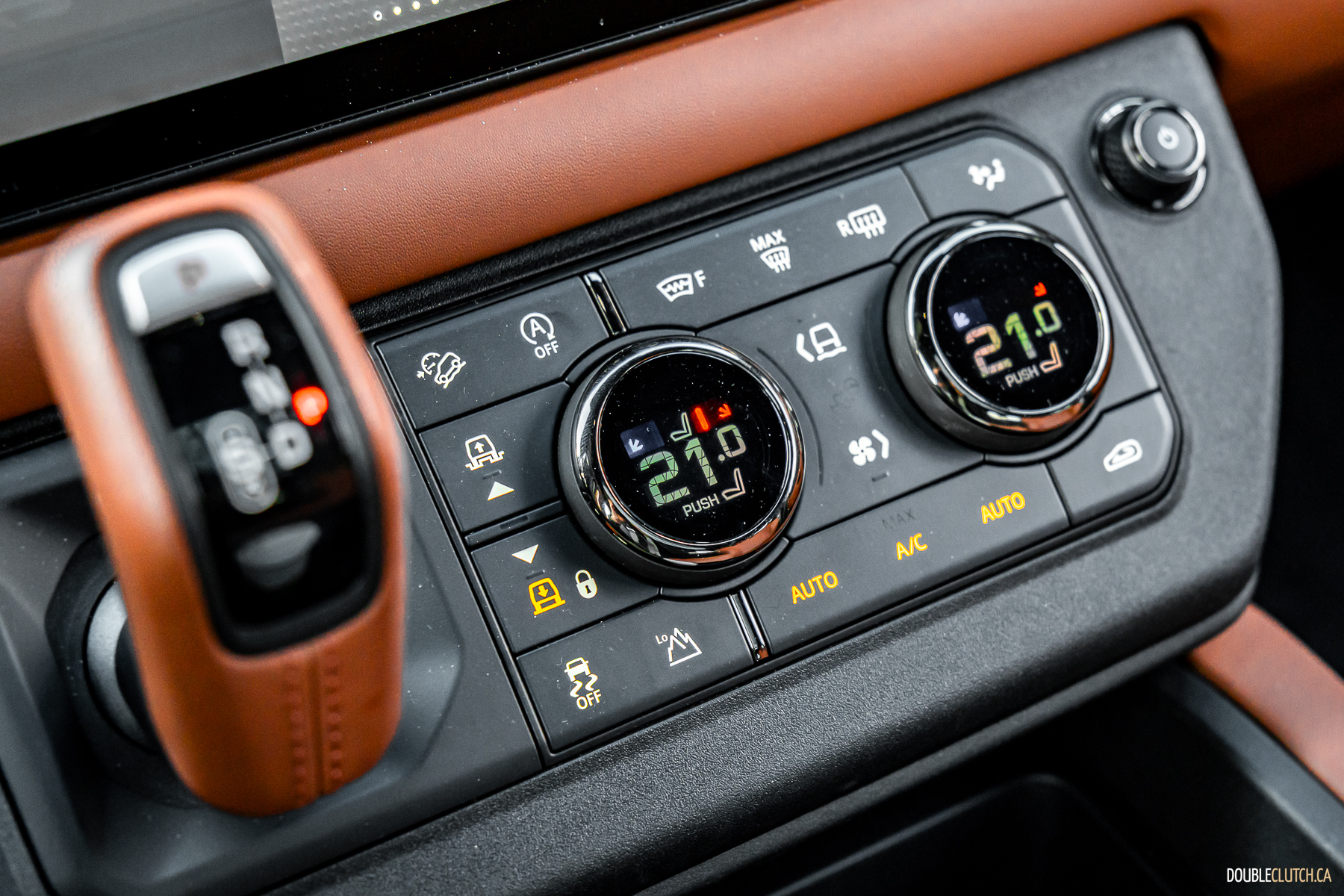
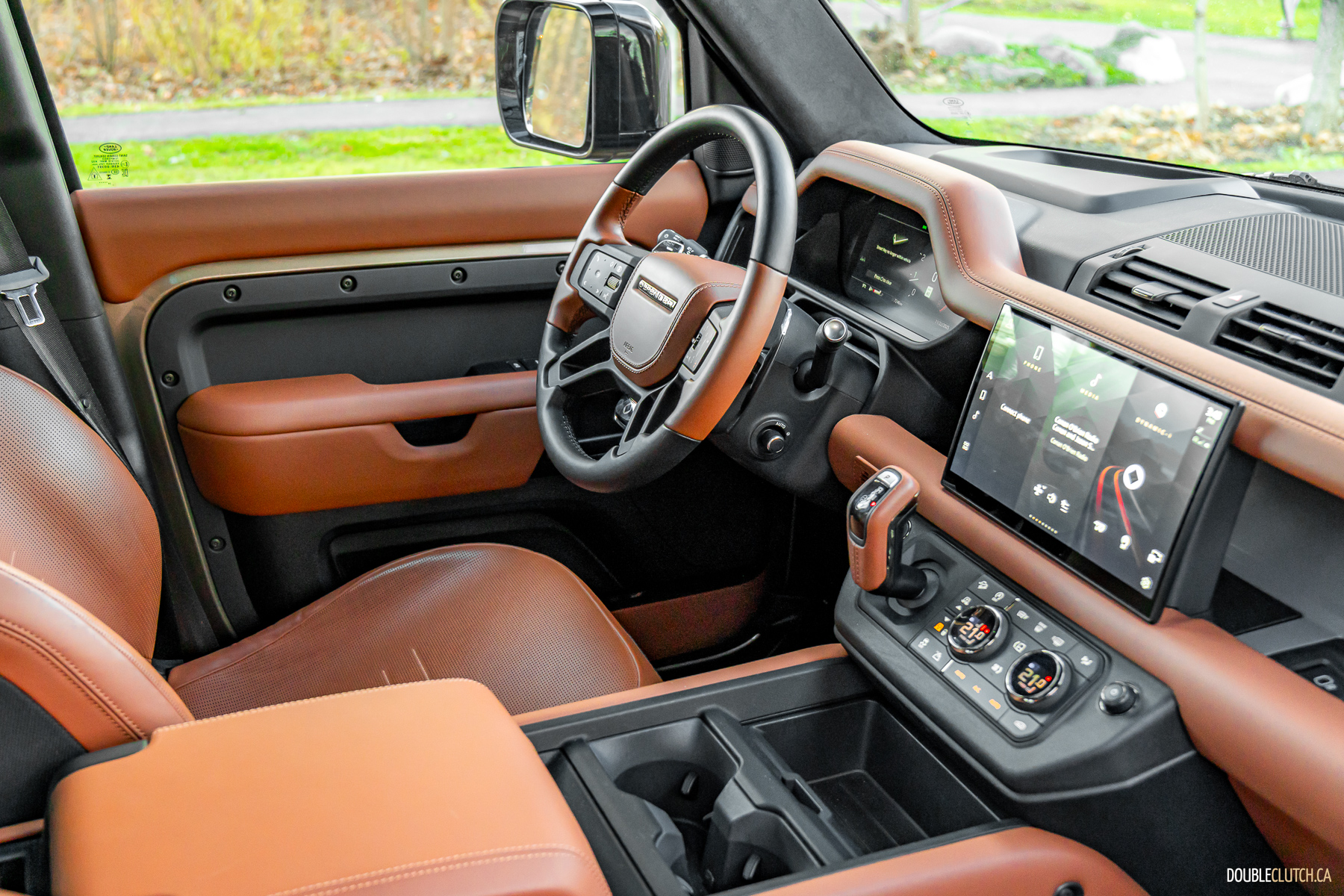
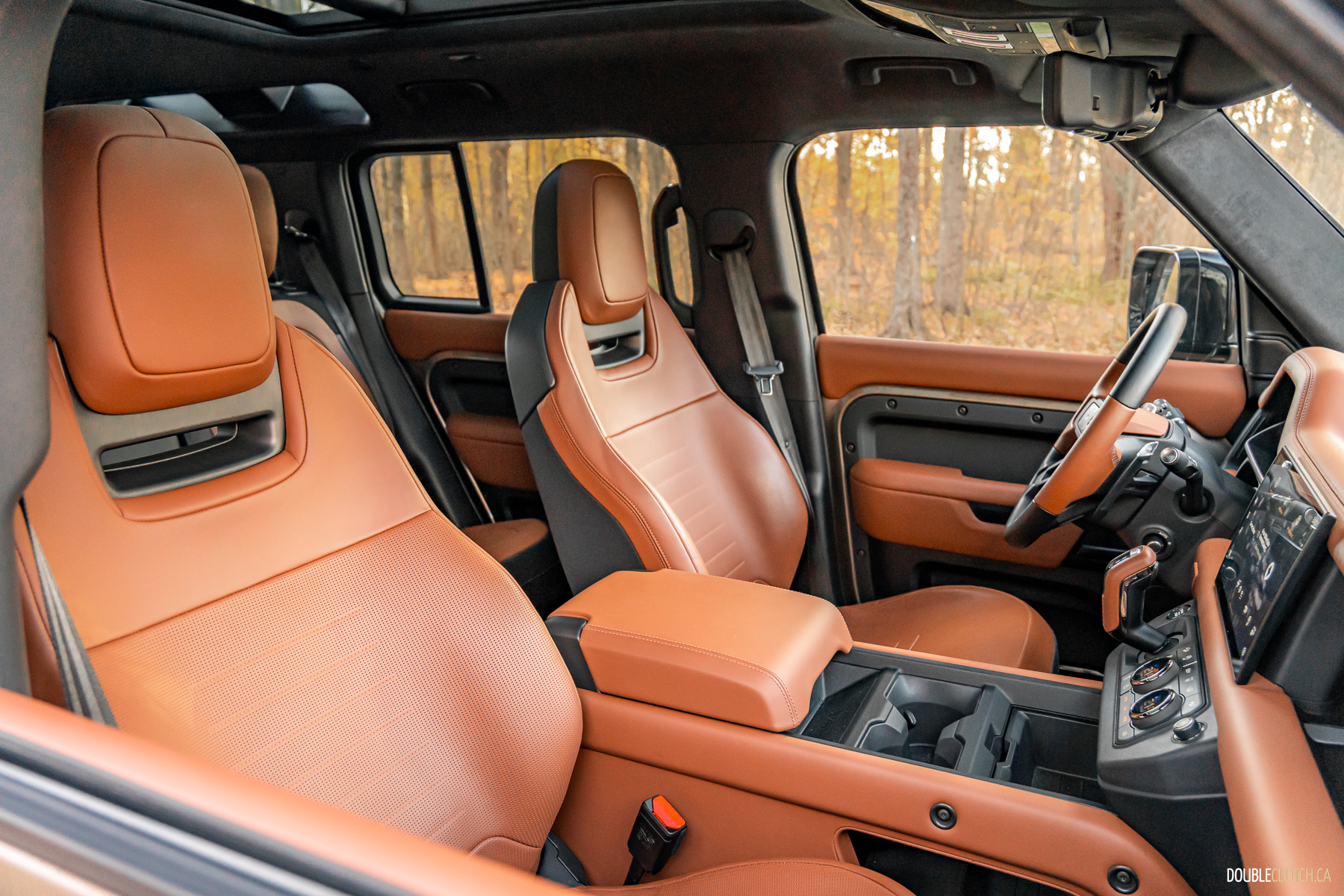
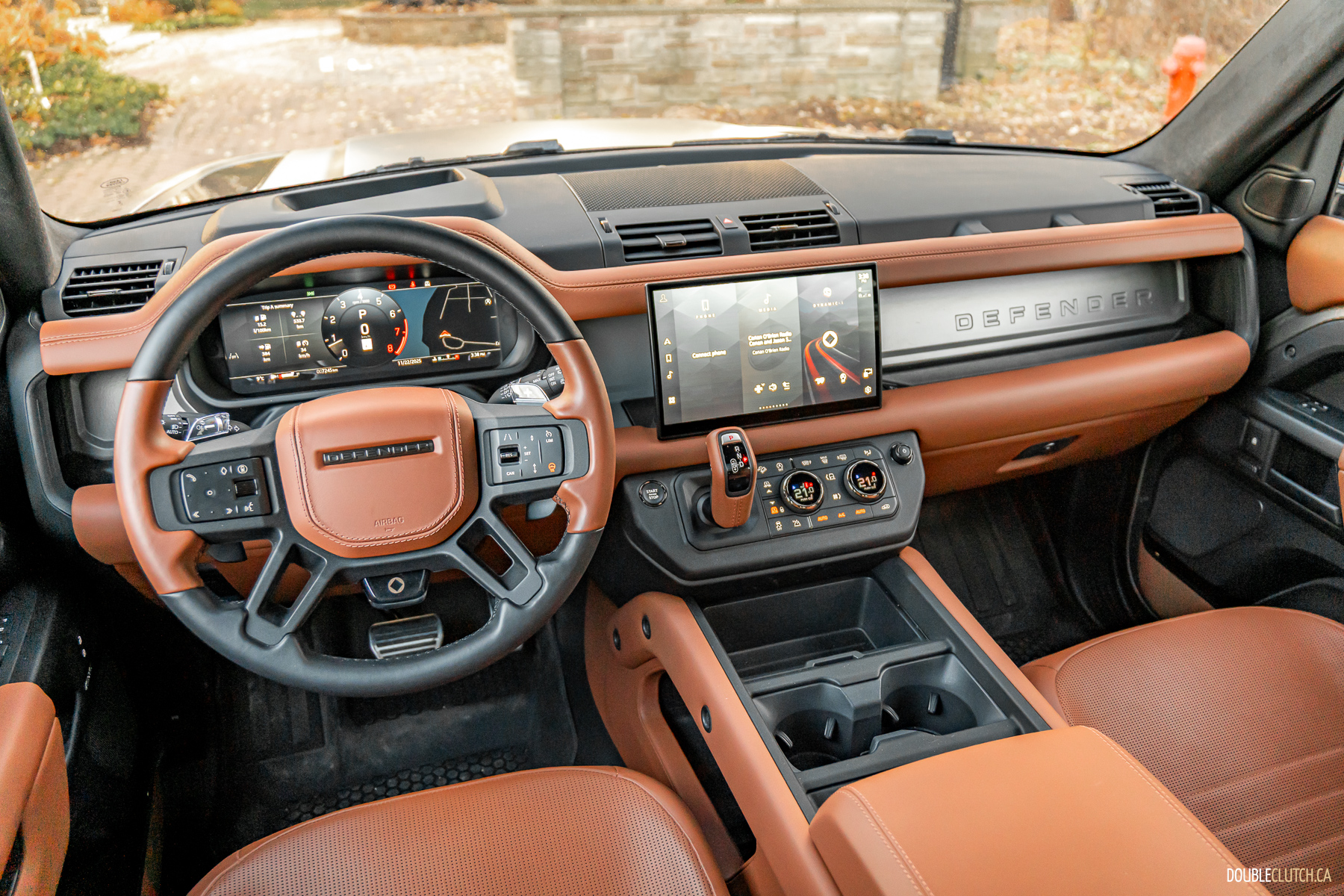
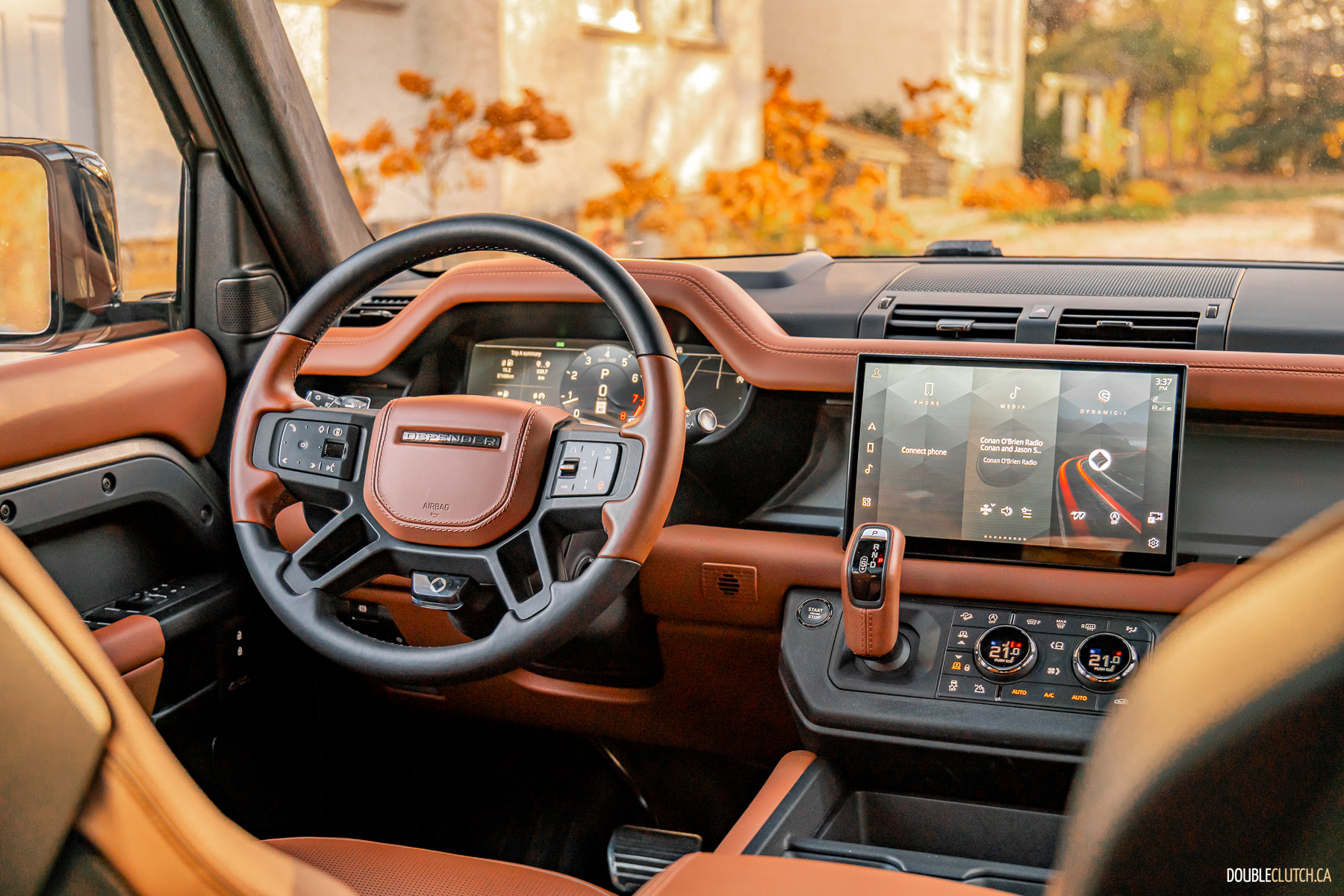
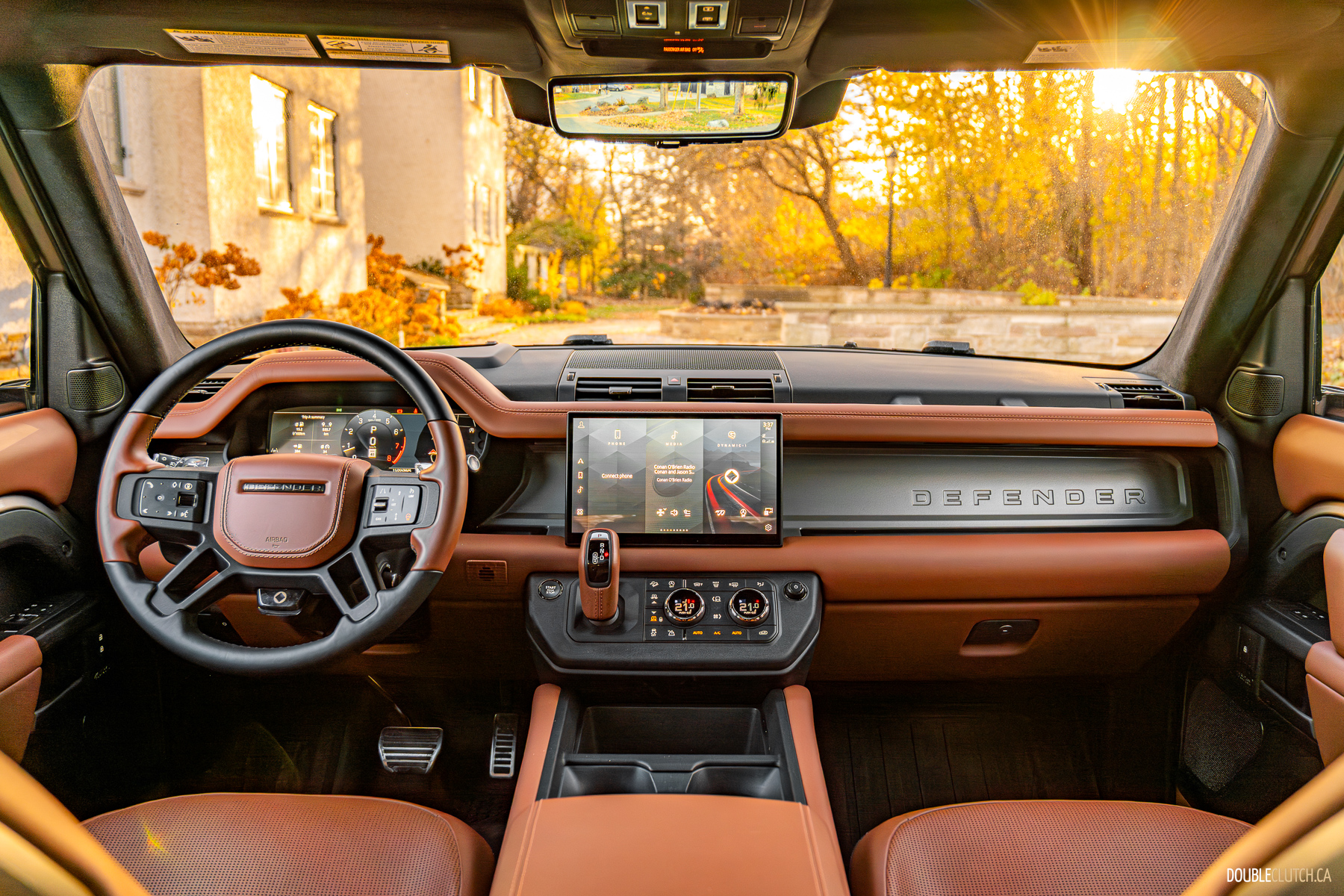
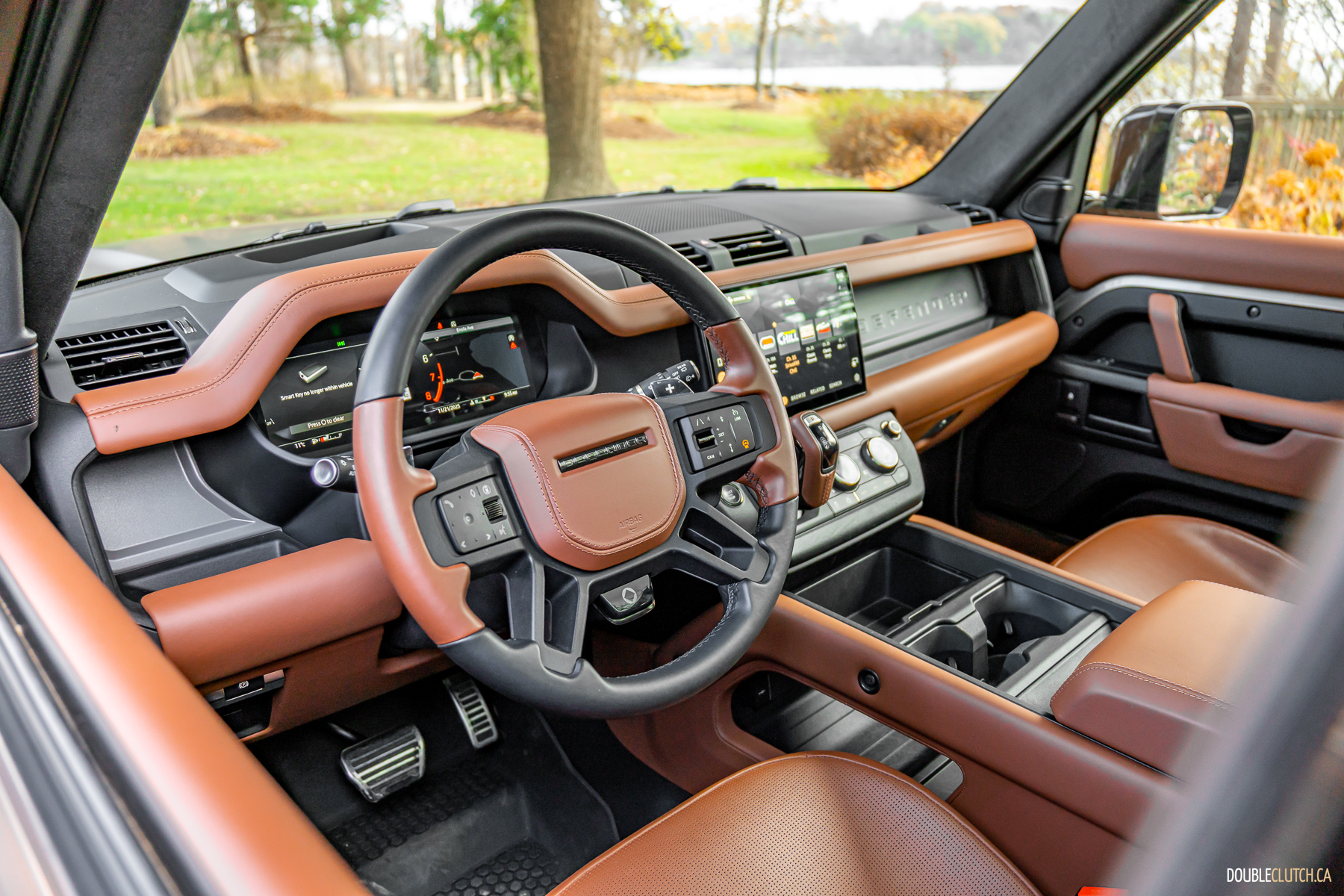
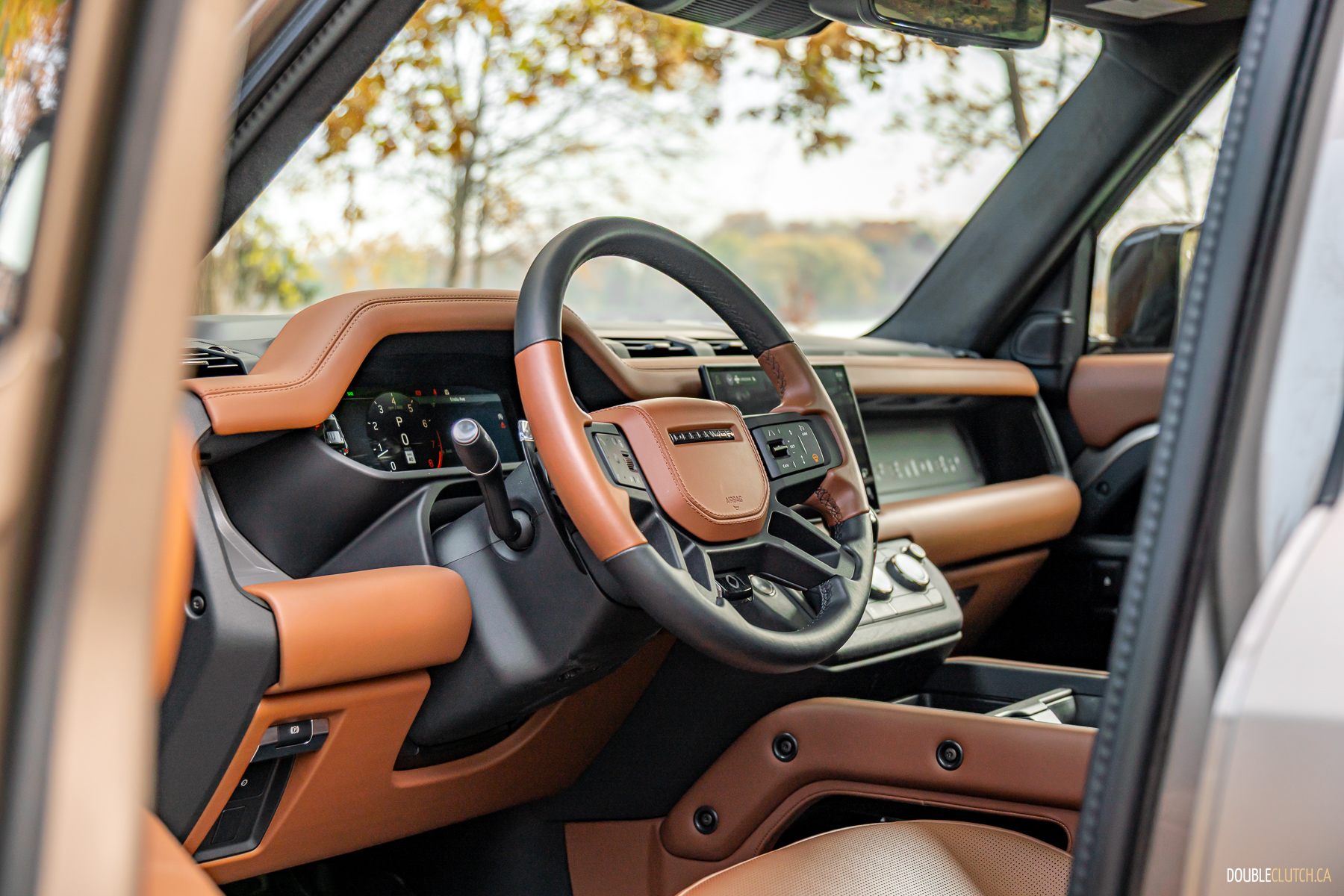
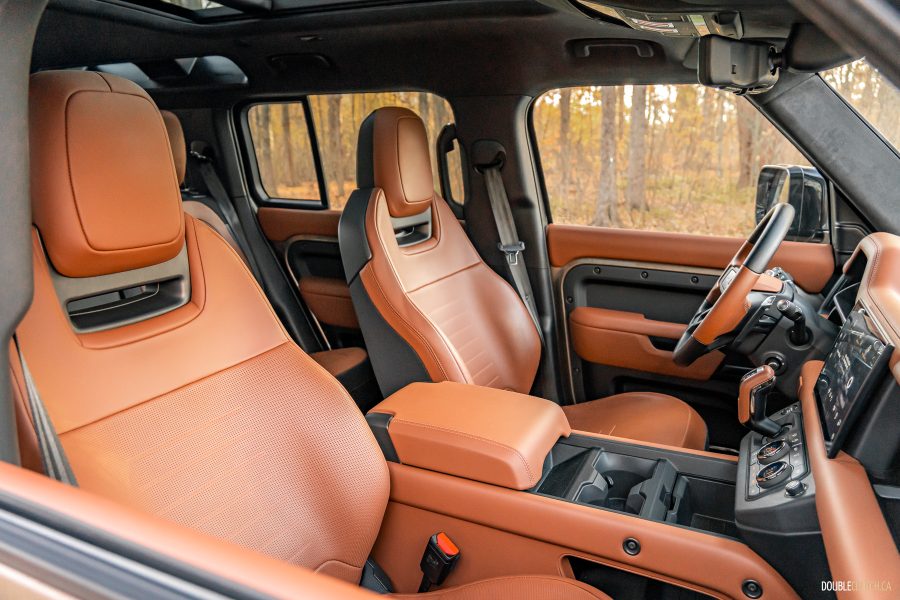
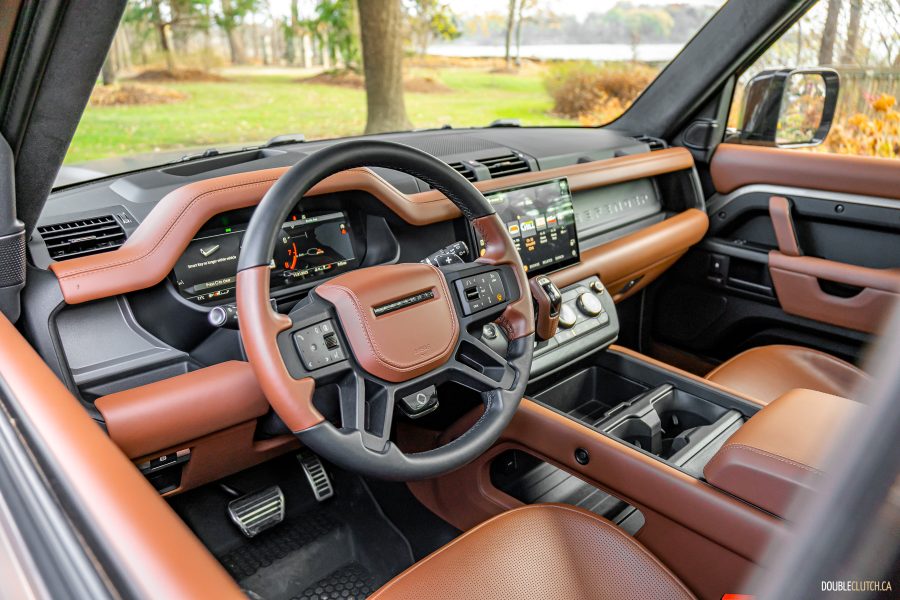
Not much has changed for the cabin of the OCTA, which is fine. as it’s a lovely blend of form following function, where stout is the style. The Defender’s hollow dashboard grab handles and a floating center screen still looks great, the cluster of physical controls below remains a practical delight to use, and the tech looks great and works well. The exposed hardware and body-colored accents in and among the two-tone Burnt Sienna leather and black accents adds a little functional flair to an otherwise luxurious cabin.
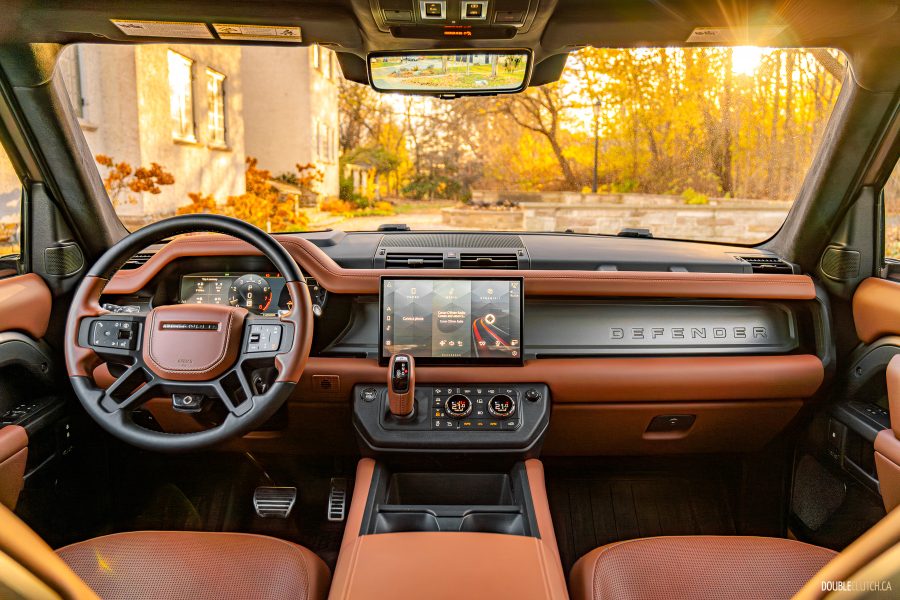
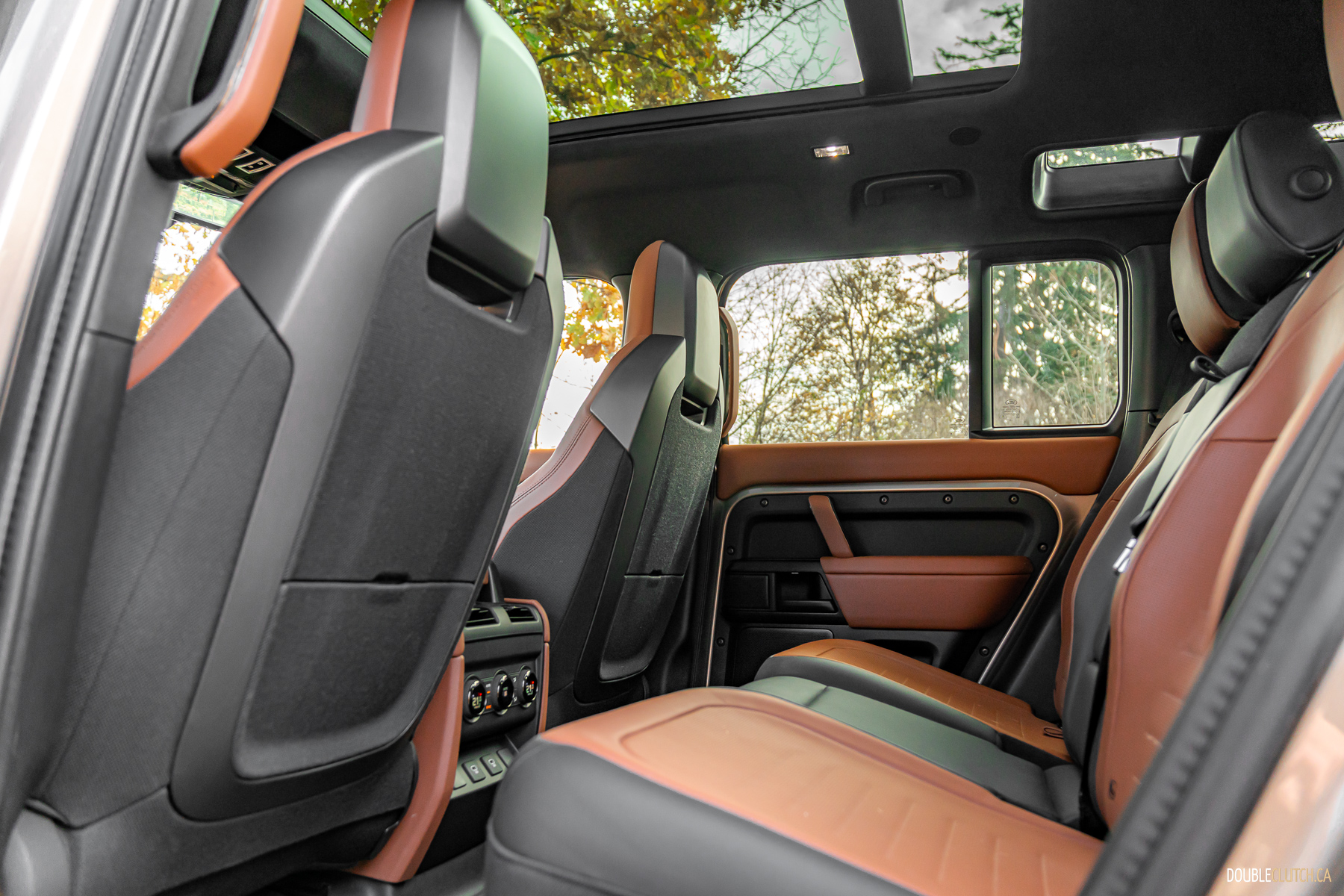
All OCTAs are luxuriously loaded, with the only big-time luxury feature you can’t get being massaging seats. In lieu of that, Land Rover offers Body and Soul seats, which incorporate bass drivers directly into the seats for a more immersive listening experience through the already excellent Meridian Surround sound system. The seats themselves are updated for the OCTA, with larger, more supportive bolsters and integrated headrests – they’re a proper performance seat, rather than just really nice chairs. Ride comfort, as you’d expect from such an impressive chassis, is superb, if a hair on the firm side.
While I’m not sure how it came to be, it’s no secret that the Mercedes G-Wagon is (as of this writing) the hot thing to have, and threw an entire tanker of gas into the military-chic trend that Jeep started. The top-tier G 63 AMG stood completely unparalleled for years, offering unstoppable off-road capability, absurd amounts of power, a luxuriously lined cabin, and a fashionably tough aesthetic. This Defender OCTA is an aggressive shot across the bow at Mercedes… offering a vastly-better on road driving experience, much more usable cabin, much of the same overall charm, and all for a hundred thousand fewer dollars – $195,260 for this one, to be exact.
Mix and serve: more than the sum of its parts
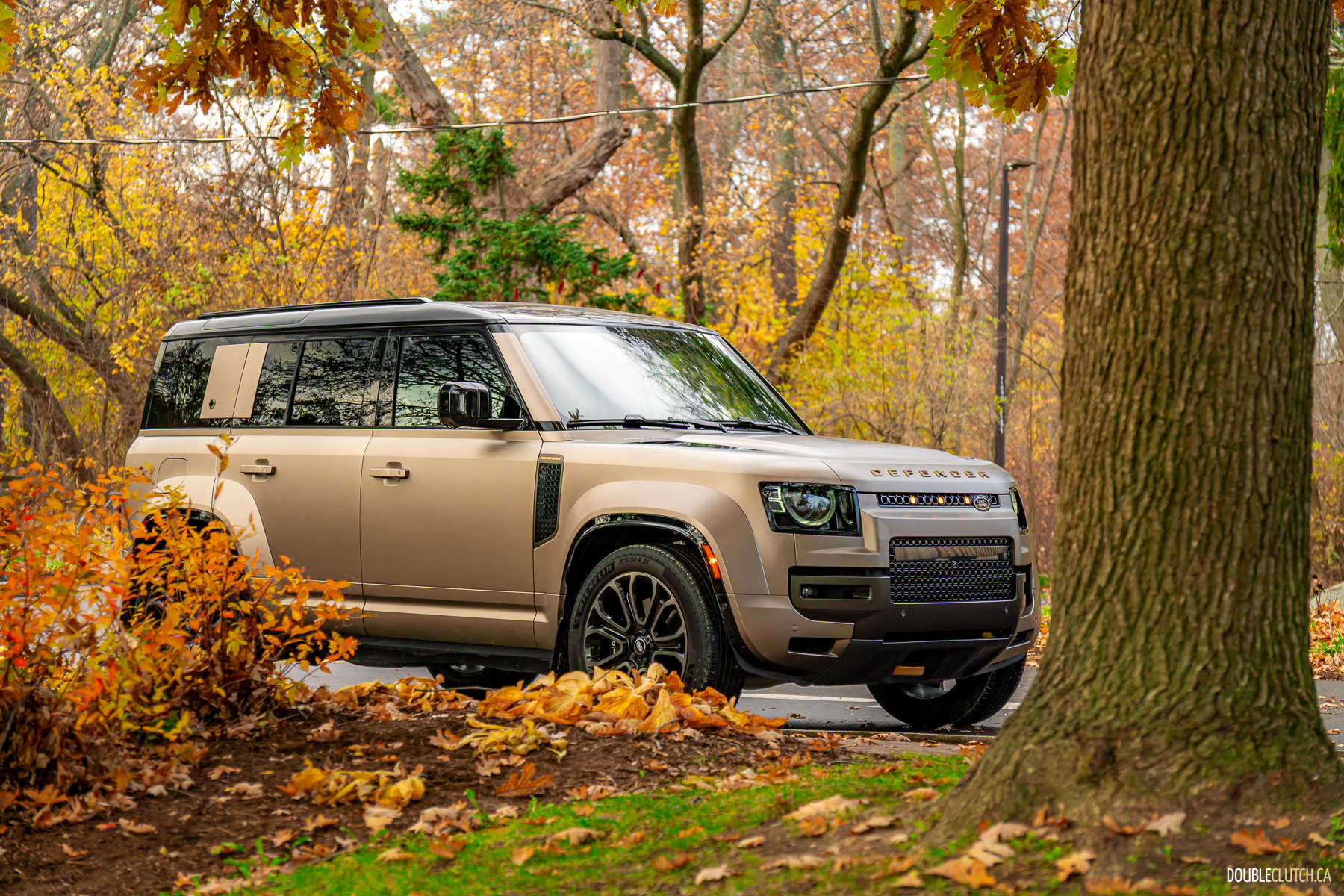
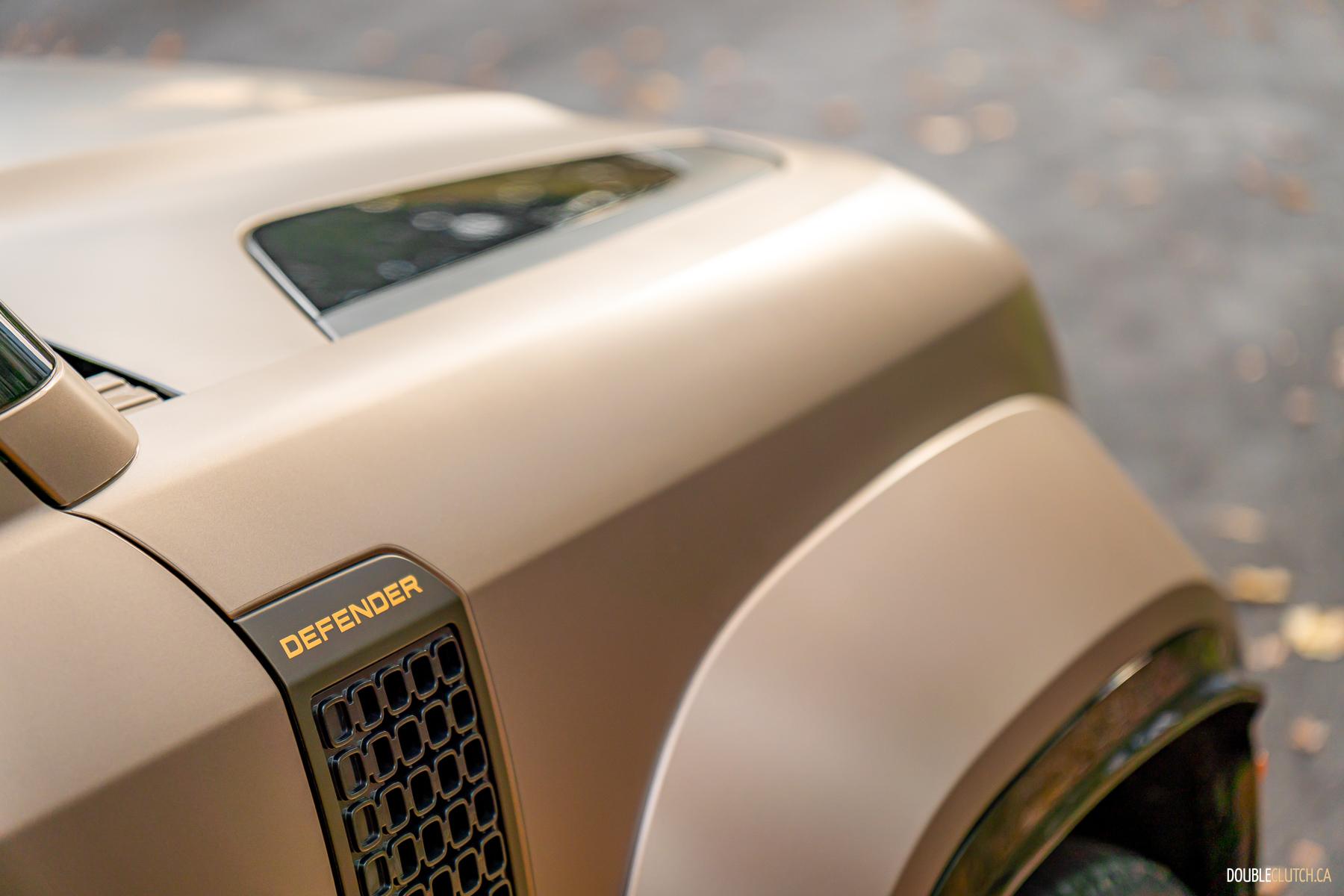
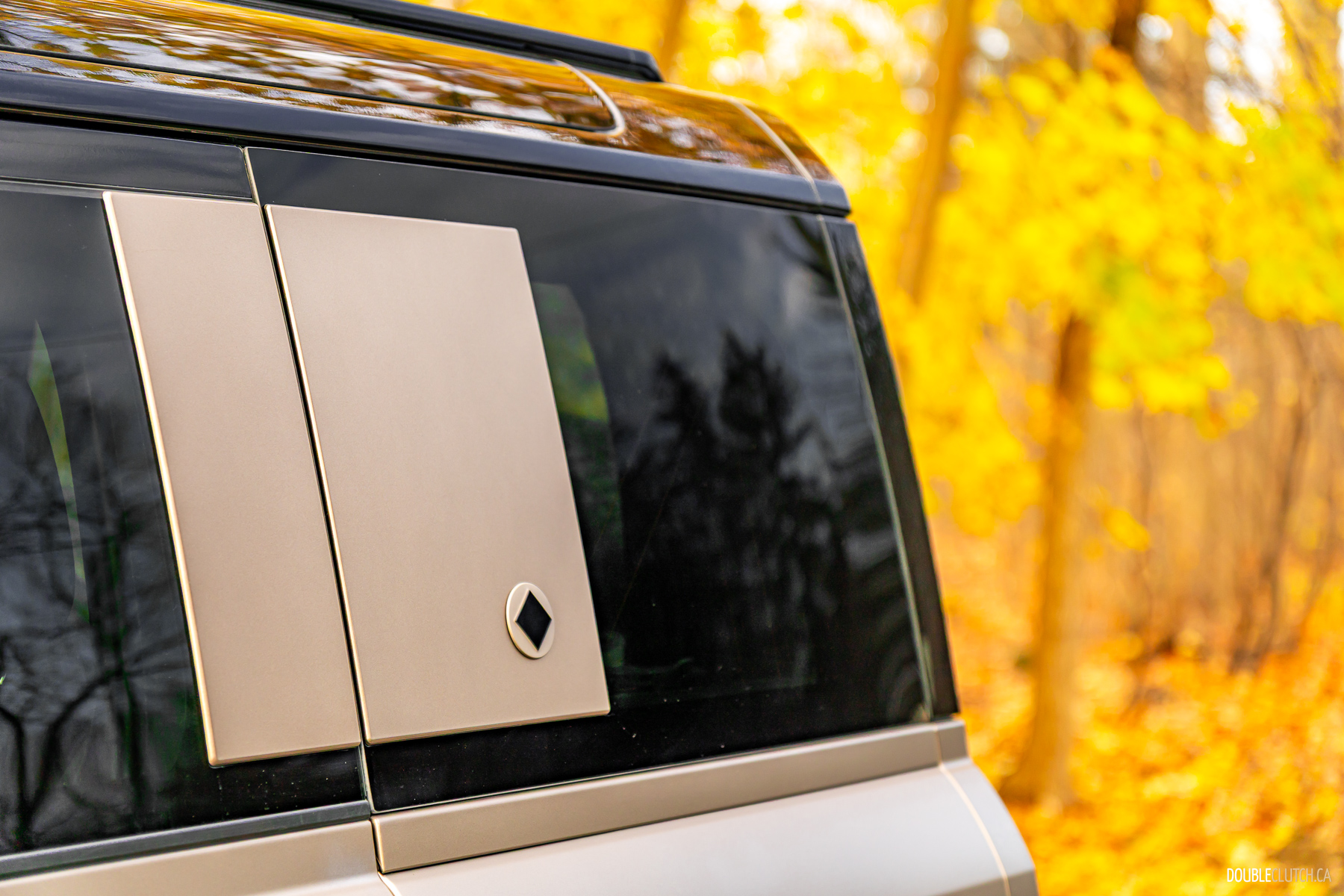
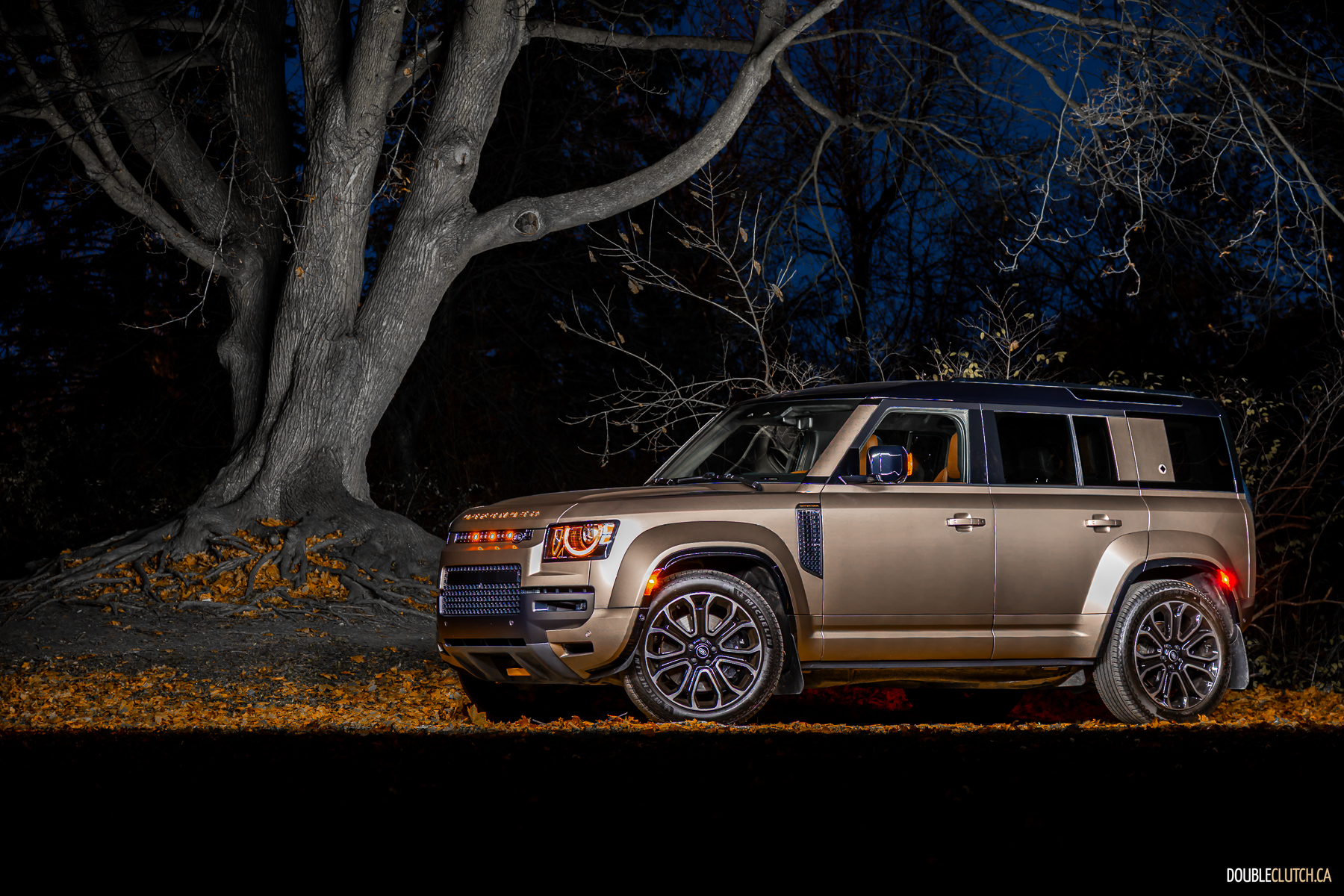
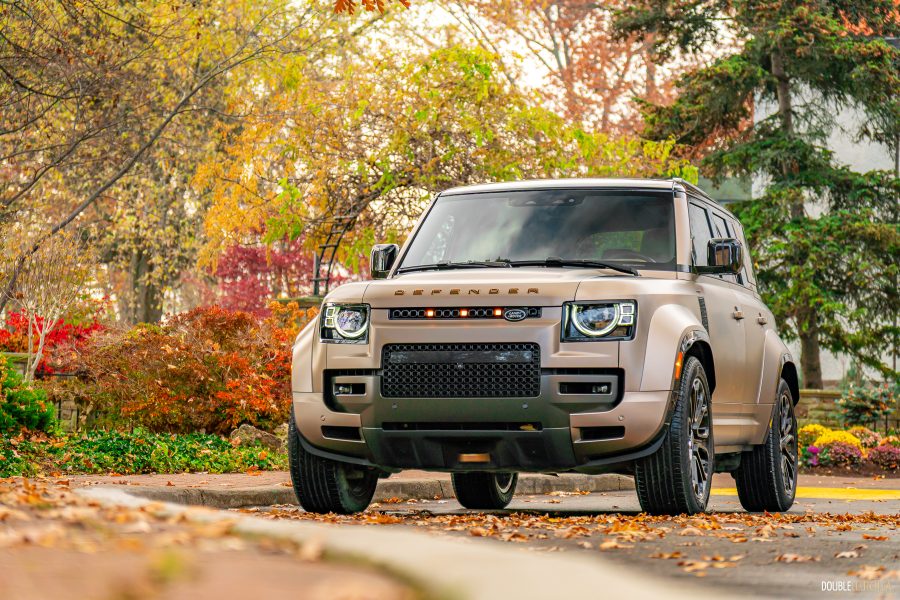
For all its ability to amalgamate the best of every category of sport utility, it is very distinctly its own, very charming, satisfying thing. It’s got imposing swagger and style, without being ostentatious – it’s so elegant that it even makes beige look like a million bucks (they call it Petra Copper). More important than a distinct look is the distinct way it all comes together behind the wheel; all this tech and towering power feels right. The throttle response and transmission calibration are impeccable, the steering is smooth and well weighted, the (six-piston, Brembo) brakes have excellent firm feel, and the way it handles, while being driven fast or slow, on or off-road, is remarkable.
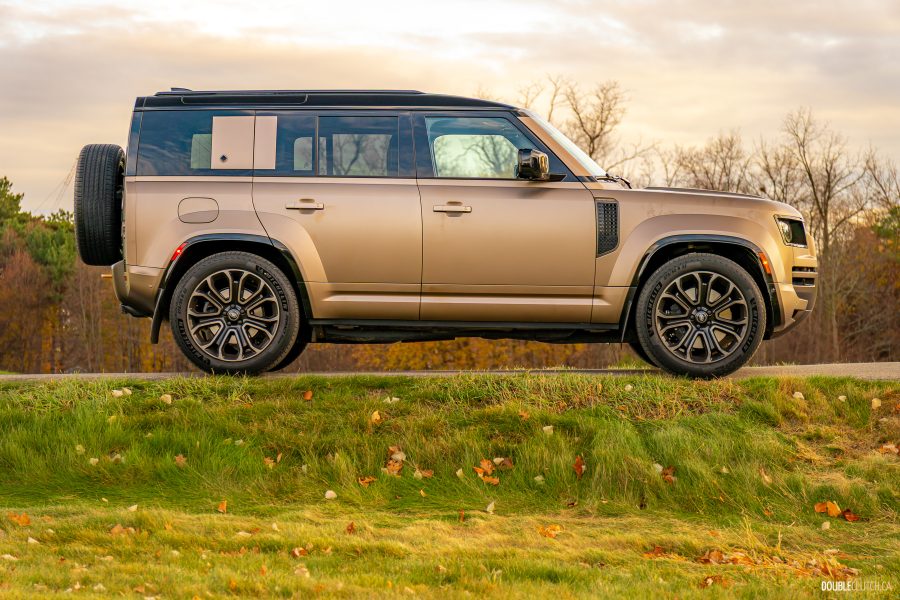
All at once, the 2026 Land Rover Defender Octa is a performance weapon, a rock crawler, and a luxury fashion icon. It’s a brute with poise. Very much like the Range Rover Sport SV I recently drove, it’s an exercise in making individual things that should be tasteless feel tasteful when served carefully. If there’s a better SUV out there, I don’t think I’ve driven it. No one needs this; but I appreciate it.