It’s funny to think of where this 2026 Subaru Outback came from. In the nineties, Subaru’s sales were in a bit of a slump, and they were worried about losing ground to the then-new sport utility vehicle craze. Their solution was to take their existing mid-size Legacy wagon, lift it up a couple inches, put some chunky body cladding on it, and call it Outback. It sounds like a cheeky trick, and maybe it was a cheap solution to an immediate problem, but that short-term solution created a long-term love affair with Subaru’s quirky not-quite-wagon, not quite-sport-ute vehicle that helped spawn the entire category of crossover vehicles that has since consumed the industry.
Is it still a wagon? • Exterior design
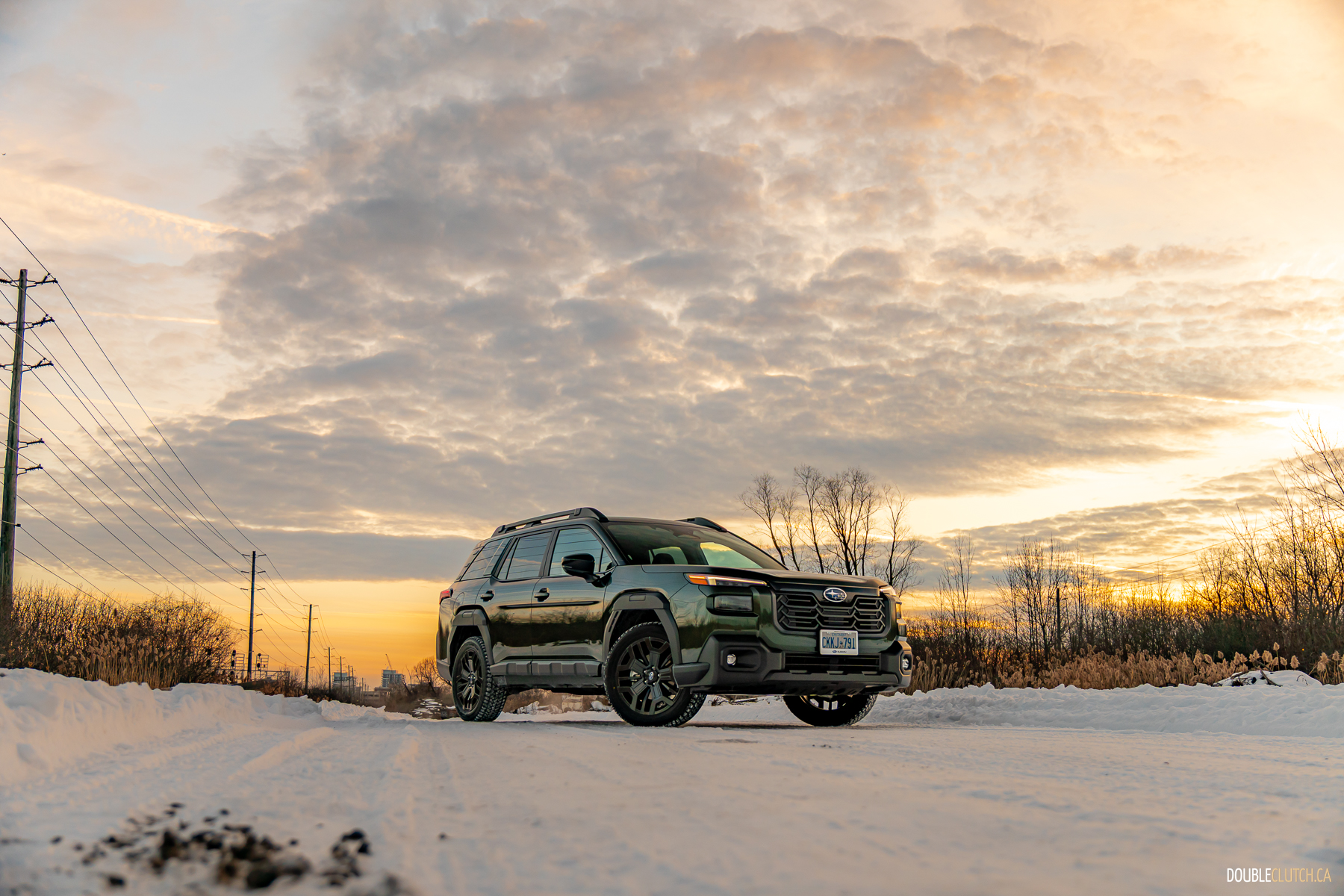
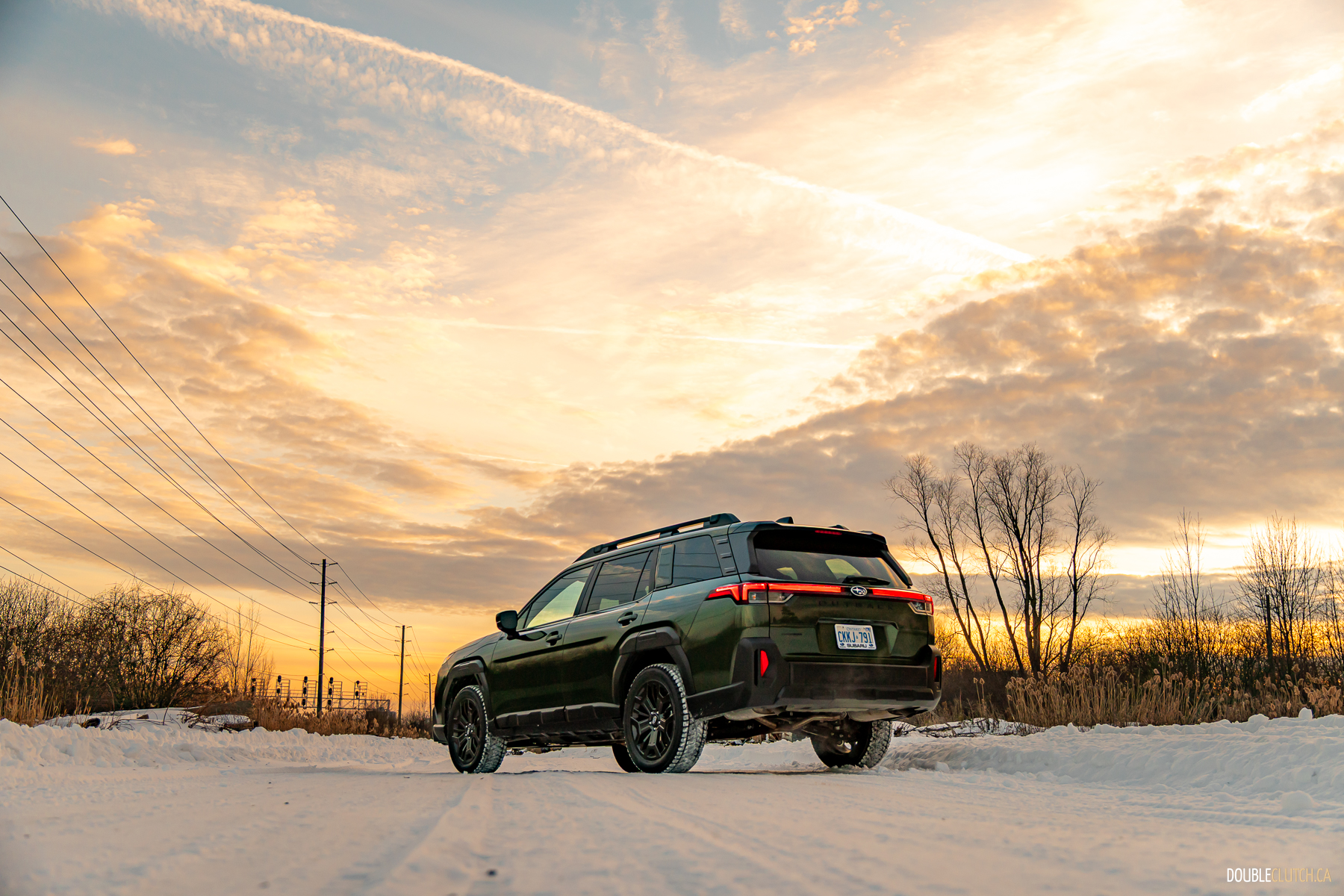
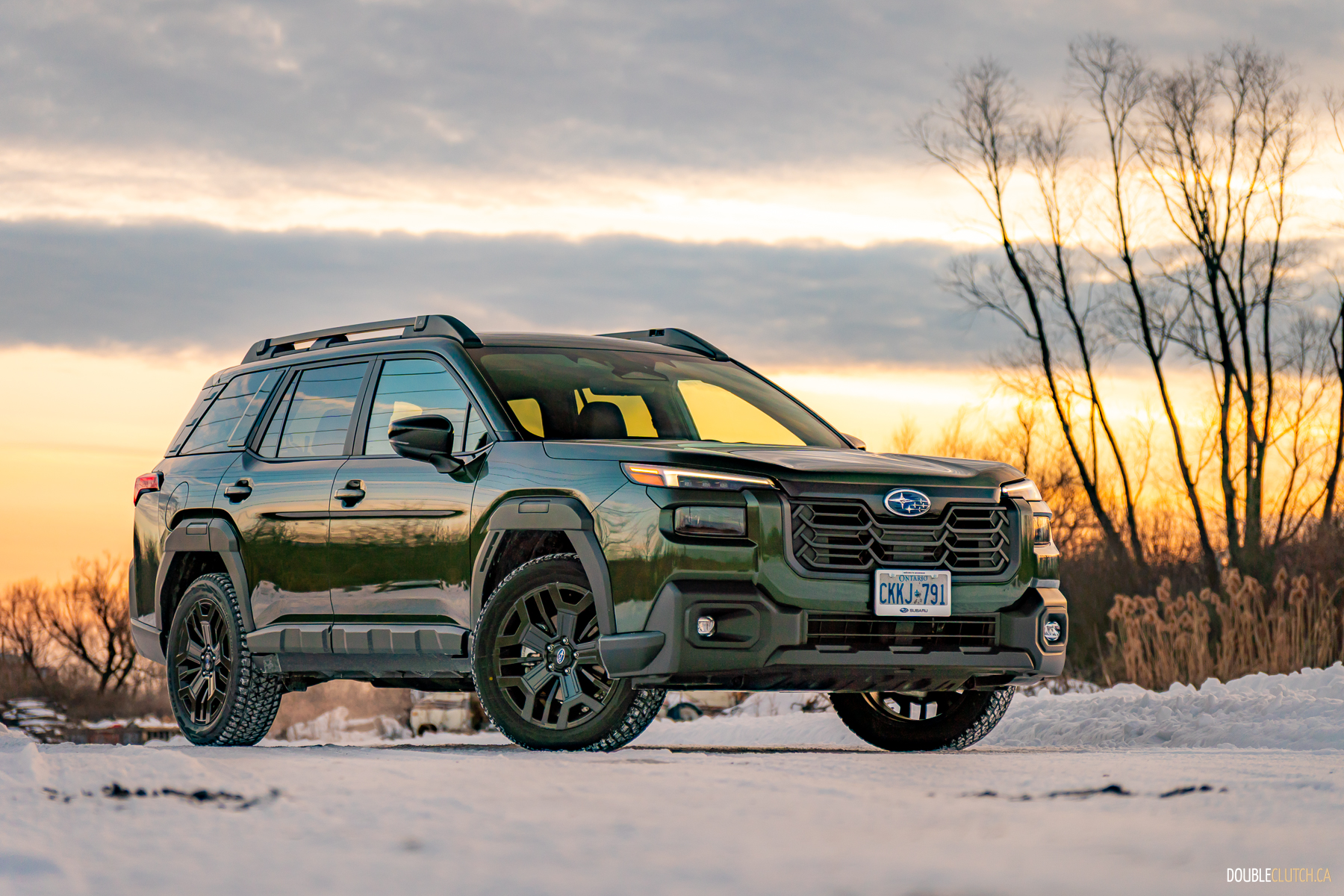
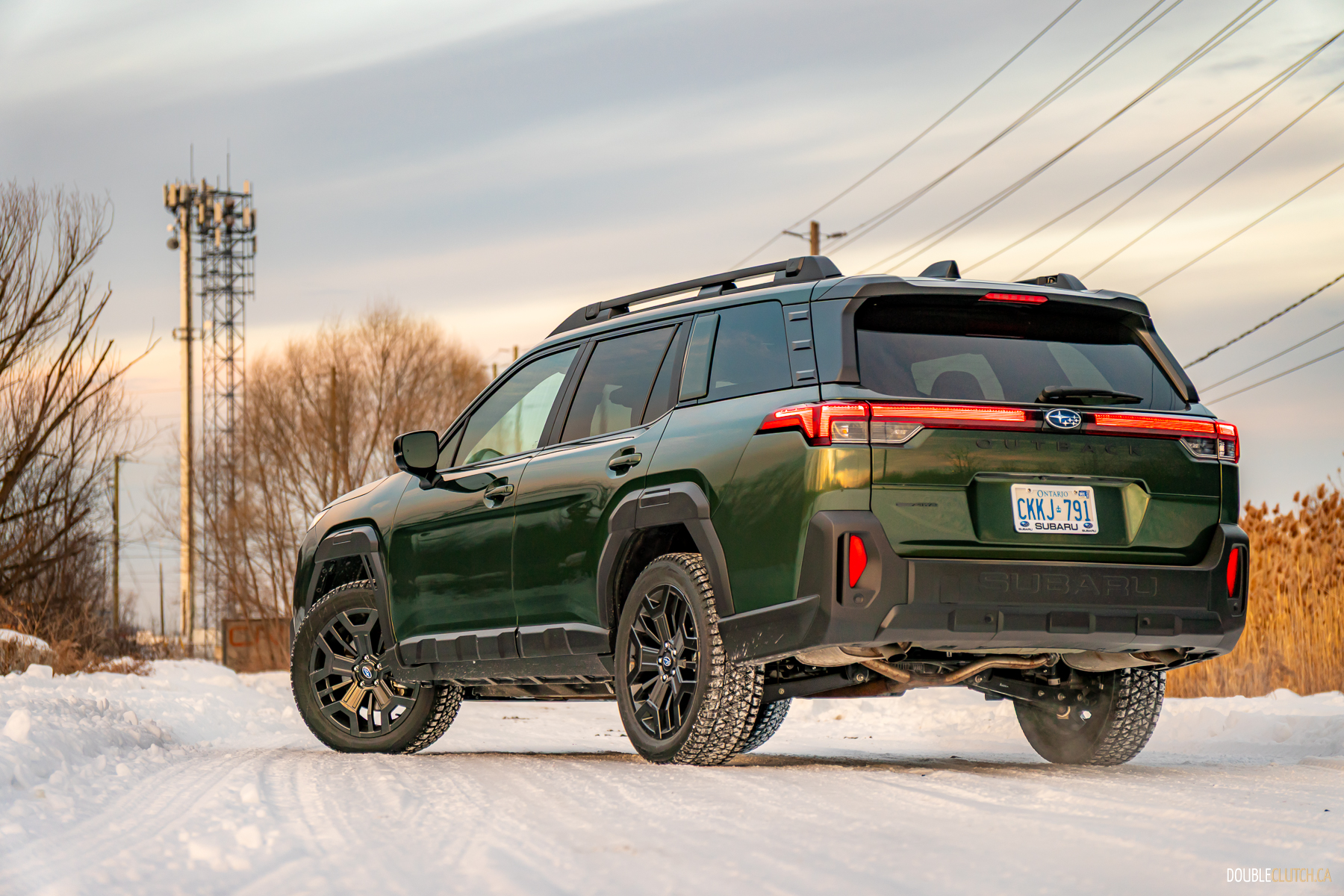
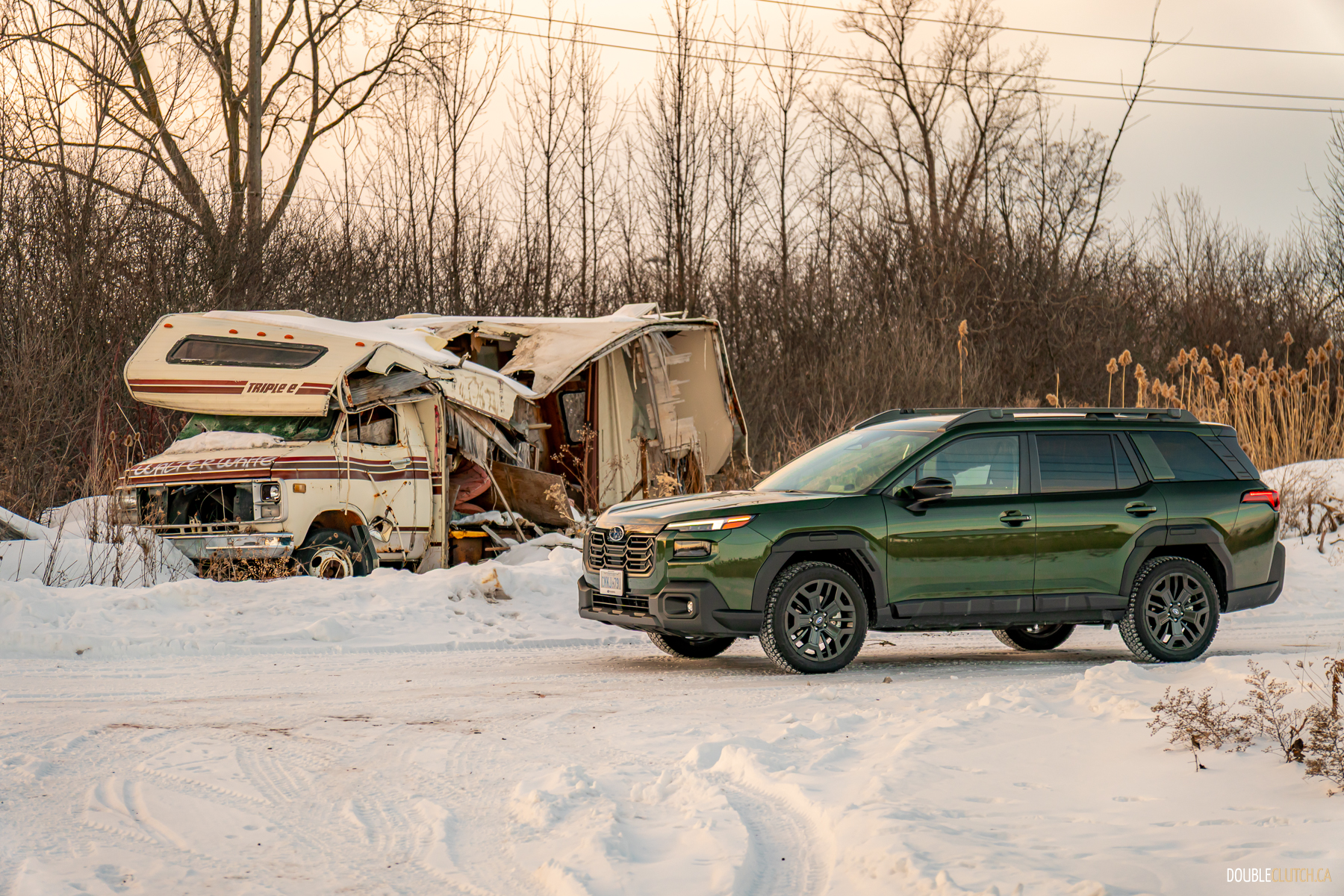
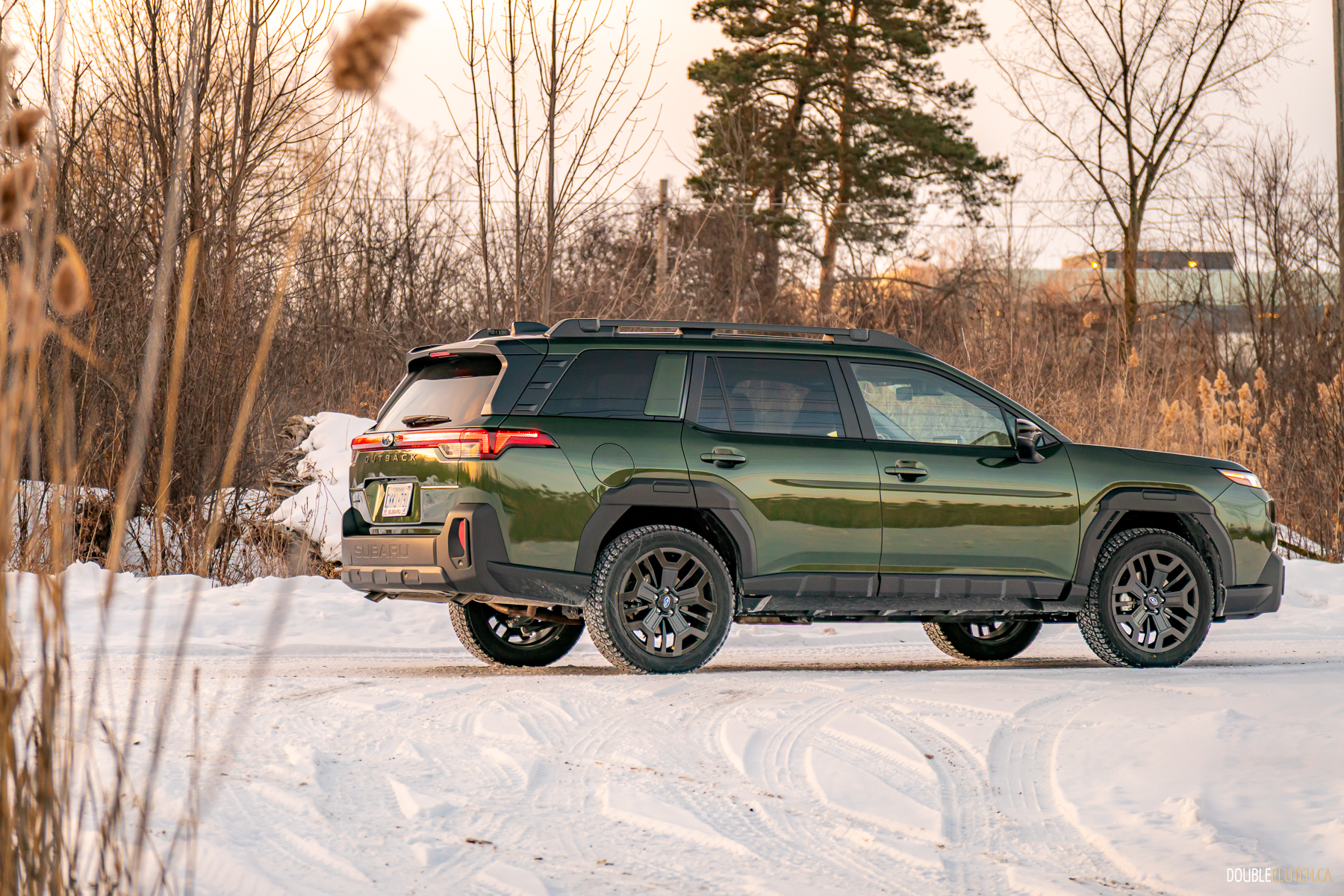
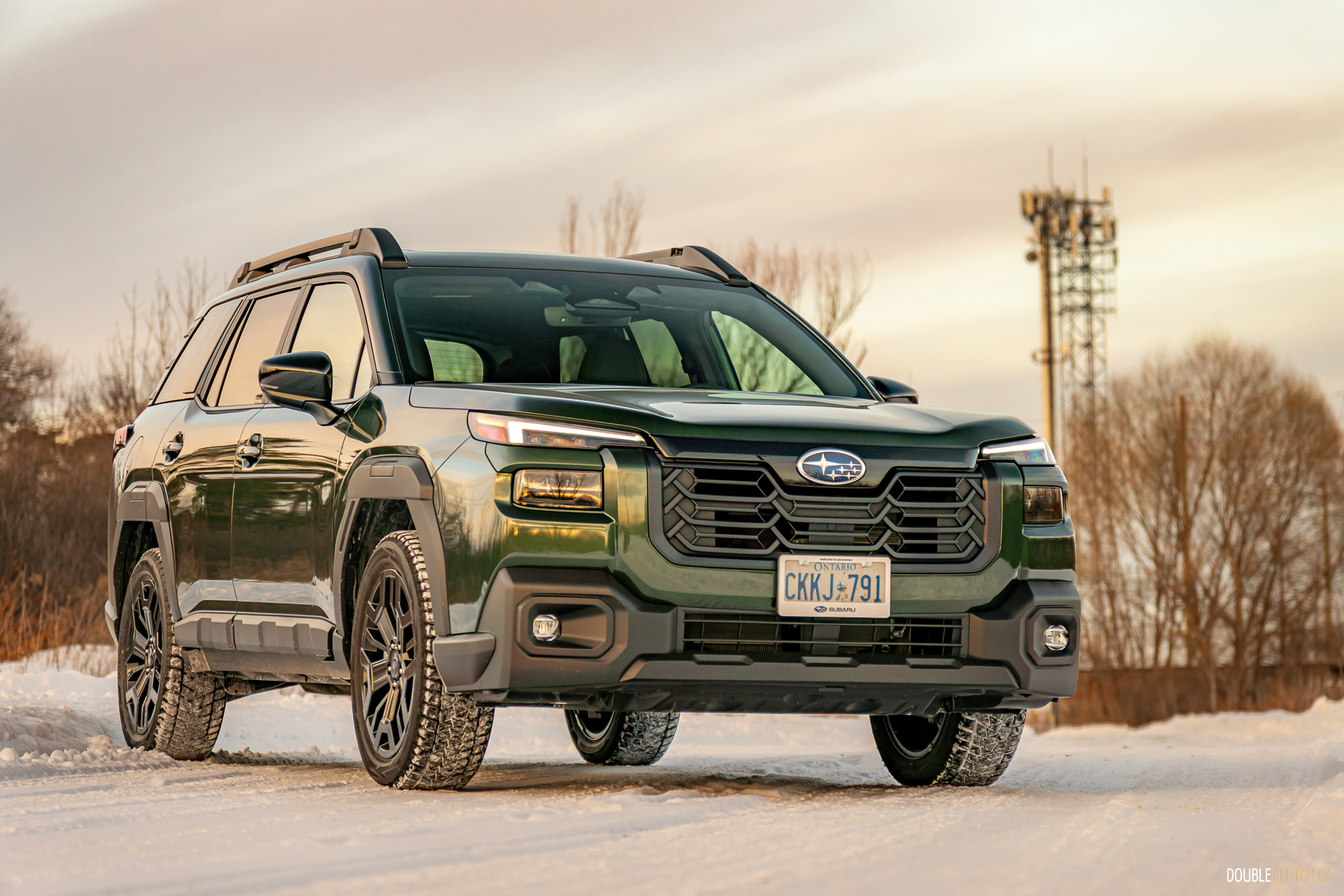
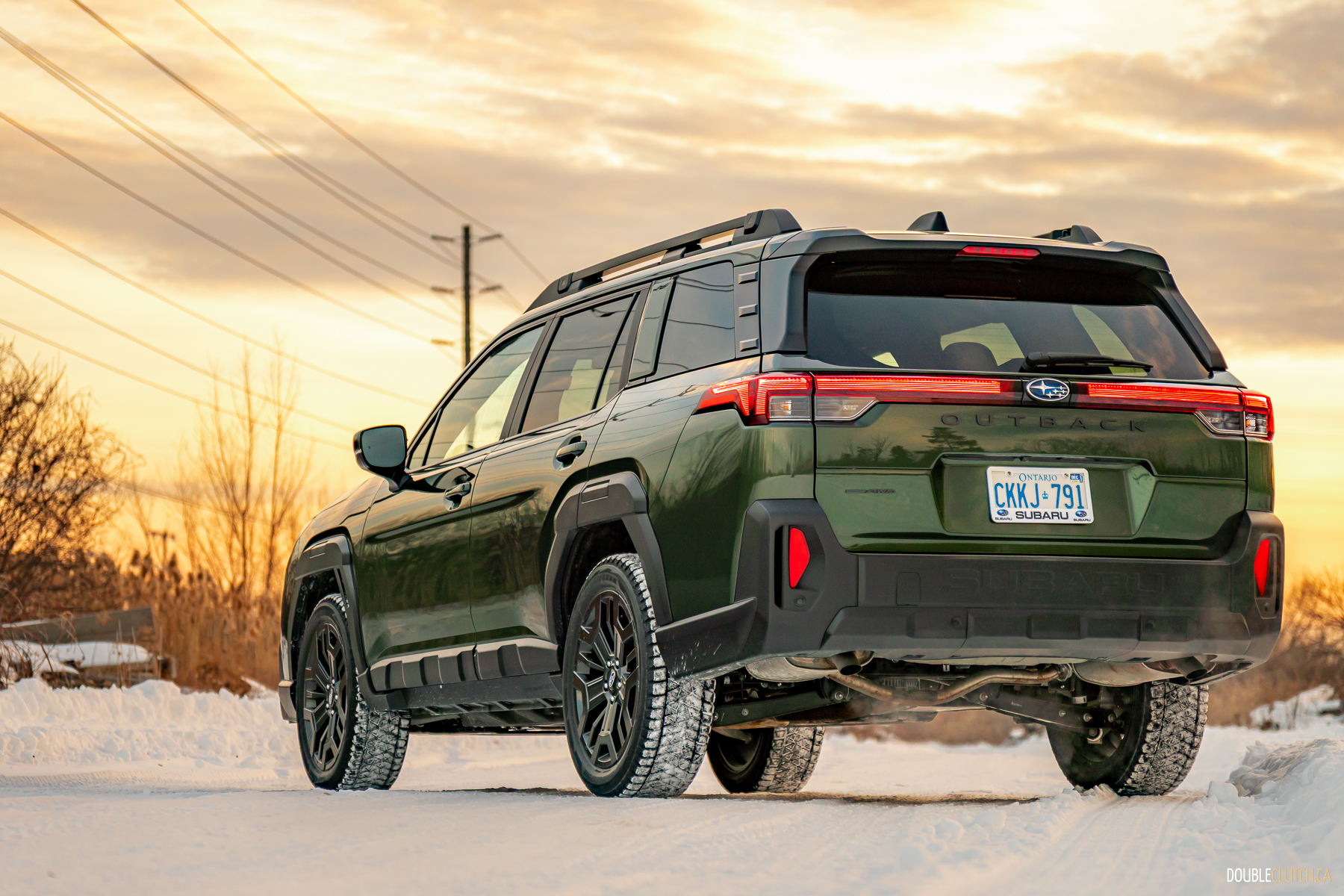
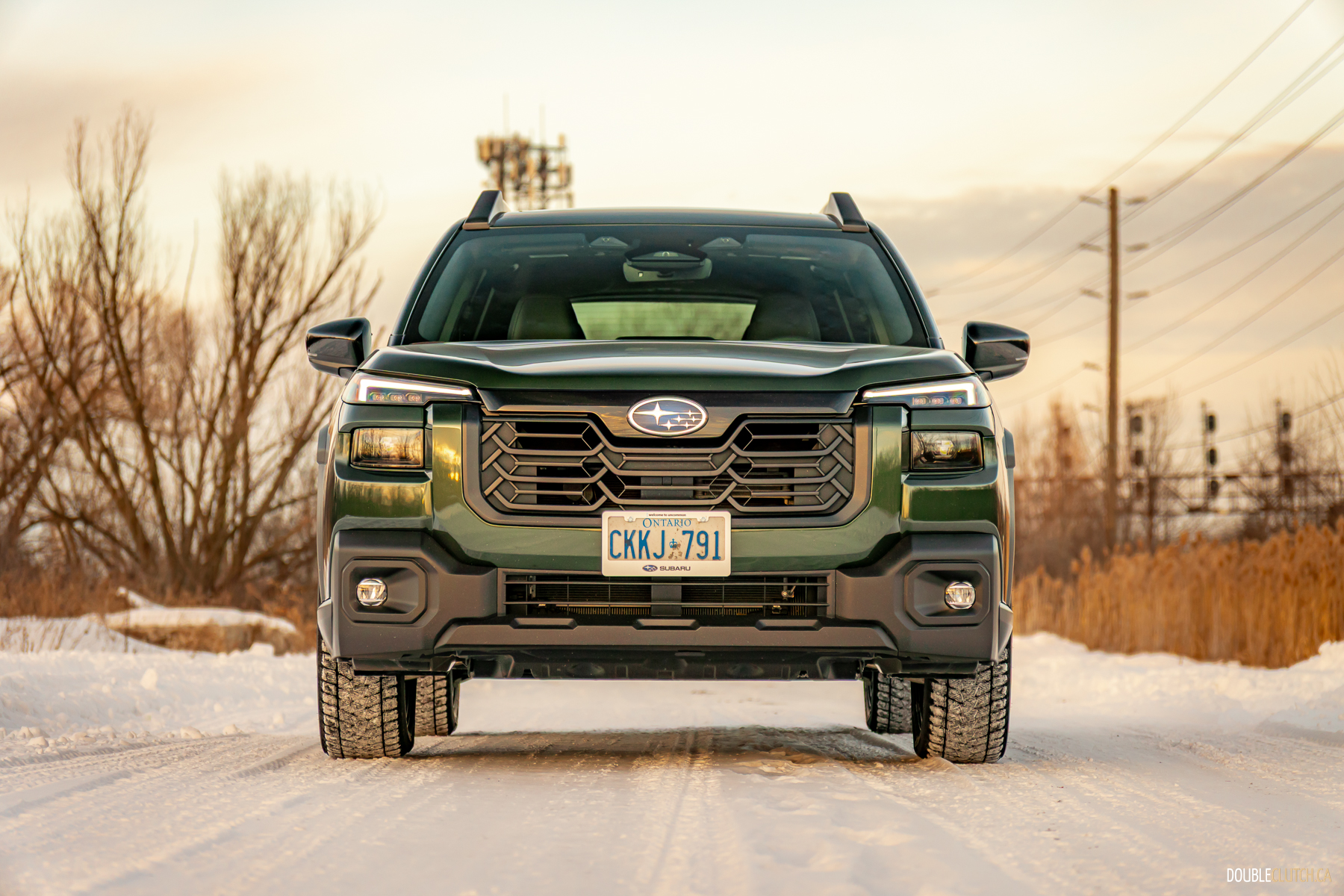
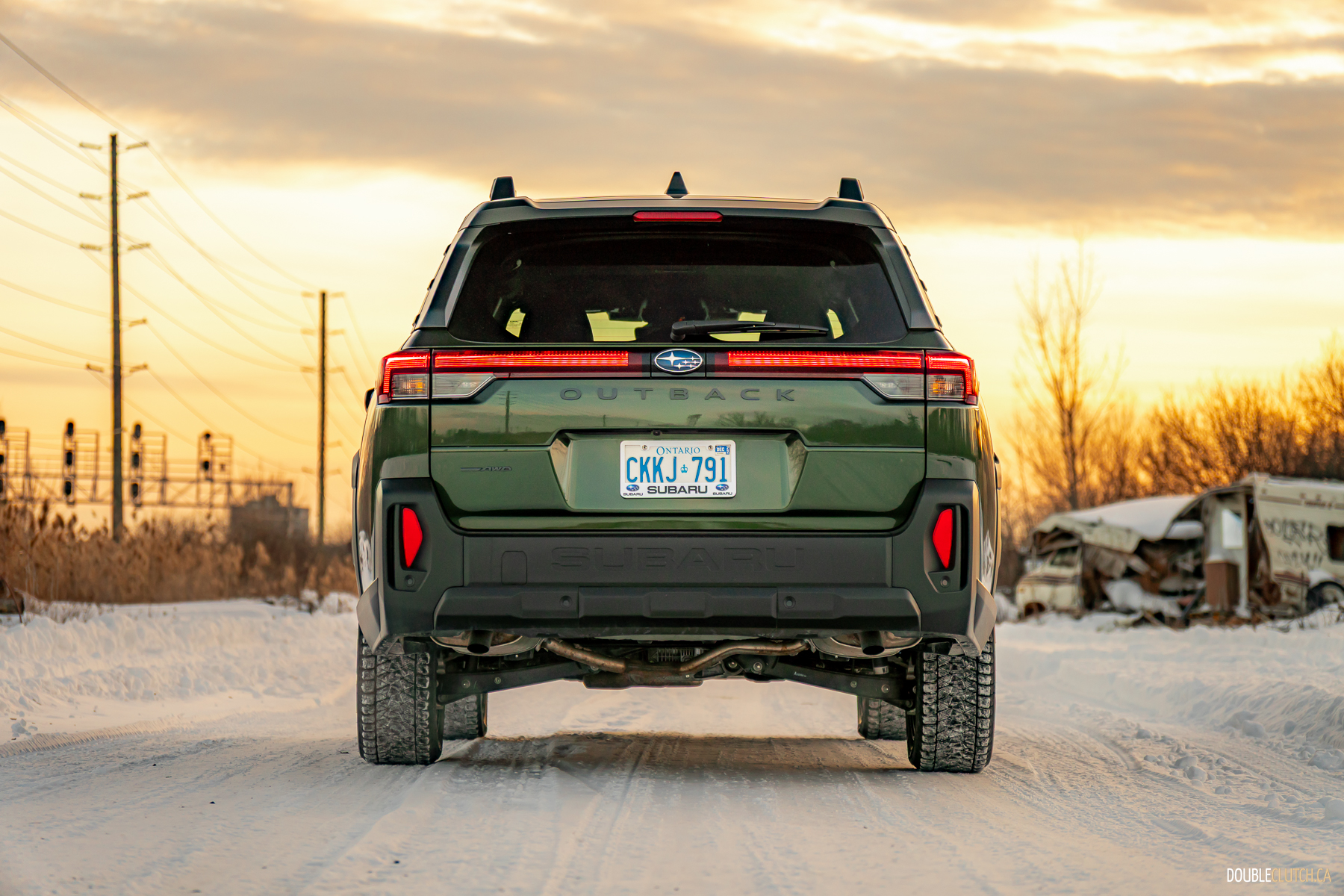
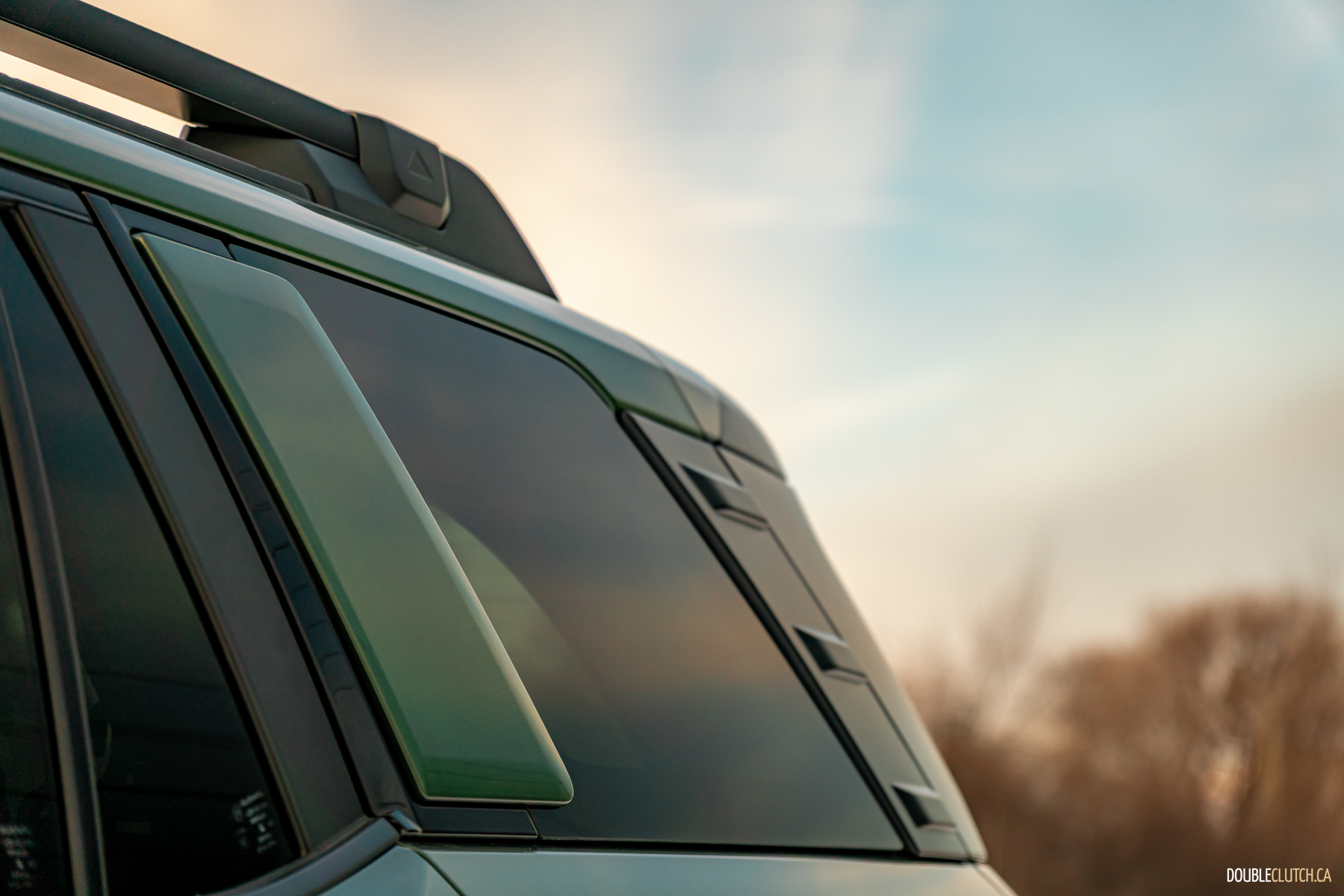
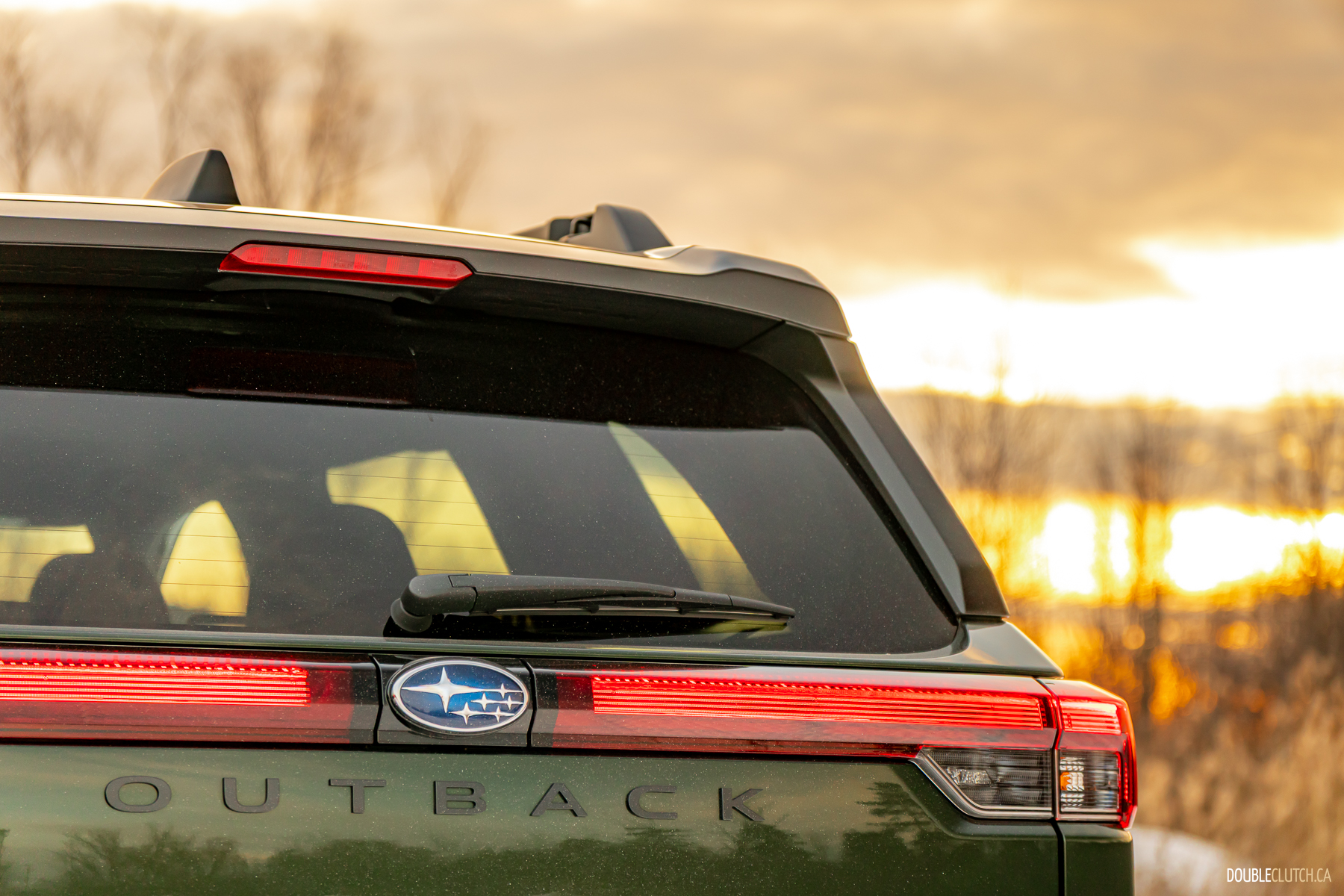
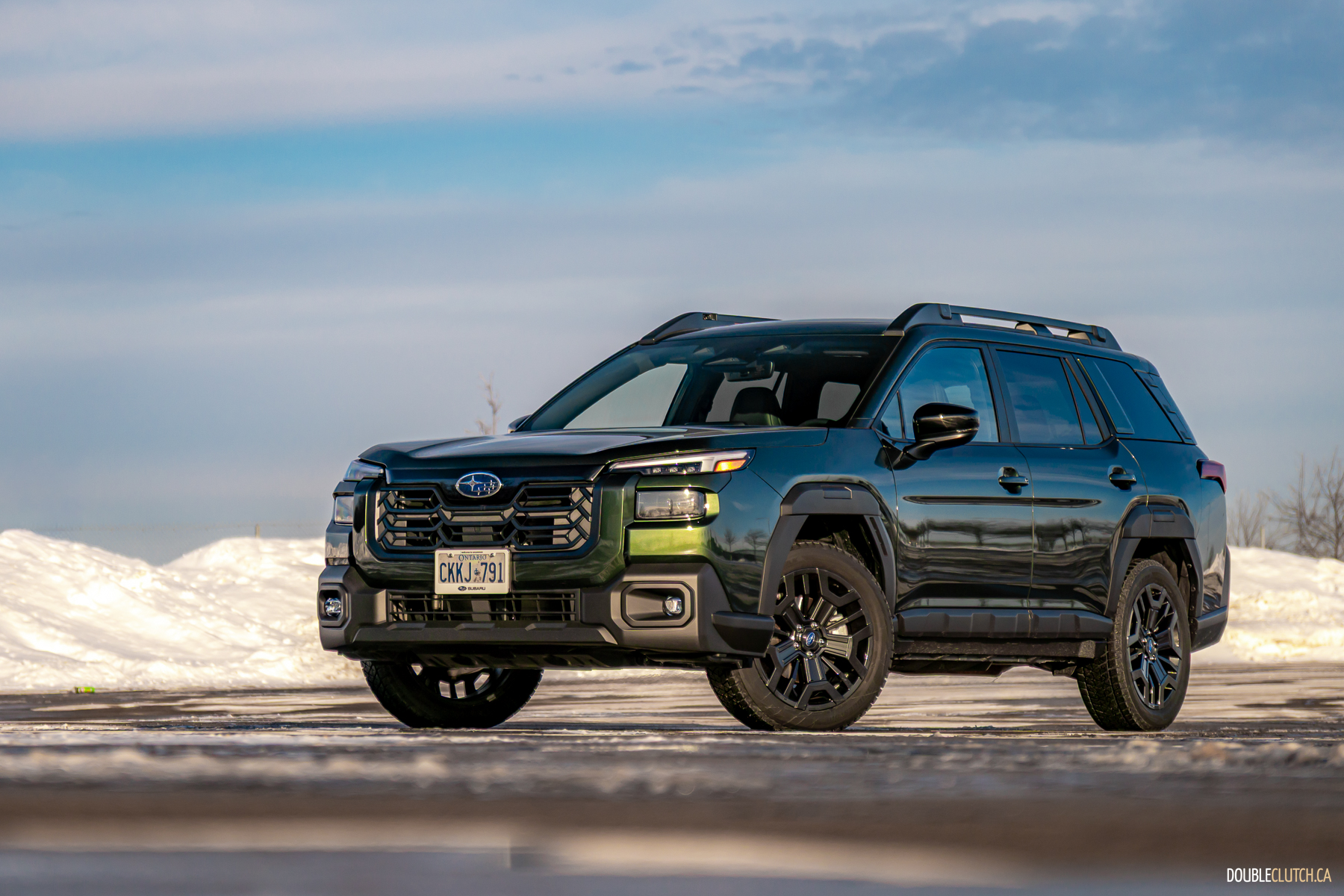
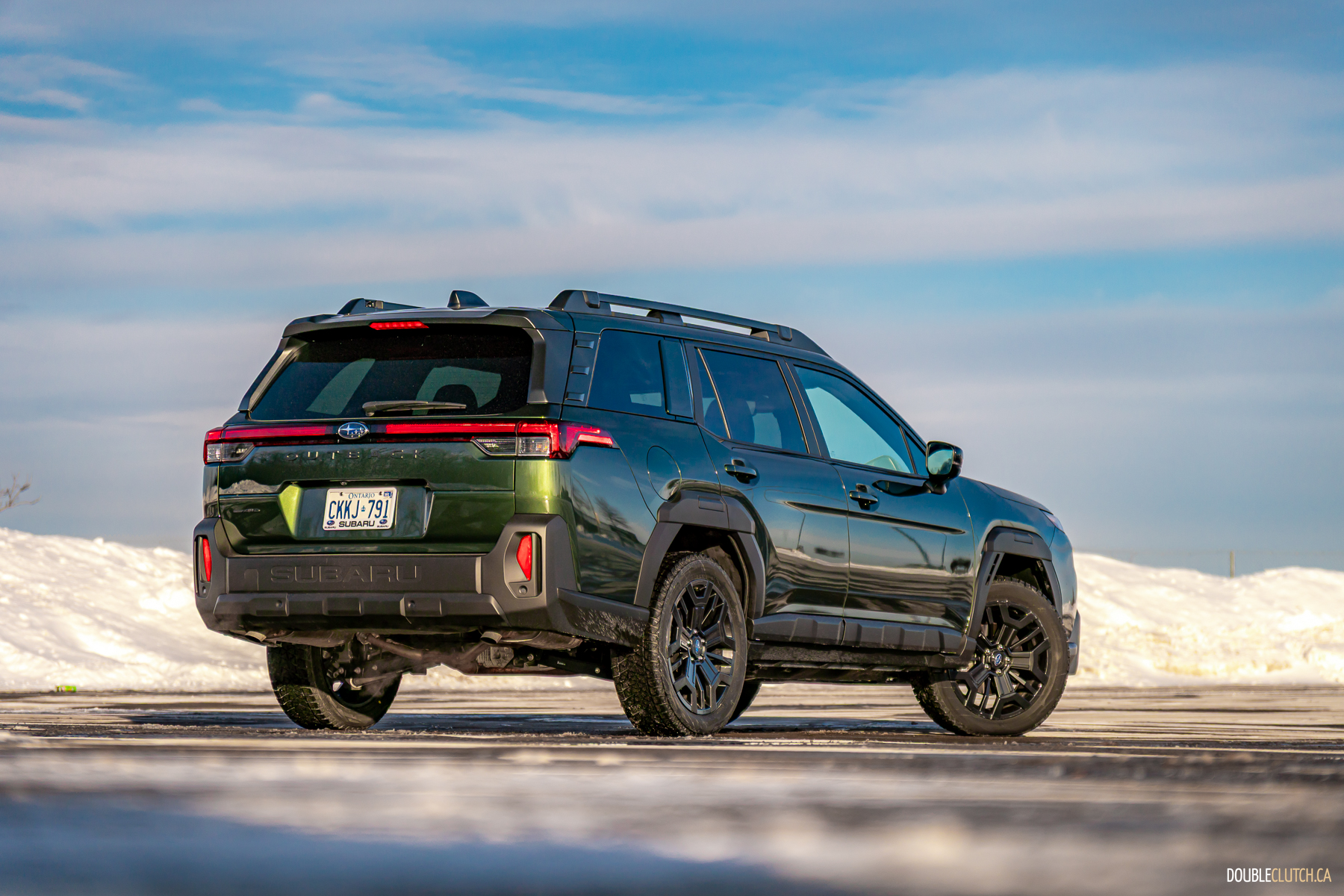
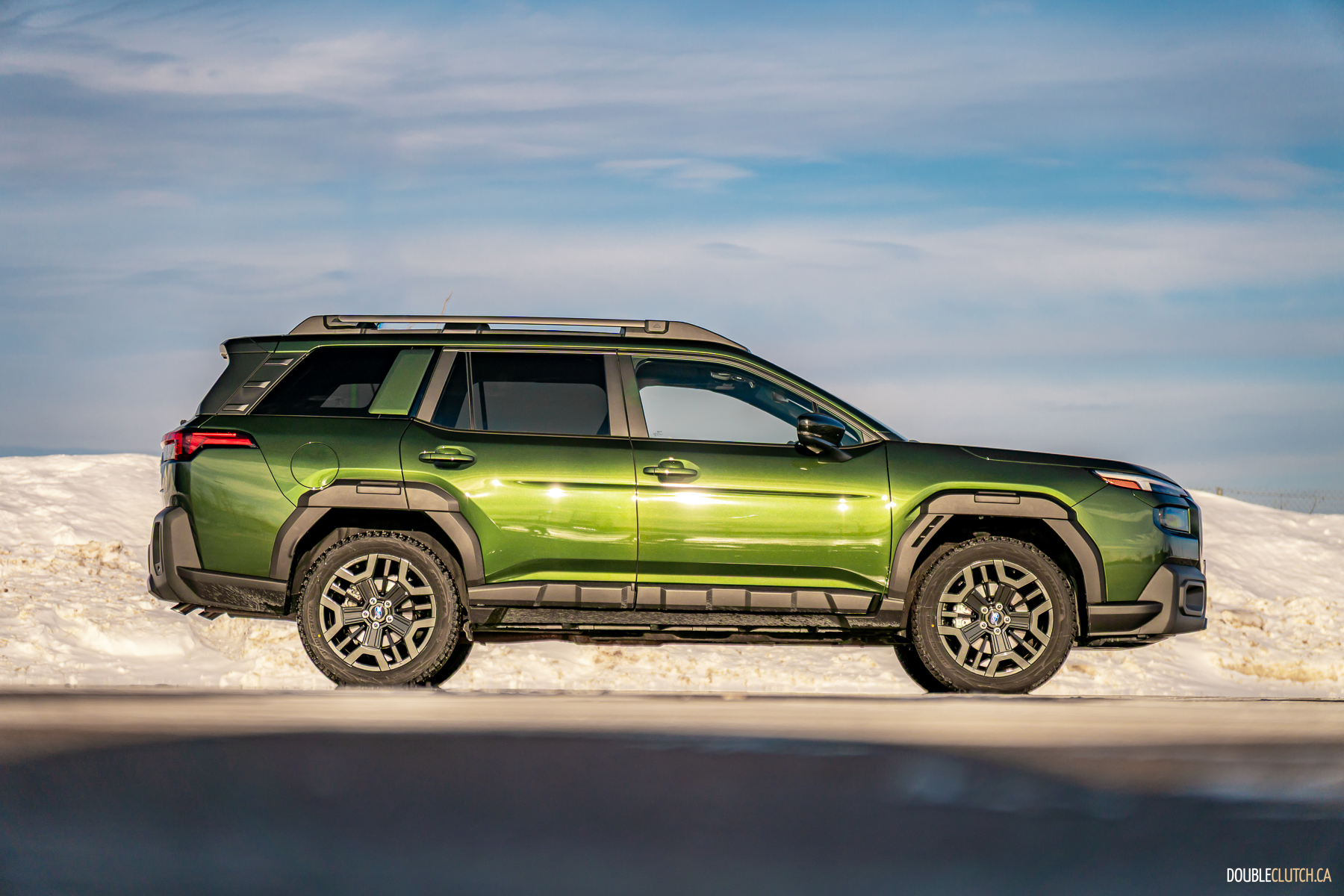
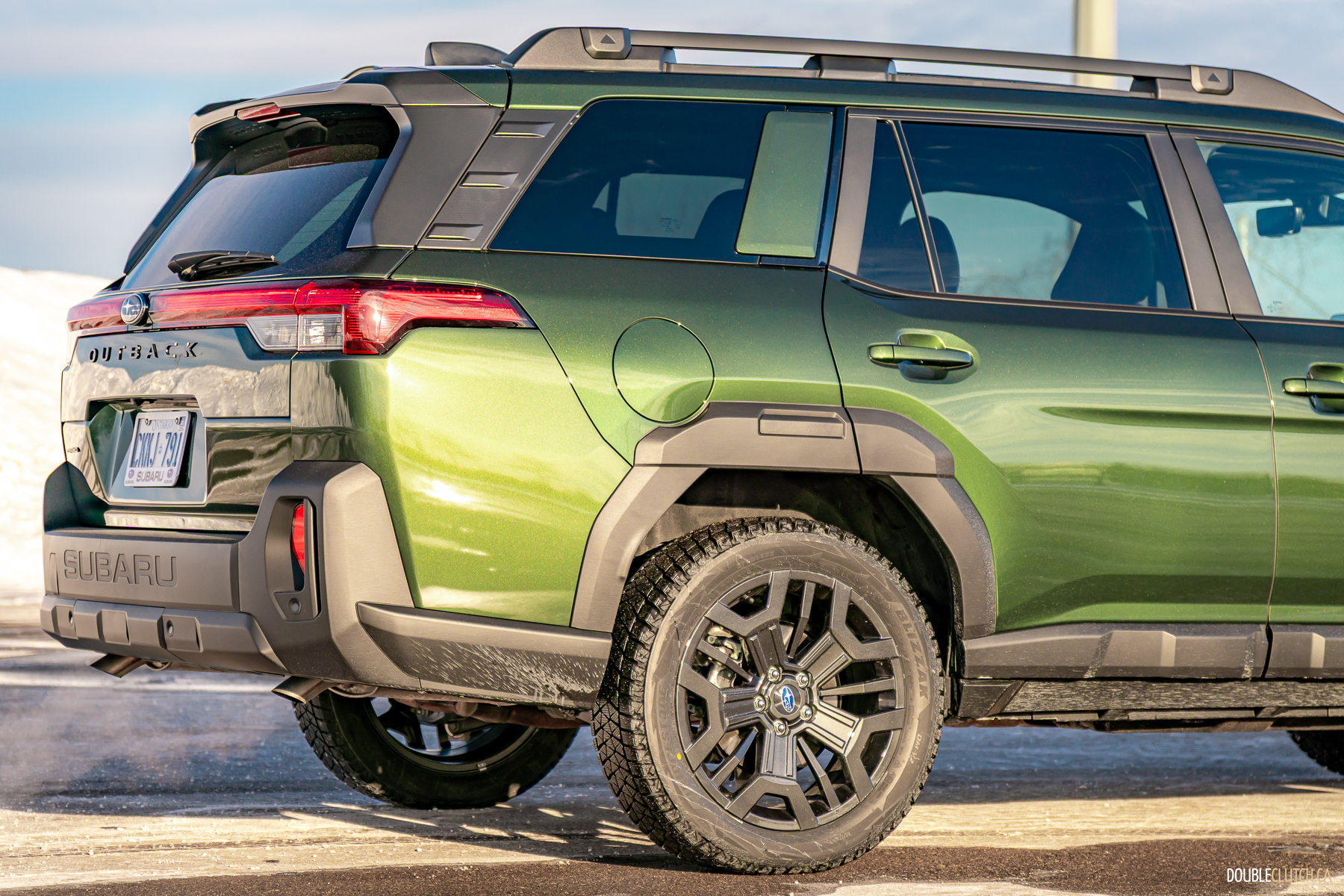
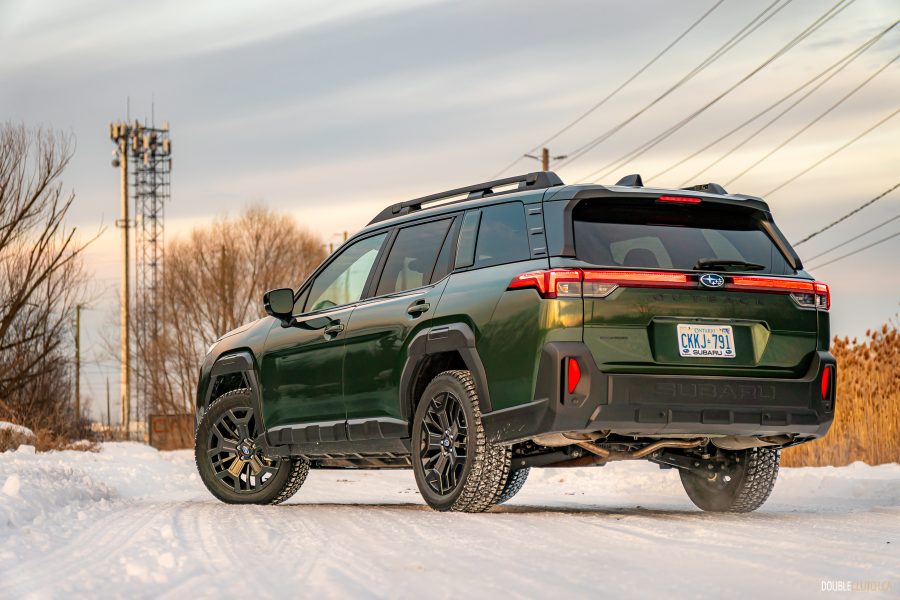
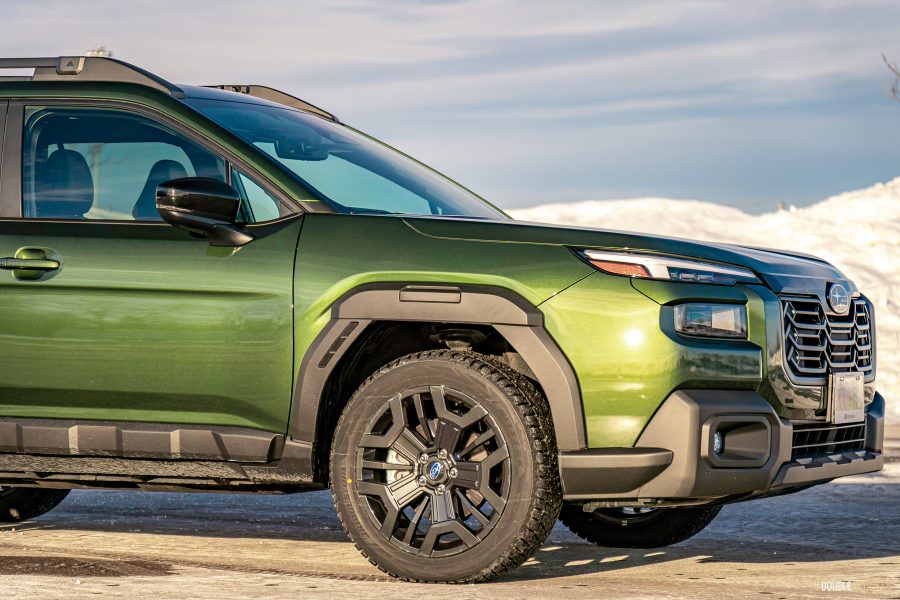
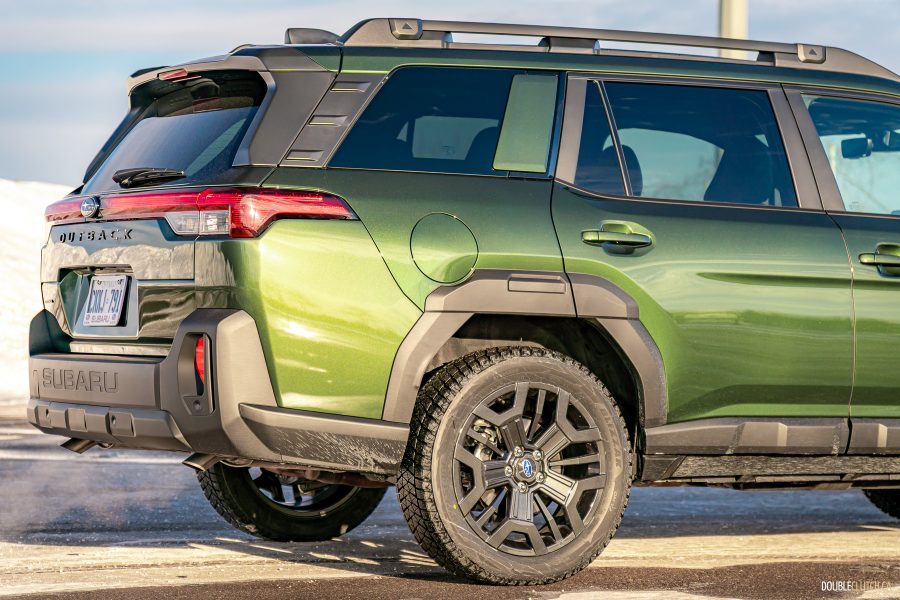
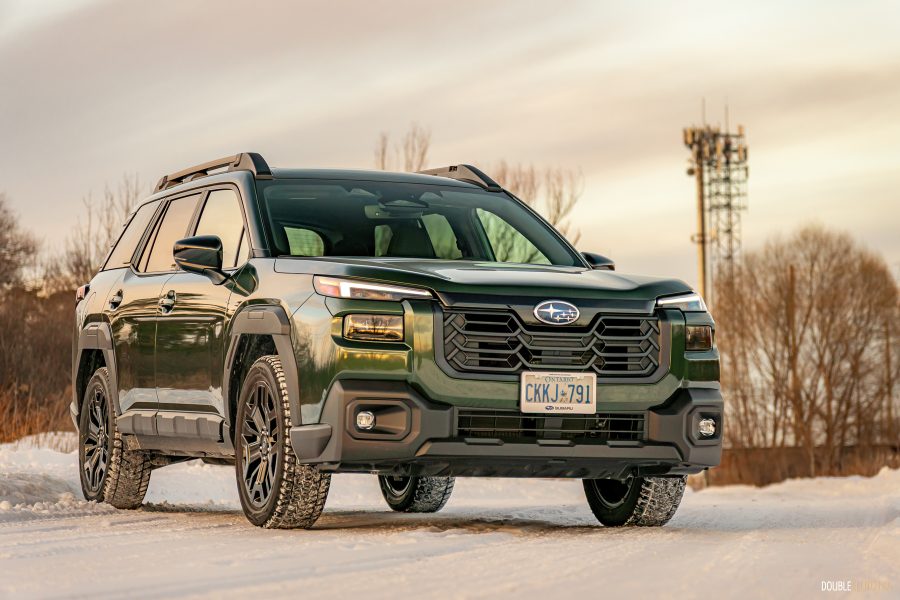
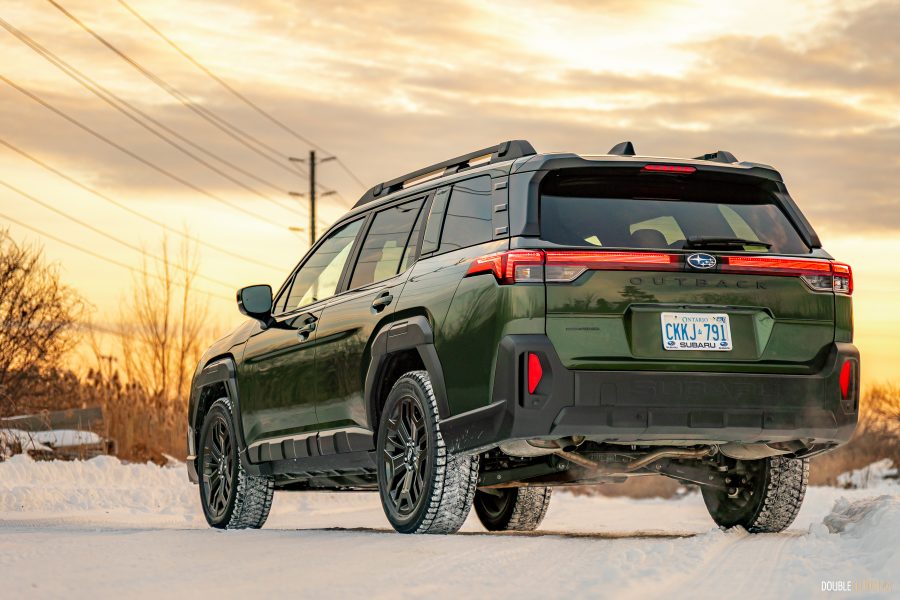
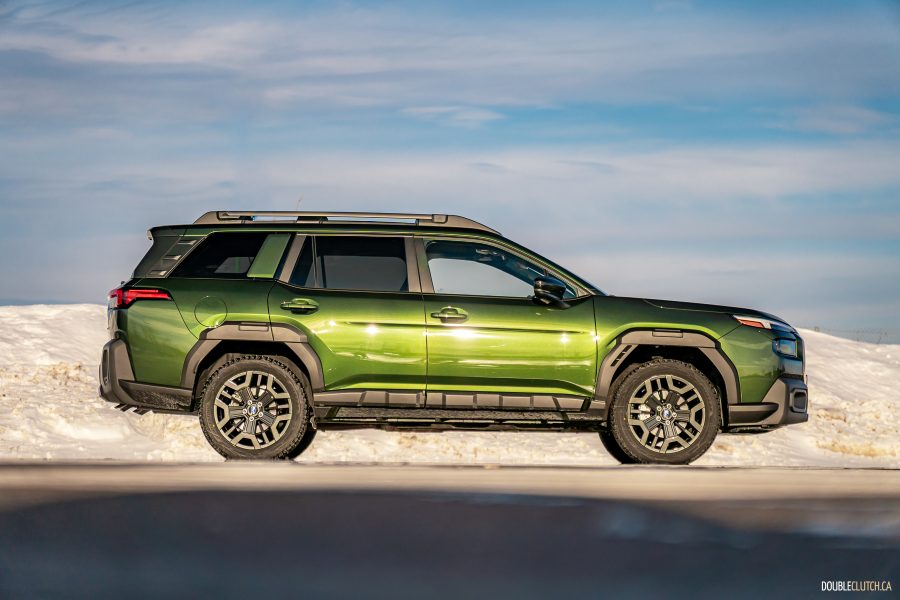
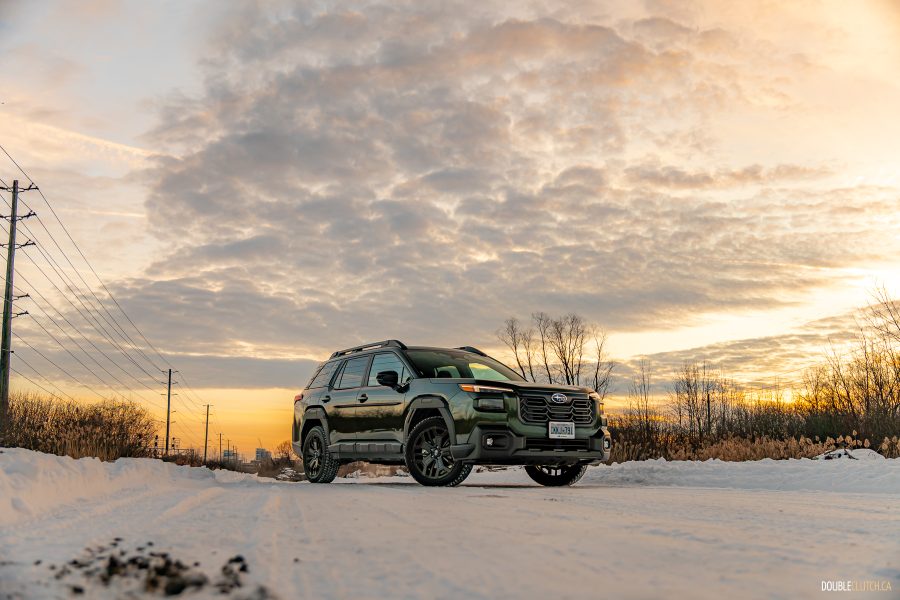
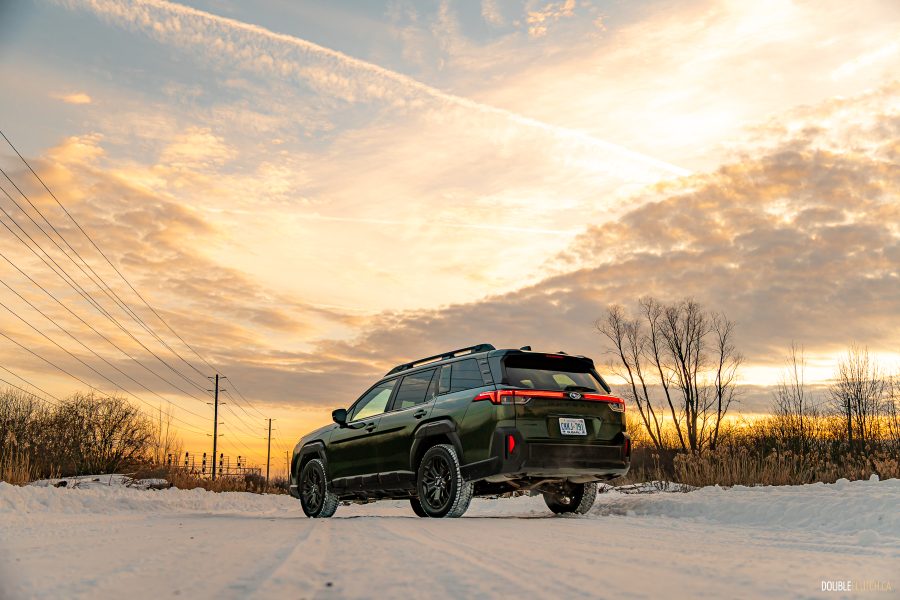
The Outback isn’t quite all-new for 2026, but it’s so thoroughly re-worked, and so visually different that no one would blame you for thinking it’s all fresh. The first thing that struck me, all of us at the office, and probably any of you reading, is that it’s huge. On paper it’s not so different, with the same wheelbase as before, an extra inch of width and length, and two more inches of height. More than the numbers is the style that Subaru has gone for, as the Outback is far more upright and squared off than ever before, which gives it some serious visual heft.
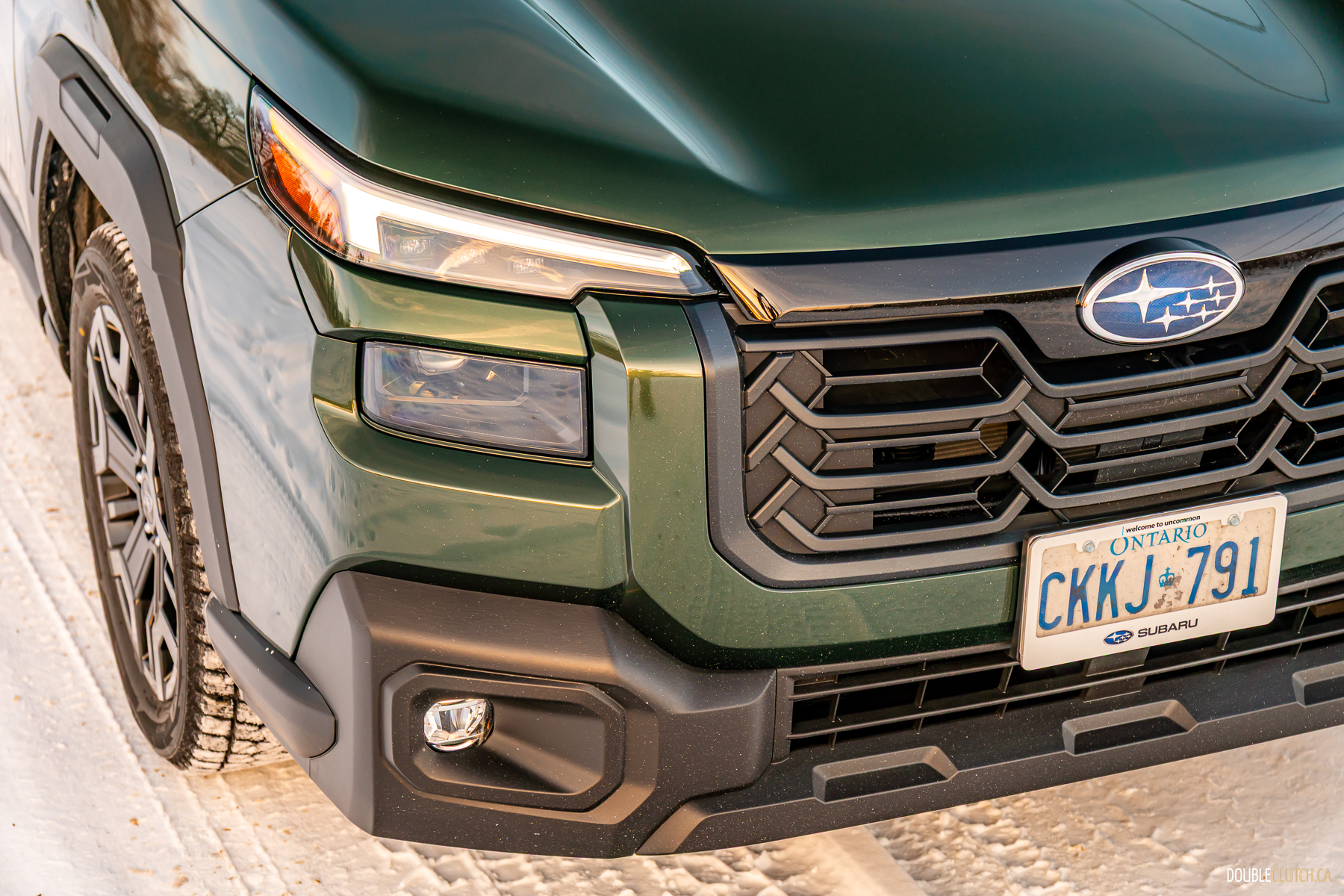
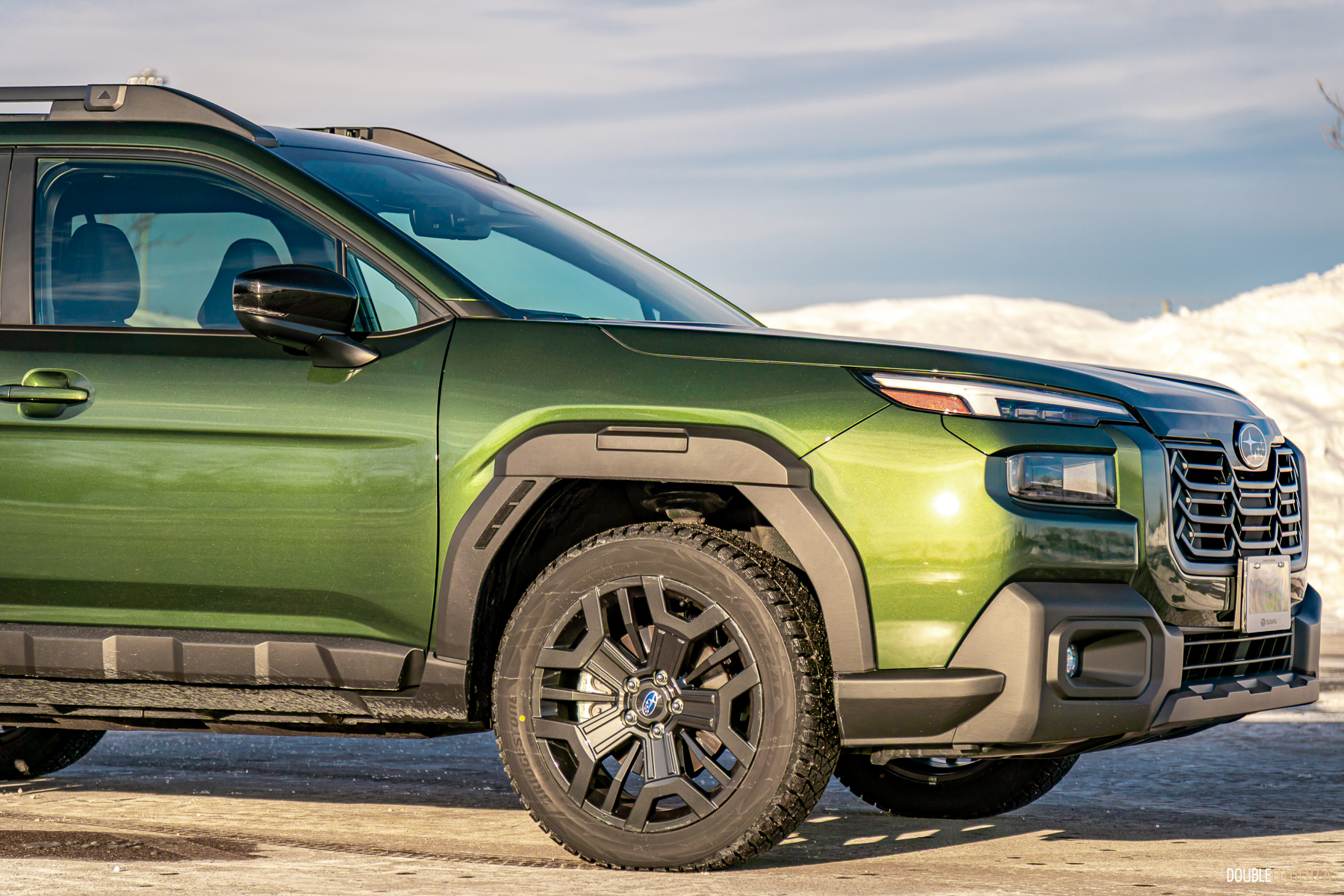
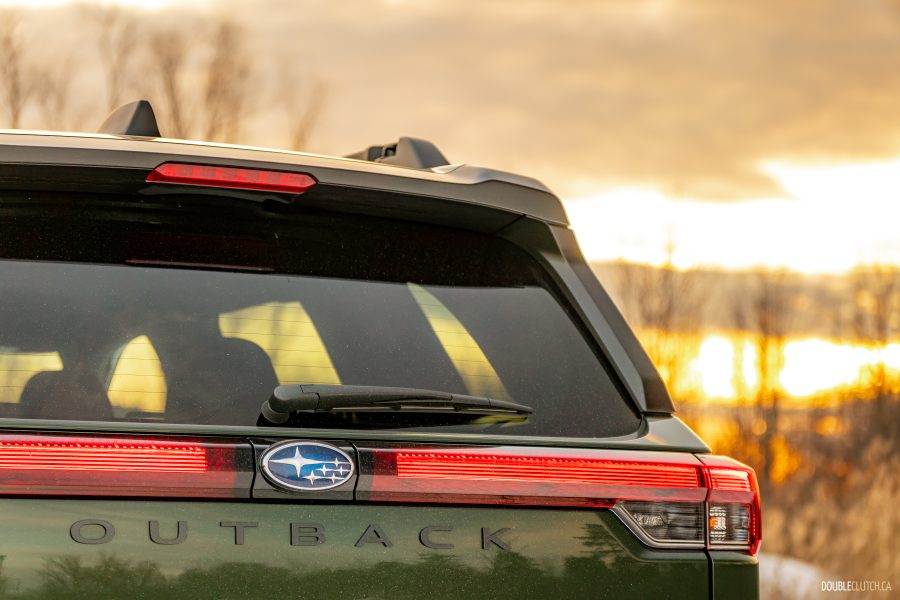
Overall I’d say this Deep Emerald Limited XT tester is quite handsome, actually. One of my colleagues called out that with its upright greenhouse, narrow tails and divorced front lighting elements, that it almost looks like a squished BMW X7. I’m mostly impressed that Subaru has been able to stretch the Outback’s whole not-quite-wagon thing to its logical extreme, being bigger, bulkier, and taller than ever before, while still just barely maintaining the rough proportions of a wagon to give it some distinction from its tall-hatchback crossover brethren.
It’s not just a huge McMansion inside • Interior impressions
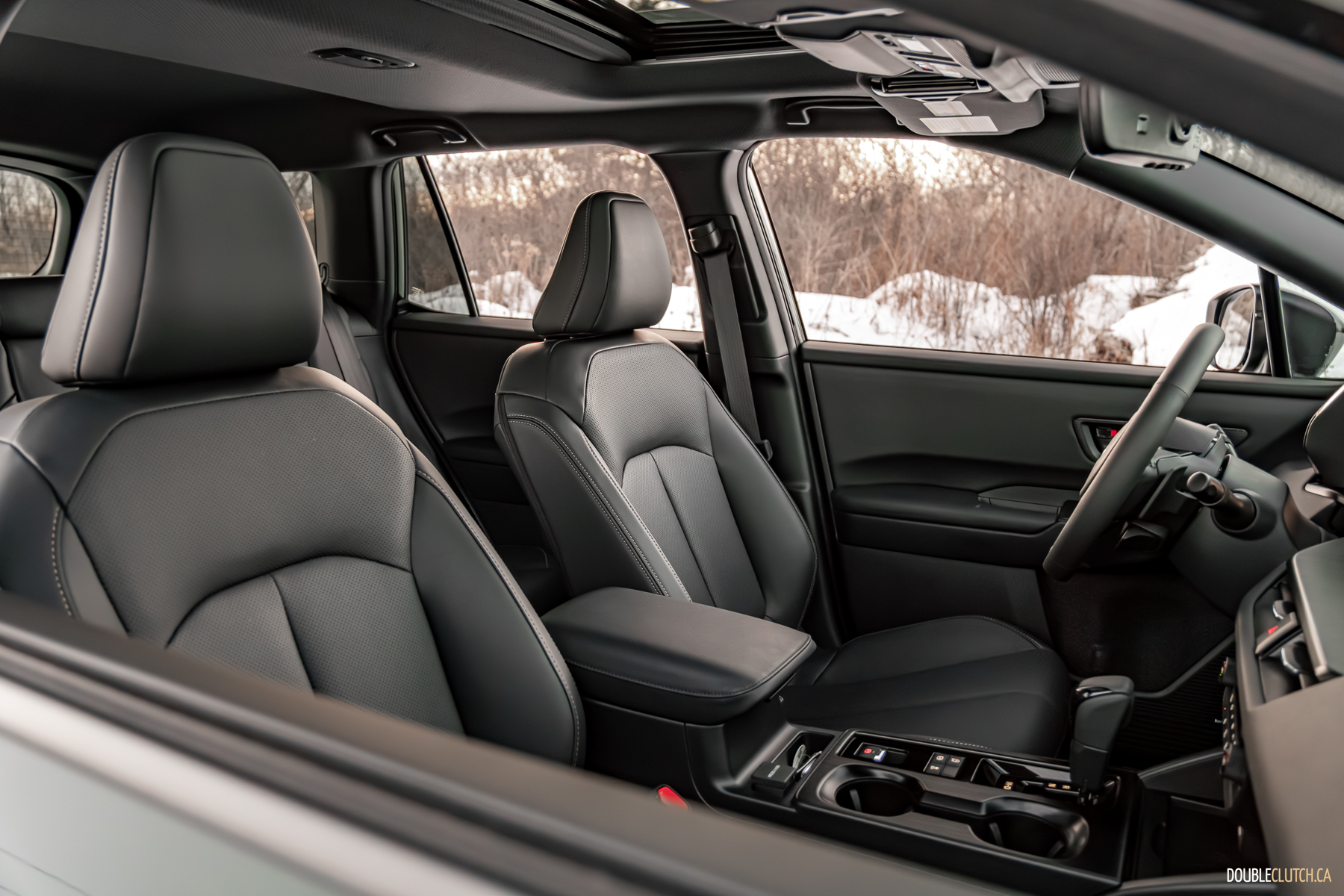
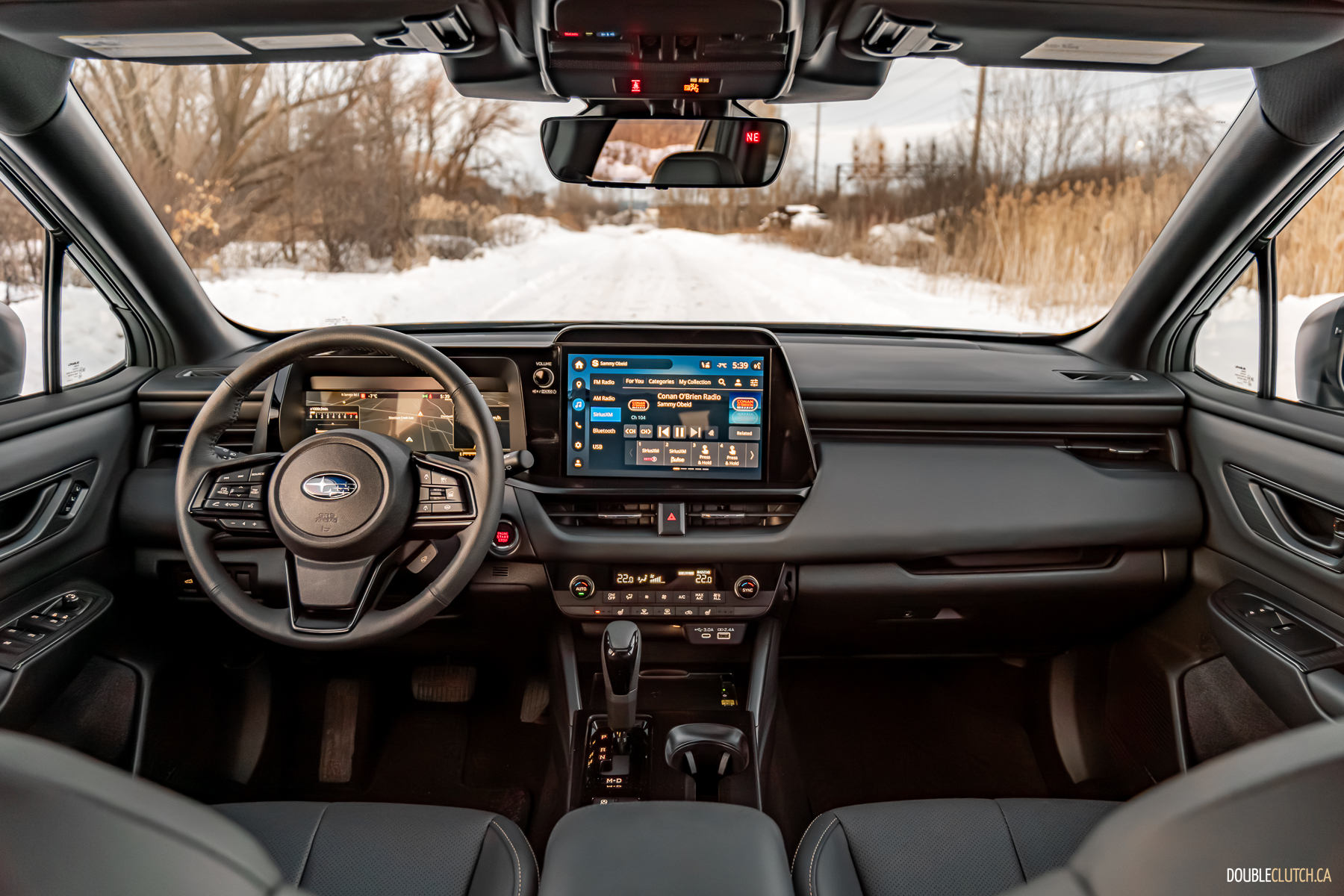
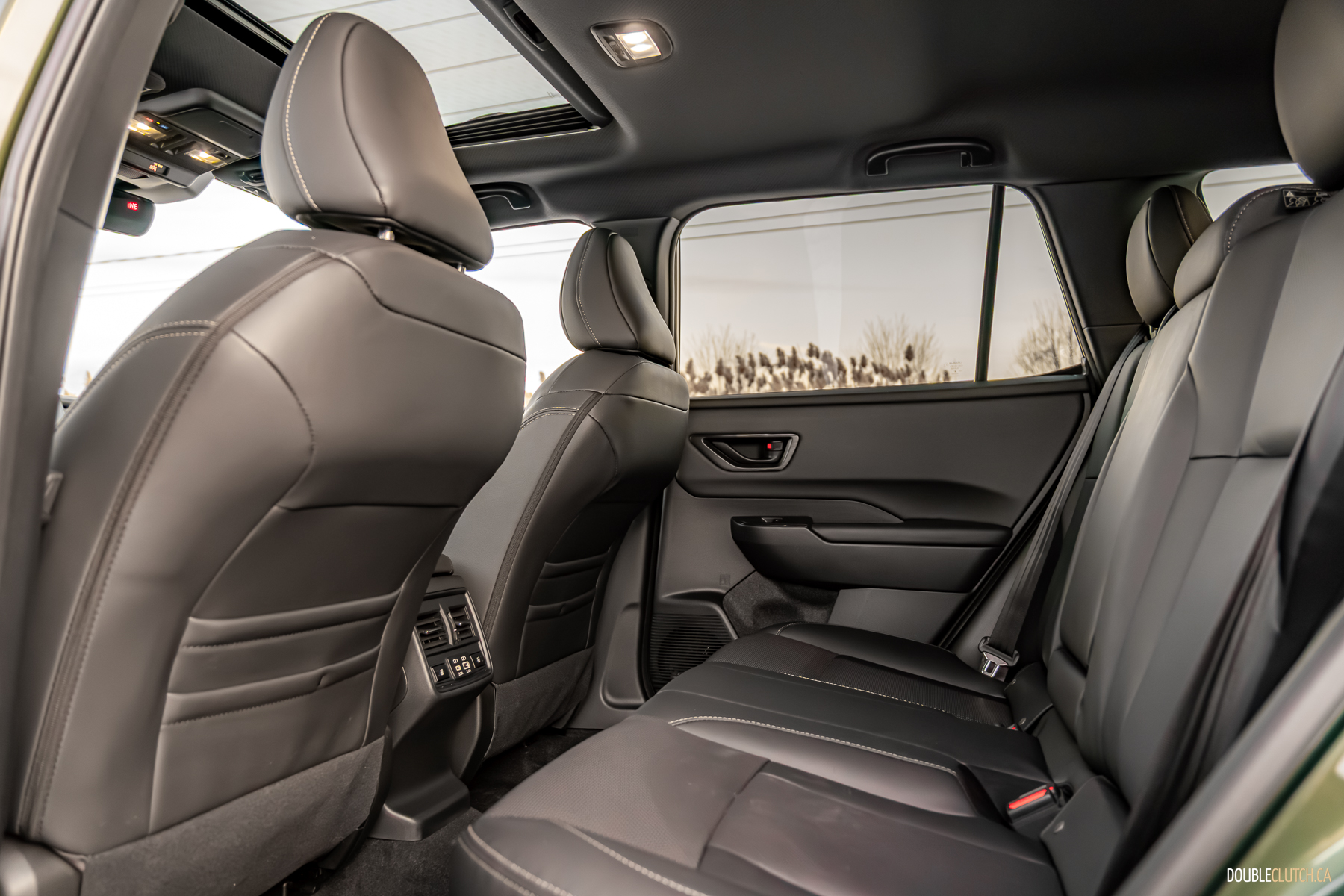
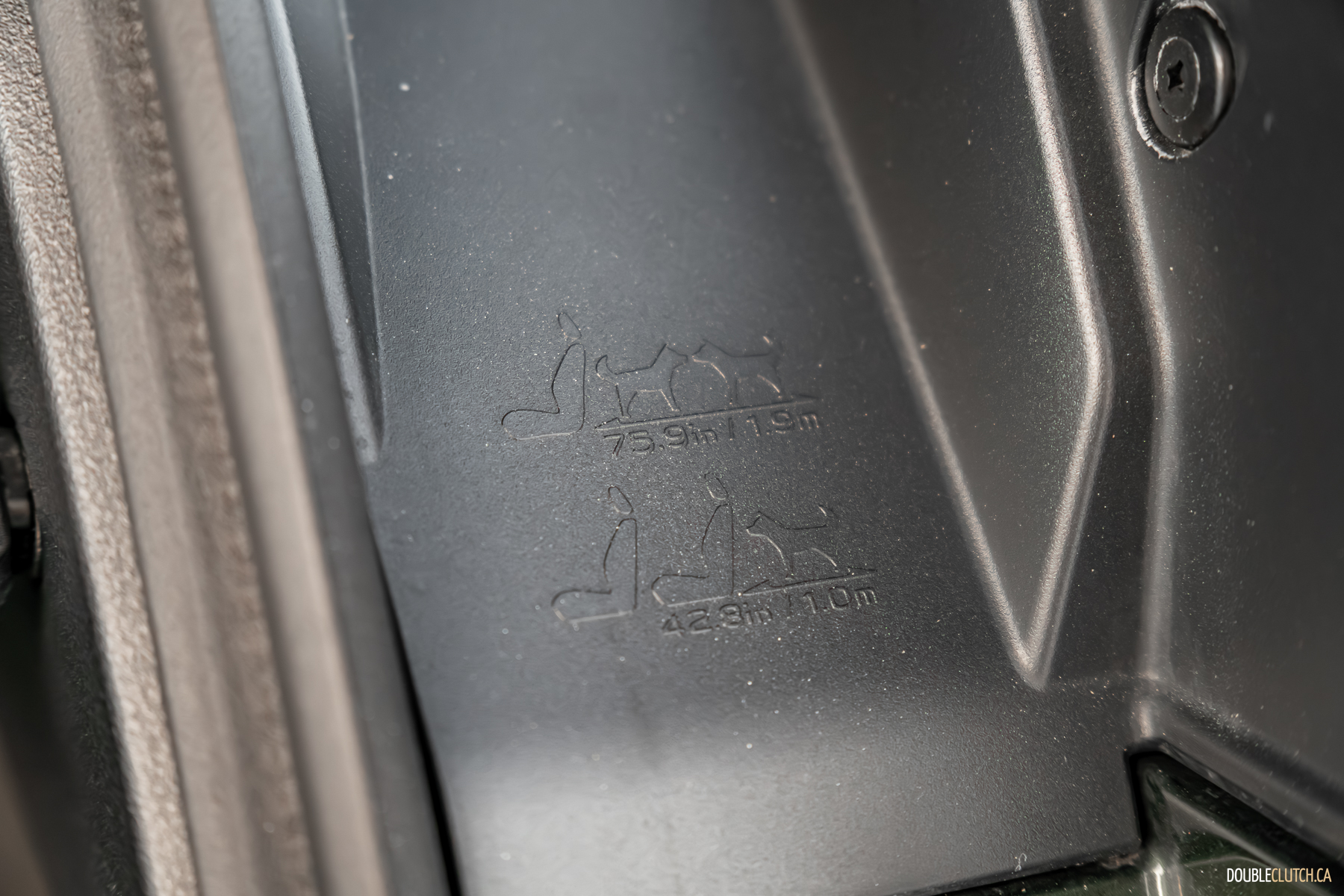
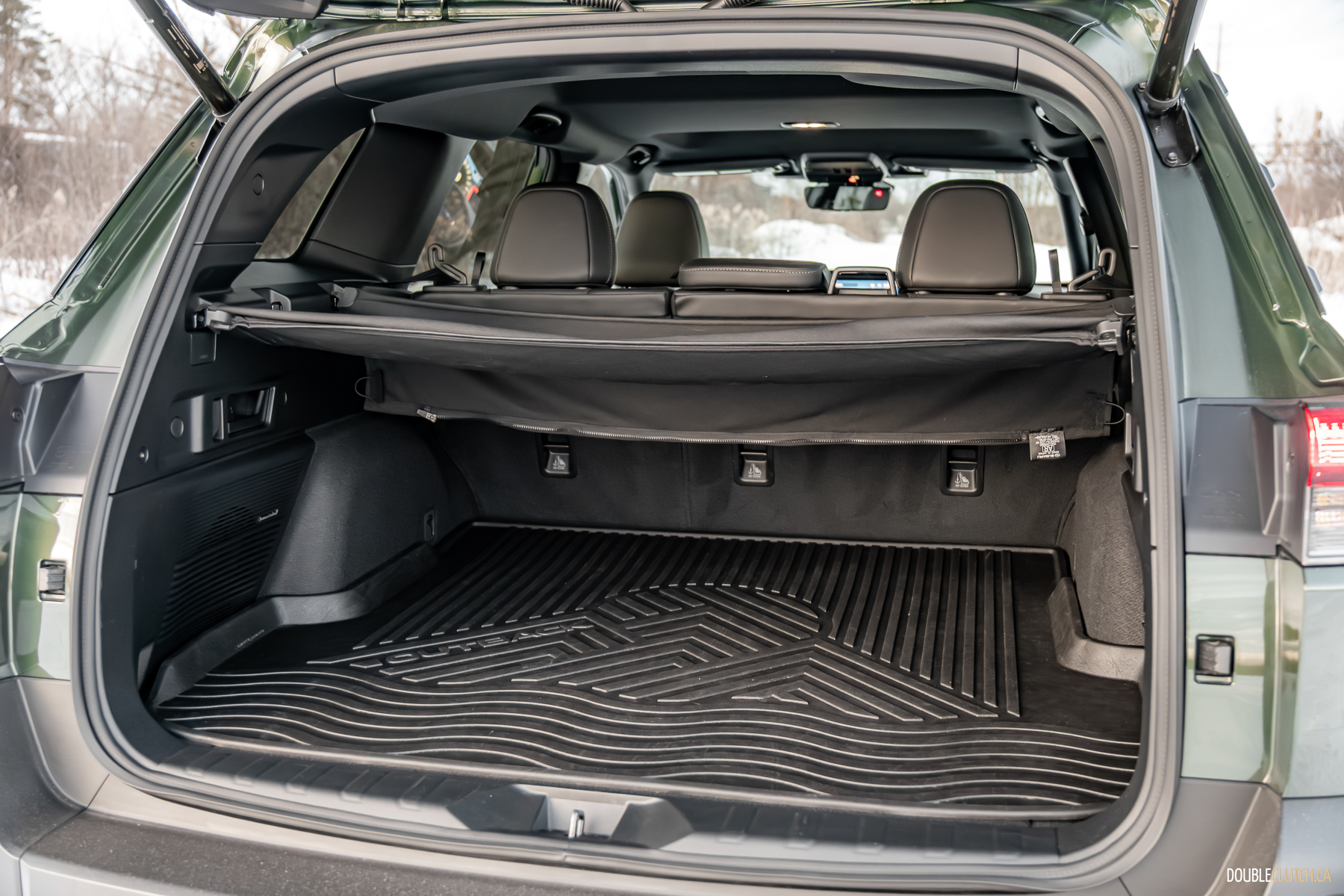
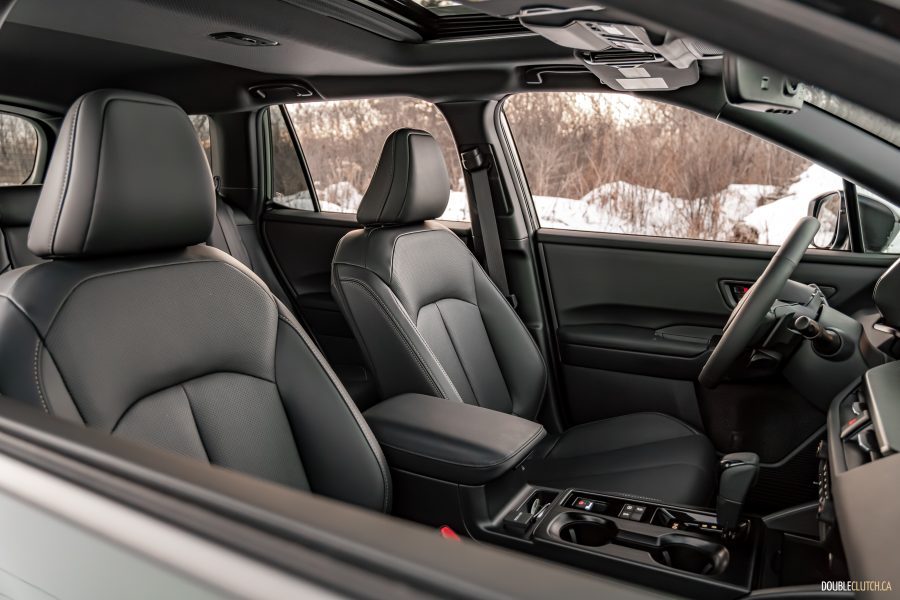
Being bigger on the outside means it’s bigger on the inside, significantly so. The rear seats have enough leg room to rival full-size luxury sedans, headroom is just about unparalleled, and the cargo hold has grown even larger than it already was, largely as a result of a raised roof. It’s amazing what high ceilings do in a space.
I don’t want to glorify big for the sake of big; more than just being spacious and airy, it’s also one of the most well thought out and nicely executed cabins available. Subarus have always been pretty practical, but this new Outback goes out of its way to address two major complaints that have dogged Subaru for years (as well the industry at large), and the result is a masterful blend of form and function that some other car makers would do well to take notes from.
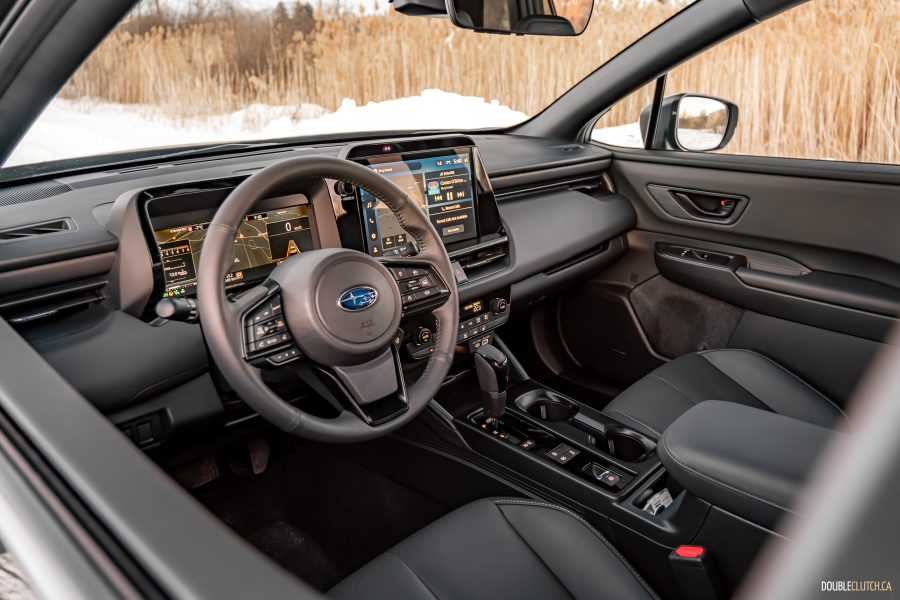
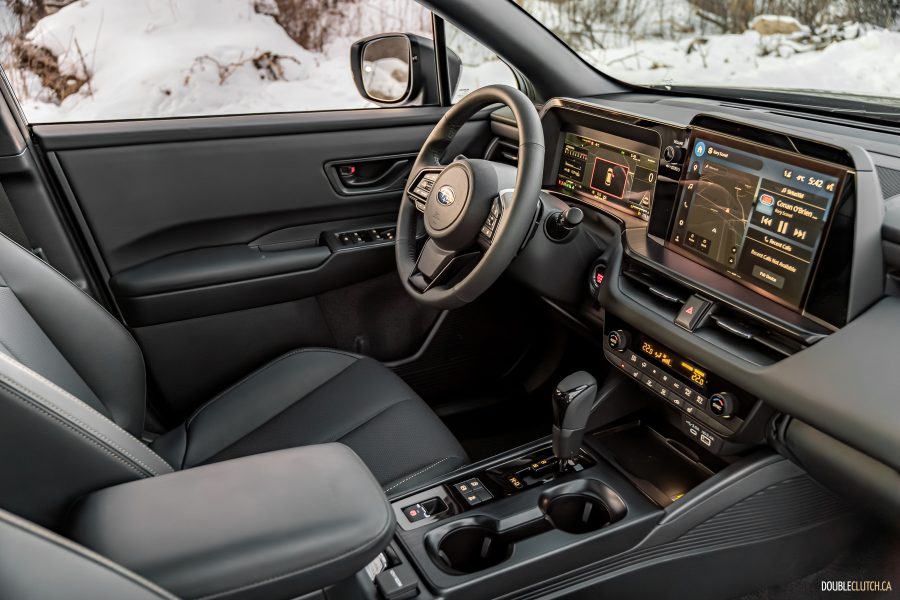
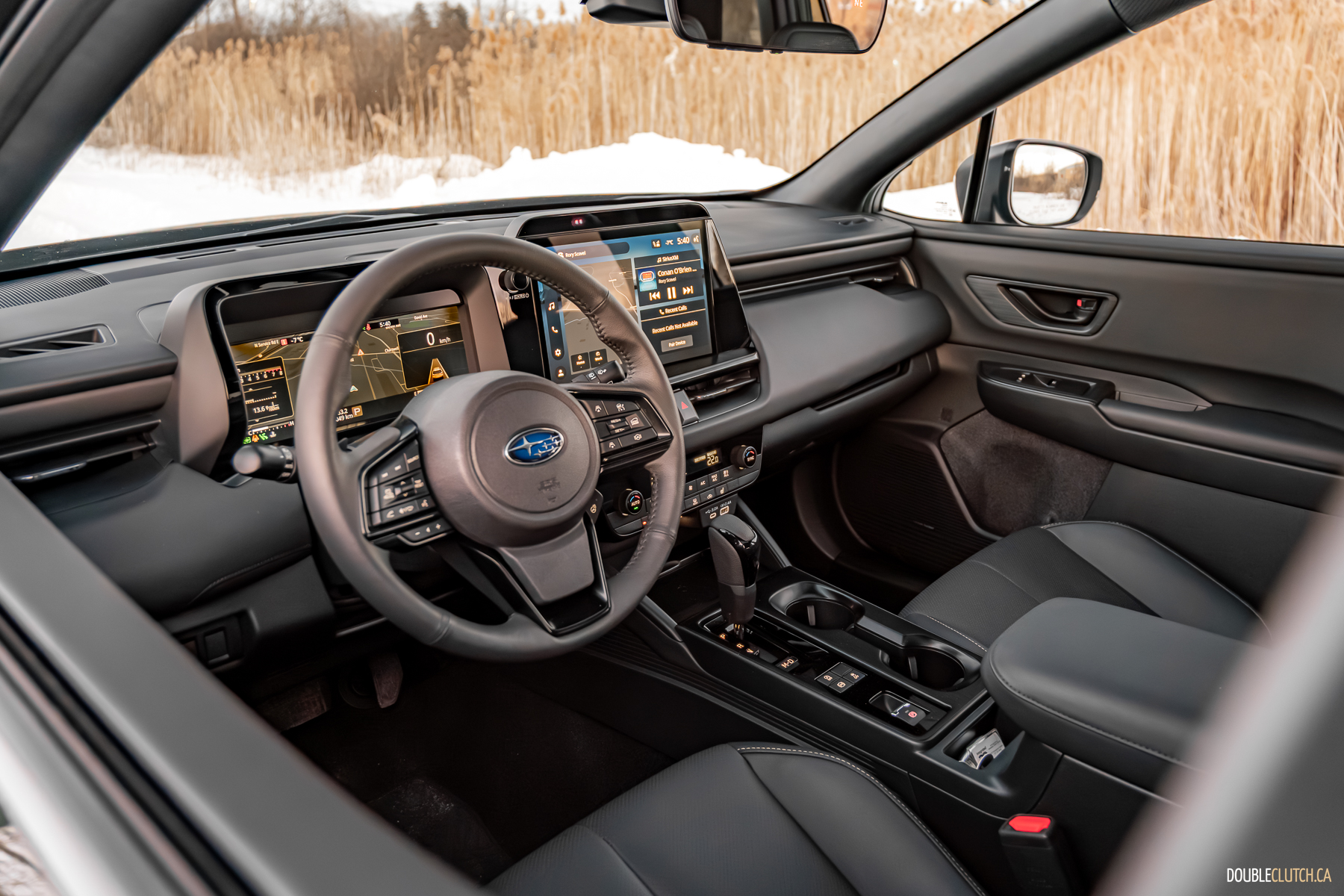
In the past, my colleagues and I have harped on Subarus for their cabins almost going out of their way to not be cohesive, with more than a dozen different materials and finishes on one door panel. Matte black, gloss black, metallic charcoal, flat grey, metallic grey, black fine-grain leatherette, coarse grey leatherette, black and highlighter green stitching, all at once. None of it was poor quality, but it looked and felt like a disjointed mess. That has been fixed.
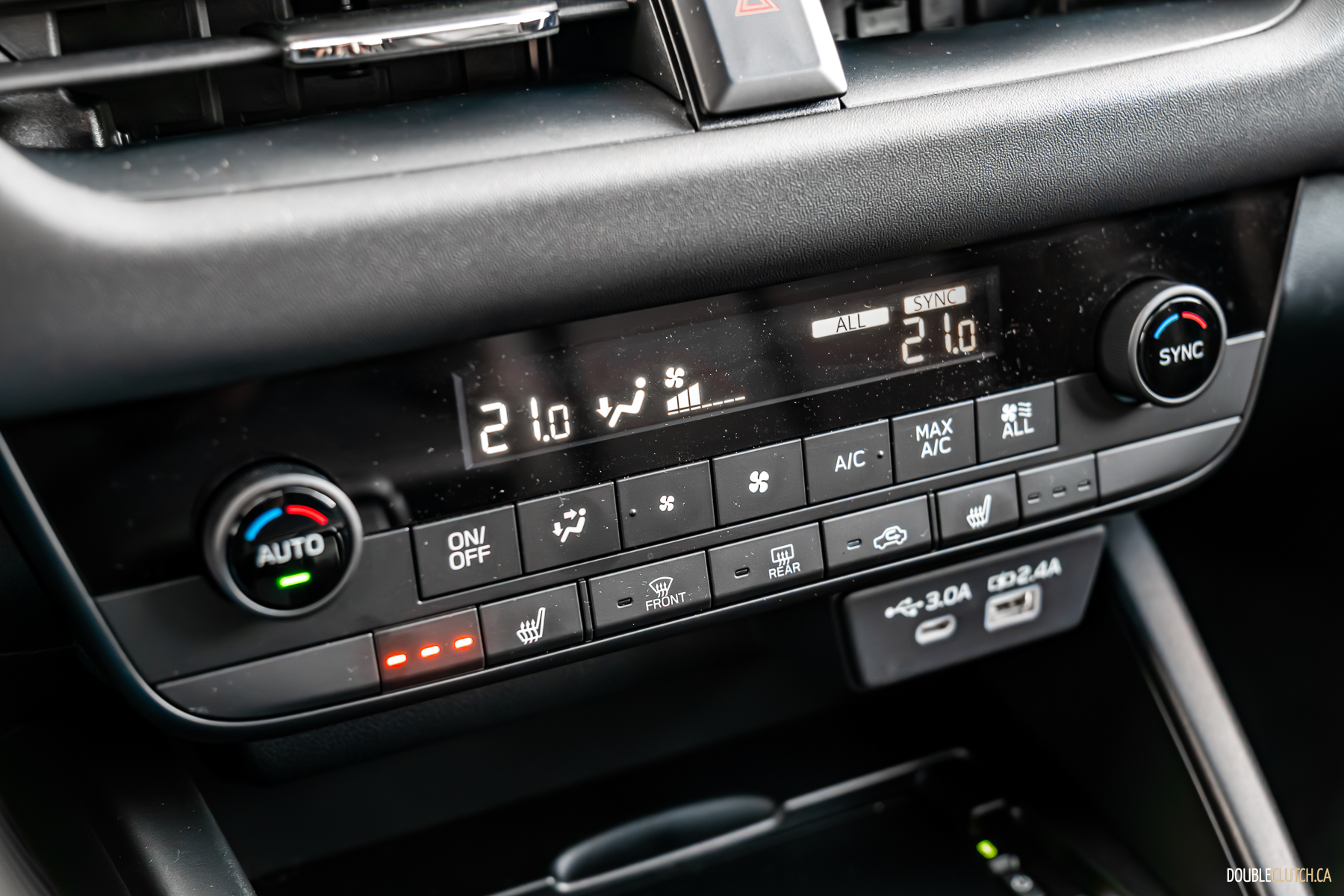
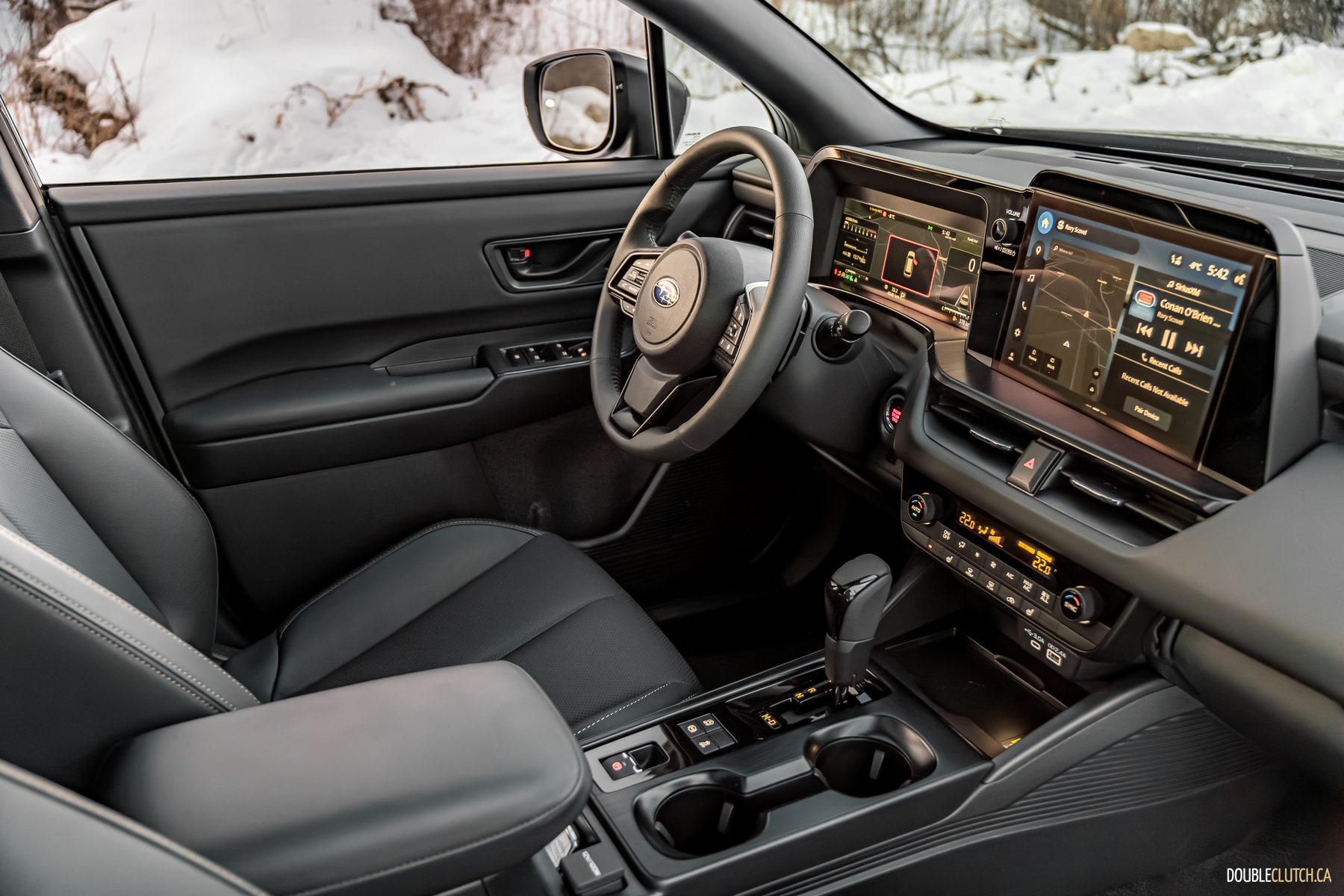
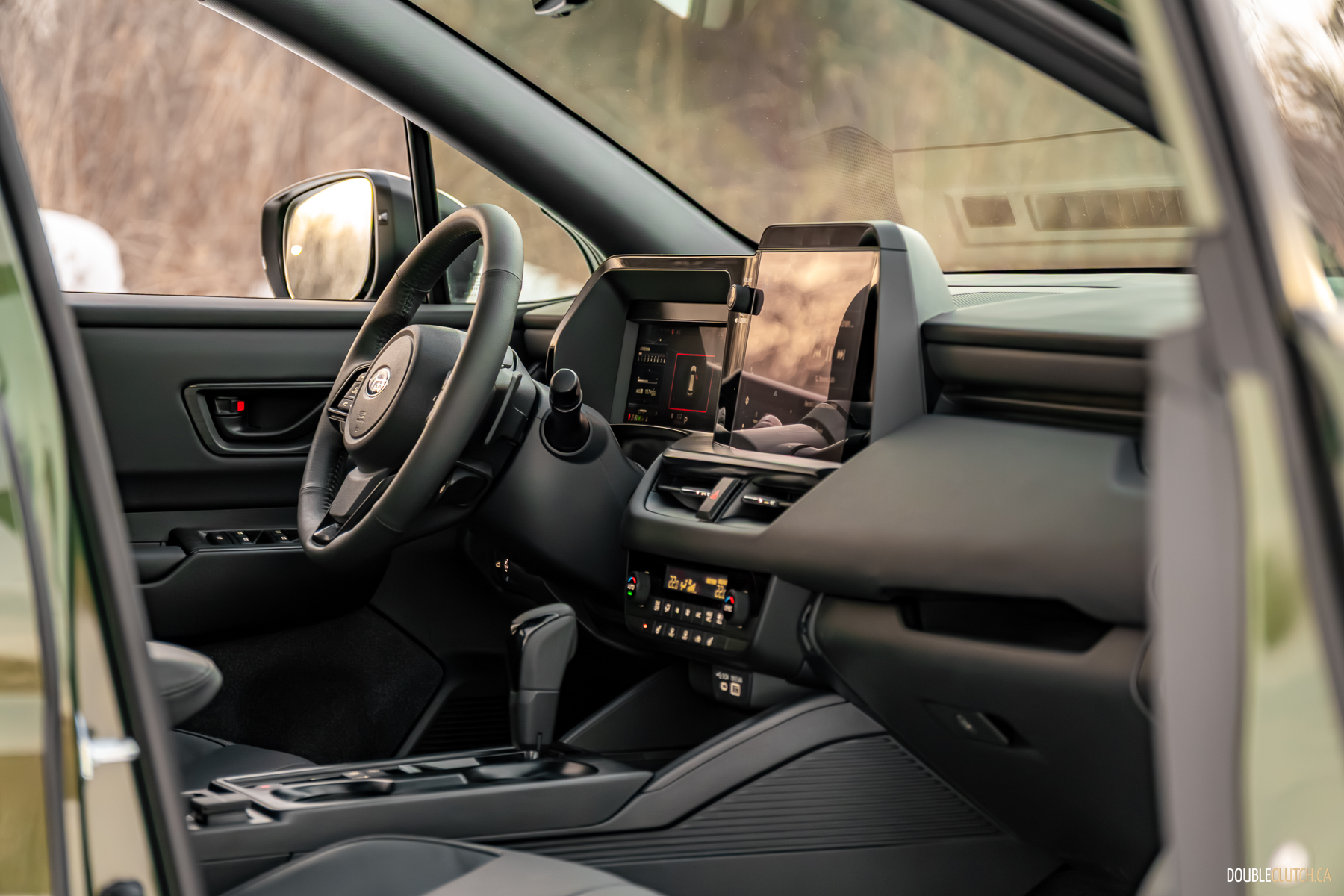
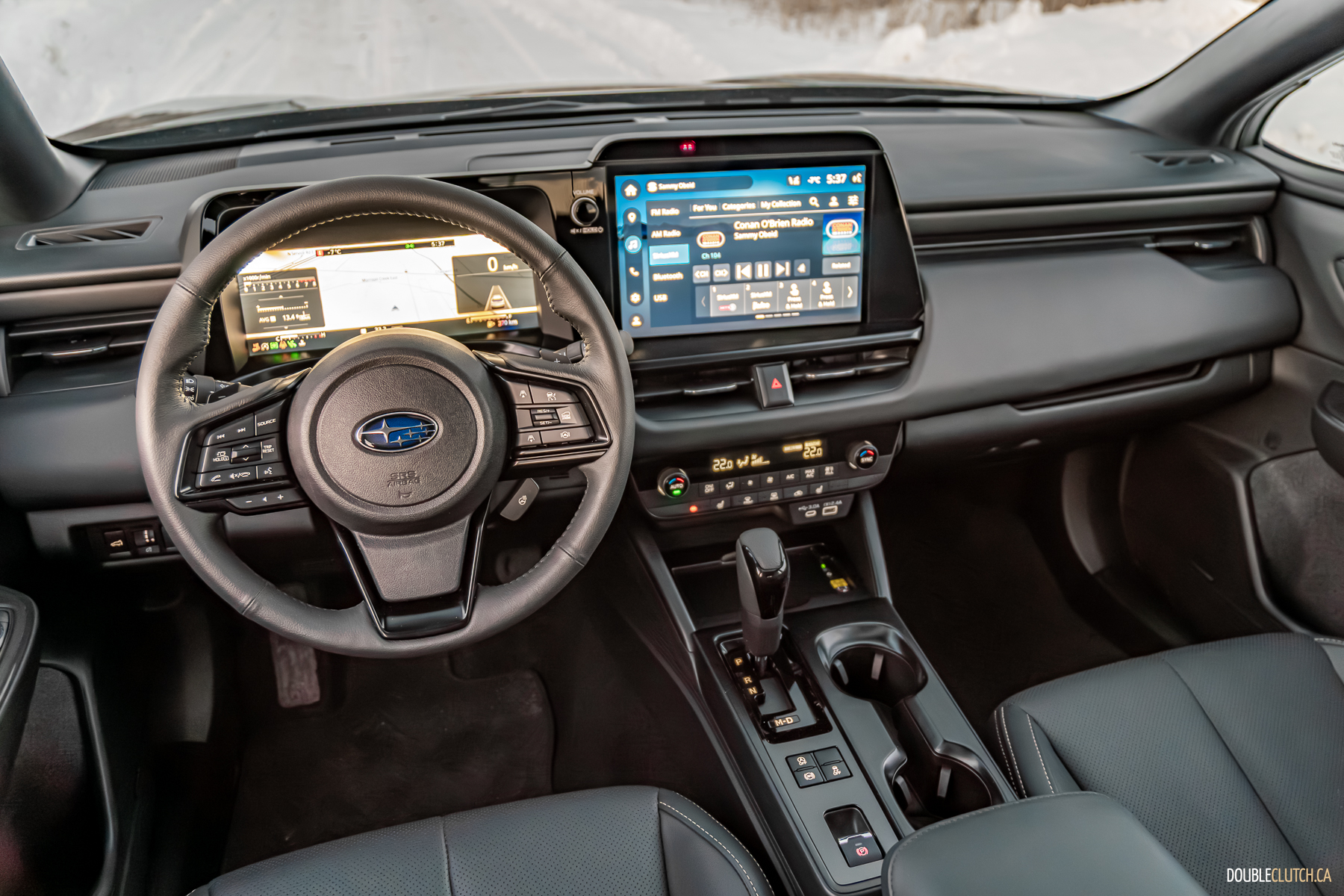
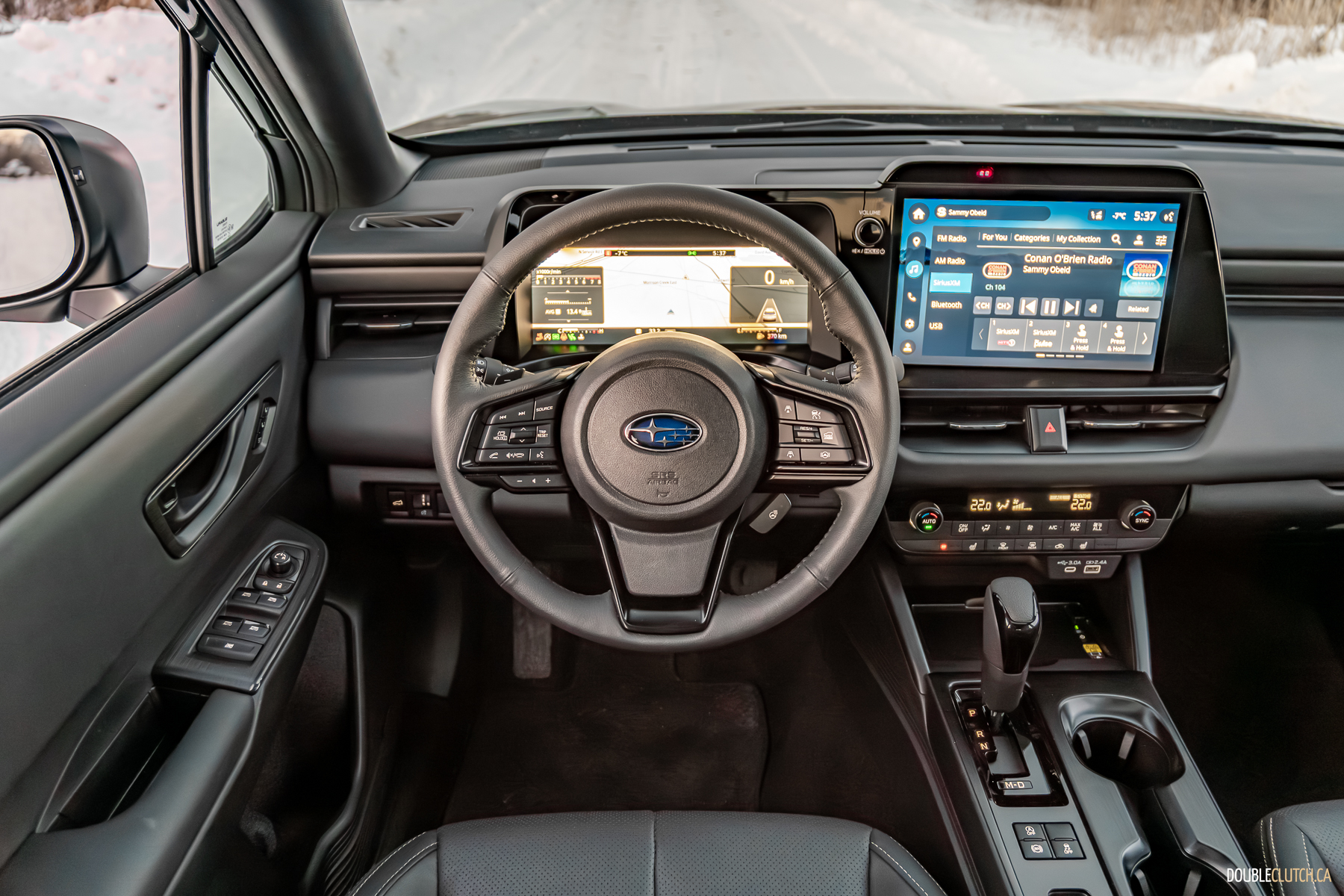
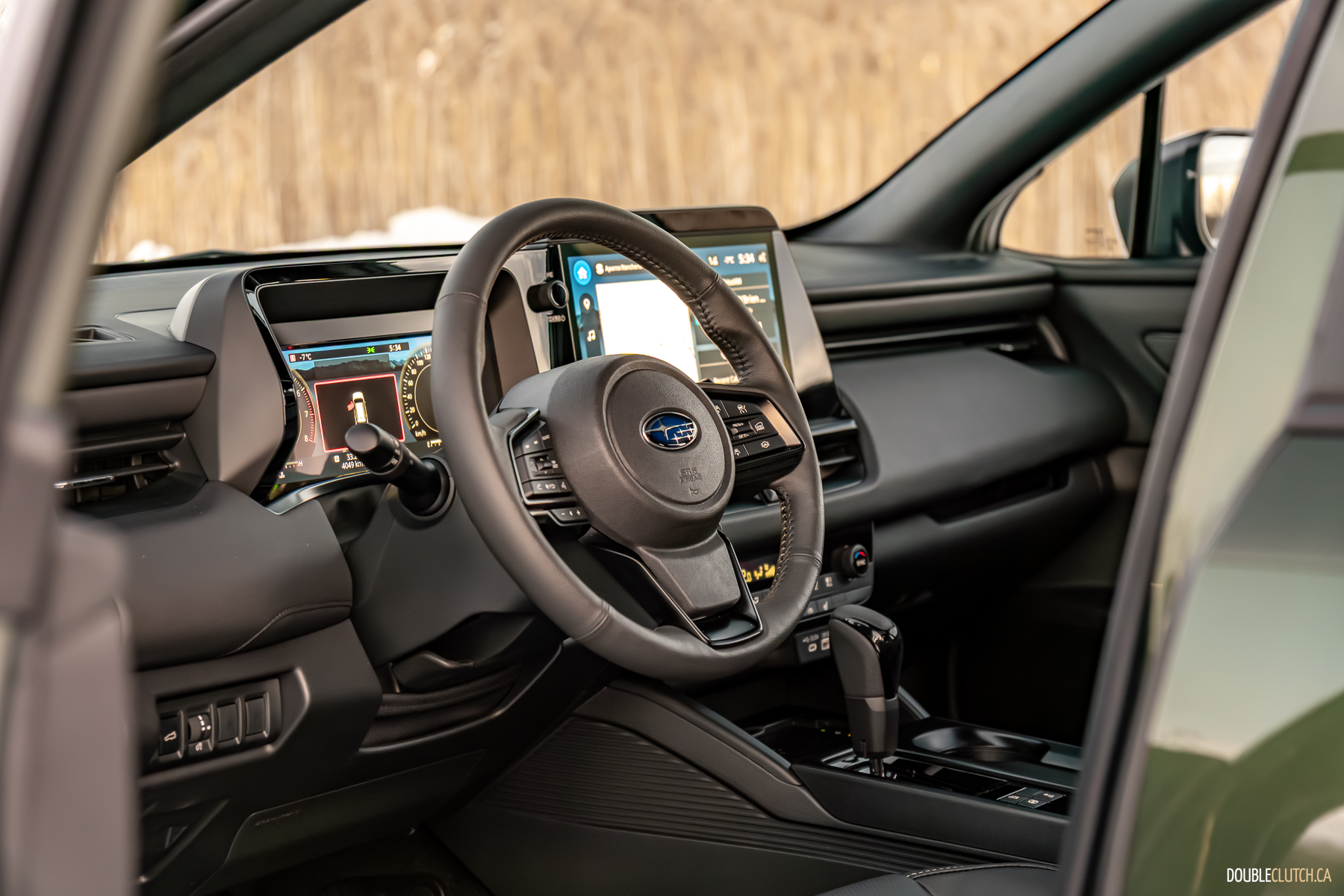
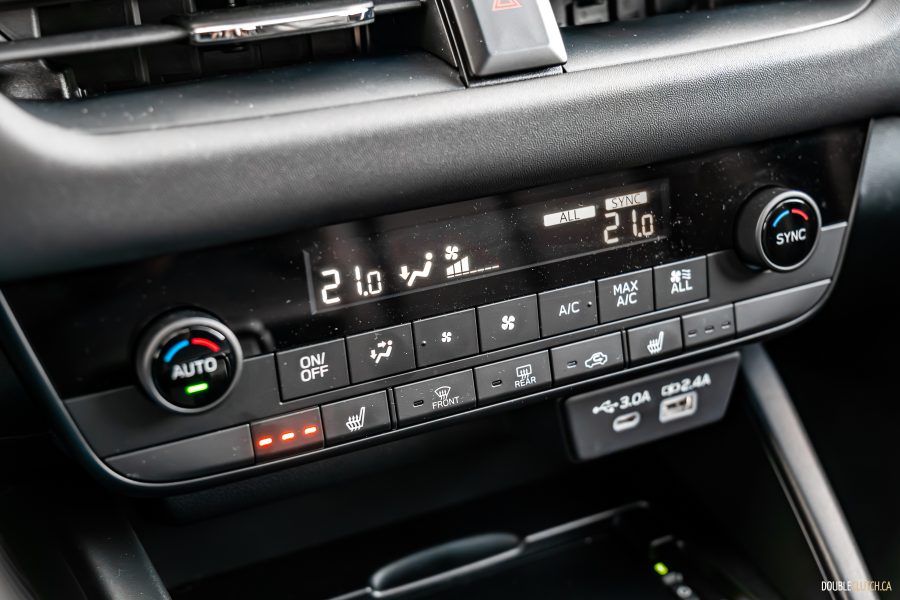
Materials are well chosen, high-quality, and complimentary. It looks and feels much more upscale, without giving up an ounce of the utilitarian charm that’s made Subaru so popular. To that end, all the physical switchgear feels great, and is immediately understandable, from the turn signals to the traditional, chunky PRND shifter. Of particular note here is the new climate control panel – it’s not on a screen anymore! This makes Subaru the only car maker right now removing functions from a touch screen, and putting them back in a nicely laid out array of buttons and knobs, as common sense has always dictated.
Things are a lot better • Infotainment & UI
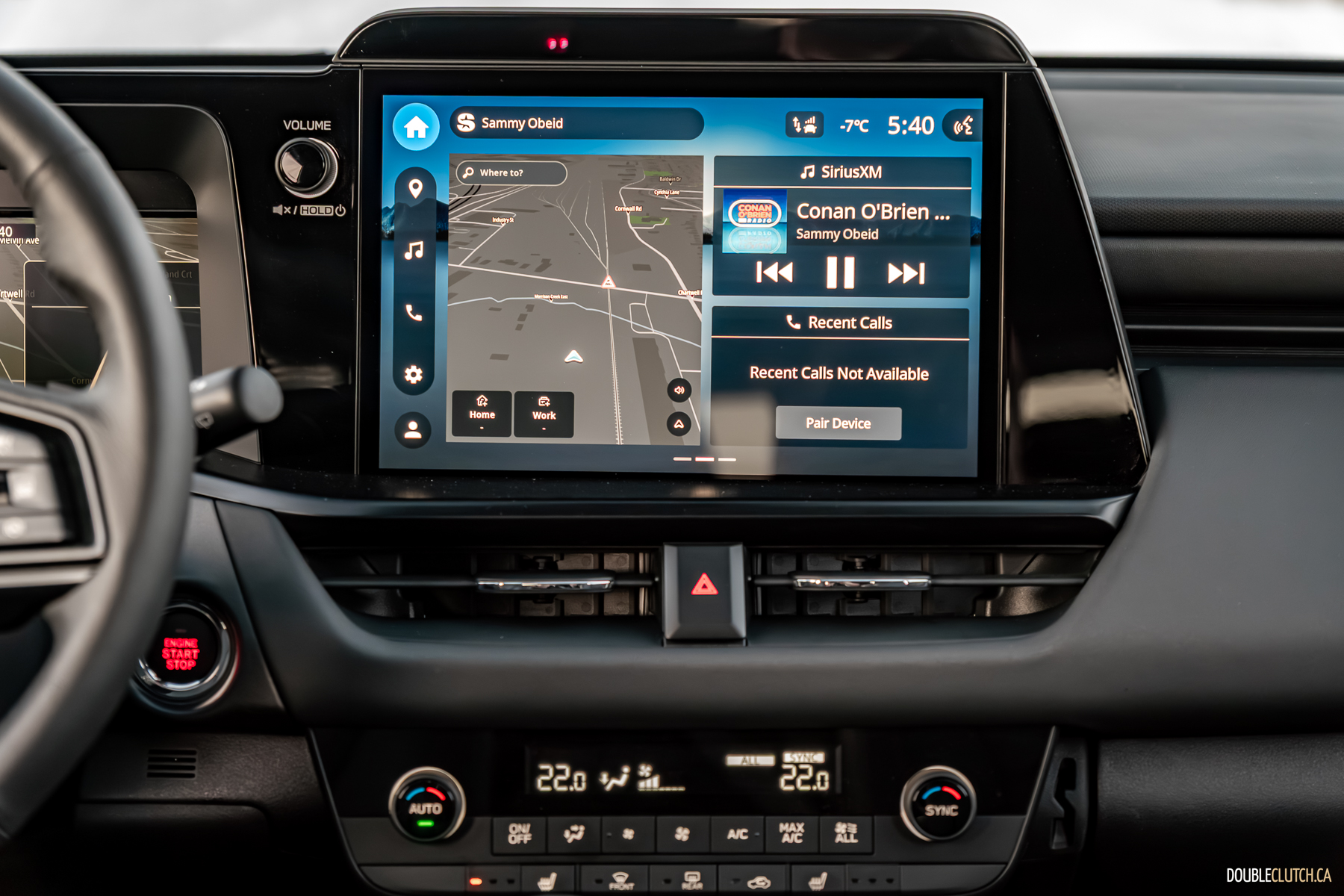
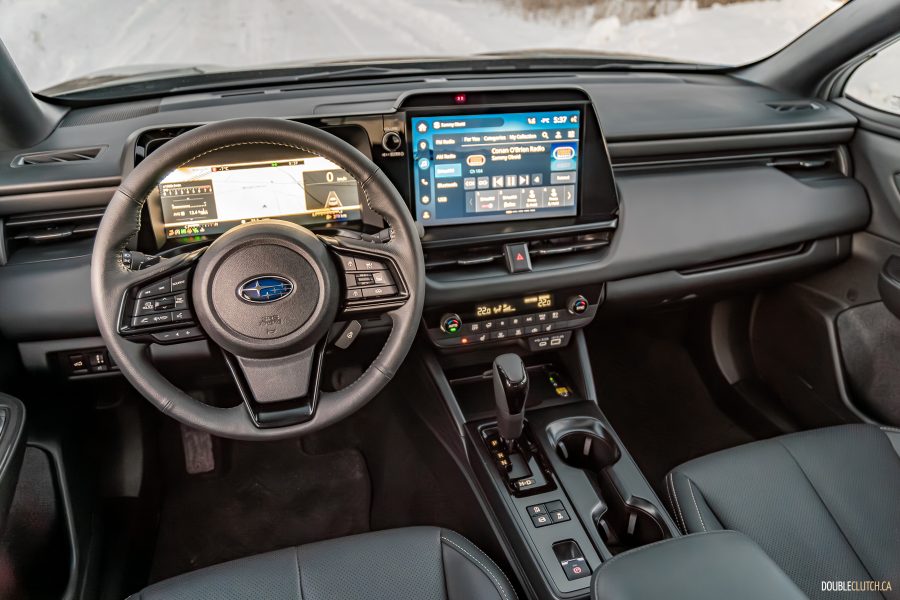
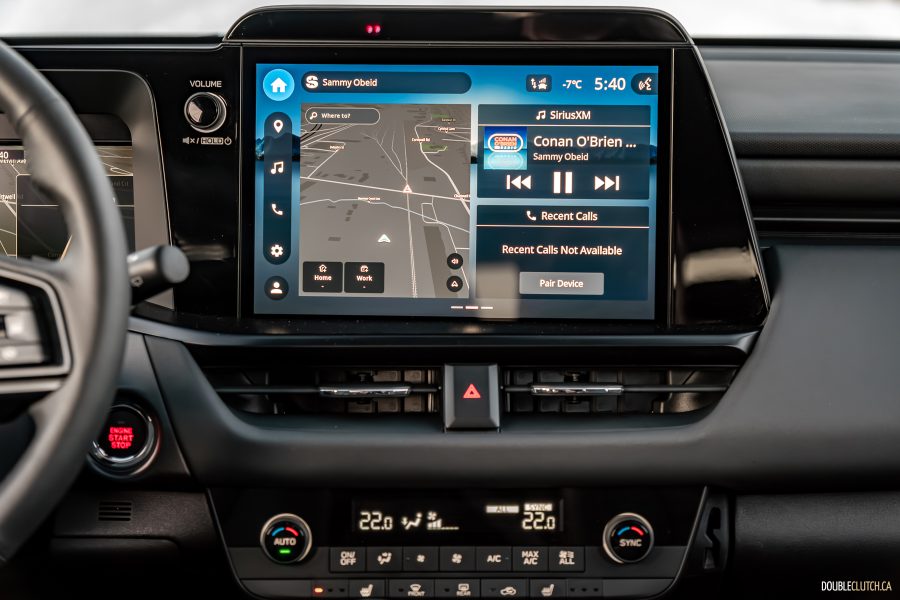
Another thing Subaru’s been roundly criticized for is their Starlink infotainment system, which used to incorporate the aforementioned climate controls. I actually never had much of an issue with it, but it looked and felt dated from the drop, and that’s no longer the case. Gone is the old portrait layout (I’m so glad manufacturers are getting away from this Tesla-chasing fad) and it’s replaced with a 12.1-inch display, powered by a vastly more powerful processor, and a user interface that bears a striking resemblance to Toyota’s own system.
It’s simple and attractive, with a tile-based homescreen that incorporates navigation, media playback and phone connectivity, with shortcuts to the aforementioned pages and settings. It’s snappy, responsive, crisp, intuitively laid out, and easy to use – they’ve struck a unique blend of having an attractive interface with huge on-screen “buttons” that are hard to fumble. Wireless Apple CarPlay and Android Auto are standard if you prefer.
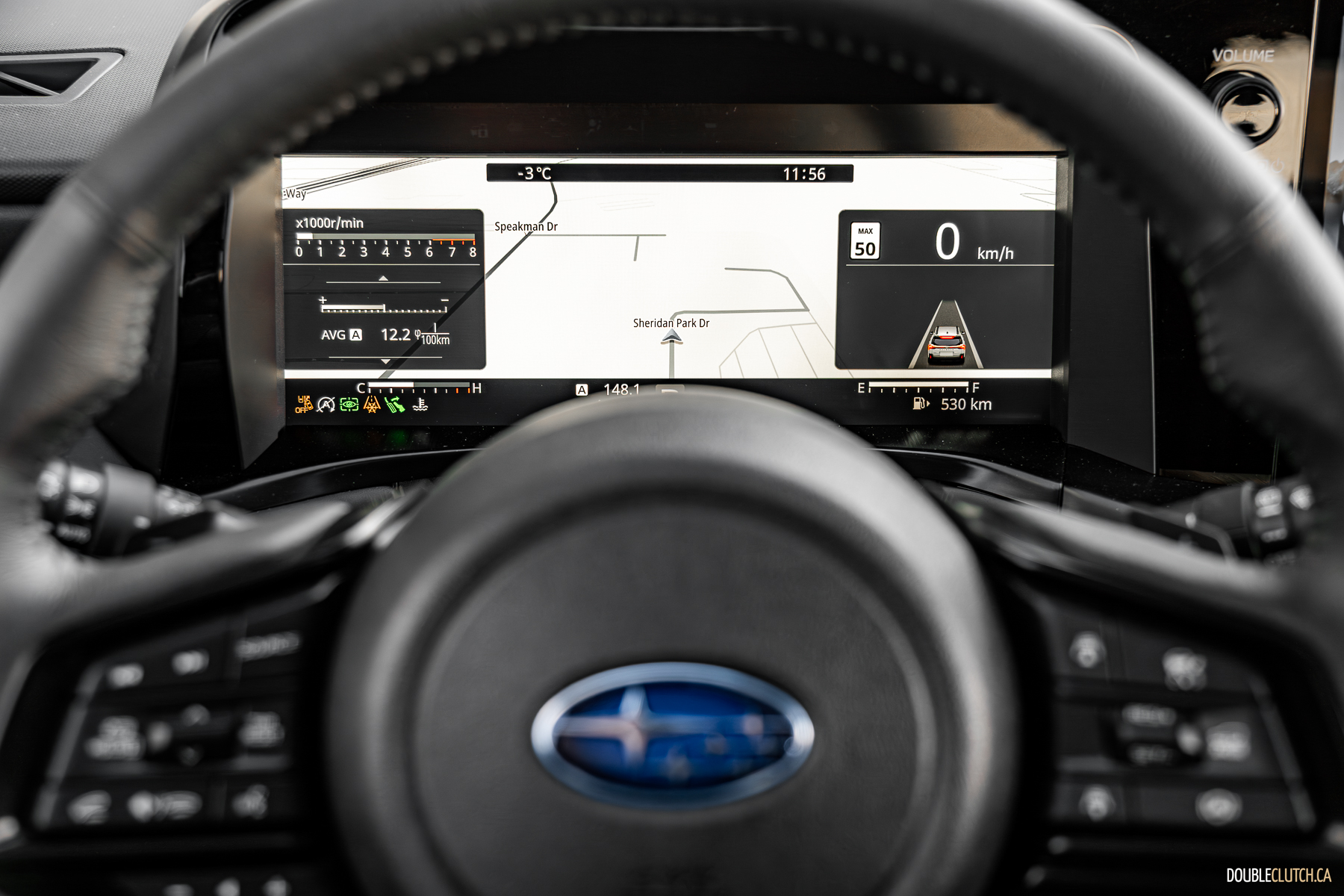
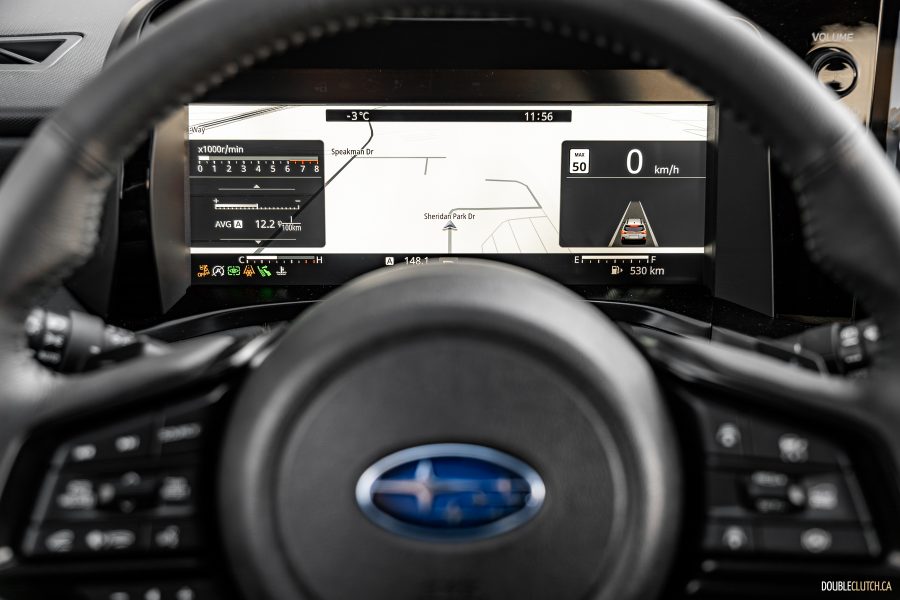
Alongside that centre display is a new digital gauge cluster, and while a part of me bemoans the loss of real, impeccably legible gauges, this new digital array is exceptionally well executed. Like the center display, everything is crisp and sharp, with excellent contrast, and it takes advantage of its flexibility to offer a highly customizable display that goes well beyond mimicking traditional gauges.
I personally really like how they’ve integrated a map display with clearly legible speedometer, tachometer, and selectable information display (trip data, fuel use, etc). More than just hitting targets on a spreadsheet so they can say they have a digital display, the refresh rate is super slick and everything moves smoothly – something more expensive vehicles with far bigger budgets behind them still struggle with. The Harmon Kardon audio system sounds pretty damn good, too.
Refining what already worked • Powertrain
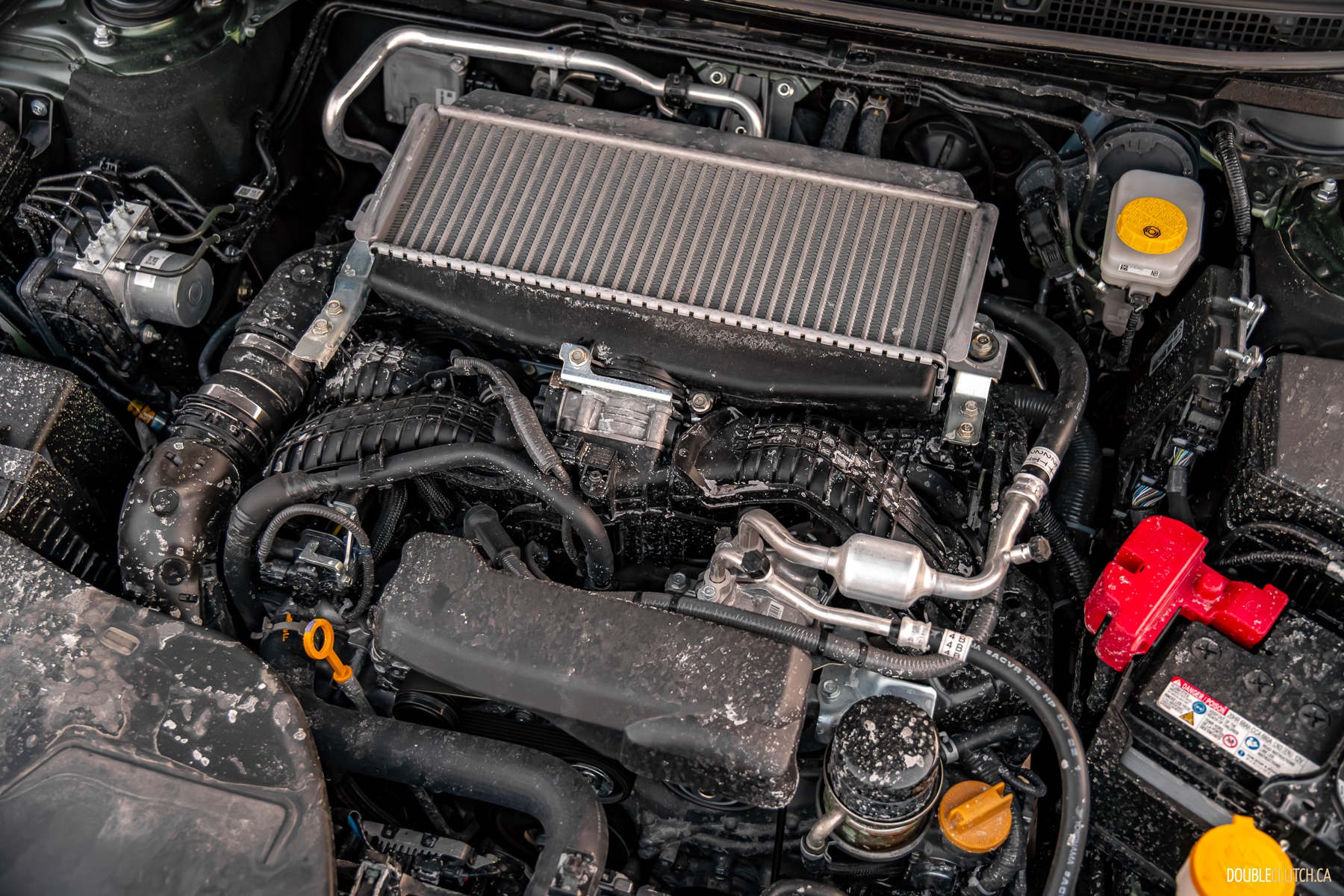
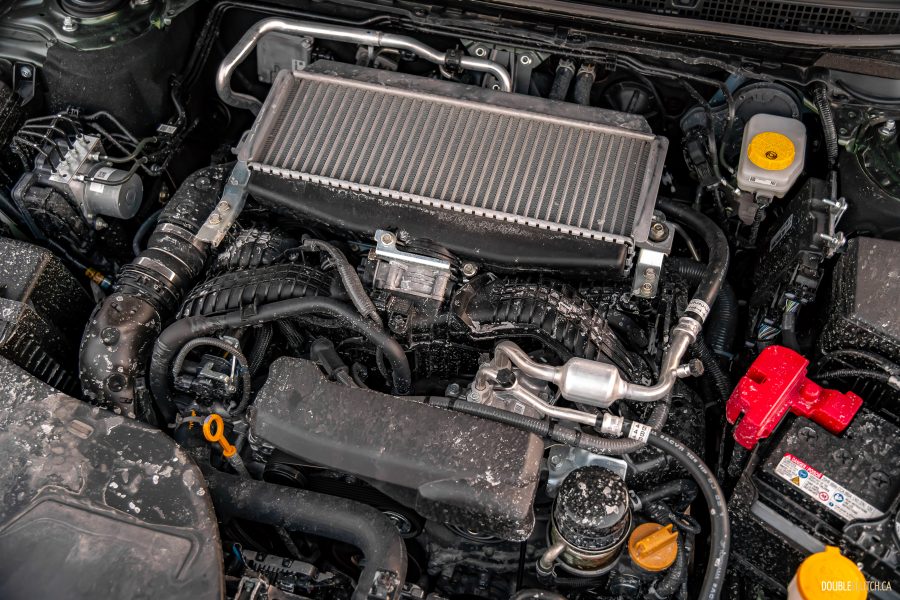
All but the base trim of Outback are powered by a turbocharged 2.4-Litre four cylinder, in Subaru’s signature “boxer” layout, just as before. And just as before, it produces a healthy 260 horsepower and 277 foot-pounds of torque that comes on at a fairly low 2,000 rpms. Subaru’s ubiquitous continuously variable transmission remains on duty for transmuting that power to all four wheels, and it feels better than ever before, as it’s borrowed some lessons from the (surprisingly good) sport-tuned unit in the WRX.
I don’t like using this word because it’s too vague, but it feels “stronger” than before, with smoother response, and more bottom-end shove. The CVT doesn’t need to wind out and motorboat the engine as much as it used to, and it overall feels much more refined, with confident power at the ready for accelerating, merging, and passing. Towing capacity remains unchanged at a healthy-for-what-it-is 3,500 lbs.
I can’t speak to whether there’s any real hardware or software changes, maybe the effect is placebo, maybe it’s just more well insulated, but the old drawbacks feel like they’ve been largely eliminated. The only weakness that remains is fuel economy. On paper, it’s marginally worse than before (hardly a surprise given that the same engine is moving more car) but it actually resulted in a better real-world average than our last tester, using 11.4L/100km over the course of the (frigid!) week. The stop/start system doesn’t send as sharp of a jolt through the car as it used to, but it still leaves a bit to be desired.
Still an Outback, just better • Driving experience
It may not be a big-time luxury car, but there are very few vehicles that ride more comfortably than the 2026 Subaru Outback. Clever suspension tuning, improved isolation of noise, vibration, and harshness, and sensibly sized wheels means that potholes more or less disappear. Toronto has been under a particularly ugly sustained deep freeze for more than a month, and it has destroyed a lot of our roads, meaning every commute usually includes at least one sickening crunch and pained cringe. In the Outback, I found myself bracing for impact, only for that whack to be little more than a dull thud.
This is all well and good, but it doesn’t really help anything if it’s a wallowing mess with poor body control – which is a problem I have with the outgoing Outback. I was worried that this would become even more of a problem with the new Outback’s added bulk (most of it being up high, exacerbating the issue) but I was surprised to find the previously wayward rear end is pretty well planted. Don’t get me wrong, it’s no sports car, and it’s not pretending to be one, but quick lane changes and occasional sudden maneuvers aren’t uneasy affairs like they used to be. They managed to maintain their excellent ride quality (and the healthy 8.7 inches that comes with it) while dramatically improving body control and handling in tricky situations.
Money • The value proposal
The new 2026 Subaru starts at $40,895, before dealer fees, delivery, and whatever else, which makes it one of the strongest price-per-pound options on the market, with how much space, comfort, and security it offers with its standard Eyesight suite of driver’s aids, and the prerequisite all wheel drive. Our Limited XT tester is only one step up the grade walk, ringing in at $48,195 as tested, and adds a lot of niceties like powered leatherette seats, Harmon Kardon audio, and the aforementioned turbocharged engine.
Compared to other large-ish two-row crossovers, like the Honda Passport, Mazda CX-70, and Toyota Crown Signia, the Outback substantially undercuts them all without really giving up much, if anything, in terms of refinement and livability. We really like all of those vehicles, and the Outback puts them all on notice. I’m not saying it’s flat-out better than them – they excel at different things – but it offers a lot that matches or betters what they can do at a price point that’s hard to argue with.
Wrap it up
The first time I drove one of these, I did not care for it at all. I could not be more impressed that the Outback has suddenly ascended to one of the best vehicles on the market, one of the precious handful of vehicles that nails everything, tangible and otherwise.
Perhaps the thing I like the most about the 2026 Subaru Outback is how much it strokes my ego, because it validates every complaint I’ve levelled against Subaru and just about every other modern vehicle. I know this isn’t the case, but it feels as if they’ve been actually been paying attention to what I have to say, and executed on everything (again, my ego is not this big, but I like that they’re paying attention). They’ve fixed the things that held it back without tainting what it set it apart, and done it all with an attention to detail that shows they really care about doing things right and being better. It’s impossible to not admire that.