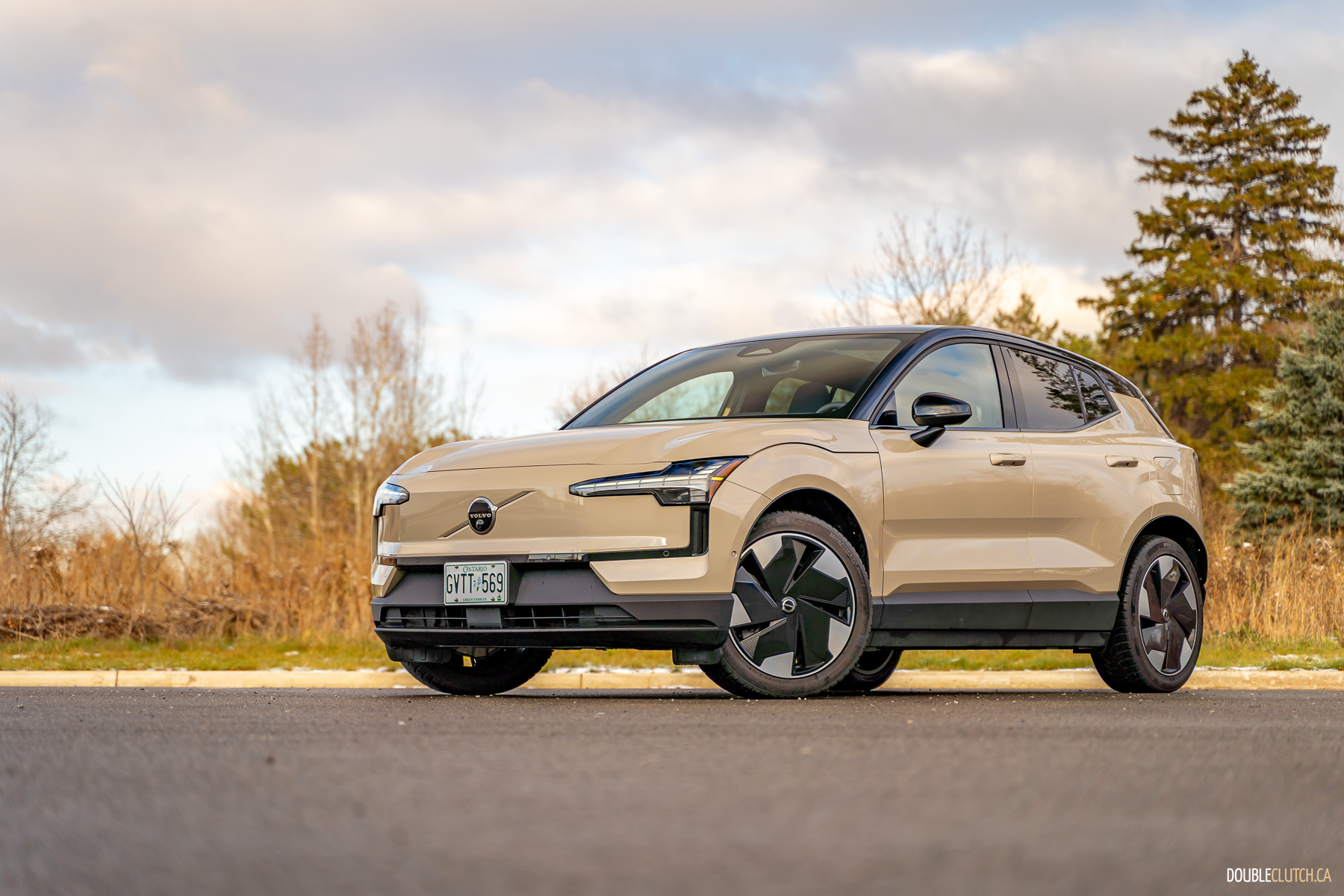
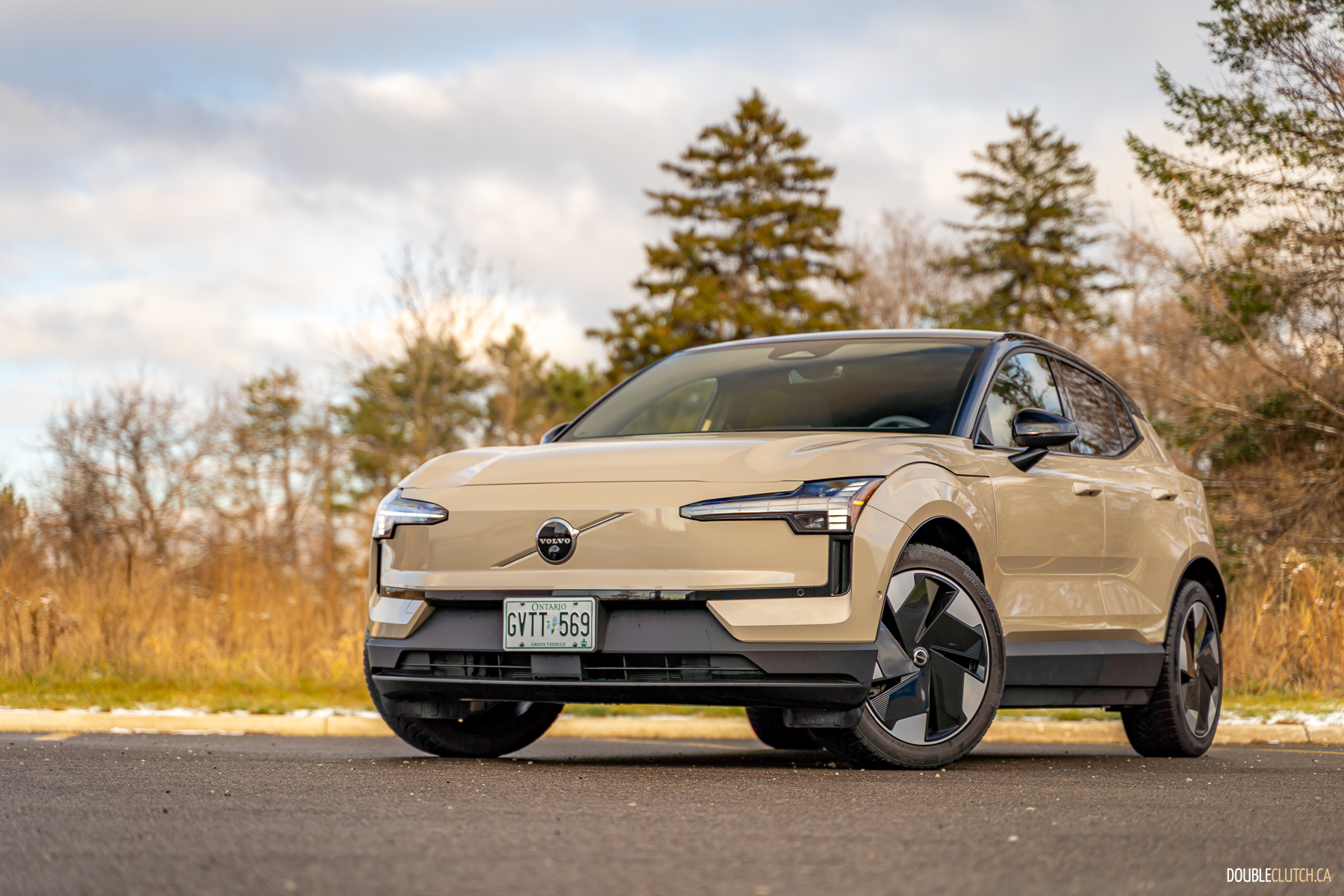
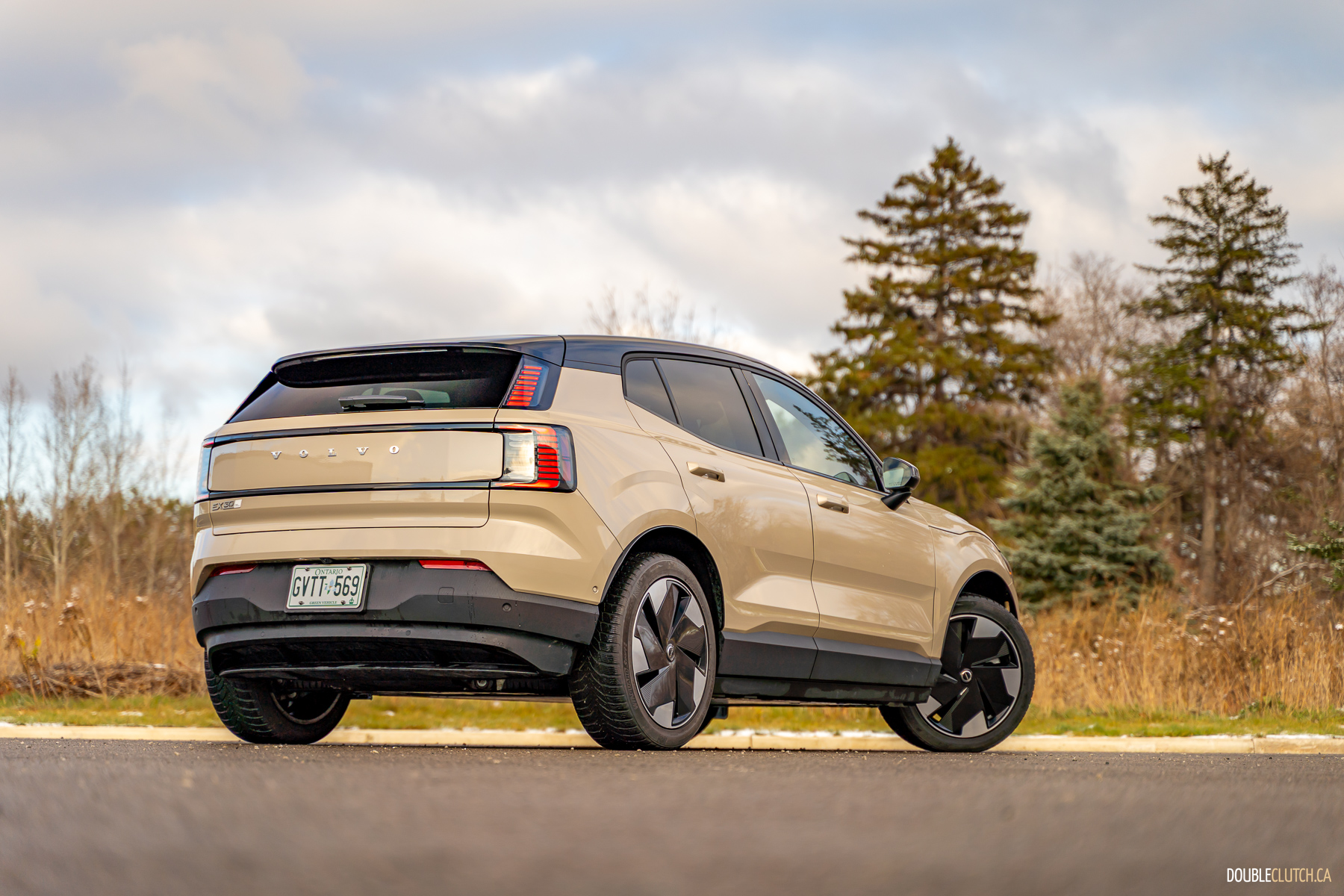
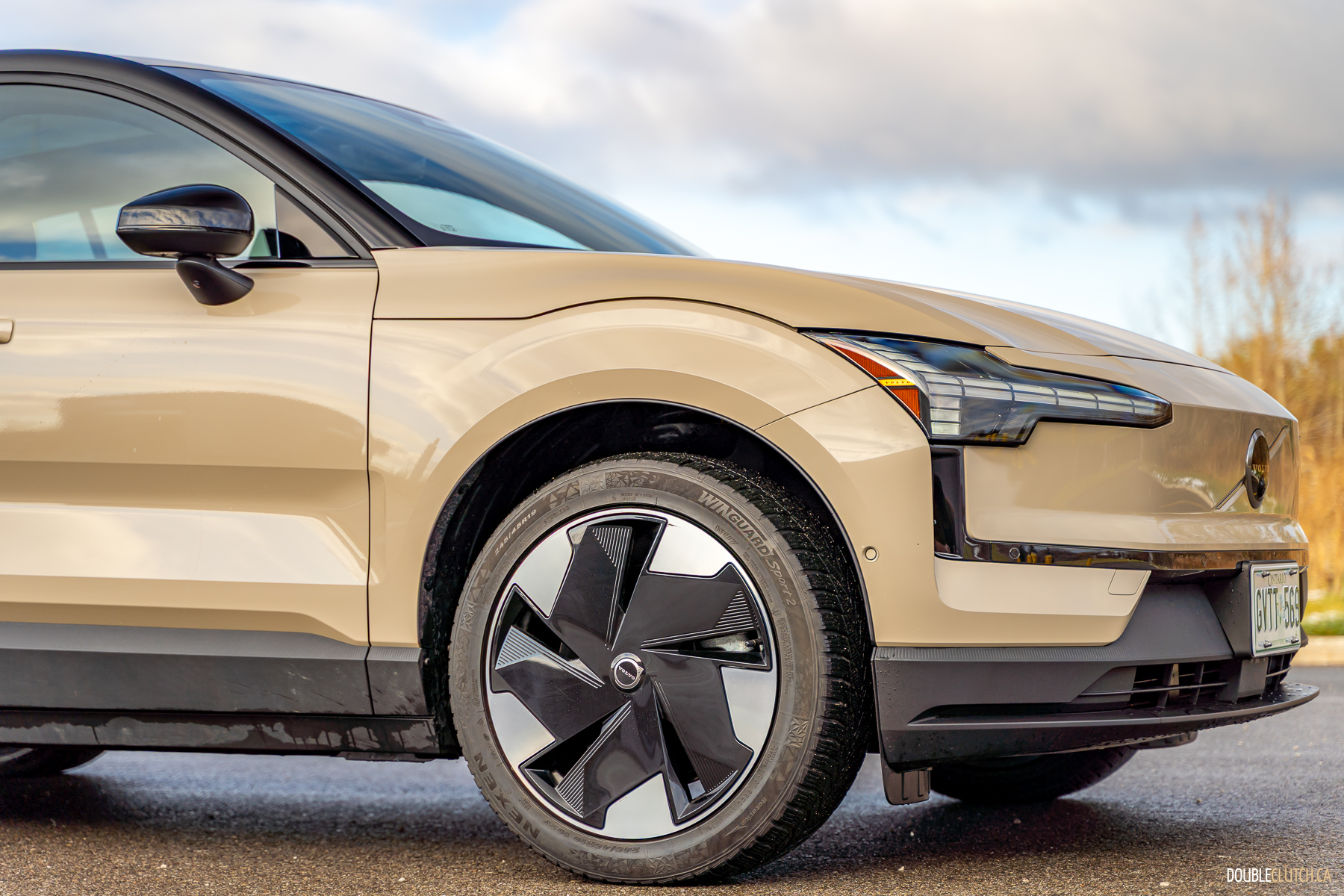
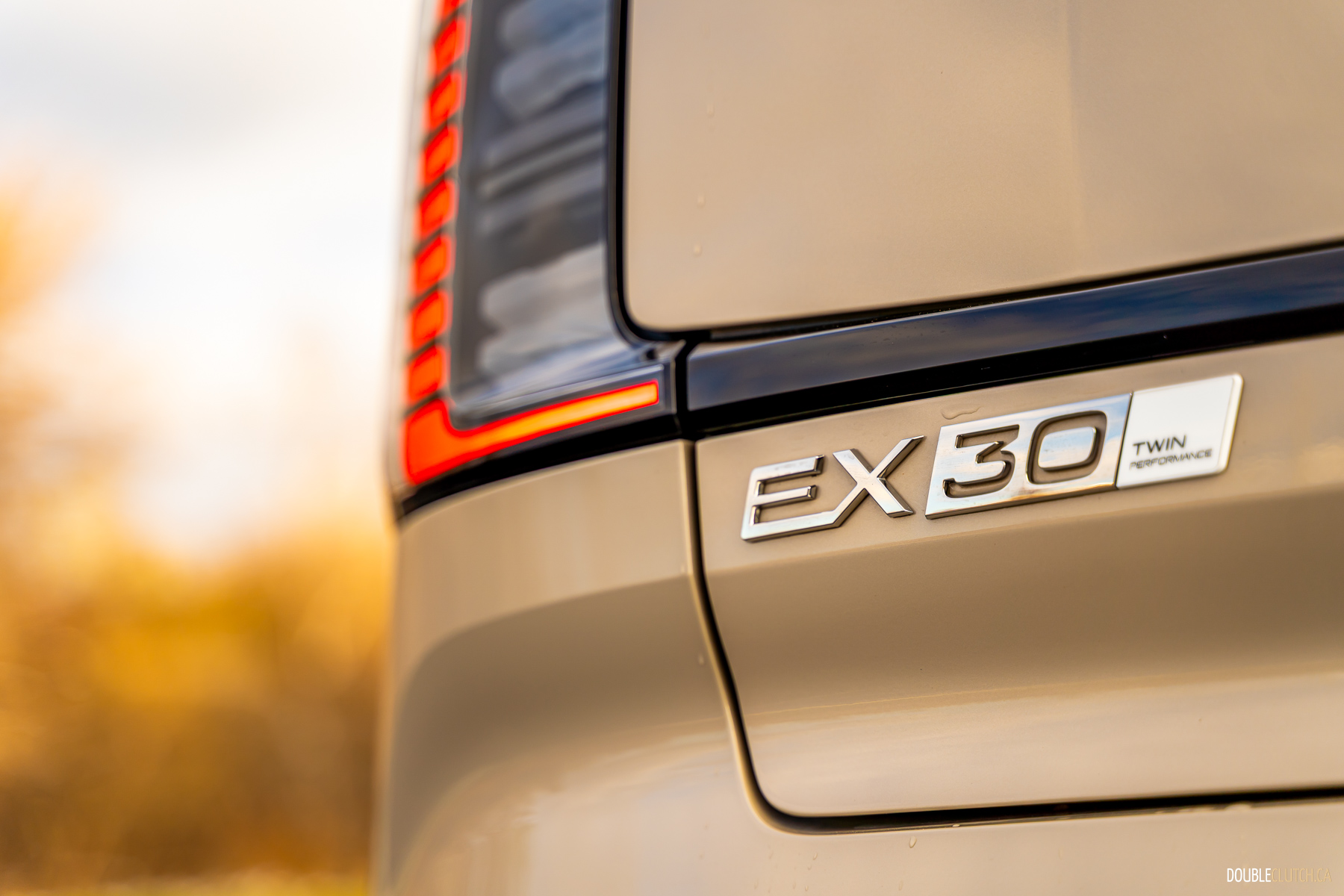
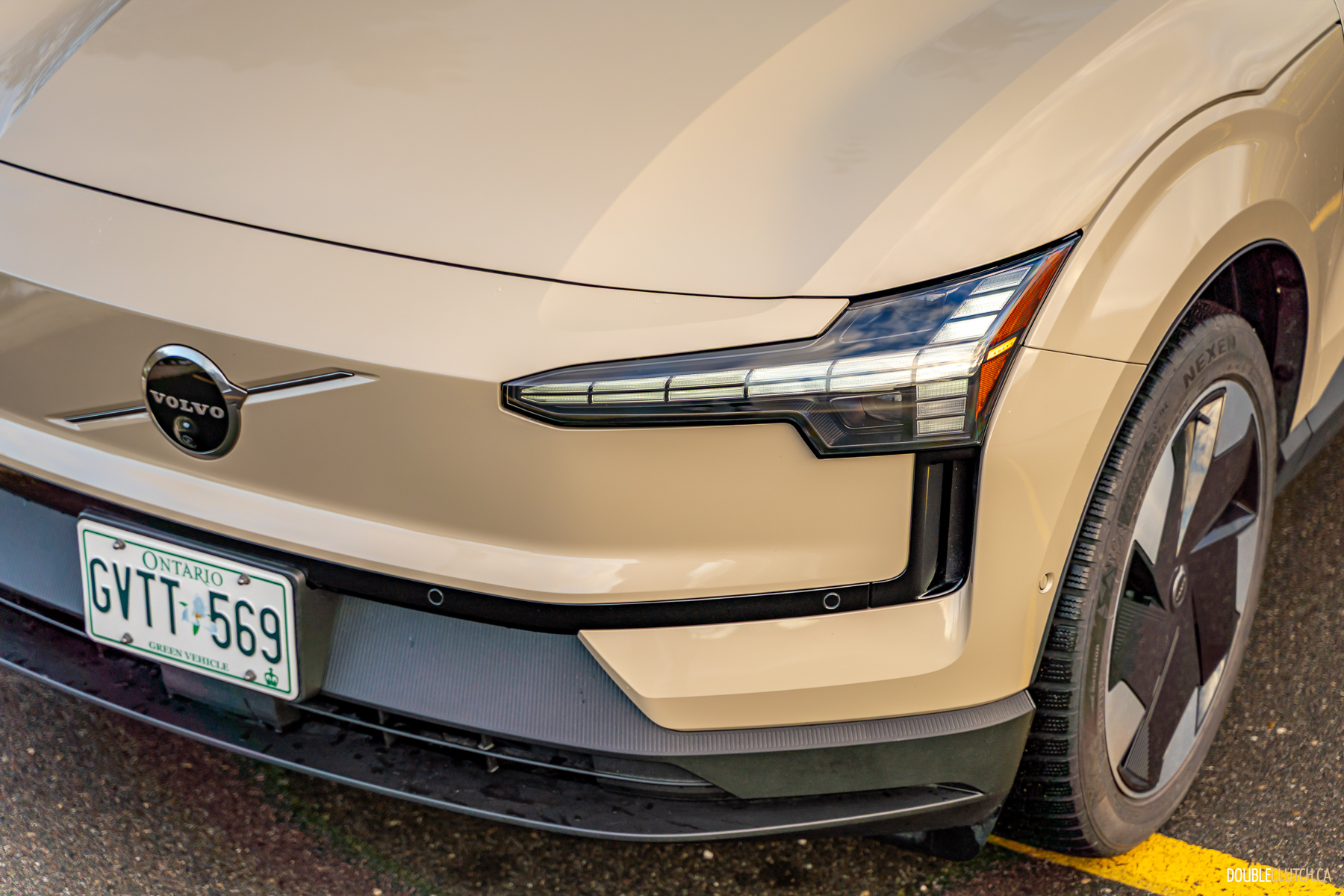
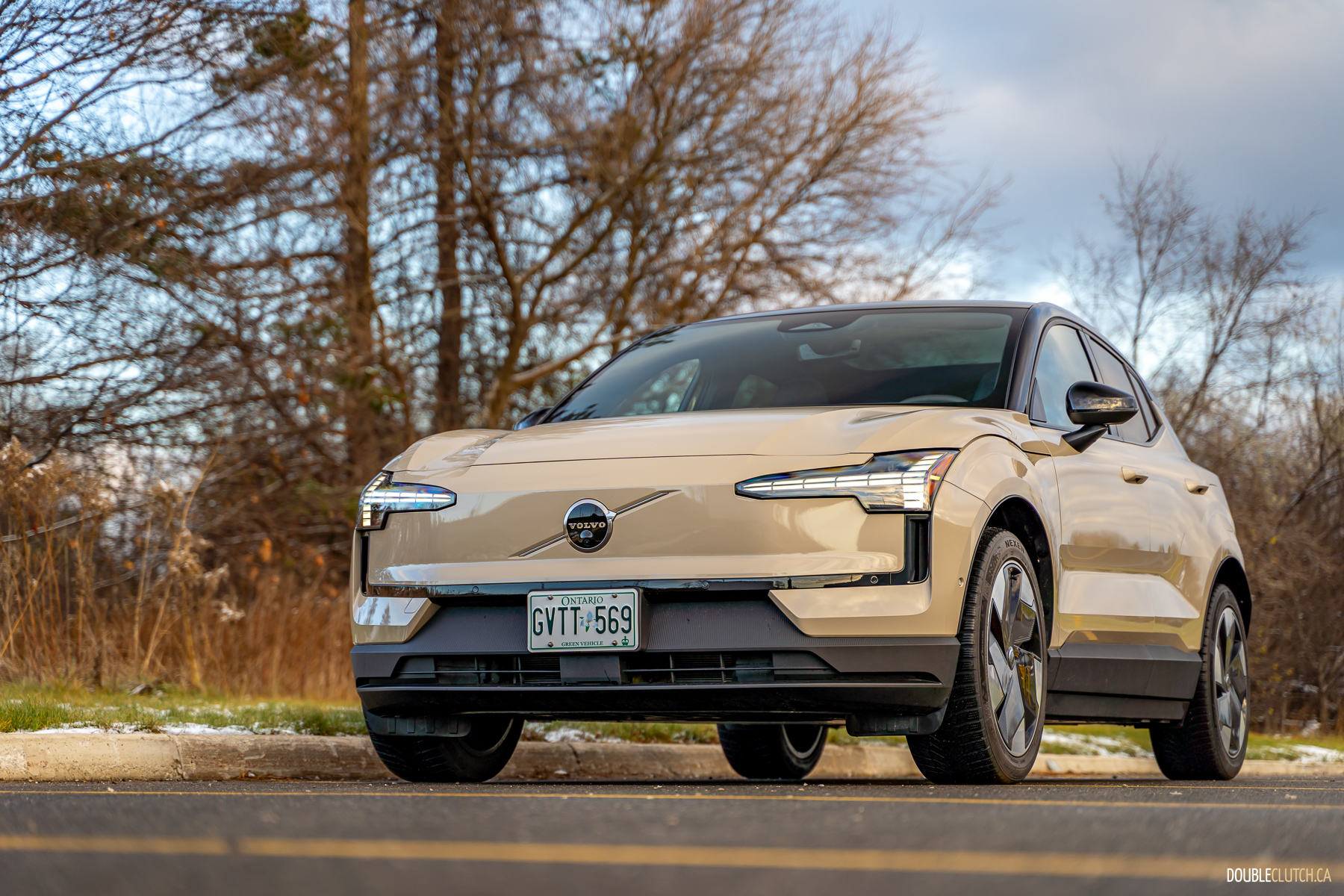
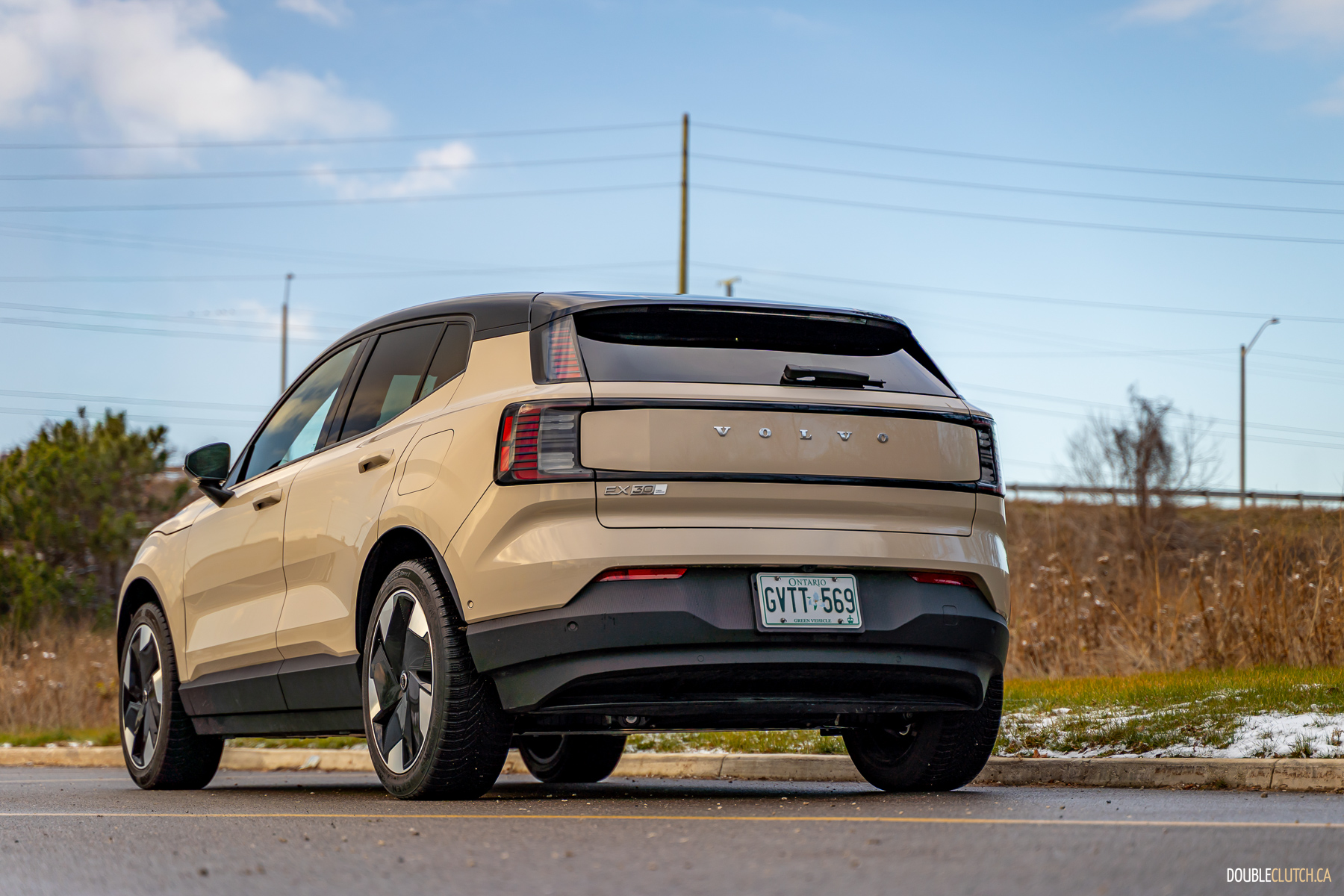
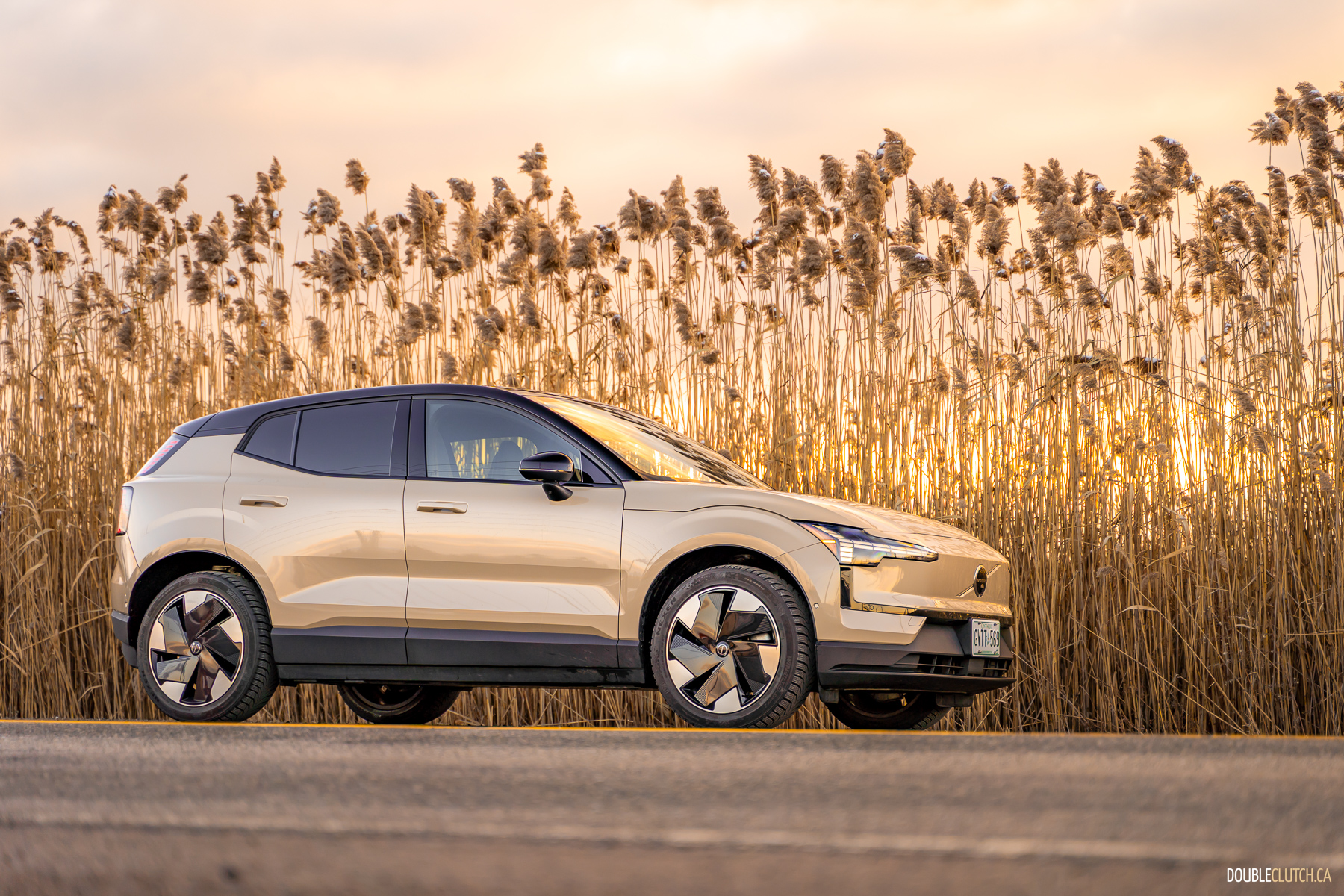
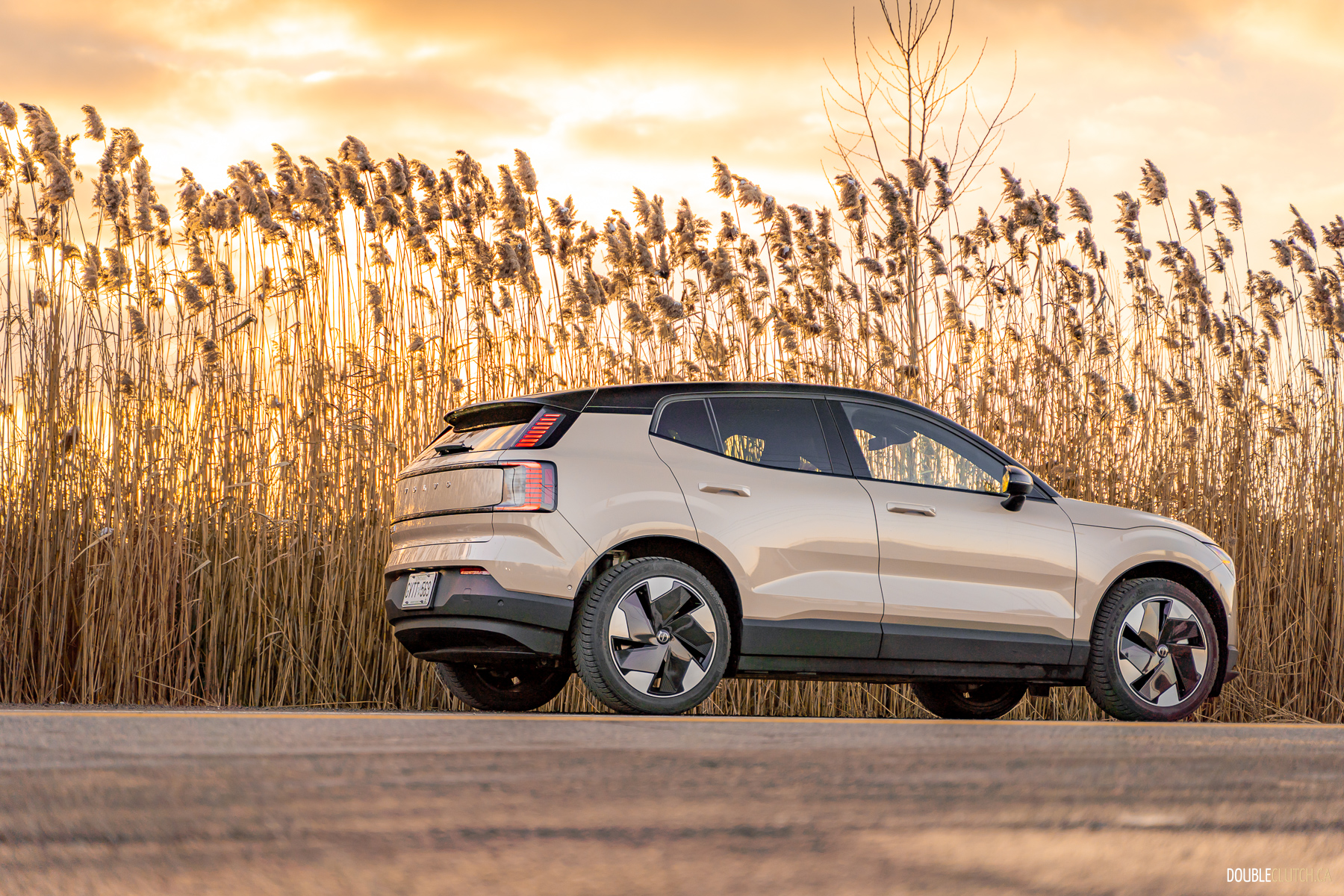
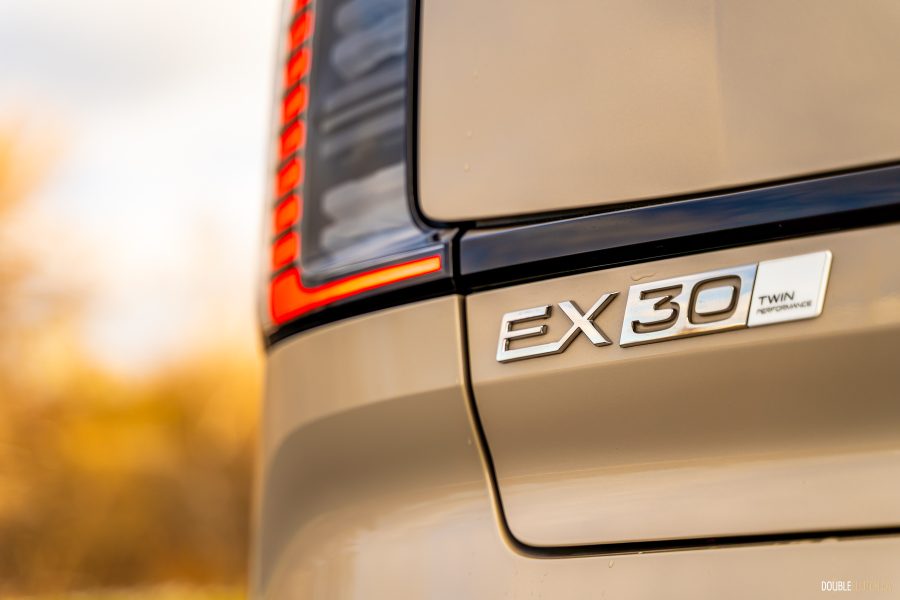
This week’s tester is something that I have been waiting to get my hands on. It has been a while since I’ve had time behind the wheel of a new Volvo product. Over the last few years, Volvo has done away with a few of their products and refreshed everything left over. The 2026 Volvo EX30 Twin enters its second model year, having been introduced in 2025. As a compact EV and Volvo’s most affordable model, does it have enough to compete in a segment that is surprisingly crowded?
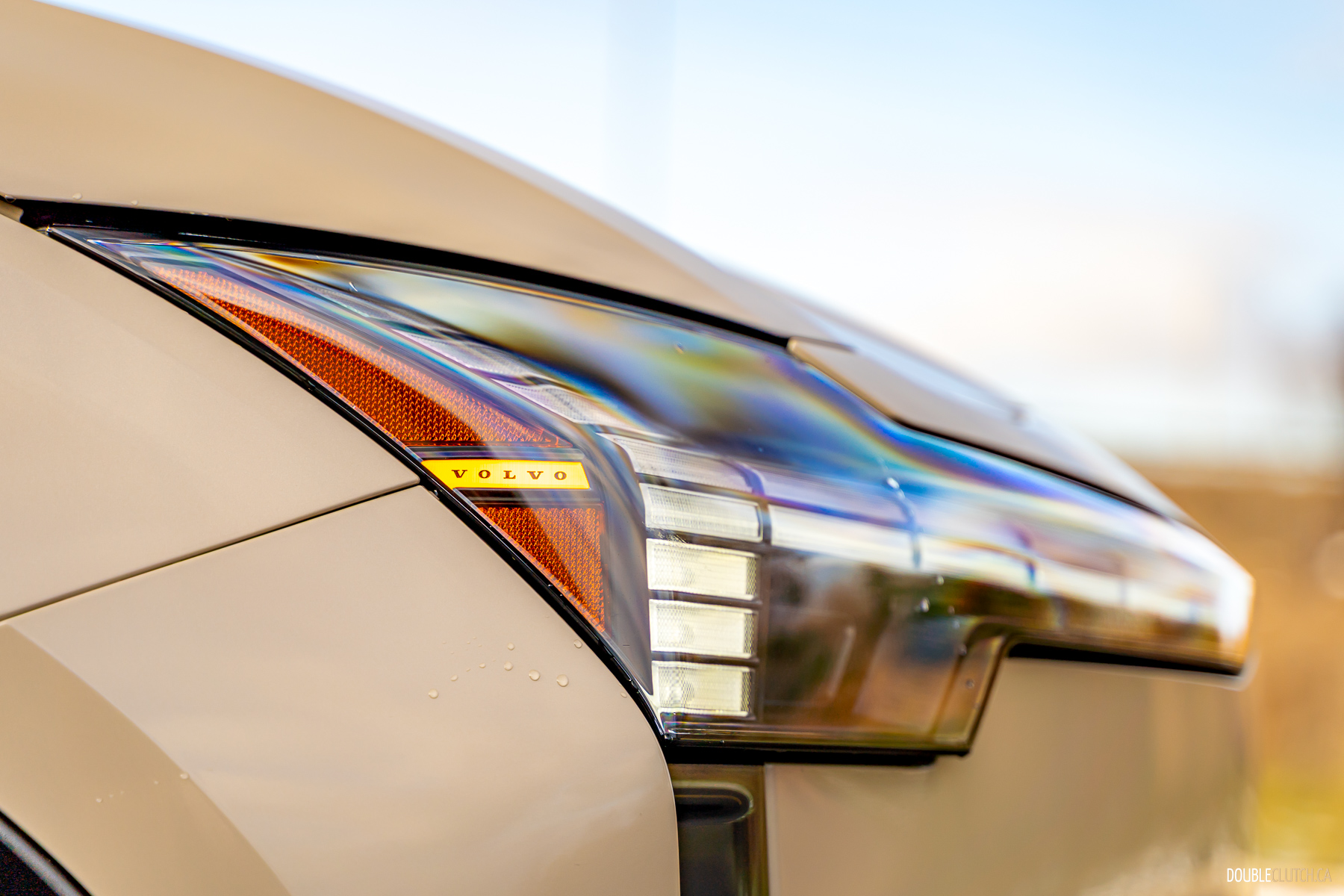
All of the Volvos I’ve driven in the last few years were plug-in hybrids. They were good, competent vehicles but lacked personality, in my (spectacularly incorrect – Ed.) opinion. They all drove and felt similar, but the 2026 Volvo EX30 changes that. The look is different inside and out, it’s extremely quick, but it does come with a few notable issues.
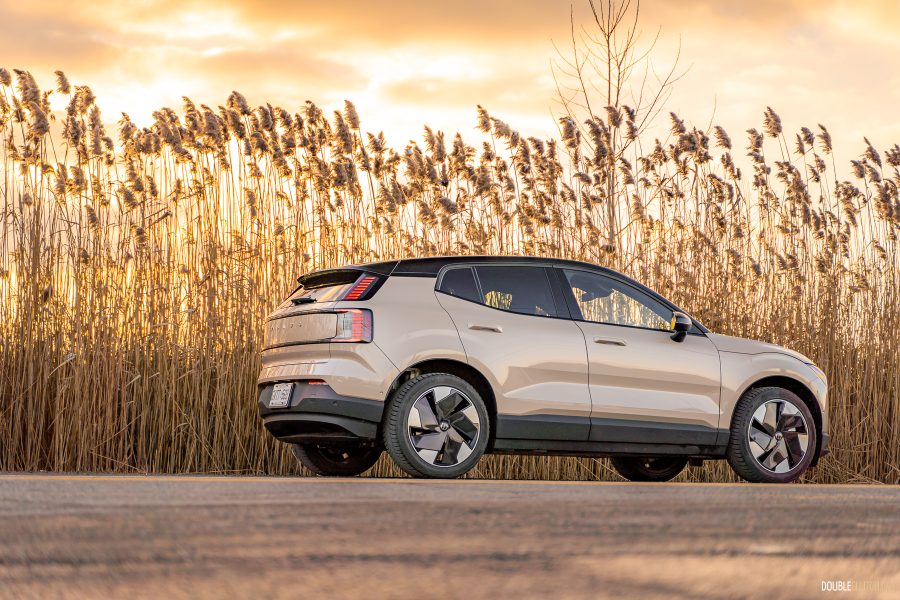
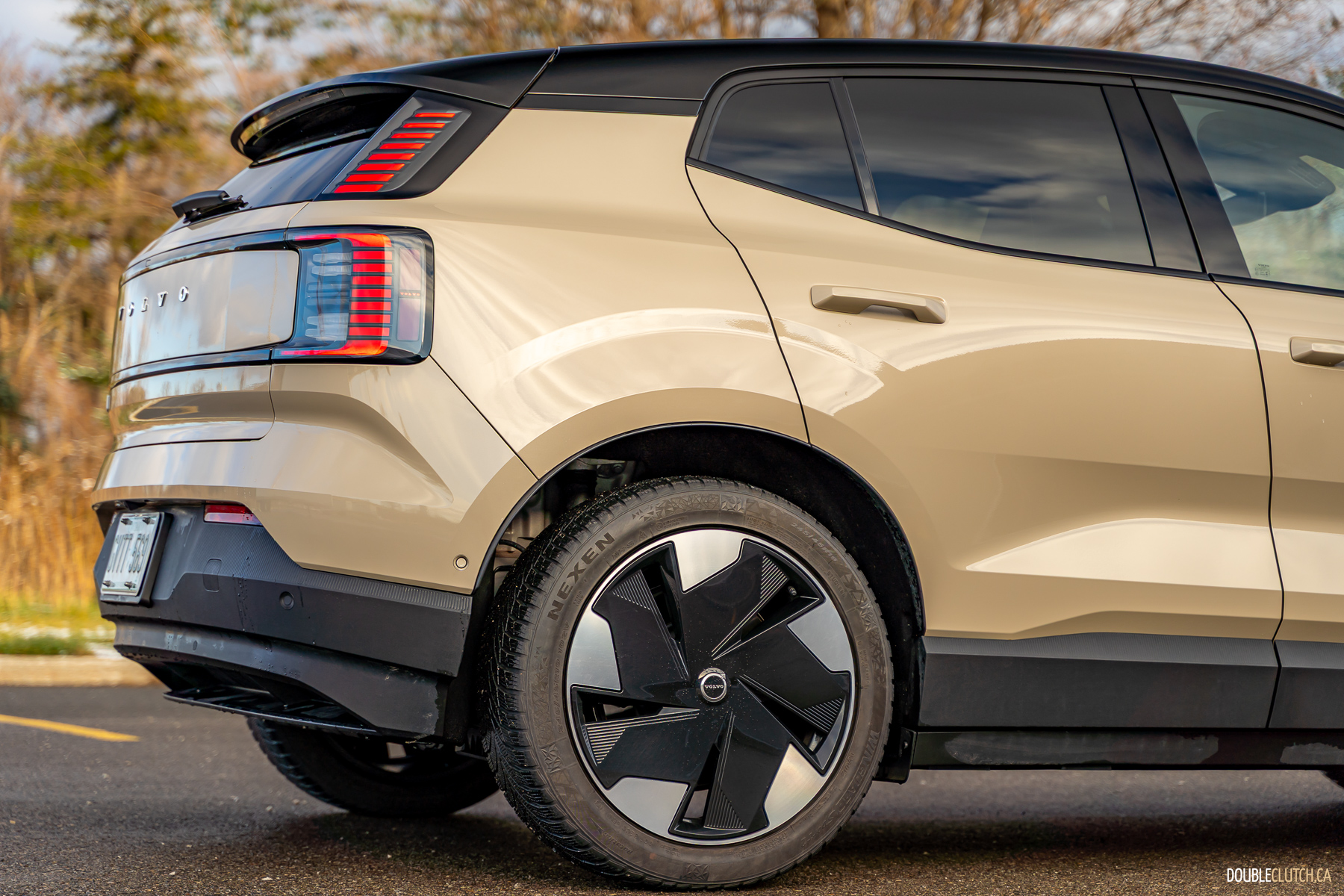
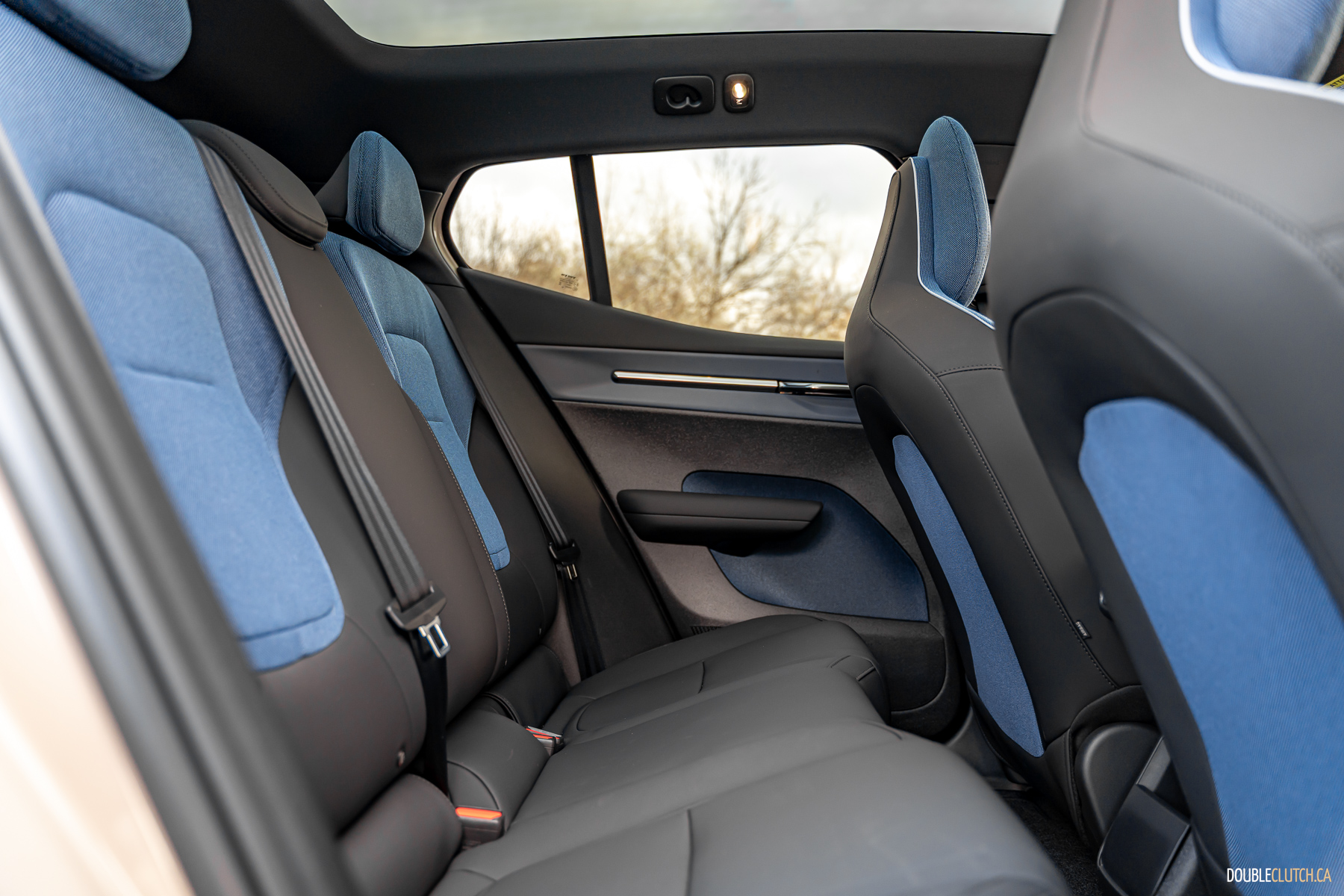
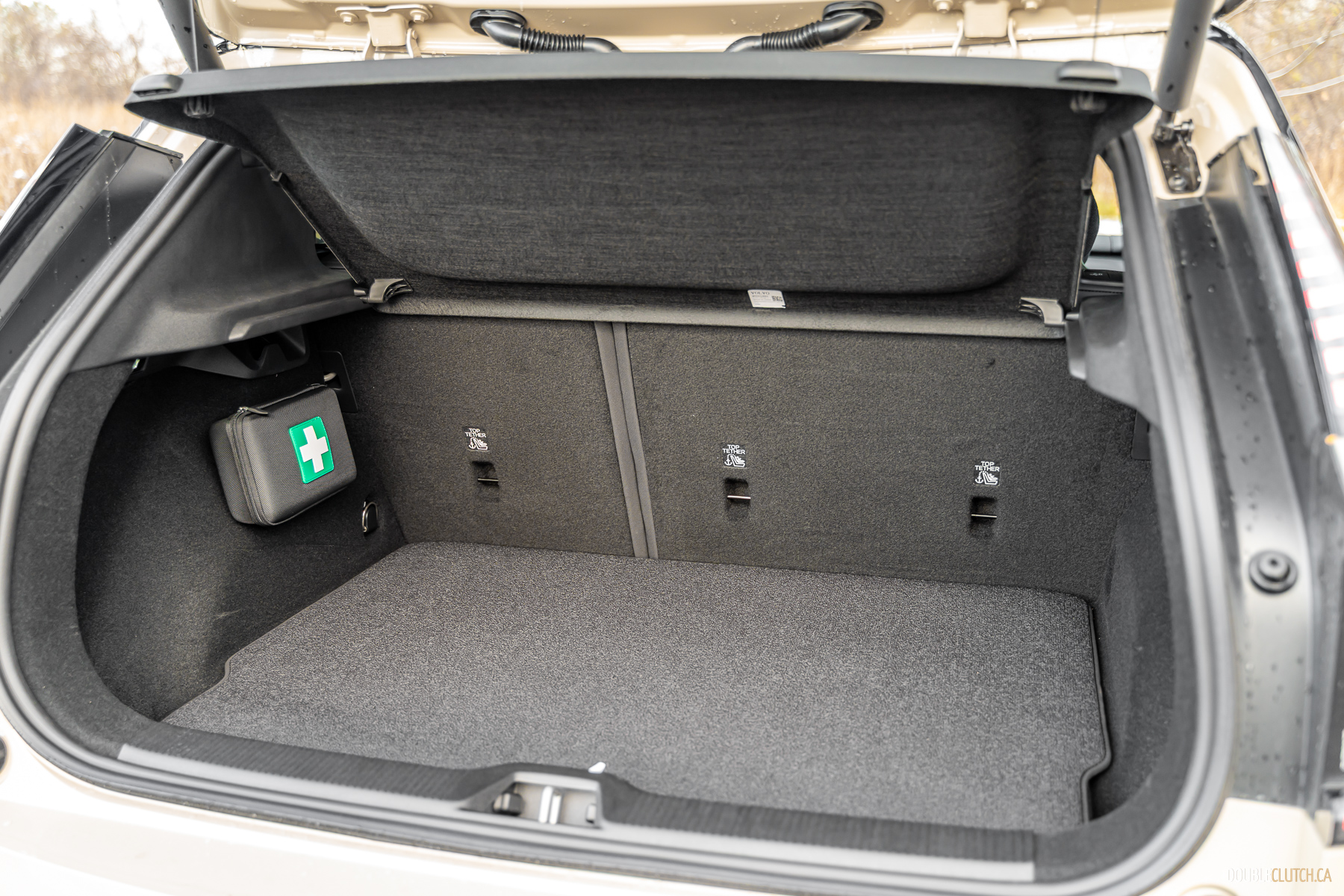
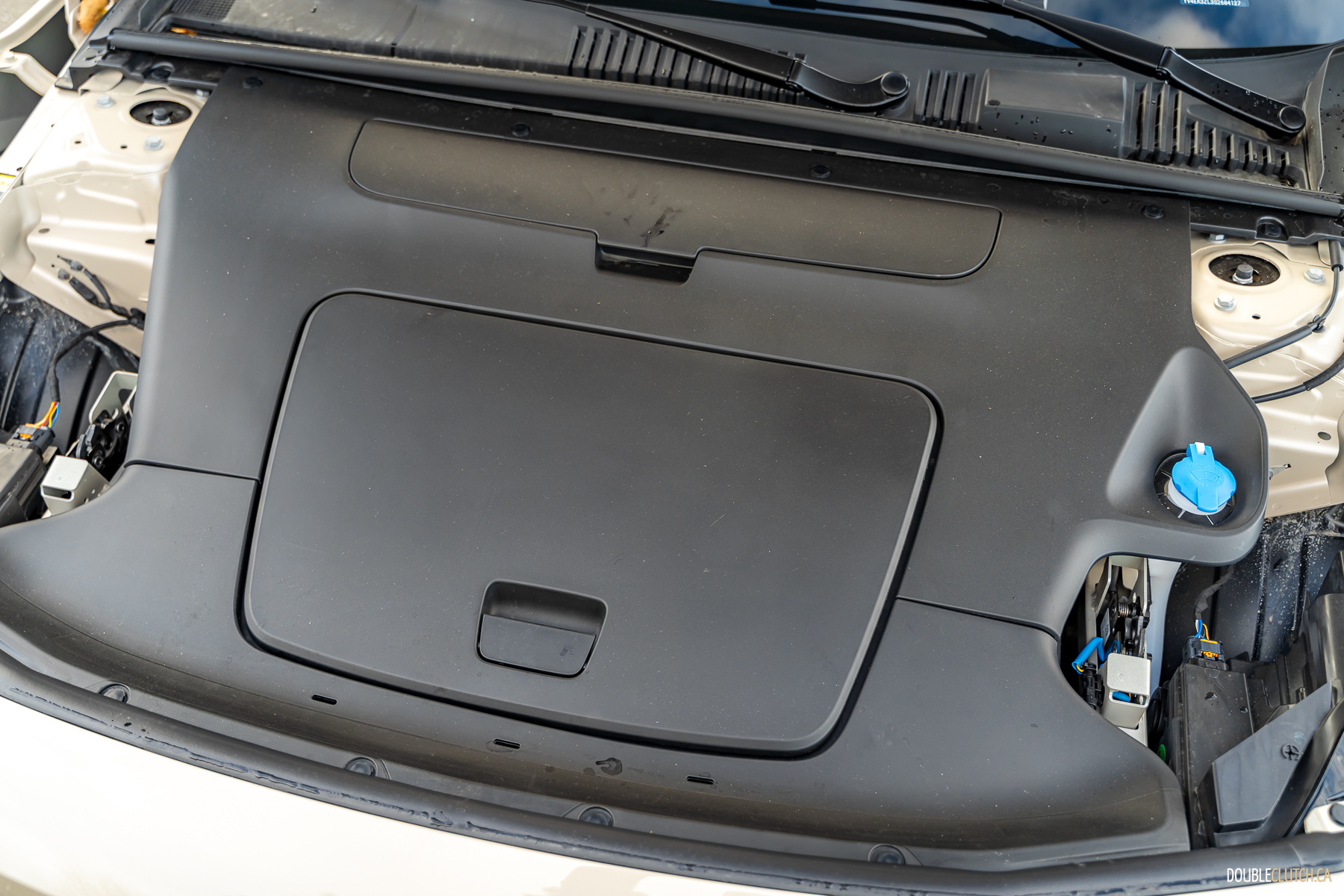
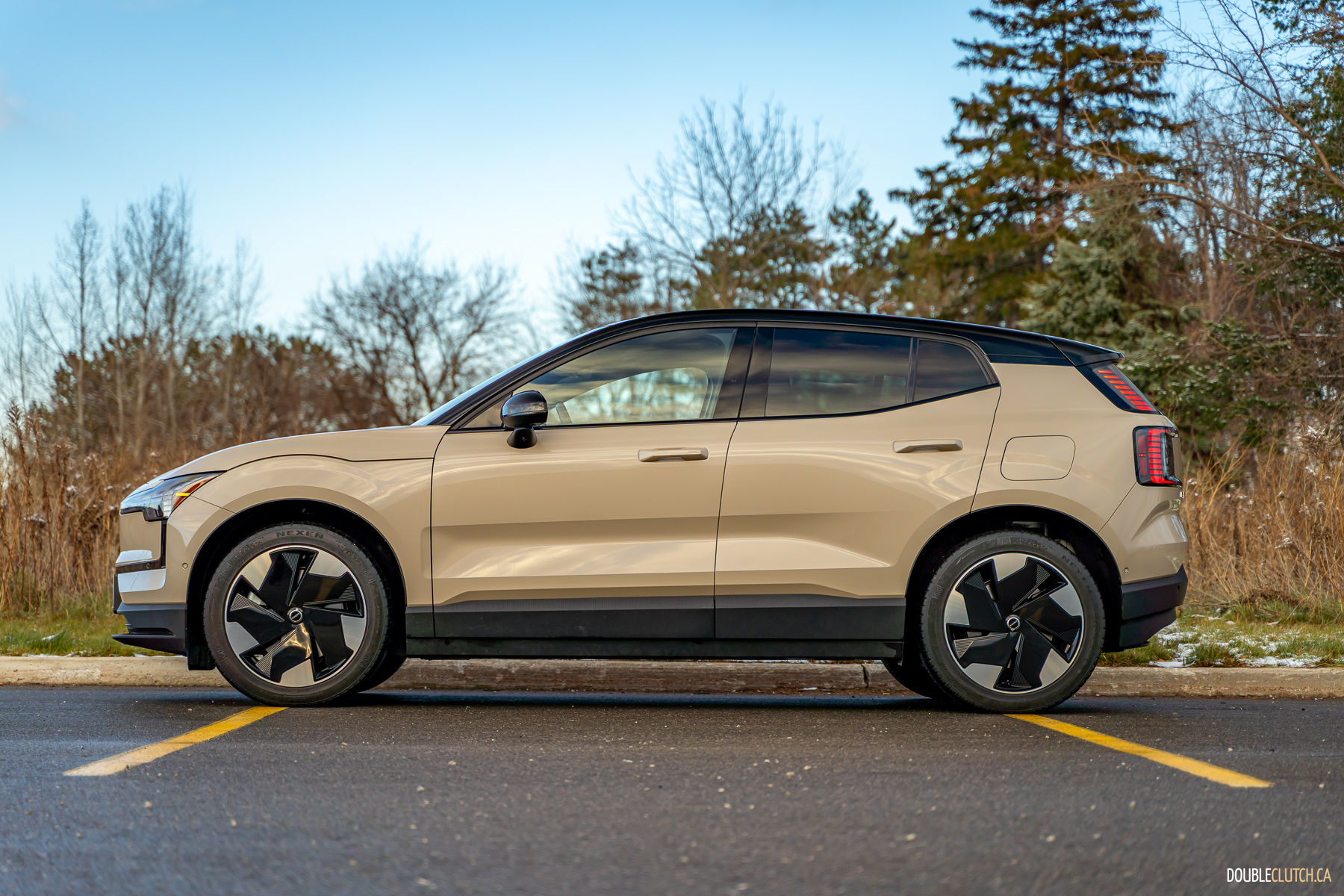
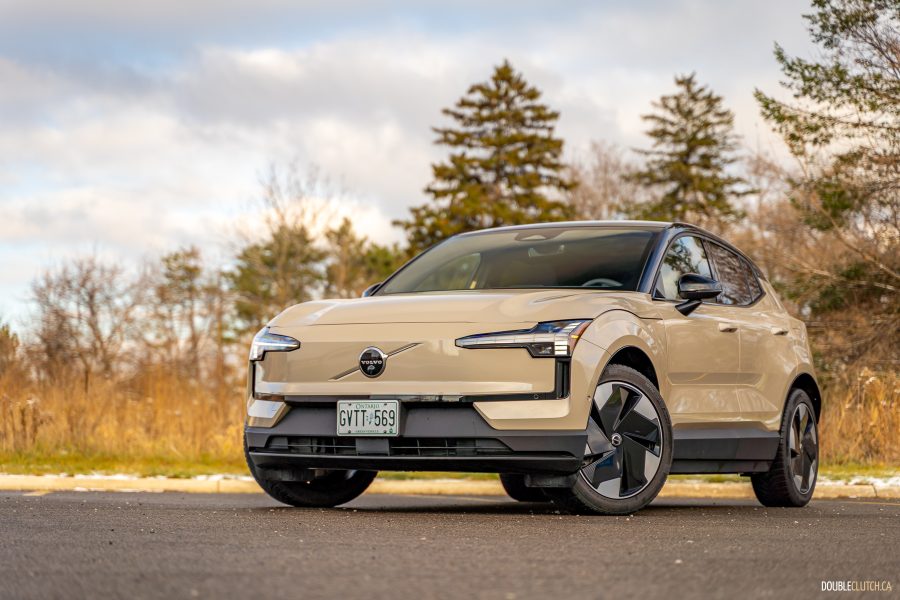
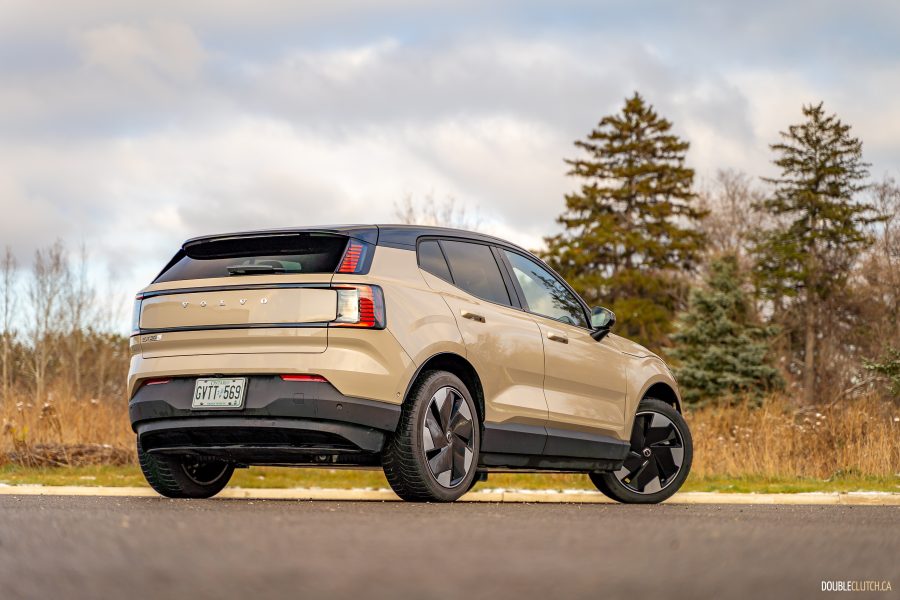
I love small vehicles, and the 2026 Volvo EX30 Twin fits that description perfectly. The rear seats, however, could be more spacious. If you’re putting kids in the back, no problem. Full-size adults? That’s a different story. Put anyone around six feet tall up front and the seats behind them are almost unusable for another adult. Cargo space is also quite small at 400 litres. For comparison, a Hyundai Kona EV accommodates 723 litres of cargo out back.
Interior impressions and tech
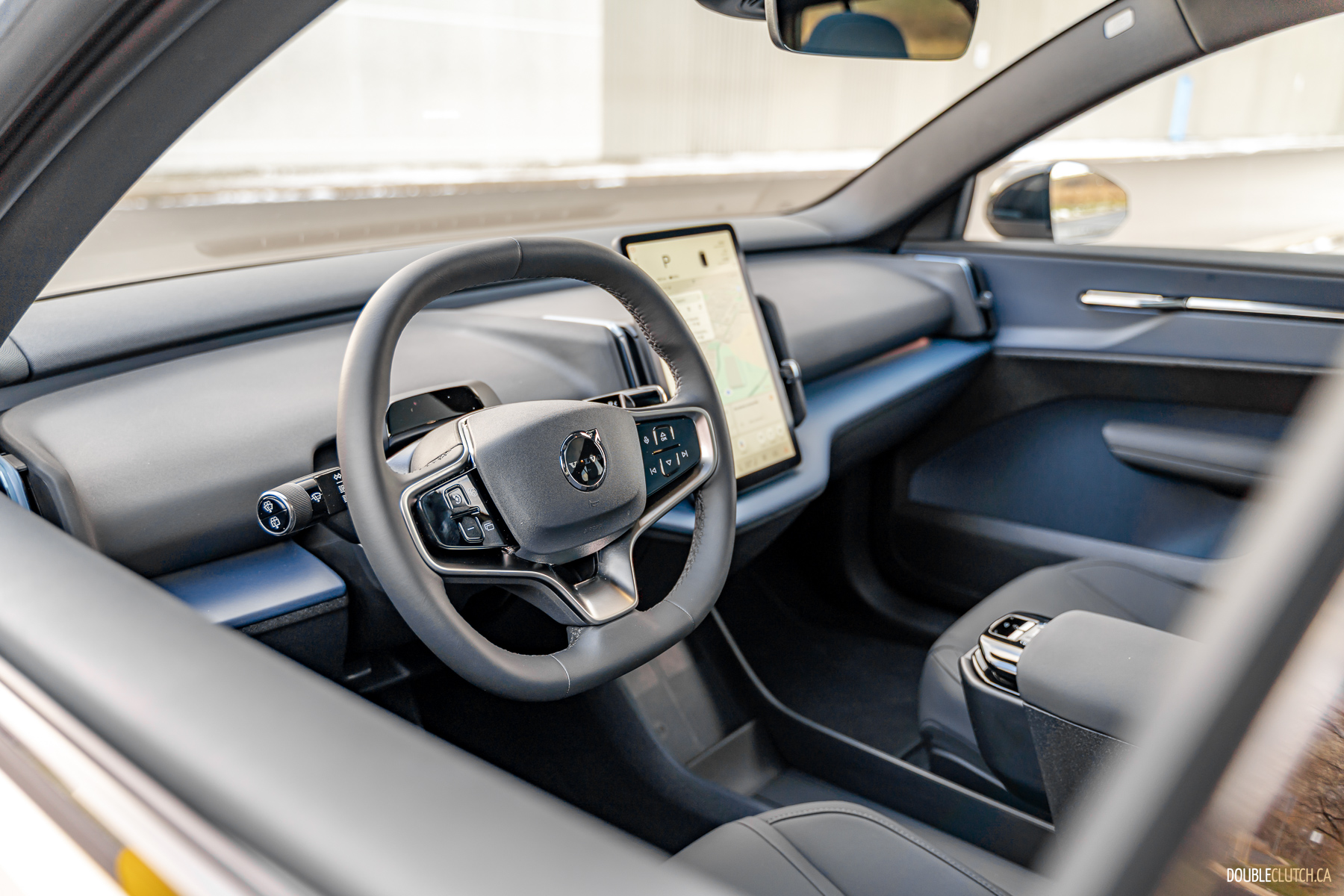
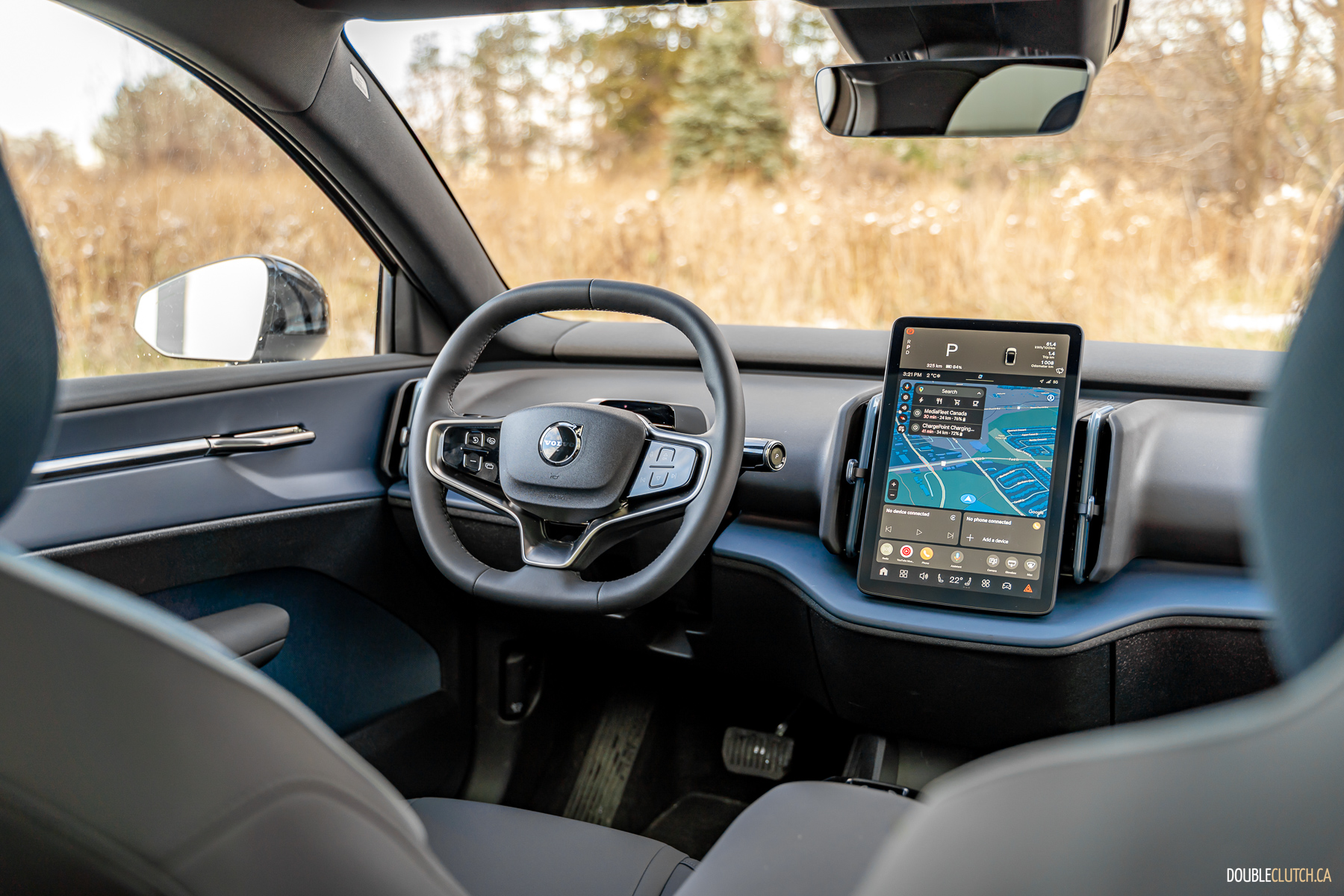
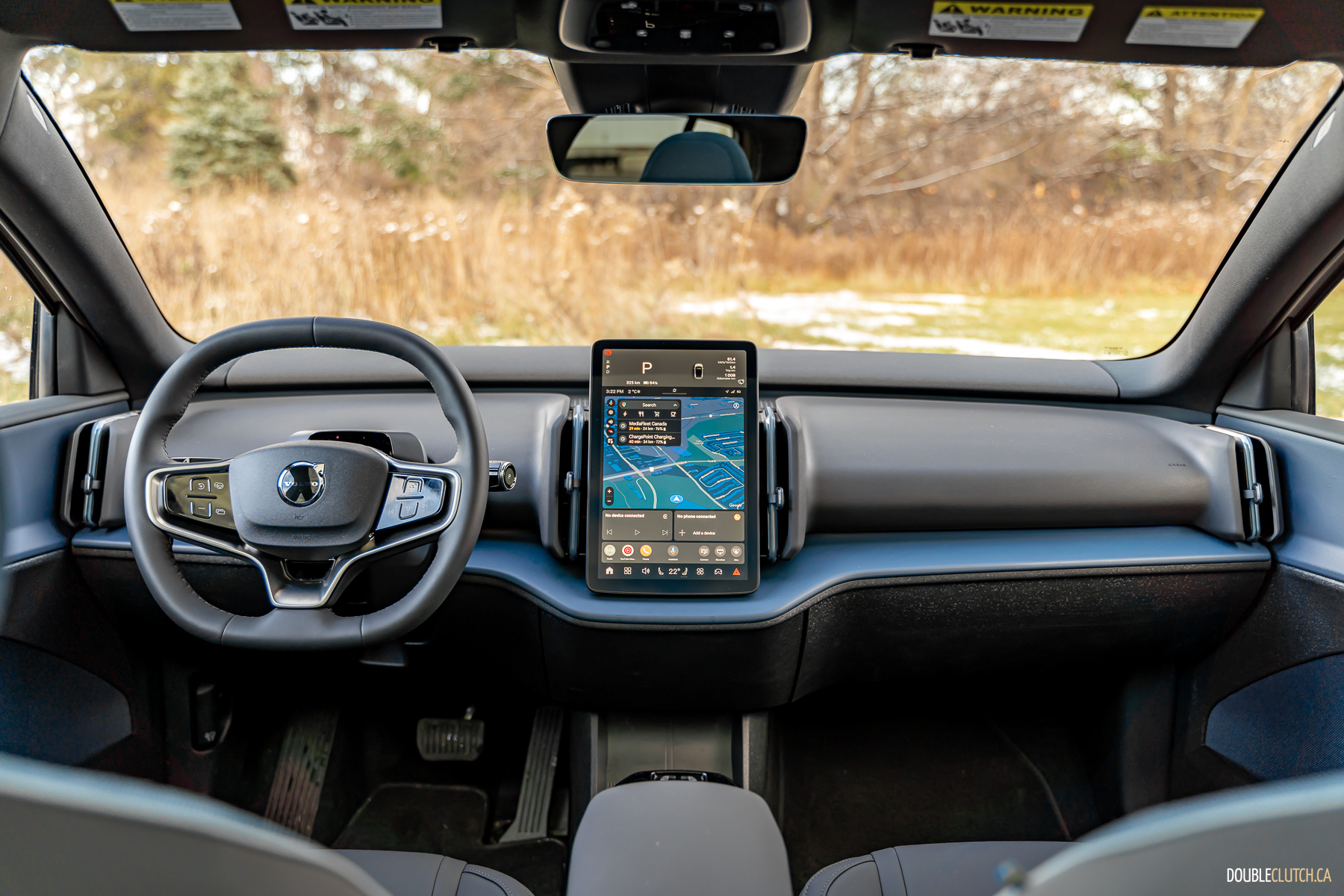
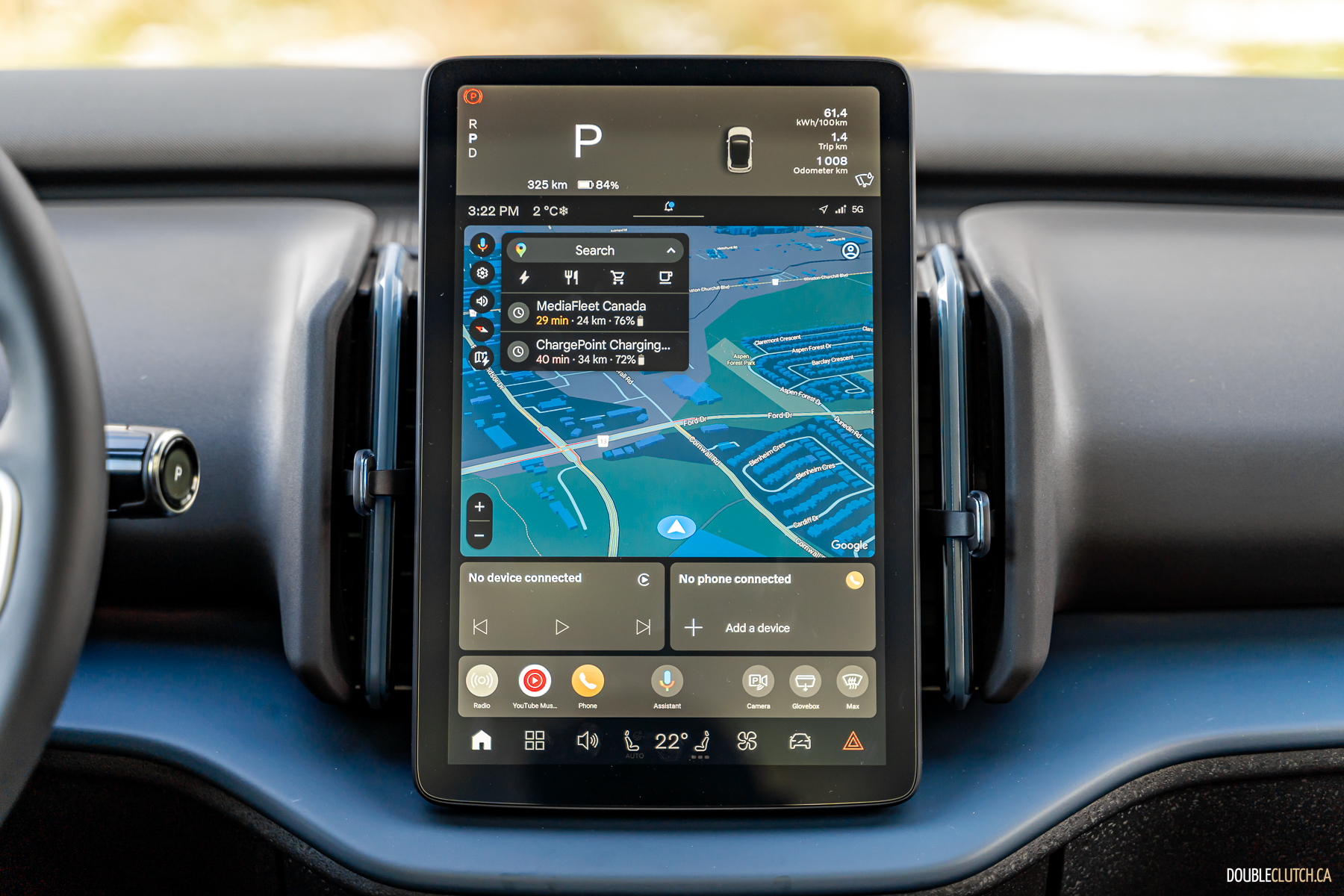
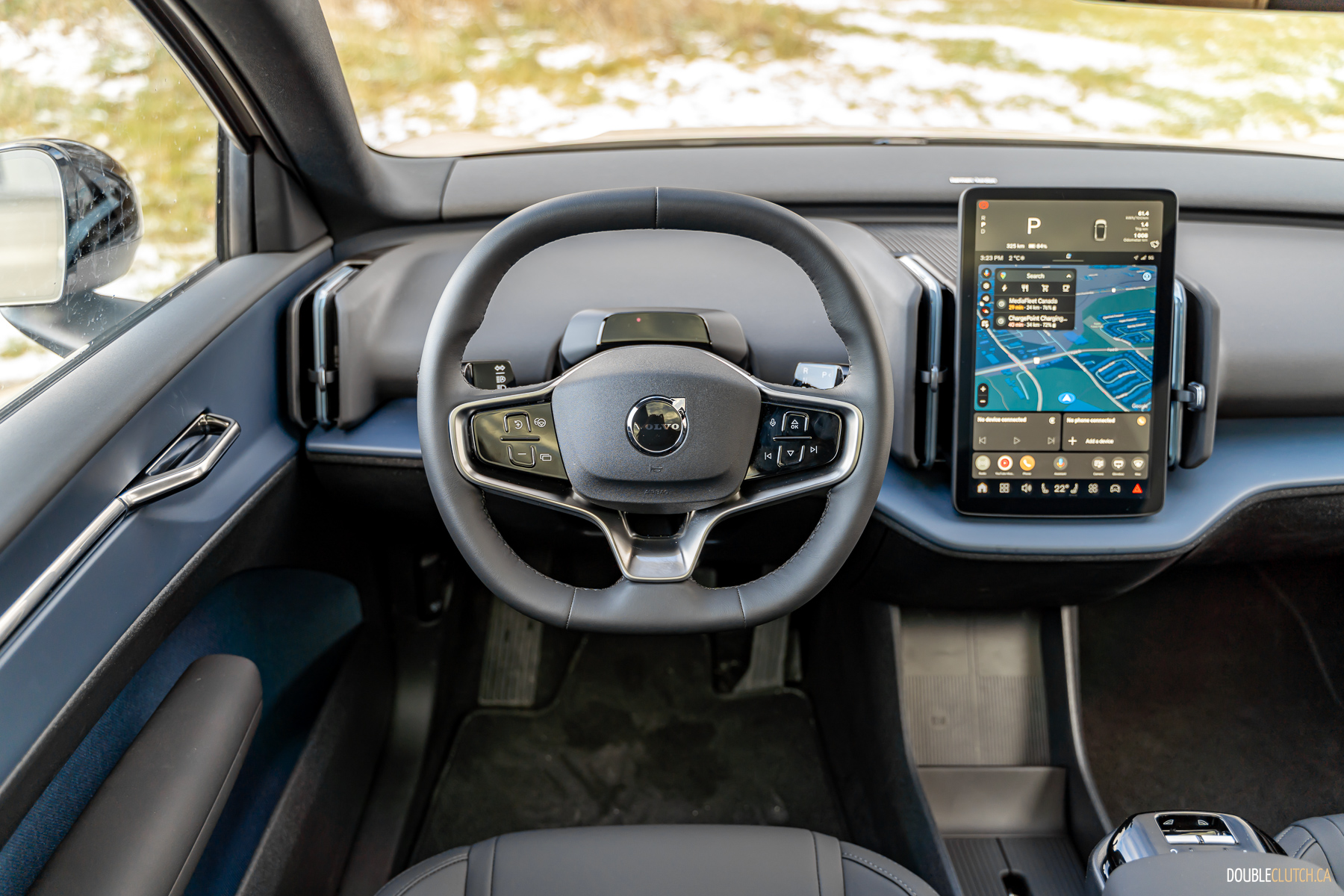
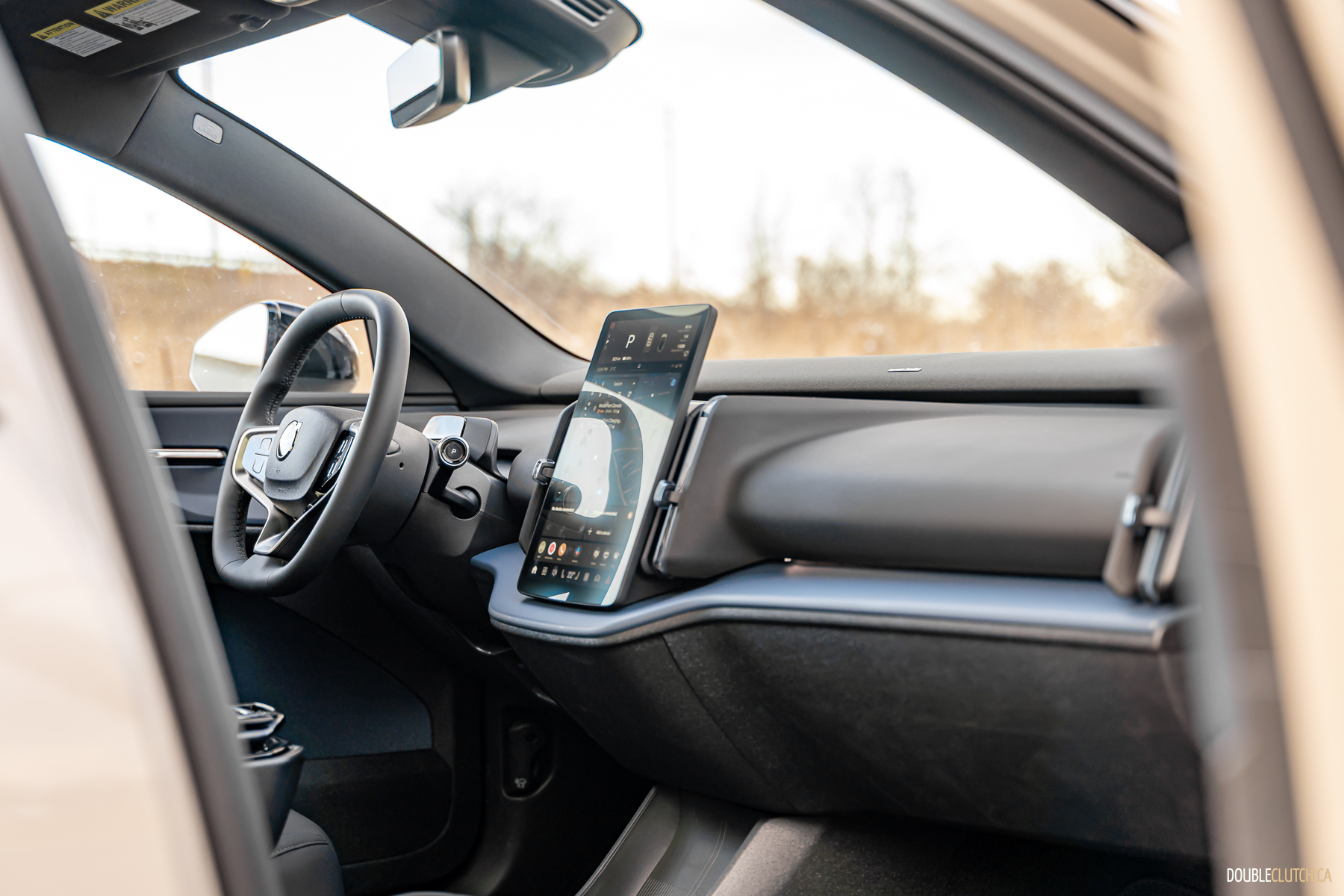
Inside is where I have a few gripes. There is no gauge cluster behind the steering wheel, and nearly all vehicle functions are accessed through a single centre-mounted screen. You need to navigate through various menus to operate some basic functions. All of the information you’re used to seeing directly in front of you is displayed on the centre vertical screen, similar to what you’d find in a Tesla. I’m not a fan of this layout in a Tesla, and I’m not a fan of it here either. For a brand that prioritizes safety, having the driver take their eyes off the road just to check vehicle speed feels counterintuitive.
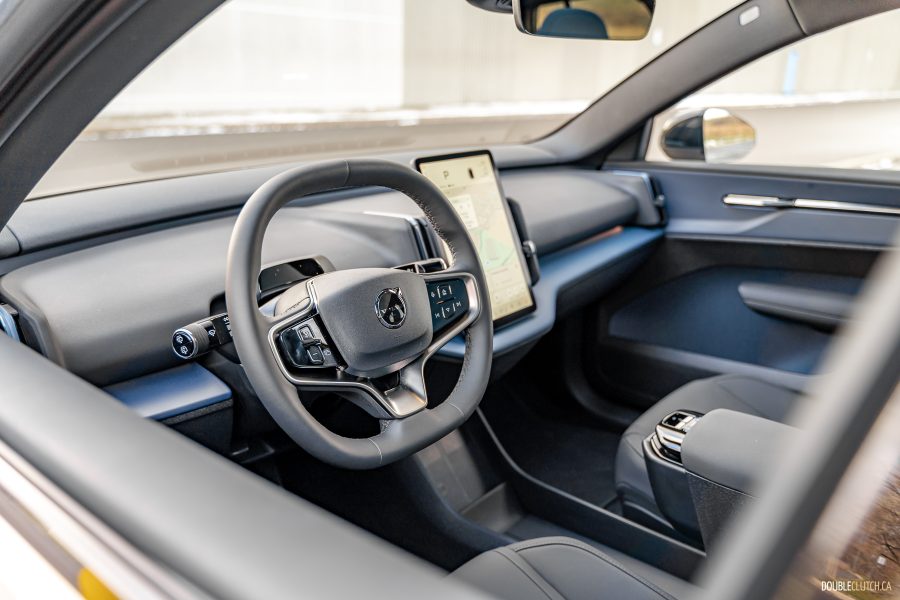
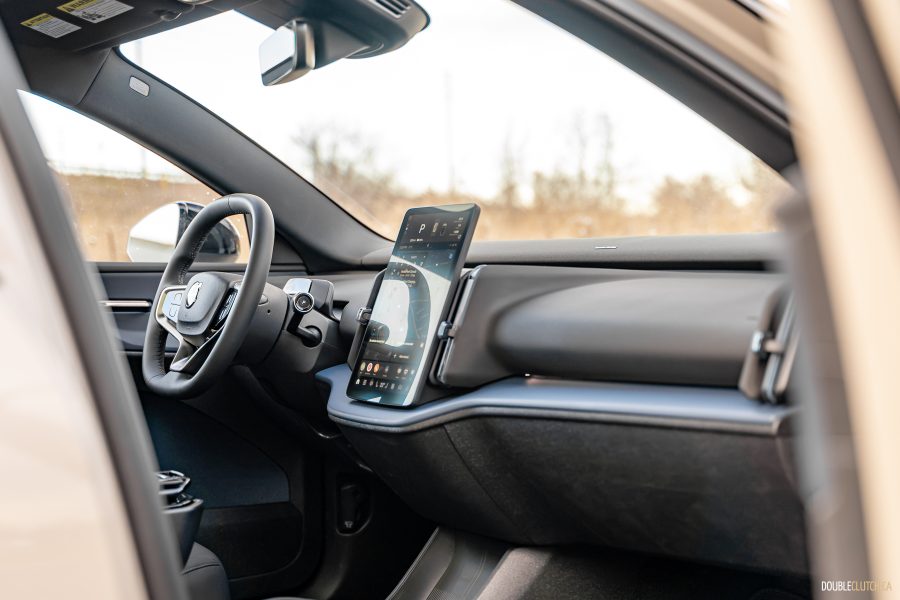
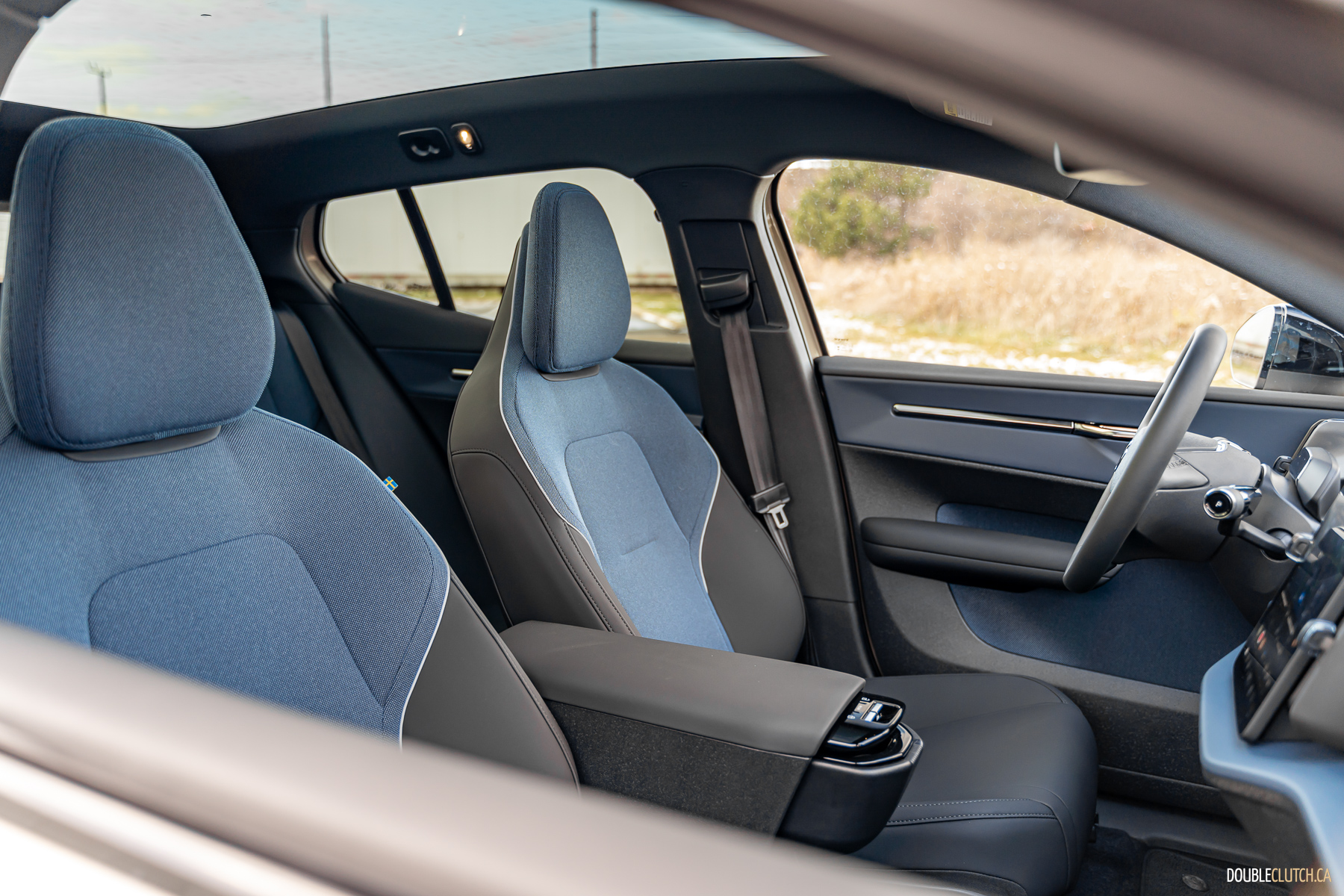
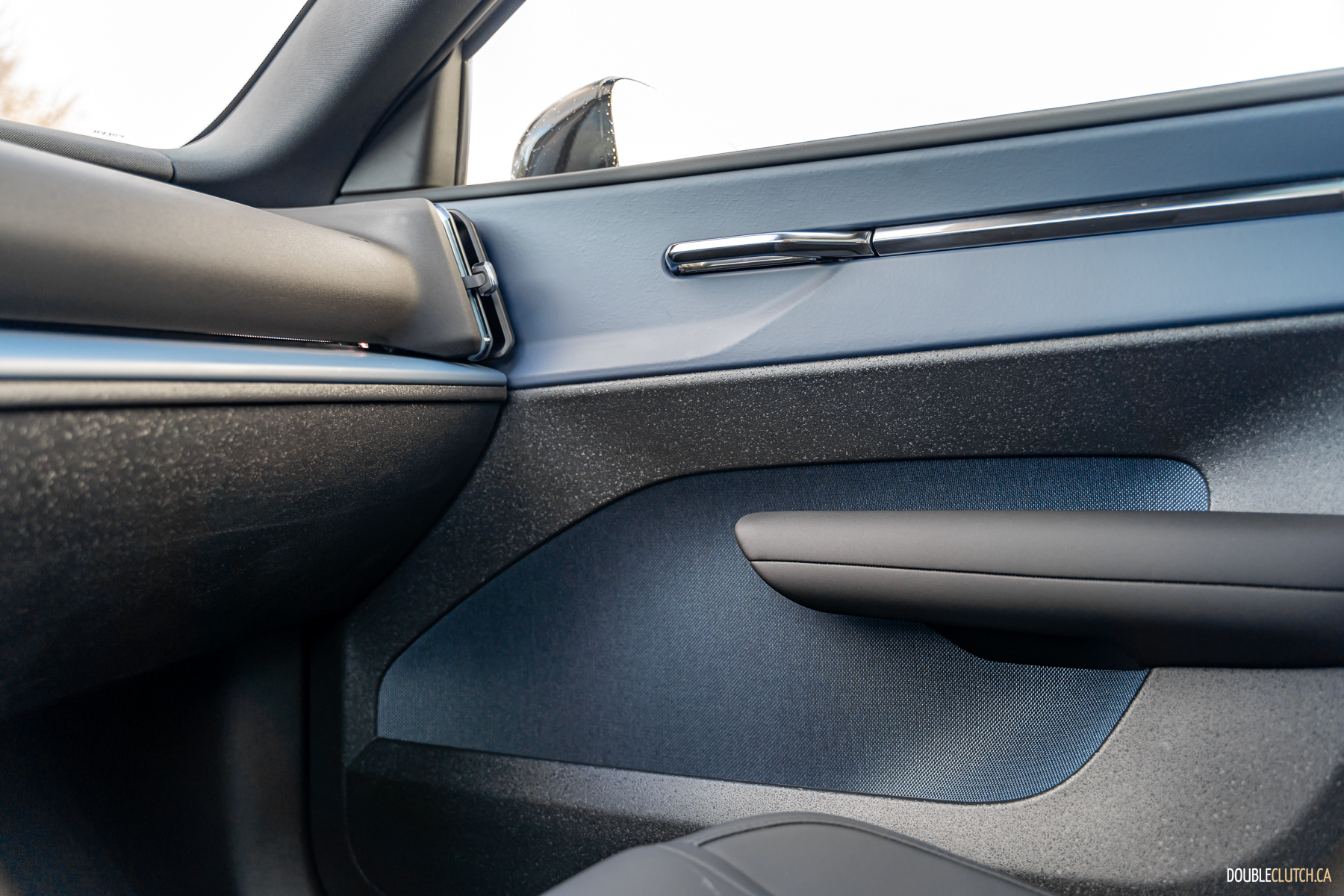
You do get basic radio and cruise control buttons on the steering wheel. The window controls are another frustration. Instead of being located on the doors like most vehicles, they are placed on the centre armrest. You get two buttons, and to operate the rear windows, you must tap a “rear” toggle button. Cost-cutting measures like this feel unacceptable, especially considering the price of this vehicle.
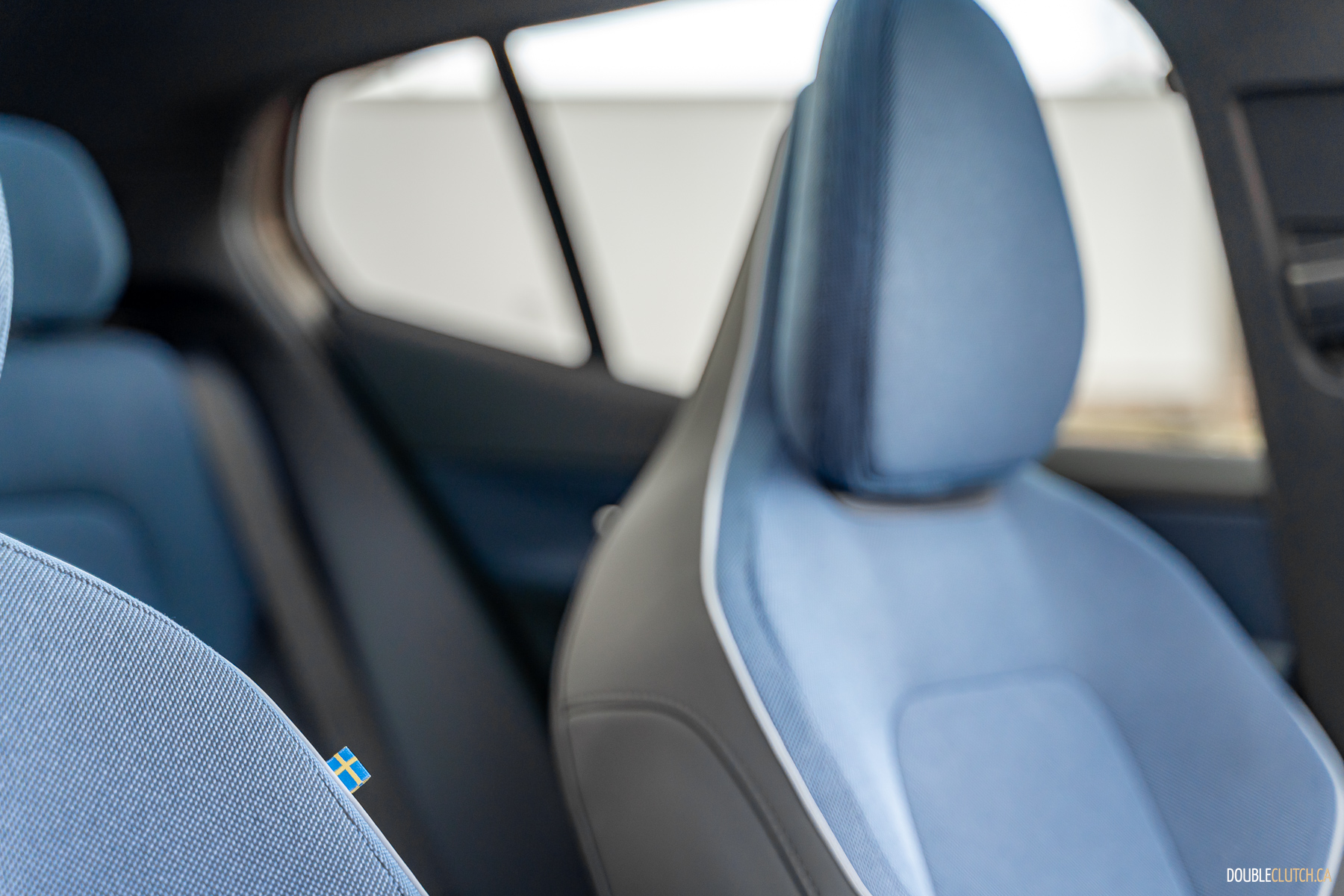
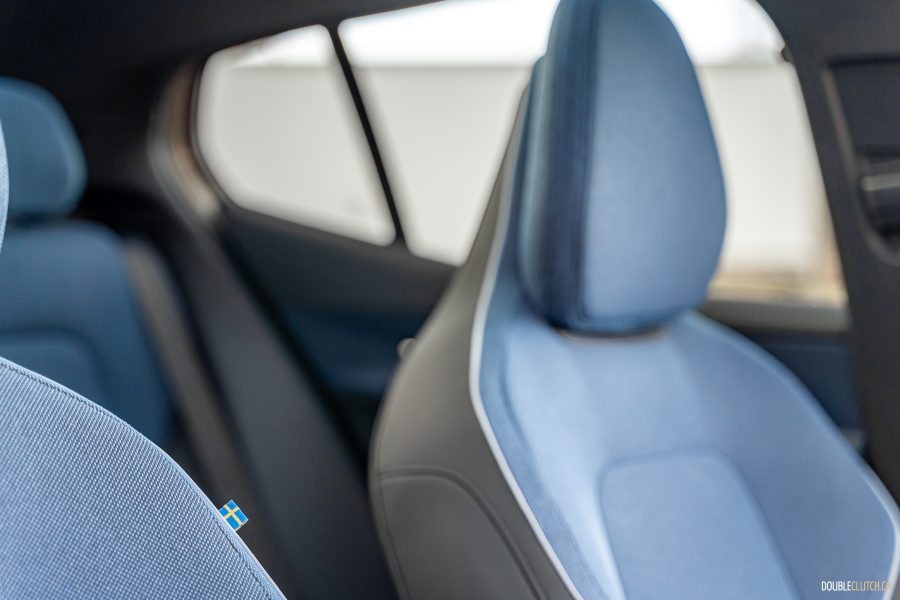
The interior itself is a mix of eco-friendly materials and cloth, which I don’t mind. The design is clean and consistent with Volvo’s current styling direction. While it looks good, don’t expect the luxurious touches you may be accustomed to in larger Volvo products. There is ample storage between the front seats, aided by the lack of a traditional centre console. The 12.3-inch vertical screen operates smoothly, and the Google-based infotainment system allows access to certain apps like Google Maps and Google Assistant even without a connected phone. You will still need your phone to use standard wireless Apple CarPlay and Android Auto.
Powertrain and driving impressions
Dual motors power our test vehicle, which represents the top drivetrain configuration, producing 422 horsepower and 400 lb-ft of torque. The single-motor version is far less exciting, generating 268 horsepower and 253 lb-ft of torque.
The 2026 Volvo EX30 Twin is the fastest Volvo I’ve ever driven, requiring just 3.6 seconds to complete a 0–100 km/h run. The EX30 is genuinely quick and delivers its performance with little drama. With most competitors sending power to the front wheels, the EX30 Twin stands out as one of the quickest vehicles in its segment. That said, when pushed hard, the EX30 tends to understeer, so drivers will need to manage expectations accordingly.
Range and charging
Range for the 2026 Volvo EX30 Twin is rated at 407 kilometres under ideal conditions. For comparison, the Hyundai Kona EV is rated at 420 kilometres, the Mini Countryman SE at 341 kilometres, and the all-new Nissan Leaf at an impressive 463 kilometres. Despite colder-than-expected winter conditions, real-world energy consumption was better than anticipated. In larger EVs I’ve tested previously, my daily commute typically consumed about 8% of battery charge. In the EX30, the same commute used roughly 10%, despite harsher weather conditions.
The EX30 now uses NACS charging, as Volvo has adopted Tesla’s charging standard. When connected to a DC fast charger, the EX30 can charge from 10–80% in approximately 25–30 minutes.
Pricing and summary
Pricing is one of the EX30’s biggest challenges, especially with the newly redesigned Nissan Leaf re-entering the market. A single-motor Volvo EX30 starts at $49,950. Adding the dual-motor setup found in our tester increases the price by $3,000, which is arguably the better choice overall. Buyers can also choose between two packages: Plus ($3,650) or Ultra ($5,850), which add features such as a panoramic roof and additional safety technology. Our tester came in at $58,800 before taxes and fees.
The 2026 Volvo EX30 Twin is a compelling sub-compact EV that aims to elevate itself into luxury territory, but its interior execution ultimately holds it back. Yes, it offers blistering straight-line speed, but that’s something many EVs deliver with ease. For most buyers, acceleration alone won’t be the deciding factor. The EX30’s biggest challenges remain pricing and range, particularly when stacked against competitors like the new Nissan Leaf, which may not be as quick, but offers better overall value at a significantly lower starting price. If Volvo can sharpen its pricing strategy, the EX30 would stand a much stronger chance in the compact EV segment.