I doubt that Nissan ever planned things to go this way when they brought the first Leaf to market more than 15 years ago. As the pioneer in bringing EVs to the masses, Nissan should have led the charge rather than allowing Tesla to steal the spotlight and thousands of sales. With steady improvements made on a consistent basis, who knows what could have been. Does the 2026 Nissan Leaf SV+ we have this week finally catch up to the best in the segment, or has it fallen too far behind?
Exterior Styling
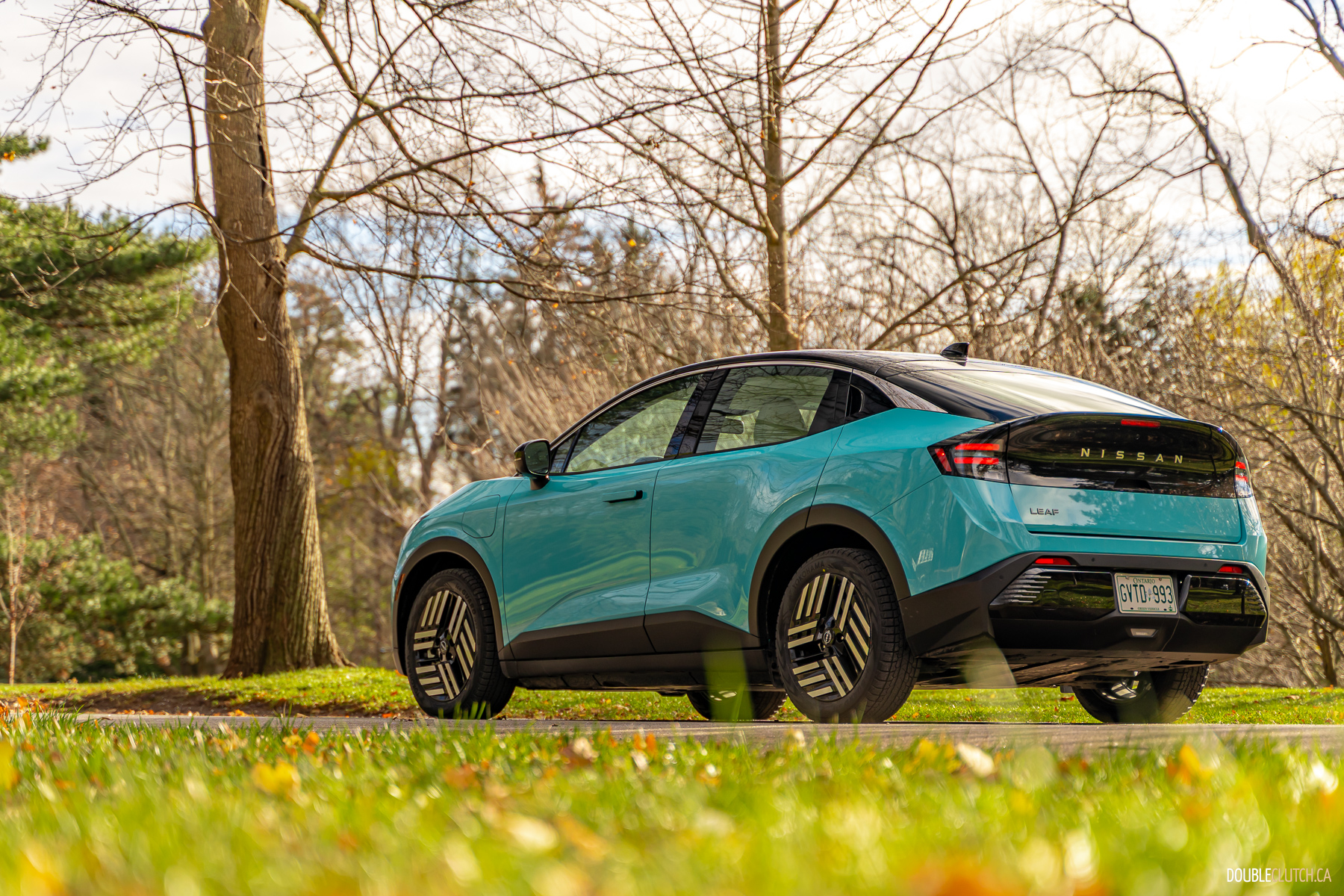
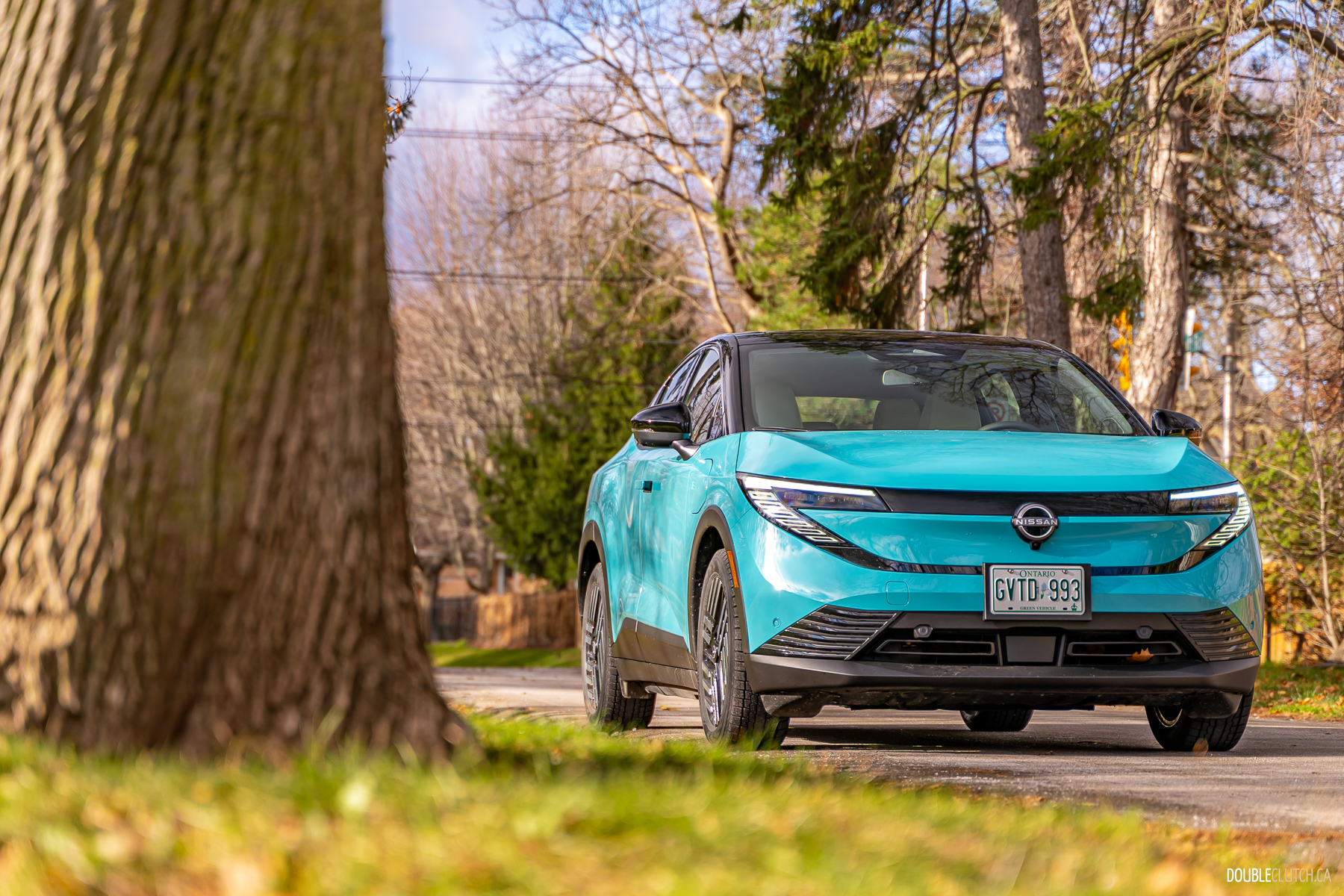
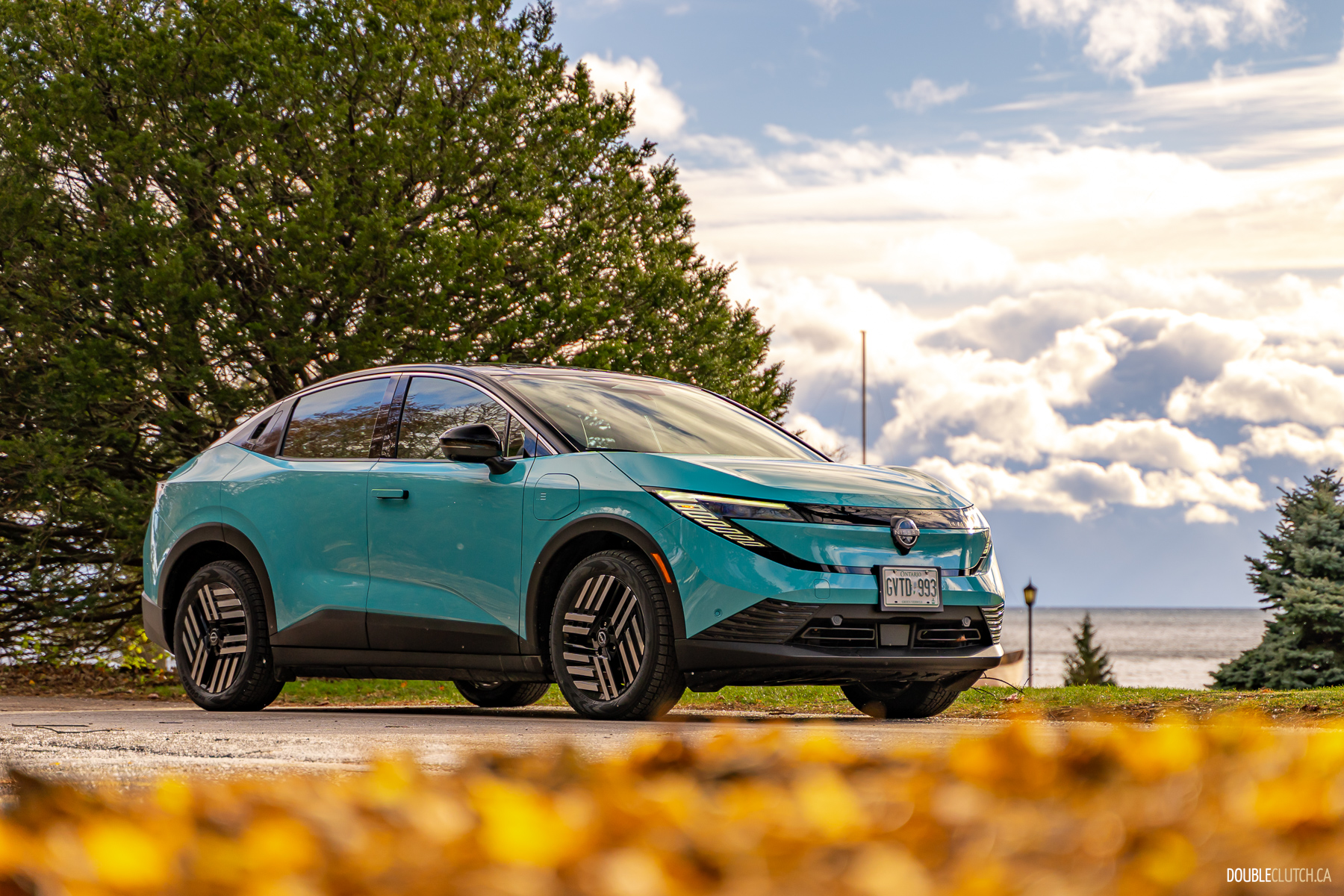
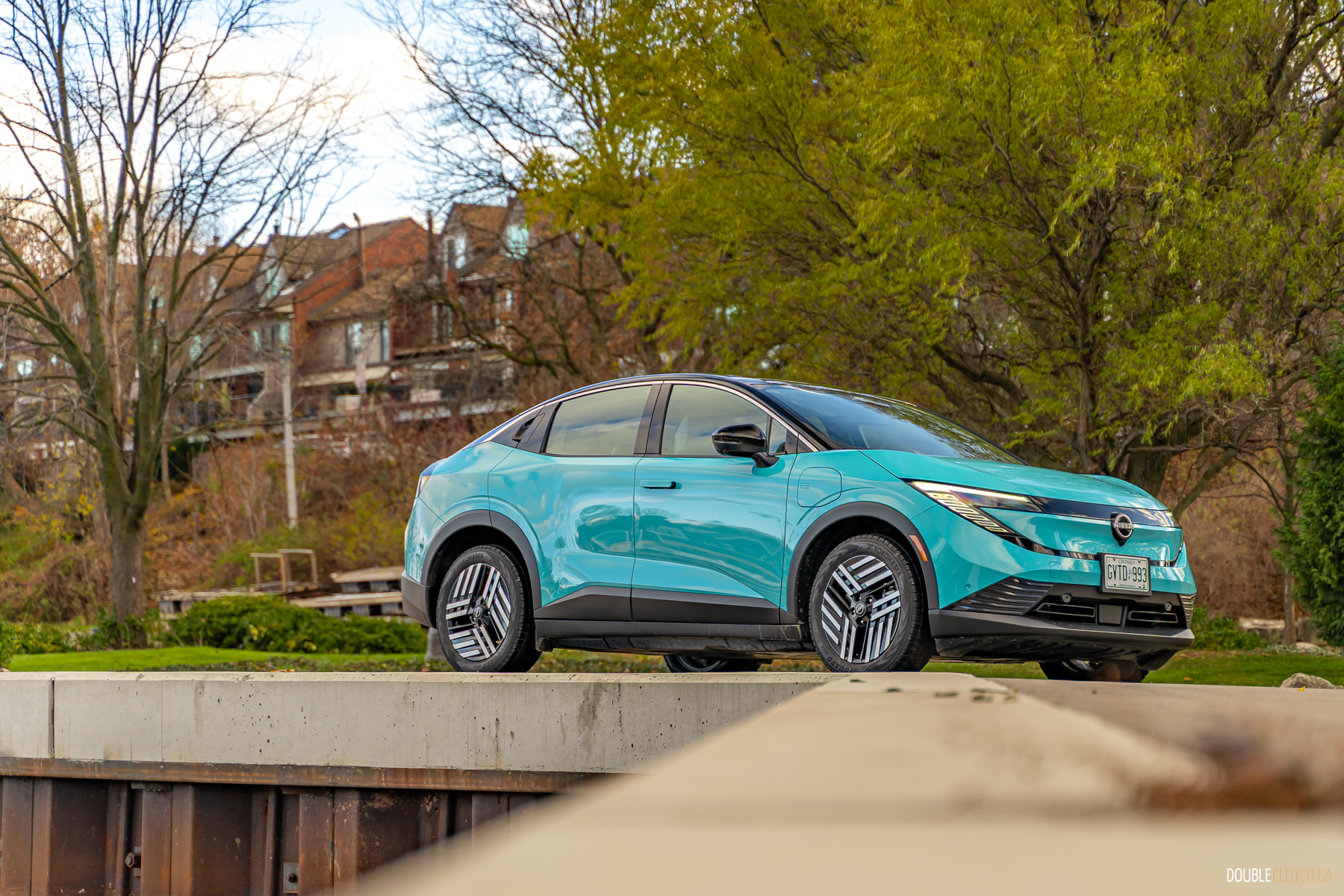
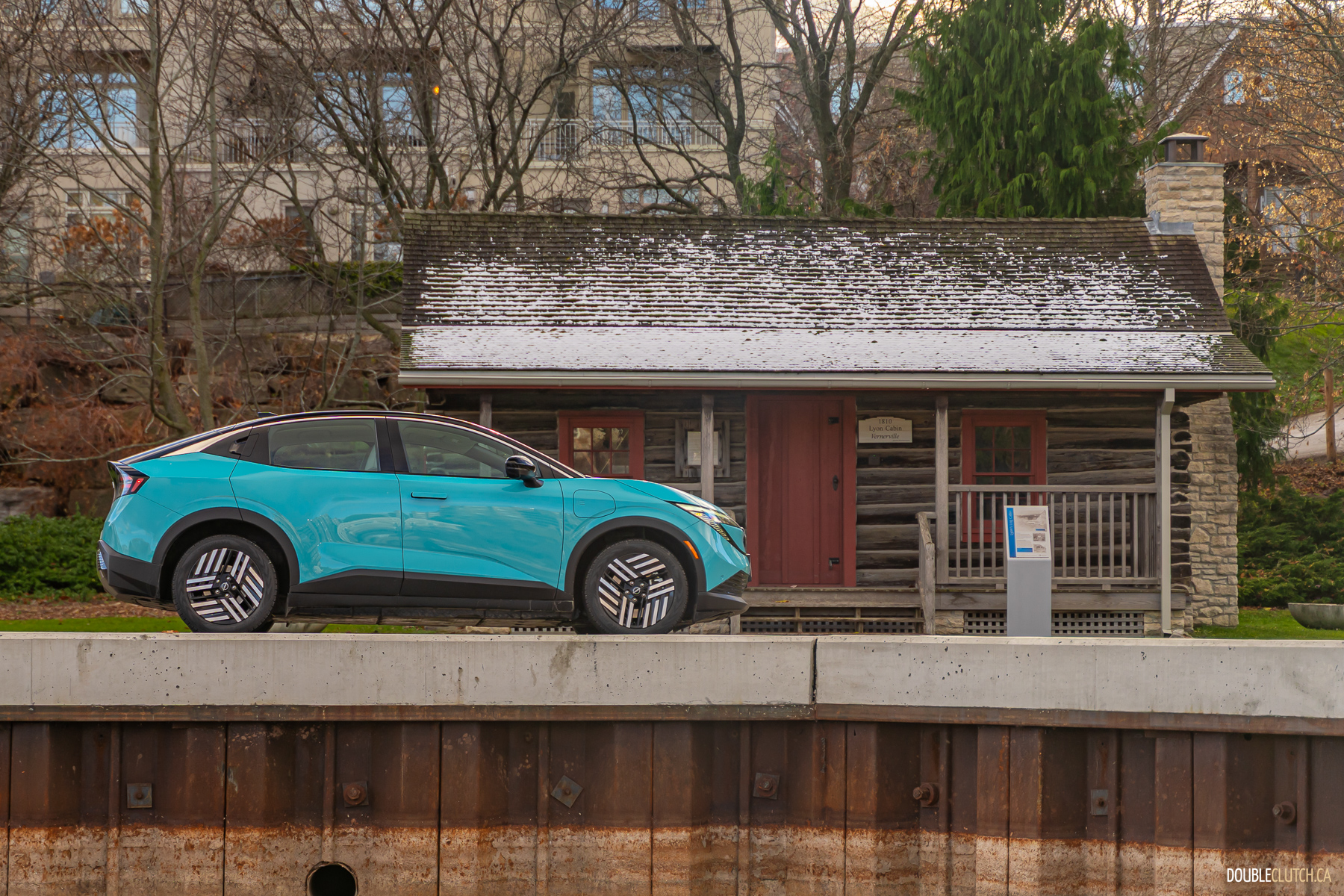
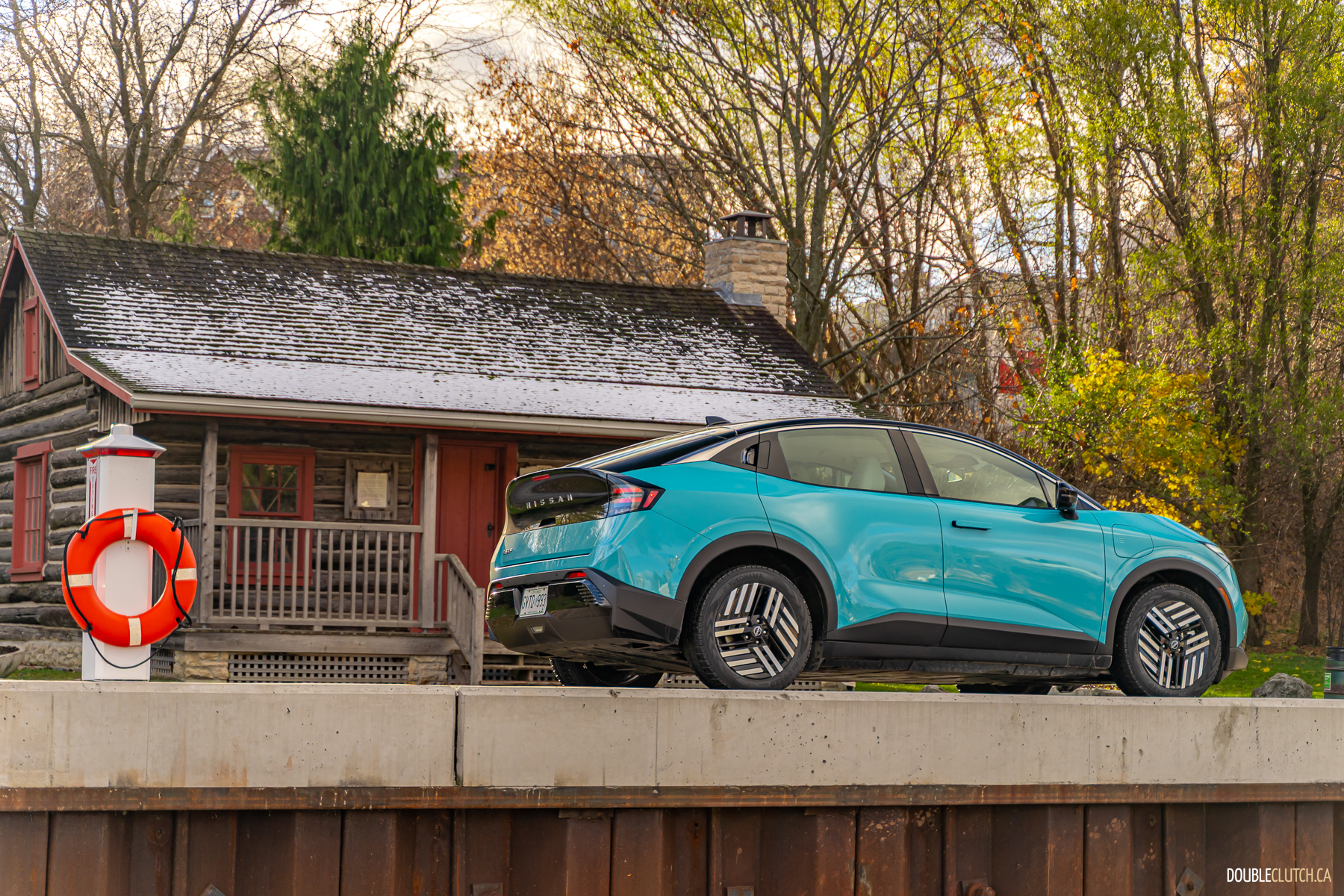
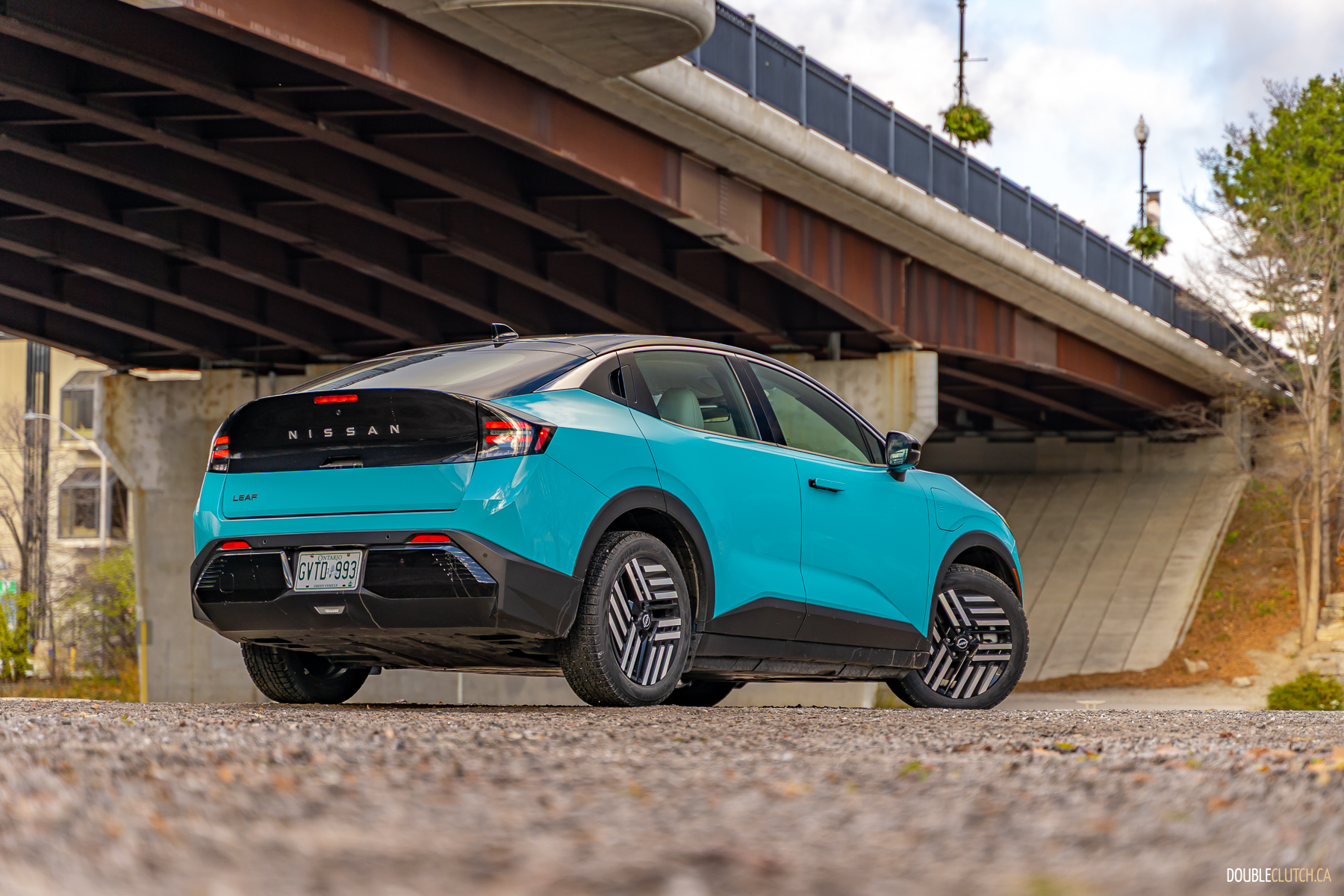
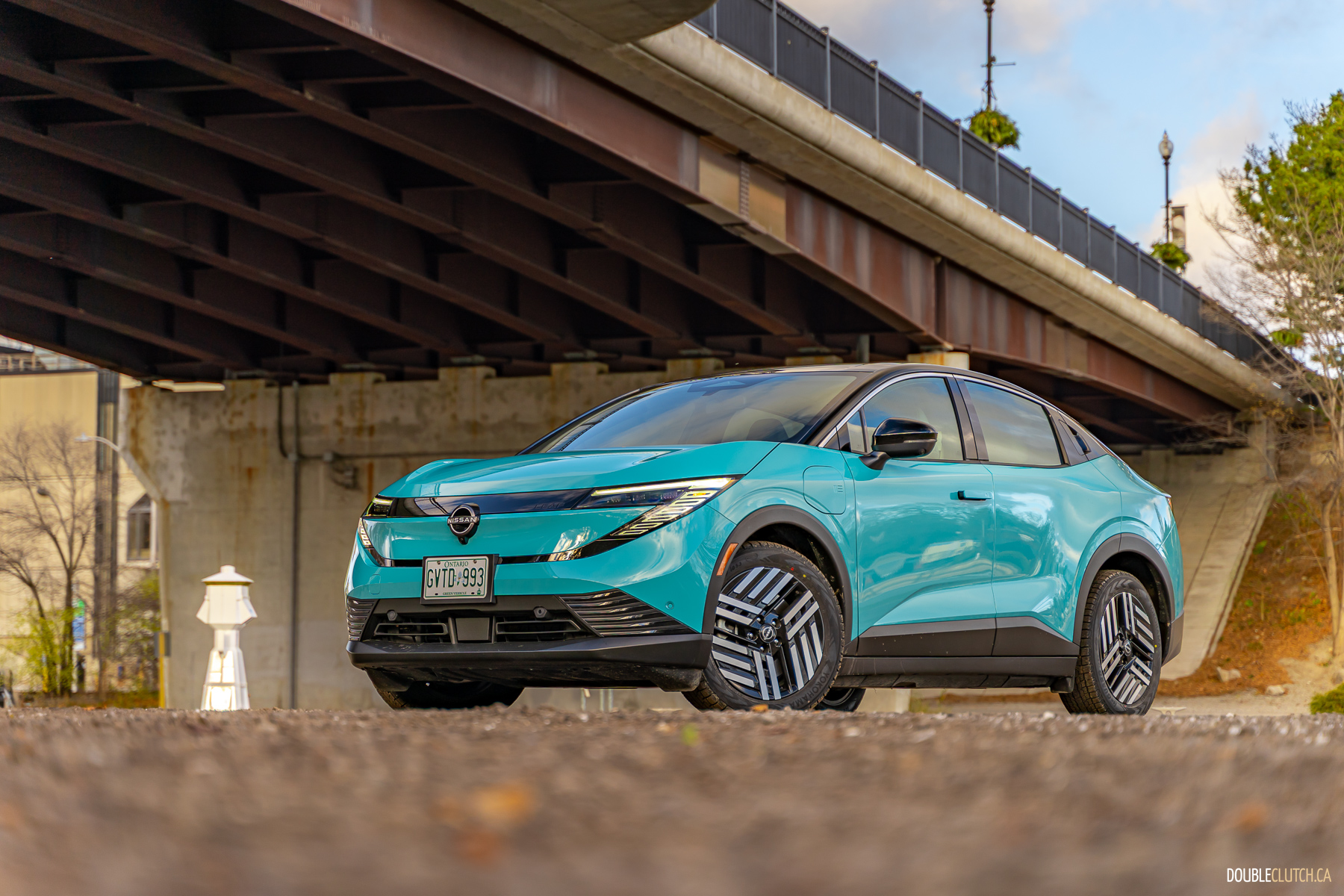
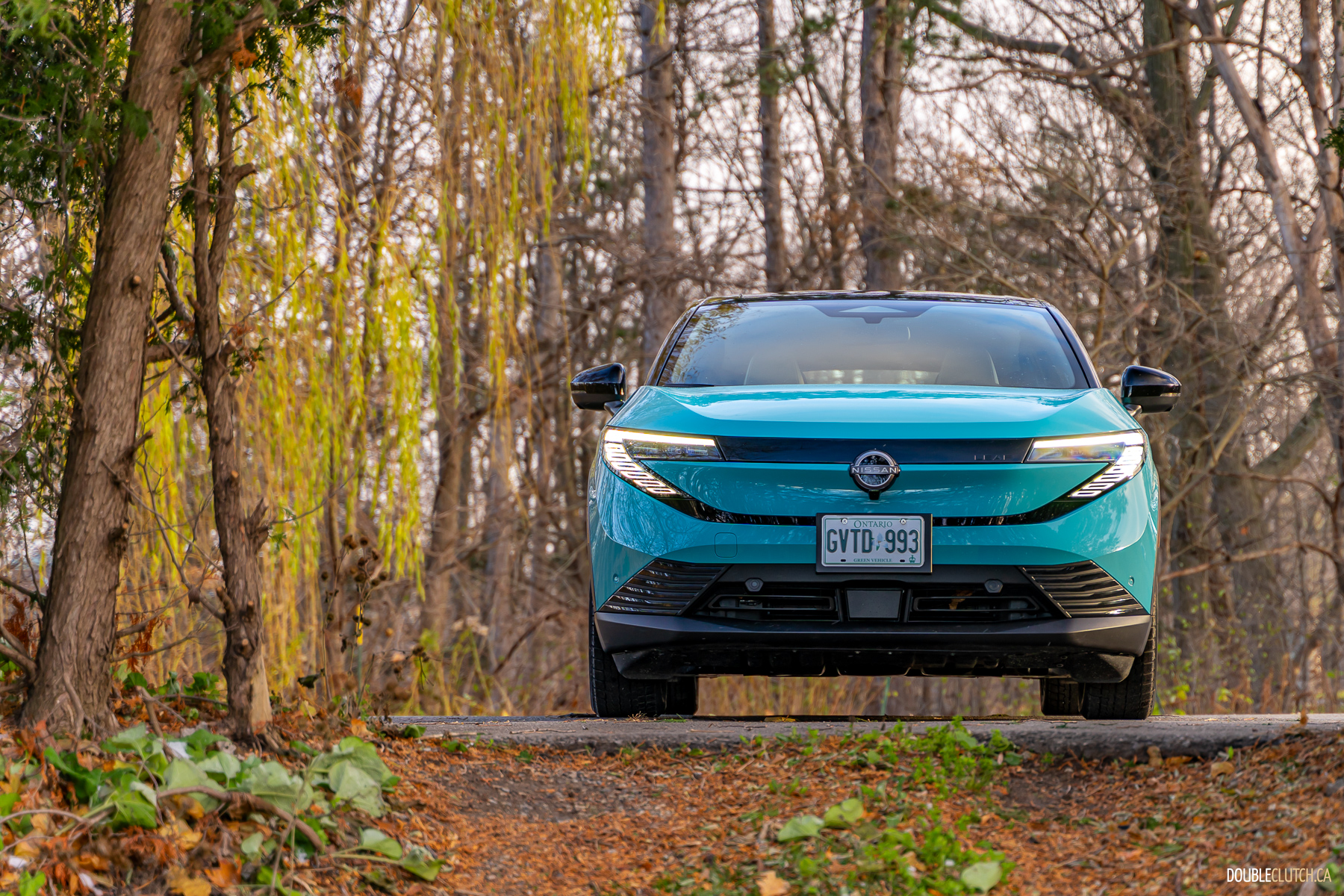
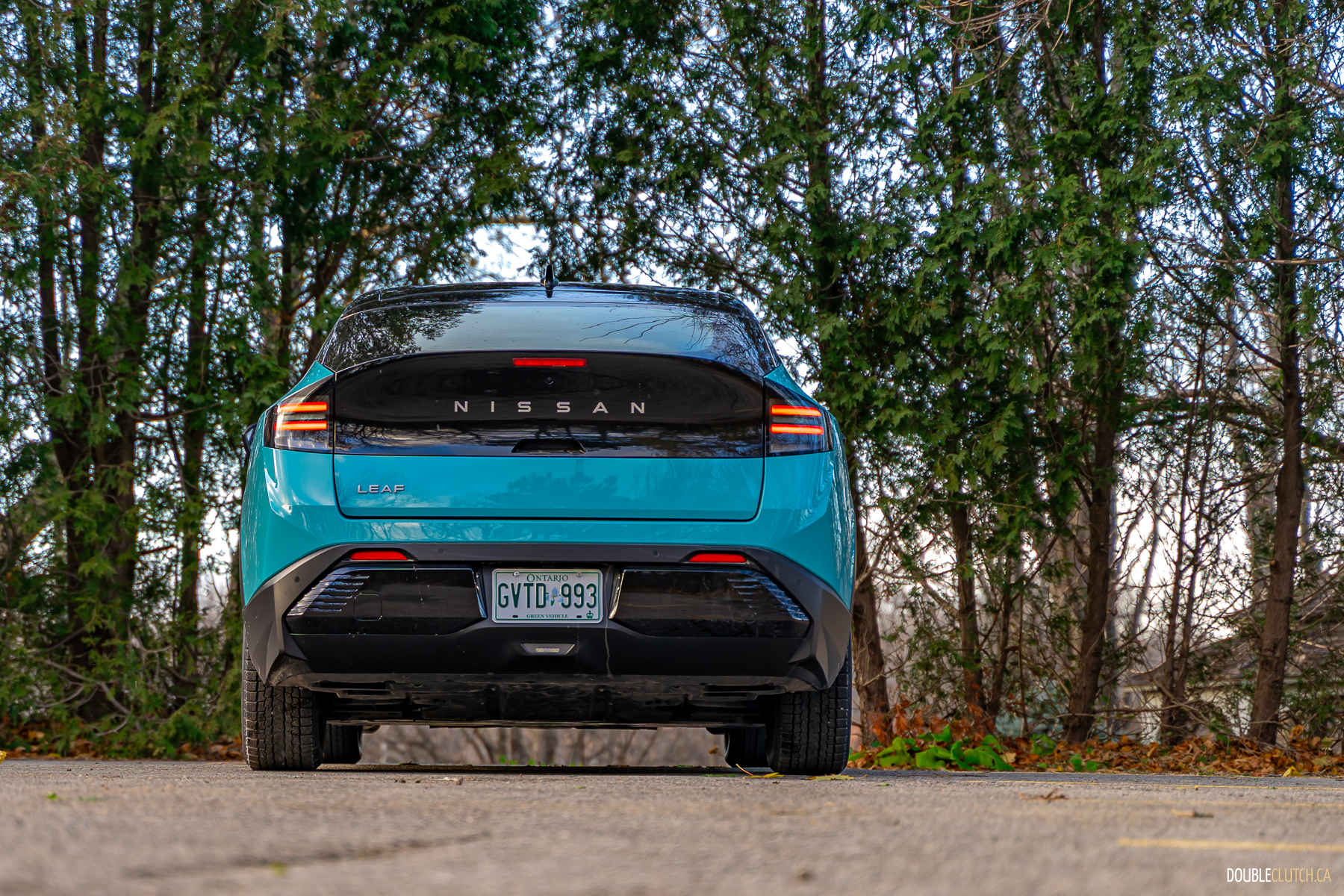
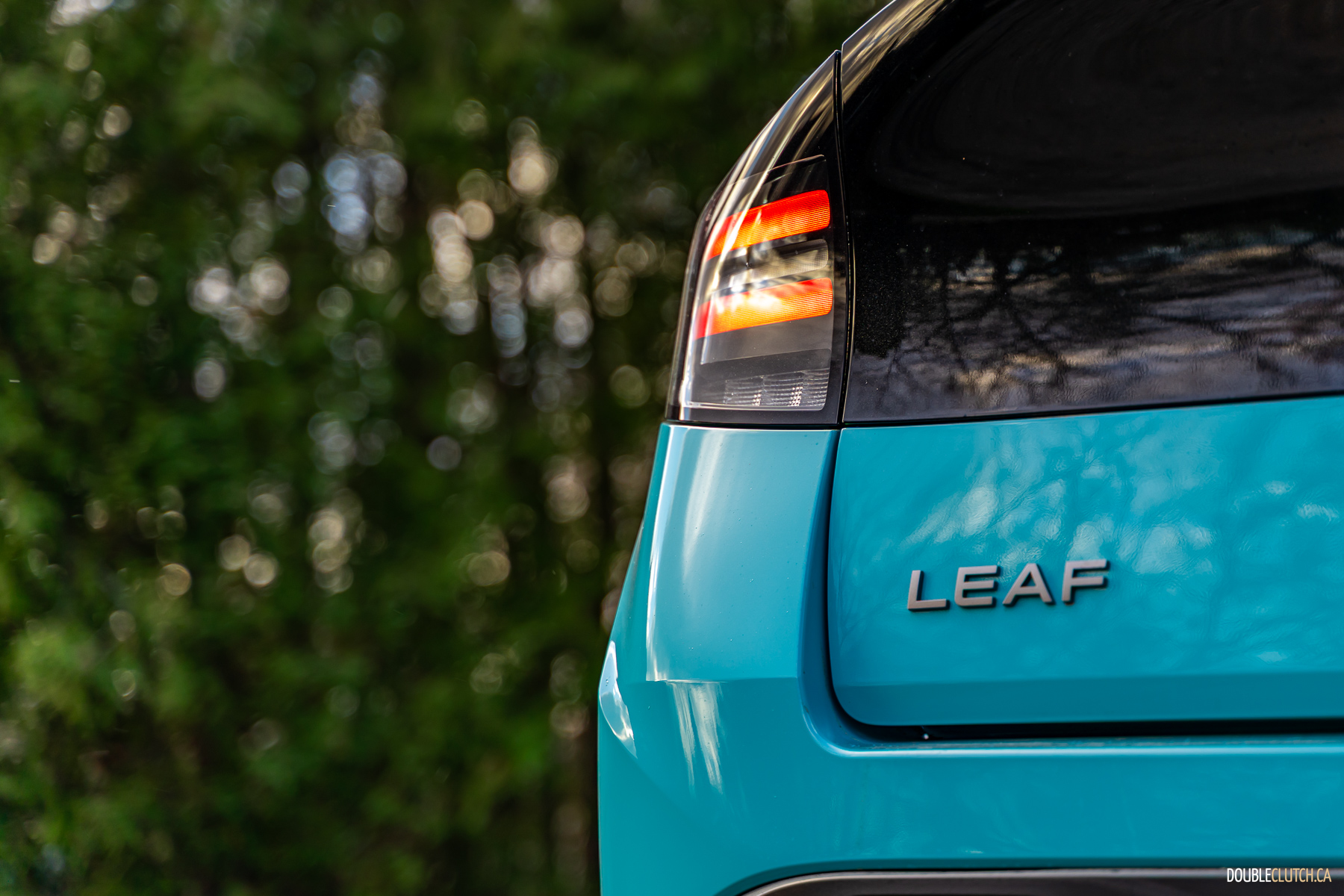
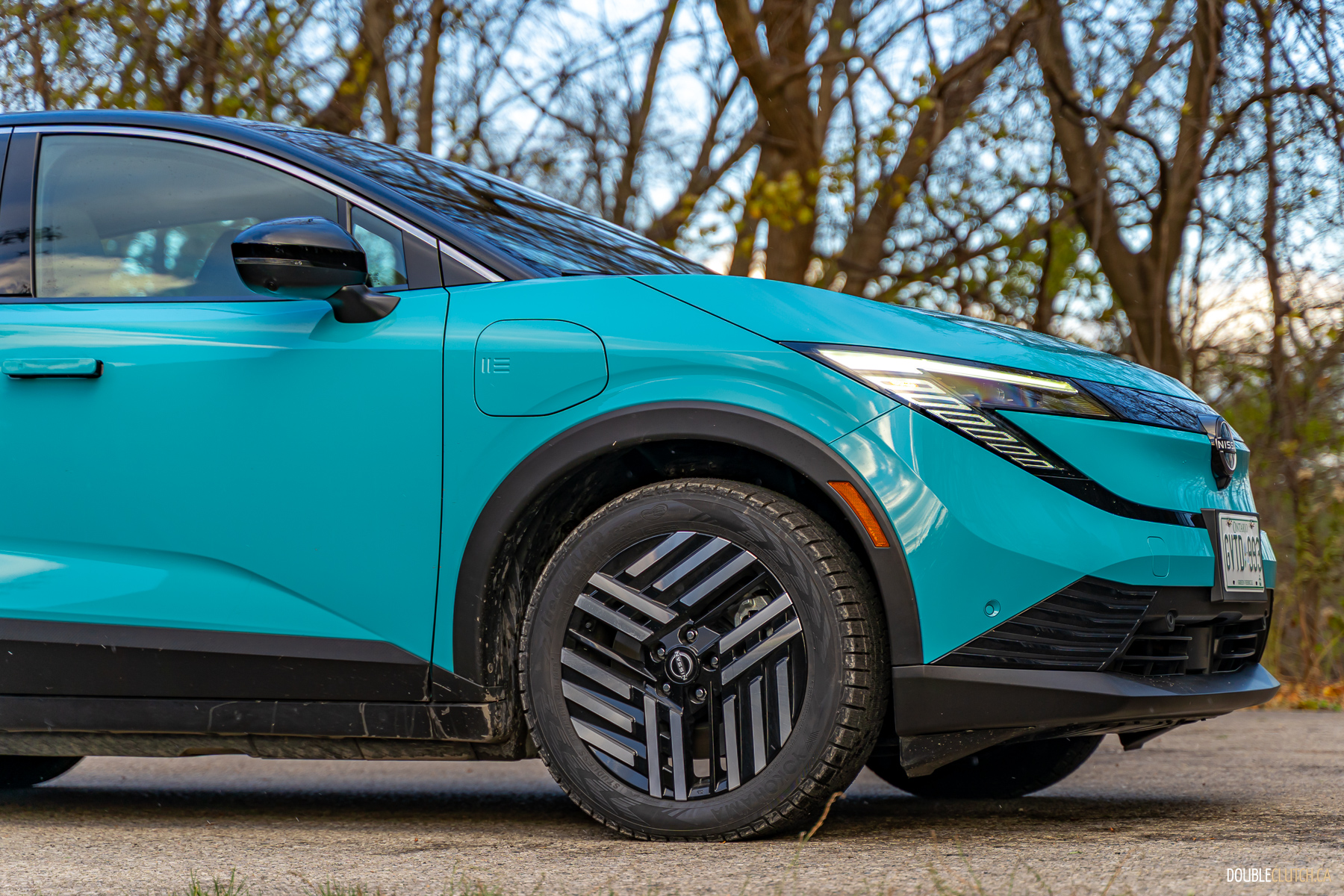
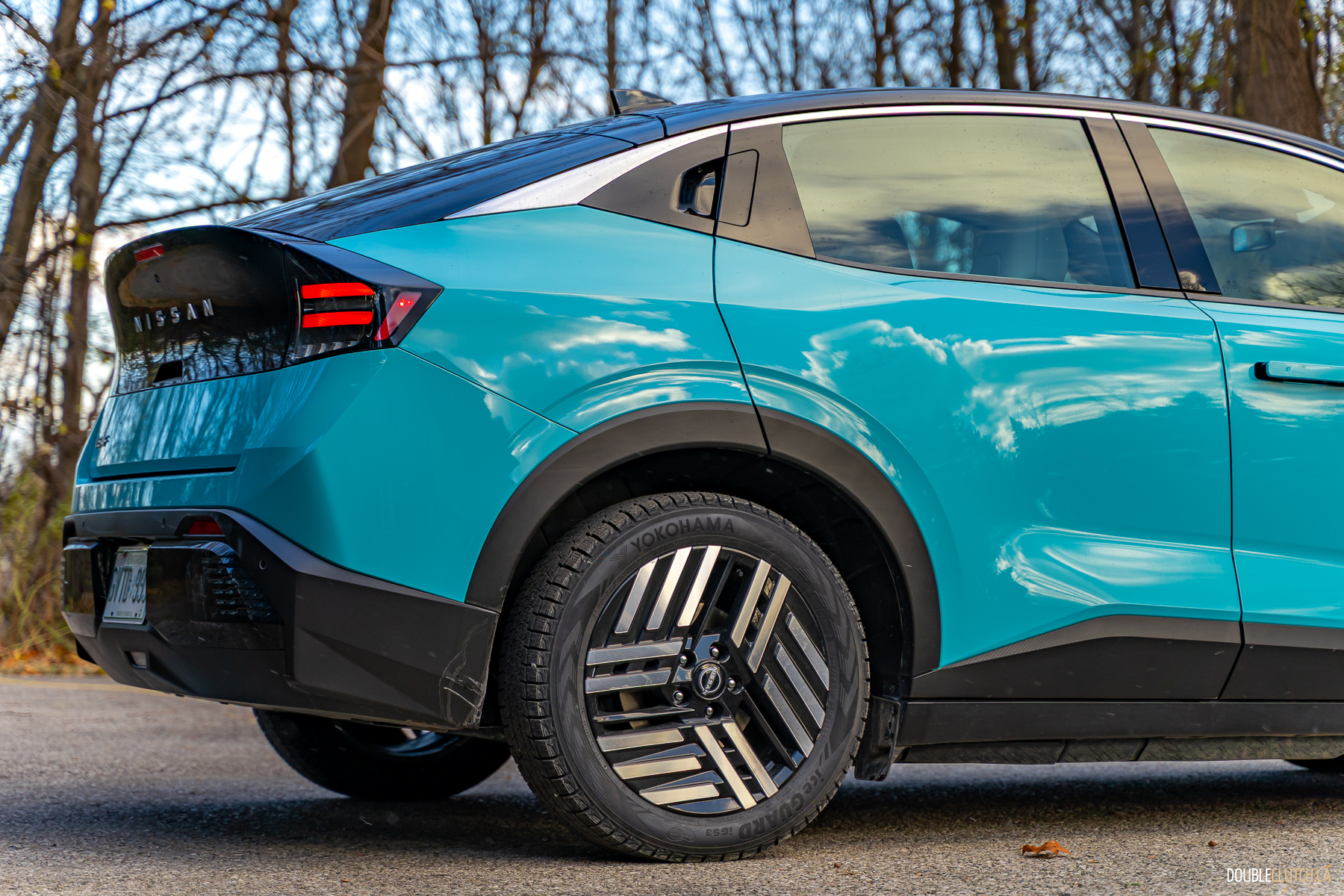
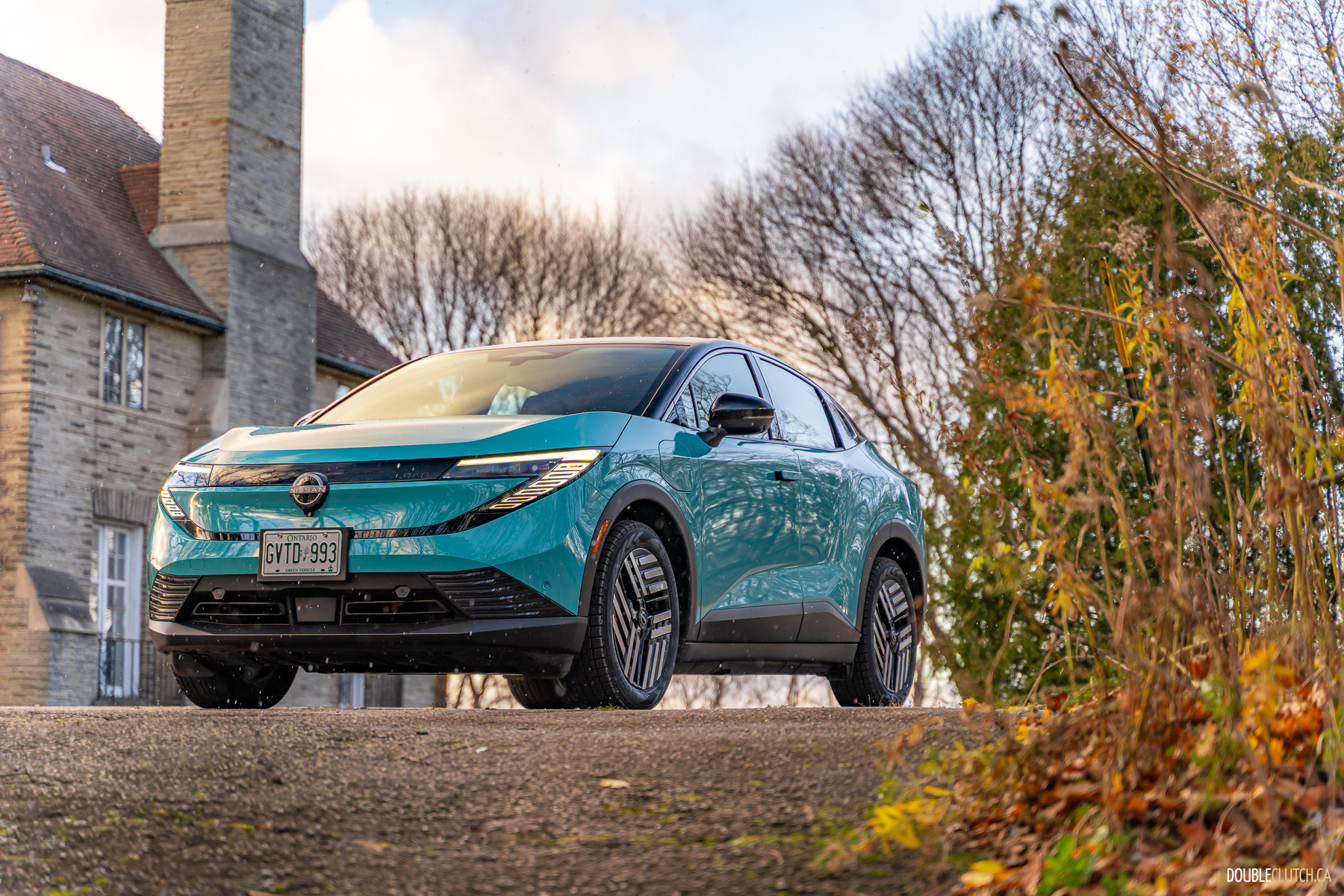
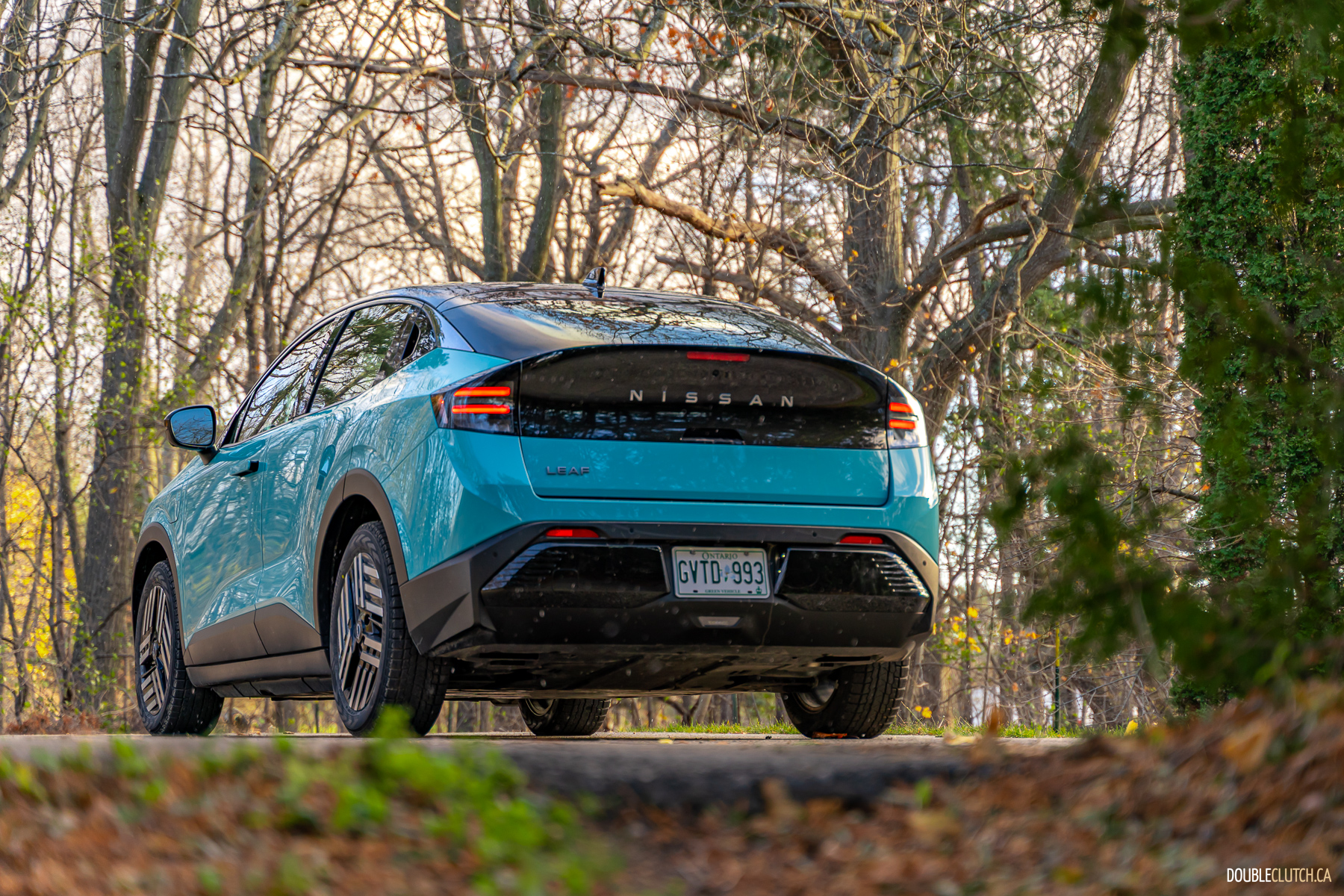
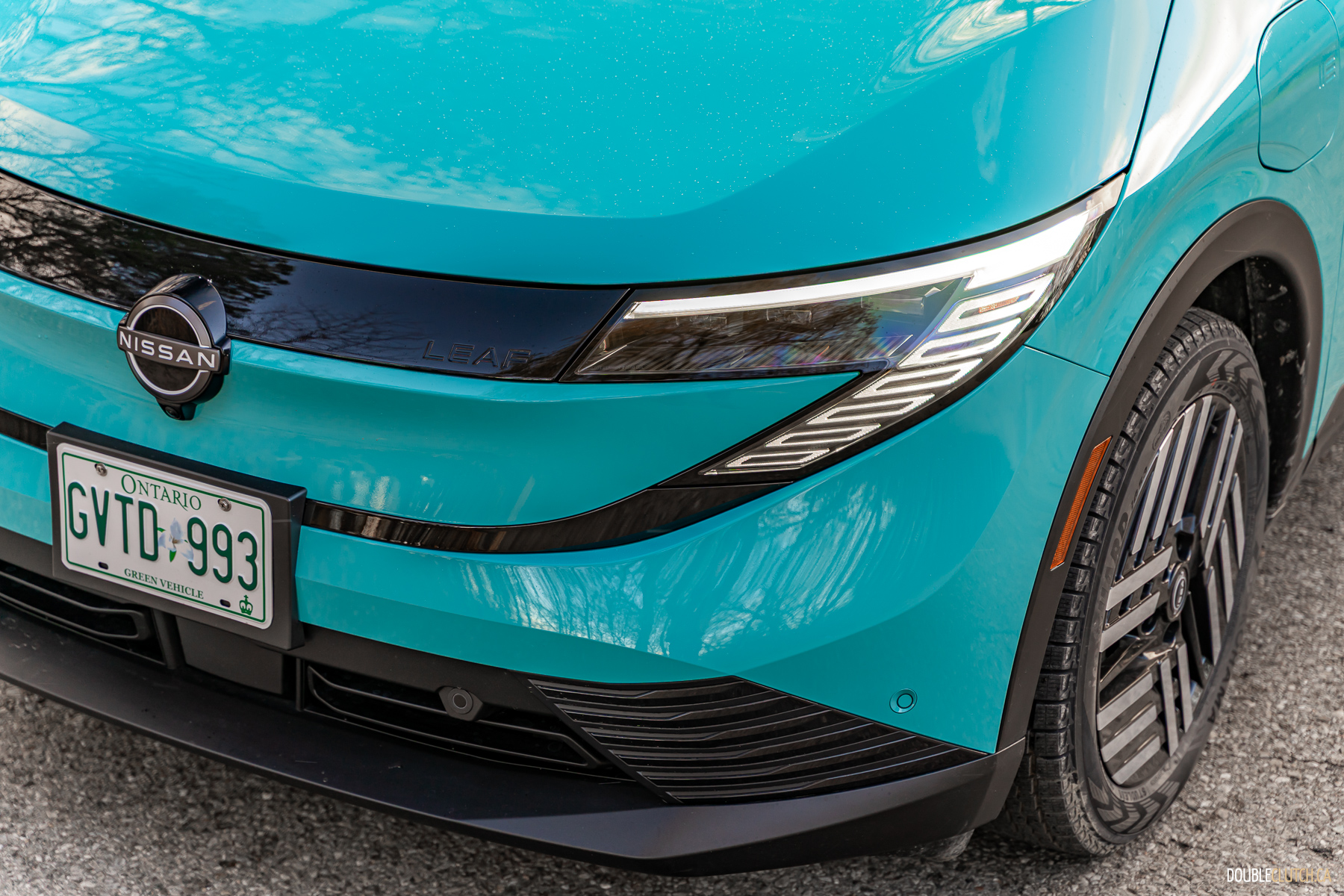
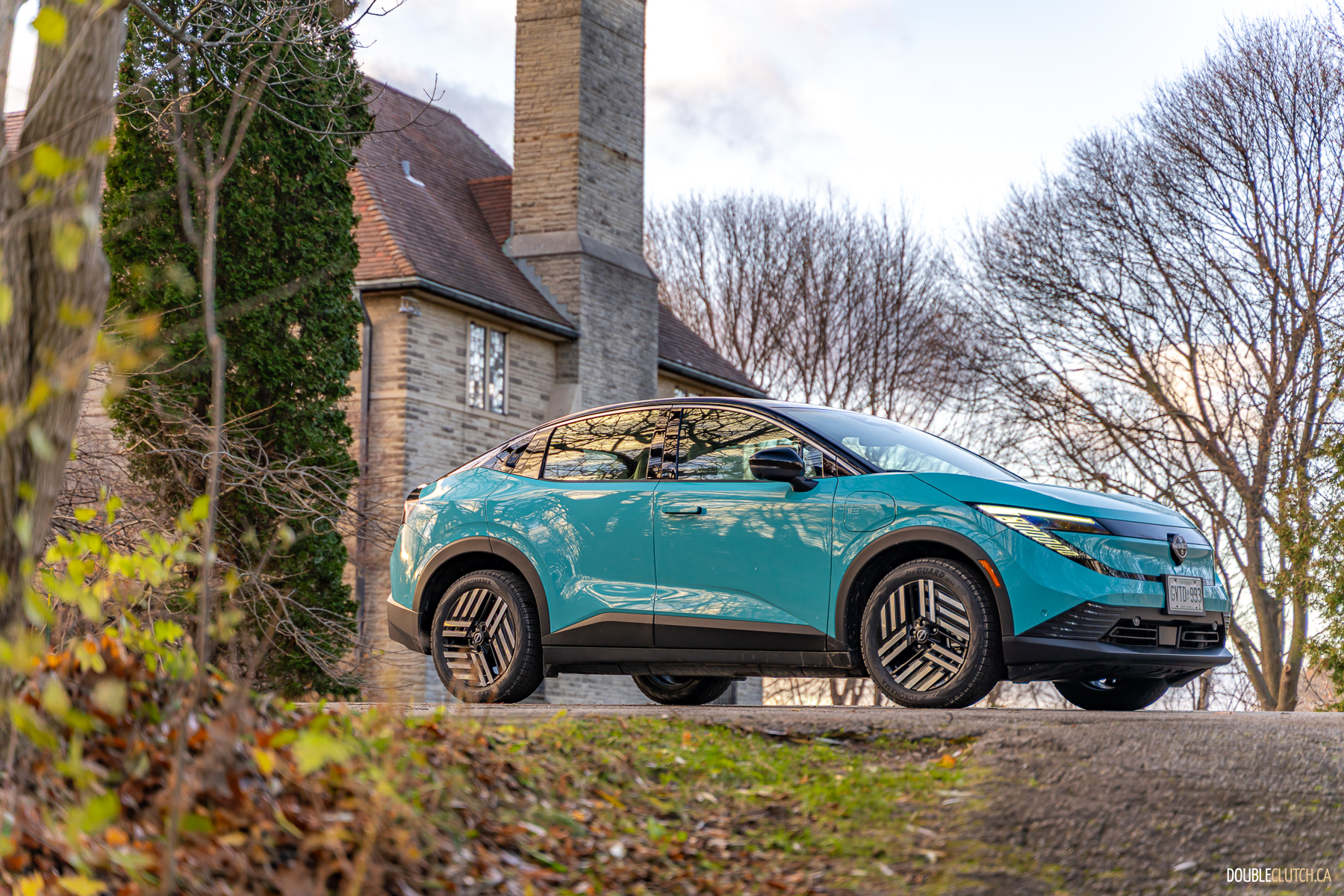
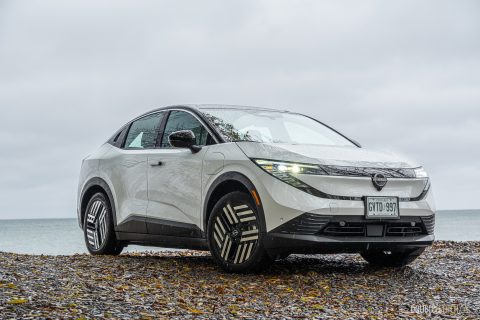
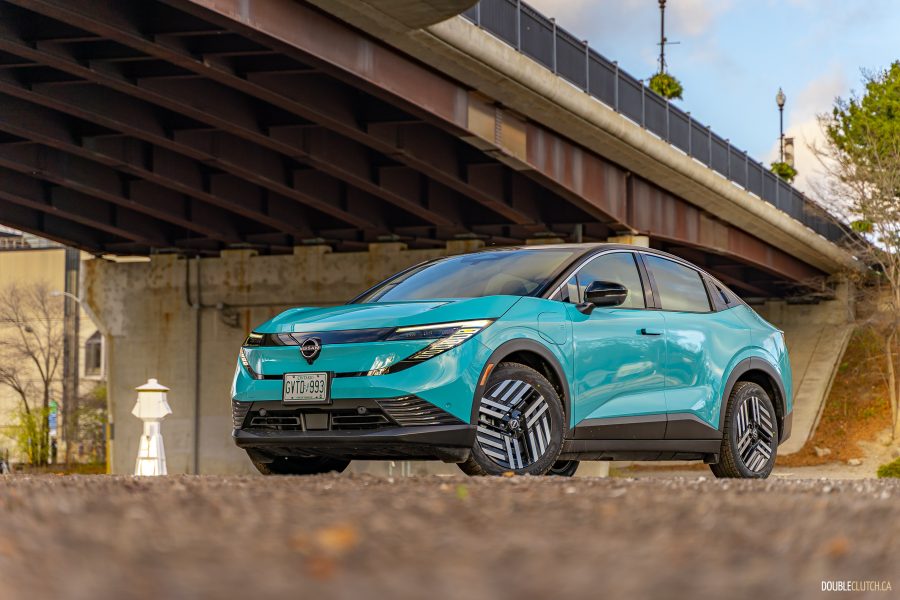
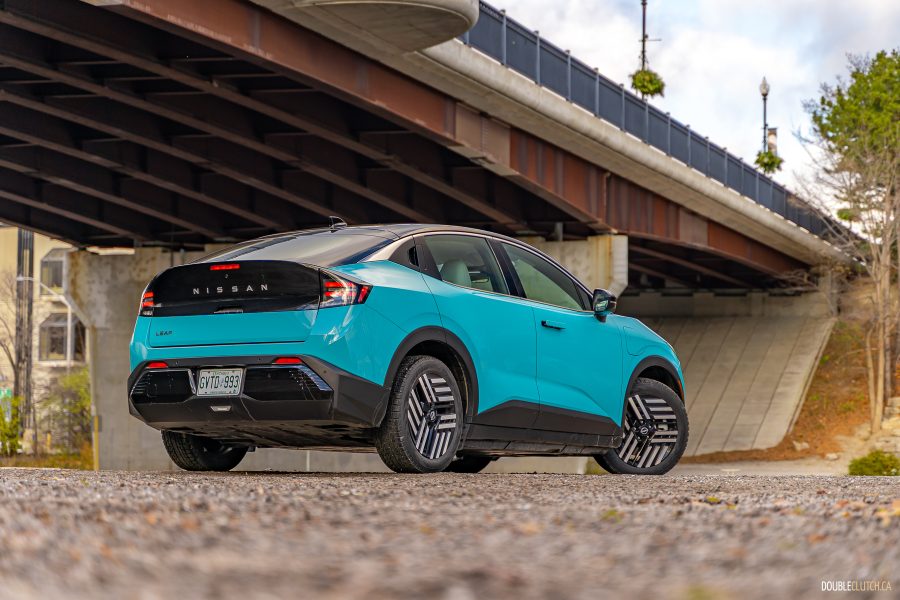
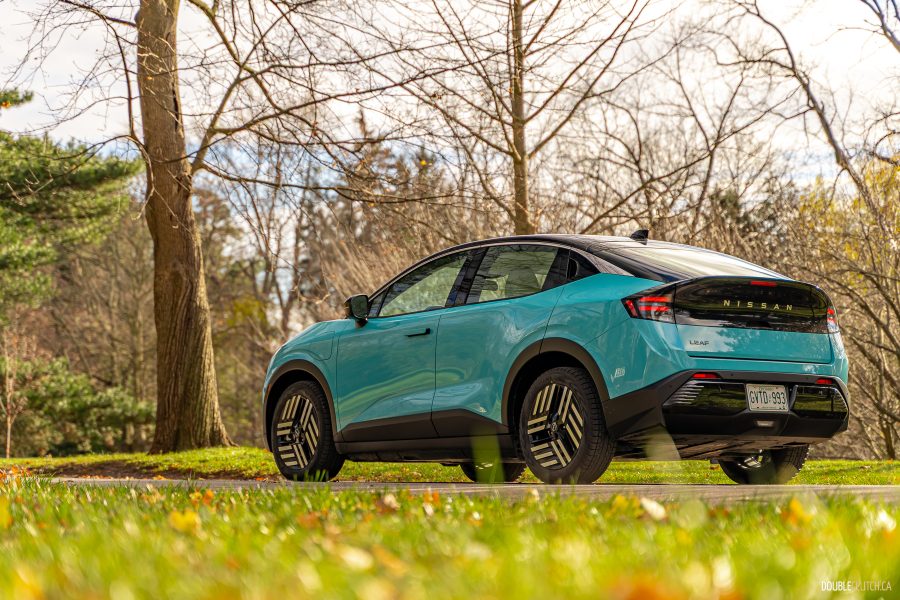
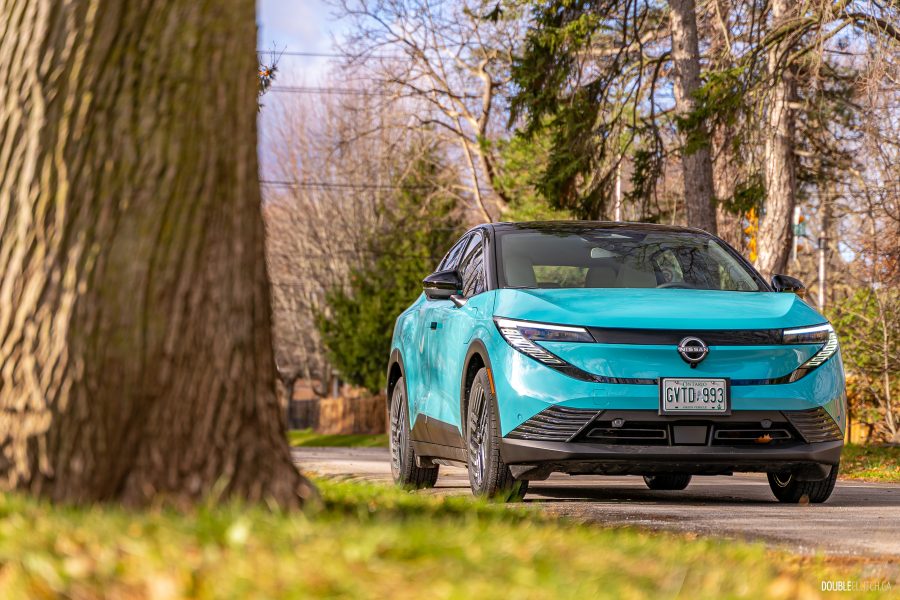
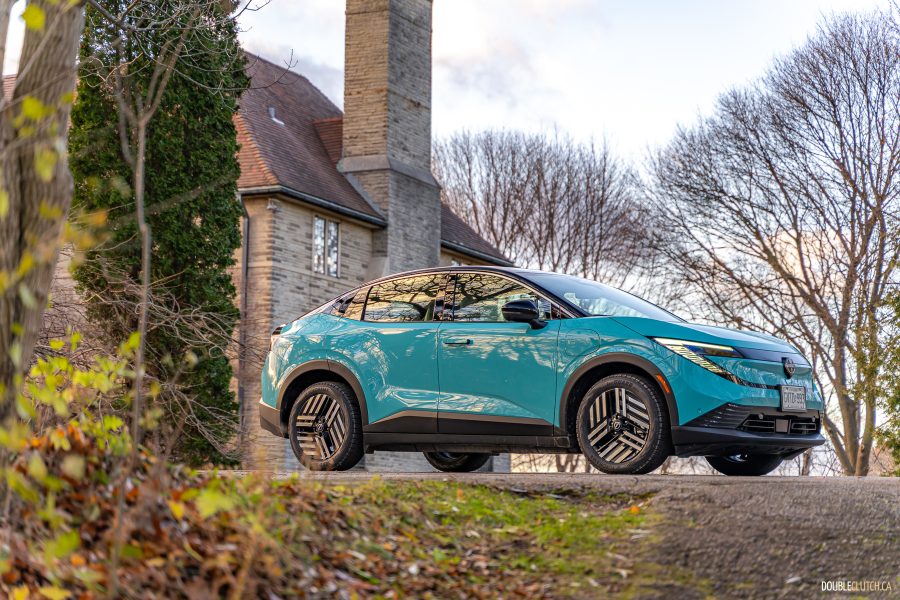
The original Nissan Leaf was a quirky little EV hatchback that was earnest, if maybe a little awkward. It didn’t look attractive, but it did attract attention. The second-generation Leaf had a more mainstream design and was, in my view, the best-looking of all three generations. Our 2026 Nissan Leaf is a love-it-or-hate-it design – I can’t not see Pontiac Aztek with the blacked out portion of the rear end. The two-tone colourway with Seabreeze Blue Pearl paint stands out, but it’s not for everyone. Regardless of whether or not you like it, it is very aerodynamically efficient with a drag co-efficient of just 0.26cd, enabling far better range than ever before – more on that later.
Interior Design and Space
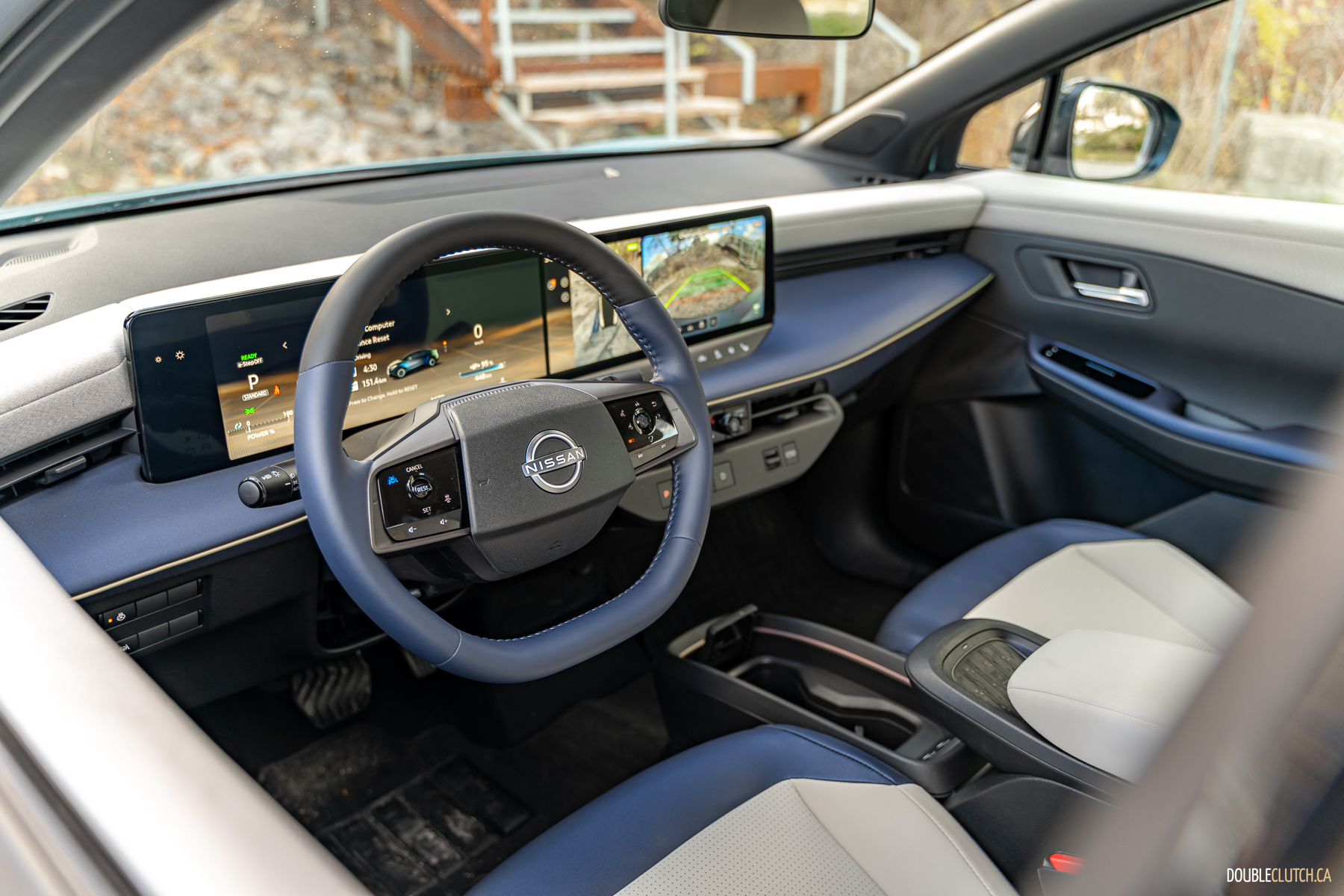
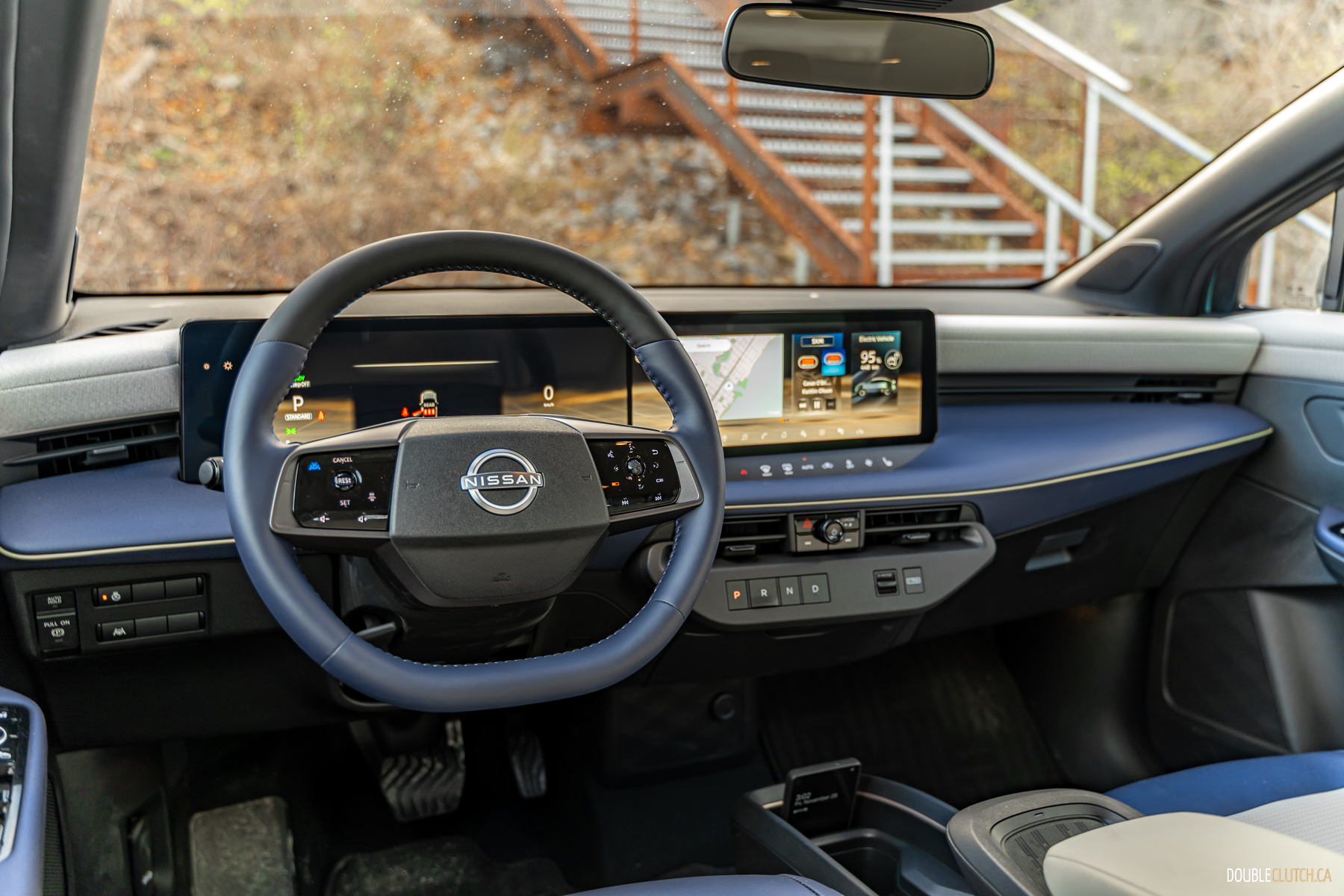
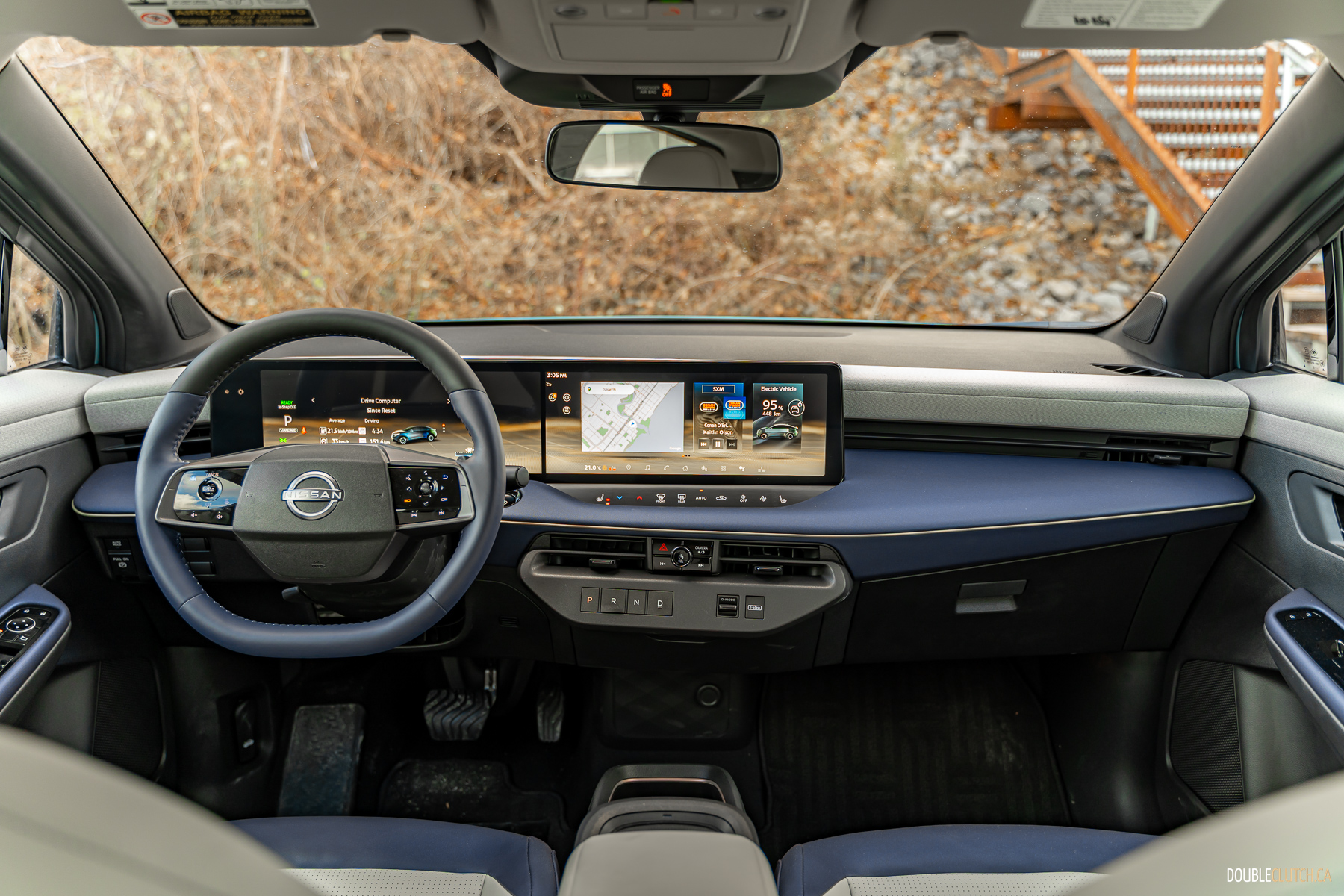
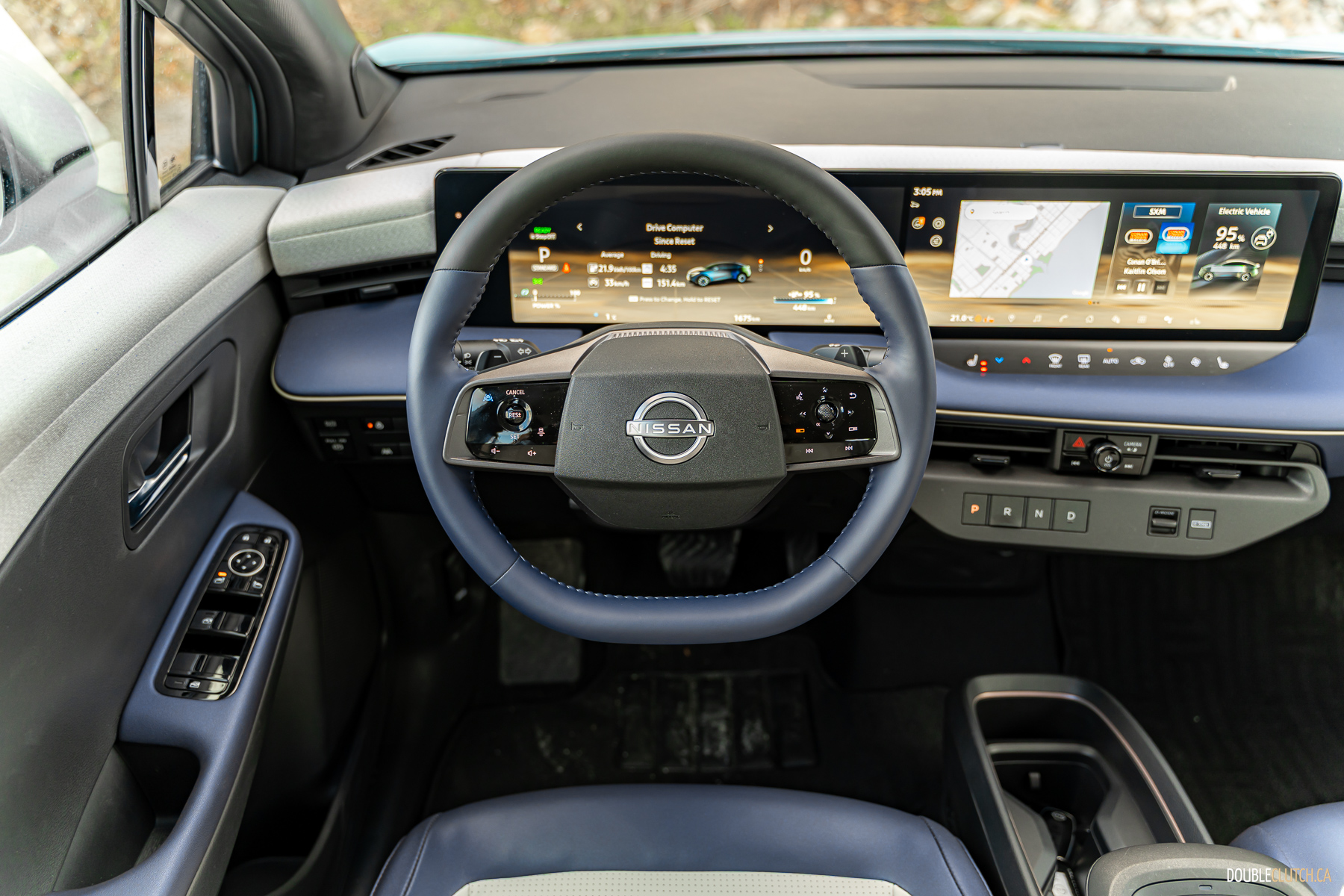
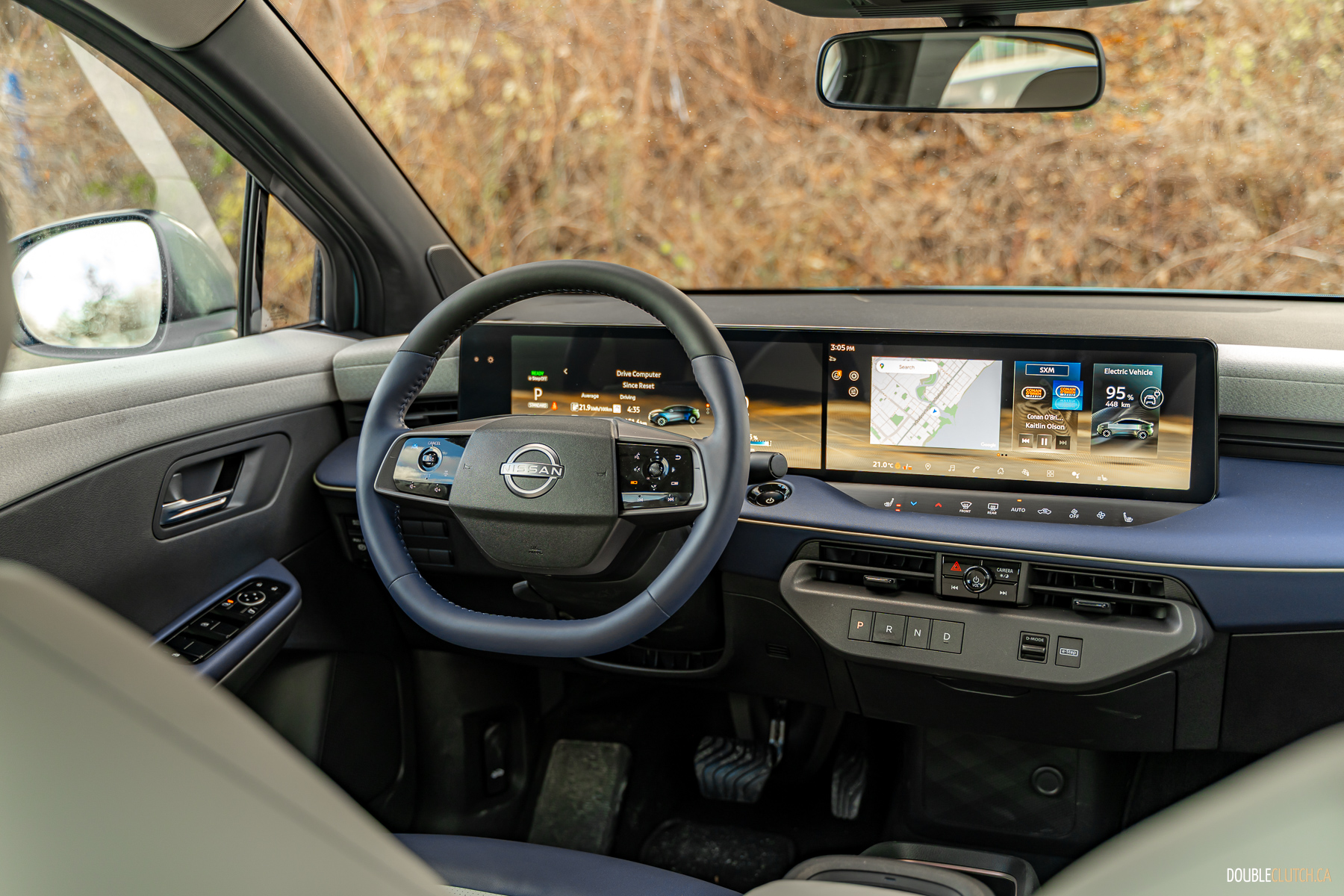
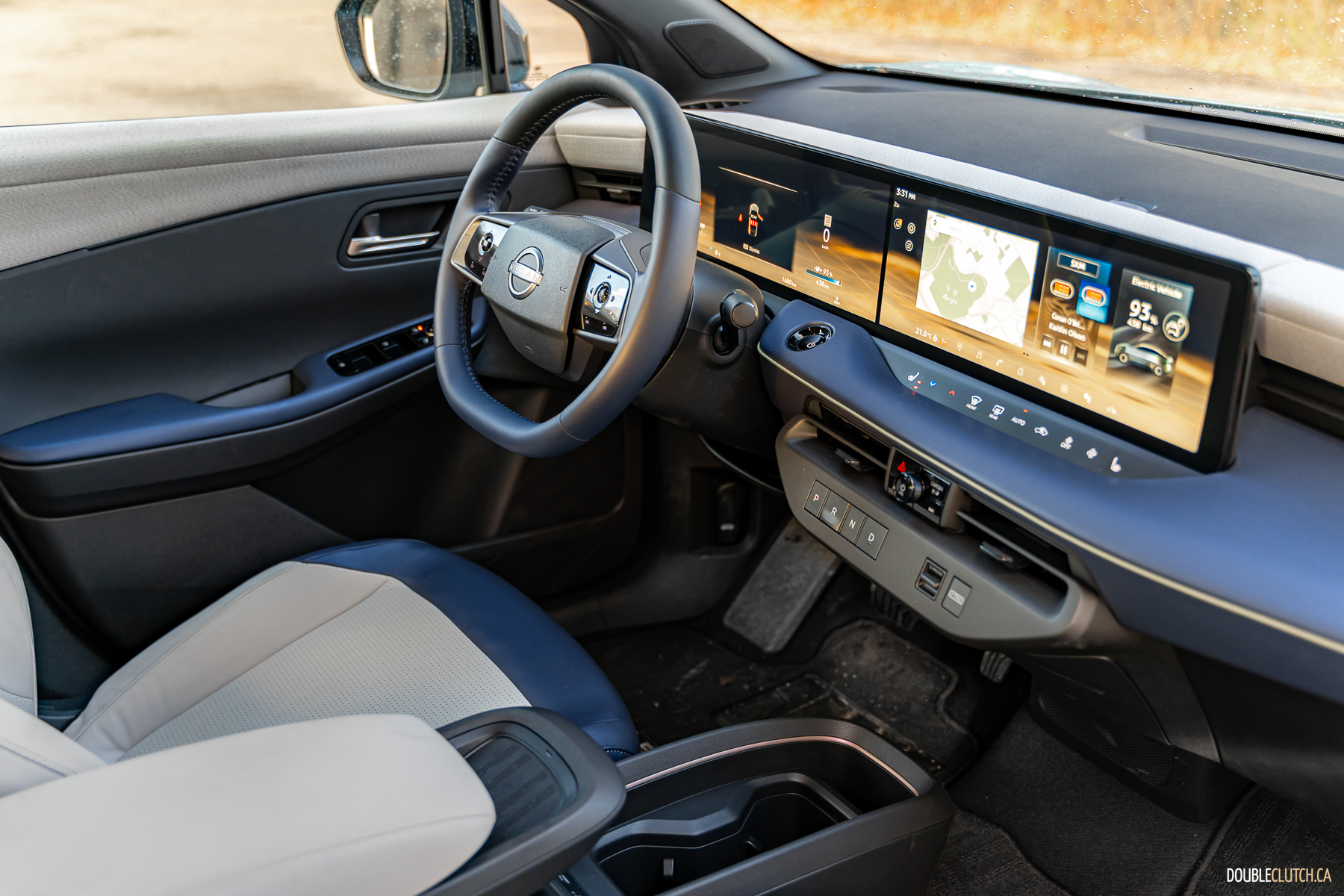
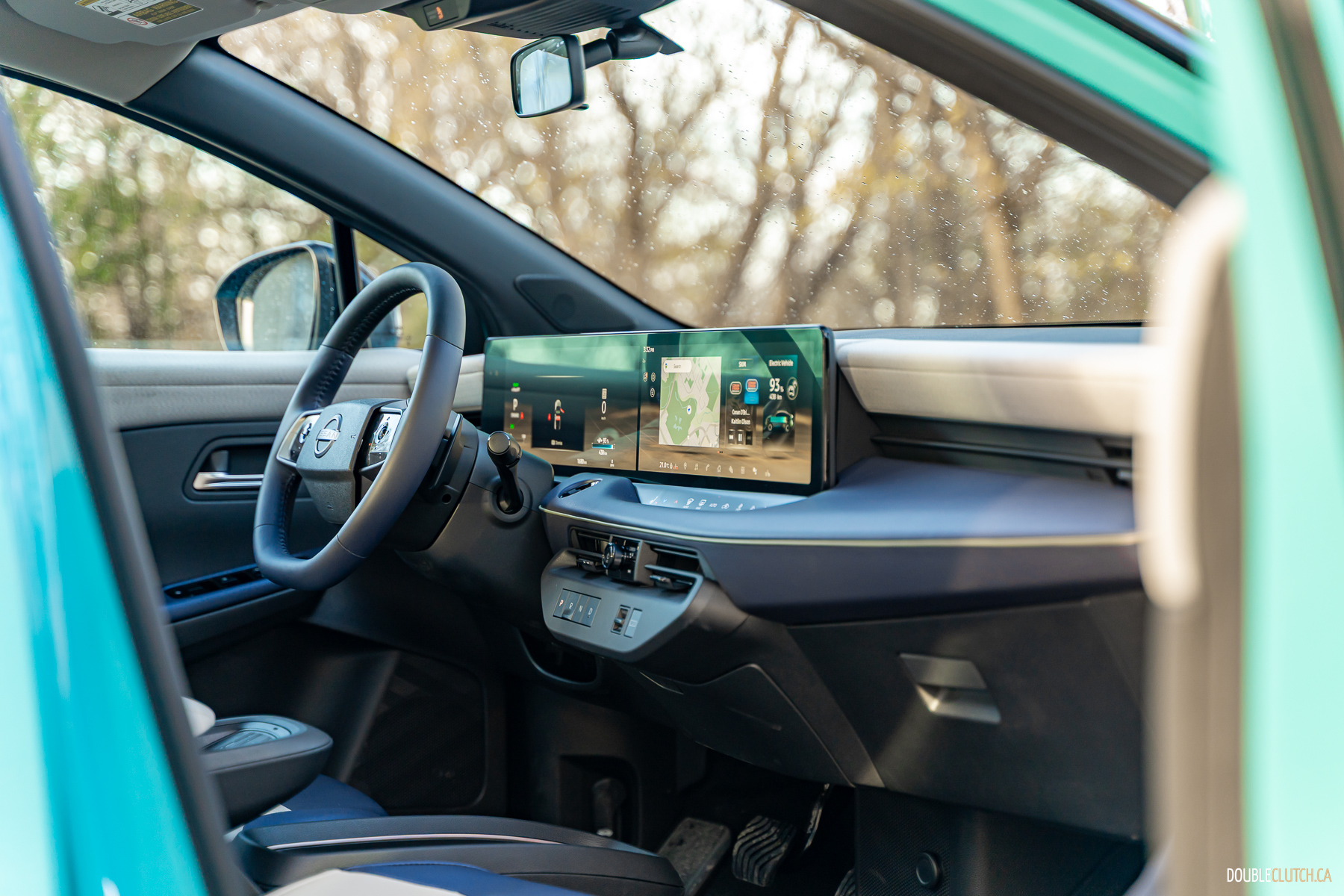
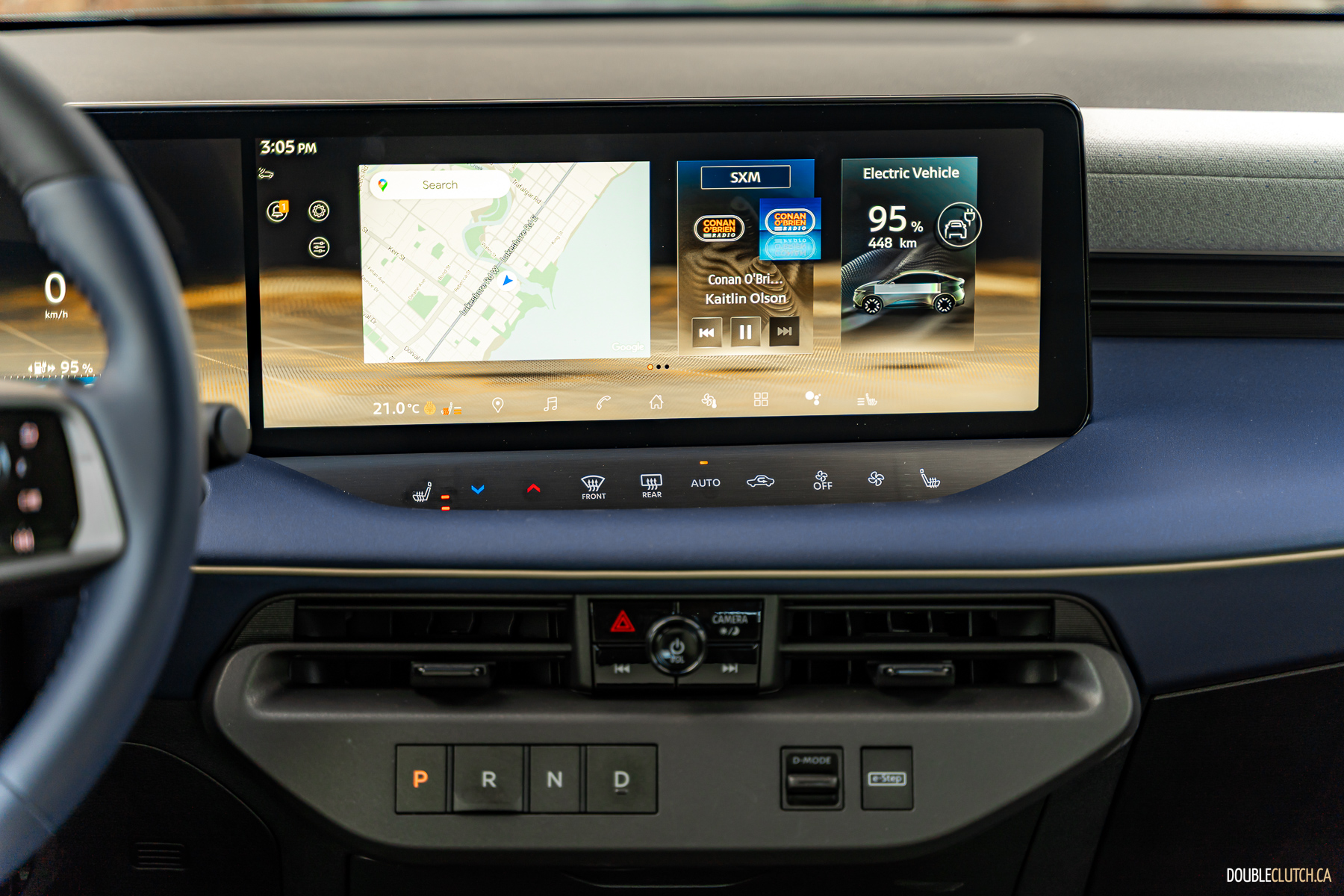
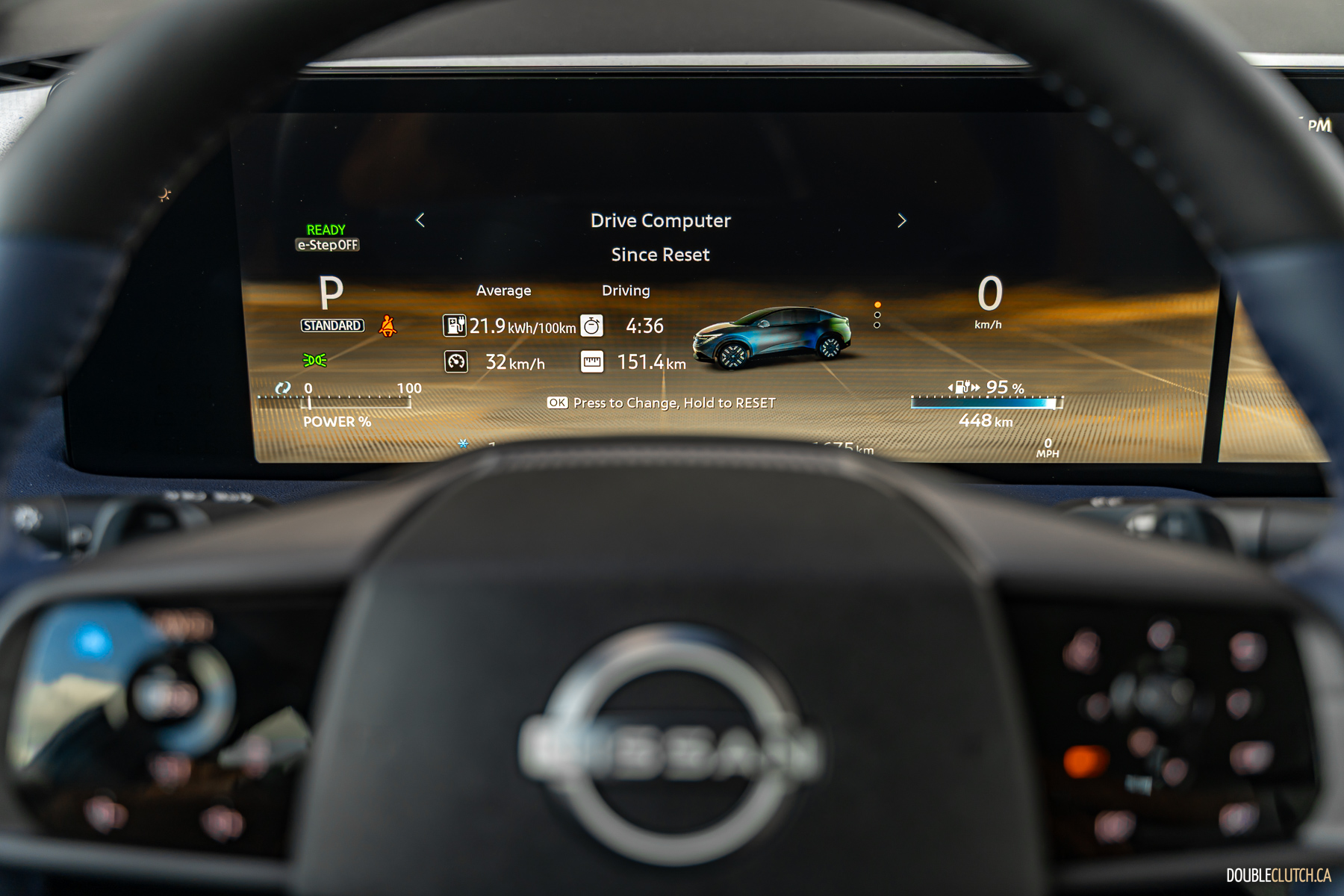
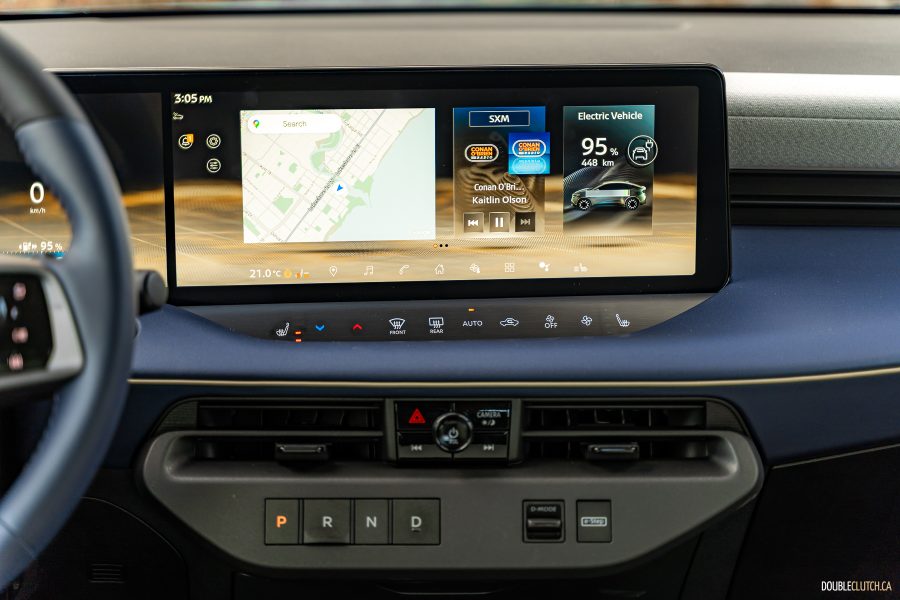
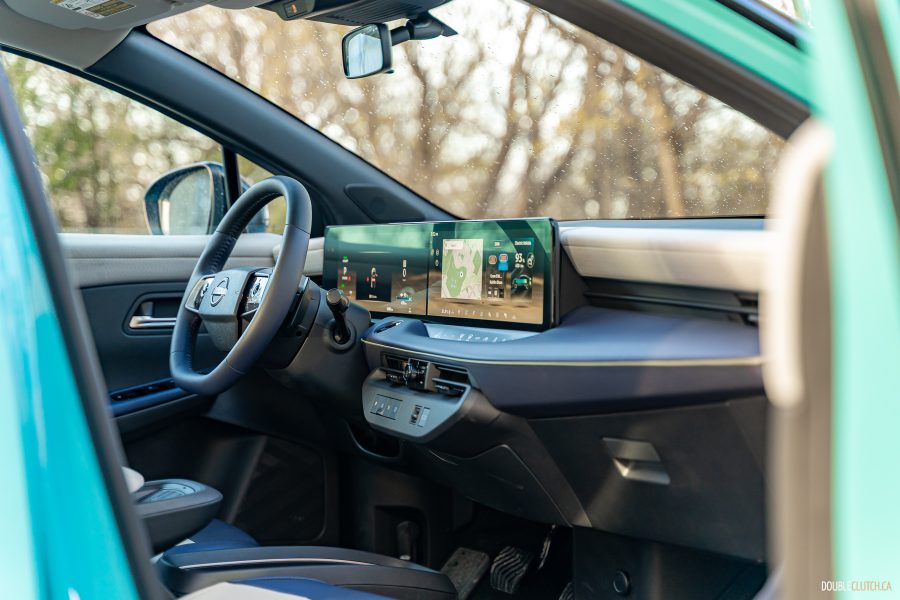
Inside, the 2026 Nissan Leaf greets you with a clean yet minimalist design that’s familiar from other modern Nissans. It’s very straightforward in its execution, and that’s okay with me. You get two large 14.5-inch screens that house the infotainment system and gauge cluster. They are clear and operate smoothly, and during our test week I encountered zero issues. Wireless Apple CarPlay and Android Auto are standard.
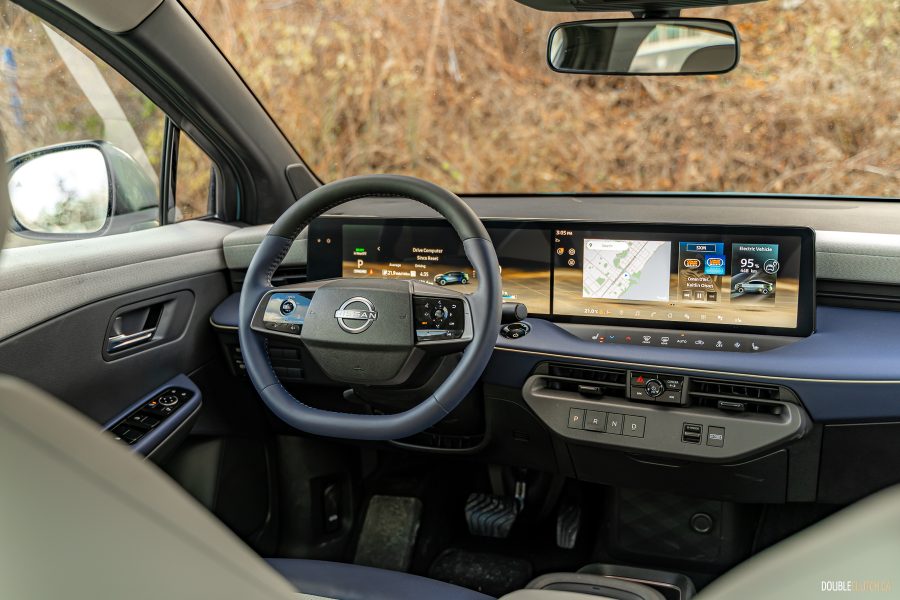
The interior layout is ergonomically sound with quality switchgear, and lots of it. There’s a volume knob, with buttons for track skipping, and a shortcut to the very clever surround view parking monitor, with virtual 3D angles for tricky maneuvering. There’s also a line of fixed climate controls under the centre display, and while I don’t love that they’re capacitive touch, I like that they’re there and not on-screen. I’m less of a fan of PRND buttons on the dashboard, but to each their own.
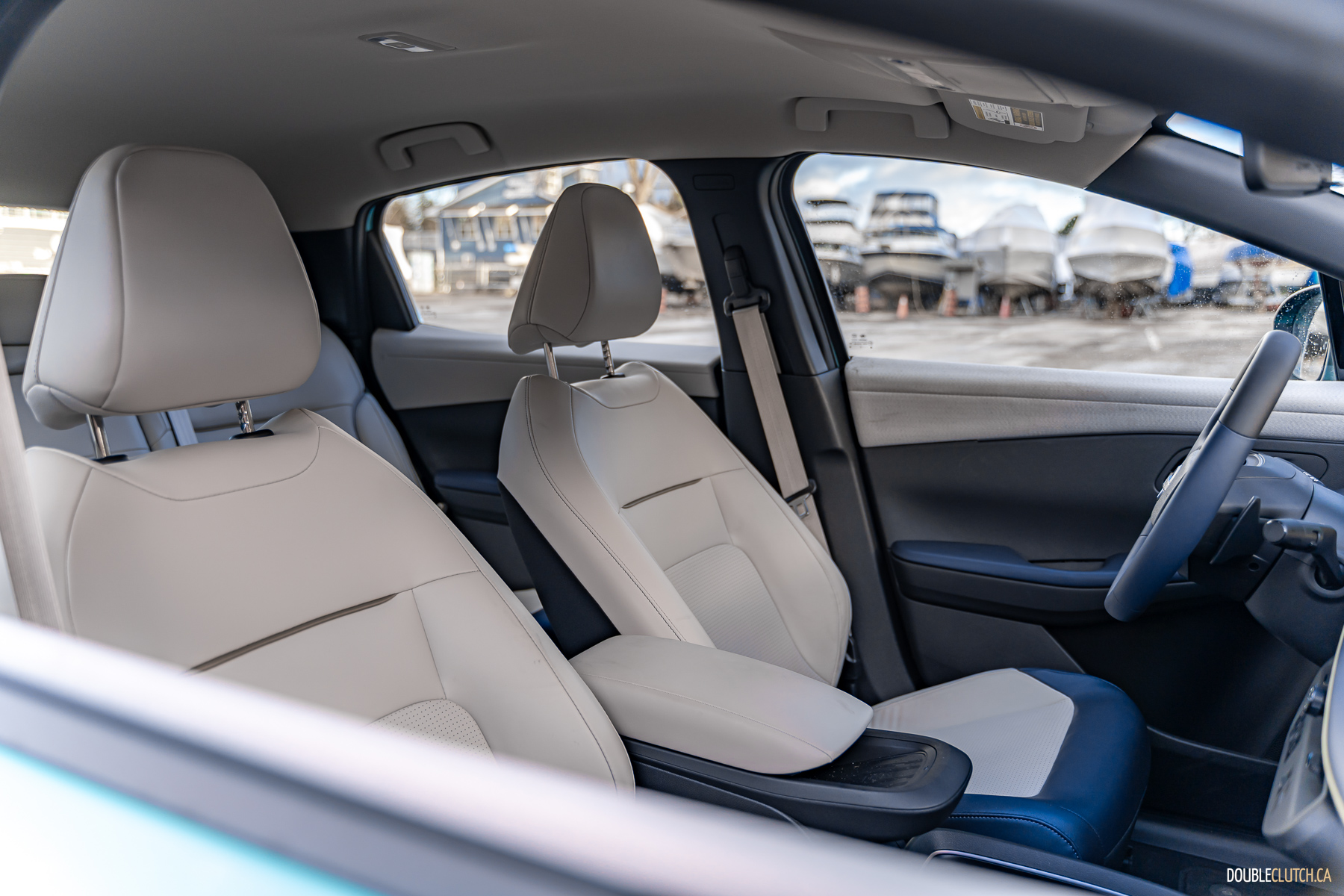
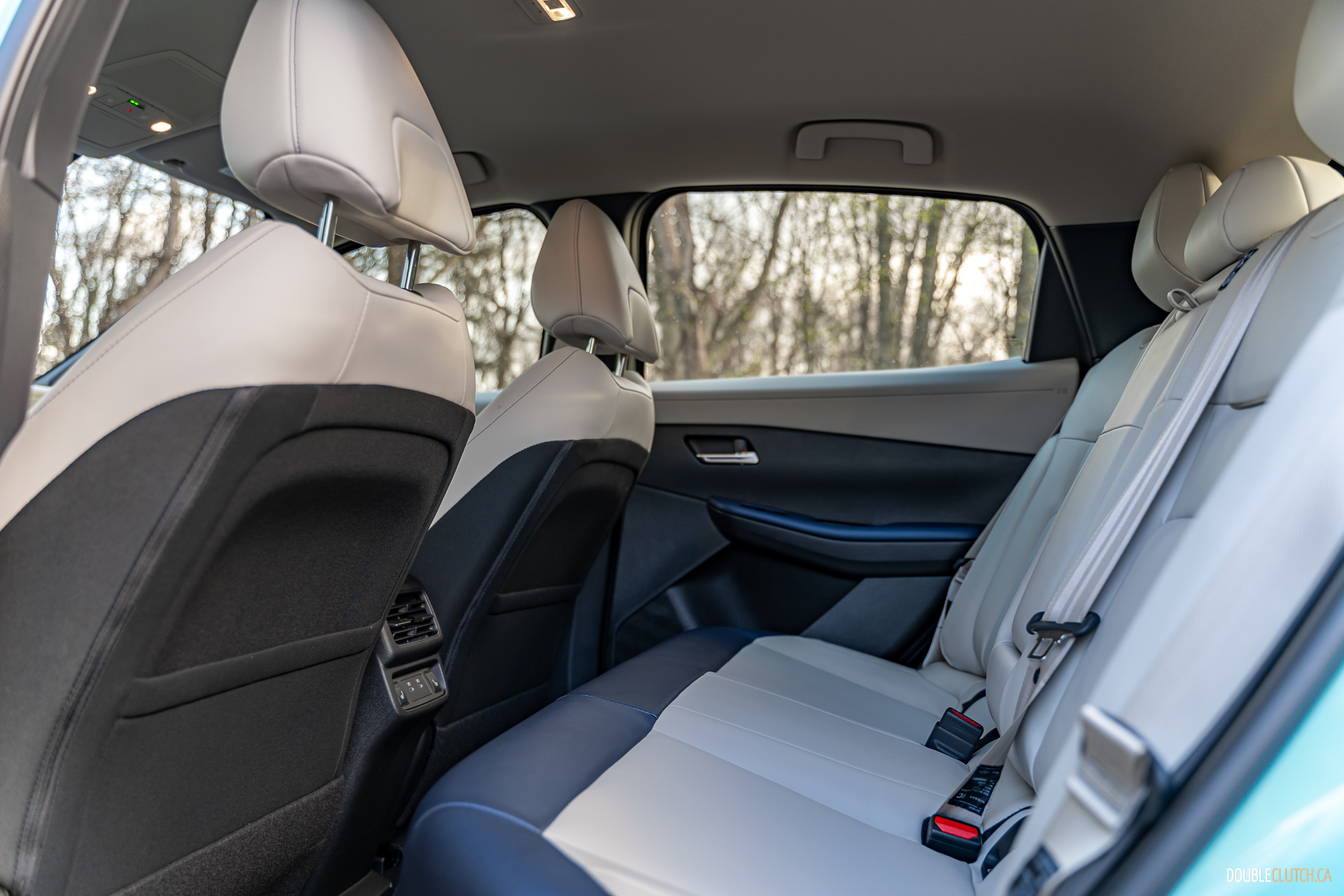
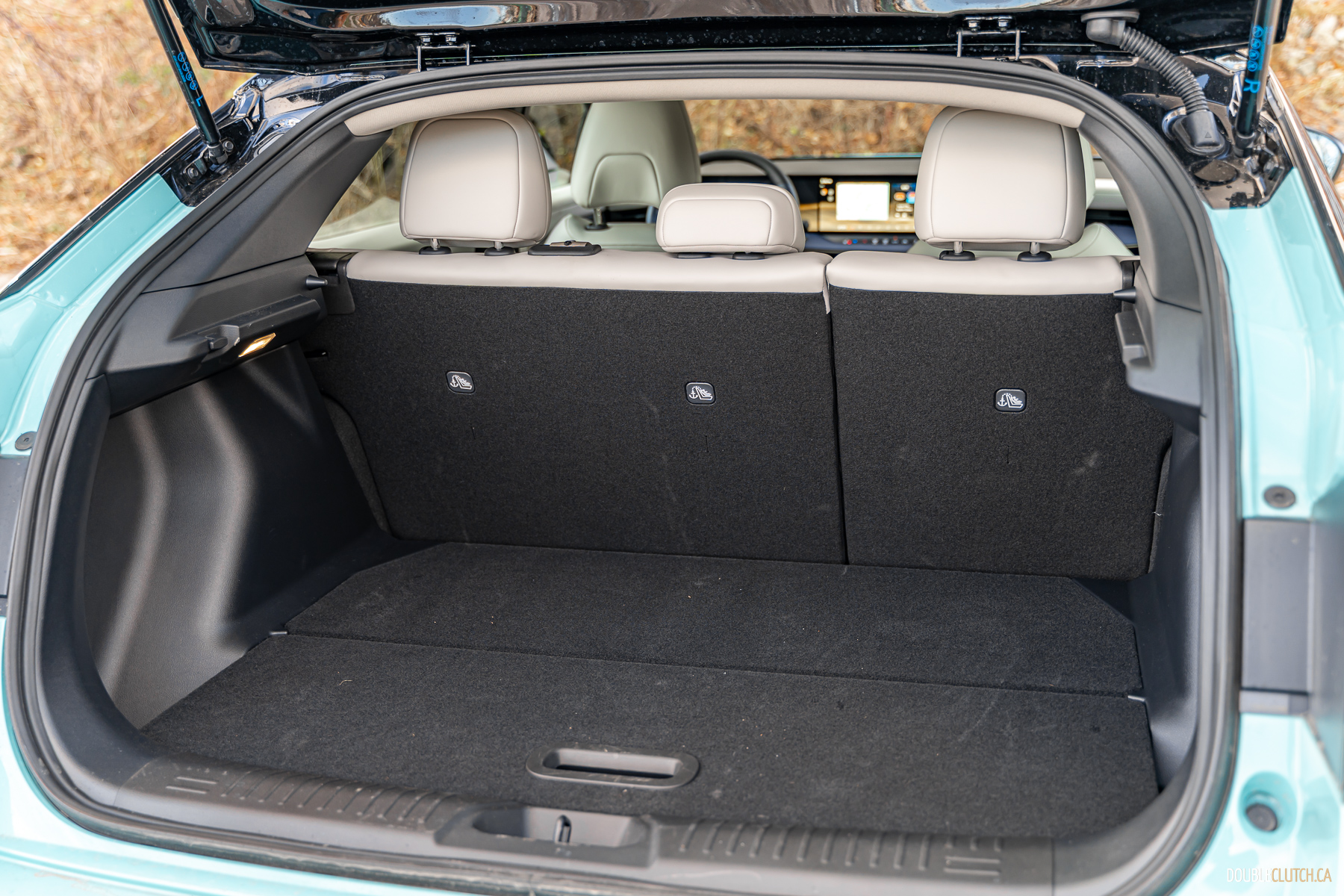
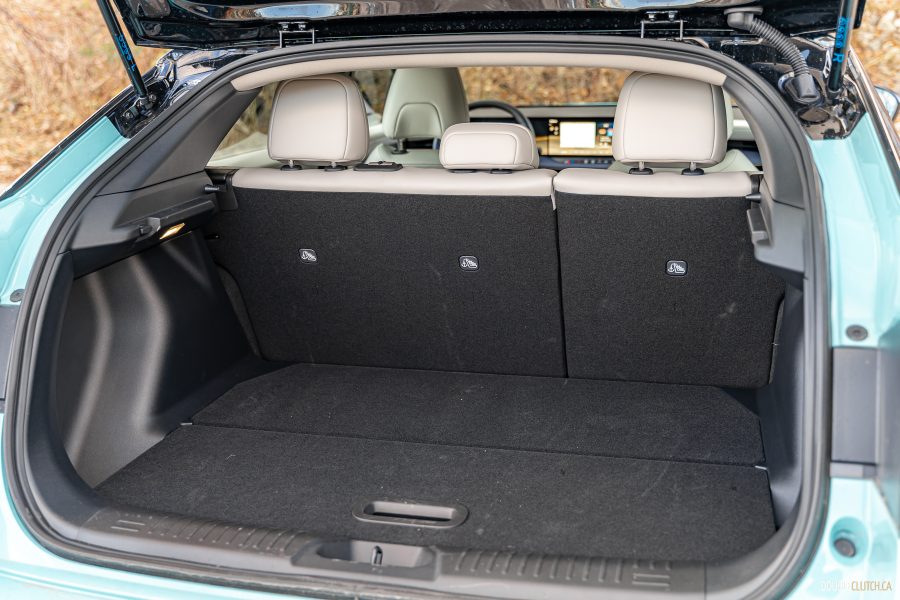
The new Leaf is a little smaller than before; where it used to be relatively roomy, it’s now gotten a little snug. Rear-seat space is tight in the all-new Leaf. With the front seat set for my 6-foot-3 frame, legroom behind me is nearly nonexistent, and I’m not the only driver that struggled to find a comfortable seating position, despite the comfy chairs. Cargo space behind the foldable rear seats totals 556 litres, which isn’t bad, but a bit of a concession over the previous car – still more than enough to live with for a small city car.
Driving impressions
Buyers looking for Tesla Performance numbers in the 2026 Nissan Leaf will need to look elsewhere. With a single electric motor powering the front wheels and no all-wheel-drive option available, this torquey EV struggles for traction on slick roads and in winter conditions. With 214 horsepower and 261 foot-pounds of torque, it does its job well enough to keep pace with traffic. Expect a 0–100 km/h run in about 6.9 seconds, nearly identical to a Toyota Prius PHEV at 6.8 seconds. Thankfully, the Leaf delivers its performance smoothly and mostly without drama, if your heavy foot isn’t leaning the traction control system to keep things in check.
Don’t expect sporty handling from the 2026 Nissan Leaf. The suspension is clearly tuned for comfort over engagement, with noticeable body roll and relaxed responses to inputs. Having said that, it’s not completely numb, it still inspires some confidence, and it is exceptionally comfortable and quiet.
Range and Charging
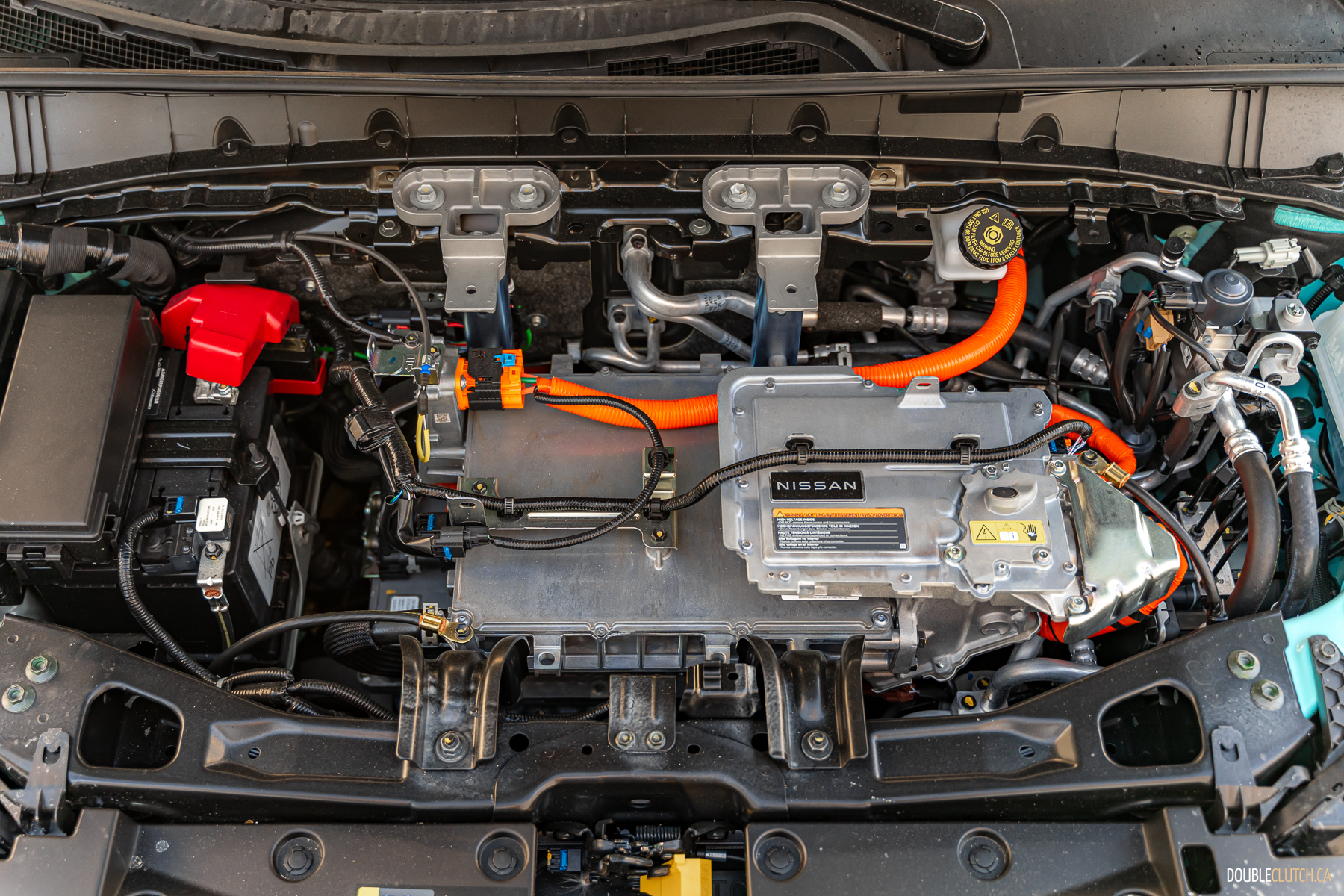
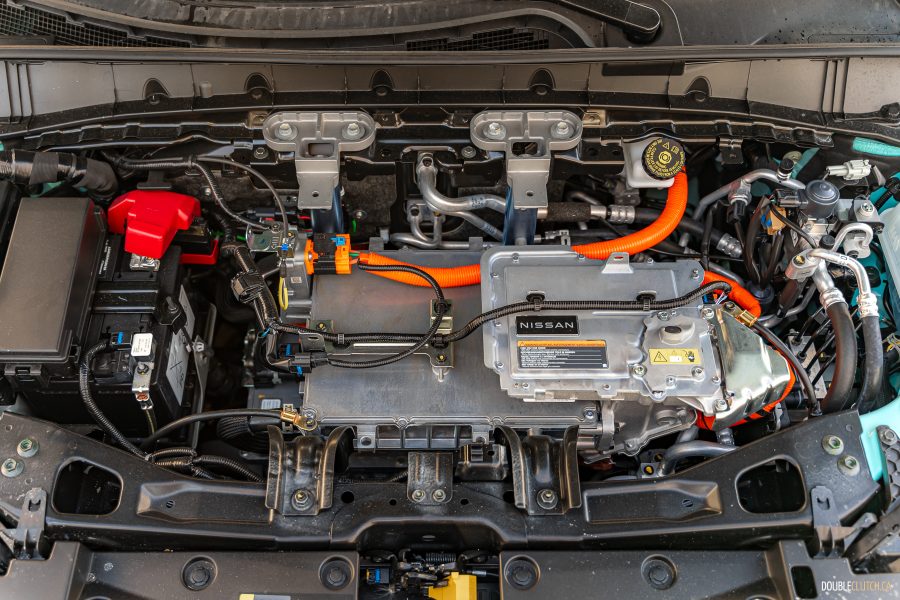
Perhaps the biggest highlight of the new leaf is its greatly improved battery and charging technology. The original Leaf was so early to market that it lacked any real provisions for thermal management, which reared its ugly head as a big problem in colder climates. That is no longer the case with new Leaf, with all models (in Canada) using a 75kWh battery managed by a standard heat pump that ties into the motor, inverter, and cabin for maximum efficiency. For added flexibility, the Leaf has a both standard J1772 charge port like you’d find on a Level 2 unit at home or the office, and a NACS port for access to the Tesla Supercharging network – mounted on the right and left fenders, respectively.
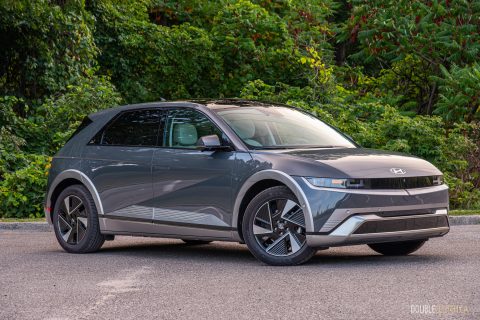
Nissan’s official estimated range is 488 kilometres, with our SV+ tester taking a slight dip down to 463 kilometers. It can charge at up 150 kW on a DC fast charger in 35 minutes, but we found at home-charging to be rather slow with its disappointing 7.2 kW on-board inverter (we had the same problem with the Ariya). While it’s still not Hyundai Ioniq 5 good on this front, it’s a big improvement for Nissan and now stands in line with its competitors.
Value and Summary
With a starting price of $44,998 for the 2026 Nissan Leaf S+, it remains one of the most affordable EVs on the market. Our SV+ tester starts at $47,998, with the Seabreeze Blue Pearl paint adding $795 to the sticker. A base S model with a smaller battery and an even lower price point should be here by the end of the year. Compared to something like a Hyundai Kona EV, the 2026 Nissan Leaf offers a similar price point, better range, and a much more refined interior. The Chevrolet Equinox EV with front-wheel drive, however, emerges as a strong alternative, offering a slightly lower entry price, more interior space, and comparable range.
With polarizing styling, the 2026 Nissan Leaf faces an uphill battle. Still, it presents a compelling value for buyers seeking an affordable EV with more than 400 kilometres of usable range. Backed by over a decade of EV experience, Nissan has the knowledge to compete. Now it needs to broaden its lineup to remain relevant in a rapidly growing segment.