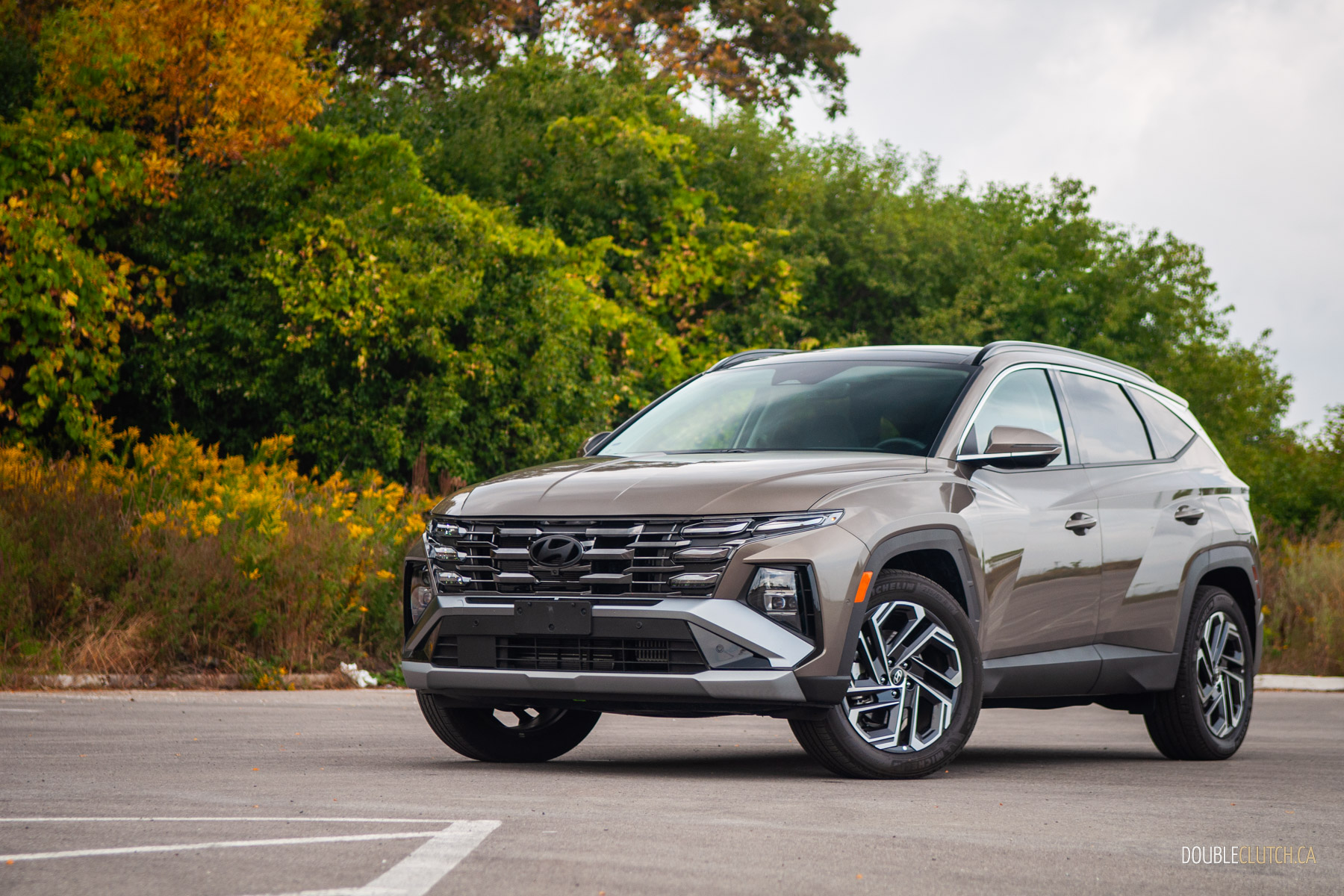
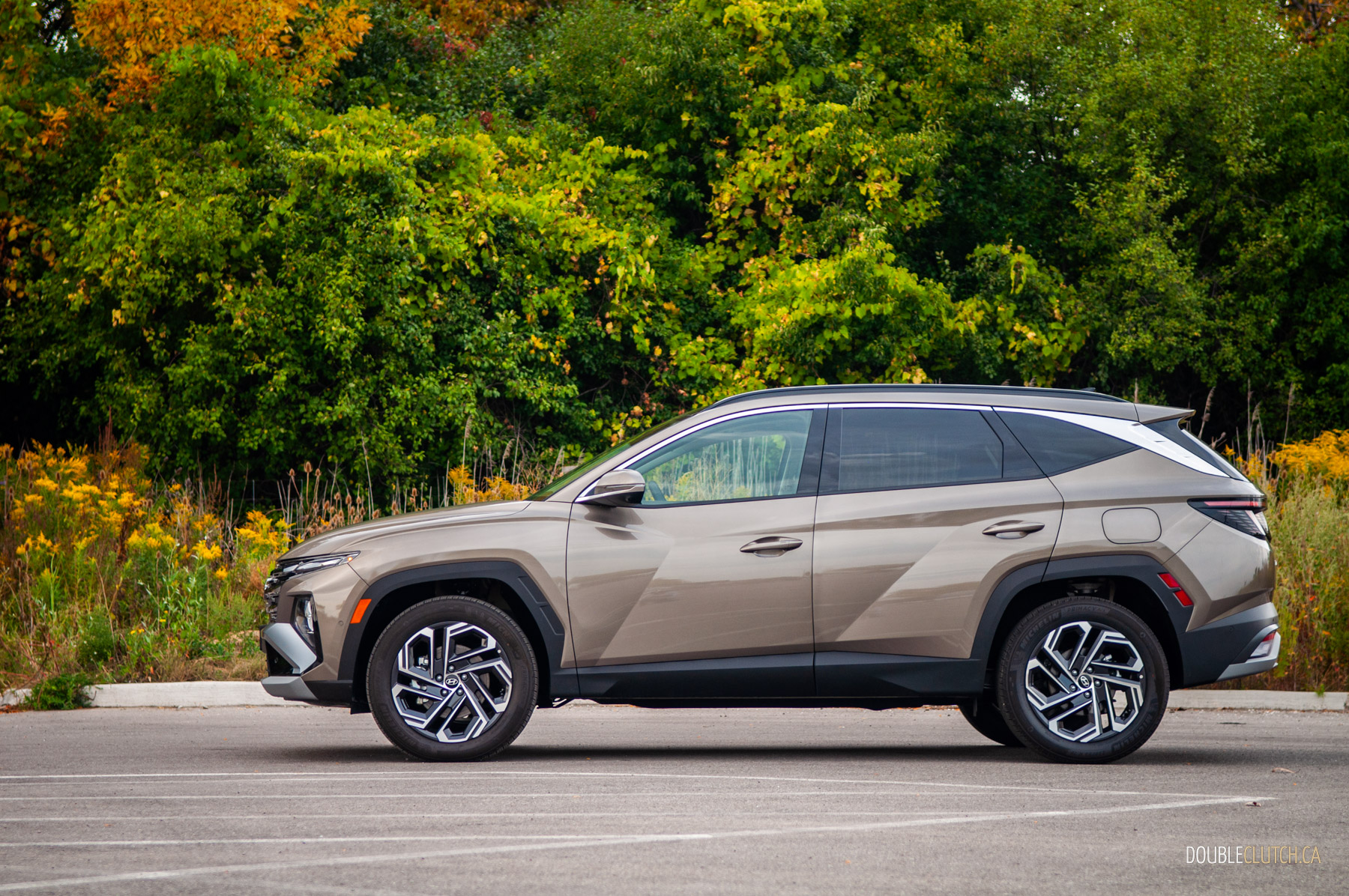
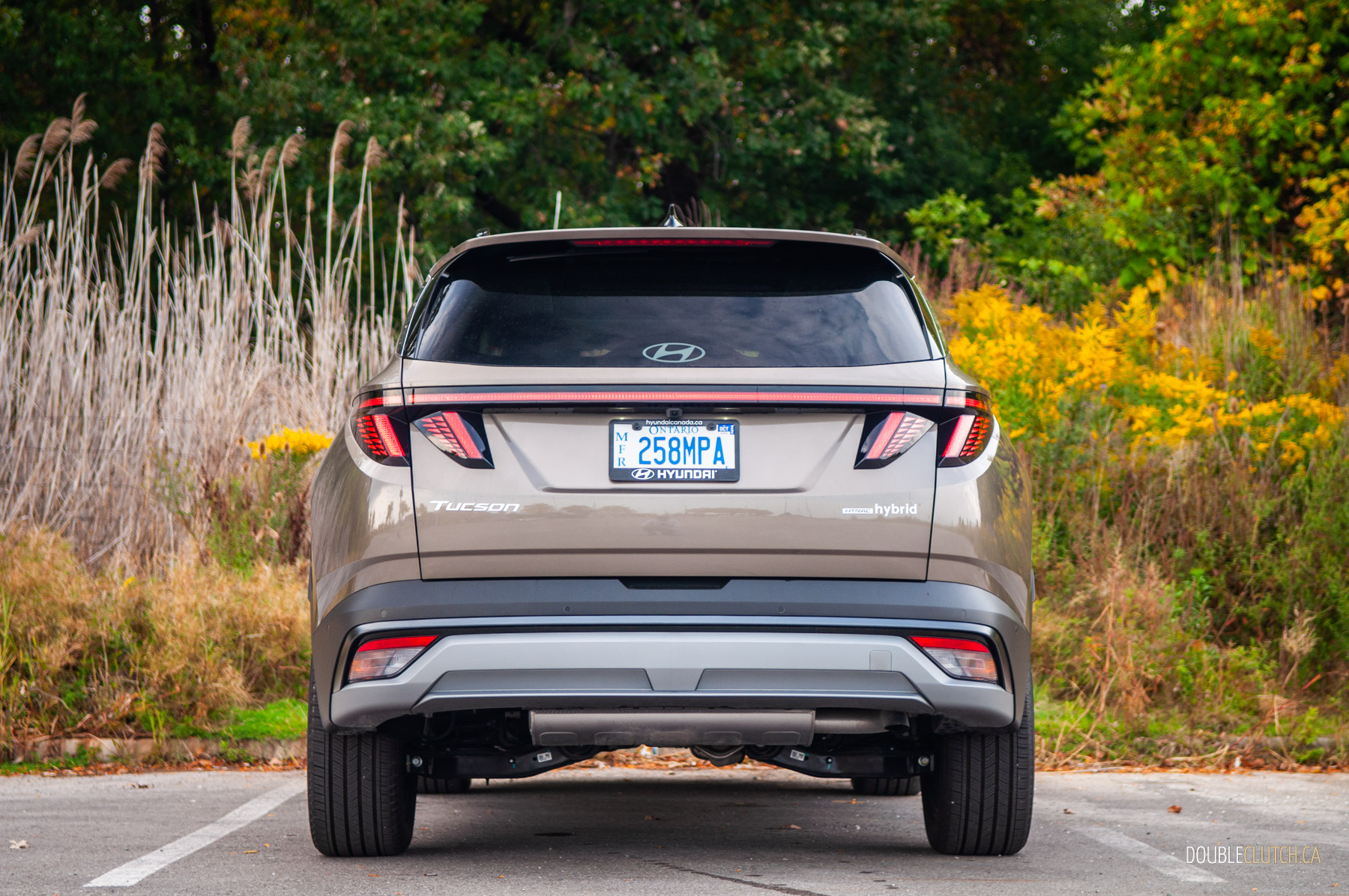
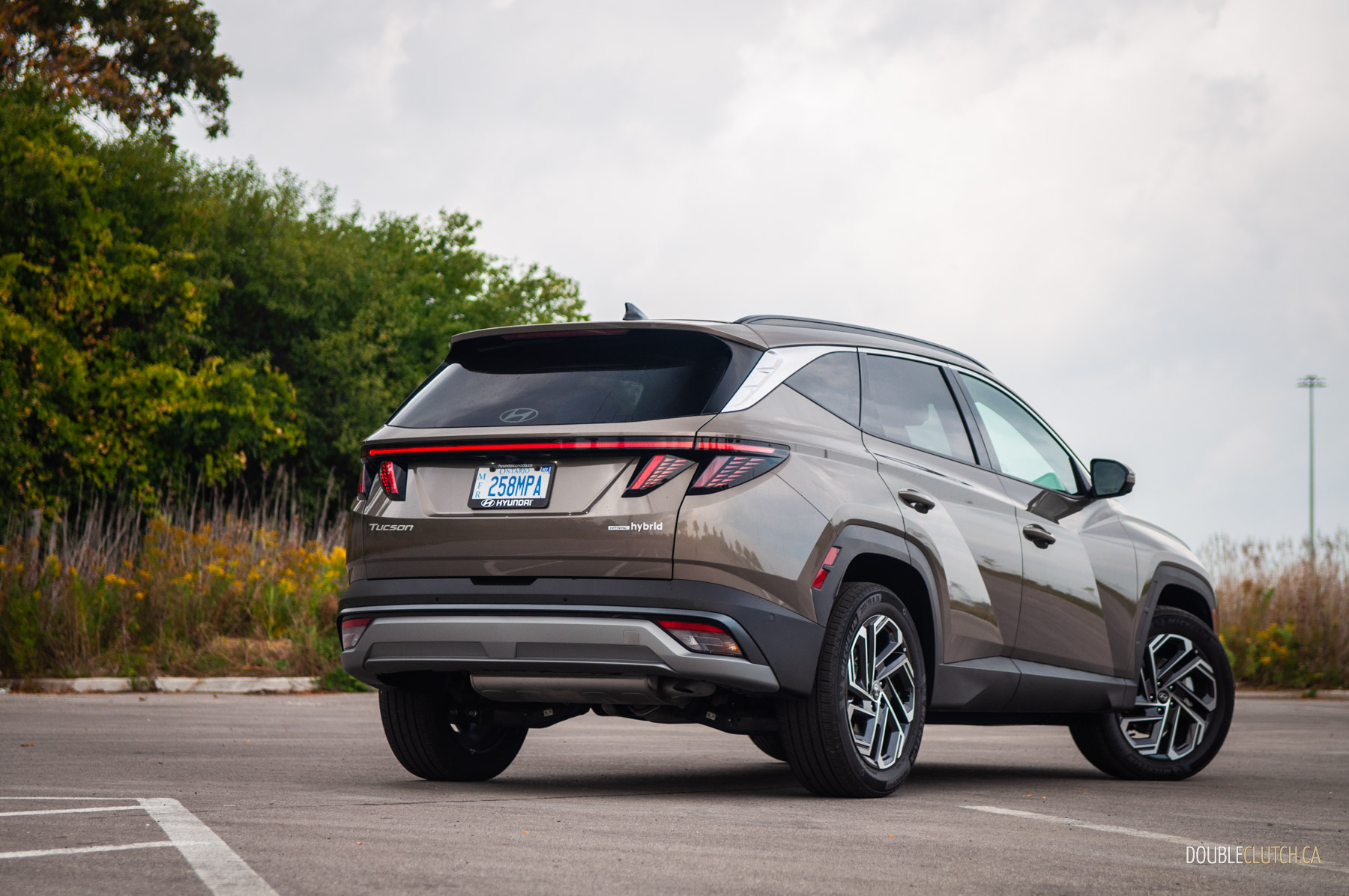
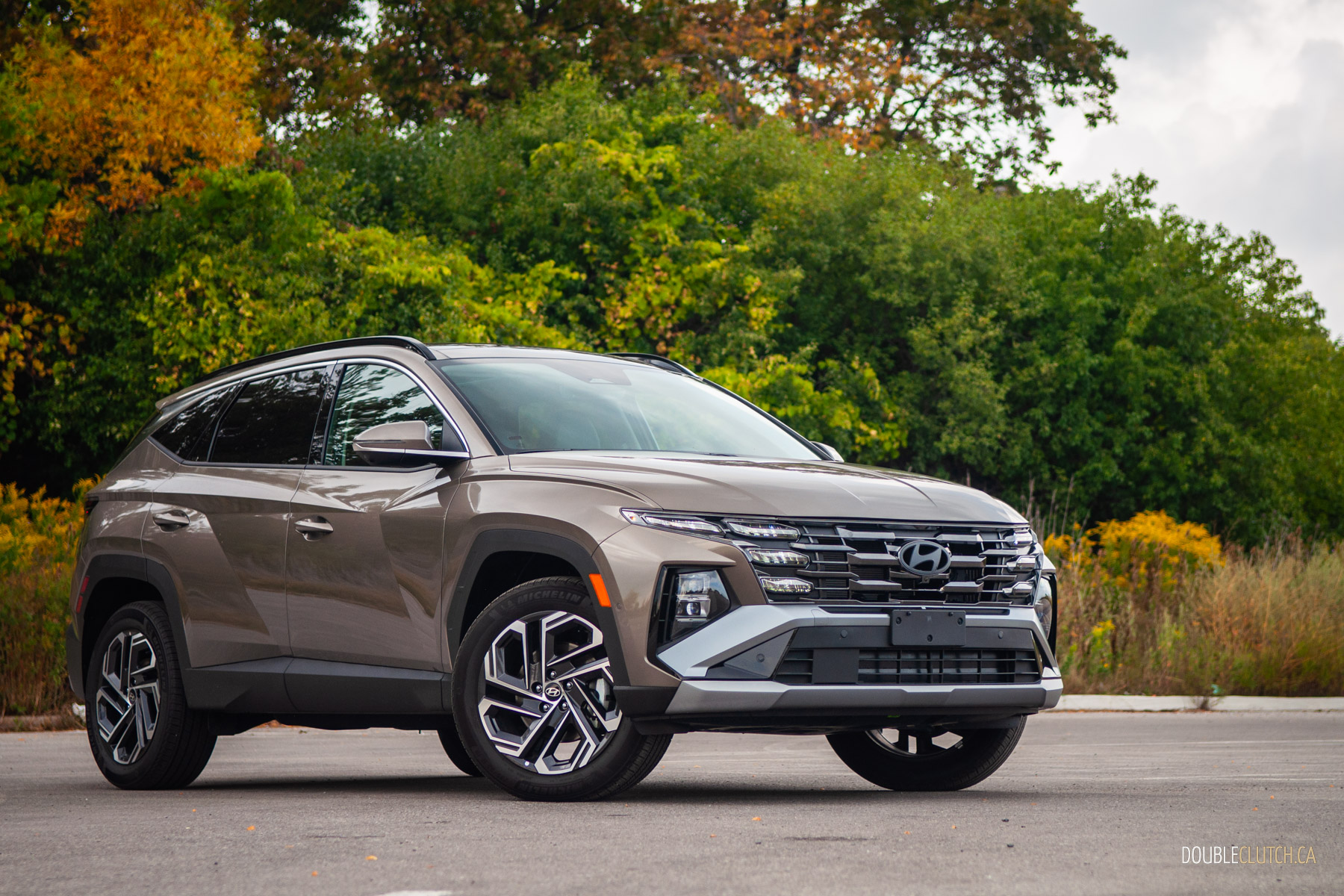
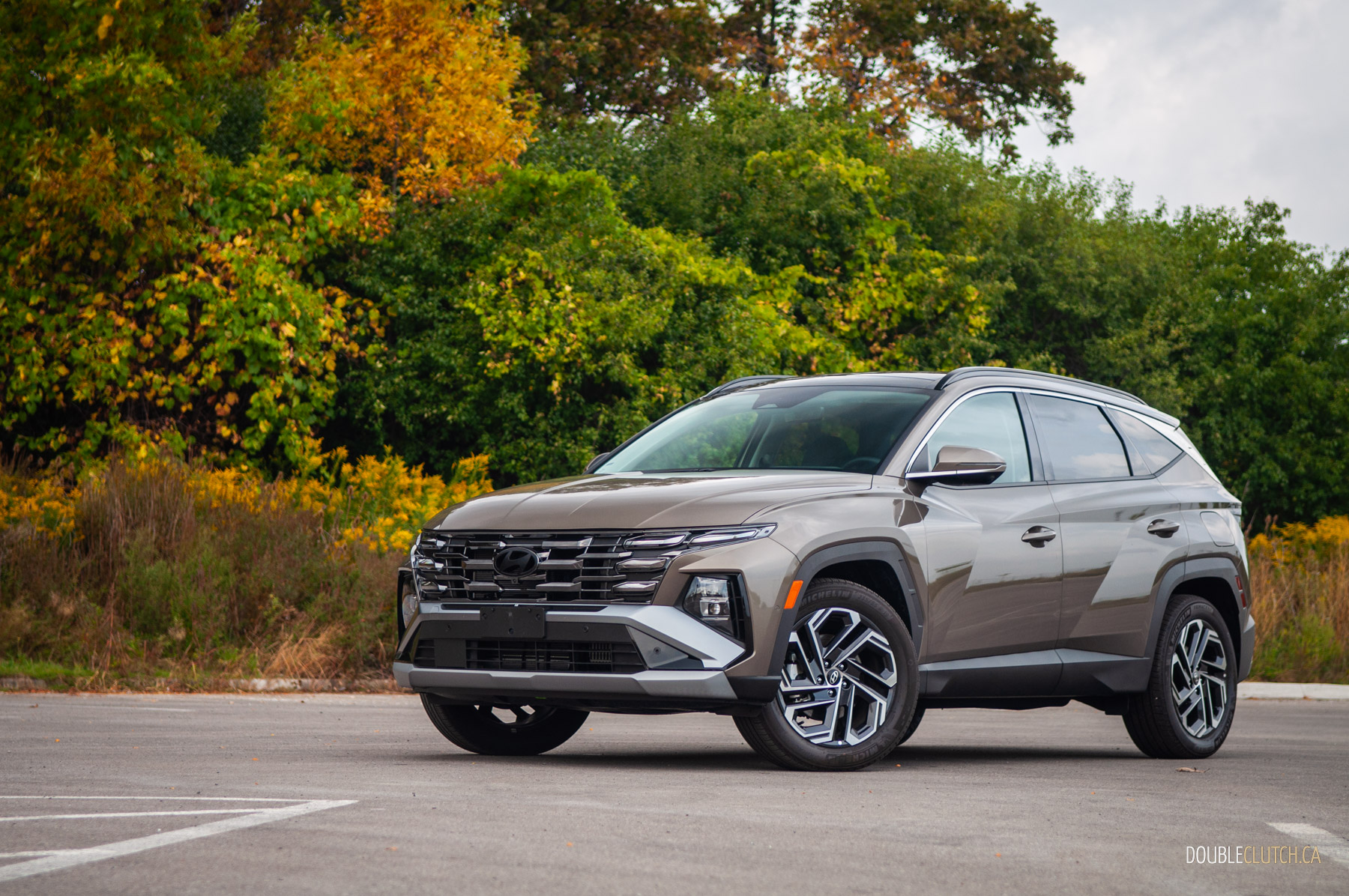
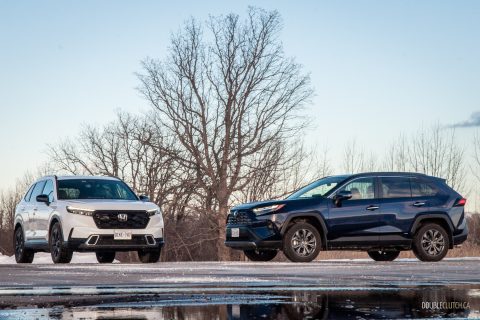
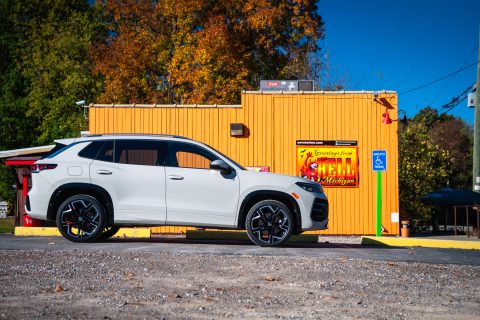
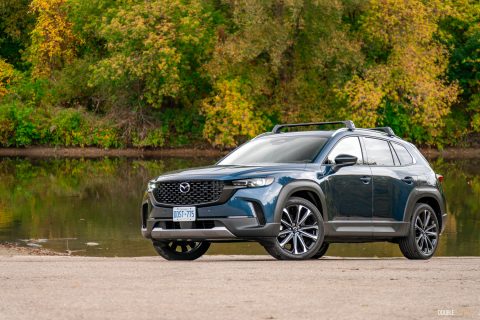
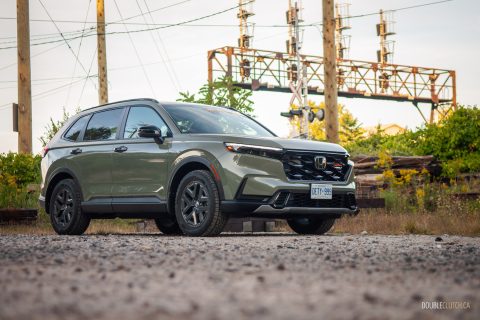
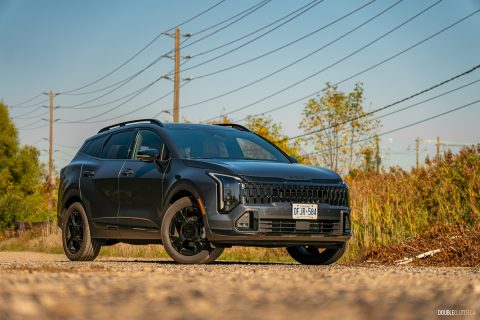
The Hyundai Tucson is currently the fifth best selling sport utility vehicle in Canada, narrowly missing the #4 sport by less than a hundred units. In the compact sport utility segment, most consumers know of the Toyota RAV4 and the Honda CR-V. Both have a loyal following but there are competitors such as the Hyundai Tucson Hybrid that are slowly whittling away to take some of their customers. It’s Hyundai’s top selling model in the country, and almost 40% of the Tucson’s sales are hybrid models, like this week’s 2026 Hyundai Tucson Ultimate Hybrid. The experience of this vehicle plays an integral part of the brand’s success, especially in such a competitive segment.
First impressions
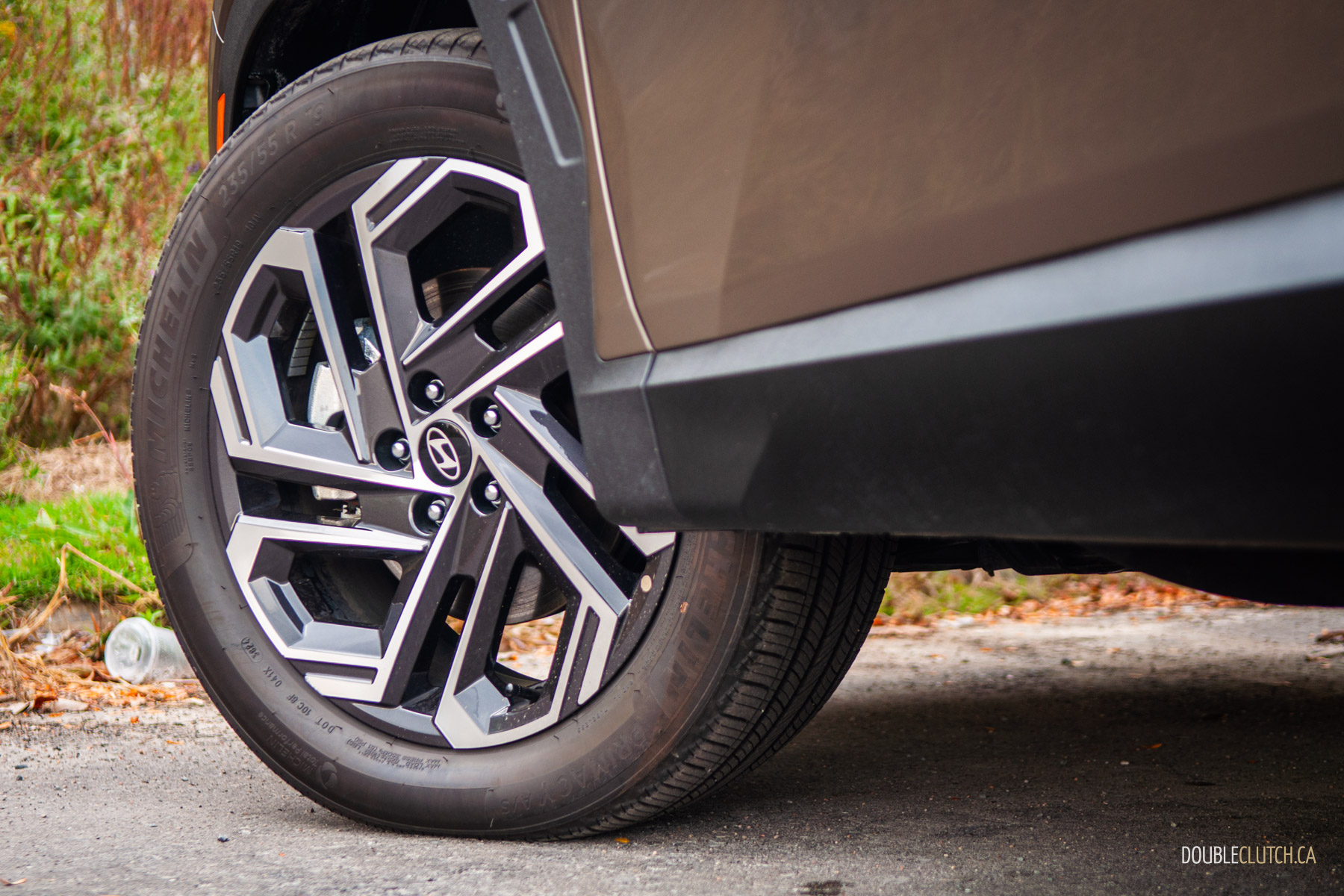
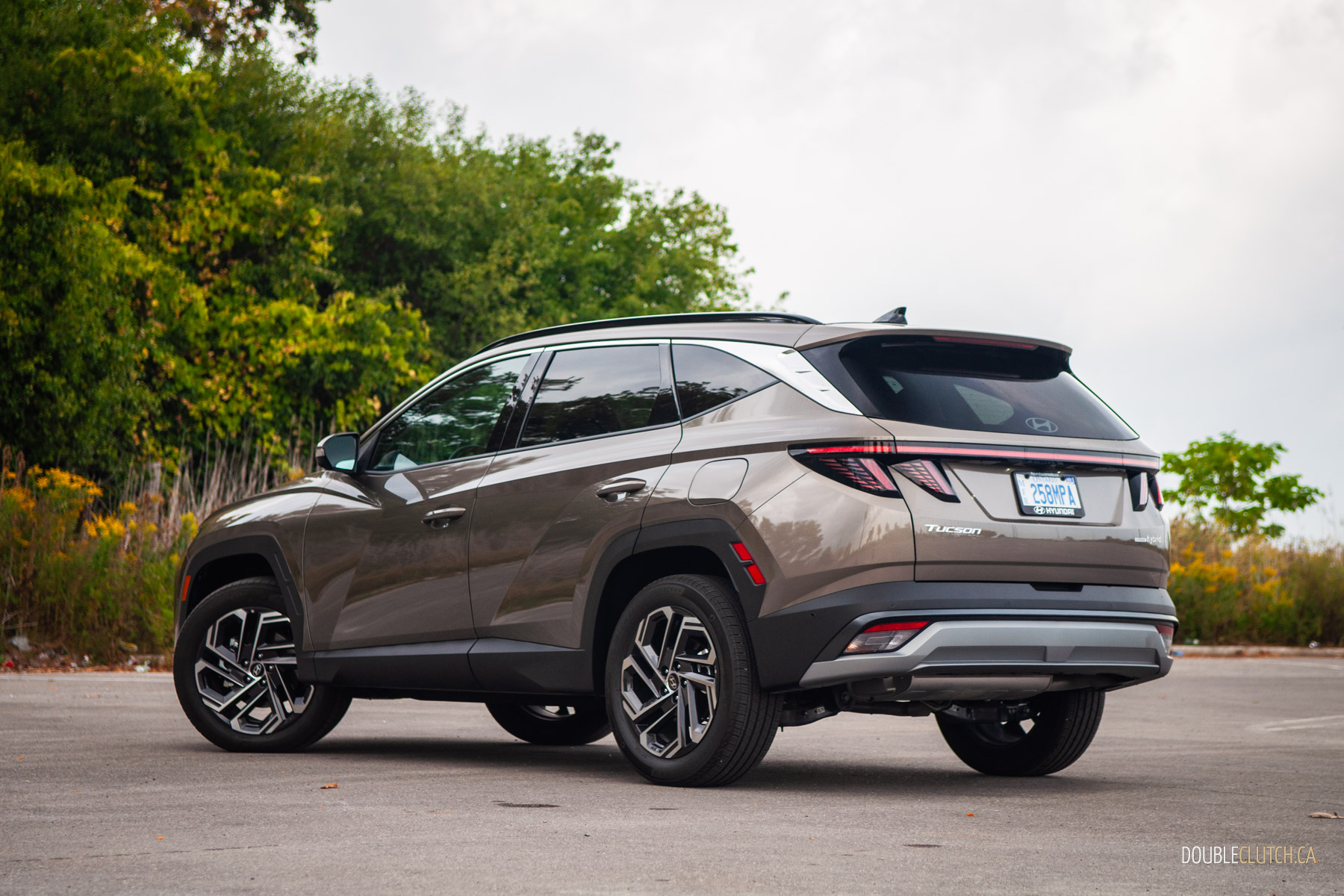
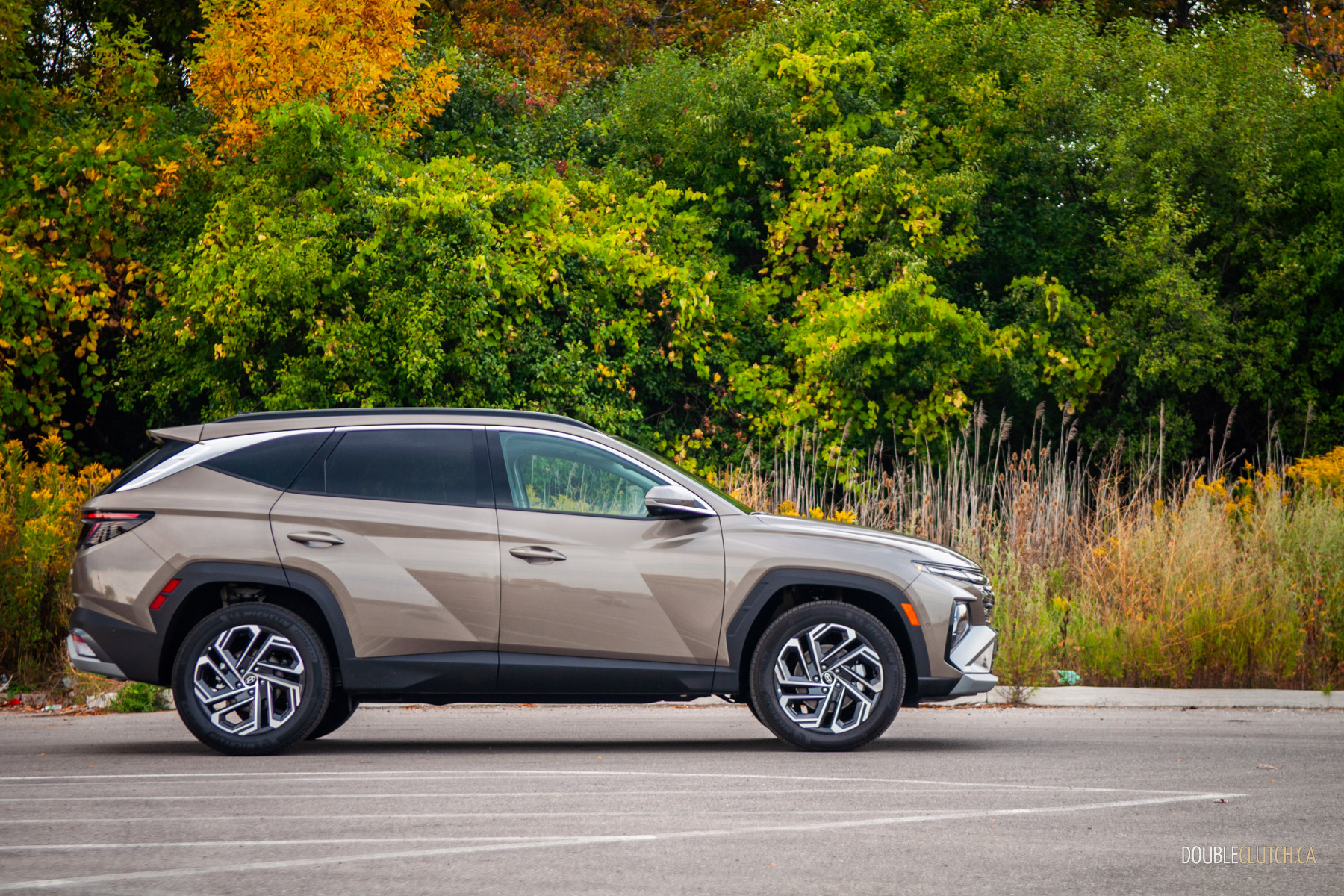
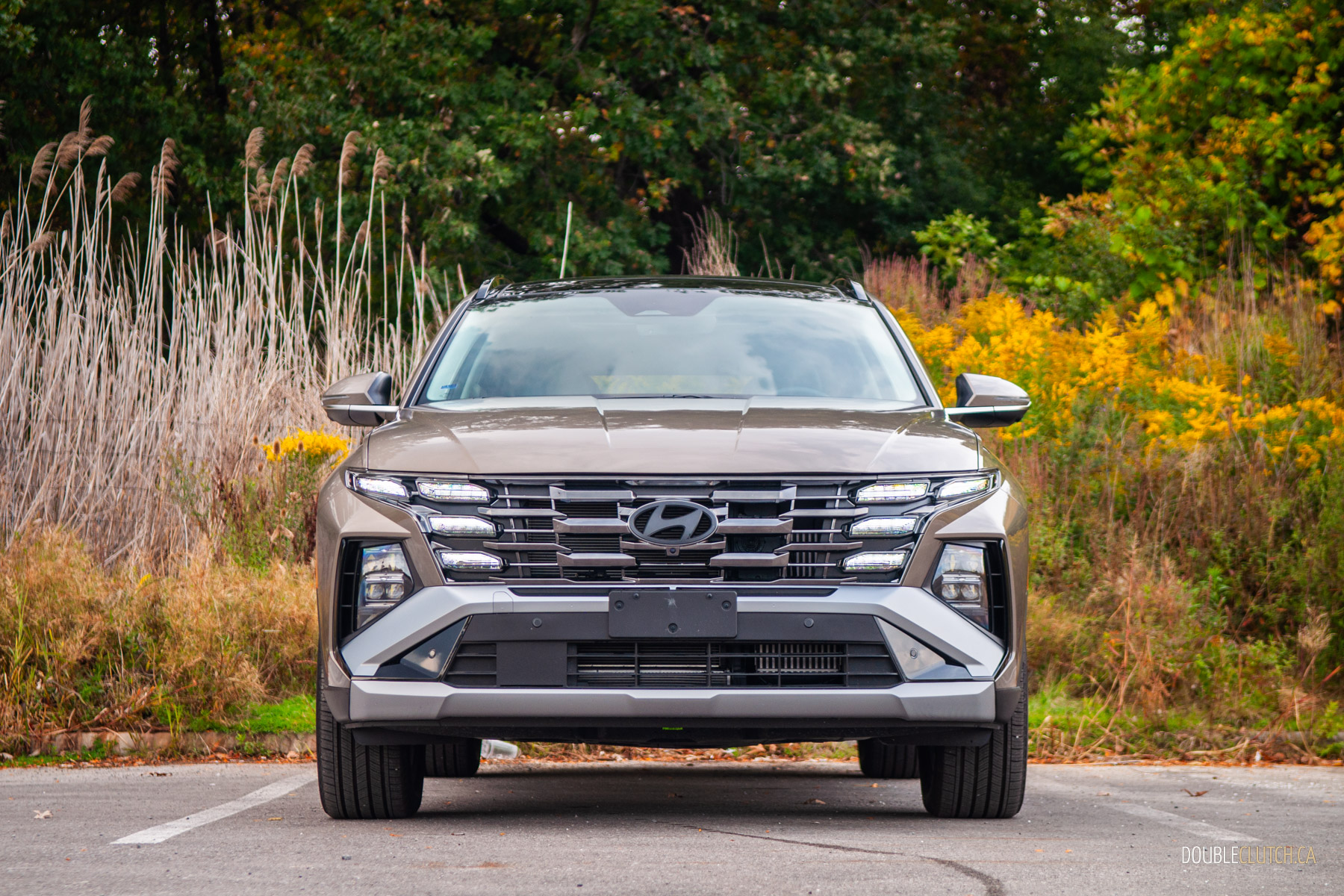
Currently on its fourth generation, which was originally released in 2020, the 2025 Hyundai Tucson has received small changes to the exterior and interior. The most visible changes have been made to the front bumper; the lower portion of the grill is more pronounced and aggressive, and there’s new alloy wheel designs, as well. Other than that, it’s largely unchanged, as it was already a striking design with its use of futuristic lighting and prominent creases. It’s very much a love-it-or-hate-it design, and some people might question how these vehicles will age over time, but it is certainly unique.
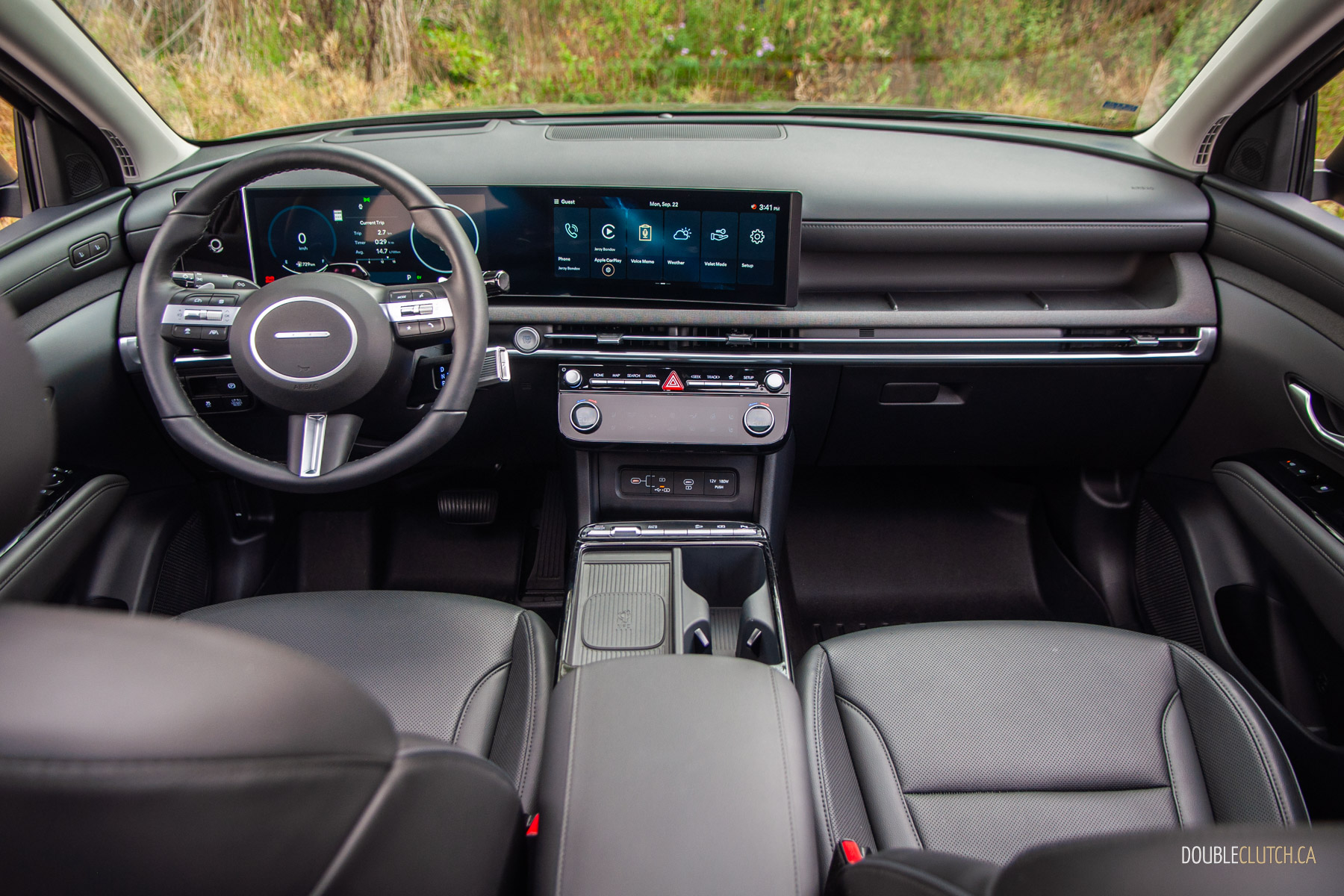
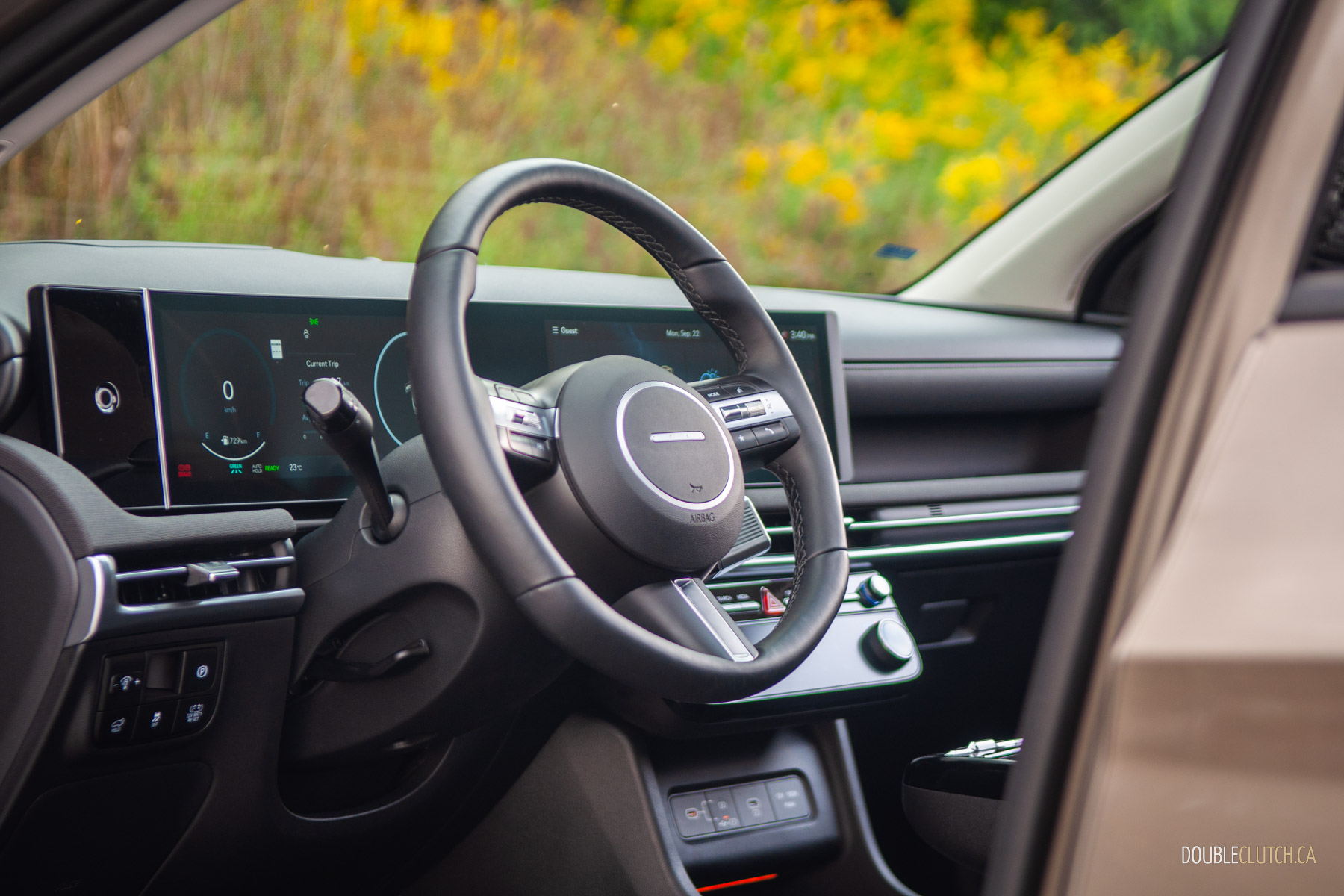
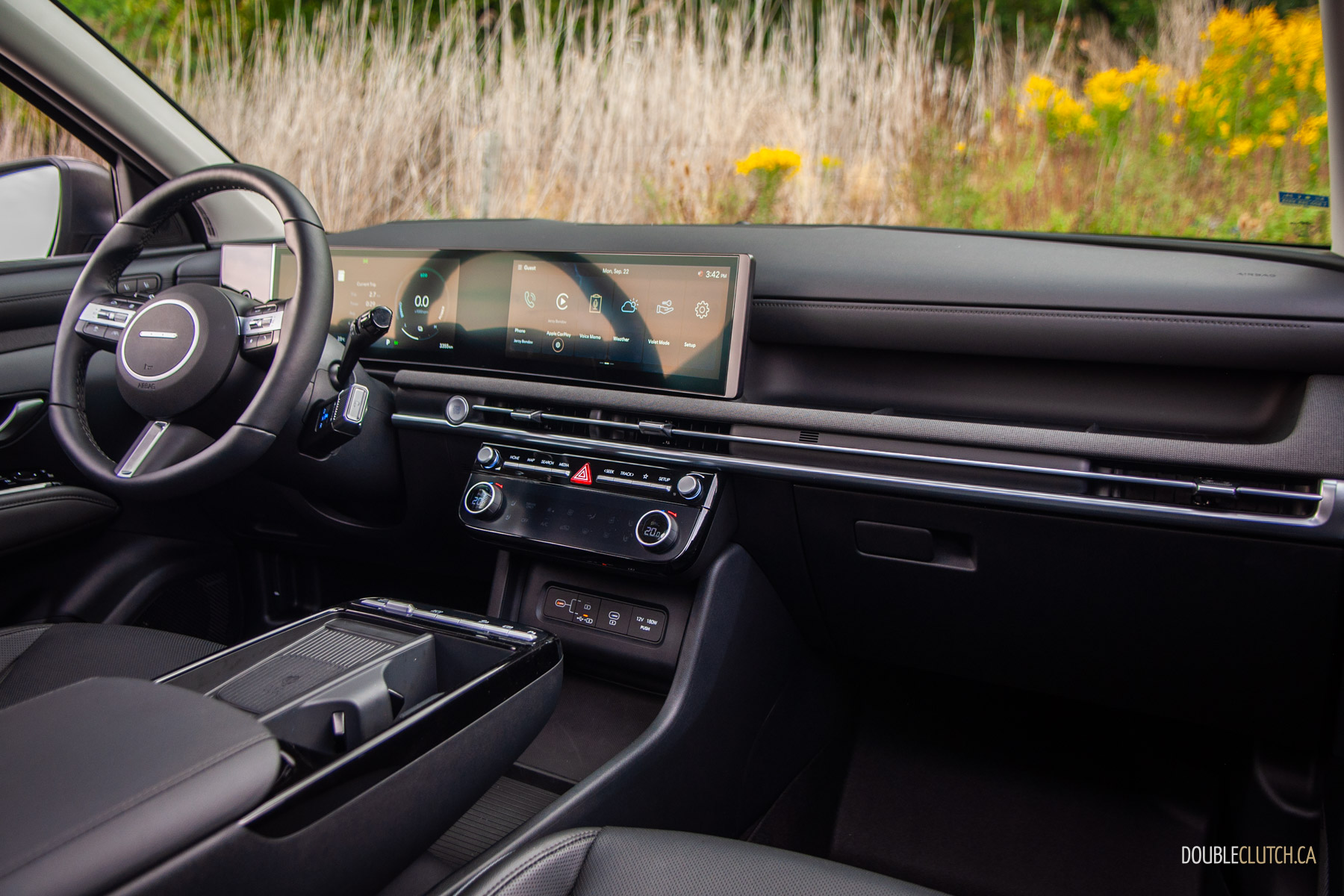
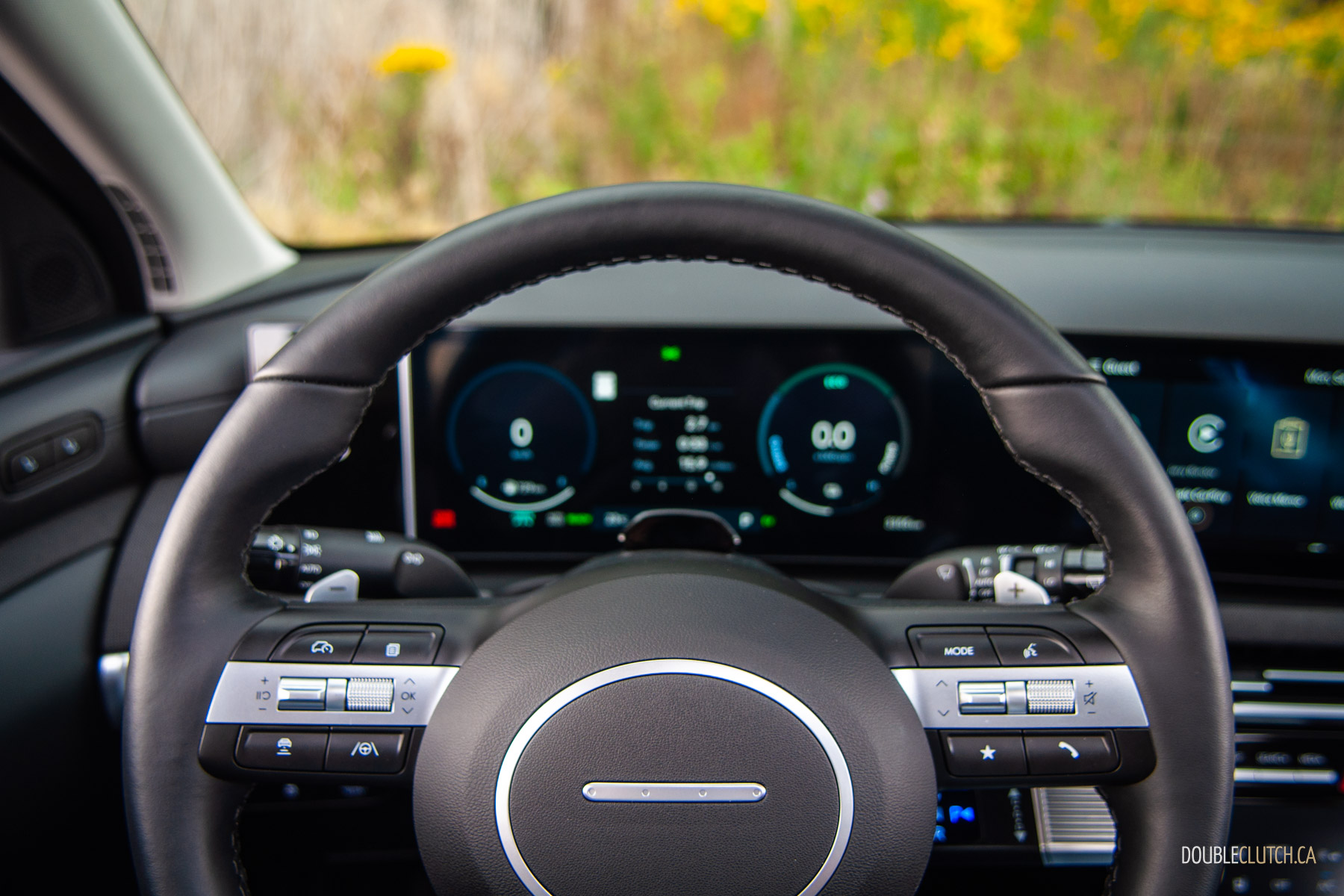
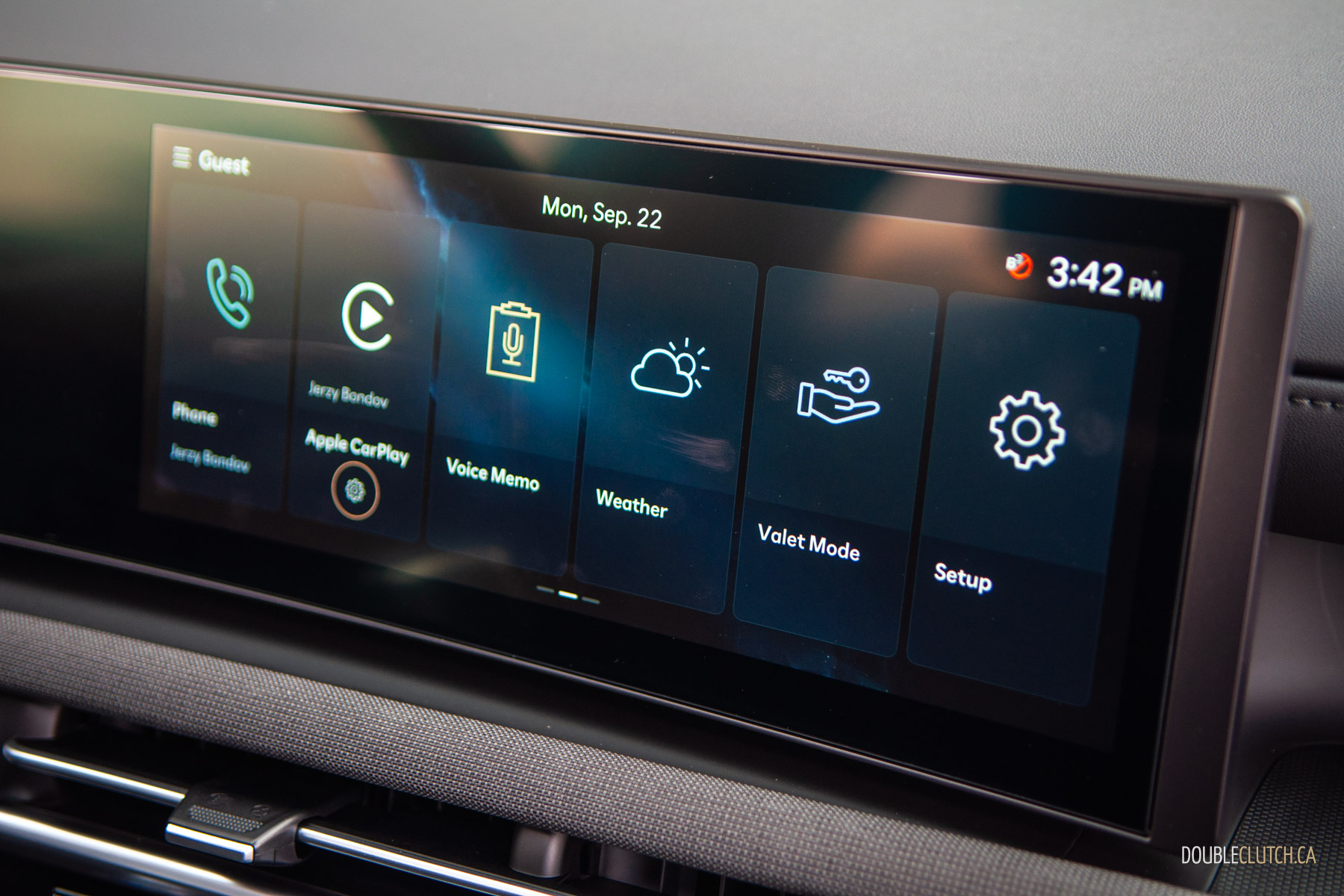
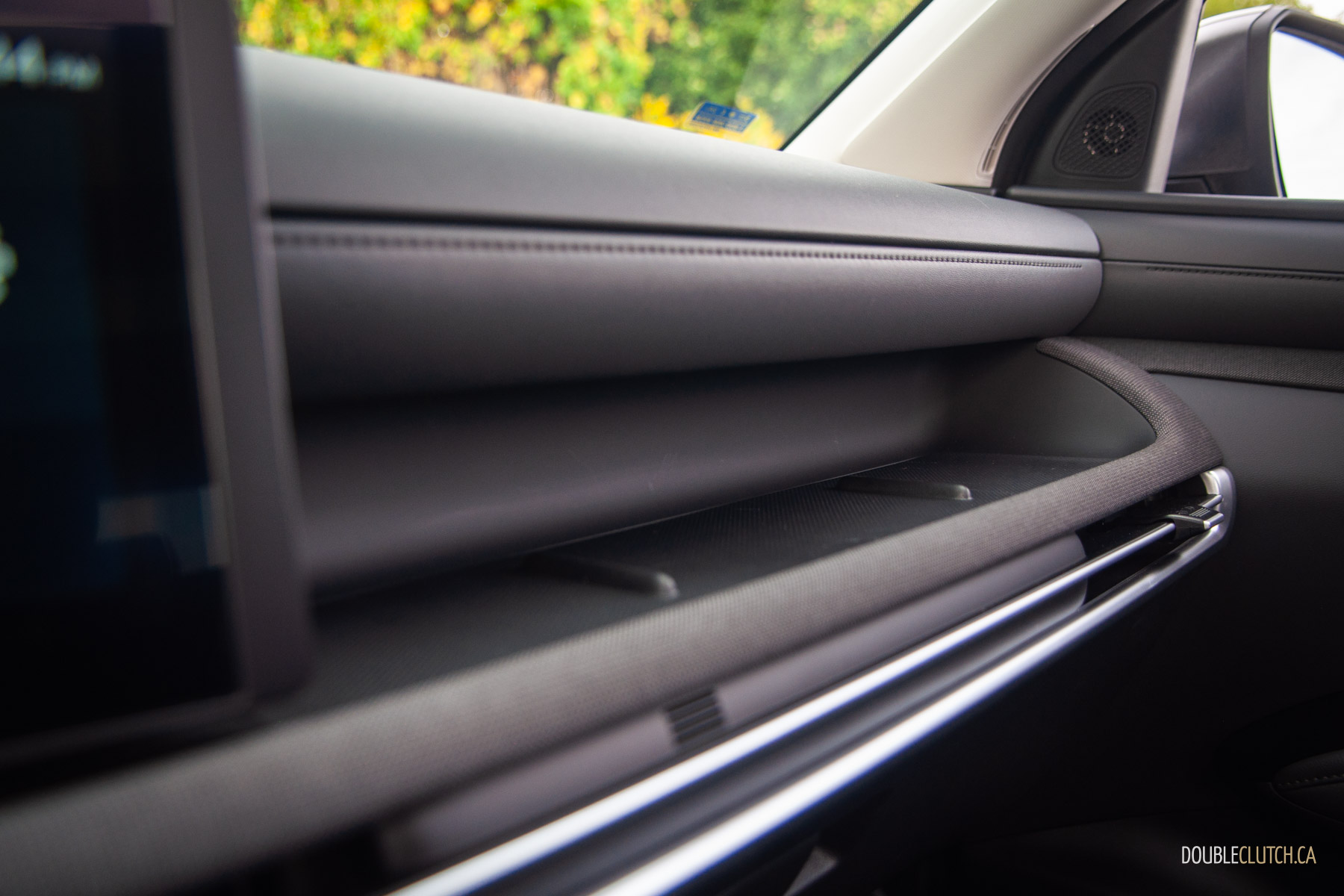
The interior is typical Hyundai. There’s a new wide housing that holds two 12.3-inch screens, front and centre. One side houses the infotainment display, and the other a digital gauge cluster. They look and operate exactly the same as in other Hyundai products, which is a good thing, as they have the technology down pat. The screens are high quality; the graphics are crystal-clear and their operation is smooth and intuitive. Scroll through and everything is easily within use, without need fuss around with an operators manual.
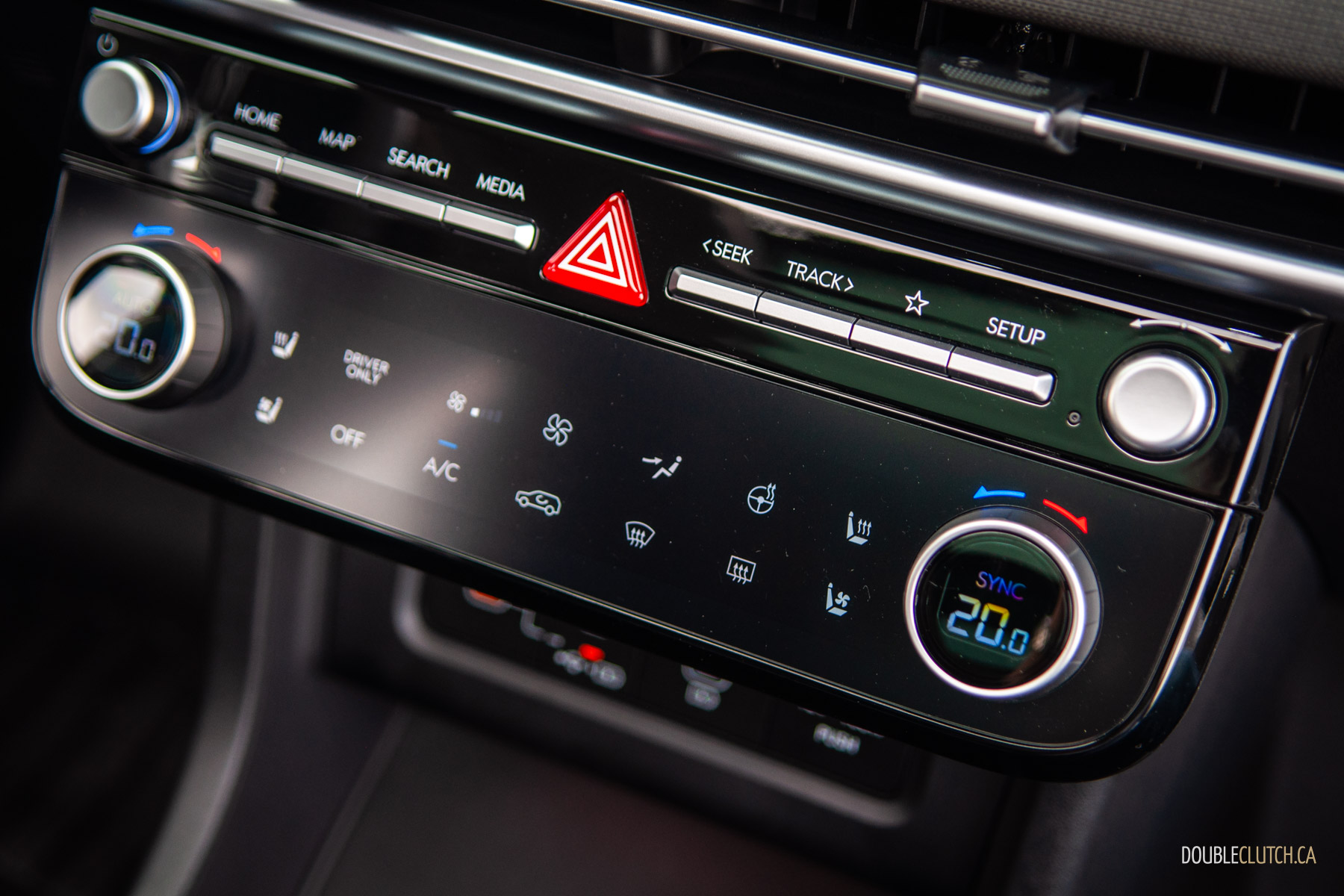
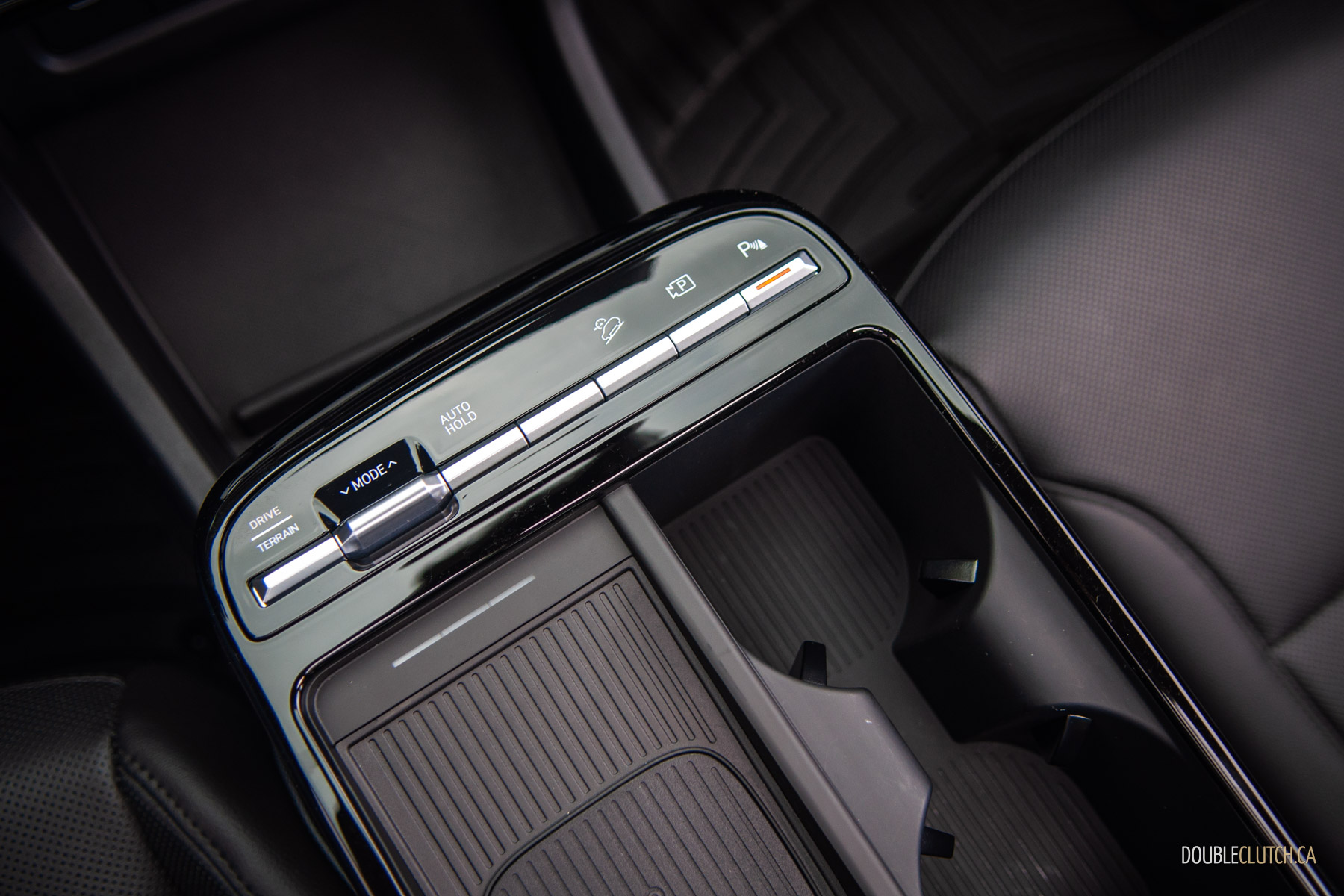
Physical buttons are also present for the HVAC and media controls, so there’s no need to flip through menus to adjust your heating or radio station; nice and simple, as it should be. The materials used inside are a mix of leatherette, textile inserts on the dash and doors, as well as a mix of metallic-looking and gloss black plastics; it’s not the last word in luxury, but it looks and feels upscale. Wireless Apple CarPlay and Android Auto are standard and work well.
What’s under the hood?
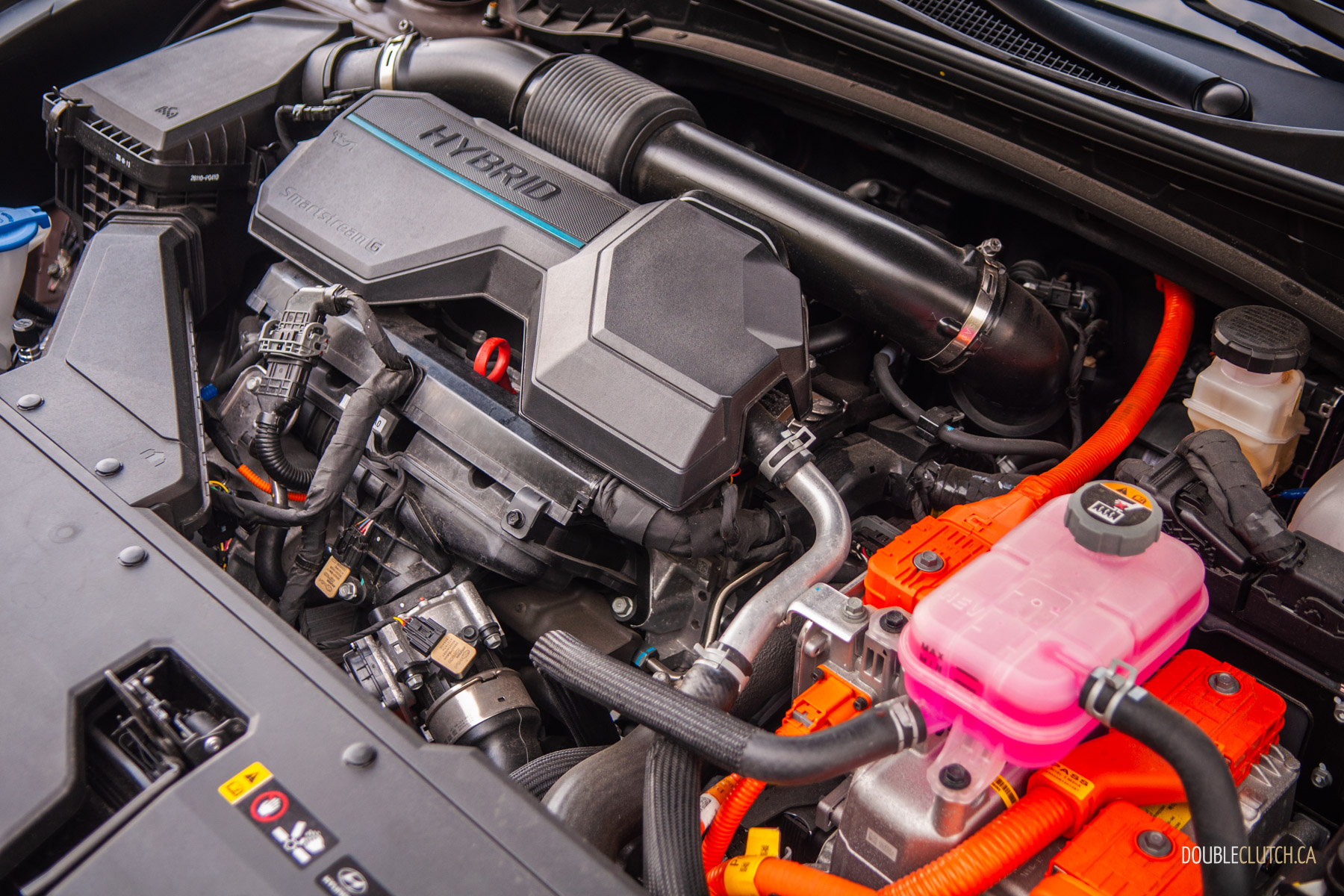
When it comes to power, the 2025 Hyundai Tucson Hybrid is at the head of the pack. Our Tucson Hybrid tester comes in with a combined 231 horsepower and a healthy 258 foot-pounds from its 1.6-Litre turbocharged four-cylinder engine and electric motors. For comparison, the recently tested Subaru Forester Hybrid pumps out 194 horsepower, and the Ford Escape Hybrid churns out 192 horsepower. Unlike its competitors that use a CVT, the 2025 Hyundai Tucson Hybrid uses a traditional 6 speed automatic transmission which eliminates the droning rubber-band effect endemic to CVTs. It works well here and allows for a more natural feel when accelerating. All wheel drive is standard on the Tucson Hybrid.
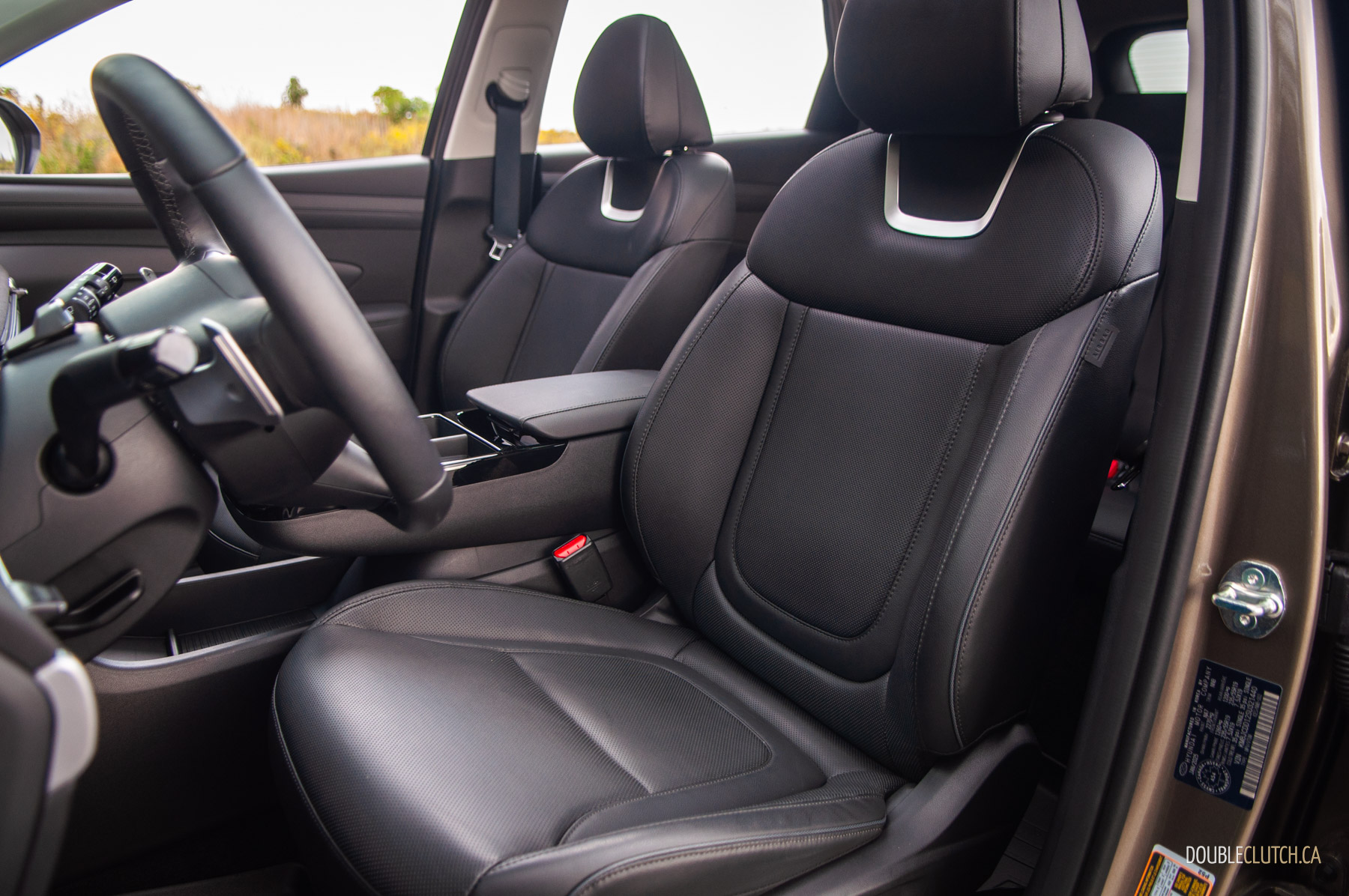
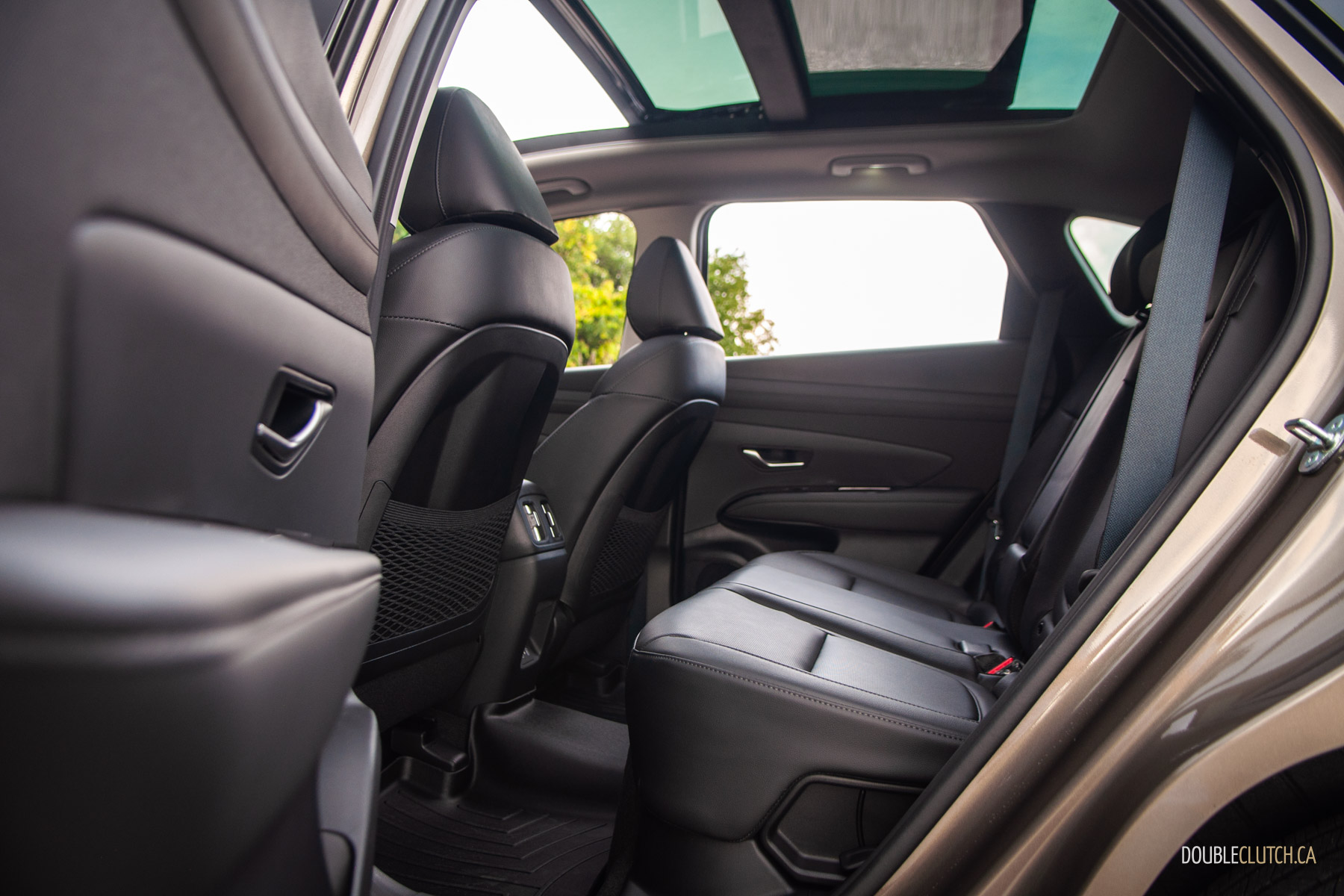
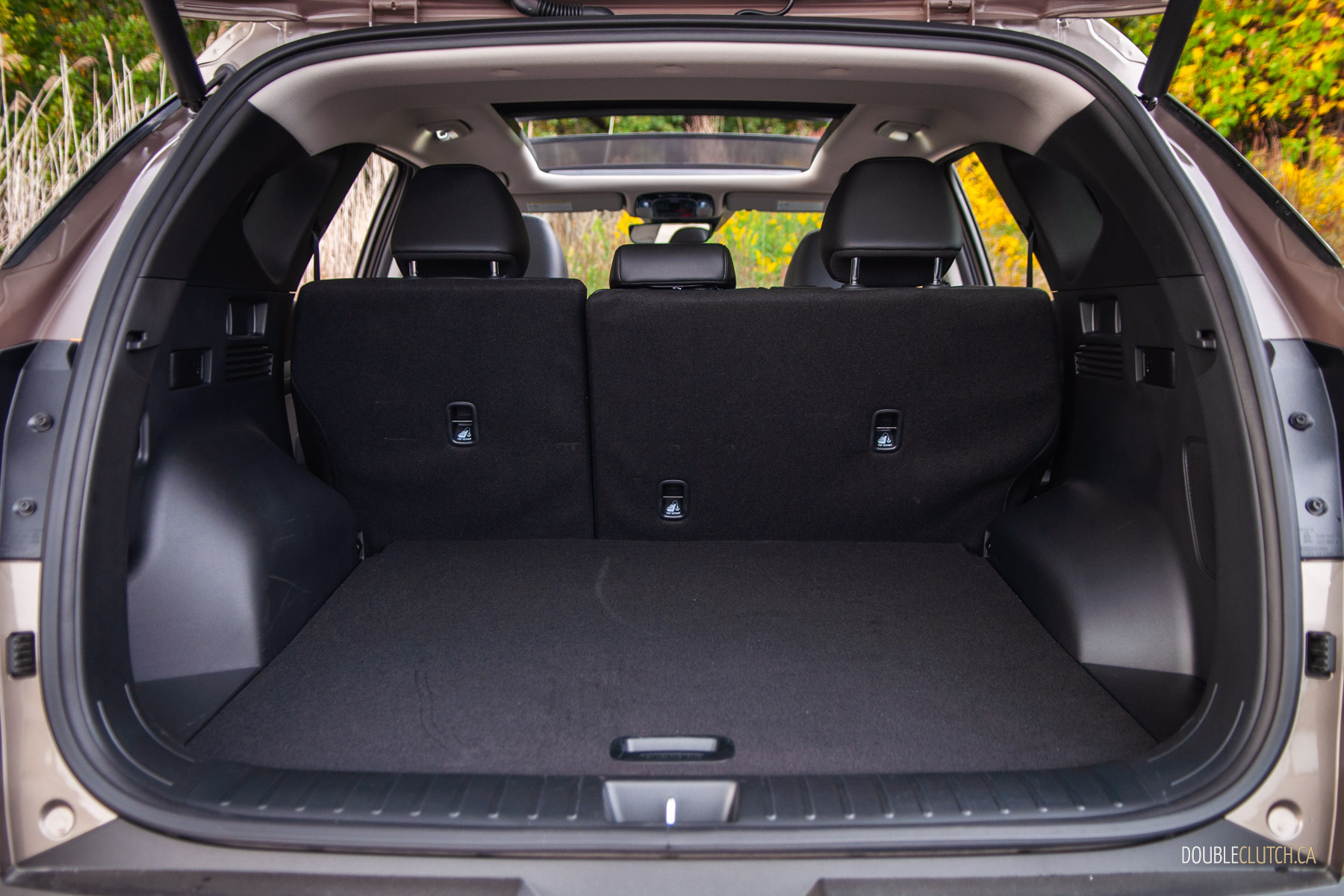
The ride is smooth and unobtrusive, which will make most people happy in a daily commuter. Potholes and ruts are soaked up with ease. Those inside the 2025 Hyundai Tucson Hybrid will sit in relative comfort with ample leg room in the first and second row. Behind the second row is an impressive 1,095 litres of cargo space, and that grows to a massive 2,119 L with the second row of seats folded flat. Towing capacity is 2,000lbs.
What kind of fuel economy can you expect?
The reason people purchase hybrids is their impressive fuel efficiency, and the 2025 Hyundai Tucson Hybrid is middle-of-the-road among its competitors, perhaps due in part to its relatively prodigious power output. It carries an official combined estimated fuel use of 6.7L/100km, which lags a bit behind competitors such as the Toyota RAV4 and Honda CR-V, and is made worse by the fact that our real-world observed average was 7.3L/100km. Thankfully, regular fuel is fine for this powertrain, and our fuel use probably would have been closer to the targeted figure if it weren’t in sport mode for most of the week.
Is the Tucson Hybrid worth it?
Buyers can opt for one of two hybrid trim levels. The Tucson N-Line Hybrid has an MSRP of $43,339 and our fully loaded tester, the Ultimate Hybrid has an MSRP of $47,399, which undercuts Honda’s CR-V Hybrid by a few grand without skimping on any niceties.
The 2025 Hyundai Tucson Ultimate Hybrid offers consumers a compelling option in a very crowded market. Most choices will come down to brand preference, value and fuel efficiency. Hyundai jam packs the Tucson Hybrid with a good amount of easy to use tech and years of hybrid know-how. While Toyota is synonymous with hybrid technology, most consumers don’t know that Hyundai isn’t that far behind – but as sales grow more and more, people are clearly learning and liking what Hyundai can do.