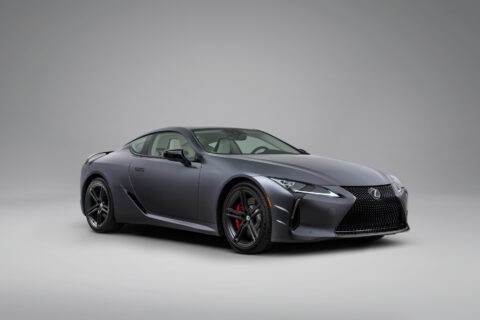
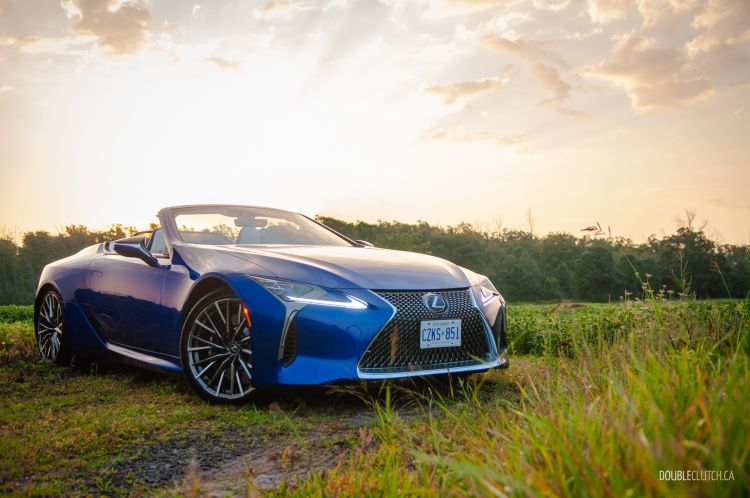
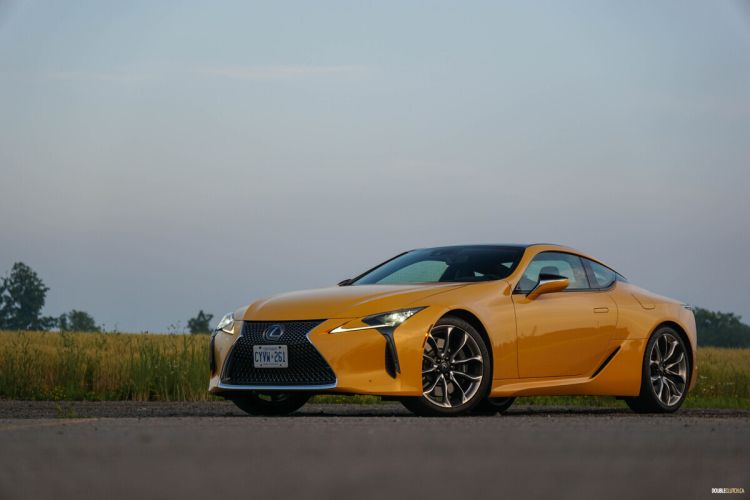
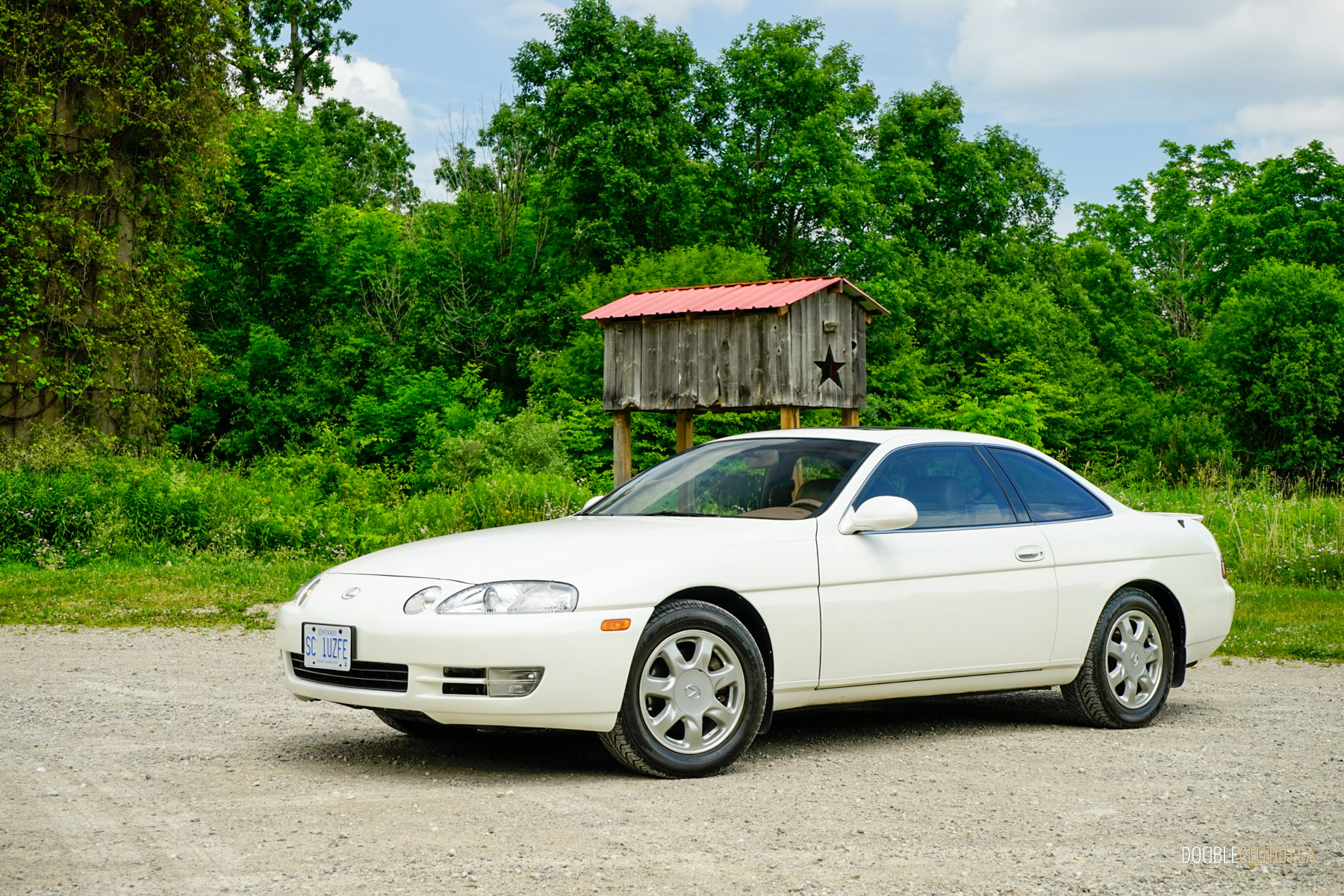
Two years ago, I finally spent some quality time with the Lexus LC 500. It was a long time coming, and it affirmed my love for big luxury coupes with a dash of sportiness. The LC 500 had it all: striking looks, a sonorous V8, and all the luxury and comfort I could ever want. But it all had to start somewhere, and these two former flagships — this 1995 Lexus SC 400 and 2009 Lexus SC 430 — paint the full picture of the LC’s origins.
The opportunity to try these vehicles back-to-back came about as Lexus celebrates it’s 35th anniversary in Canada. They brought out many of their classics, letting us get behind the wheel and understand how far along they have come. When Lexus launched in 1990, they moved from selling just 441 LS 400s and 156 ES 250s during their first year, to now over 30,000 units annually. To date, Lexus has sold a grand total of over 450,000 vehicles in Canada.
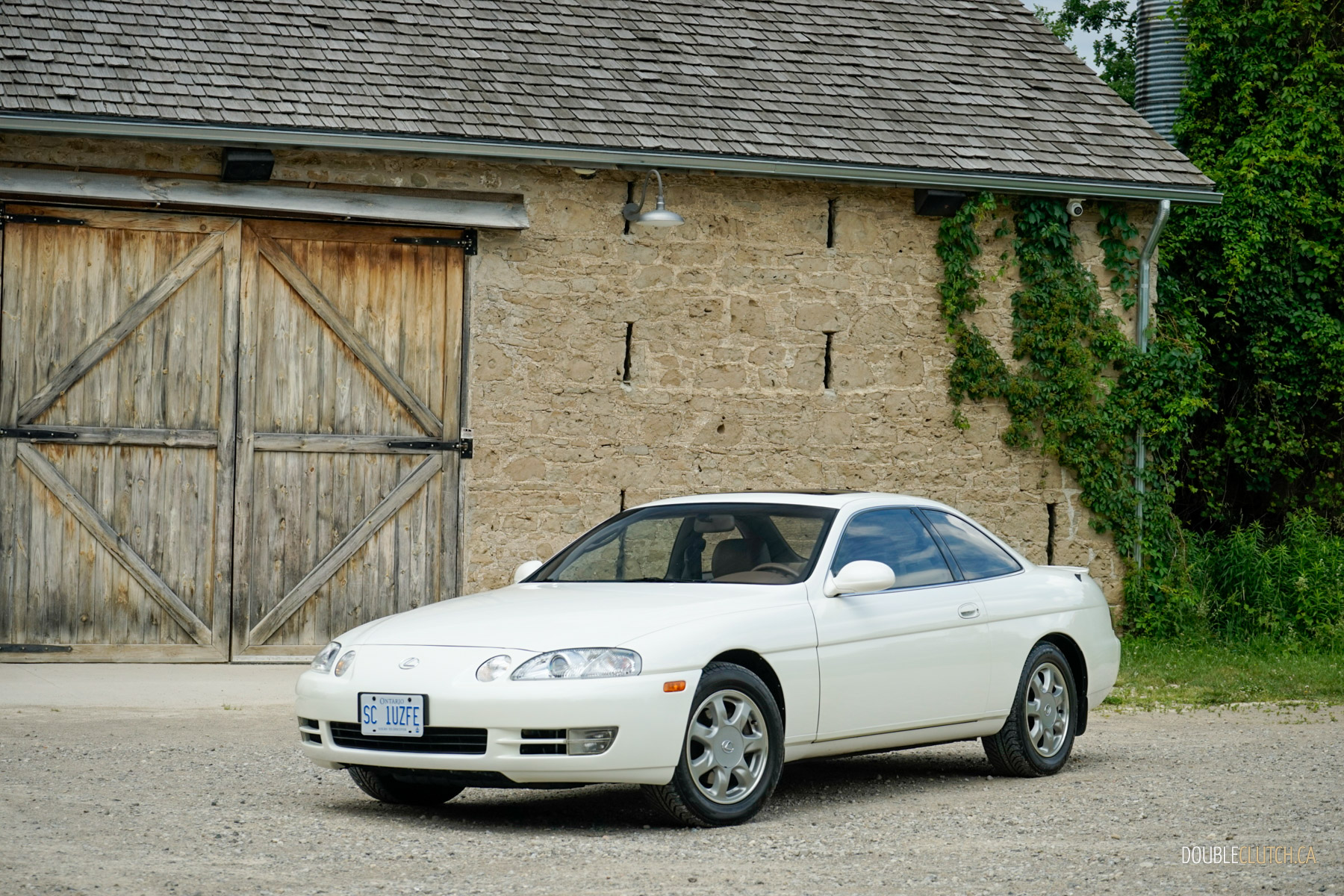
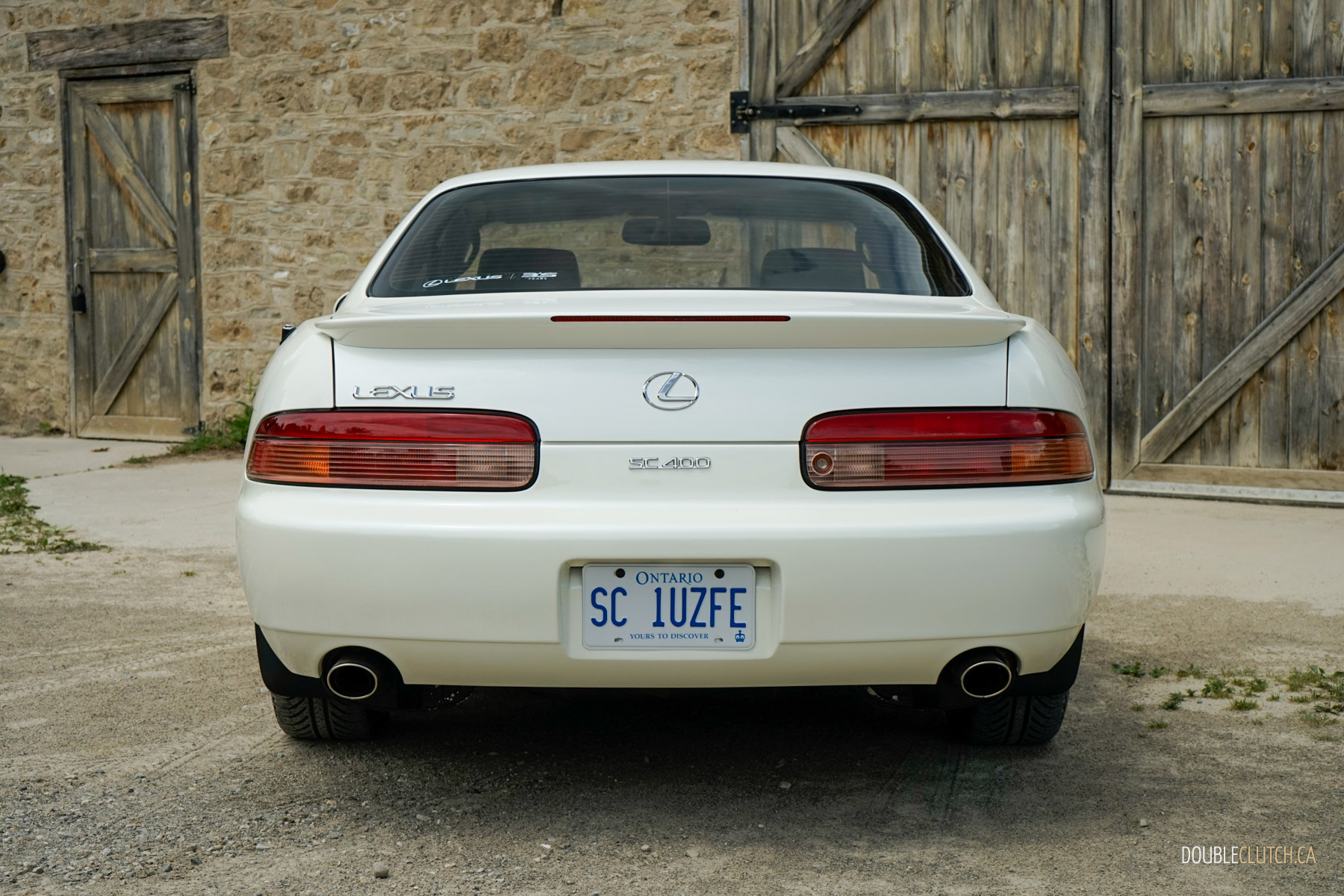
Alright, let’s get back into it. Back in the early 1990s, just as Lexus was starting to build their fame and reputation, they boldly launched the SC, a full-sized coupe to complement the LS 400 flagship sedan. It was available as the SC 300 with Toyota’s legendary 2JZ engine, or as the SC 400 with a normally aspirated V8, and rear-wheel-drive-only.
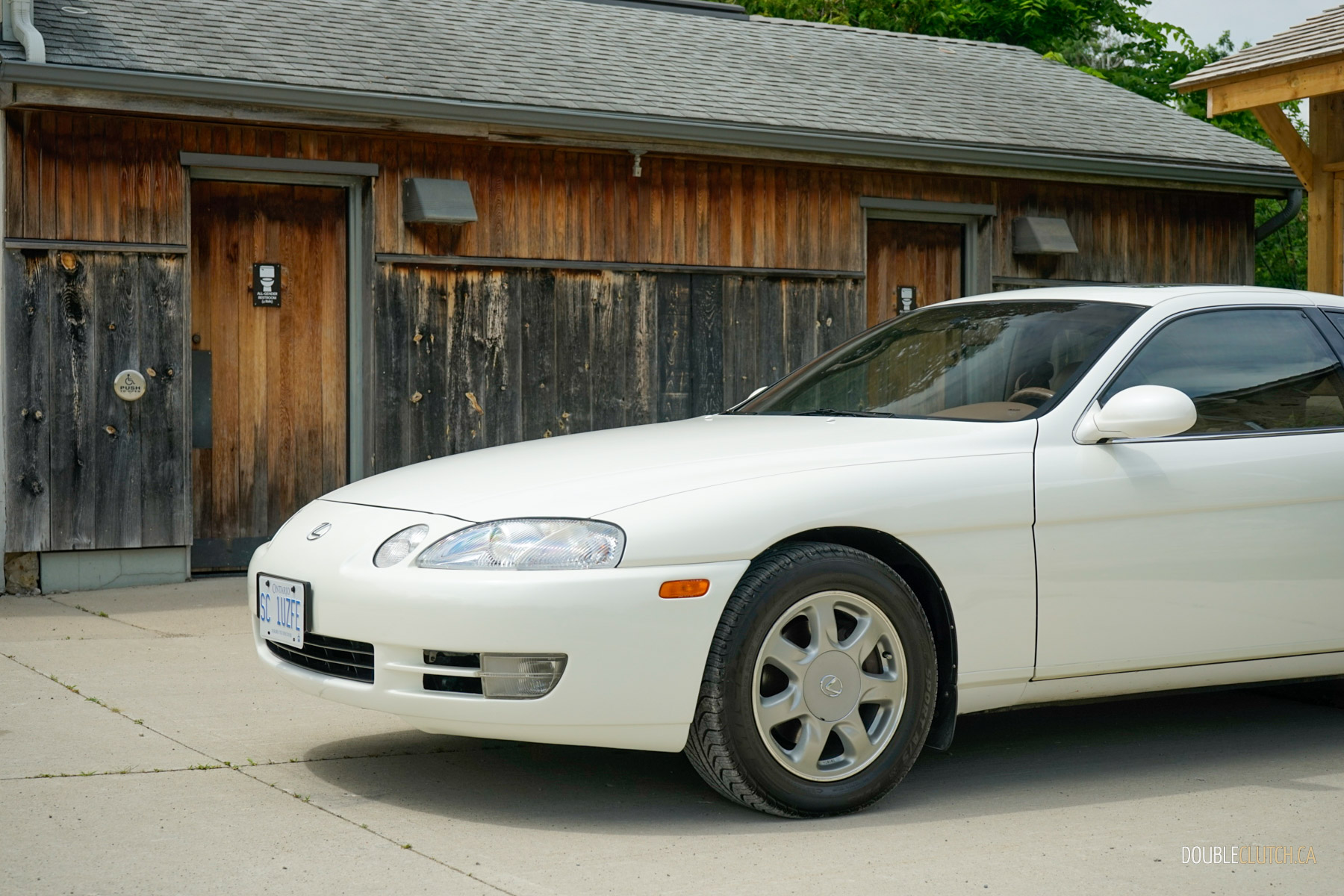
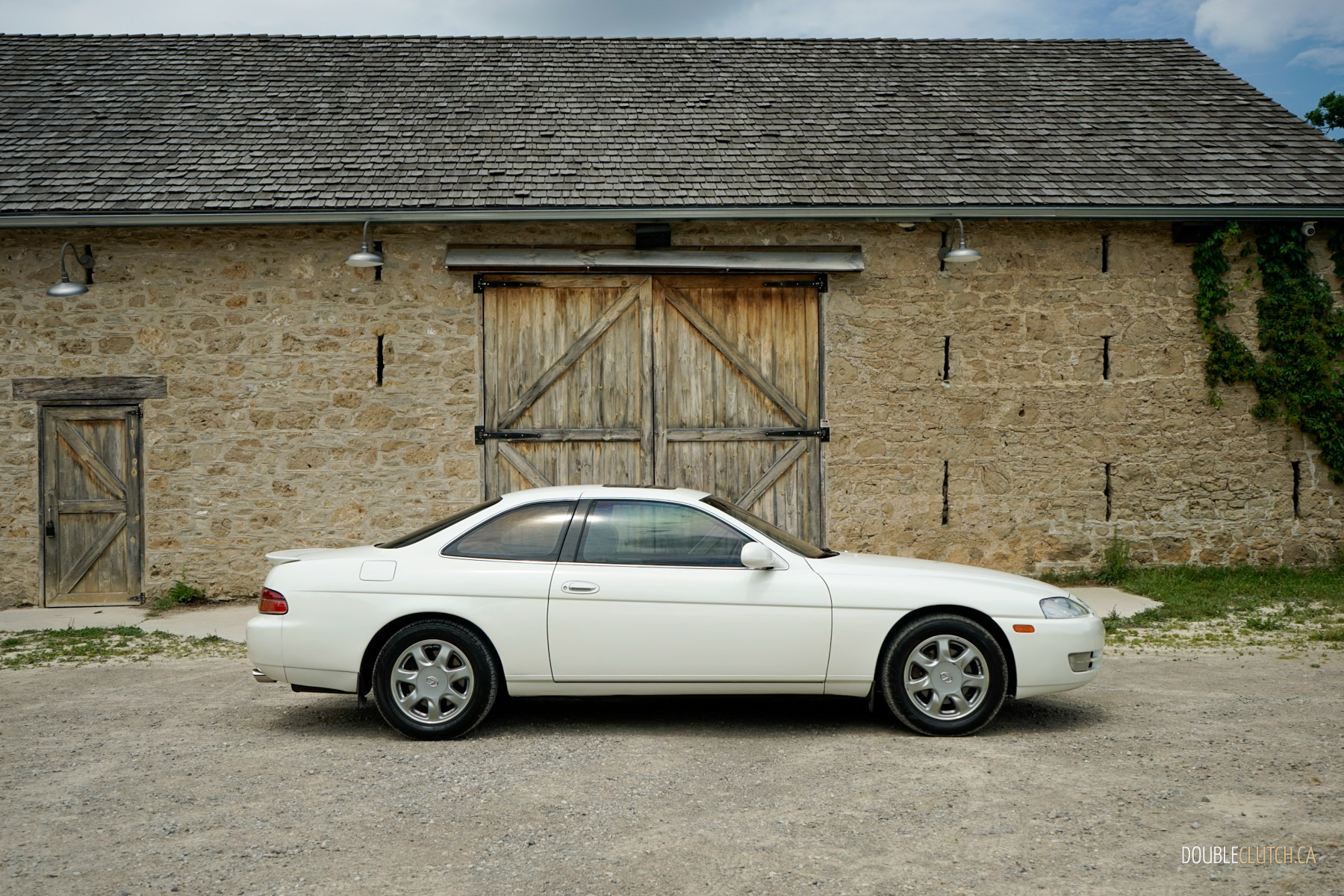
Remember, this was a time when the big luxury coupe market was hugely competitive with heavy hitters such as the Mercedes-Benz CL-Class, BMW 8 Series, and Jaguar XJS, so Lexus’ move was definitely ambitious. While the SC did not make an instant impact on the sales chart like its executives had hoped, it set the bar high with proper proportions, curvy and fluid styling, and the distinctive and now-iconic quad-headlight design. I love that the SC 400 looks vastly different from the LS 400, each becoming timeless classics in their own way.
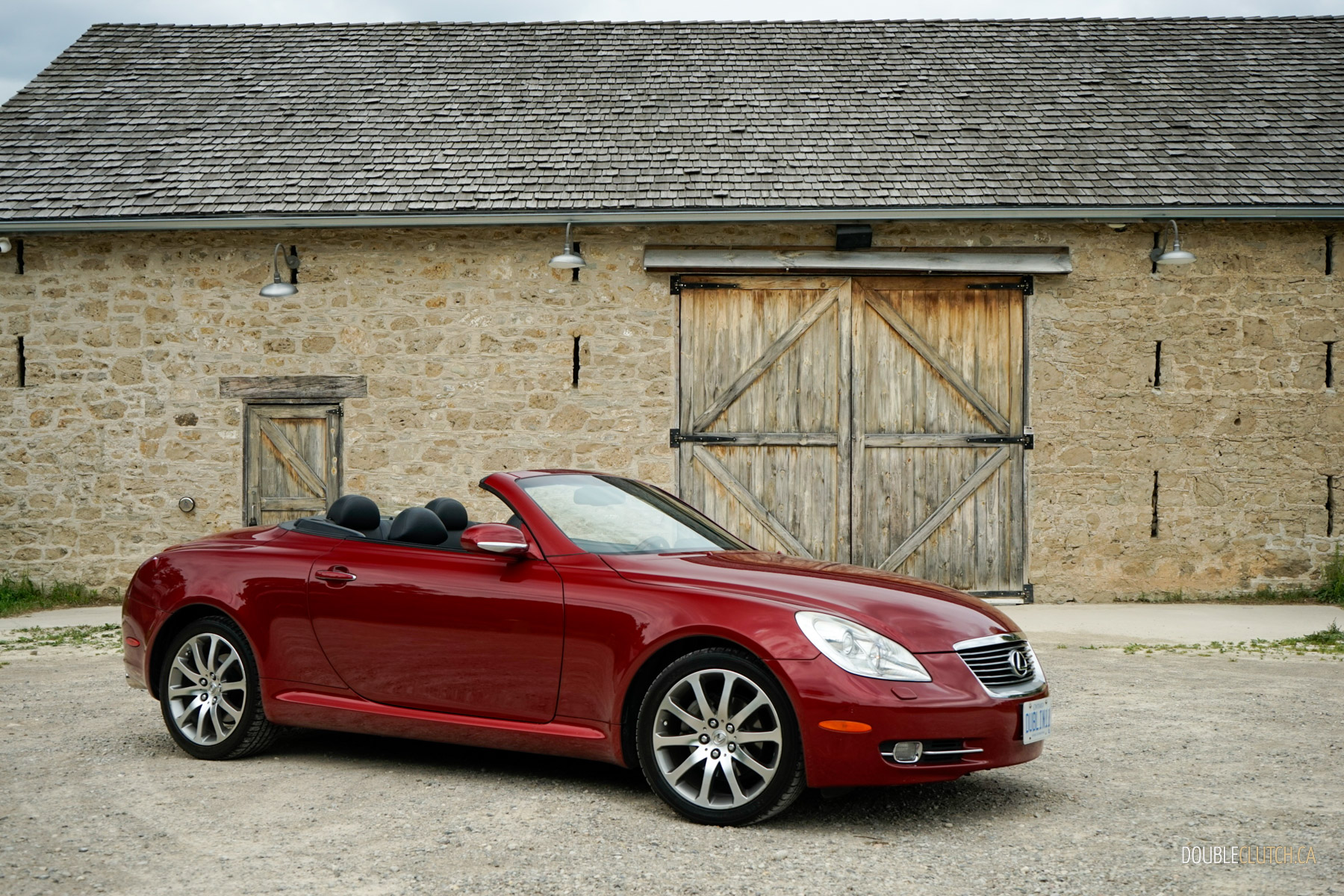
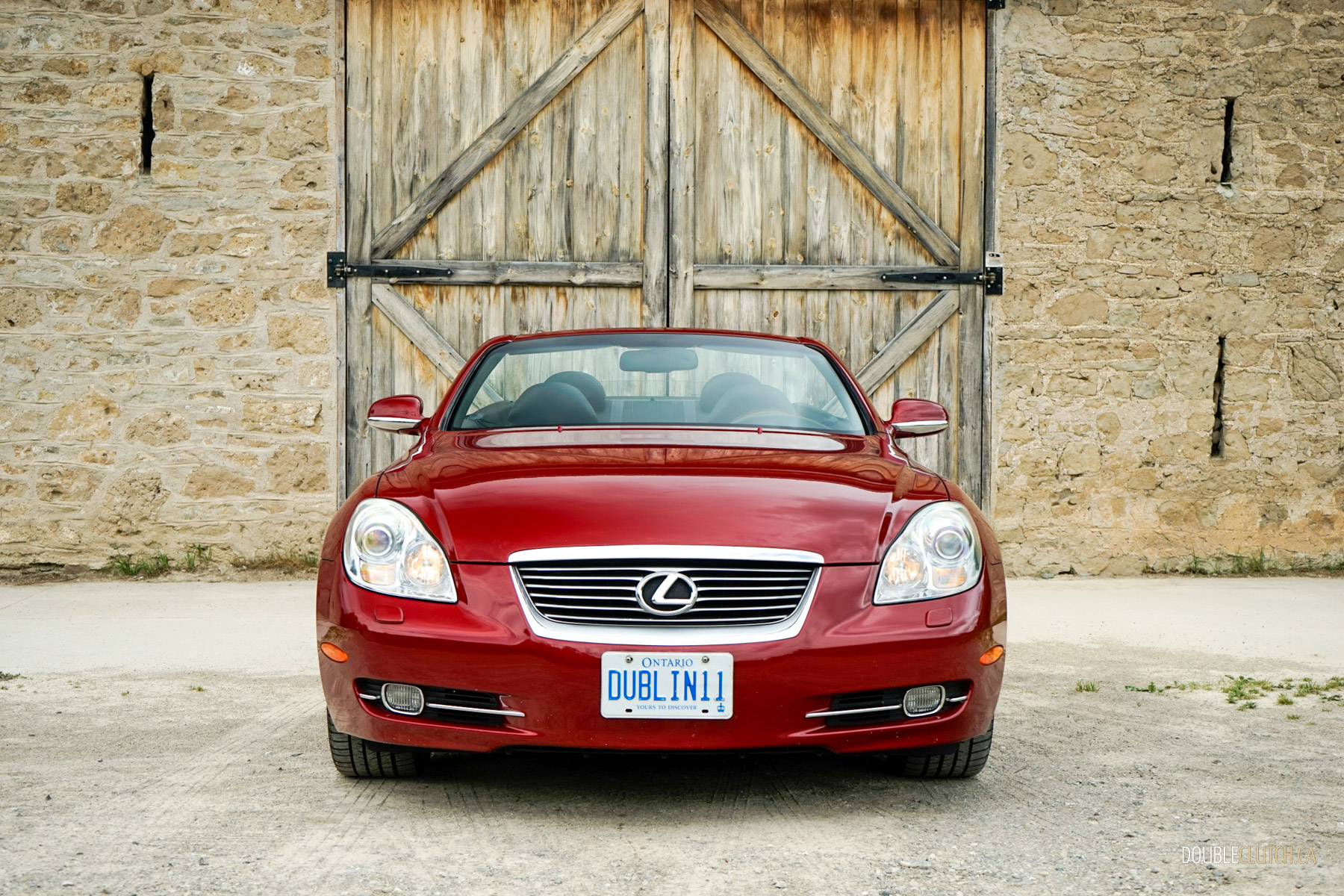
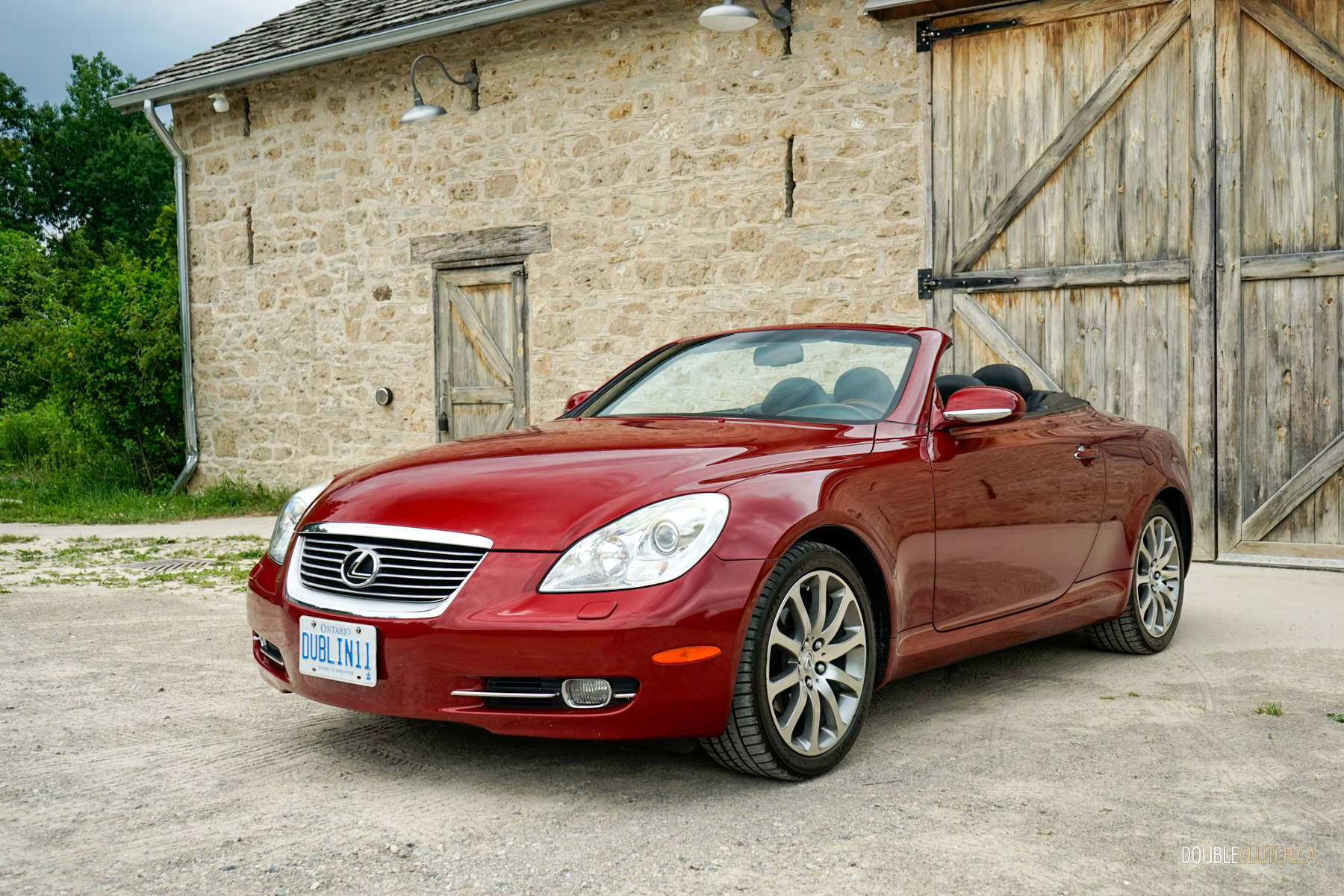
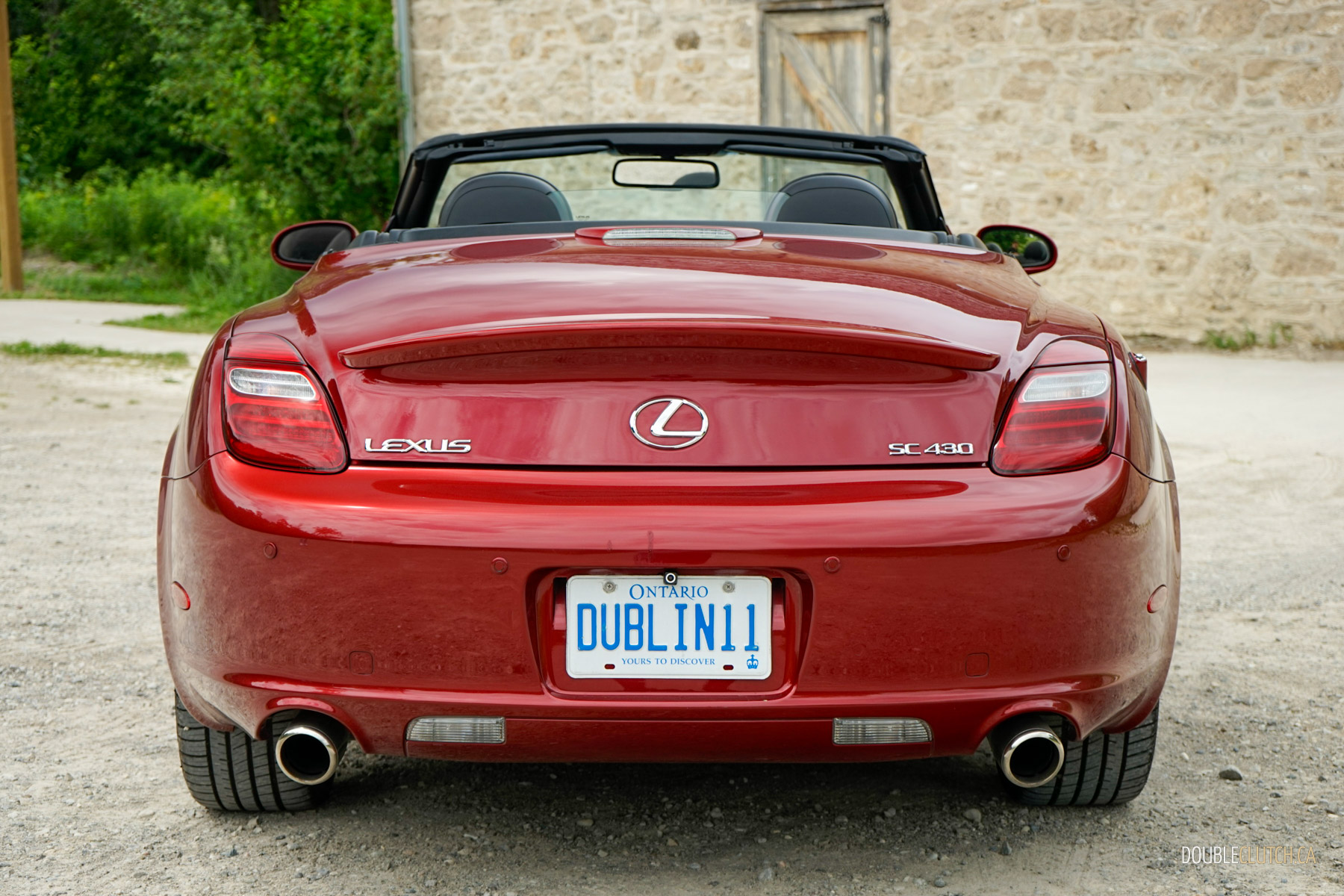
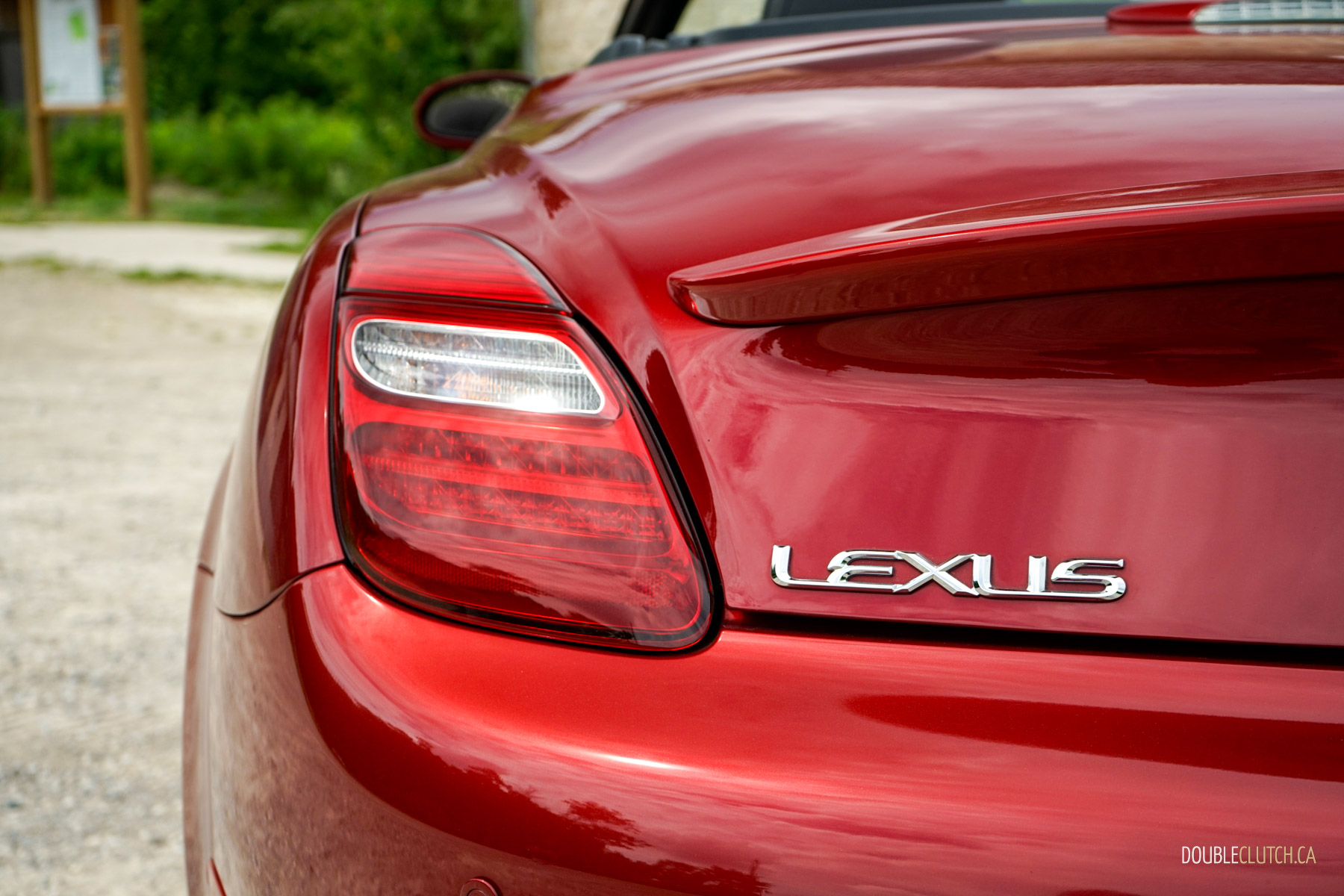
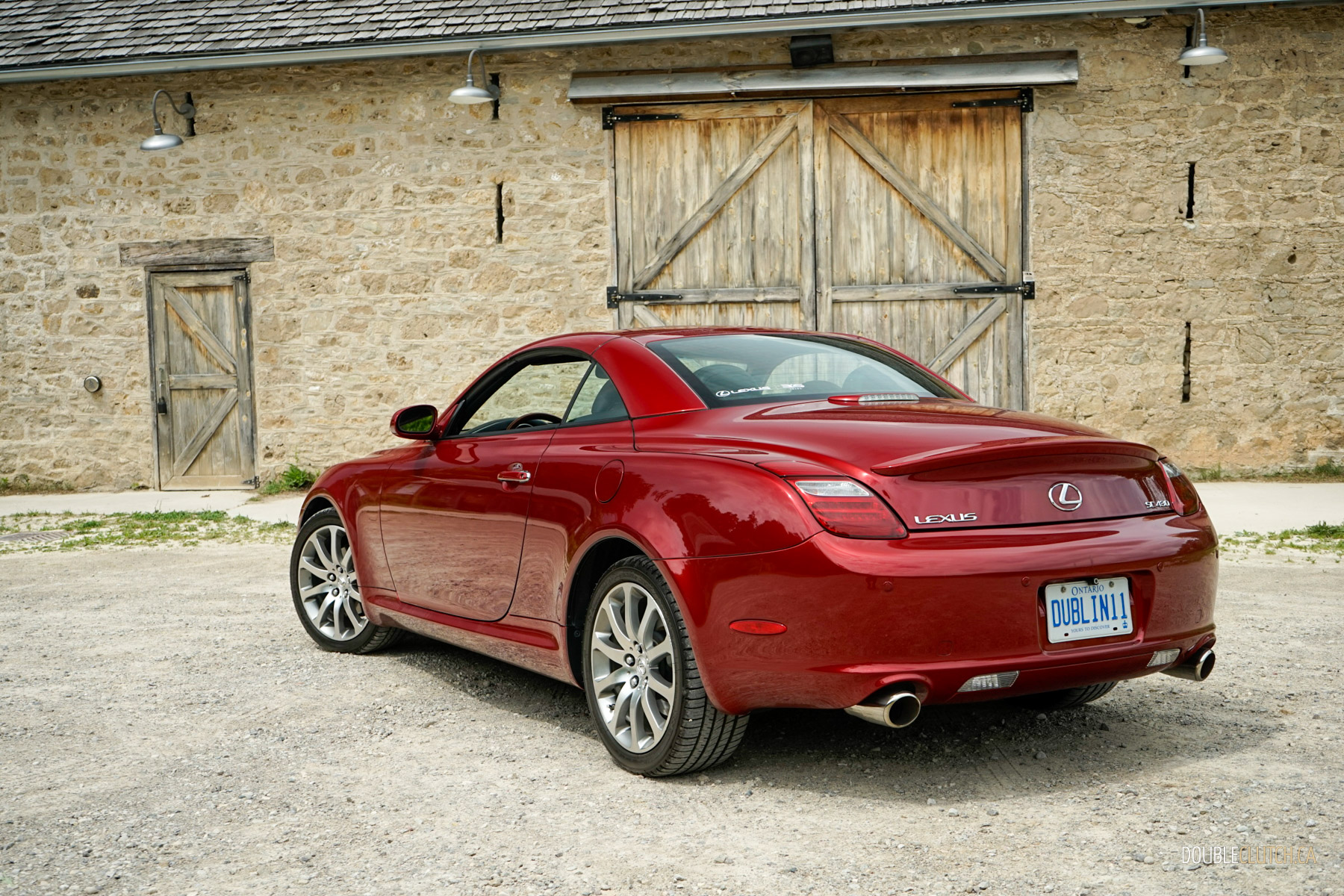
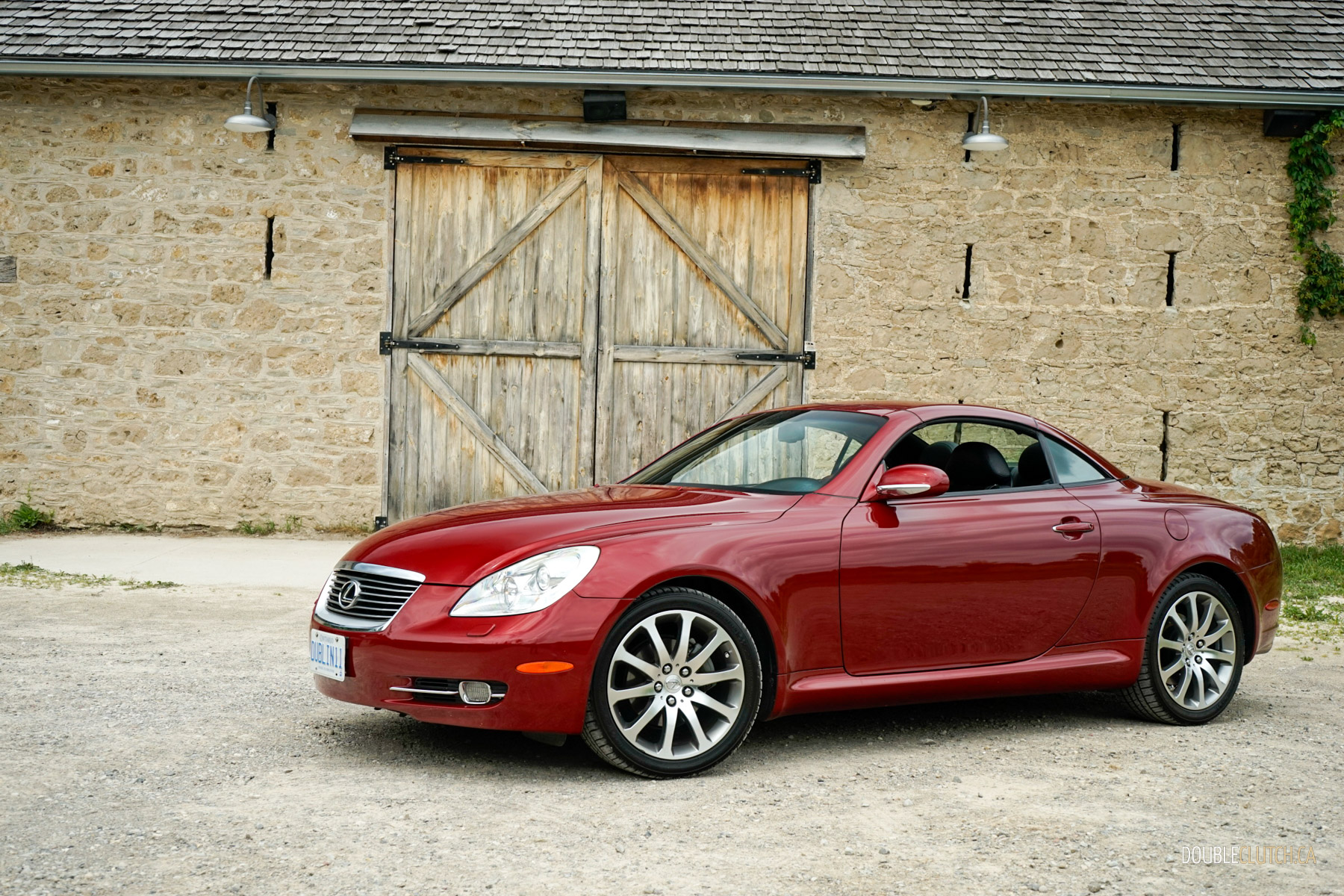
When it came time to launch its successor in 2002, the SC 430, Lexus took a slightly different approach. Their designers were early adopters of the hardtop convertible trend in the early millennium. This added tremendous appeal to those who wanted a car that can be both a coupe and a convertible, without the awkward look of a fabric soft top.
However, when the SC 430 debuted, it drew ire over its controversial looks. Like its predecessor, the SC 430 was soft and rounded, though many thought it looked uninspiring and lacked the sleekness that many of the top-of-the-line sports coupe possessed at the time. Our tester is the facelifted version that features updated lighting and fascias to improve curb appeal, and I think the SC 430’s overall design stands the test of time, unlike many of its European counterparts from the same era.
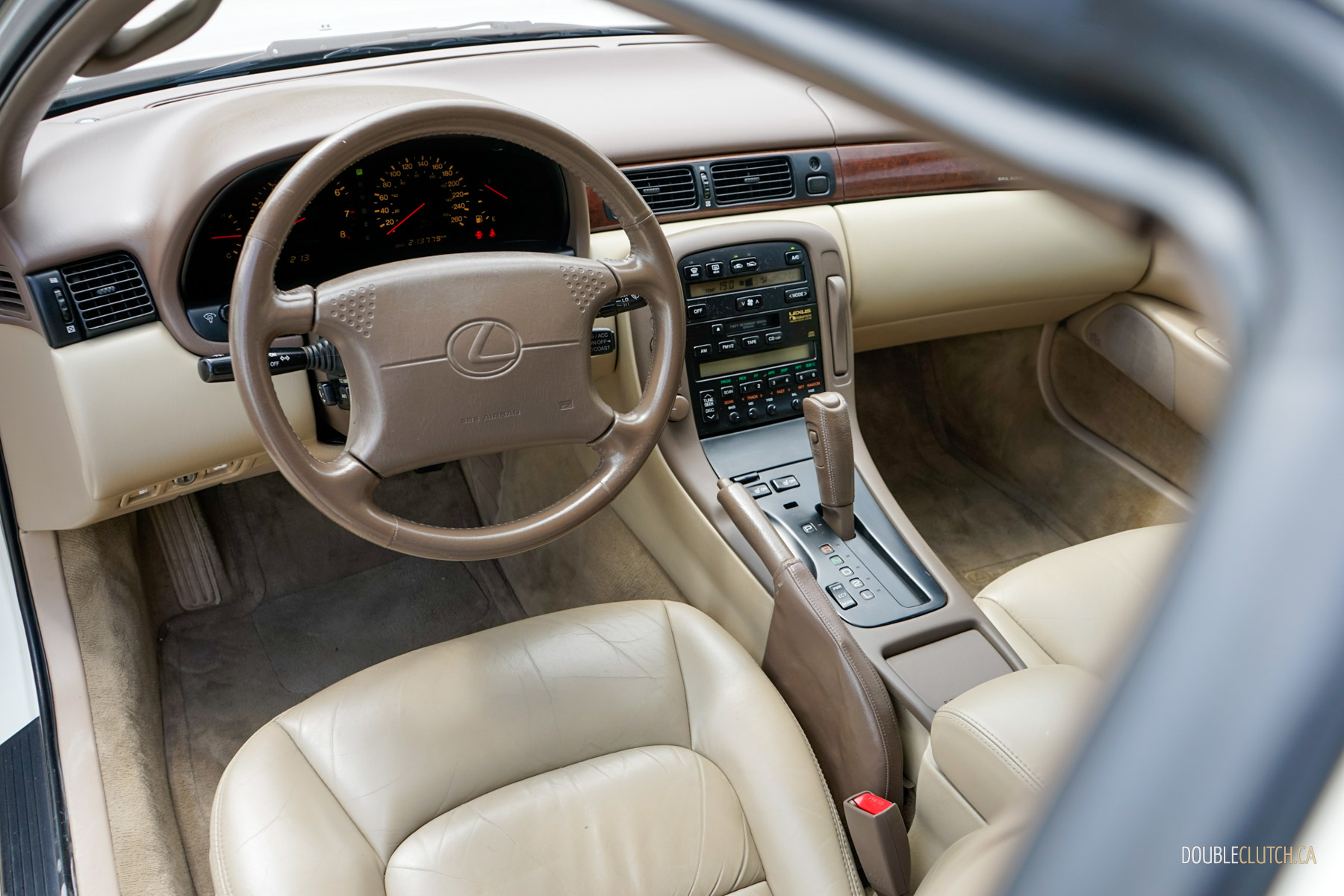
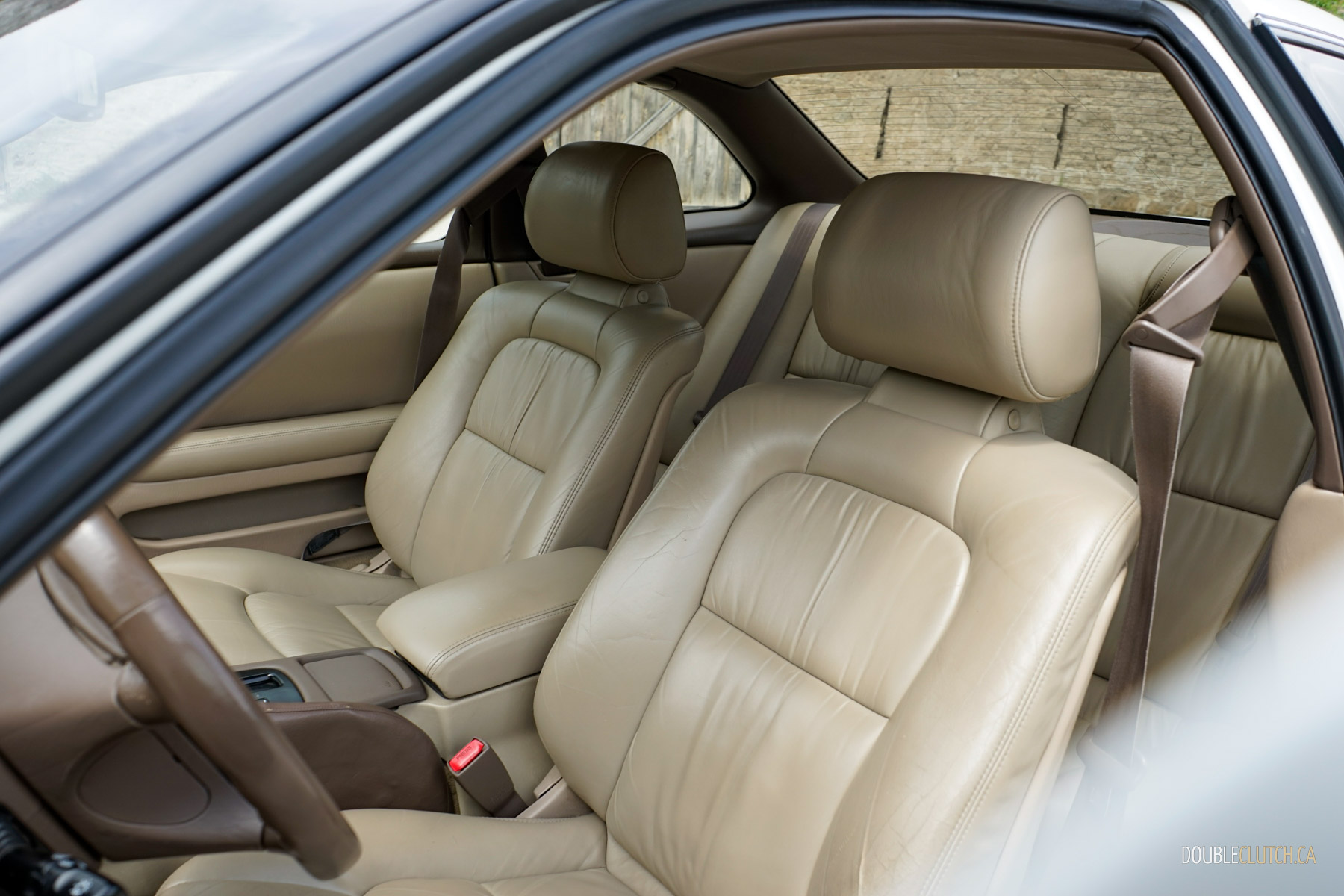
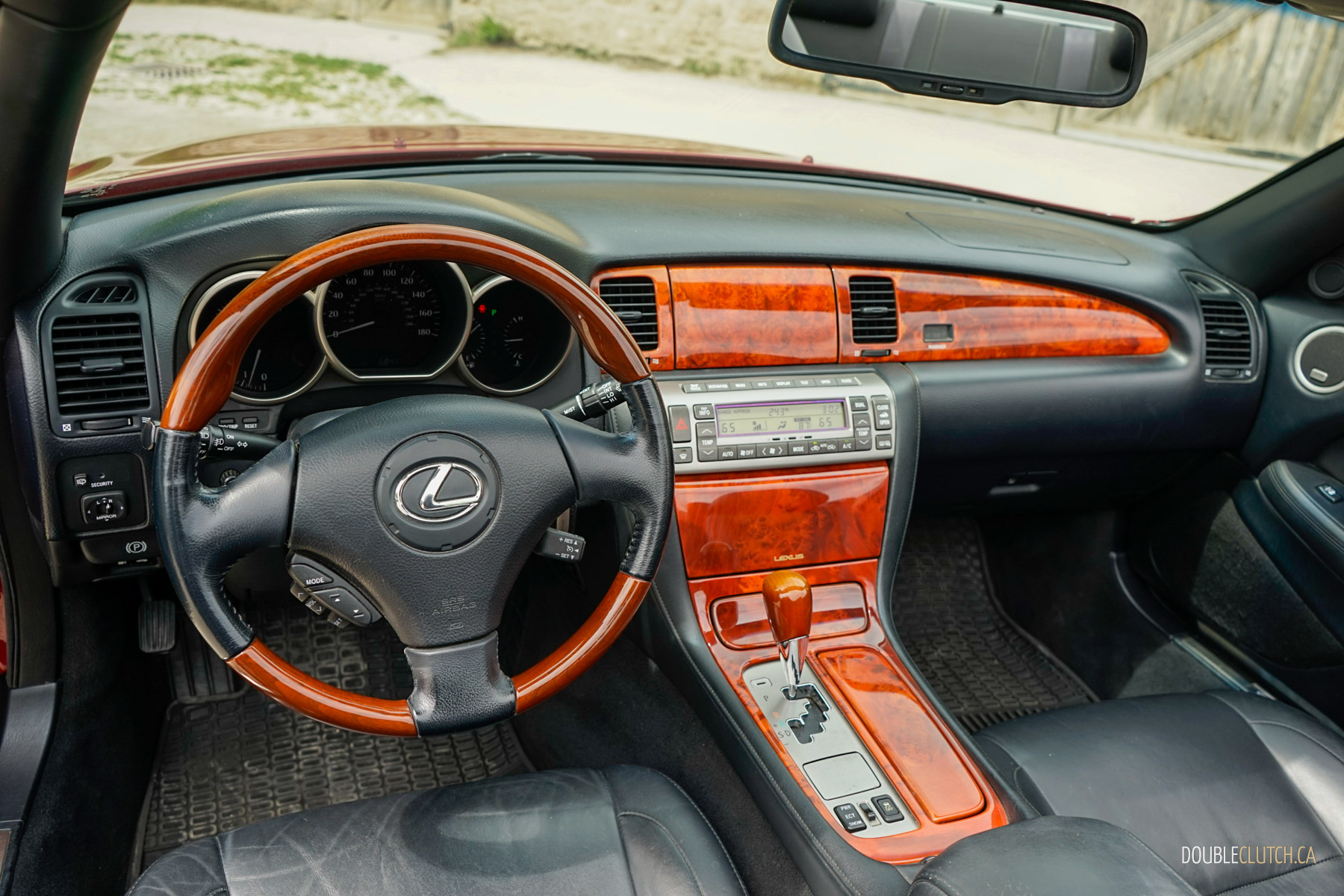
Both the SC 400 and 430 are testaments to how Lexus has always been for interior quality and craftsmanship. The SC 400 charmed us with just how well that simple and functional interior has kept together as this particular car approaches its 30th birthday. There are virtually zero creaks or rattles, and every button and piece of switchgear operates and feels like new. Being inside the SC 400 really reminded us of the golden era of automotive design, where everything inside has a purpose and you don’t need a 30-minute tutorial on how to change the radio station.
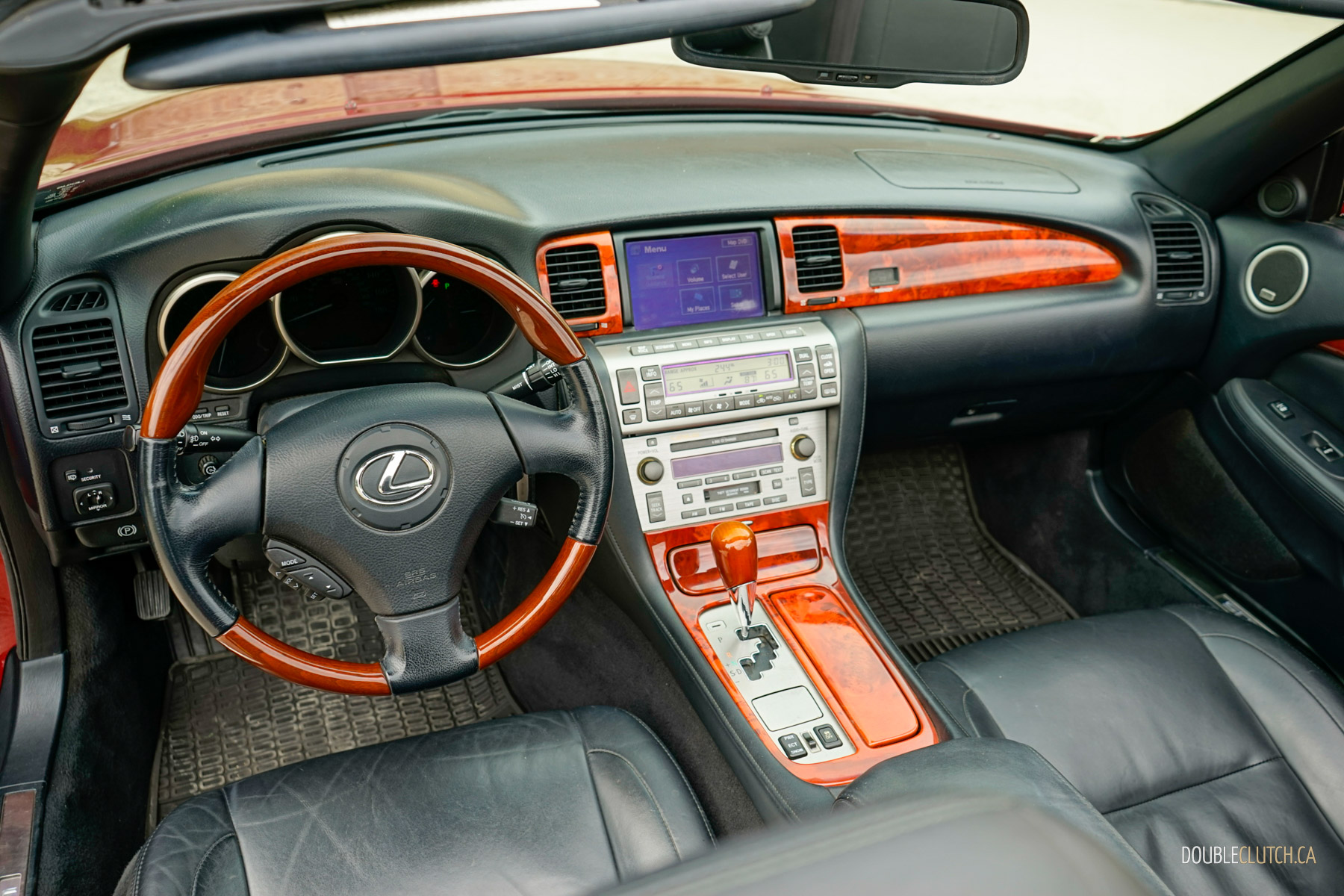
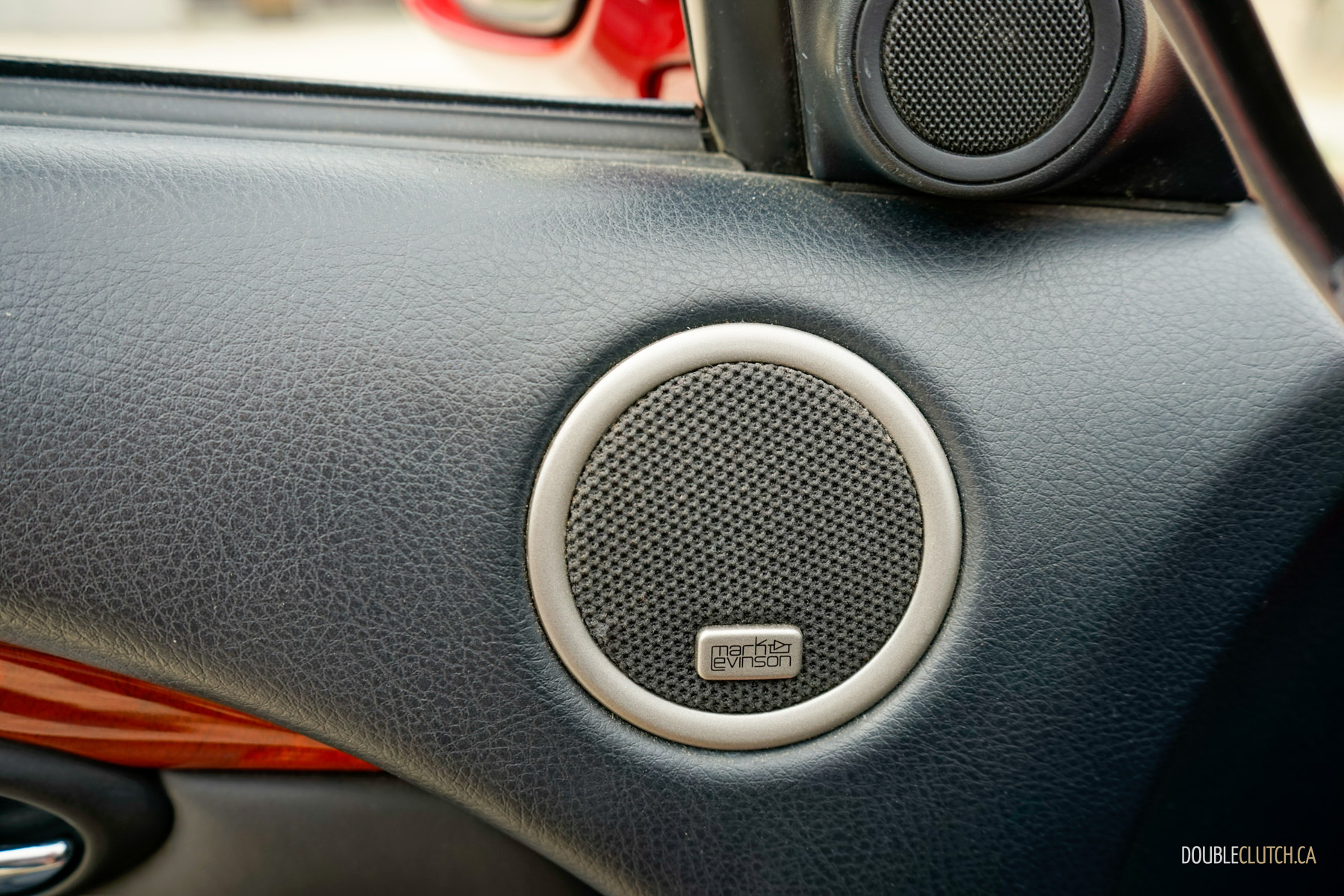
As for the SC 430, Lexus have not only kept up with their commitment to perfecting the interior build quality, they also added flair that we simply are not used to seeing from Lexus. For one, the interior is plastered with high quality veneered wood trims that immediately speaks to its status as a flagship. There are power-operated interior panels that cleverly keeps the now-outdated-looking GPS navigation screen out of sight. Everything feels plush and rich, and its impeccable build quality is recognizable now more than ever.
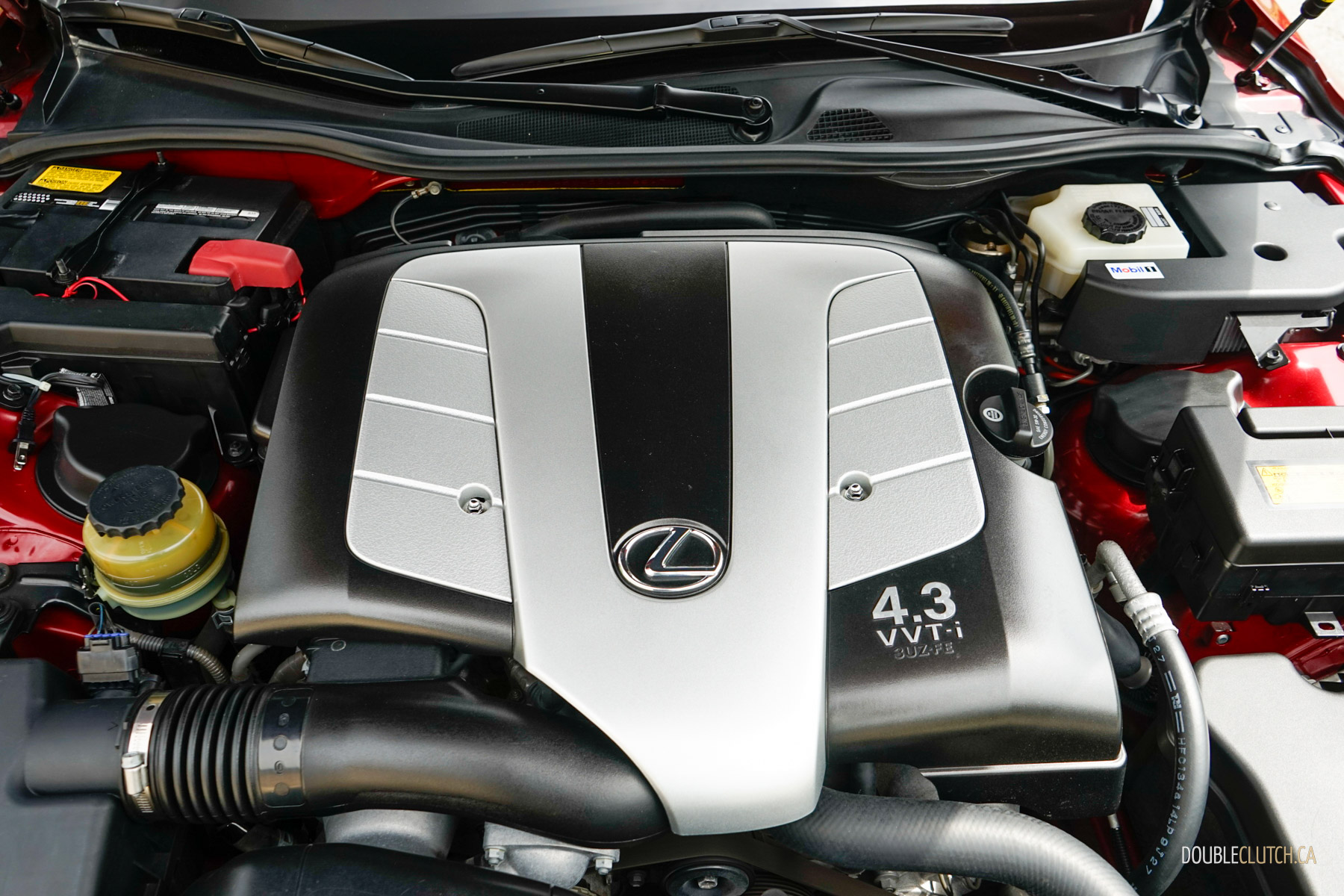
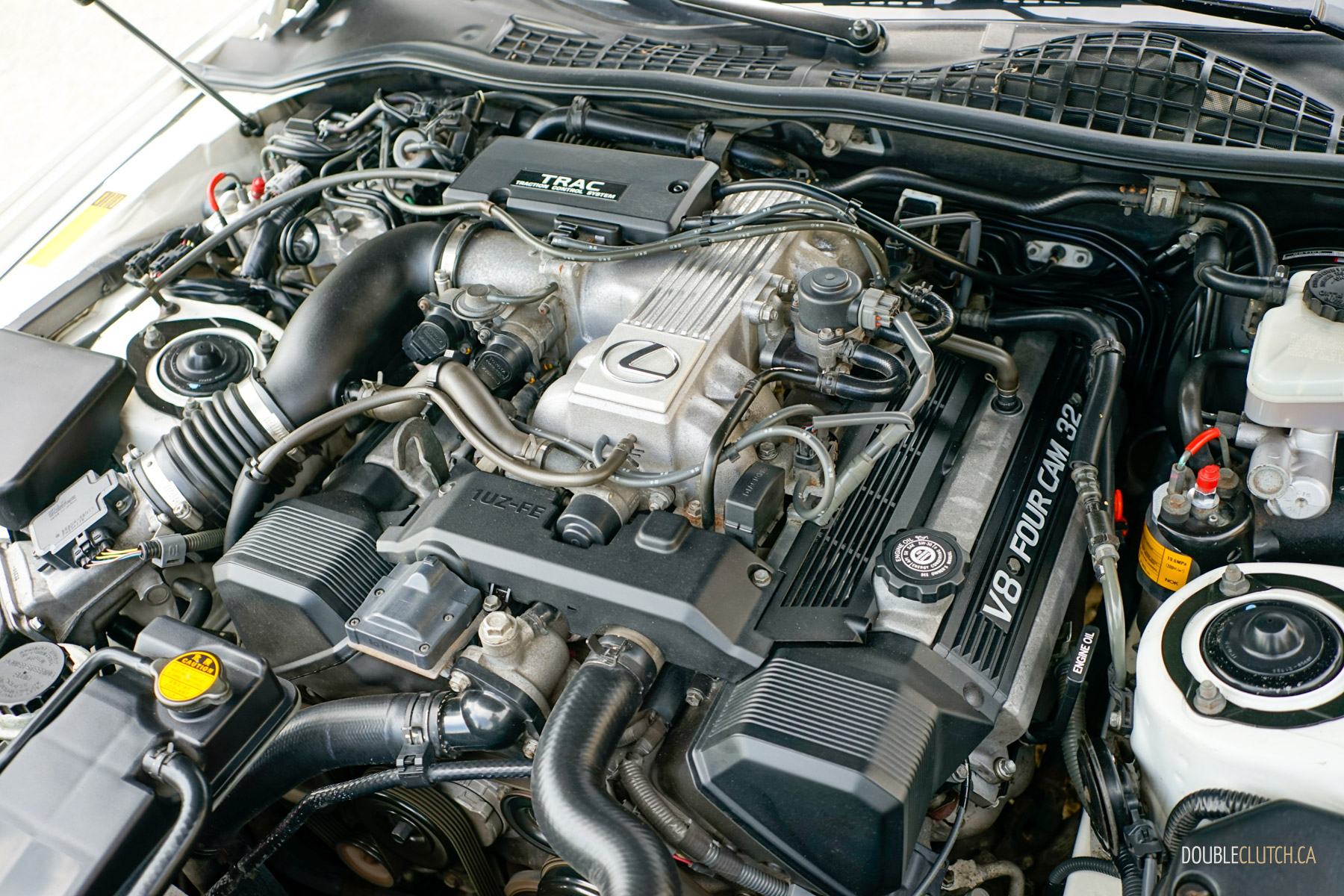
Let’s remember that back in the 1990s and 2000s, the numbers in a model name actually meant something. The “400” in SC 400 means it is powered by a 4.0-litre V8 engine good for 260 horsepower, and the “430” in the SC 430 denotes a 4.3-litre V8, bumped to 288 horsepower. Those numbers are hardly noteworthy today, but as expected, both engines are creamy smooth. The SC 430’s in particular is exceptional to me for just how undisturbed it feels at all the time. Both have almost zero vibrations at idle, and when you want to hustle, they both can respond with a confident surge to get up in speed. But not in the violent way we have come to know from modern turbocharged cars.
If you ask me, while the SC 430 is an absolutely delightful cruiser, my preference actually goes to the older SC 400. There is a sense of raw excitement from the way it delivers on the power; you hear a bit more, you feel a little livelier, and you just want to give it a little bit extra to extract more out of it. It also helps that the SC 400 is the more engaging one of the two cars to drive. The SC 430 prioritizes comfort above sportiness, and you can really feel it is the softer of the two. I attribute that to having slightly less structural rigidity being a convertible, as I felt it particularly with the roof down at high speeds.
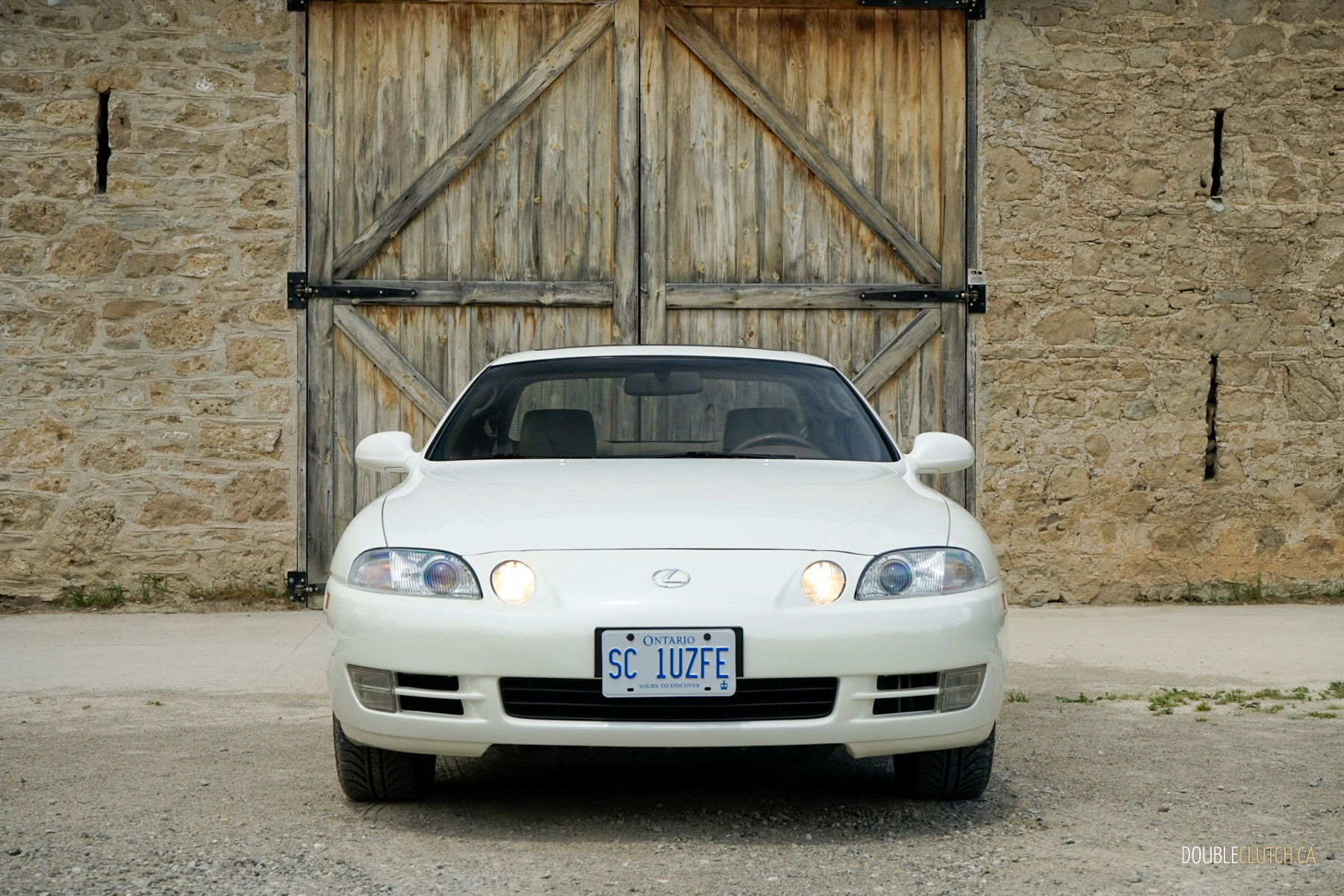
On the other hand, the SC 400 surprised us with what I would say is above-average driving dynamics for a mid-90s luxury coupe. The steering is accurate and the car will happily cruise along at higher speeds. You do not forget that you are carrying around 3,600 pounds of weight into corners, but the chassis communicates that limit quite well and you can tell that limit is higher than its successor.
In terms of interior comfort, I actually found both cars to be similar. The SC 400 is especially impressive given its age; everything still felt solid, and aside from a bit of extra wind noise compared to newer Lexus models, the cabin remains unbelievably quiet for a 30-year-old car. The SC 430 serves its purpose as a luxurious carriage very well, albeit only for the front two passengers. The seats are comfortable and the suspension soaks up road imperfections very well. Even with its convertible structure, the SC 430 does a good job isolating external noises — at least, with the top up — and allowing anyone inside to enjoy an exceptionally pleasant ride.
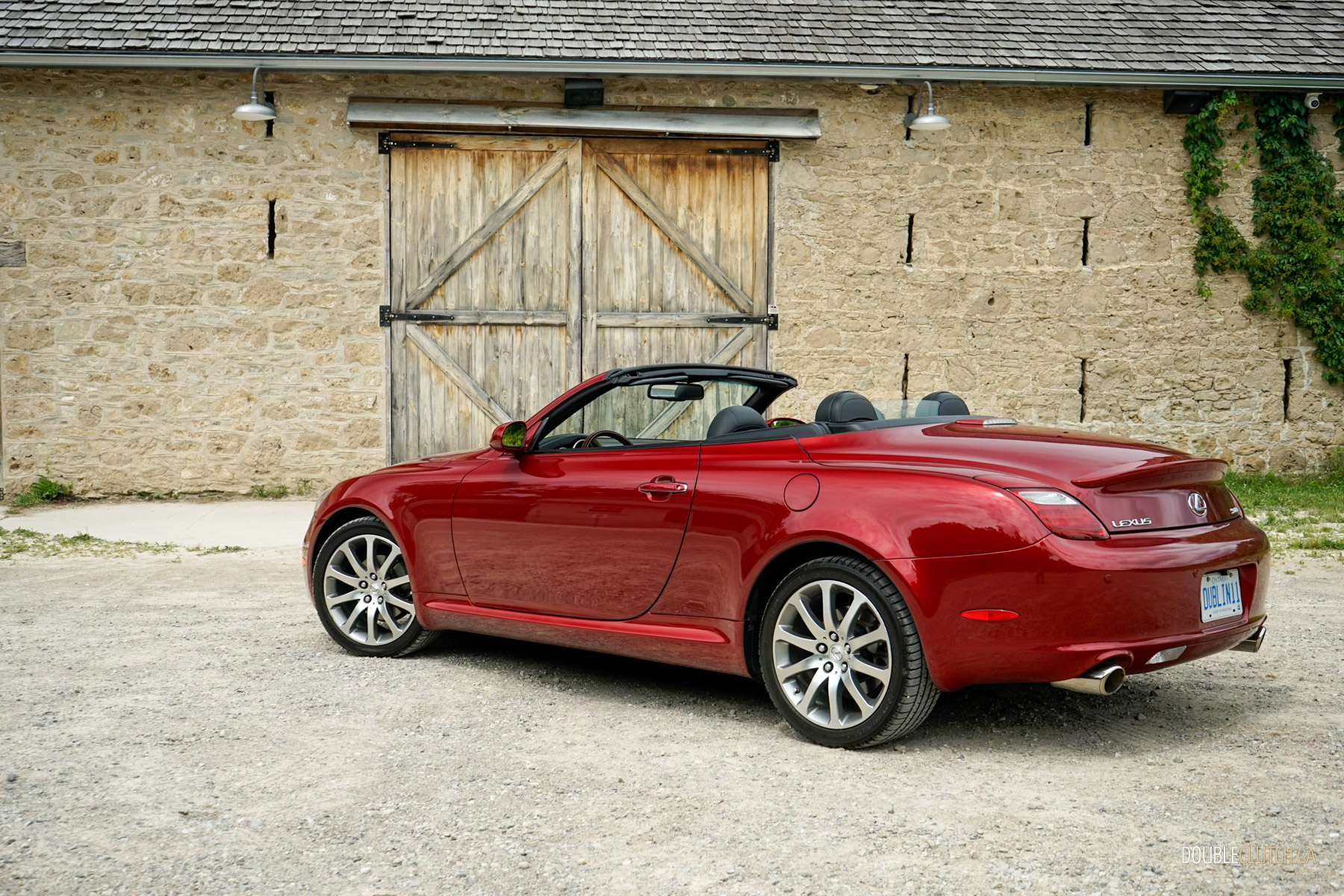
Back in 1995, the SC 400 cost $72,100, and in 2009, the SC 430 started at $81,000. Factoring in inflation, that equals $135,156 and $115,694 today, respectively, which is a very similar price spread to the current LC 500. It shows that Lexus has more or less stayed in the same market, unlike many European sports cars that have gone upmarket so much that they lose their own identity.
I really do love big coupes. This 1995 SC 400 and 2009 SC 430 show the blueprint of how Lexus created what I think is the most ideal luxury car for me, and I am thankful for that. As Lexus continues to move forward and embarks on their next 35 years in the Canadian marketplace, I have no doubt the SC — and the LC 500 — will continue to serve as the key foundation for their next great grand tourer.

Senior Editor
Ben has been living and breathing car magazines, spec sheets, and touring auto shows for his entire life. As proud member of the Automotive Journalists Association of Canada, he keeps a close eye on the latest-and-greatest in the auto industry. When he isn't geeking out about the coolest new cars, he's probably heading to the next hidden-gem ice cream shop with his three quickly growing kids.
Current Toys: '97 Integra Type R, '07 LS 460 RWD, '18 Odyssey Touring