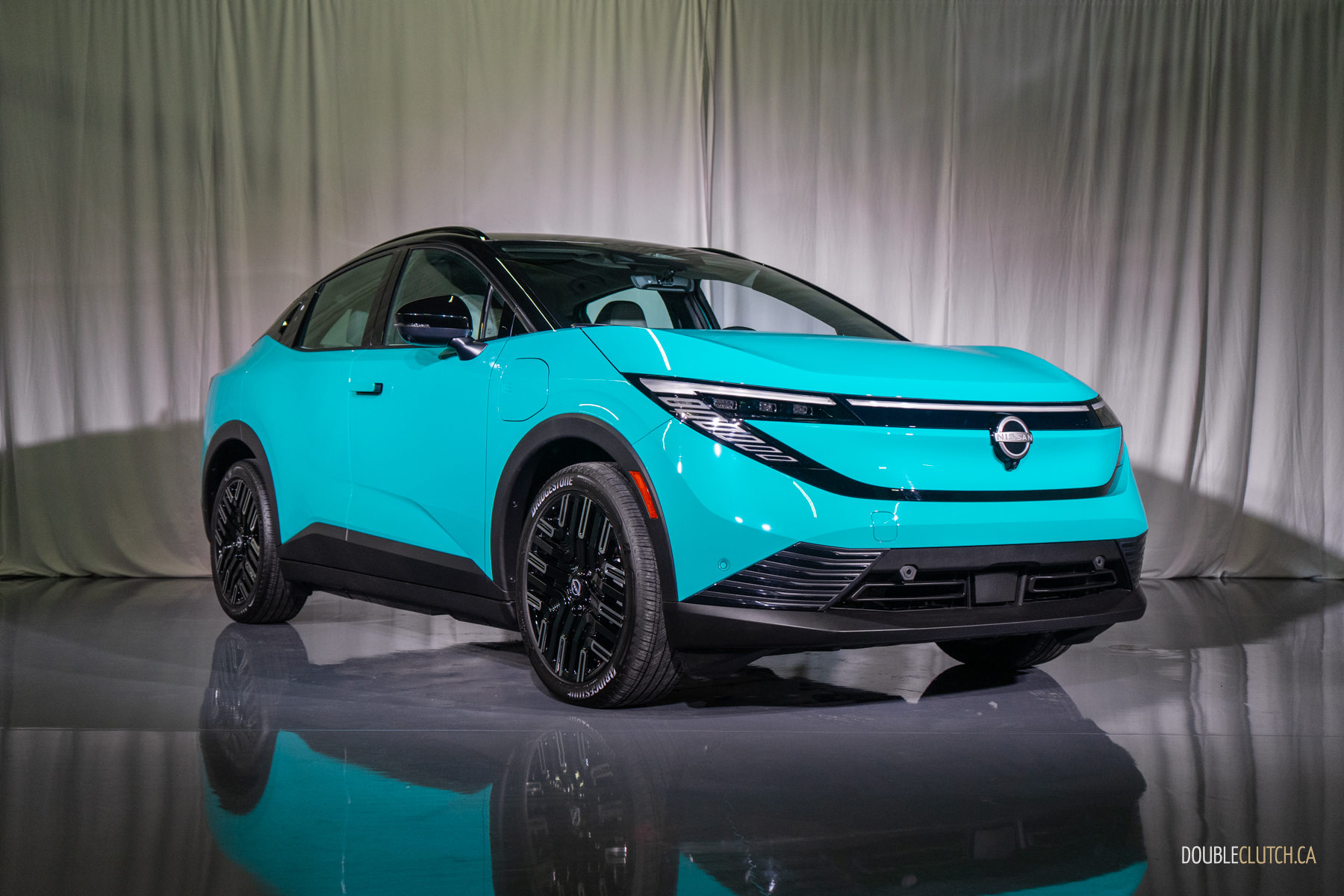
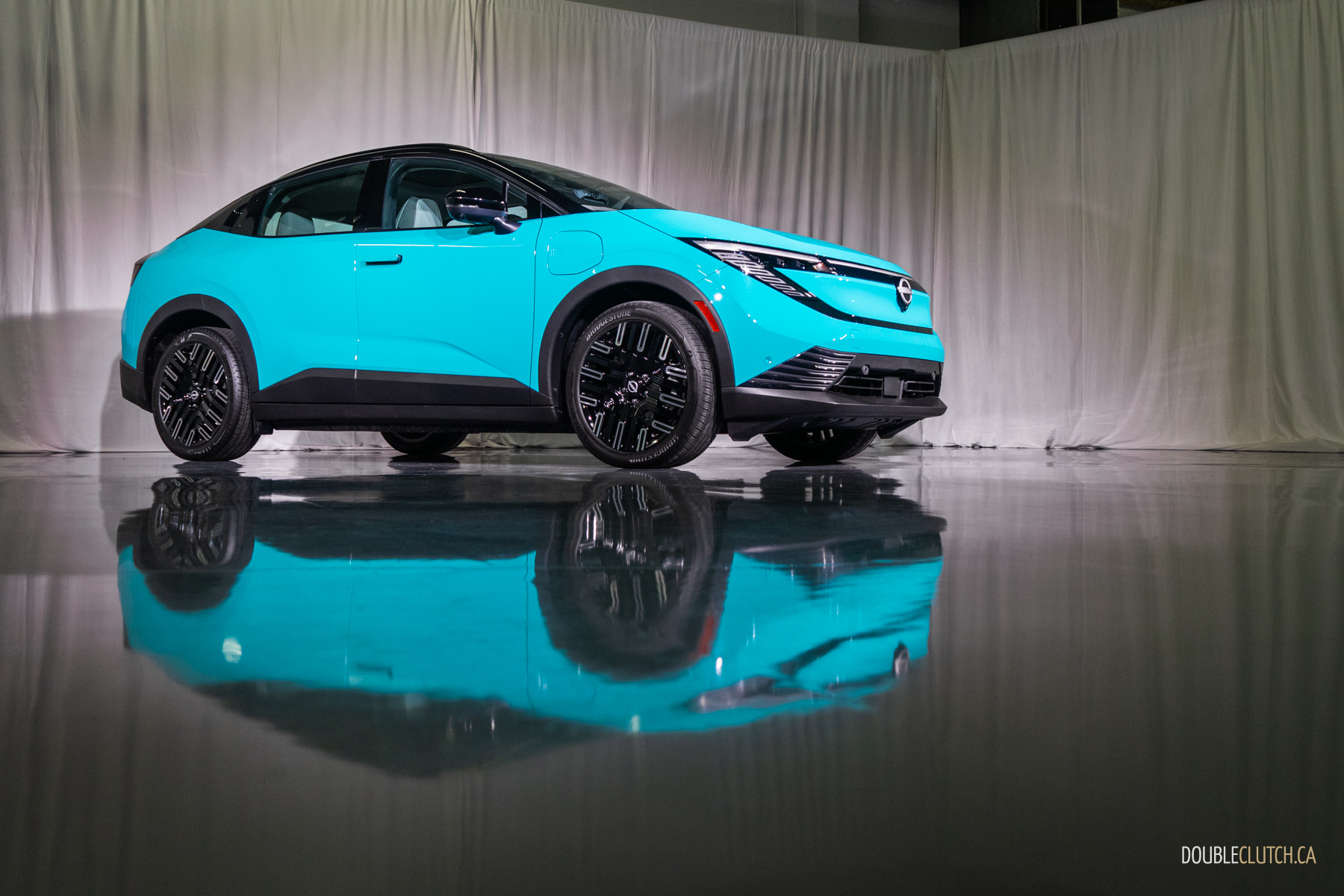
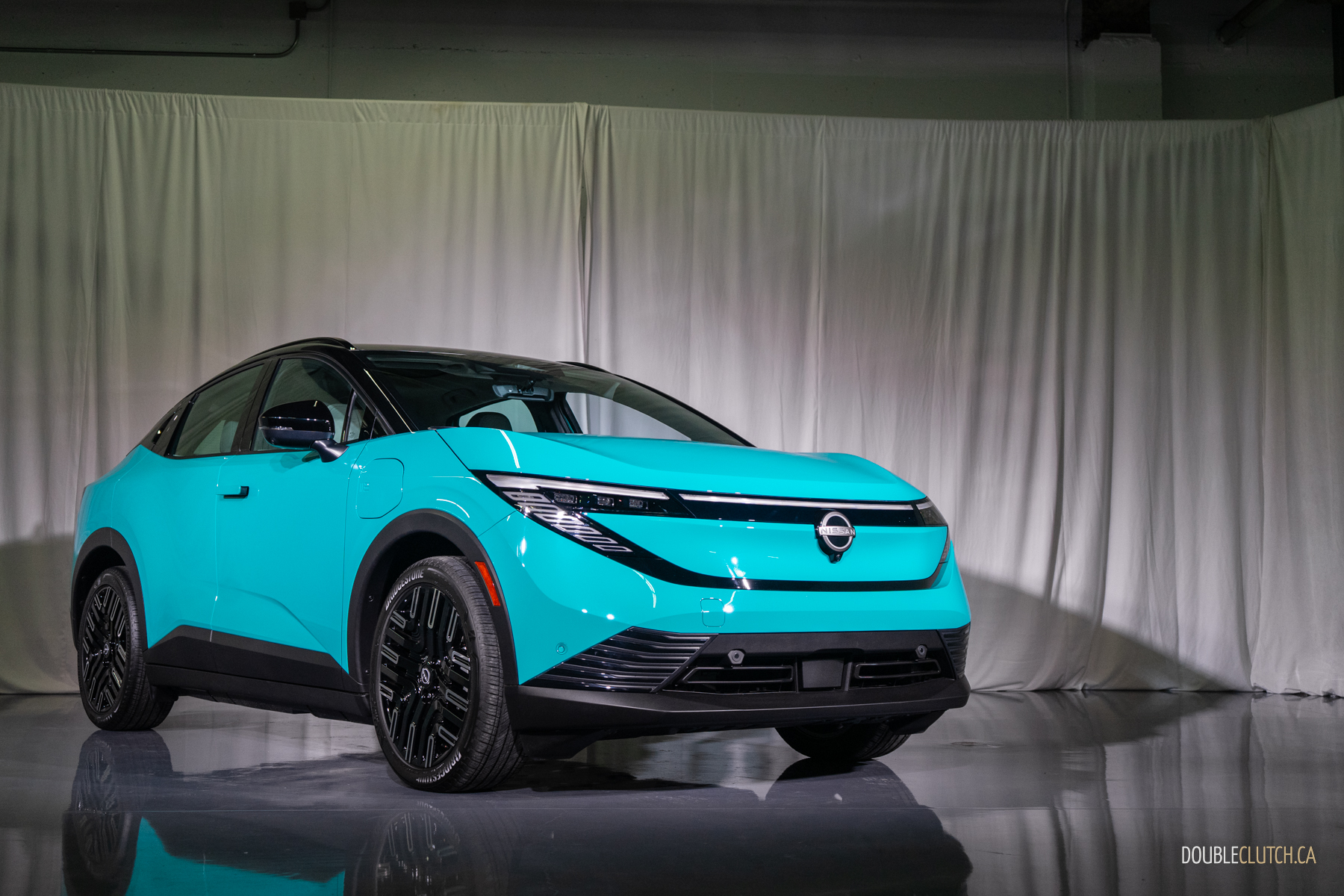
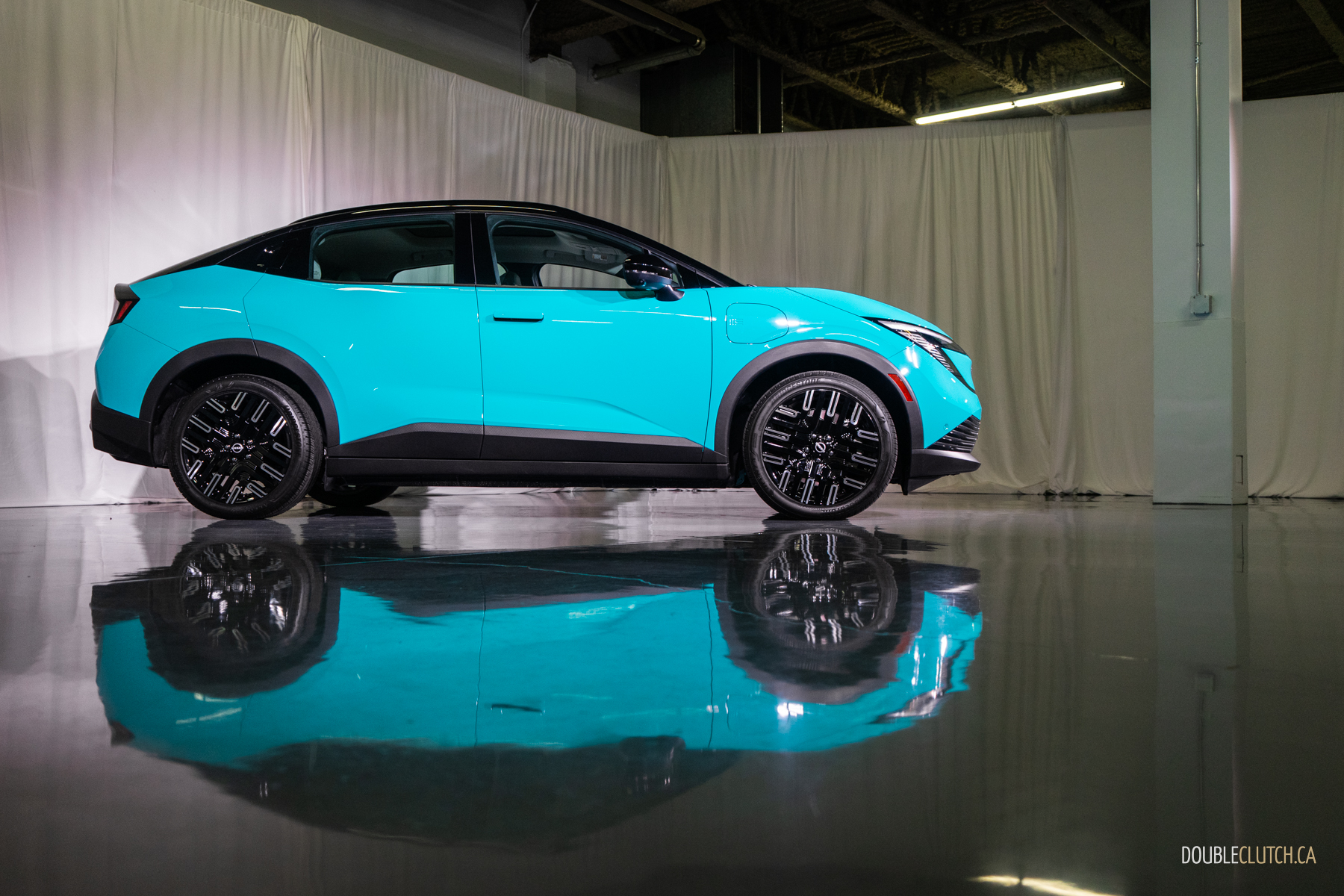
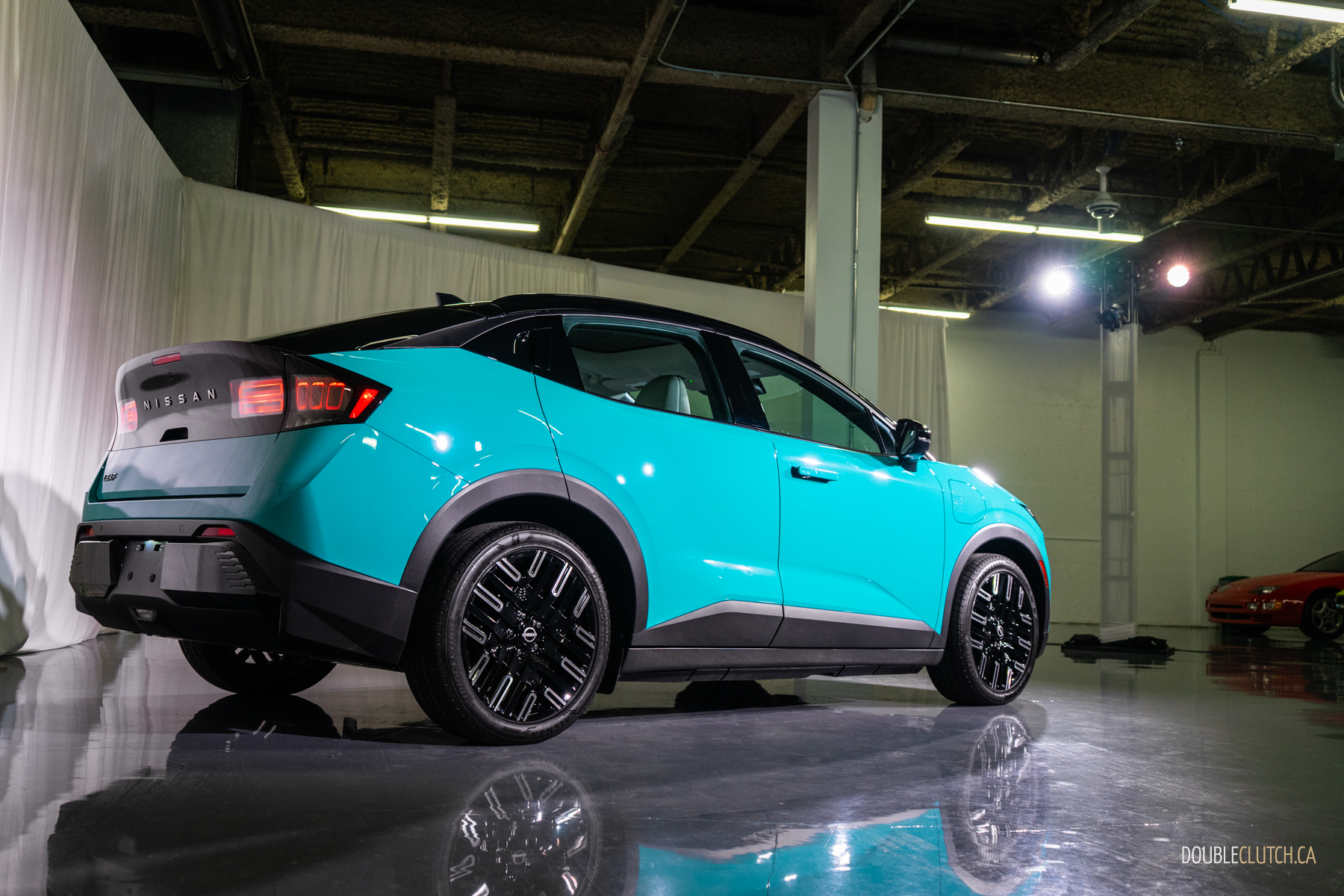
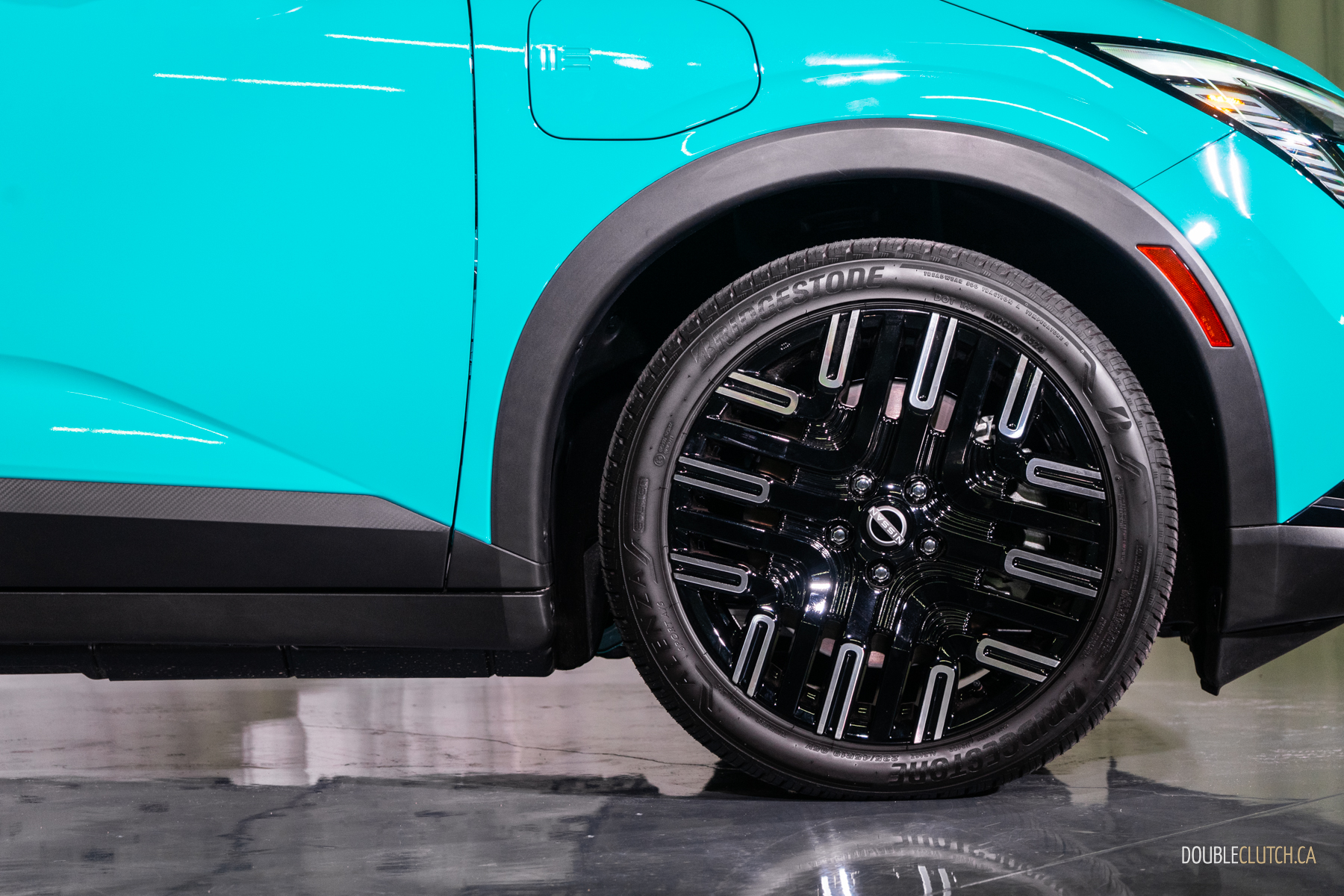
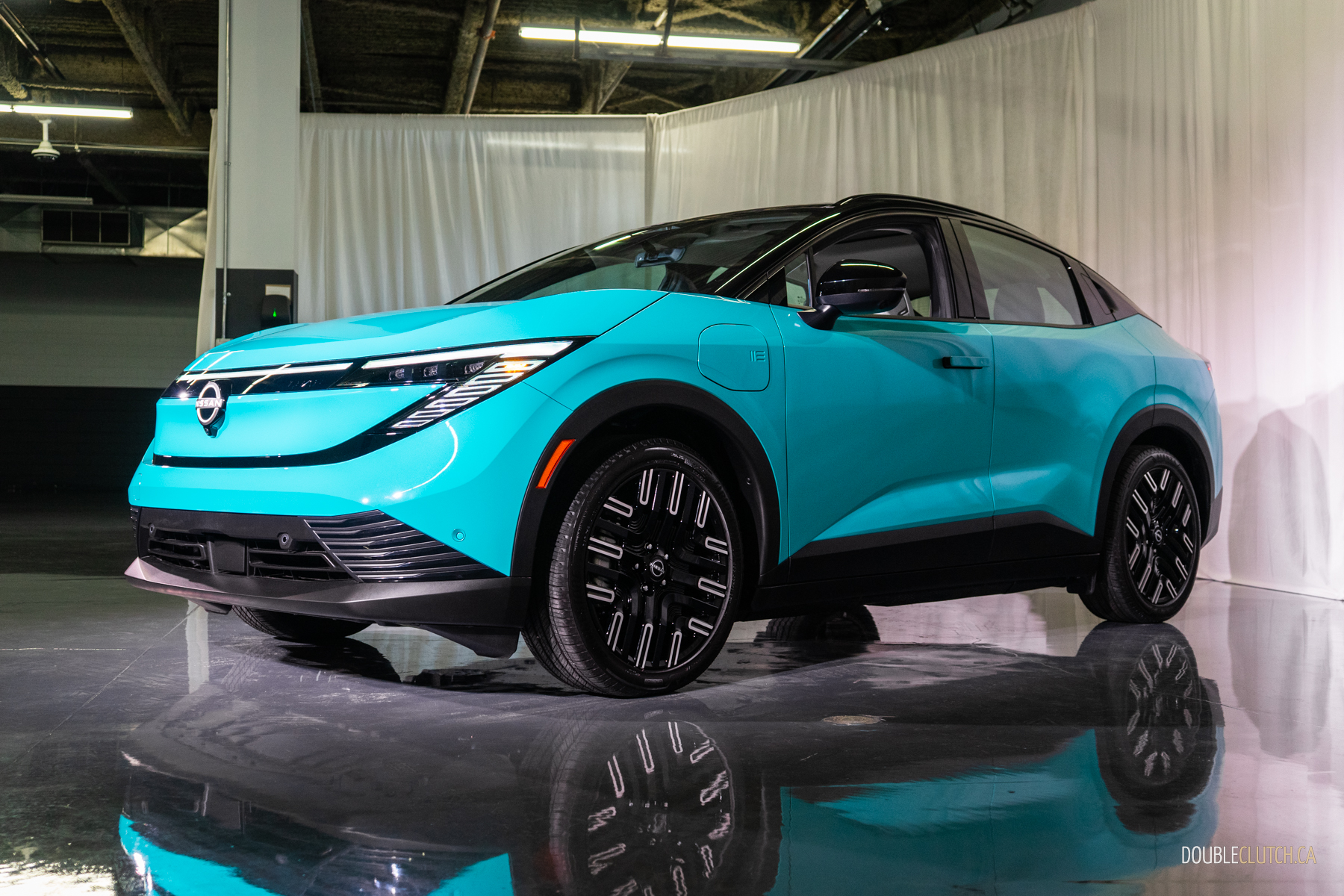
Nissan is turning over a new leaf with this third-generation evolution of its electric hatchback. Except it isn’t really a hatchback anymore — it’s more of a baby Ariya, and with this grown-up 2026 Nissan Leaf comes more range, more space, and more tech.
The original Leaf pretty much pioneered the affordable EV segment. You could get into one for nearly thirty grand, and although you couldn’t go far with its paltry range estimates that barely cracked 150 kilometres, it made decent sense as an urban runabout. But the auto industry moves fast; Nissan followed up with a second-generation Leaf for 2018, but the rest of the industry caught up fast in the affordable-ish EV space.
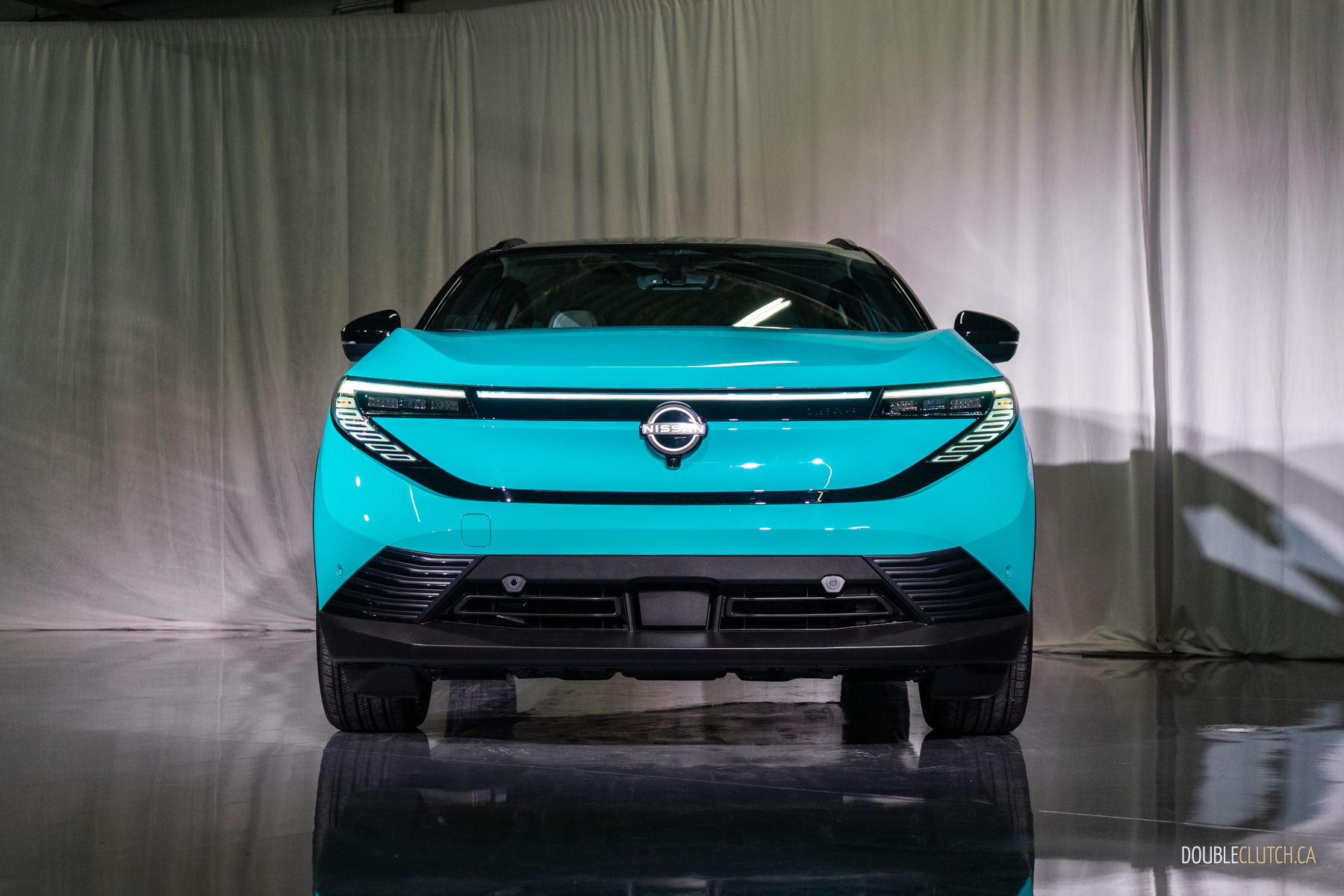
Now, Nissan is on a tear to right those wrongs of letting its products get stale. The new Armada is excellent; the new Murano is perhaps the most surprising car we’ve driven this year. It’s now the 2026 Leaf’s time to shine, so Nissan Canada invited us down into their basement — forgive us for getting a little distracted; it’s the same basement where their pristine 240Z and 300ZX hibernate — and gave us a sneak peek in the flesh to see what all the fuss is about.
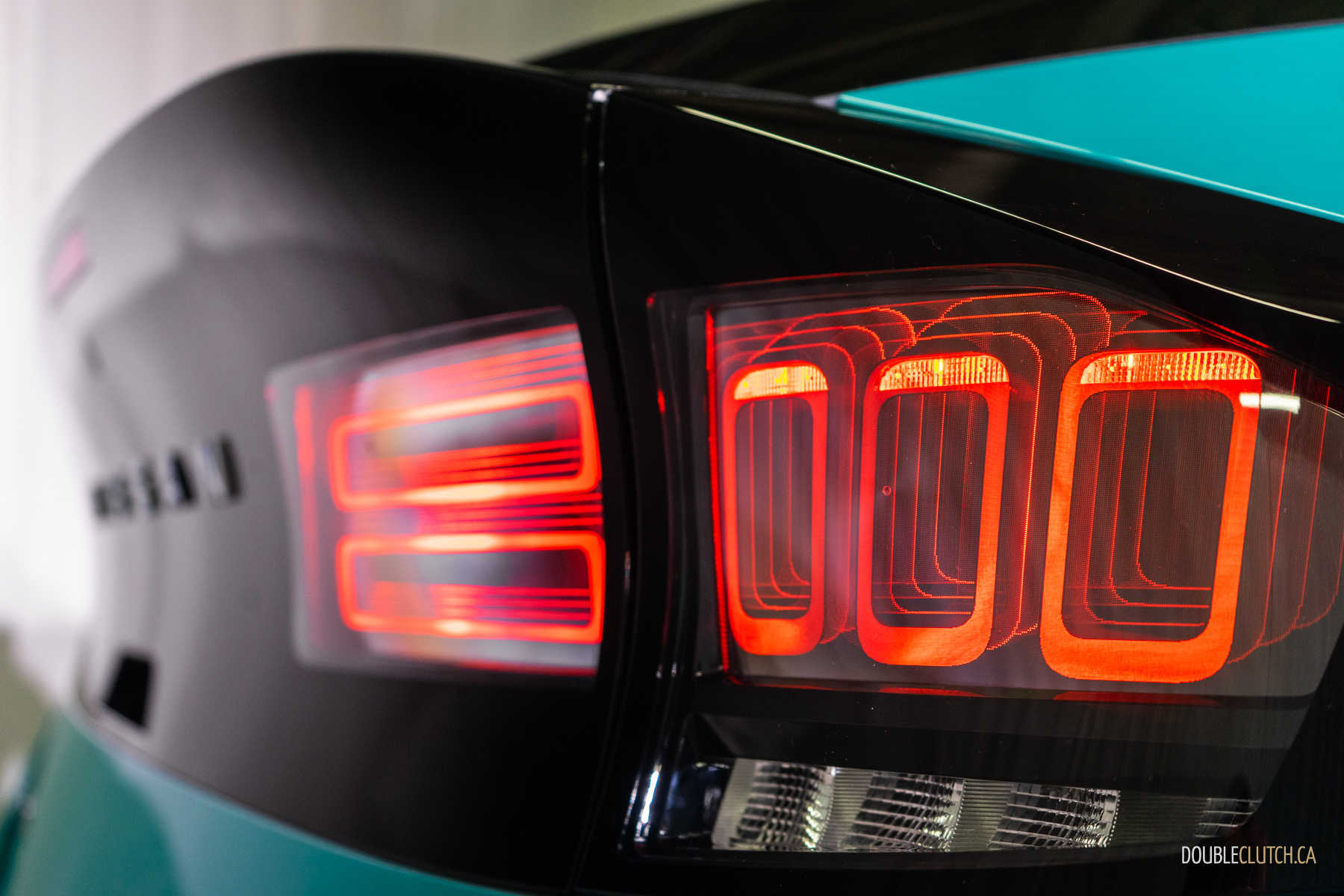
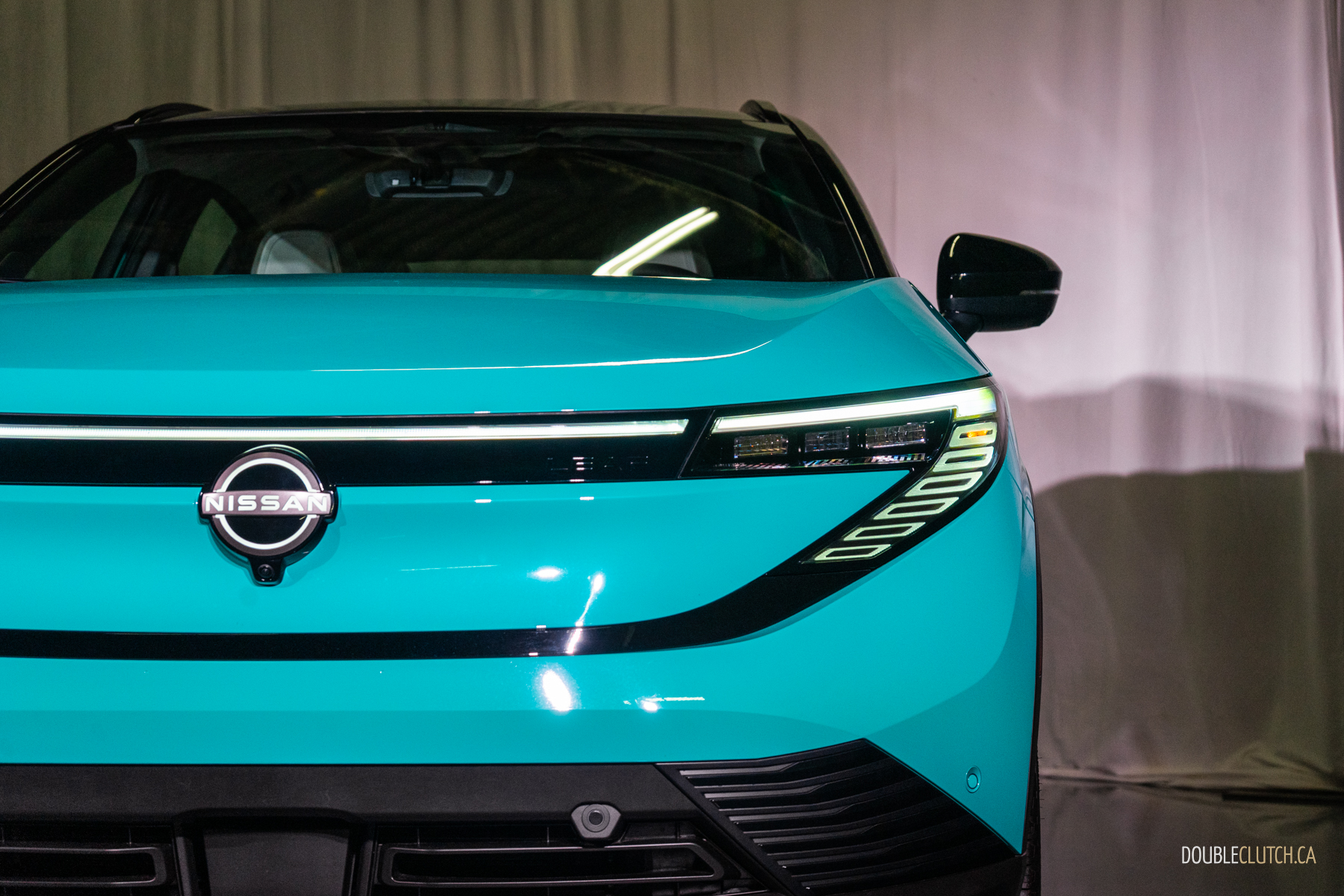
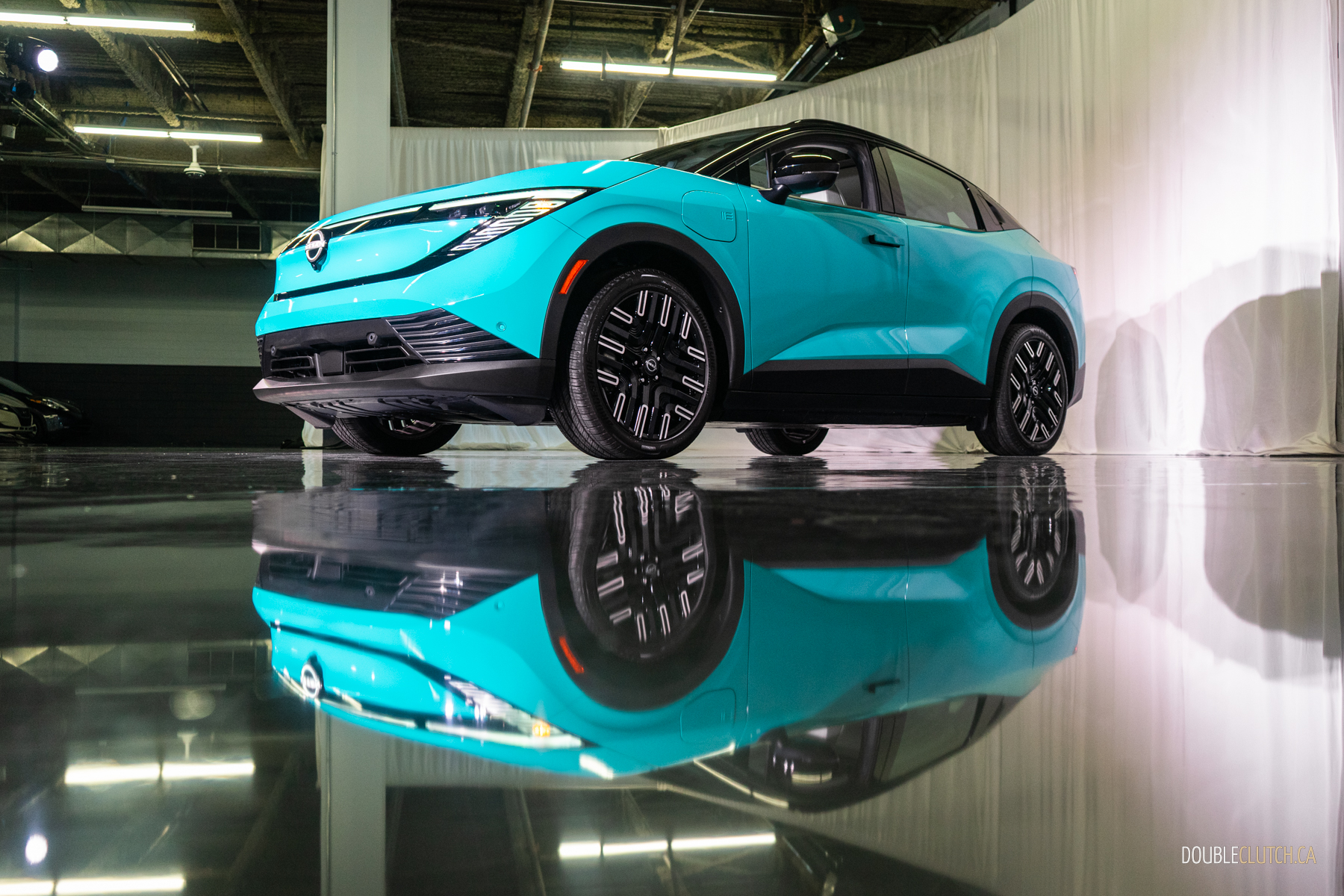
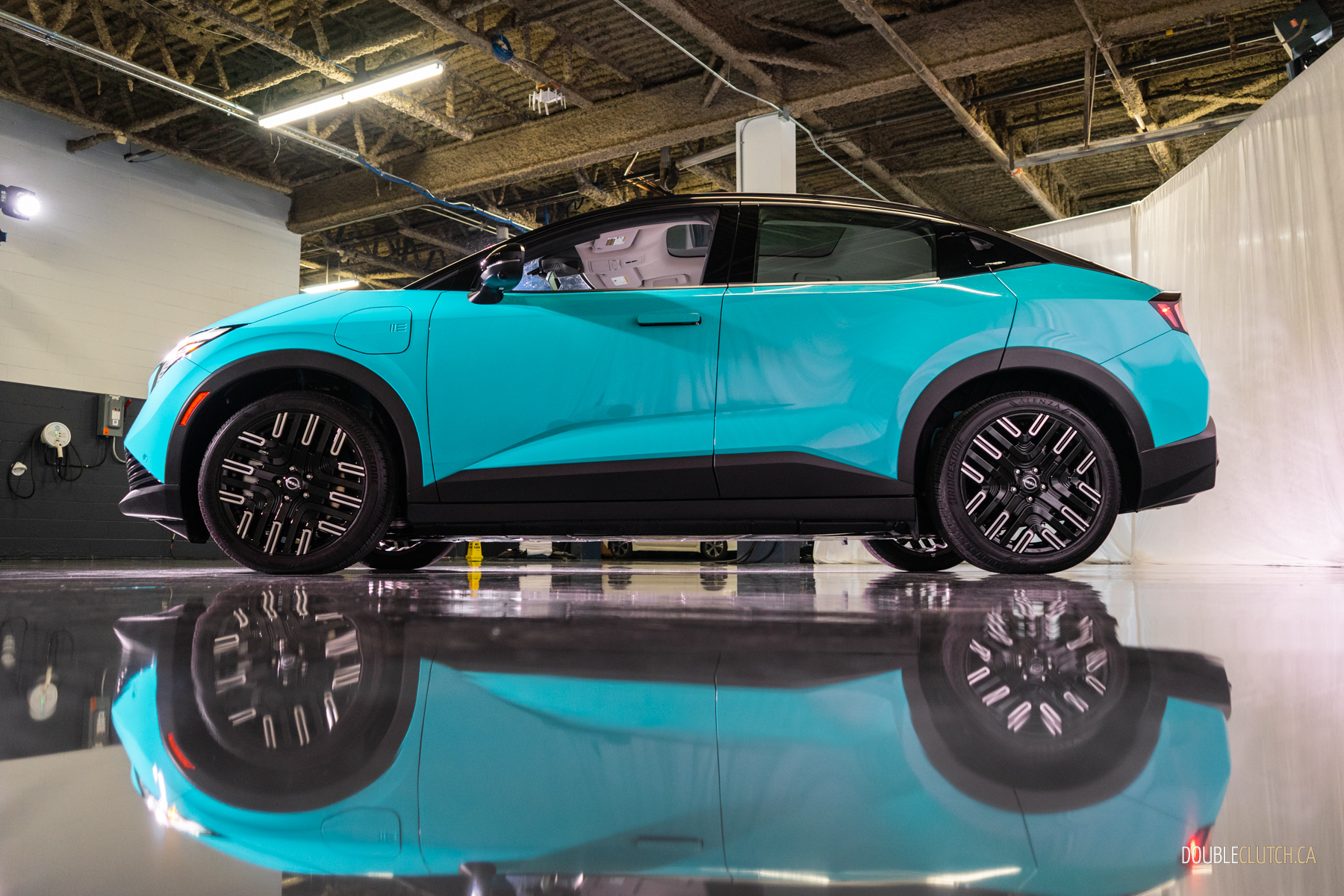
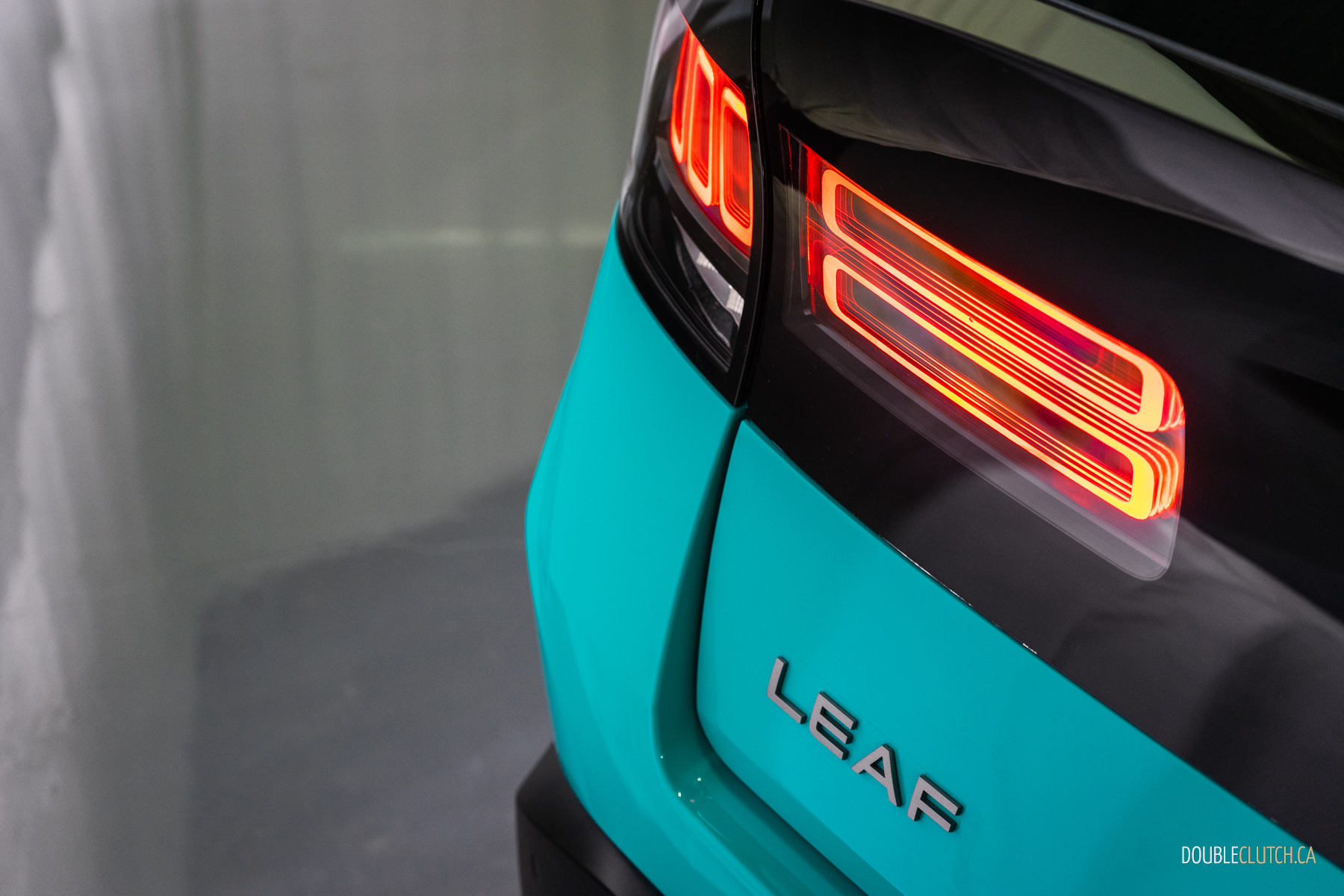
Right away, the first thing you’ll notice is that the 2026 Leaf is a lot more SUV-ish than before. Let’s face it, almost everything today needs to be SUV-ish in order to sell in remotely decent numbers. The third-gen Leaf follows this by looking like a scaled-down Ariya, with swooping lines and scaled-down proportions seemingly heavily influenced by its bigger sibling. It also borrows design cues from other models, like the “katana blade” window trim and the tail light reminiscent of the Z. The new look is also more slippery than before, with a drag coefficient of 0.26, versus the previous Leaf’s 0.29 rating.
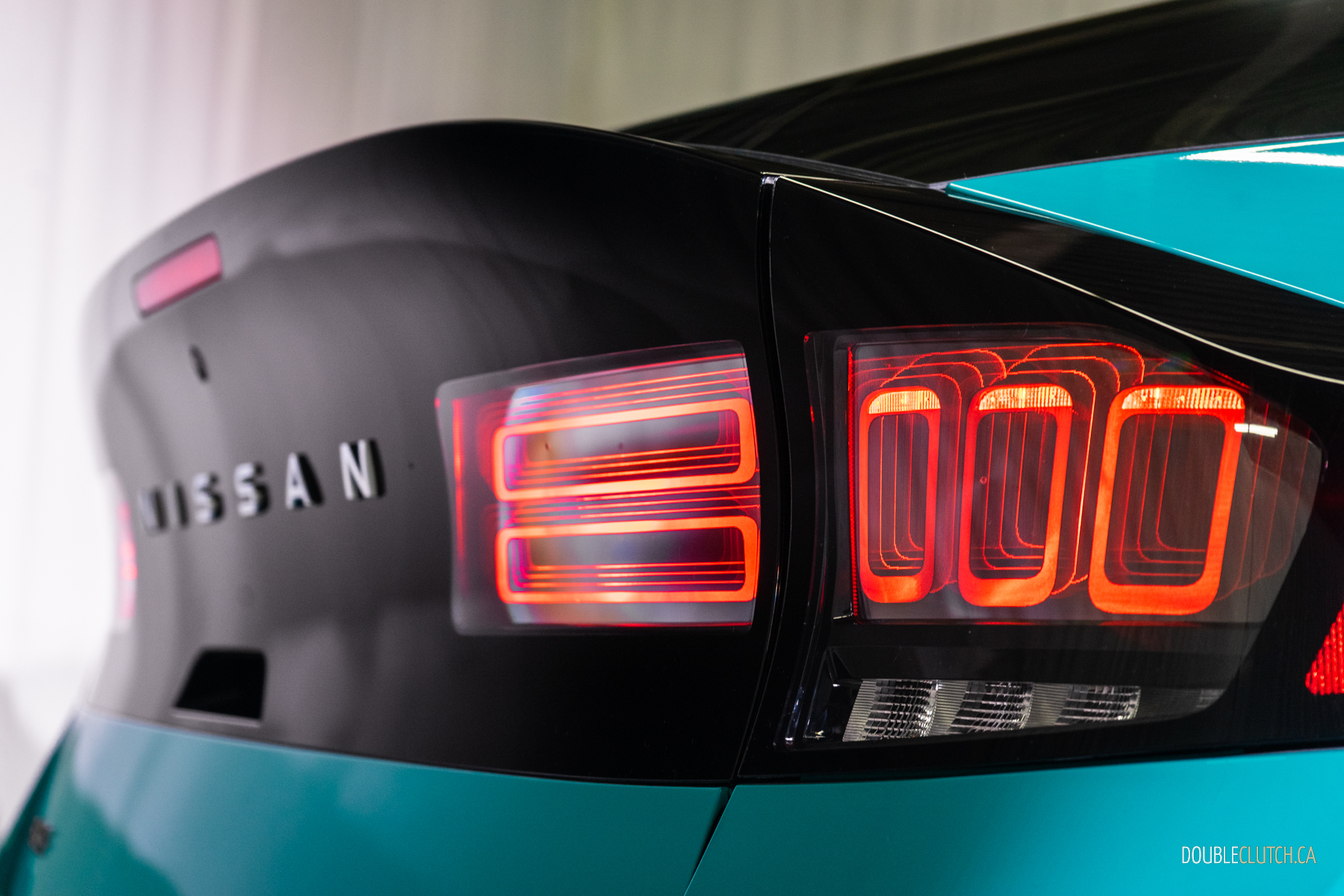
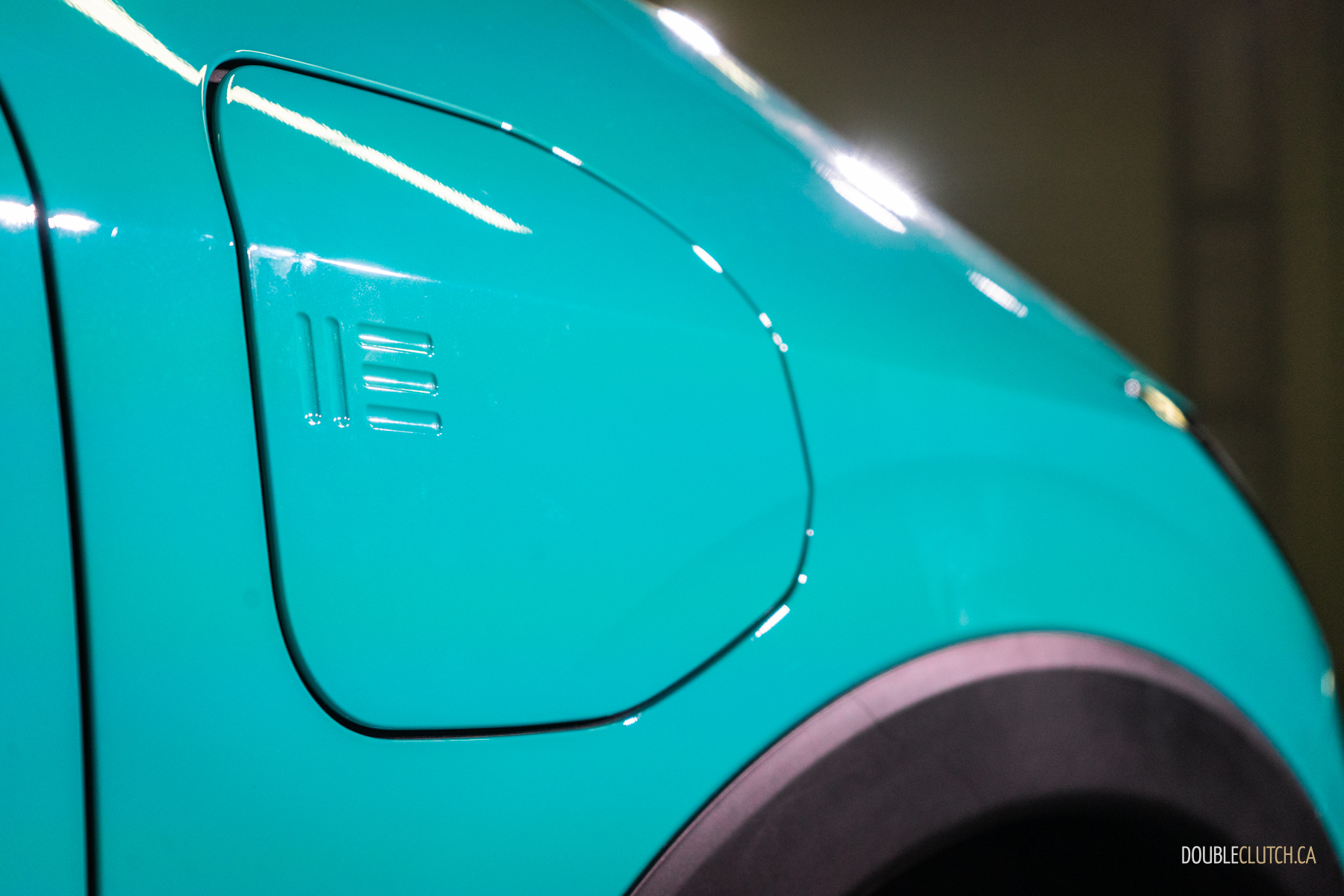
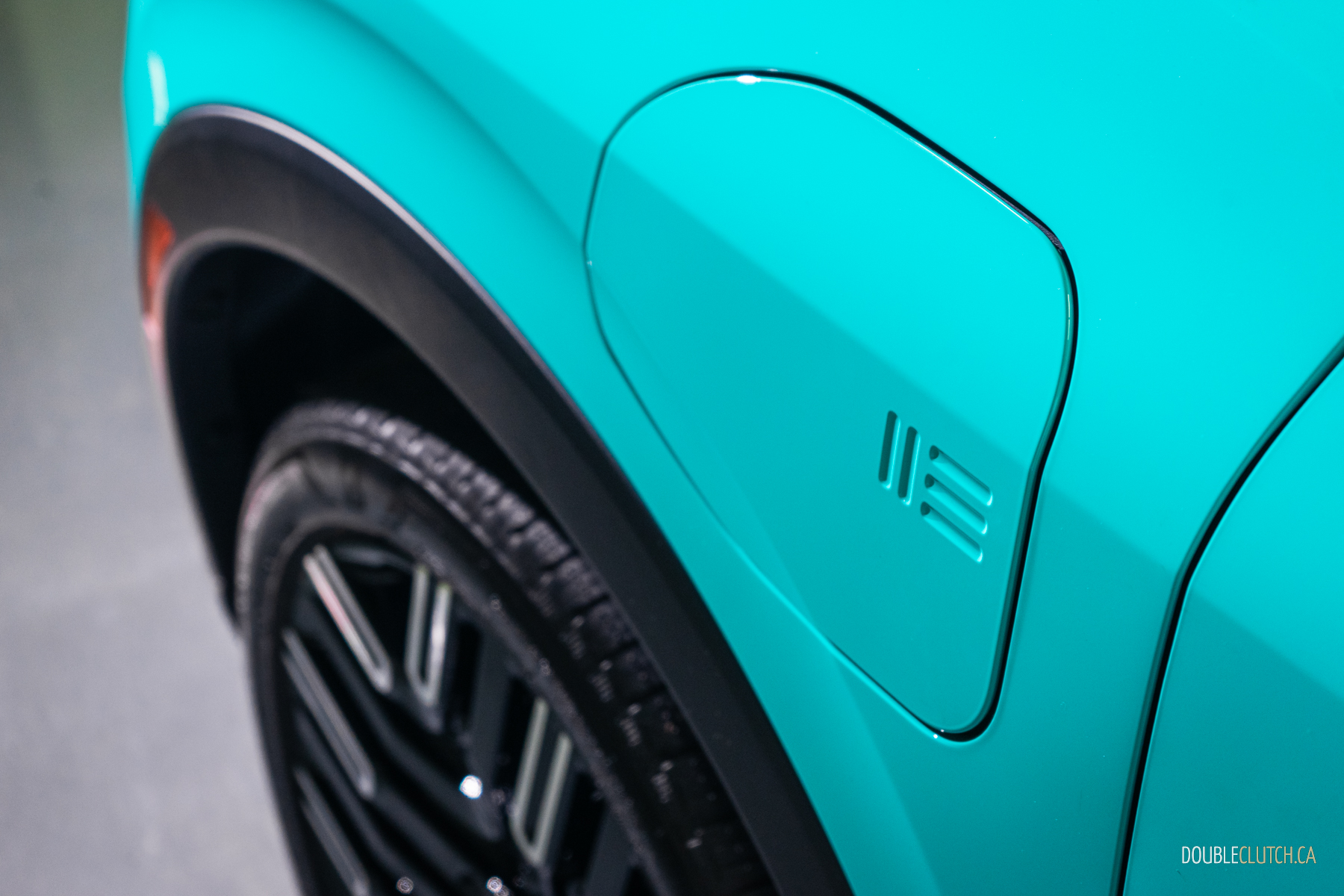
More interestingly, the 2026 Leaf says “Nissan” all over. Take a closer look at the tail lights: the lens design is made up of two horizontal rectangles in the inner portion, and three vertical rectangles in the outer portion. You’ll also notice this on the charge port door, the door sills, the floor mats, in the headlights, and a few other spots all over. This is a clever reference to Nissan, literally: in Japanese, “two” is pronounced “ni” and three is “san.” Very neat, Nissan.
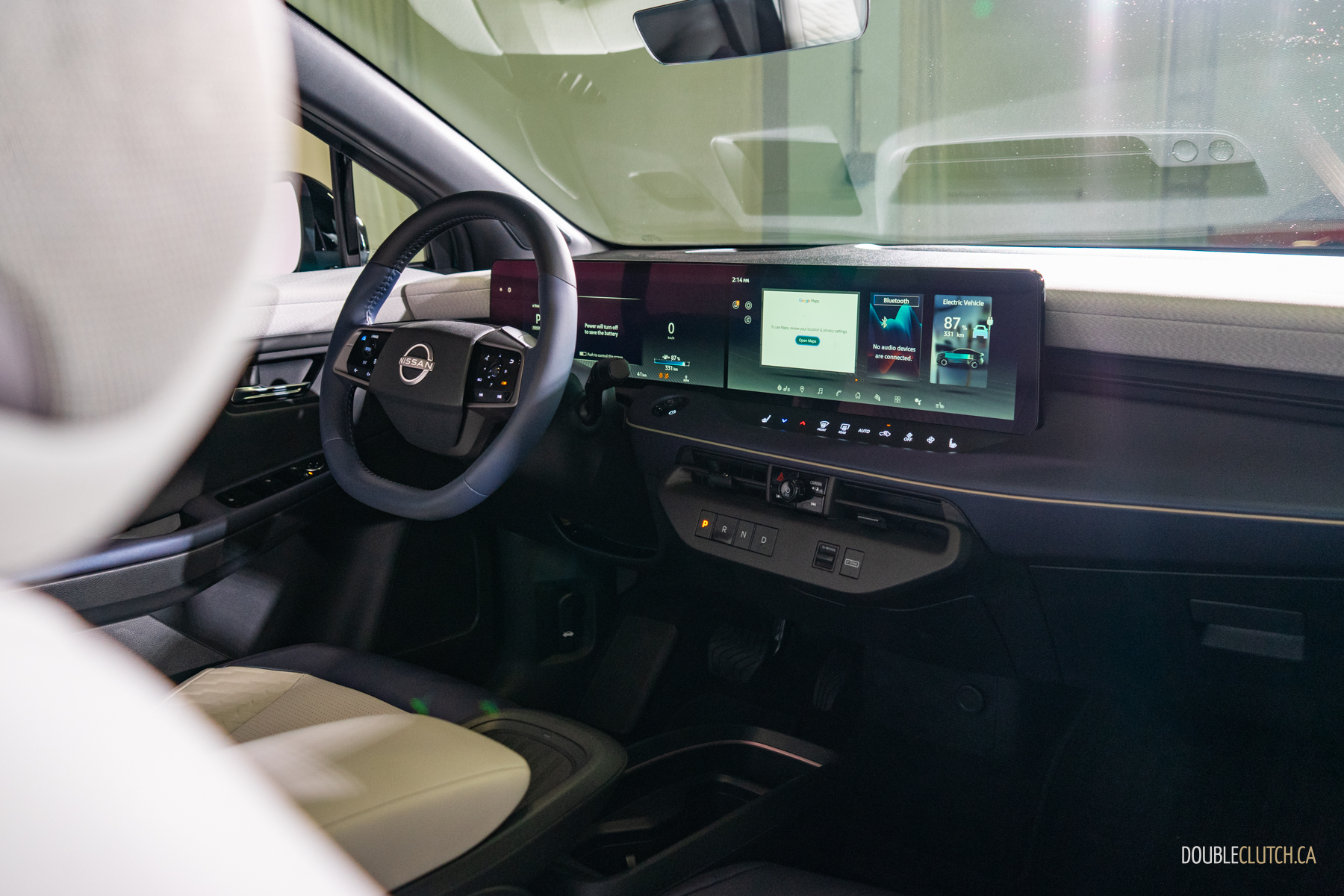
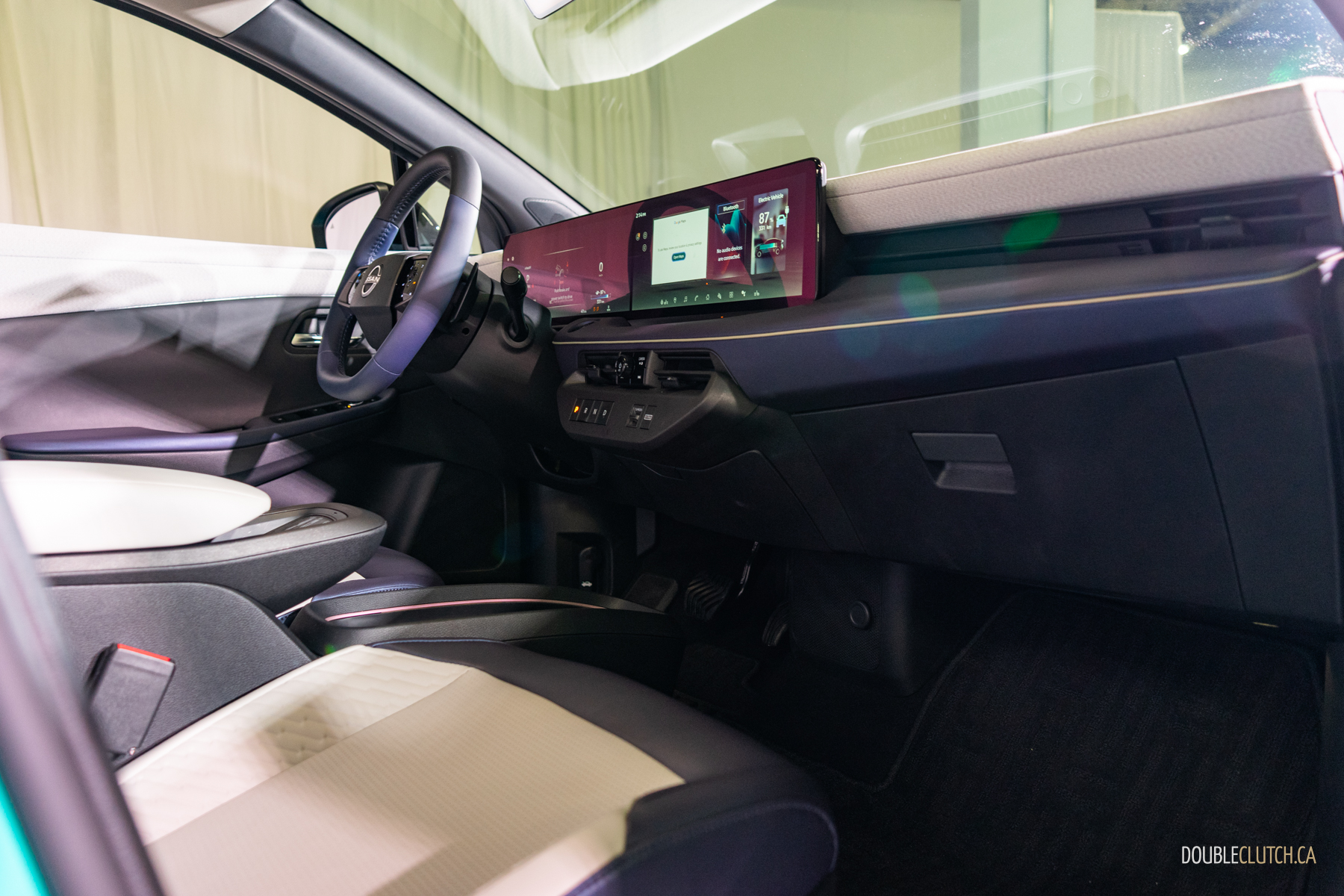
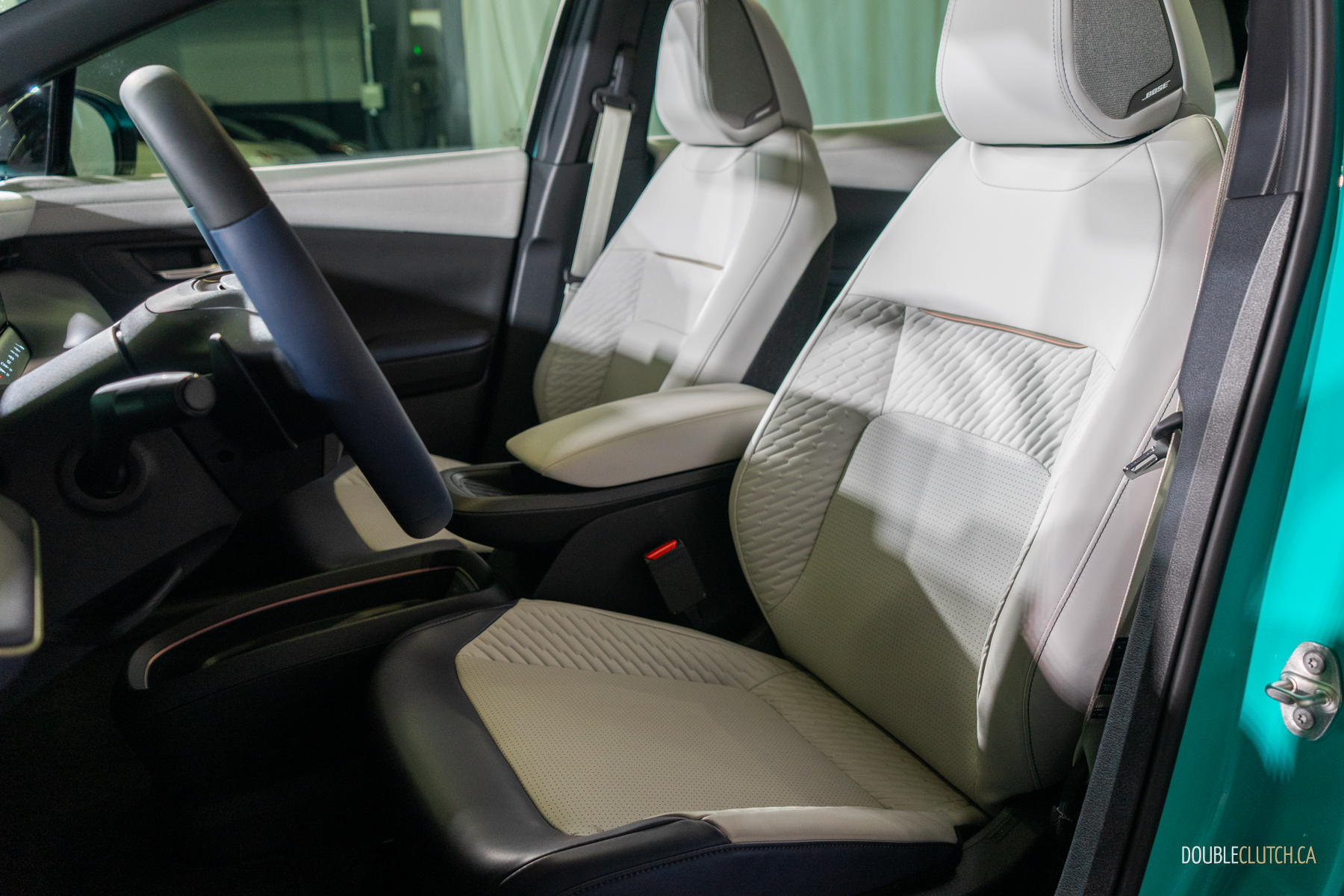
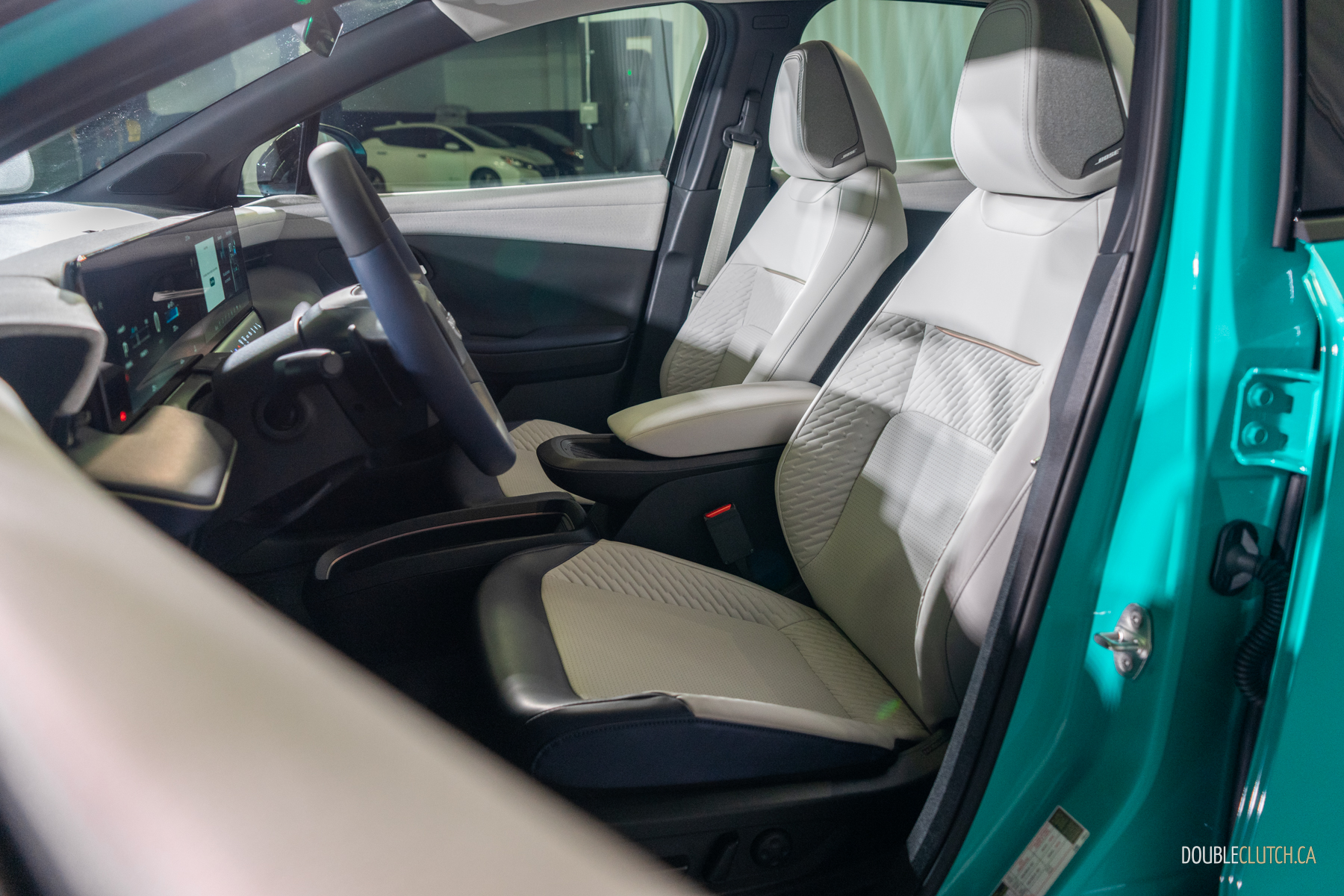
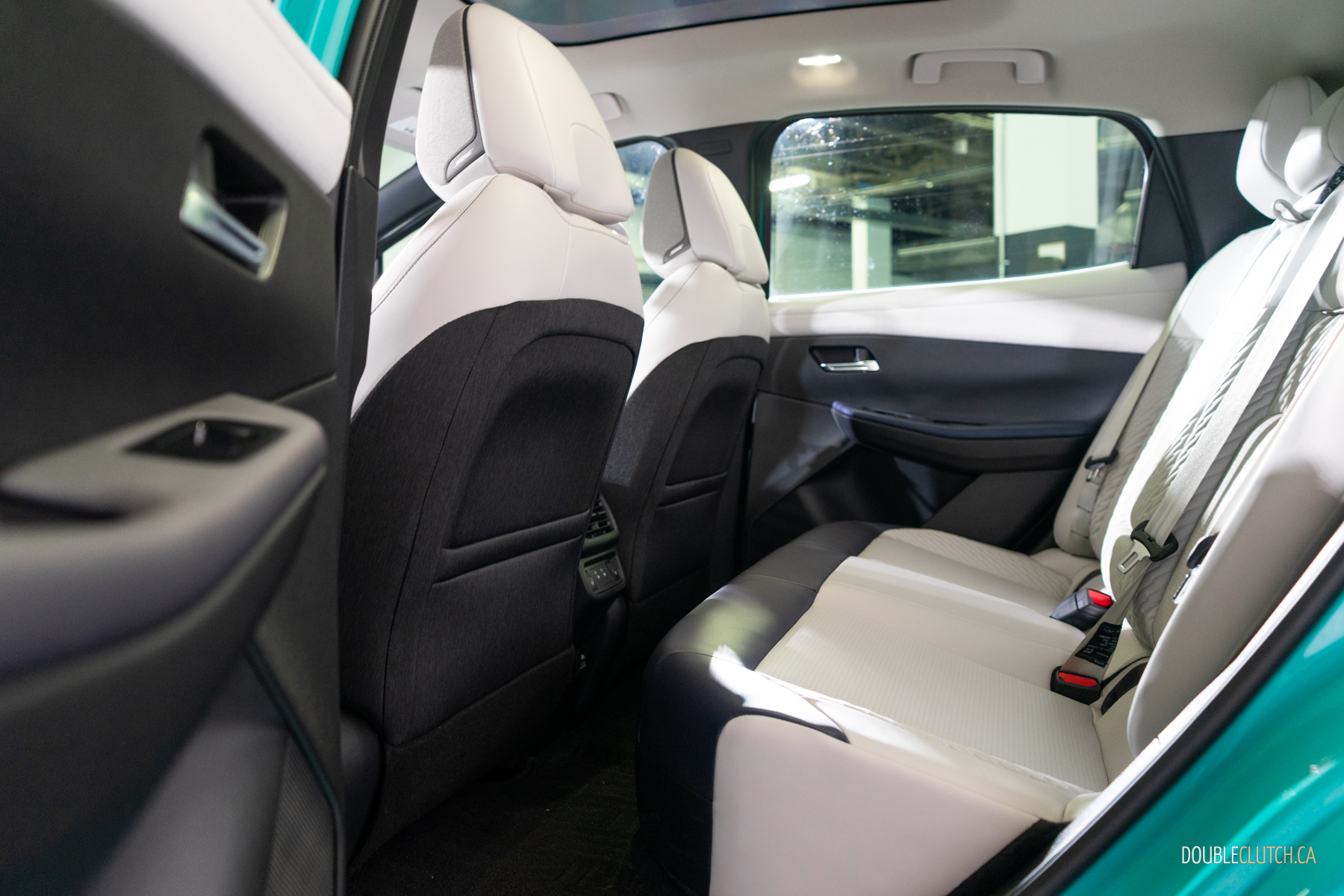
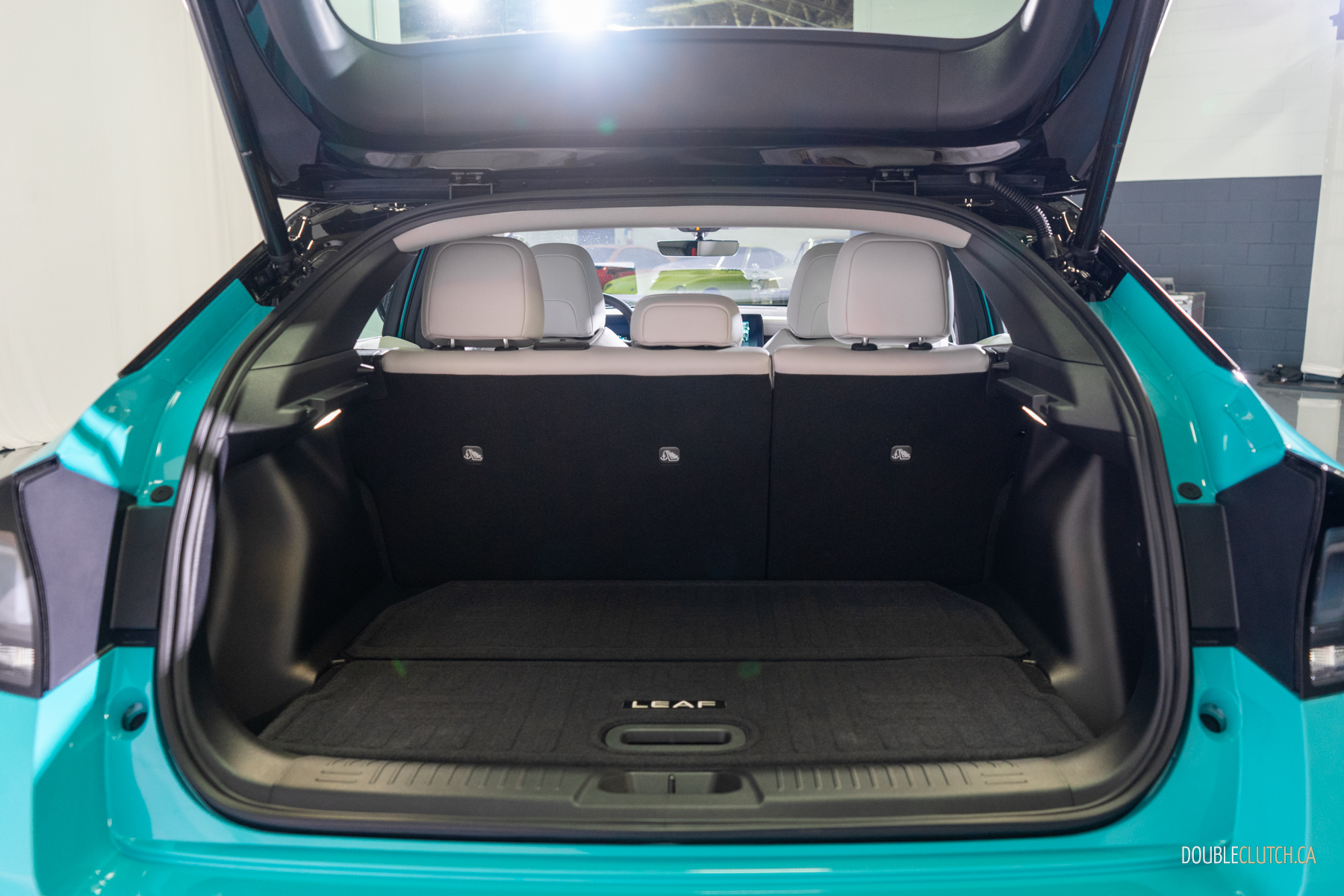
Inside, the 2026 Leaf continues to borrow heavily from other Nissans. The dash design draws heavy inspiration from the Kicks, though the floating centre console is unique to the Leaf, and the touch panel-based climate controls sit directly below the infotainment screen. Materials feel so-so at best — there’s a lot of hard-touch surfaces if you care about that — but the fabric trim and colour-keyed crash pad look and feel nice, and we imagine a lighter interior colour would lend a sense of airiness. There’s plenty of headroom, legroom, and shoulder room up front and out back even for six-footers, but sitting out back, you might find there isn’t much space for your feet under the front seats. Cargo space comes in at 566 litres with the rear seats up, and 1,572 when folded.
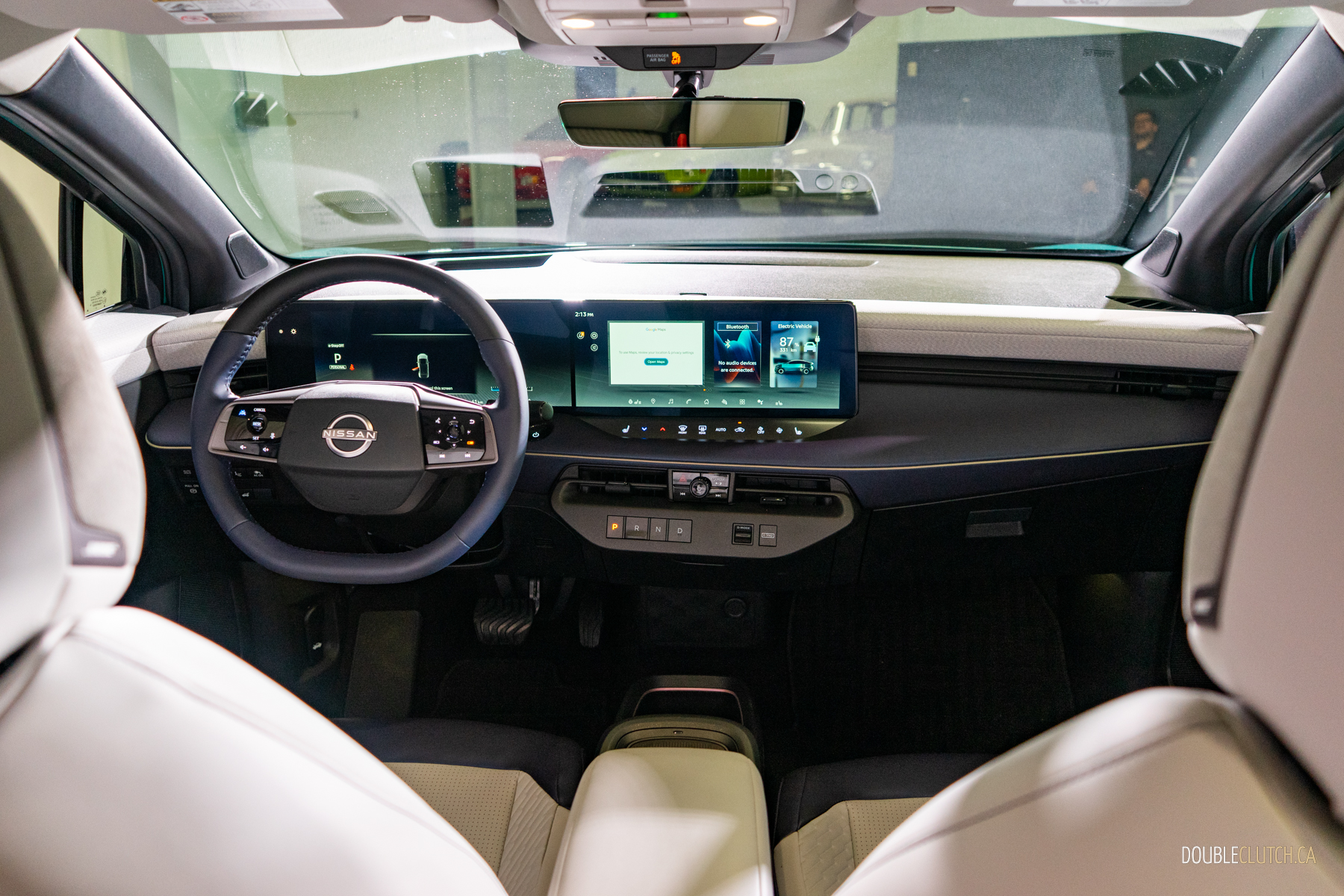
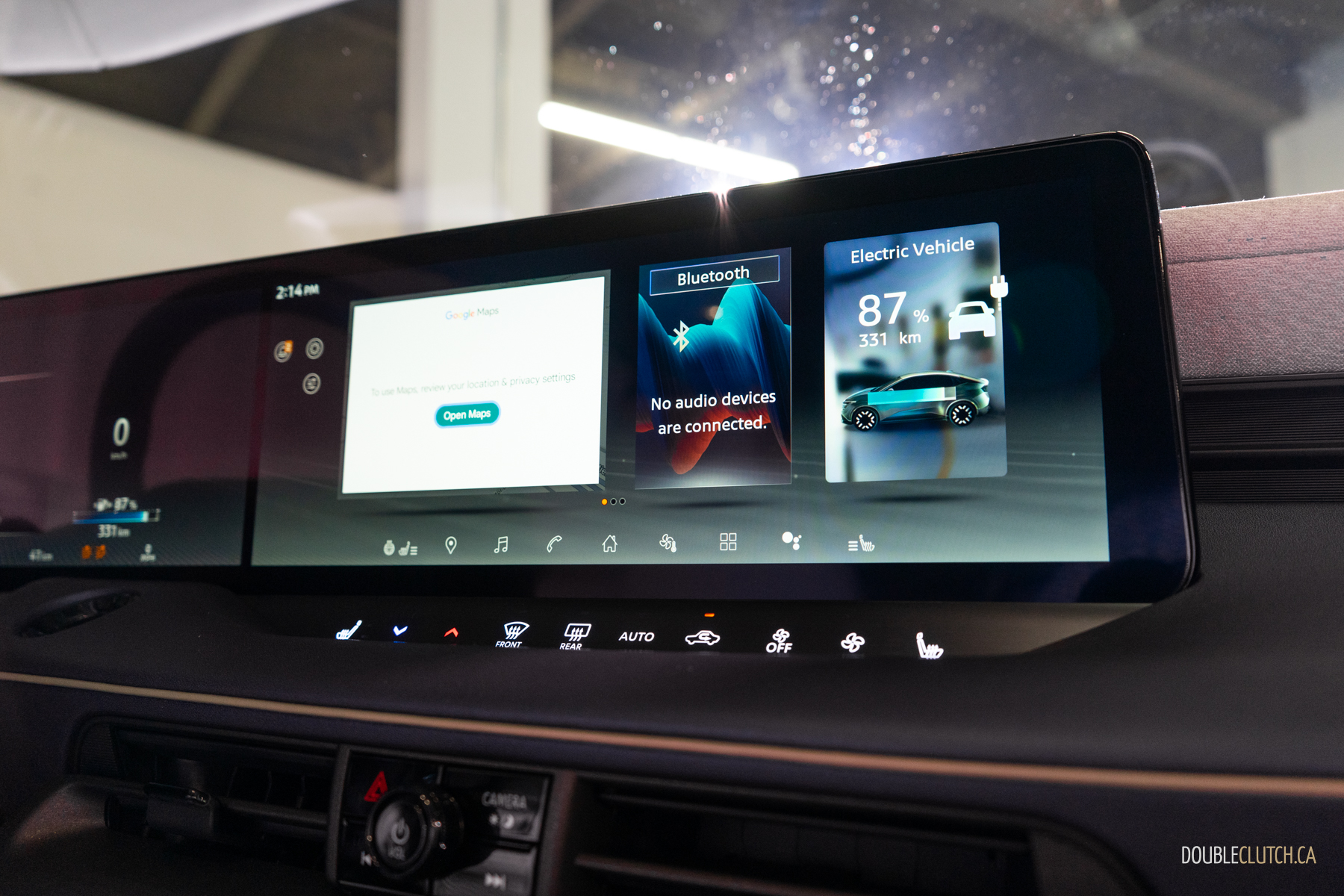
On tech, twin 12.3-inch displays under one panel come standard, while upper-spec trims — like the Platinum featured here — swap them out for 14.3-inch screens. The upsized setup runs Google’s infotainment software, though wireless Apple CarPlay and Android Auto are standard across the board. Also standard is Nissan’s full suite of active safety and driver assists, though the Leaf doesn’t get Nissan’s newest ProPilot 2.1 suite just yet. More standout features inside include an electric-dimming fixed glass roof not unlike the Porsche Taycan and VW ID. Buzz, as well as Bose’s Nissan-specific sound system with headrest speakers.
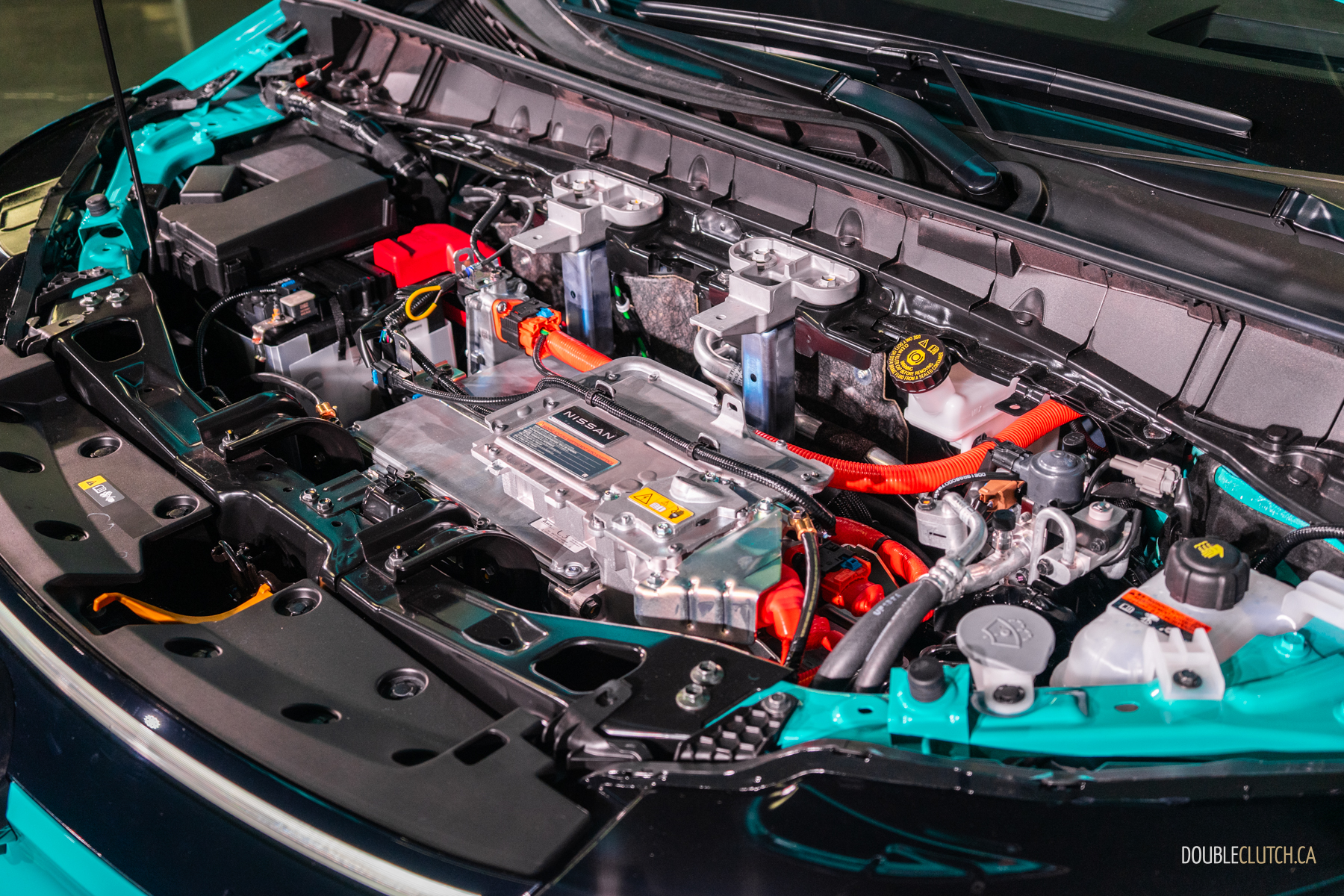
As part of Nissan’s pitch to bring the Leaf back into relevance, all but the base Leaf now use a 75 kWh lithium-ion battery pack. Built on a shortened variant of the Ariya platform — now it all makes sense — and using a single front-mounted electric motor, expect 214 horsepower and 261 pound-feet of torque. More power is nice, but the battery upgrade yields an estimated 488 kilometres of range. A cheaper, entry-level Leaf will launch some time later with a 52 kWh battery pack and 174 horsepower, though Nissan hasn’t said how much range we can expect in that application.
Along with the extra range, Nissan’s paid extra attention to improving the charging experience with this new Leaf. The extremely convenient, nose-mounted charge port is no more, but the 2026 Leaf instead comes with two charge ports. The Tesla-style NACS charge port on the passenger side is capable of fast-charging the Leaf to full in 35 minutes at speeds up to 150 kW, while the somewhat more familiar J1772 port on the driver side lets you keep using your Level 2 charger at home.
Nissan still hasn’t announced Canadian pricing, but expect the big-battery 2026 Nissan Leaf to hit dealers this fall, followed by the small-battery, entry-level trim in early 2026.