This is it; this is the biggest news in cars this year. For all the hullabaloo about exotic Lamborghinis and Aston Martins, Toyota is the top-selling automaker in the world, and the RAV4 is their best selling vehicle. There might not be a single vehicle that’s more important to the car business, and specifically, Canada’s automotive landscape, than the Toyota RAV4. We build more than a half a million of them every year at award-winning facilities in Cambridge and Woodstock, Ontario, and it’s still not enough to keep up with demand. This humble leviathan of the industry has been redesigned, and Toyota invited us to be among the first to check it out. This is the sixth generation, 2026 Toyota RAV4. It’s kind of a big deal.
What’s new?
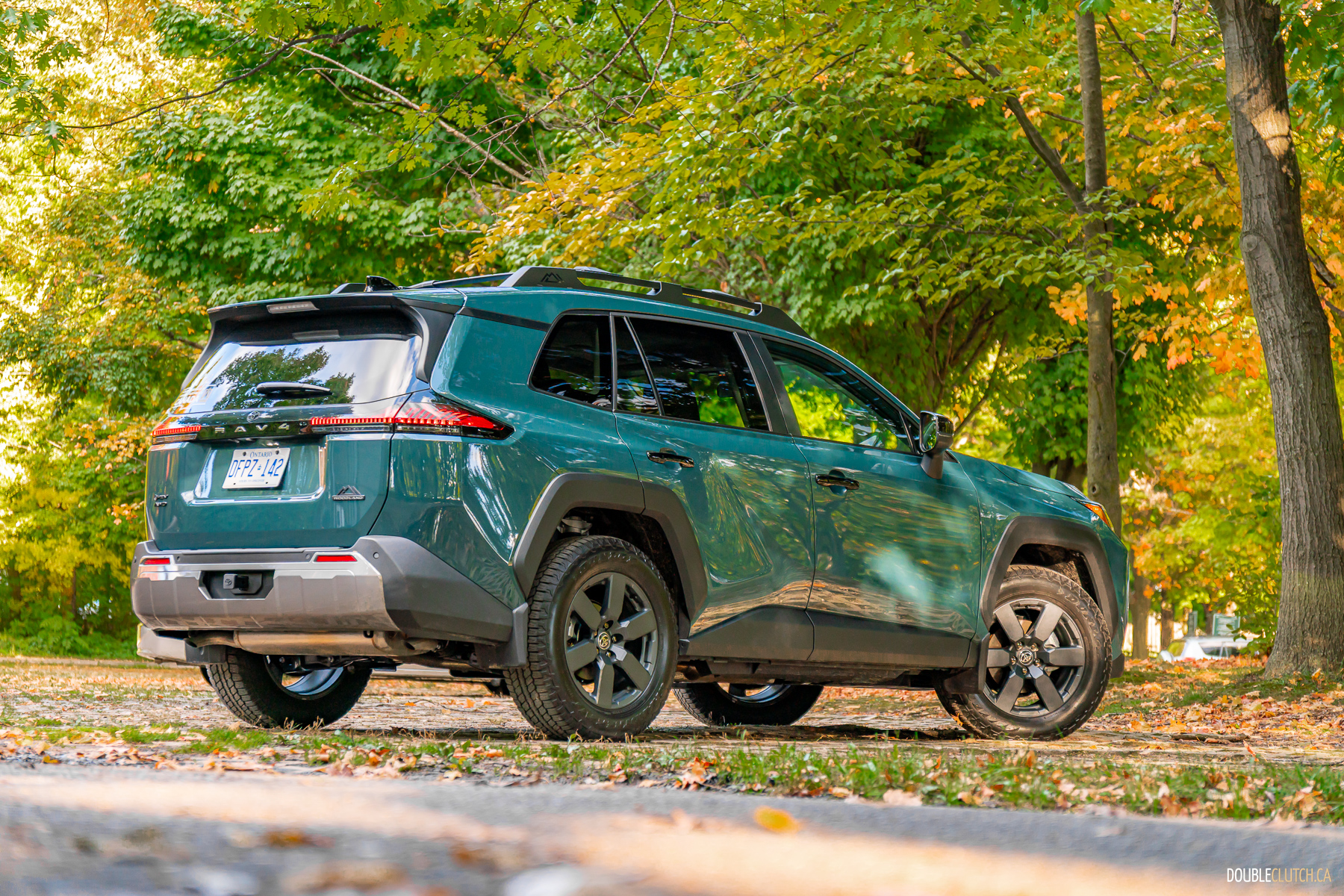
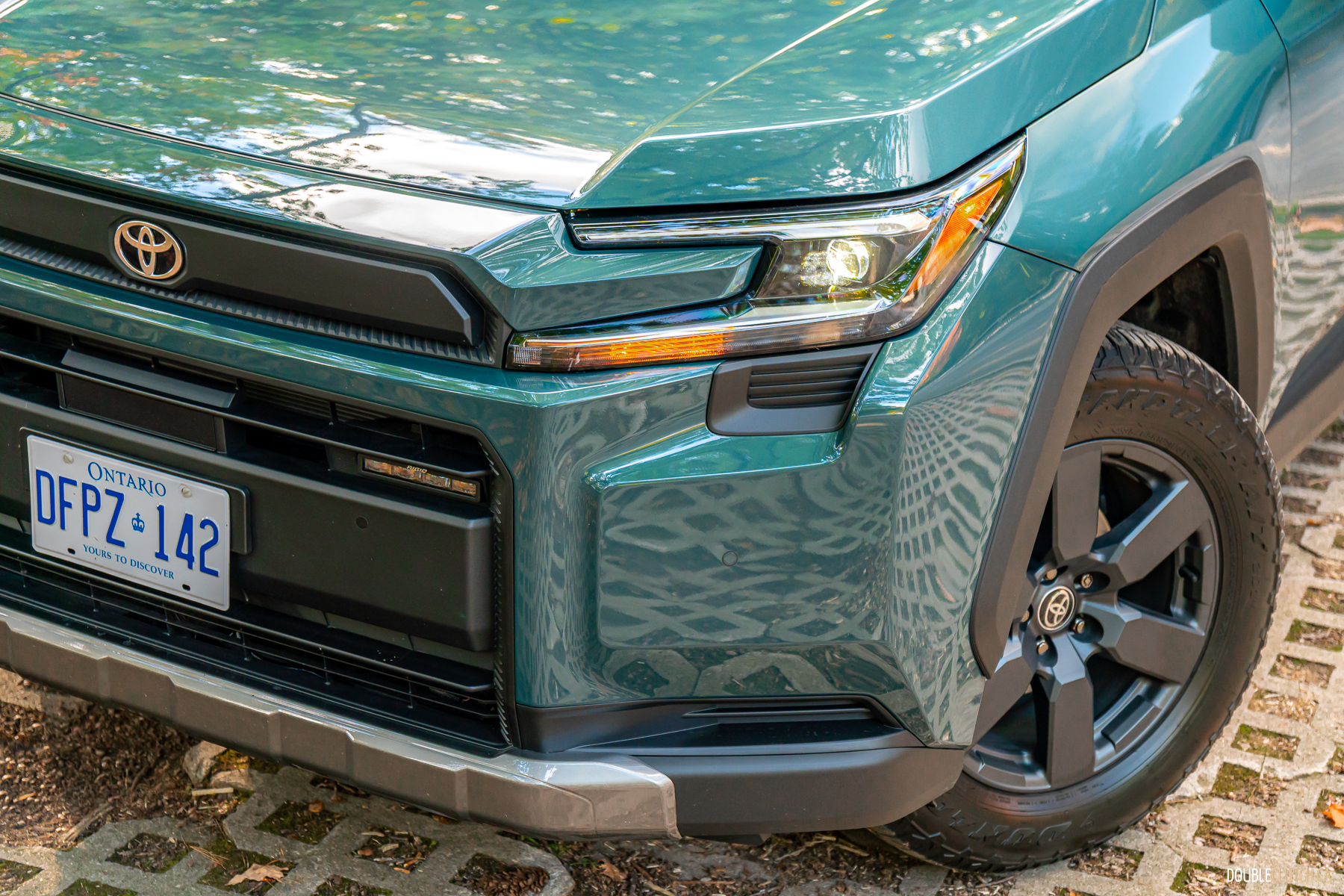
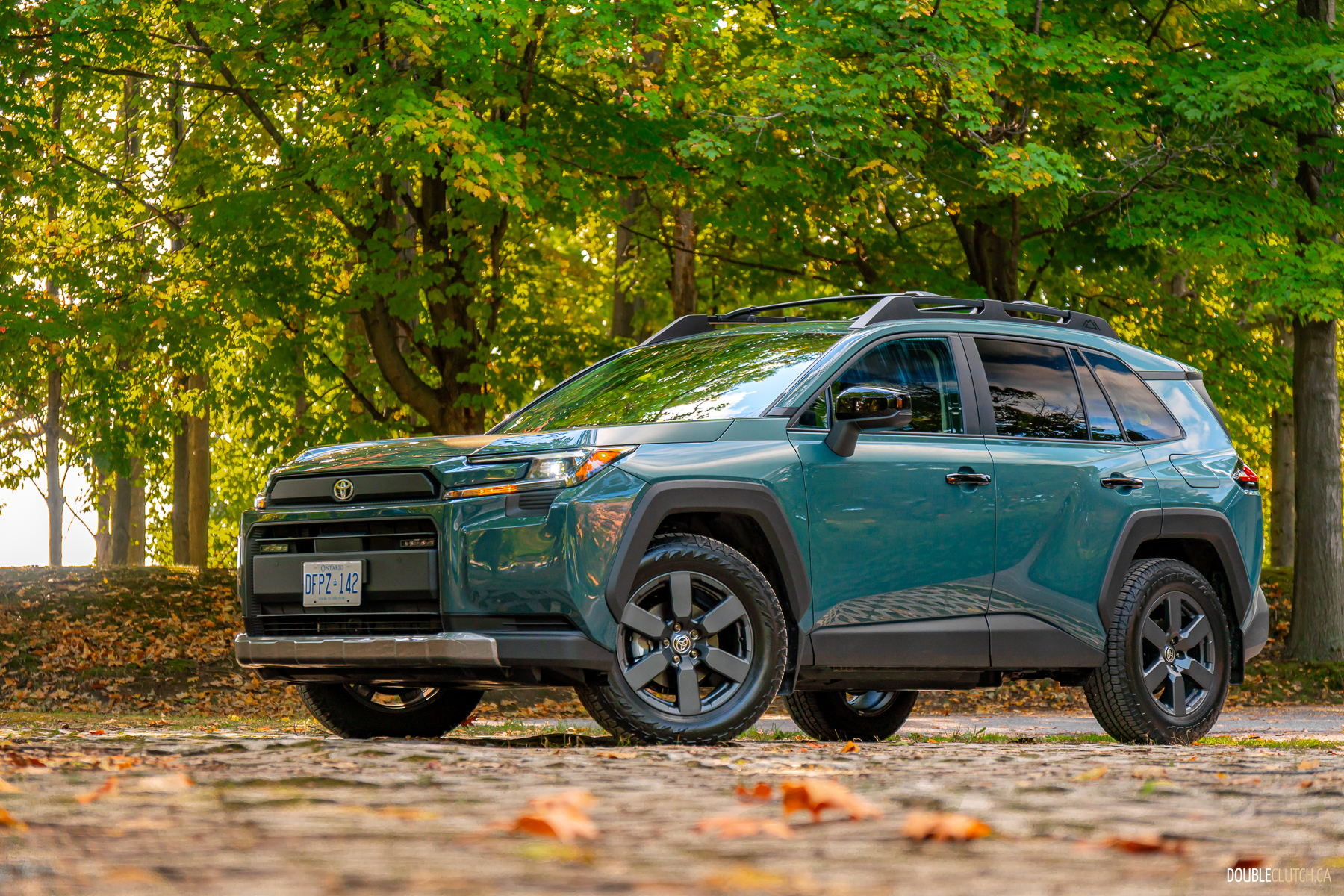
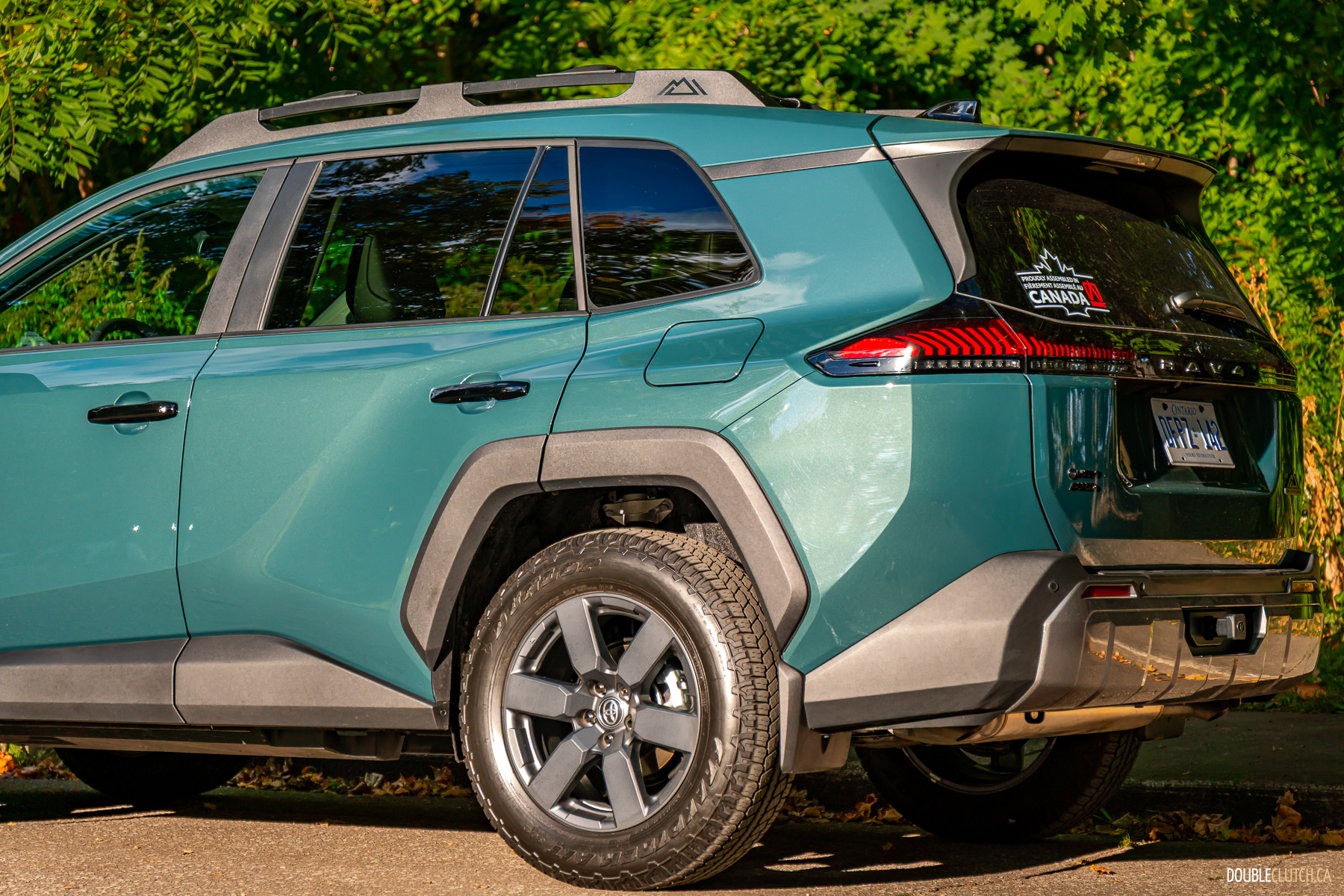
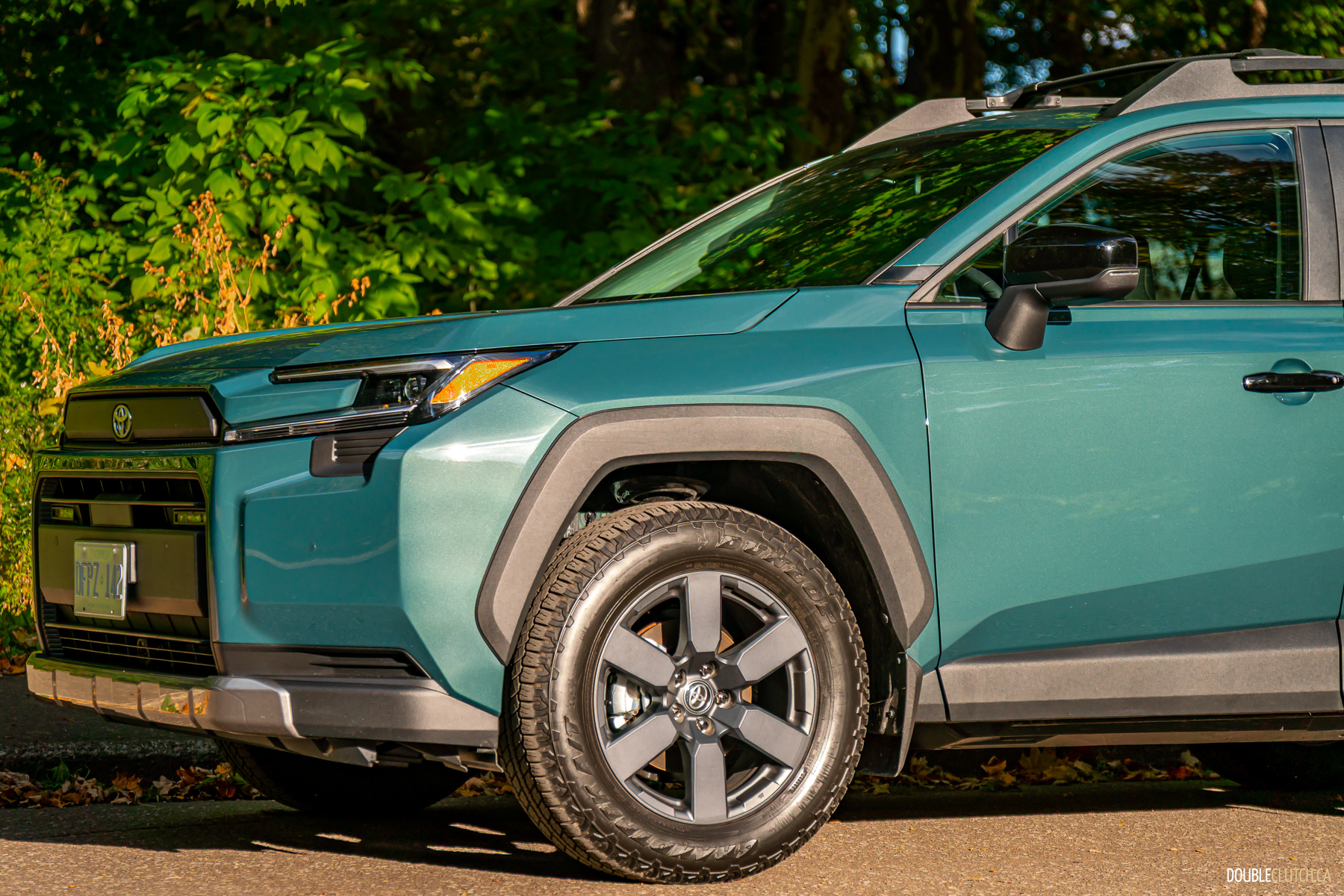
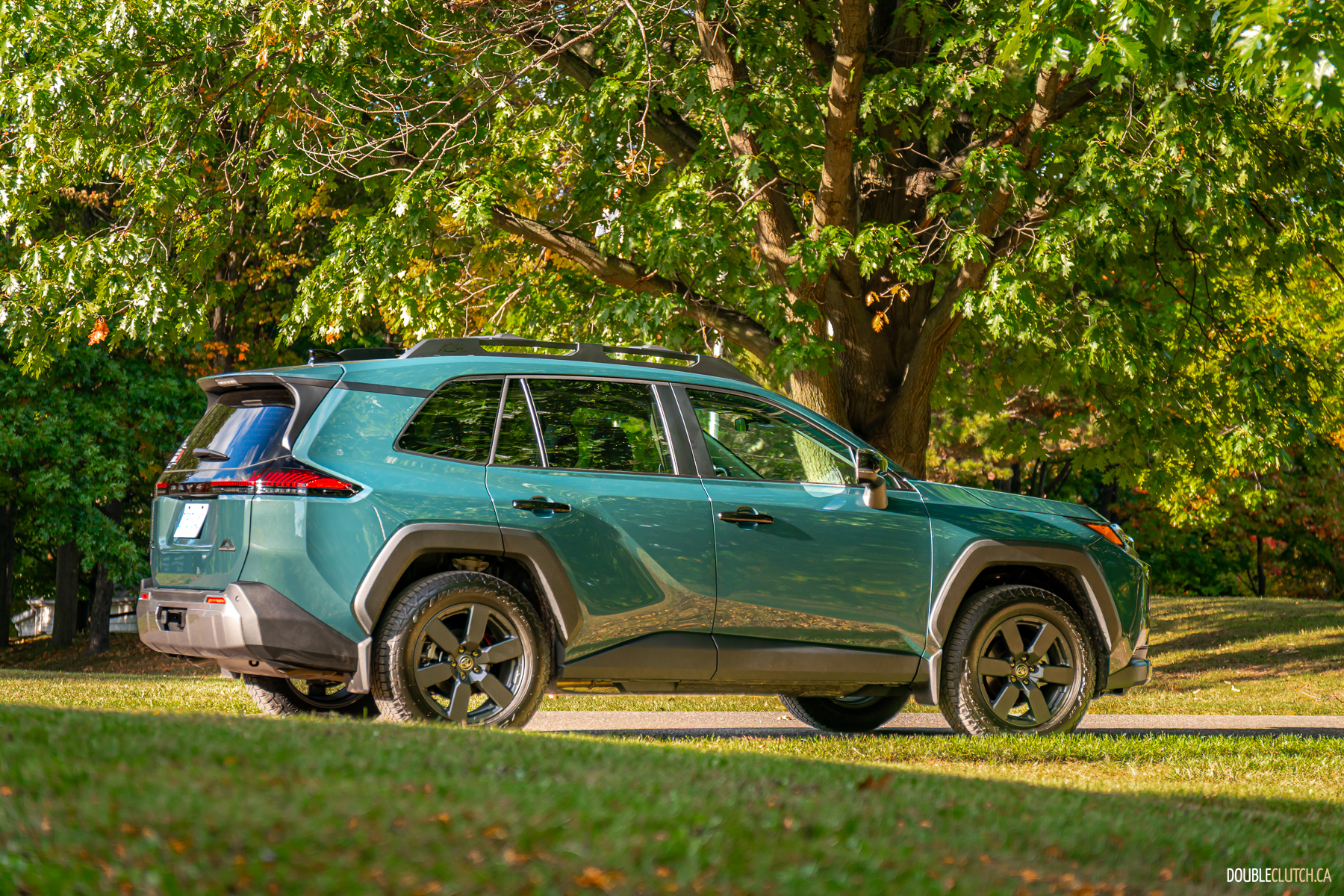
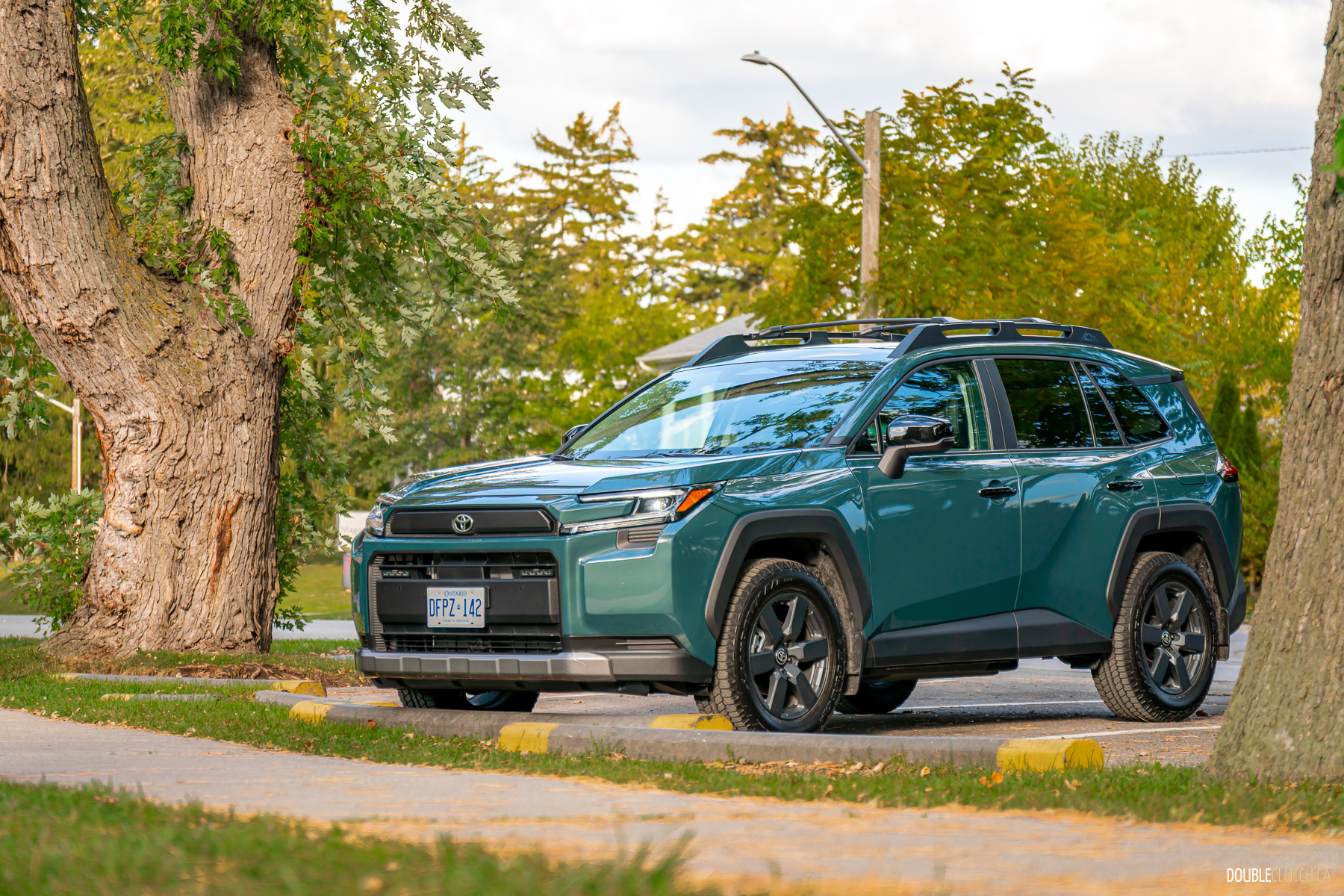
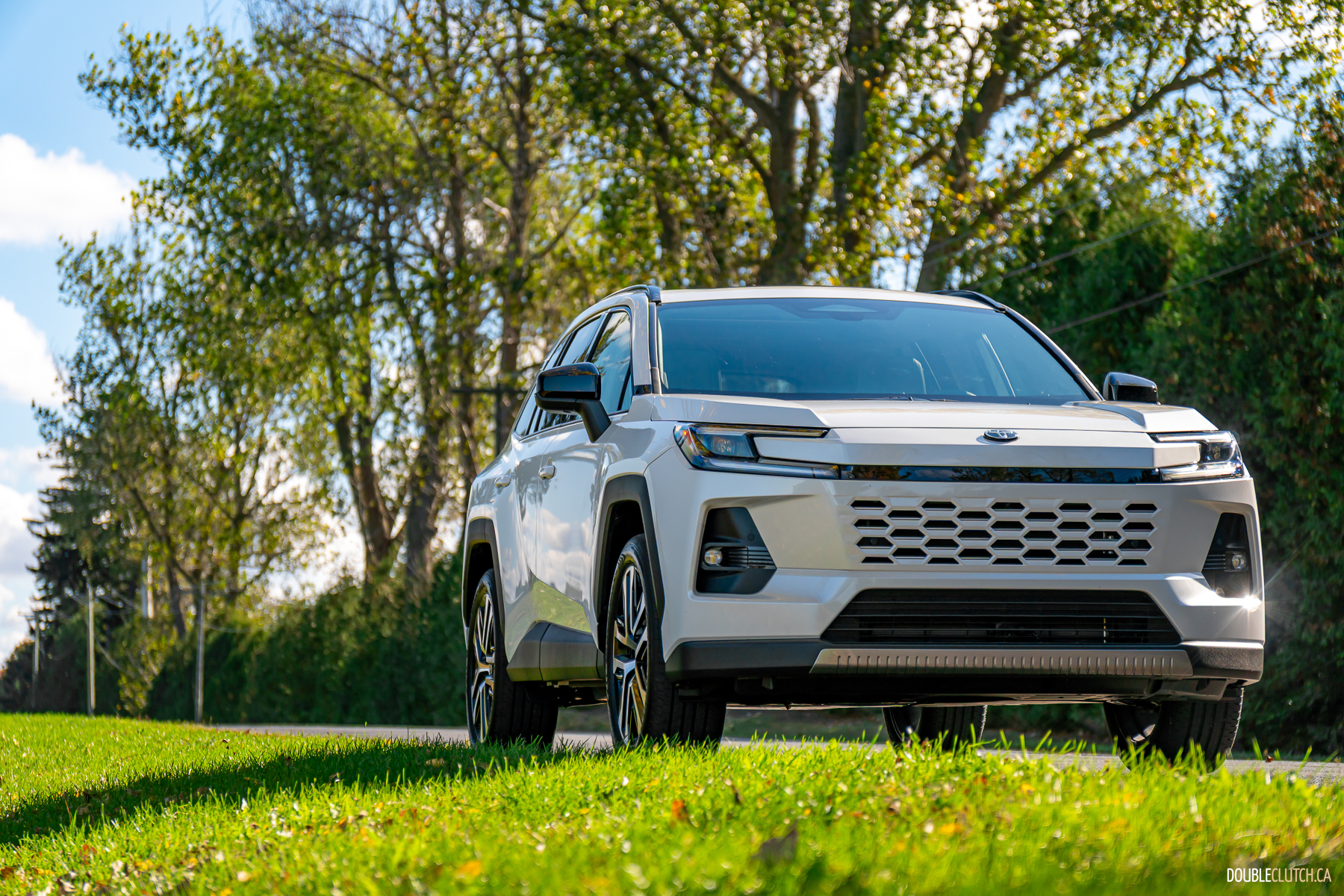
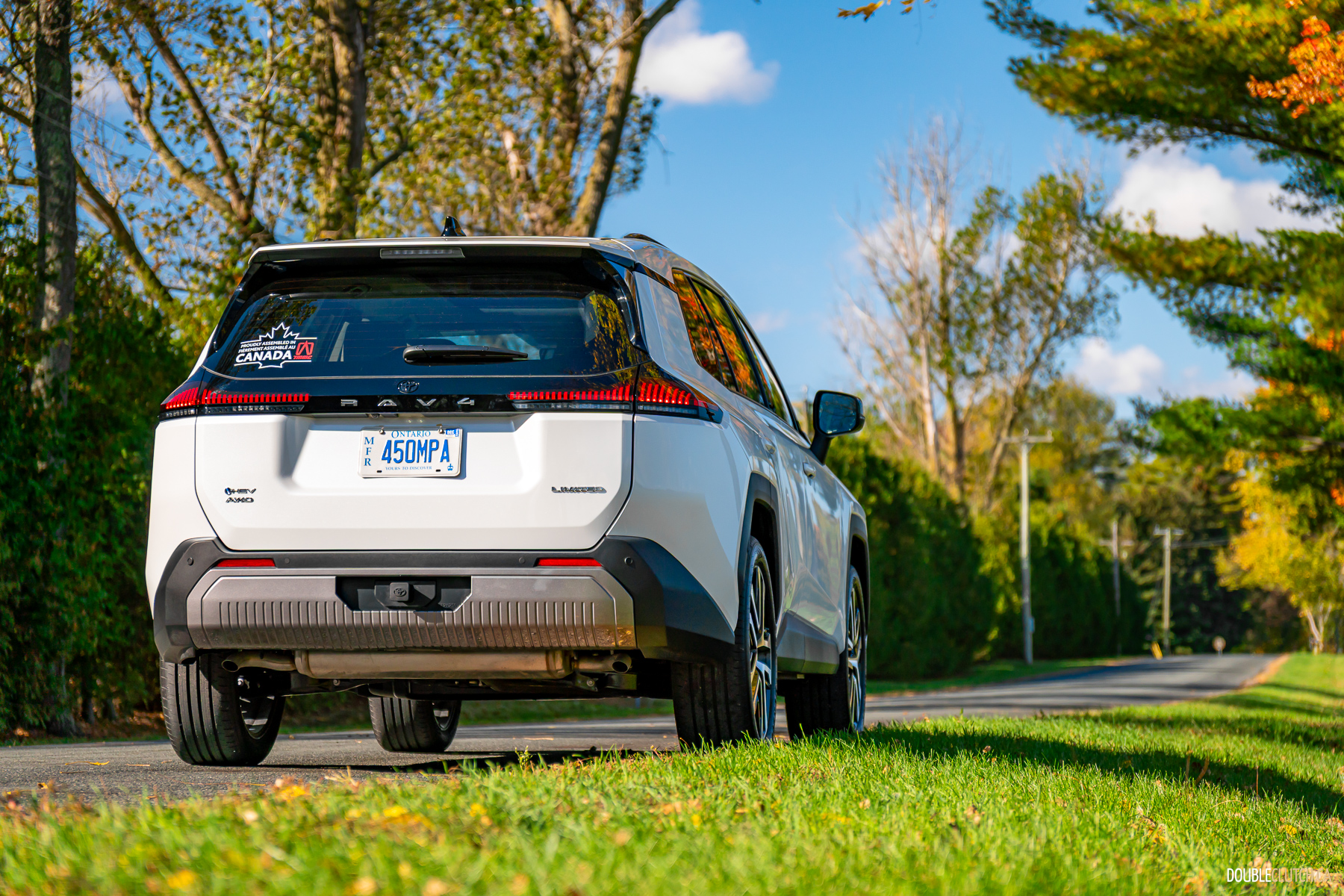
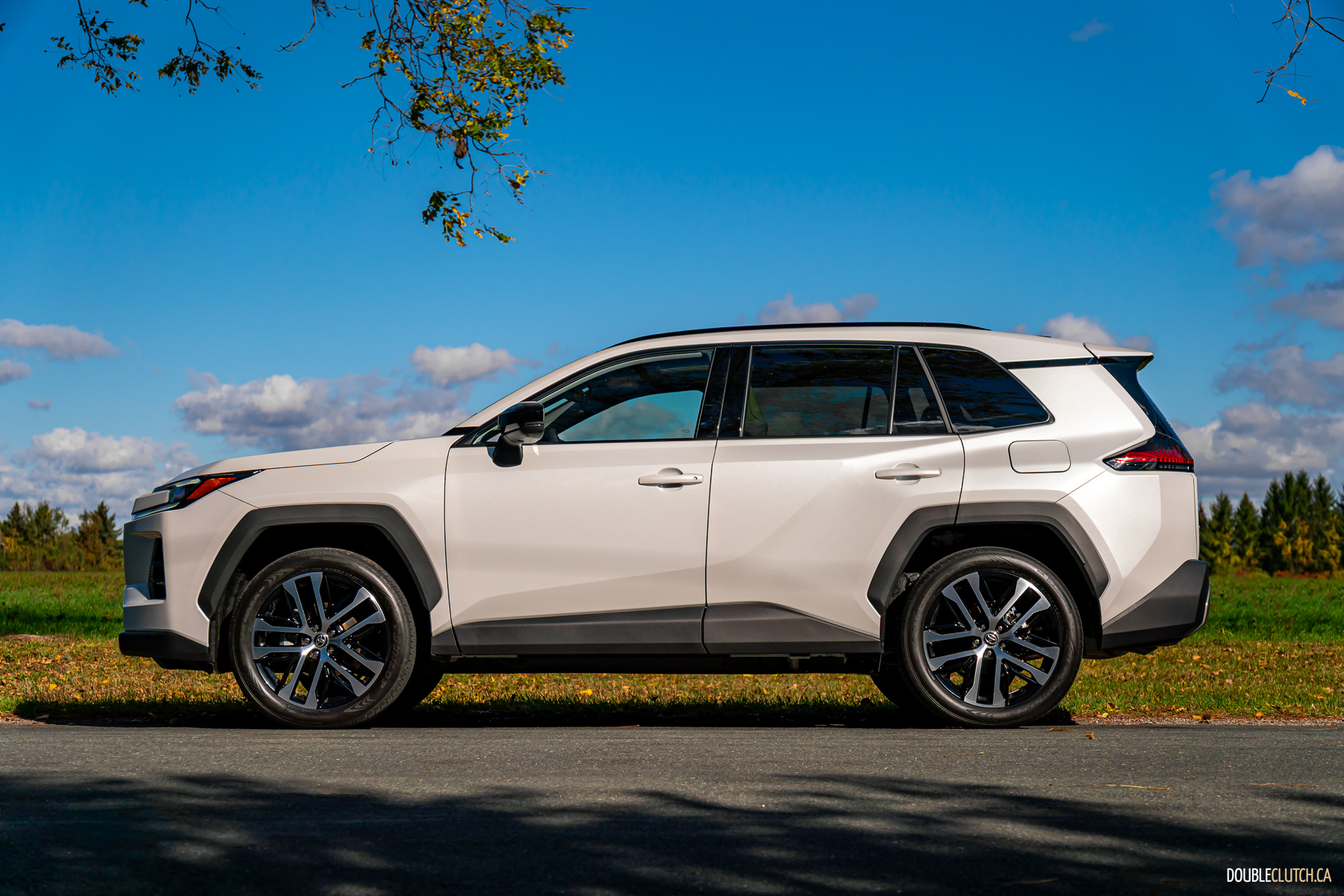
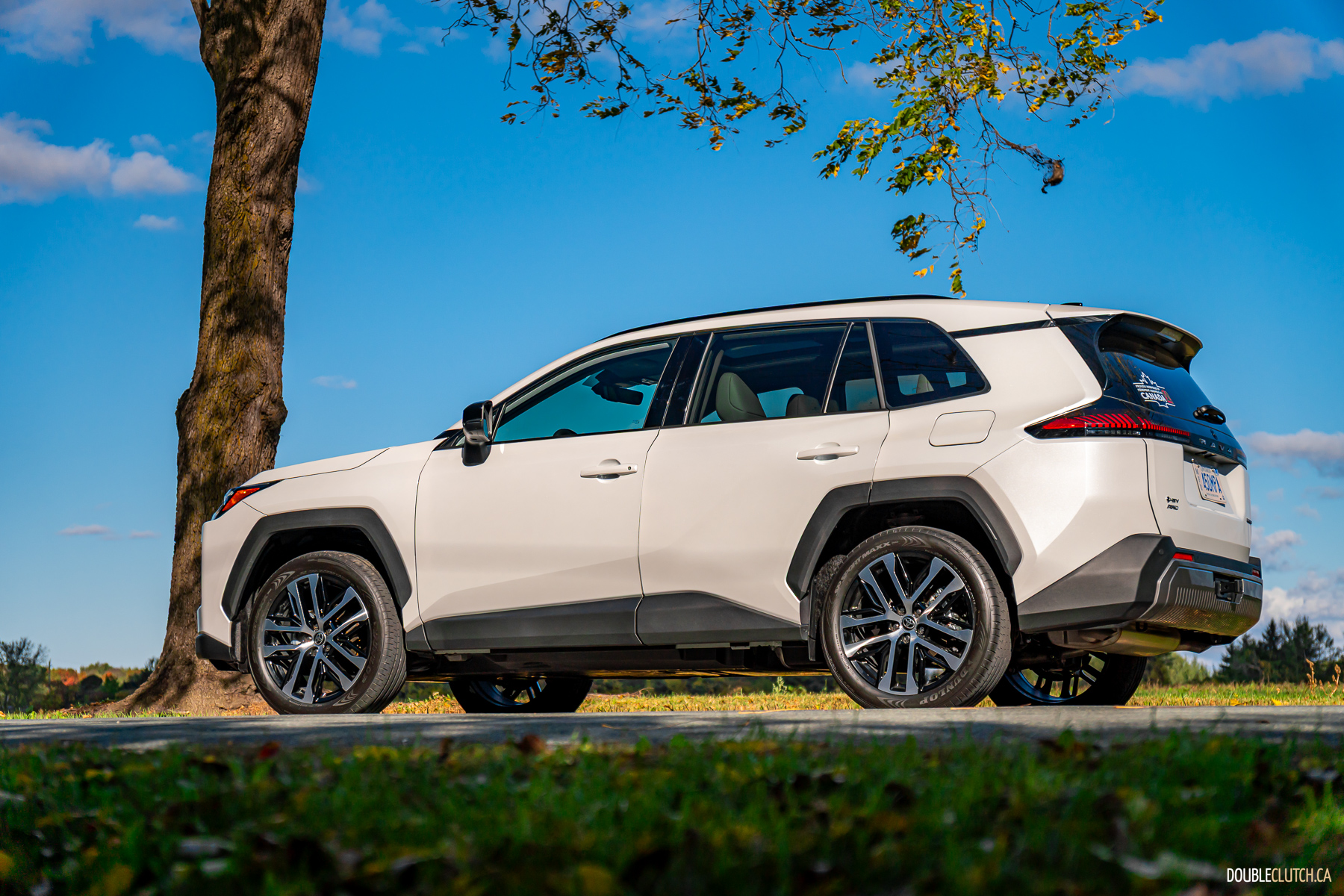
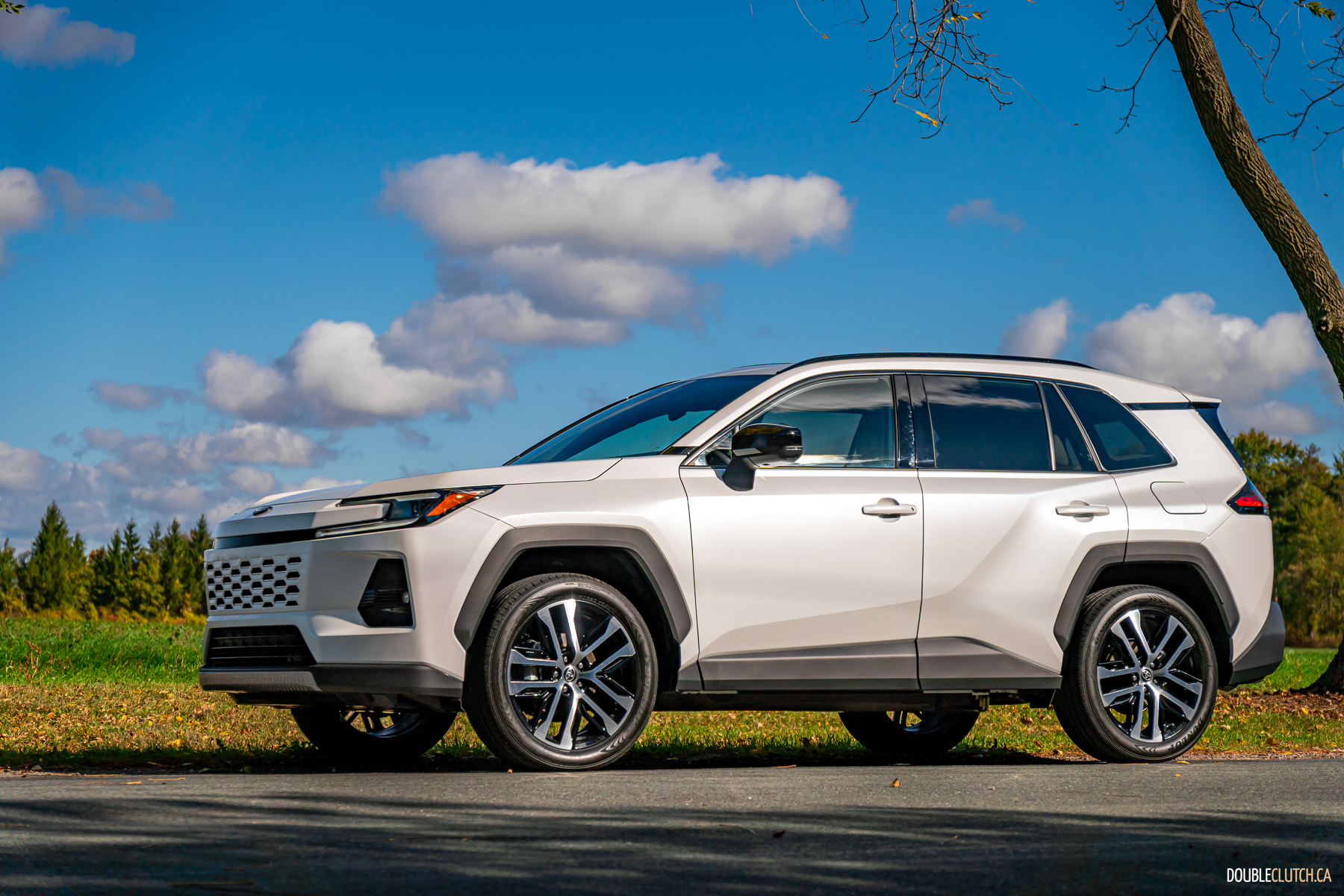
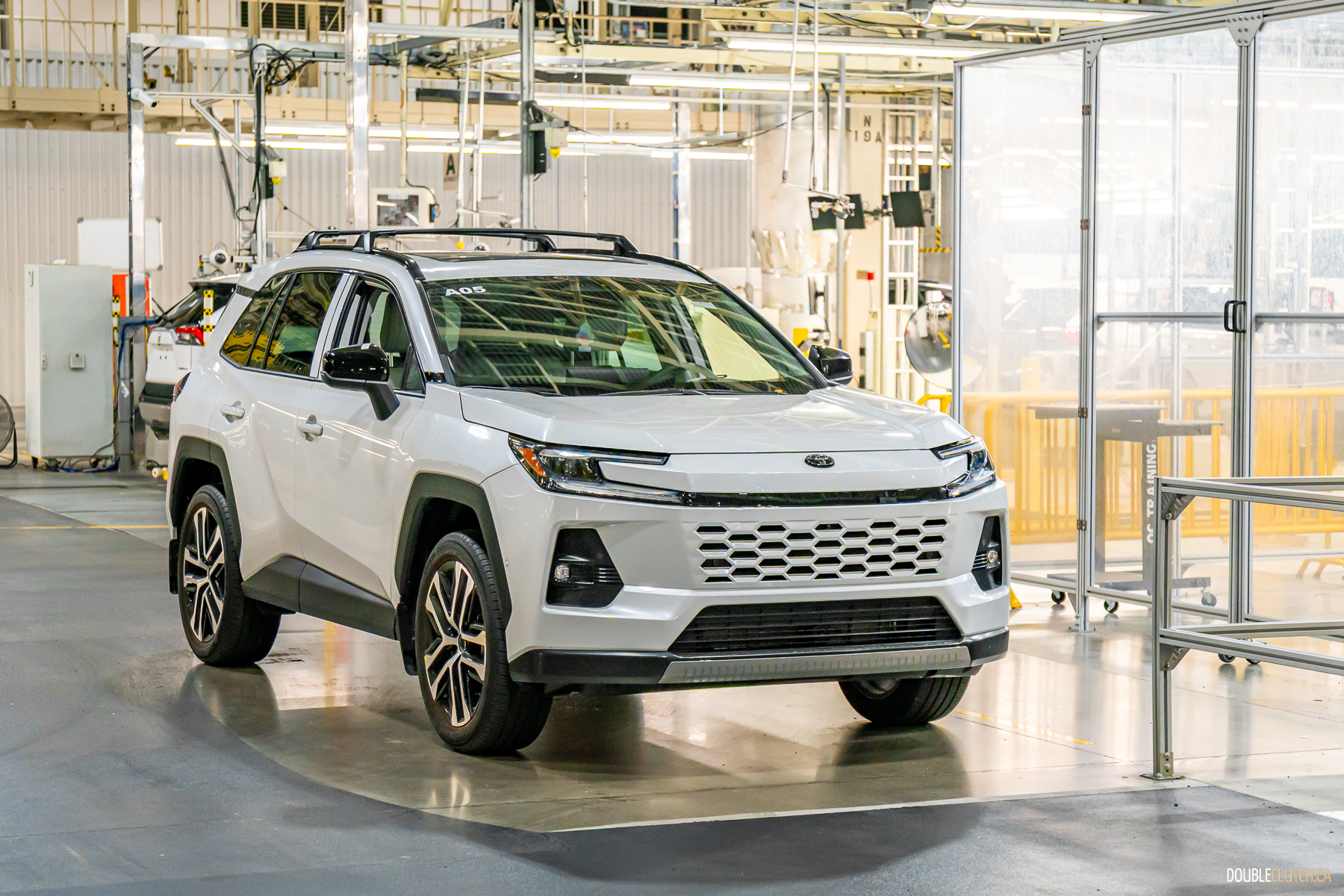
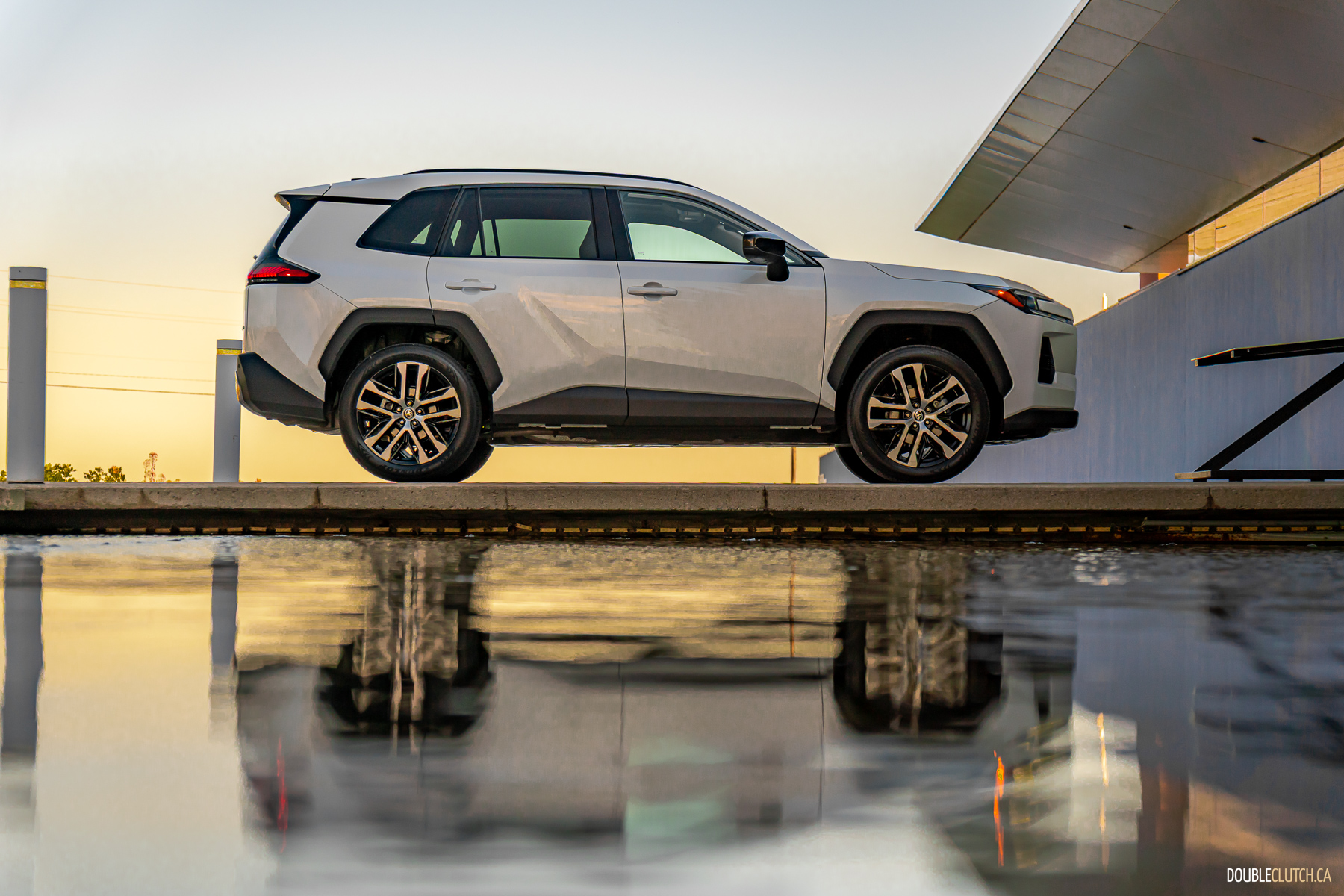
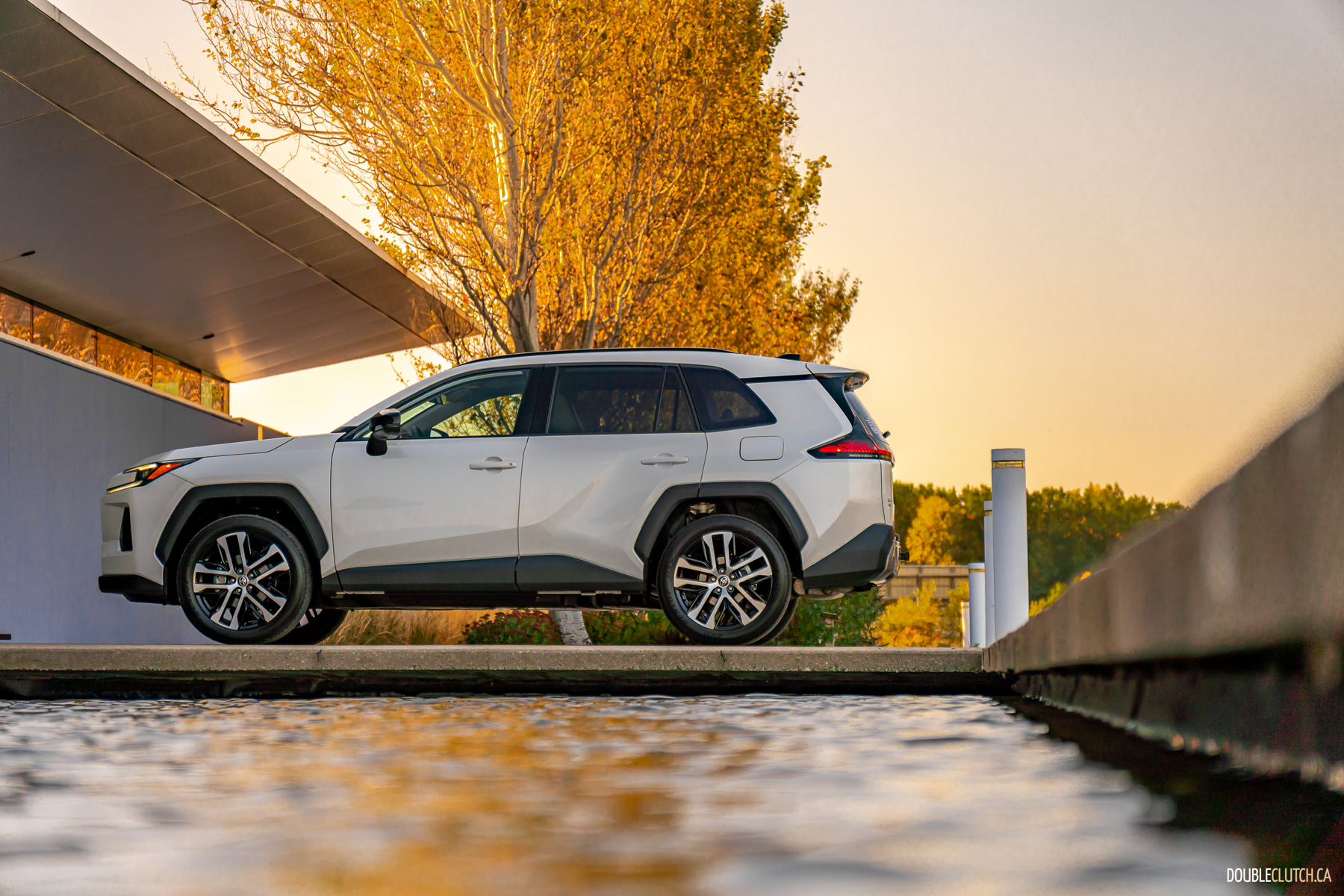
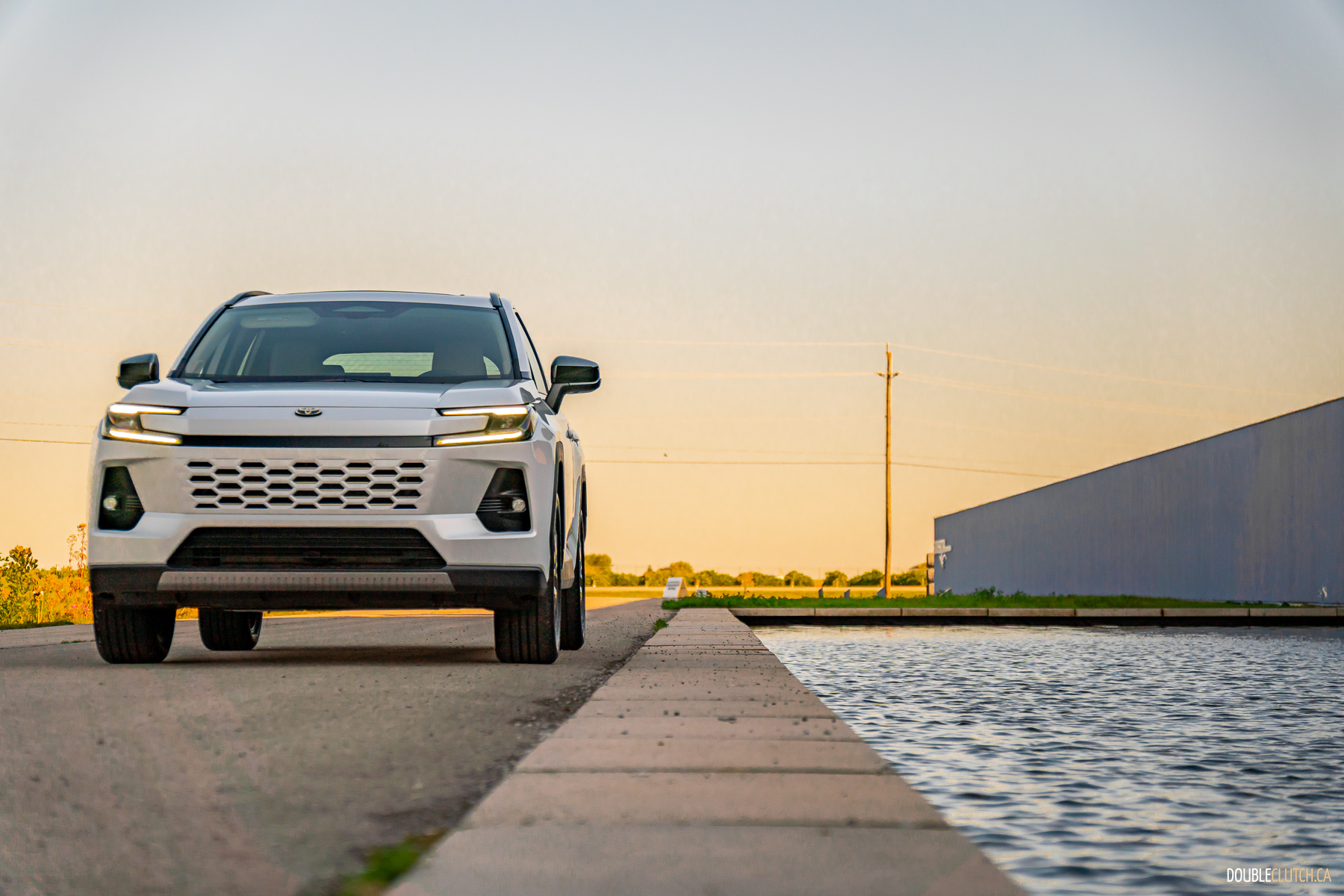
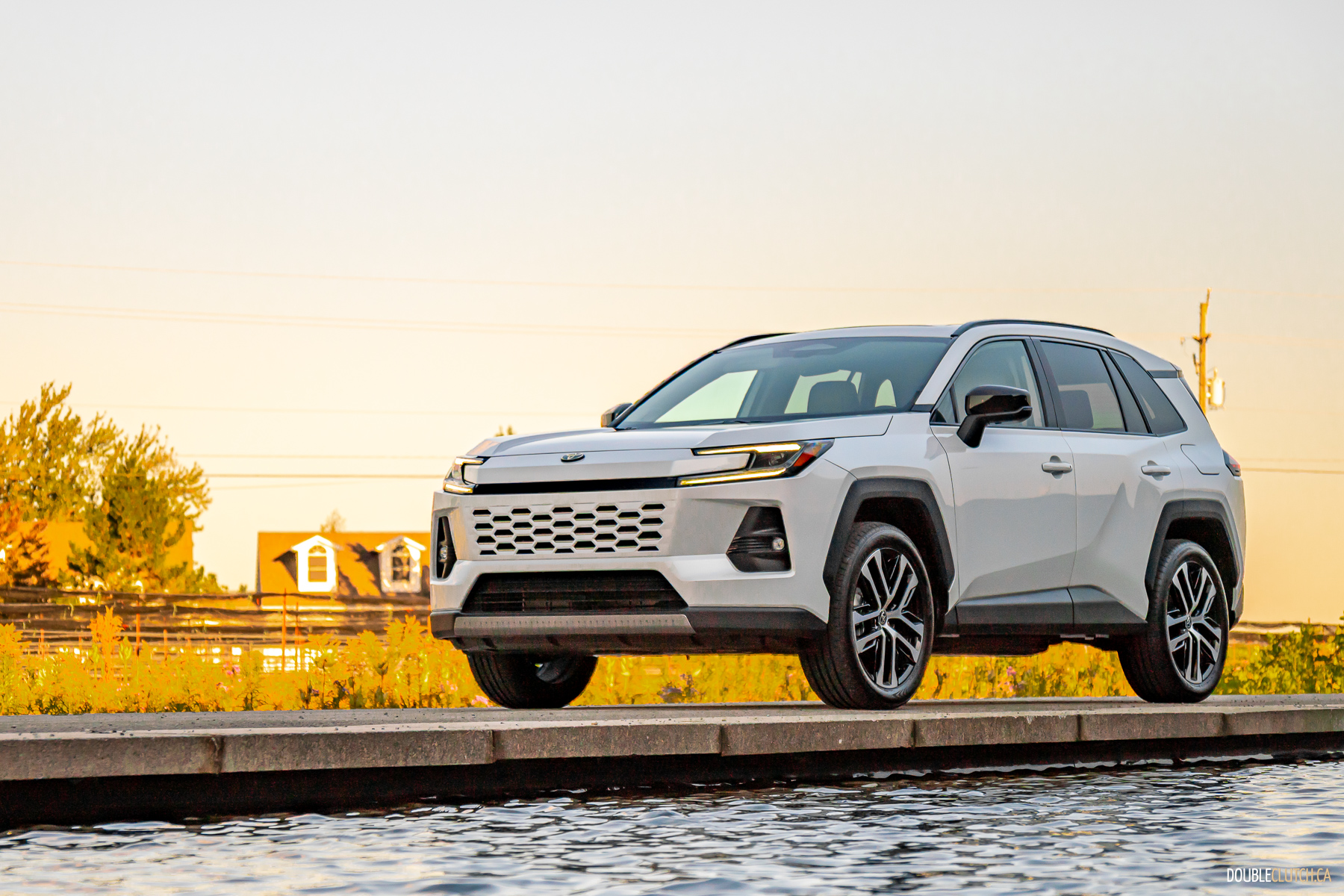
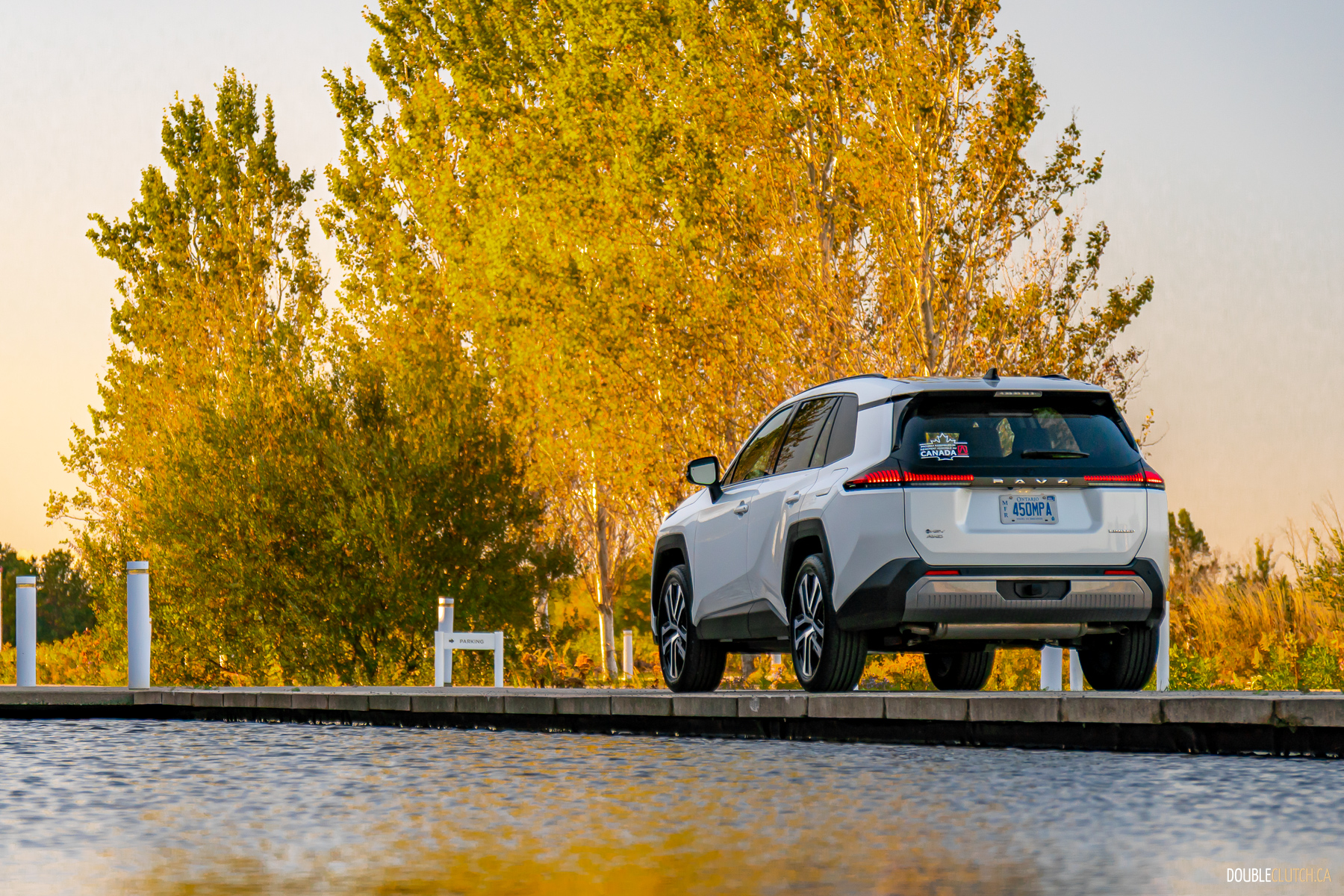
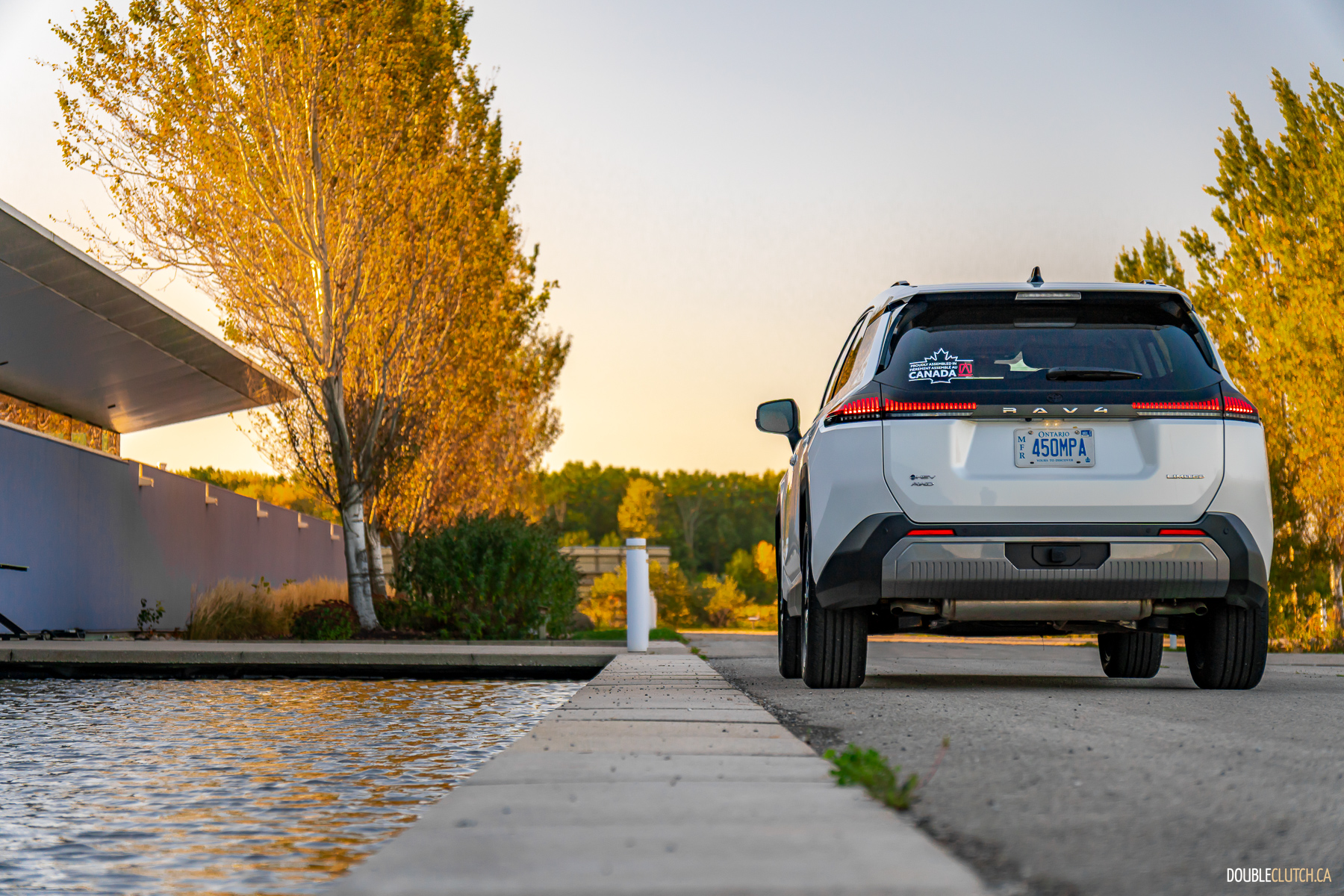
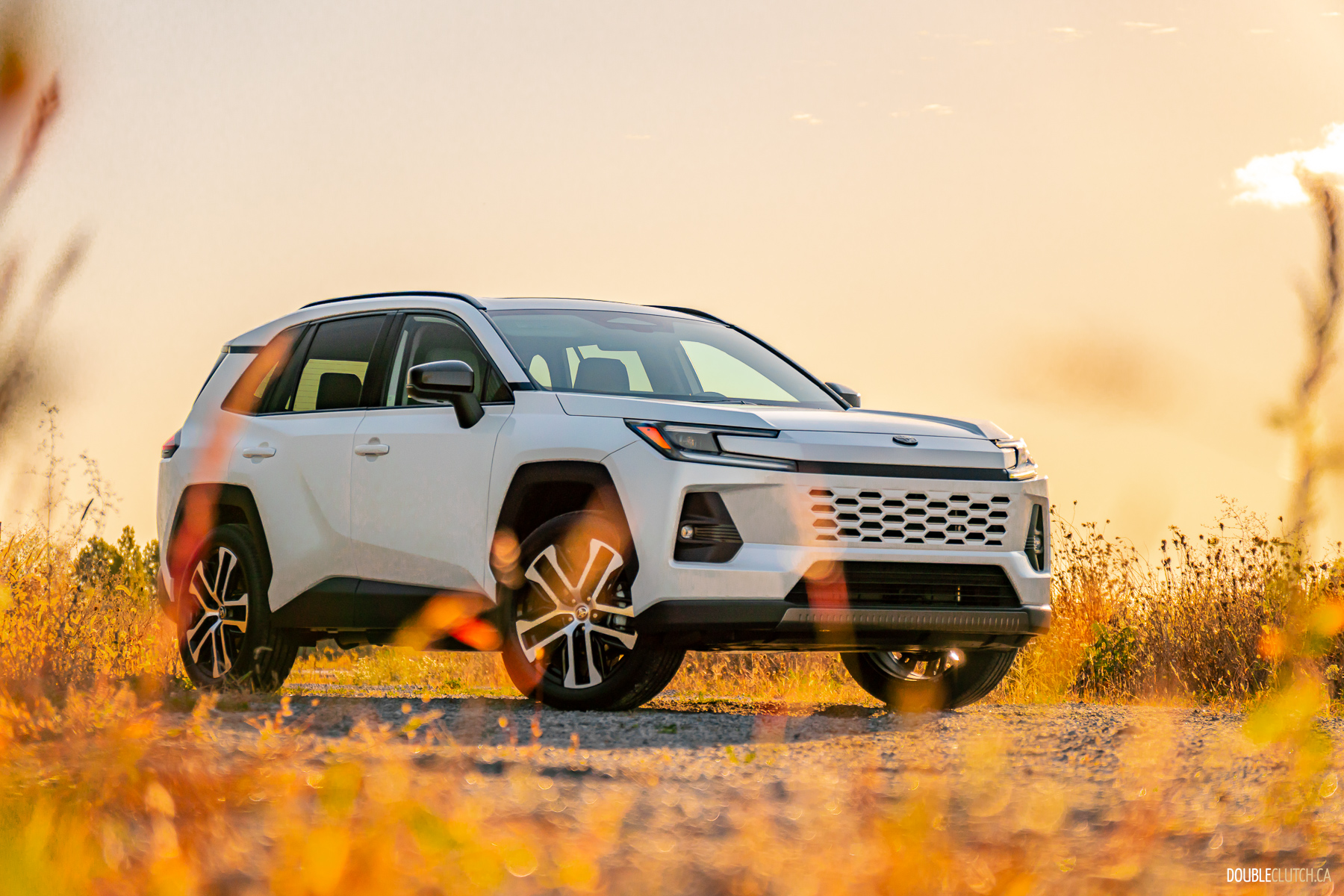
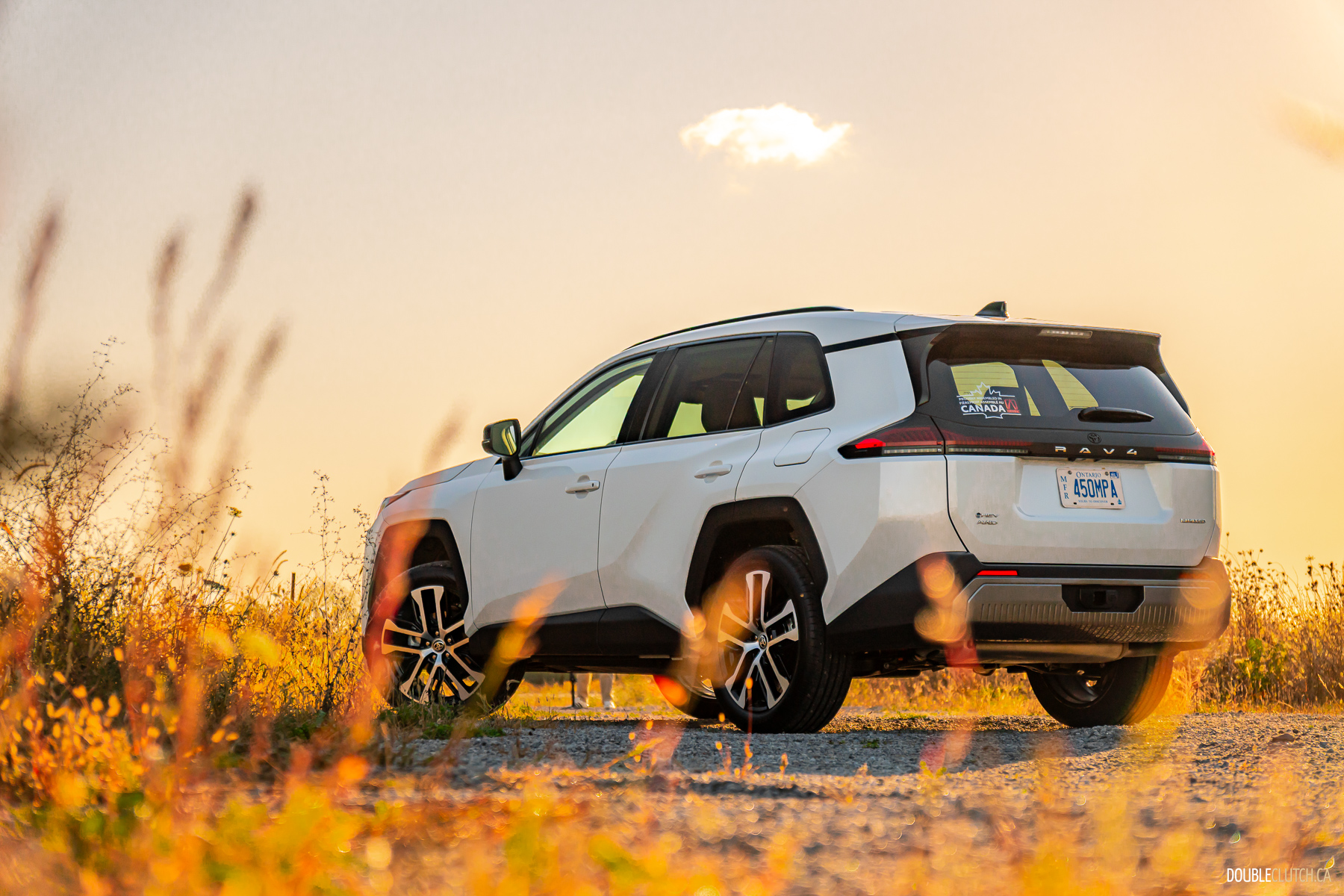
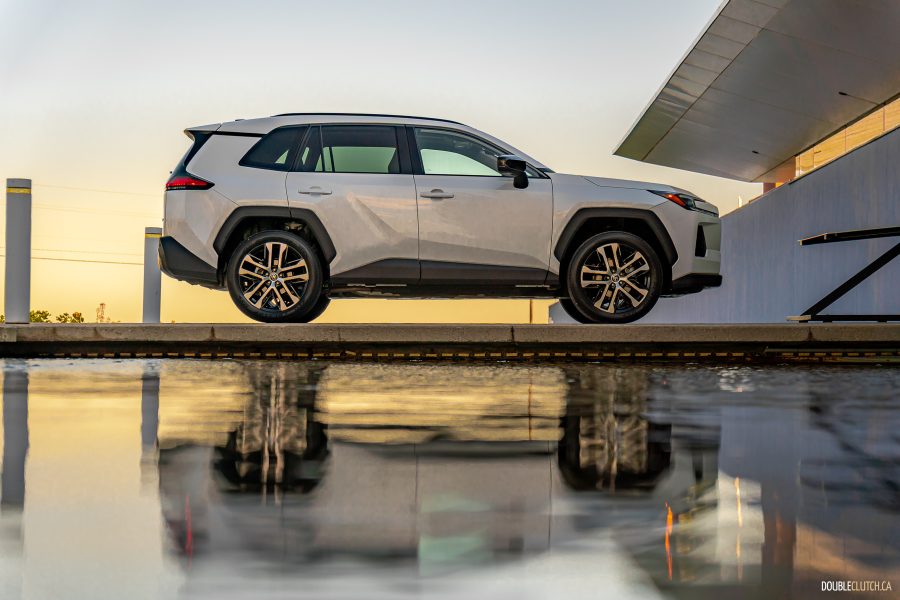
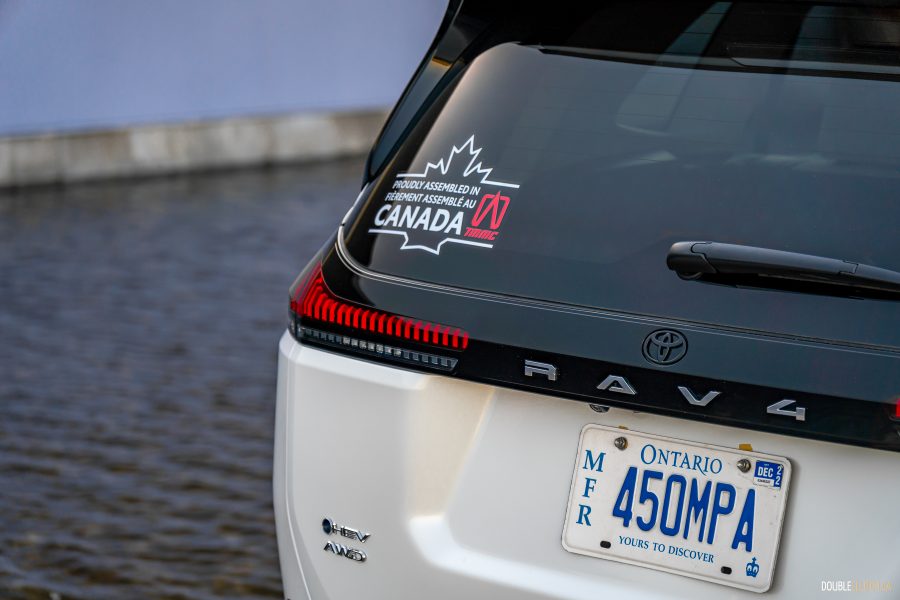
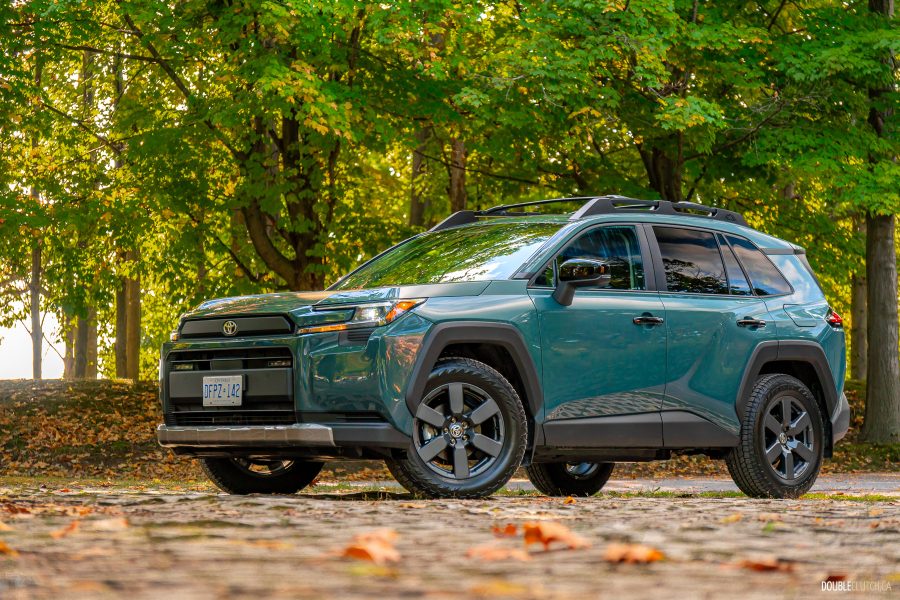
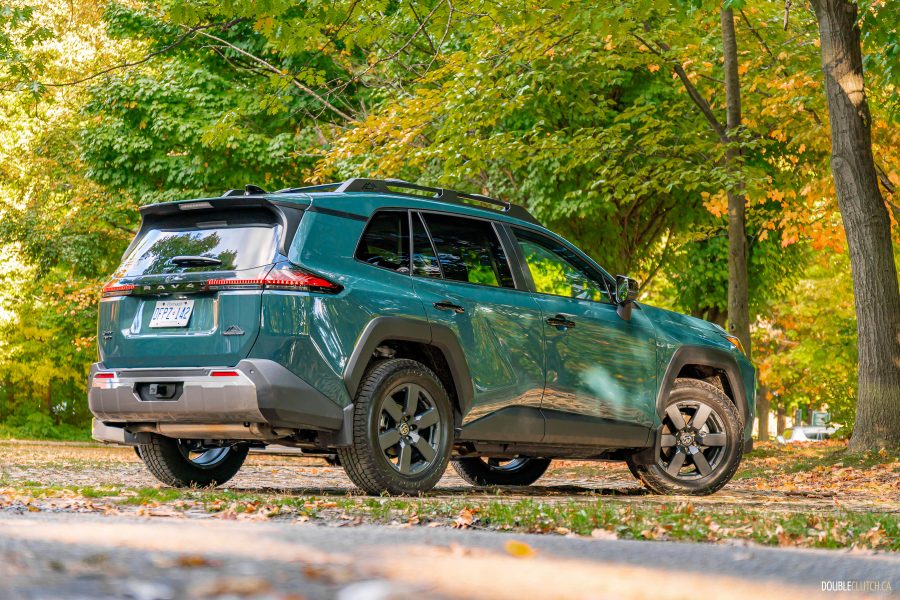
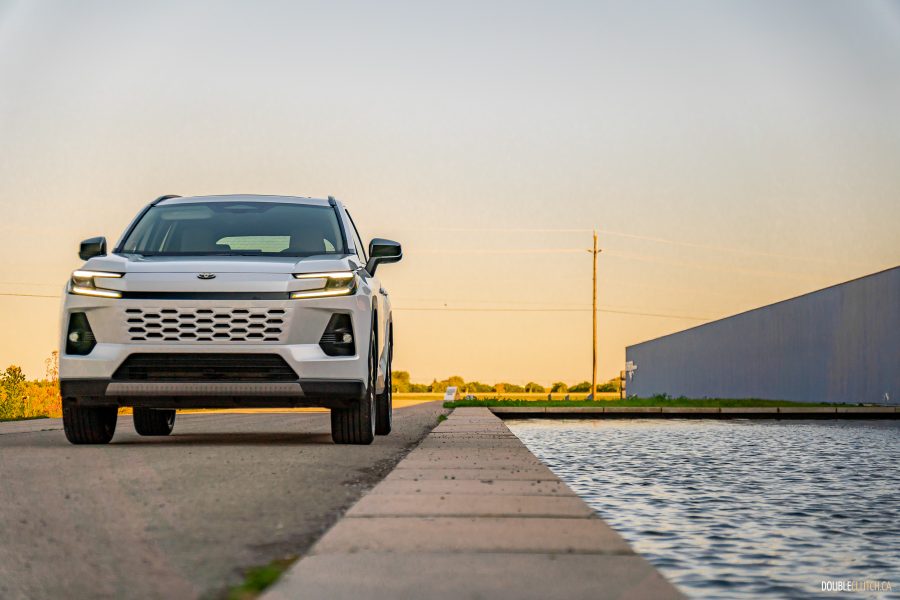
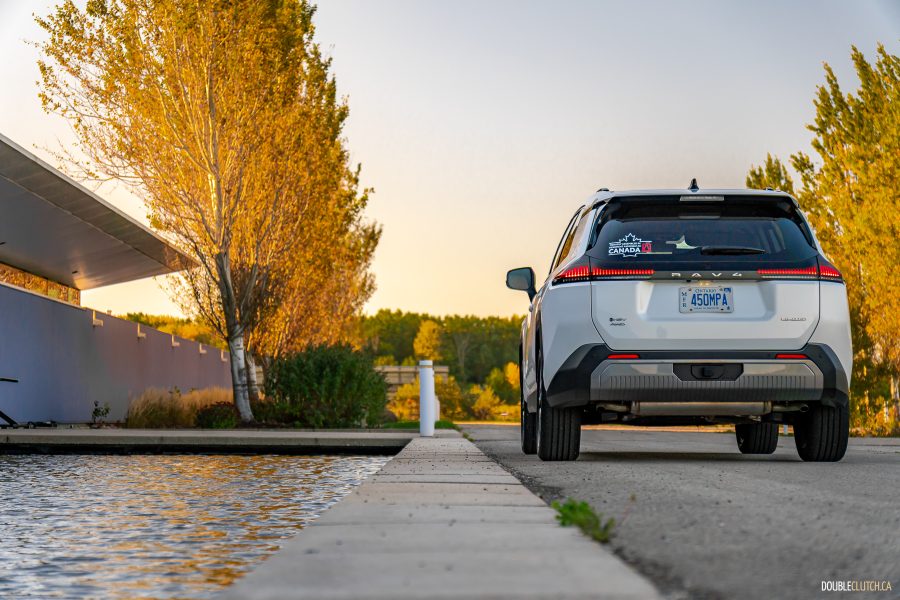
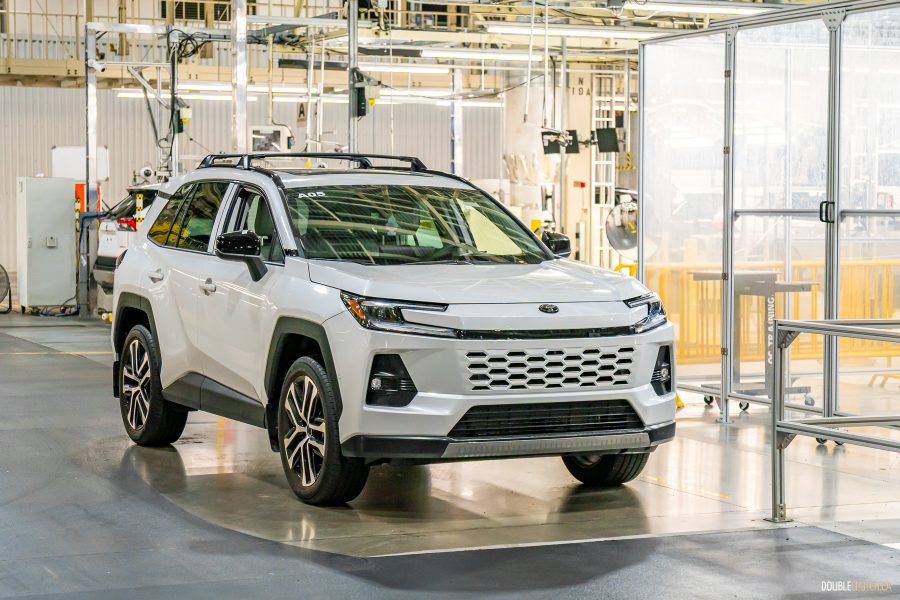
The most obvious change with the new RAV4 is that Toyota has broken it up into three distinct body styles: Core, Outdoor Adventure, and Sport. Regardless of which body style you opt for, they’re all more angular on the outside, and more spacious on the inside. Most models will see the Core styling (pictured in white on a loaded Limited trim tester), whereas the expanded roster of Woodland models will get the tougher Outdoor Adventure style with a split grille, all terrain tires, skid plates, and raised roof rails (pictured in green). The spicy Sport body style is reserved for the new GR-Sport trim, which will be powered exclusively by the top-spec plug-in hybrid powertrain (not available at the time of this launch event).
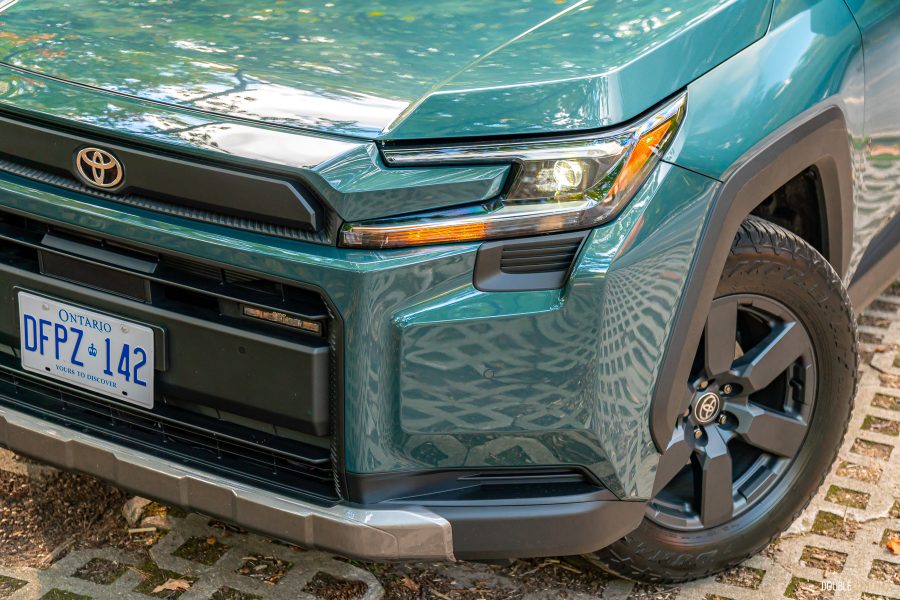
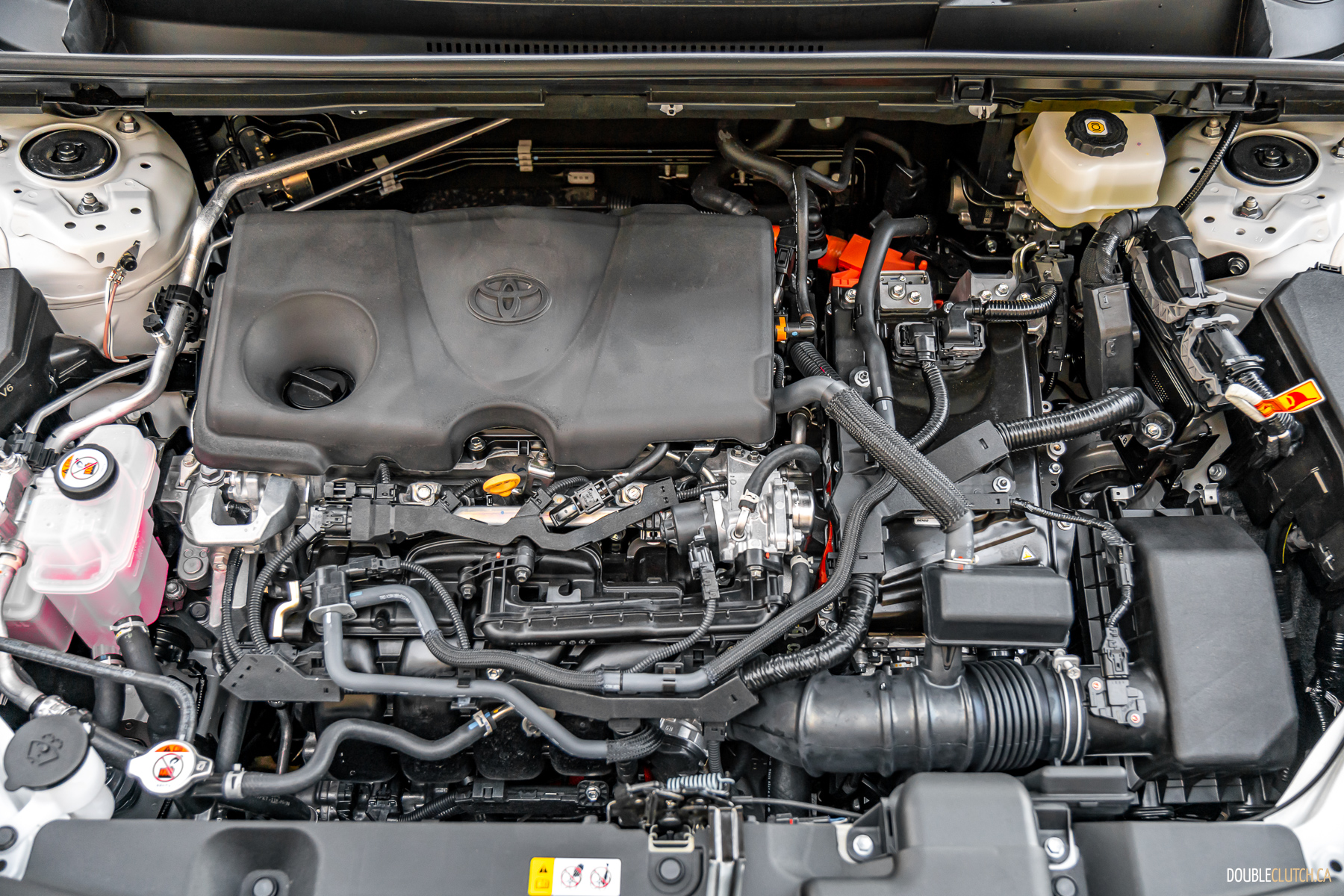
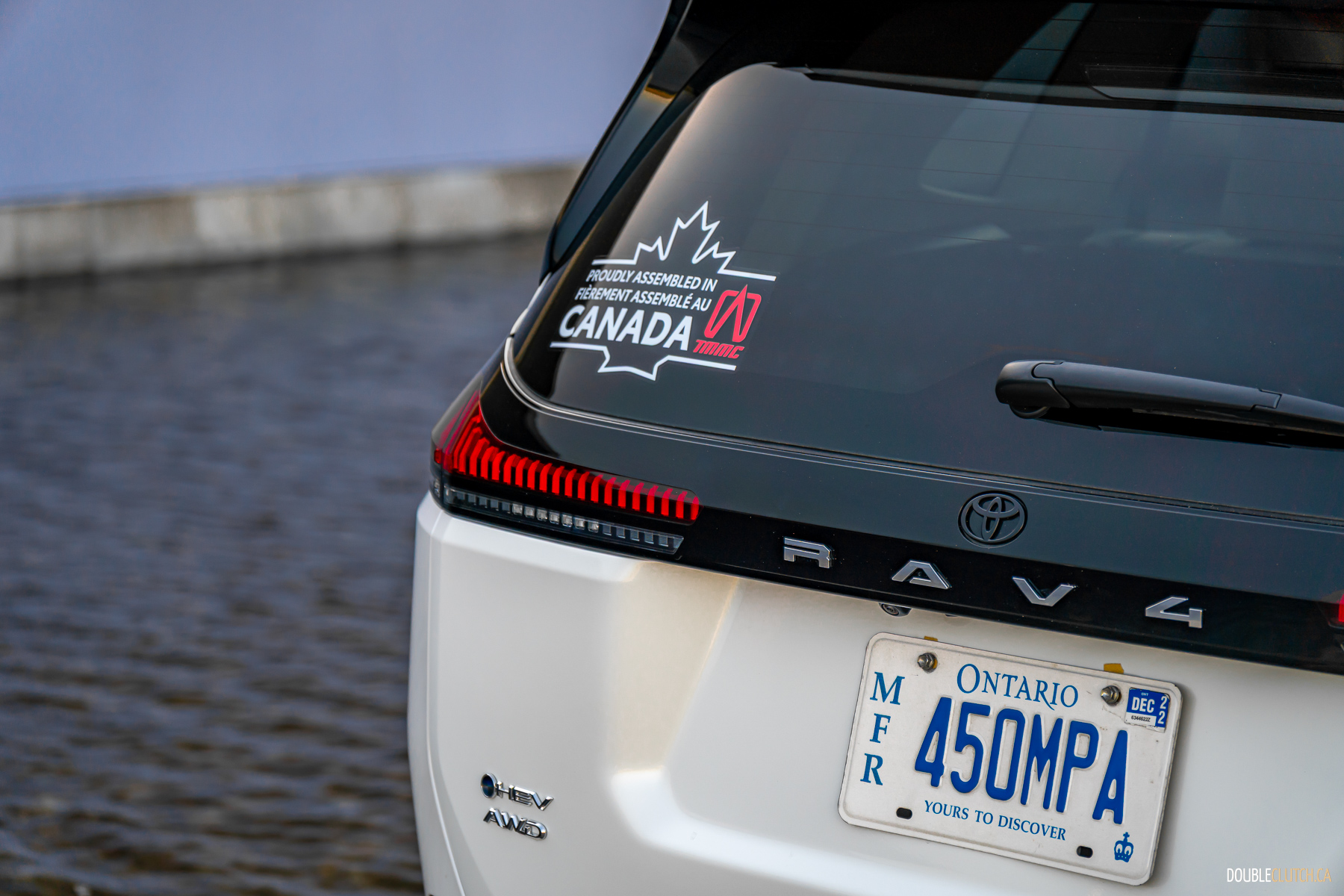
All are instantly recognizable as Toyotas, and there isn’t really a wrong one to choose from. While there is more choice in exterior dressings, there’s less choice in powertrain options, as the former base, non-hybrid powertrain has been eliminated in Canada. Instead we get HEV and PHEV powertrains, whose gas engines are largely unchanged, but both get newer, more energy dense batteries – those on the HEV models like we drove are now manufactured in Canada alongside the vehicles they’re going into. All models in Canada will be all-wheel-drive.
The RAV4 is built on the TNGA-K architecture, which shares some underpinnings with the previous RAV4, but is 10% stiffer, and more importantly, has had its front and rear suspension mounting points reinforced, and are now 30% and 27% stiffer, respectively. There’s also additional sound-deadening material added to the unibody, and suspension bushing material has been changed entirely to reflect the benefits of the stiffer structure they support, and provide more refinement.
Driving impressions
Put simply, this means the RAV4 drives distinctly better than before. Whereas before I might have said the Honda equivalent CR-V is head-and-shoulders better in terms of driving satisfaction, that’s no longer the case. The steering on the new RAV4 is noticeably tighter and more direct – but still relaxed and light – and the ride quality is leaps and bounds better, with much improved body control and better management of choppy pavement, with less noise and harshness making its way to the cabin.
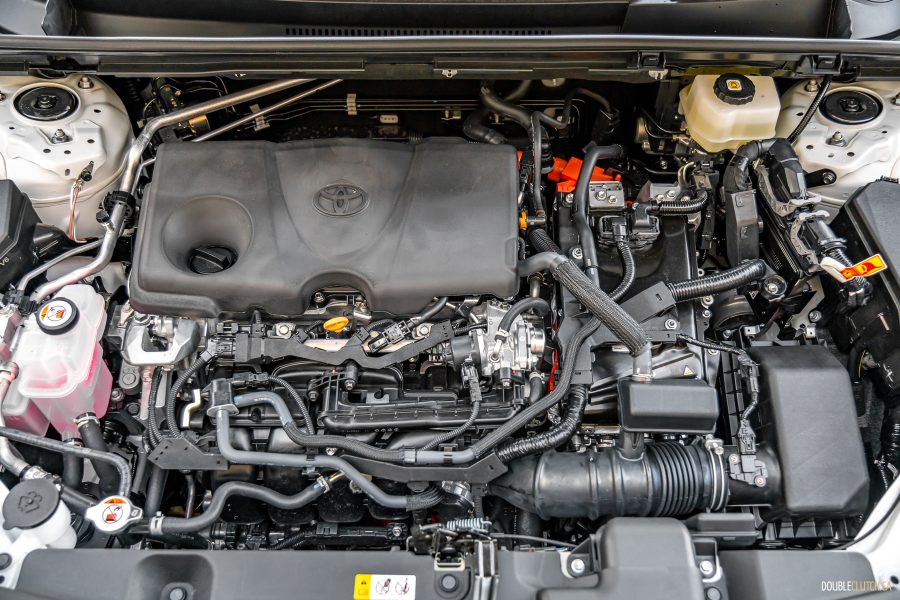
There’s a lot less noise coming from the 2.5-Litre engine in the hybrid models we sampled. This is partly because the improvements to the hybrid system means the engine can run less of the time, and can run at lower rpms when it does, and also because the added insulation drowns out some of the notoriously coarse 2.5L engine’s noise, to a point that it’s no longer a sore point in an otherwise competent vehicle.
To that end, performance is improved as well, as the updated powertrain produces a combined 236 horsepower, bringing it to the front of the compact CUV pack, short of the handful of turbocharged competitors. It was already a decent performer in its segment, and now it’s much more sprightly, with ample passing power, while delivering an observed fuel efficiency of 5.5L/100km – and that’s with us doing mostly highway driving, where the benefits of a hybrid are often mitigated.
Interior and technology
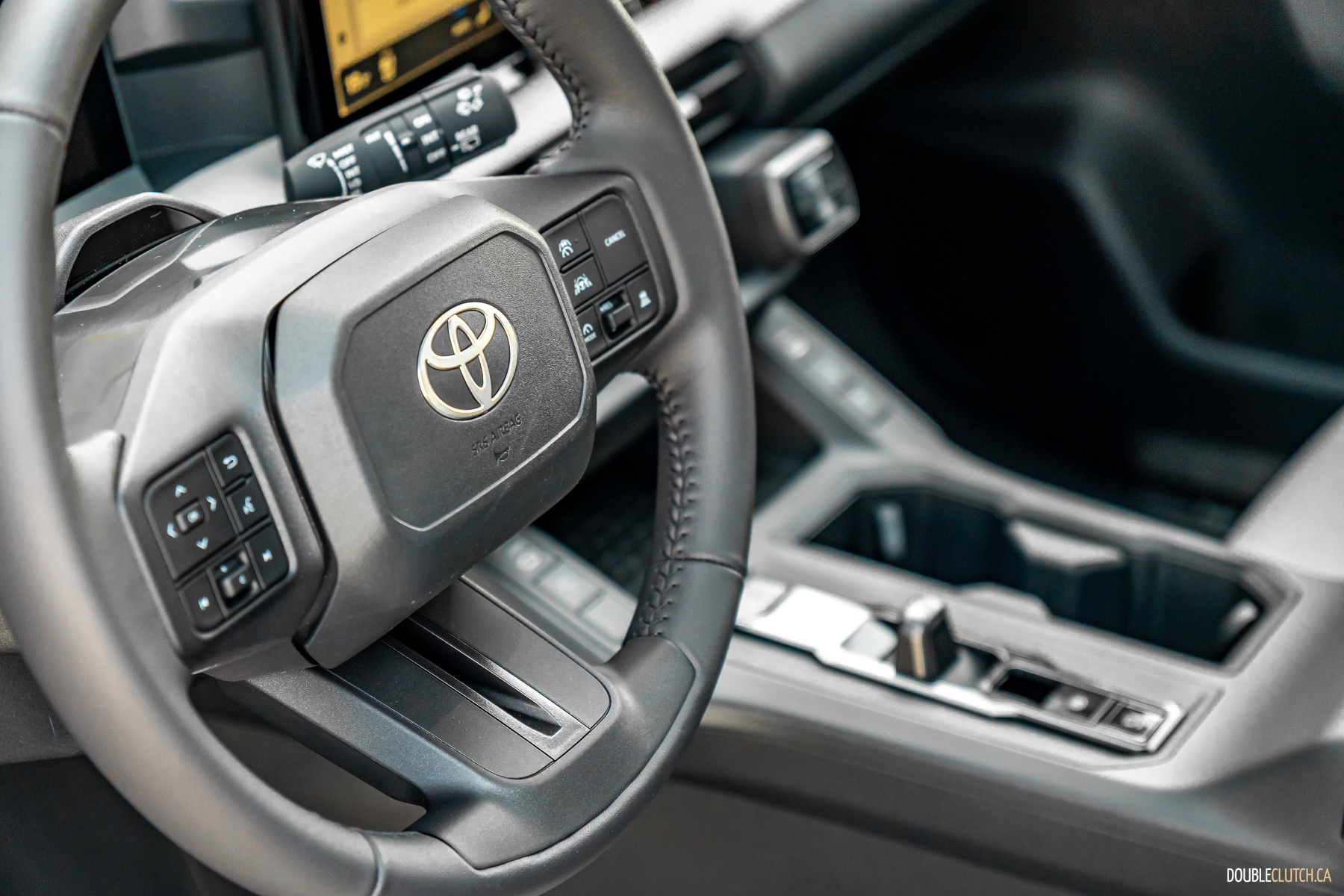
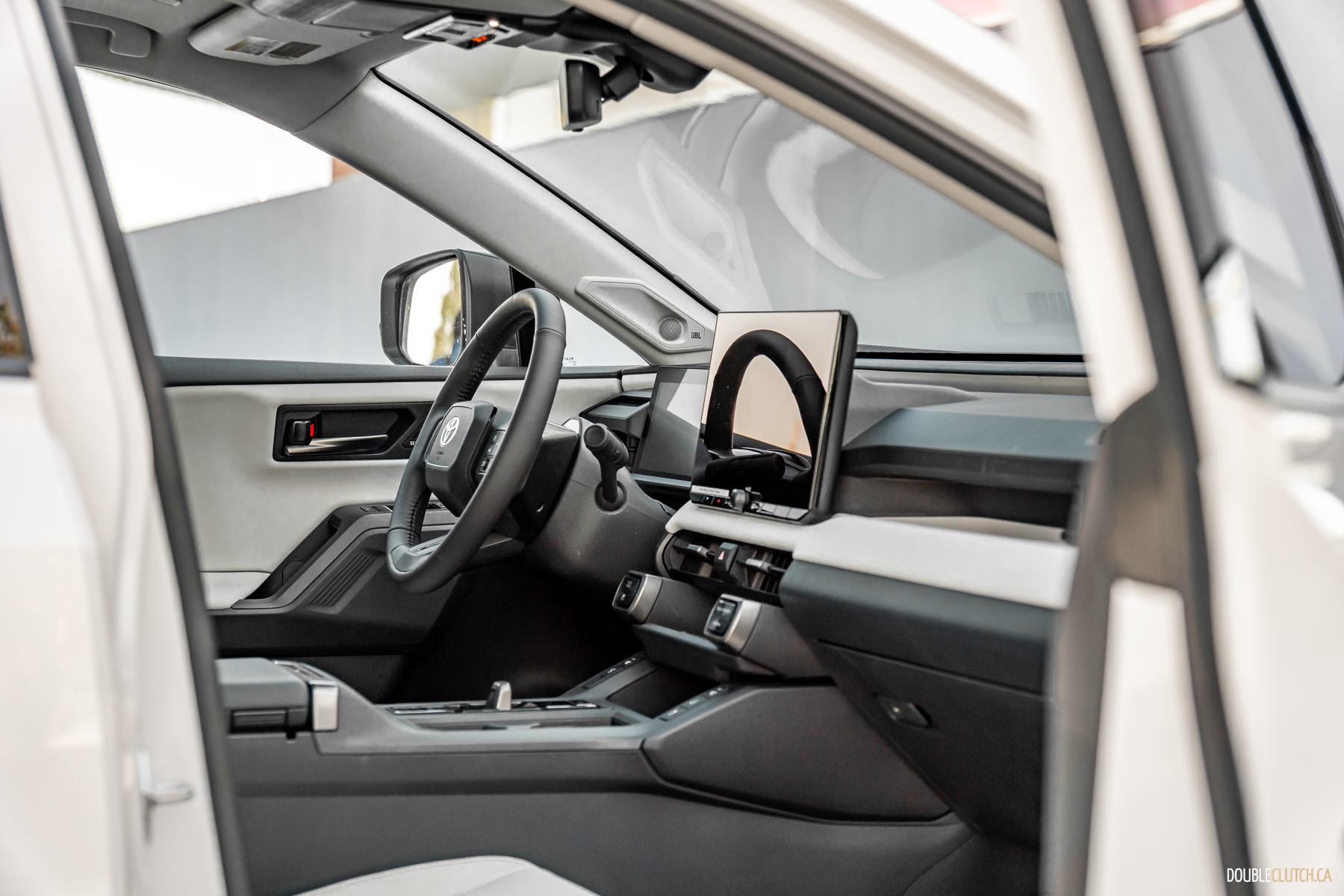
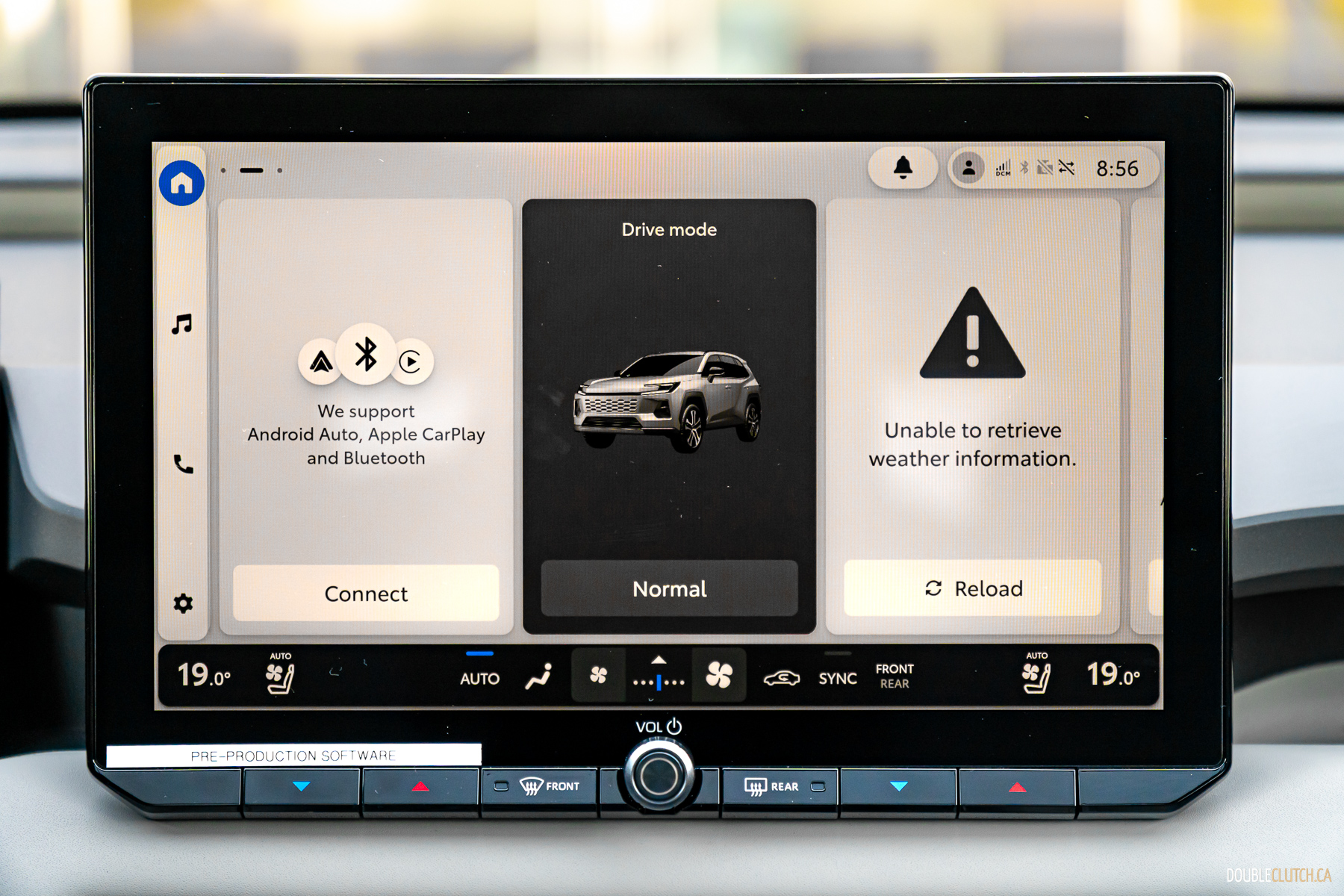
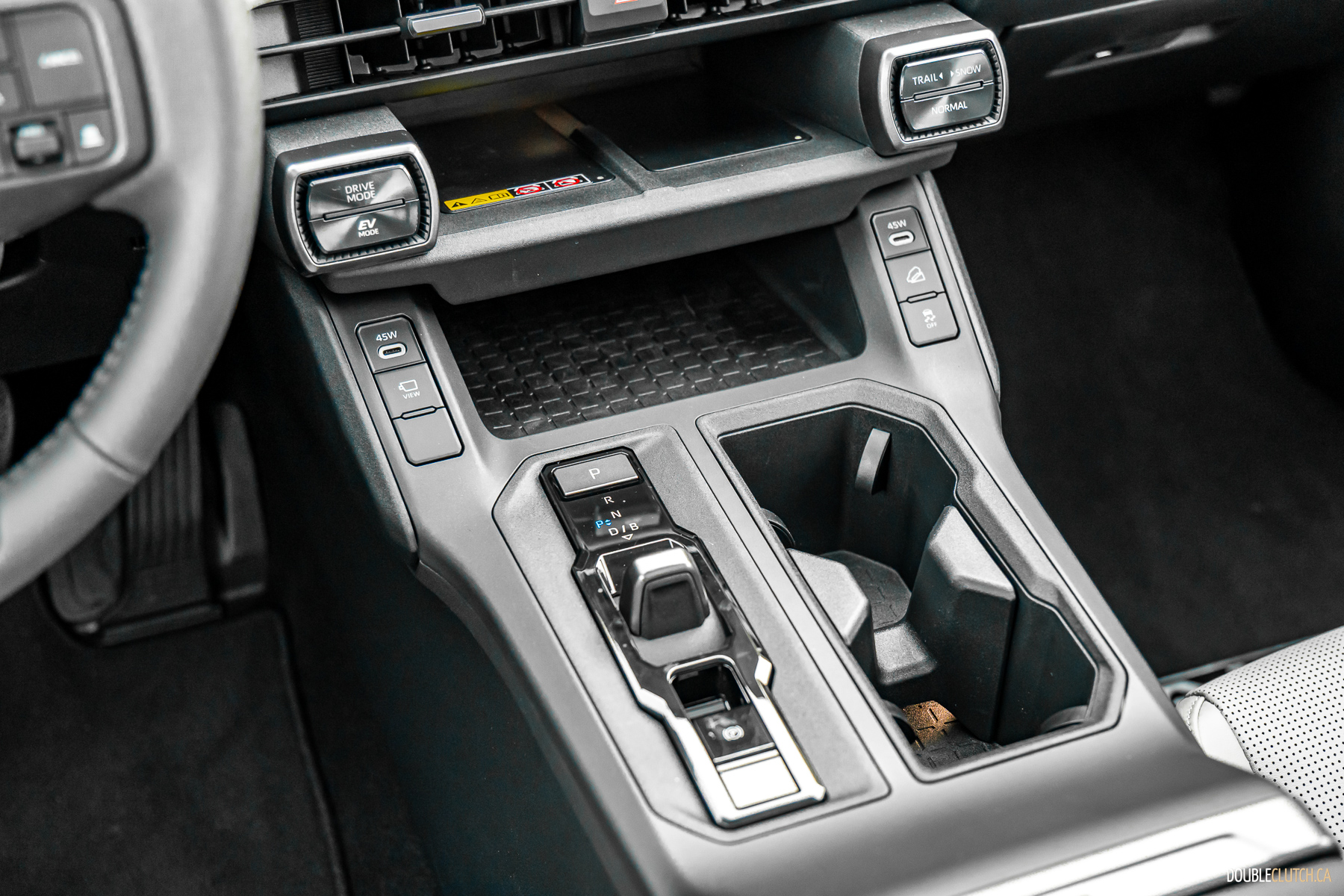
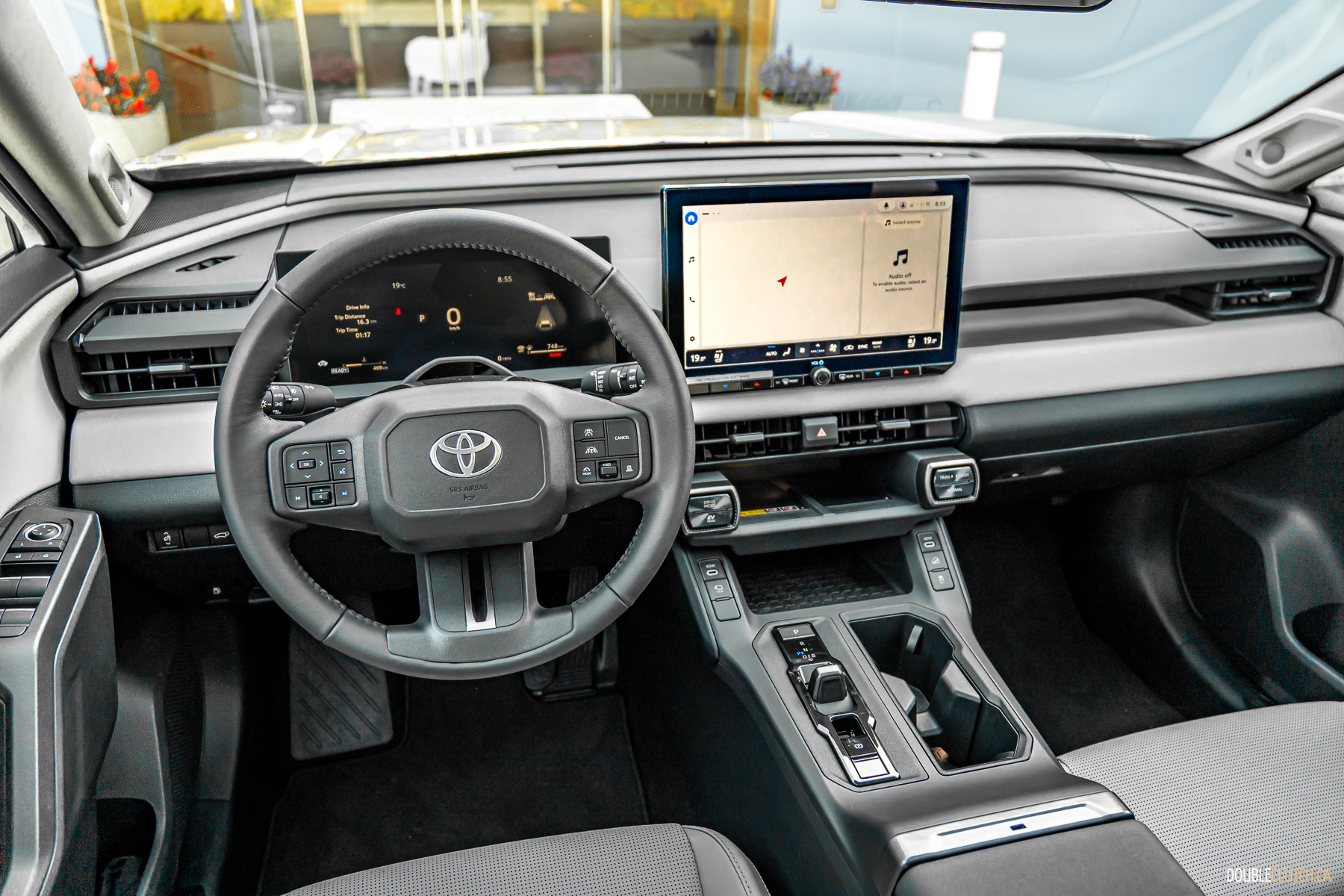
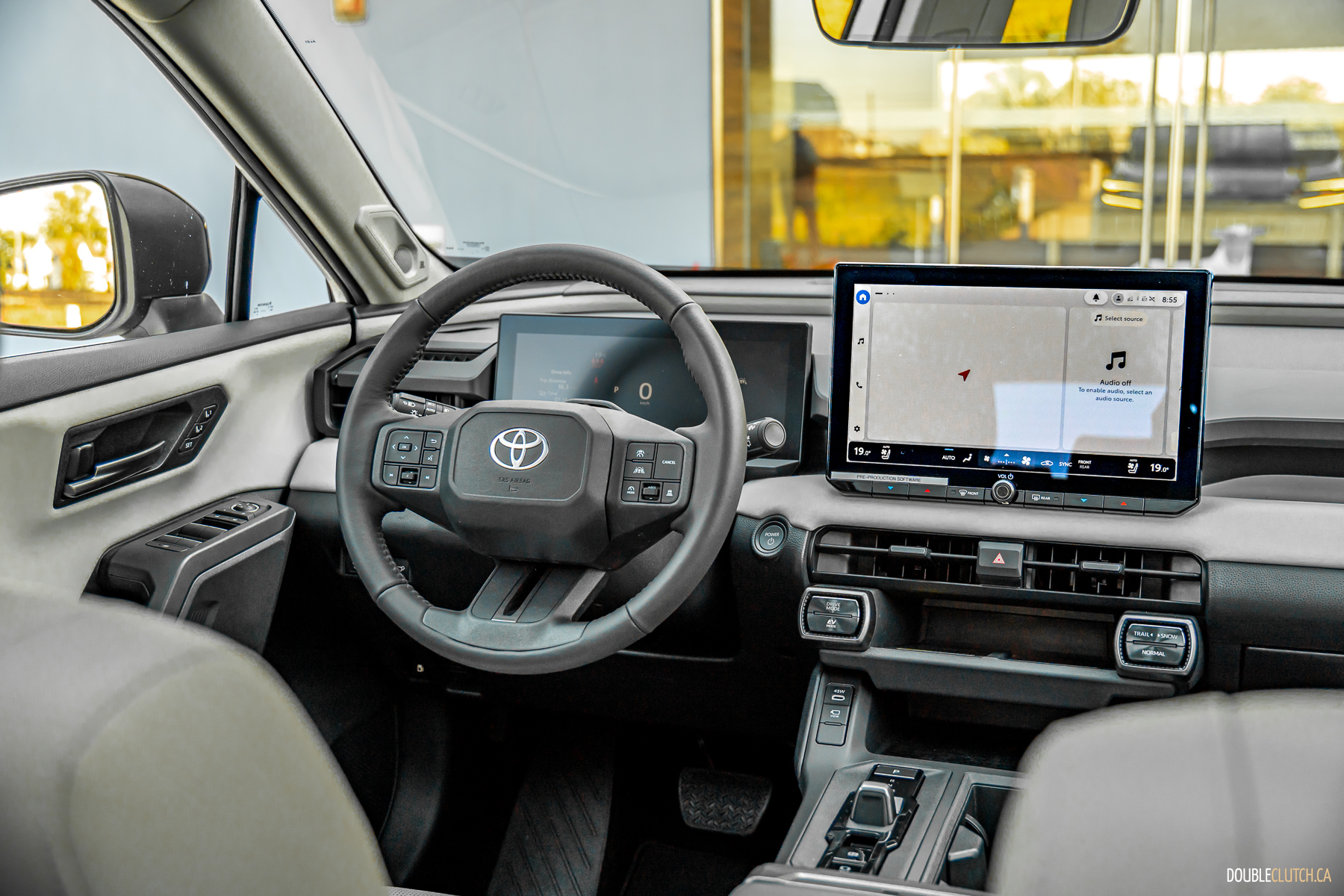
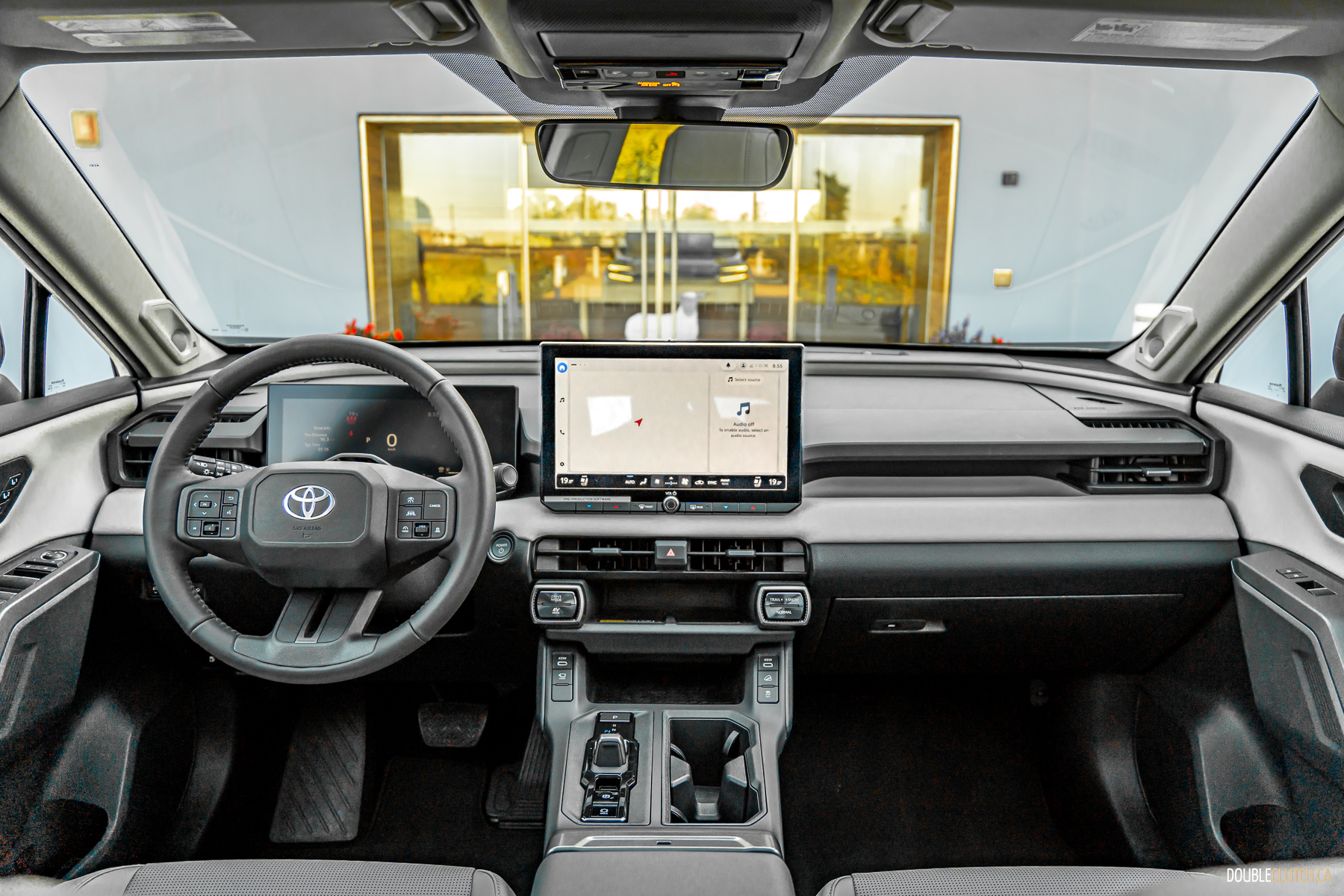
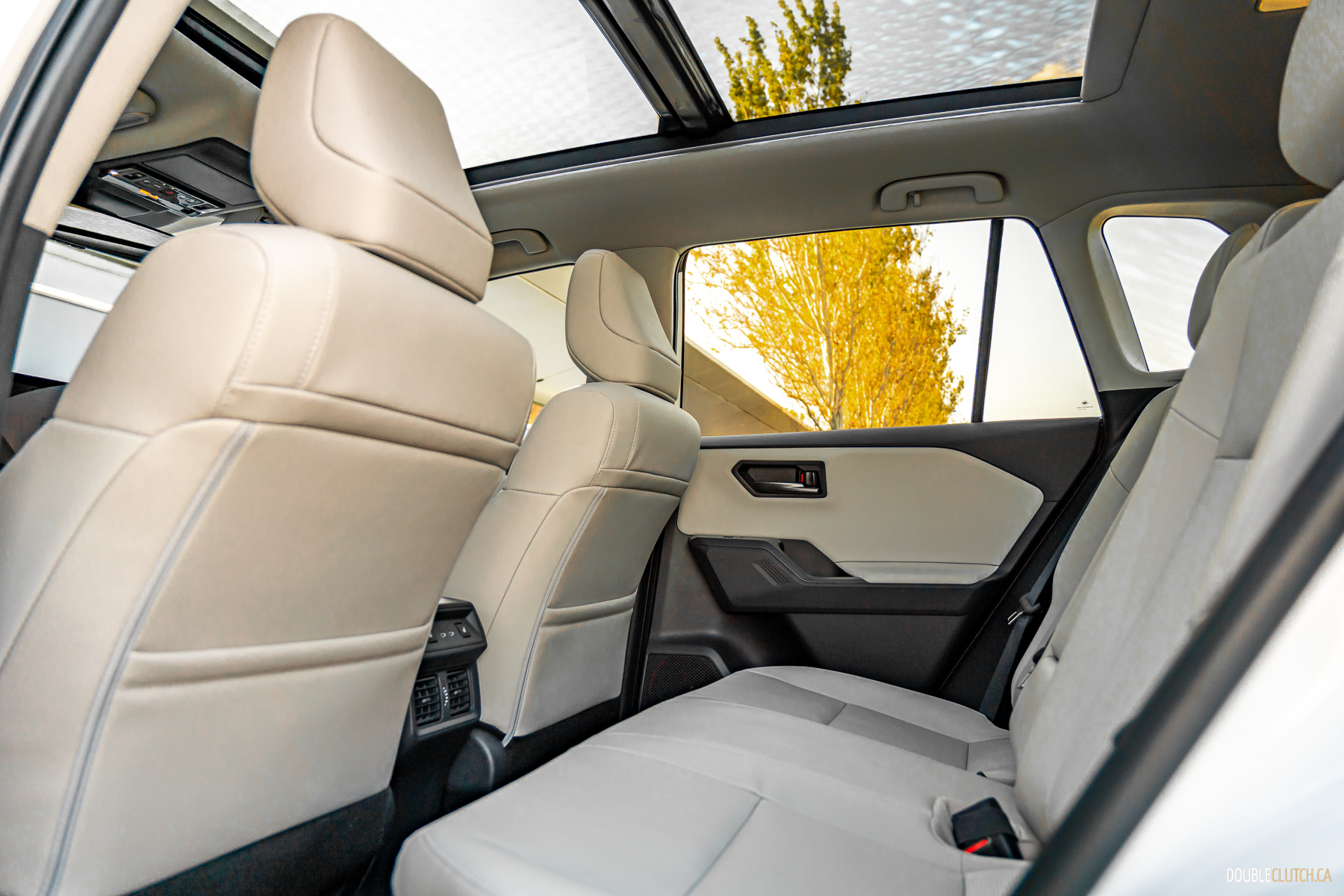
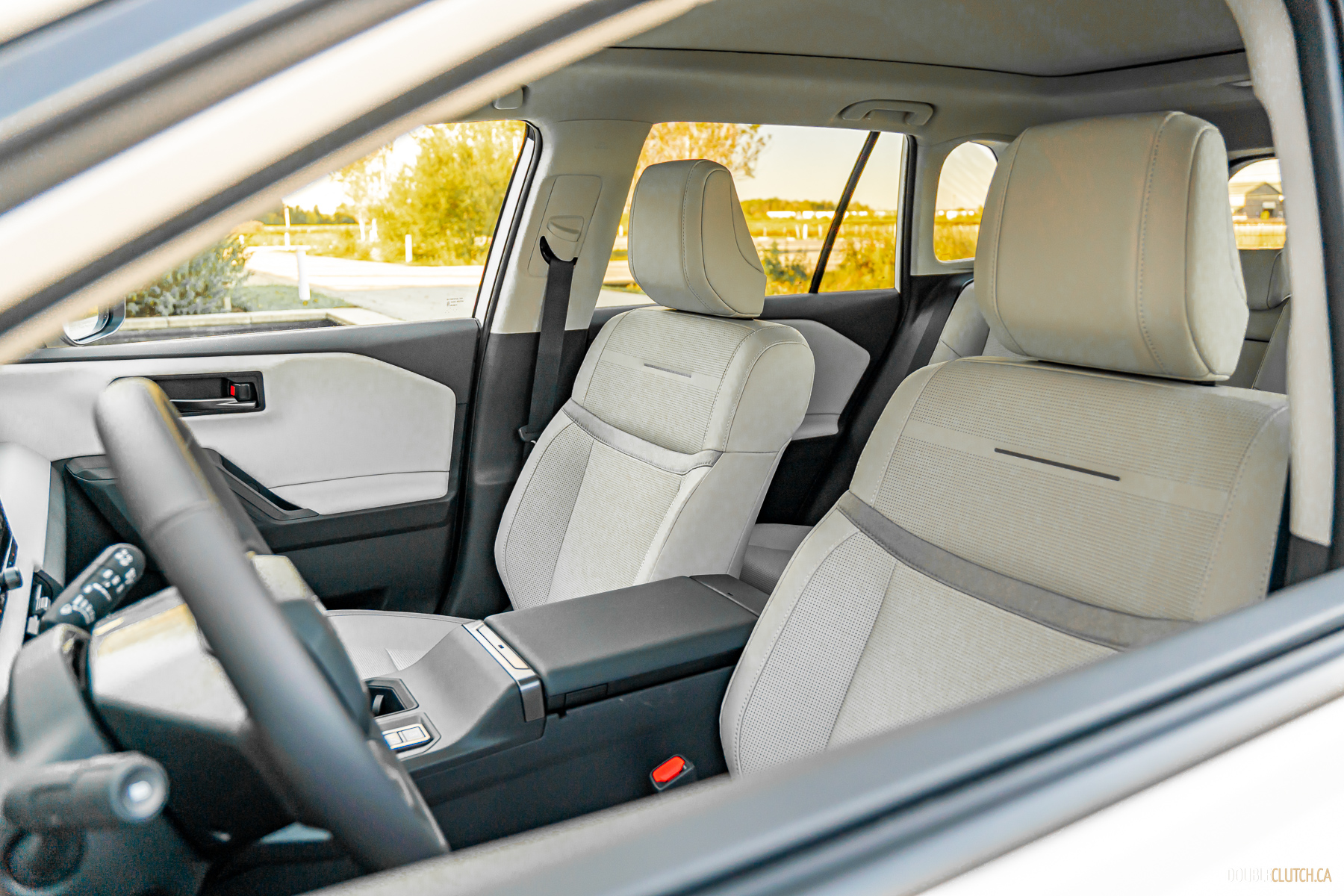
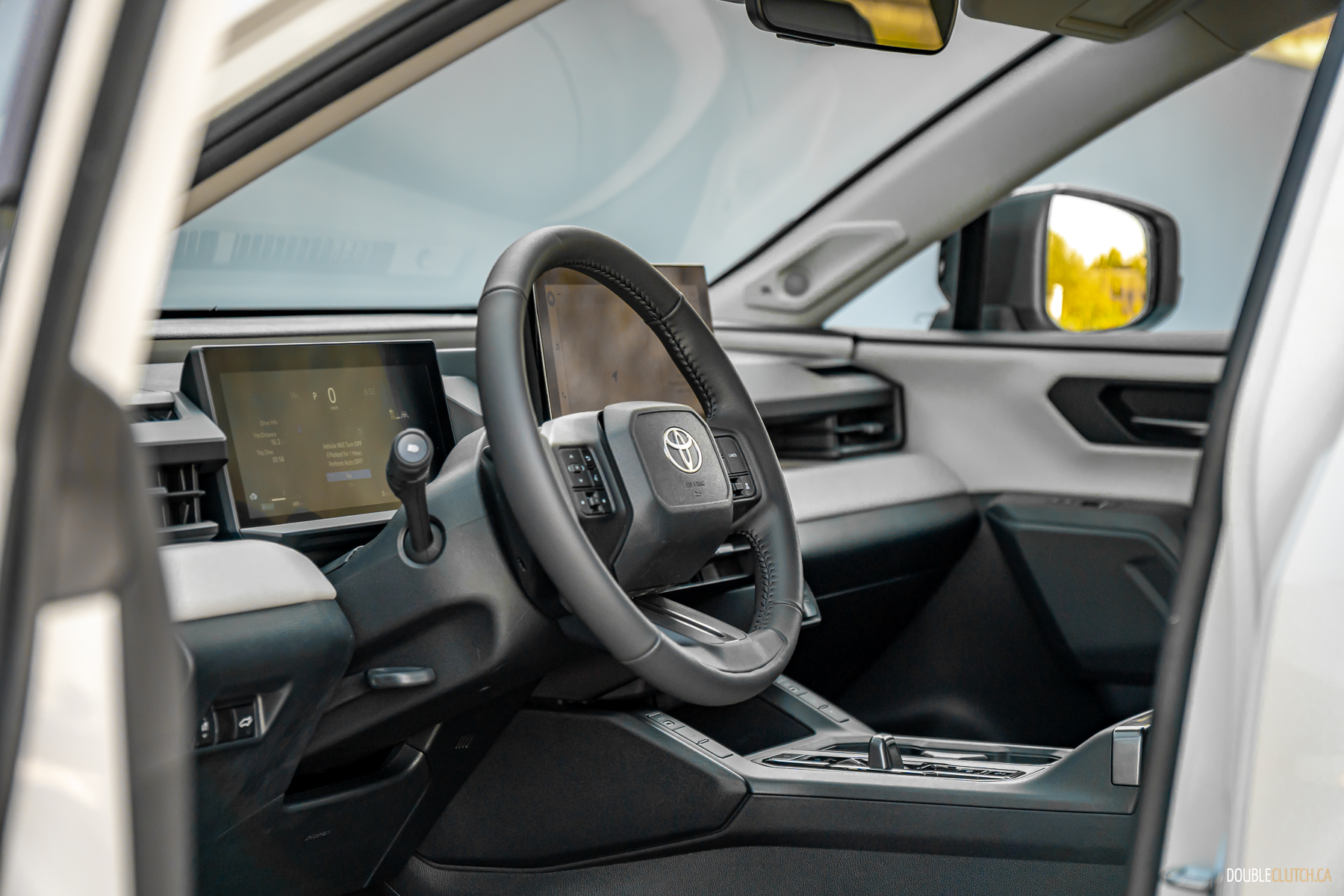
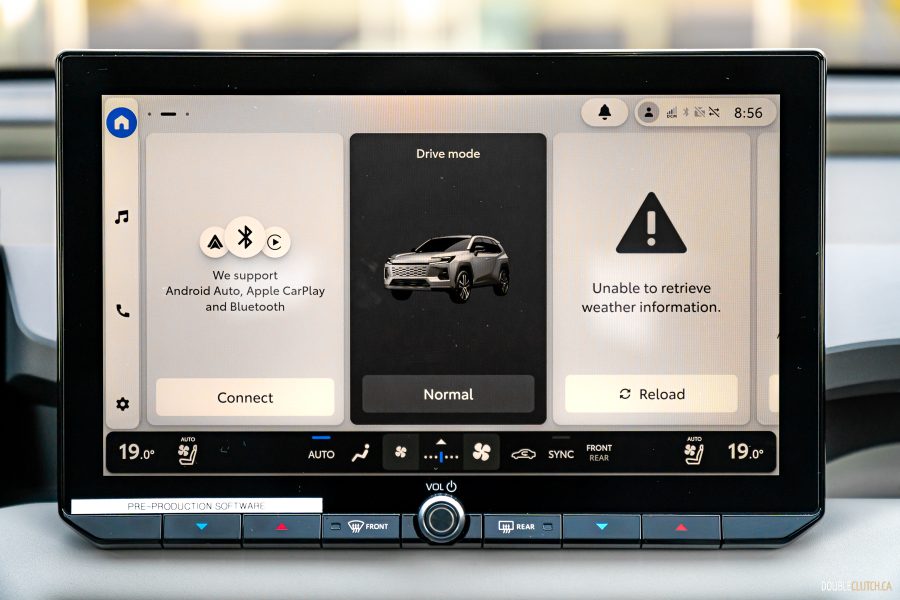
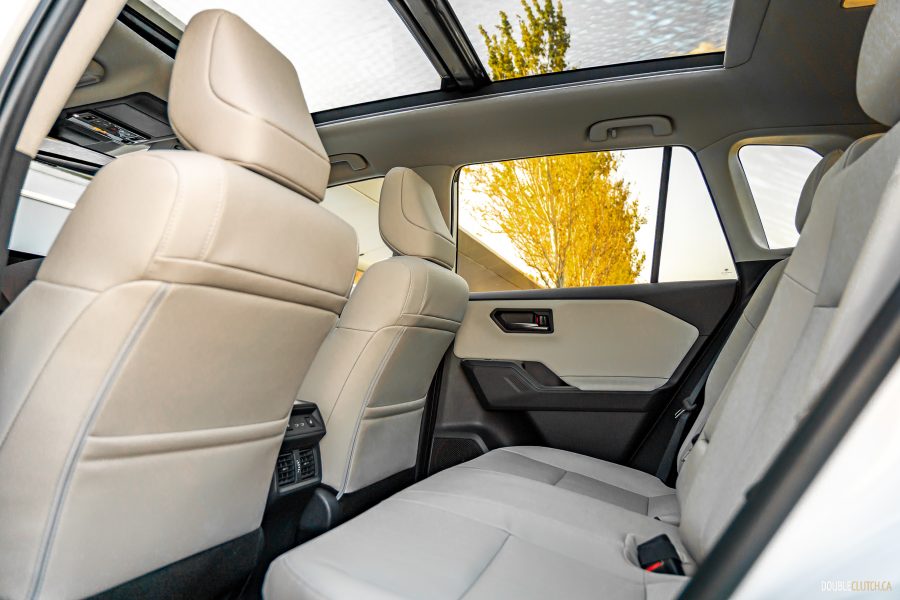
So not only is it a surprisingly lovely thing to drive, it’s also a nice place to sit. The updated cabin design is much more modern, with more space for front and rear passengers, but also expanded storage spaces, and better visibility, including a new optional panoramic moonroof. The highlight of the updated dashboard is a new infotainment screen, which starts at 10.5 inches, spans up to 12.9 inches on the highest trim levels, and operates on a new 4th generation of Toyota Multimedia Interface, with far more computational muscle powering it.
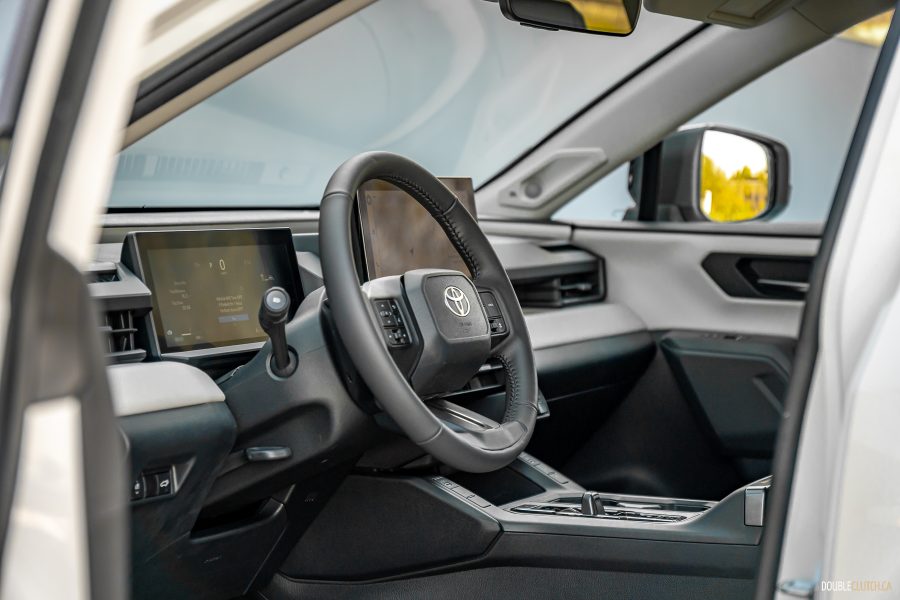
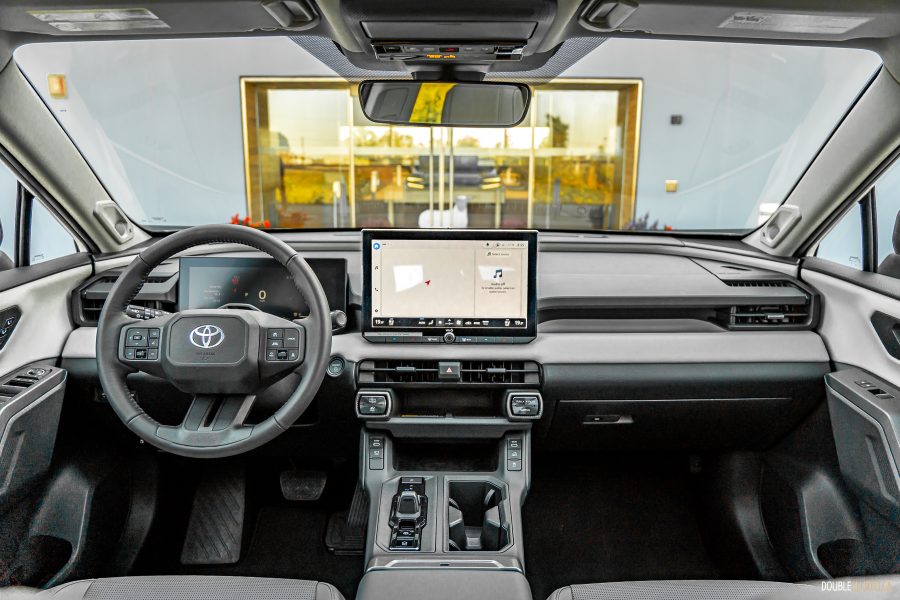
The interface is not only much slicker and snappier than before, but also easier to use, and now features a very handy home screen with configurable widgets. In a similar vein, the new 12.3-inch digital gauge cluster is similar to what we’ve seen on other new Toyotas, but is now much easier to tweak to your liking, and has multiple different themes. Voice recognition has gotten much faster and much more conversational in tone, as well. For all this added technology, the cabin is still covered in sensible physical controls, and you can still easily do just about anything while wearing mittens – which is important here.
Space and safety
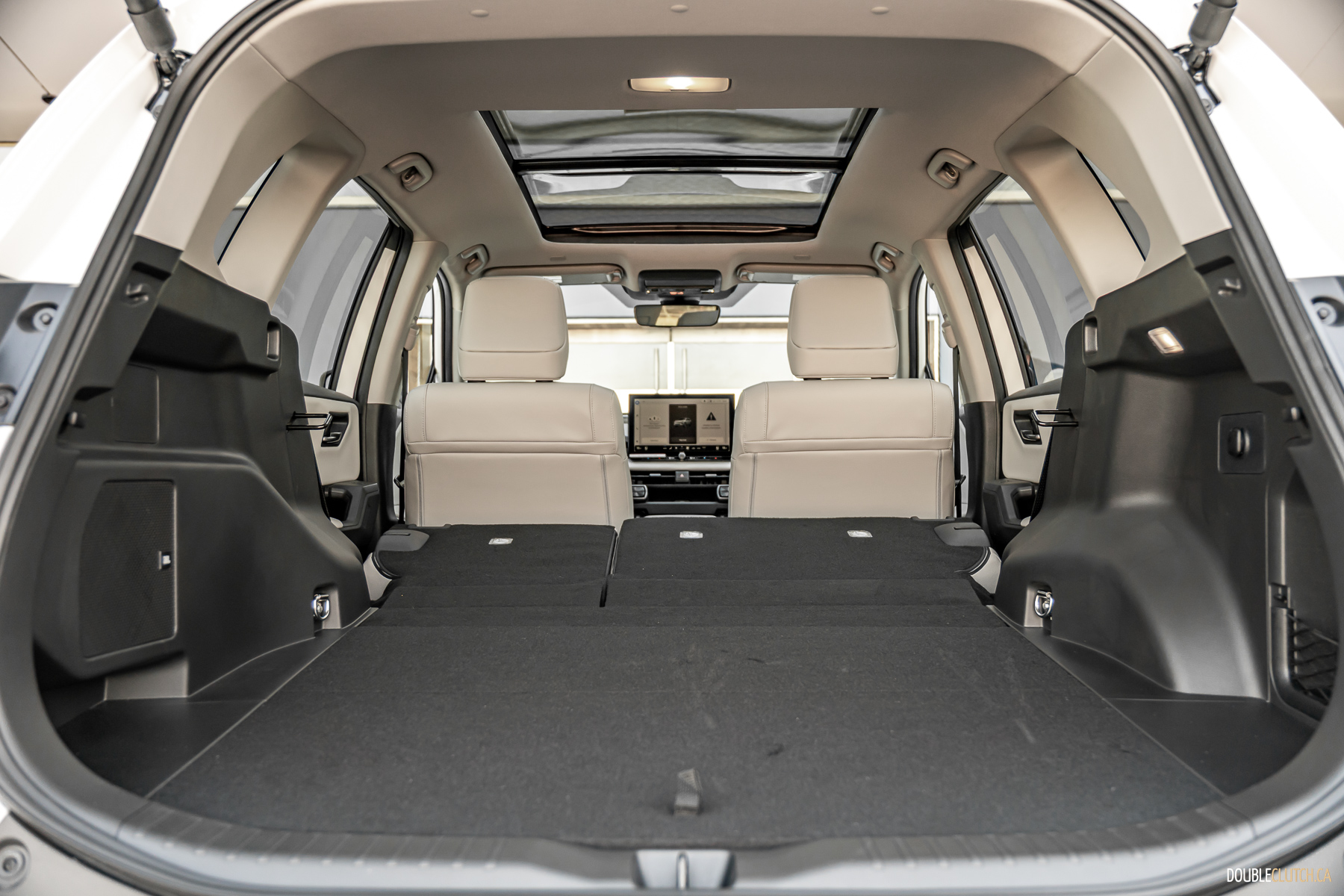
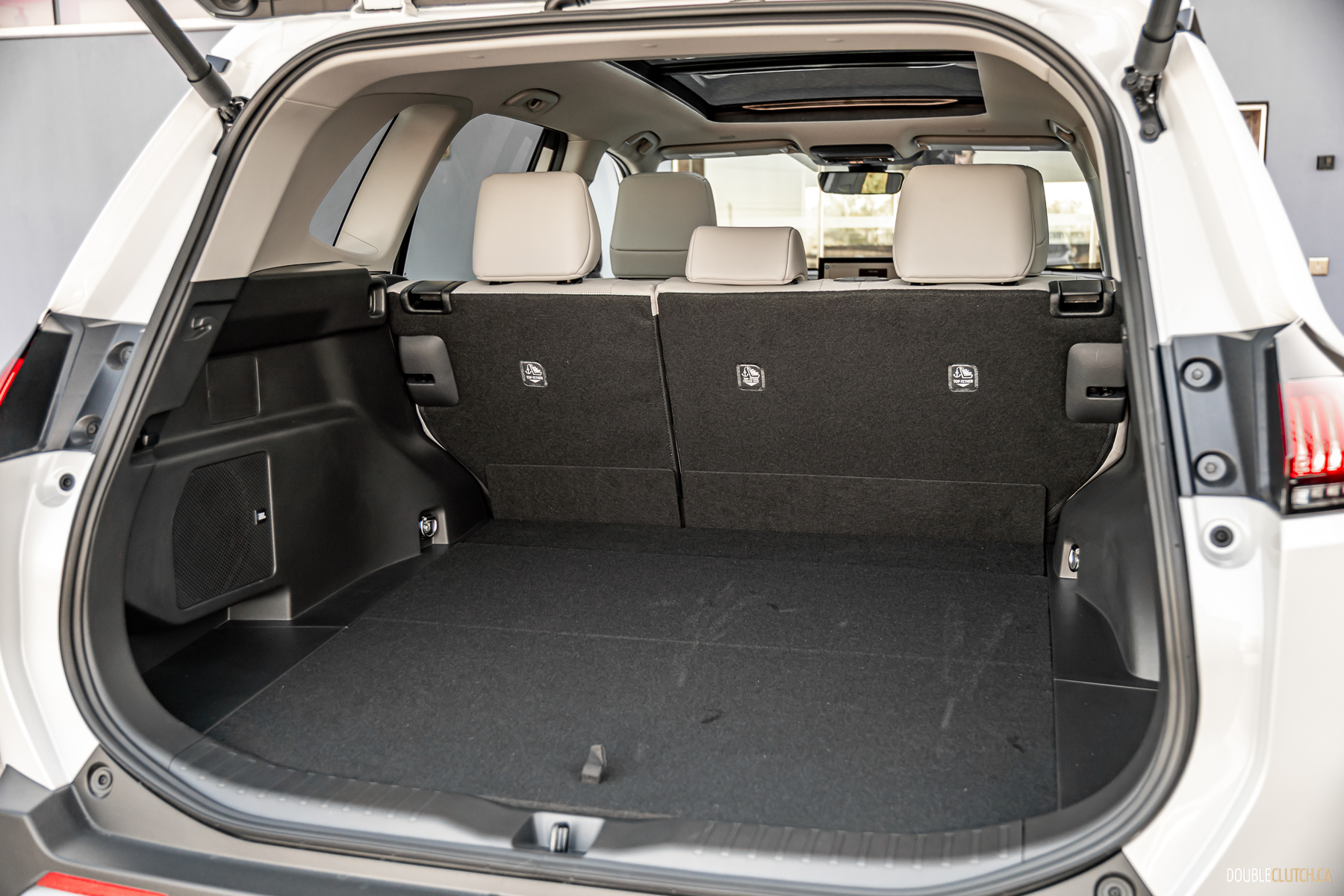
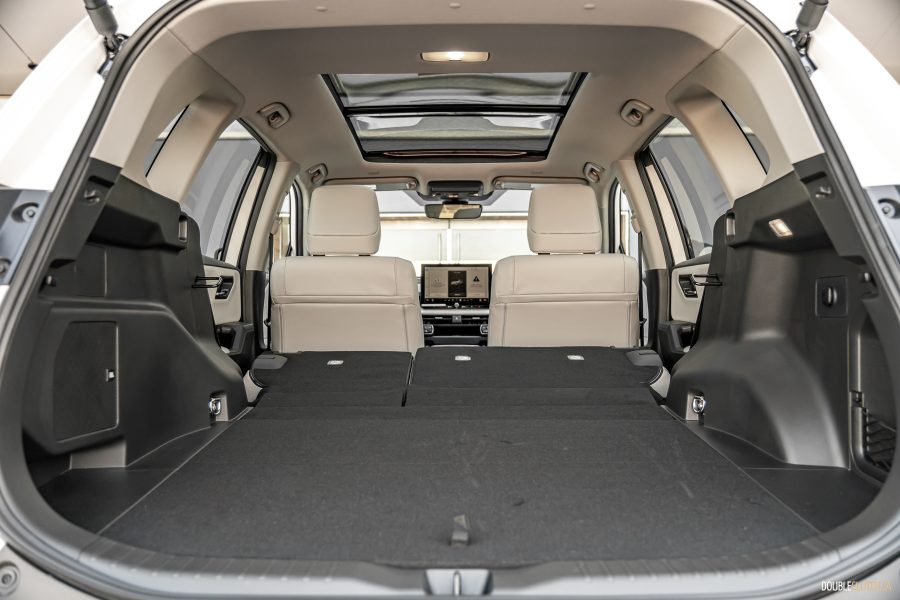
The hits keep coming: cargo space is up slightly on paper, but more importantly, the new battery is smaller and therefore doesn’t impact cargo space, leading to a flatter floor, augmented by a larger hatch opening. Upgrades to the powertrain mean that PHEV models also benefit from this flatter floor, as its charging componentry has been moved under the hood, instead of under the rear seats as is case with current models.
Toyota Safety Sense has been expanded to its 4th generation, and features 18 improvements, mostly anchored by a new front radar that can see farther and wider, along with a new camera that enables better recognition of what’s in front of the vehicle. It’s so good that it can now tie itself in with the improved adaptive cruise control to coach you on aerodynamics, encouraging you to stay within the aero-wake of larger vehicles on the highway for optimum efficiency.
Wrap it up
In typical Toyota fashion, the 2026 Toyota RAV4 is the product of everything Toyota stands for, a representation of the commitment to careful, continuous improvement. It’s a huge upgrade that’s not just new for the sake of new, it’s a meaningful improvement that does nothing to alienate its existing loyal customer base, nor does it do anything else to create any head scratching “what were they thinking?” moments. Like every RAV4 before it, it’s sure to be an absolute smash success for consumers, Toyota themselves, and the many people that all benefit from building these right here on home soil.
On that note, talk of tariffs and all the uncertainty around that won’t affect these vehicles very much at all, as they’re locally made with largely home-grown parts. Pricing has yet to be determined exactly as of this writing, but rest assured it will be competitively priced, and they’ll be everywhere before you know it. We’re looking forward to spending more time with the many models of 2026 Toyota RAV4 and digging further into Toyota’s handiwork when they start arriving early next year.