What the hell is a rundown?
Unveiled: 2026 Polestar 5
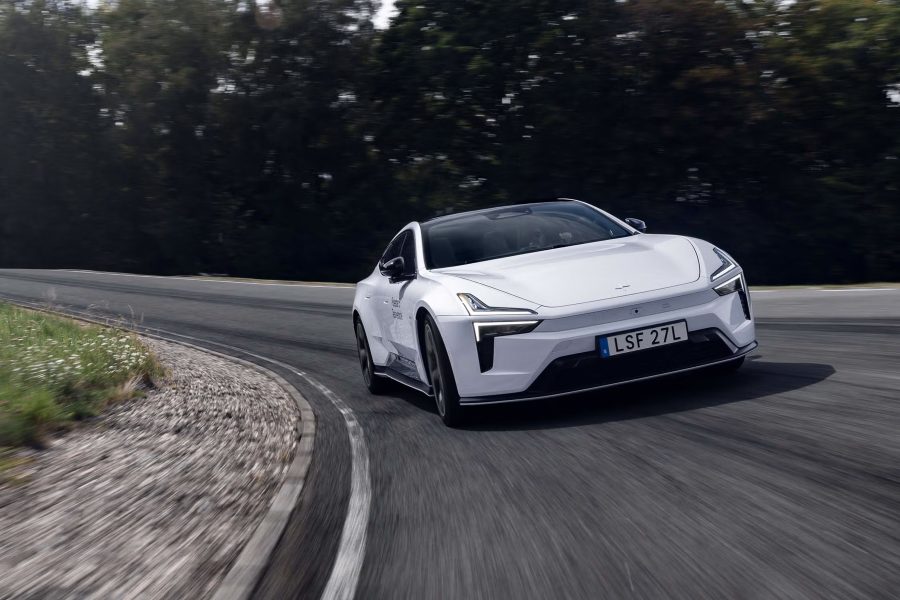
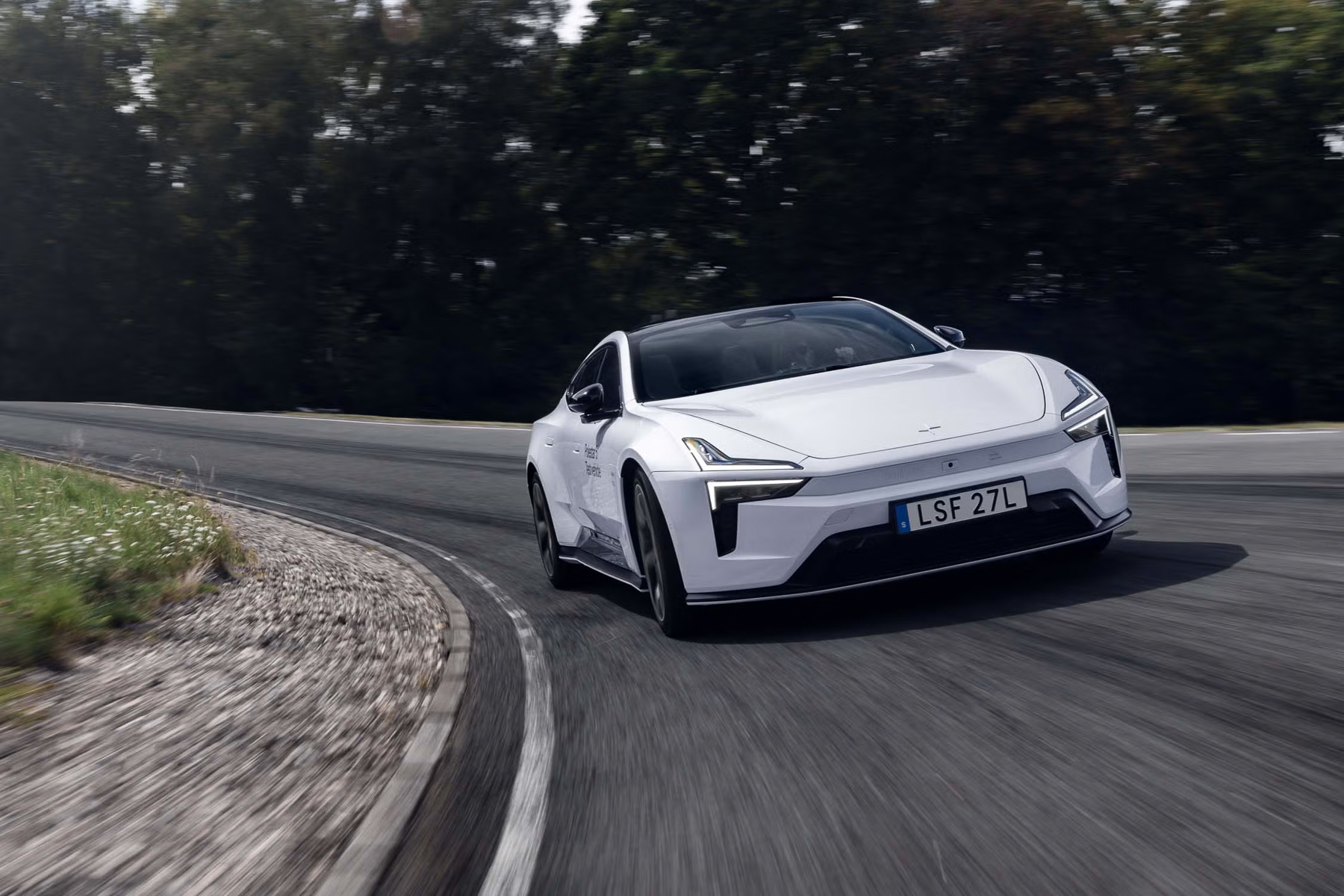
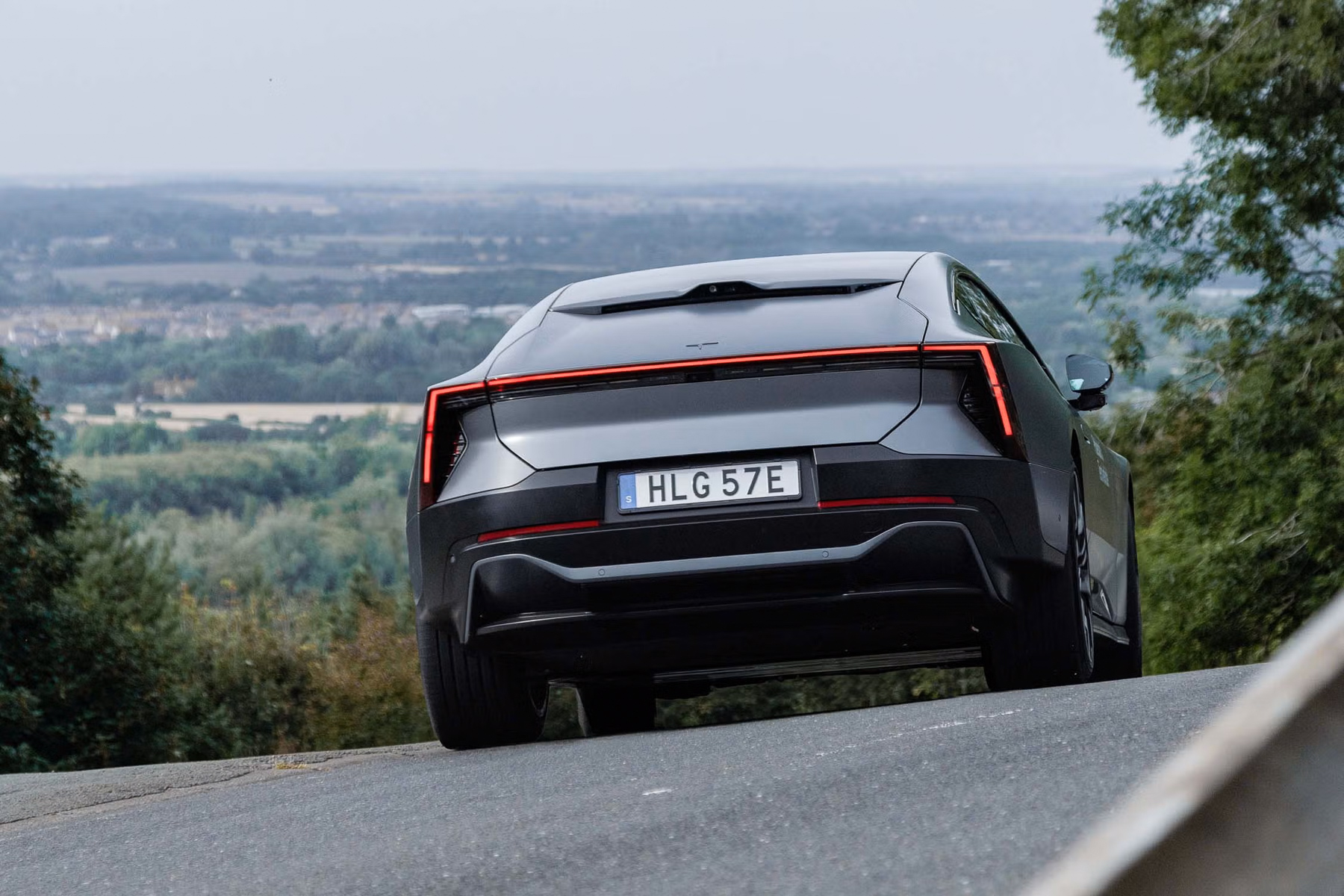
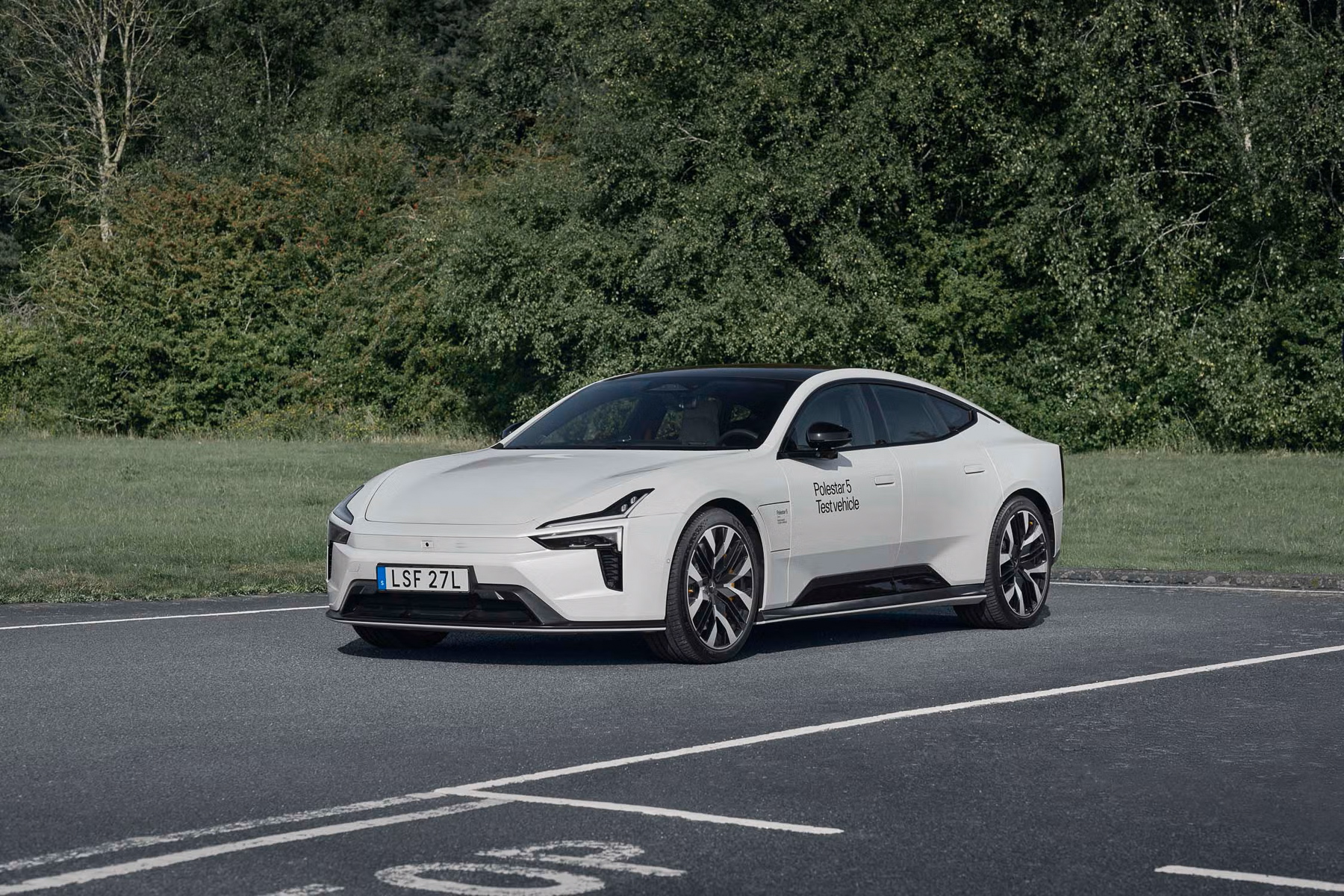
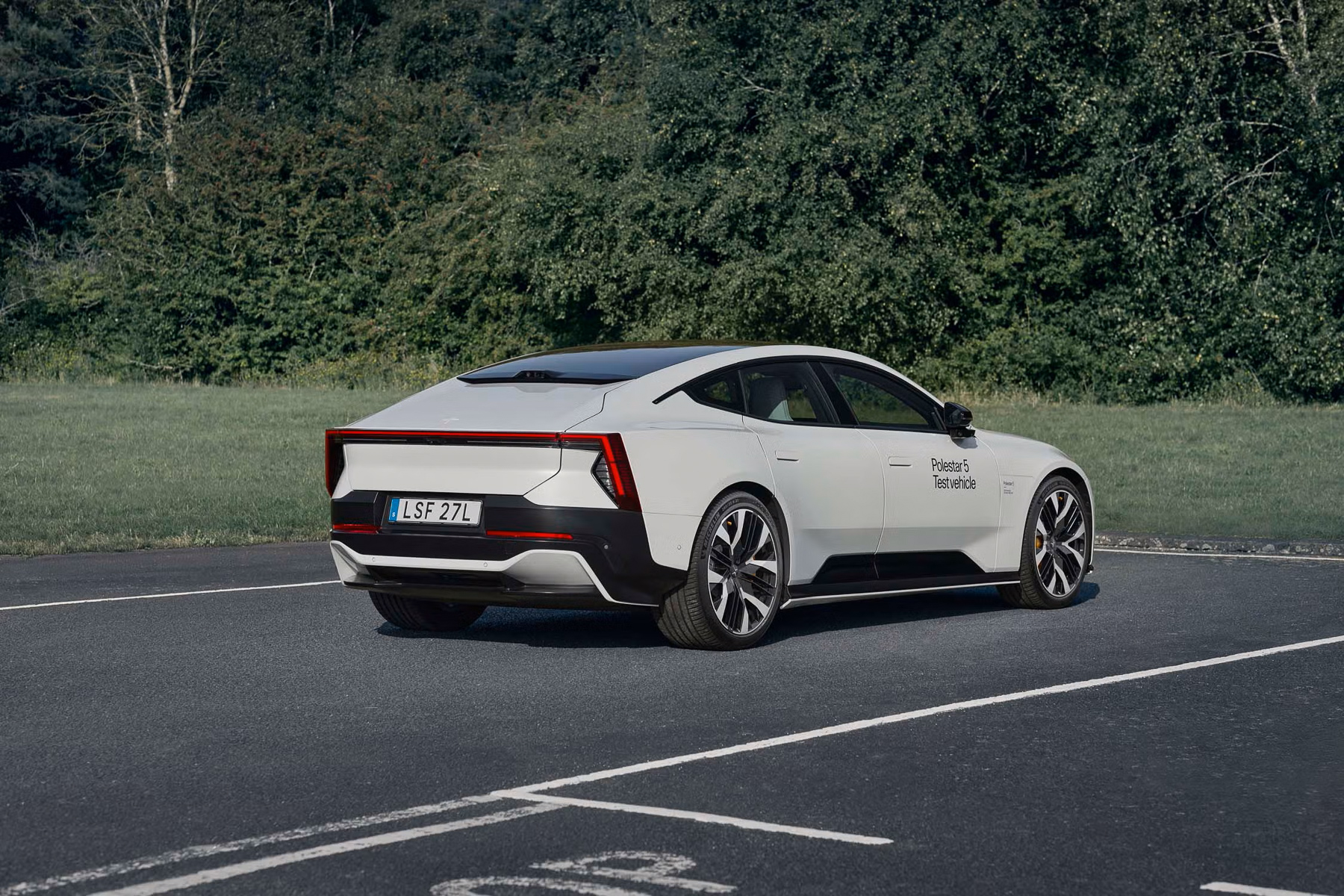
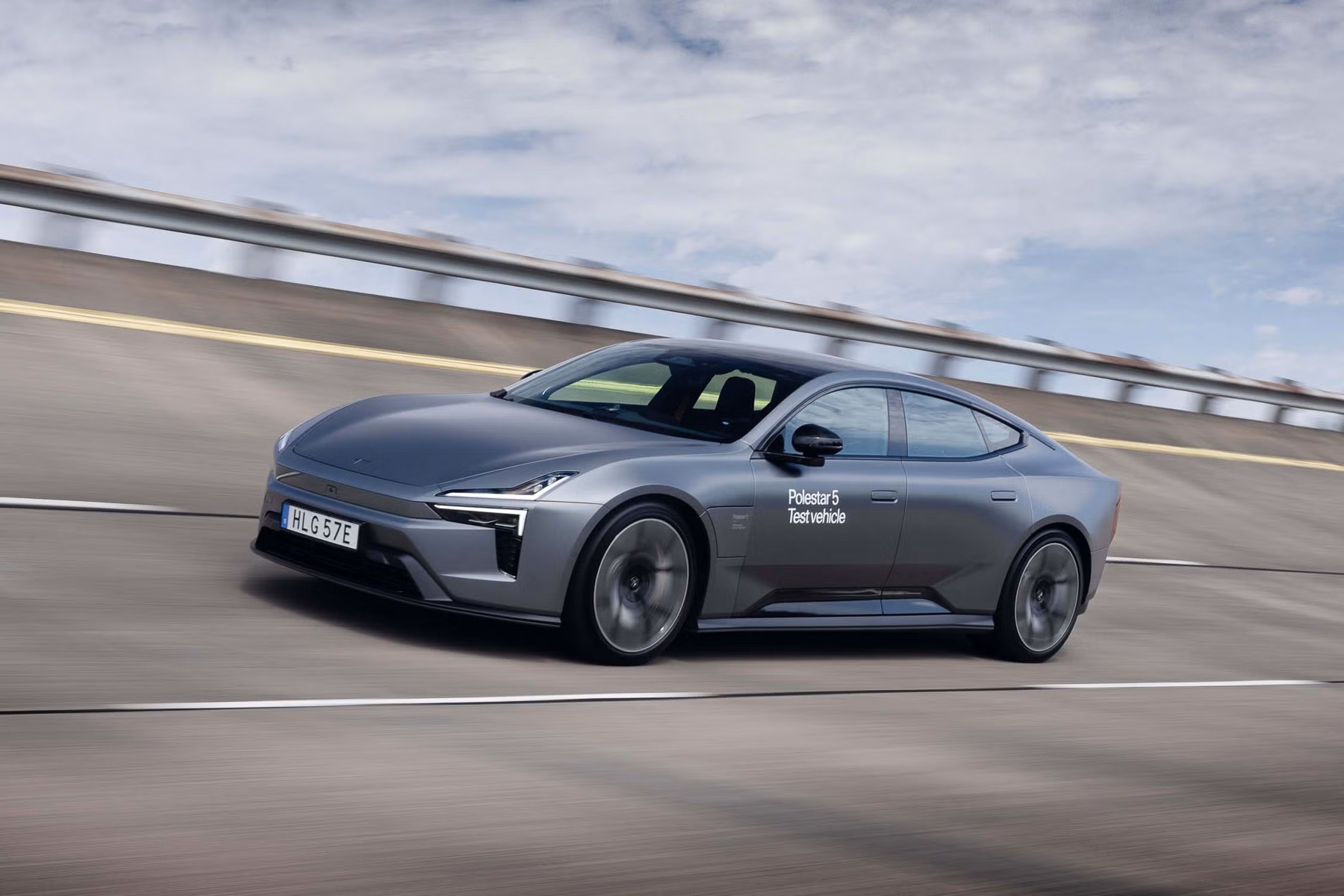
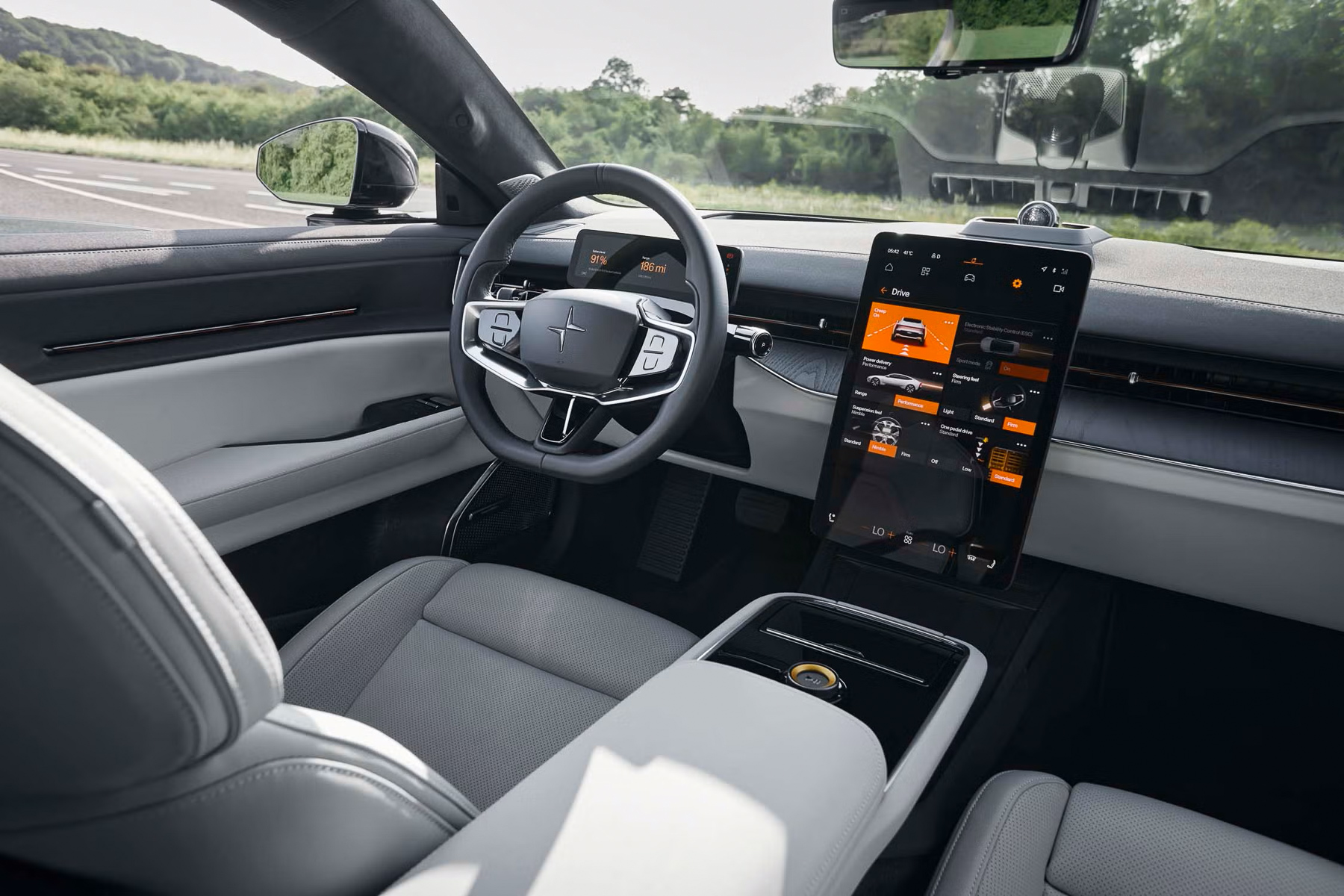
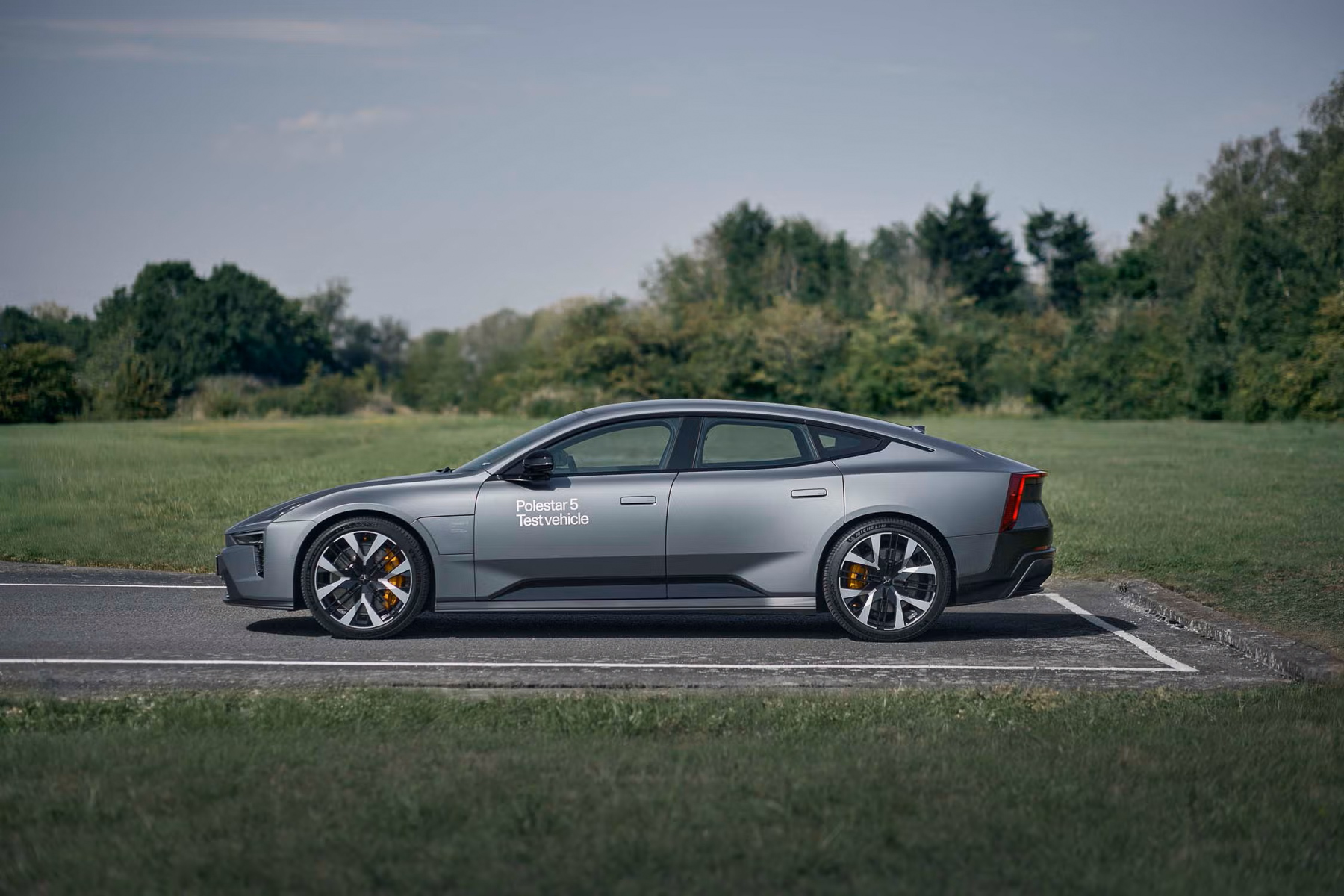
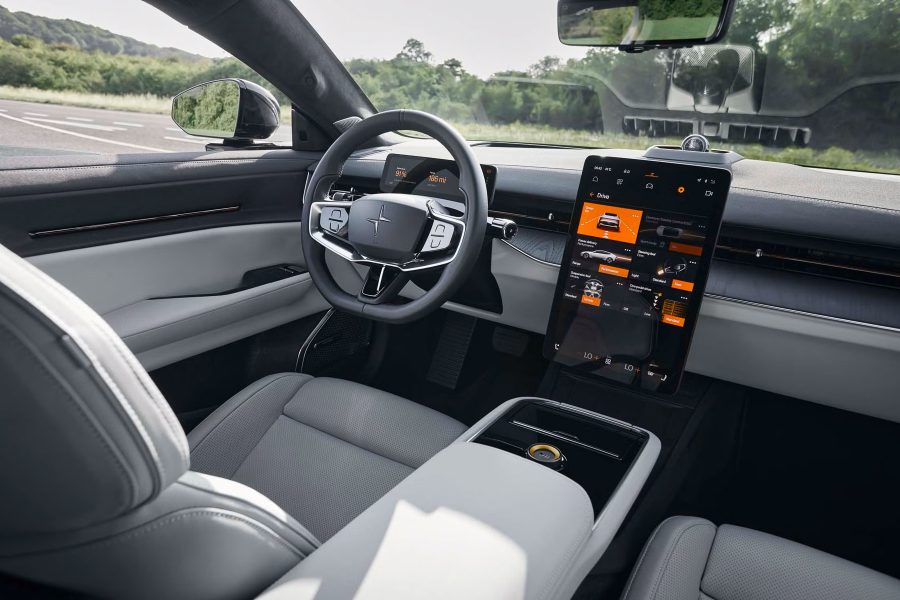
Polestar has teased this one for years, starting with Precept concept car in 2022. The Polestar 5, shown in near-production form, is set to be the brand’s halo car: a low-slung, four-door GT EV aimed squarely at Porsche’s Taycan and Tesla’s Model S. Visually it hits the right notes, carrying forward Polestar’s very distinct, handsome design language and stretching it over a vaguely Taycan-shaped silhouette. The interior is familiar Swedish clean design, with a focus on sustainable materials and clever tech.
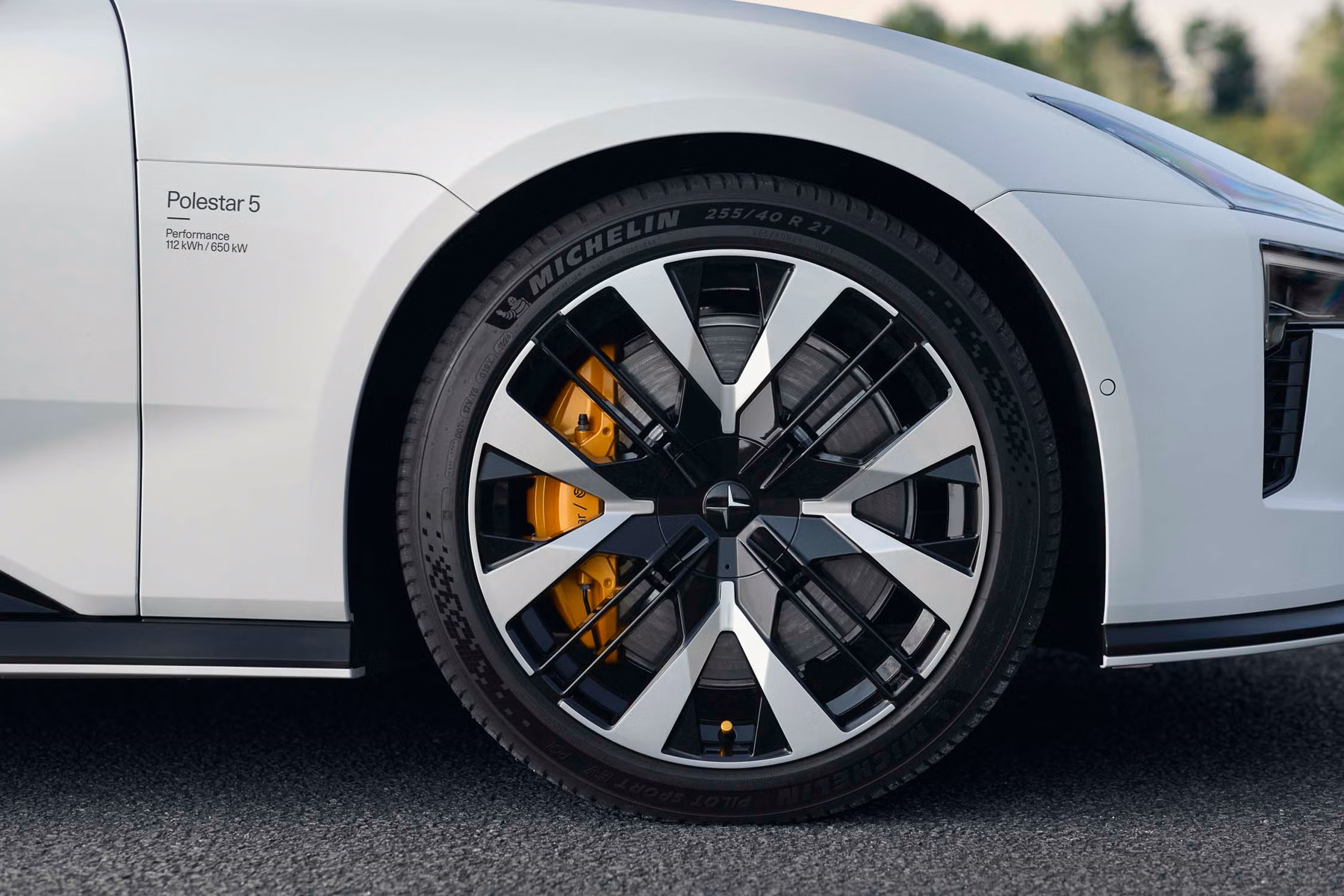
The big story is underneath. This is Polestar’s first in-house platform, meaning it’s not using a Volvo architecture (as if that’s a bad thing). The platform was developed largely at Polestar’s new UK based R&D centre, and they’ve come up with a unique bonded aluminum chassis that’s significantly lighter, stiffer, and more flexible with packaging than what they’ve been borrowing from their siblings. It uses a new 800-volt, 113kW battery that’s able to charge from 10 to 80 percent in 22 minutes, and can discharge fast enough to deliver 884 horsepower through its twin motors on the Performance model, while the base model makes do with “only” 749 ponies.
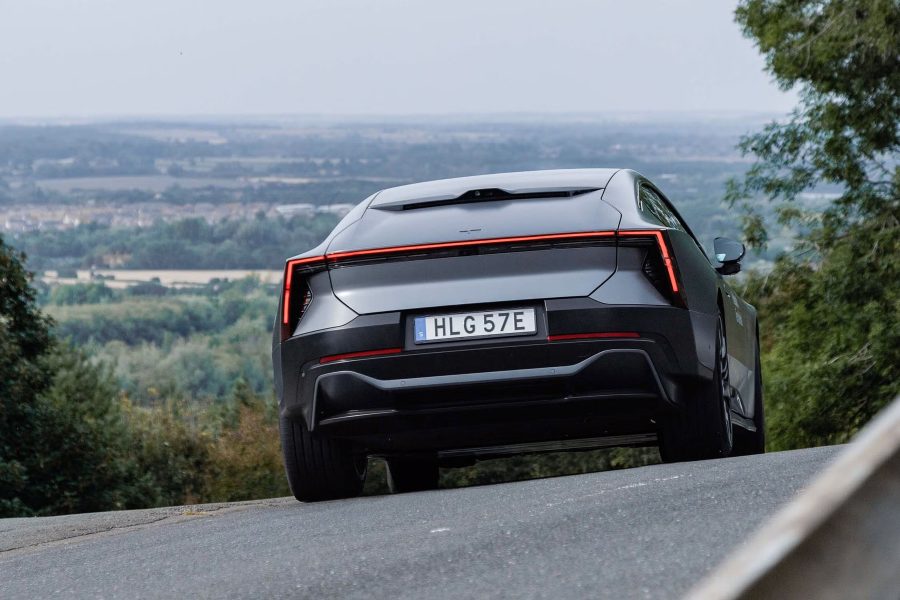
It’s worth noting that the only other road cars using bonded aluminum construction are Lotus and, more recently, Aston Martin. Makes you wonder where they got the talent for that new UK studio from…
No word on pricing or availability just yet. They are probably going to try to position it around mid-level Porsche Taycan, and hammer home the point that it’s far more car per dollar, with just as satisfying of a drive to go with it. Based on what I’ve seen with their other cars, I’m inclined to believe it.
Unveiled: 2027 Ferrari 849 Testarossa
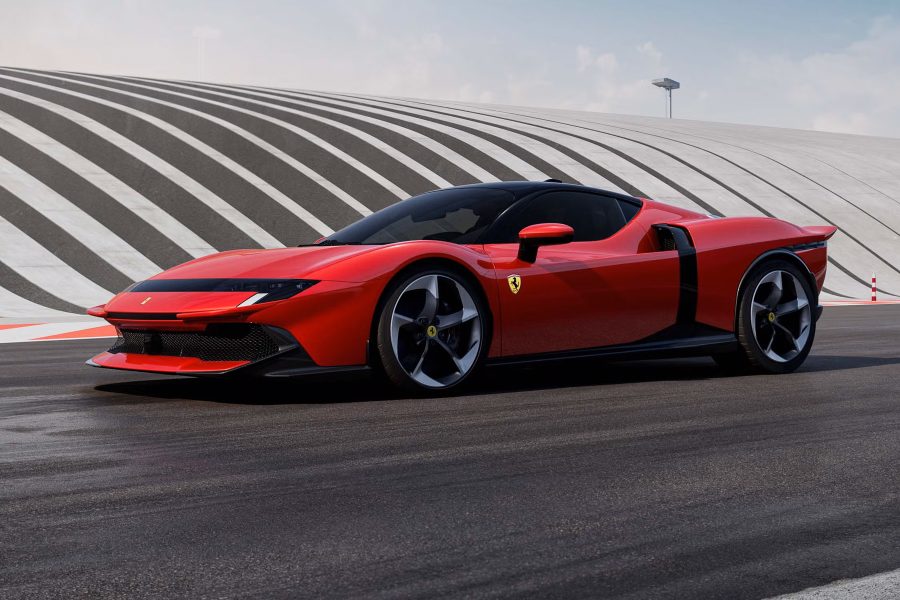
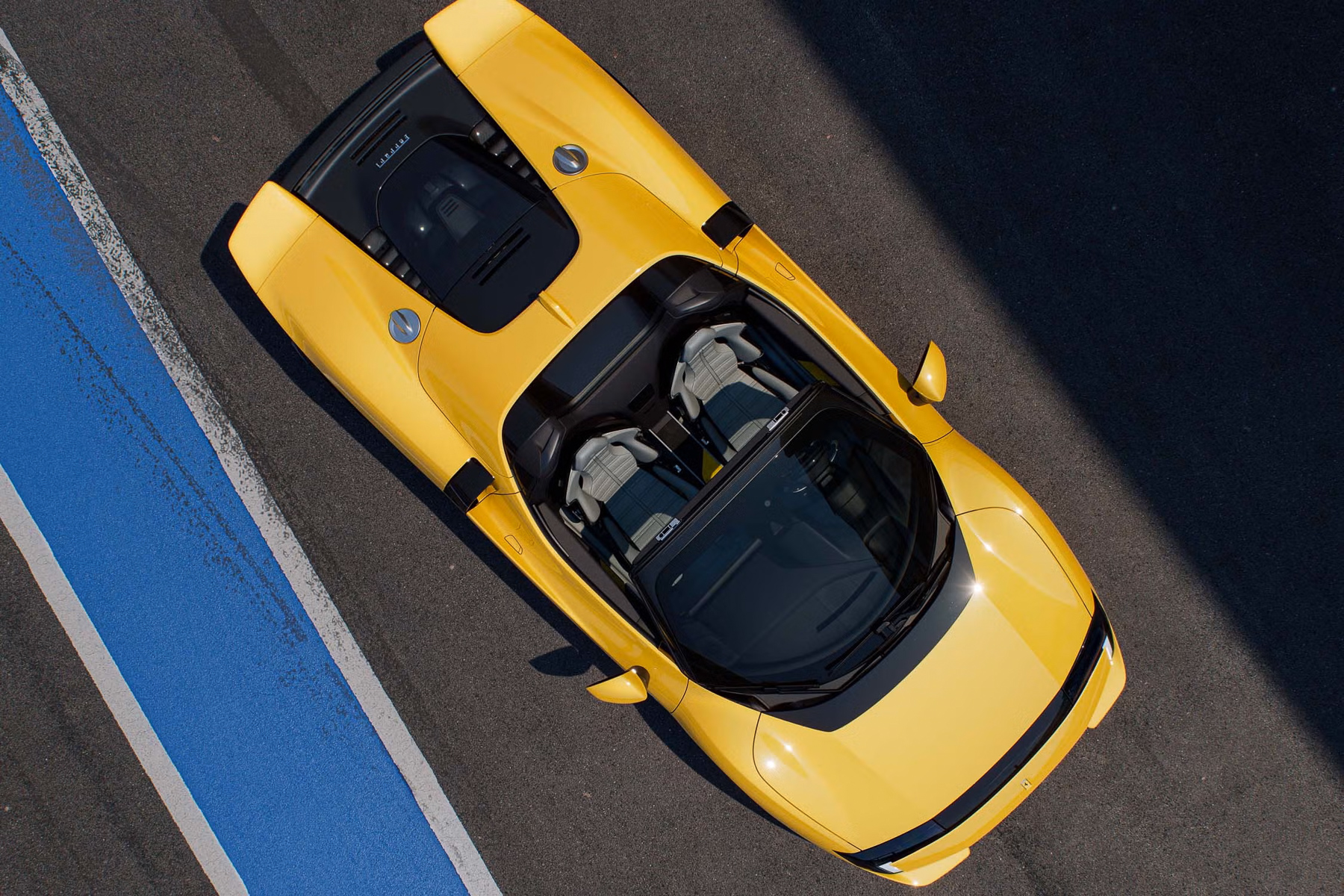
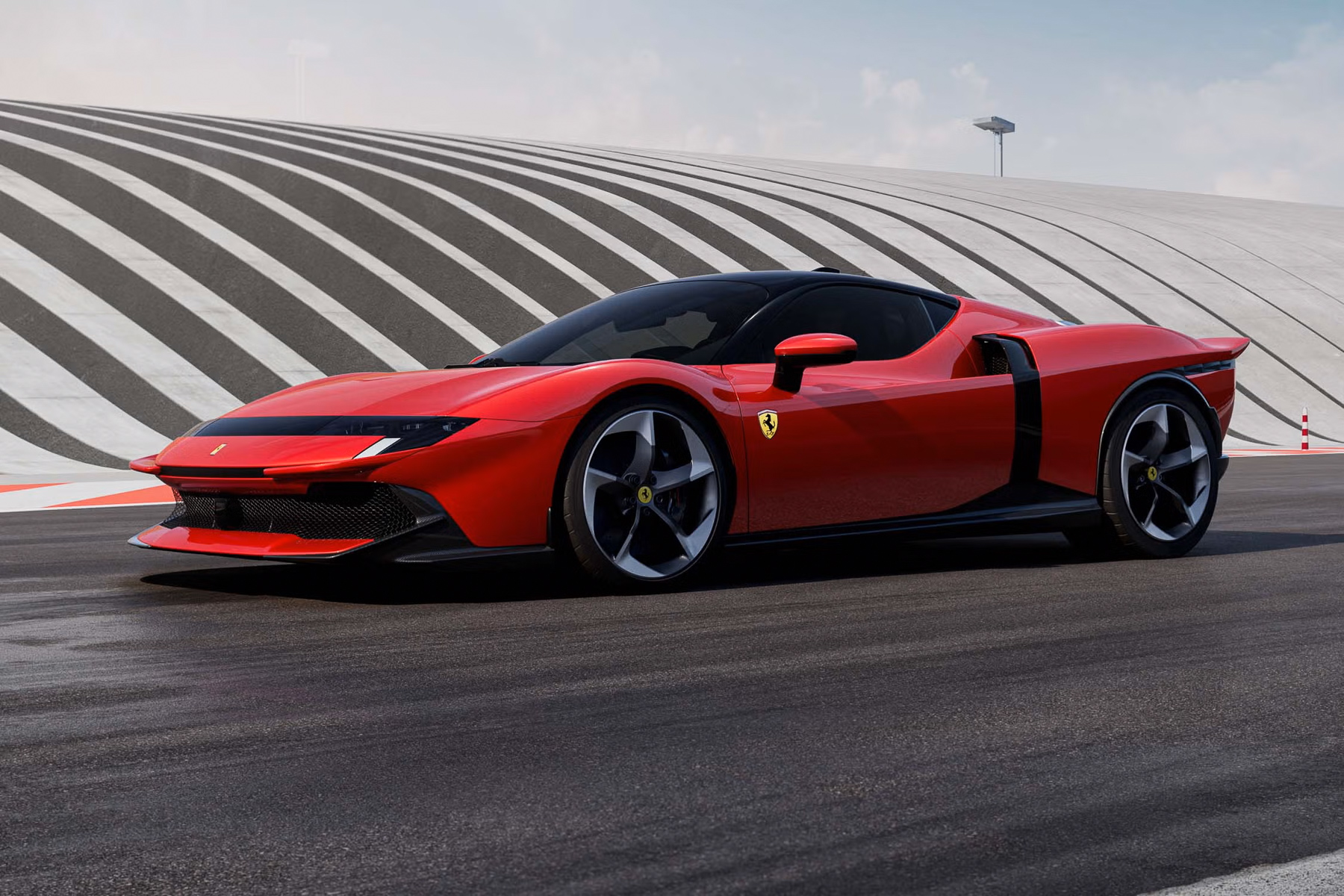
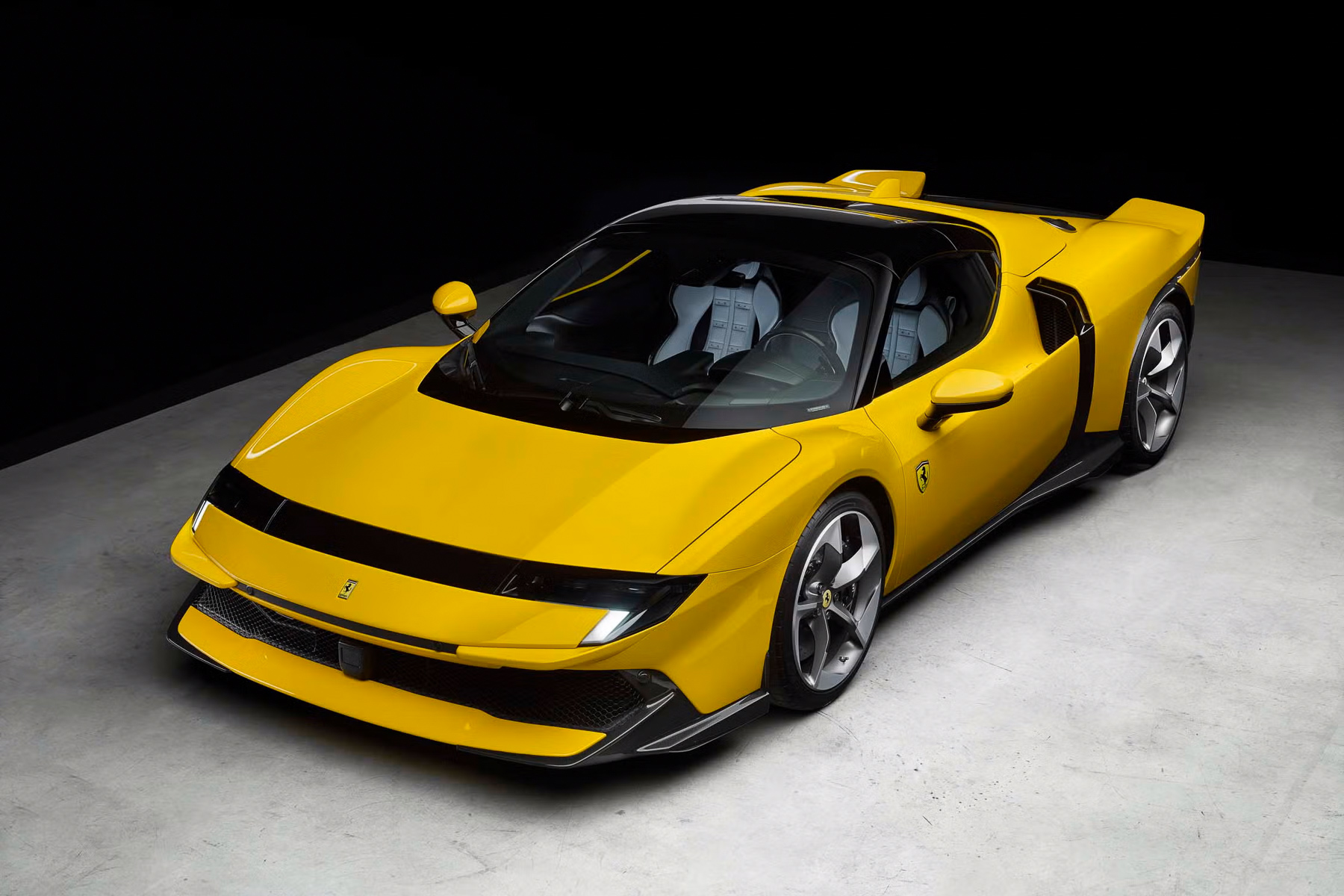
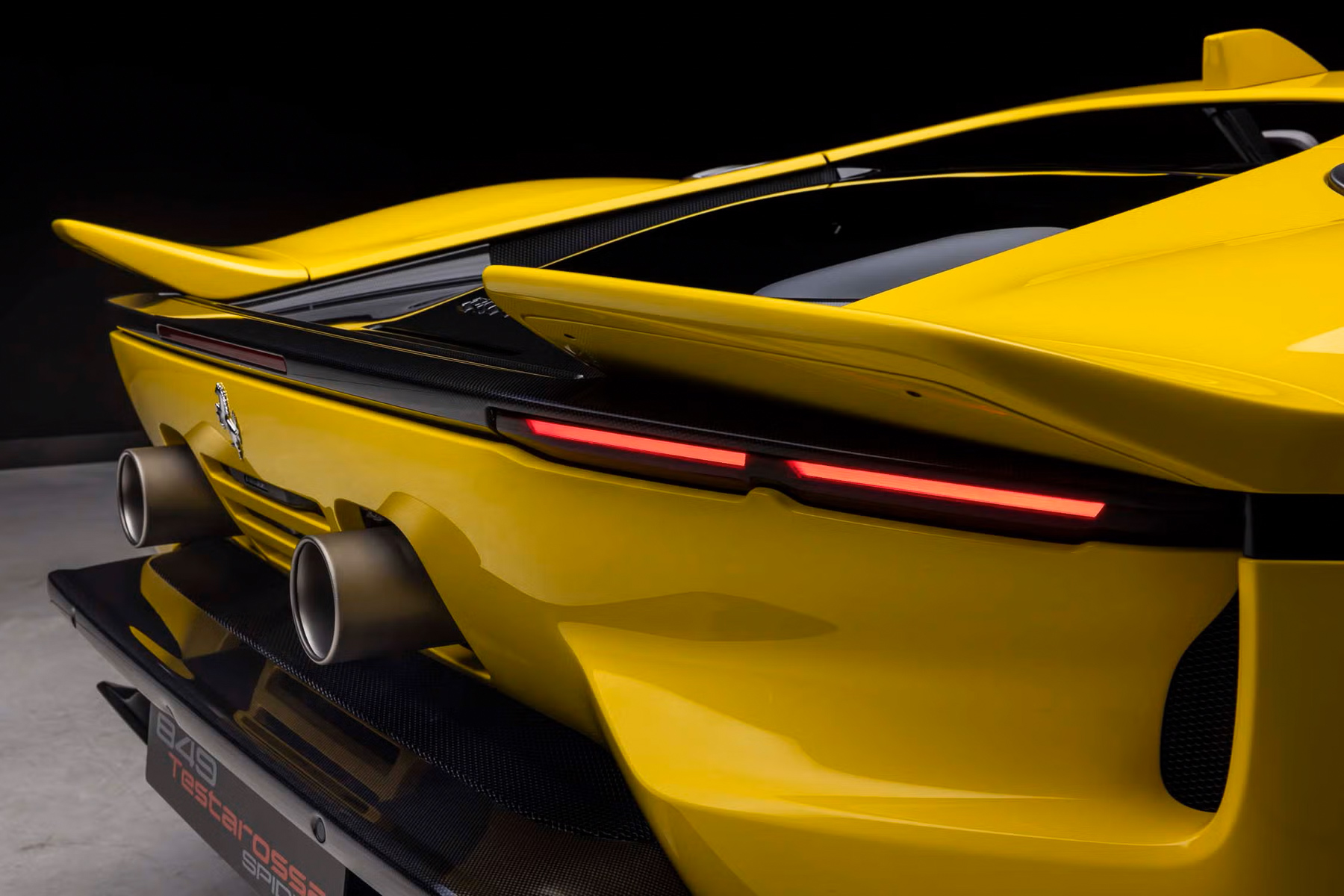
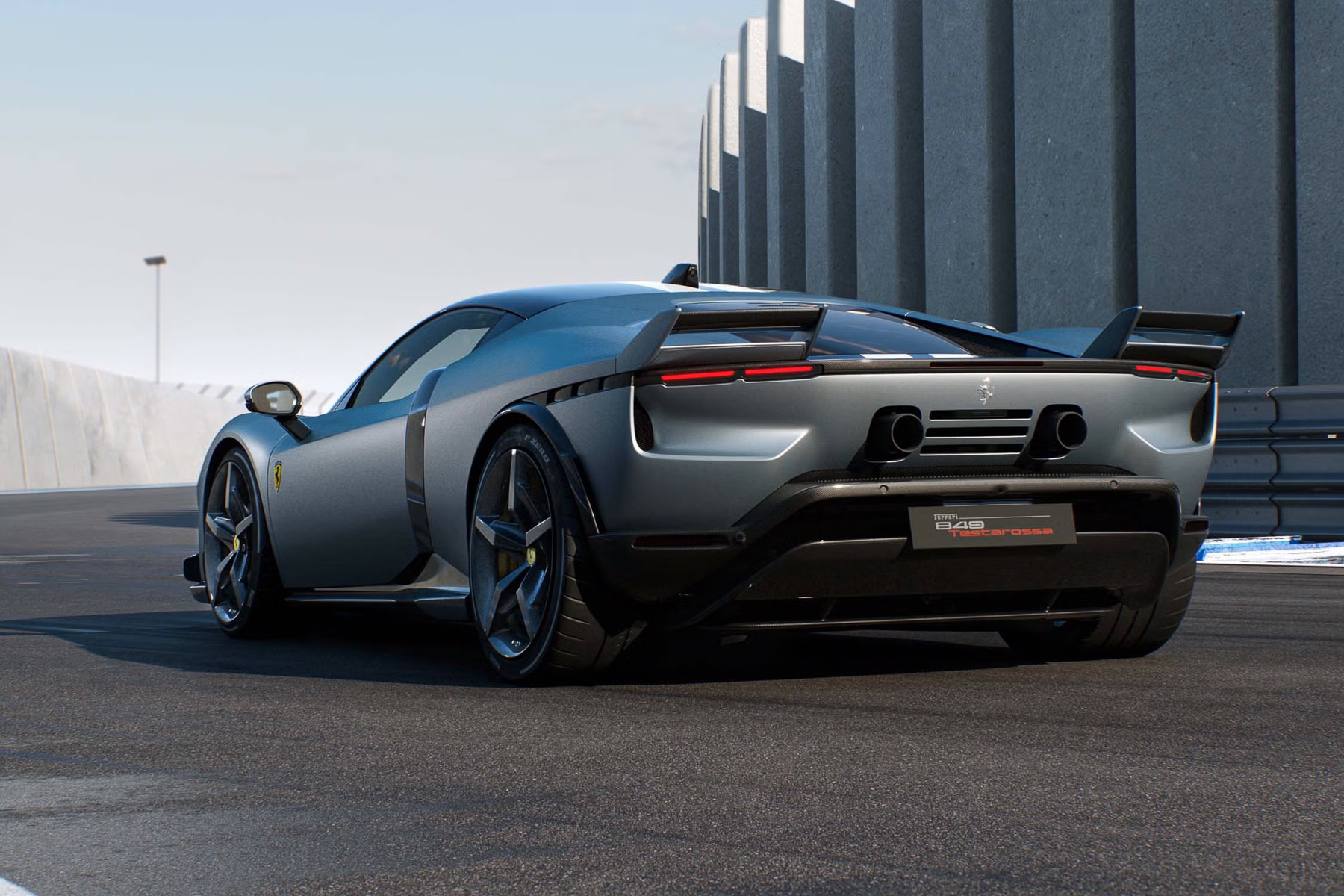
Not willing to let Lamborghini have all the fun with resurrecting 80s icons, Ferrari has trotted out the old Testaorssa nameplate in the form of the 849 Testarossa.
Unlike Lamborghini’s Countach, which is a faithful adaptation of the original, this seems to be more of its own thing, staying away from the massive side strakes or distinct haunches of the 80s era red head. It’s almost seems coincidental that it vaguely resembles a Testarossa with its flat, angular front end, like they noticed after the fact that it had a retro thing going on, not unlike the F80. It’s not a bad looking car by any means, it just seems like more of modern Ferrari, which famously parted ways with the design house Pininfarina a few years ago.
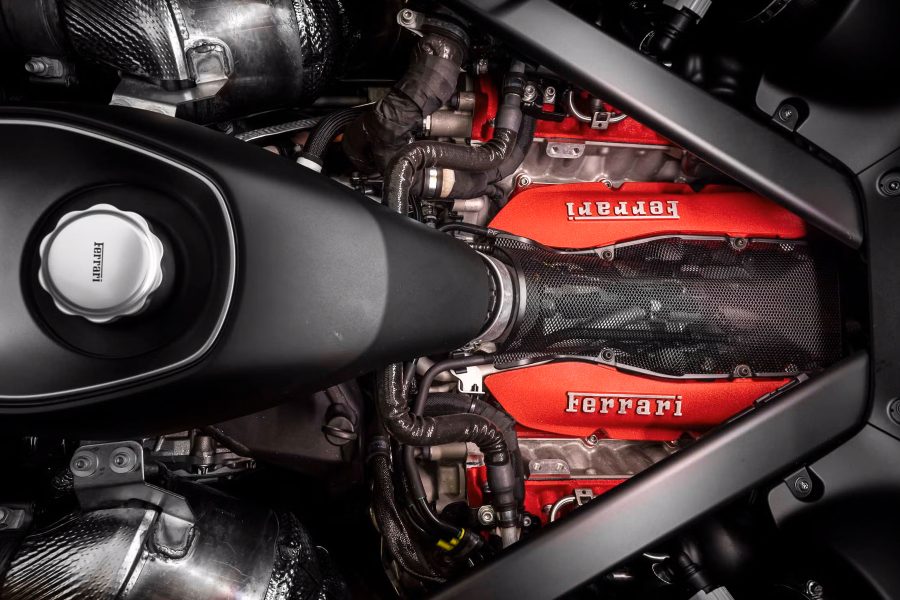
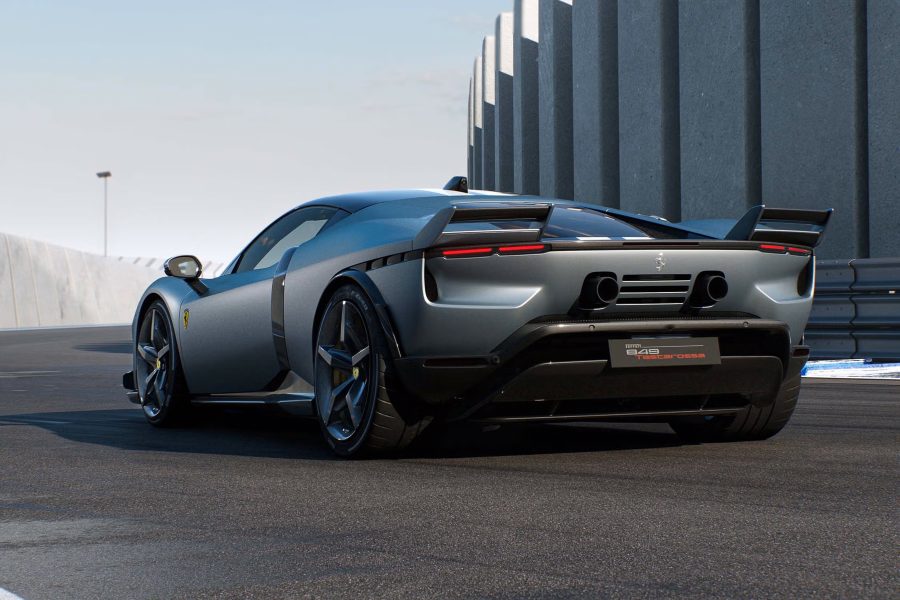
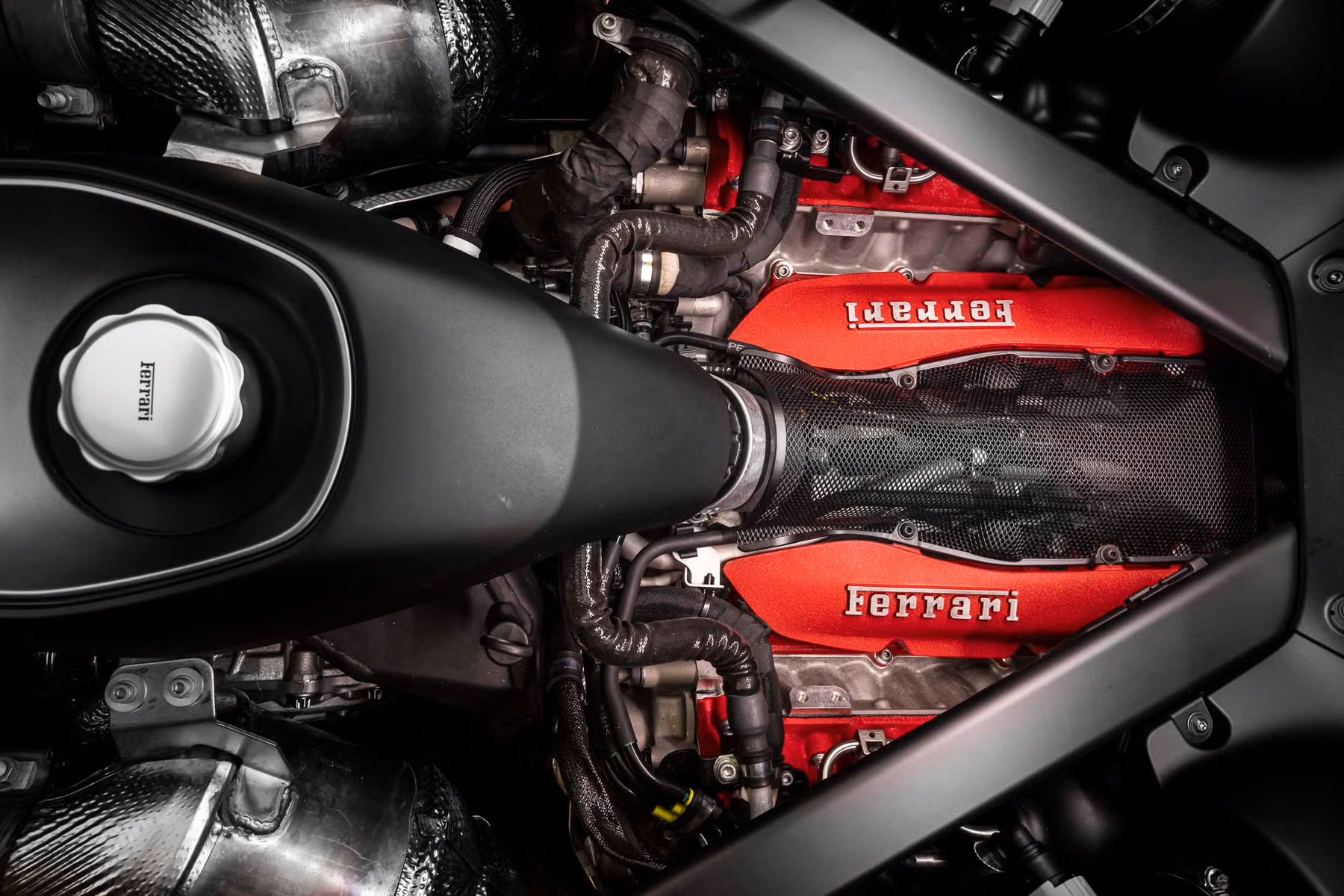
Since then they’ve been… perhaps a little lost, trying to find their own style in and amongst the ever-increasing needs of their aerodynamicists, and maybe leaning a little too hard on black accents to create visual interest. I’ll give it the benefit of the doubt; it’ll probably look way more rad in person. Seeing as how it’s powered by an 849-hp twin-turbo V8 and a hybrid system bringing total combined output to just over a thousand horsepower, those aero designers do need all the help they can get.
If you by chance happen to have roughly $750,000 CAD burning a hole in your pocket and you love the look of this, maybe shimmy over to a Ferrari dealer, as they’re taking orders now – it’s not been made clear exactly how many orders they’ll take, but it won’t be a lot.
Refreshed: 2026 Lexus IS
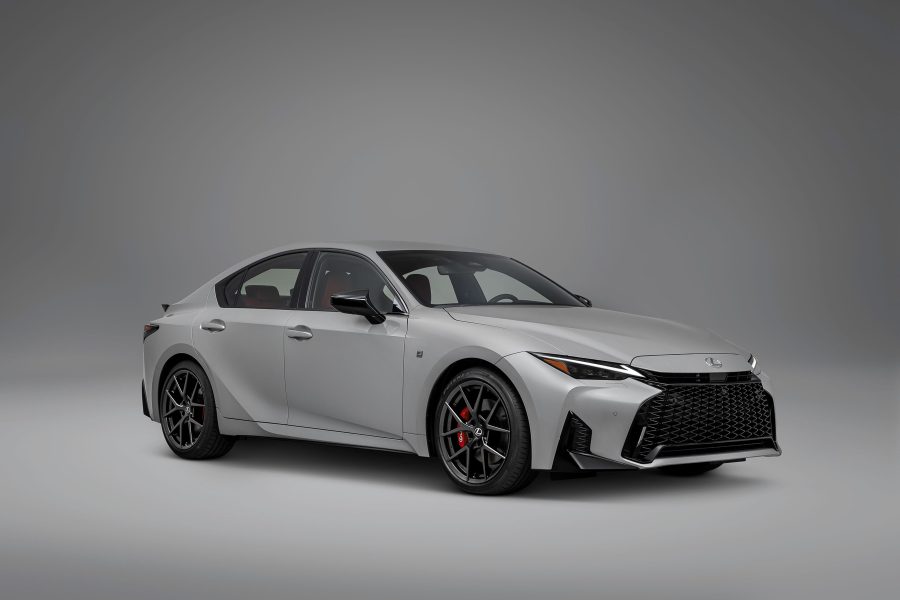
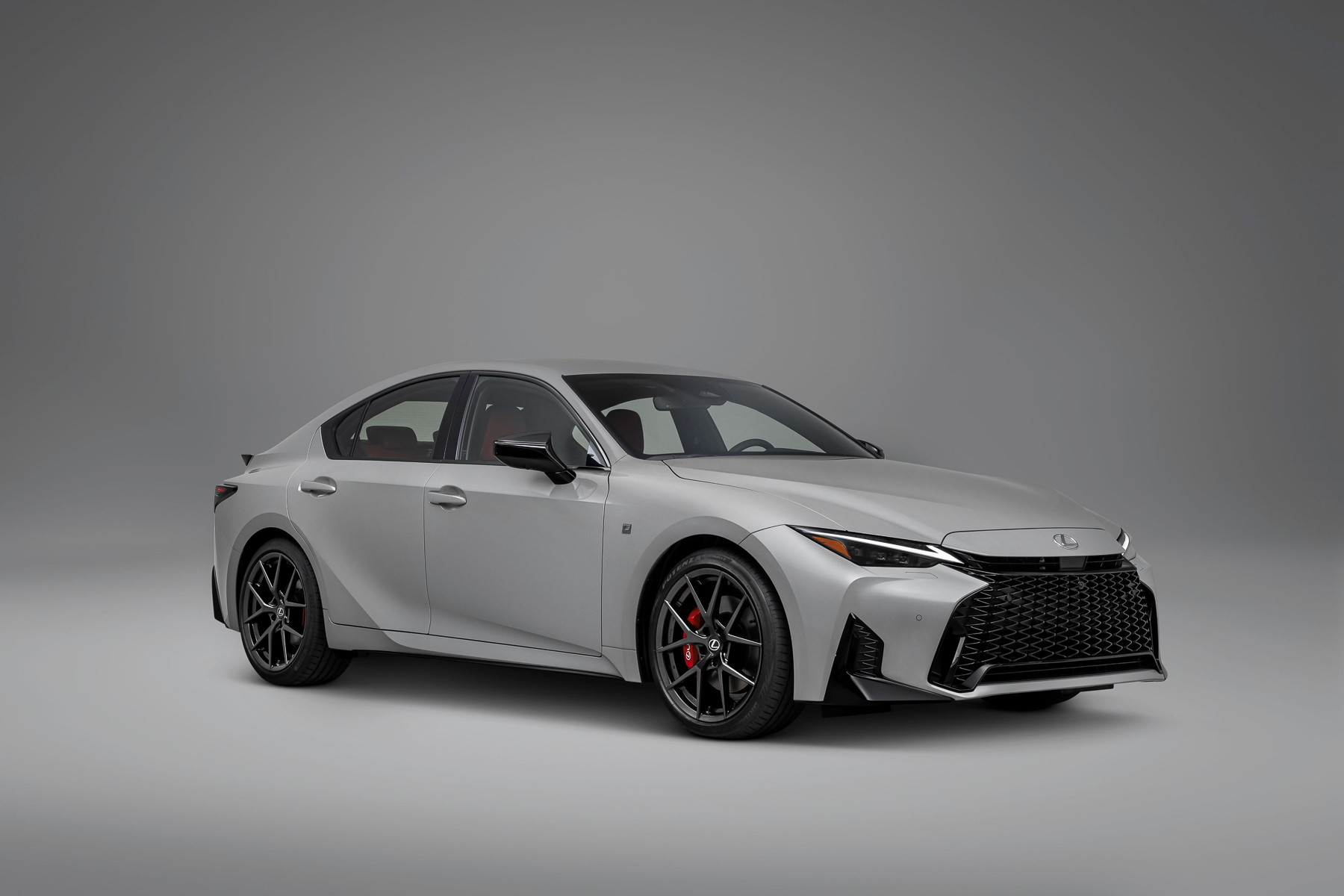
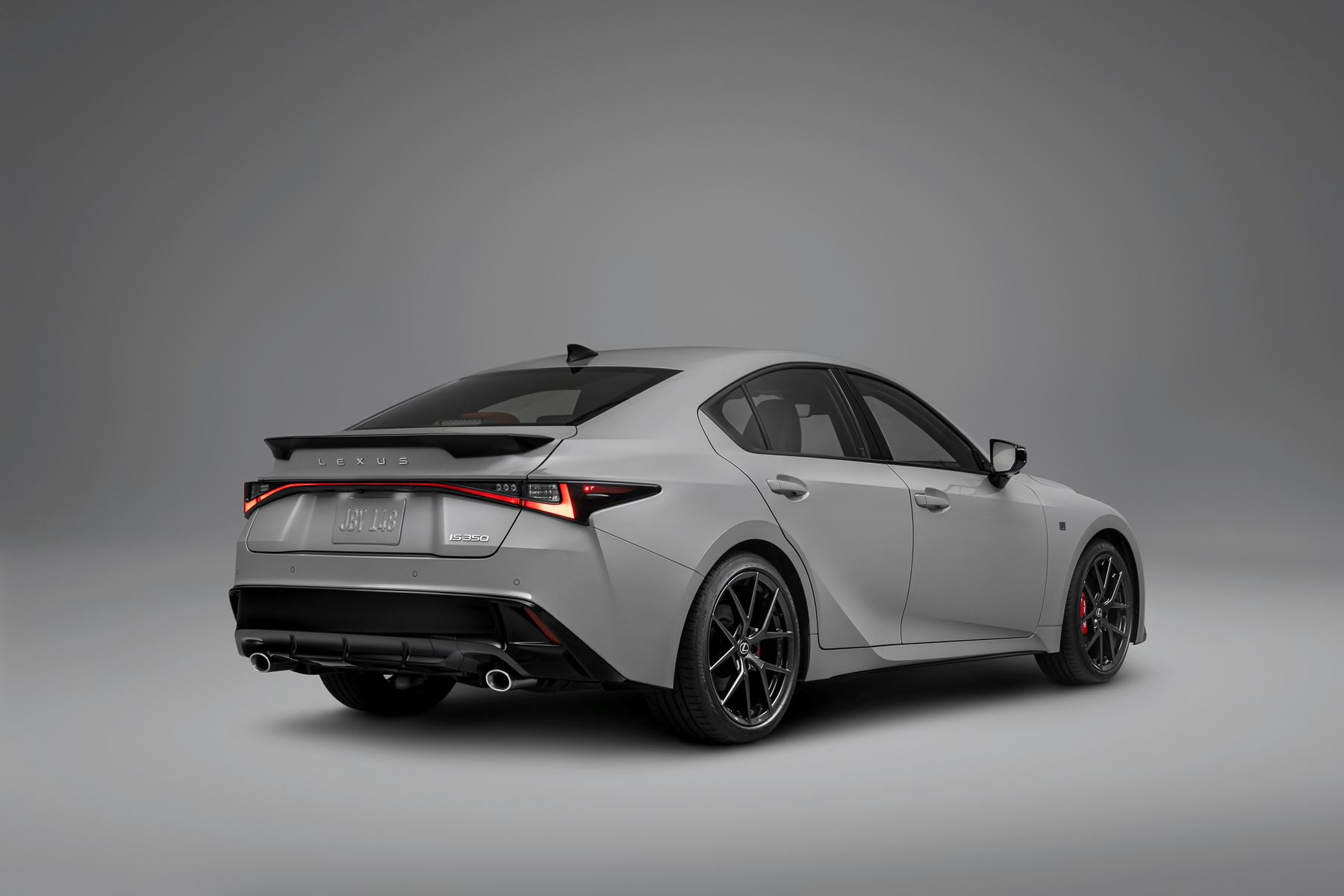
It was sounding like this was going to be cancelled altogether, but instead the Lexus IS remains alive and kicking, albeit with fewer powertrain options; the base IS 250 and wonderful IS 500 are done, leaving V6-powered IS 350 to soldier on alone.
As part of its facelift, it receives sharper styling, new wheels, and most crucially, an updated interior with Lexus’s new-generation infotainment system, finally ditching the old trackpad-based system that everybody except me hated. They haven’t lost the plot and gone mad with screens, as it still has a lot of the physical controls we all appreciate in the current car; this looks like a great update. I don’t feel as warmly about the exterior update, which makes it look perhaps a little too much like a Camry, but it’s still pretty enough car with a gorgeous rear three-quarter view.
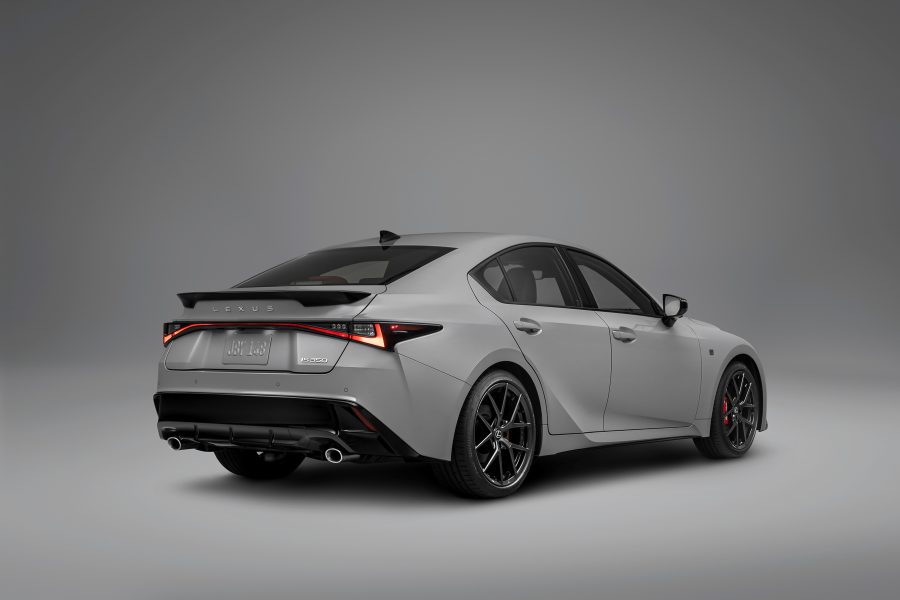
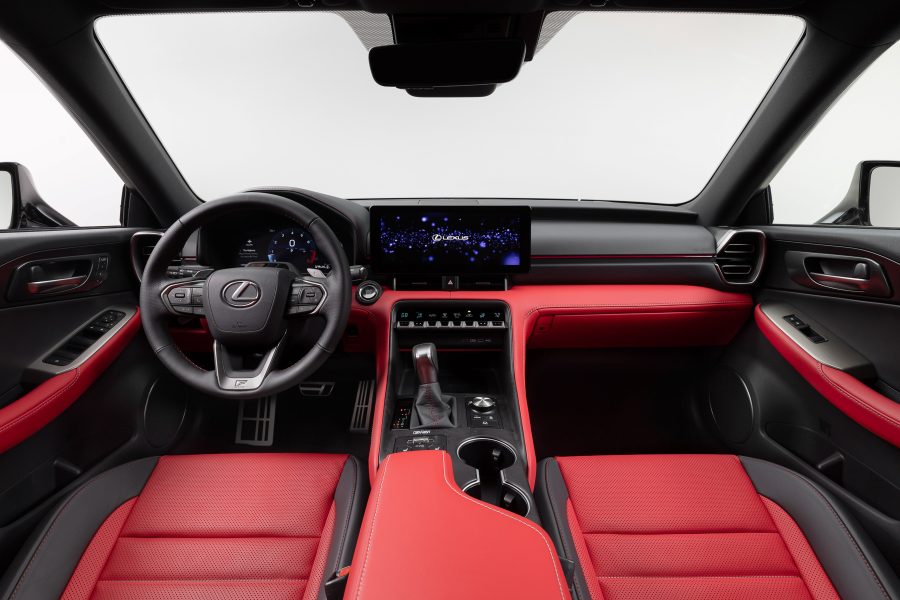
It still uses the same 311hp 3.5L V6 that’s dearly departed from the Camry, and still uses the same 6 speed automatic transmission. There is some debate about exactly how old this car actually is; but a lot of info points to it being the same platform and powertrain as was introduced twenty years ago, and it’s just received it’s fourth refresh as a present. Lexus seems to believe there’s still room for a compact luxury sport sedan that undercuts German rivals on price while offering a somewhat more traditional driving experience, and even if they’re going to get raked over the coals for keeping these old bones working for so long, I’m here for it. This is what people like about Toyotas and Lexuses, right?
Interesting: Mercedes-Benz Solid-State Battery
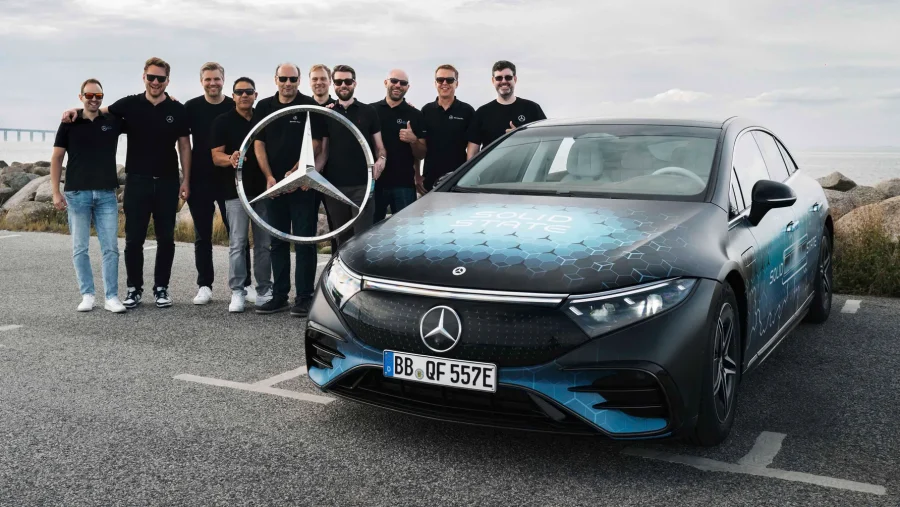
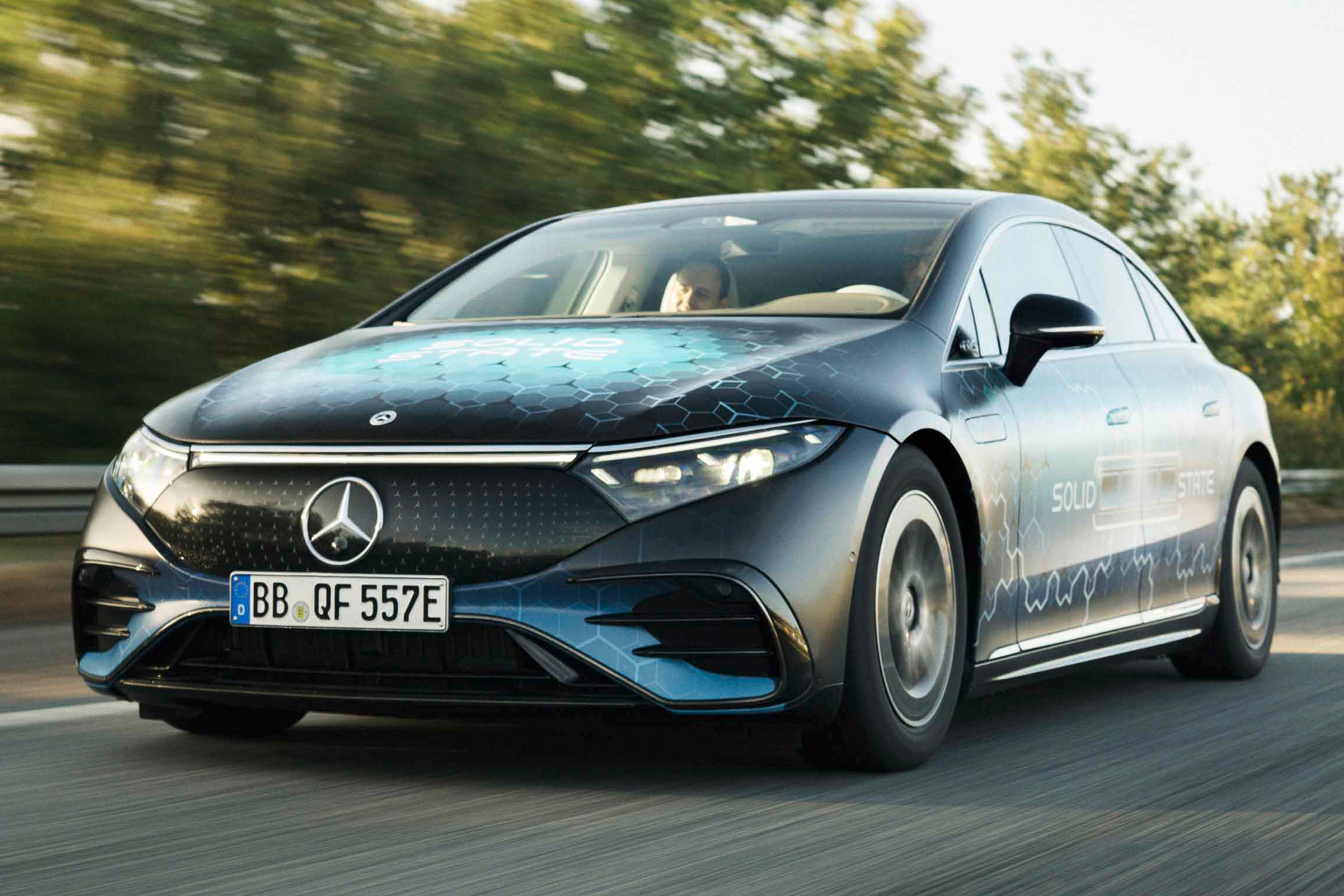
I feel like I’ve been hearing about the next big breakthrough in battery tech, coming very, very soon, every few months, for as long as this generation of Lexus IS has been around. Despite widespread pullback on EV adoption, Mercedes is still moving ahead with the tech, and it appears they are indeed on the precipice of an actual breakthrough: solid-state battery chemistry.
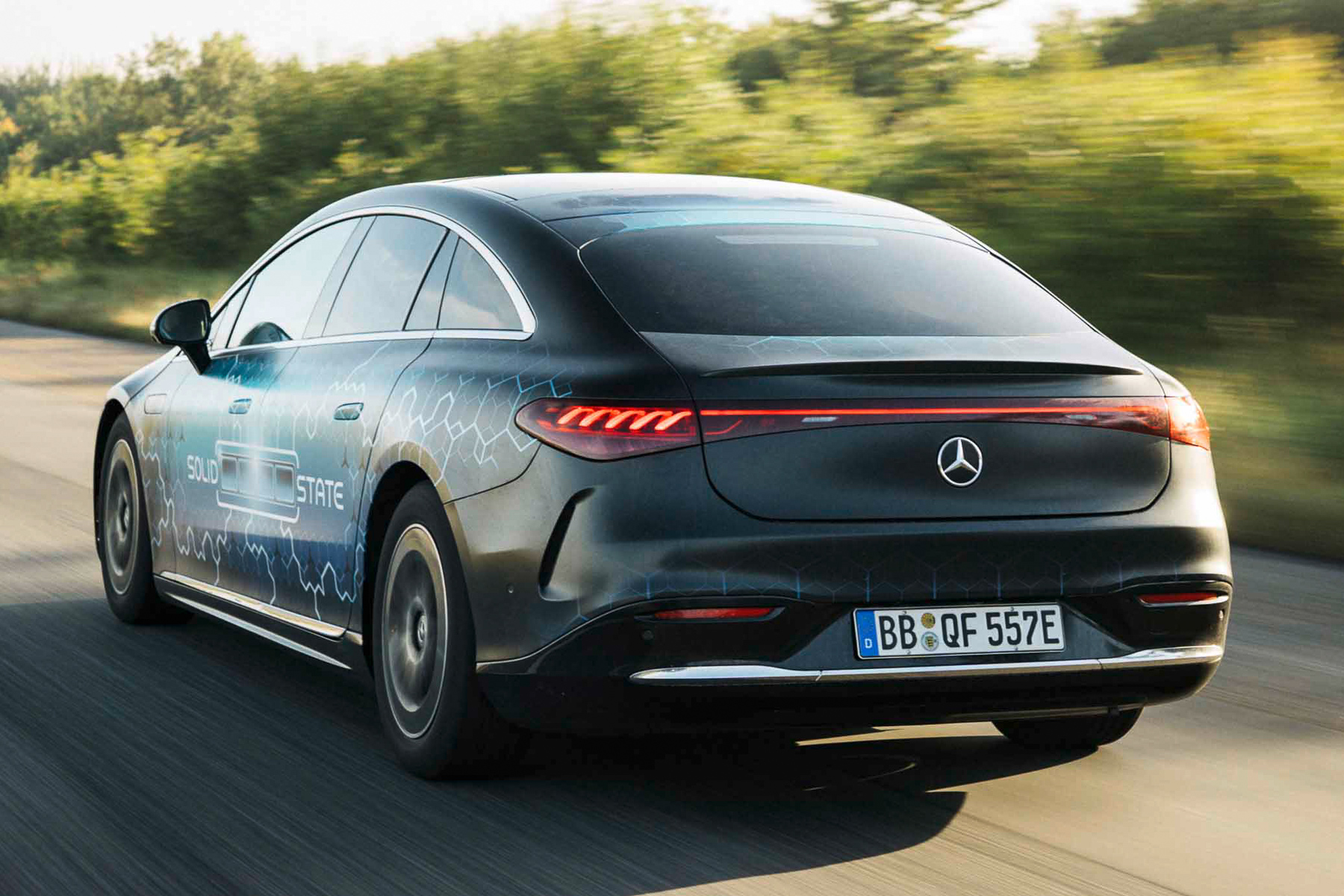
The solid-state battery has been proposed forever, and Toyota is also making serious headway in the field, but Mercedes just drove an EQS prototype fitted with one of these batteries 1,205 kilometers on a single charge from their home base in Stuttgart, Germany, to Malmo, in Sweden. This ties the single-charge world record with the Lucid Air, and Mercedes states the car indicated it still had 137 kilometers worth of electric pixies left in reserve; I guess they were just tired or something.
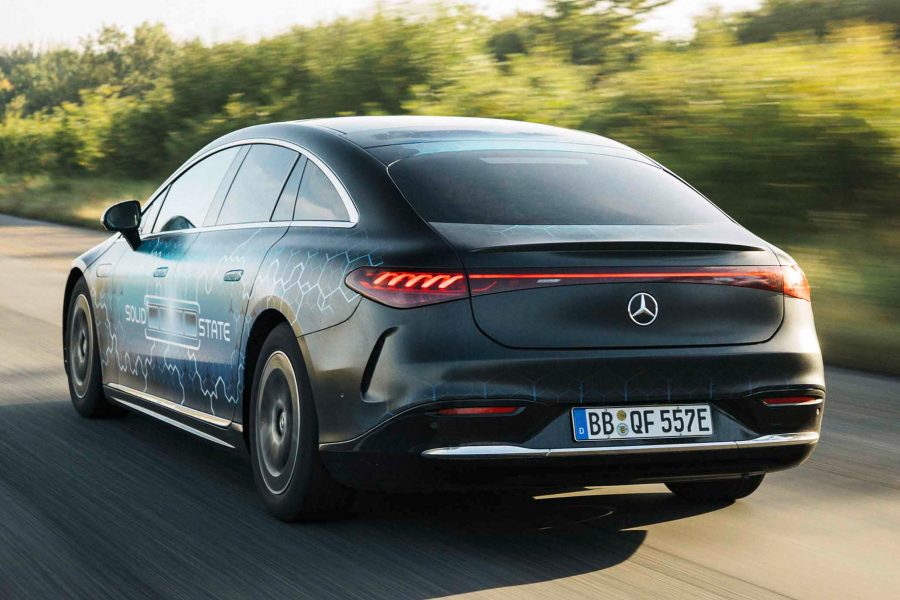
This isn’t theory, this isn’t a laboratory test, this isn’t an unfeasible arrow-shaped prototype, this is a fairly conventional sedan that pulled this off on real roads. Mercedes’s solid state battery is roughly 25% more energy-dense than conventional lithium-ion batteries with their liquid electrolyte, can safely charge much faster, generates far less heat (the EQS that made this journey didn’t have liquid thermal management as is typical, just air cooling), and is much safer in the event of an accident. Getting them to work outside of a lab has been hard, but they’ve seemingly solved that, and building them at any real scale has proven impossible thus far, but this is huge step in the right direction, and they’re confident this tech will be production ready by the end of the decade.
Okay, there’s that rundown you asked for. I may have expanded some areas you weren’t prepared for.