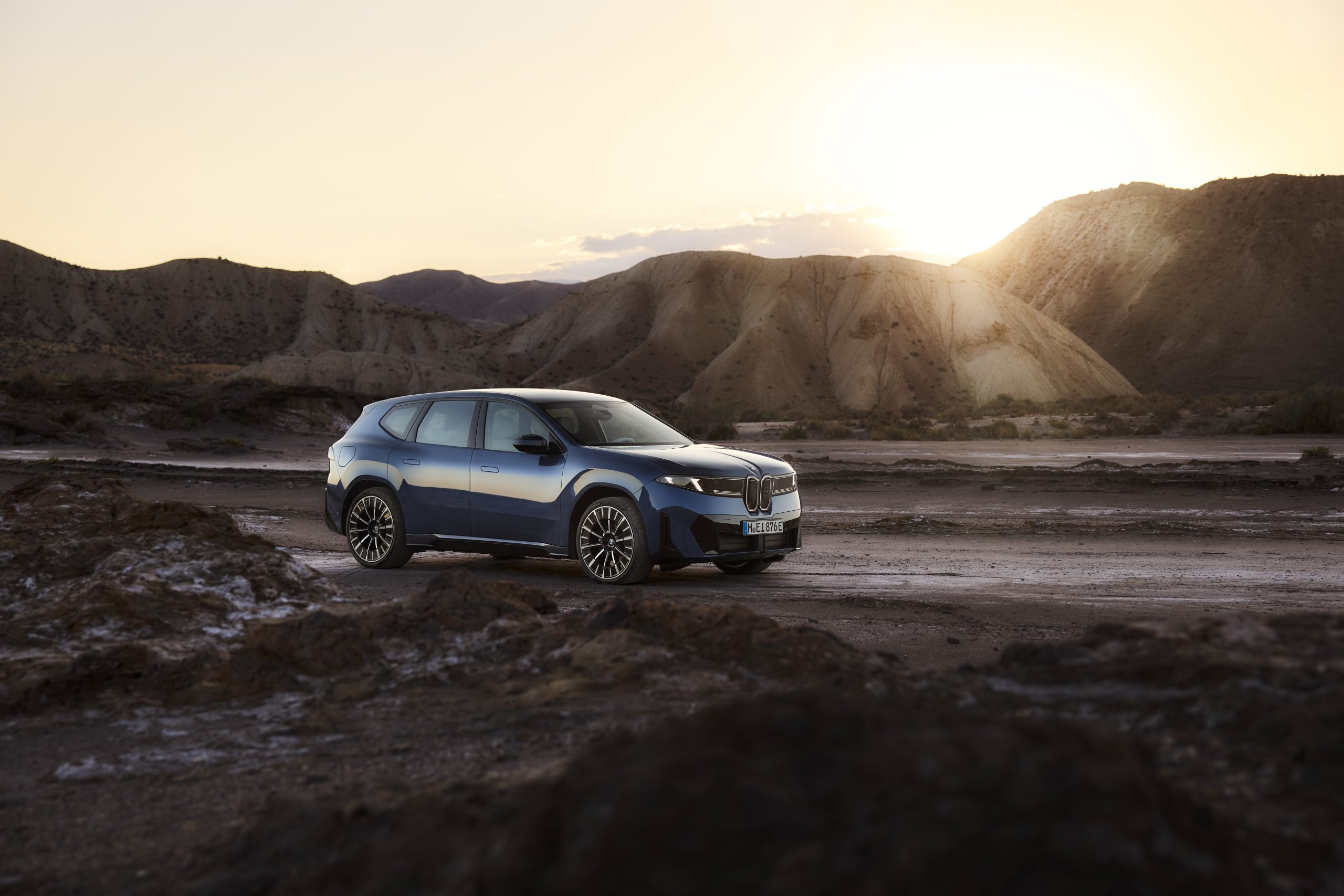
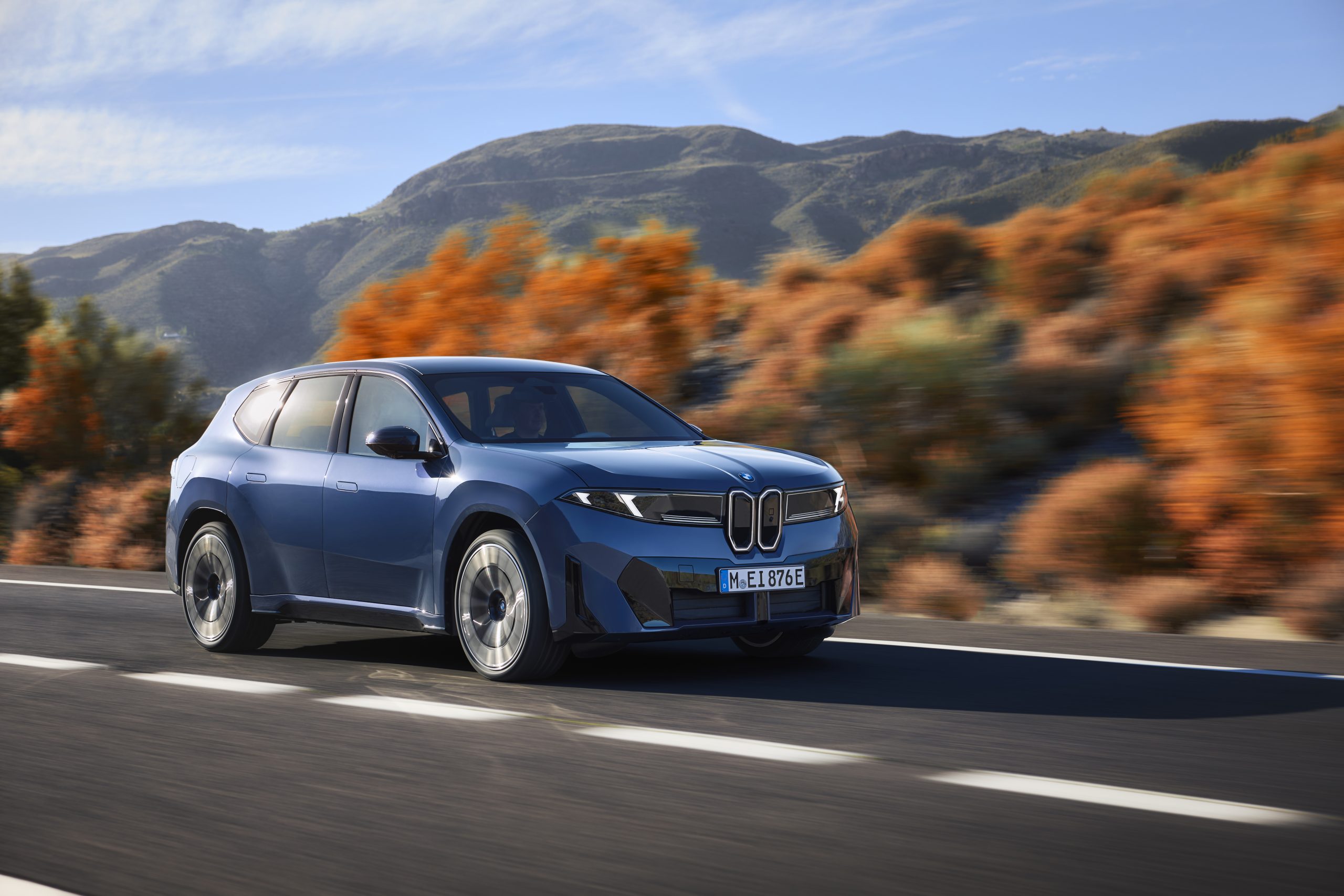
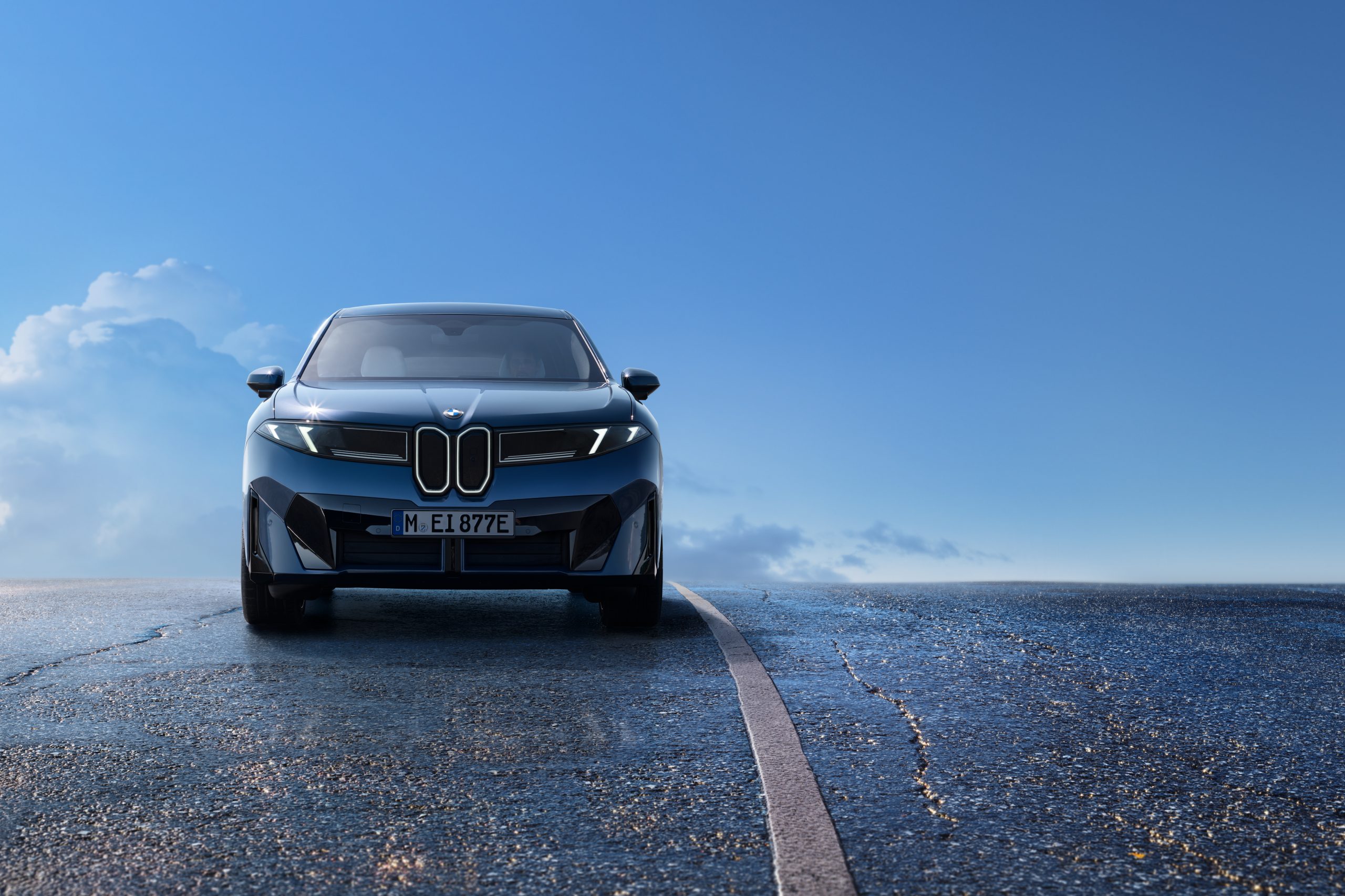
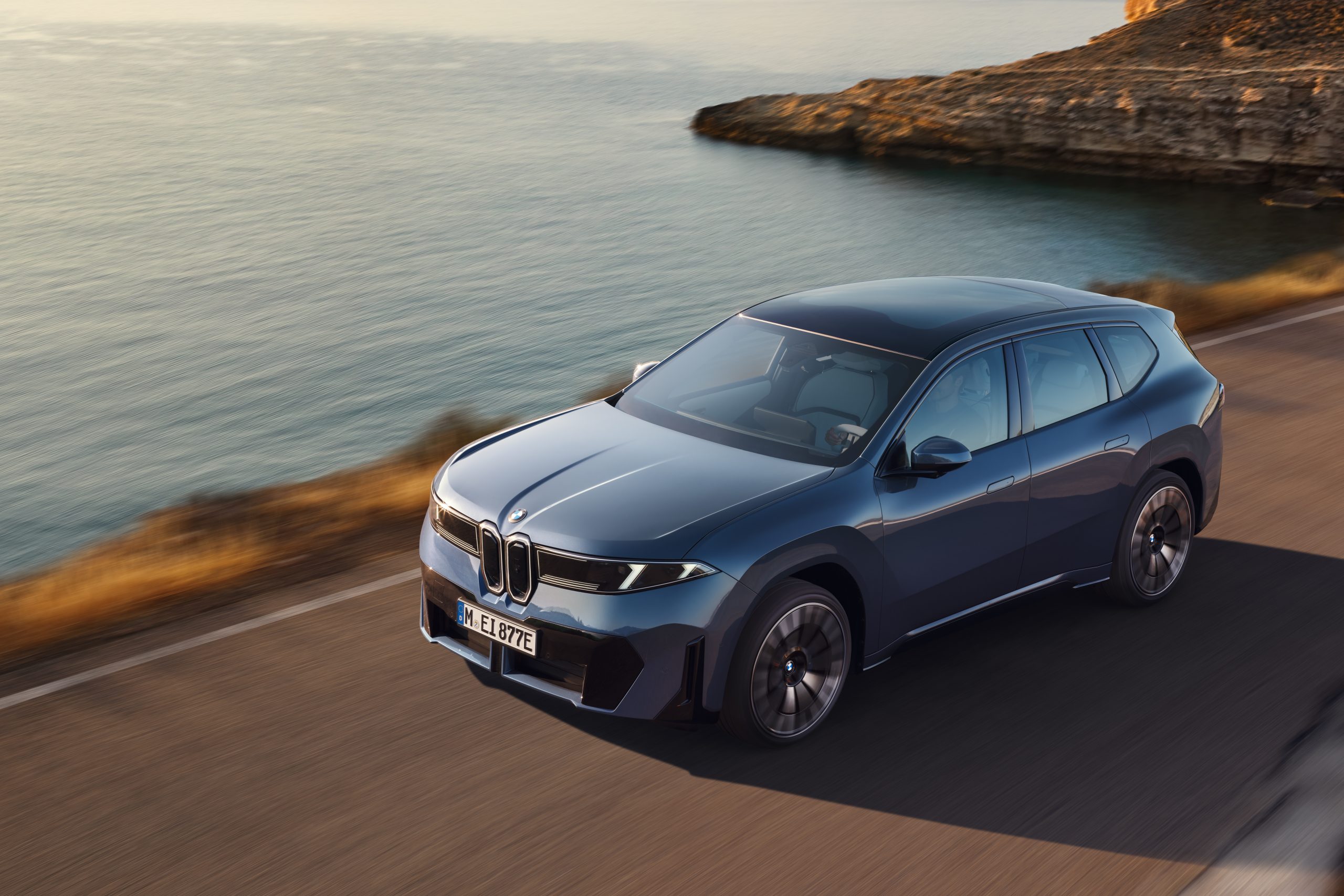
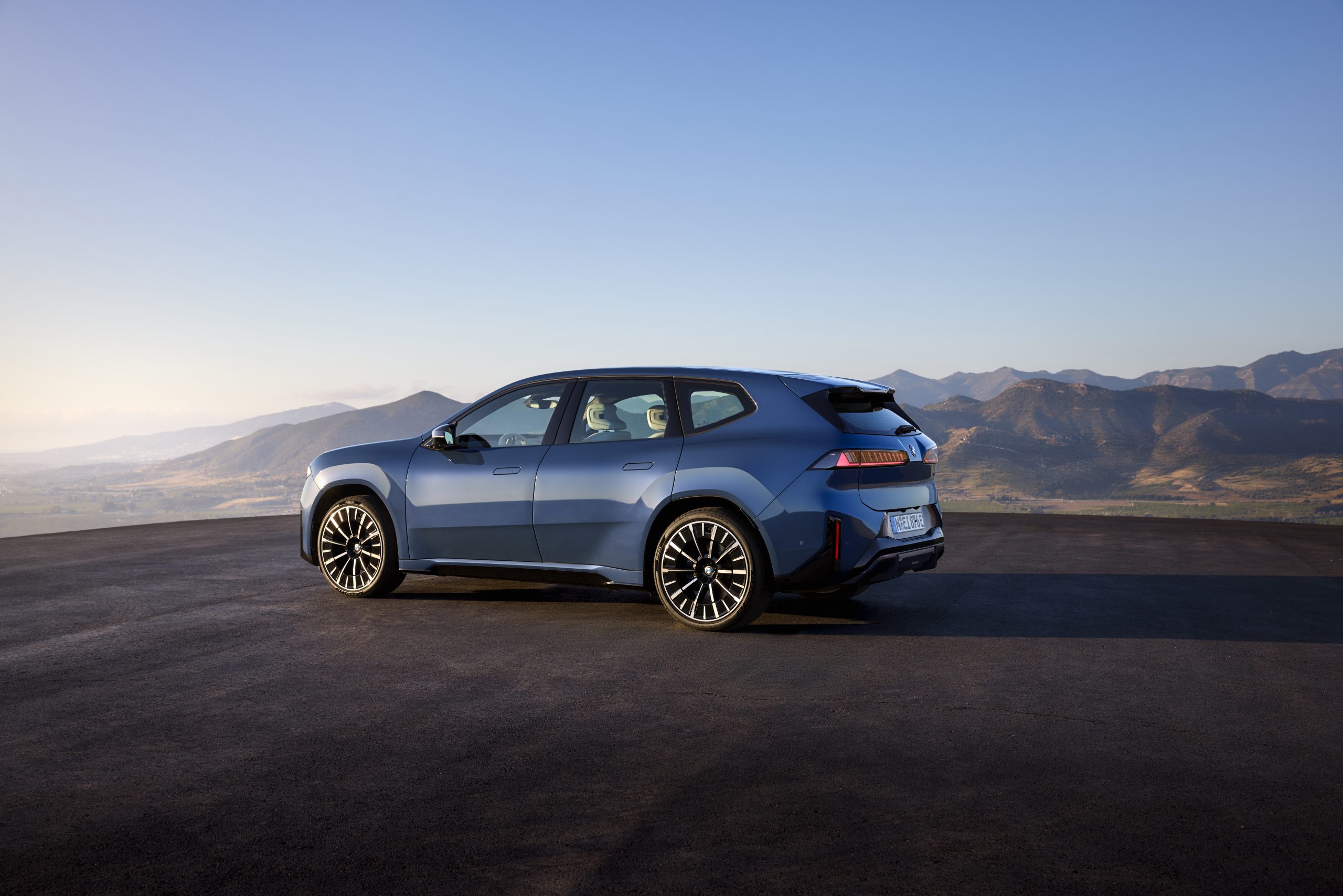
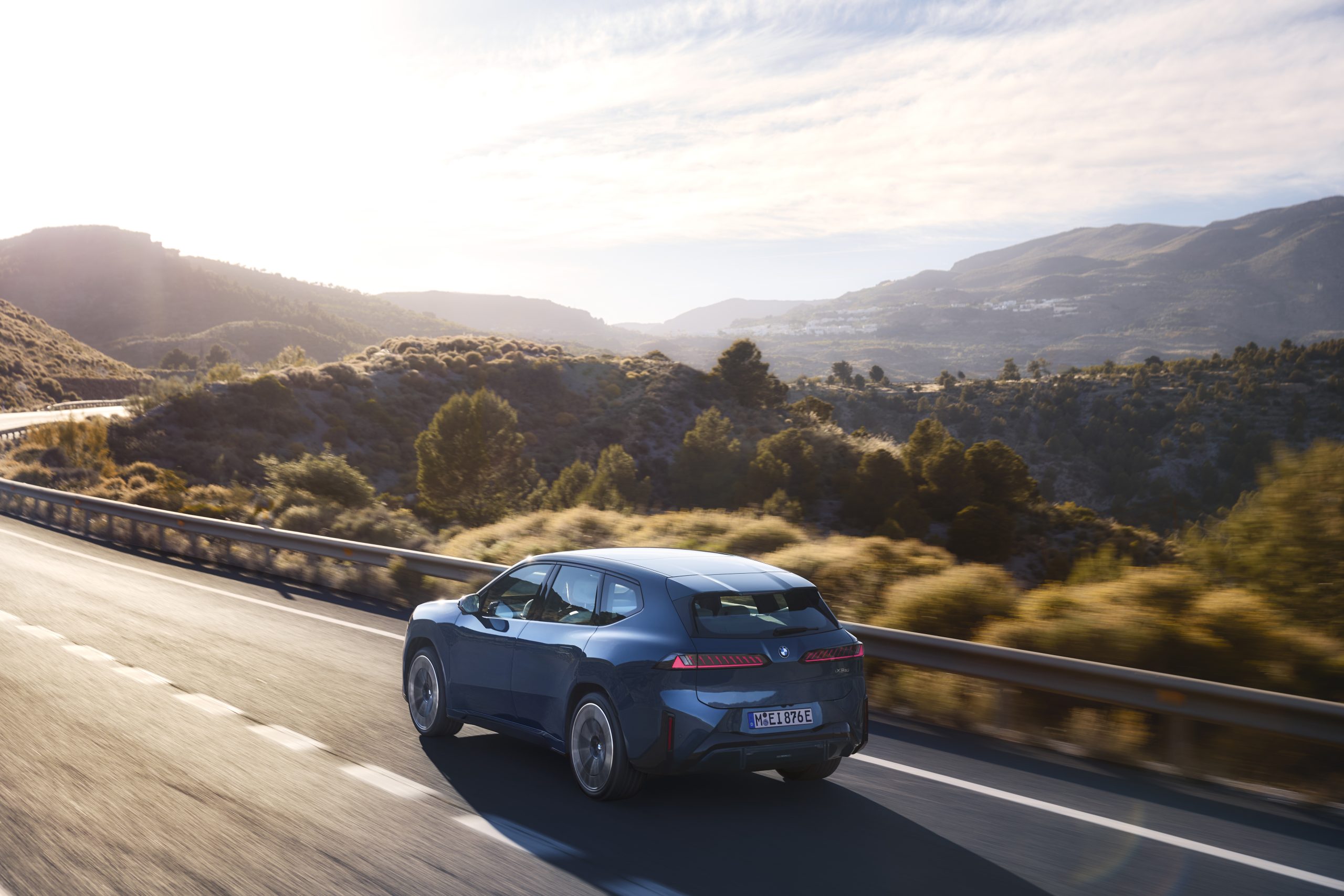
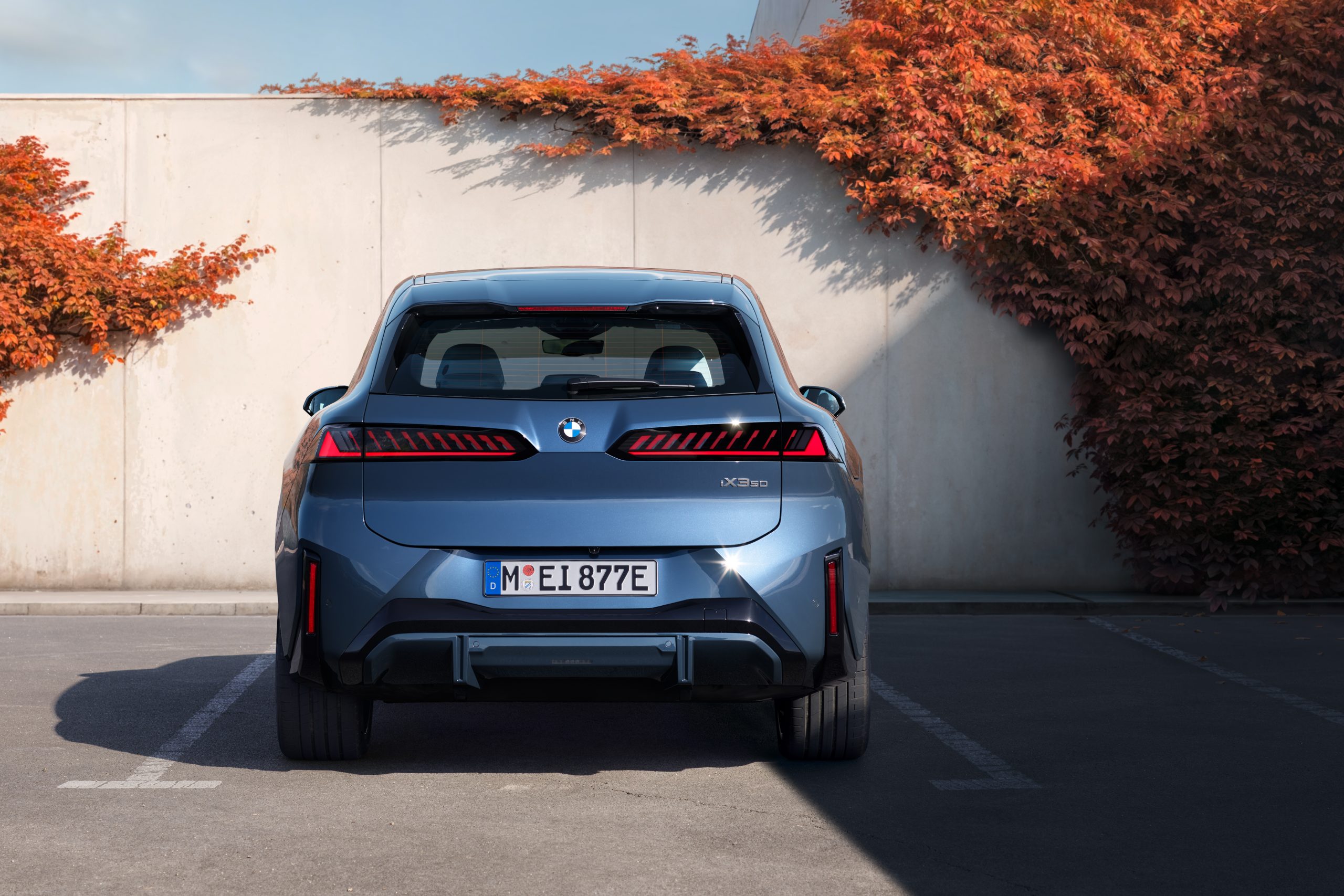
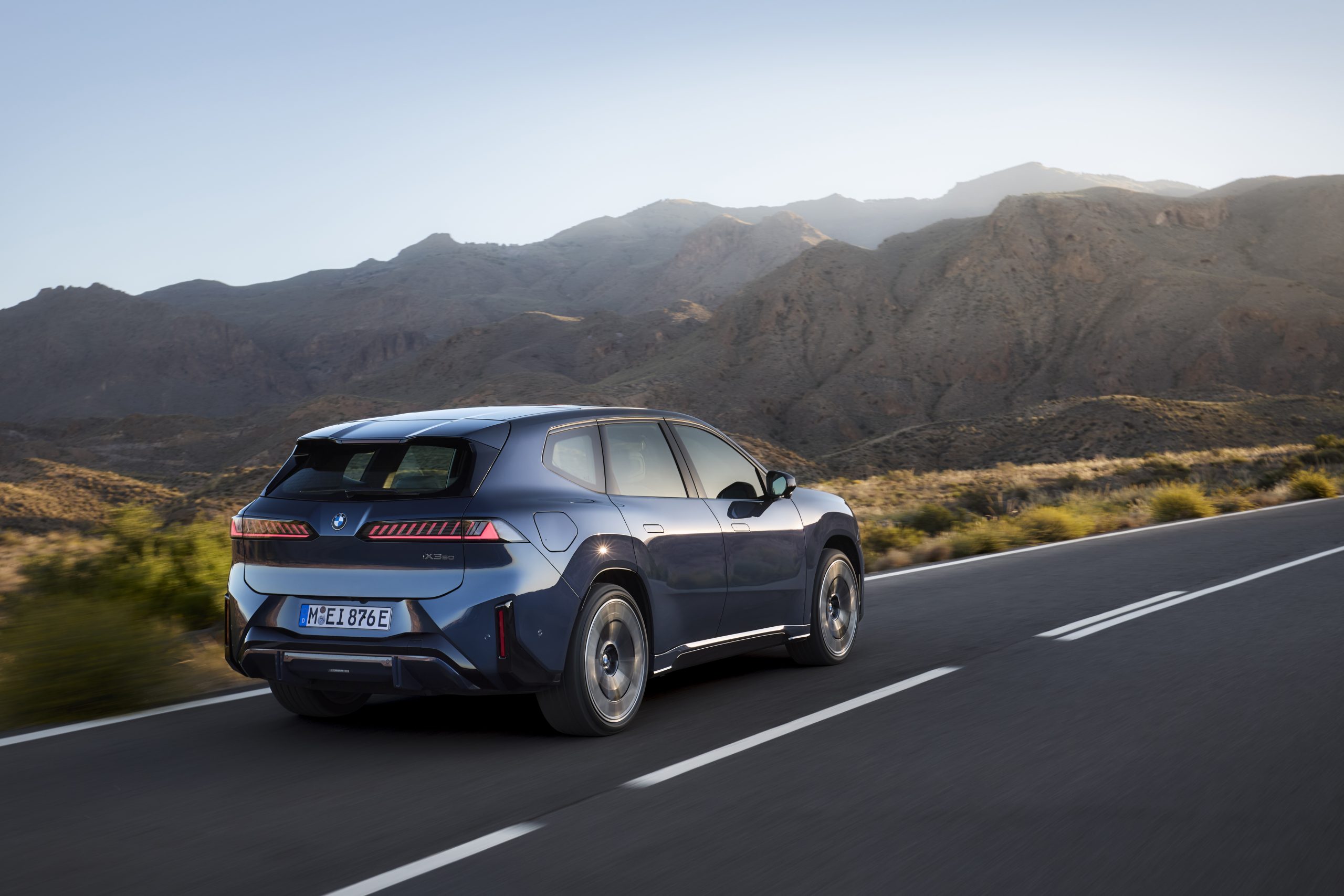
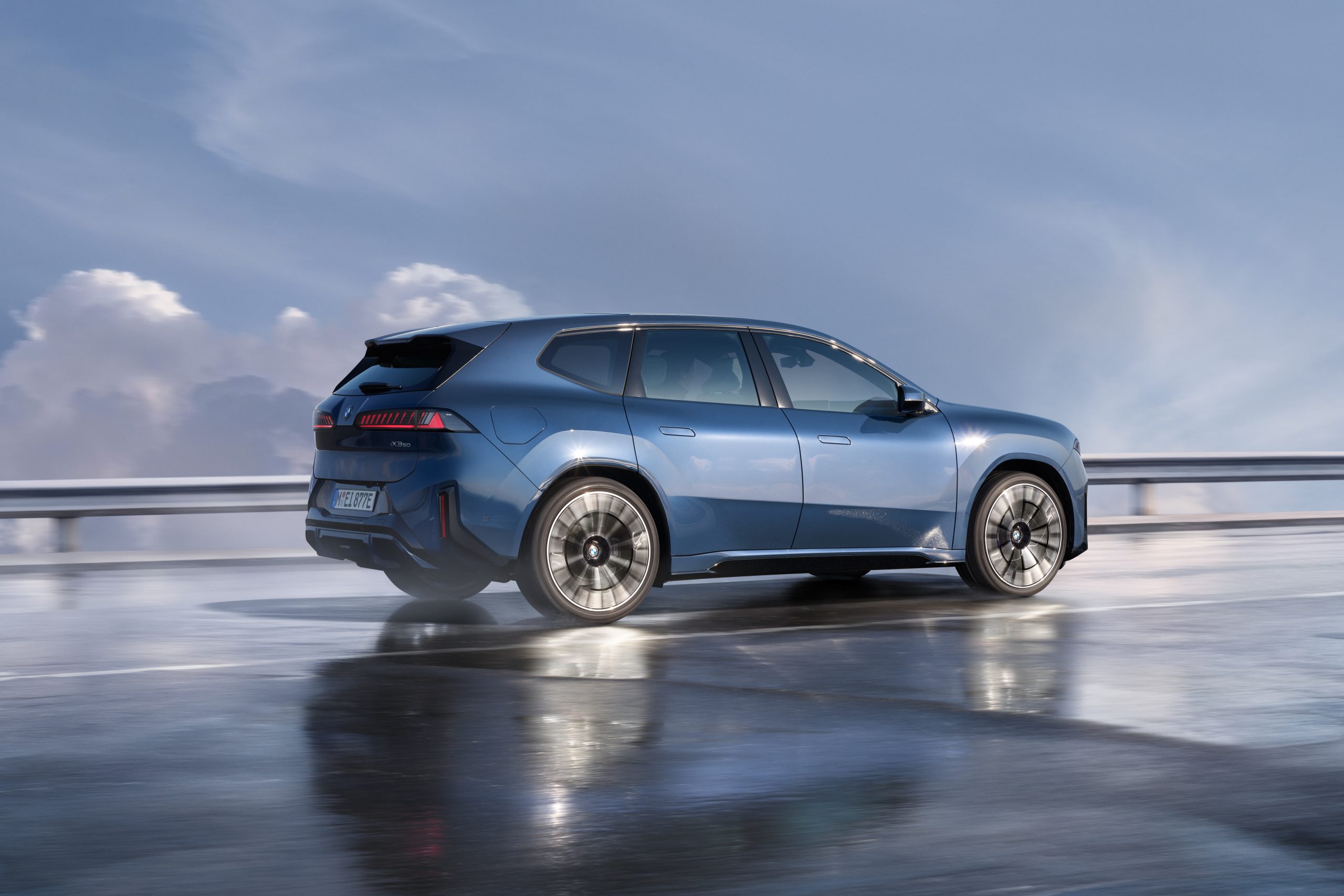
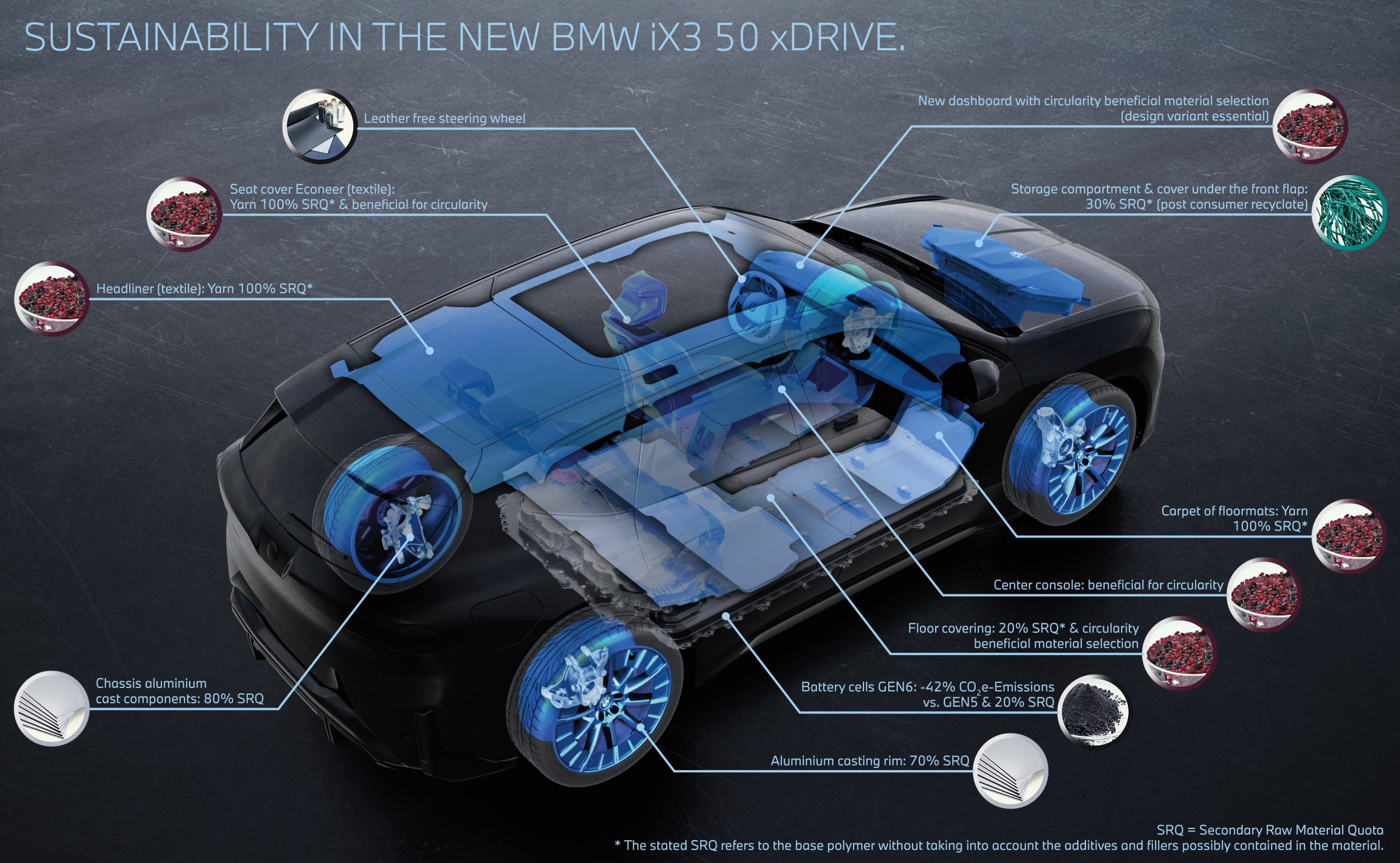
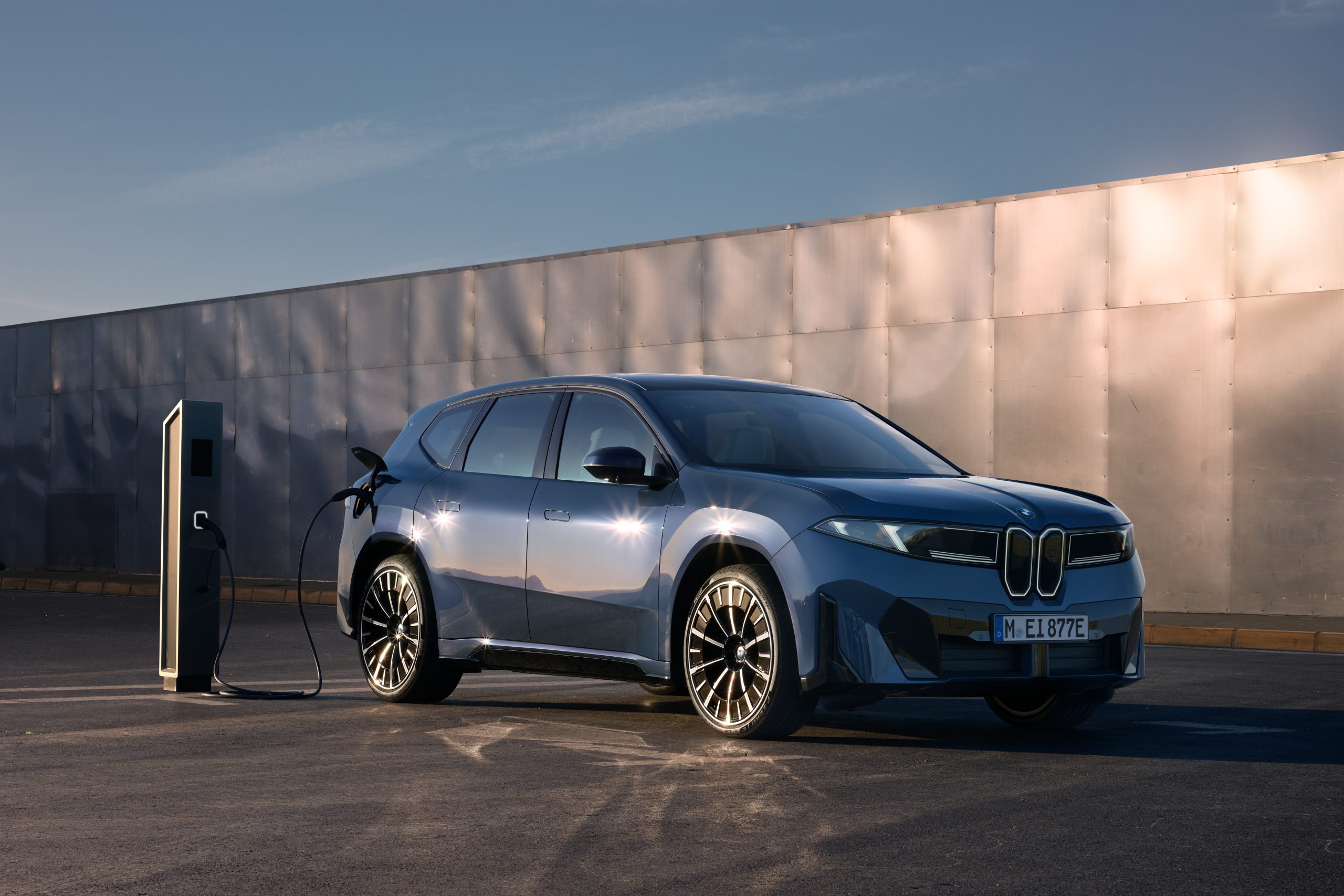
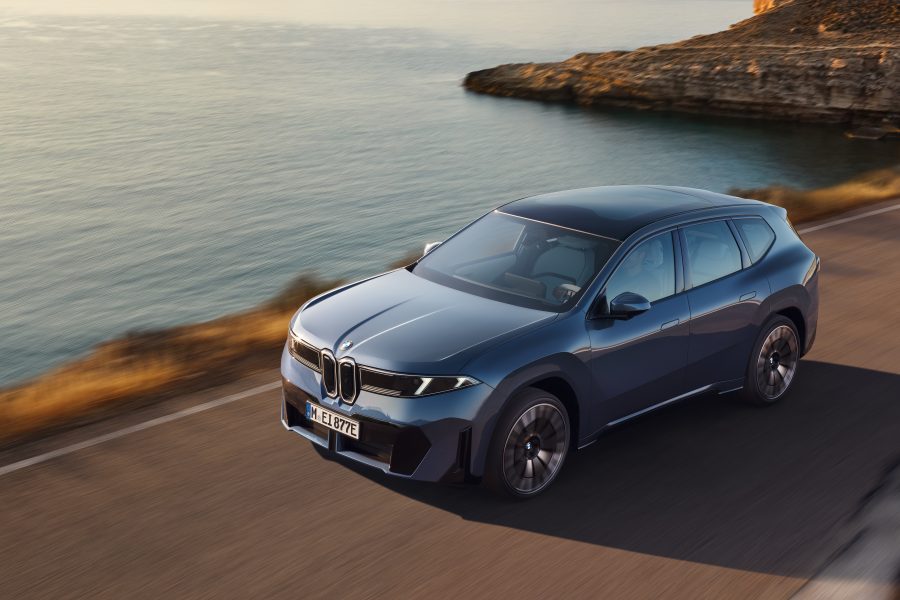
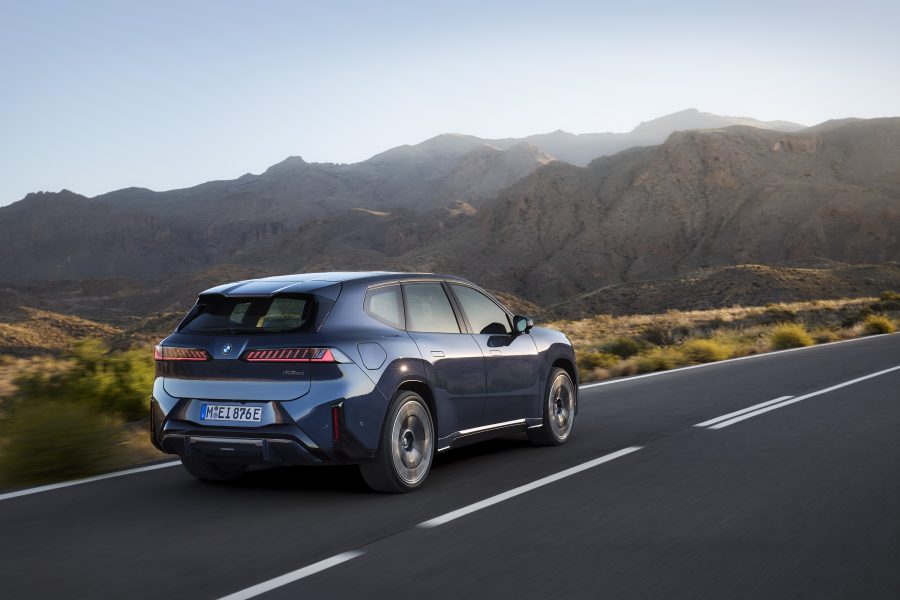
It’s been a long time coming, but BMW has finally taken the wraps off the first vehicle to ride on their groundbreaking Neue Klasse architecture: the 2027 BMW iX3.
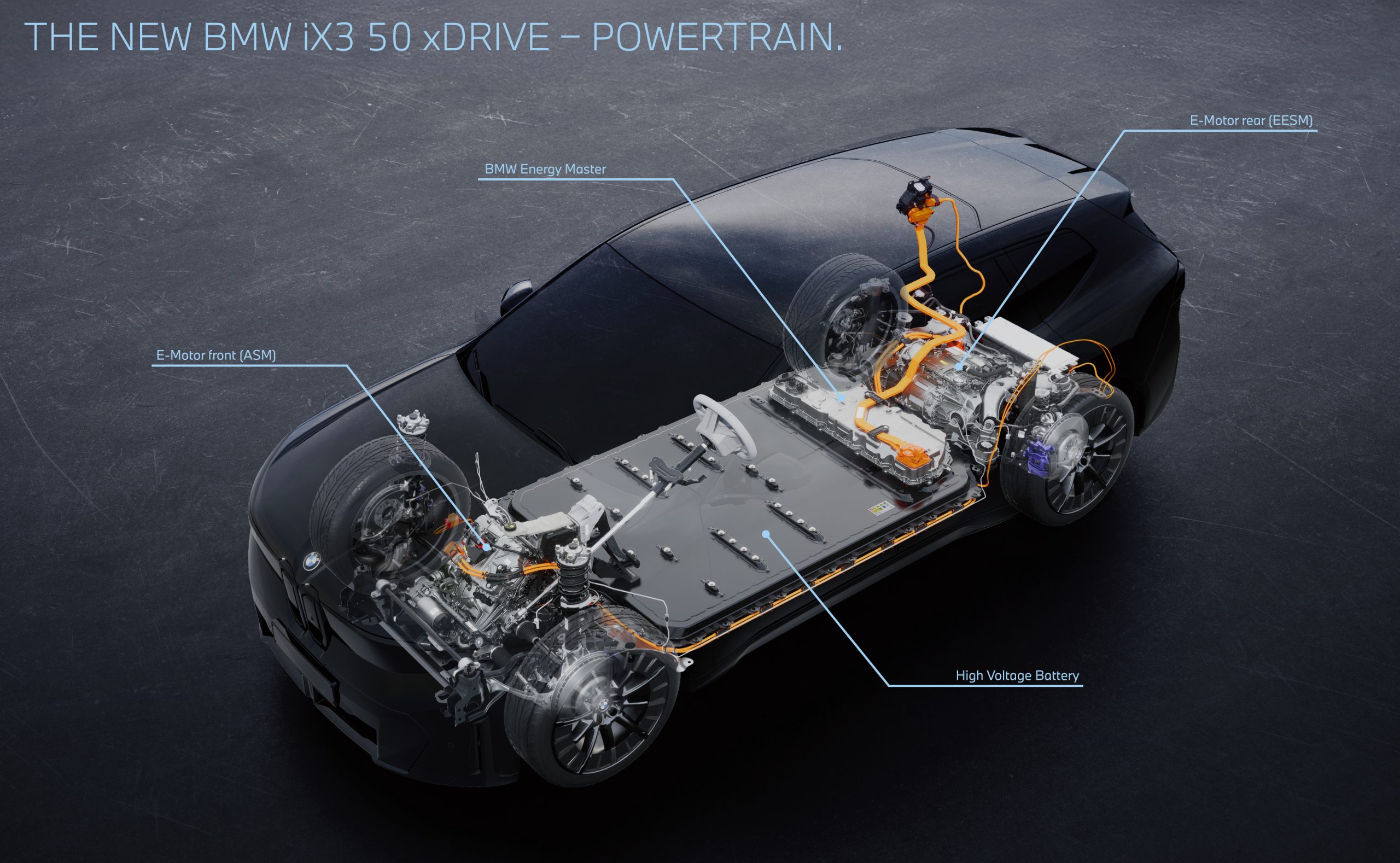
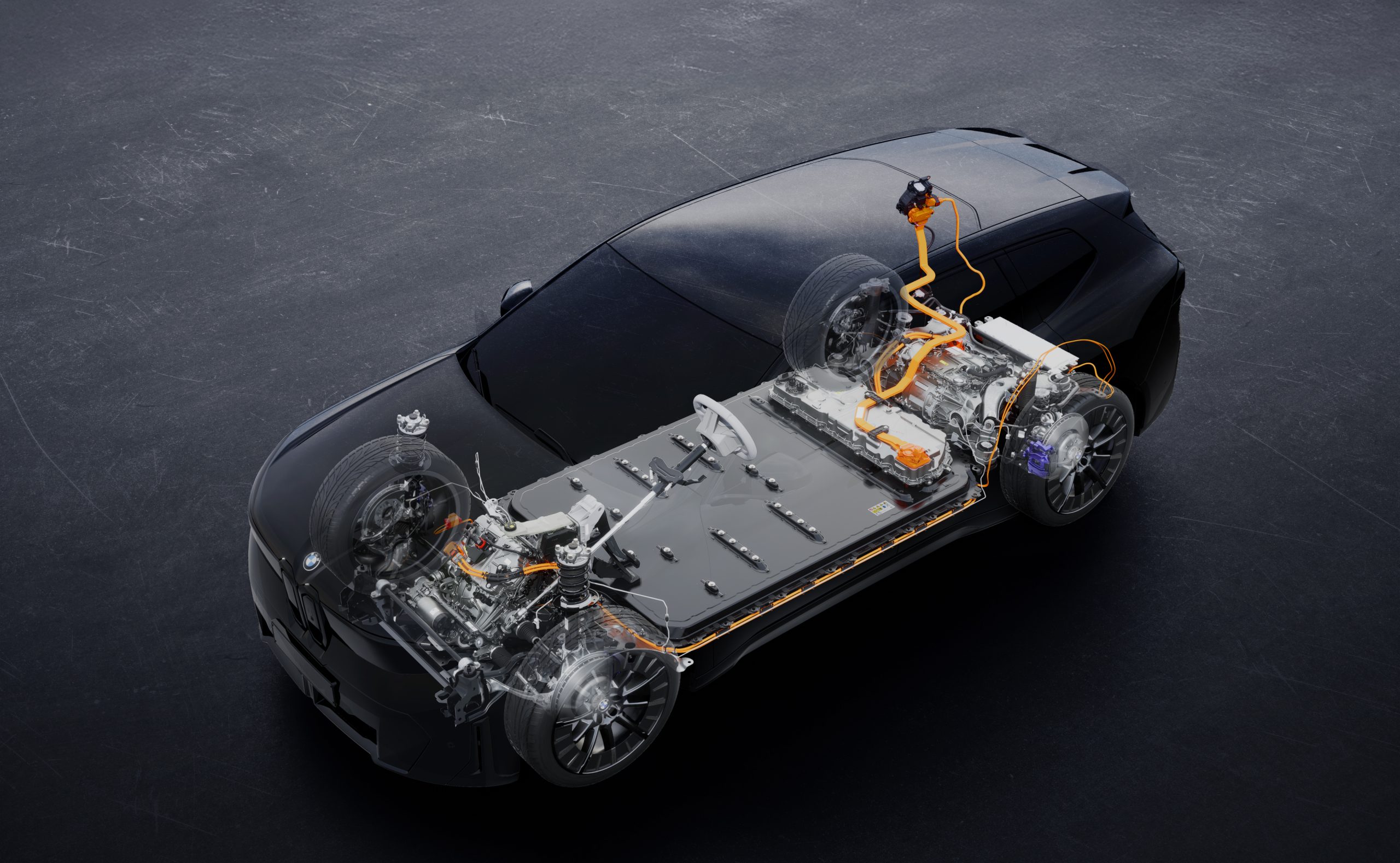
The first Neue Klasse model (pronounced noy-uh class-uh in its mother tongue) is slated to be a mid-level iX3 50 model, with two motors producing a combined 463 horsepower and 476 foot-pounds of torque. Said power is generated by new 6th-generation electric vehicle tech from BMW, with lighter, more powerful motors fed by a new 800-volt battery design that allows for 20% more energy density than their existing (and already effective) batteries. It’s also capable of charging faster than before, able to charge the 108kWh battery in this first model from 10-80% in just 21 minutes on a sufficiently healthy DC fast charger. Preliminary range estimates put it at around 650 kilometers.
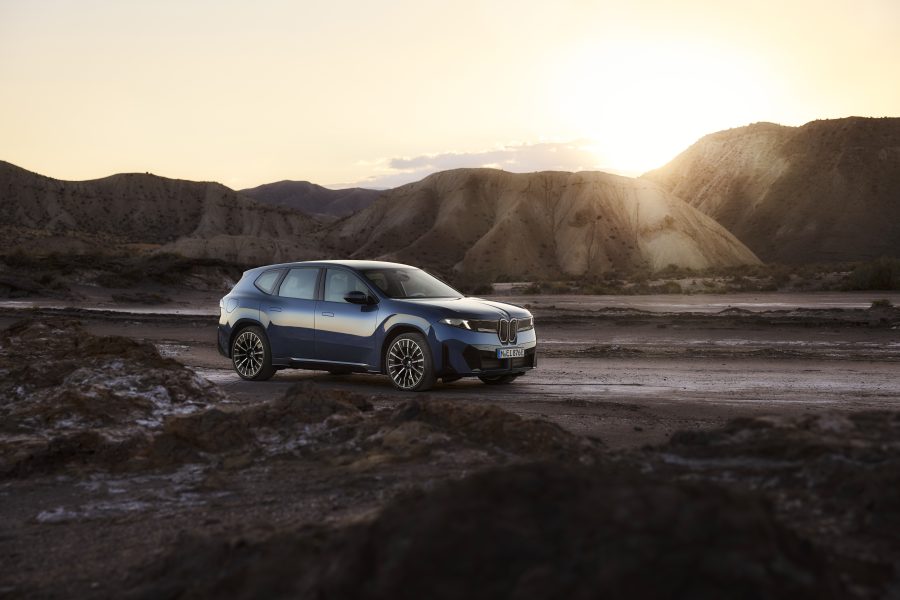
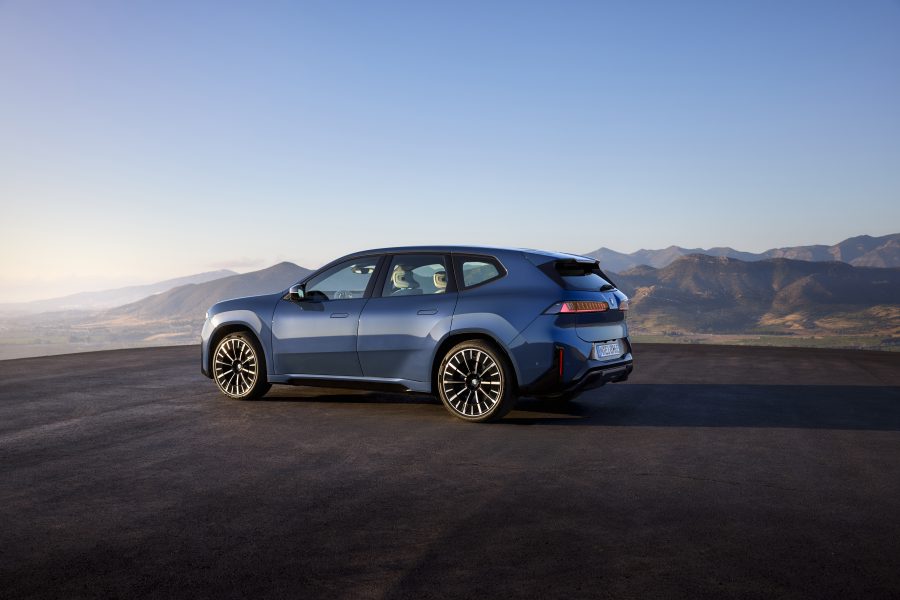
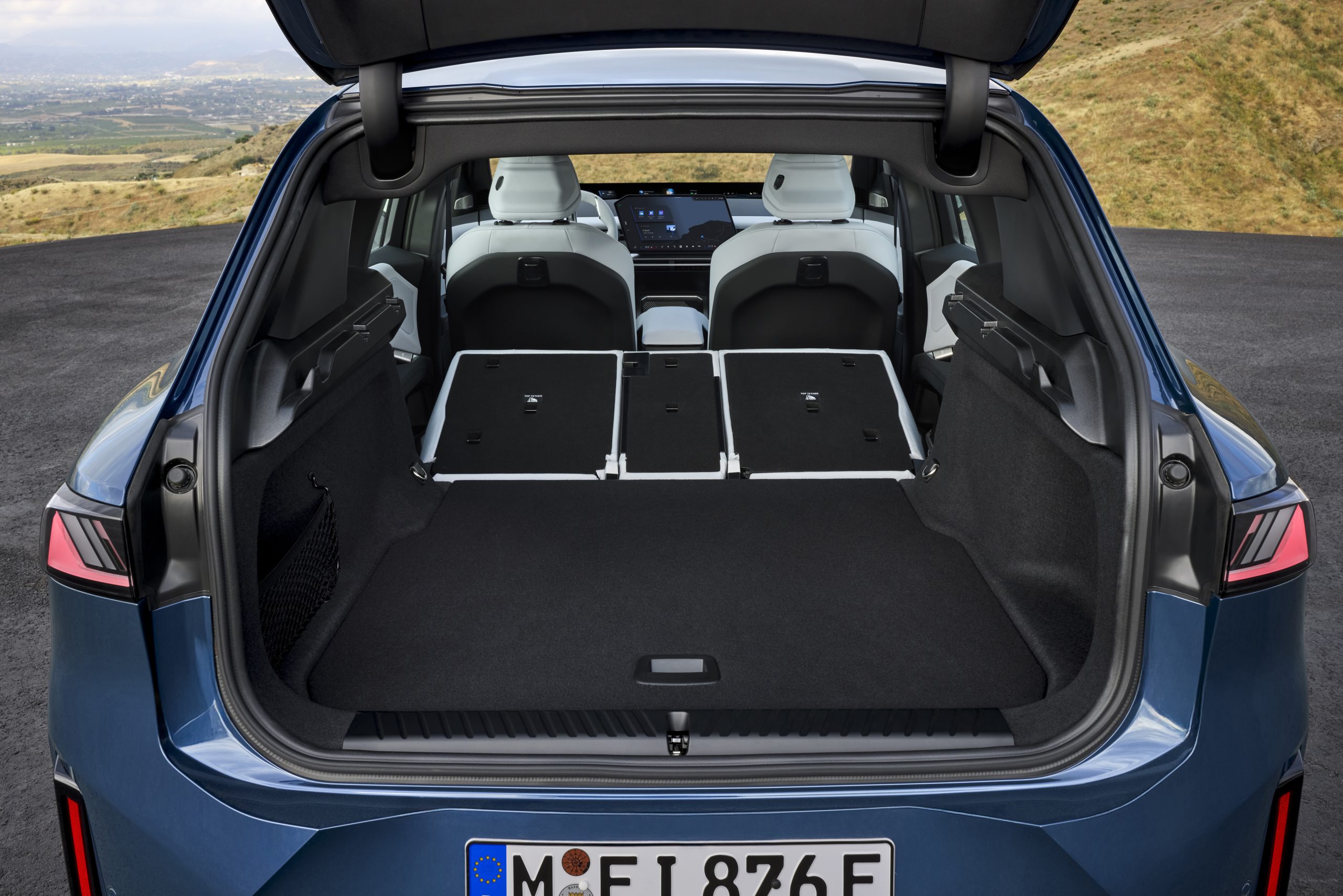
The 2027 BMW iX3 is an electric-only compact luxury SUV, because compact crossovers sell and this needs to stick the landing and start paying for itself now. It may seem a tiny bit odd to make such huge investment in a new EV architecture when manufacturers and governments are pulling back on the technology worldwide, but I’ll remind that BMW is one of the very few companies that has been doing very well with selling their EVs, largely due to them for the most part not looking or feeling all that different from their fuel-fired stablemates, and partly due to them generally being pretty excellent. And just like their existing CLAR platform that underpins almost everything regardless of what’s powering it, this new platform will encompass both gas and electric models.
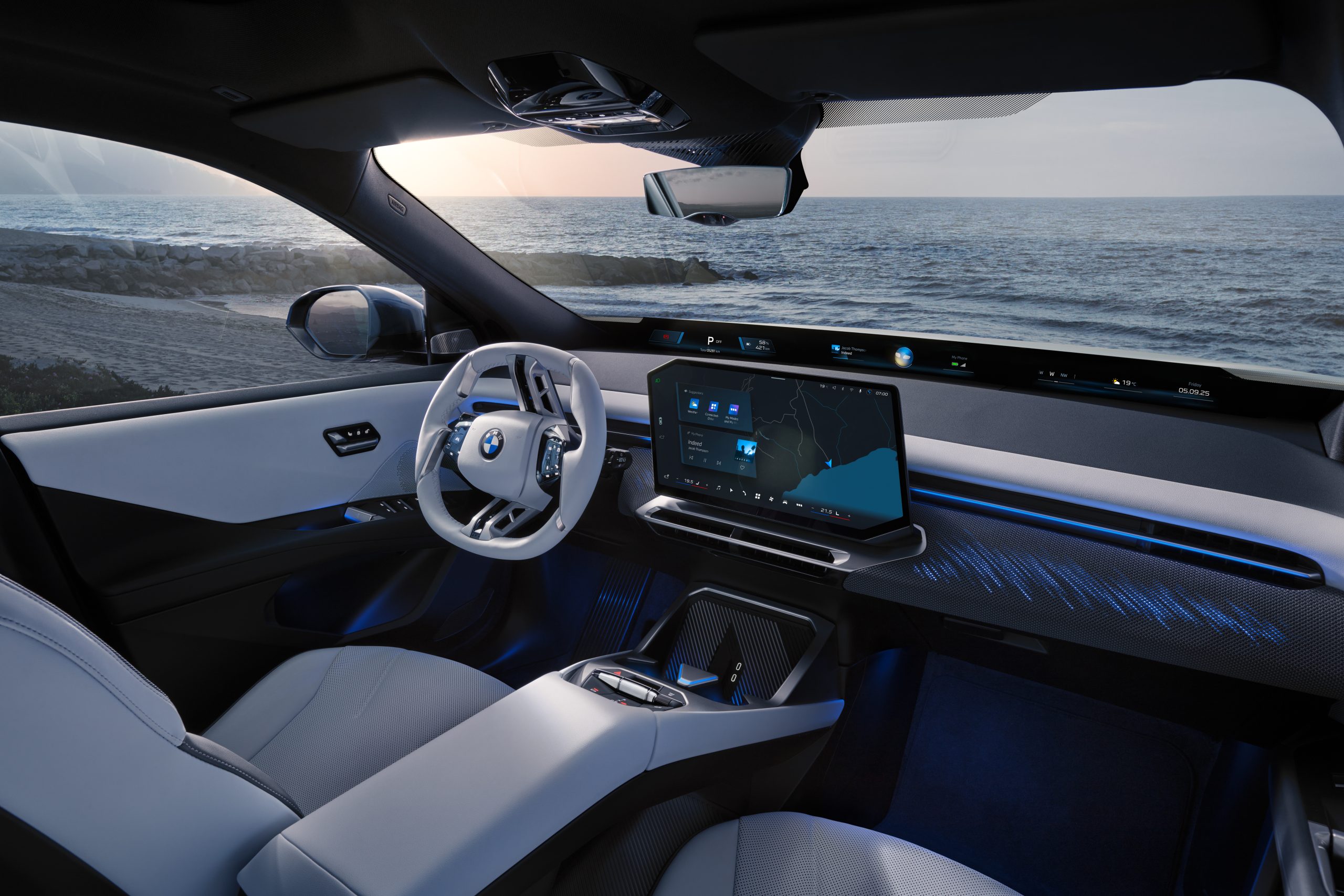
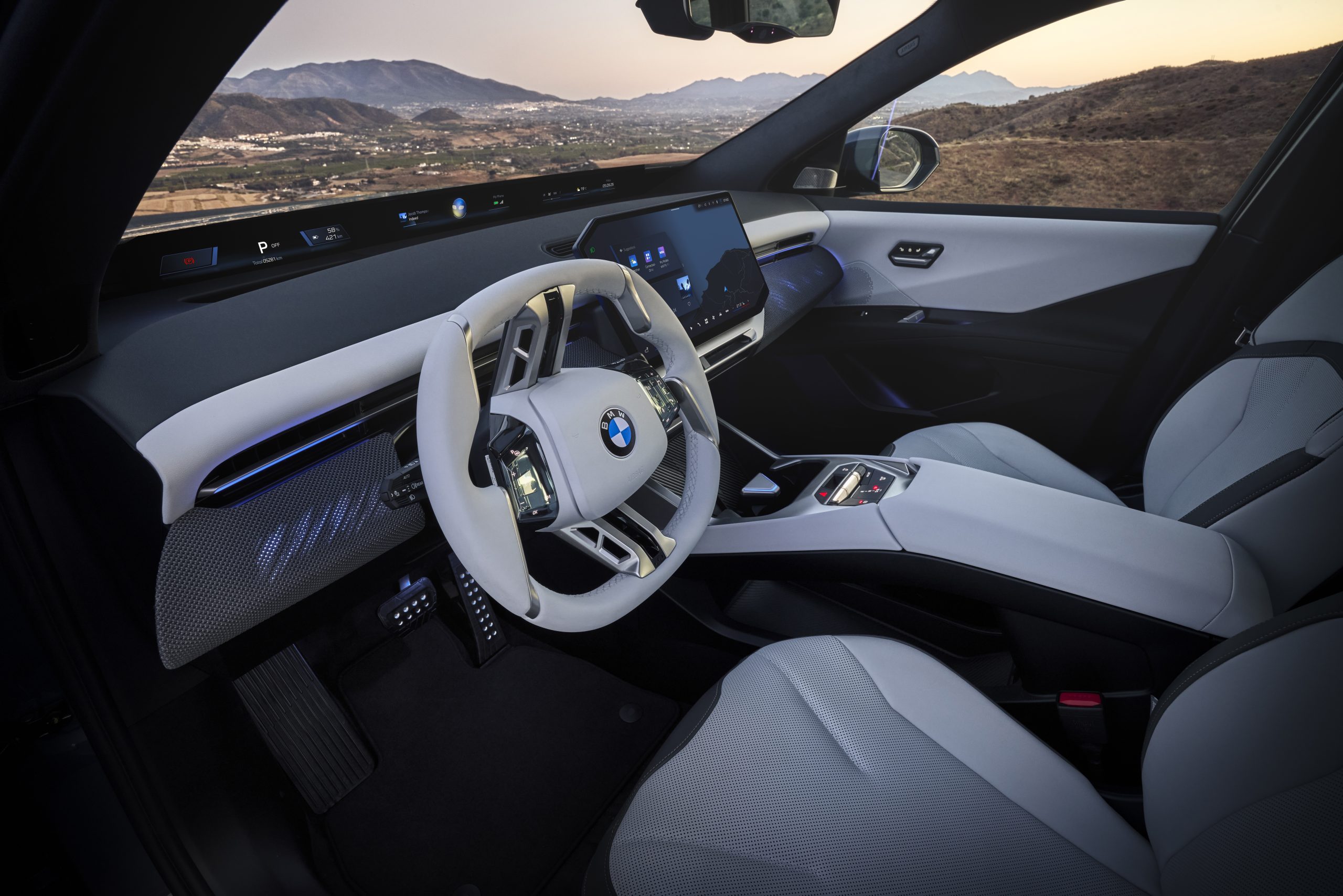
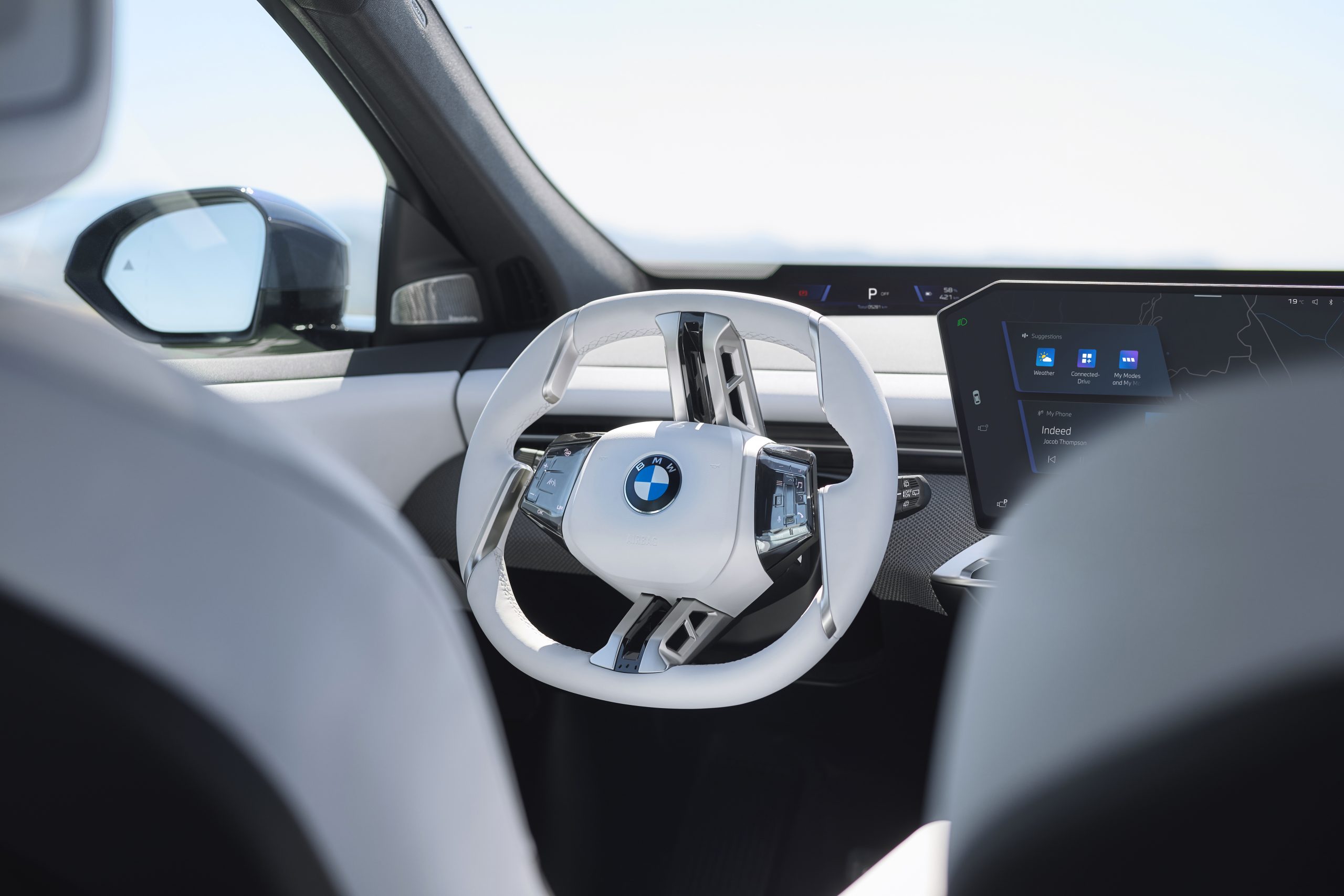
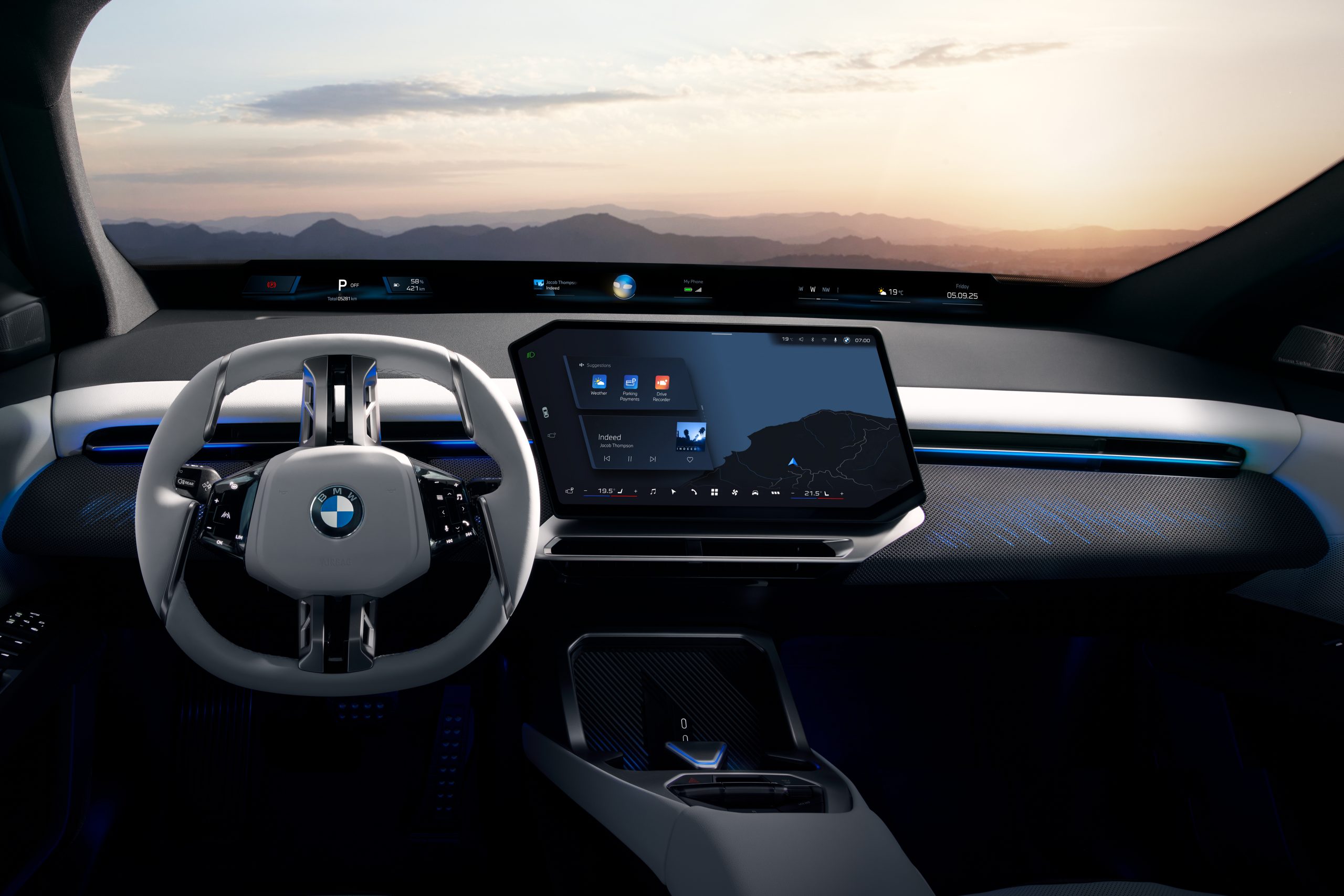
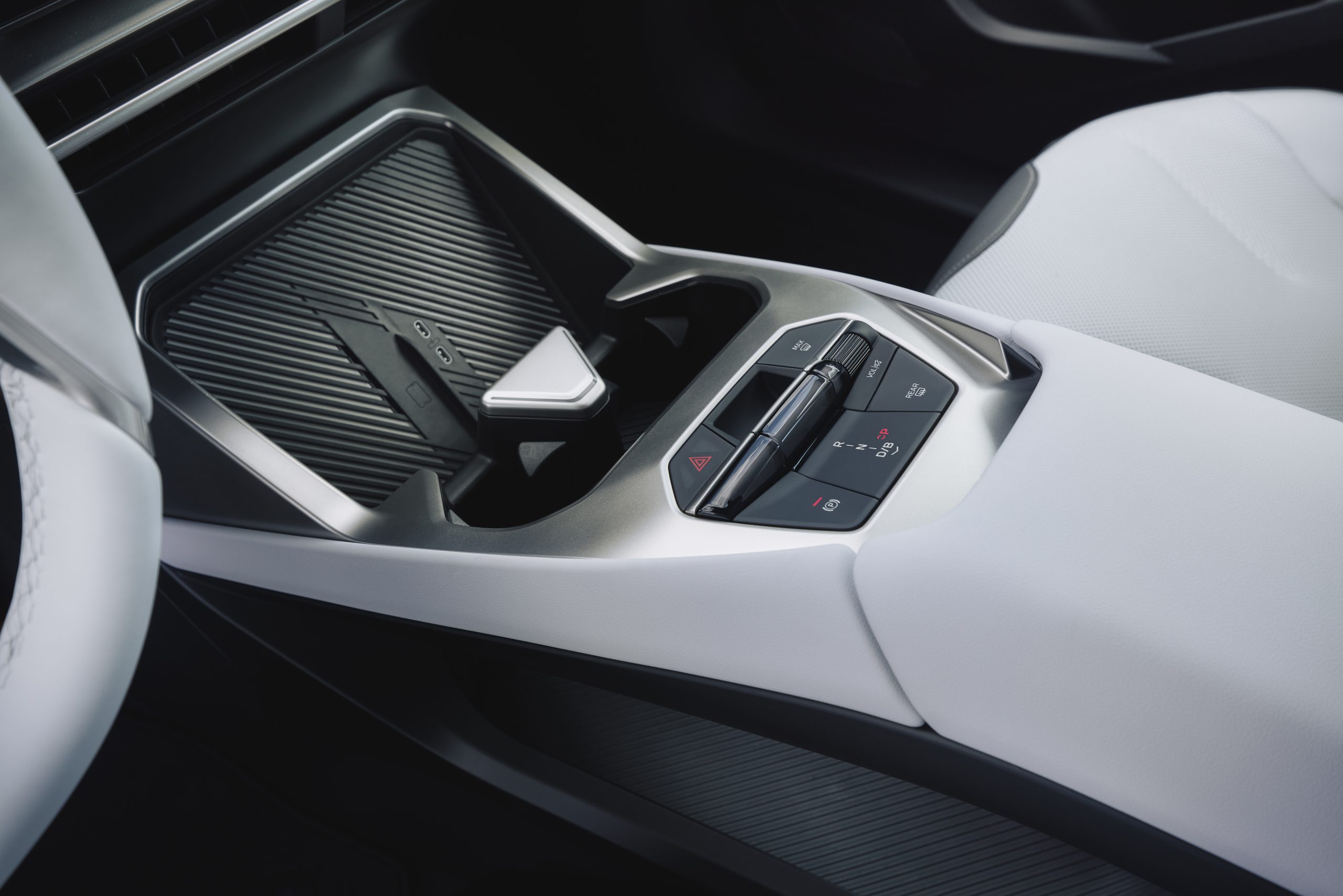
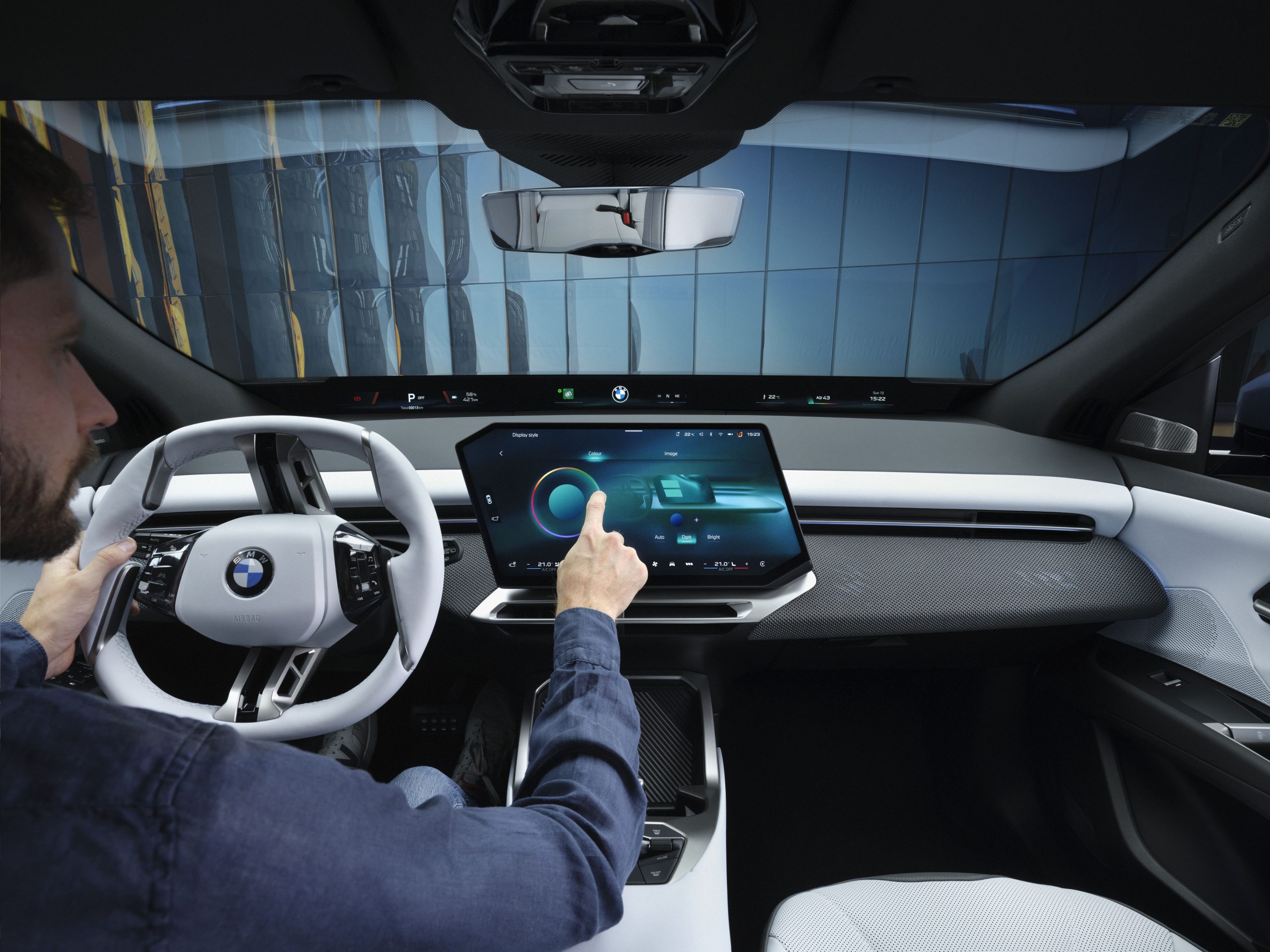
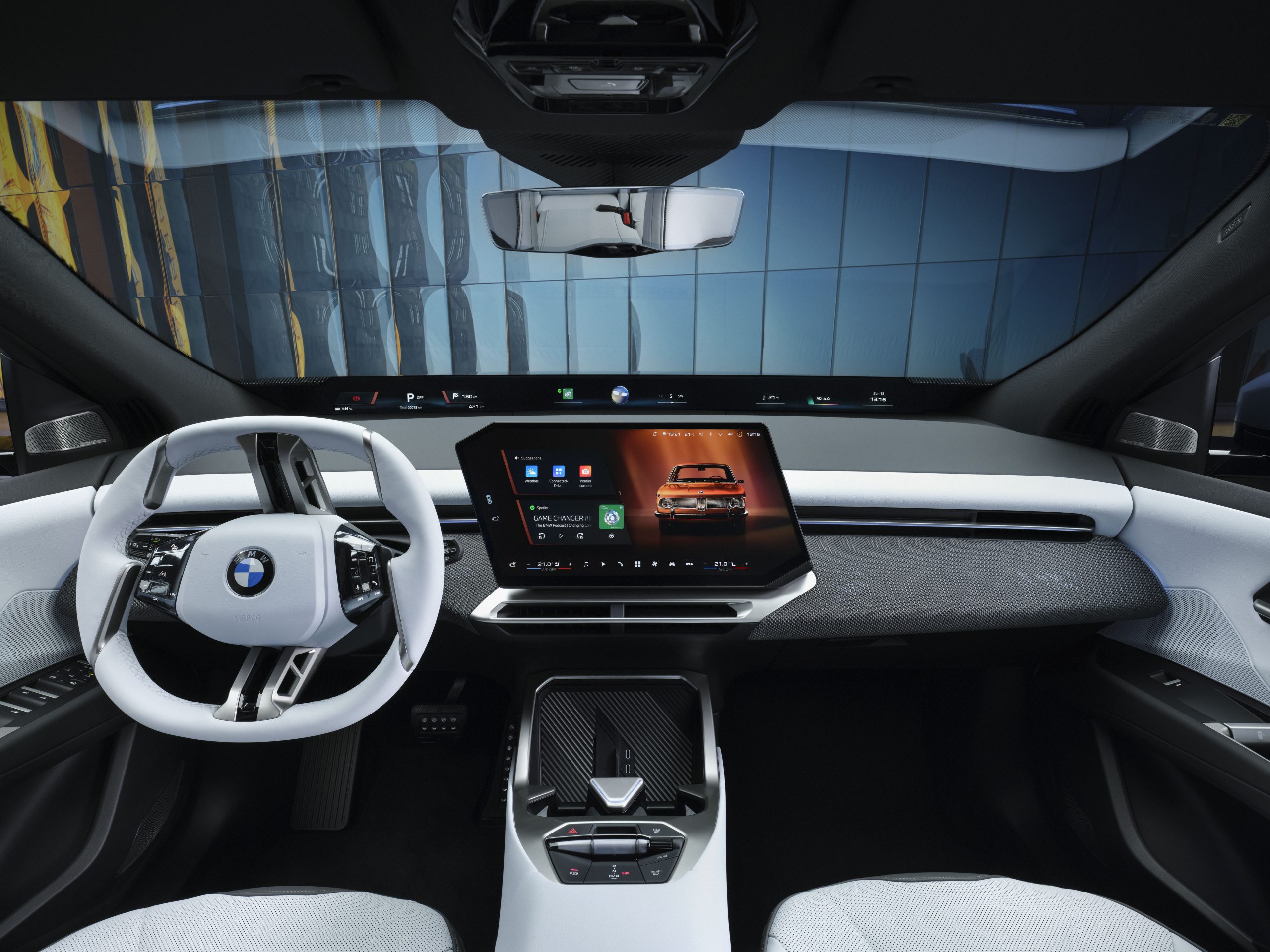
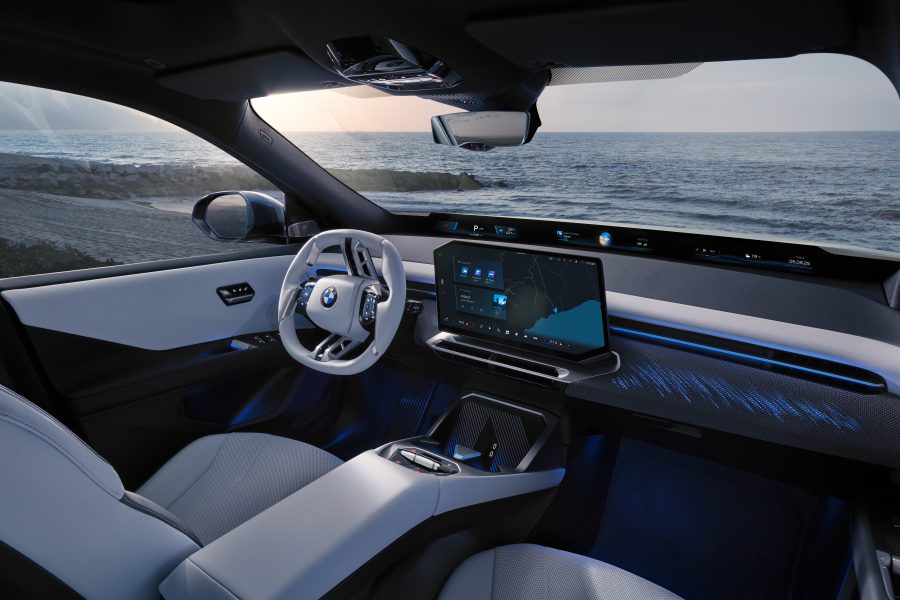
Another huge update to this New Class of BMW is in interior technology, as it will deploy iDrive X, a total overhaul of BMW’s top-tier infotainment interface. As we’ve already started to see on some models, the iDrive knob is gone, as is gesture control. Instead, there is greater emphasis placed on very clever context-sensitive steering wheel controls, as well as Alexa-powered voice recognition, interfacing with a trapezoidal 17.9 inch center touch screen. The biggest highlight is the big display that takes the dashboard spanning screens seen on some Lincoln and Cadillac vehicles, and stretches it to its logical extreme: the entire bottom of the windshield is an infotainment display, reflected directly onto a blacked out lower portion of the glass.
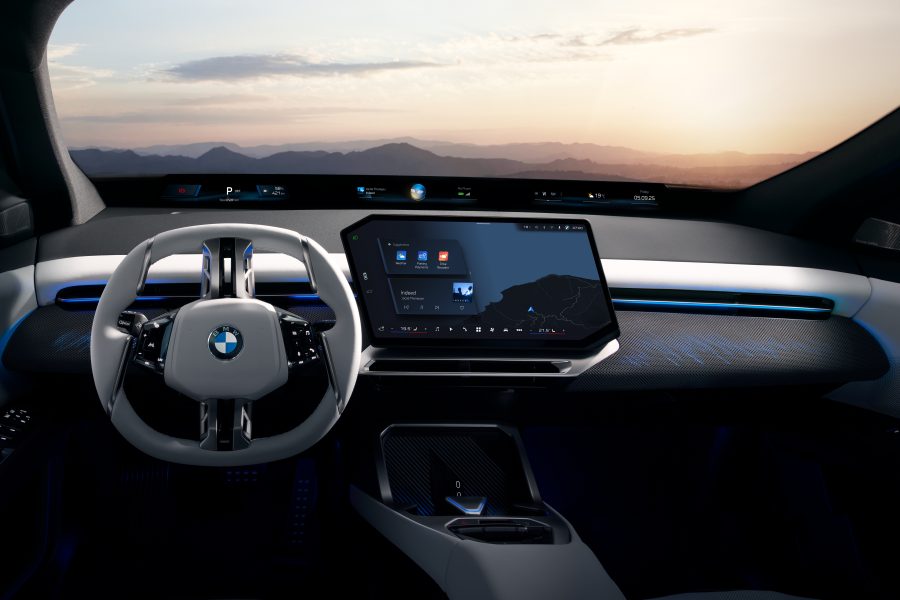
Along with this is a slightly more traditional heads-up display just for the driver, but through a clever system of mirrors and projector trickery, it is 3D; able to use the thickness of the glass to create depth – which not only looks cool, but is extremely helpful for augmented-reality navigation, projecting turns in real time. I attended a tech demo of this new system last year, and while I’ll admit a lot of this sounds like it’s a little much, it seems to work exceptionally well. It’s more innovative than just more screen for the sake of more.
Speaking of innovation, there’s also a massive breakthrough in these Neue Klasse vehicles that’s probably going to get glossed over because it’s really nerdy, but I can’t stress enough how incredibly impressive it is. Most manufacturers talk about technology or their own carefully honed programming, but in reality, the majority of what constitutes the brains of modern cars is and has always been outsourced. No one manufacturer is guilty of this, it’s standard practice across the board. For example, in one car, the engine computer will be made by Continental, the transmission computer will be made by Bosch, the body control module will be made by Siemens, the Traction control module will come from Denso, and so on.
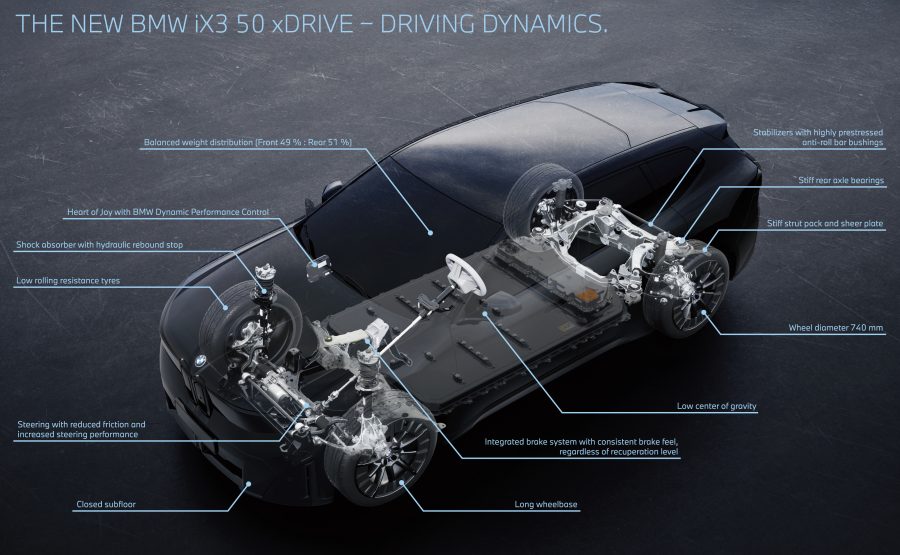
Almost every system has its own module, they’re often made by multiple different manufacturers even in the same car, and getting them all to talk to each other efficiently – or more specifically, in a way that feels natural to you, the driver – is a bit of a chore. What BMW has done is an industry-first act of cutting out the middleman and doing everything themselves, on their own terms, from the ground up. So rather than a (frighteningly large) litany of hodge-podged modules, the 2027 iX3 is powered by just four computers. BMW calls them Superbrains.
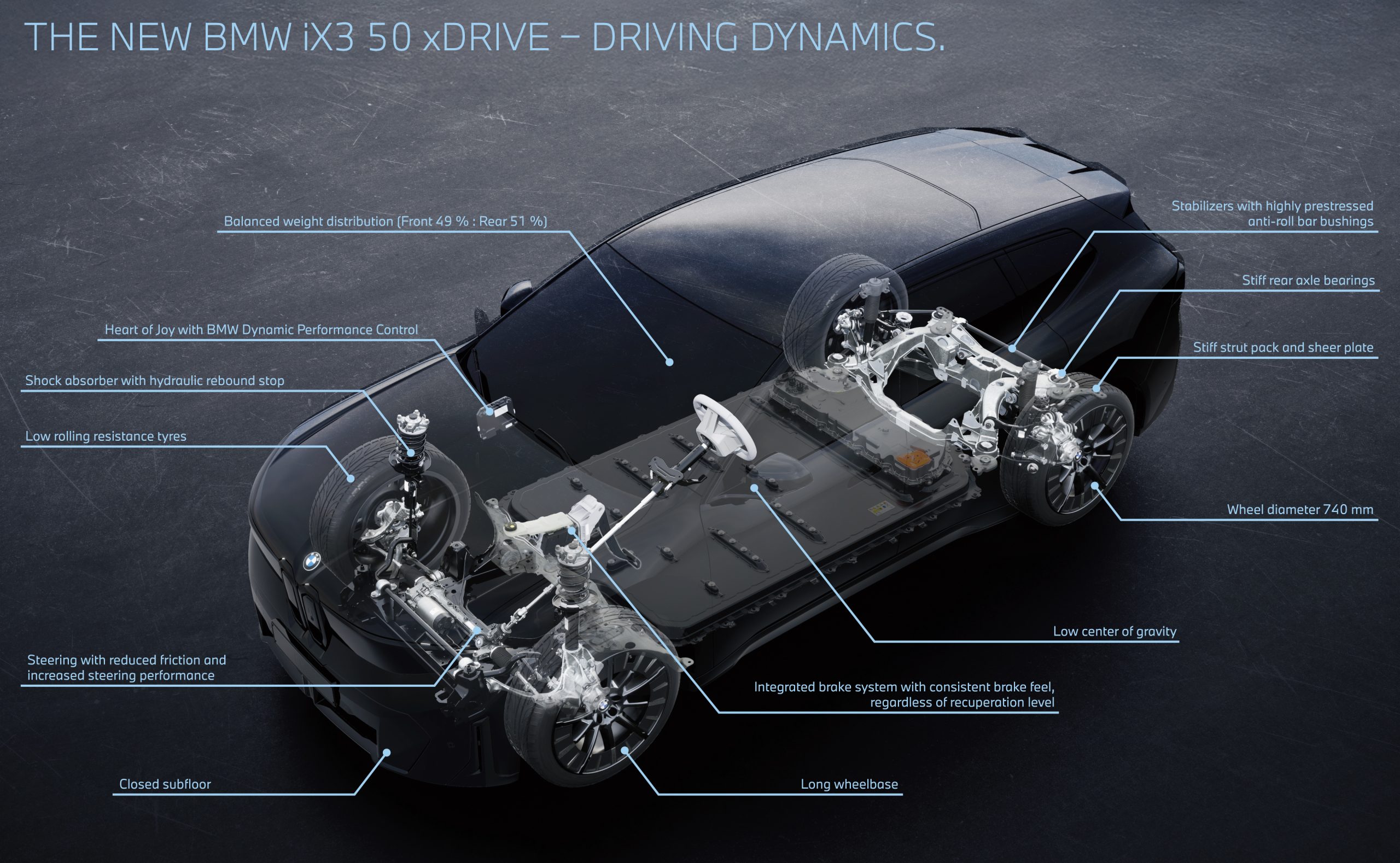
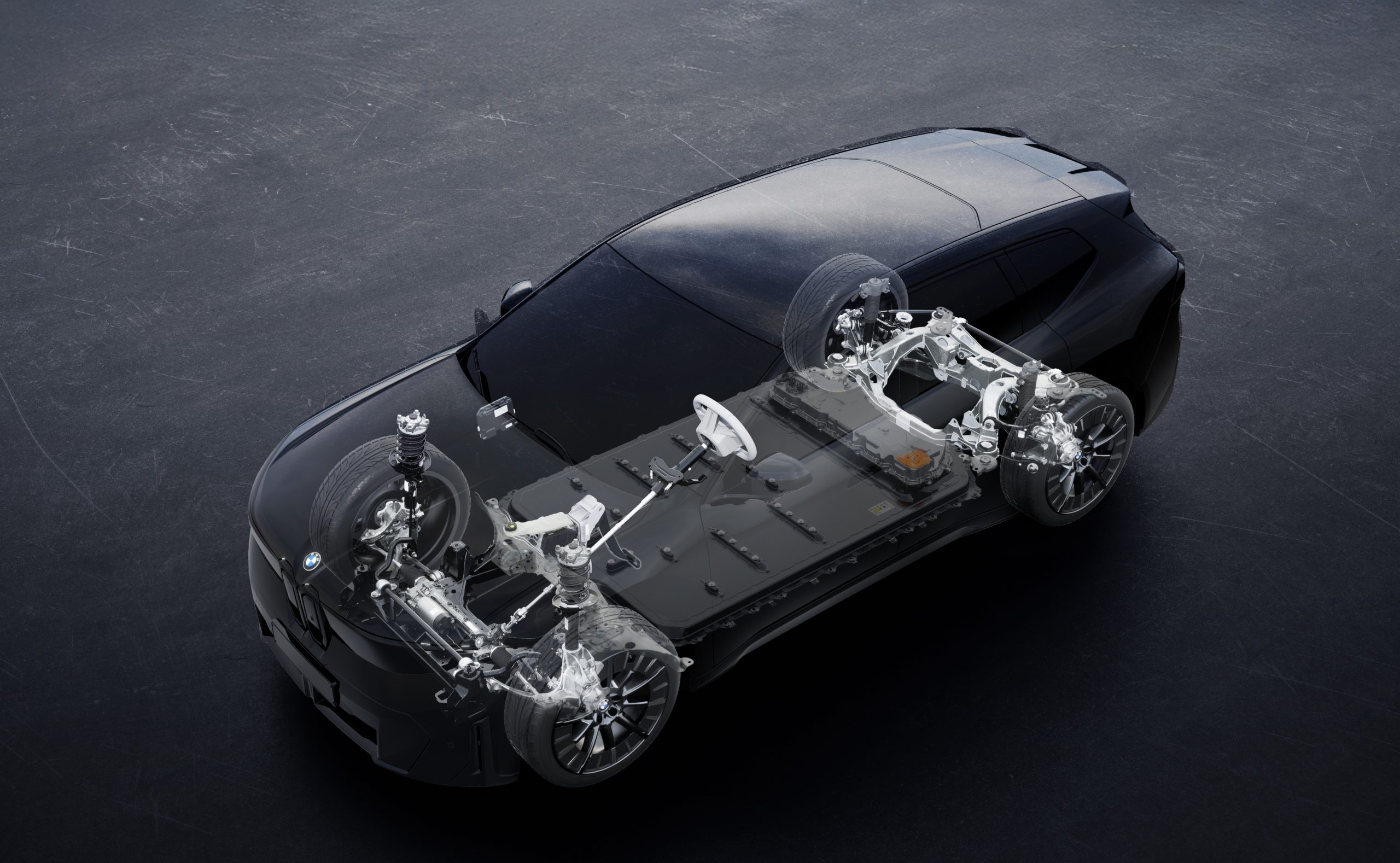
One powers basic functions, one powers the infotainment, one powers all of the expanded automated driving features, and one powers all of vehicle dynamics. That last one, the Heart of Joy as BMW proudly calls it, unifies what used to be disparate components of the driving experience, like power delivery, traction control, steering, braking, and unifies them under one roof that is vastly more powerful than anything before it. I haven’t driven one of these new vehicles, but I was thrown around a test track in a i-M3 prototype of sorts, and… I’ll just say I didn’t know cars could do what that car did.
The Neue Klasse name harkens back to a generation of BMW vehicles in the 1960s that were a quantum leap for their time, as if design and engineering had skipped a generation. This platform became the now-legendary 2002 compact coupe that would go on to lay the groundwork for what would become the 3-Series, which as you might know, has been kind of a big deal. This new class of Neue Klasse is intended to have the same impact on the brand, and perhaps the industry at large, like last time.
There’s a lot of juicy, nerdy tech stuff to cover, but we’ll save it for when the 2027 BMW iX3 starts landing in Canada, which should be around summer of next year.