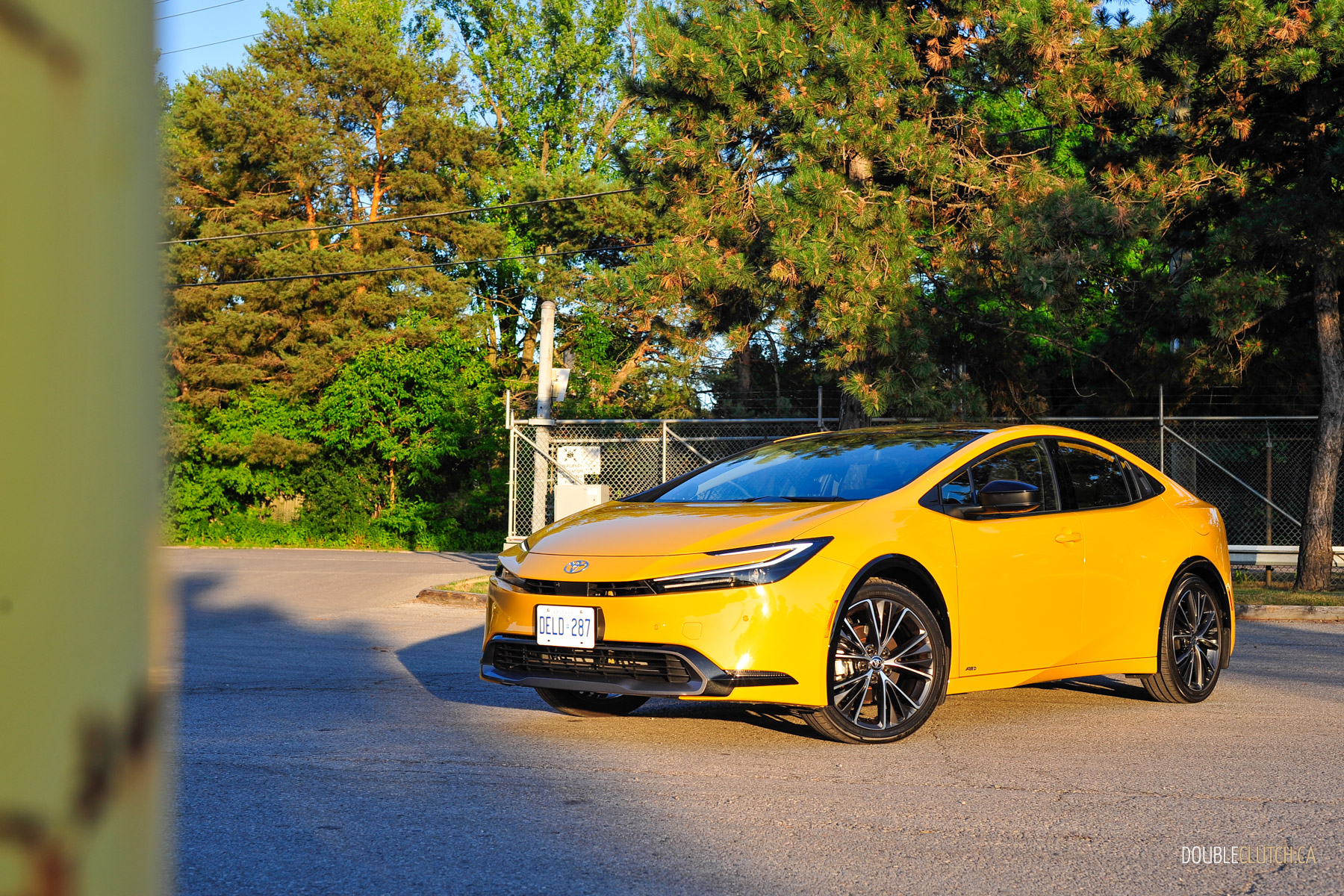
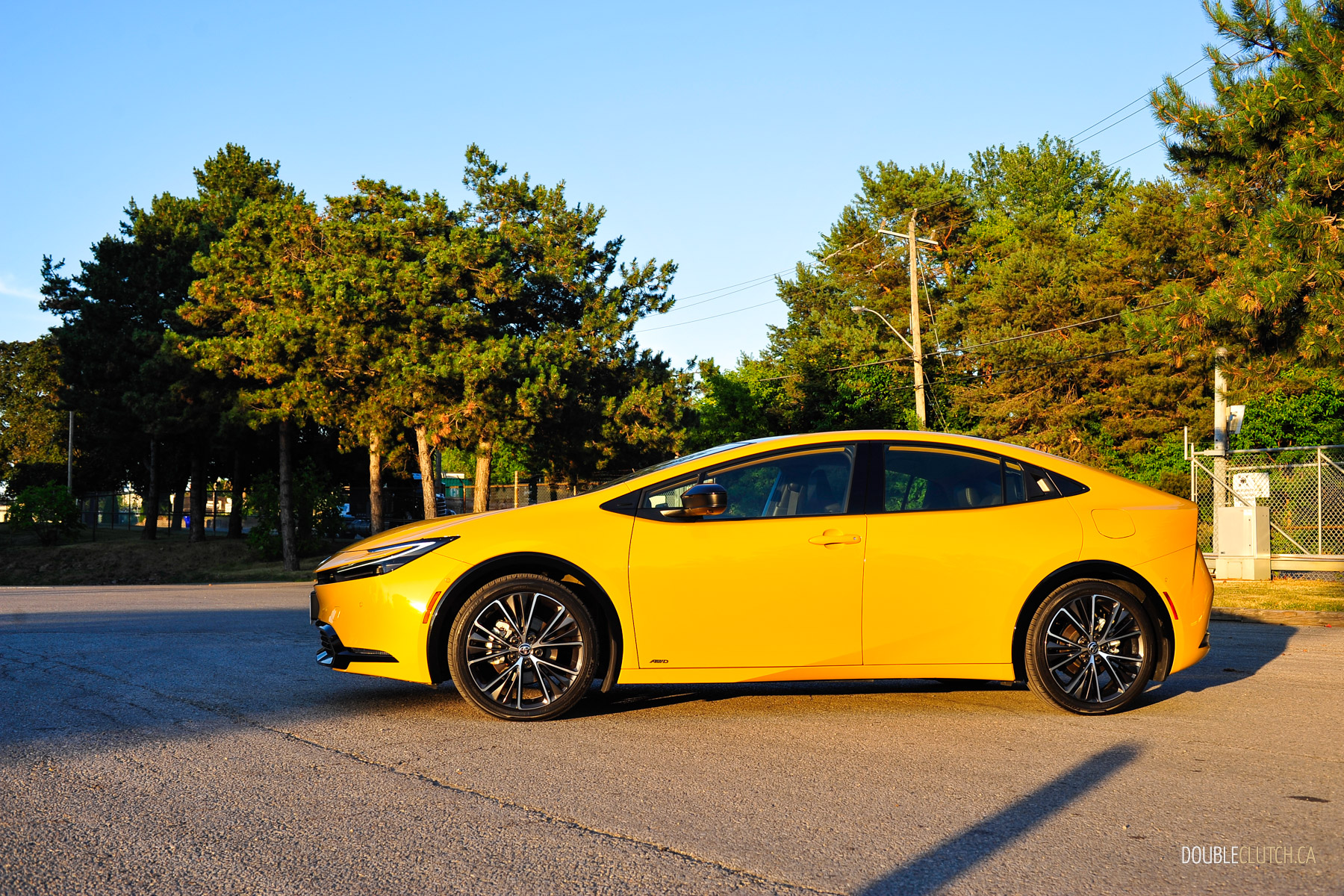
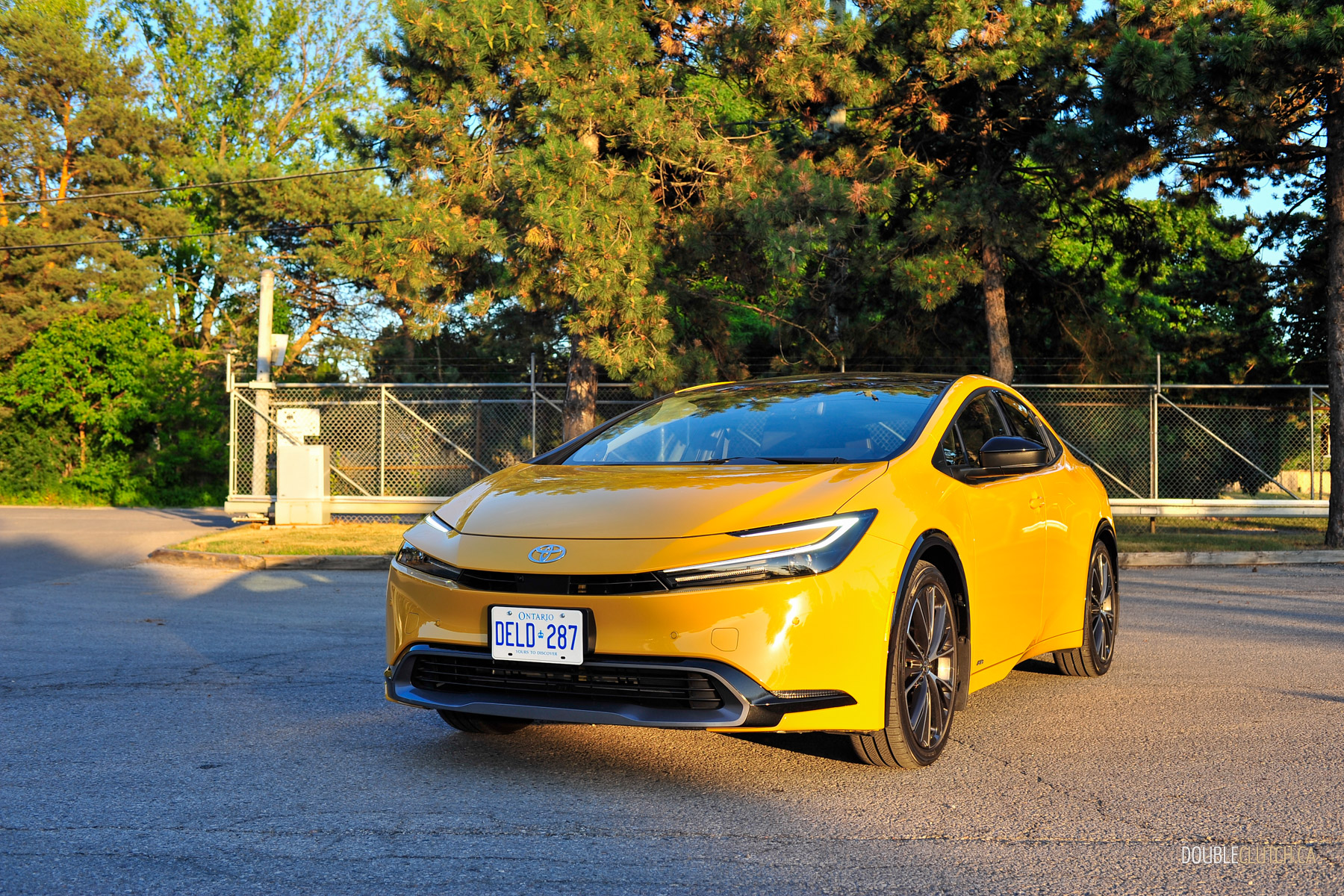
In the ever-evolving landscape of electrified vehicles, the 2025 Toyota Prius finds itself in a confident and stylish position. Once best known for utility yet awkward design, the Prius has entered a bold new phase where form finally meets function. It’s a mature evolution albeit with some compromise, blending sleek aesthetics, upscale tech, confident driving dynamics, and fuel-sipping efficiency the Prius is known for.
“That’s a Prius?!”
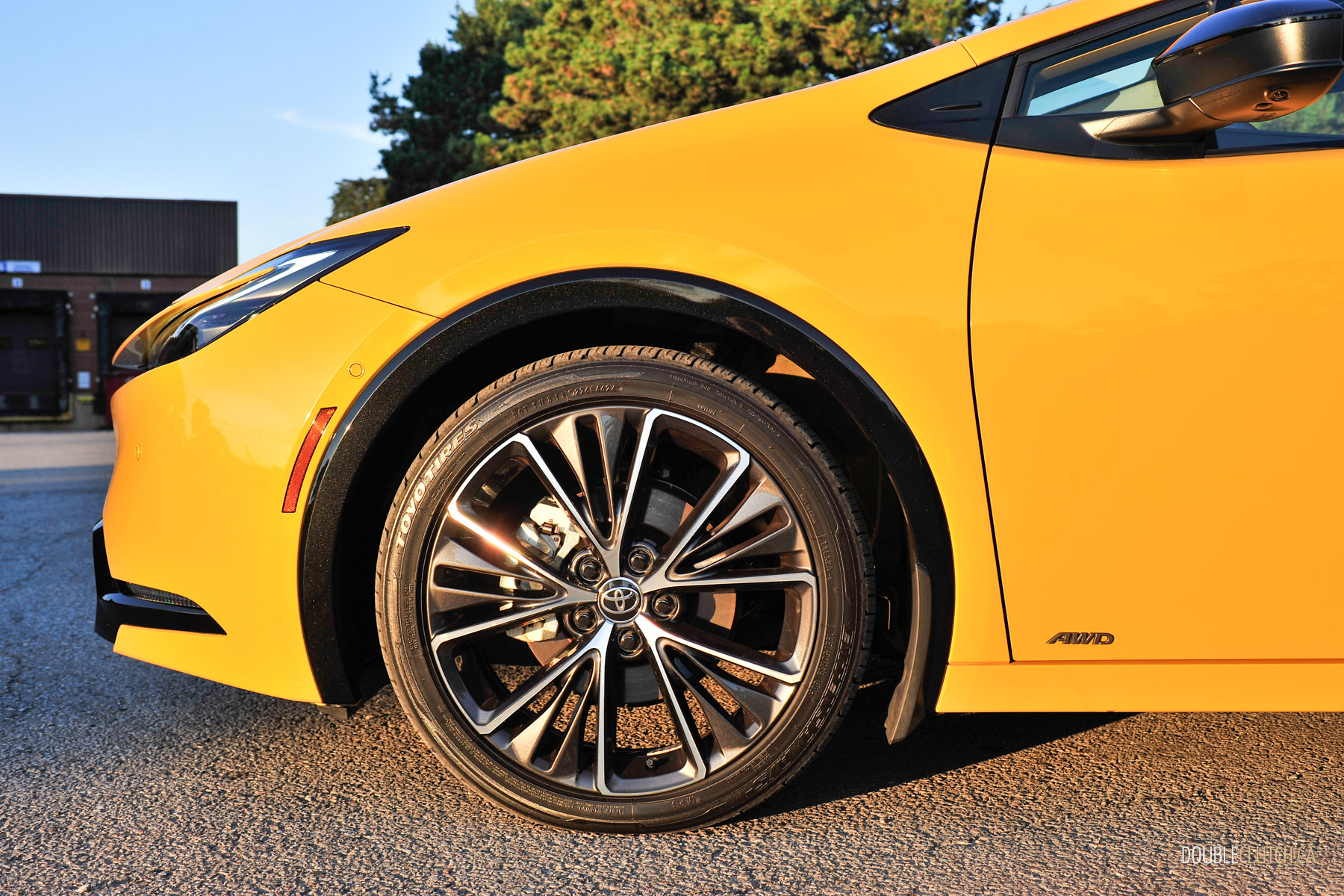
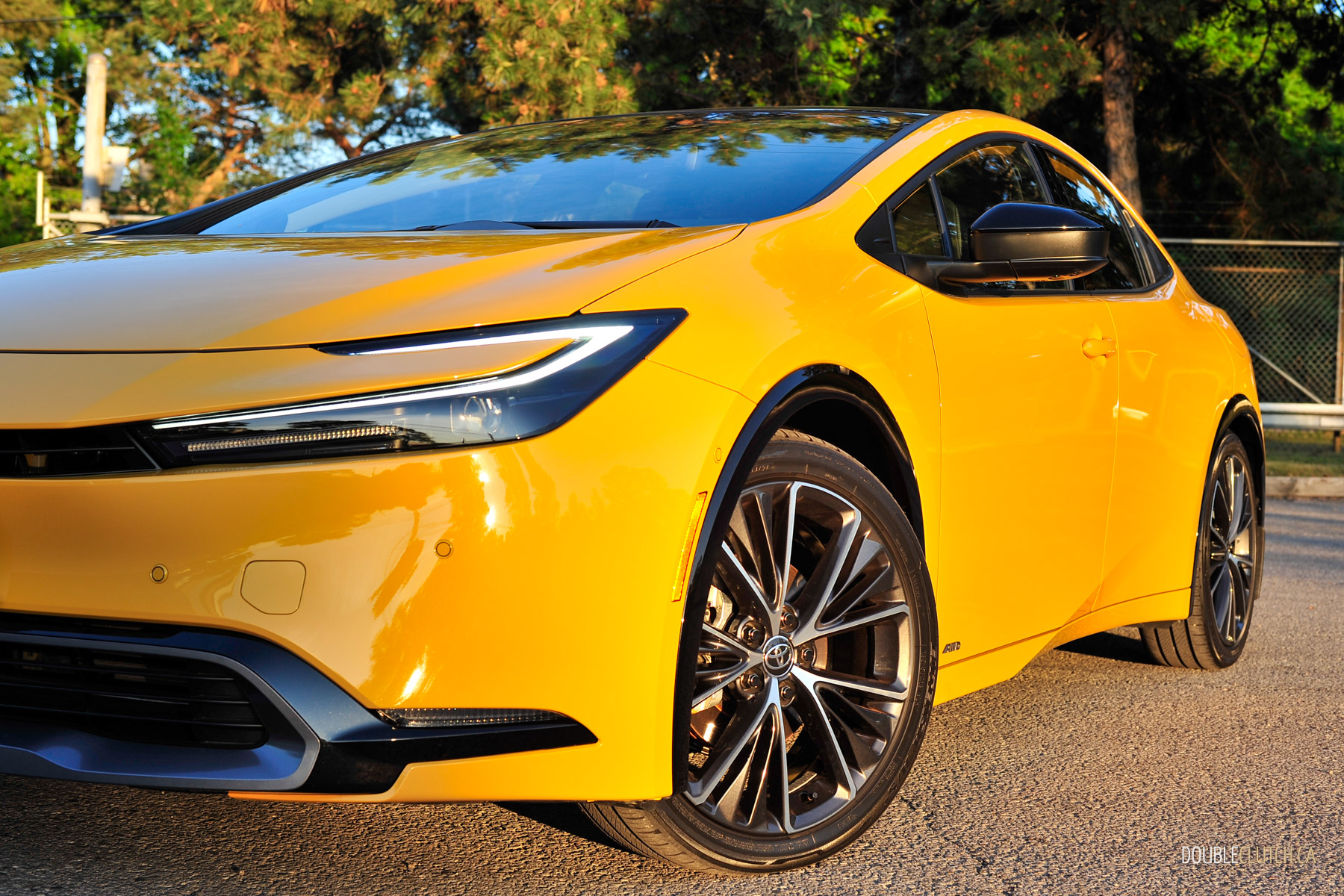
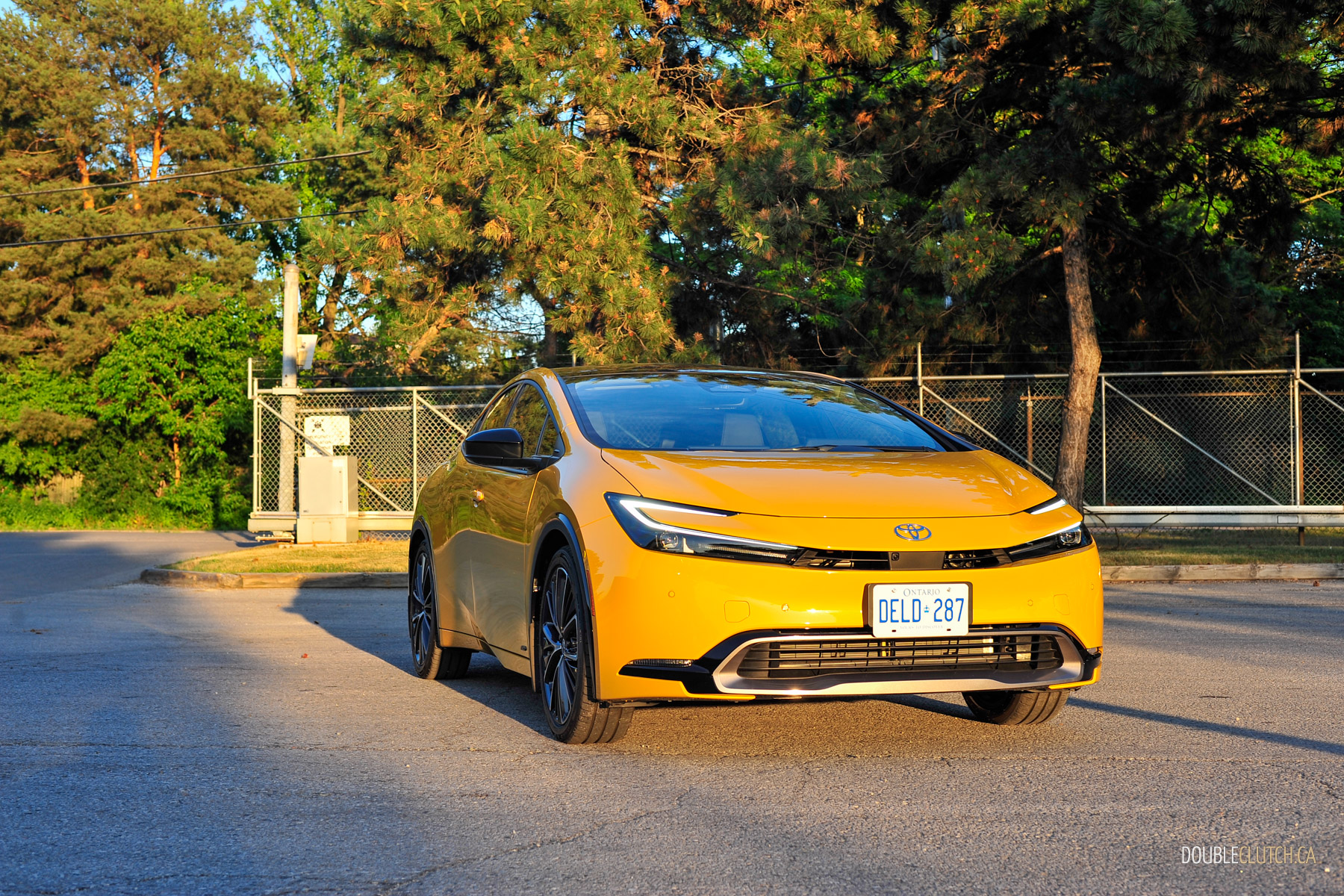
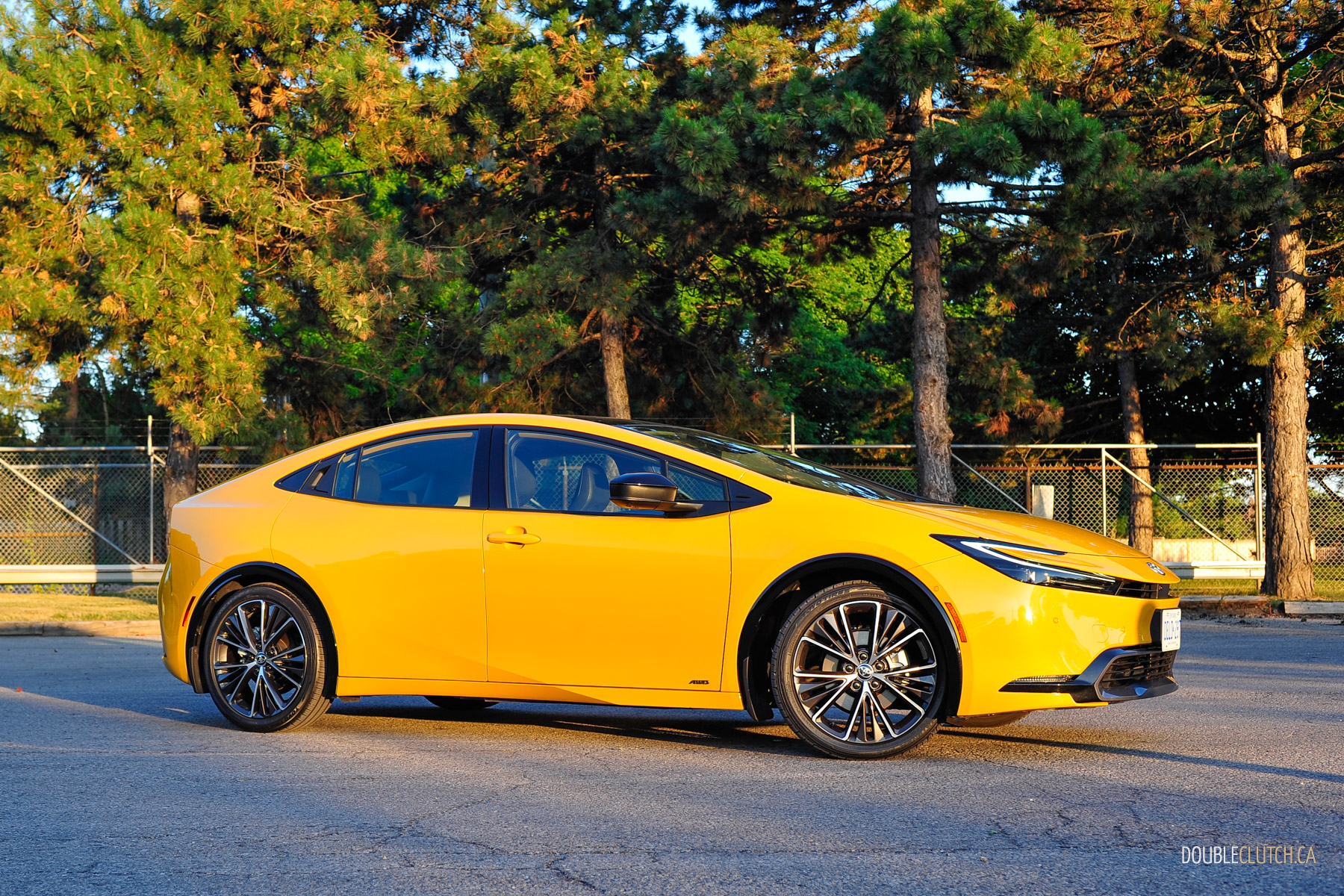
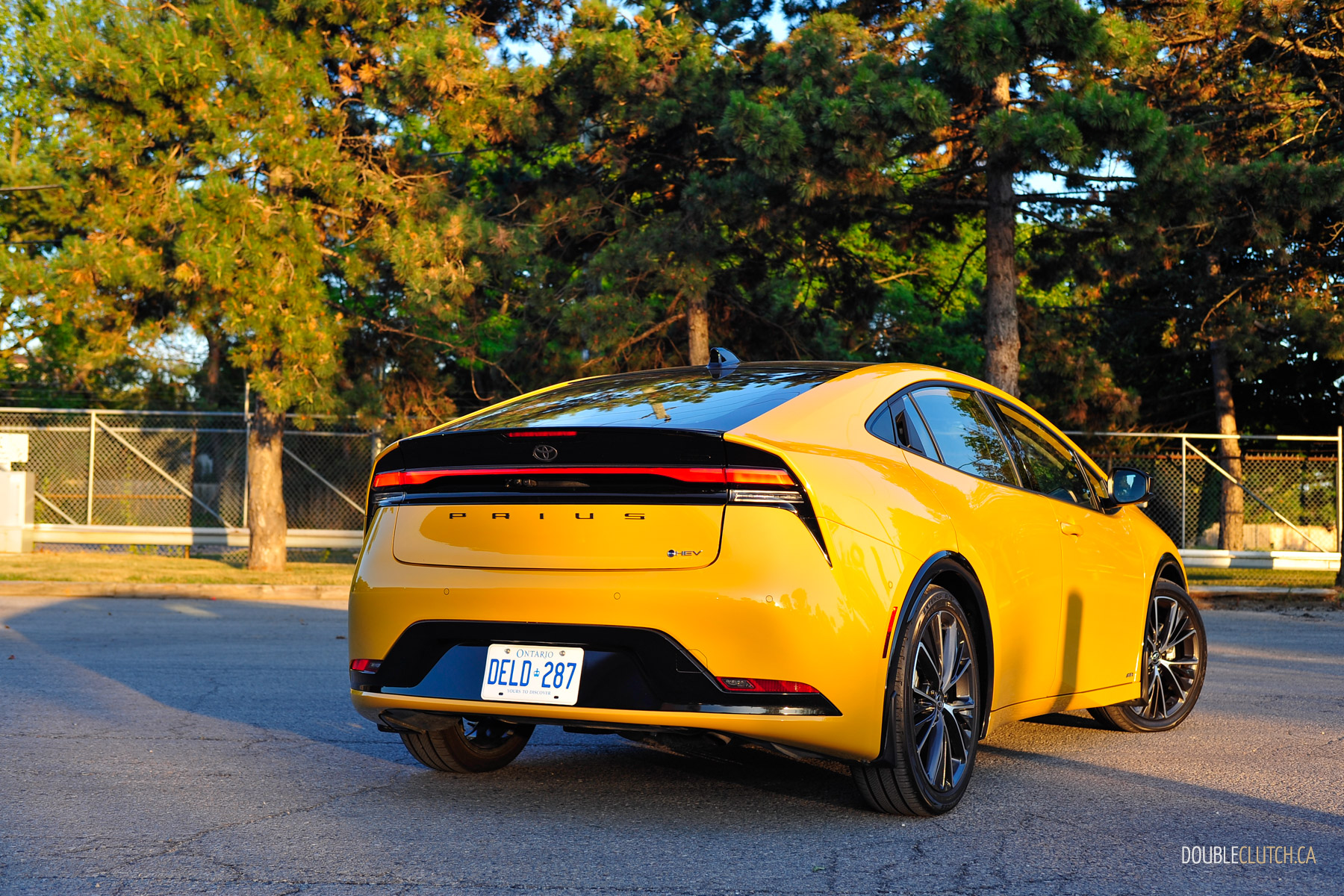
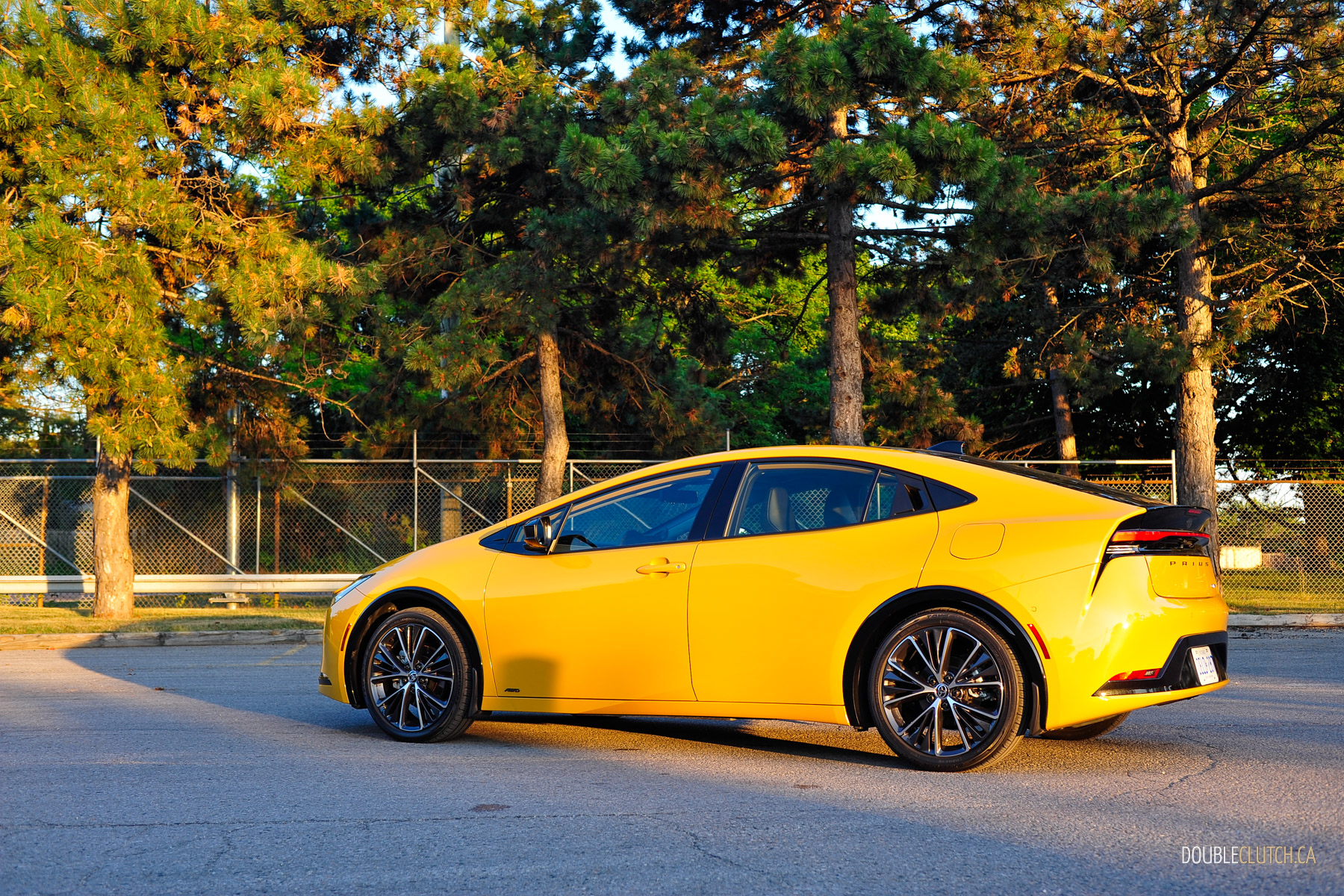
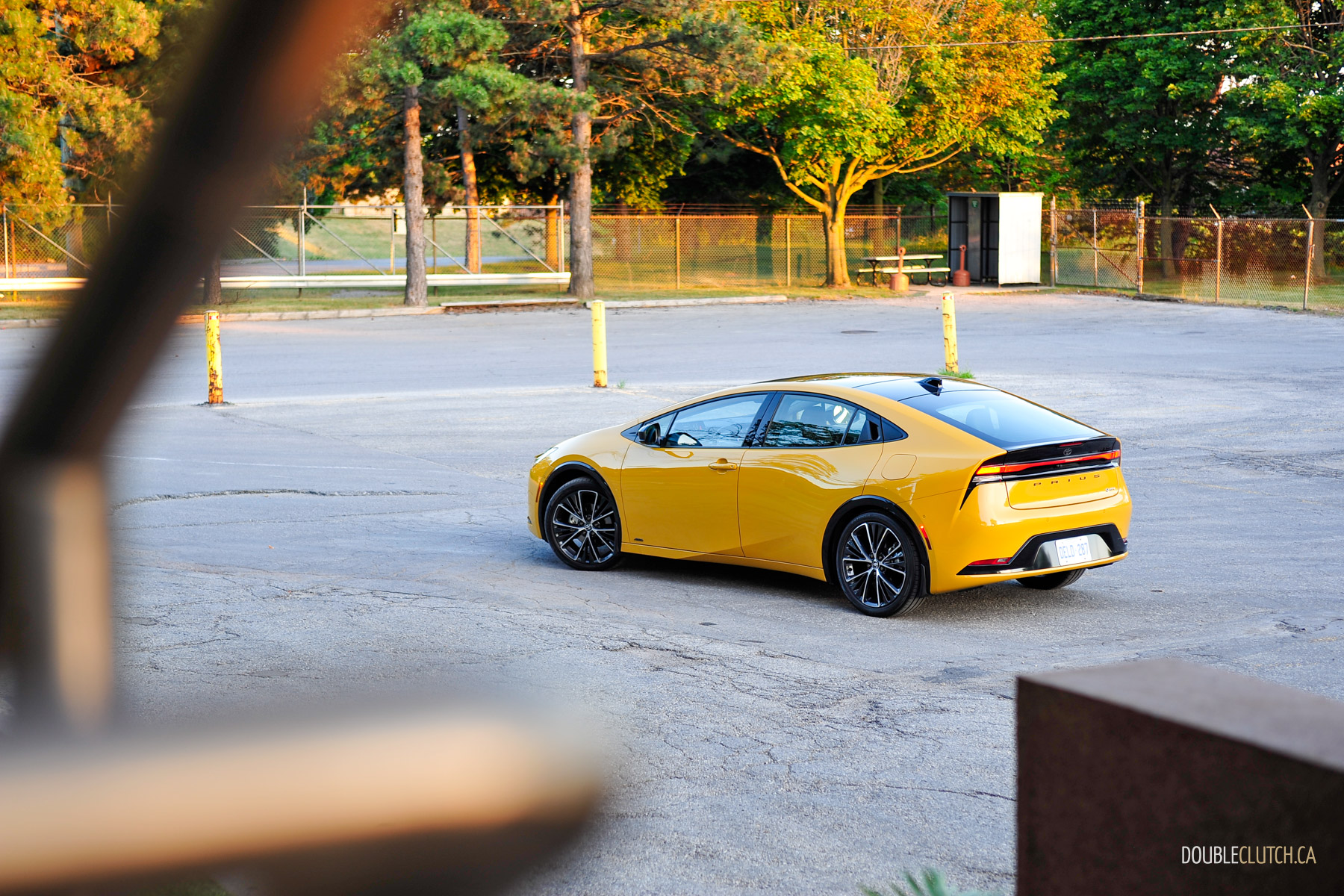
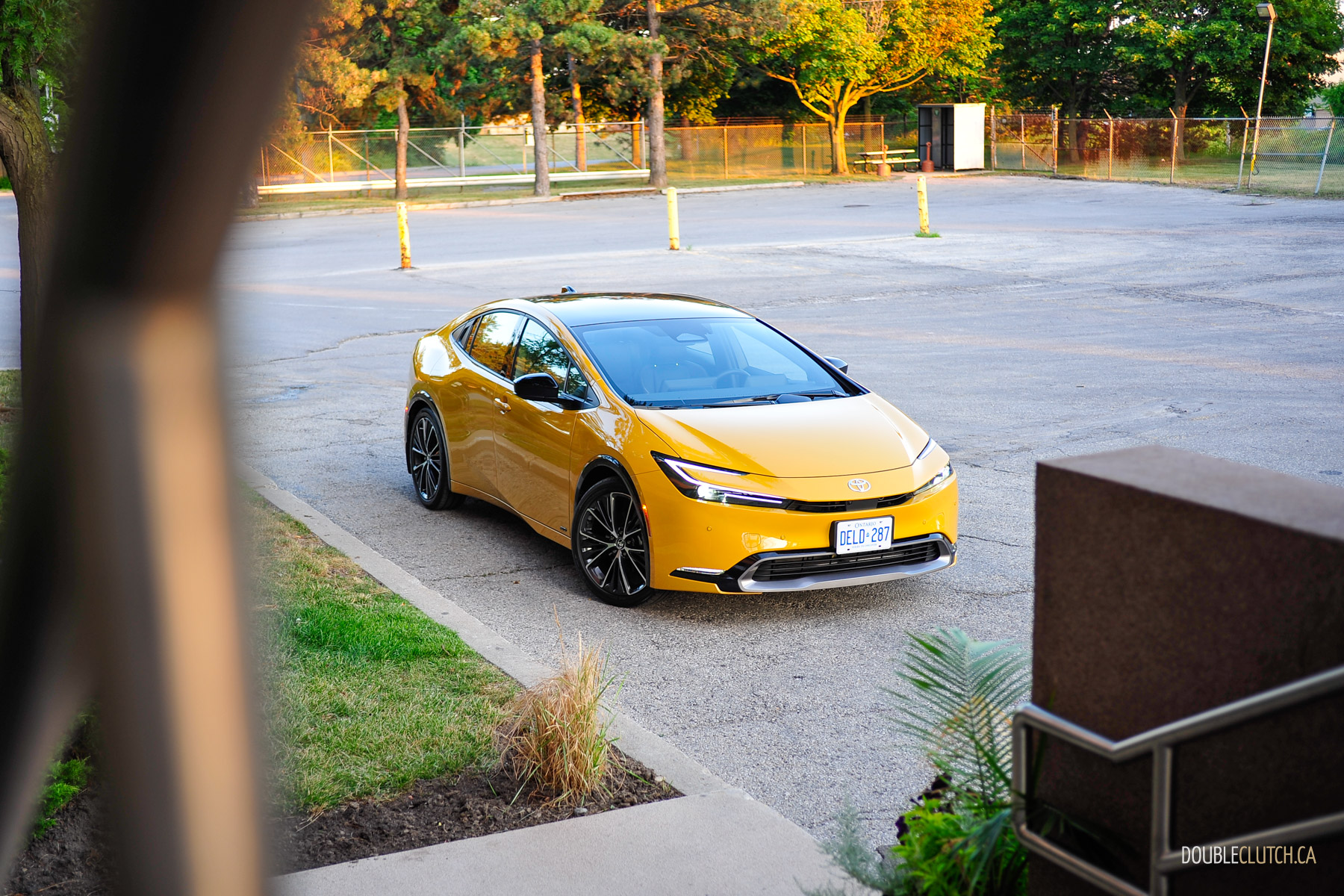
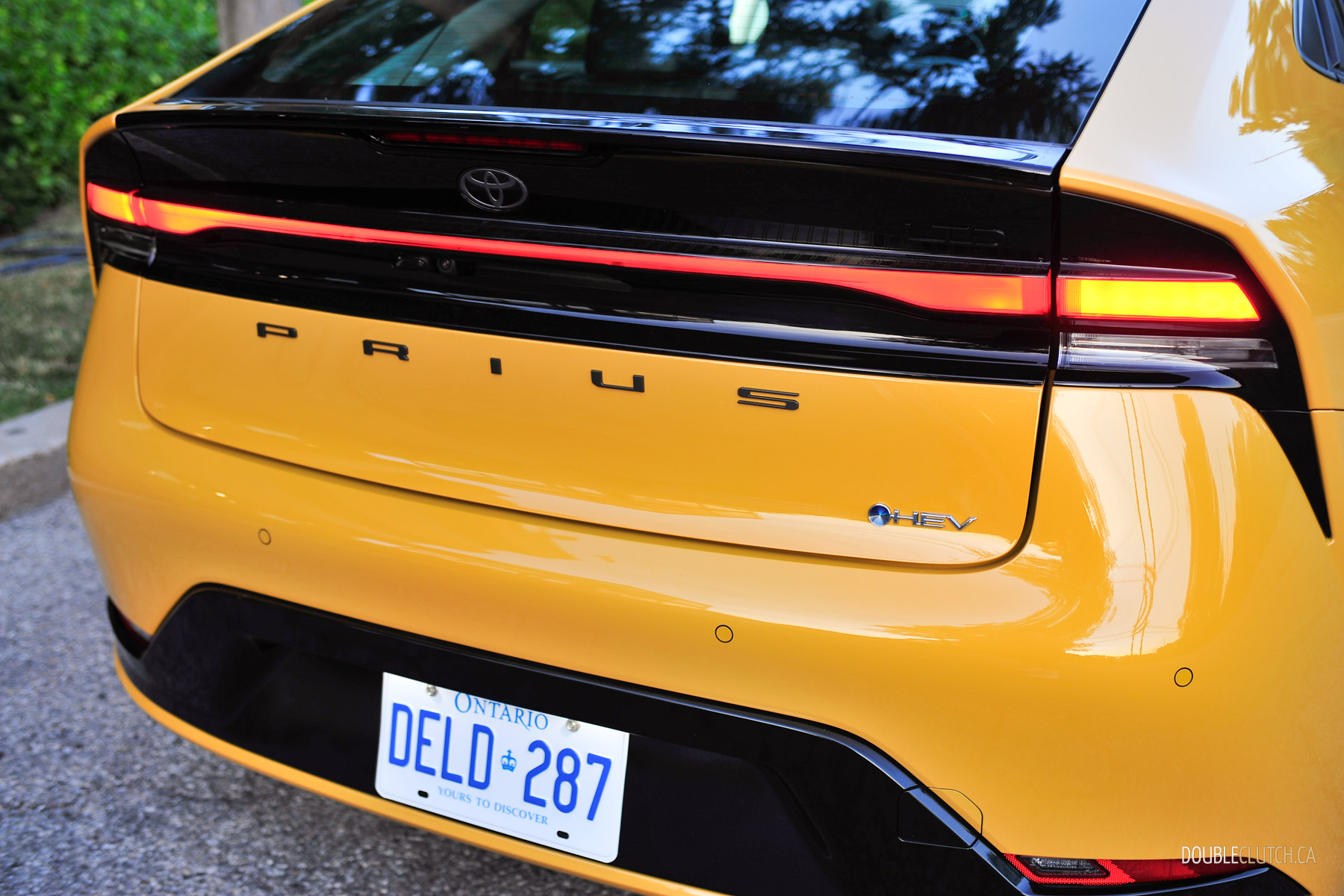
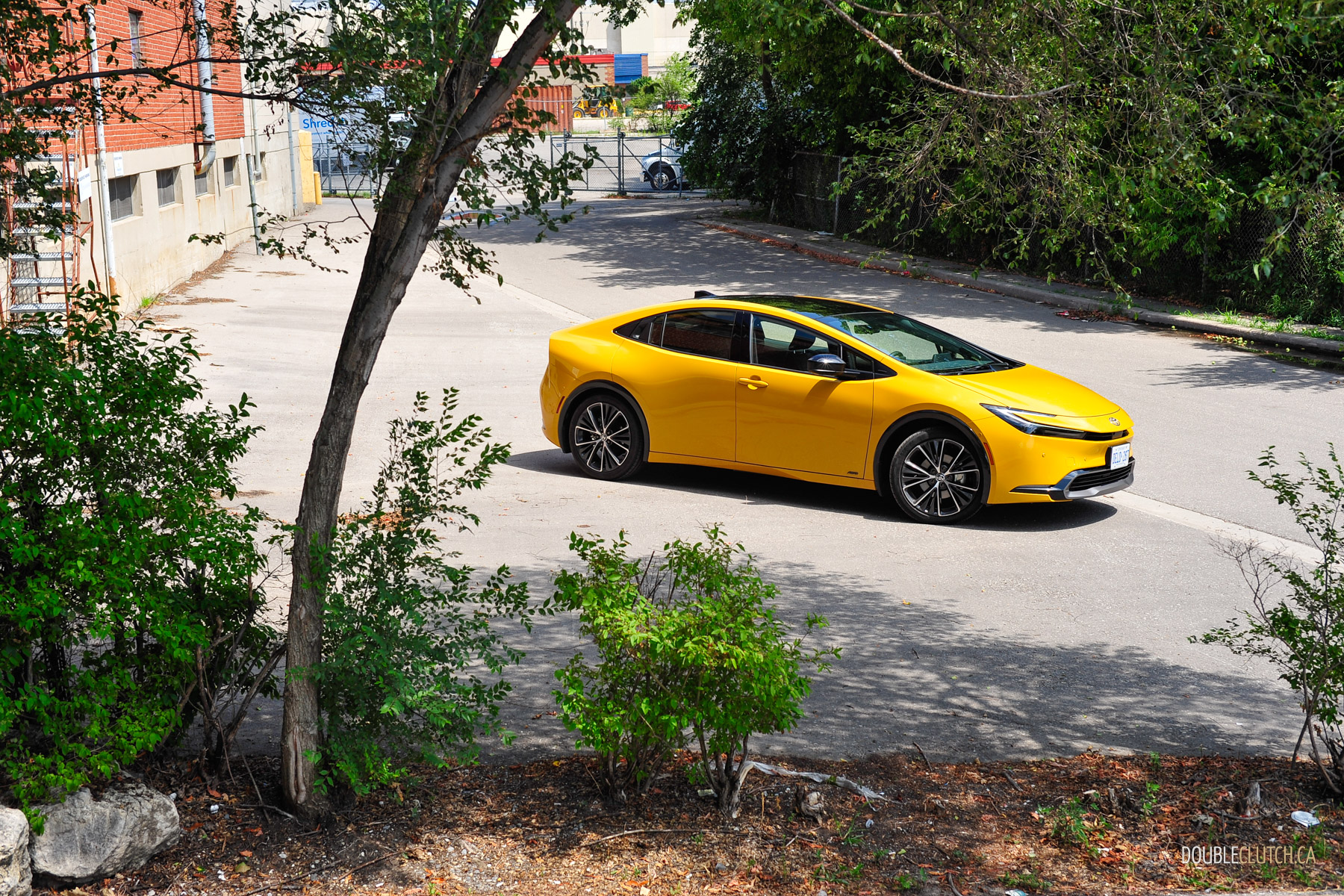
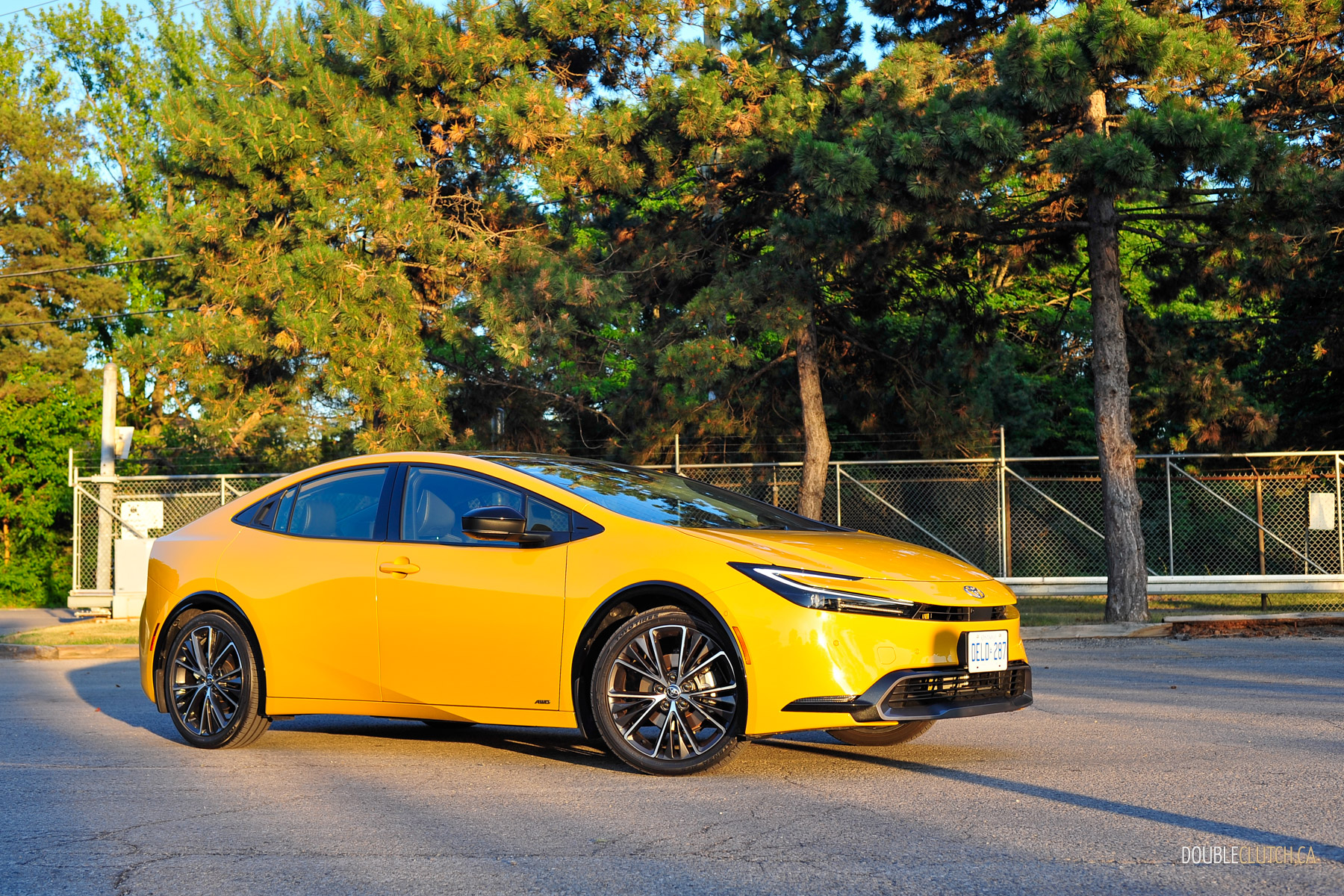
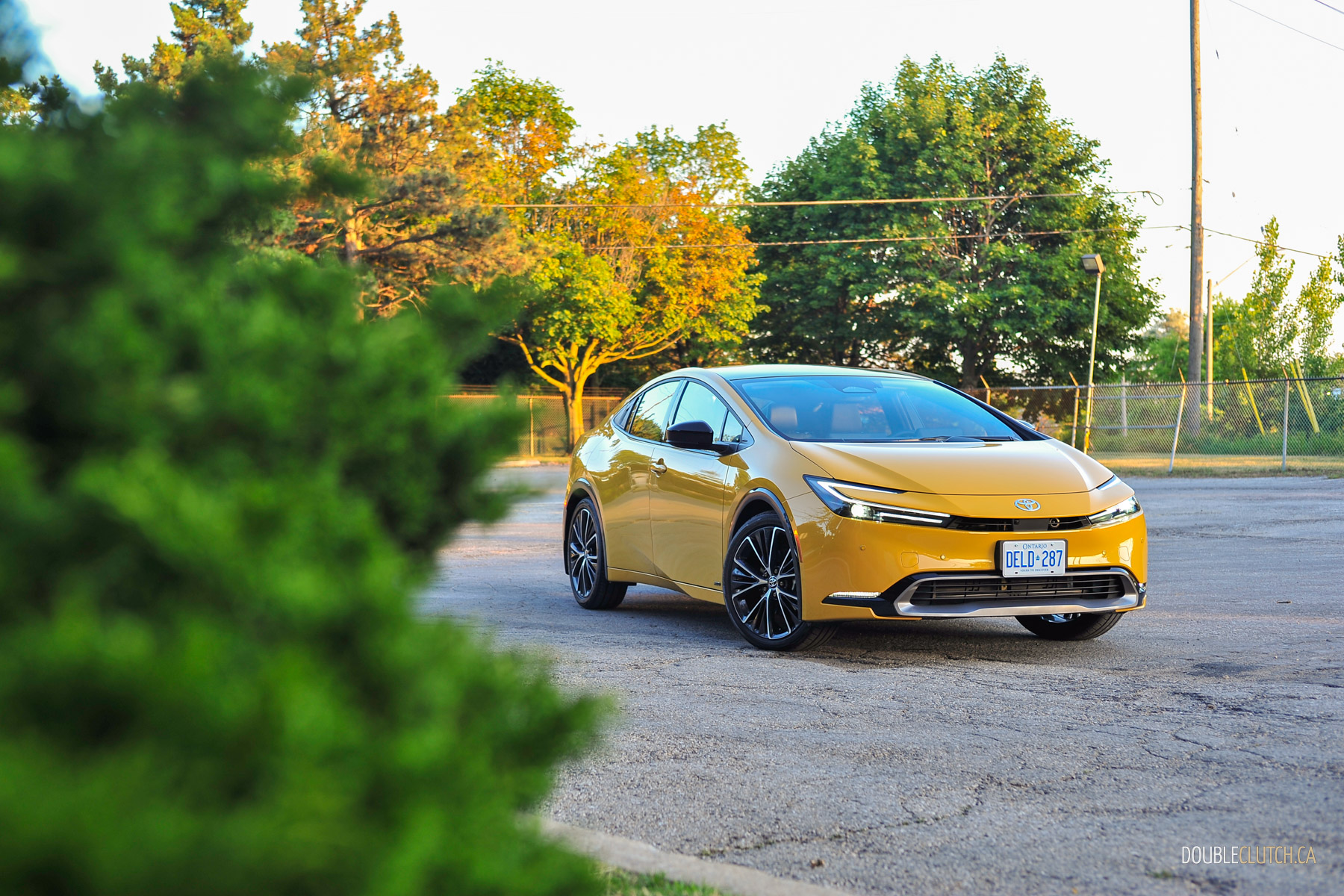
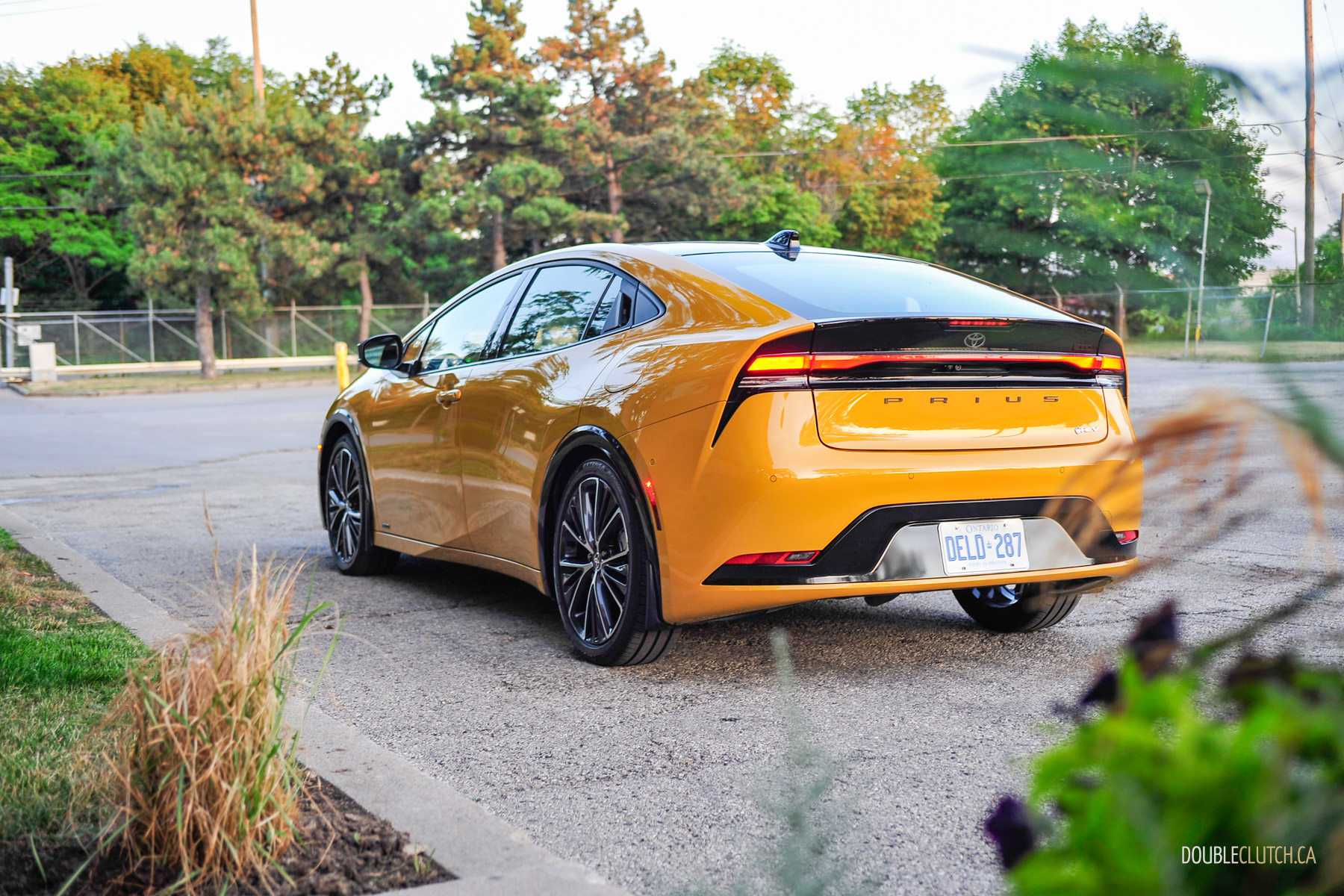
Gone are the awkward proportions that once defined the Prius. For this new generation, Toyota leans into modernity, giving the Prius a low-slung, coupe-like silhouette with aerodynamic refinement. The front fascia is sharp, featuring slim LED lighting and a smooth grille treatment that looks more like a concept car than a commuter. [Hey Ferrari, Toyota called… —Ed.] At the rear, a horizontal light bar adds visual width while the raked rear glass and angular bumper finishes off a design that no longer needs to apologize for being a hybrid. Our tester is the top-of-the-line Limited trim, bringing with it upscale elements including 19-inch wheels and gloss black accents throughout. This car genuinely turns heads, something the Prius was never known for in the past, and even prompted a few to ask, “that’s a Prius?!” Our tester’s Maximum Yellow paint colour no doubt helped, but if people go as far as to roll down their windows to compliment a Prius, then Toyota has done something right.
Interior comfort, tech, and cargo space
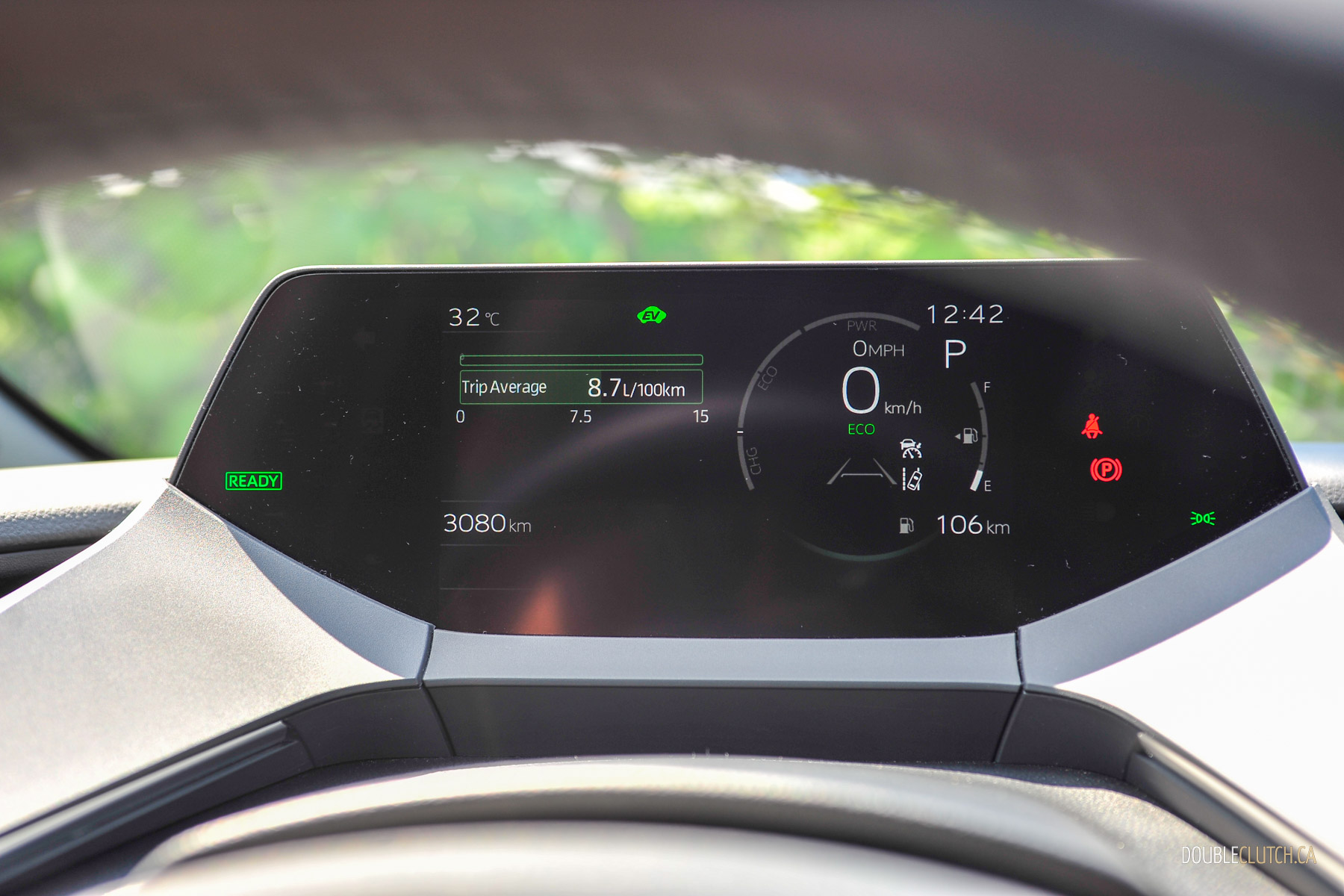
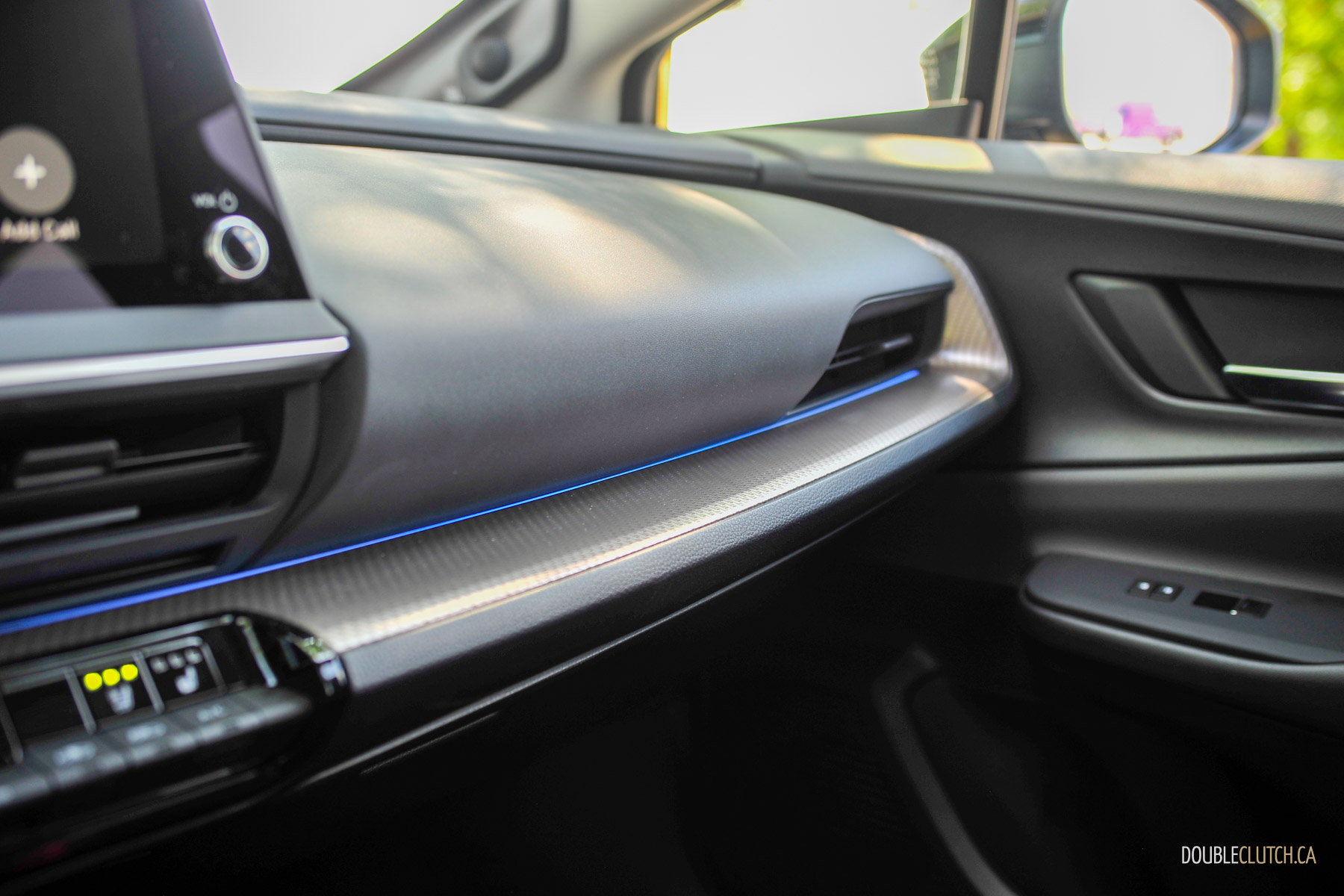
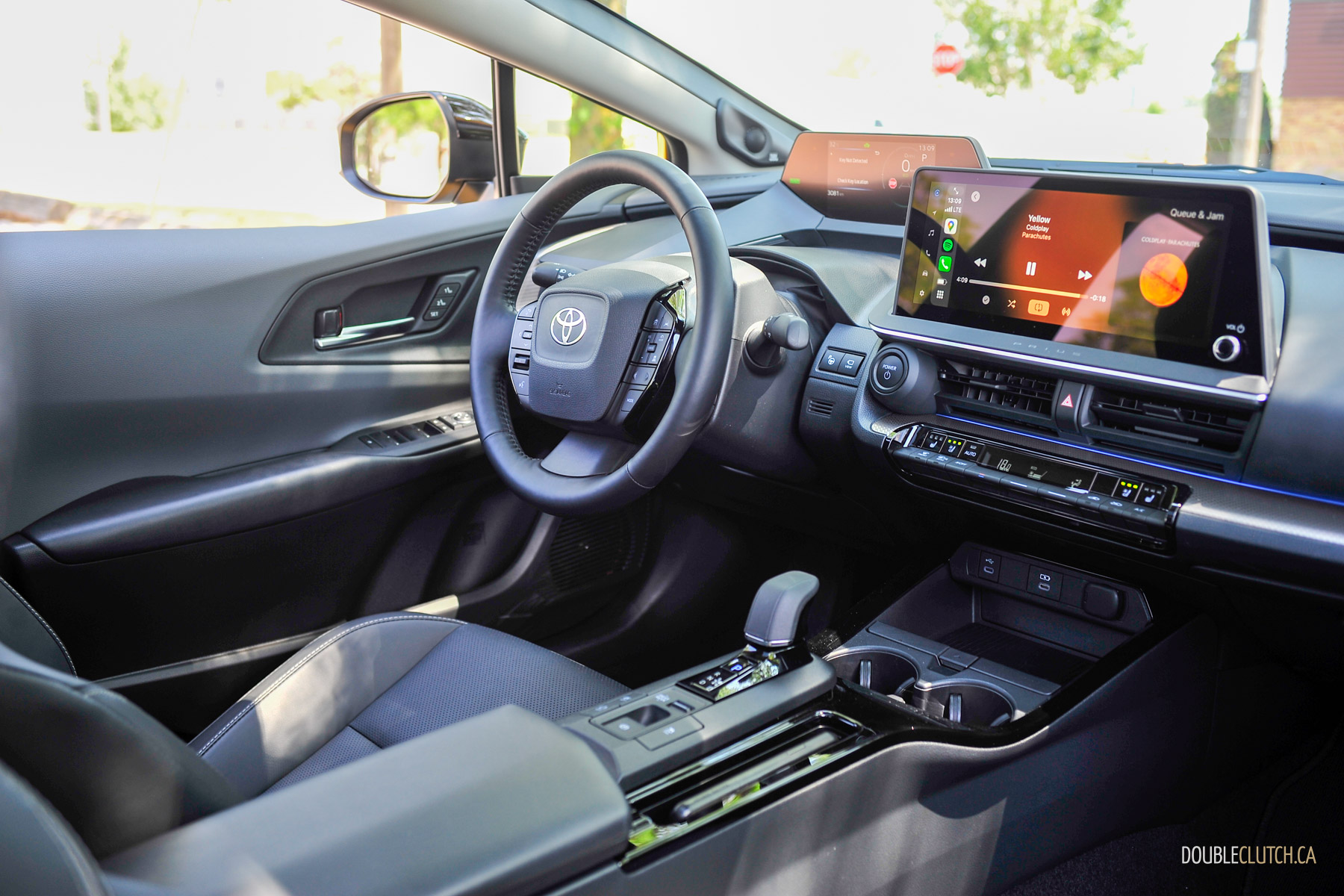
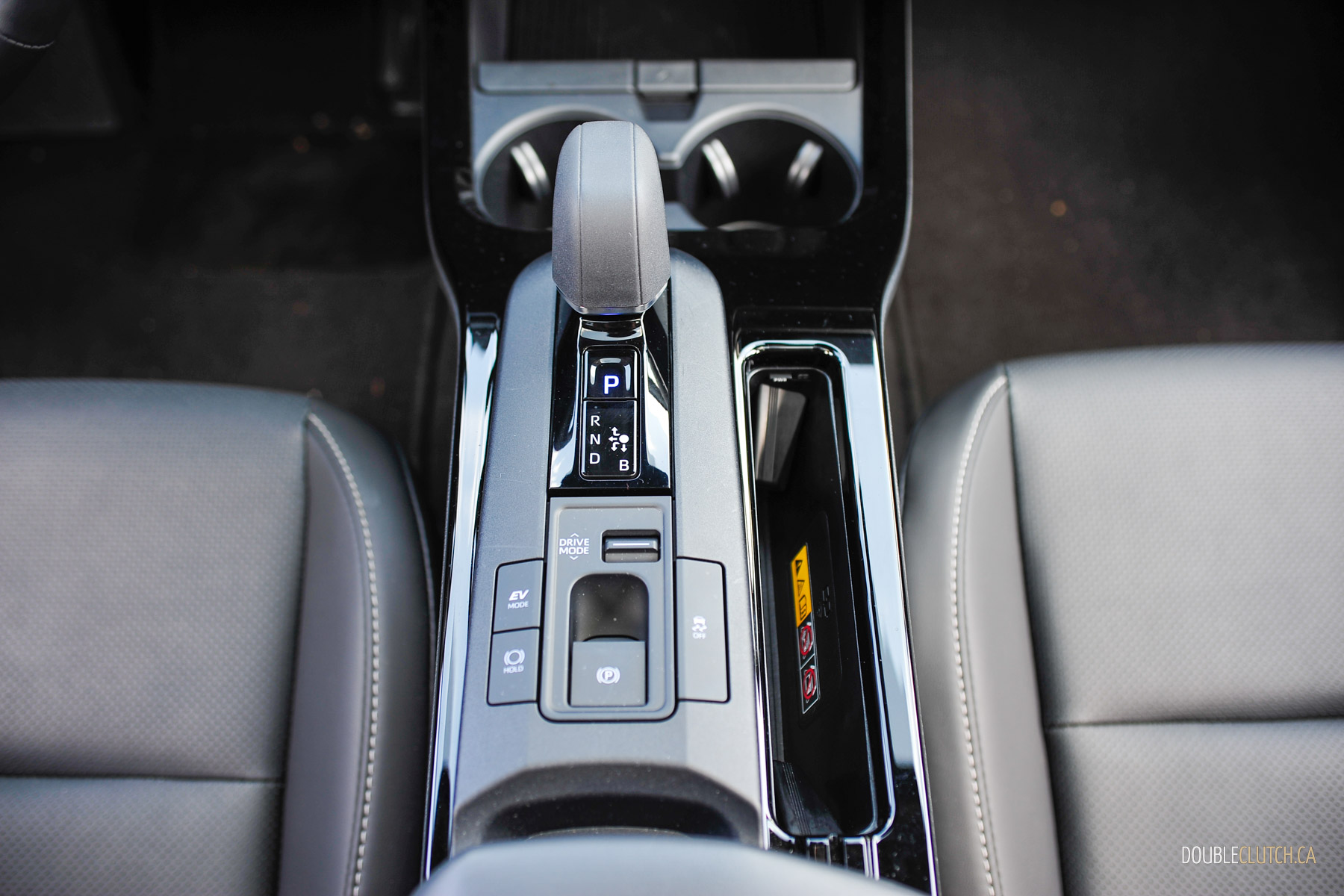
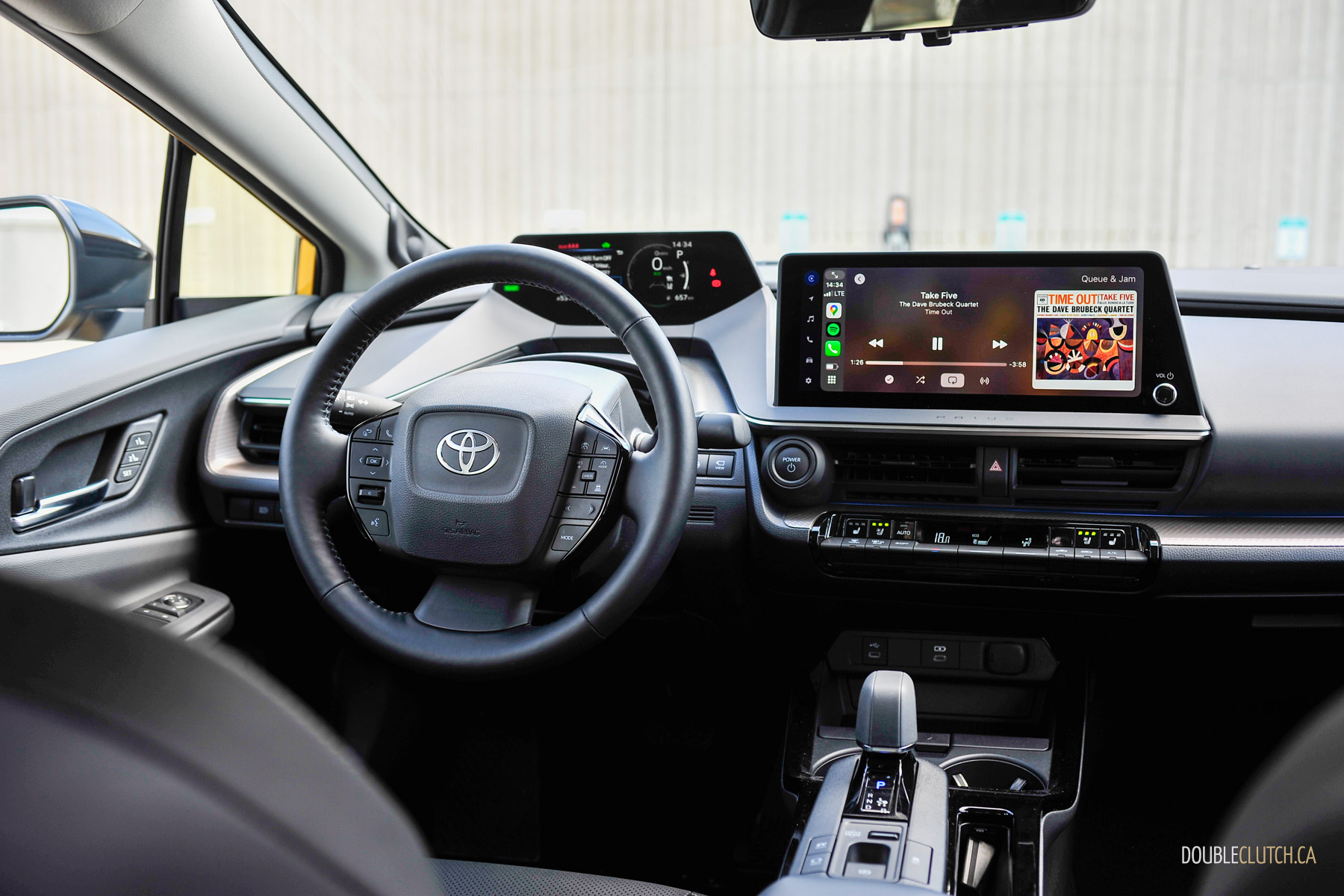
Inside, the 2025 Prius moves into a realm that feels upscale without being over-the-top. The cabin layout features a horizontal dash design and materials that lean toward soft-touch rather than hard plastics. While not quite Lexus-level, it’s a massive step forward in tactile quality and layout design. The centrepiece is a 12.3-inch infotainment touchscreen that’s crisp, responsive, and intuitive, paired with a digital instrument cluster that sits high on the dash, almost in a heads-up-display style placement. While it takes getting used to, this cluster placement works surprisingly well in practice and reduces distraction once you’re acclimated.
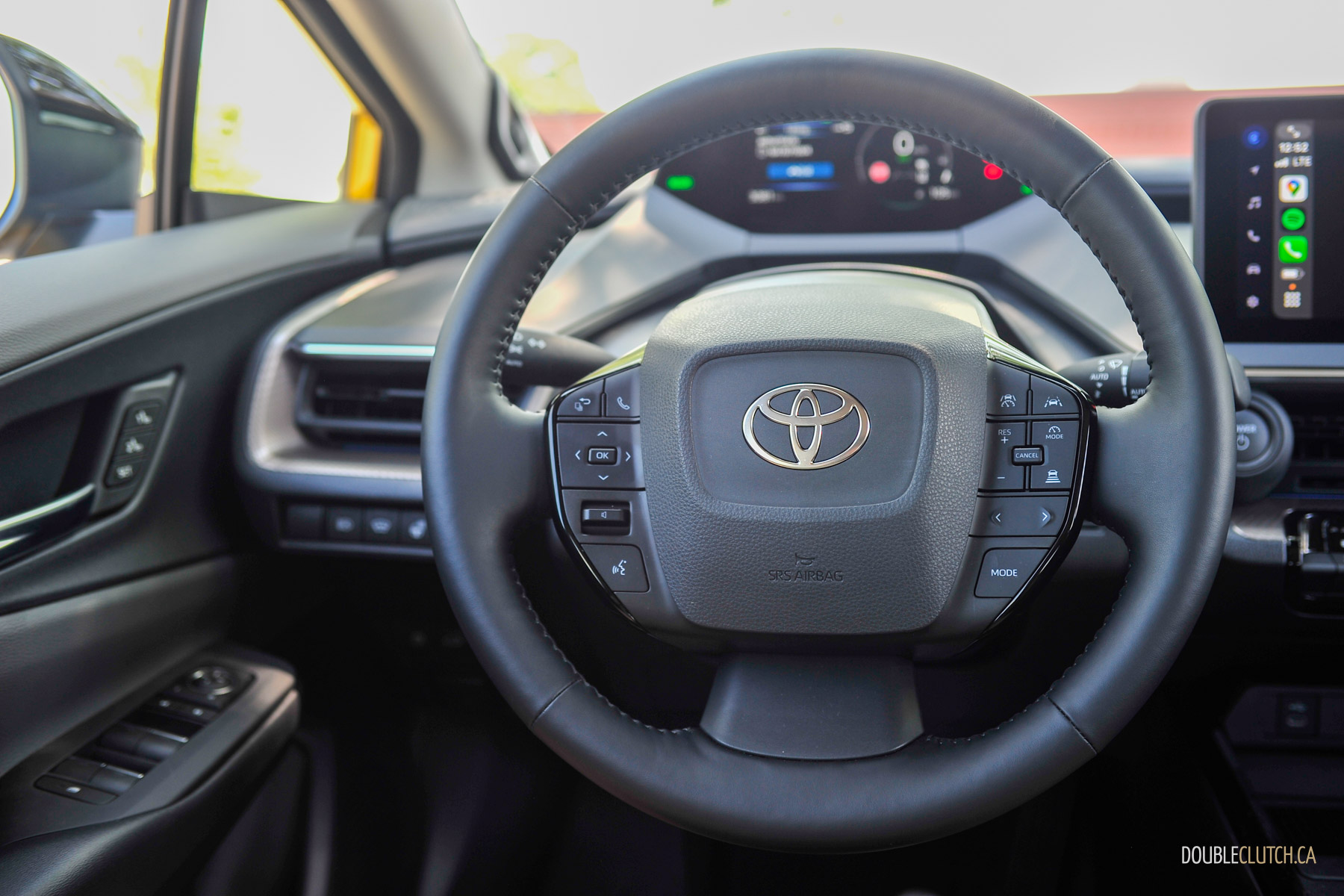
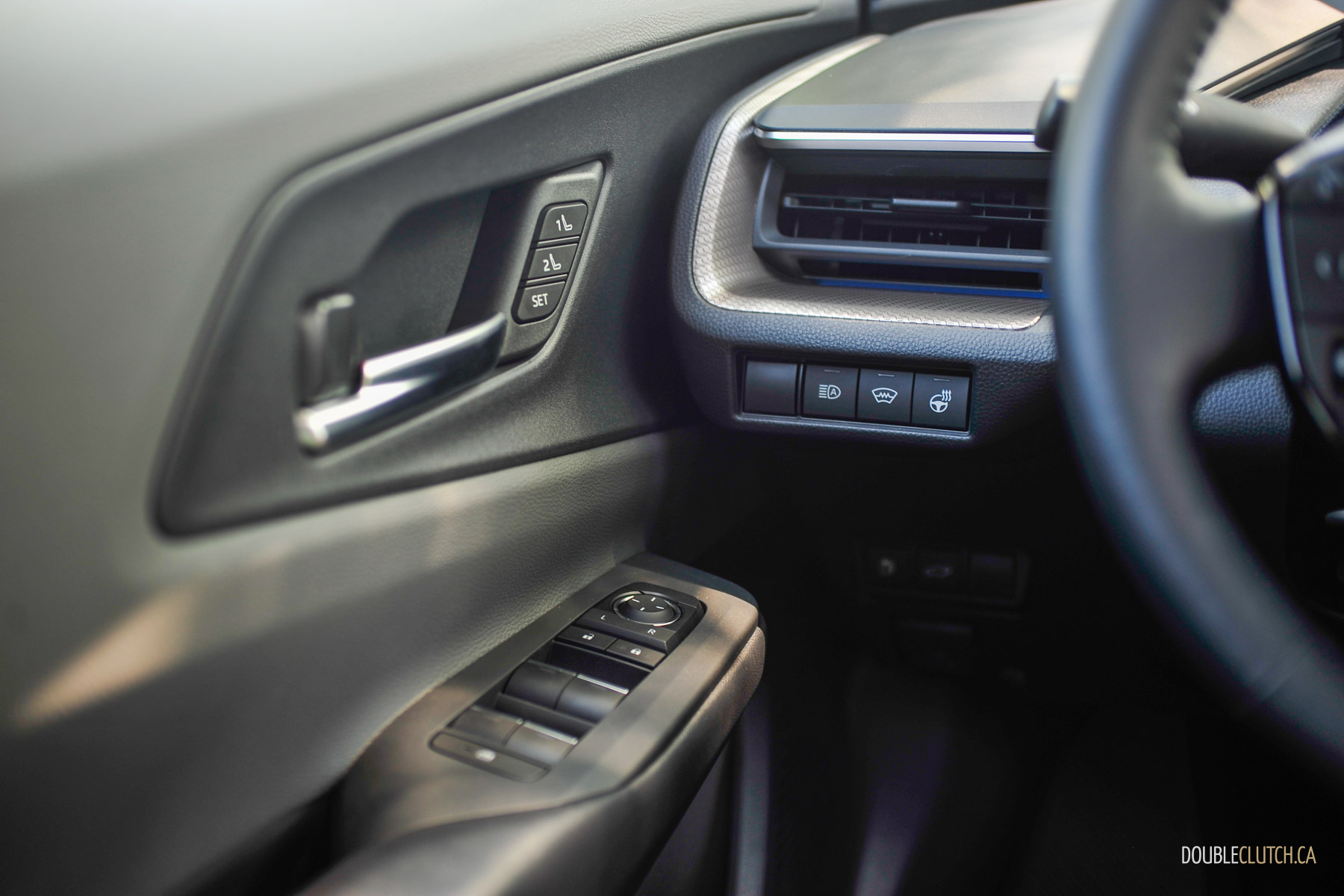
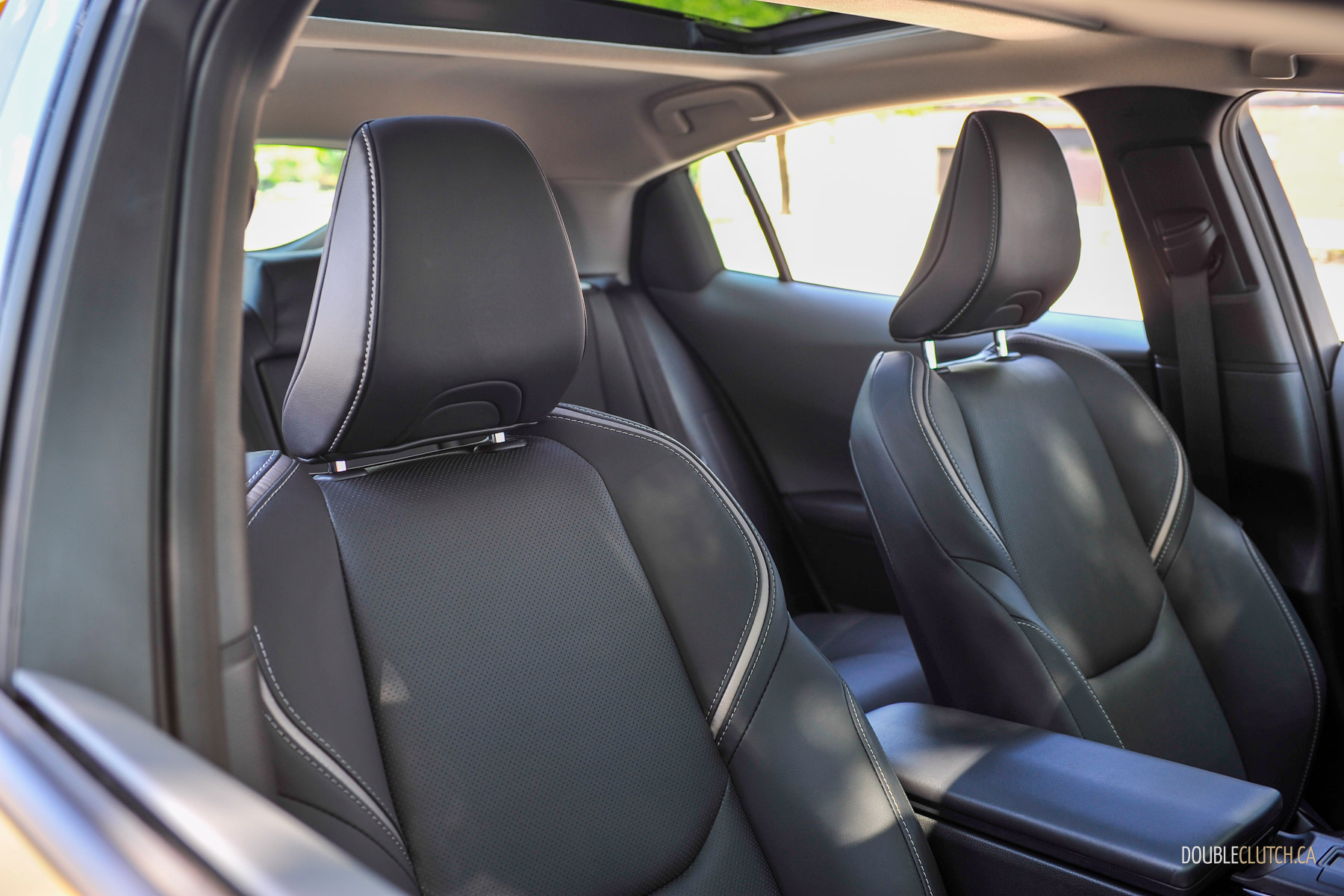
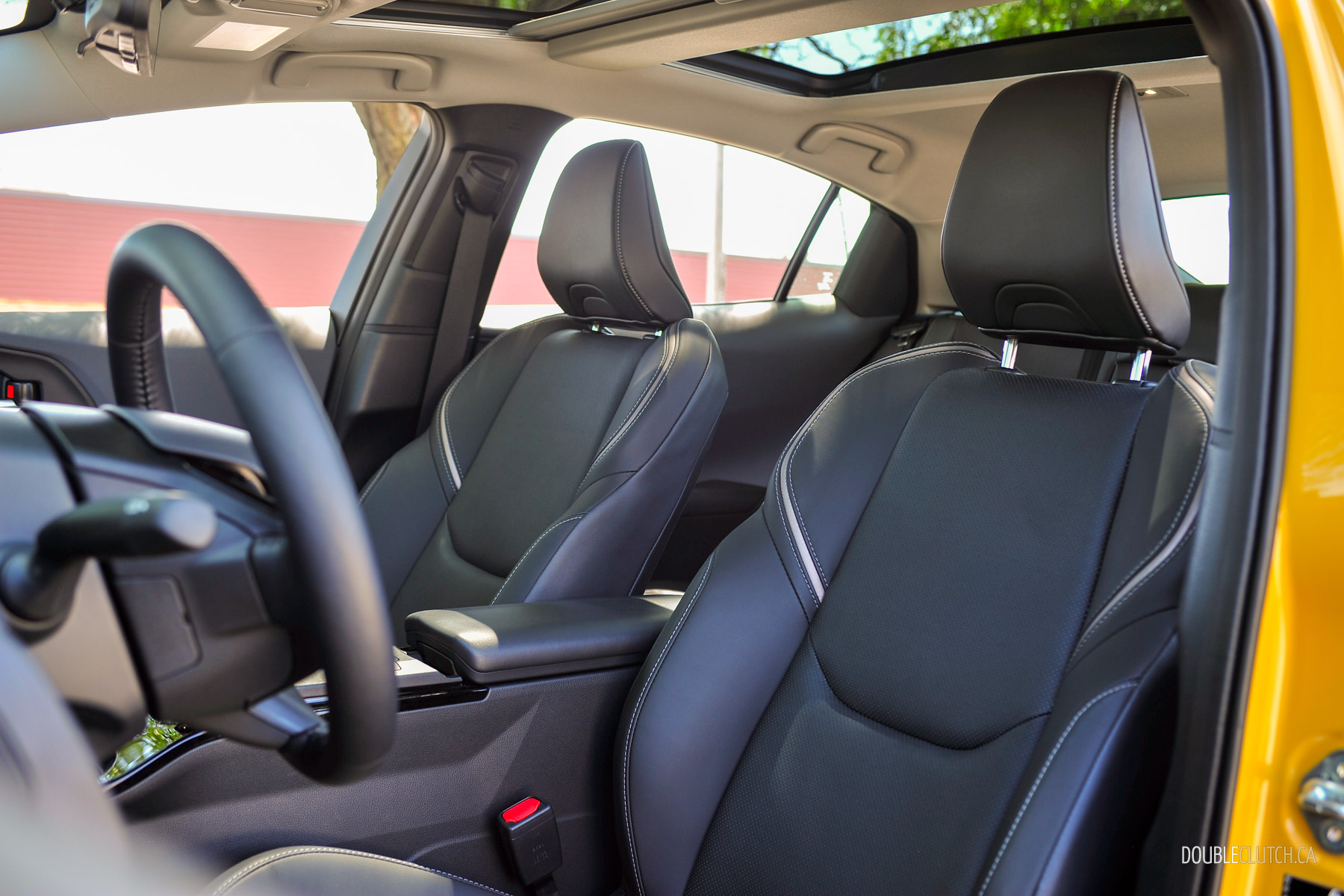
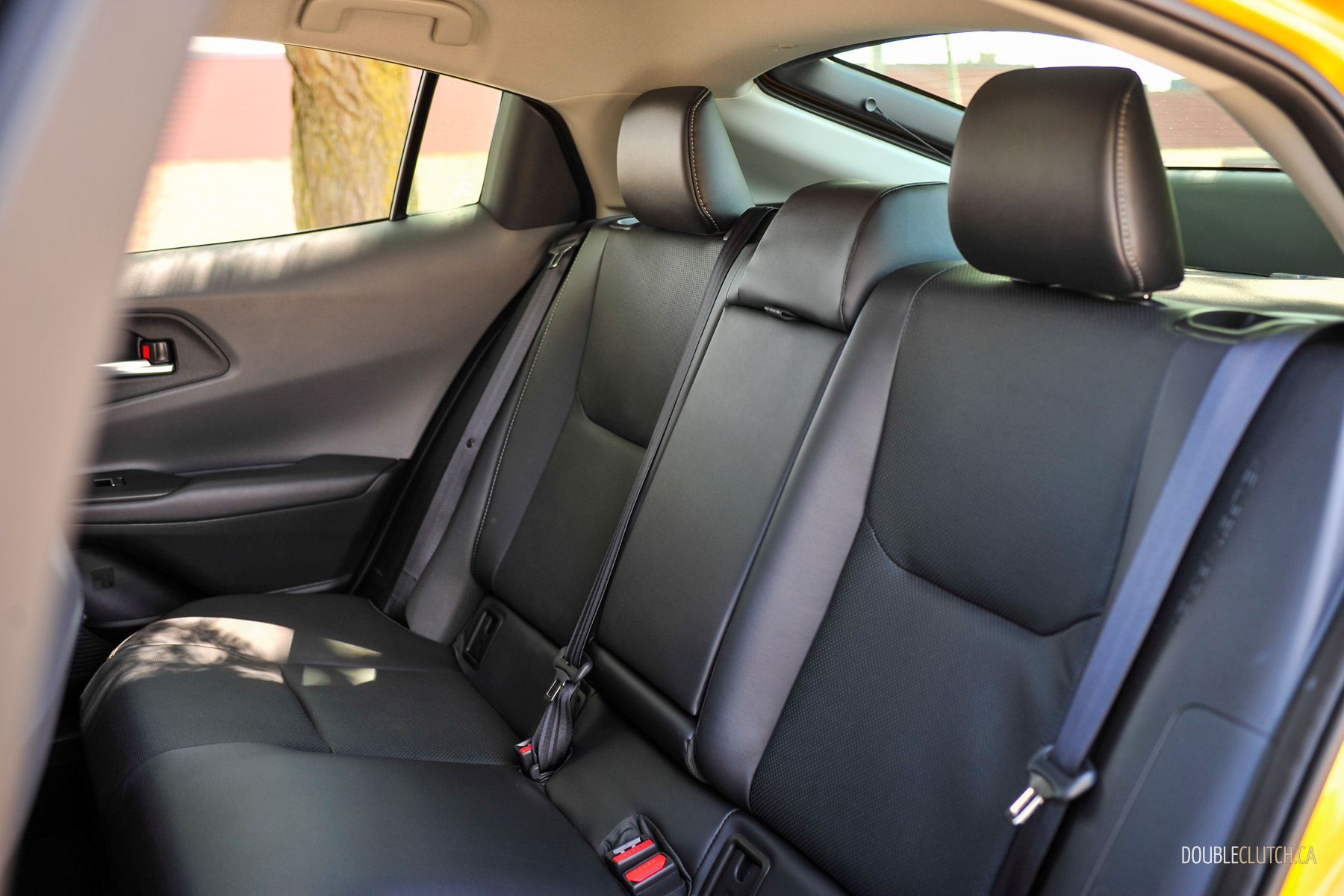
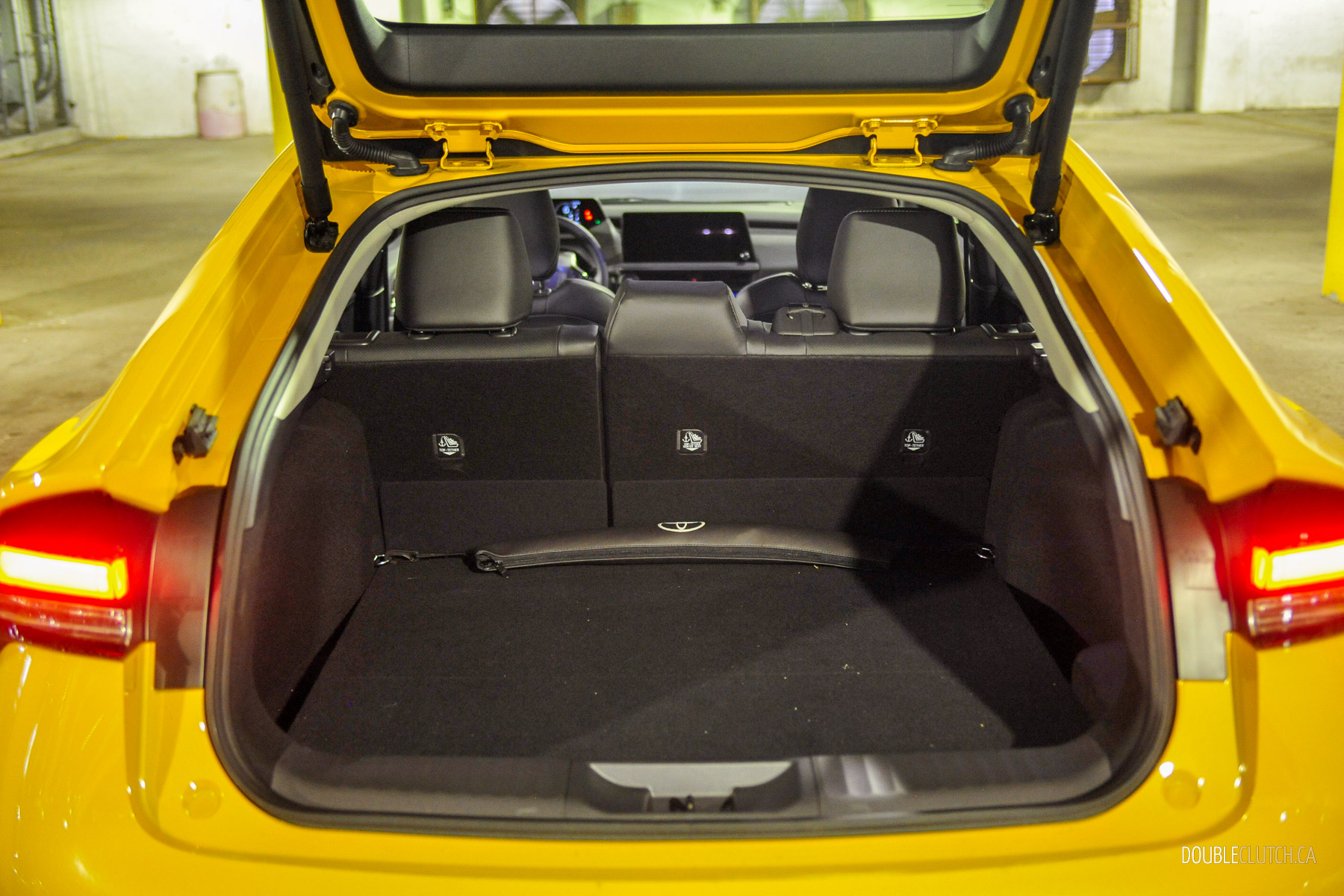
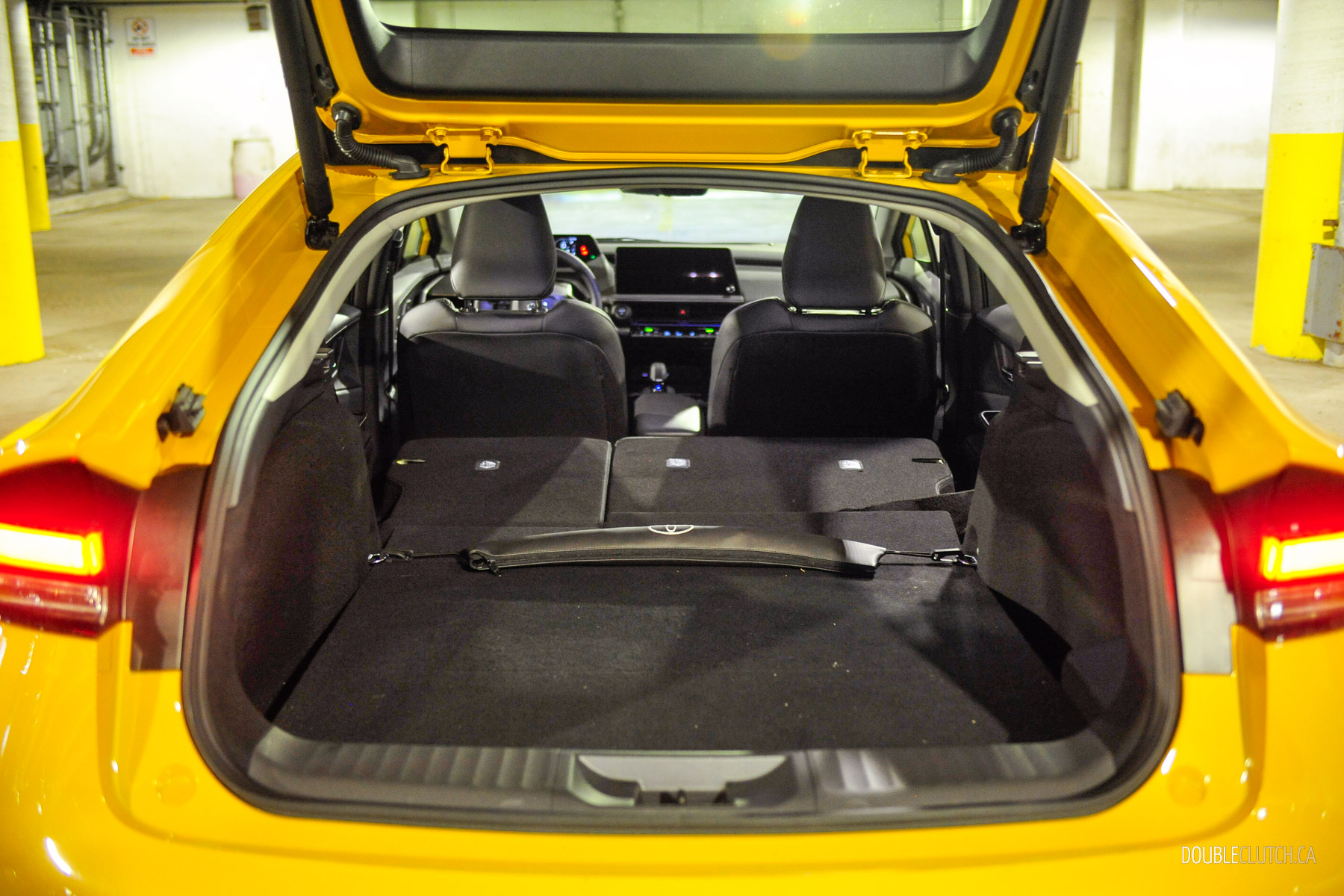
The Limited trim brings both heated and cooled front seats, a heated steering wheel, and an eight-way power-adjustable driver’s seat with memory function. Toyota’s faux leather, SofTex, feels durable and premium enough for most. Rear seat space is respectable, though taller passengers may feel a bit of a squeeze due to the sloping roof. Cargo space remains practical at around 575 litres with the seats up, making it suitable for grocery runs though fitting a full-size stroller may induce some anxiety. The 60/40 split-folding rear seats help expand the cargo hold further to 1,427 L, but the liftback’s sloping nature does become a hindrance to some items that do potentially come in close contact with the rear glass.
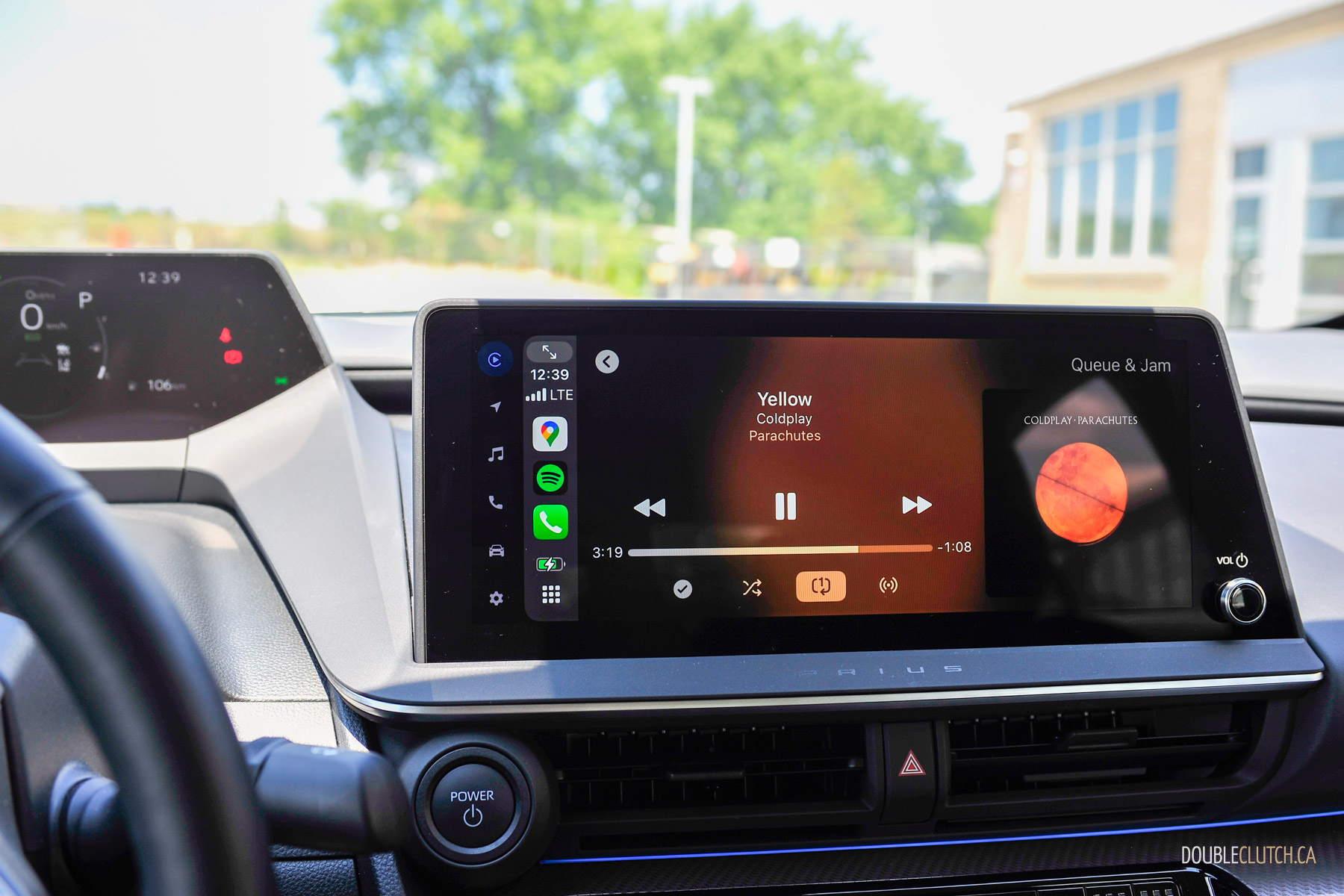
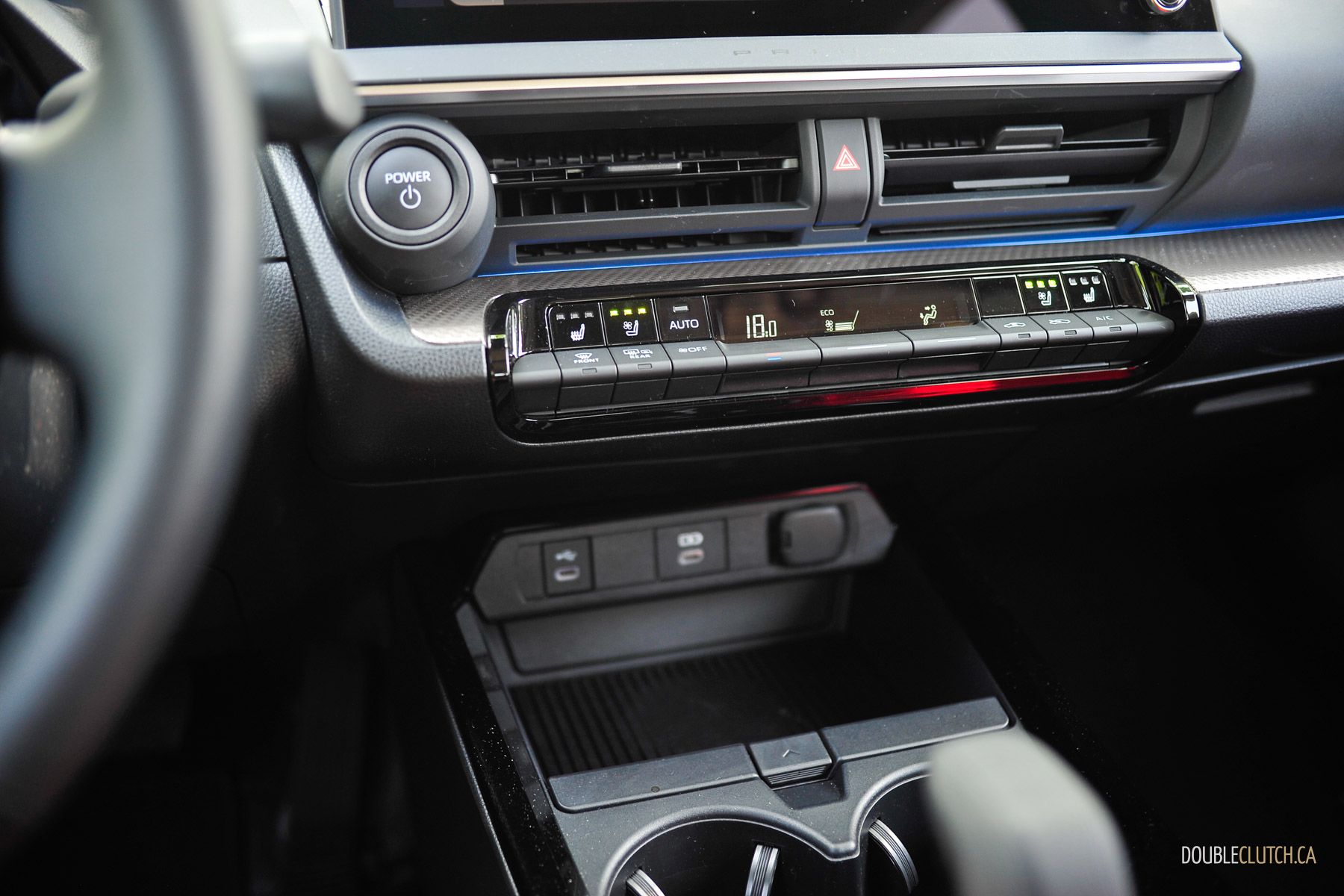
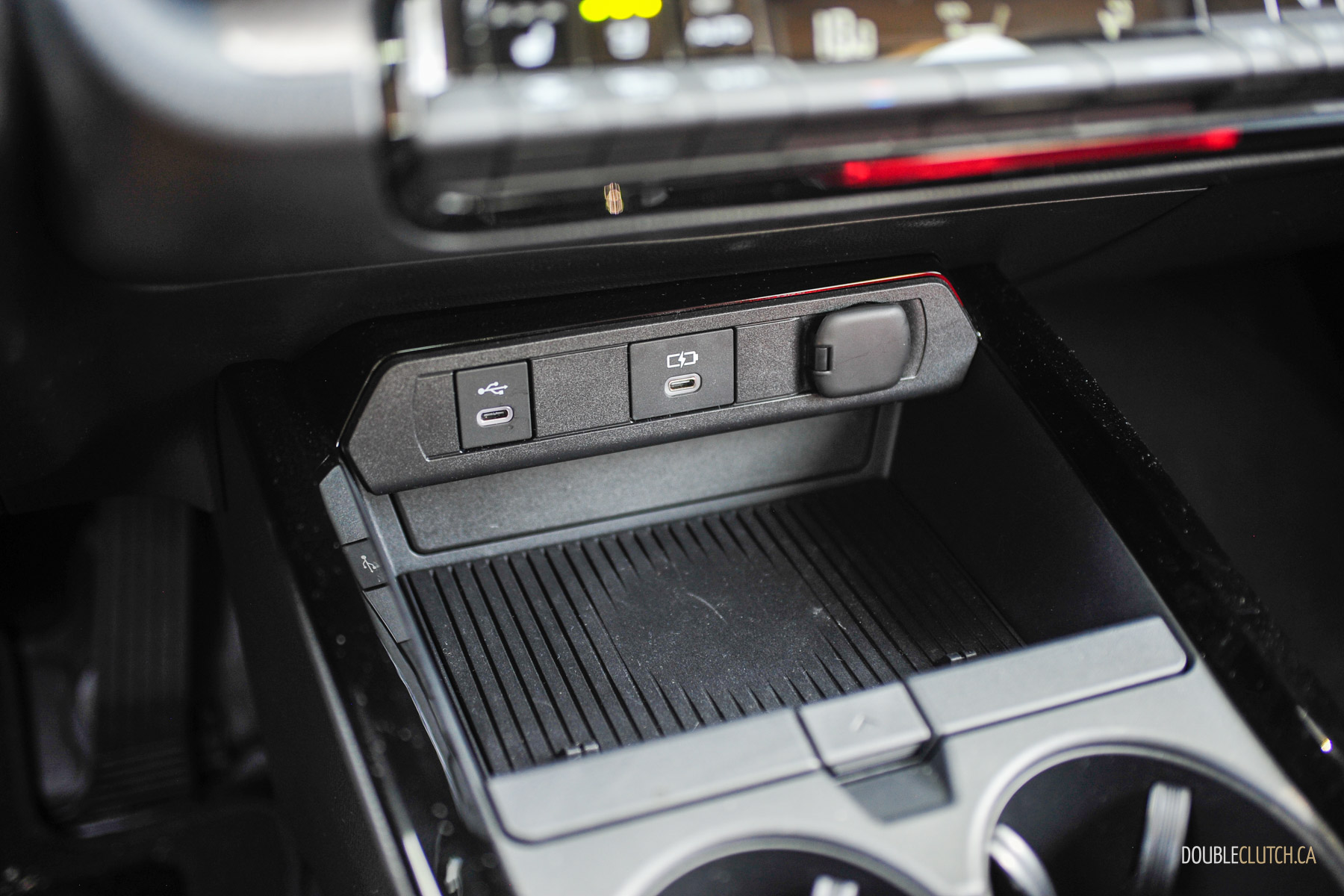
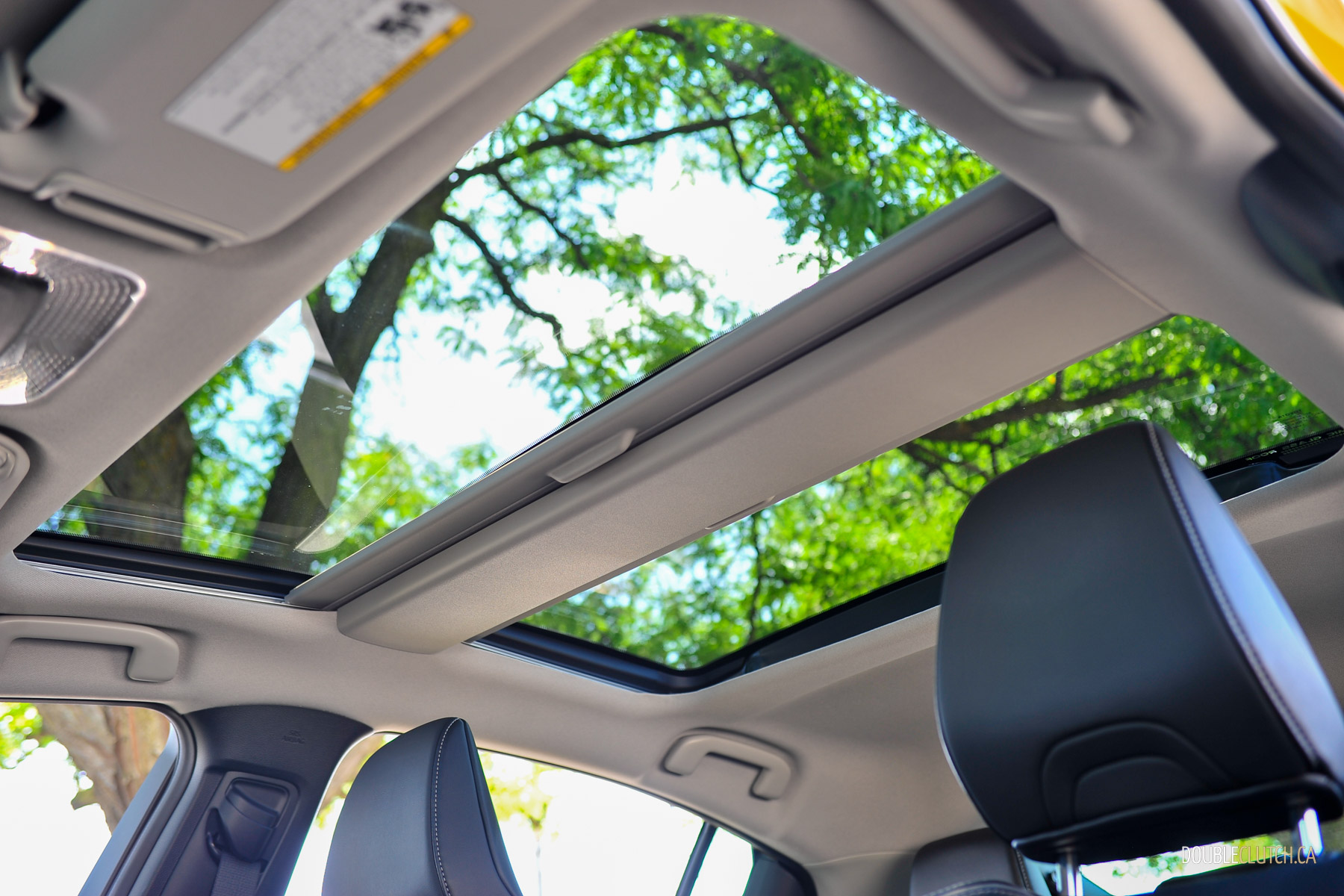
The top-tier Limited trim also includes a panoramic sunroof, wireless Apple CarPlay and Android Auto, a wireless charging pad, and an eight-speaker JBL audio system. The latter is crisp and balanced and is good enough for most buyers in this segment. The infotainment uses Toyota’s latest interface, which is much improved over earlier iterations — it’s quick, cleanly laid out, and includes voice control that works reliably. The climate controls are physical buttons, a smart move avoiding the annoyance of buried touchscreen menus. Toyota’s Safety Sense 3.0 suite comes standard and includes adaptive cruise control, lane tracing assist, blind spot monitoring, rear cross-traffic alert, and an enhanced pre-collision system. They all work smoothly and non-intrusively; the lane-centering feature in particular is accurate without being overly aggressive, and makes long drives notably more relaxing.
What’s under the Prius’ hood?
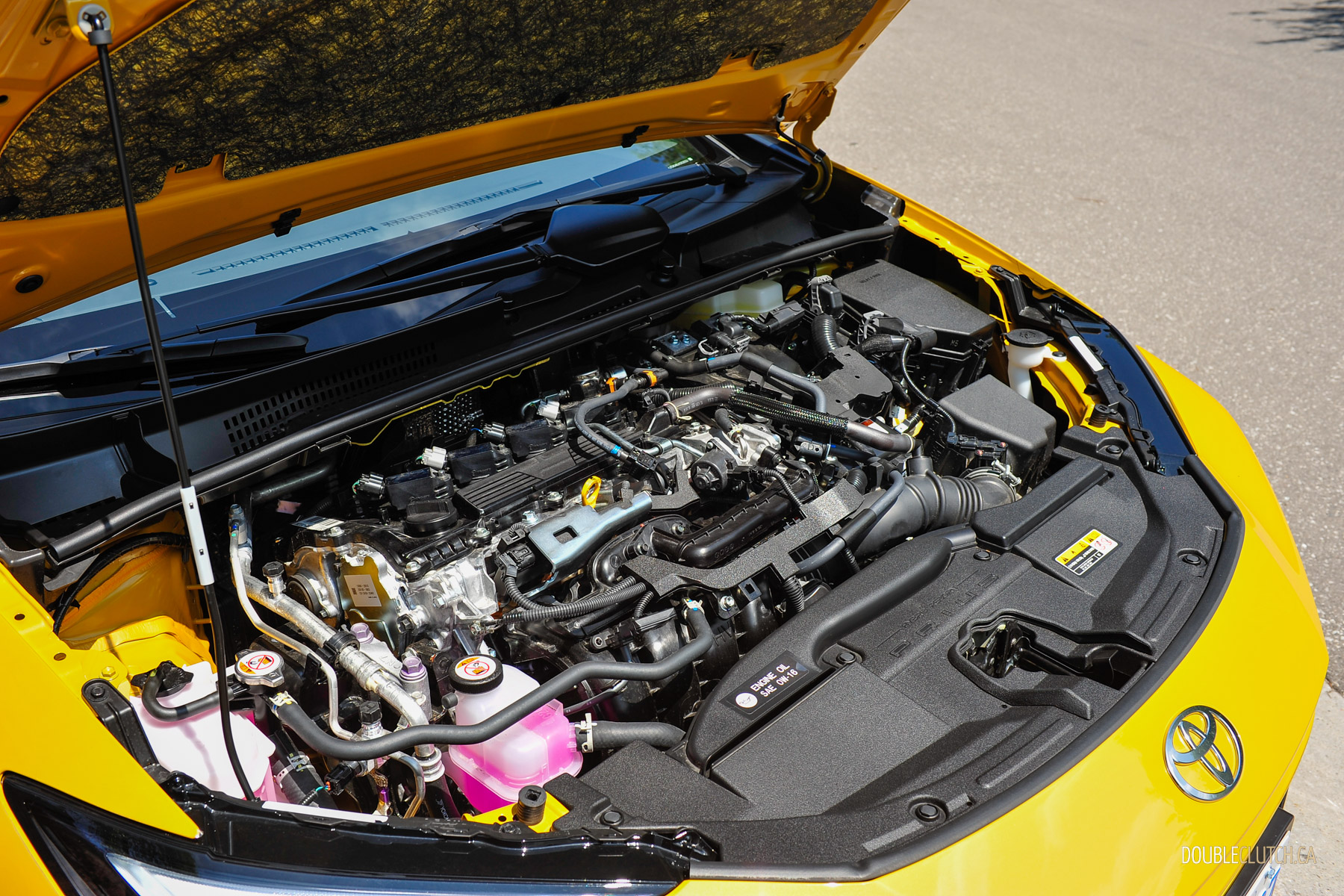
Gone are the days of lethargic Prius acceleration, now replaced by variations of, “that’s actually pretty quick”. The 2025 Prius gets its motivation from a 2.0-litre inline four-cylinder engine, mated to a pair of electric motors and a lithium-ion battery pack. Combined output sits at 196 horsepower, a massive bump compared to prior generations. The Prius feels responsive, especially in city and mid-range driving. It accelerates from zero to 100 km/h in just over seven seconds, a stat that places it firmly in the “quick enough” category for daily driving.
The electric all-wheel drive system is a standout feature for Canadians. Unlike mechanical AWD systems, Toyota’s setup uses a dedicated electric motor on the rear axle that activates as needed for traction, particularly in snow or rain. It makes the Prius far more viable as a year-round commuter in places that experience more adverse weather conditions, without the weight or complexity of a full-time AWD system.
Another surprising revelation for this new generation of Prius is how it drives. Steering is light but direct; its low centrre of gravity — thanks to the battery placement — lends the Prius a sense of agility it never had before. Body roll is minimal, and while no one’s taking these to the track, there’s genuine enjoyment in carving through on-ramps or winding country roads. The ride quality balances comfort and firmness, though the 19-inch wheels do transmit sharper road imperfections, resulting in a stiffer ride over bad pavement.
It’s obviously good on gas, right?
Efficiency remains a Prius hallmark. Our Prius Limited AWD tester is officially rated at 4.8 L/100 kilometres in the city, 4.7 highway, and 4.8 combined. Our stint with this tester returned a better 4.5 L/100 km combined in the real world, even with my attempts at mashing the throttle for comedic relief. More impressively, I averaged a whopping 2.7 L/100 km in one 16-kilometre stint; hybrids like the Prius benefit from city driving the most thanks to the regenerative braking and electric-only, low-speed cruising, and it really shows here.
Even on highways, the Prius remains impressively frugal. The AWD system doesn’t dramatically impact efficiency either, a major win for drivers who need winter capability without sacrificing economy. Unlike plug-in hybrids or full EVs, the Prius doesn’t require external charging, making it an easy transition for those hesitant about going full electric but wanting a greener footprint.
Is the new Prius worth it?
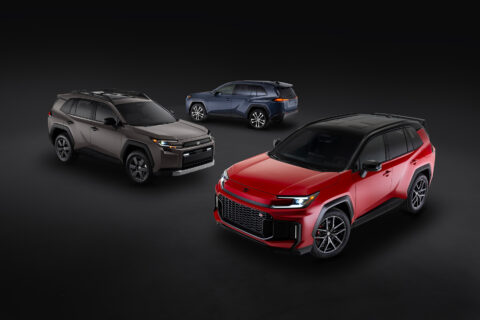
The one potential downside for the new Prius is the price tag. Considering Toyota offers a hybrid variant with most of the bread-and-butter models, this leaves the Prius in a bit of a weird spot for people who lean towards being more frugal. Pricing for the 2025 Prius starts at $38,165 for the base XLE AWD trim, while our Limited AWD comes in at $44,280 as-tested. Just within Toyota’s current lineup, the Corolla, Corolla Cross, Camry, and RAV4 hybrids all undercut the Prius in some way. They all offer a lot more room, practicality, and usability, though these models have slightly worse fuel efficiency due to the fact that they’re heavier and less aerodynamic overall.
The 2025 Toyota Prius doesn’t just redeem the Prius name — it redefines it. This is no longer the awkward eco-box of yesteryear; instead, it’s a sharp-looking, capable, and well-rounded hybrid that offers the fuel economy you expect with the design and driving enjoyment you did not. The Limited AWD trim takes it a step further, striking an ideal balance with its premium features, four-season traction, and excellent tech, all while maintaining the legendary Prius efficiency. If you’re looking for a forward-thinking commuter, the Prius is no longer just a smart choice — it’s a good choice so long as you can stomach the premium-ish price tag to now get into one.