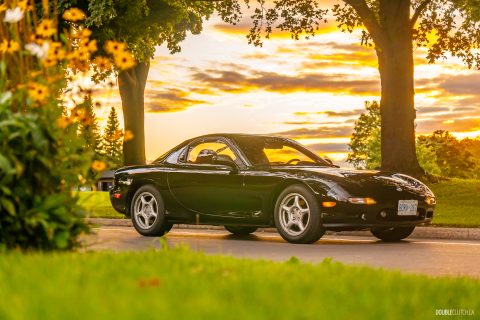
Hypothesis: you’re all sick, and so am I
I have become aware of an affliction plaguing the car world. It’s all over every social media platform, and I find it is increasingly permeating into my reality, shaping almost every conversation I have. It’s a prevailing negativity against modernity, an overarching theme that “everything sucks now,” that nothing is good and that not only are new cars getting worse (there are some very valid questions to be asked on this front), but that new cars are almost completely invalid because they are new. Even if a new car is good, it can still be dismissed for not having the right “aura.” I call this affliction, this disease of the mind: Nostalgiapathy. It extends well beyond the confines of cars, but cars what I’m paid to write about.
You must have noticed: anytime BMW has introduced a new car in the last twenty years, everyone piles on to call it ugly and/or fat. Everything is too expensive, and also too cheaply made. Every car is either too slow, too numb, or too electric. Every big truck is too big, and every little truck isn’t big enough. The only company seemingly above the miasma is Porsche, but I’m convinced they’ve brainwashed the entire western world and need to be studied; that’s neither here nor there. What matters is that everyone is harping in a negative echo chamber to demonstrate they get it, when in fact your complaining conveys the exact opposite, and no one is happy with anything. It’s sick.
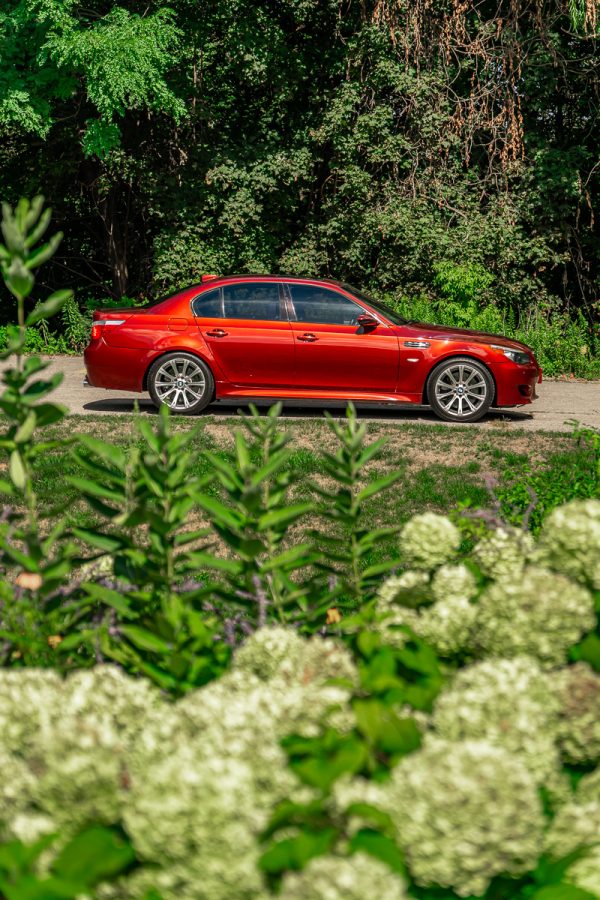
I feel well qualified to speak on this matter, because I suffered from Nostalgiapathy for years, long before it was a mainstream opinion bandied back and forth amongst the afflicted seeking attention, like drunks justifying and even virtue-signalling their disease, bragging about how much they drink, to seek validation from like-minded wayward souls. We have a word for that too: alcoholism. As a former bartender, I’m not in a place to judge, but if you can’t at least recognize what you’re doing is unhealthy, you’re lost. Nostalgiapathy works similarly (albeit maybe less destructive, but whatever).
If there were archives of the car forum I used to frequent as a younger, dumber boy, (sadly/thankfully the individual posts aren’t saved), I’d be able to dig up a ton of musings penned by myself saying “new cars suck.” No nuance. No grey area. If it’s new and has wheels on it, it sucks. The thing is, the cars I was saying that about are cars that are looked back upon fondly by the Nostalgiapath zeitgeist. It’s all predicated on a sliding scale of shittiness whose terms are arbitrary.

To name just one example: I used to rail against the R35 Nissan GT-R for being a vapid car. A wholly digital experience, with its active all wheel drive, selectable traction control, dual-clutch gearbox, and a video-game derived software experience built to remove the driving experience from driving.
I wasn’t the only one who thought this, but as Nissan continued making this car for more than a decade, the goalposts shifted, and the general discourse around this car shifted from it being soulless to soulful. Technology moved forward and the GT-R remained a relatively anachronistic brute. Now it’s a “living legend,” or some such hyperbole that’s always thrown around. Either way, I would love to be able to drive one and see for myself. I’m sure it’s great. It’s hard to stay jaded in the face of something unique.
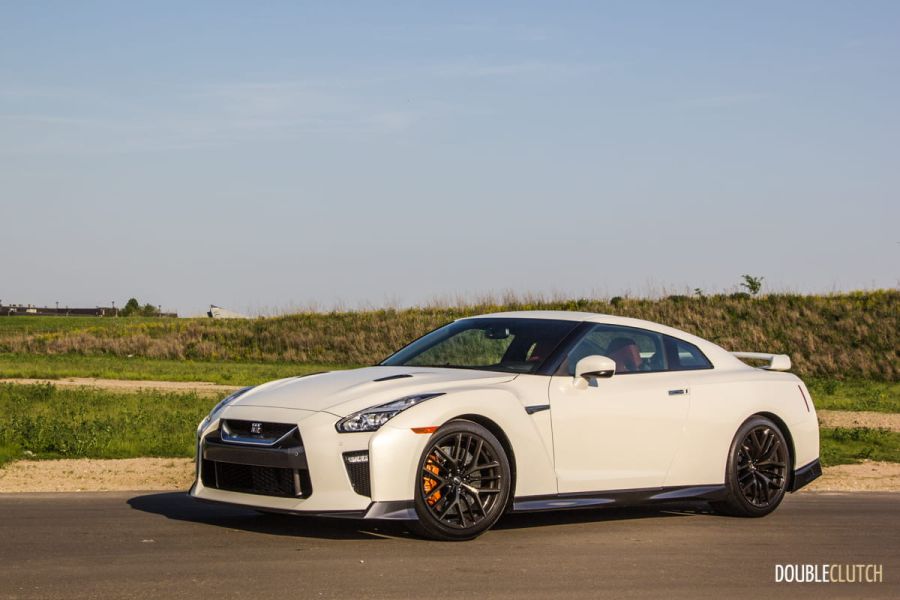
Sidebar: when searching for the above image (before I realized we reviewed one years ago), I searched for “Nissan GT-R” and Google helpfully filled in “R34 Skyline” at the end of my query… Nostalgiapathy is everywhere.
It’s easy to say we’re in a neo-malaise era, as things have changed so much with the prevalence of commuter crossover cars, electric vehicles, and the waxing and waning want for screen space; digital gauge clusters were hot in the eighties, and they went away for a long time. All culture is cyclical. It’s always been easy to always say everything is the worst right now, and eventually you’ll be proven right on some point and you’ll take that as validation; even a broken clock is right twice a day.
Surely you can’t be happy like this, hating on everything
How did I recognize the disease of Nostalgiapathy in myself and begin the healing process? There are two major prongs to this:
1) Just as travelling cures prejudice by learning through exposure, being put in the very fortunate of being not just allowed, but required to drive more cars in a week than most people do in a decade, has given me the same enlightenment through experience, except with cars.
2) It’s a self-defense mechanism. I like liking things. I don’t like not liking things. I’m not above saying there is a definite schadenfreude-esque catharsis in tearing apart a lame duck, but that kind of negativity has a cumulative effect that ends up being poison. If I didn’t like the cars I have to live with and write about, this wouldn’t be enjoyable, so I try to come at things with an open mind and find the good in them.

Having said that, I am not an all-loving automotive hippie. I may be trying to heal from Nostalgiapathy, but I still have space to be a cantankerous old curmudgeon who knows what he likes, dag nabbit. The healing process requires acknowledging pretense, in both directions. I adore old things personally, and a good chunk of the vehicles I’ve owned are older than I am, but I appreciate new stuff when I’m not too busy being a bitter bastard (which is often, regrettably).
Sometimes new cars actually do kinda suck, and sometimes there is real magic in the way things were, but there has to be recognition of nuance. Comments on Instagram reels and Facebook groupthink posts are no place for nuance, which is a problem, as that’s where discourse has been directed, and in turn disseminated to all of us, shaping our perception, if imperceptibly.
What used to just be me being an edgy and contrarian teenager has become common, and I see it, this Nostalgiapathy, for the curse that it is; that I perhaps in some way helped create and permeate.
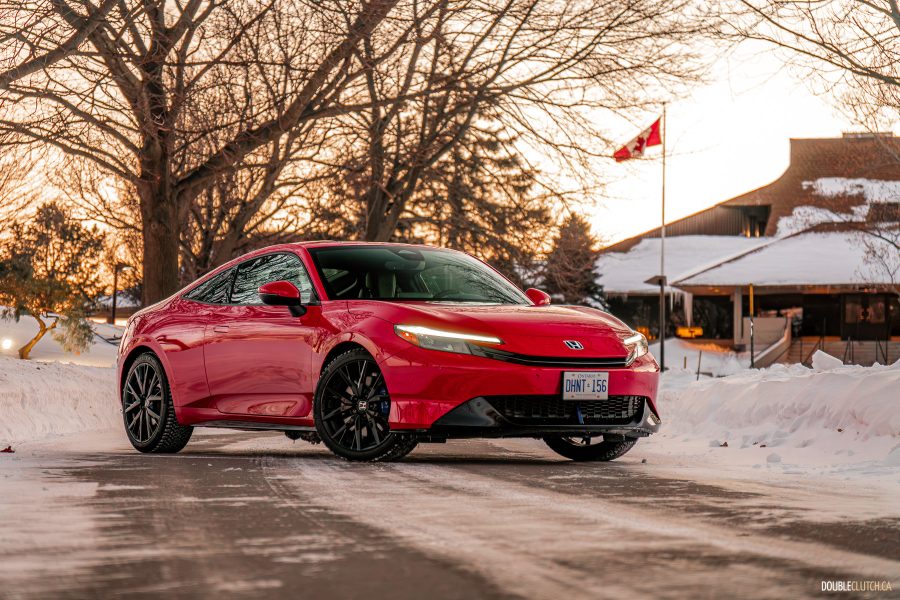
The Honda Prelude: it was never hot, but always cool
I could go on at length about this, but instead I’ll try to keep it focussed on one mass-malady at a time, like why BMW guys hate new BMWs, or how hydraulic power steering isn’t a magic bullet that fixes everything about how a car feels. For this introductory volume in Nostalgiapathy, I’d like to address the Honda Prelude.
When I originally drafted this, you couldn’t go anywhere on the car side of the internet without coming across someone dunking on the Honda Prelude for being too slow, too expensive (…both critiques admittedly have some validity), or the most egregious of all: not living up to the “legendary” Prelude nameplate. Everyone’s suddenly all acrimonious about the sanctity of nameplates. It’s a trademarked brand. A product from a publicly-traded company with shareholder obligations. They don’t owe you anything. Get over yourself. That’s a whole issue on its own…
The topic of the Prelude was hotly debated among us at the office, too. I defended it, because to me, it did “live up to the Prelude nameplate,” because it is not and was never a hardcore sports car, nor a darling of “tuner culture.” My colleague Nick did a very good job bringing this and more to light in his recent review of the Prelude.
I remember on those car forums where I used to pronounce without nuance that all new cars suck, that the Prelude was not seen as anything particularly piquante; this from the mid-aughts, when the last Preludes were just coming out of warranty. Don’t get me wrong, the overall opinion of the Prelude was generally positive, and any debates about the cars were about whether the tech-forward third-gen, the swooping fourth-gen, or the pretty (and still new) fifth-gen was the best one. We agreed they all had their merits and there was no single correct answer.
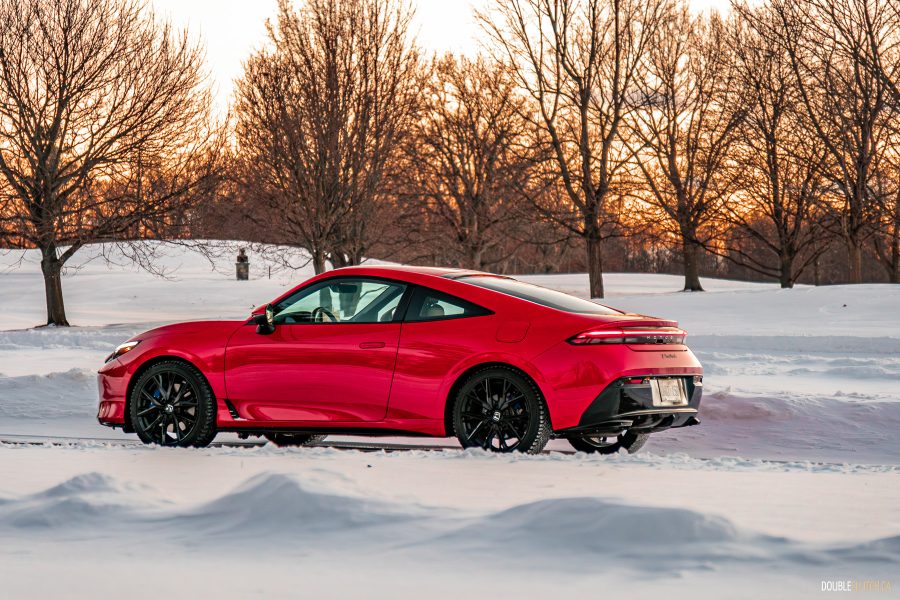
What was not debated was whether or not they were real performance cars, in the same league as the Nissan Z or Mazda RX-7. The answer was a resounding no, across the board. They were always a little on the expensive side, they’ve always been a little too soft and a little too heavy, and they’ve always been a little underpowered.
I remember someone on our forum, a member of the now-nebulous “tuner culture,” considering building a Prelude into a proper weapon, and he was reminded that it’s a lame platform to build on, because it’s heavy, soft, and the H22 engine is a gutless brick. Then, as is the case now: a Civic made far more sense, because the Prelude was no sports car, and the Civic could do more for less. There’s a reason why they were rarely built up.
There’s this overly romanticized idea that everything small and Japanese, that had any pretense of athleticism, was a hero amongst this imaginary tuner culture, where working-class heroes paraded personalized performance cars of a bygone era in the humble pursuit of racing on public roads. This was enabled by then-noble car companies, building affordable cars as blank canvases to be built upon by the shoestring enthusiast, deliberately leaving money on the table and engineering opportunities for tuners, all for the love of the game.
Come on.
Tuning cars has always been expensive, and the cars they were building were expensive, too. Adjusted for inflation, an “FD” 1993 Mazda RX-7 was ninety grand. A JZA80/fourth-gen 1993 Toyota Supra Twin-Turbo was well over a hundred grand (they weren’t sold in Canada, but the number works out to about $86k USD). Thanks to The Fast and the Furious, these cars are now worth that and then some, but they were costly cars in their day.
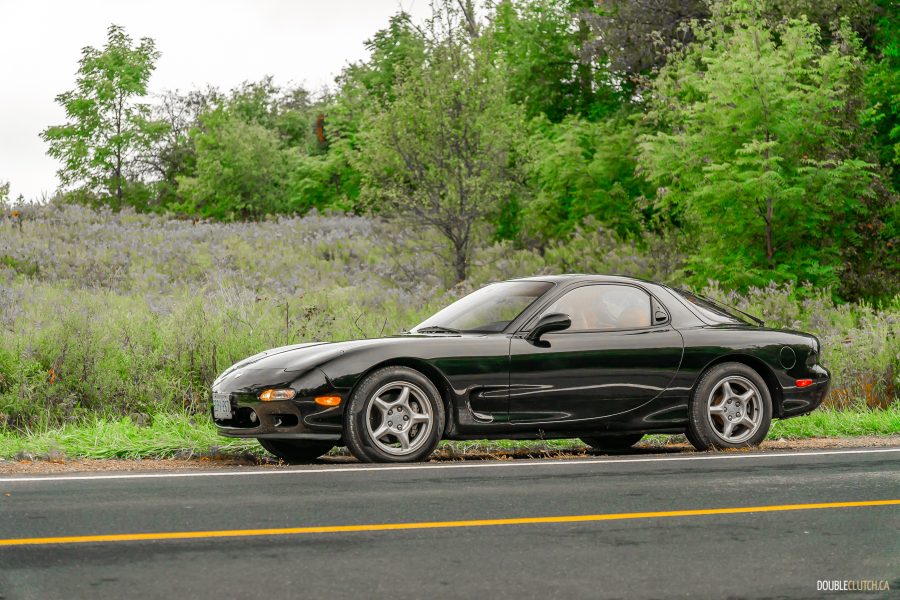
The same goes for the Nissan 300ZX, Acura’s NSX, Mitsubishi’s 3000GT, and to a lesser extent, Honda’s Prelude. Adjusted for inflation, the Prelude is priced almost exactly the same now as it was then. Toyota’s new Supra is actually significantly cheaper than it used to be, while being faster, lighter, stiffer, and a better platform to build on, if so inclined.
Manufacturing custom components wasn’t nearly as cheap then as it is now. We’re in a golden age of cheap turbos and cheaper software that actually kind of works and can make insane power – back in that golden era, these people were throwing many thousands in pursuit of numbers we’d call normal now.
The fabled Mid Night Club of Japan saw serious people spend big money on exotic builds, and the fastest of the fast were pushing maybe 600 horsepower, and in doing so, turning their cars into fragile rolling disasters. That kind of power, in a streetable application that we take for granted now was unheard of. It’s part of why the McLaren F1 was such a big deal, and carried such a serious price.
Hell, look at one of the more famous quotes from The Fast and The Furious, where Dominic Toretto is appraising Brain O’Connor’s Mitsubishi Eclipse prior to their first race; he comments, derisively, that Brian’s “standalone engine management system” is “not a bad way to spend ten thousand dollars.”
Ten grand. In American Dollars. At the turn of the millenium. On a computer, for a car. And it’s later said in the film that the car is worth eighty grand with all the parts on it.
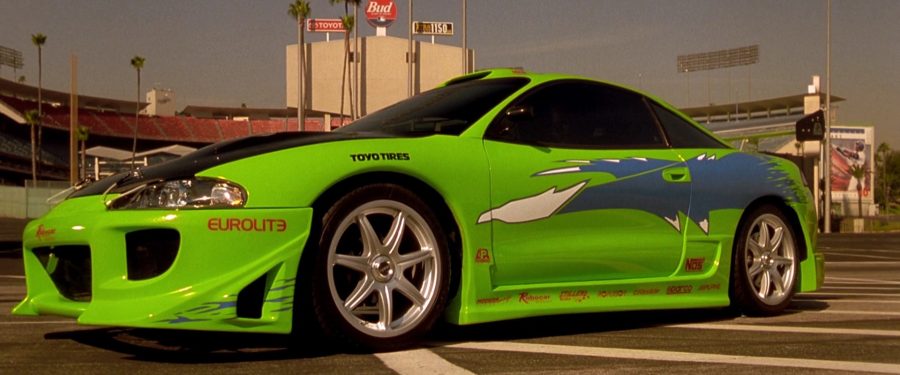
That movie is the bible for how “tuner culture” is interpreted now, and even if the bible isn’t meant to be taken literally, it preaches in its own text that going fast was expensive business. All this to say: tuning wasn’t cheap and cheerful, it cost real money. You had to make that money count – as you do now.
To bring this back around, throwing ten grand at a Civic, or a 240SX, or whatever else got you a lot further than throwing the same money at a Prelude. And they were more expensive to start with, too. They didn’t get built often, and when they did, it was more of the drive to do something different than just being fast. The Prelude has never been the answer for that.
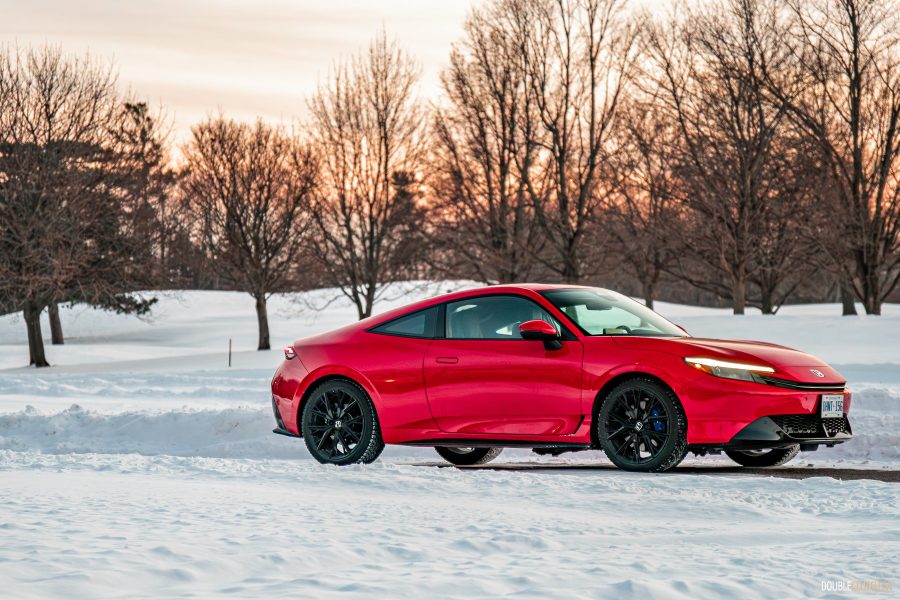
What the Prelude is, is a successful callback to the personal car, back before everything had to be crossover, when coupes like the Toyota Paseo and Hyundai Tiburon were common. It’s not a Civic, it doesn’t have to be practical, it doesn’t have to make sense, it doesn’t have to be everything all at once. It’s a pretty car that’s fun to drive, just for the sake of being pretty and fun. There’s always been a value to that.
It costs money to build a bespoke body (especially when that cost won’t be amortized by high volume), but the trade-off is something different, something unique, something perhaps more special than the high-volume Civic that for most people, is just a sensible appliance for going places. Something like a Prelude is a statement of intent, a desire to be a little bit more interesting to behold, and a little more joyous to live with, without the downsides that come with more focused performance cars.
It’s different for the sake of different, and without that, everything ends up looking and feeling the same – hey, isn’t that something Nostalgiapaths complain about?
This goes beyond the Honda Prelude: recognize your own Nostalgiapathy, stop complaining about what isn’t, and appreciate what it is.

Editor-in-Chief
Nathan is an eccentric car enthusiast who likes driver-focused cars and thoughtful design. He can't stand listening to people reminisce about the "good ole days" of cars because he started doing it before it was cool, and is also definitely not a hipster doofus.