Circuit Mecaglisse, QC. Tires, like any other engineering puzzle, are all about compromise. More aggressive tread patterns with more bite on loose surfaces make more noise. Softer rubber compounds for better traction on ice wear out faster. Smaller tread blocks with more sipes compromise handling and feel on dry pavement. With the new Michelin X-Ice Snow+, this act of finding a workable compromise has been thrown out; we were invited to the Circuit Mecaglisse in (very) snowy Quebec to see how they pulled this off.
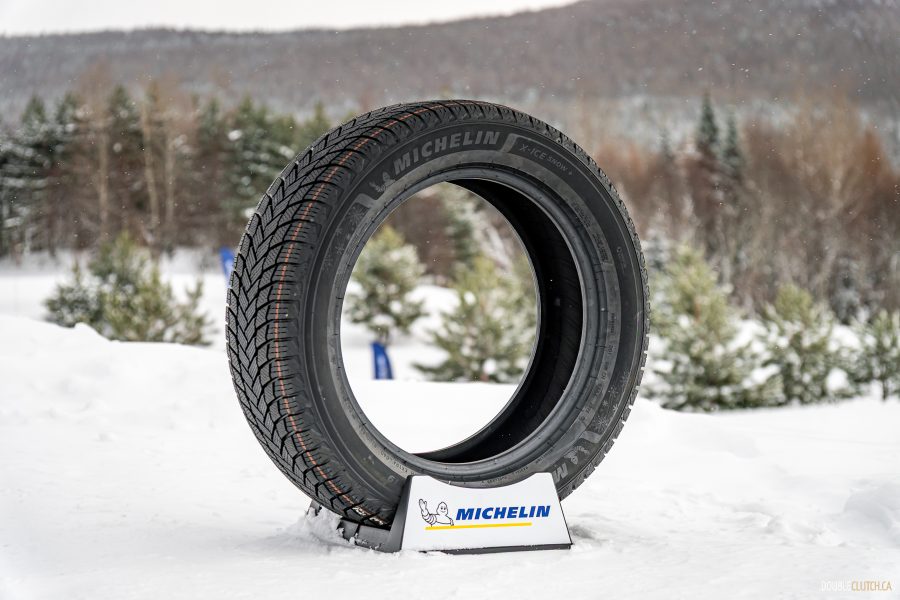
New tire, same tread
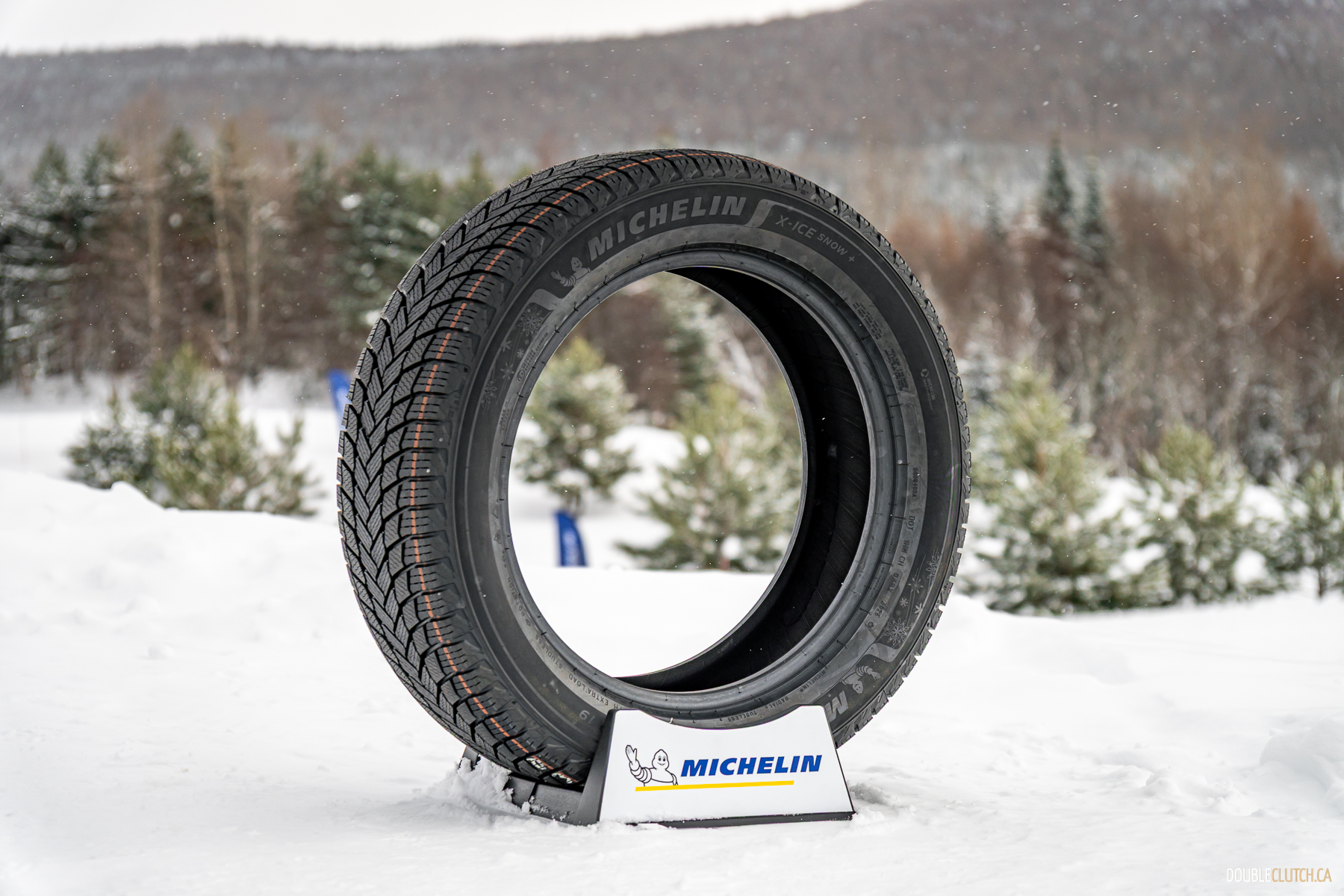
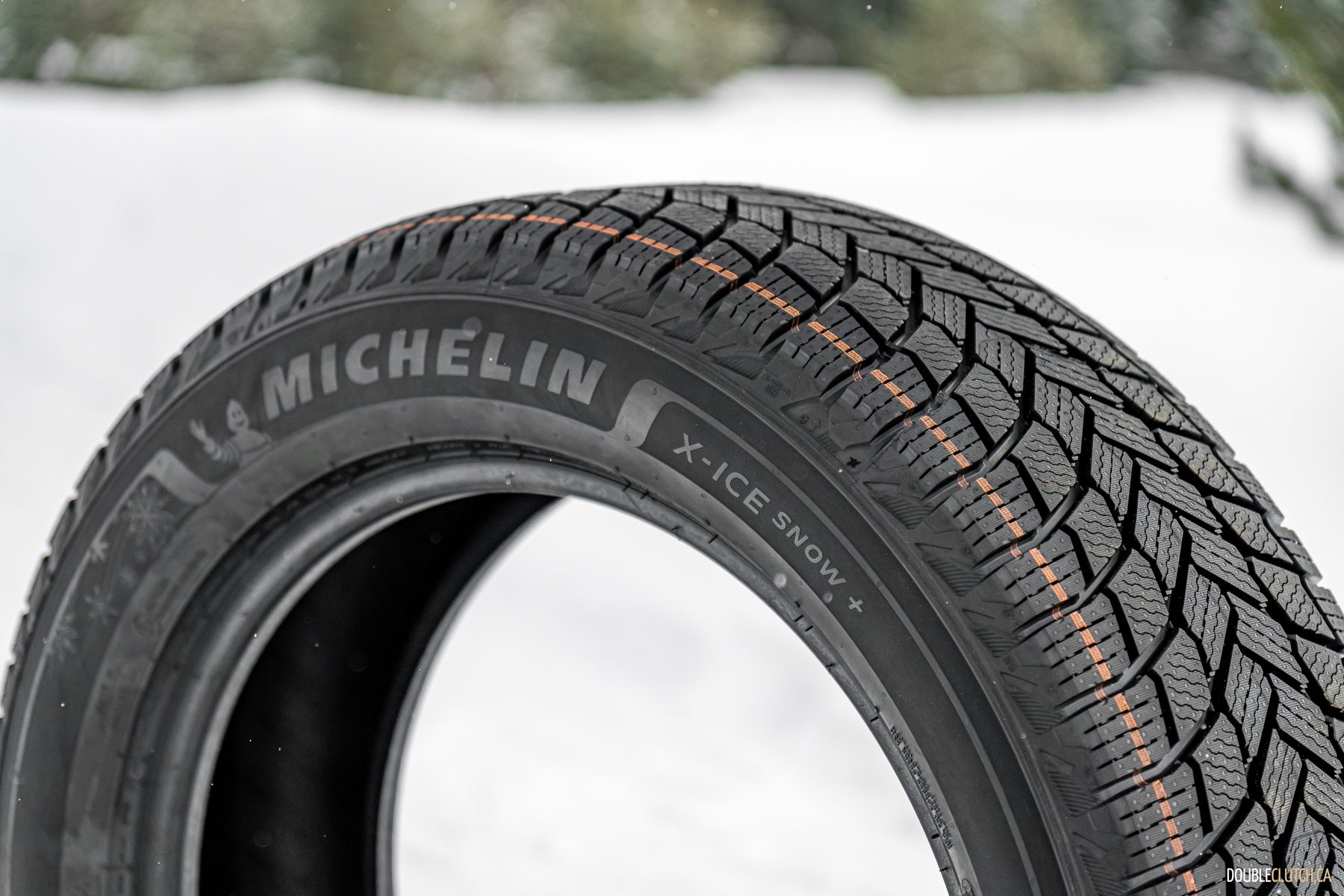
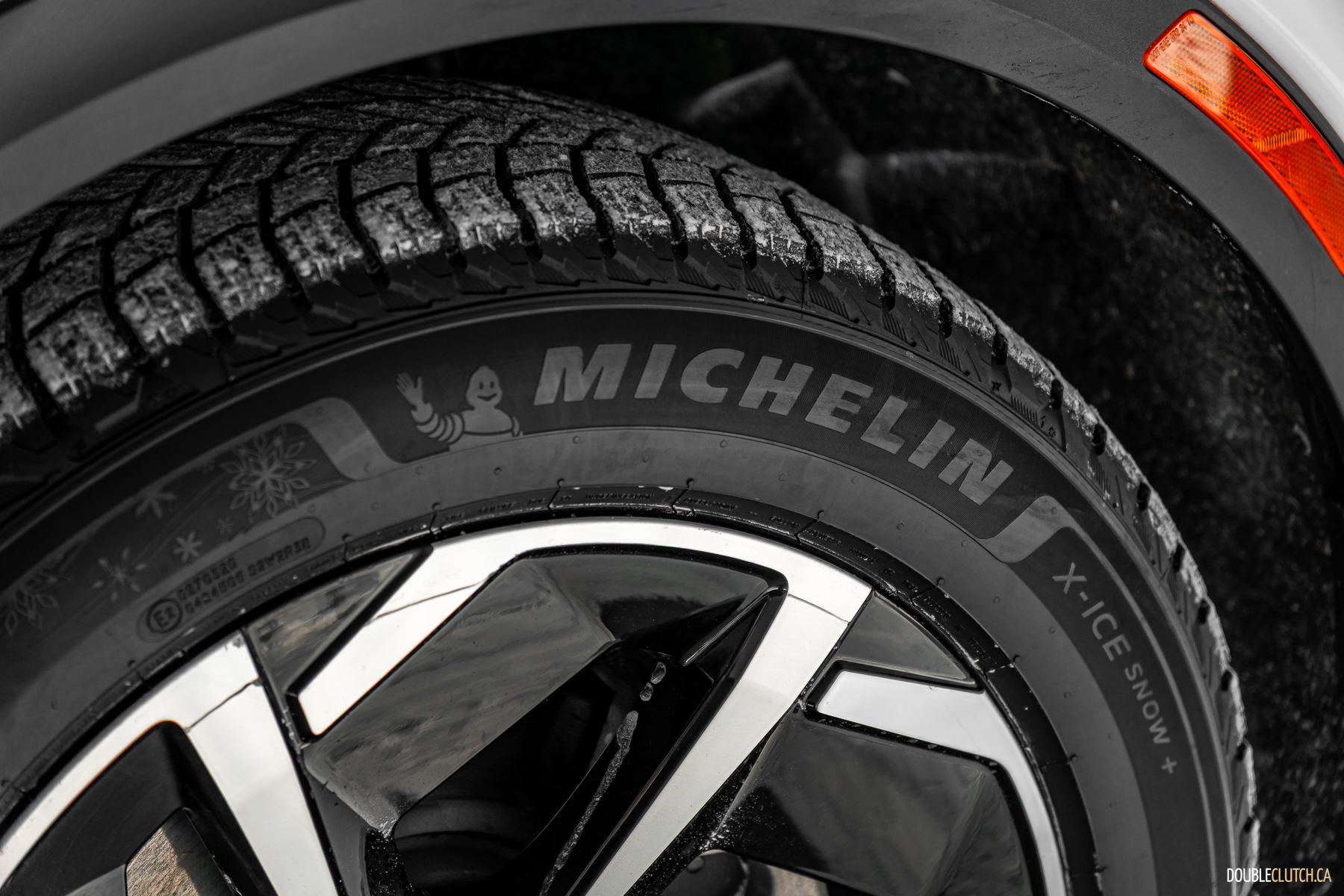
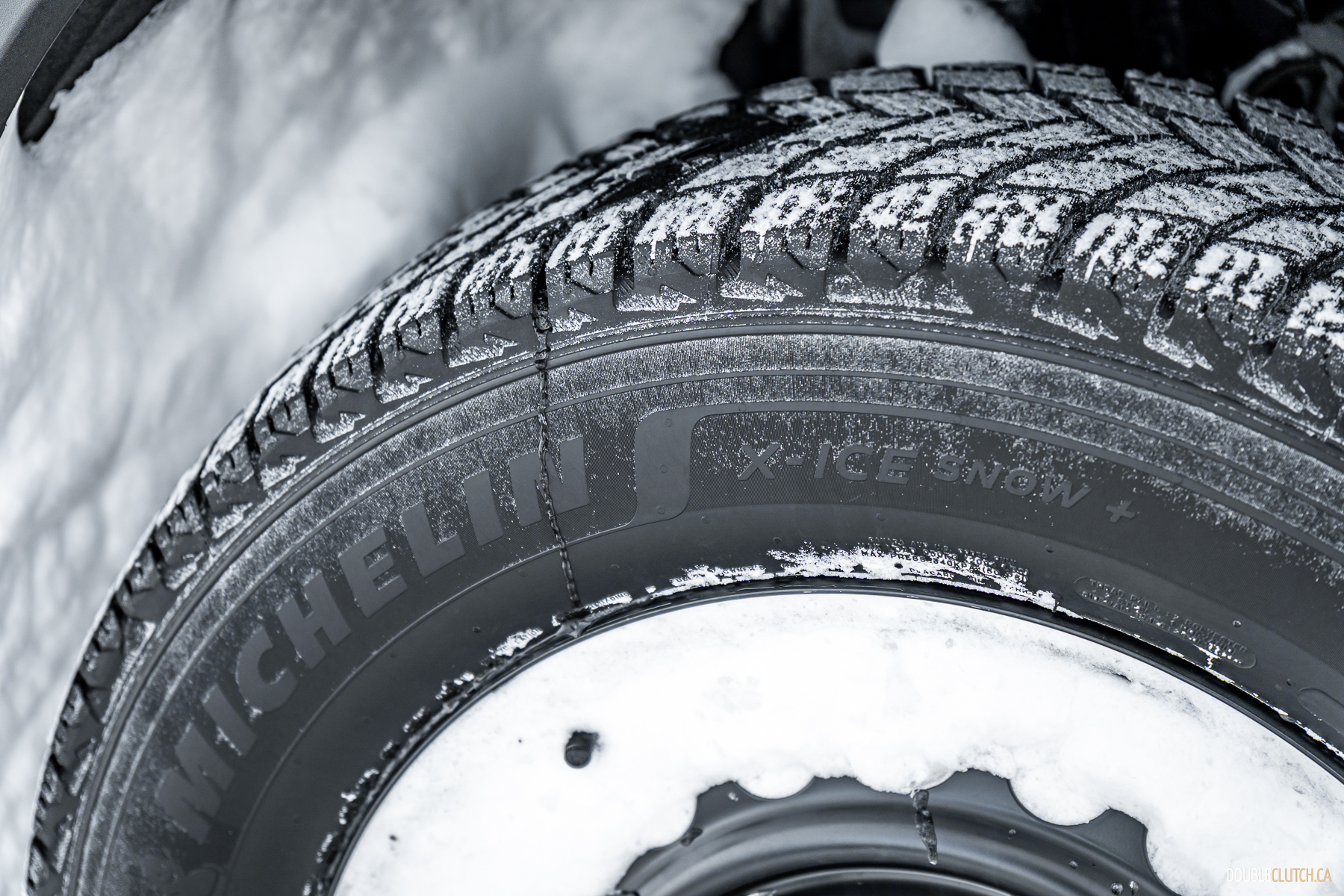
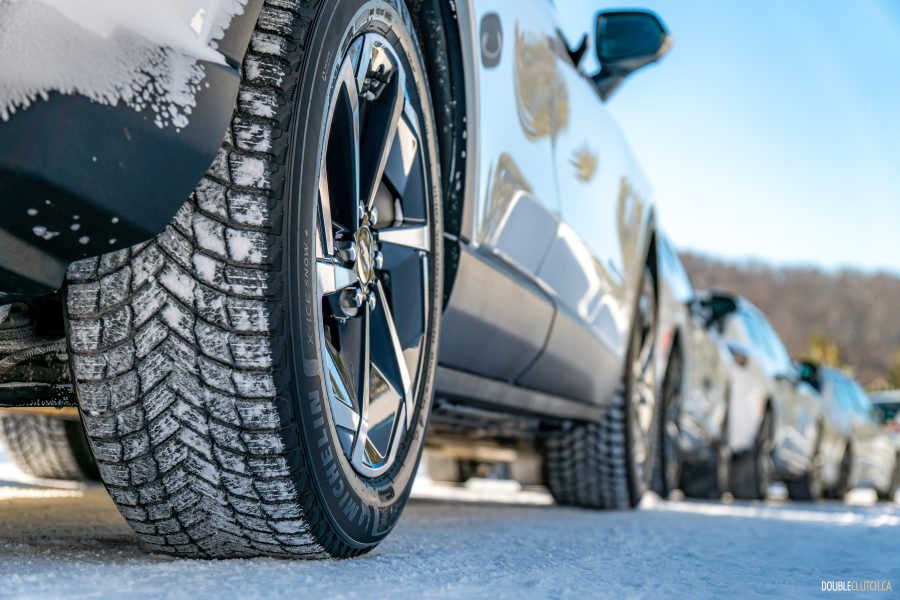
The Michelin X-Ice Snow+ replaces the existing X-Ice Snow, a tire that has been widely regarded as one of the best and most balanced winter tires on the market. While the name suggests an incremental update, the Snow+ represents a surprisingly comprehensive rework beneath the surface, with all of the improvements coming from the rubber compound itself.
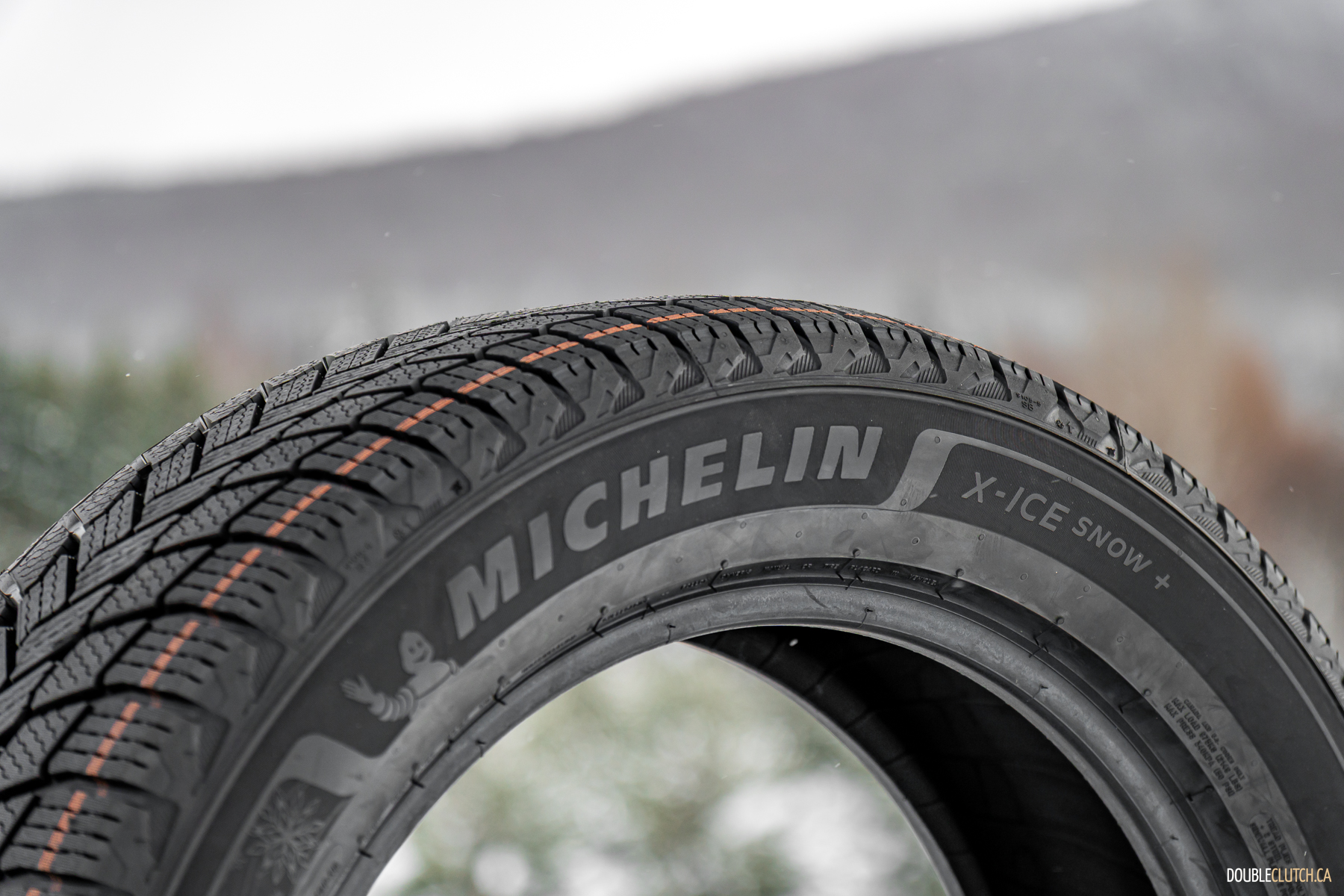
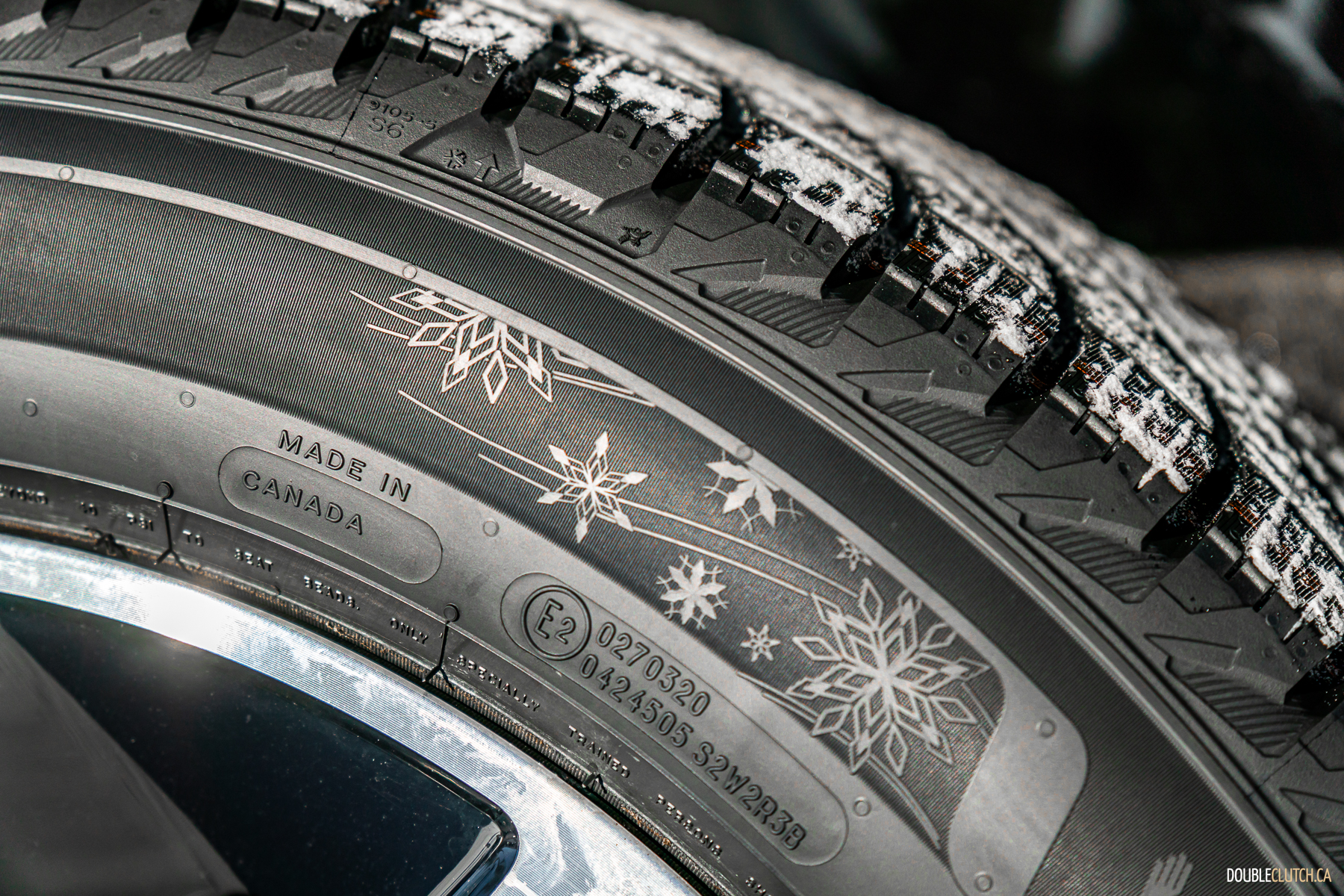
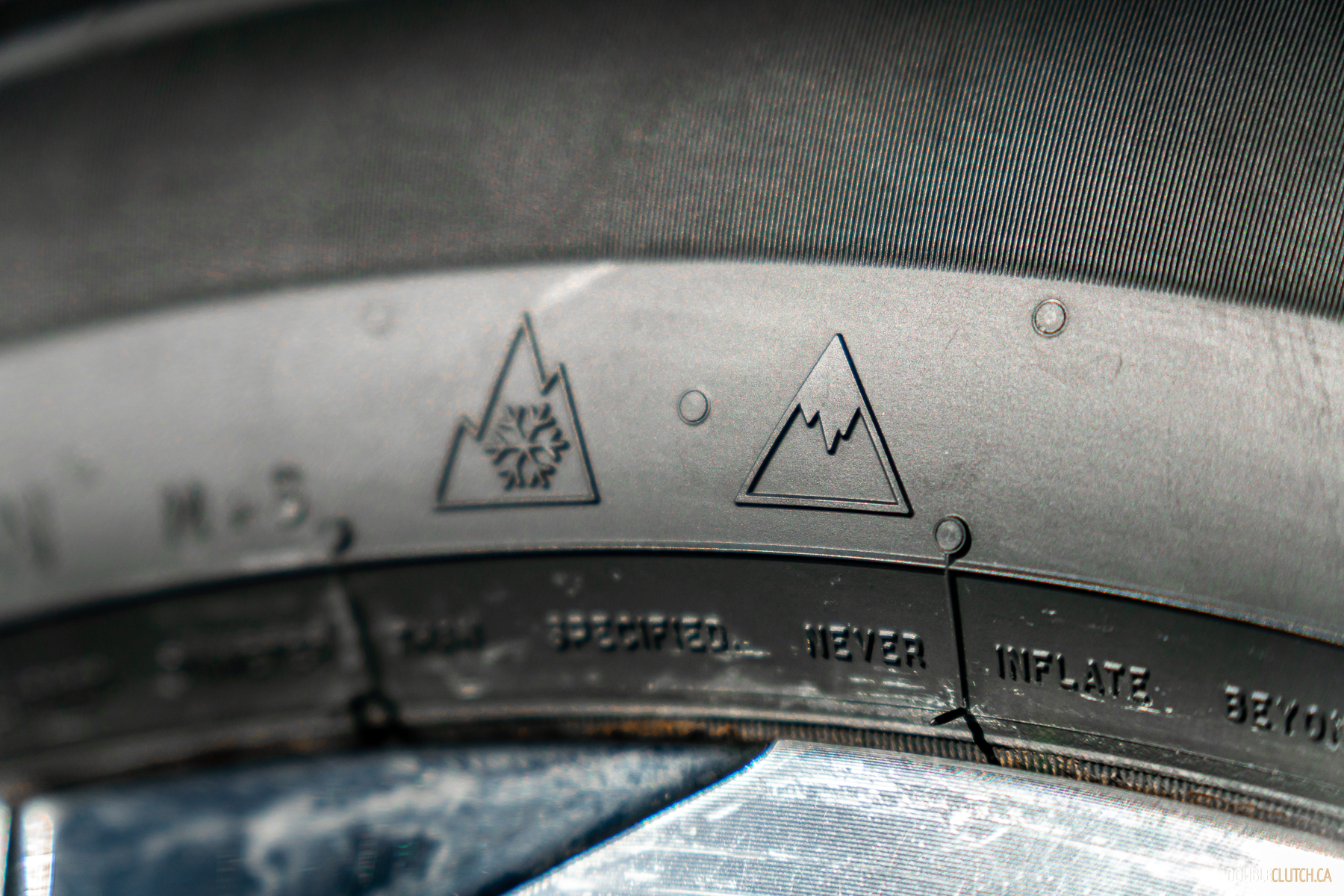
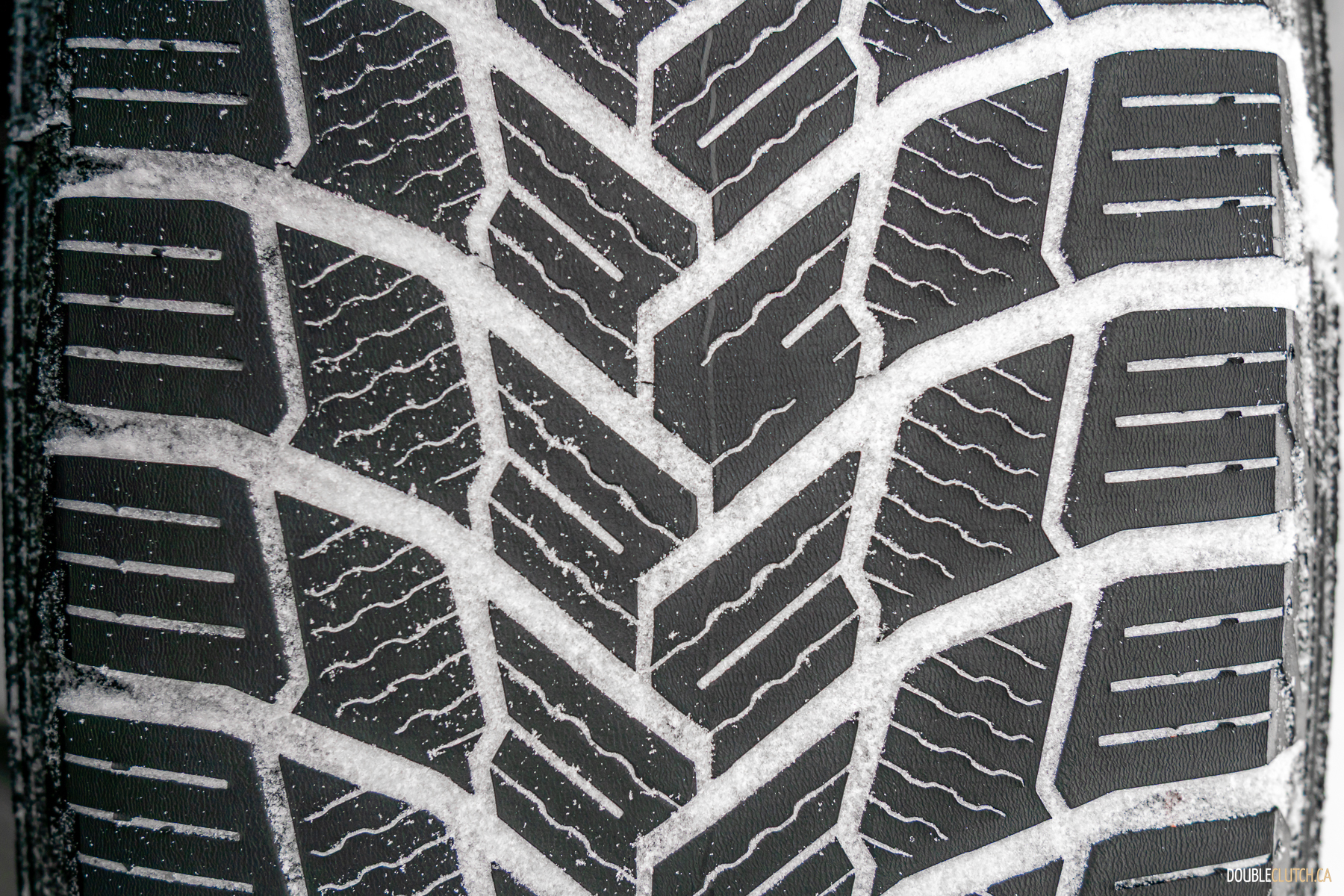
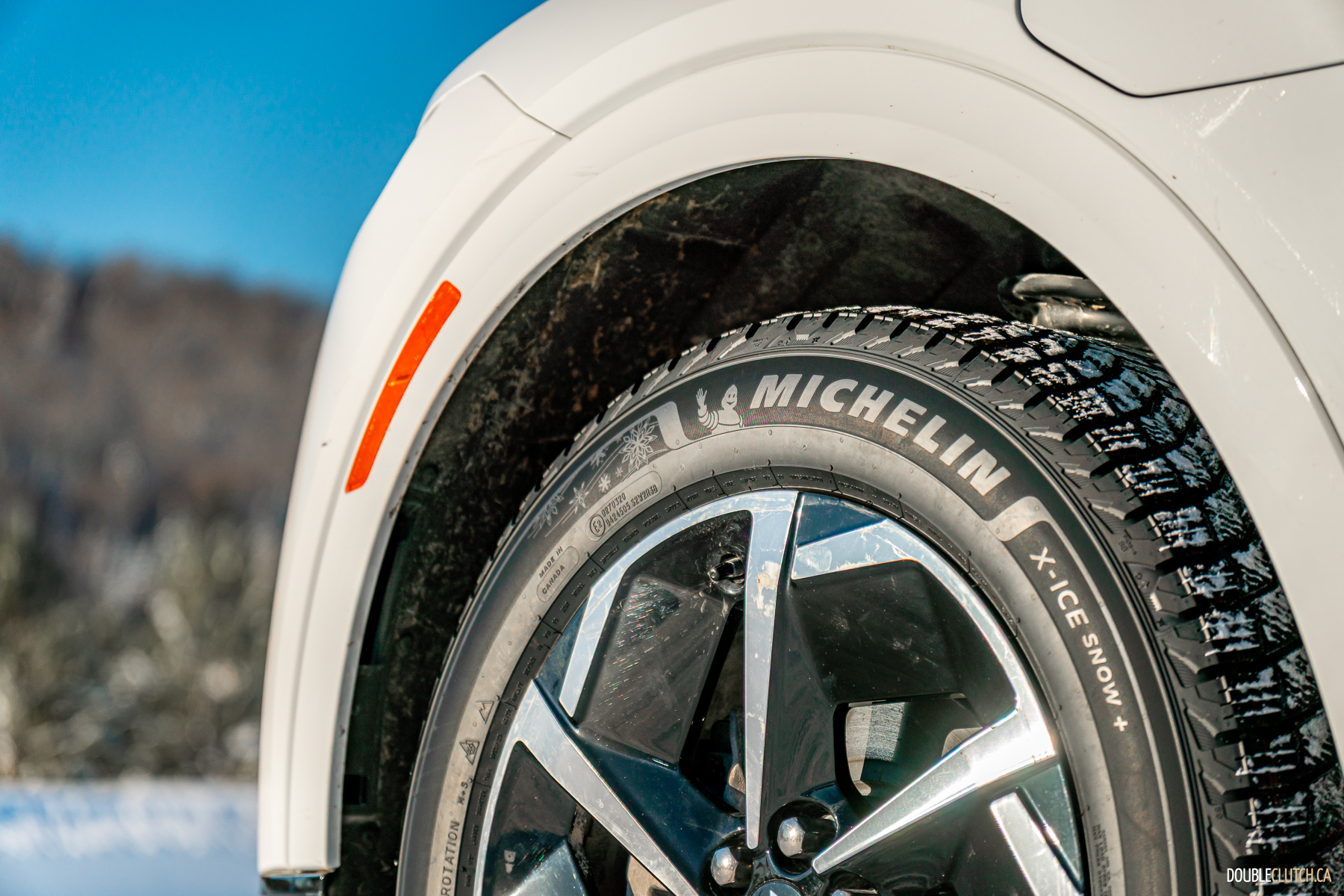
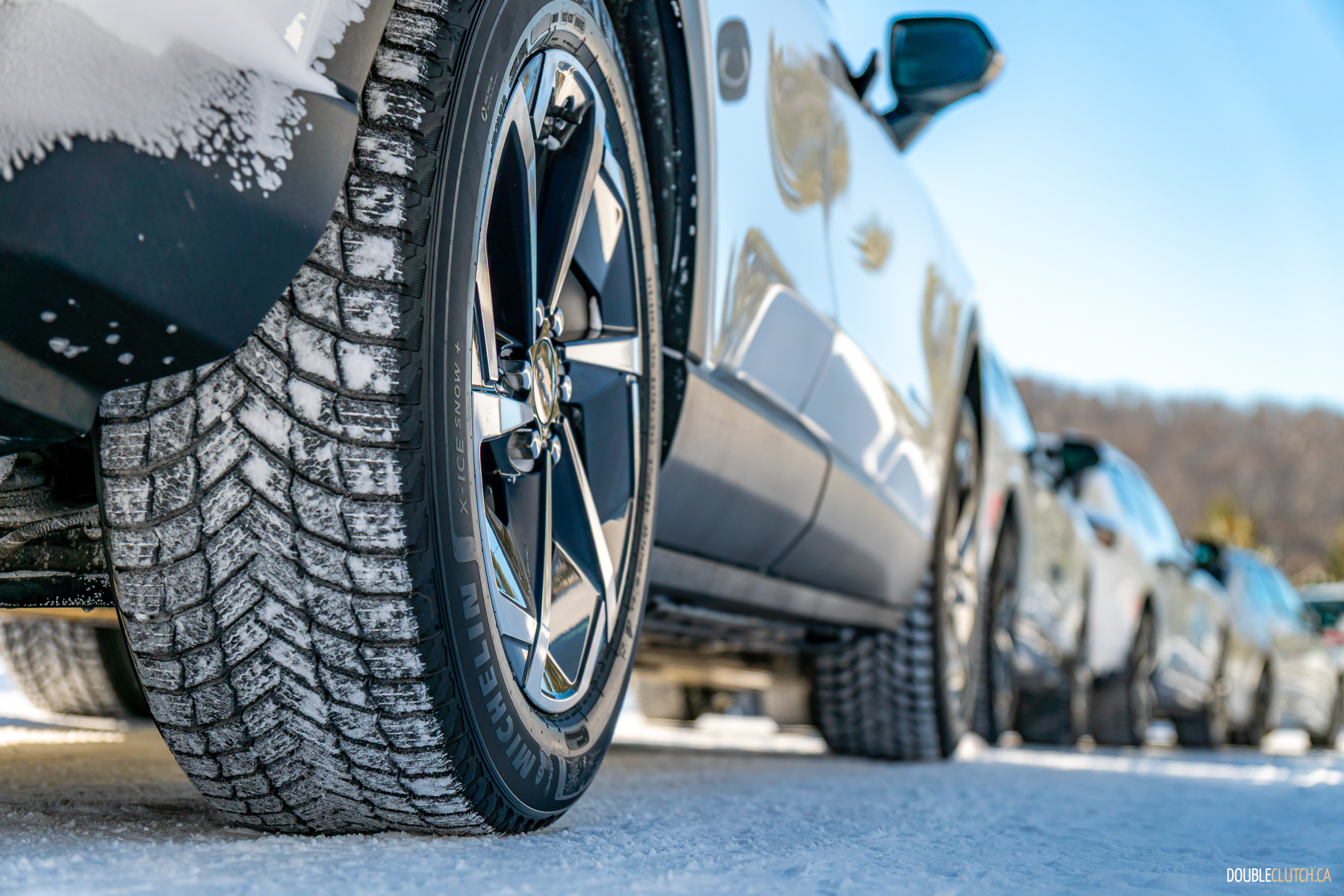
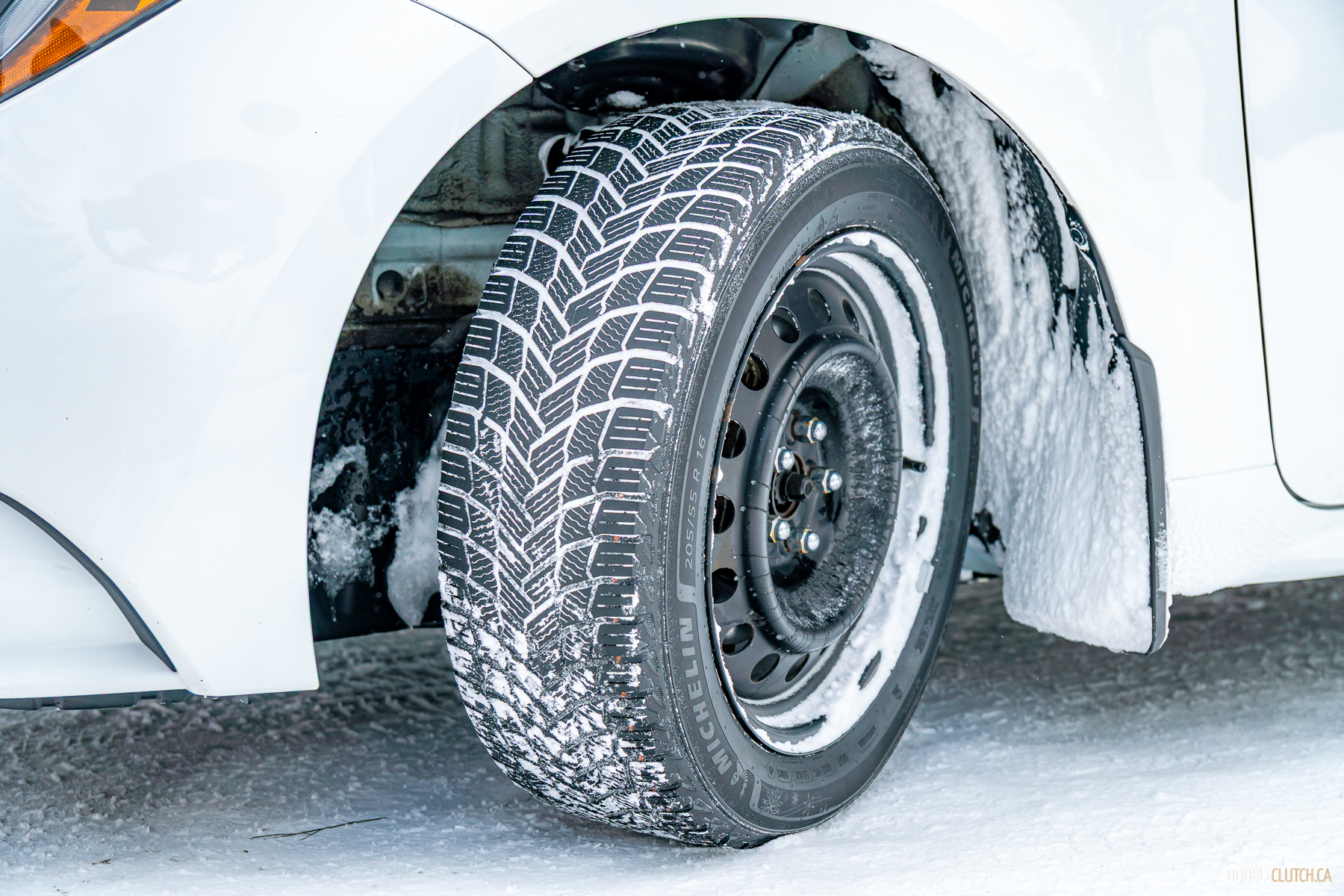
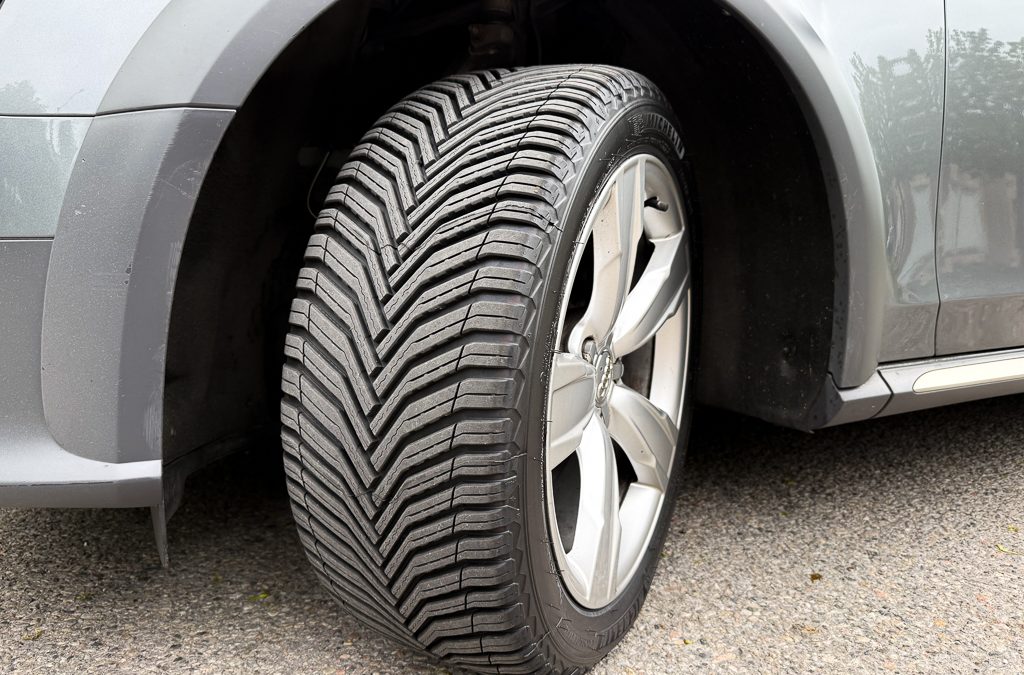
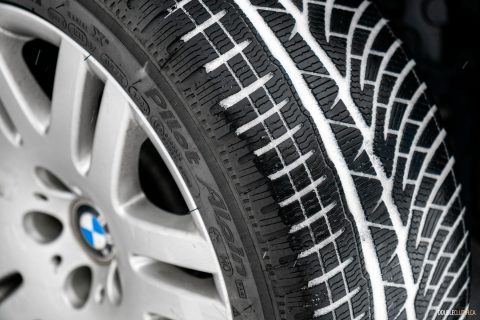
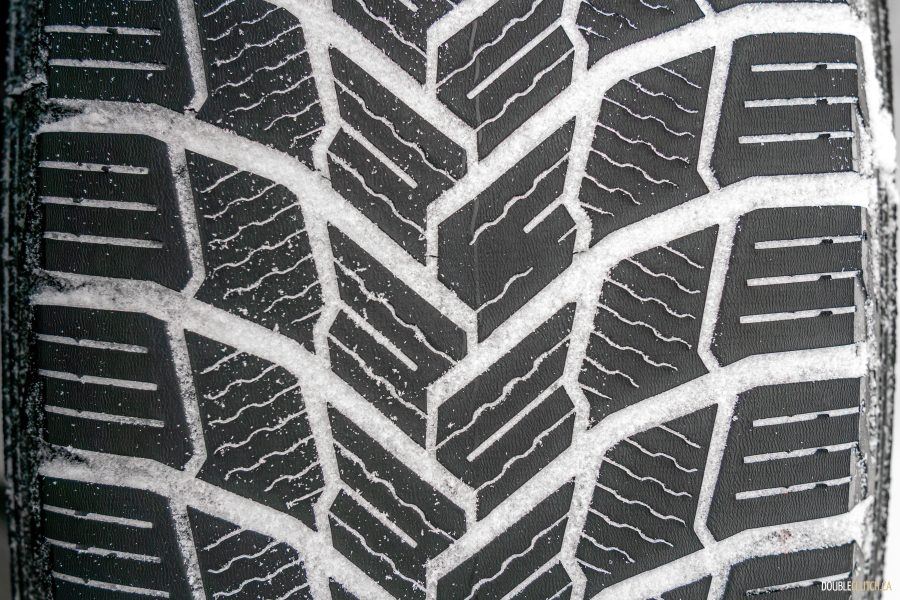
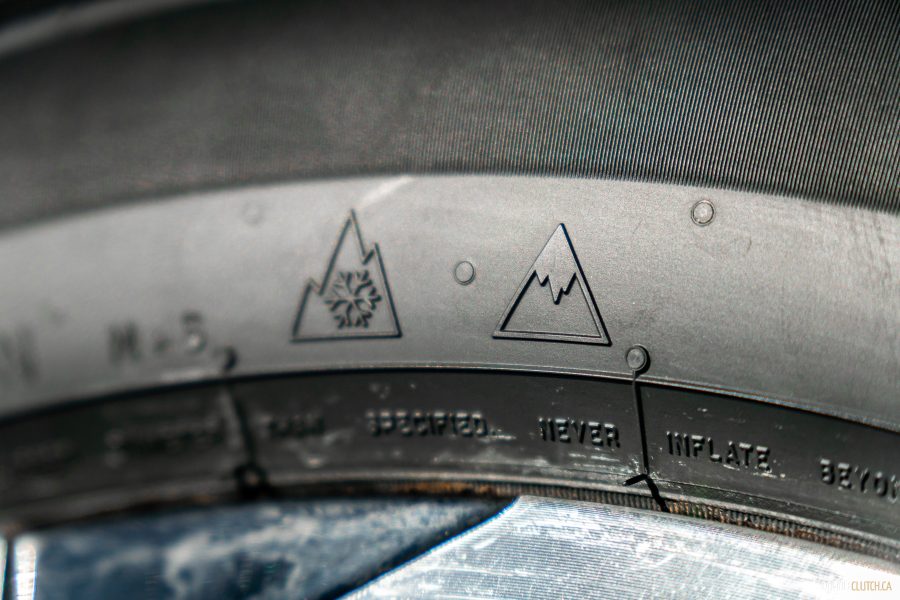
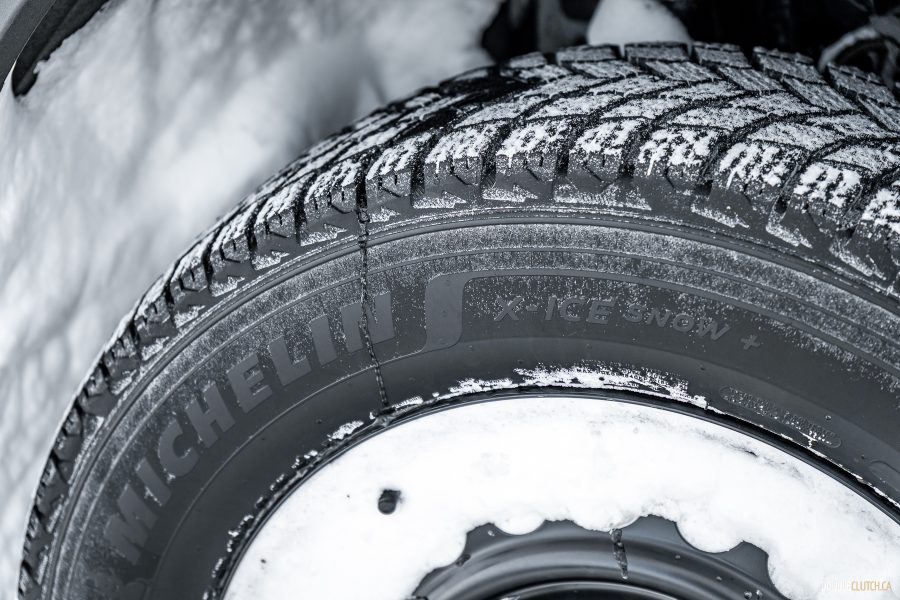
As such, the tread pattern is exactly the same as the existing X-Ice Snow. It’s already a proven pattern that works well, and already has the delicate balance of characteristics and long-term efficacy nailed down. The outgoing tire also met the stringent Ice Grip standard (along with the bare minimum 3-Peak certification), it just lacked the marking on the sidewall because Michelin developed it before the standard was established.
The Snow+ introduces Michelin’s new Flex-Ice 3.0 compound, a revised blend of silica, elasticizers, and plasticizers designed to improve flexibility in extreme cold to enhance wet and dry grip and dramatically improve wear resistance. Michelin claims it has a very quiet ride that stays quiet after years of use, along with substantially improved wet and dry performance over its predecessor, as well as better snow and ice traction than leading Tier 1 competitors in independent third-party testing, and up to 26 percent longer tread life.
That last figure is especially notable, because Michelin is and remains the only tire manufacturer in the industry to offer a mileage-based warranty on a winter tire – along with the their existing complimentary roadside assistance and 60-day satisfaction guarantee. They are surprisingly humble about it all, not touting their long history or massive scale of worldwide operations, instead preferring to let the product speak for itself through independent testing.
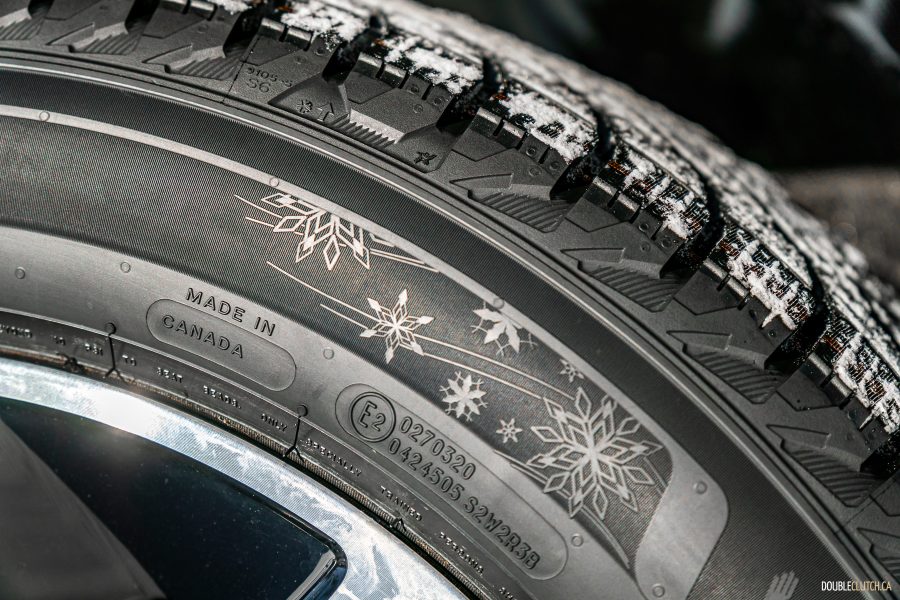
One of the benefits of their worldwide operation is that they can do the Toyota thing and manufacture products close to where they’re sold. All the X-Ice Snow+ tires I drove on during this event were made in Nova Scotia.
Snow and Ice Gymkhana
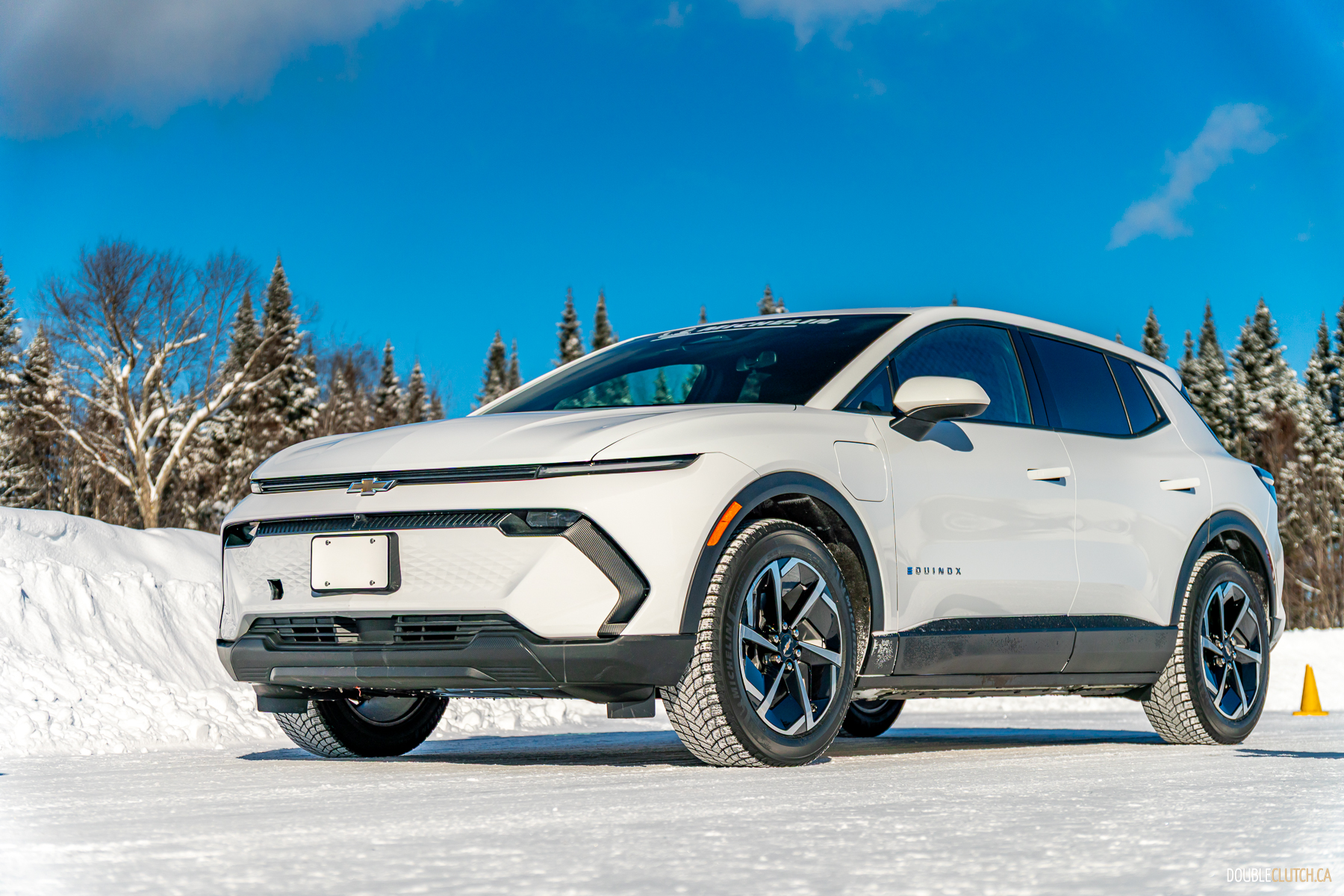
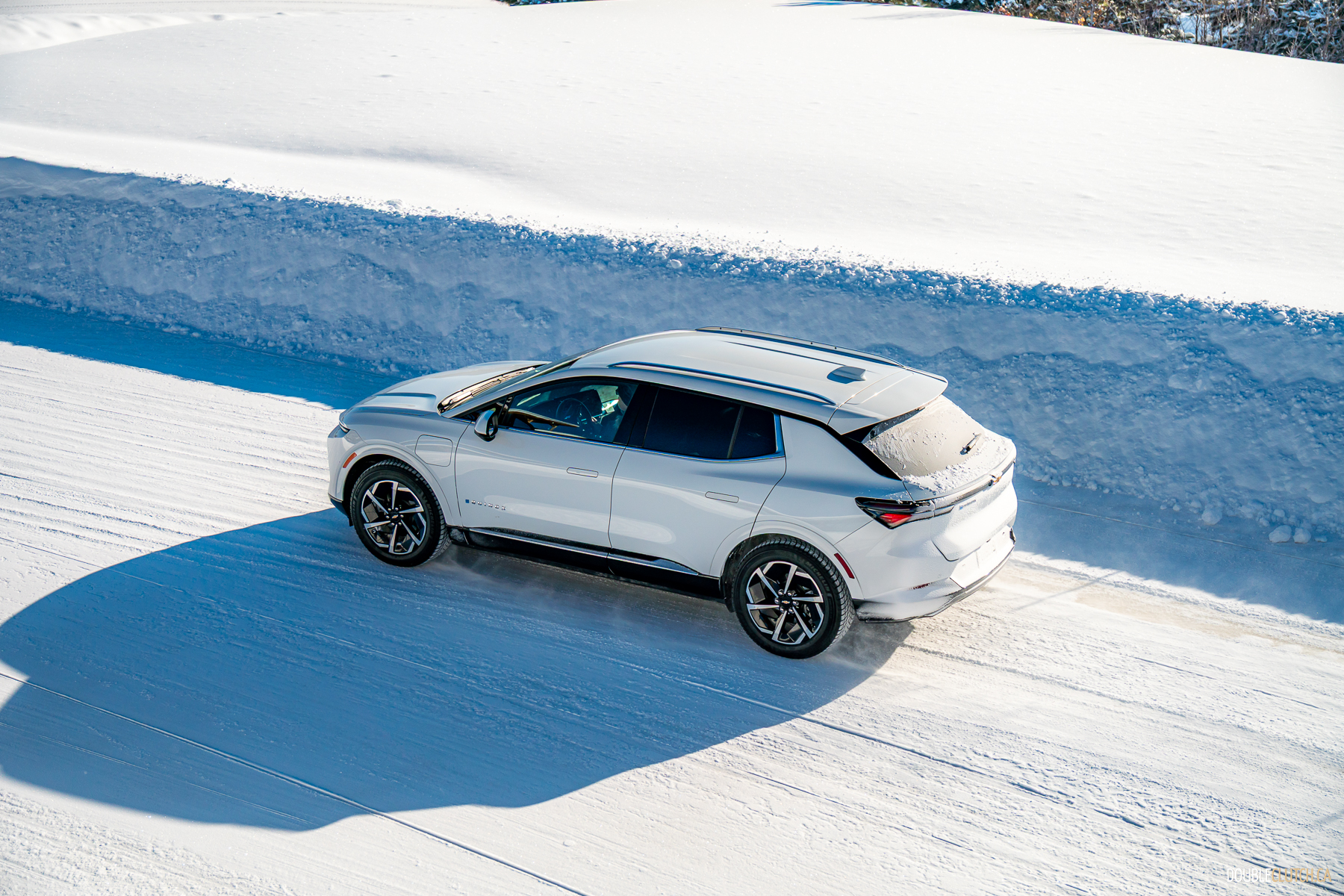
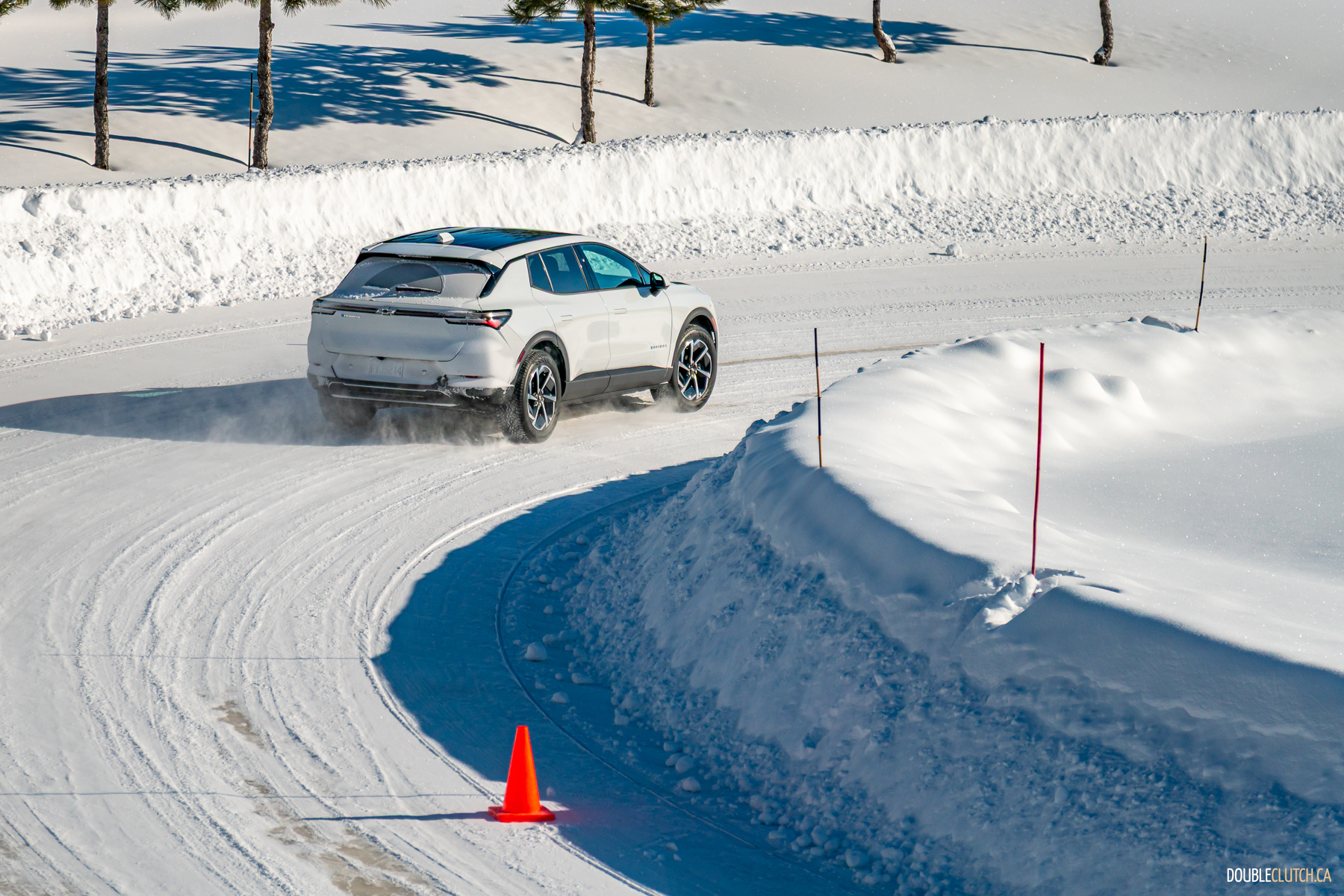
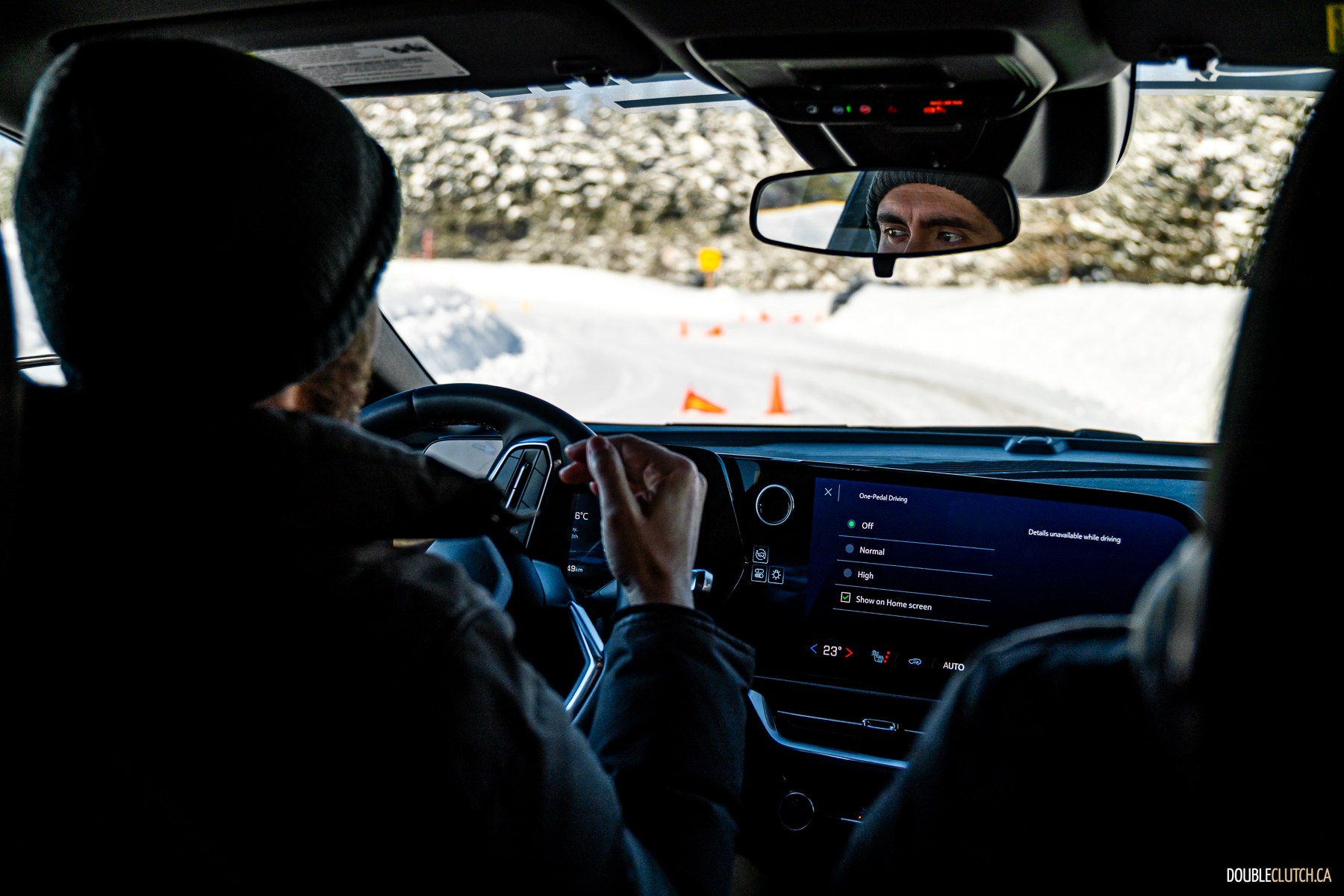
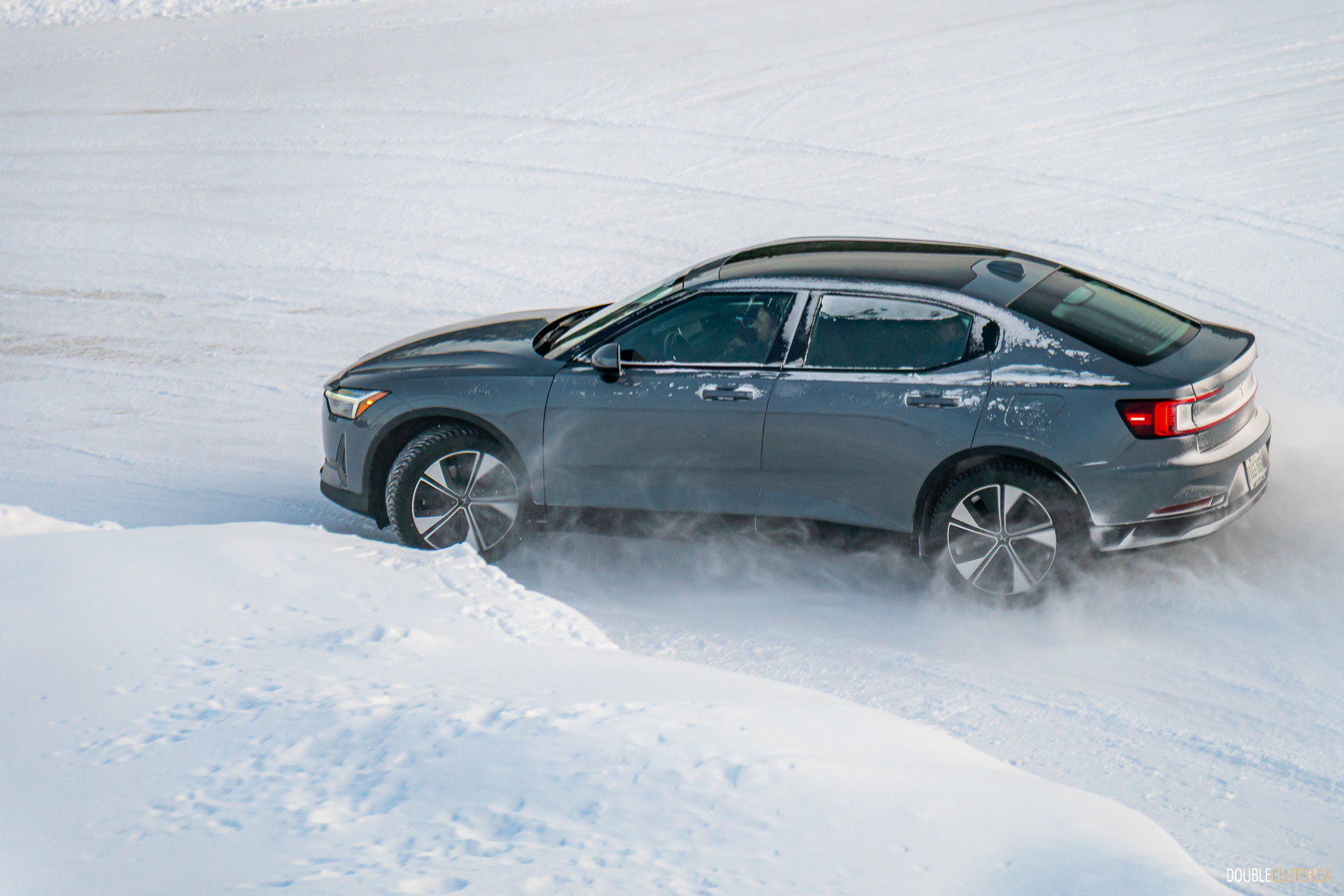
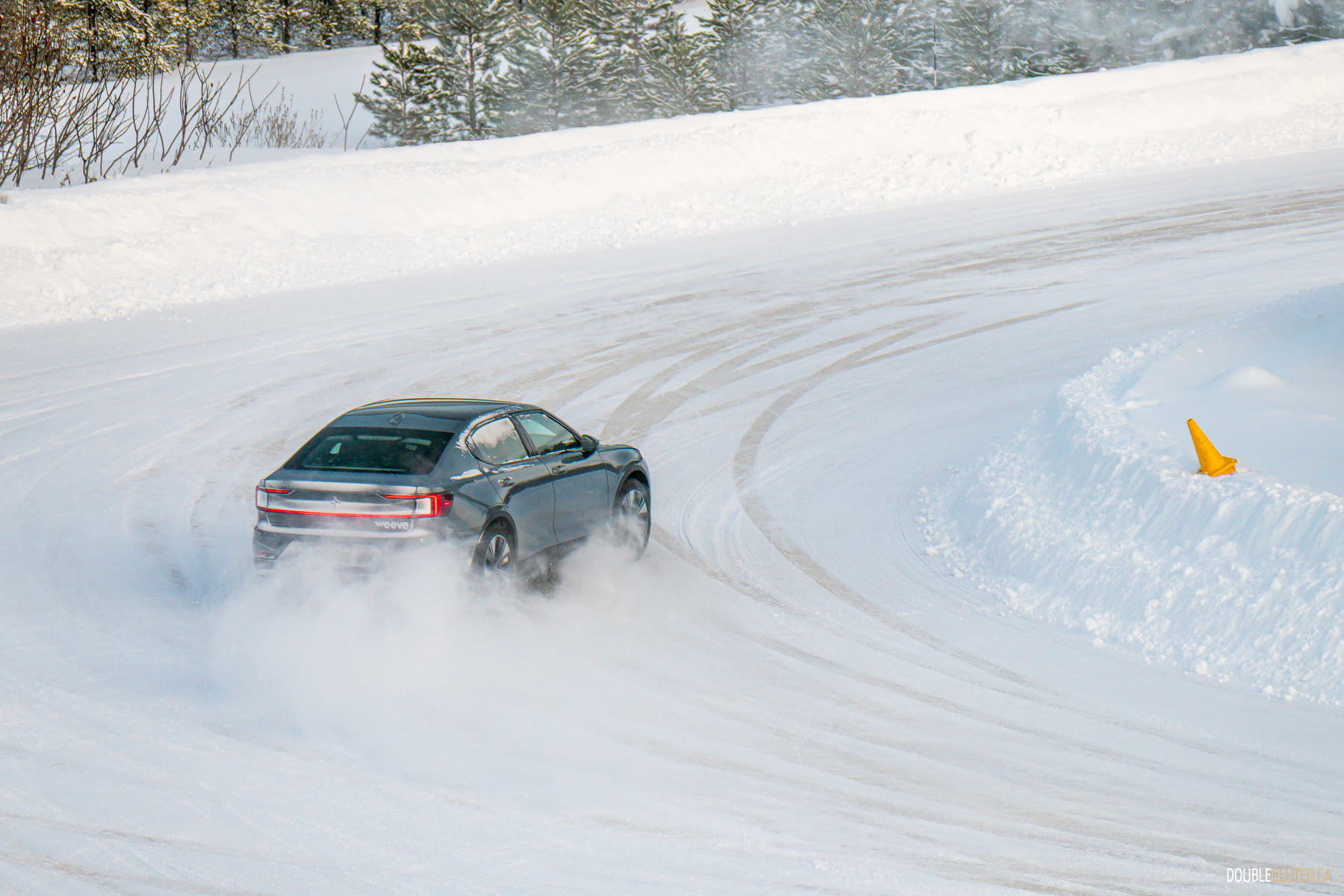
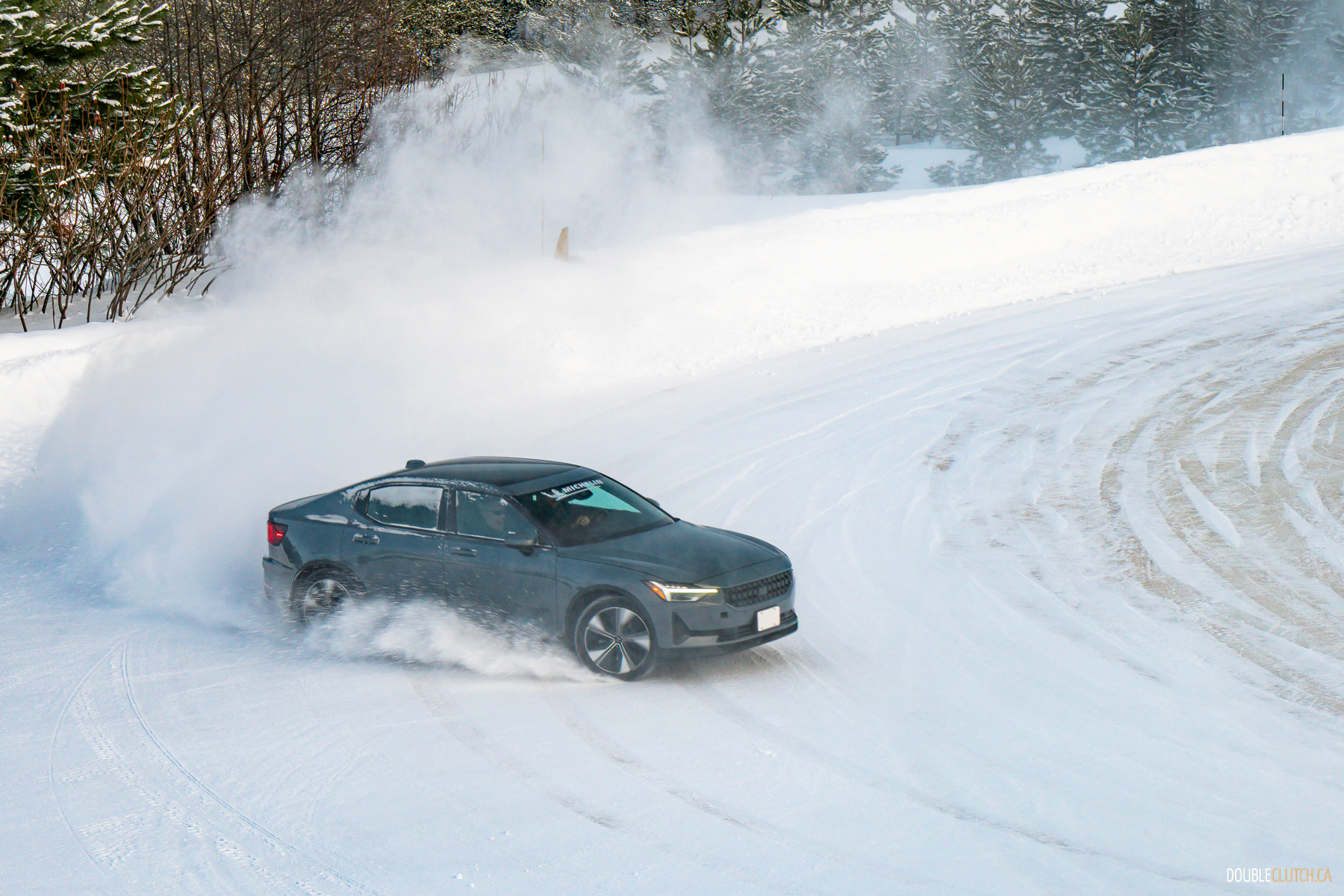
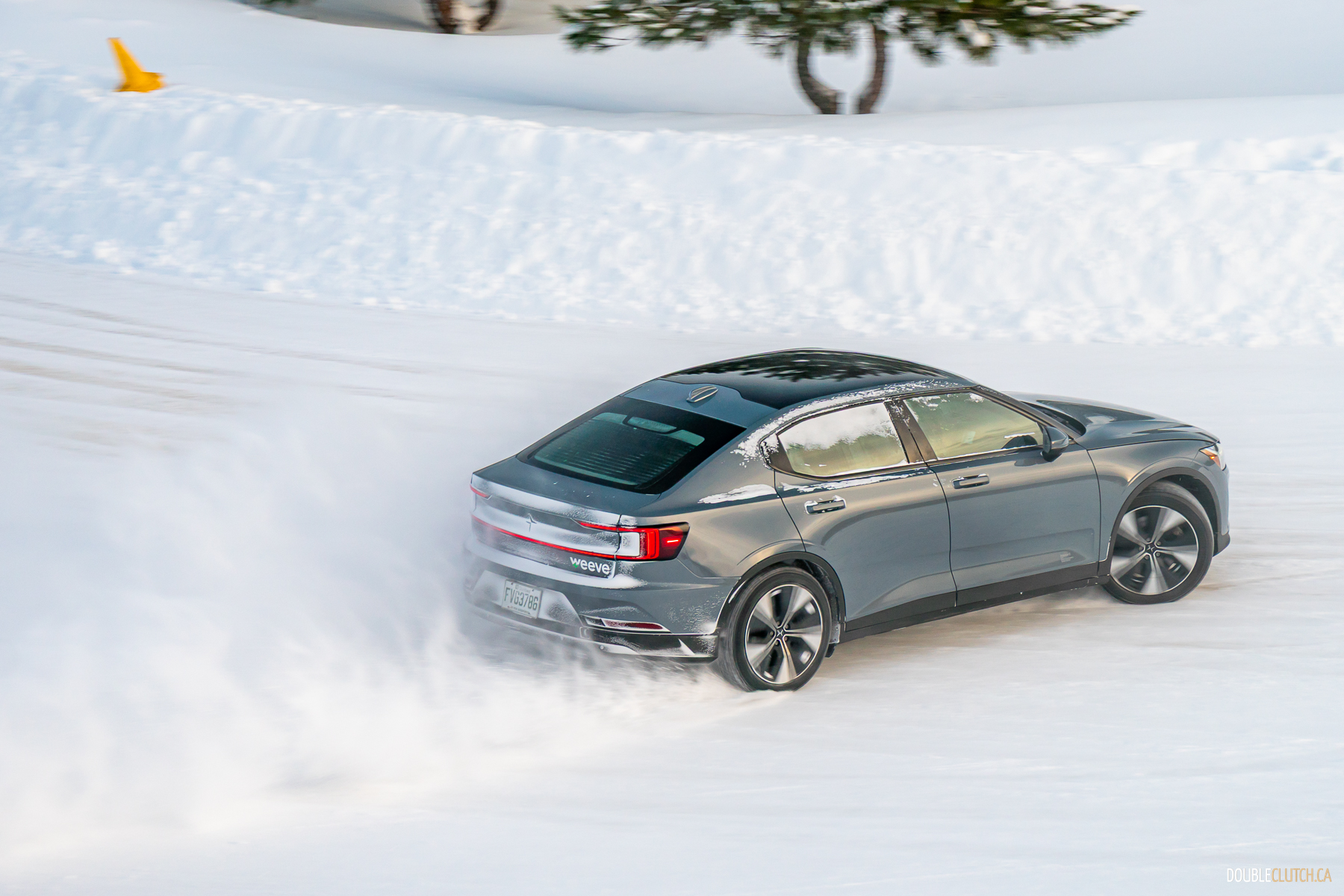
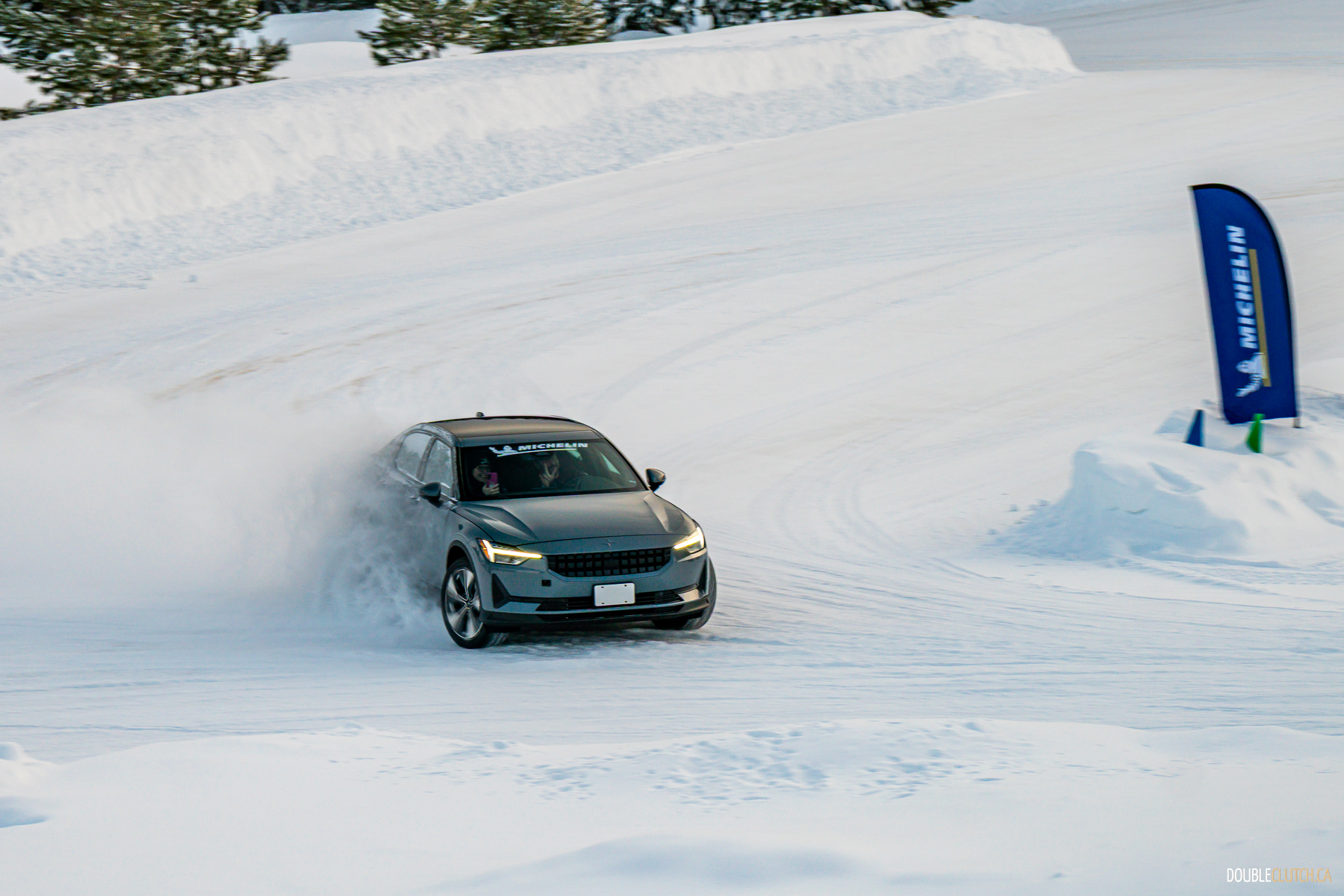
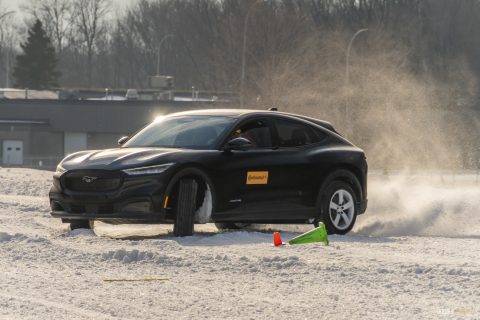
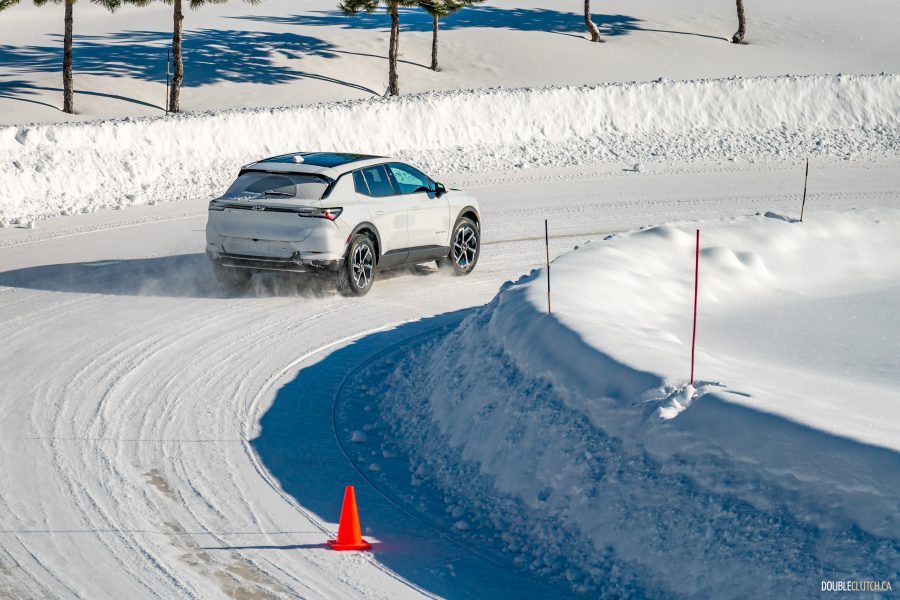
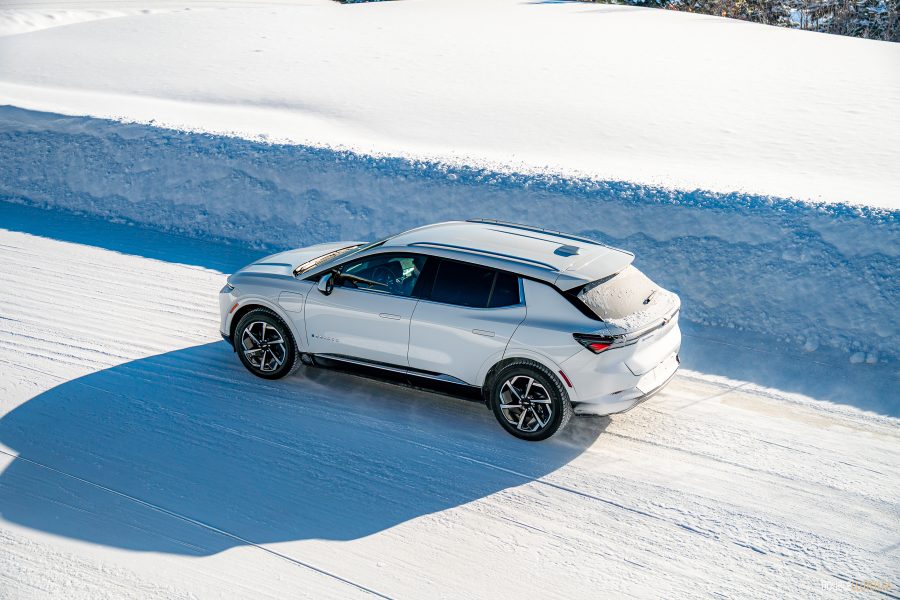
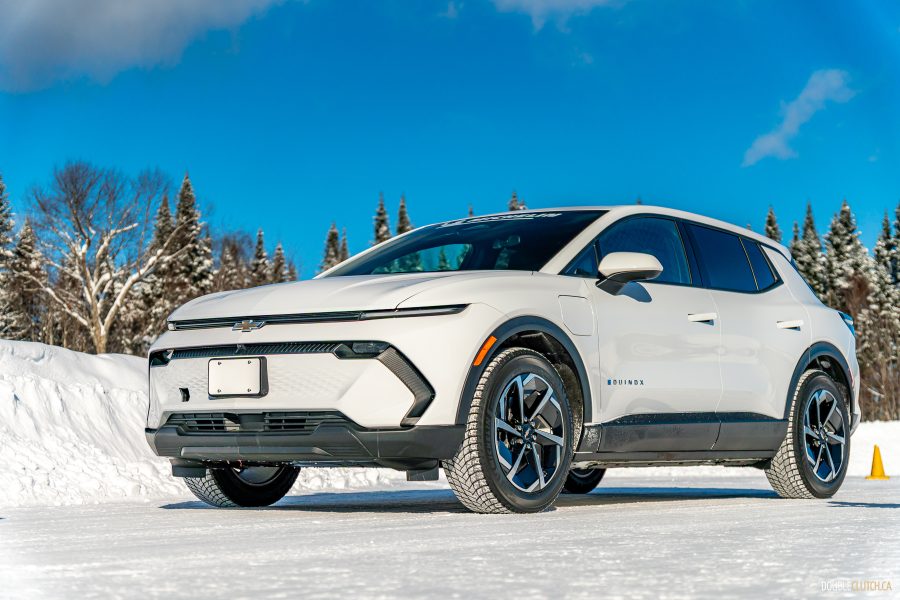
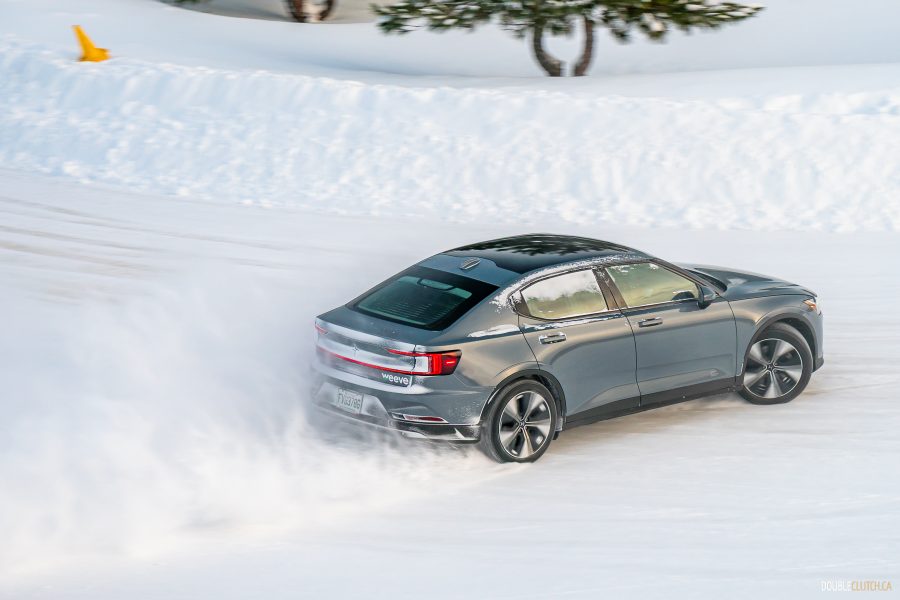
The first test placed us in a base, front wheel drive 2025 Chevrolet Equinox EV on an autocross-style course laid out an ice circuit around Mecaglisse, with off-camber corners and tricky elevation changes. The surface featured a light dusting of snow that got increasingly slick as the session went on, as snow was scrubbed away to reveal sheer ice underneath – often in the middle of corners.
One of the things Michelin was keen to point out is that a tire being “EV Ready” isn’t a real thing, and has no official certification or standard; they don’t bother adding any EV markings to their tires. A tire is a tire, and if it has enough load rating to handle the mass of an EV, there’s no reason it won’t work.
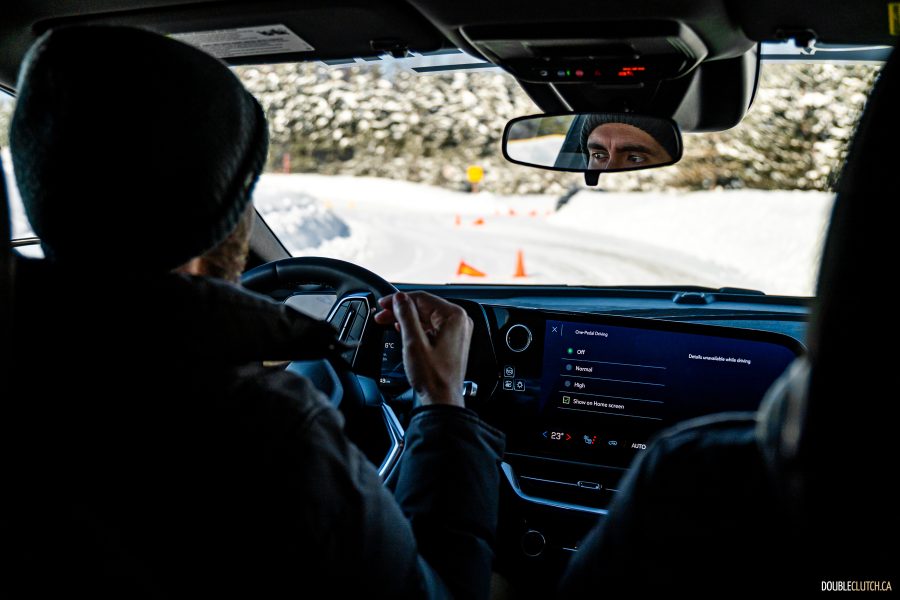
Just because they haven’t stuck the letters “EV” on their tire doesn’t mean they weren’t thinking about EVs. They’ve been very careful to make sure rolling resistance is kept to a minimum despite the increases in traction, and is up to 34% more efficient than competing winter tires to improve range in electric vehicles. More importantly, every size of X-Ice Snow+ carries an XL load rating to handle battery mass.
For this demonstration, Michelin set the X-Ice Snow+ against the Continental VikingContact 8 and the Nokian Hakkapeliitta R5 EV, showing that their new tire can and does work better on electric vehicles than other tire brands’ EV-specific tires.
The Michelin delivered the most secure and predictable handling of the three. While the Continental was fairly close in perceived handling capability, the Michelin felt more composed during transitions, particularly when entering a corner. The Nokian struggled to match that consistency, offering less reliable traction and a greater tendency to break away abruptly. It’s a little tricky to accurately call this one as the track was devolving so quickly, but if they’re in and around the same league, but the Michelin is capable of lasting longer, that’s a win on its own.
Snowy path – with shaved shoes
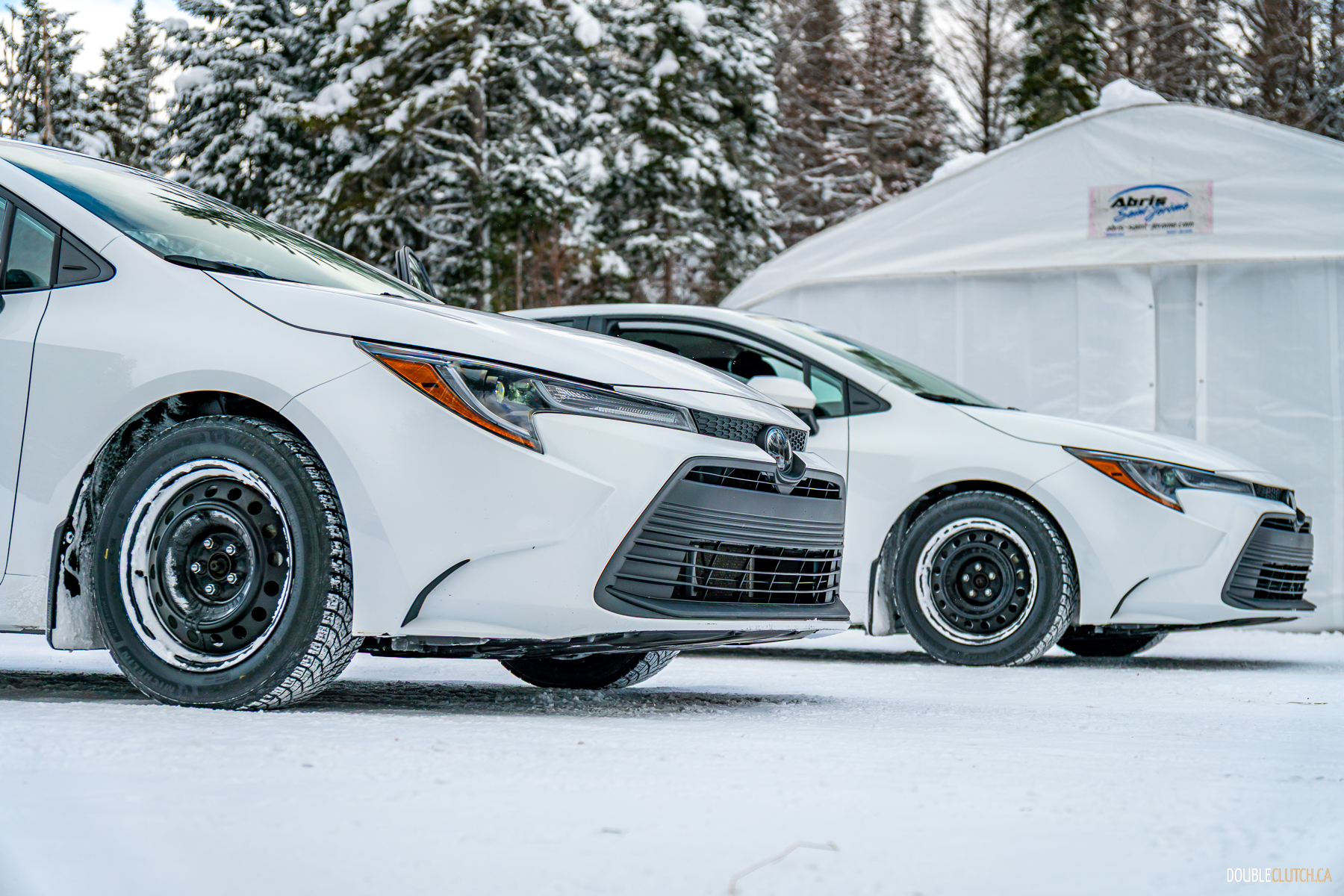
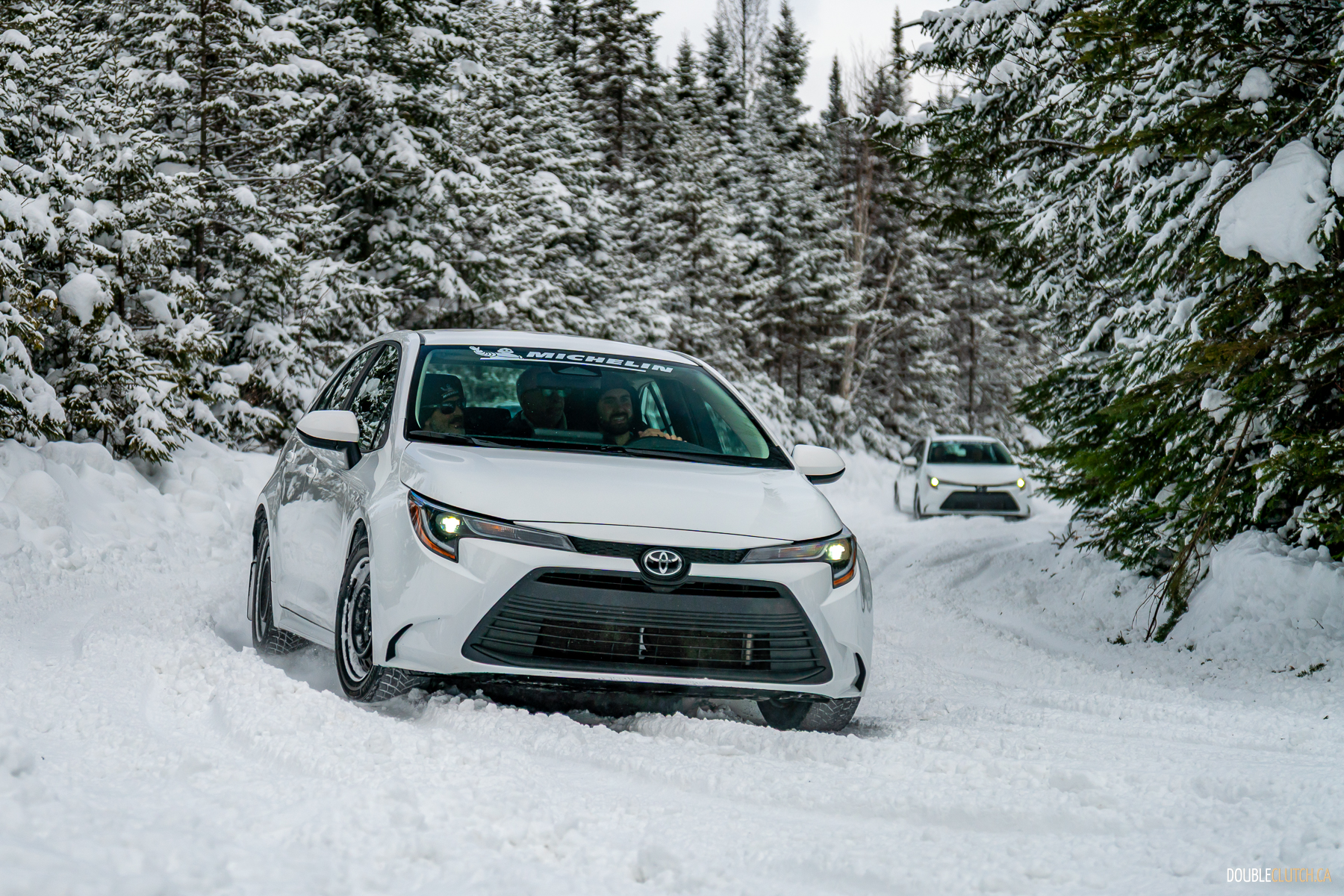
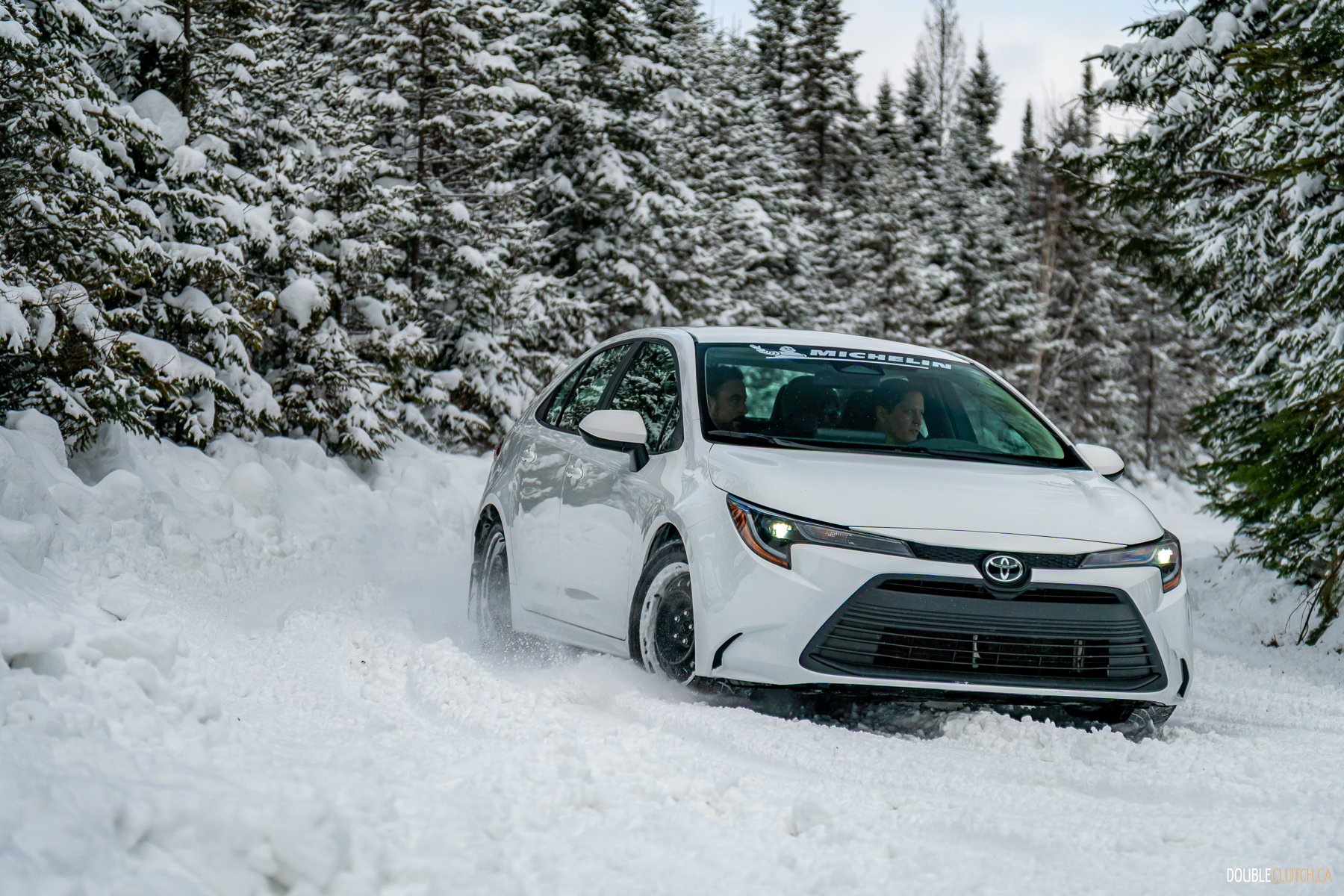
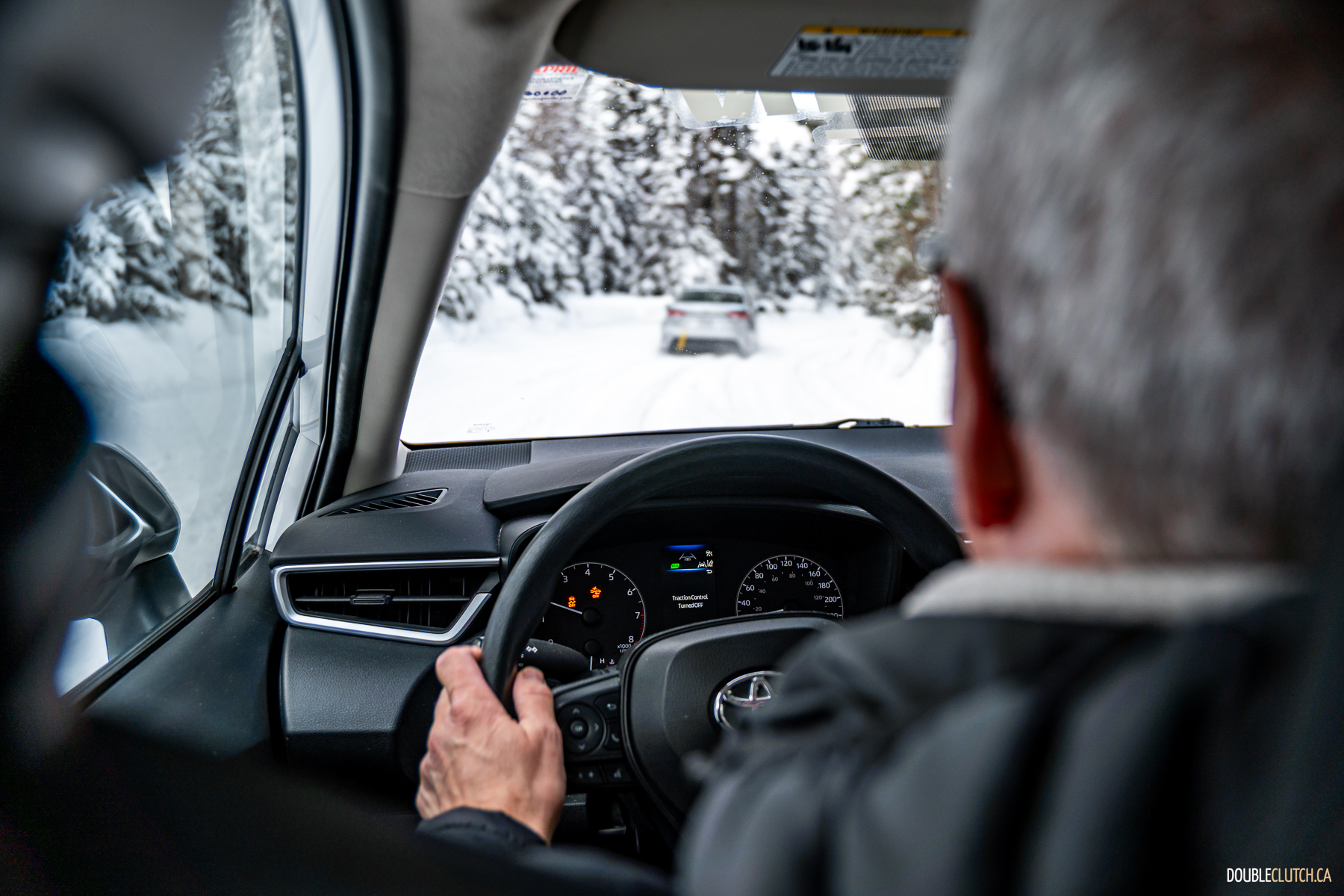
The second test was one the most revealing of the day – it entailed guiding a base, front wheel drive Toyota Corolla through a wooded path covered in deep snow. These are conditions that almost everyone has become convinced that they need an all-wheel-drive SUV for, and this test showed (as I and everyone else on staff have been shouting from rooftops for years) you just need proper tires.
A key caveat for this test: both the Michelin and competing Bridgestone Blizzak WS90 tires were shaved down to 4/32nds of tread depth, mimicking a tire that’s nearing the end of its usable life – because we’re not all running around on brand new shoes. This is an especially telling test, because winter tires as a whole category are somewhat notorious for falling off in performance very quickly if they’re not an exceptionally well engineered product.
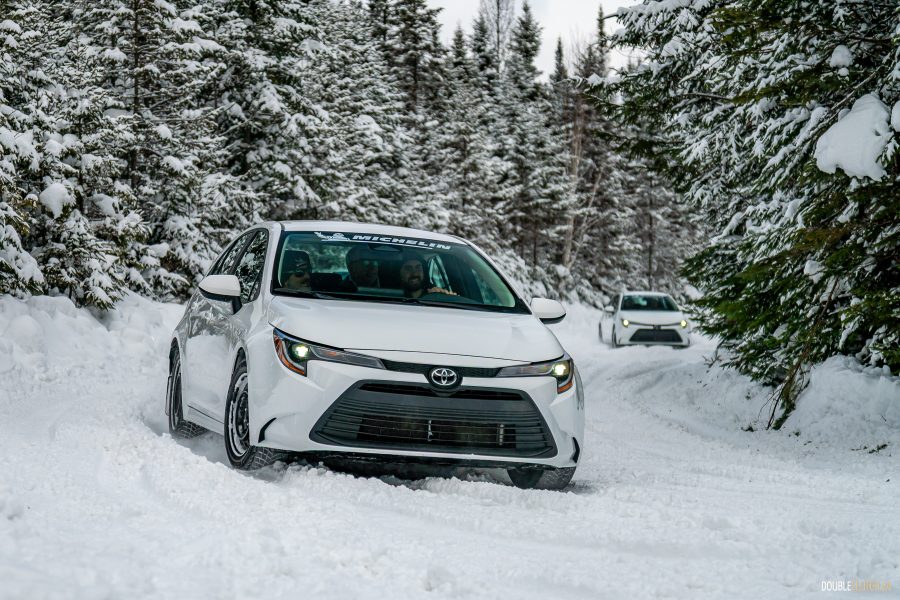
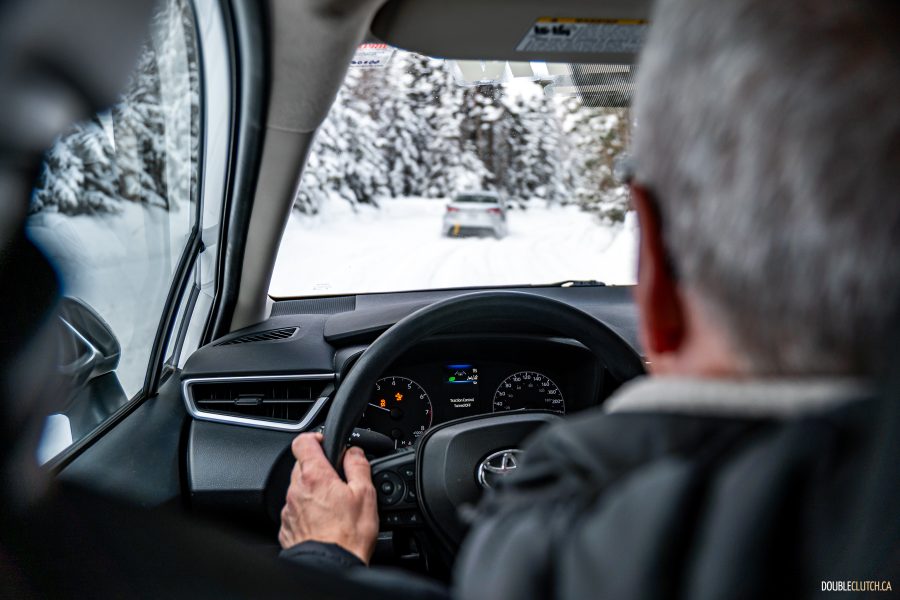
In these conditions, the Michelin was clearly superior. The Corolla equipped with the X-Ice Snow+ was able to steer itself out of deep ruts, and accelerate from an uphill stop without a fuss. The Blizzak struggled by comparison, feeling very much like it was being steered by tracks in the snow, and struggled to accelerate from the same inclined stop.
This test strongly favored the Michelin, not just because of outright traction, but because it demonstrated effective performance even when worn, something that matters far more in real ownership than brand-new test results.
Hard-packed deep snow with hard tracks
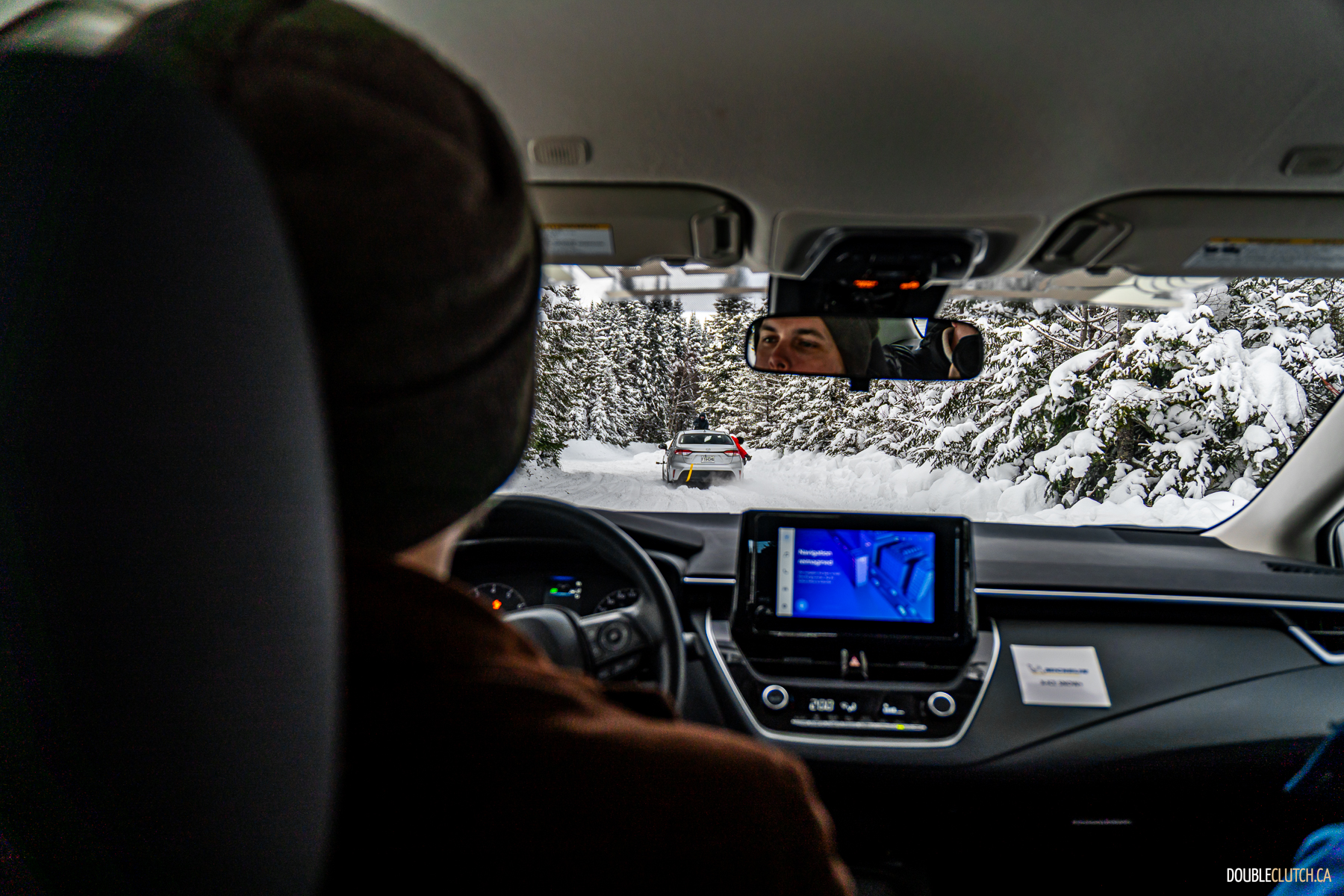
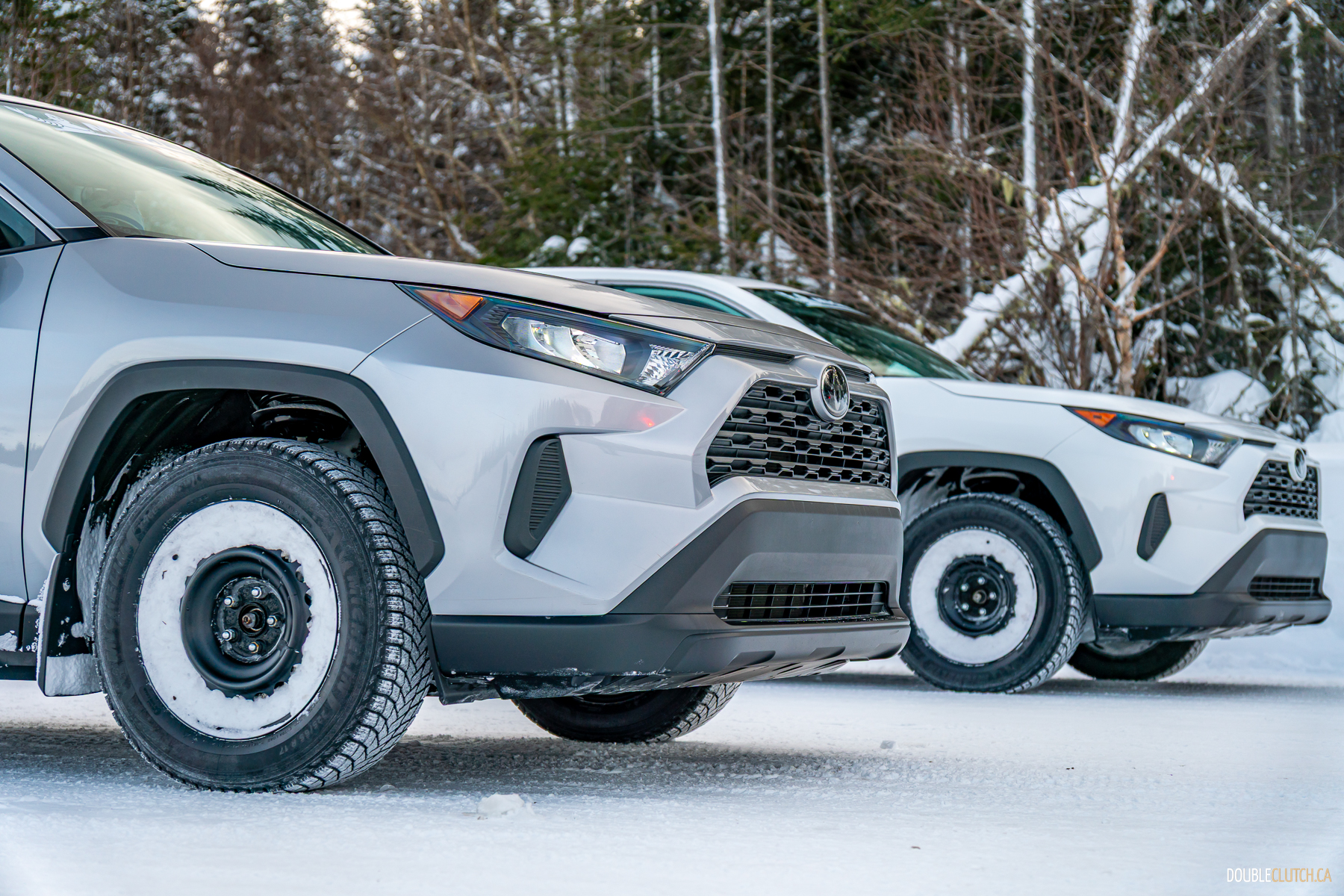
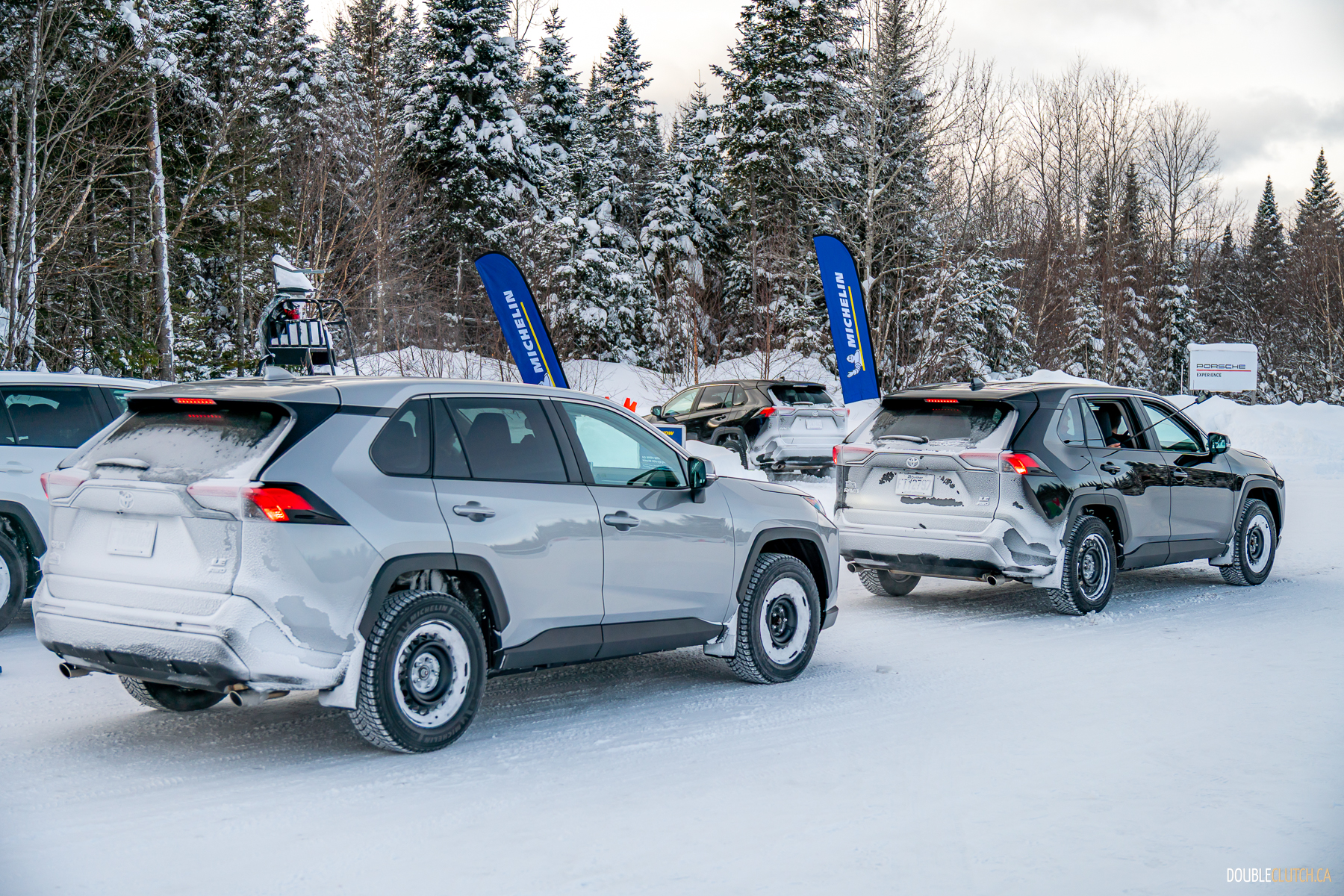
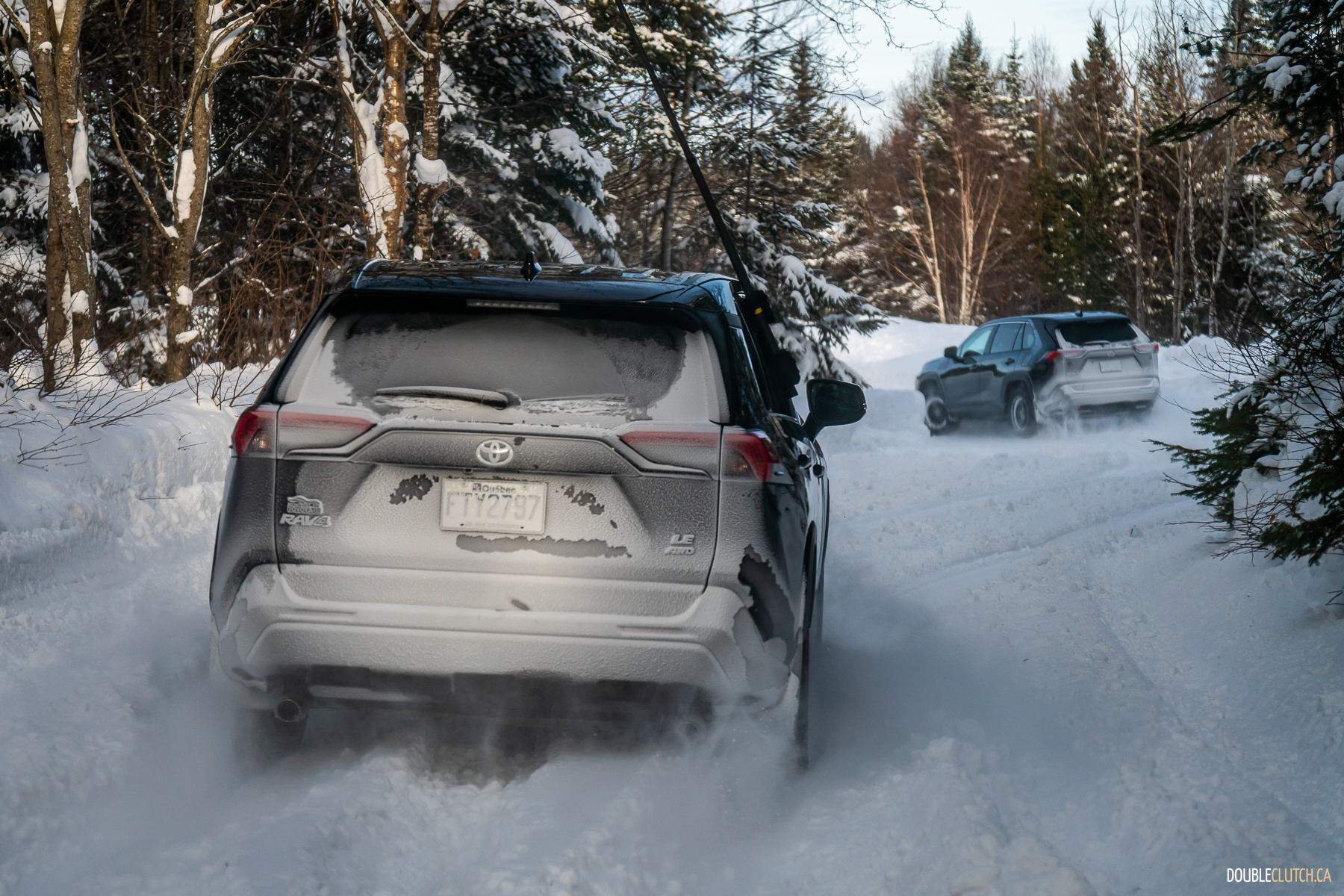
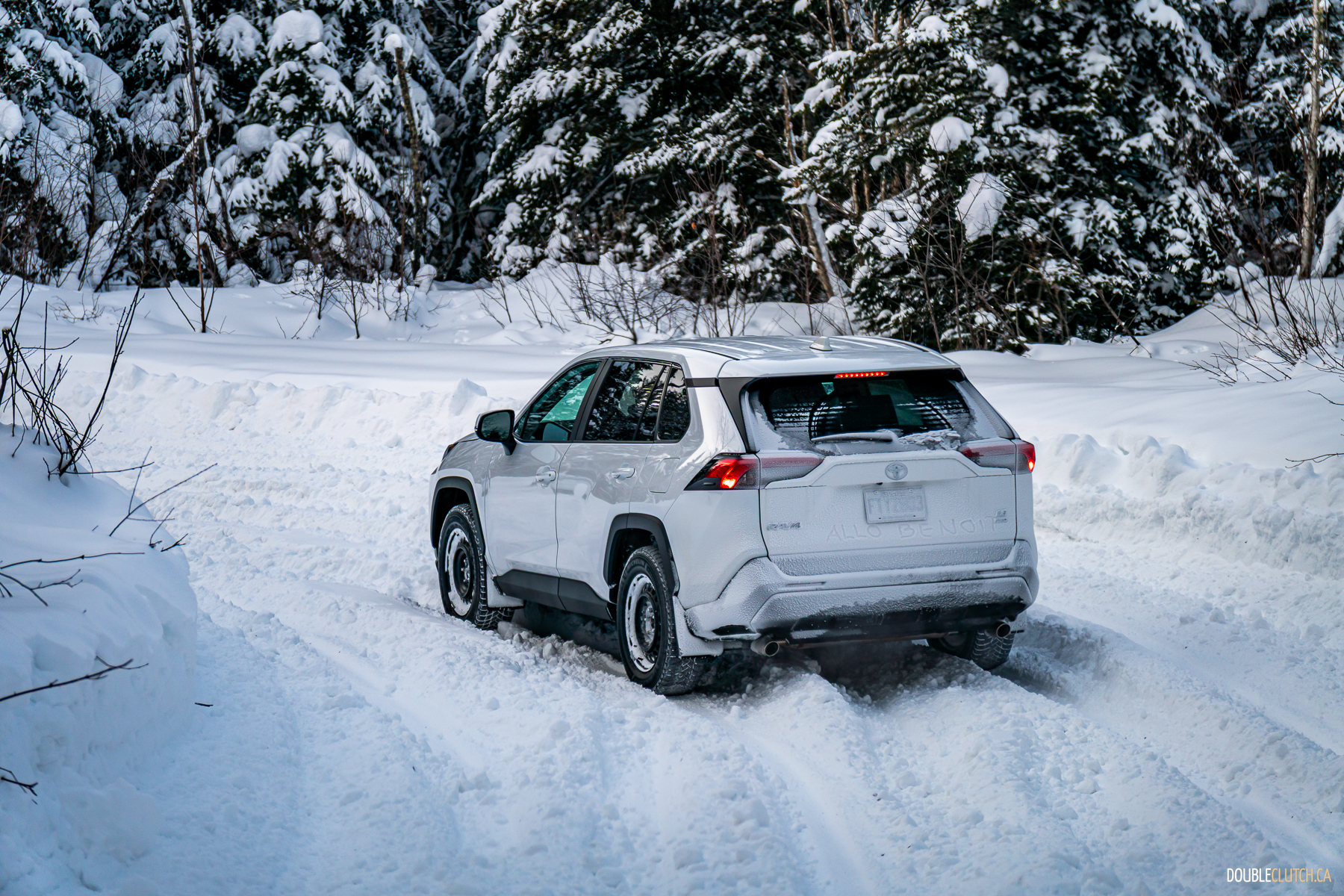
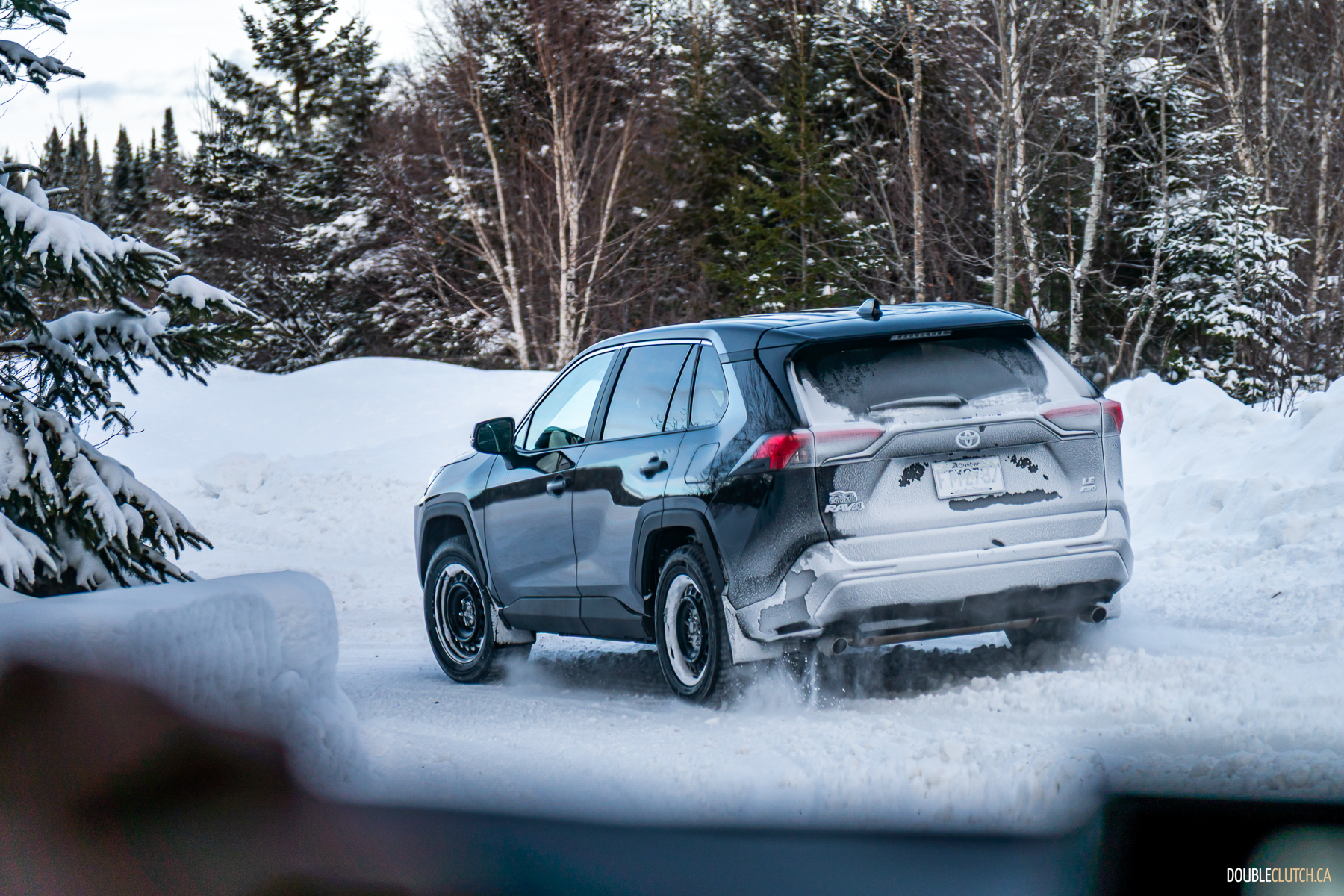
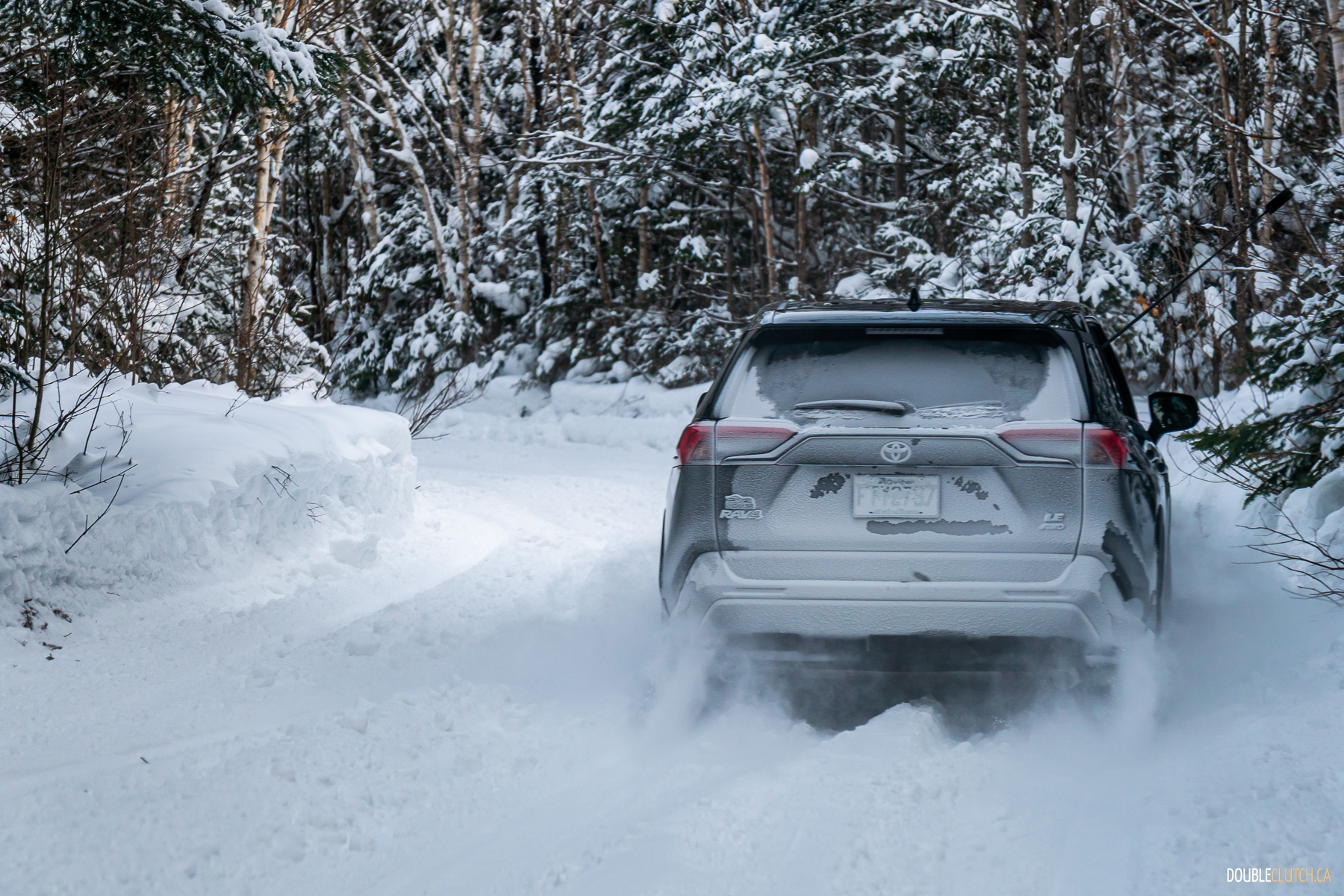
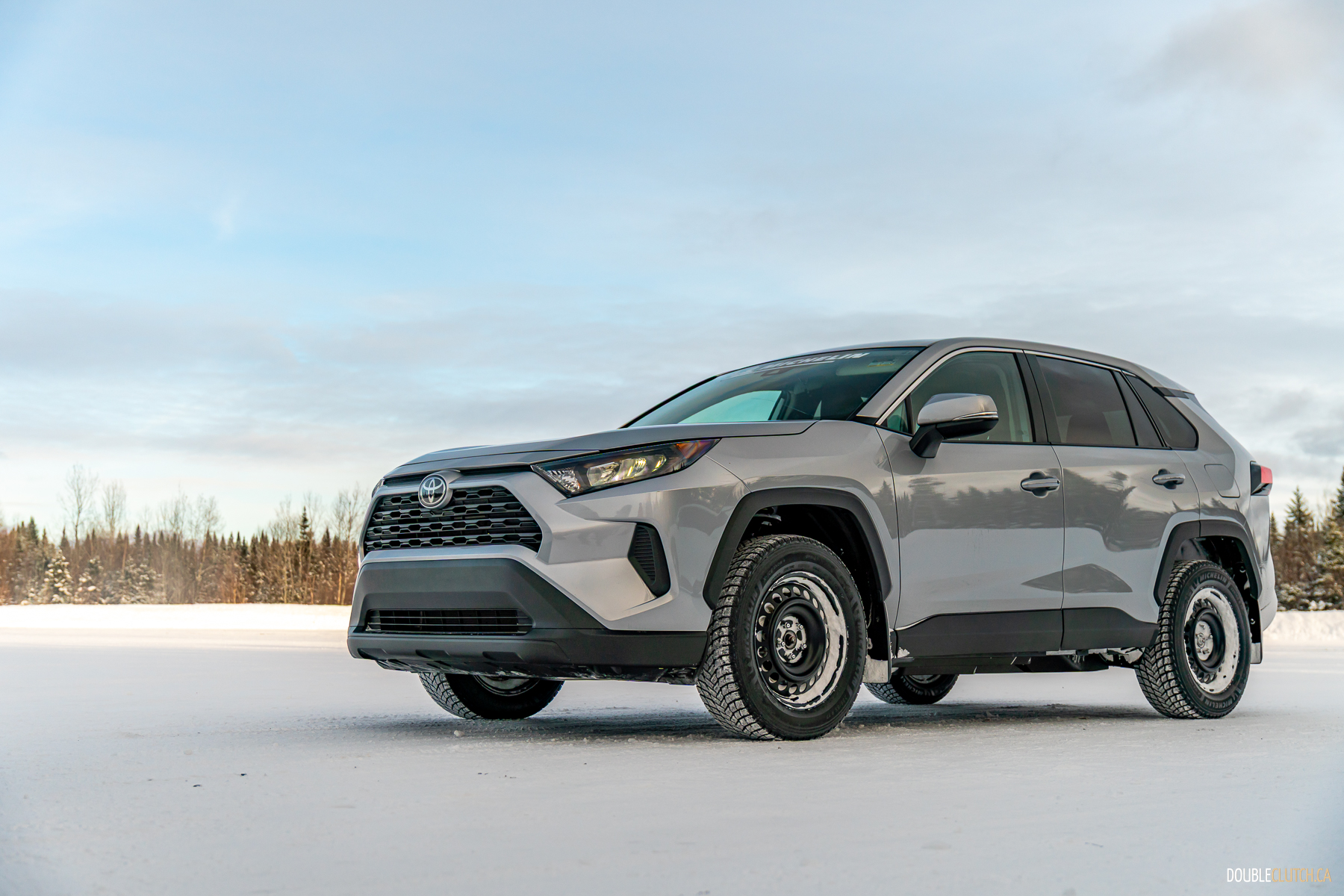
The final test increased the difficulty further, placing us in a 2025 Toyota RAV4 AWD with snow depths approaching a foot. Whereas the above path was conditioned to some extent with light, powdery snow, this was defined by deep, hard-packed ruts. These are the conditions that actually need some ground clearance and extra driven wheels to handle, and indeed even the infallible Michelin shoes struggled a bit in these conditions that would see most vehicles on the road getting stranded.
Regardless of whether it was fitted with the Michelin X-Ice Snow+ and on the Continental VikingContact 8, both required a considerable amount of intervention from the RAV4’s on-demand all wheel drive to keep trudging through the snow. Both were being thrown around by tire tracks quite a bit. The Continental equipped car required considerably more steering correction to stay on track, and needed more throttle to keep going.
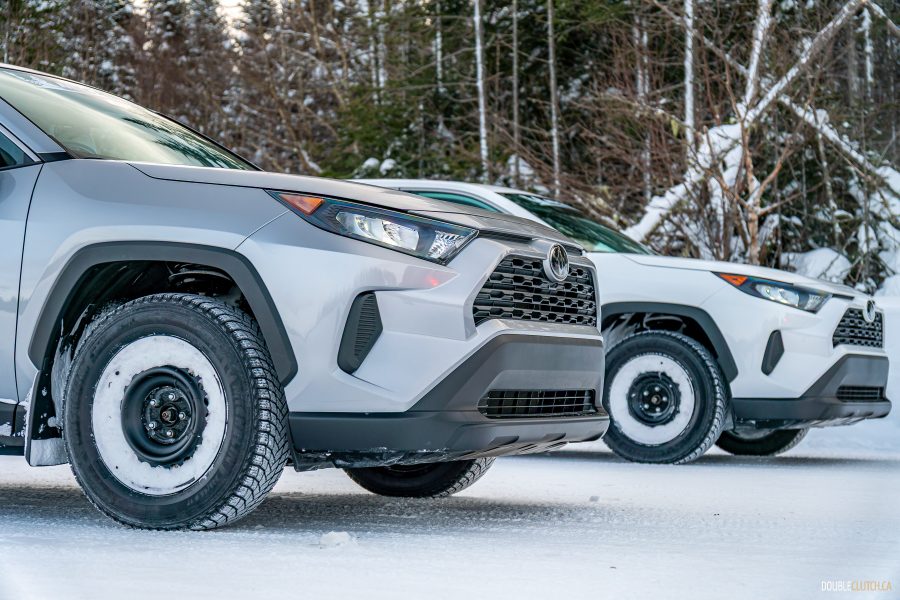
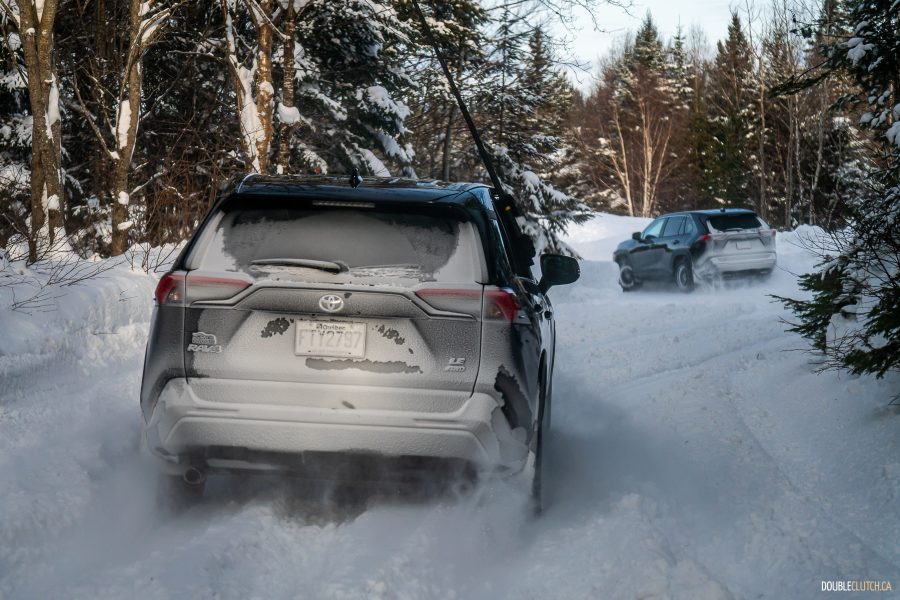
Michelin’s advantage in deep snow appears partly due to the X-Ice Snow+’s notably square shoulders and mild tread extension into the sidewall, a design cue more commonly associated with all-terrain tires and one that proved effective in these extreme conditions.
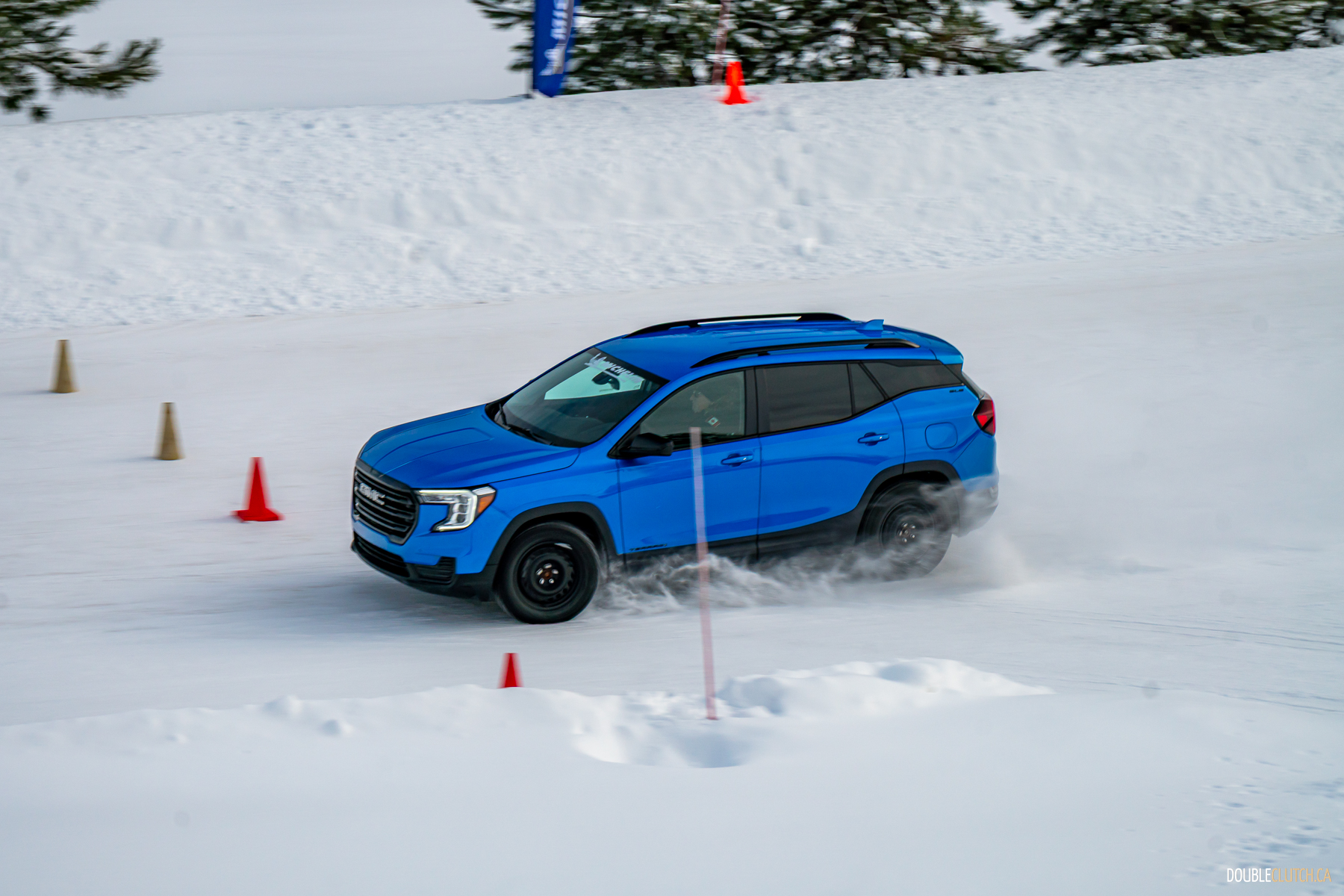
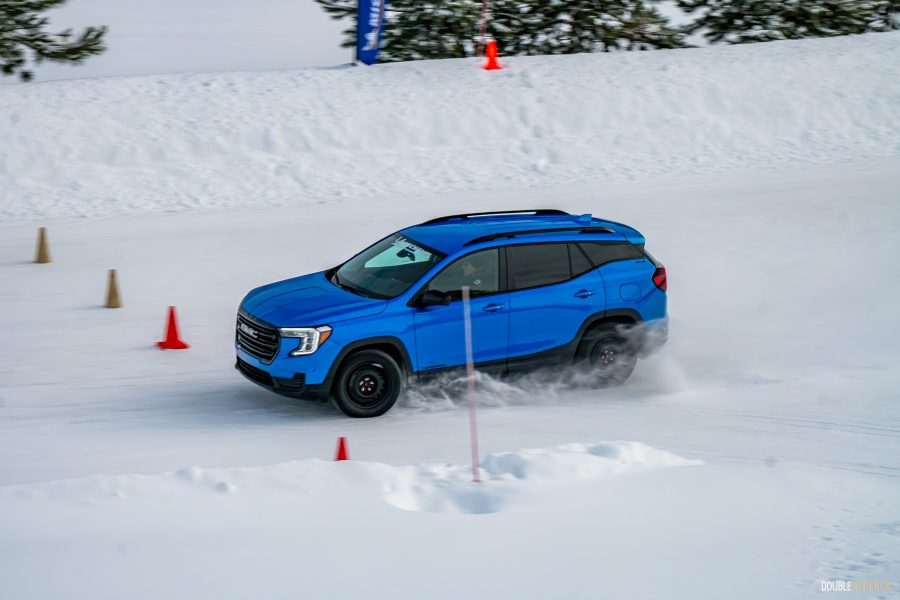
There were other events, like a friendly timed competition, and hot laps with local hot shoes, but they were more for fun than anything else. Although I supposed it is telling that a journalist from San Diego was able to advance to the finals of our little tournament, despite never having driven on snow before. No one expected to have that much fun in a GMC Terrain when they woke up that morning.
Wrap it up
I am well aware this reads like a bit of a paid sponsorship piece, but the fact is the Michelin X-Ice Snow+ is a really impressive tire. In every test, the Michelin felt at least somewhat more planted, and better able to communicate when they were running out of grip, with more predictable transitions.
These are all very good tires, from reputable, long-standing institutions, and all performed well. All carry both the 3PMSF and the Ice Grip certification, but the Michelin was usually able to stand out with more confidence inspiring traction, while providing longer life and longer effective life at the same time.
Typically trying to engineer your way into having your cake and eating it too as Michelin has done usually results in an expensive product, but pricing is slated to remain “very close” to the existing X-Ice Snow. 80 of the most common sizes are set to launch this autumn, with 65 more sizes set to roll out the following year.
Going into this event, I thought “there’s gotta be something they had to give up to make all this happen,” but if they did, I couldn’t find it. Achieving measurable gains in snow, ice, wet, and dry performance while also extending tread life and not having any caveats is… honestly a little difficult to believe, but the proof is in the pudding. Not only is the Michelin X-Ice Snow+ the best-backed winter tire on the market, it sure does seem like it’s the most effective at nullifying the unpredictability of winter driving. Imagine bringing that level of confidence to your commute with a common consumable.