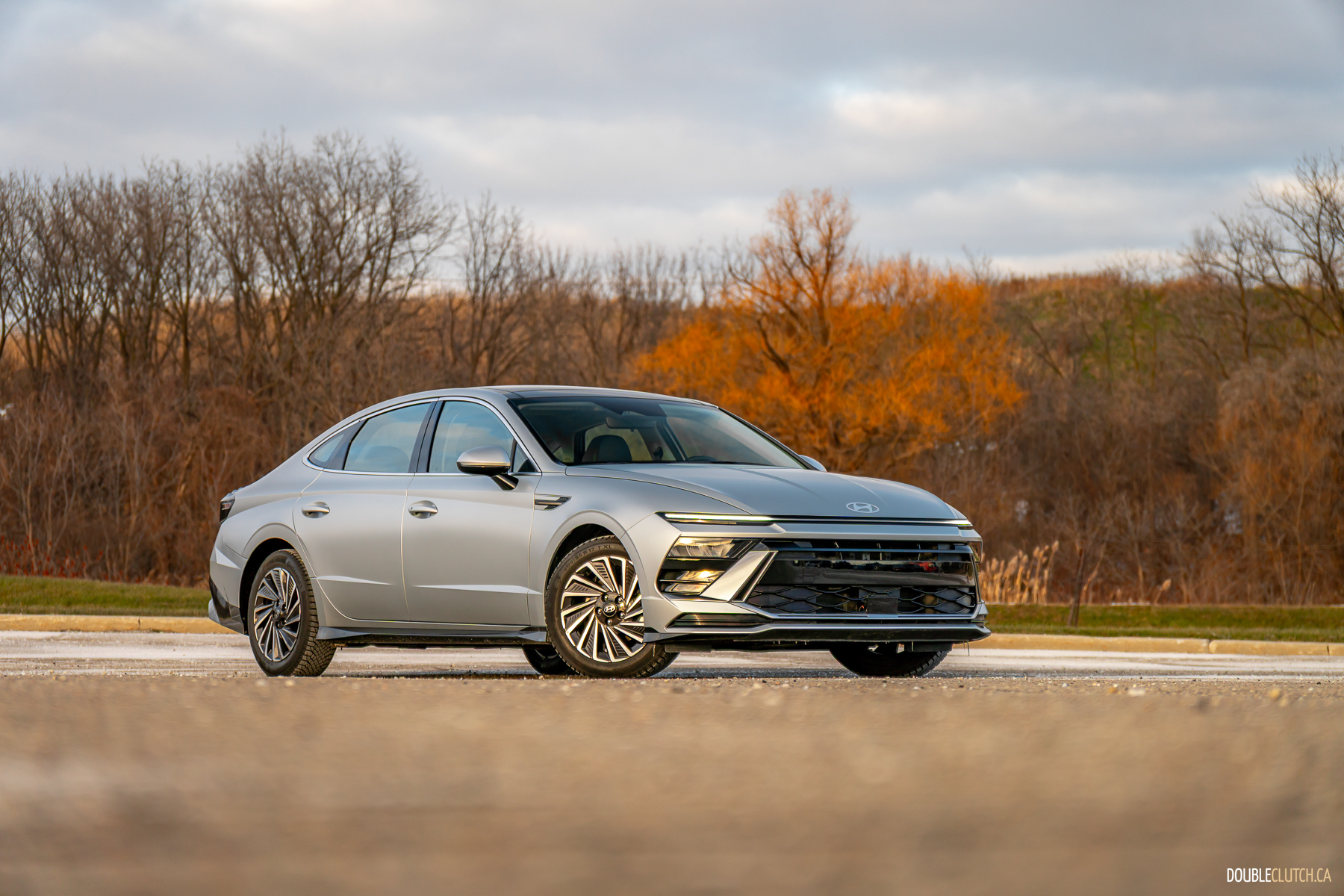
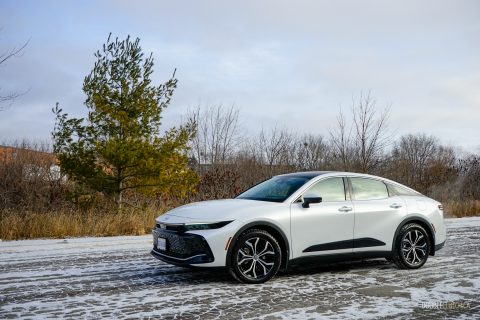
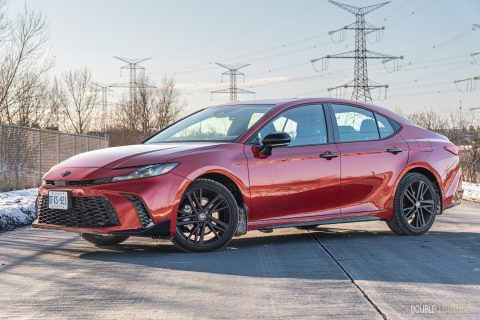
Hyundai recently introduced a facelift to their Sonata mid-size sedan, an old staple in their product portfolio that used to be among their best sellers, before crossovers devoured car-shaped cars. My colleague Jon reviewed it, and he remarked that its updated styling righted a lot of wrongs, but noted that “with no hybrid available in Canada, Hyundai is leaving sales on the table.” Keen to clean the table, they have addressed that criticism in the form of the 2026 Hyundai Sonata Hybrid.
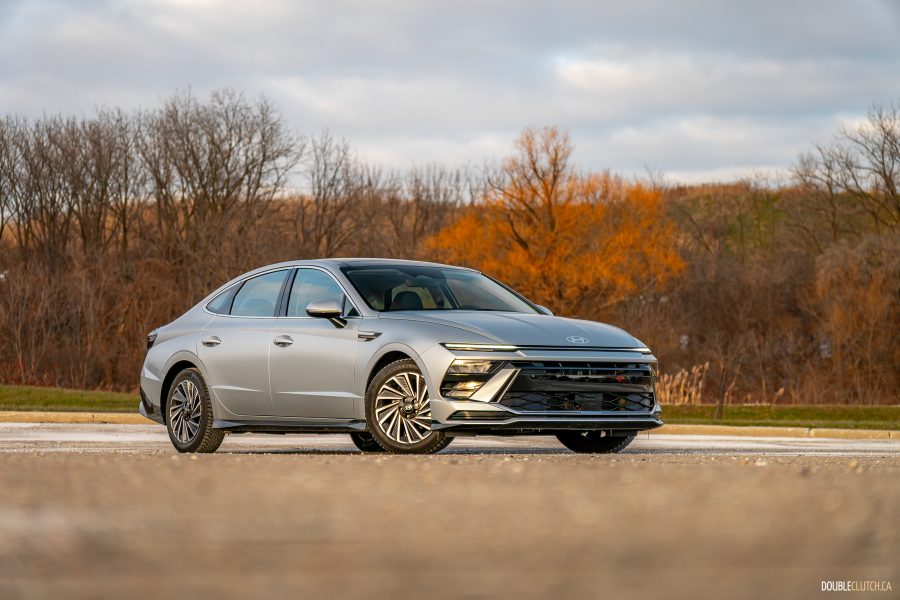
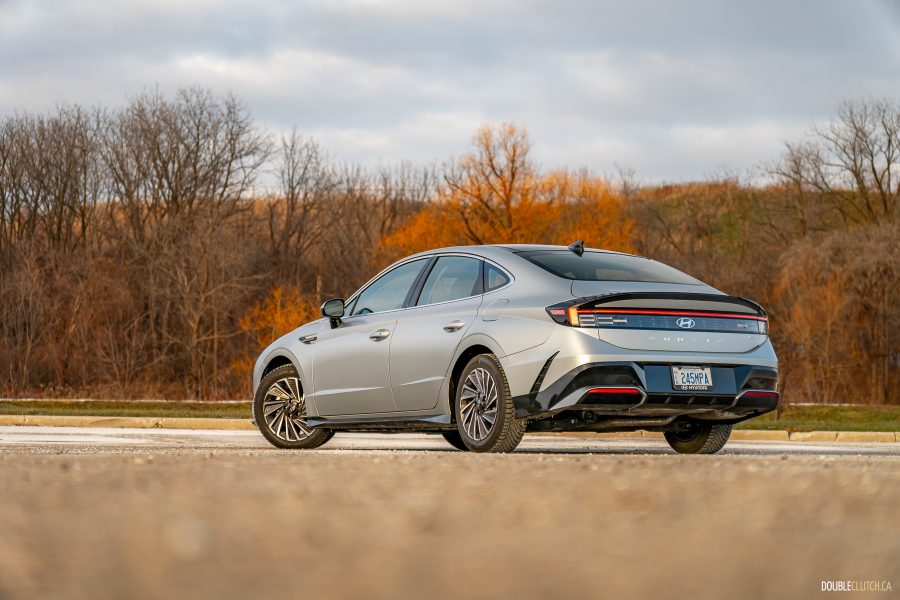
It sure is handsome
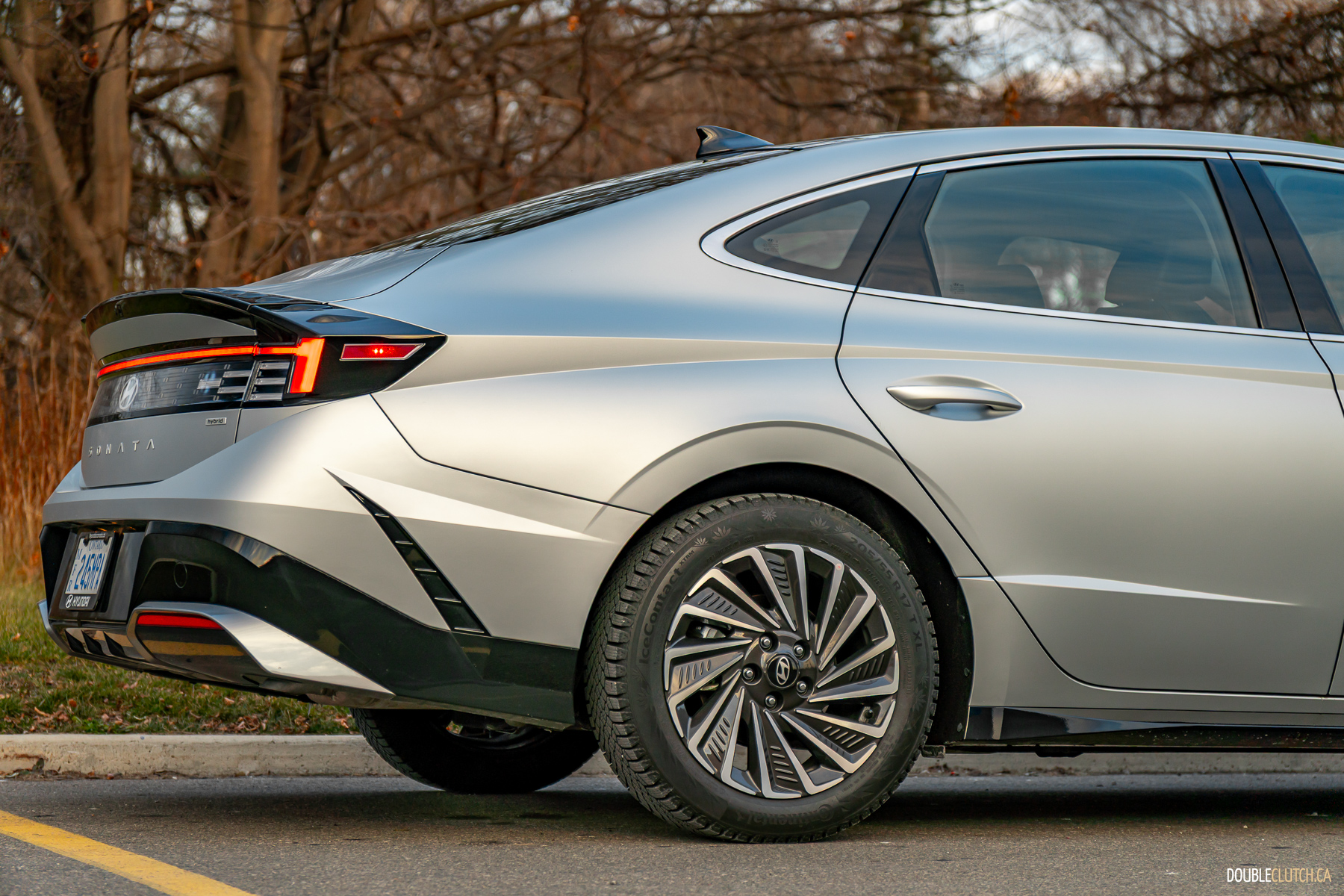
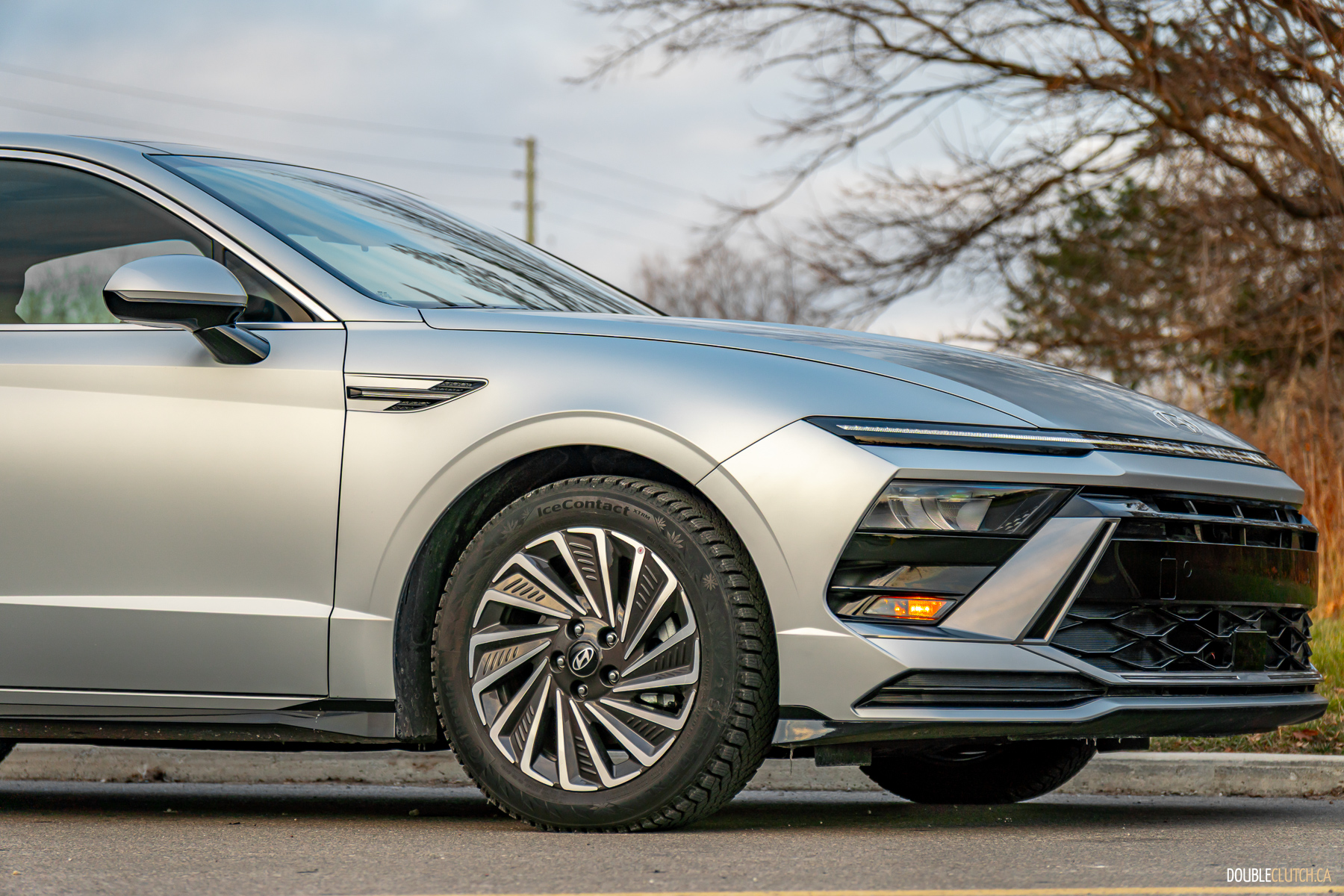
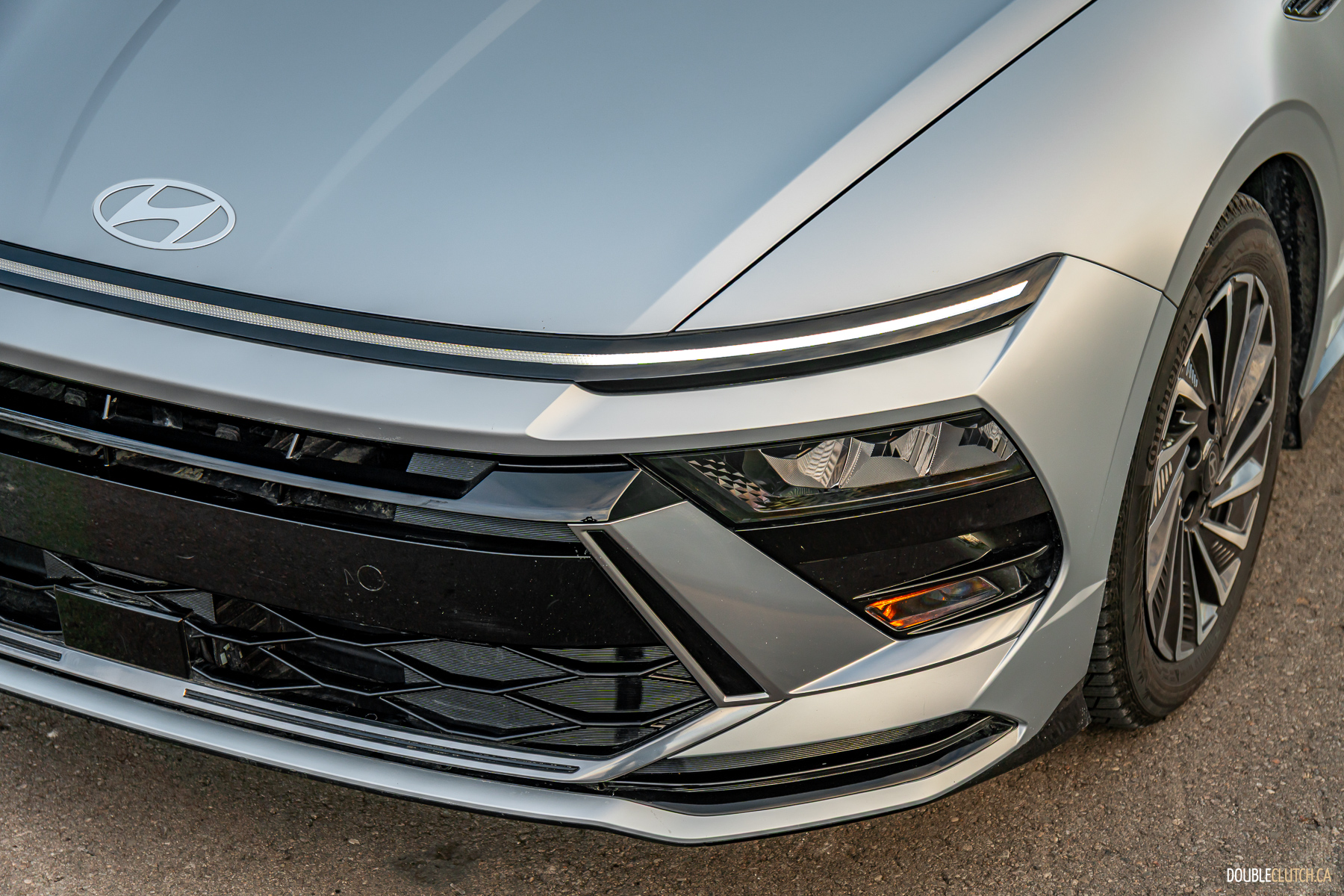
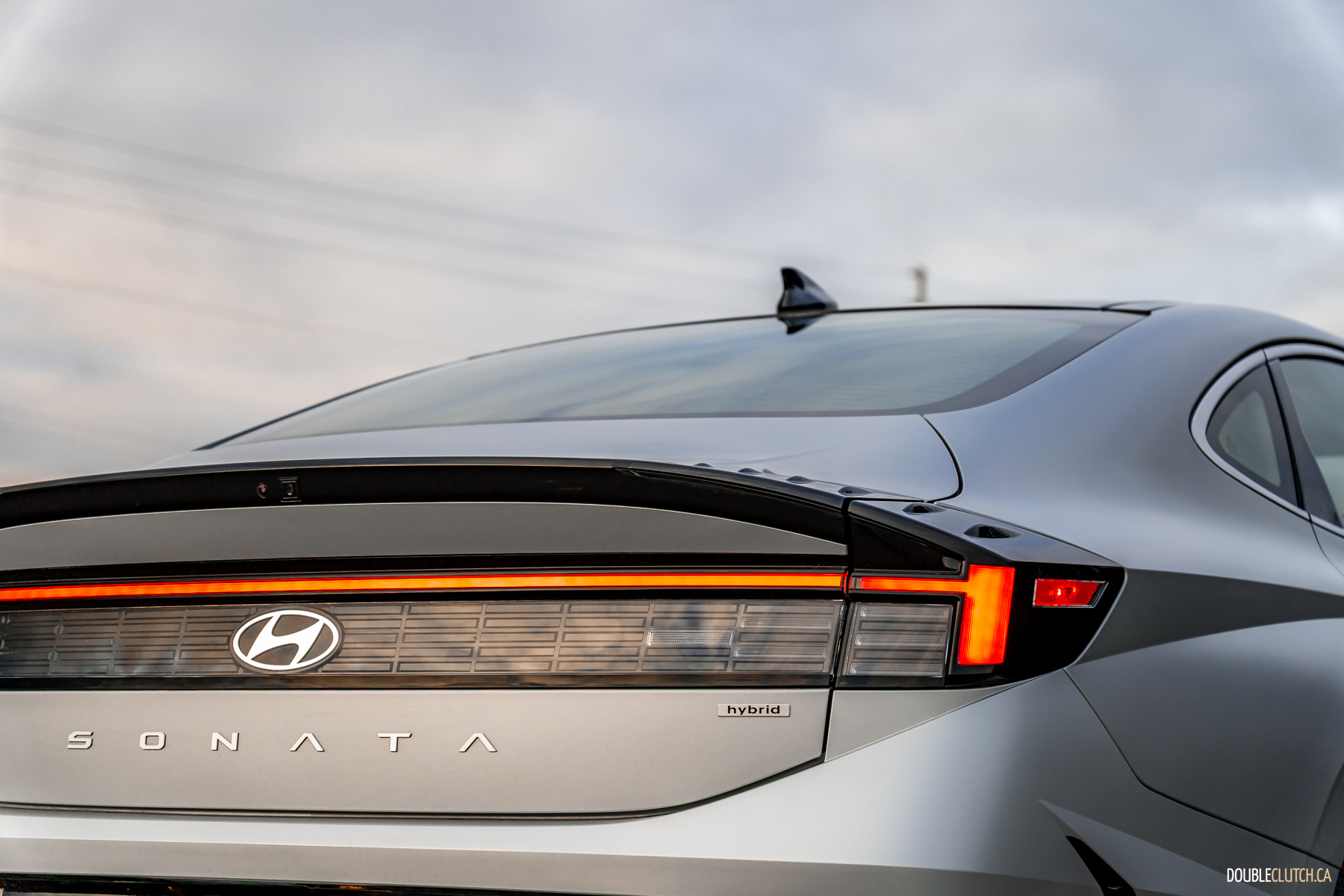
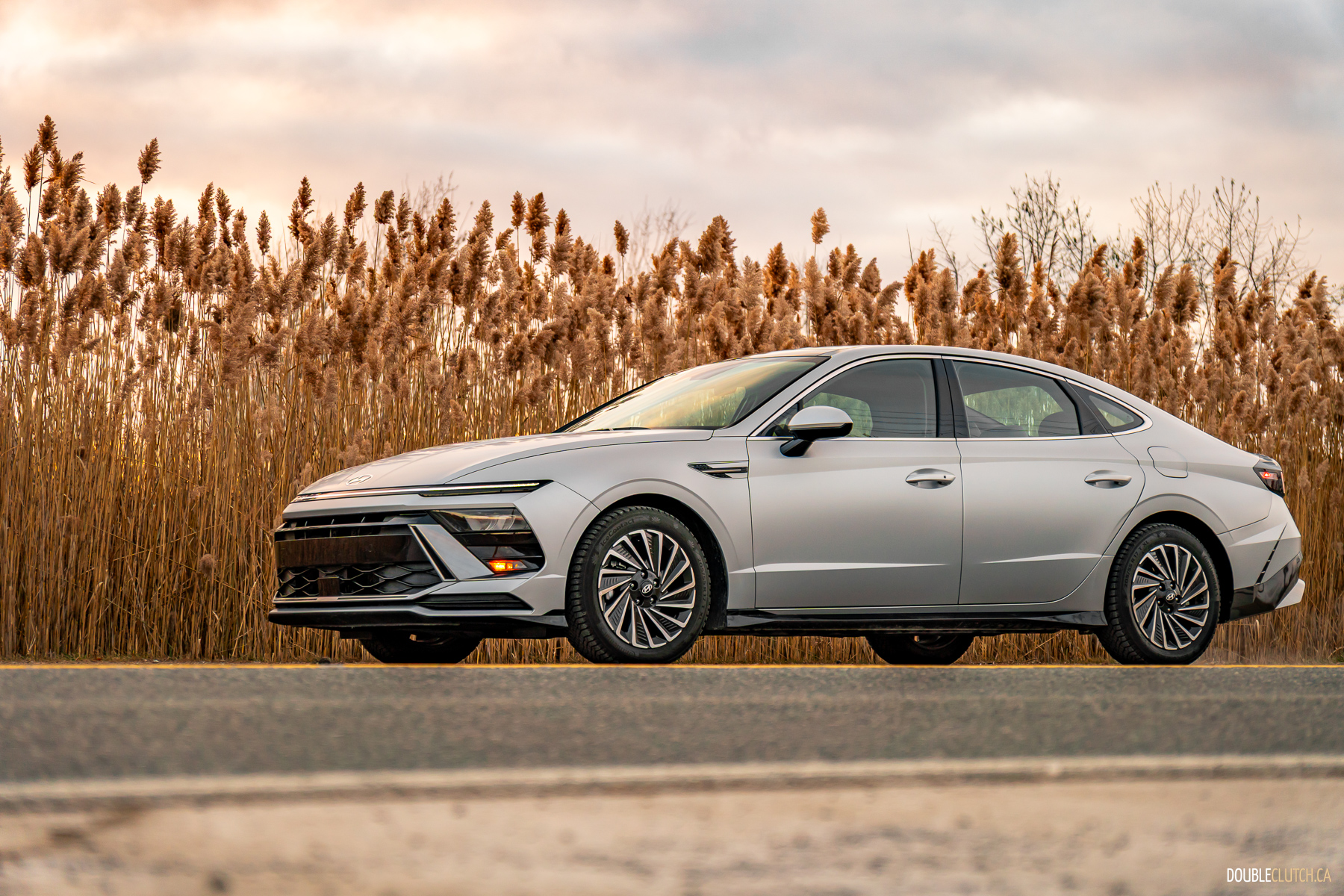
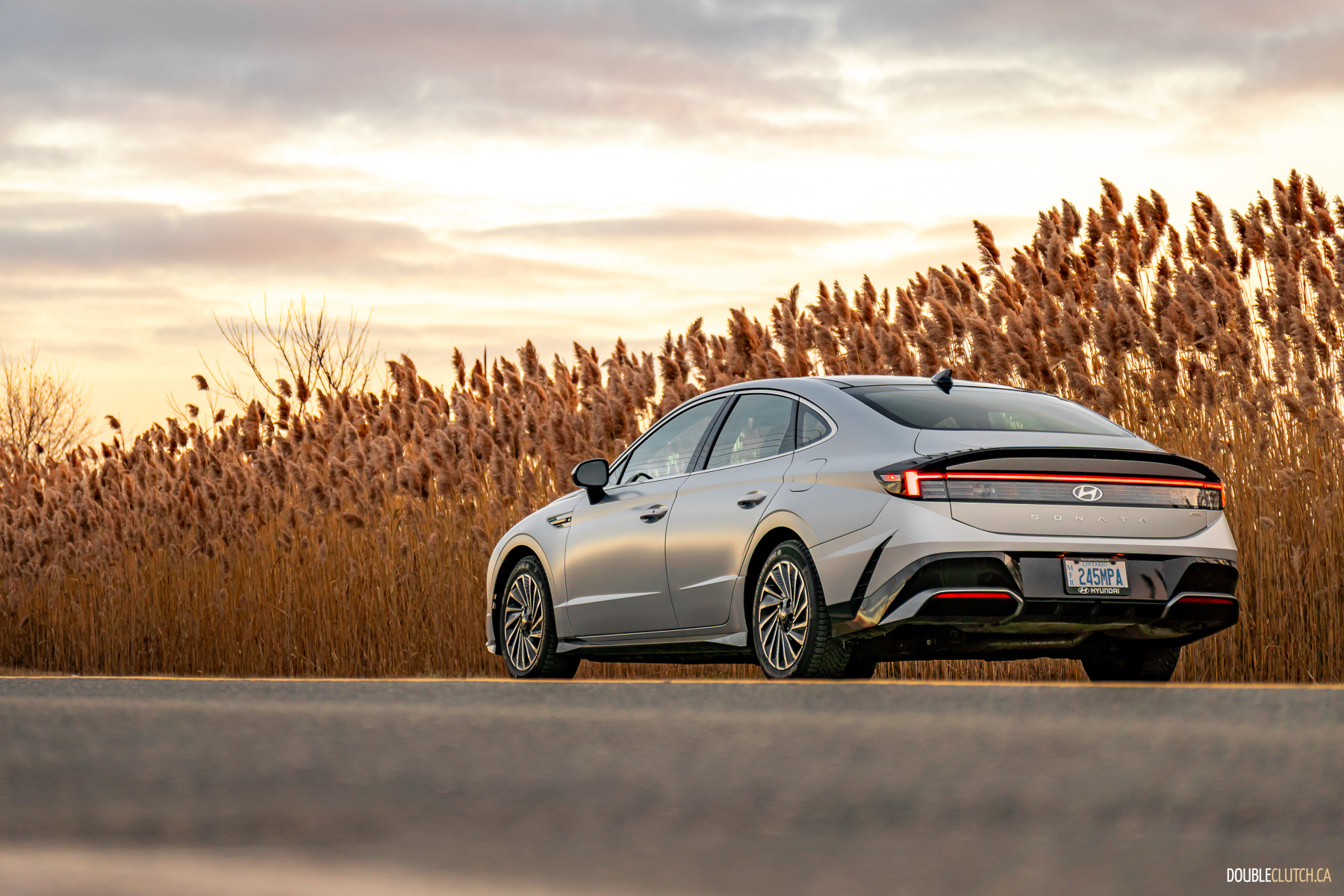
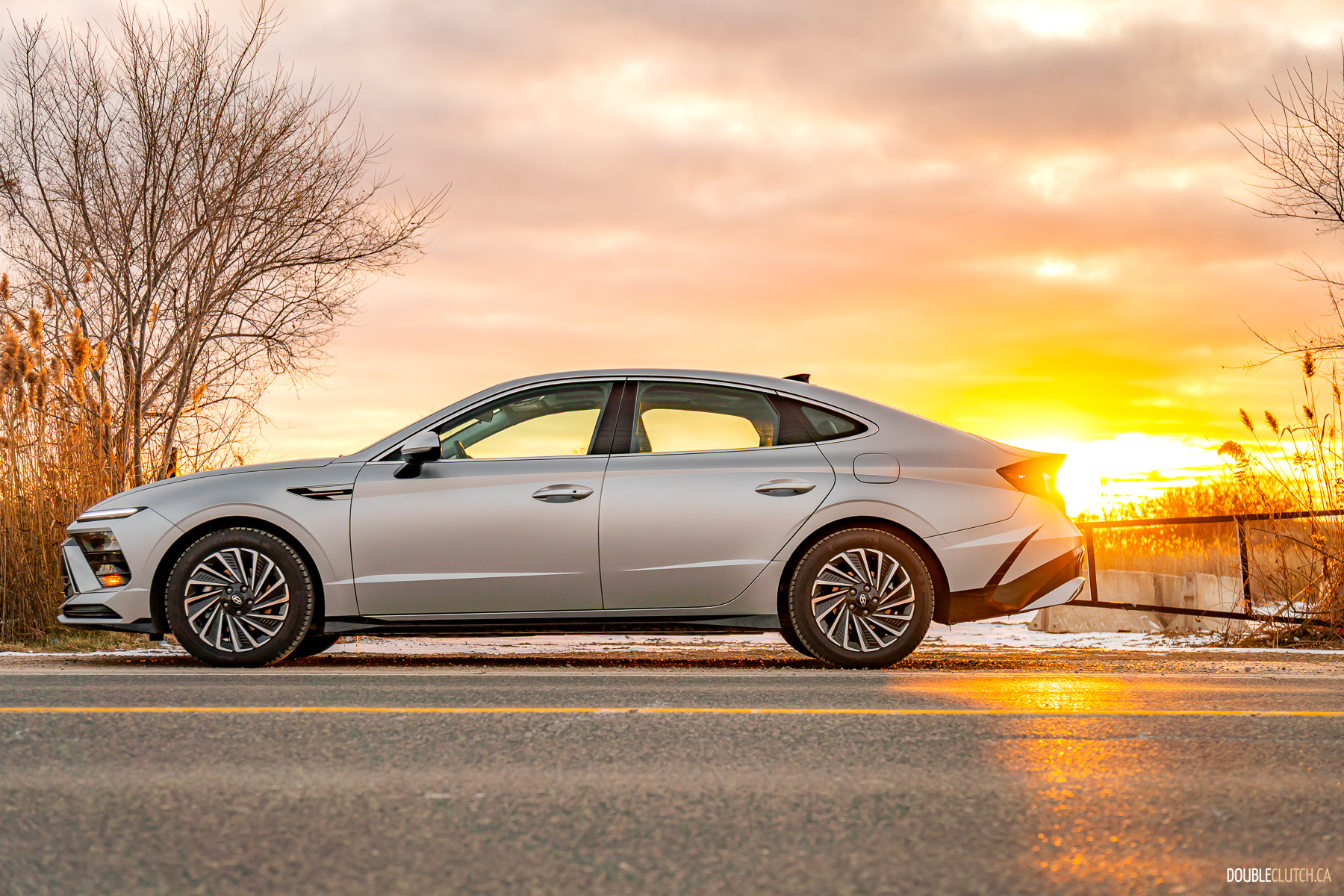
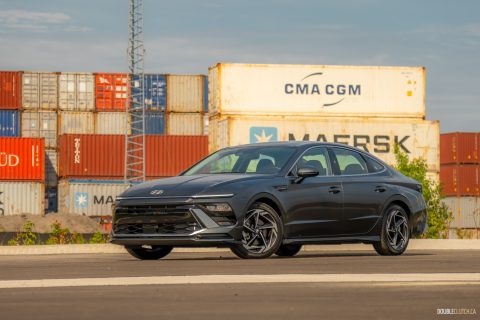
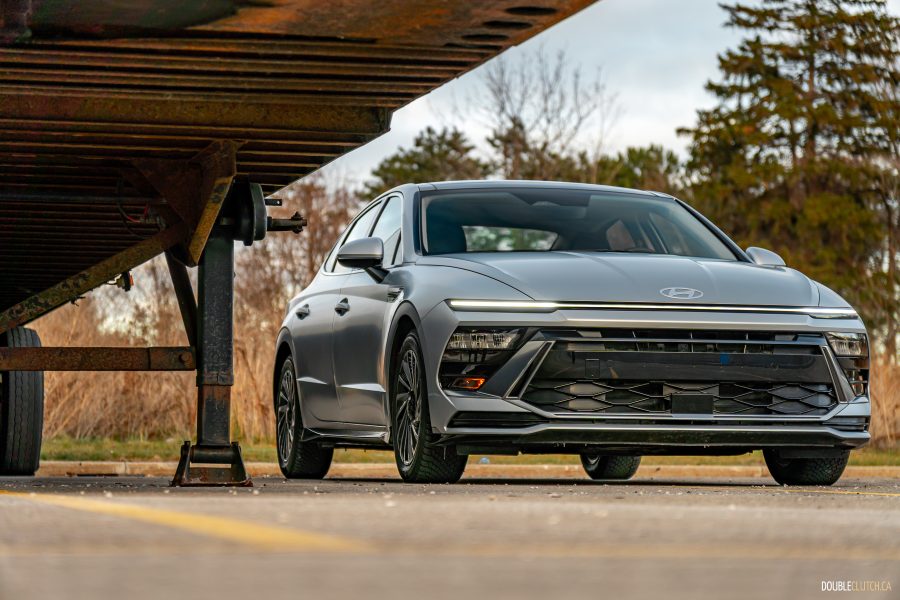
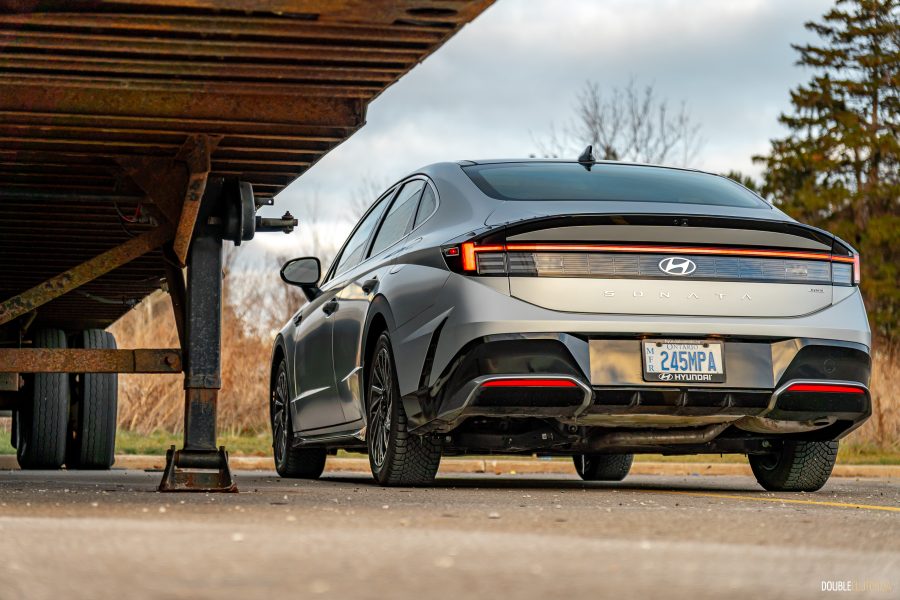
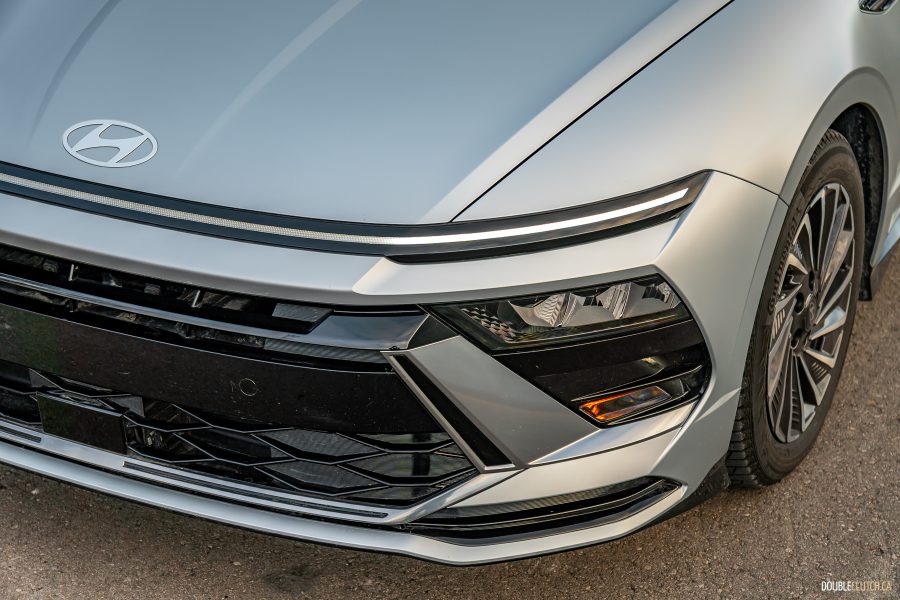
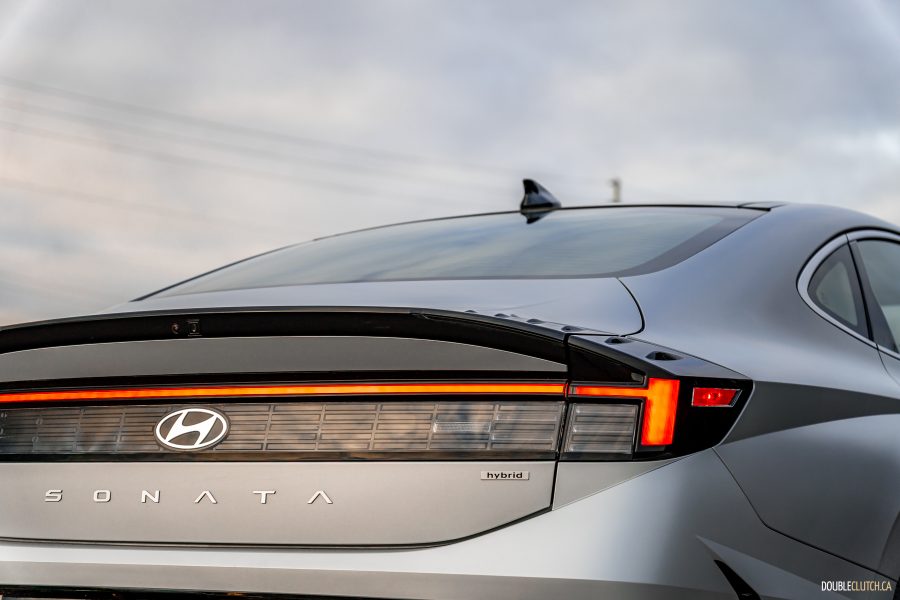
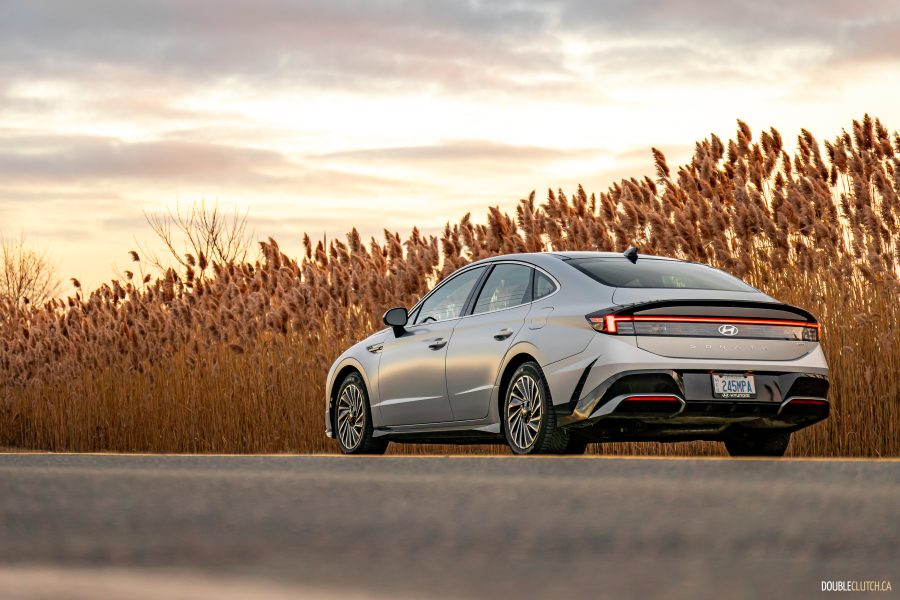
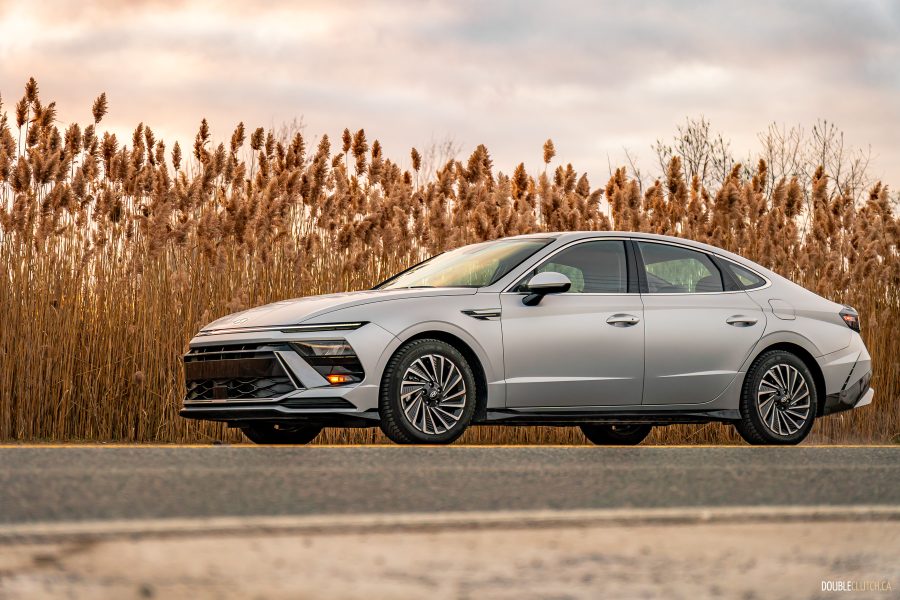
The previous Sonata was… not a looker. This car is. The design is sporty and tech-forward without trying too hard, and it manages to stand out in the right ways, especially so in our tester’s matte Aero Silver paint. Like its competitors from Honda and Toyota, it leans into a sportier style on the simple basis that it isn’t a crossover, with a steeply raked roofline and a low-slung style that works well. There’s a confidence to the design that suggests Hyundai knows exactly who this car is for, and isn’t trying to chase every trend at once.
Powertrain and efficiency
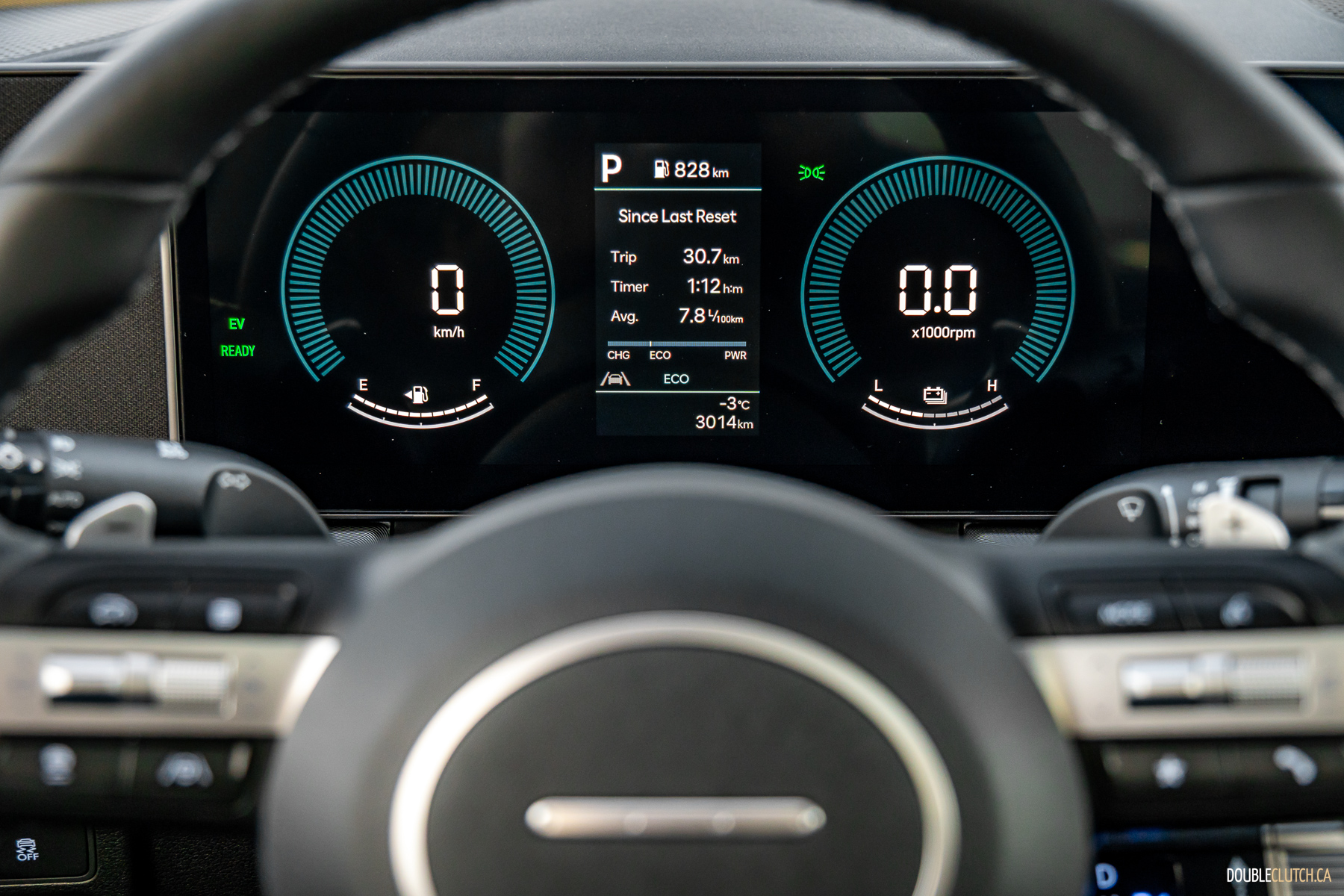
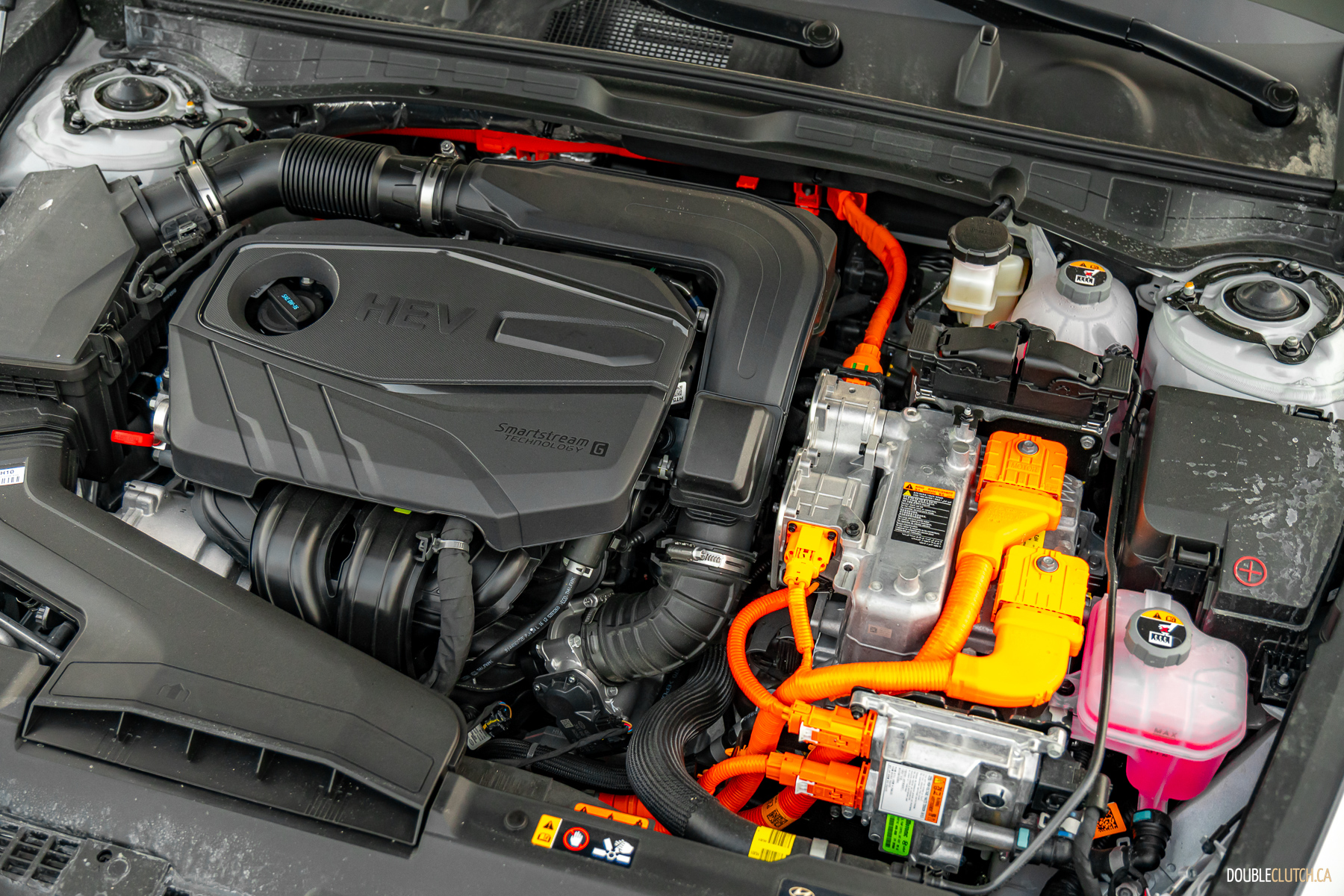
The Sonata Hybrid is powered by a 2-Litre four cylinder engine, backed up with an integrated motor-generator to produce 192 horsepower. Hyundai’s hybrid systems have a habit of fading into the background – in a good way – and the Sonata Hybrid continues that trend. The handover between electric and gas power is fairly seamless, to the point that you probably wouldn’t notice it’s a hybrid unless you were actively looking for clues on the gauge cluster.
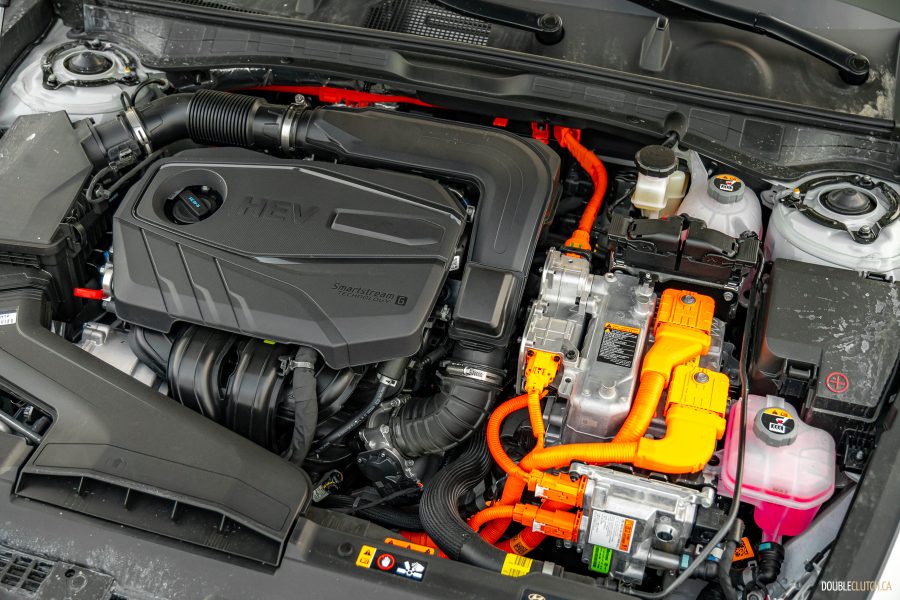
The gas engine is very quiet, and notably calmer than Toyota’s hybrids when it fires up. Power delivery feels linear and natural, with acceleration that’s confident, if not terribly exciting; it’s fine and fit for purpose. It’s smooth and generally just feels normal, which is what most buyers of car-shaped-cars are looking for.
Fuel use is rather normal as well, with an observed thirst of 6.5 L/100 km. It’s an unremarkable number, but one that was worsened by cold conditions and a disproportionate amount of highway sailing, which doesn’t favour hybrids. Despite this, it’s still quite frugal with fuel, if not as frugal as its contemporaries from Honda and Toyota. It’s prevailing normalcy comes from Hyundai’s use of a conventional 6-speed automatic, rather than a CVT, which diminishes efficiency but is more mechanically conventional and helps the Sonata Hybrid feel like a simpler car, for better or worse.
Driving Impressions
On the road, the Sonata Hybrid strikes an agreeable balance between body control and ride comfort. It doesn’t excel in any one dynamic area, but it also doesn’t have any notable weak spots, which makes it very easy to live with. The steering feels natural enough and is meaningfully more responsive than what you’ll find in most popular crossovers at this price point. It’s not sporty, but it’s tidy, predictable, and satisfying enough.
More than anything, the Sonata Hybrid feels cohesive. The suspension, steering, and powertrain all work together without any artificial tuning or odd behaviour. It just feels fine, if not exemplary in any specific regard. It drives like a car ought to, and perhaps feels a little better by the sheer virtue of being a car, rather than a crossover.
It’s a nice place to sit
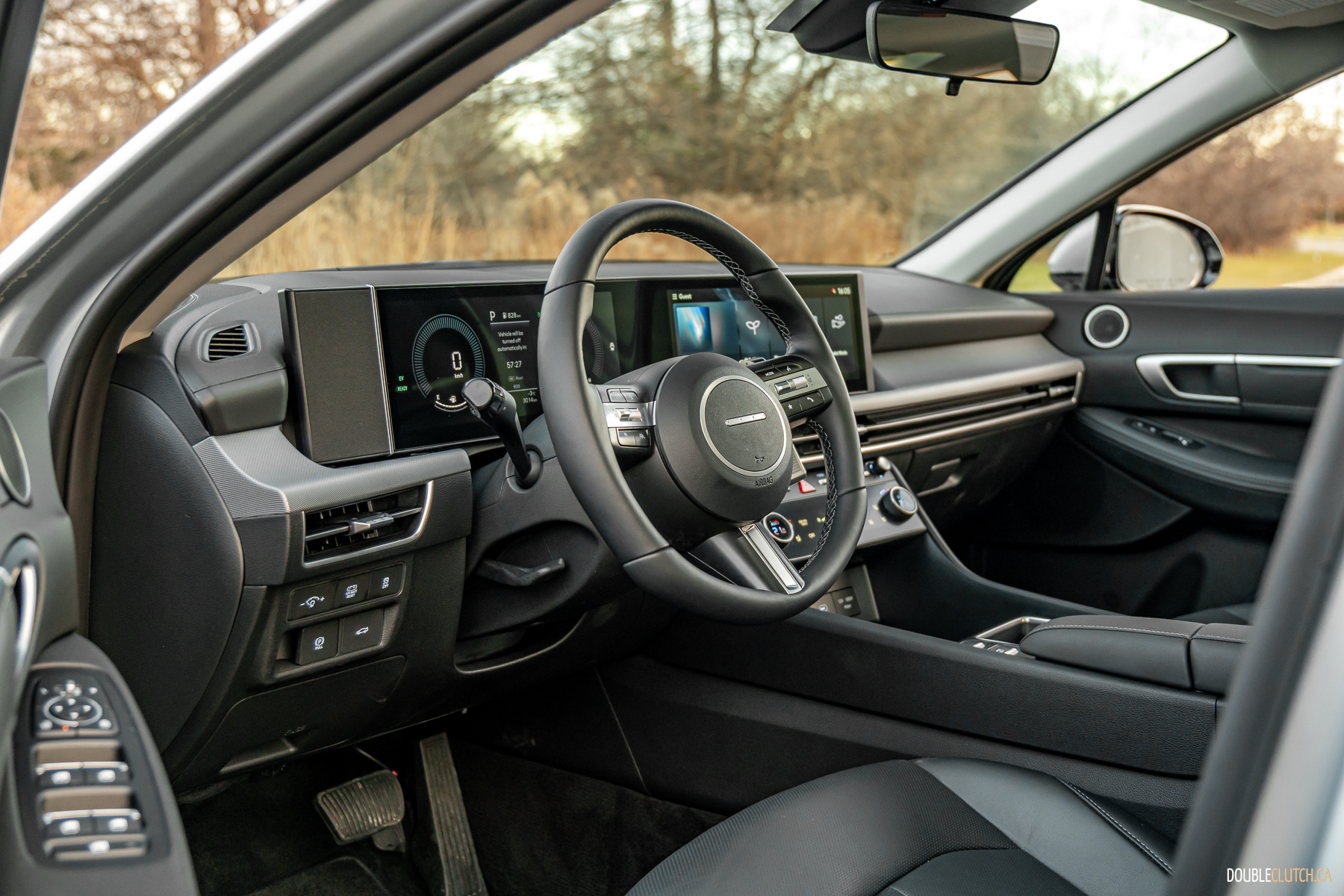
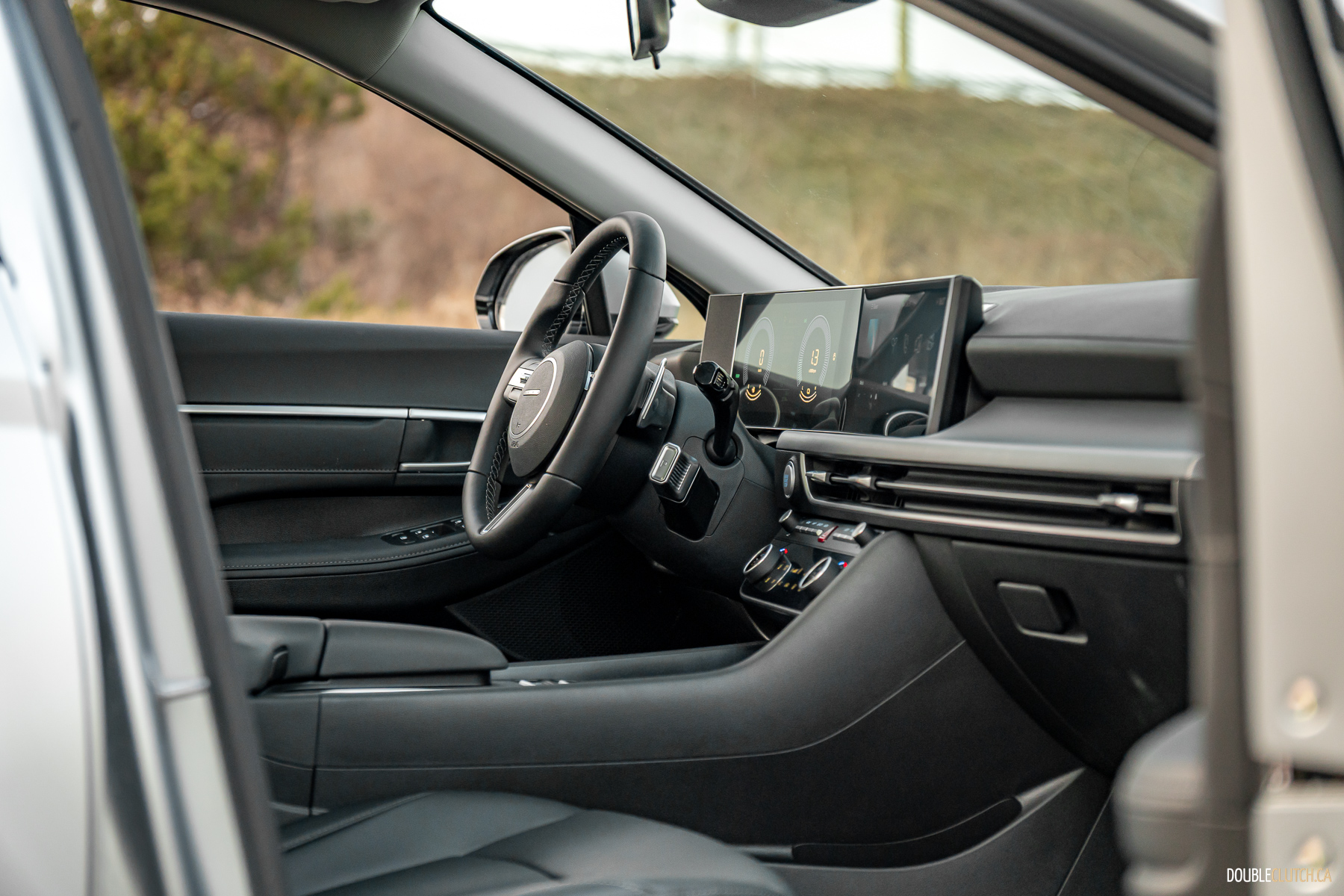
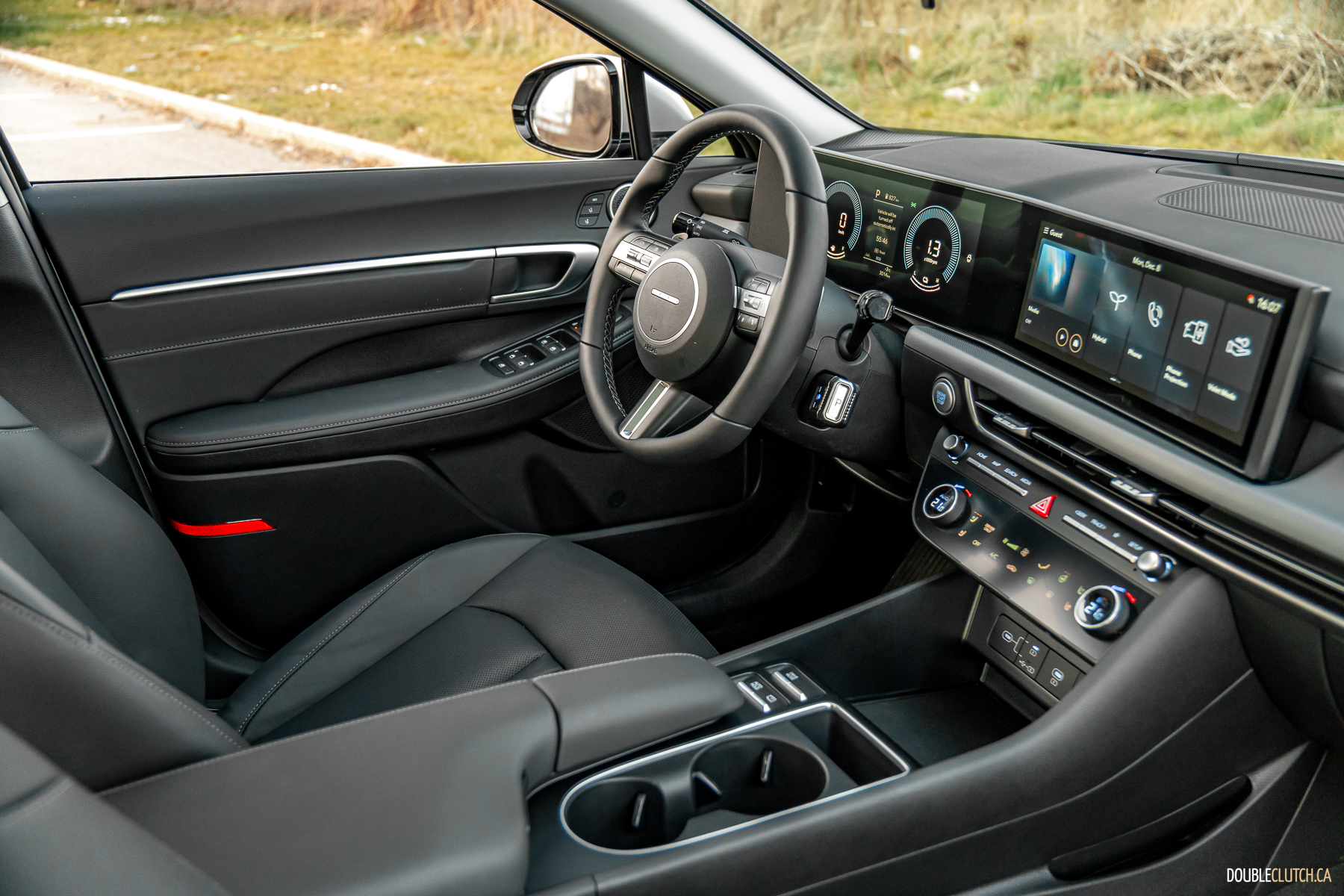
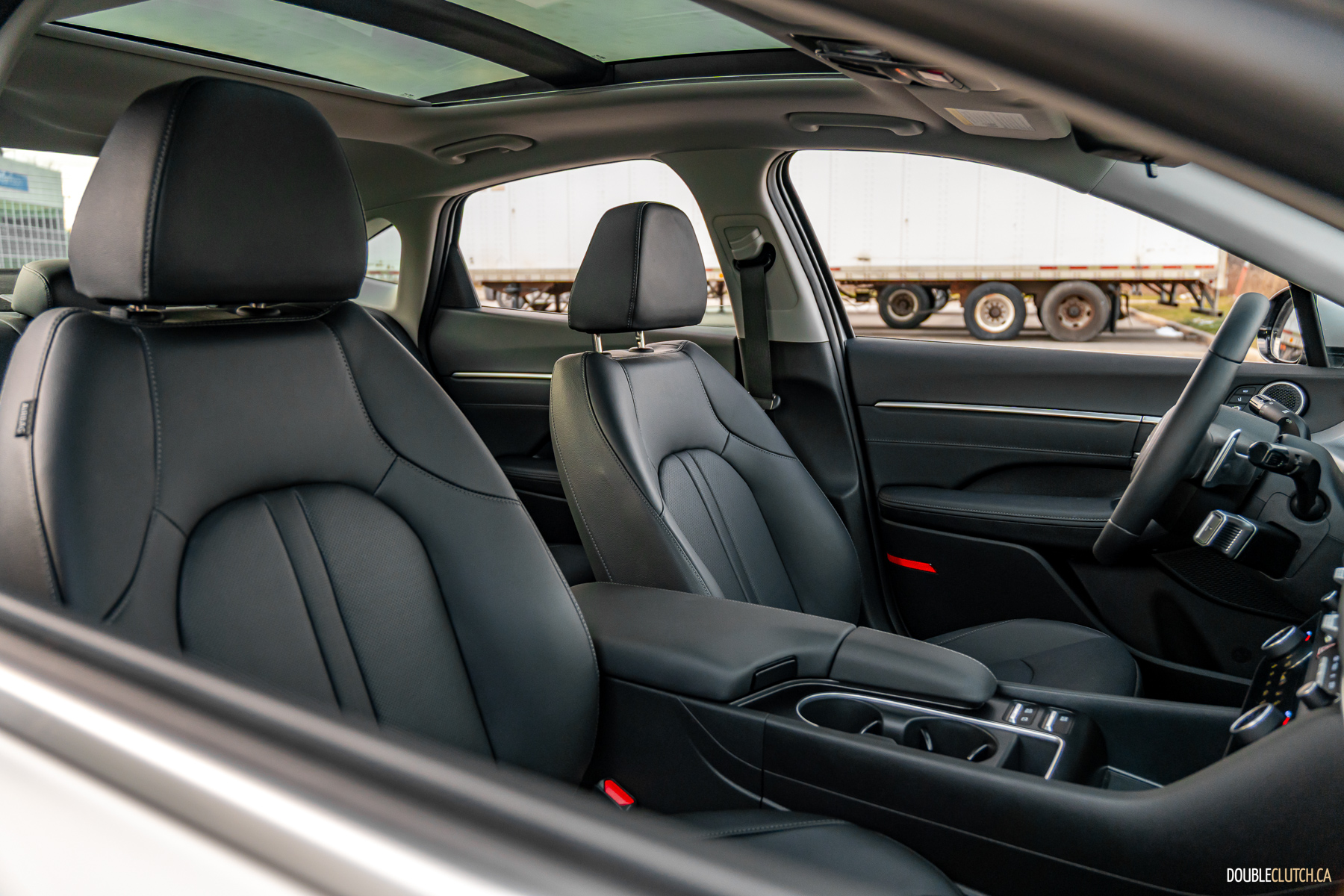
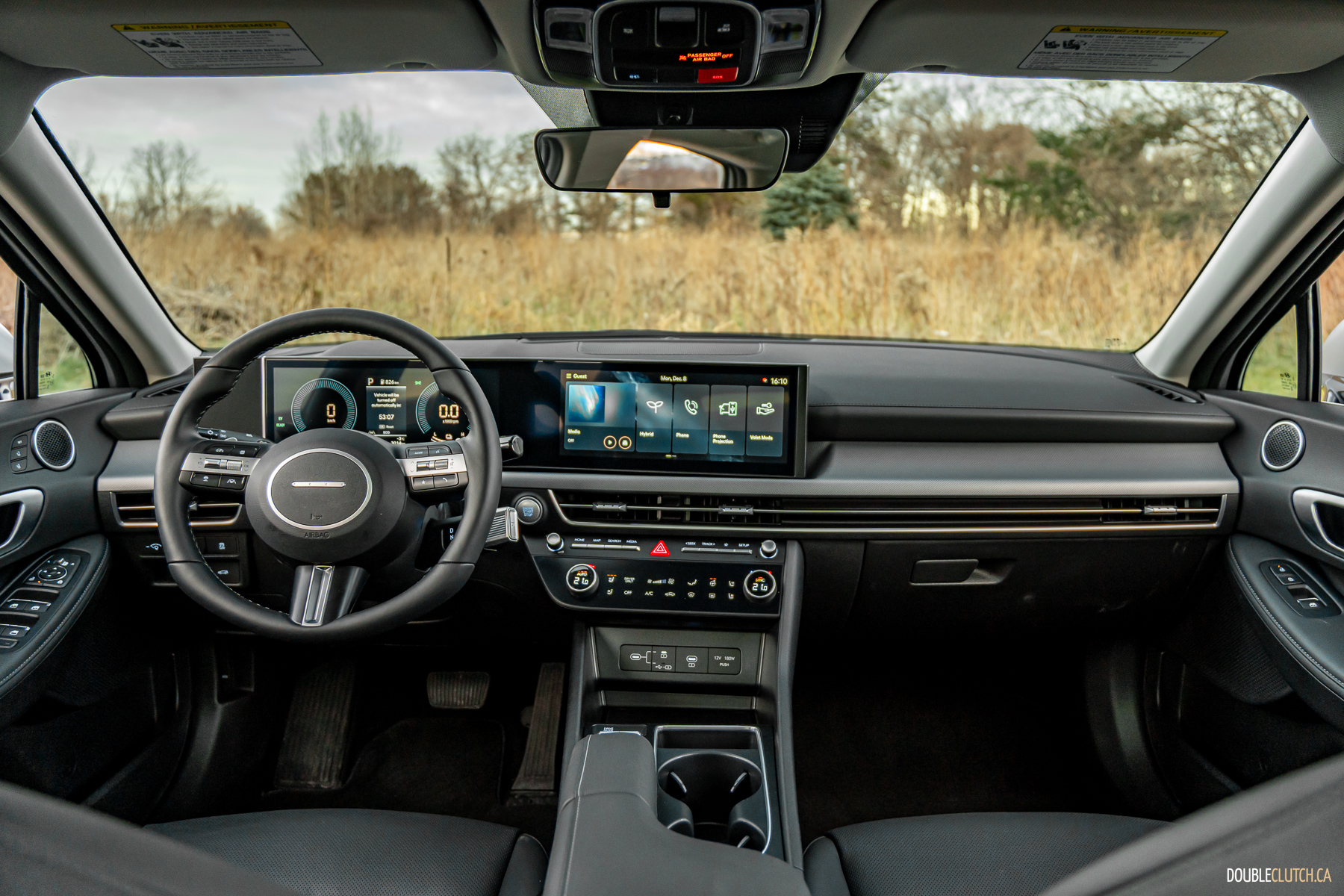
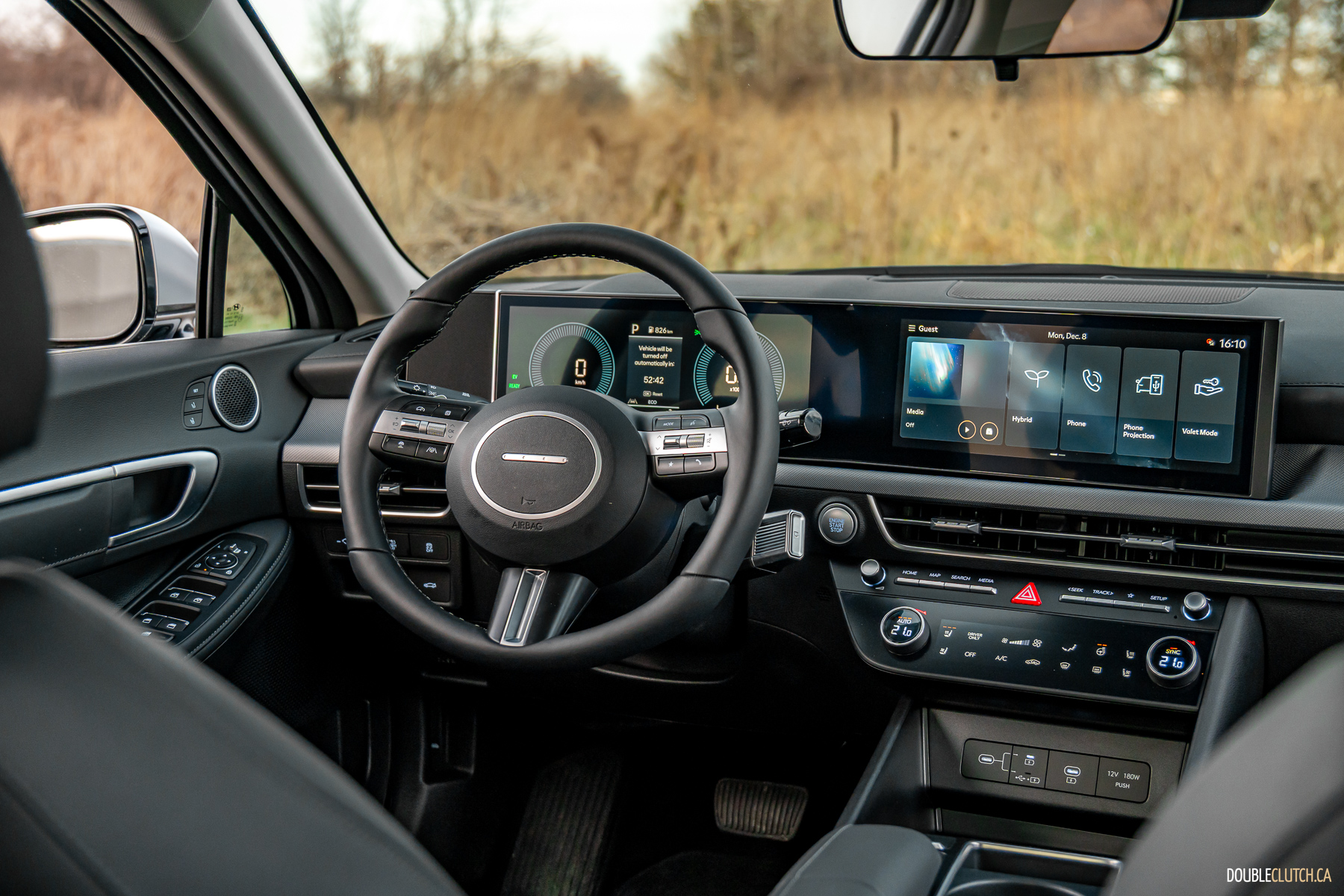
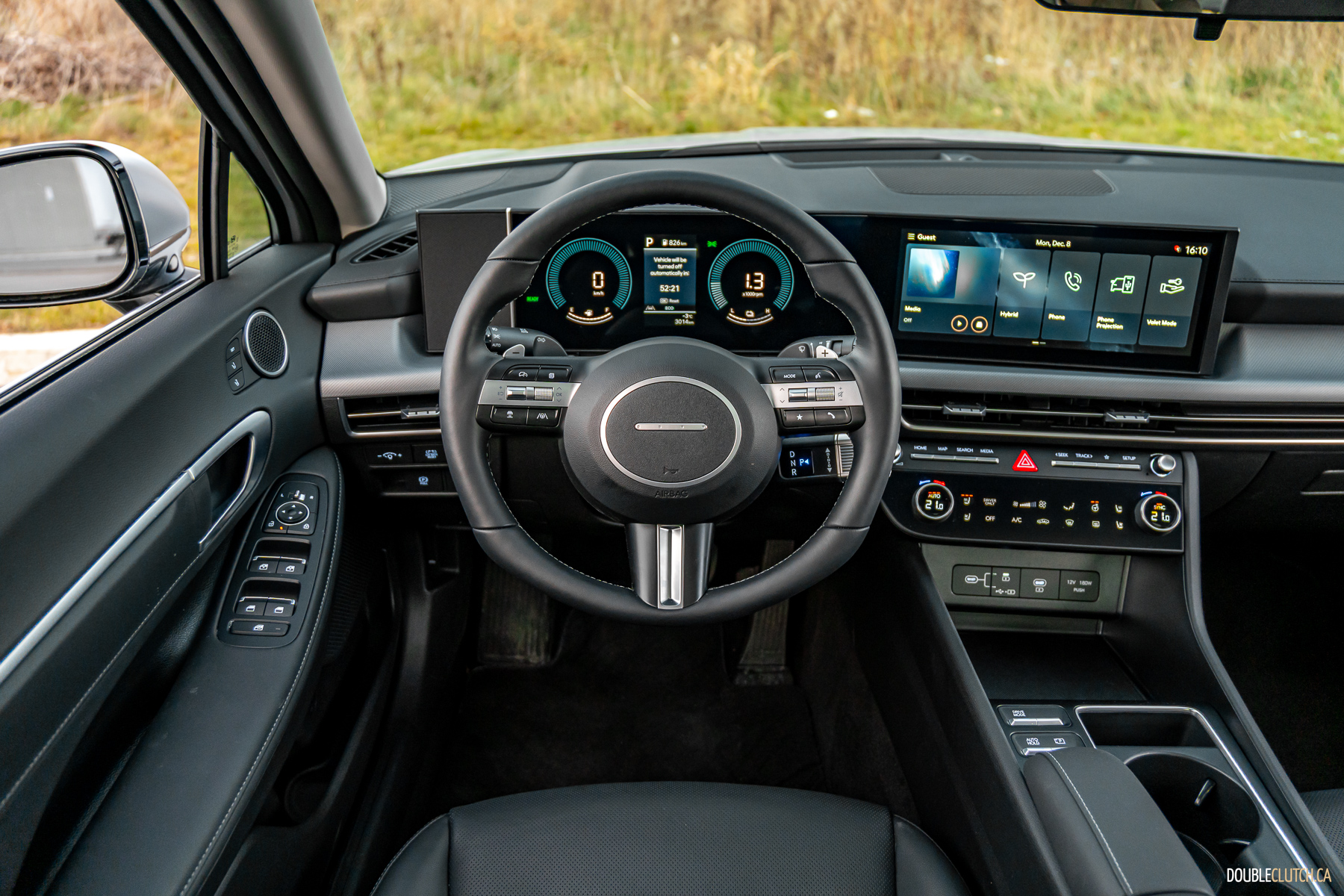
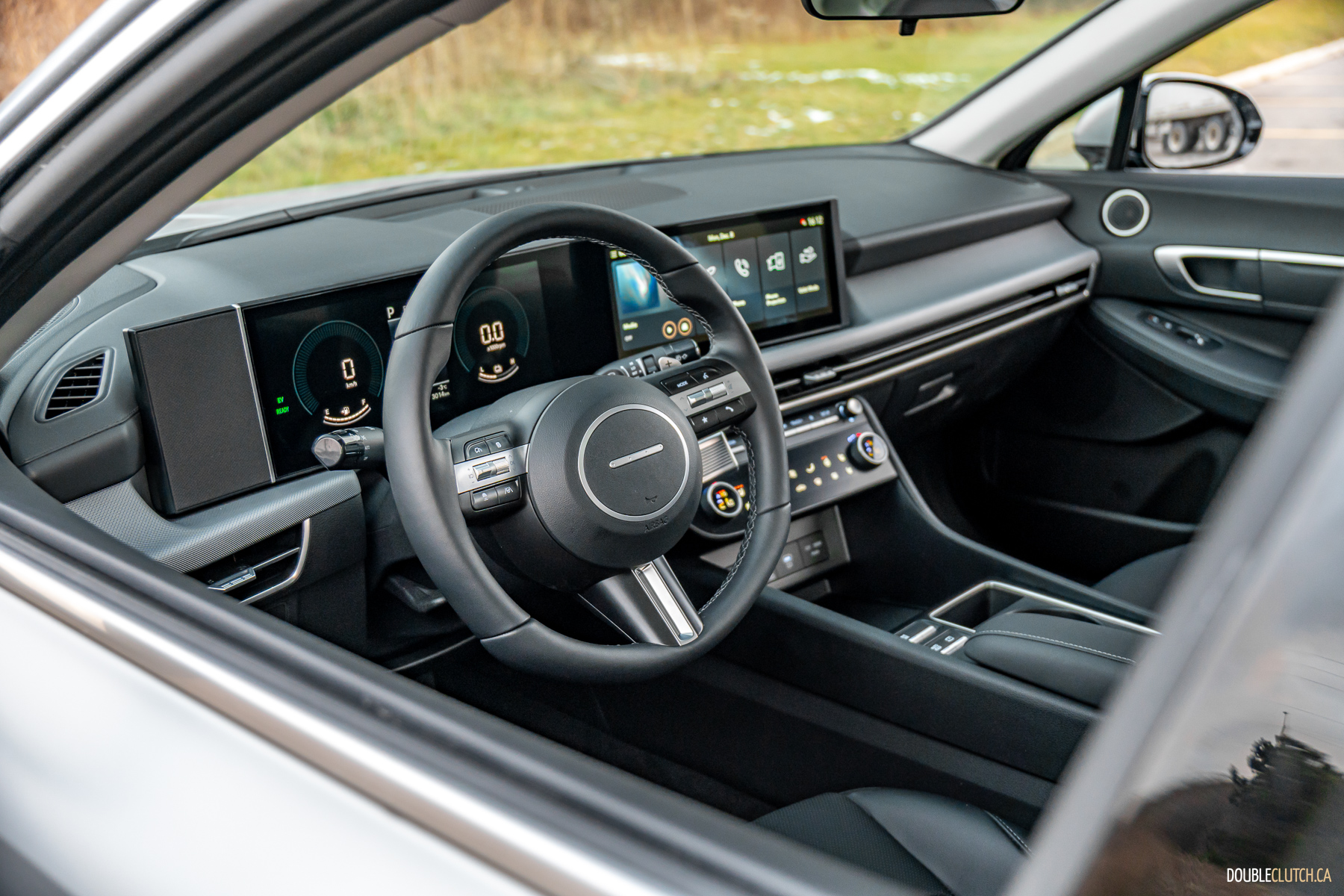
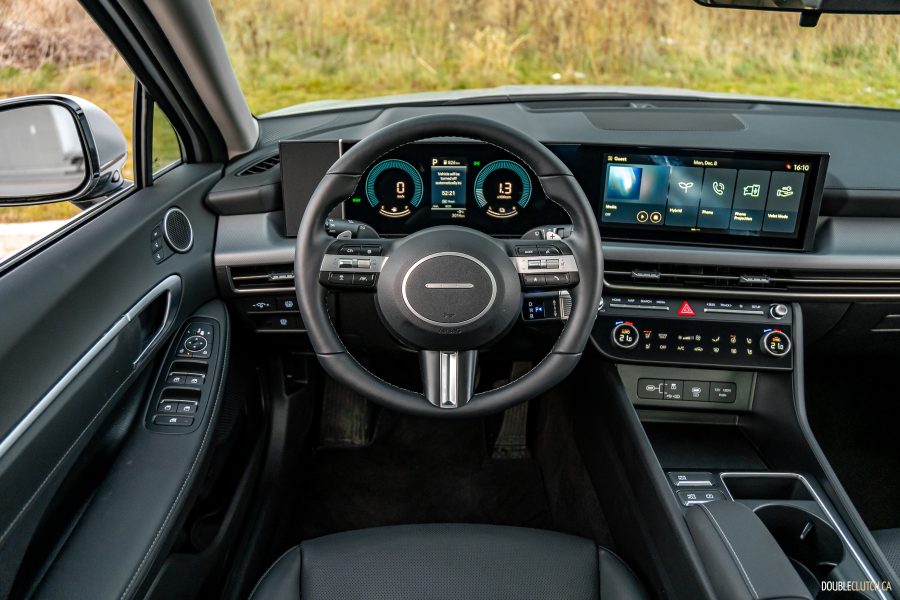
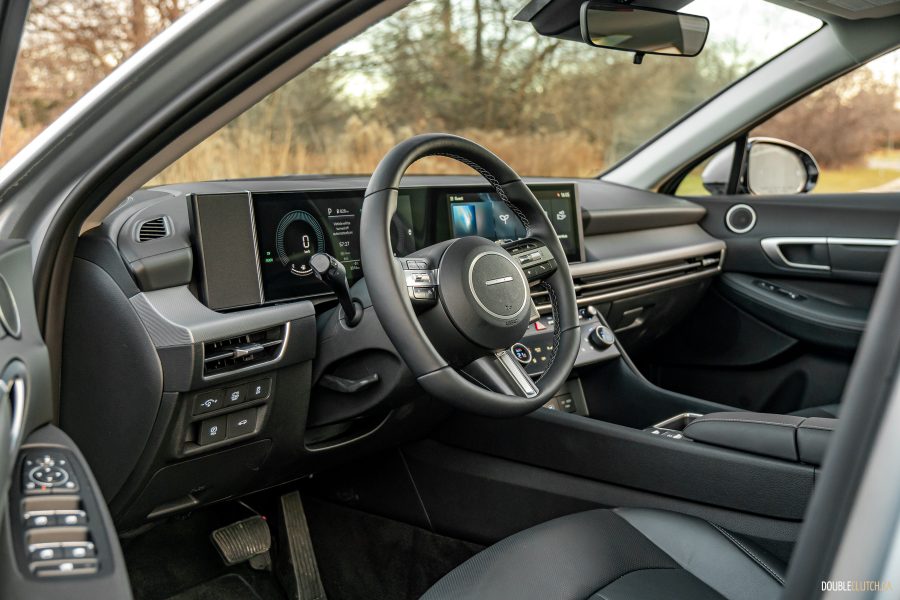
Inside, the Sonata Hybrid delivers exactly what you expect from Hyundai. It looks modern without falling into modern traps. Fit and finish are excellent, materials feel well chosen, with the leatherette seating and dashboard finishes punching above their price tag. Long-distance comfort is a strength, and finding a good driving position is easy.
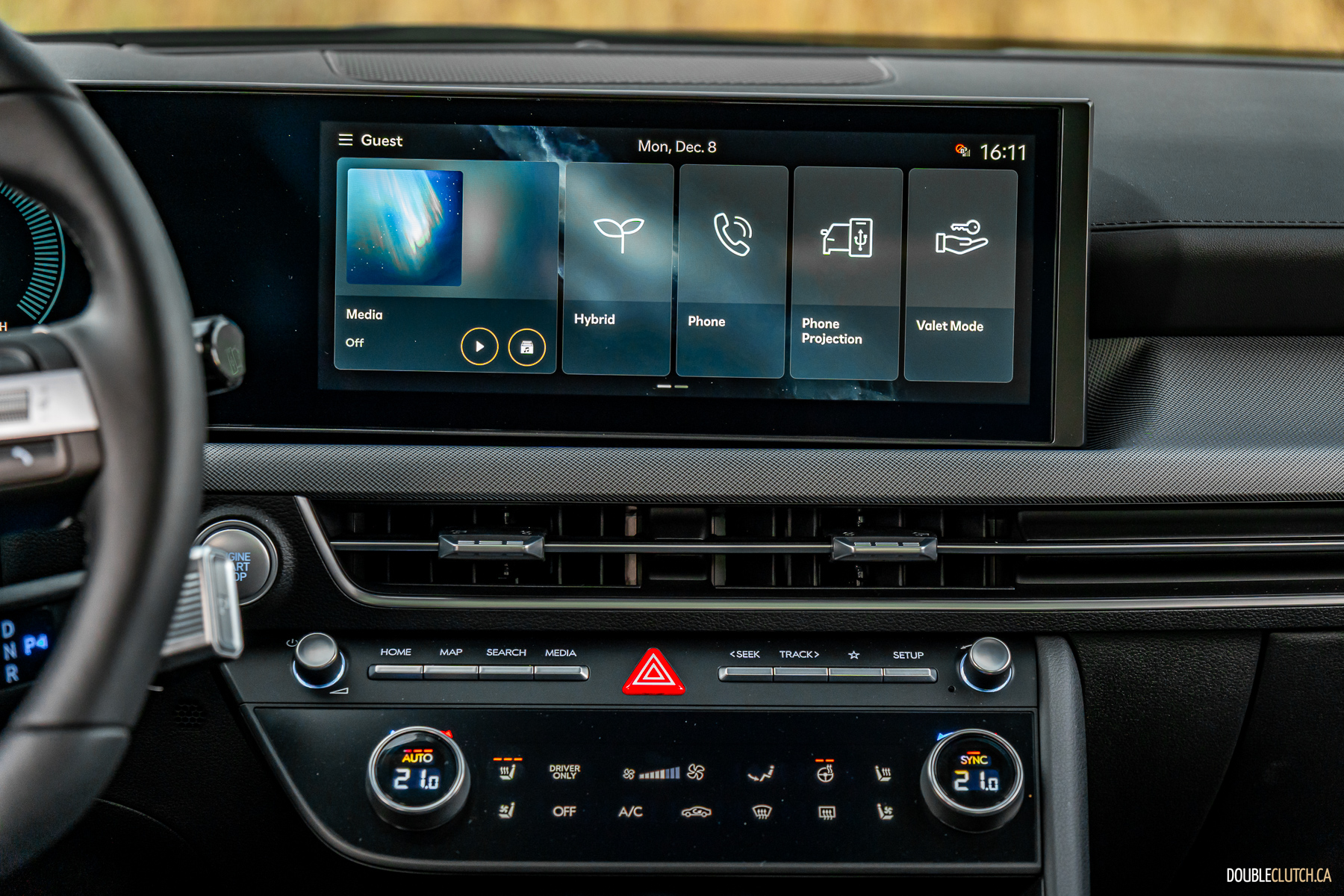
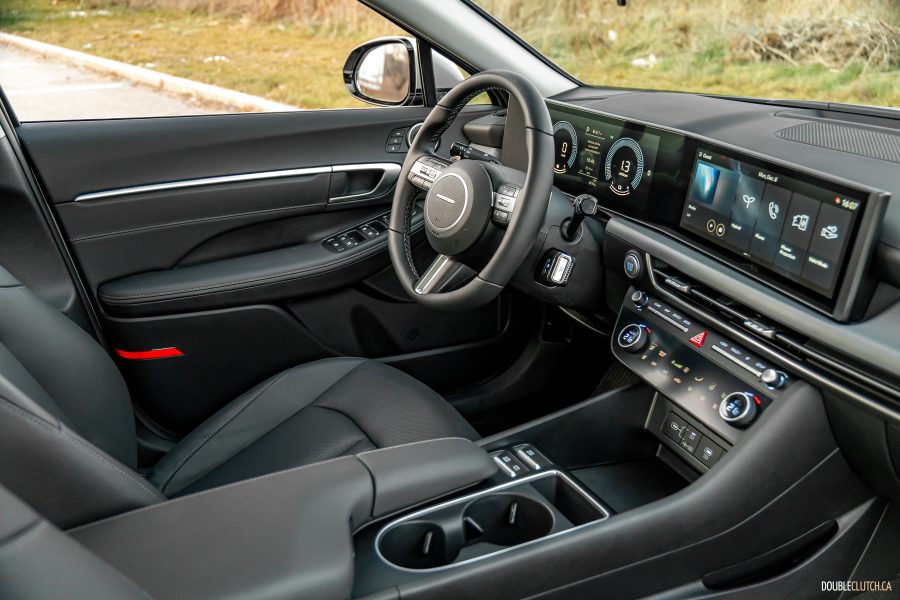
The dual 12.3-inch widescreens that make up the gauge cluster and infotainment system look modern without being overly techy. Hyundai has retained physical controls, including physical climate controls, as well as volume and tuning knobs, so it’s never frustrating to use. Driver assistance systems like adaptive cruise control and lane keeping assist work unobtrusively. They do their job without constantly reminding you that they’re there.
Space and usability
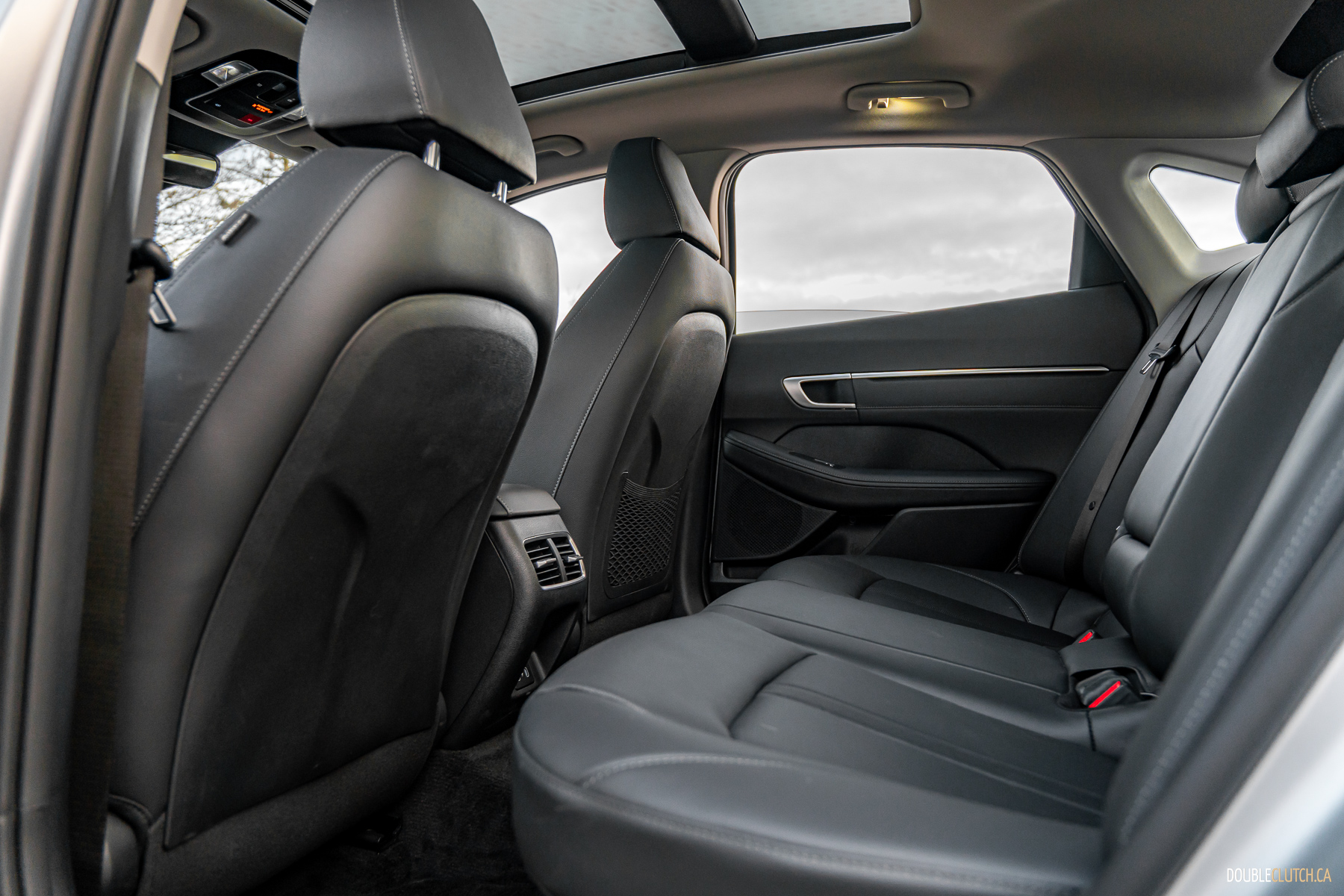
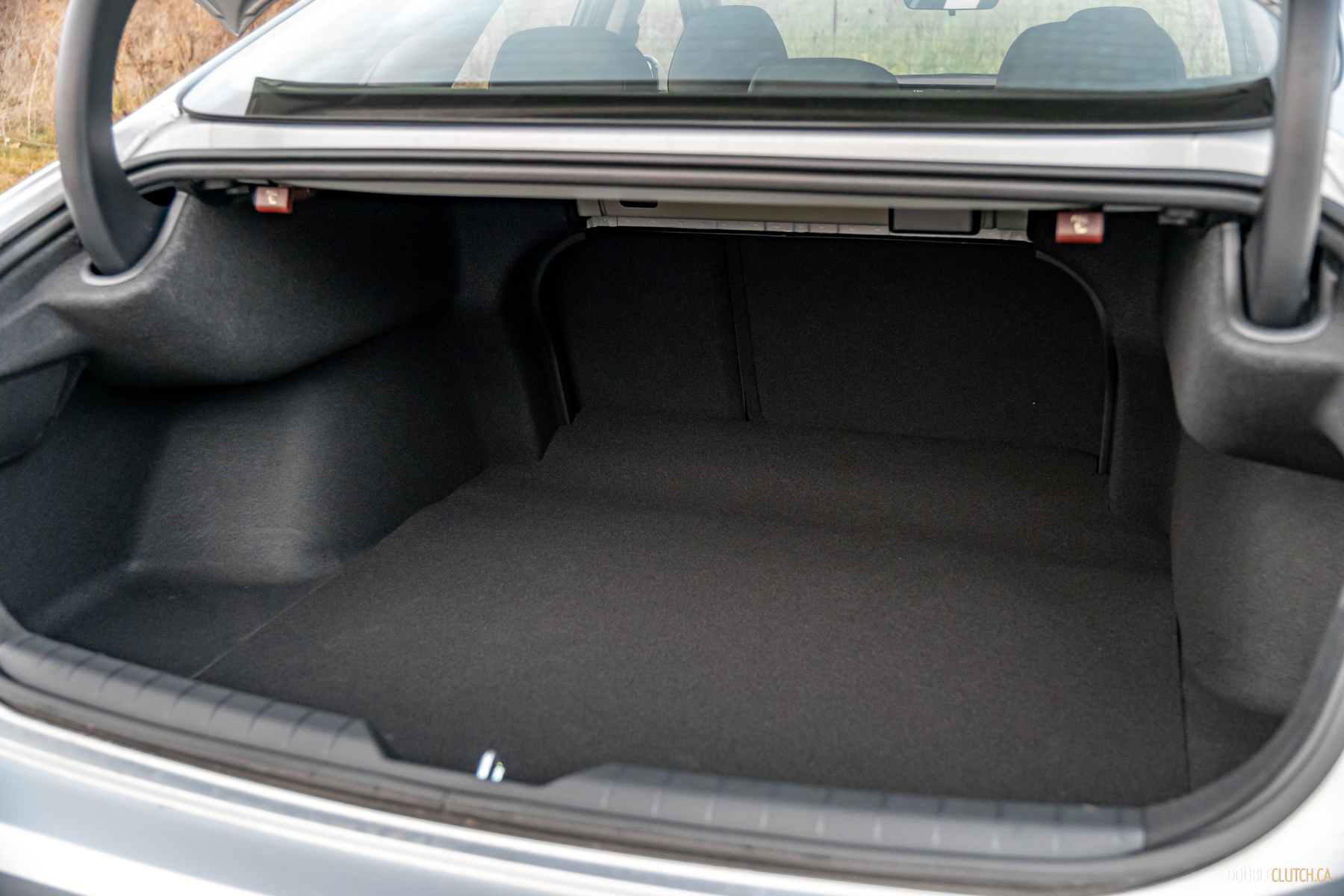
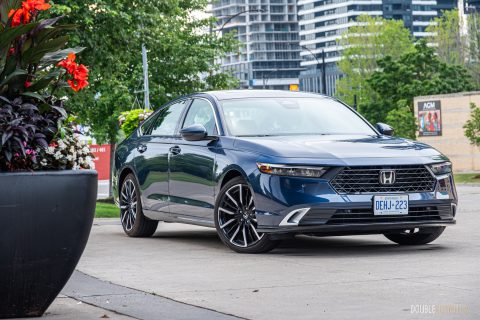
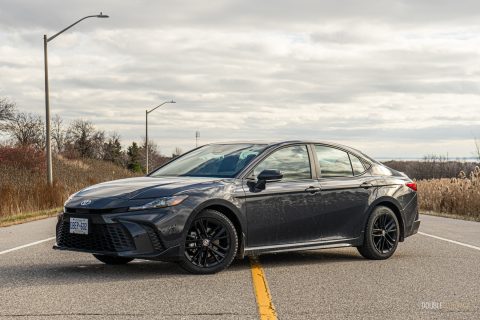
Passenger room in the front and rear as well as cargo space are plenty commodious, marginally better than the Toyota Camry but still slightly trailing the Honda Accord (which might as well be a limo, and is priced accordingly). I had no trouble fitting behind my lanky six-foot-self with room to spare, and ingress and egress are easy, too. This isn’t a little car with some compromises to live with, it’s a proper sedan that can do it all.
Cabin storage is also decent, with good-sized door bins, cupholders, and a large storage tray in the centre console. The lone omission is a wireless phone charging pad, which feels like an odd miss in an otherwise veery well-equipped car. Multiple USB-C ports help soften that blow, but it’s still worth noting.
Wrap it up
Our 2026 Hyundai Sonata Preferred Trend Hybrid makes a very strong value case for itself at $37,599. It offers a robust feature set, a refined driving experience, and a well-executed interior at a price that undercuts key rivals. What it may lack in outright efficiency or driving dynamics, it makes up for in delivering that just feels nice and normal at the right price point. It may lack all wheel drive, and it may not be the most efficient, but neither feel like deal breakers. It’s still more efficient than 95% of what’s on the road, and good tires overrule all wheel drive anyway. What the 2026 Hyundai Sonata Hybrid does offer is a reminder that a good mid-size sedan can still make a lot of sense, because there’s an awful lot of nice car for the money here.