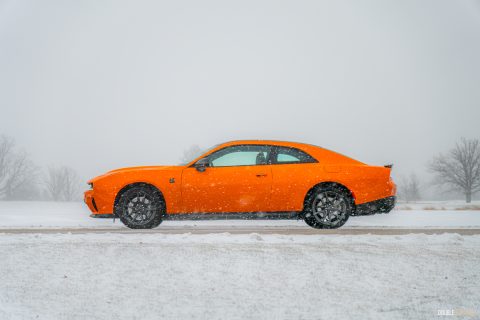
The 2025 Jeep Wagoneer S is Jeep’s first fully electric product, based on Stellantis’ STLA electric vehicle platform which is shared with the likes of the new Dodge Charger EV. In an era when EVs are losing their lustre, can a pricey luxurious crossover gain a following?
Let’s go all the way
Jeep has been flirting with electrification as far back as 2021 with the Wrangler and Grand Cherokee plug-in hybrids, as denoted by the 4xe badges and blue tow hooks you might see running about. They’ve even electrified the Compass and Renegade overseas, and the upcoming 2026 Cherokee will be a hybrid. But this is the brand’s first fully electric vehicle, so there’s a lot at stake for Jeep, and more so Stellantis who’ve been trying to find a home run somewhere in their portfolio.
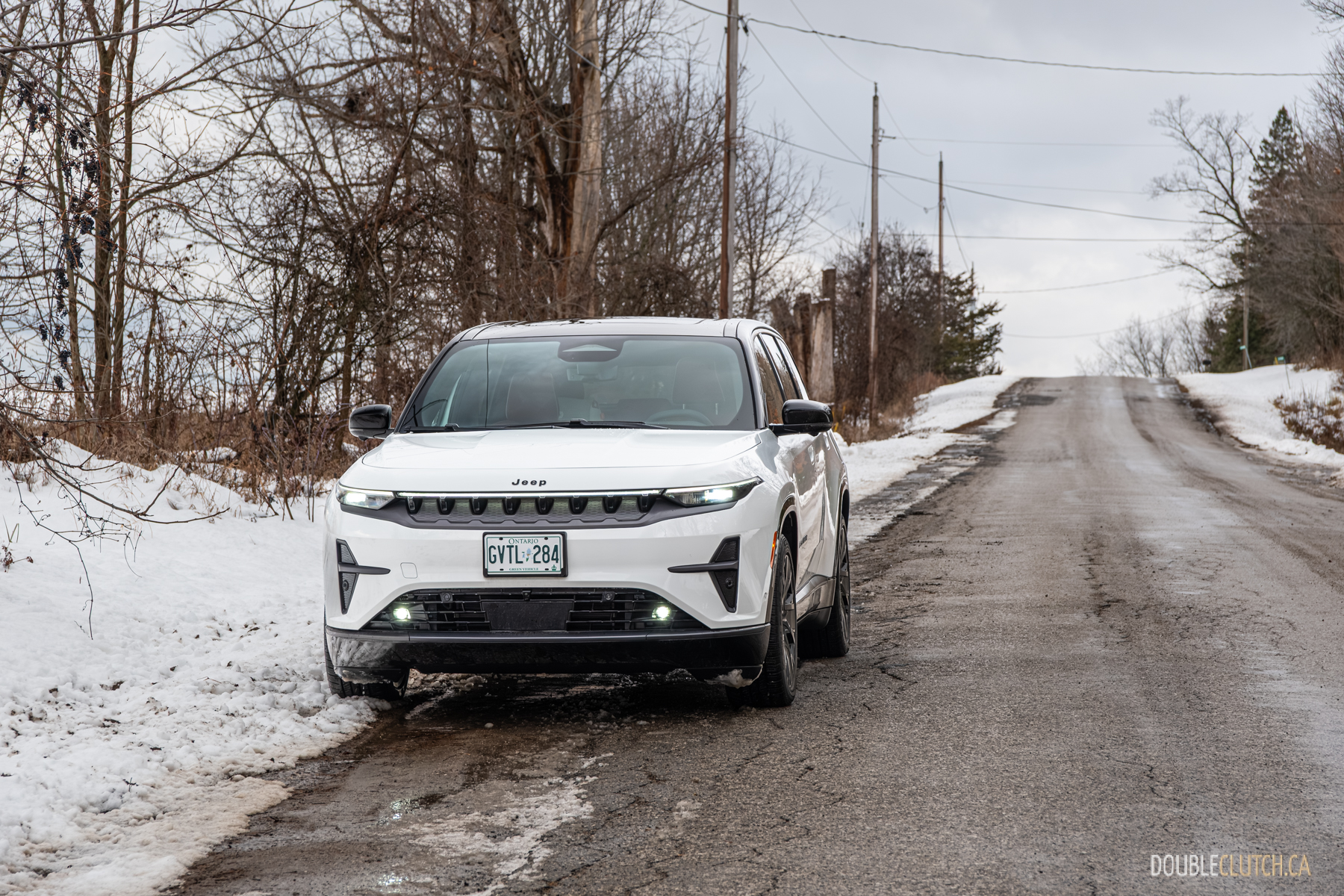
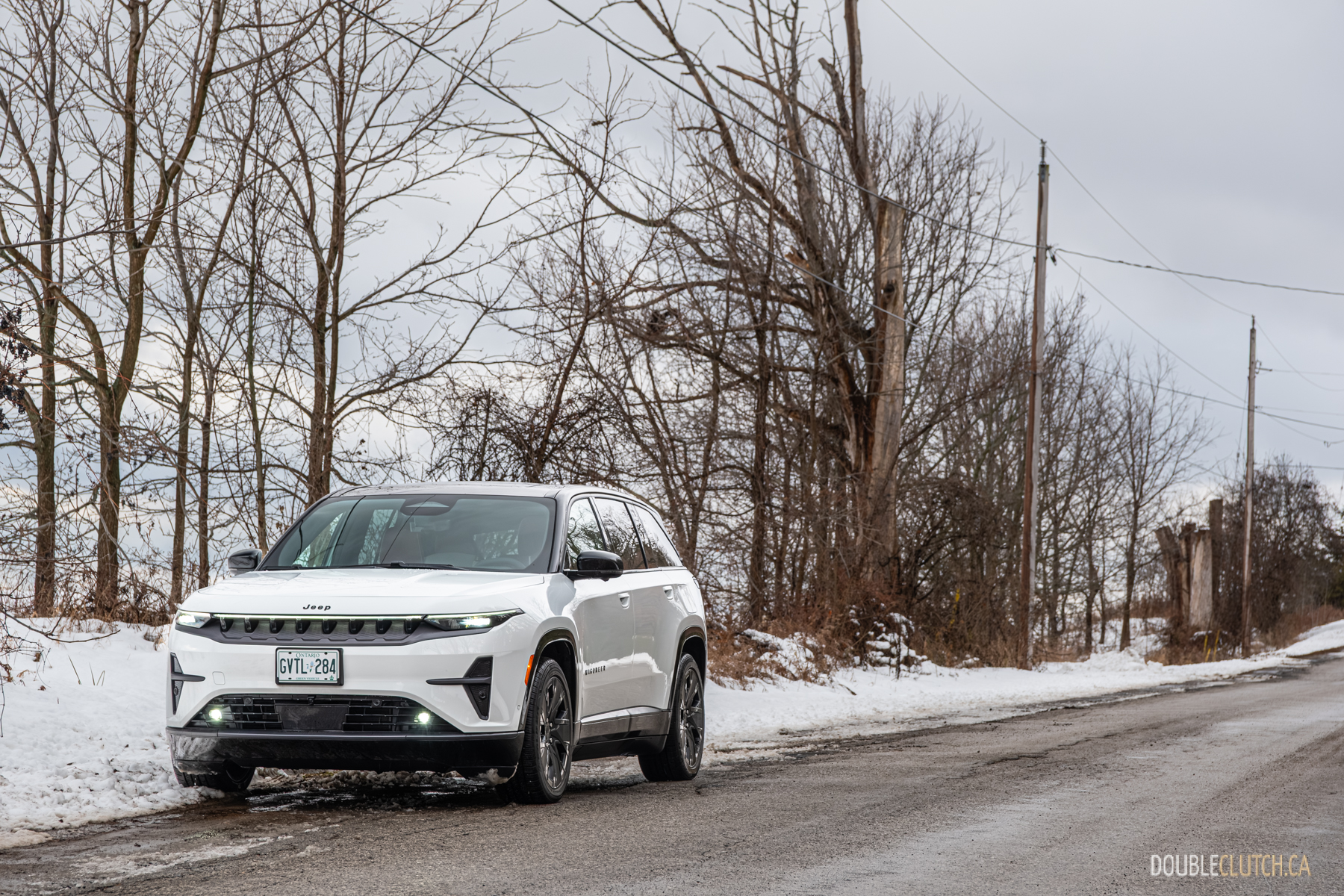
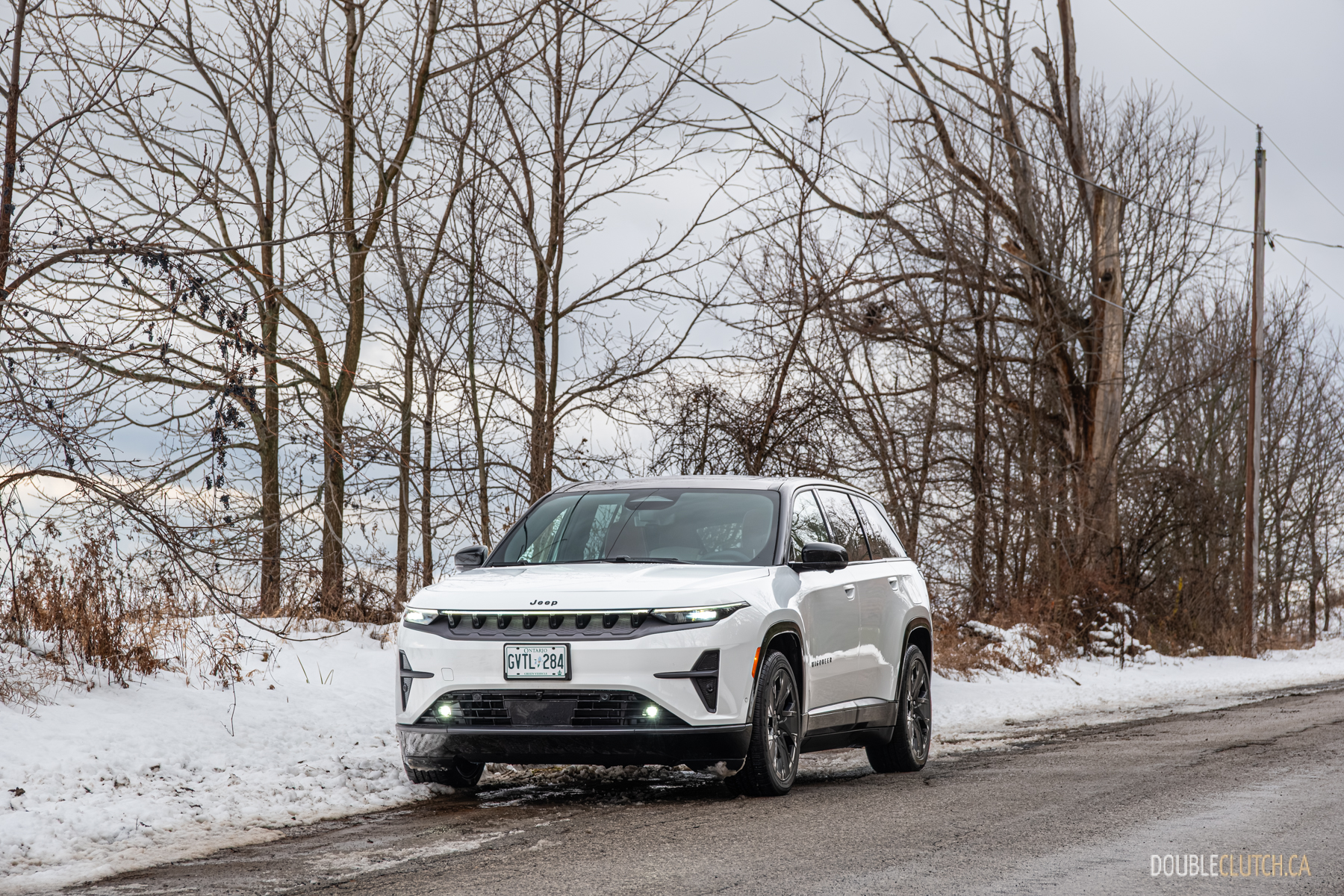
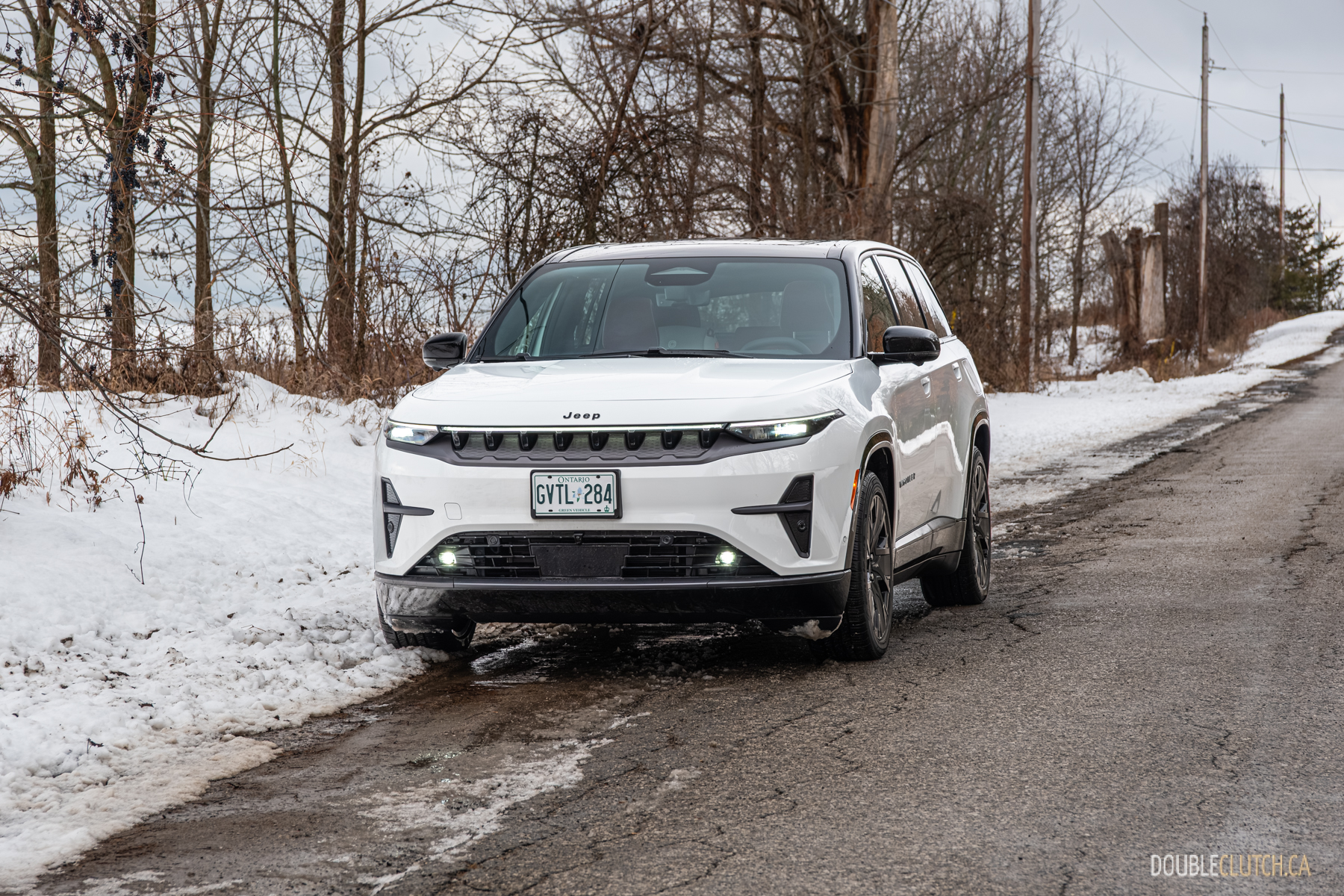
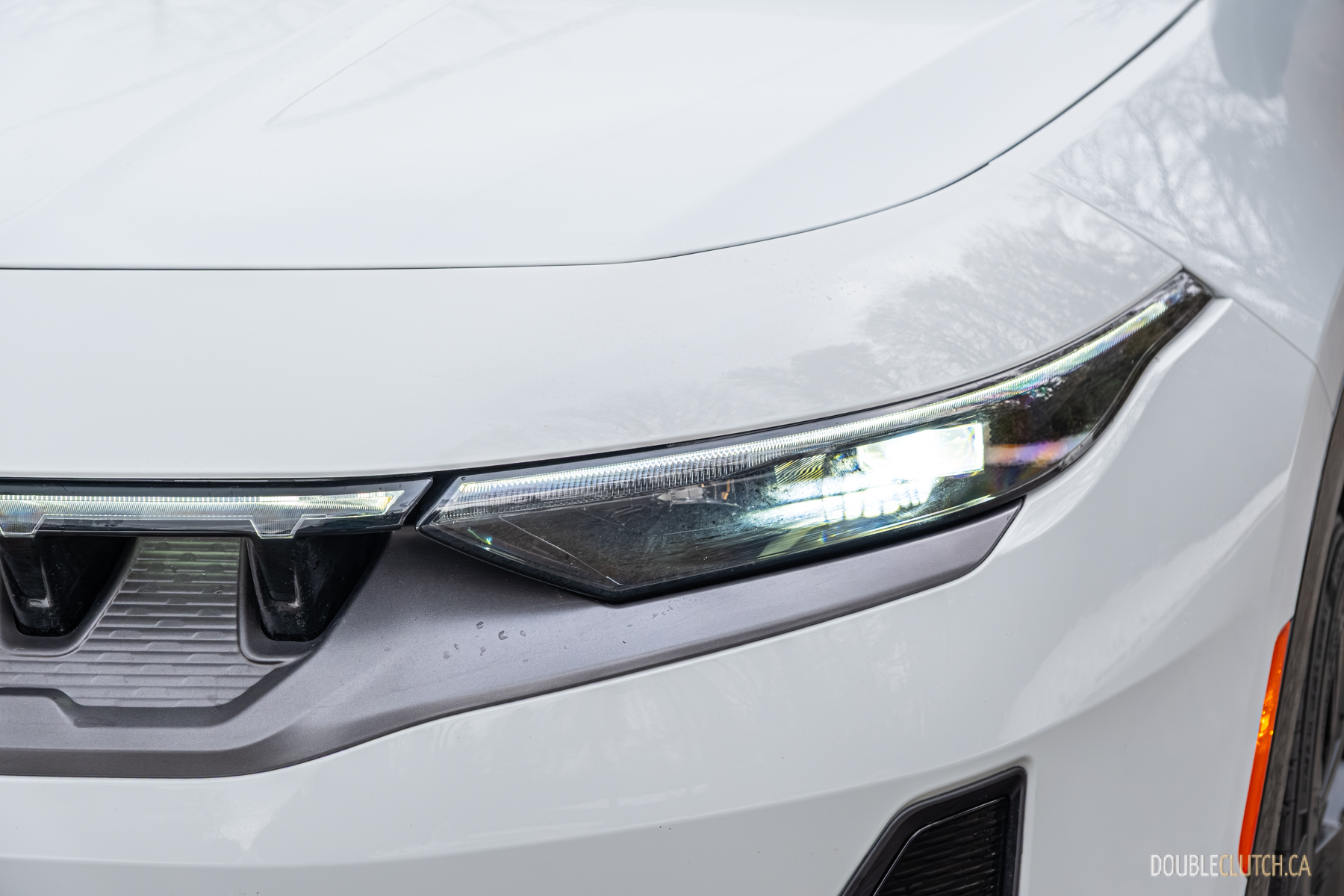
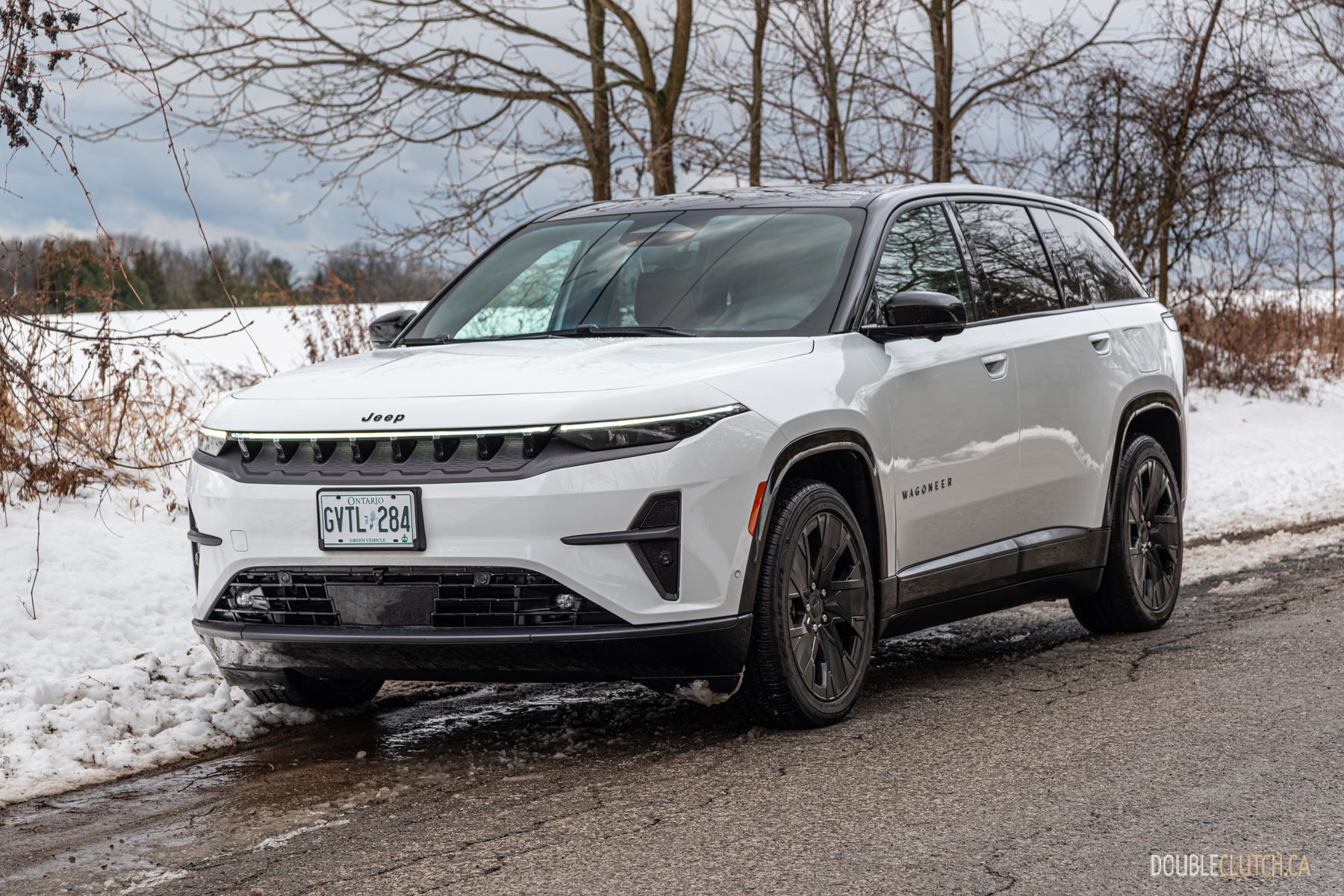
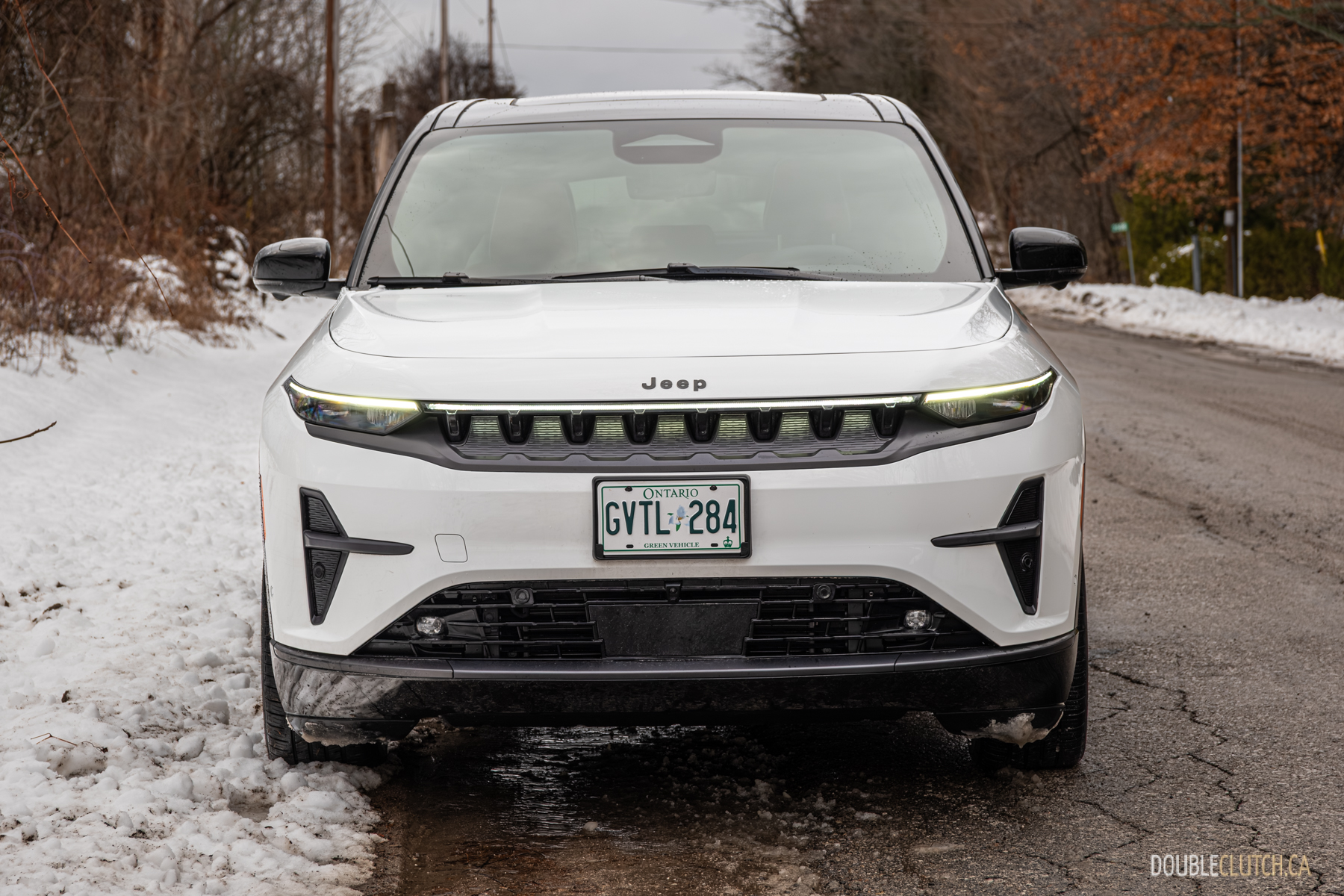
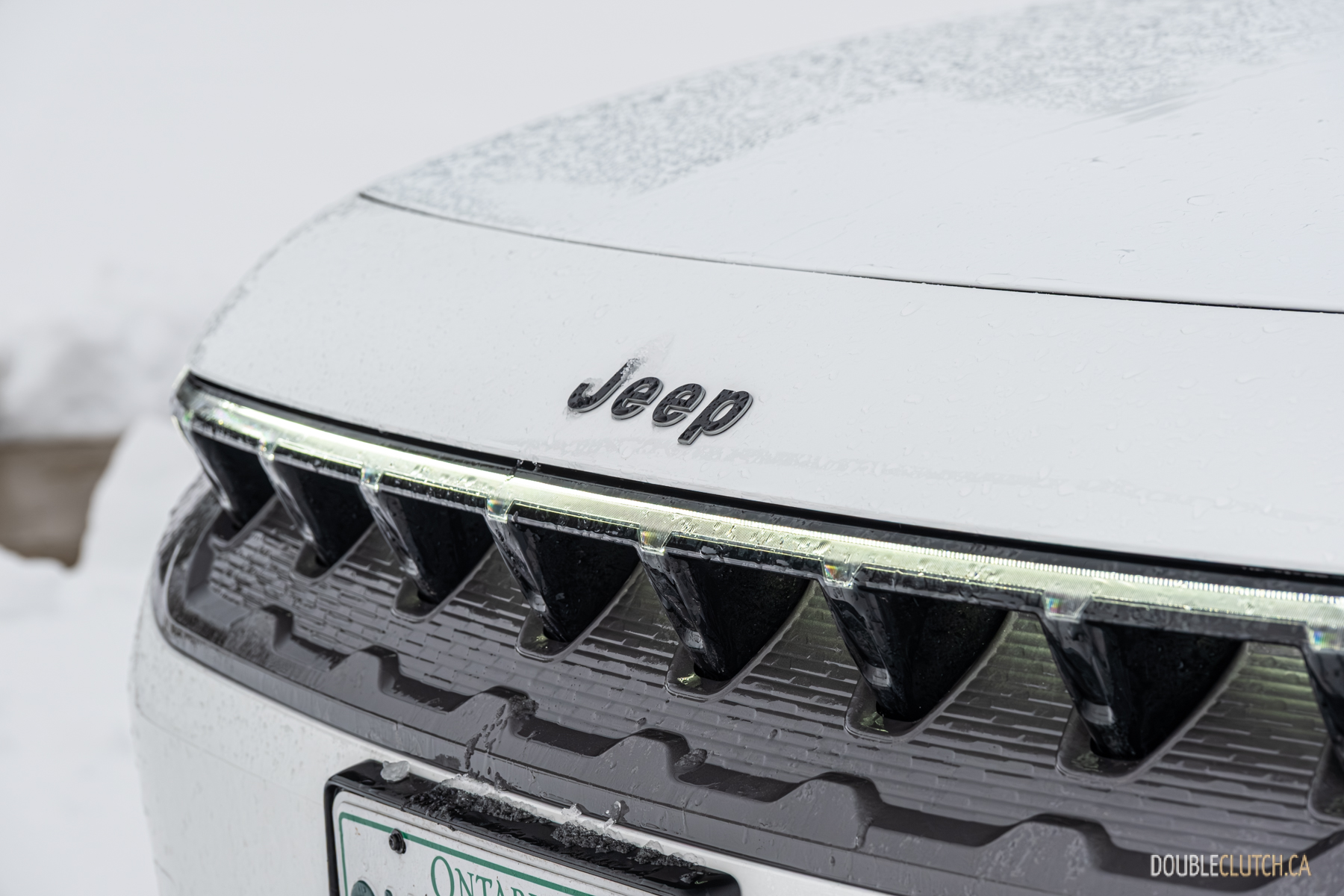
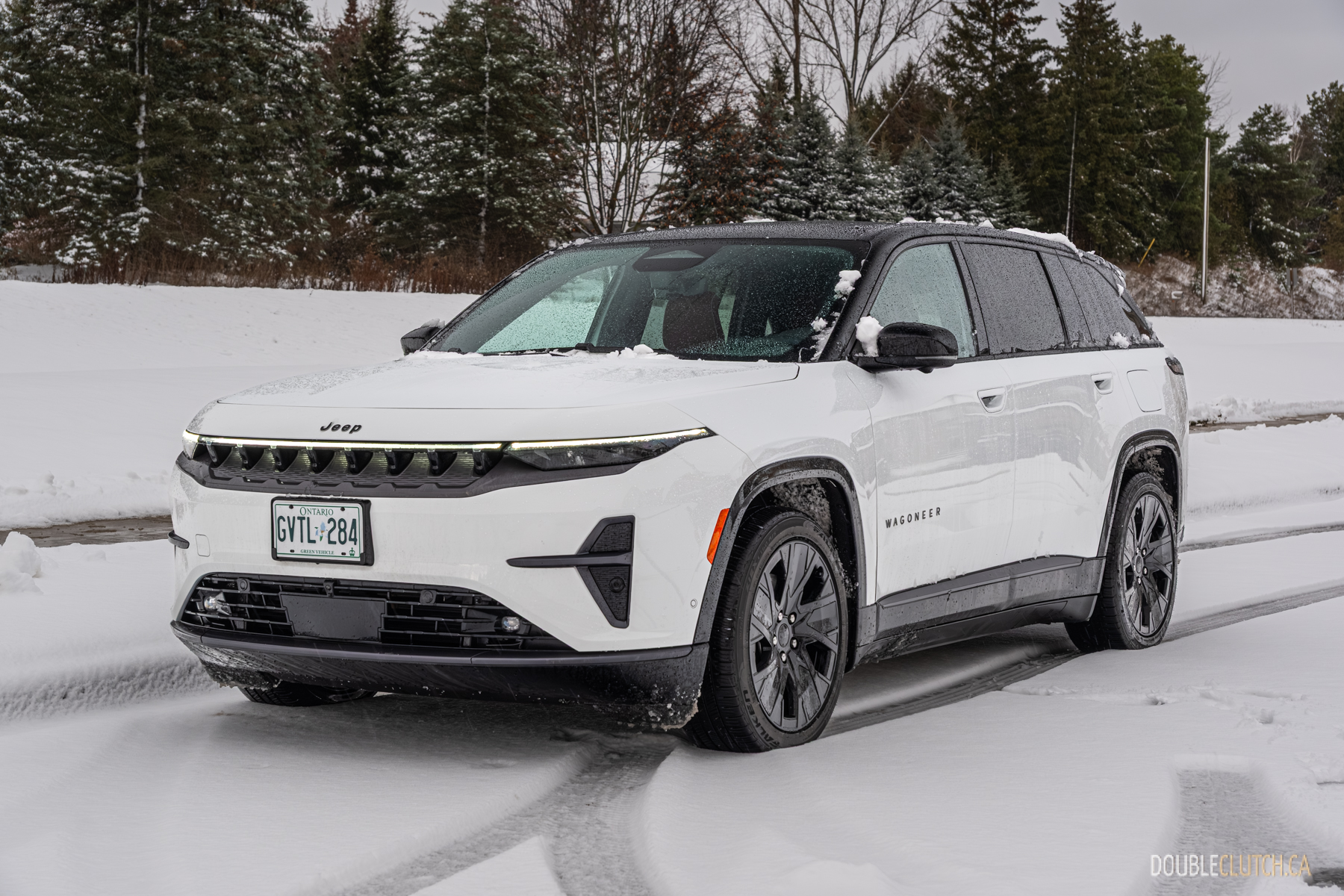
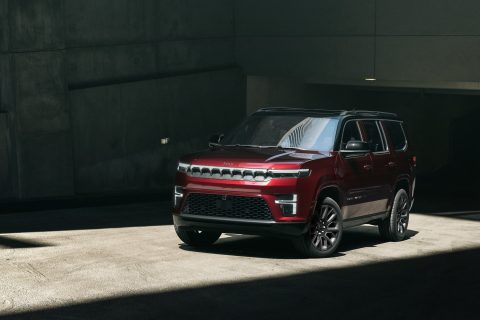
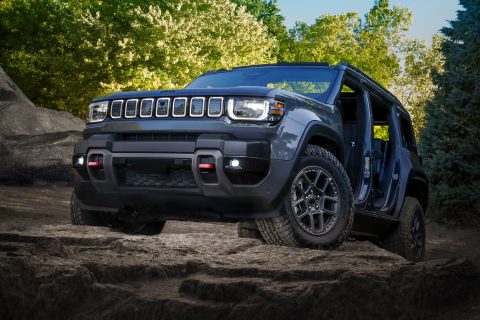
First impressions are off to a good start. This is a nice looking sport-ute, with tidy and athletic proportions that are less truck-like and firmly into crossover territory. The front end features slim headlights that flow into a signature Jeep grille with those seven horizontal slats. It’s a bit plasticky-looking, but looks nice with the light bar giving the grille an obvious glow. The grille is also obviously fake, but gives the Wagoneer S a familial appearance. The rest of the front end is smooth and clean.
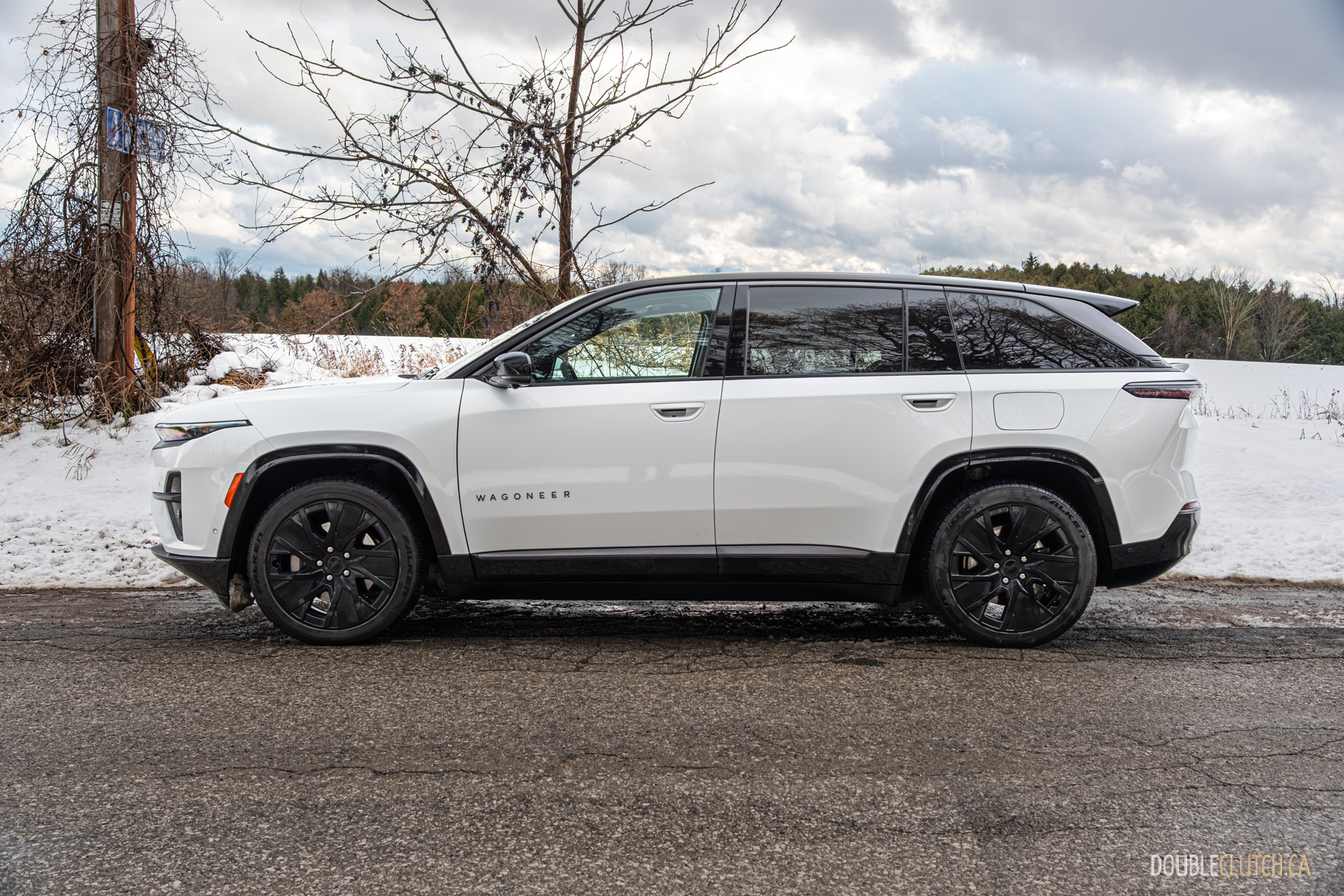
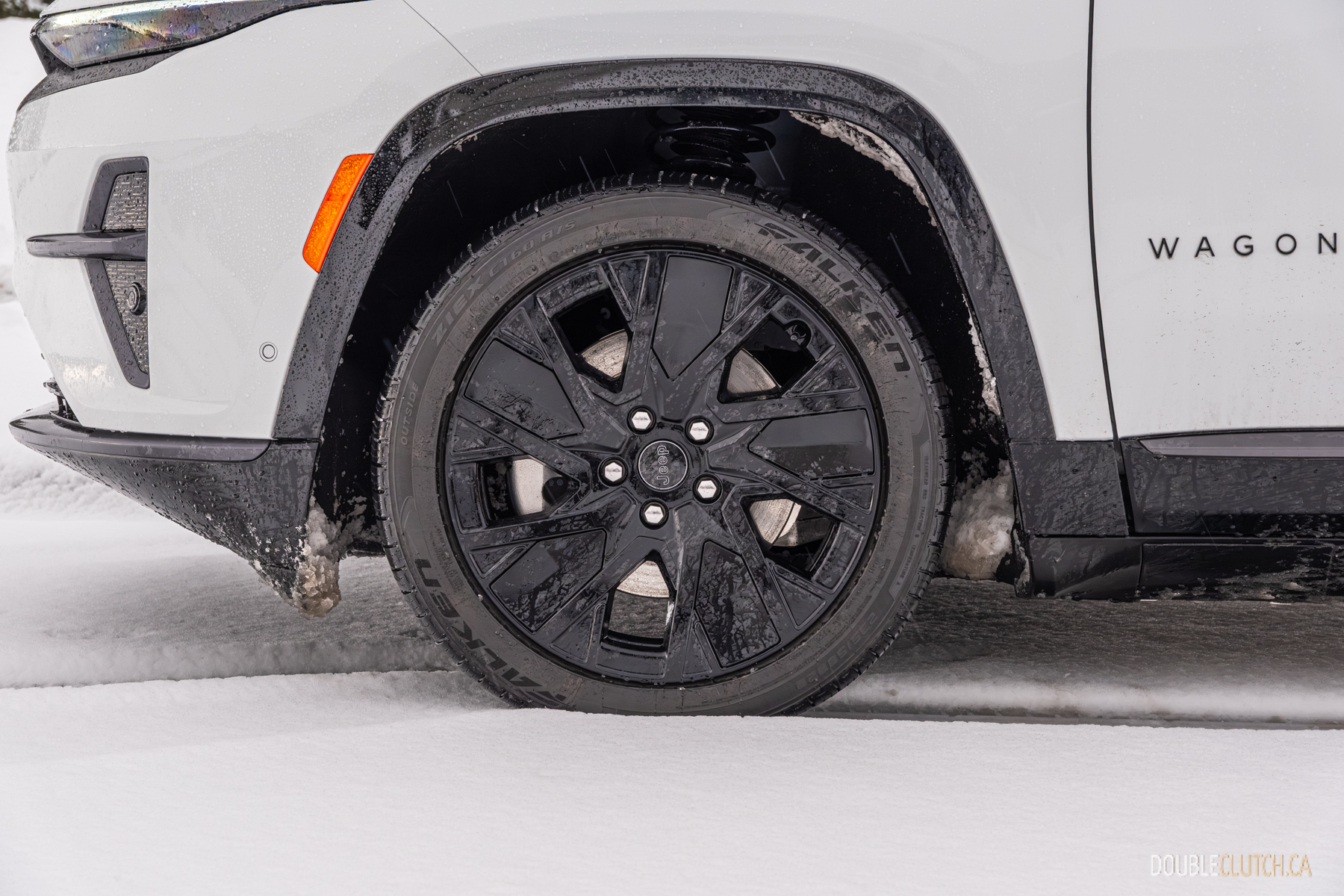
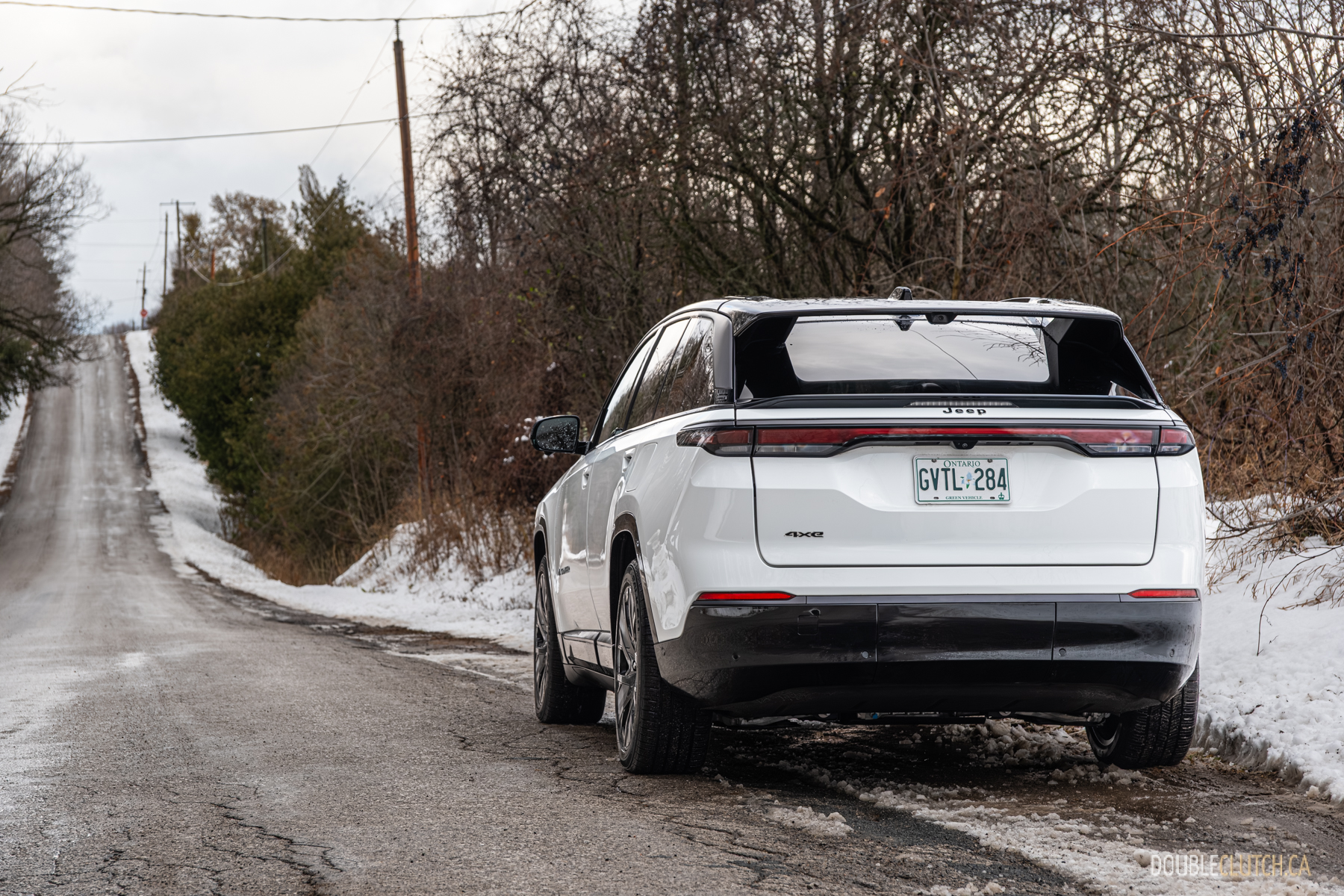
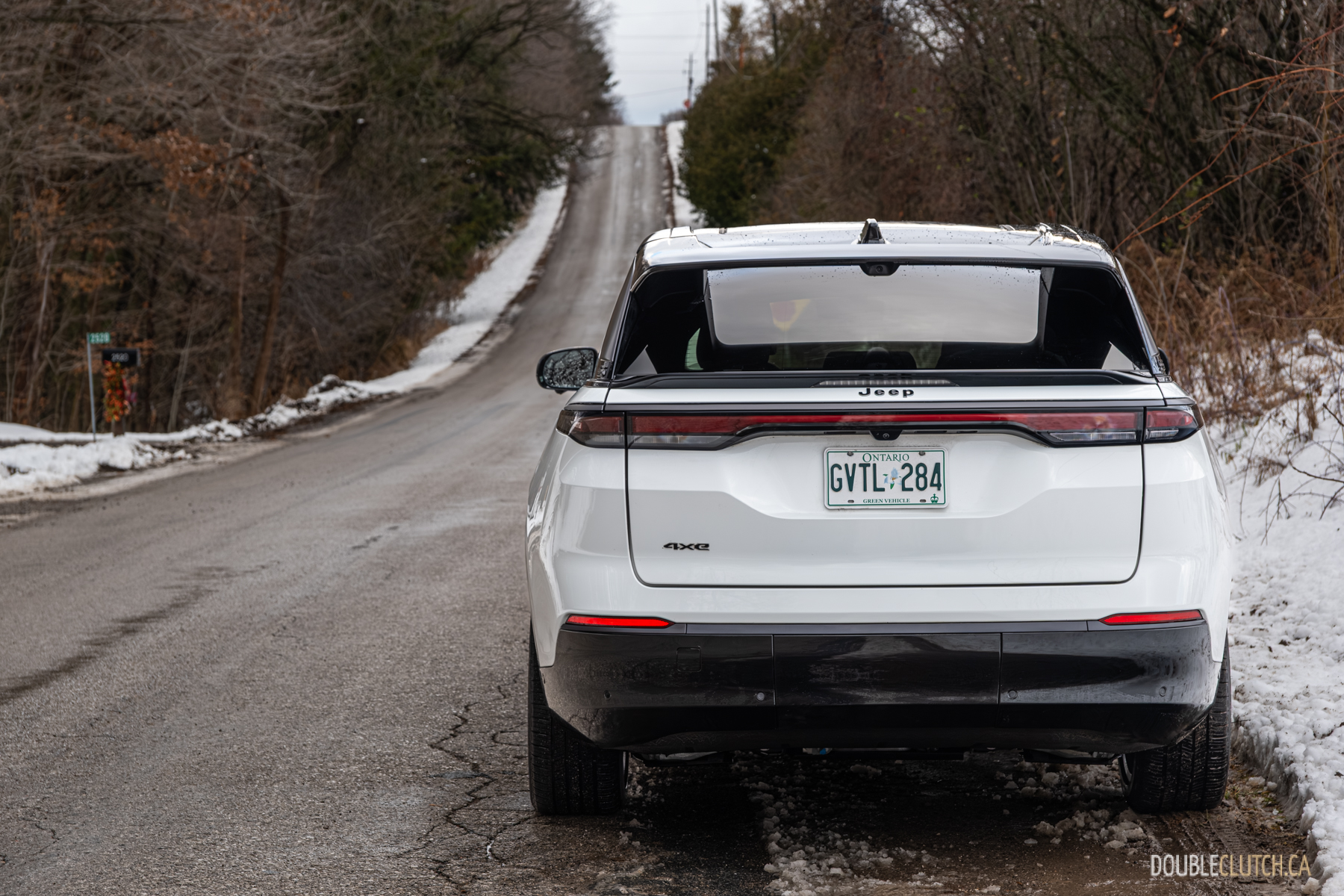
The side profile is similarly smooth, with the visual drama coming from the contrasting blacked-out window pillars, roof, and wheel well surrounds. The Wagoneer S looks modern, mature, and is likely to age rather well visually. The rear three-quarter view might be the coolest, with the subtle Wagoneer S logo on the edge of the C-pillar, not to mention a not-so-subtle wing integrated into the roof. Seriously, at some angles it looks like a wing off a race car, but at other angles it integrates very well into the overall design. Either way, it’s a key design element of the Wagoneer S and definitely a conversation starter.
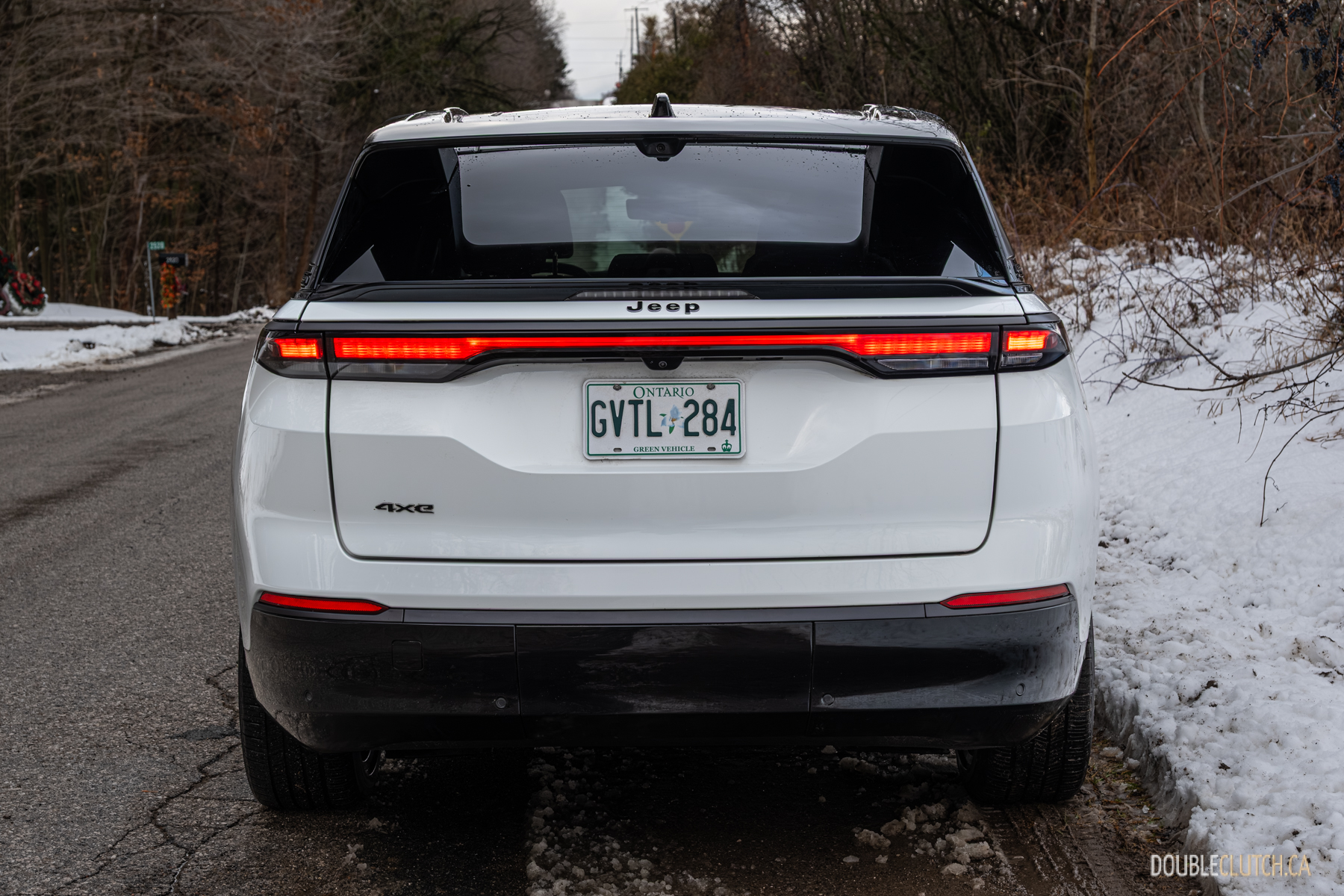
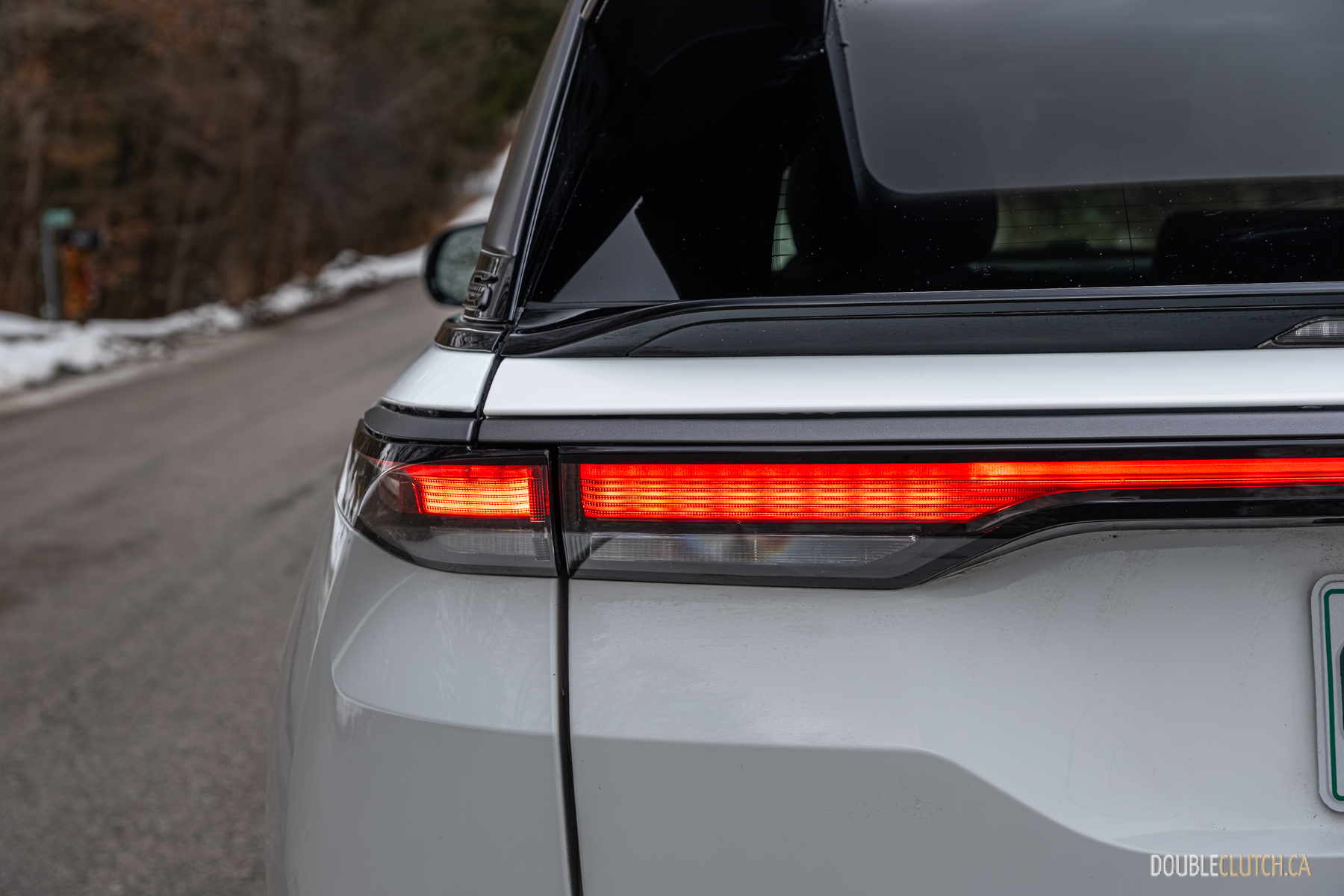
The rear tail gate features a clean light bar and some black cladding that runs up a good chunk of the rear bumper. Overall, the Wagoneer S is one of Jeep’s most cohesive designs in the last few years, coming off as both premium and modern.
Audi, is that you?
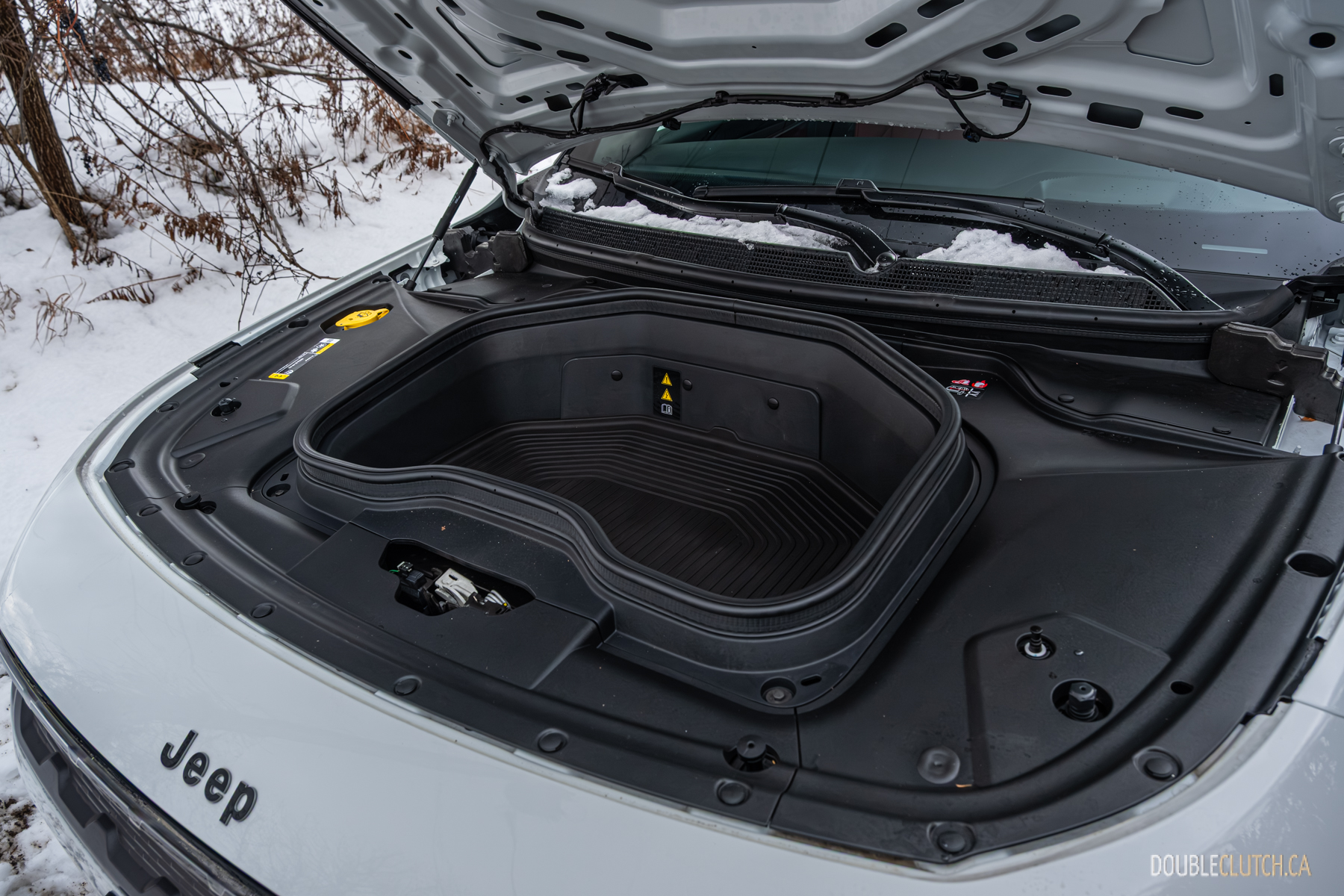
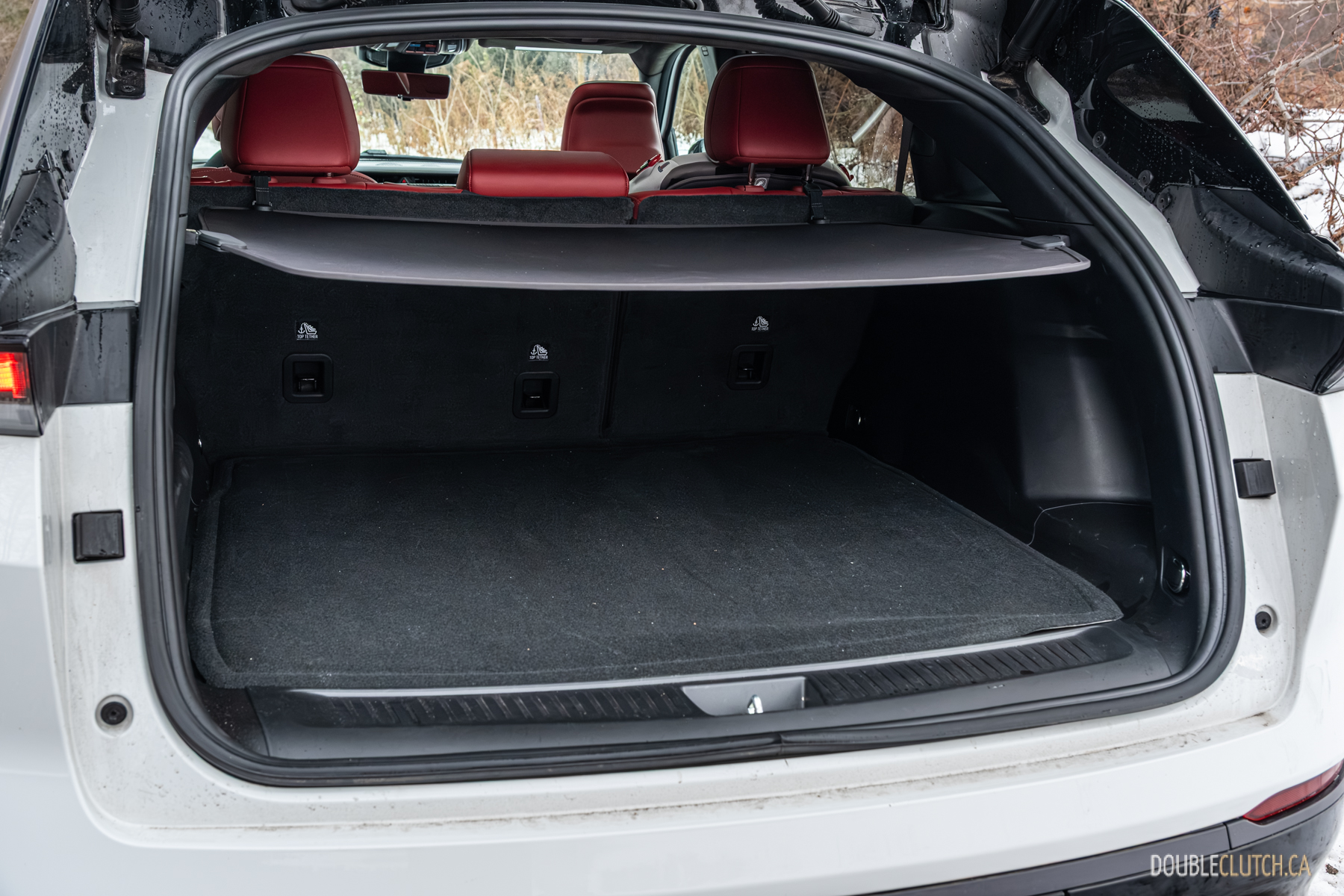
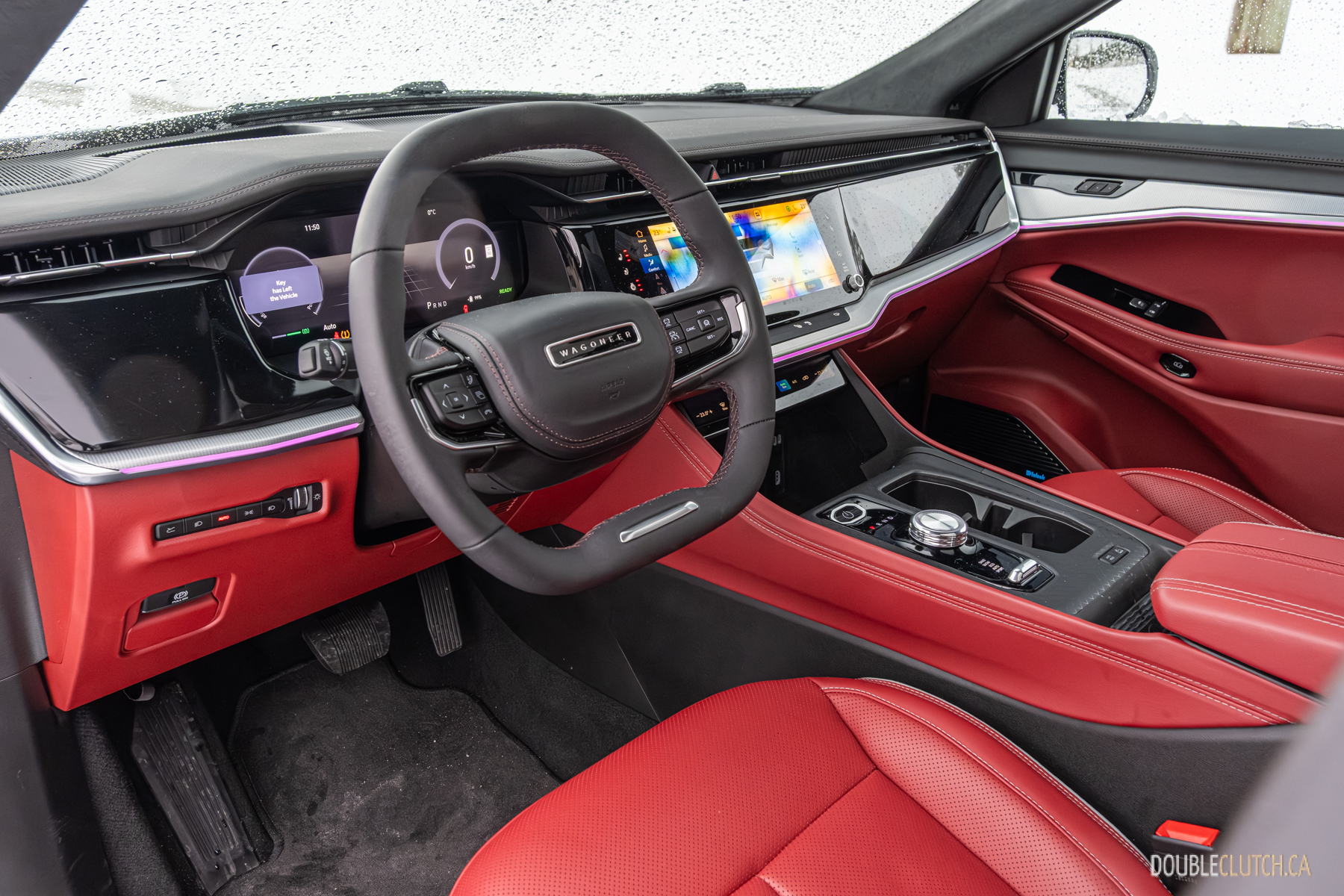
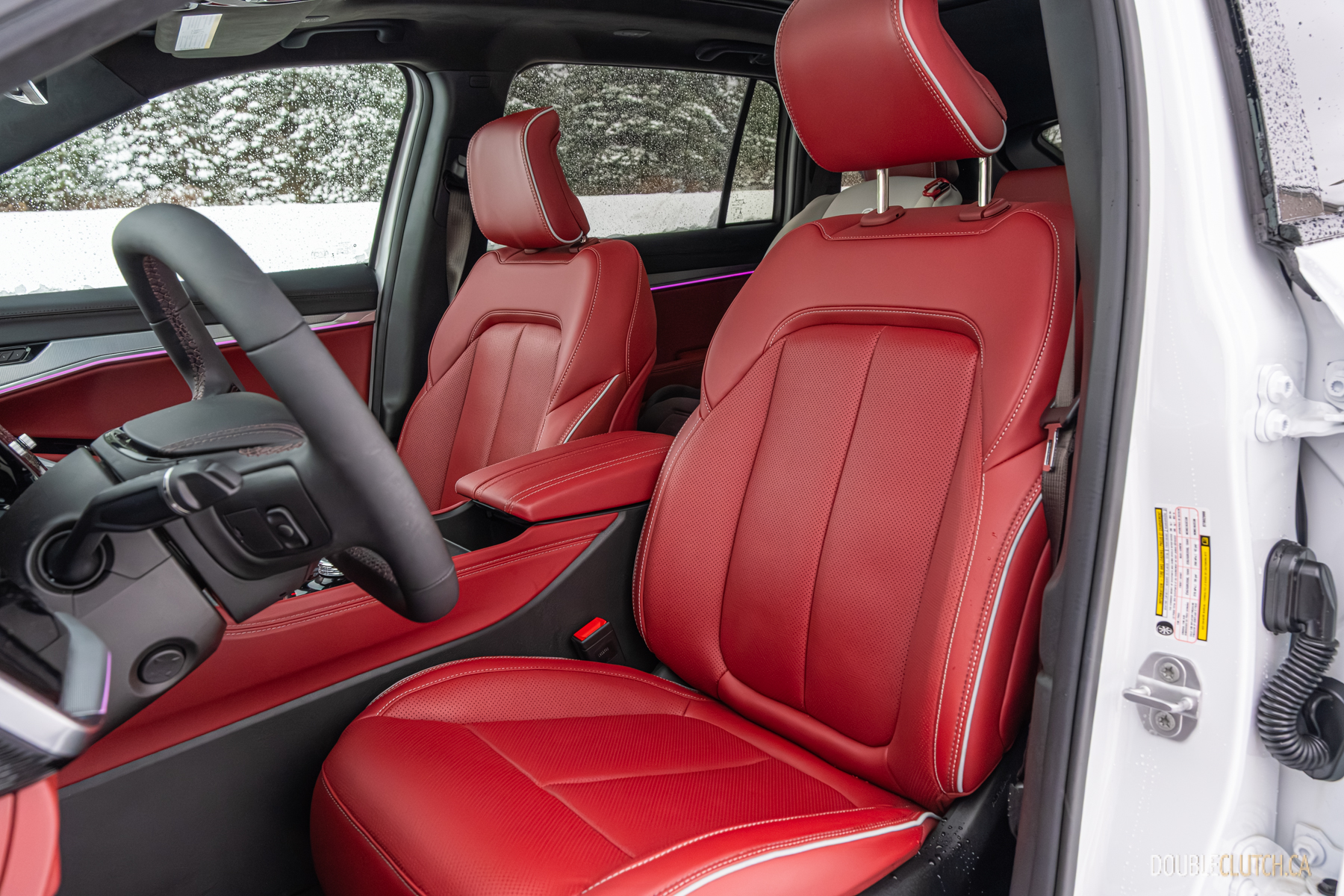
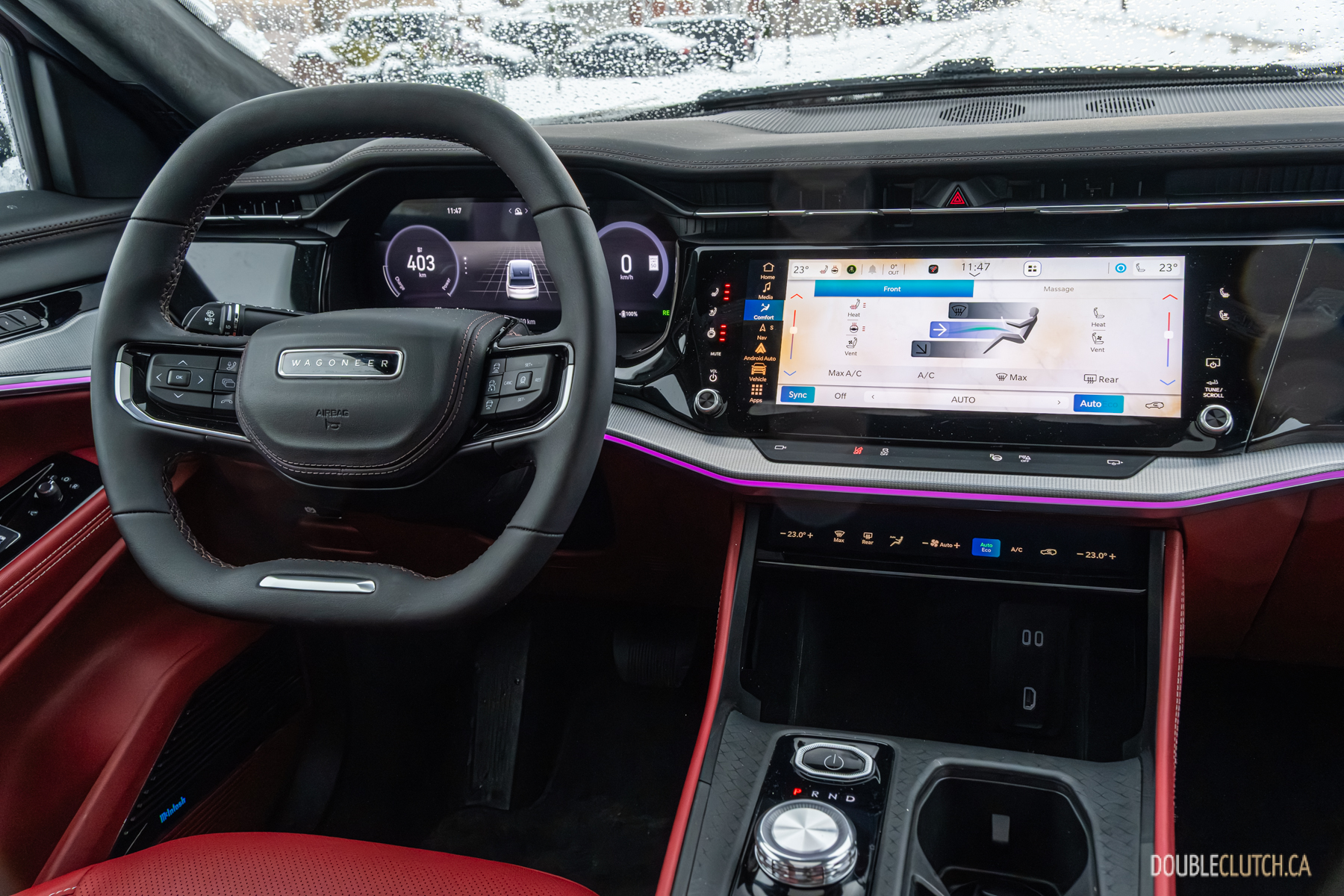
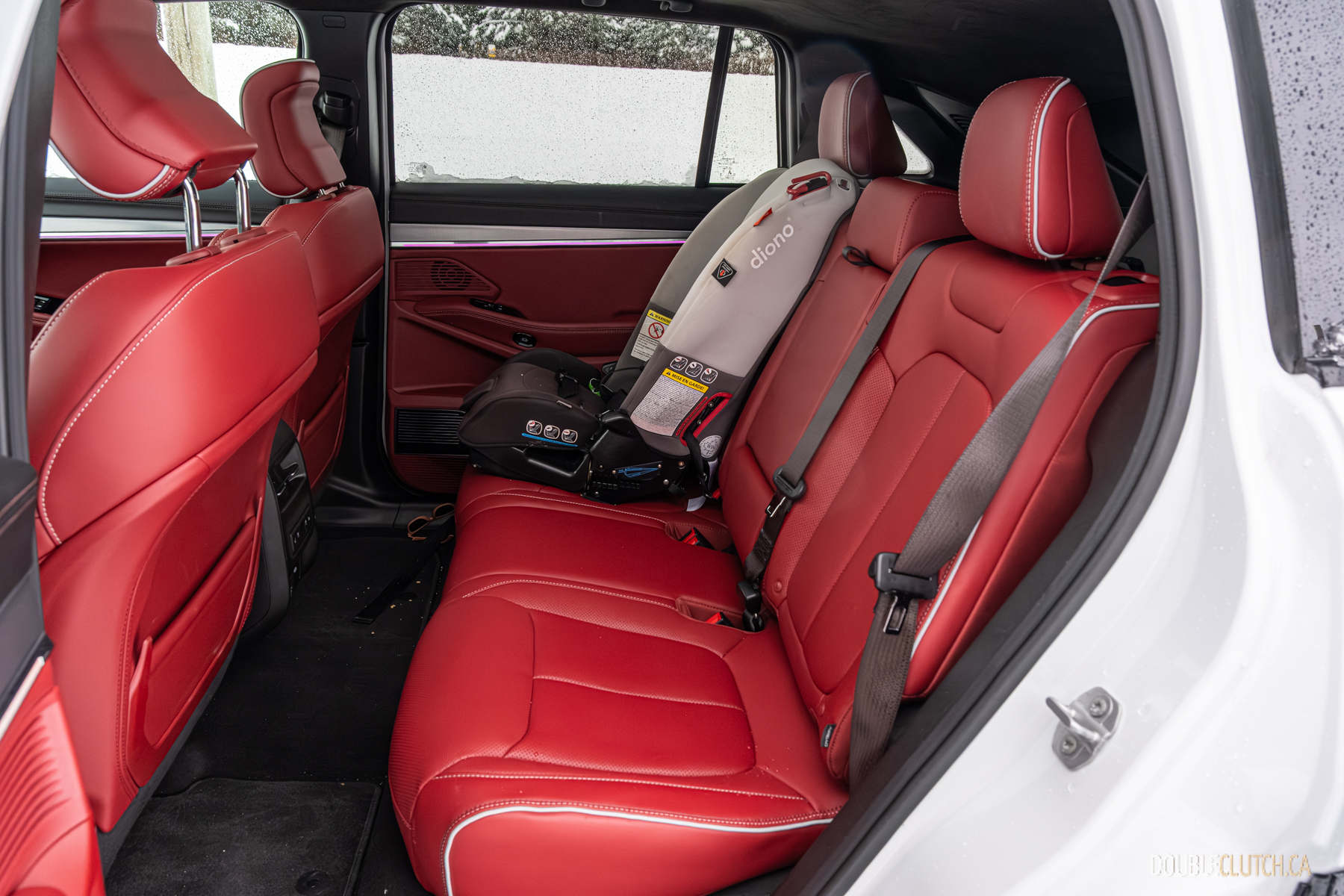
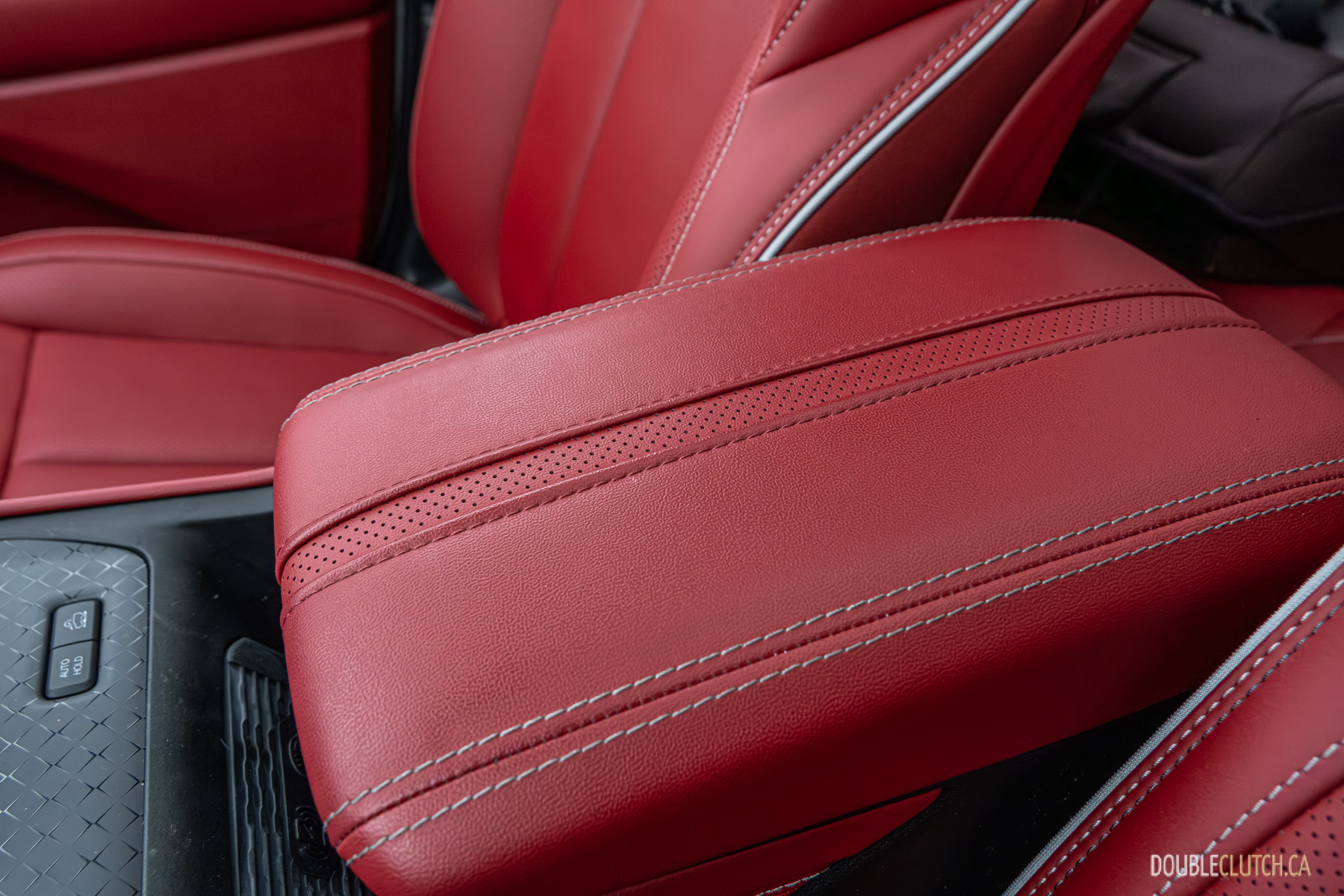
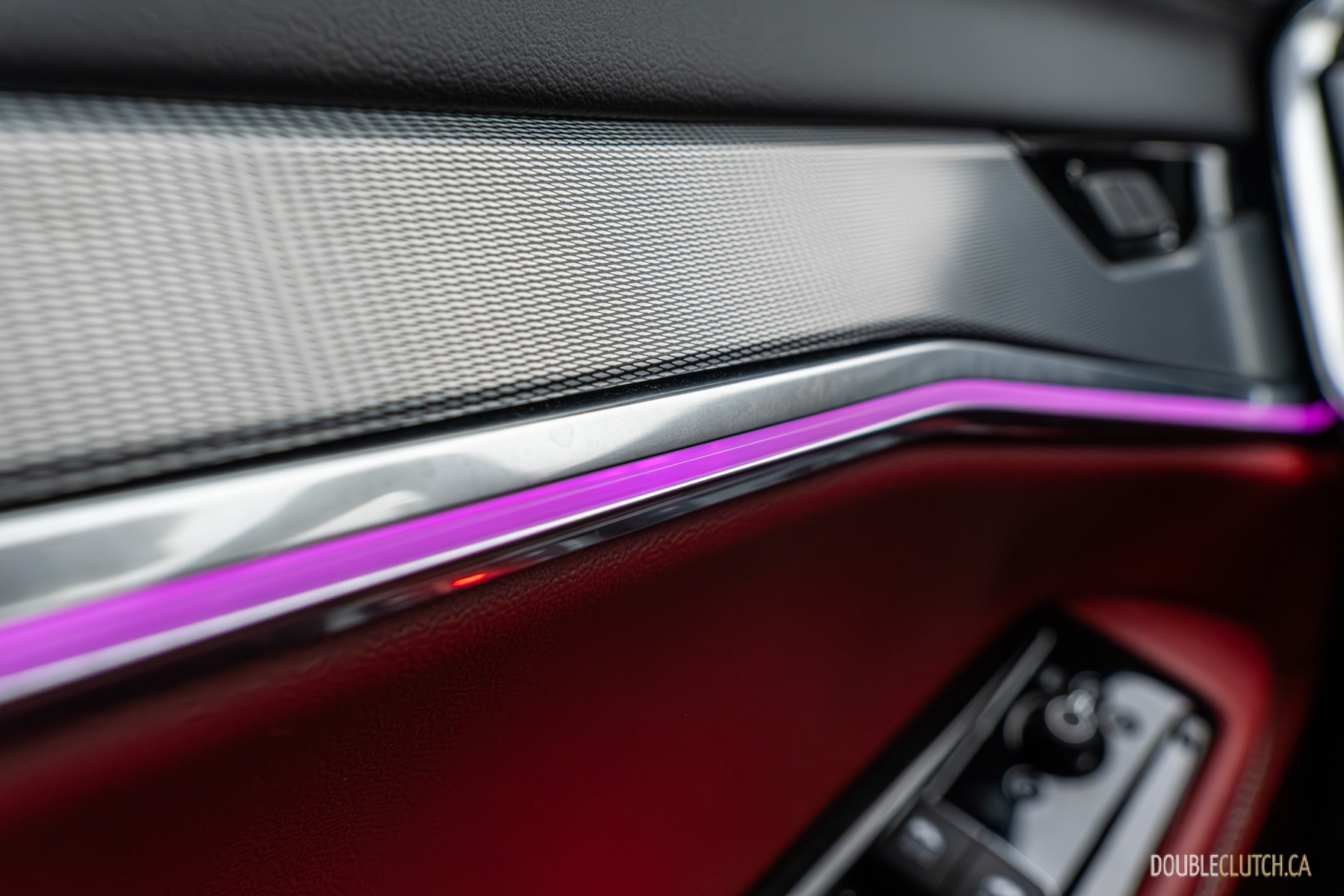
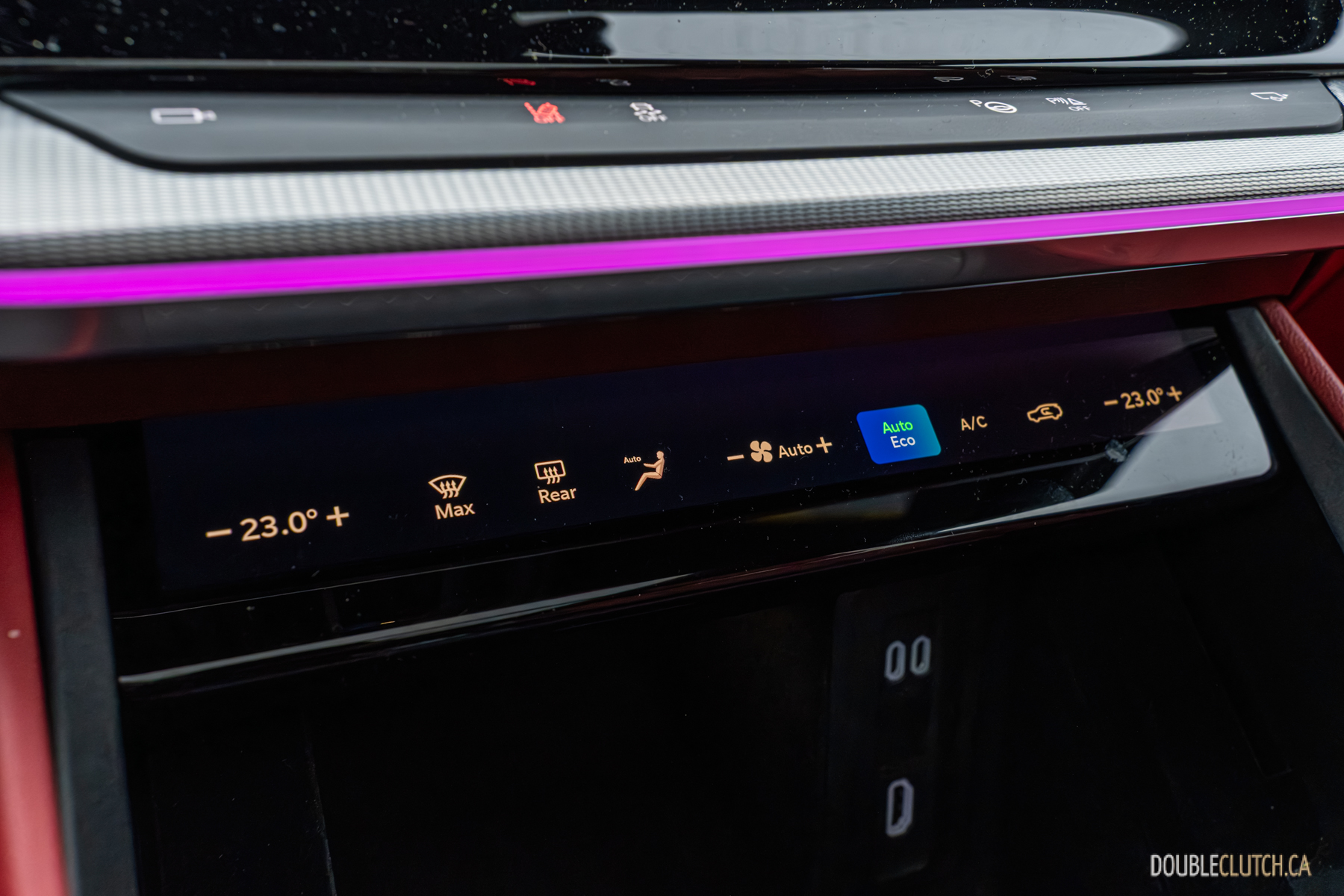
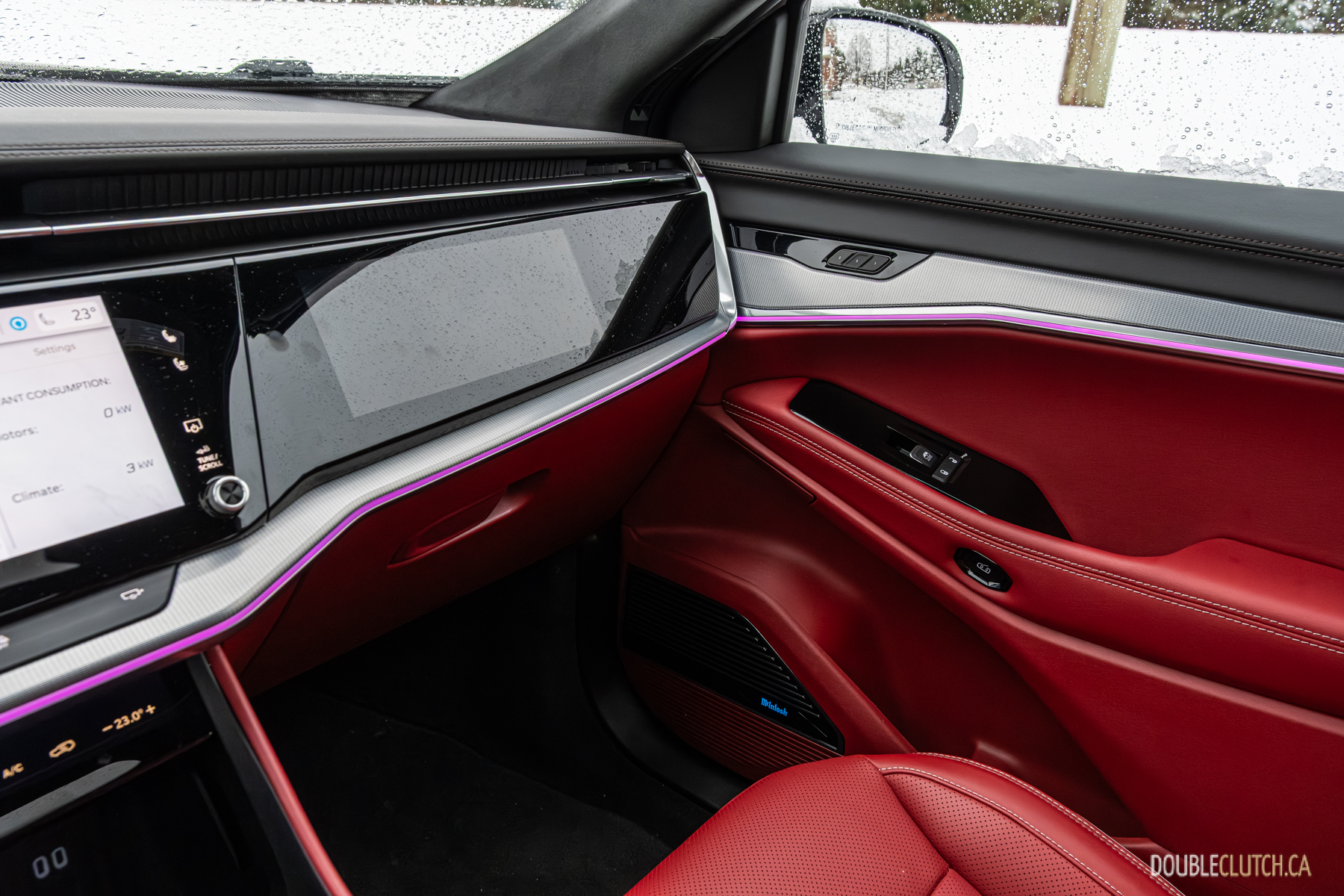
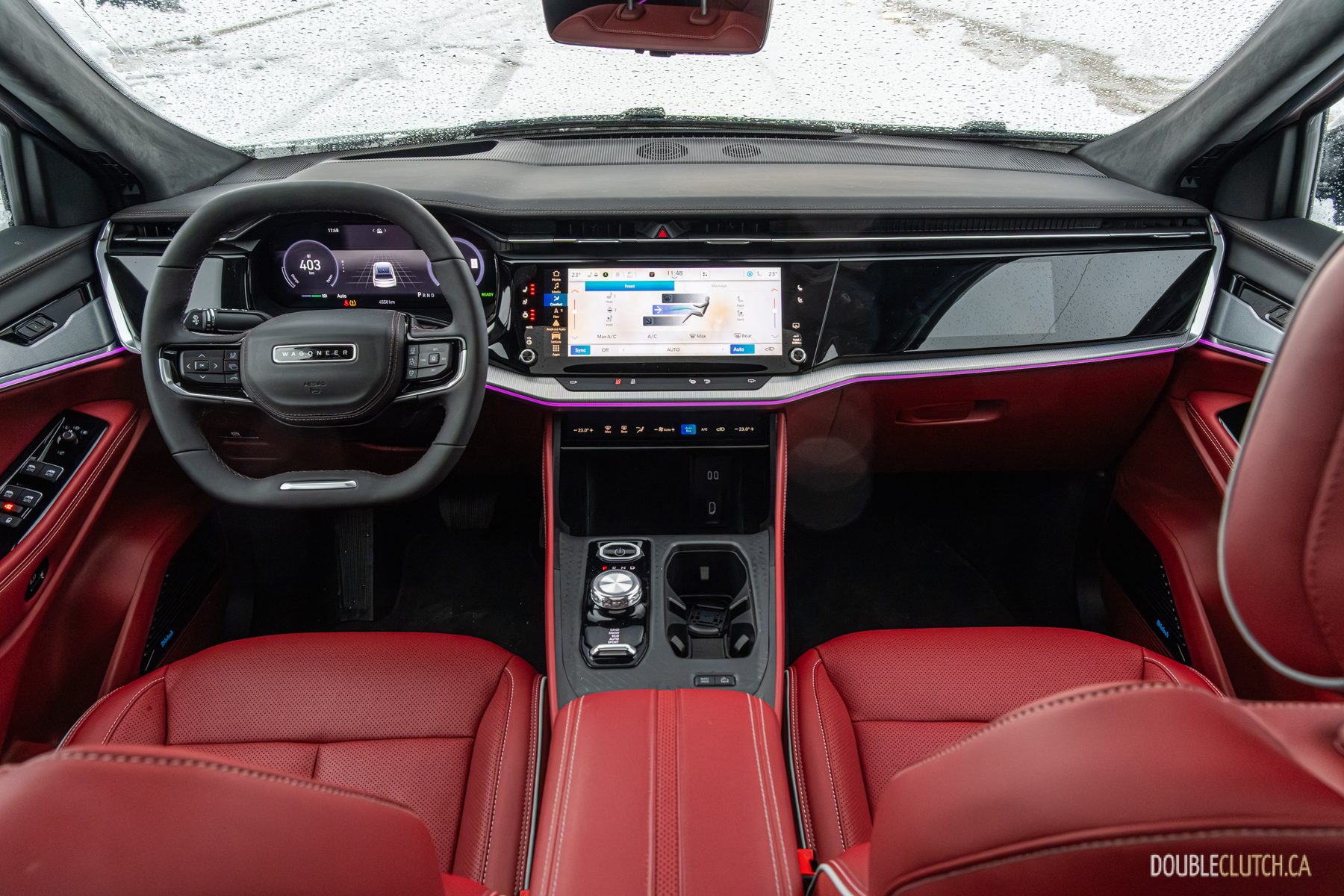
I know, high praise for a Jeep, but the interior is reminiscent of some modern Audi models. No, not the ones from a just few years ago that led the automotive world, but the more recent examples which feel a little less special, but excellent nonetheless. It’s a great effort from Jeep here, as the interior is clean and well-built, with ample ambient lighting that spans the entirety of the cabin. The red leather is just the right tone and the silver trim throughout adds a nice bit of contrast. There’s enough space for five to go along with 866 litres of trunk space and a small frunk under the hood. It all makes for a spacious cabin setup and enough cargo room for a family cottage trip.
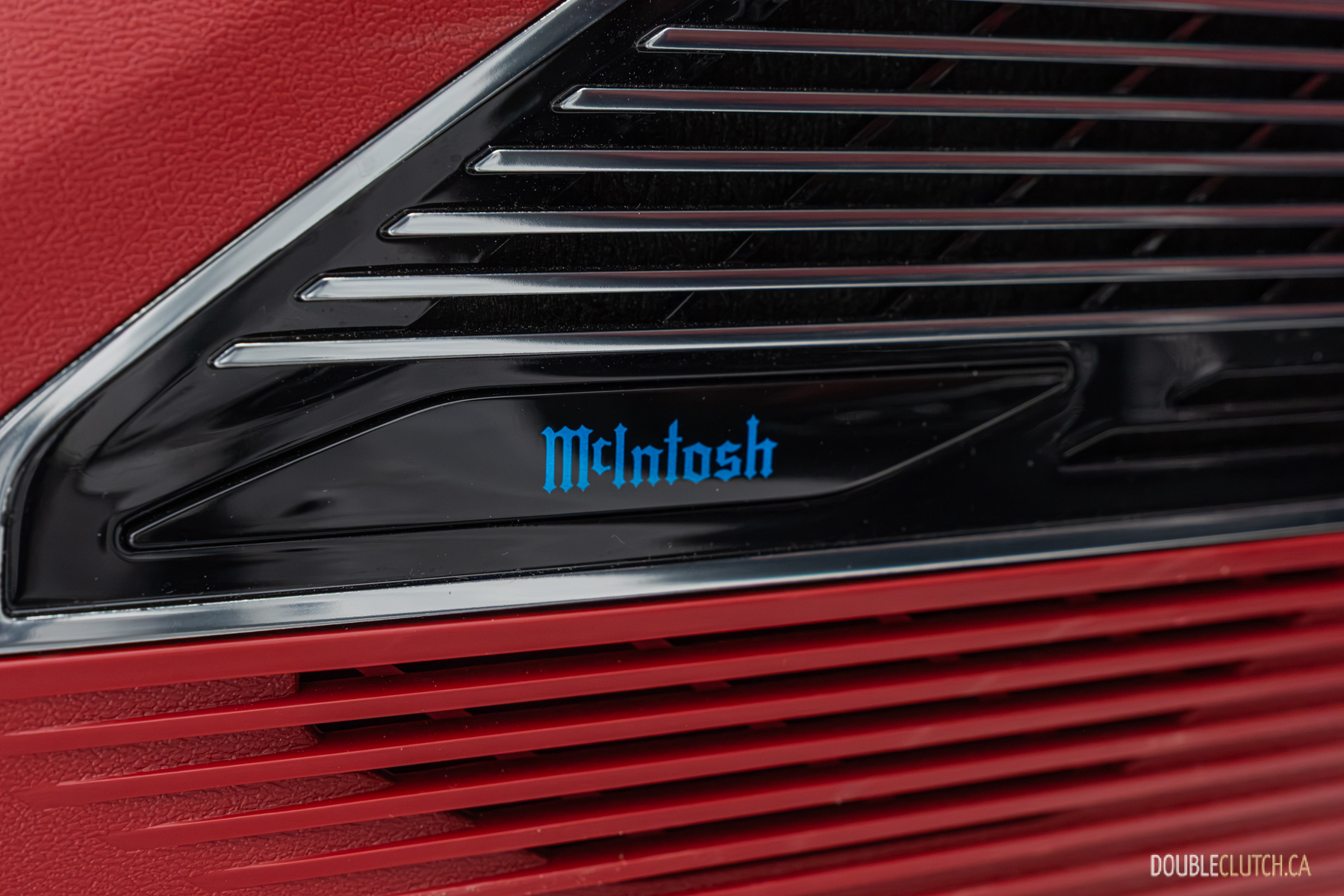
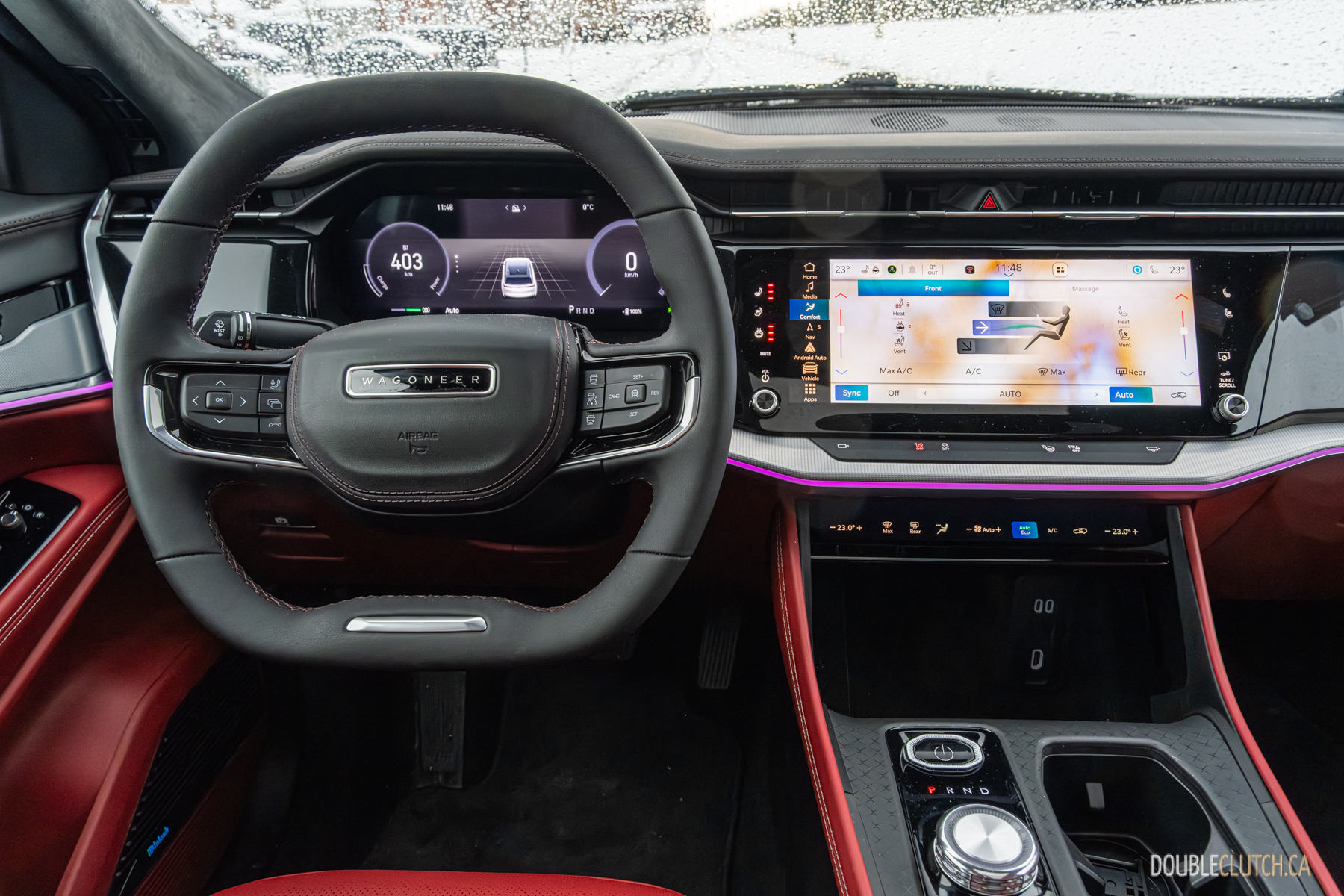
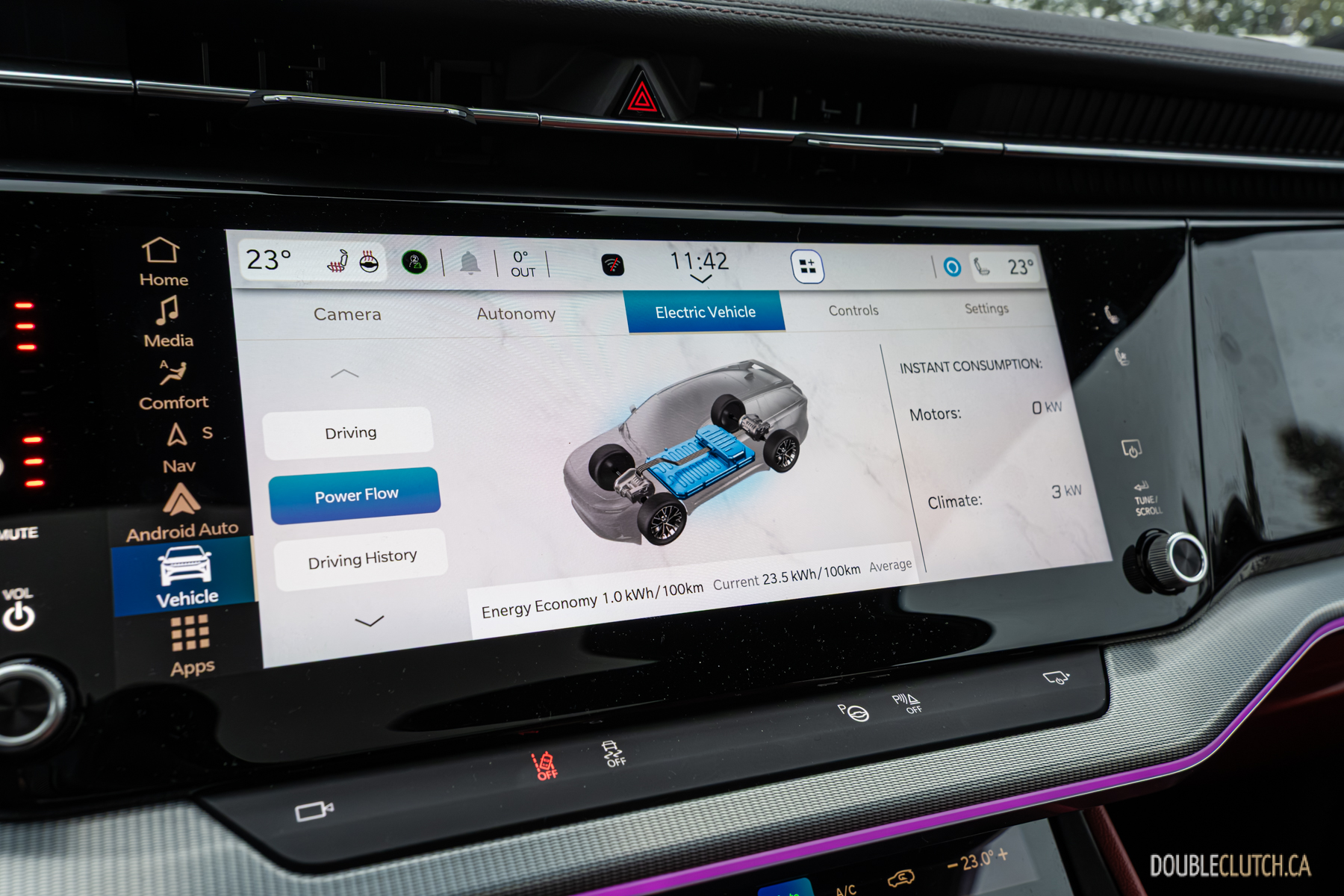
There’s a dual screen setup up front and a third screen for the passenger, all sitting behind a glossy piece of glass and surrounded by piano black trim. The two 12.3-inch screens for the gauge cluster and infotainment are sharp, as is the 10.3-inch passenger screen, which features a directional display that blocks the driver’s wandering eyes. The 19-speaker McIntosh sound system is pretty darn good, very punchy and deep with bass, but lacking in the near-perfection from Bowers & Wilkins and AKG. The surround feature can also feel a touch artificial, but I do give the system extra points for the retro-cool VU meters that can be displayed on the infotainment screen. The backlit McIntosh speaker grille logos are chic, too.
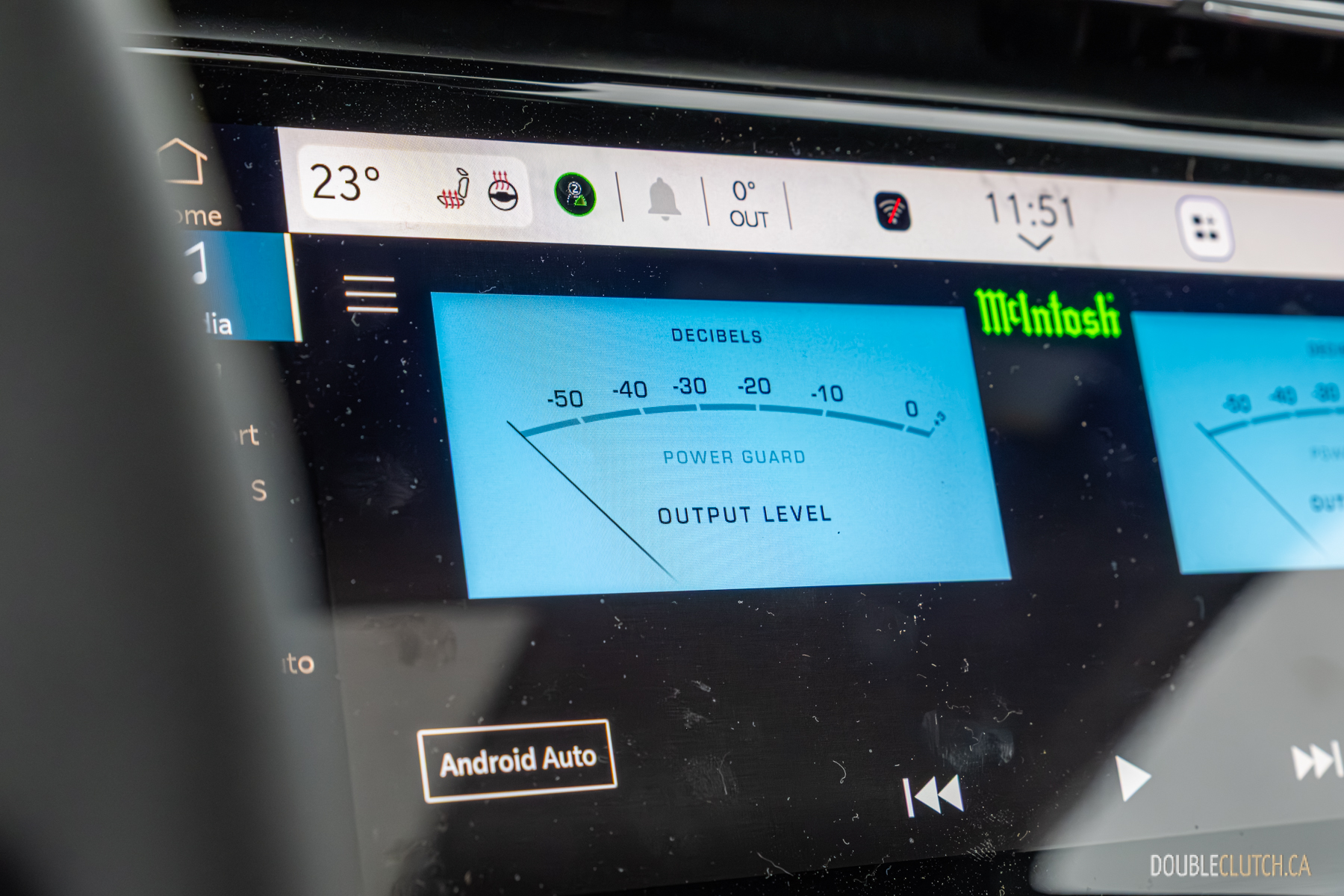
The Uconnect 5 infotainment isn’t the best, lagging heavily at times, showing loading screens and going blank on numerous occasions. This goes for both the infotainment and the digital gauge cluster. The system allows for wireless CarPlay and Android Auto, but they don’t integrate into the actual user interface. That means the gauge cluster and heads-up display won’t show directions from Google Maps or Waze, and Maps itself won’t show you destination battery levels. How unfortunate.
Pavement warrior
The Jeep Wagoneer S isn’t designed to be a Wrangler-type off-roader. It’s more of a luxury-adjacent crossover that can soak up road trip miles with relative ease. It accomplishes this task via a dual-motor EV powertrain putting out a whopping 600 horsepower and 617 lb-ft of torque. Coupled with the all-wheel-drive setup, the Wagoneer S scoots from zero to 100 km/h in 3.4 seconds. It’s both nuts and absolutely useless for Jeep’s target demographic.
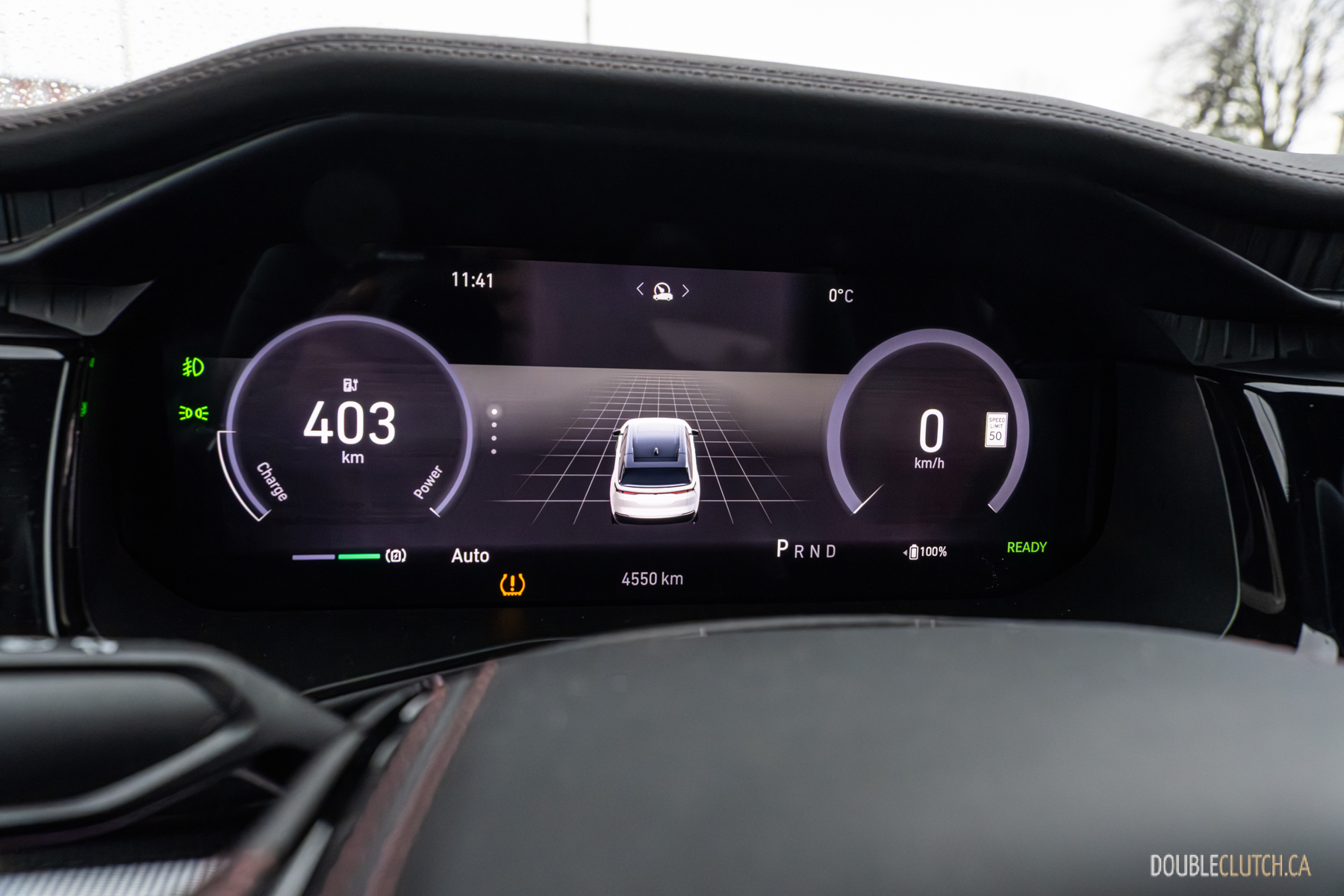
All that power can drain the 100.5 kWh battery rather quickly if you’re showing off the Ferrari-quick straight-line speed … or if its cold out. Max range is touted at 403 kilometres, but because it was cold out, a 100-km trip drained about 168 km of the estimated range I had. Eventually, a little “turtle” symbol showed up in the gauge cluster, denoting I was running on “fumes” with some of the auxiliary systems disabled and my max speed limited to about 70 km/h.
When you do have the juice, ride quality is solid overall at speed. The Wagoneer S absorbs both medium and large bumps rather well, although the ride can take some time to settle back down. The low centre of gravity and suspension instill confidence when you’re operating at a brisk pace, and the steering lacks any feel but is weighted rather well.
The EV part of the Wagoneer S isn’t as polished as you’d expect. The powertrain feels a bit clunky at times, something I experienced often when starting up the Jeep and getting moving. There was also an occasional clunk when you’d go from power to regen. The best way I can explain both of these “issues” is that it feels like there’s some slack in the system, or the EV motors don’t respond in exact unison when called upon. It’s odd because the Wagoneer S shares a platform with the new Charger, which experienced none of the same quirks.
The 400 V architecture allows up to 203 kW charging speeds. Although I never got there, I did see 180 kW at a public charger at one point, which is among the highest real-world charge rates I’ve gotten out of an EV. When you’re charging at peak rates, occasionally there’s a very strong vibration that reverberates throughout the cabin. It’s not something I’ve experienced in another EV, and overall it isn’t much of a bother, but it’s there. Other EV quirks include an excessively loud, low-speed “PEDESTRIAN WARNING” noise that you can very obviously hear in the cabin. It sounds like an alien spaceship that’s parked right next to you.
The Achilles heel
Yes, its price. The 2025 Jeep Wagoneer S is a good product overall. It’s good-looking and modern while staying faithful to the Jeeps that came before it. But at $94,790 as-tested, the Wagoneer S a tough bargain and struggles to really make a good case for itself. The Kia EV9 GT can be had for practically $10,000 less and offers an equally nice and more spacious cabin, better infotainment software, faster charging, and even more range. It’s hard not to recommend any version of the EV9 over the Wagoneer S, but Jeep faithful looking to move into full-EV likely won’t be disappointed with what the Wagoneer S has to offer.