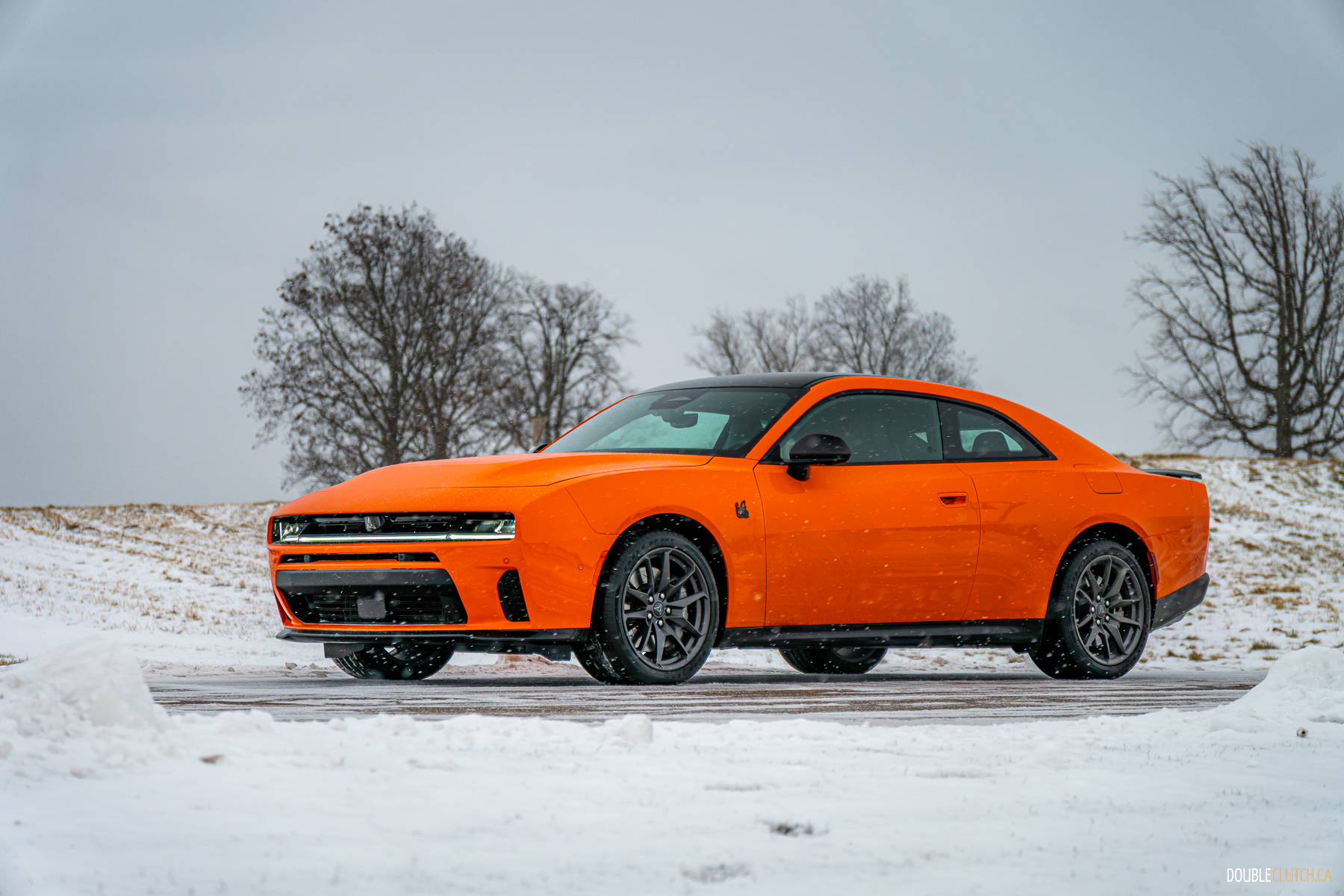
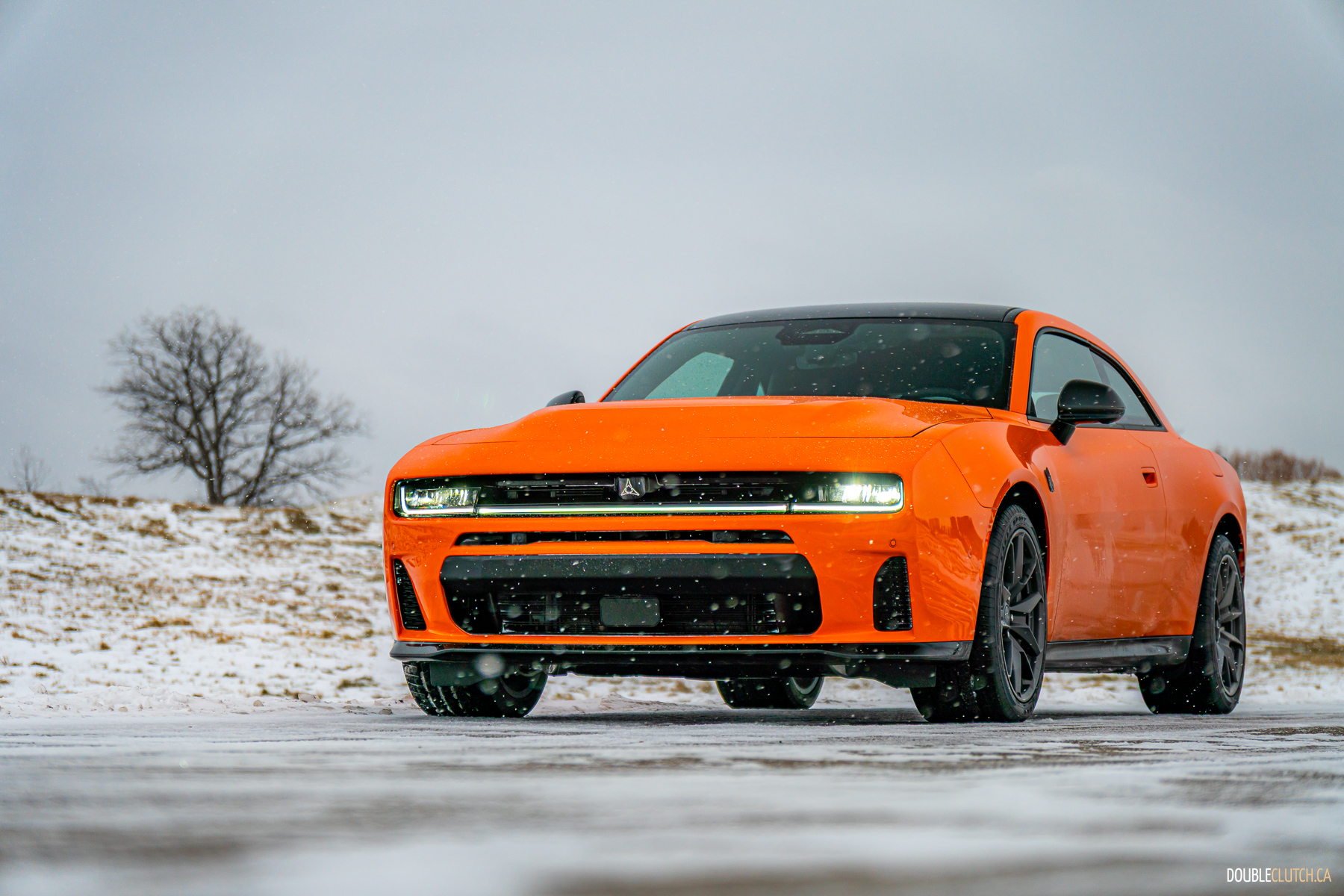
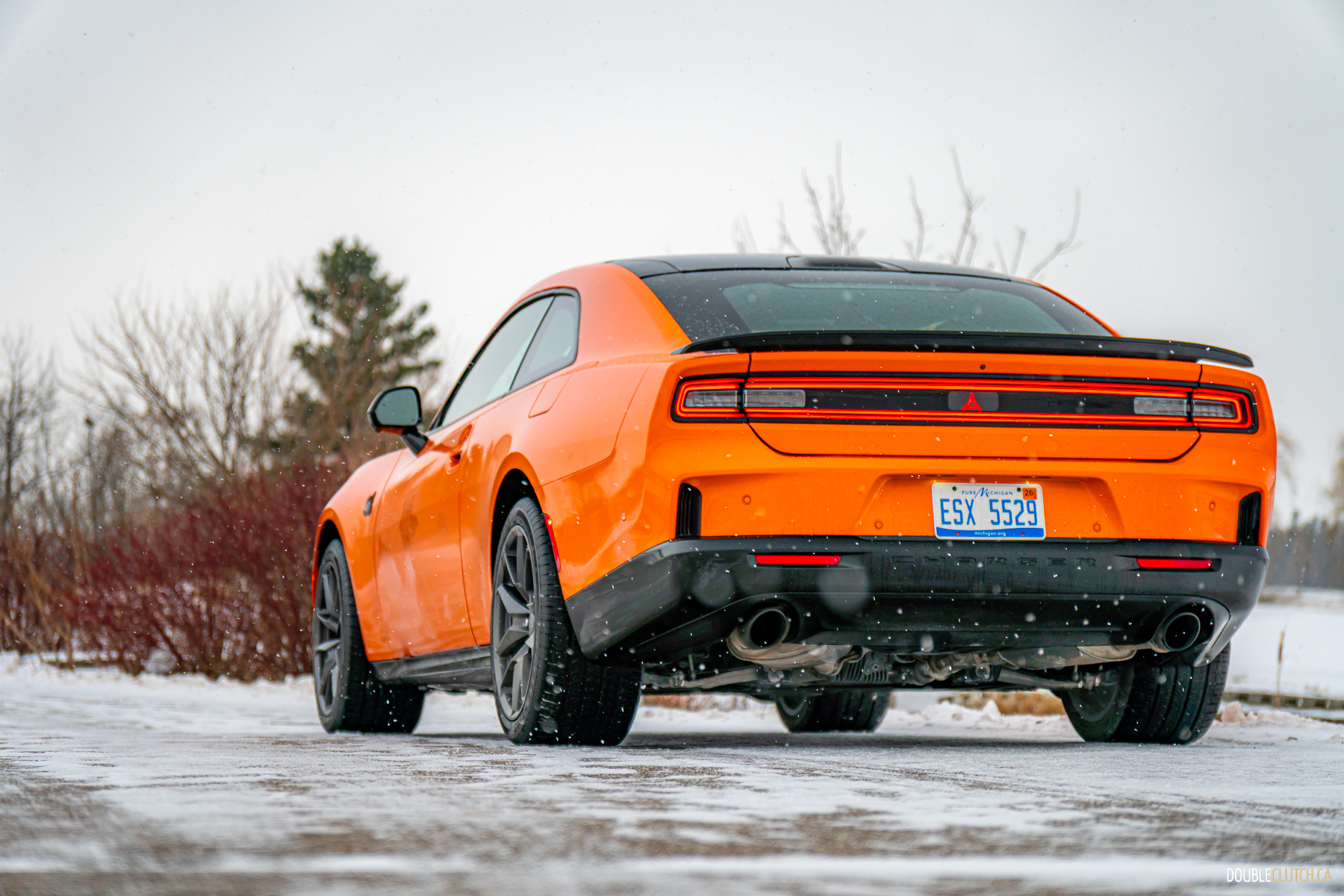
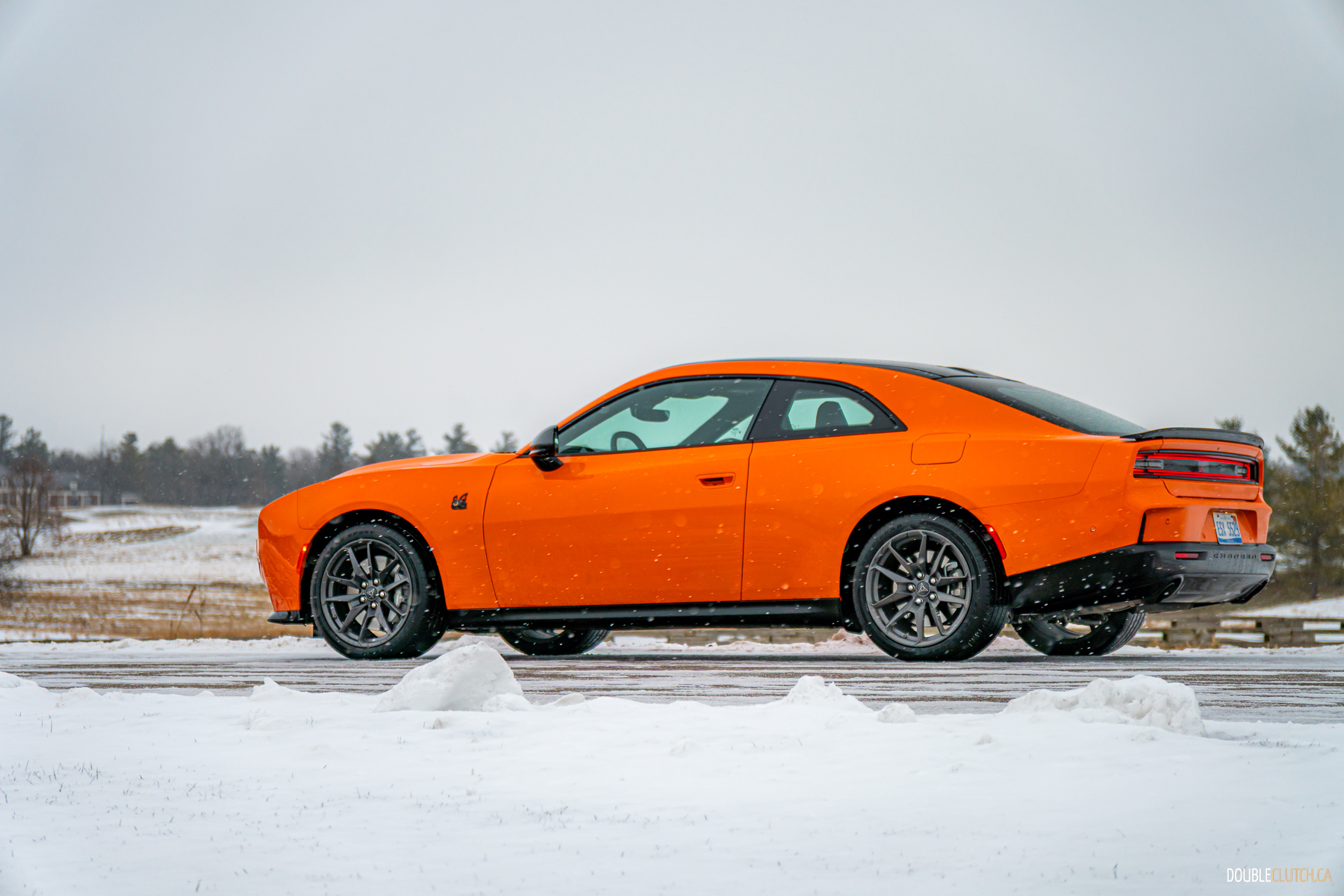
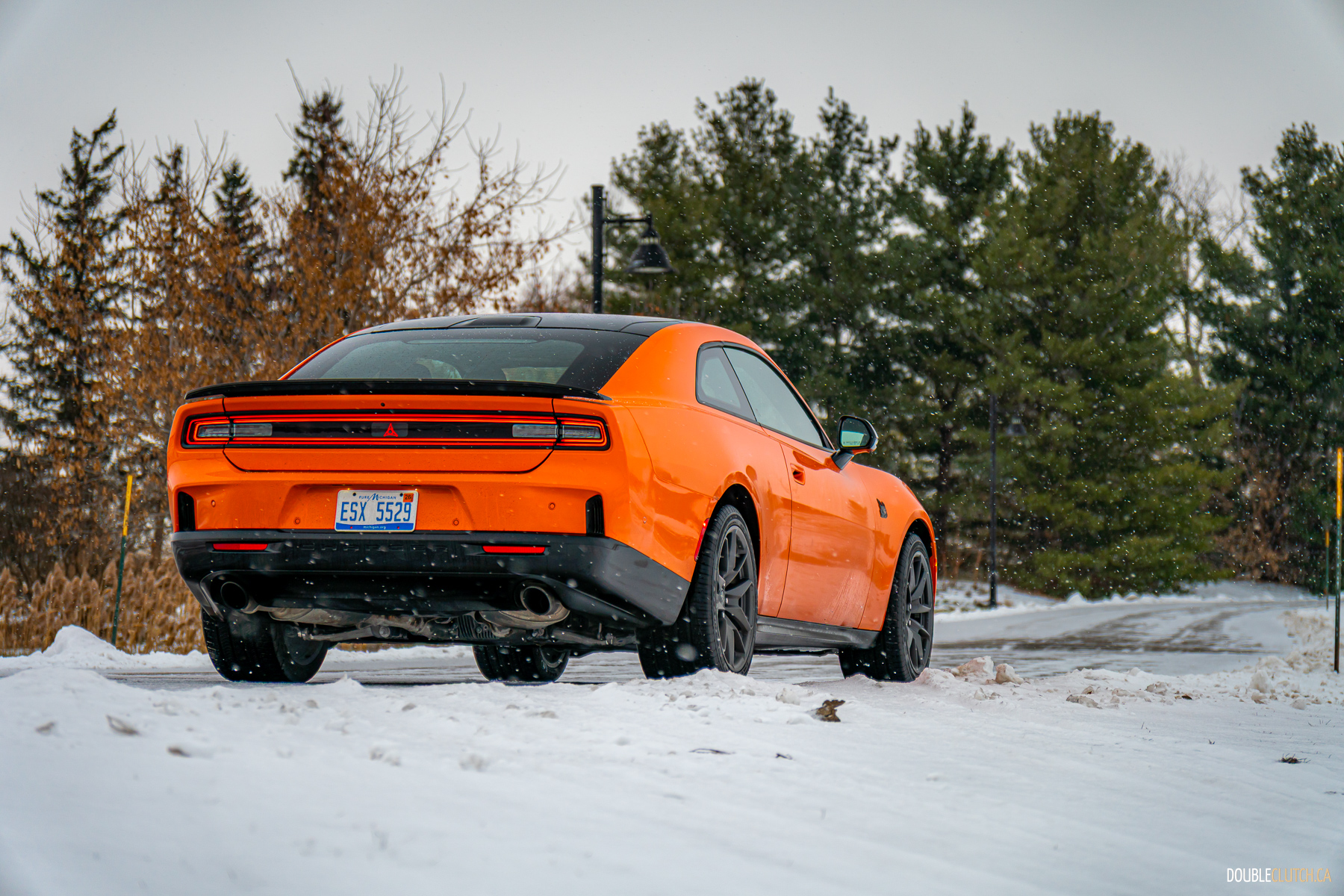
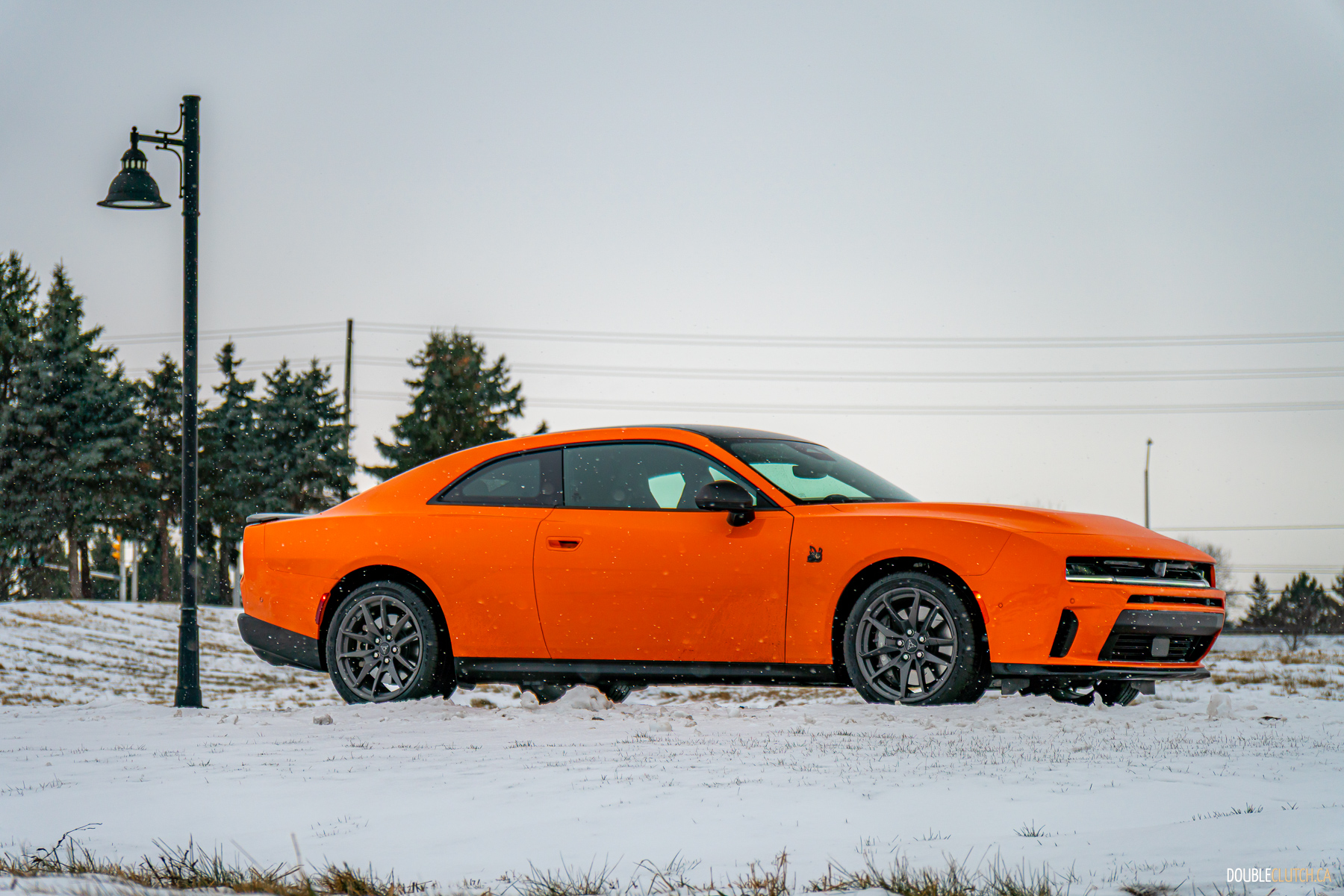
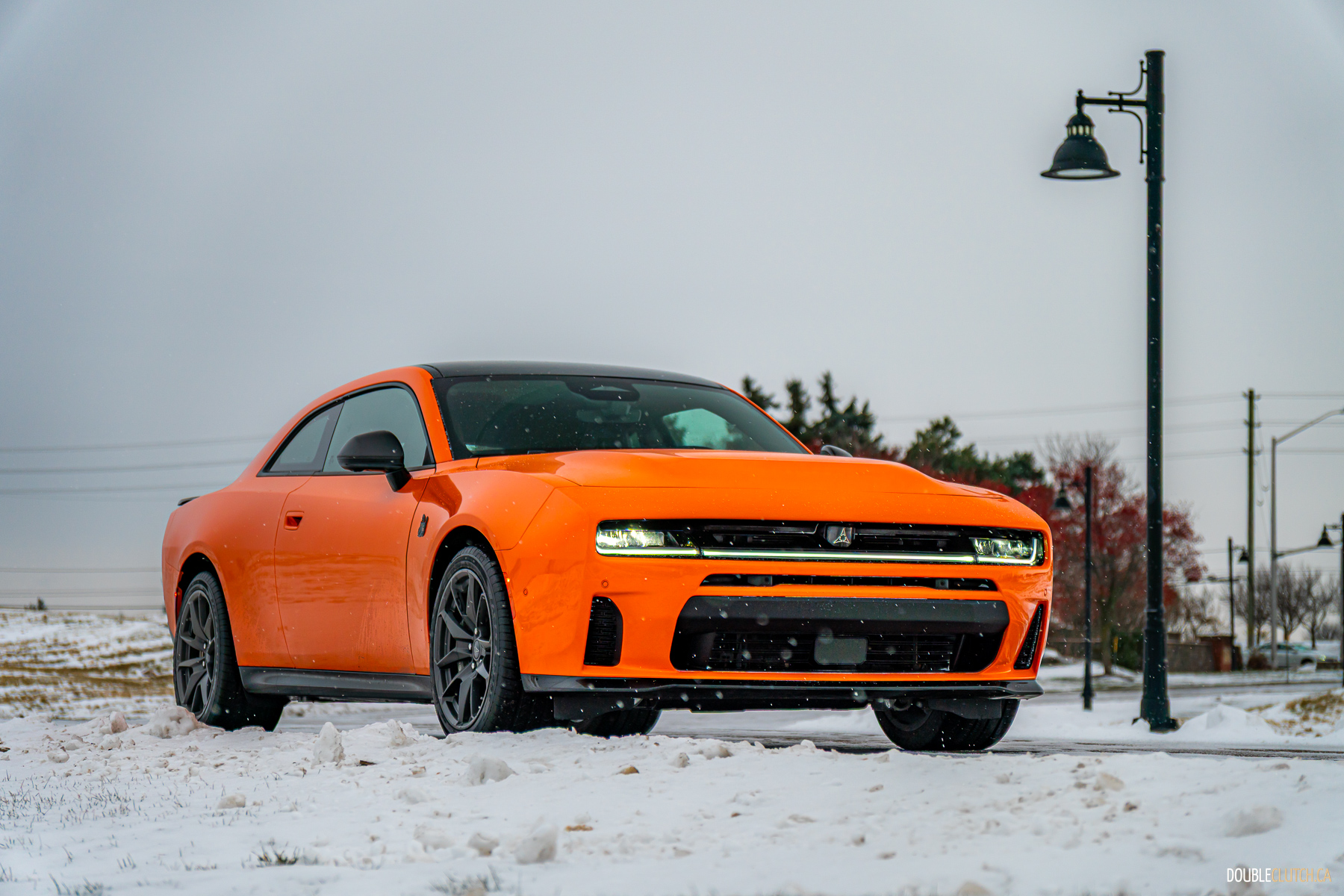
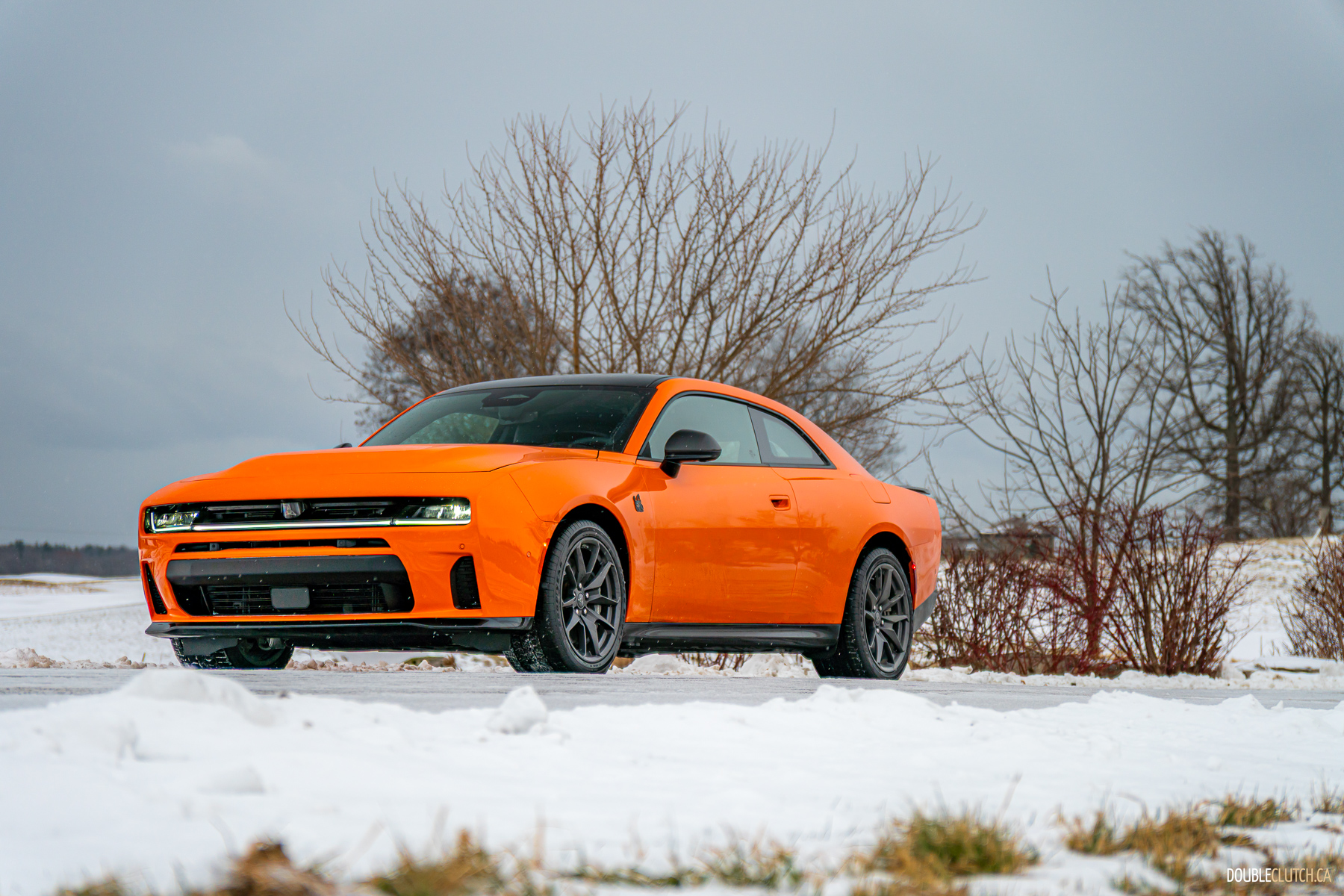
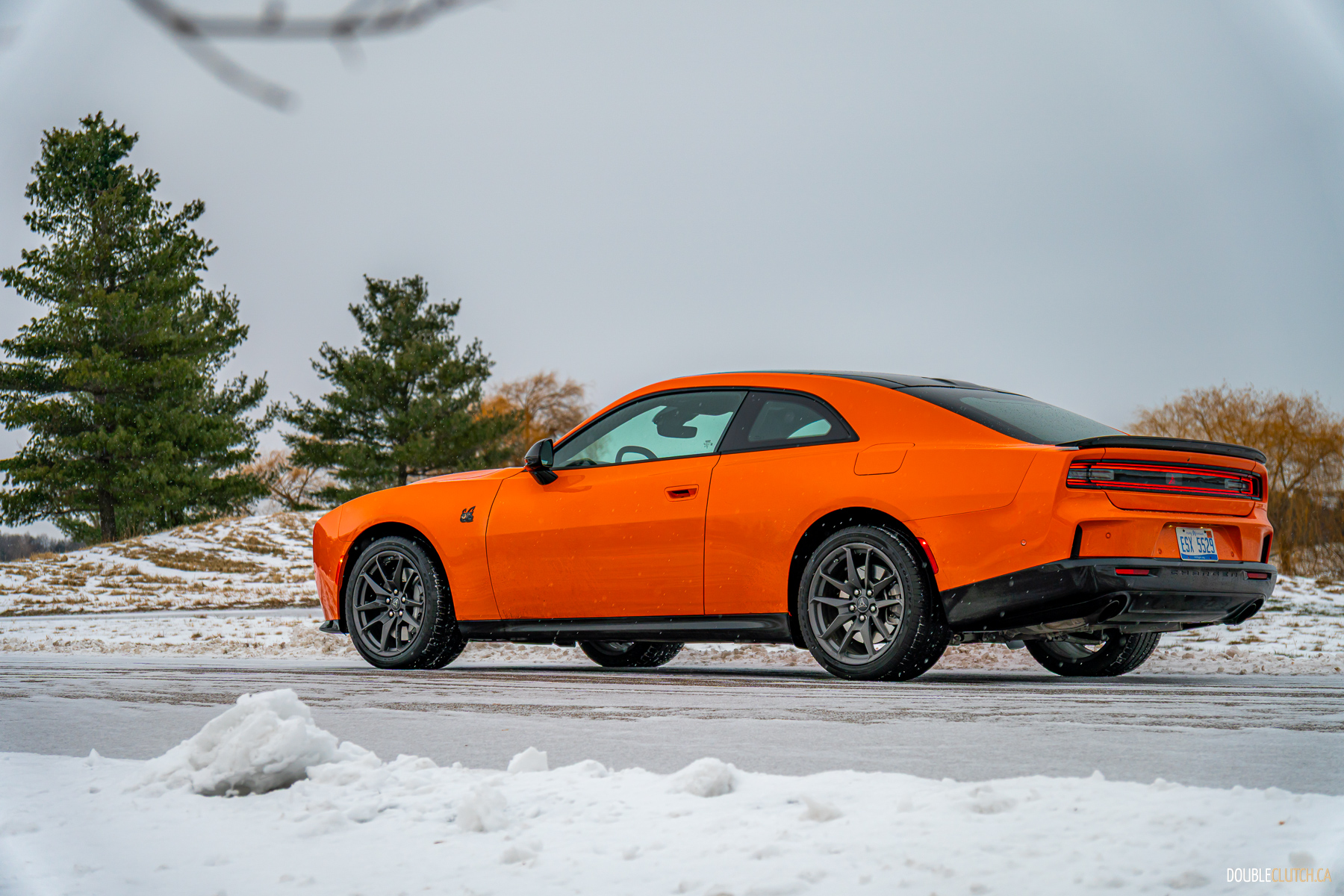
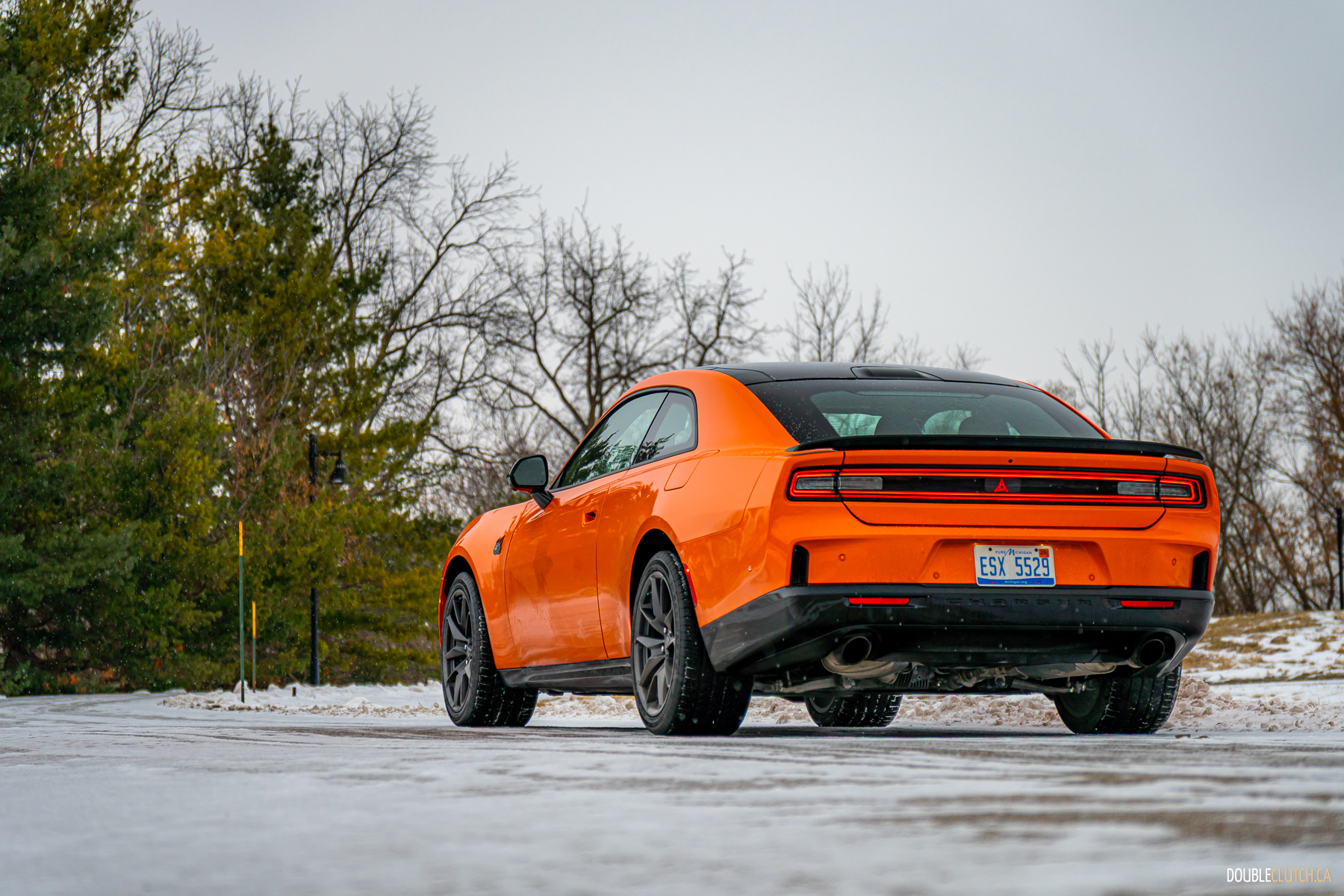
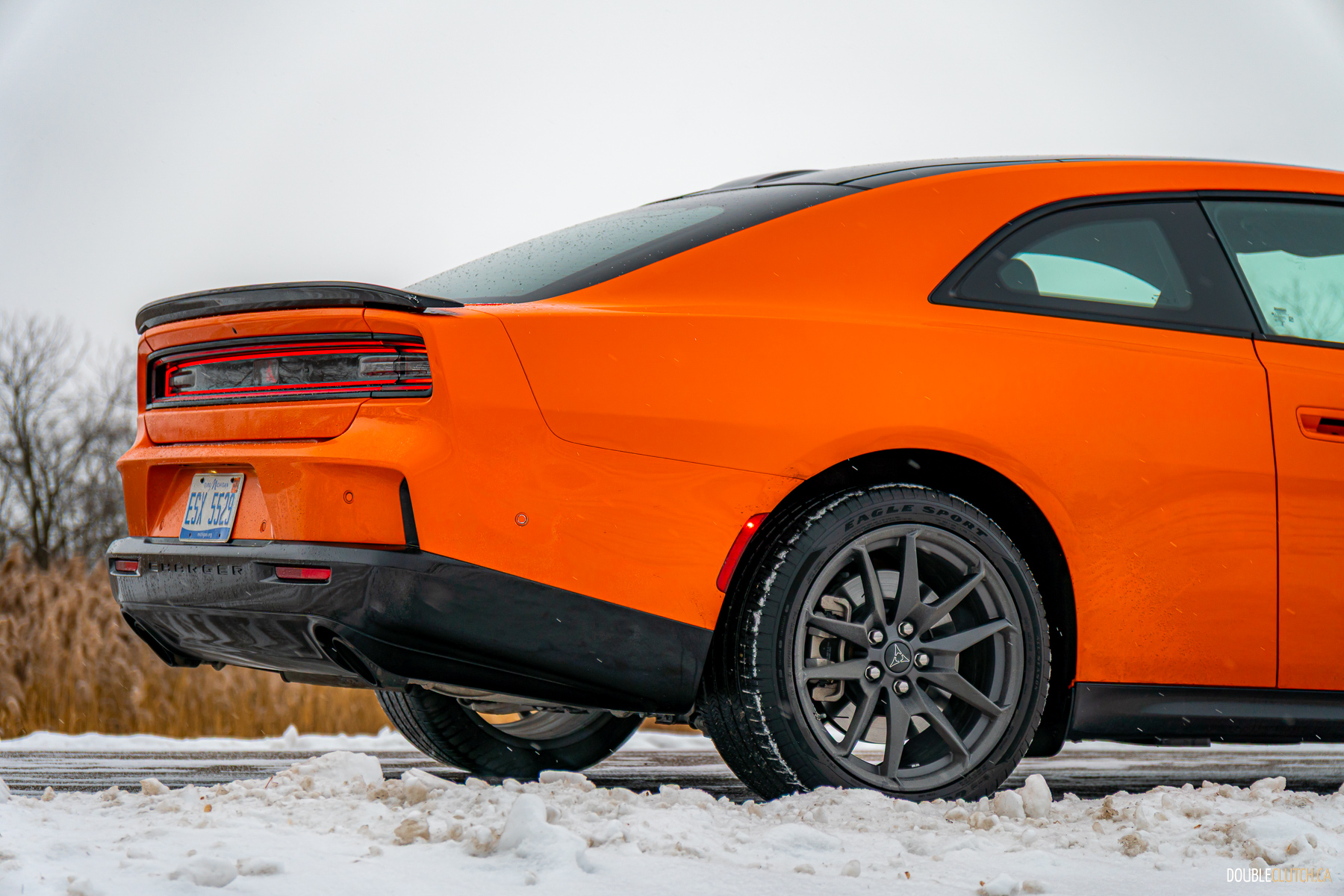
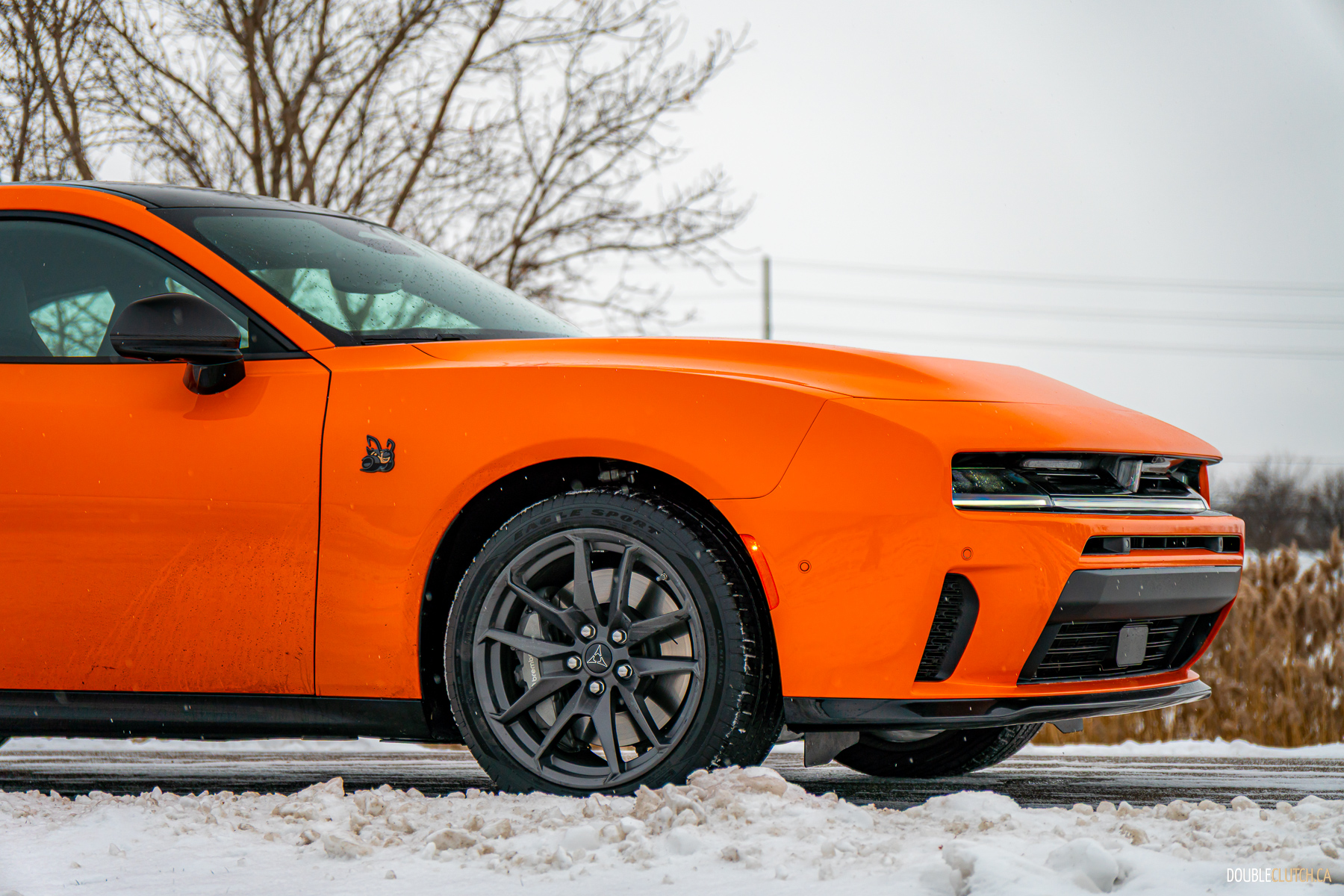
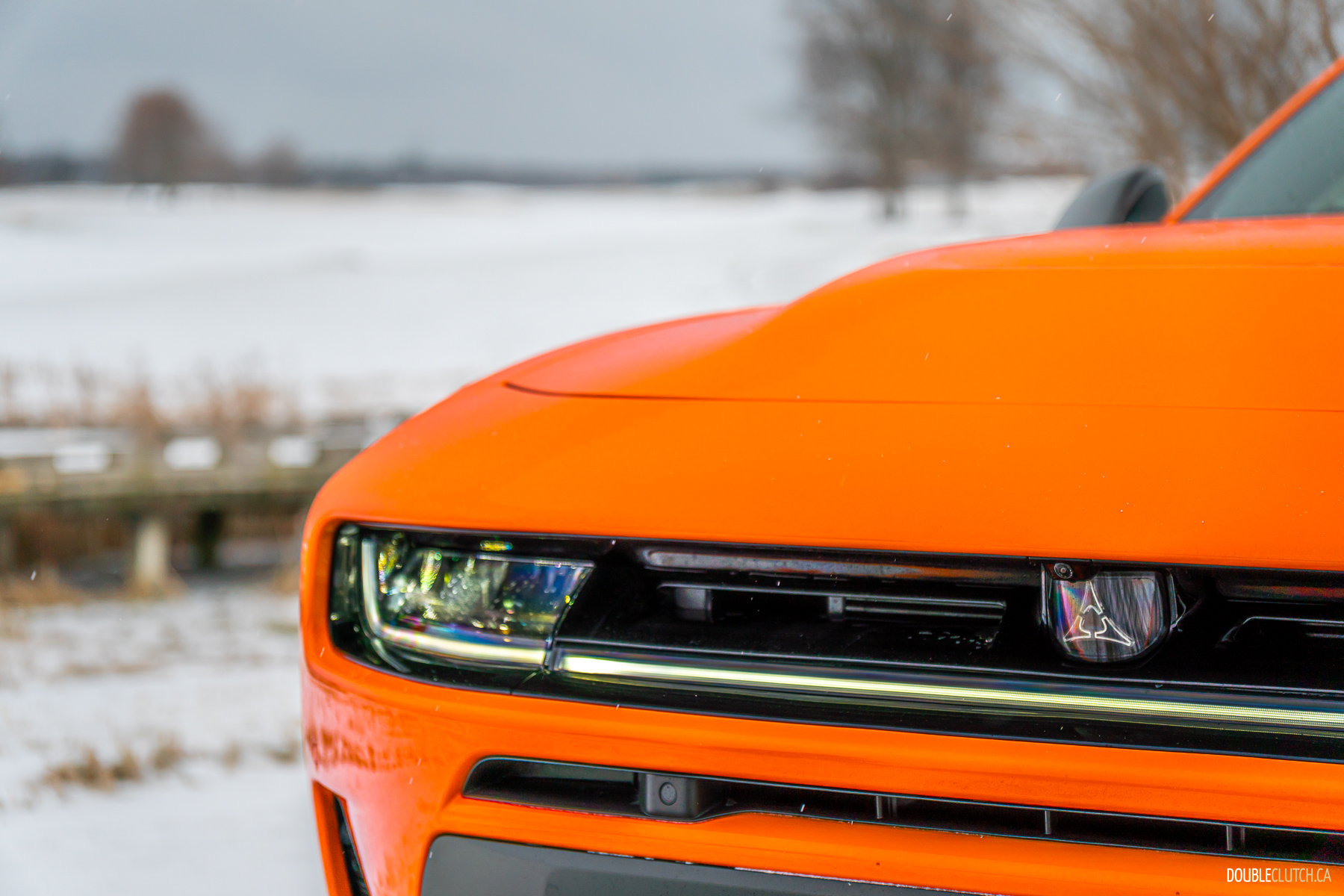
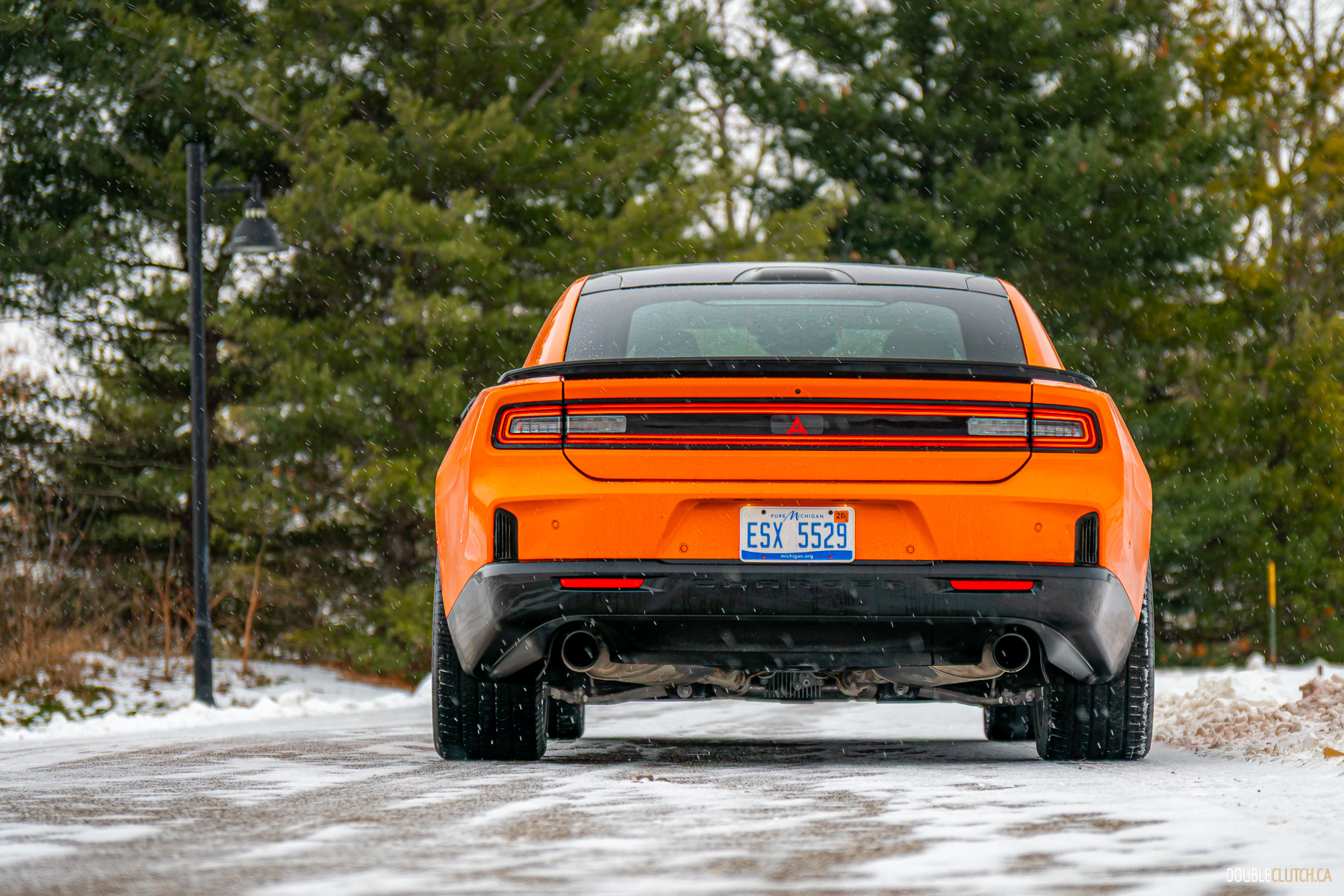
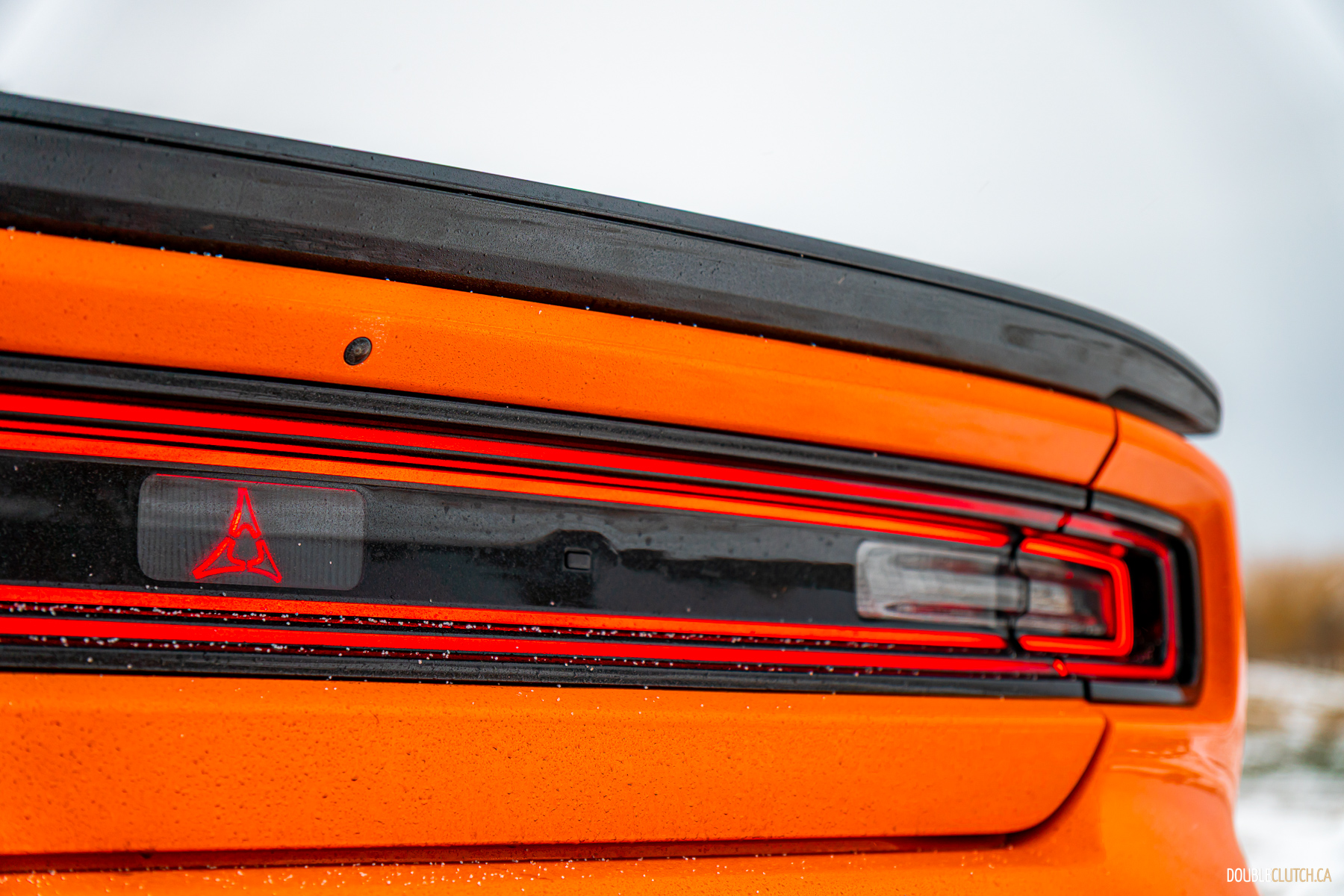
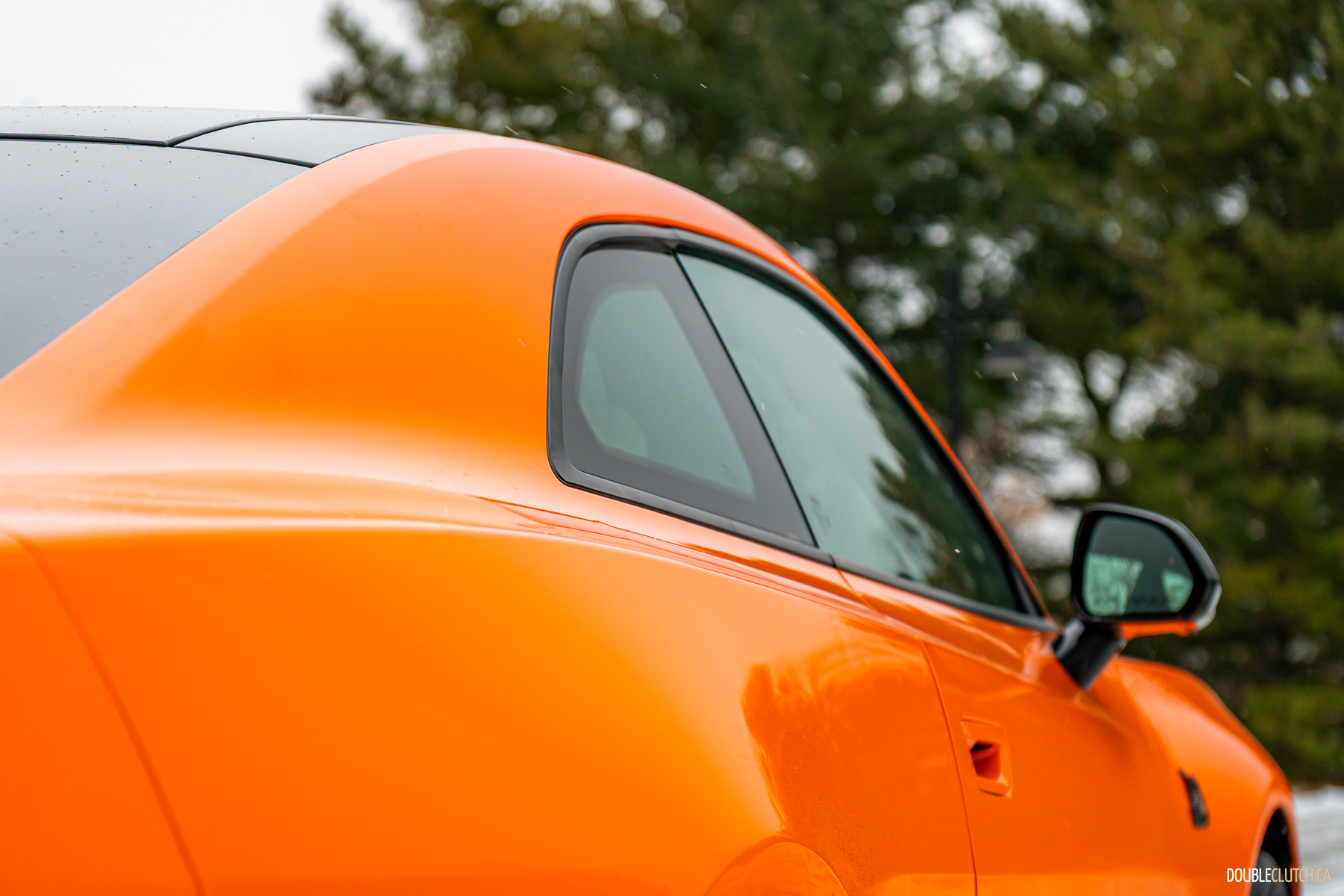
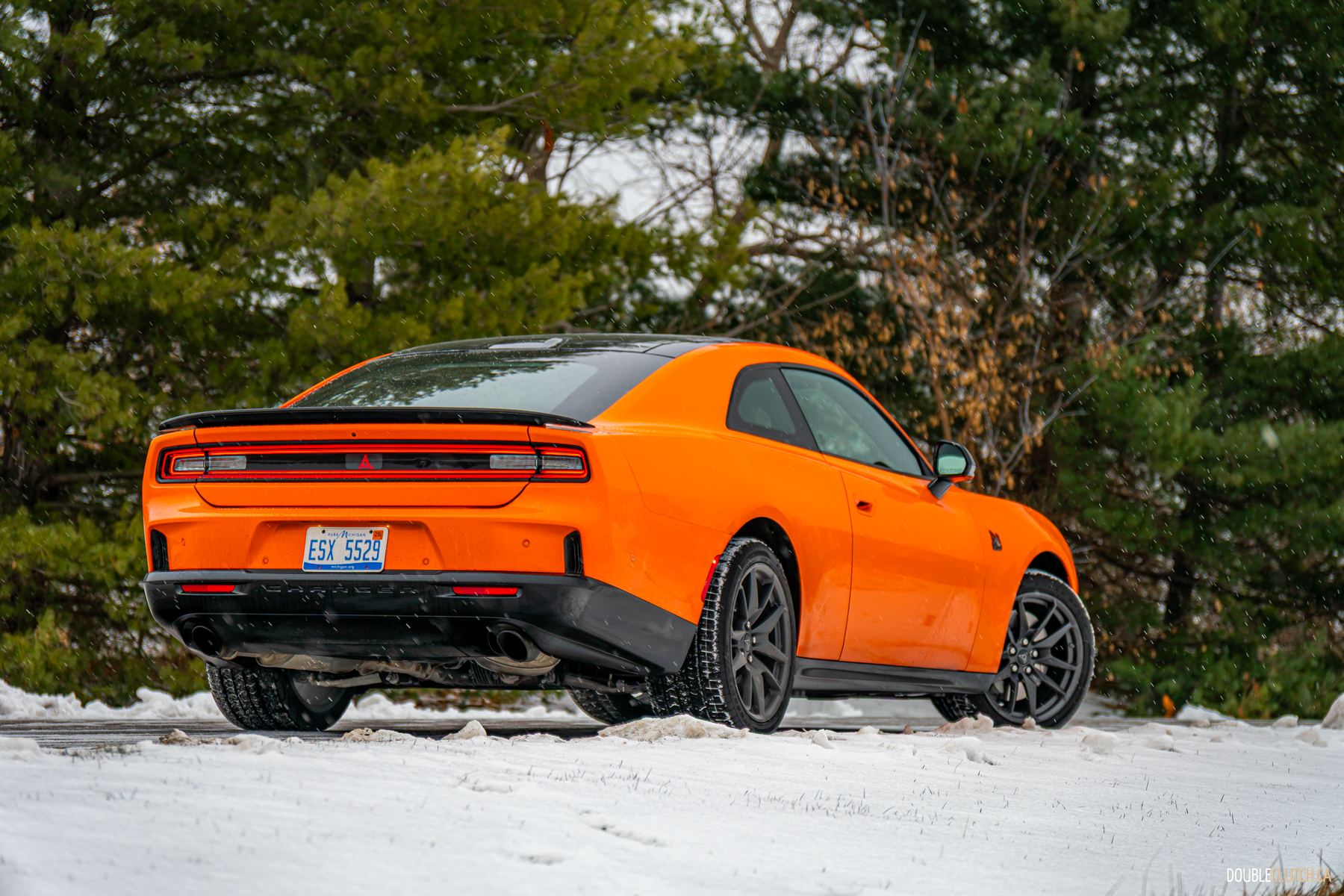
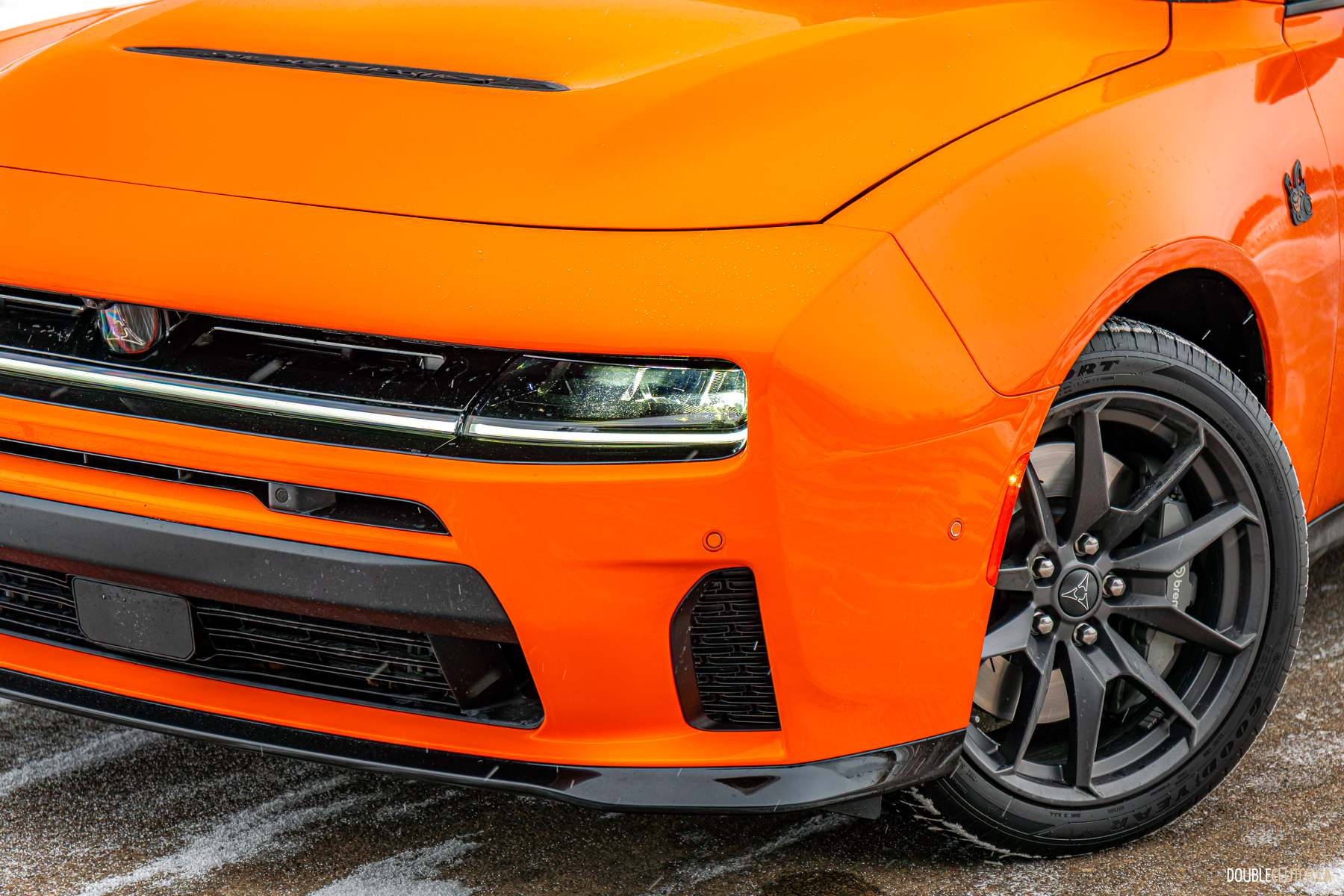
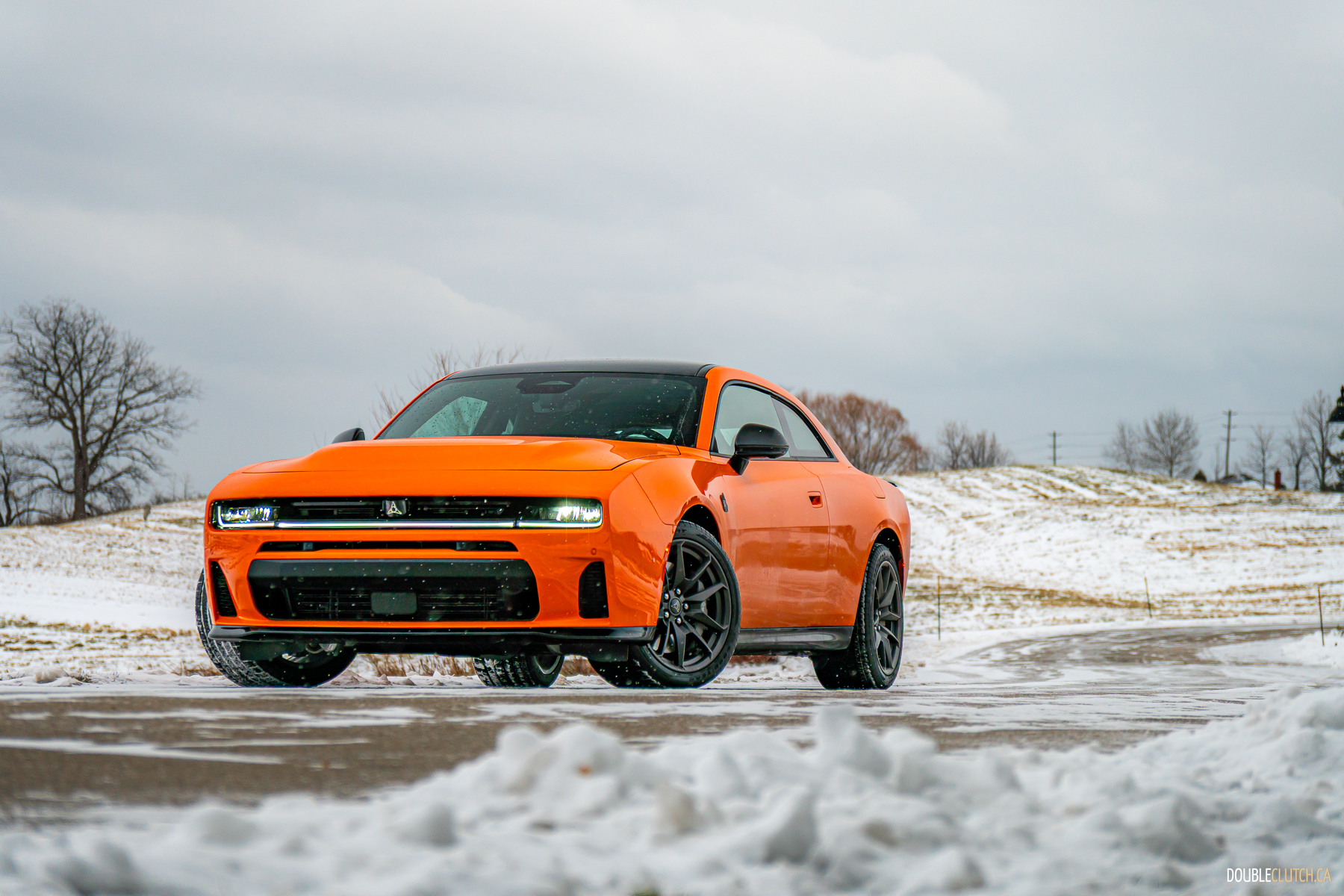
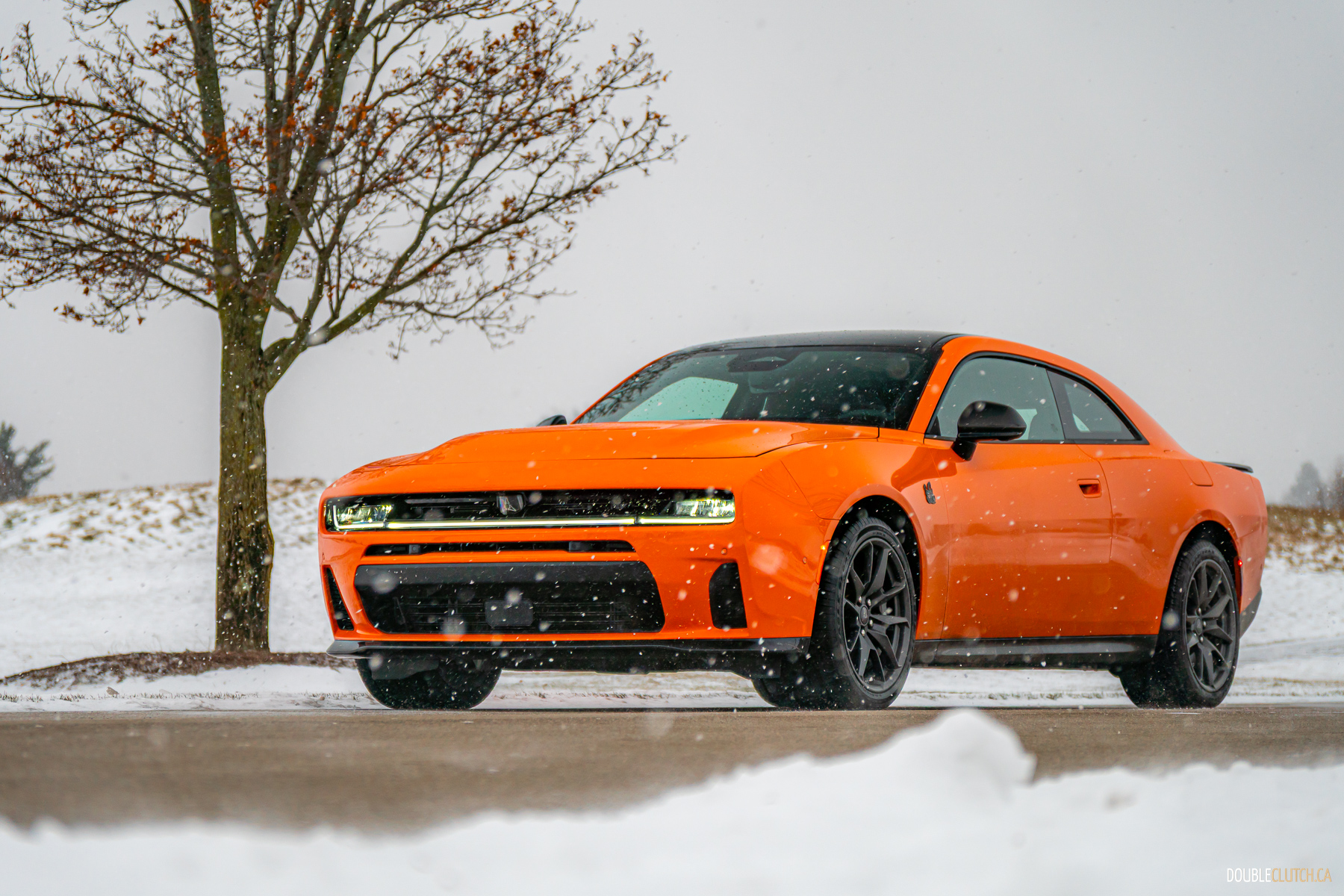
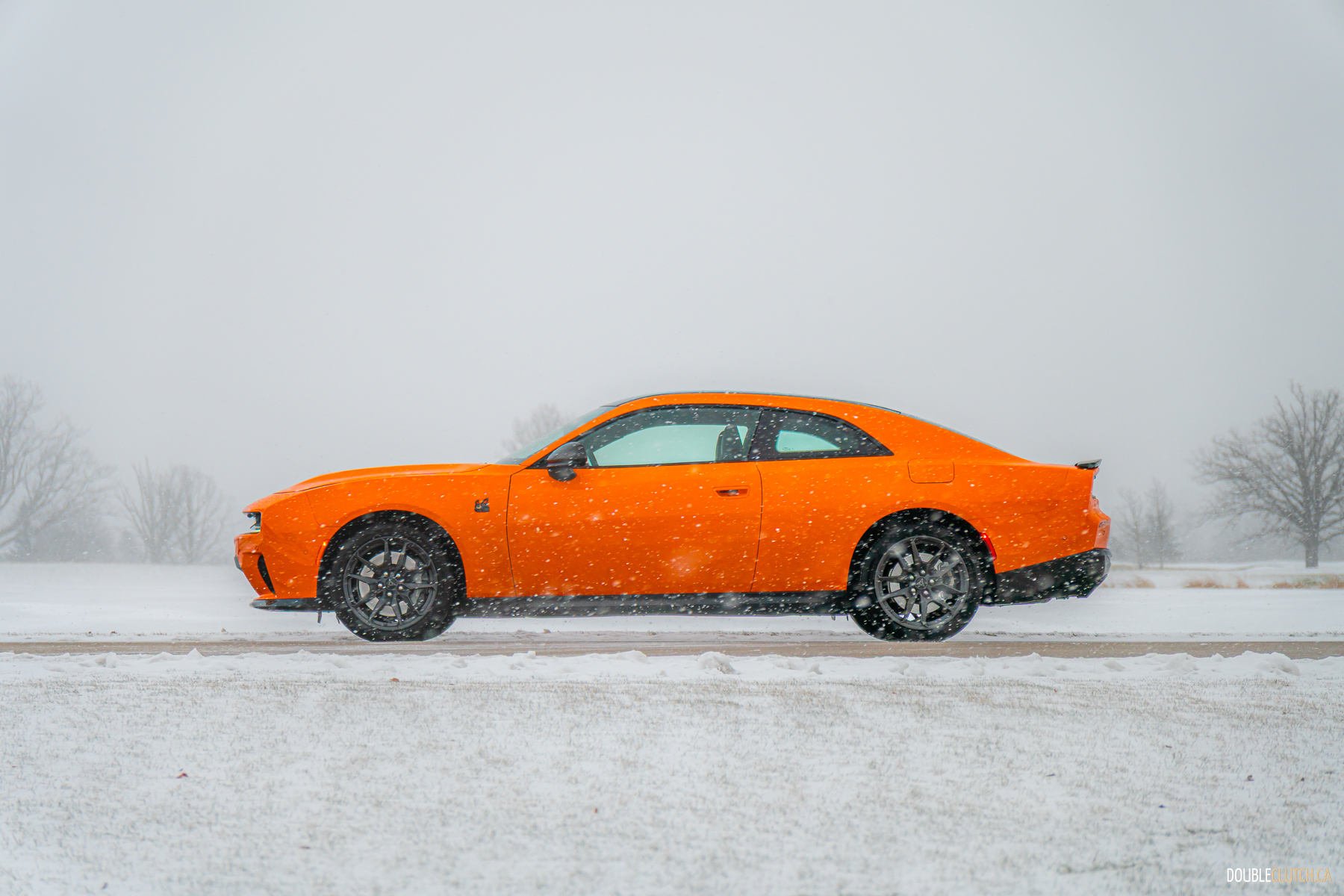
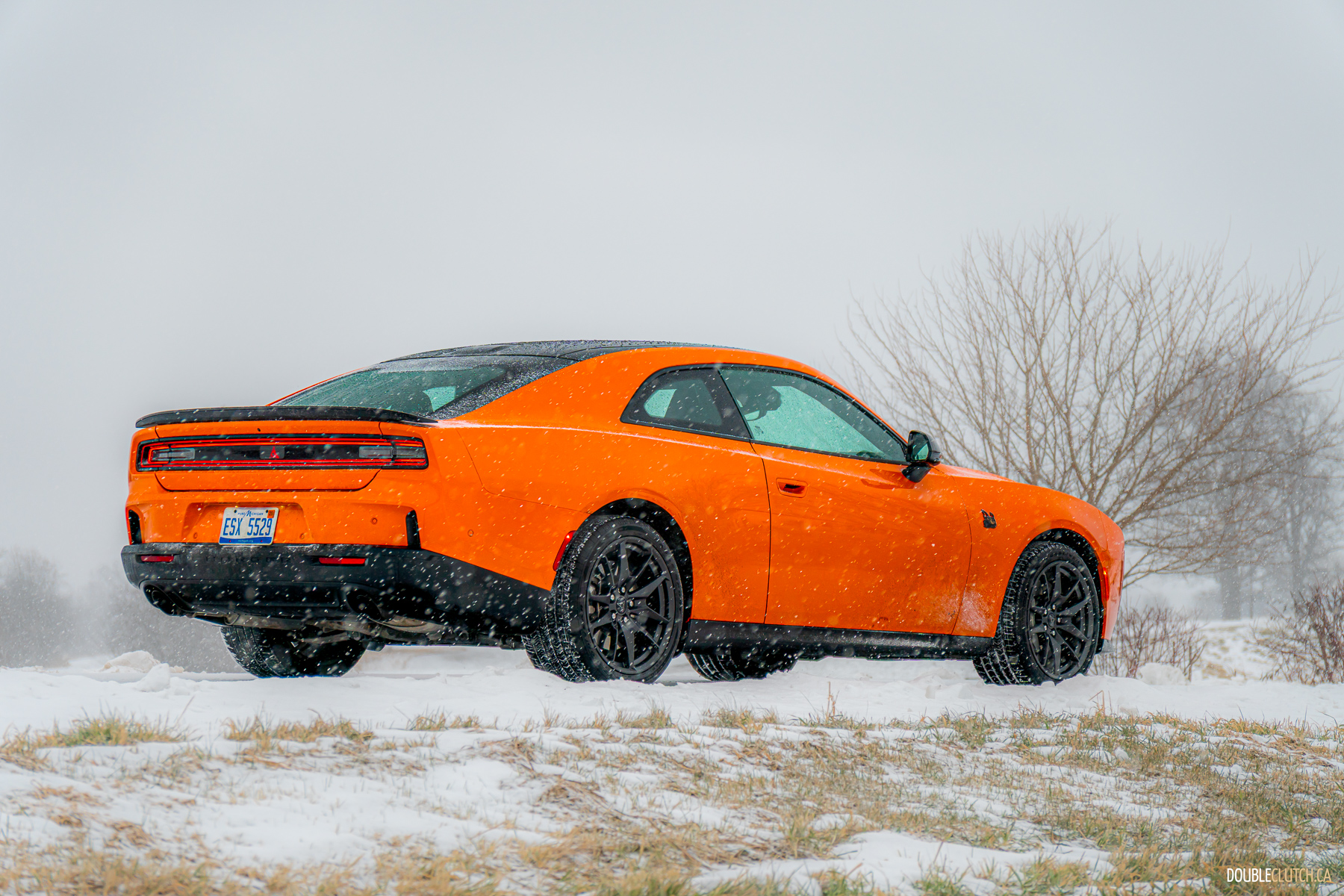
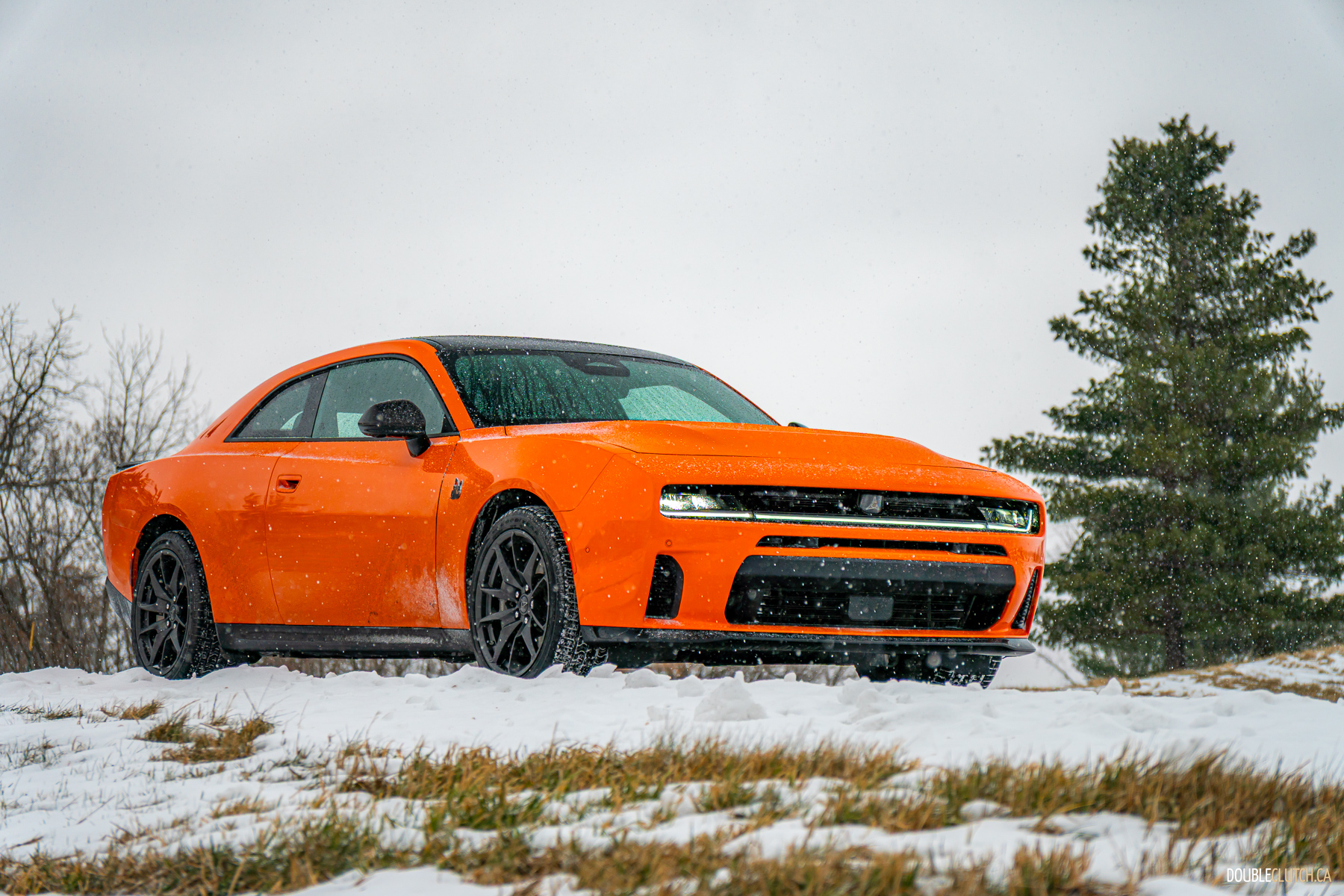
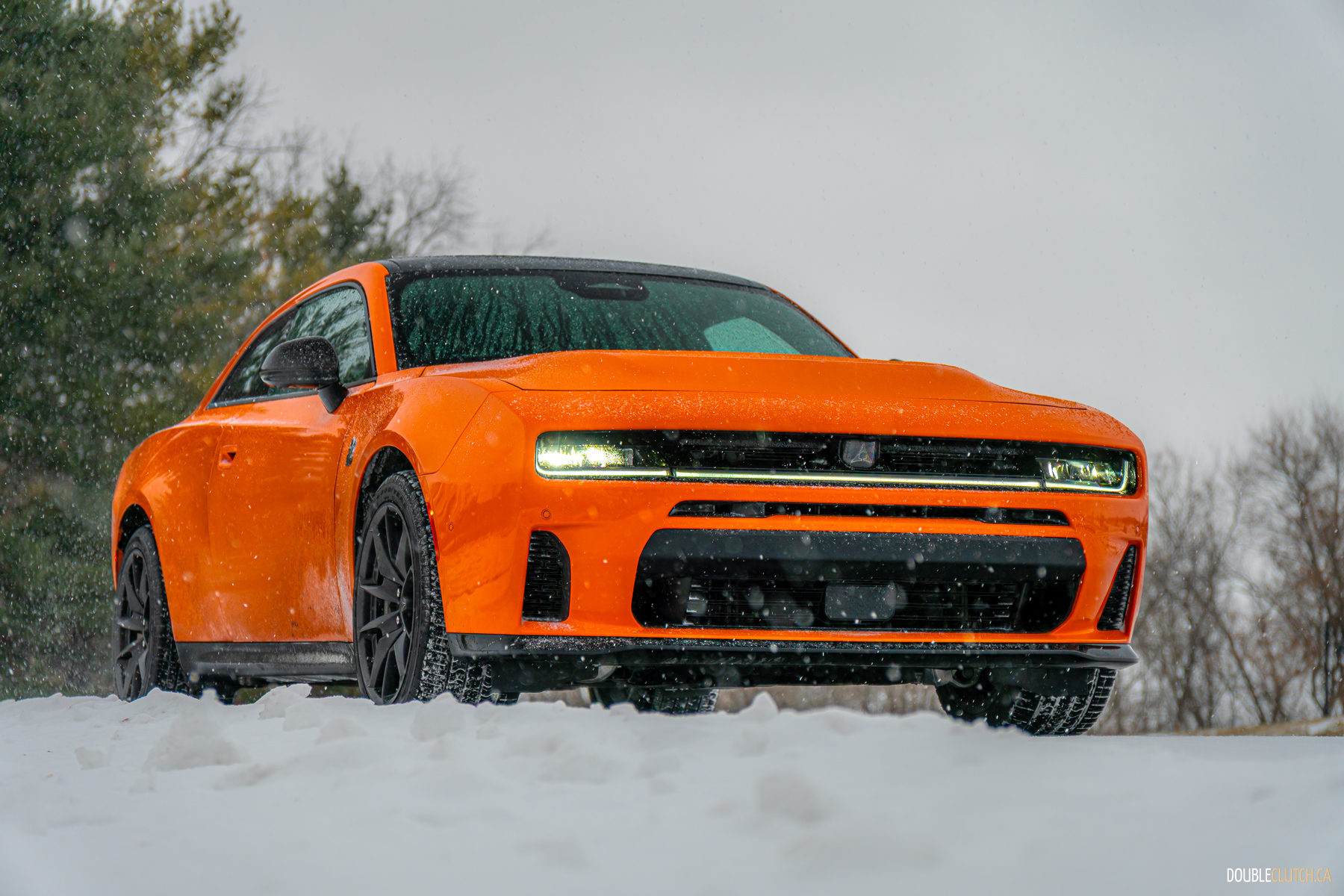
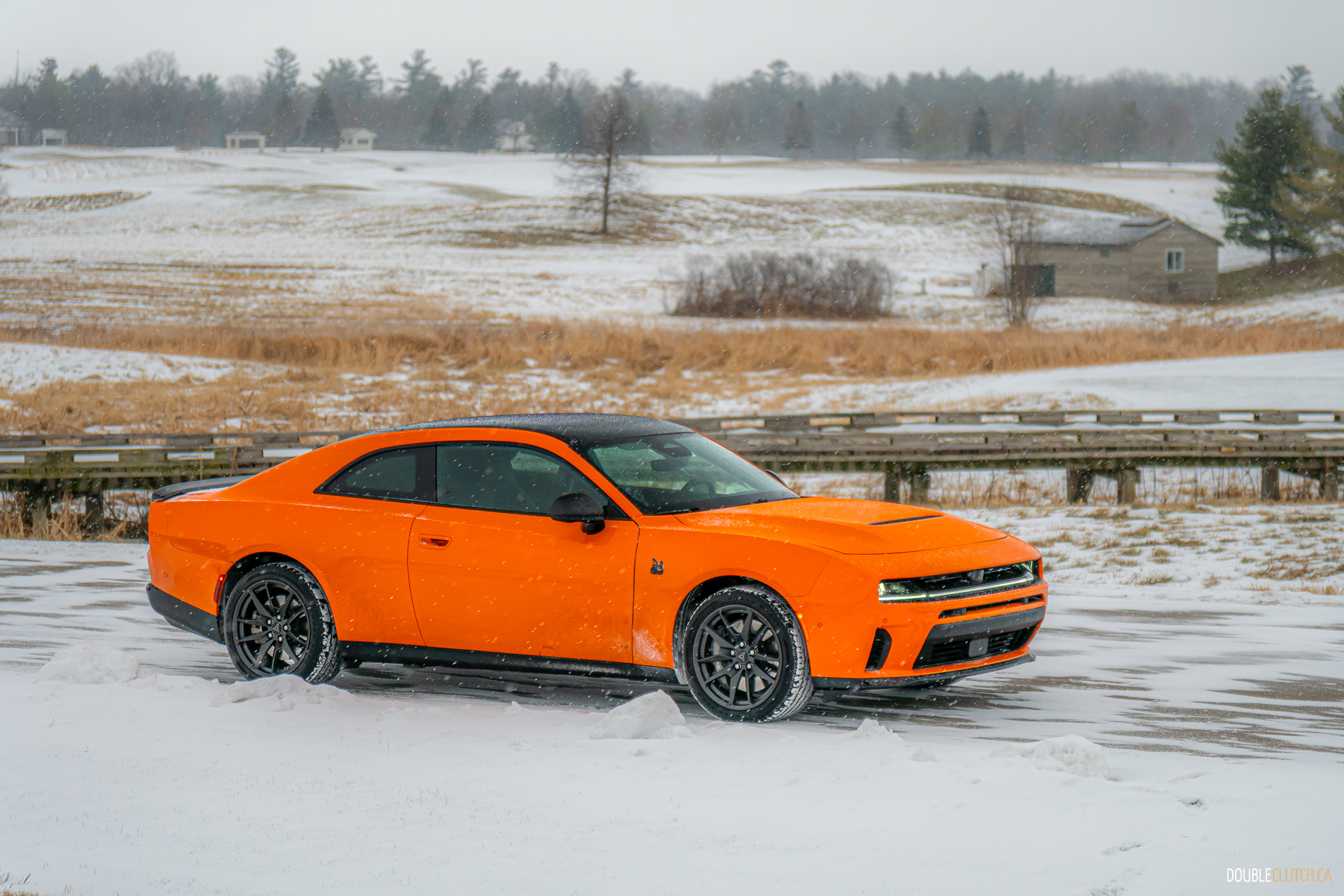
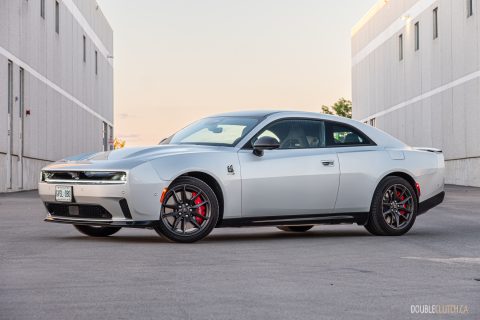
Theon Greyjoy. Darth Vader. Andy Bernard. We all love a good redemption arc, even the ones that are more of a rollercoaster or an entire circle. Coincidentally, Stellantis finds itself in a redemption arc of its own, and they’re currently in the atonement phase with the 2026 Dodge Charger Sixpack.
The new Charger’s arrival was tumultuous, to say the least. Its predecessors were cult classics, almost universally adored for their styling, attitude, and the sheer absurdity of Dodge solving the issue of an aging car by throwing more horsepower at it. Following up on that wasn’t going to be easy, but was the solution really to kill off the engine everyone loved and start with the electric version first?
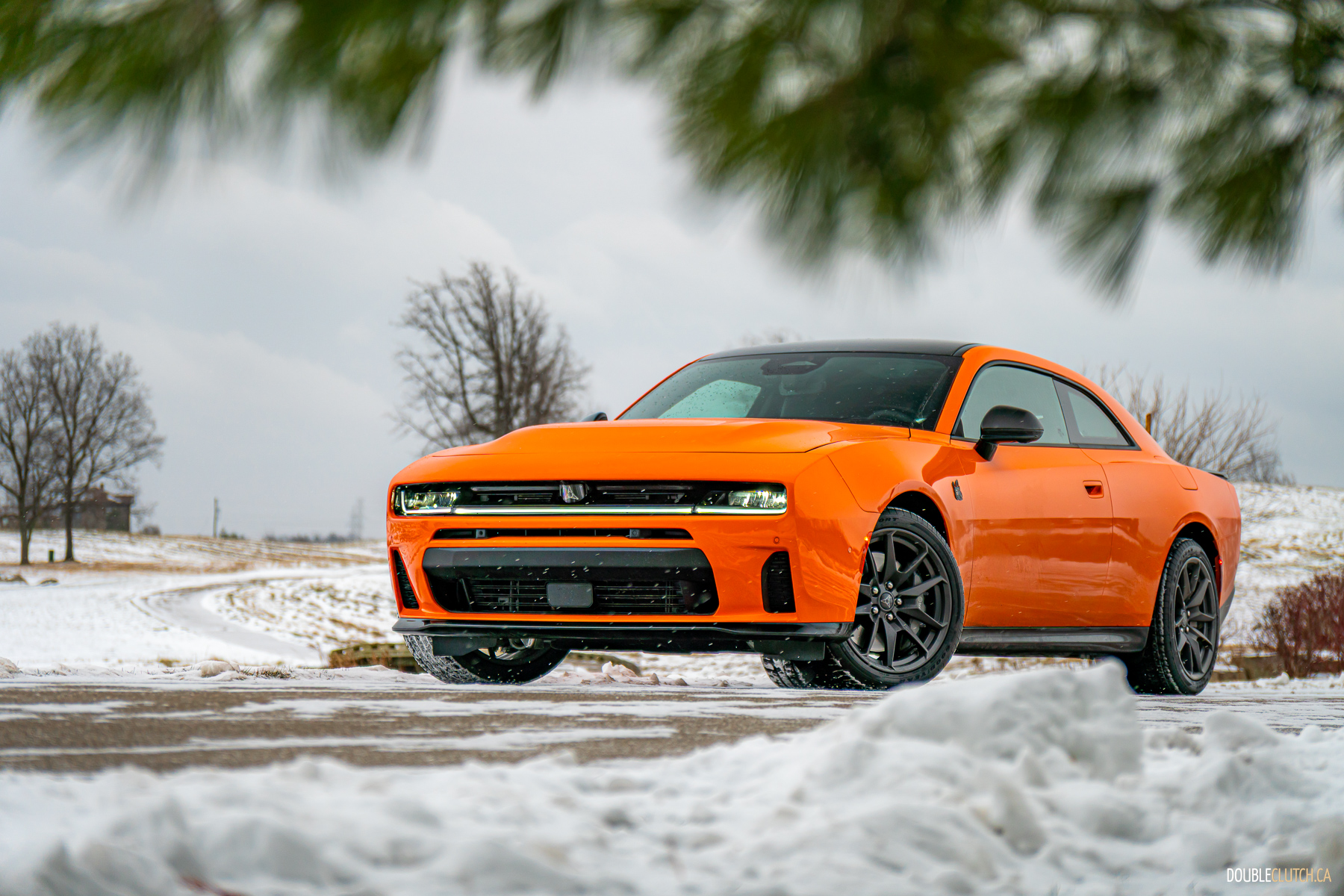
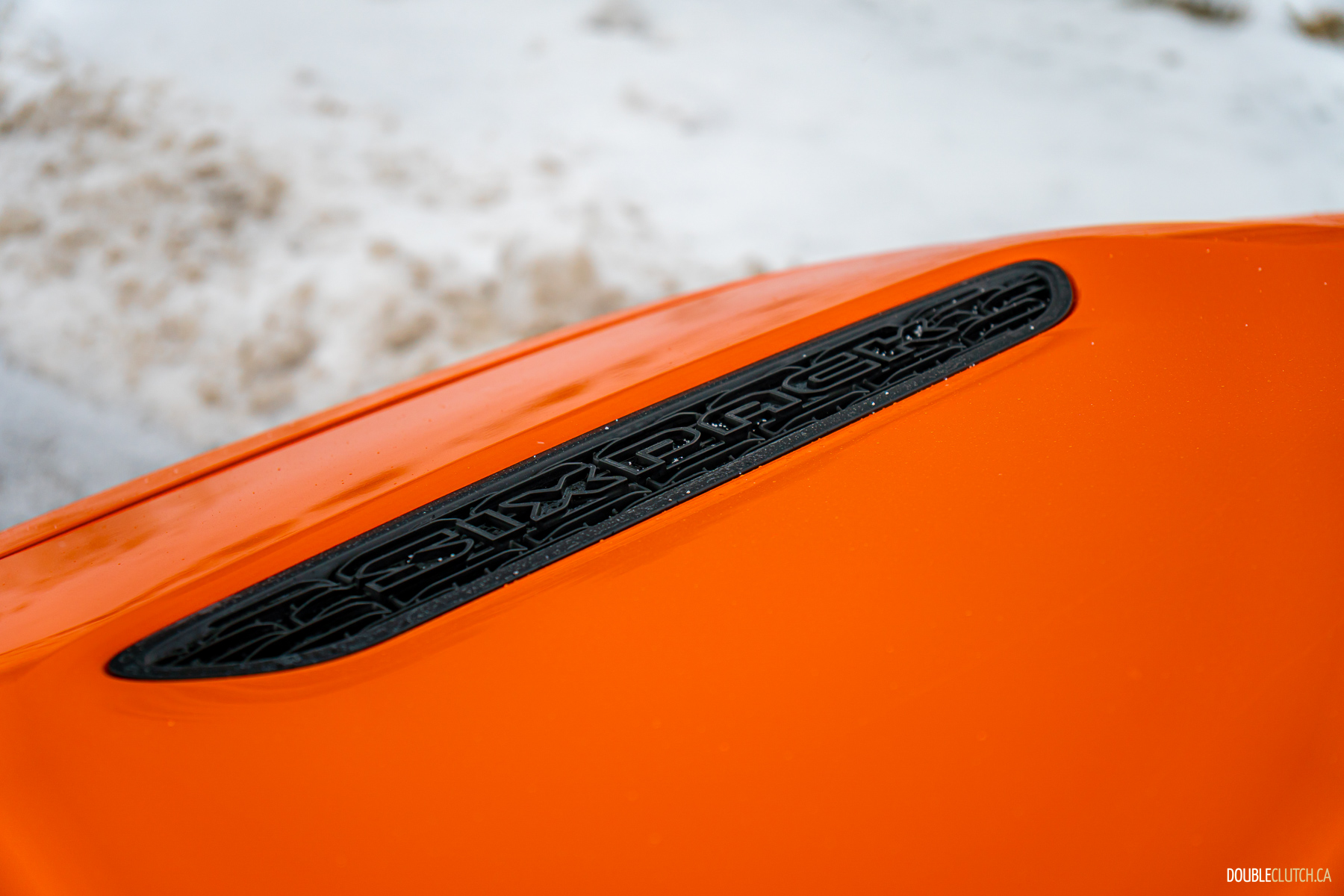
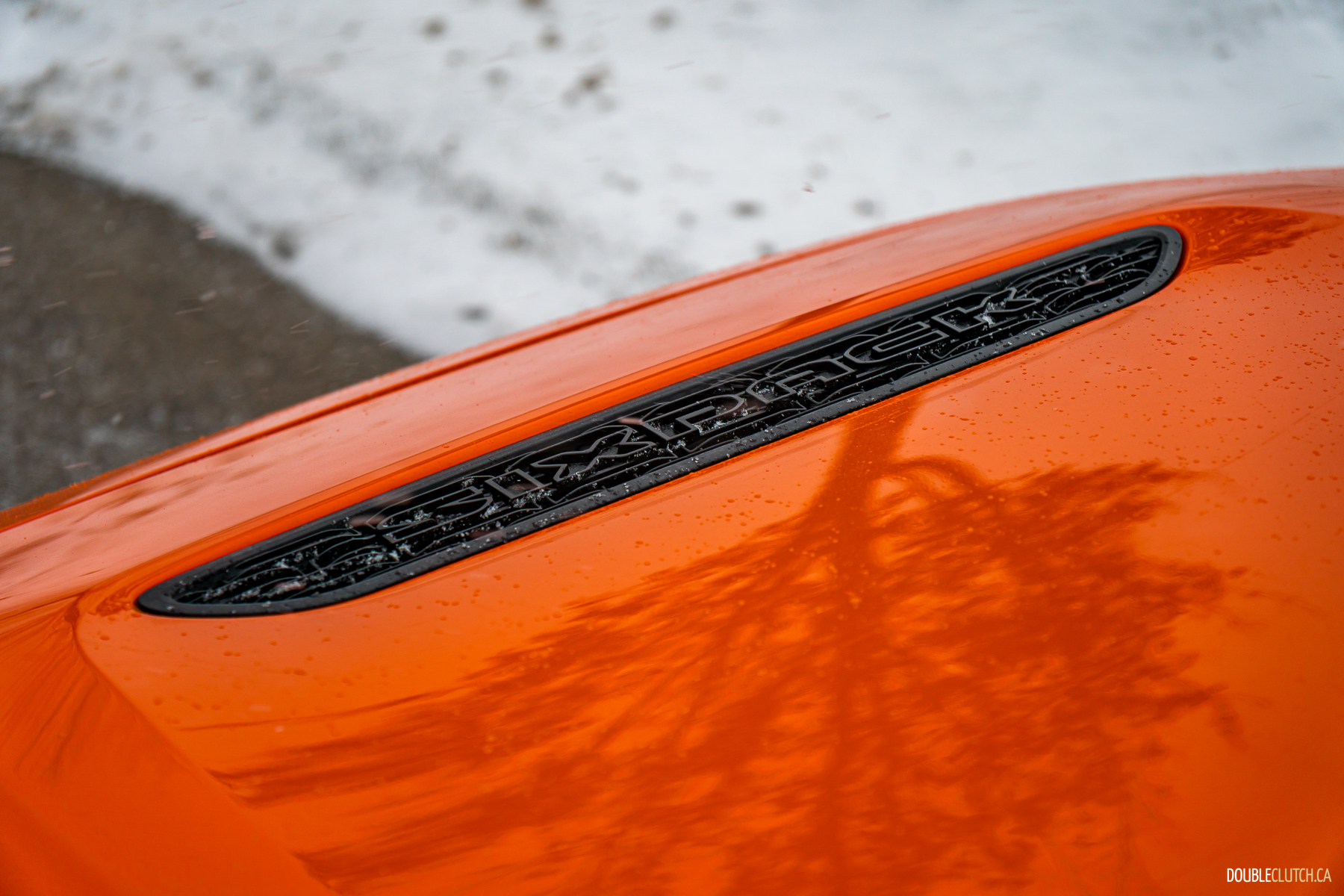
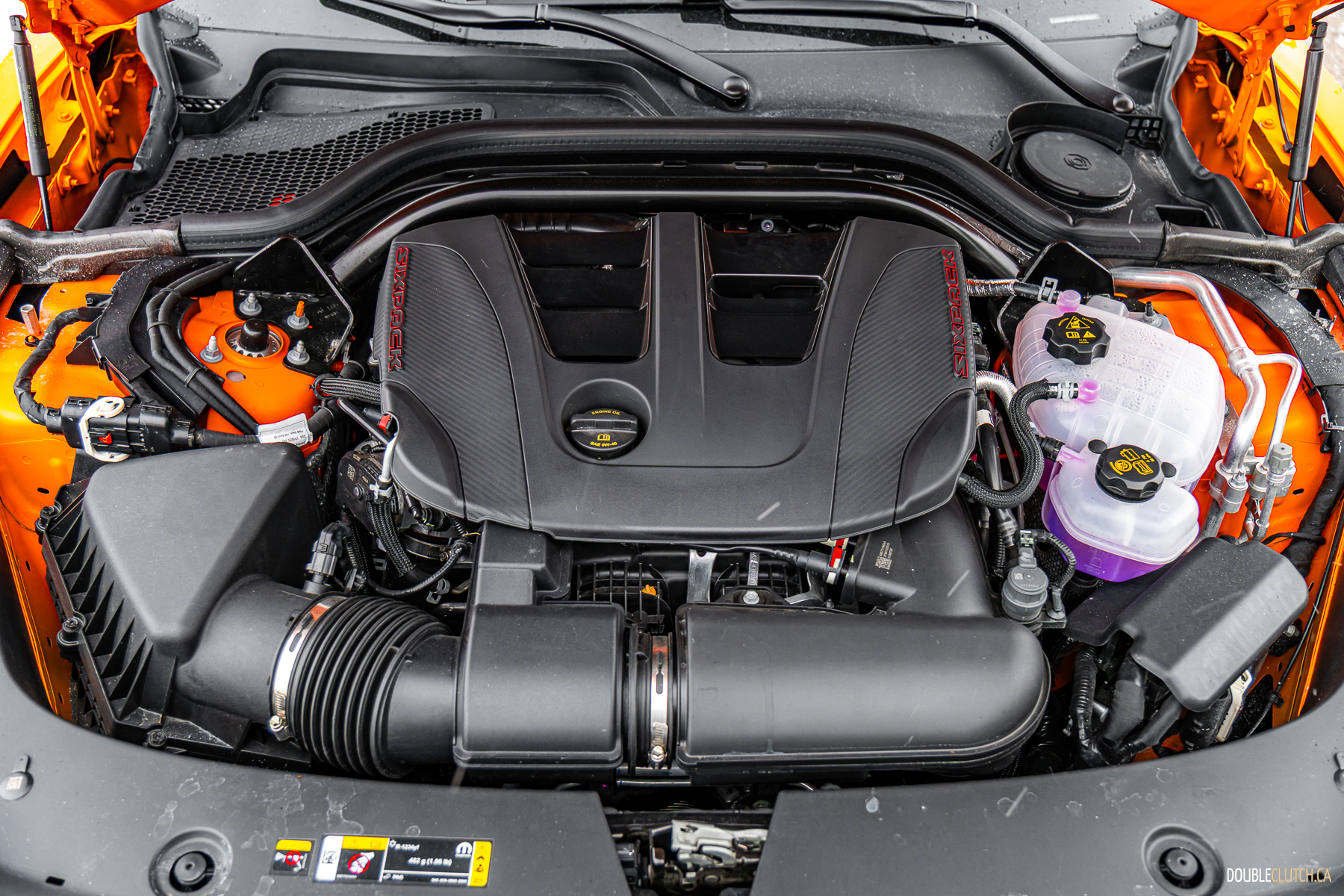
The new-for-2026 Dodge Charger Sixpack atones for the Daytona’s lukewarm experience by swapping electrons for dinosaur juice. Power comes from the “High Output” version of Stellantis’ new Hurricane 3.0-litre twin-turbo inline-six engine, shared with the Ram RHO and Jeep Wagoneer. It’s good for 550 horsepower and 531 pound-feet of torque; Dodge estimates a zero-to-60 mph run in 3.9 seconds and a quarter-mile run in 12.2 seconds; and it’s paired to the ZF eight-speed automatic. A Charger R/T with the “Standard Output” version of the Hurricane is coming mid next year, with 420 hp and a five-second 0-60 run.
Granted, the idea of replacing a snarling normally aspirated V8 with a forced-induction six-cylinder engine is iffy enough, but it beats the electric experience by a long shot. The sound alone makes up for the “Fratzonic” gimmickry on the Daytona; it’s loud and not as silky as you’d expect an inline-six to be, but it’s a total and complete mind-eff in the best of ways. With each pull, we thought, “damn, this is a nice Bimmer,” only to look down at the steering wheel and act appalled that this is a Dodge.
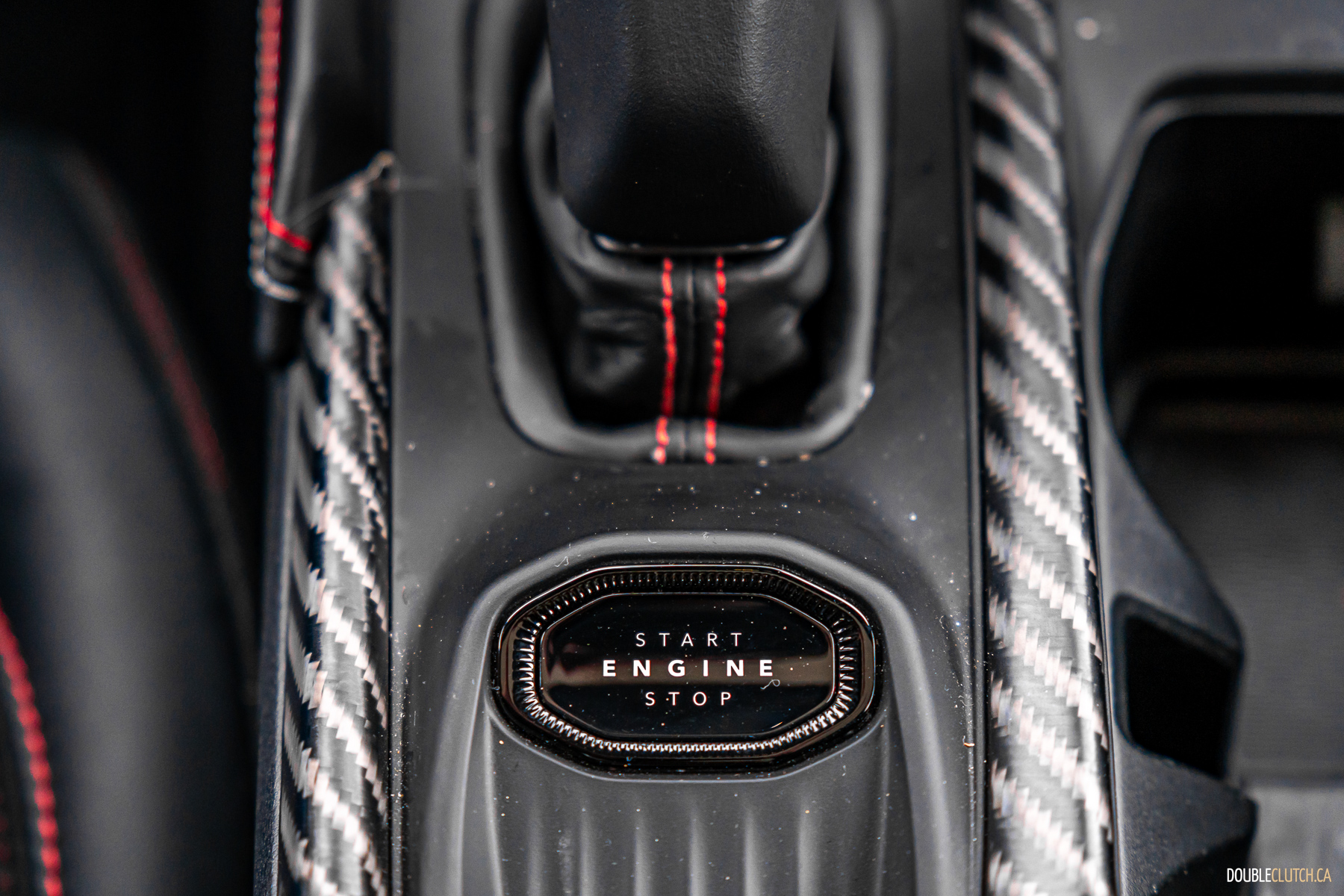
Alas, the Sixpack still commits the same sins: there’s no manual transmission option, and all Chargers are now all-wheel-drive. But, the Charger Sixpack does make lemonade out of lemons: the ZF-sourced automatic is the best in the business, always eager to kick down near-instantly before ripping through each gear with a whip-crack when you pin it off the line, yet happy to fade into the background when you settle into a cruise.
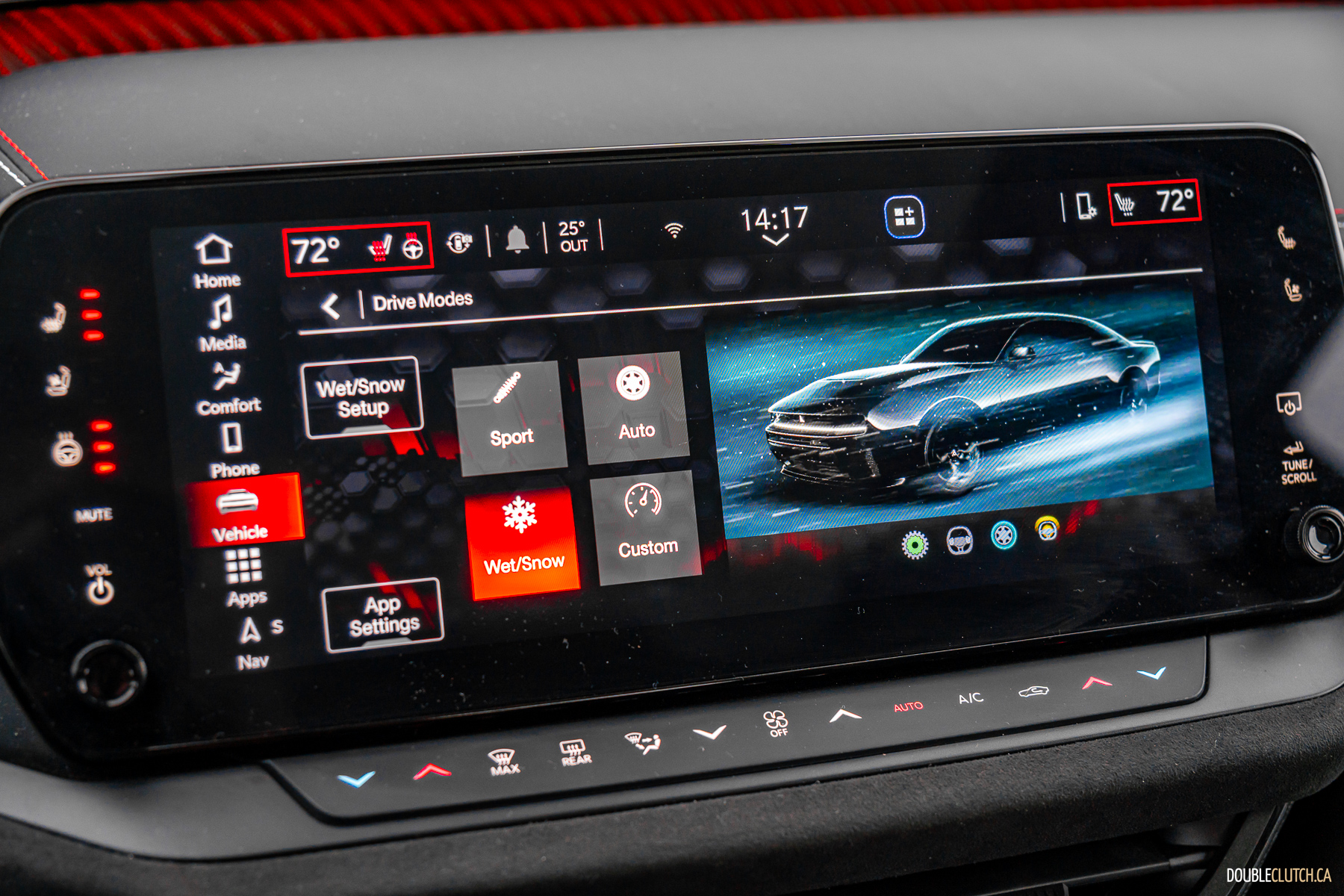
It also incorporates a wet clutch that switches the Charger from all-wheel-drive to rear-wheel-drive at the touch of a button. We didn’t properly evaluate the functionality of this feature in mid-December snow, sleet, showers, and slush with all-season tires at each corner, but with all-wheel-drive and 550 ponies on tap, the Charger Sixpack hooks up without breaking a sweat. Also, come on, a twin-turbo inline-six? An eight-speed automatic from ZF? AWD you can switch into RWD? The Charger Sixpack is a Bizarro BMW, and we’re absolutely here for it.
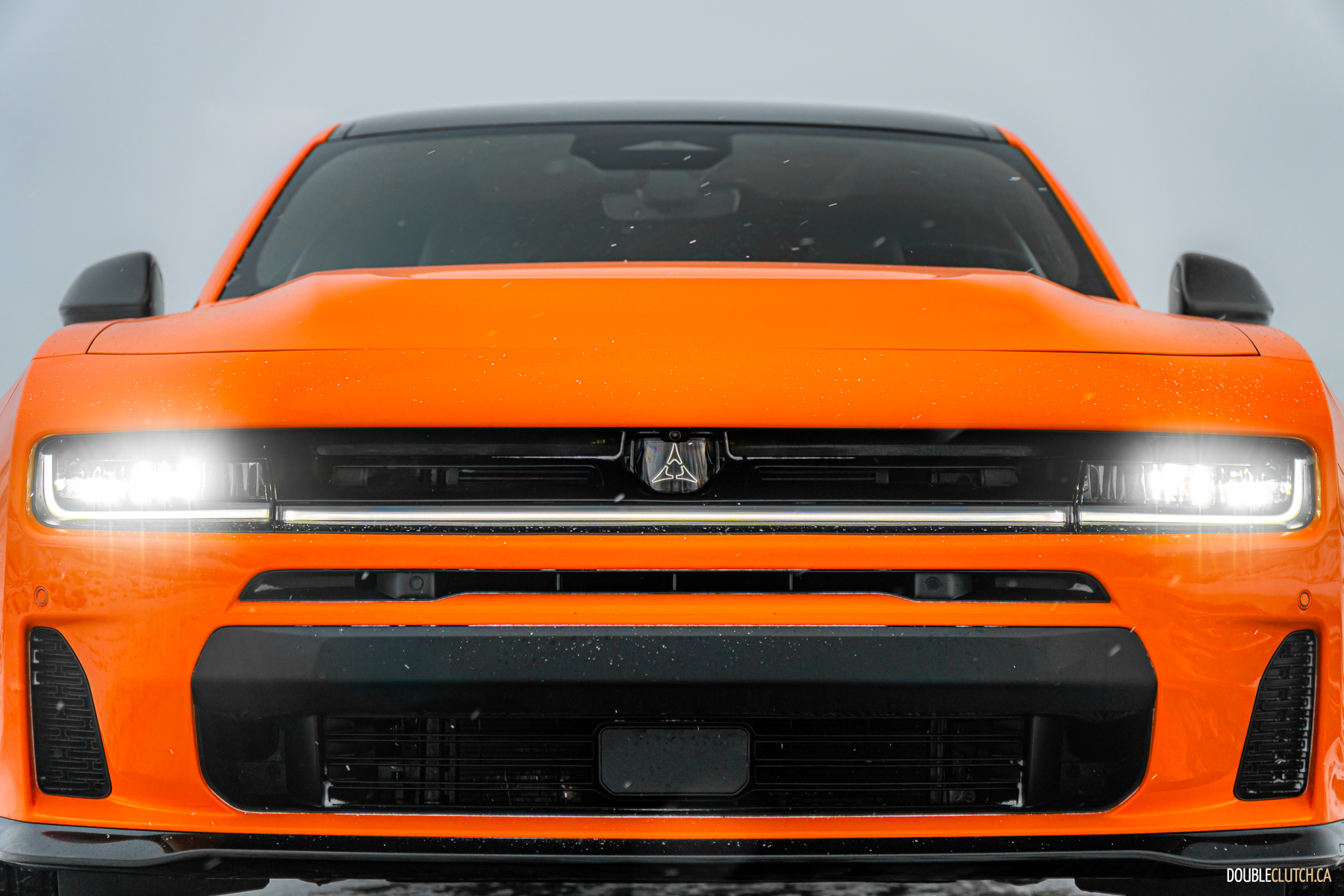
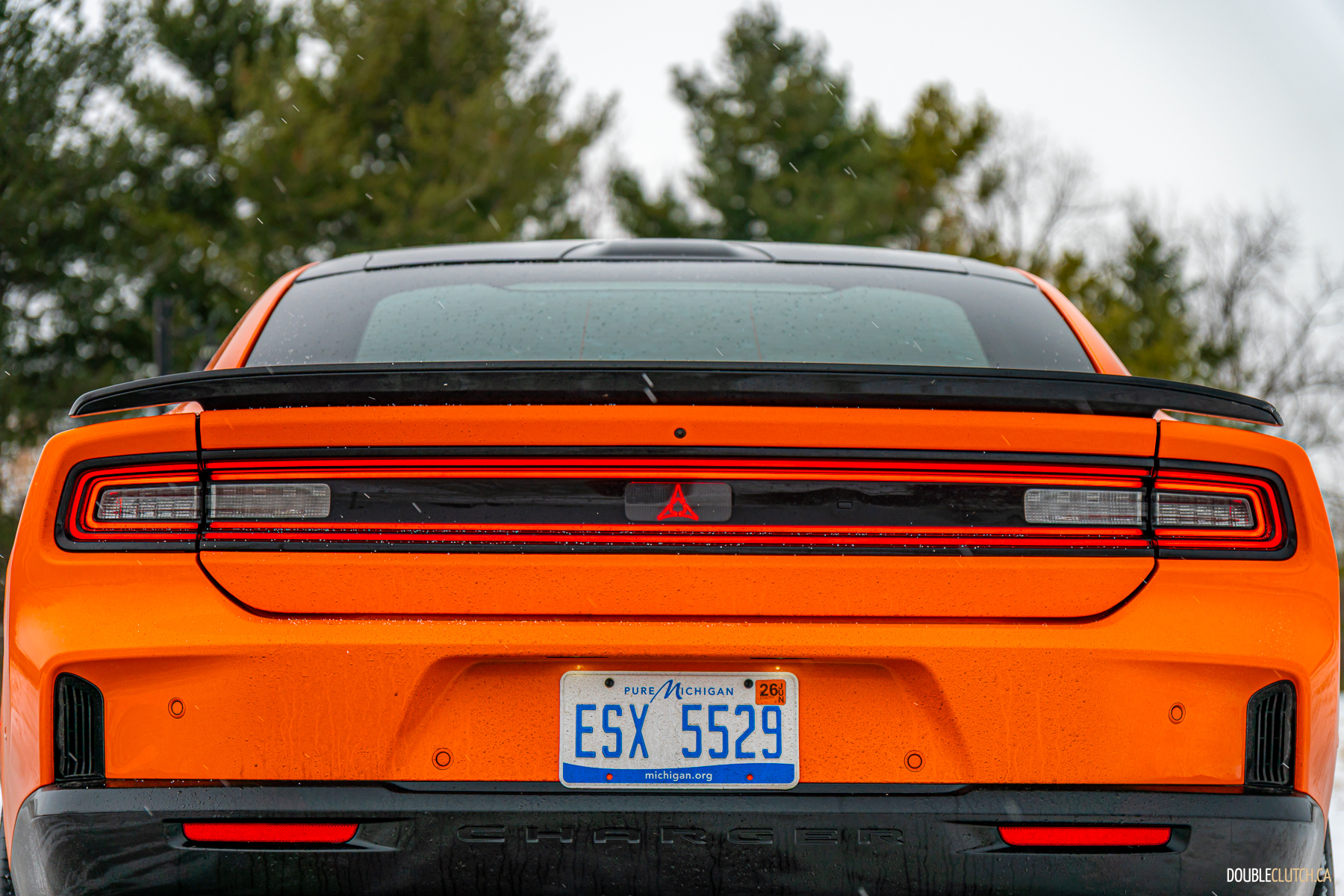
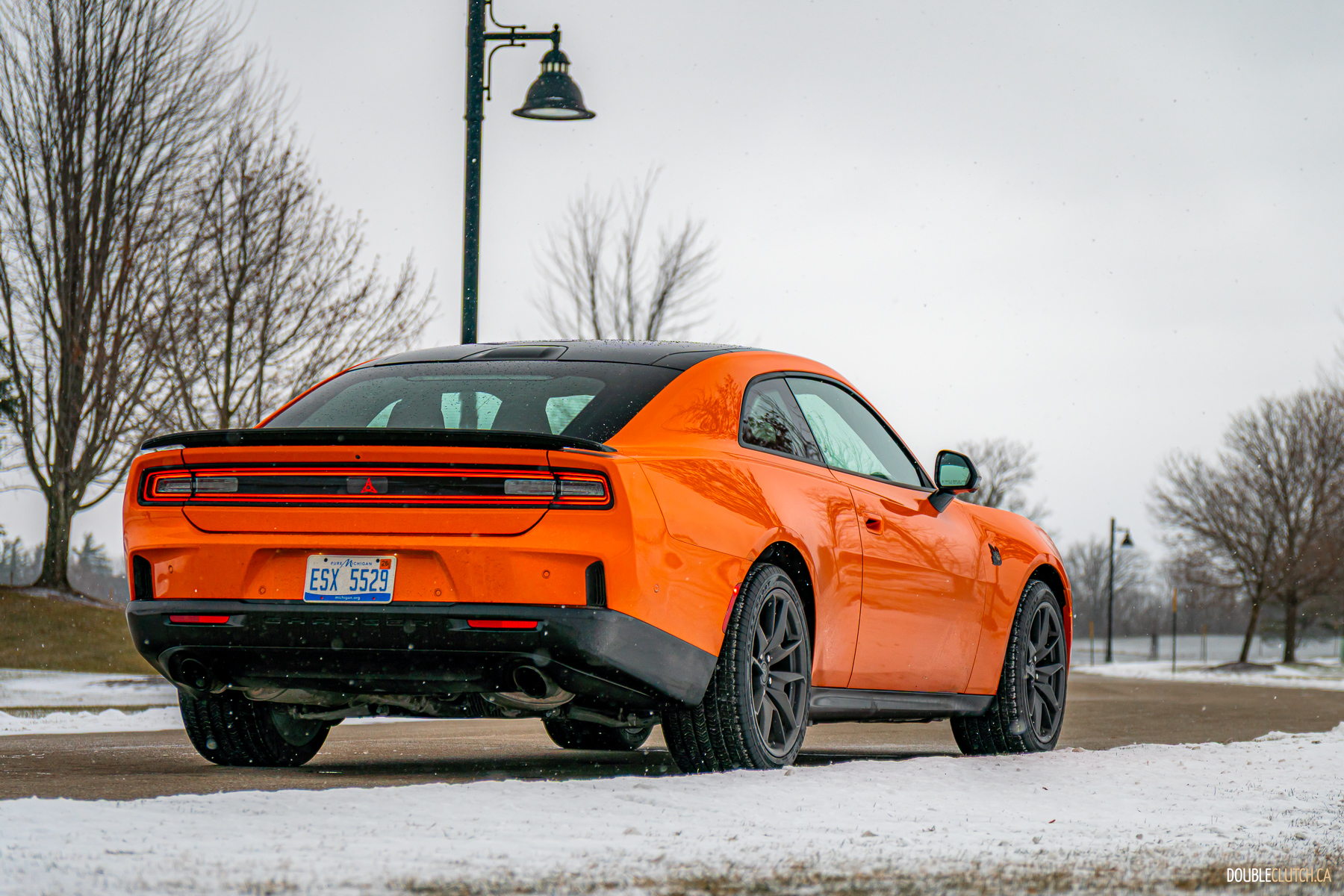
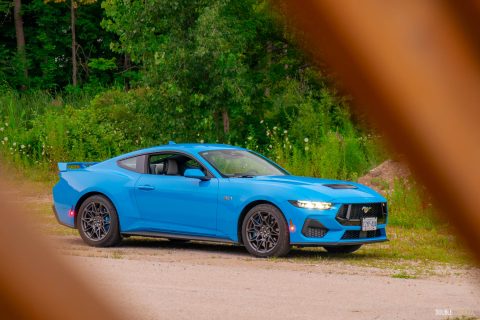
The bizarre thing is, this shtick works. Weighing in at about 4,800 pounds, the Charger Sixpack is vastly heavier than a Mustang Dark Horse, and anything with a B58 and/or S58. But it’s also about a thousand pounds lighter than the Daytona EV. As such, it lives in a middle-ground where it’s a pretty sweet cruiser that likes to have fun: the Charger is big and you feel the weight in a tight on-ramp, but the AWD system puts the power down so much better than its predecessors. Riding on Stellantis’ STLA Large underpinnings yields a comfortable and compliant ride, but also an eagerness to clip apexes. Steering is pretty good; it’s responsive and decently weighted, though there does seem to be a smidge less feedback than before. Maybe it’s just us.
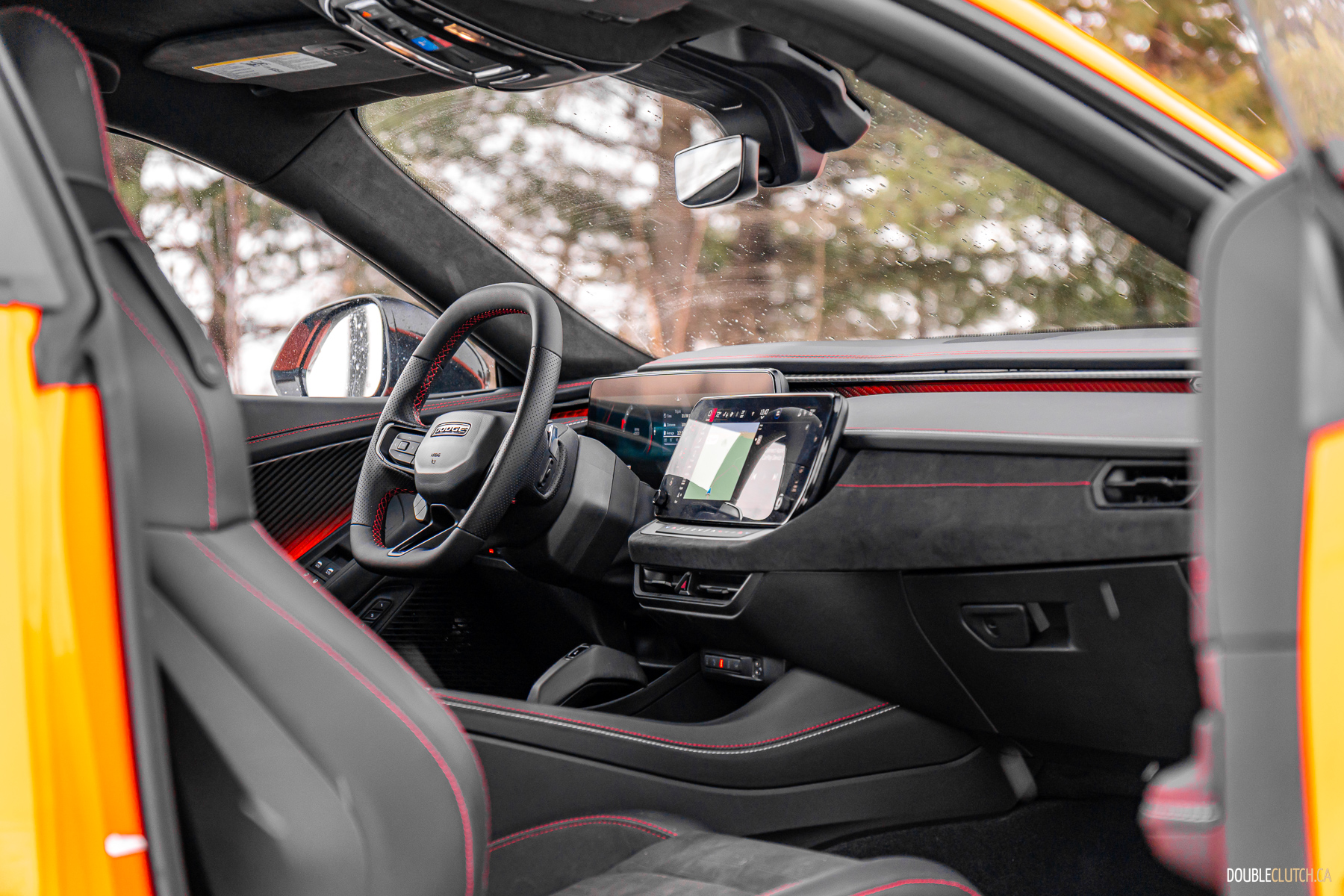
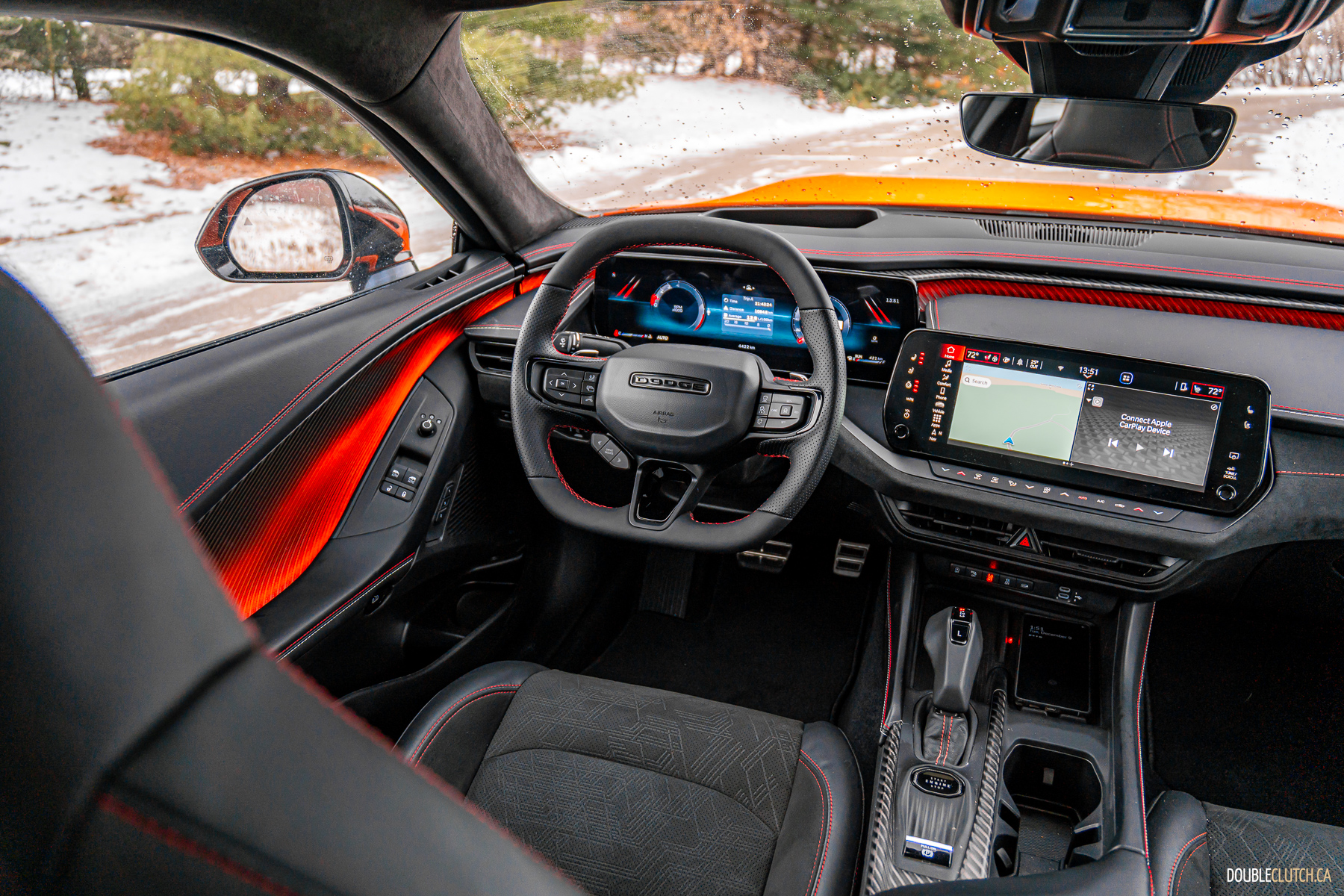
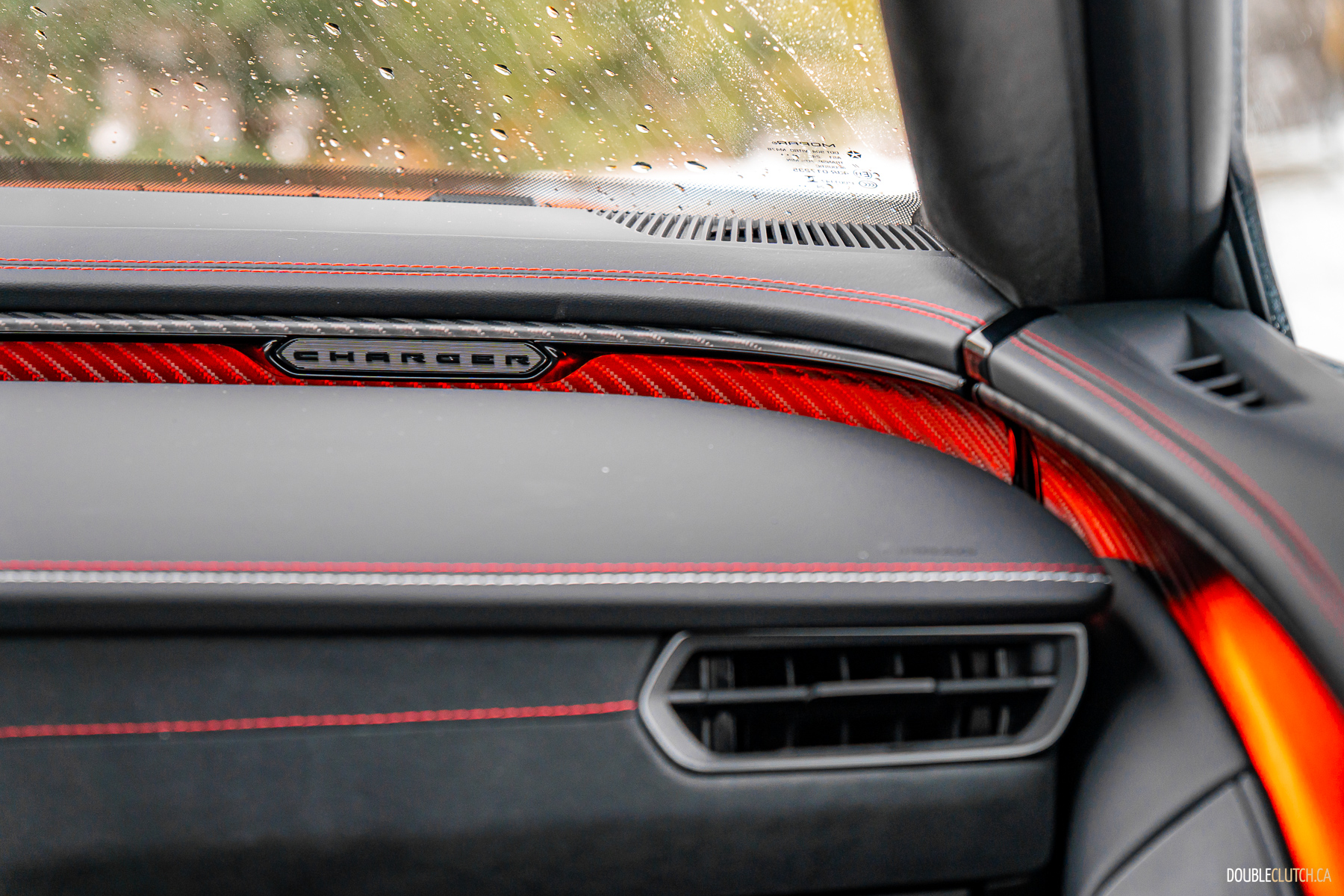
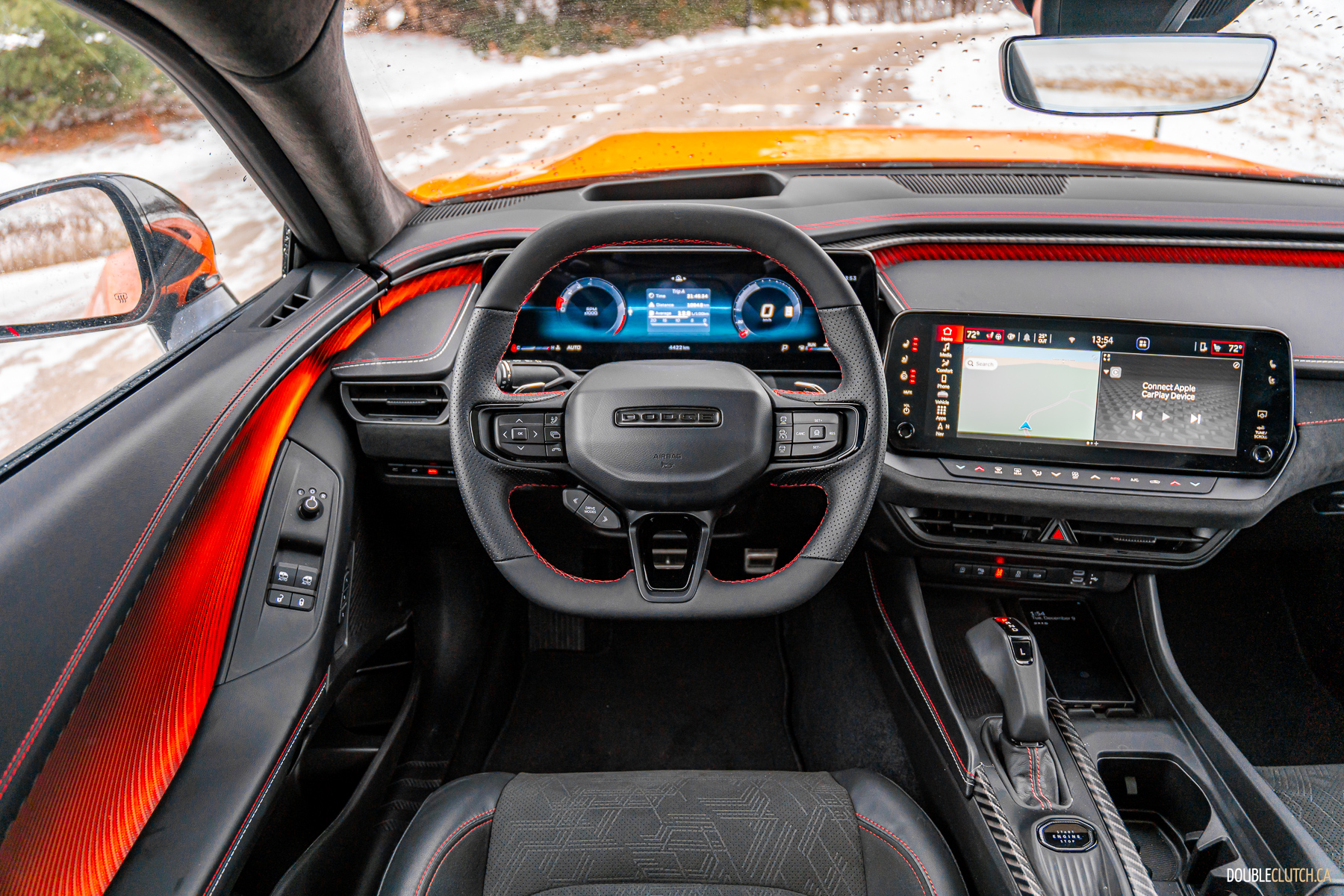
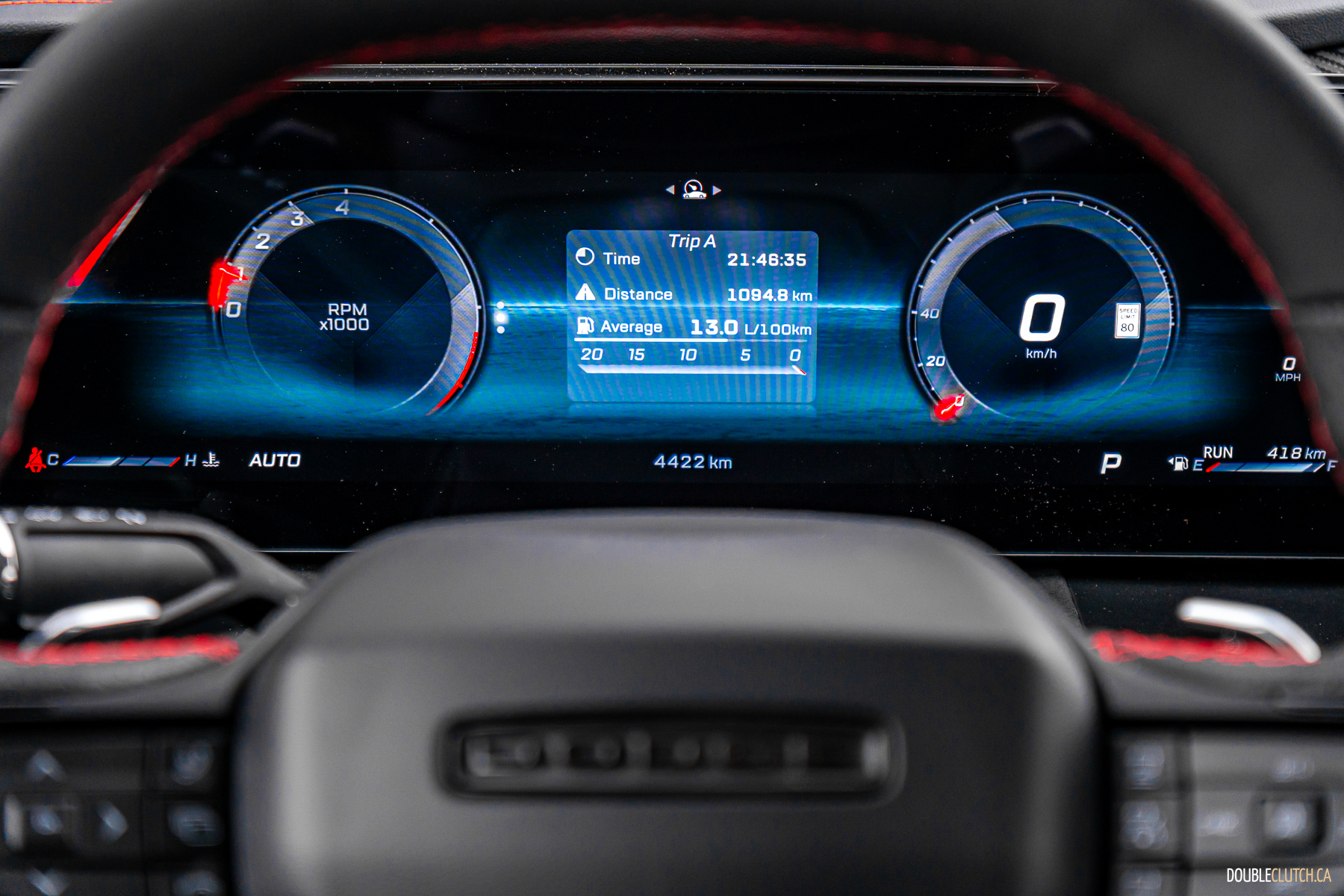
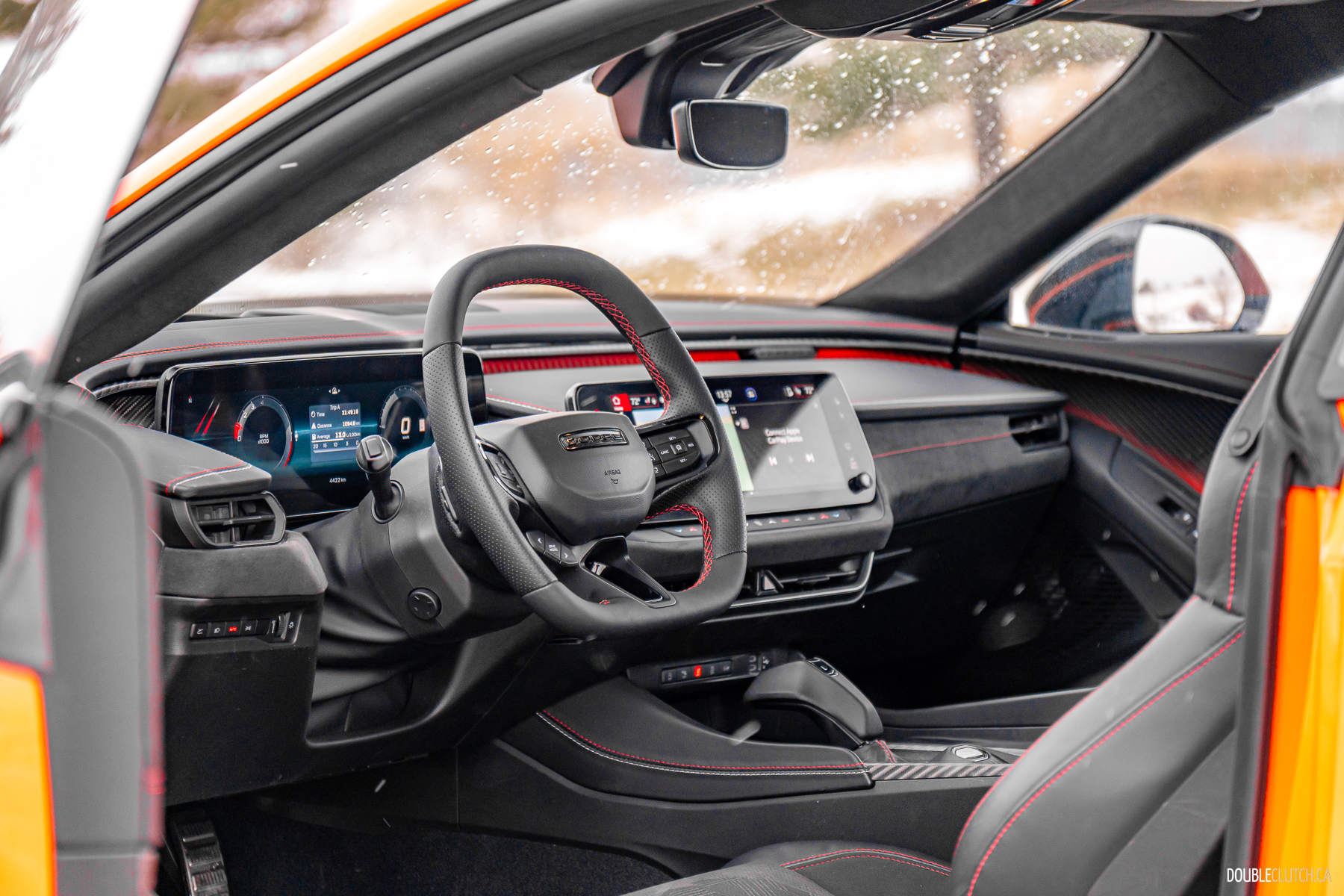
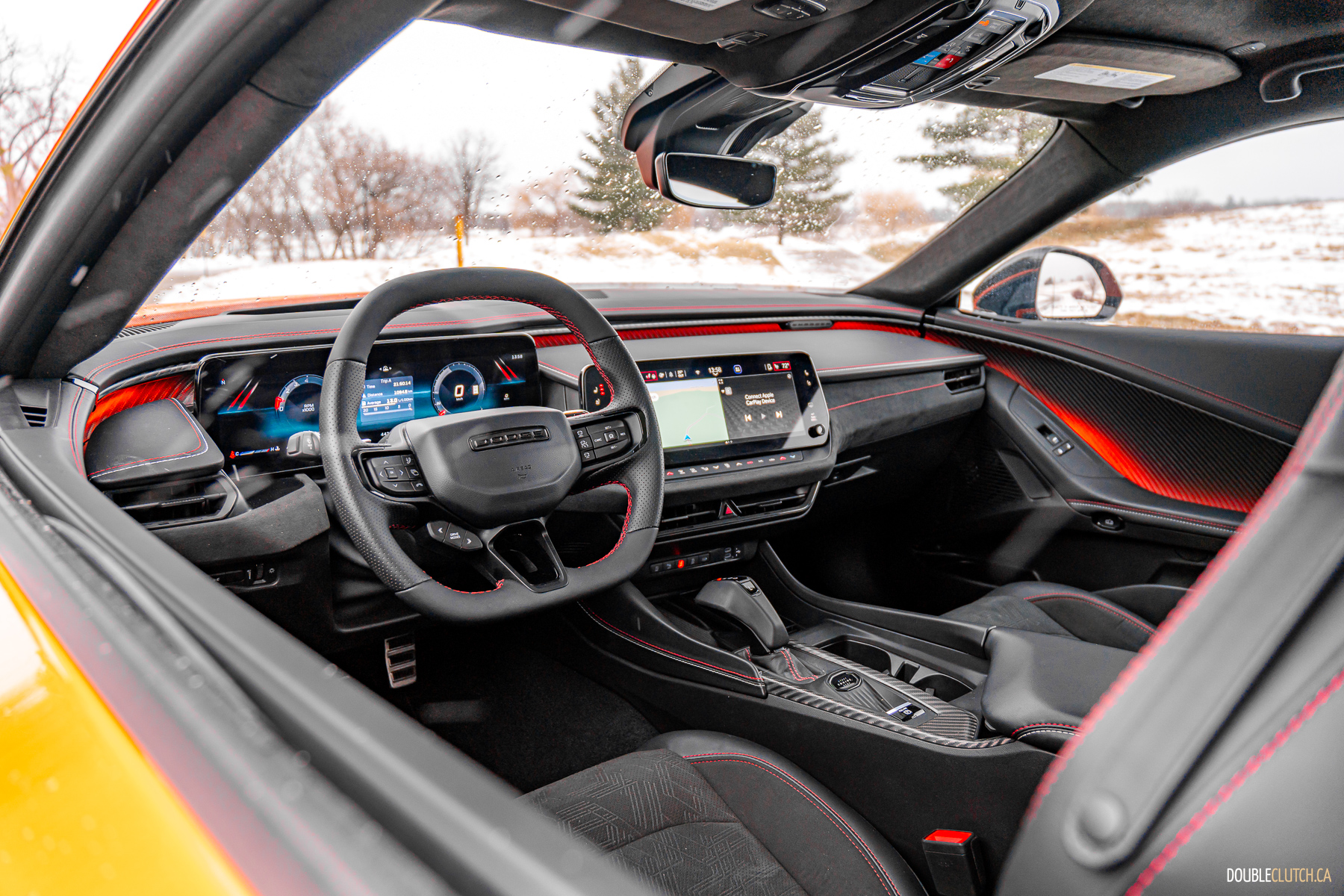
Inside, the Charger Sixpack is identical to its electric counterpart. The cockpit is characterized by a two-tier dashboard with carbon fibre trim and well-integrated ambient lighting, all of which spill across the dash and into the door panels. It may look a bit much in photos, but in person, you appreciate it more because you can take in the rest of the cockpit at the same time. The carbon fibre trim looks and feels good, materials feel better than the Mustang, and the Uconnect infotainment is as easy-to-use as ever. The latest version, Uconnect 5, lives behind a 12.3-inch touchscreen that’s responsive enough, and augmented by a second 10.1-inch screen for the digital gauge cluster. There’s also a heads-up display a little further up in your line-of-sight.
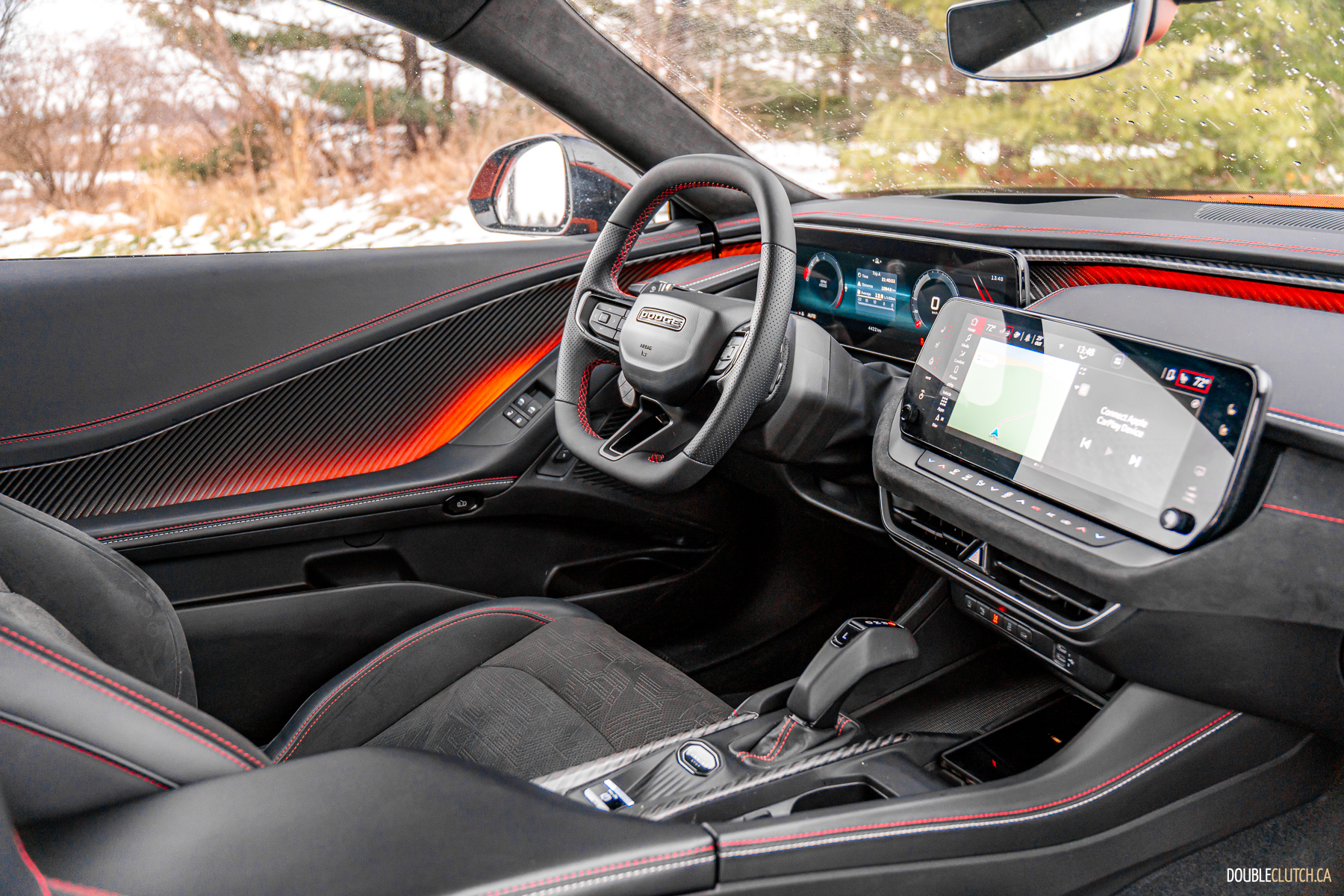
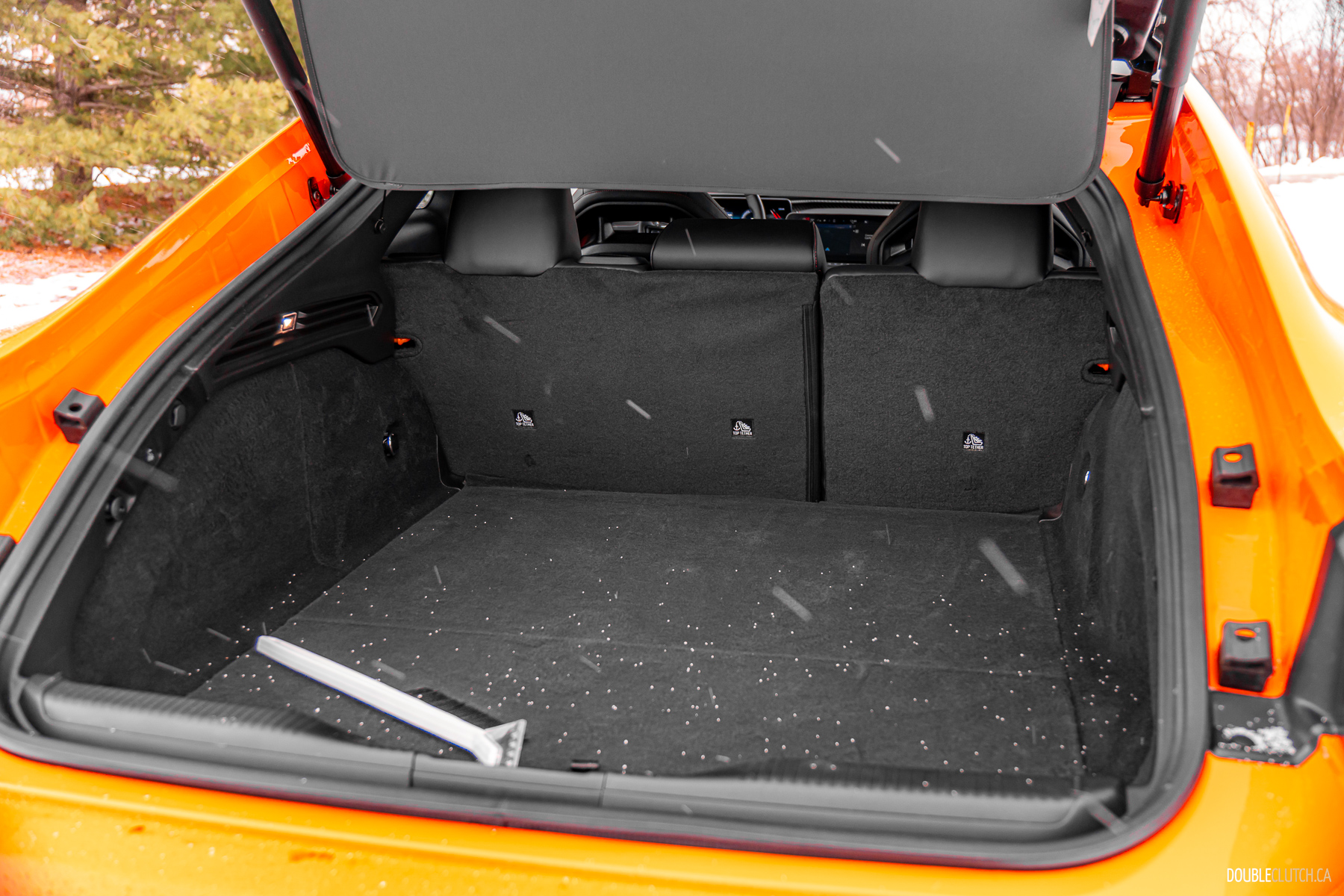
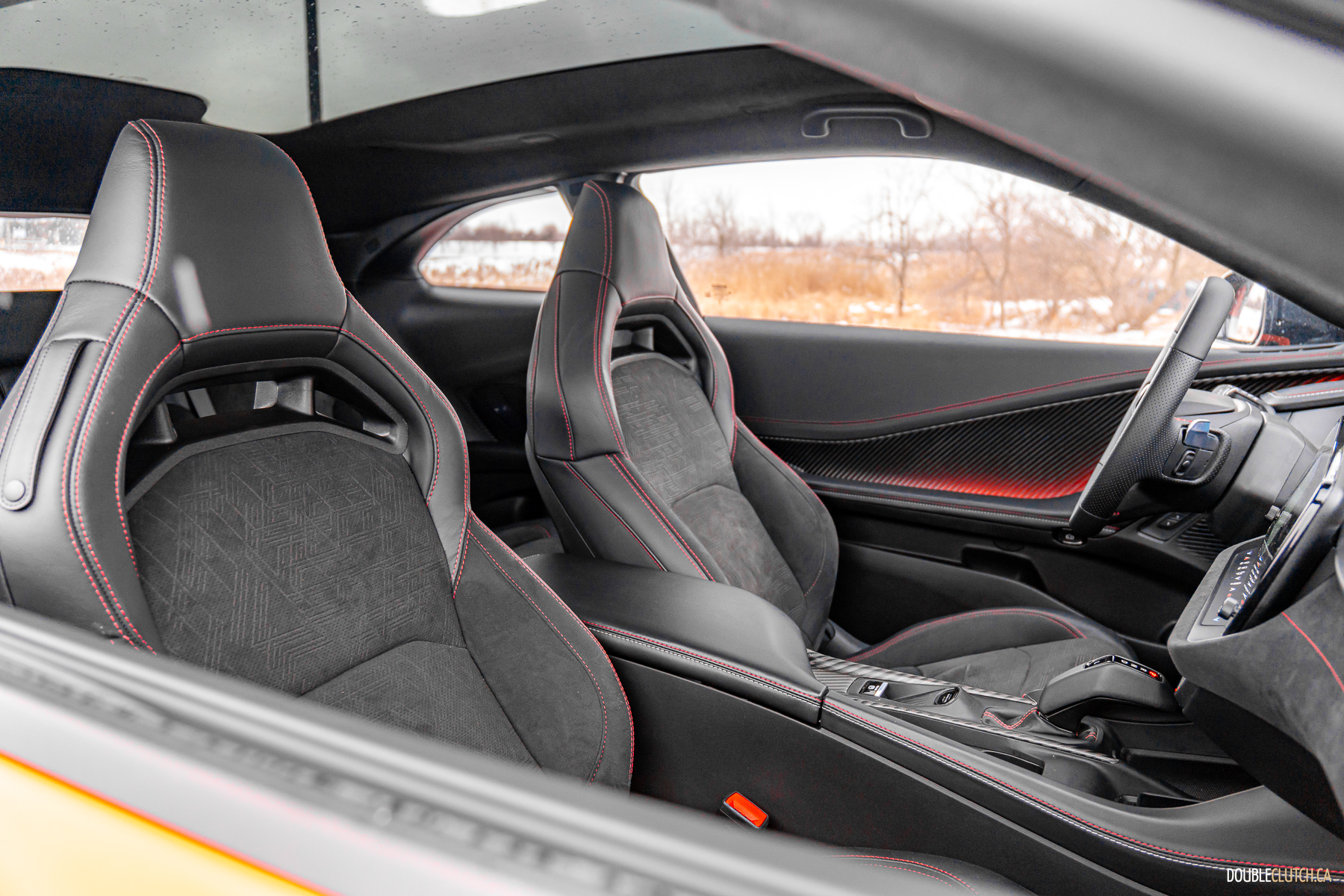
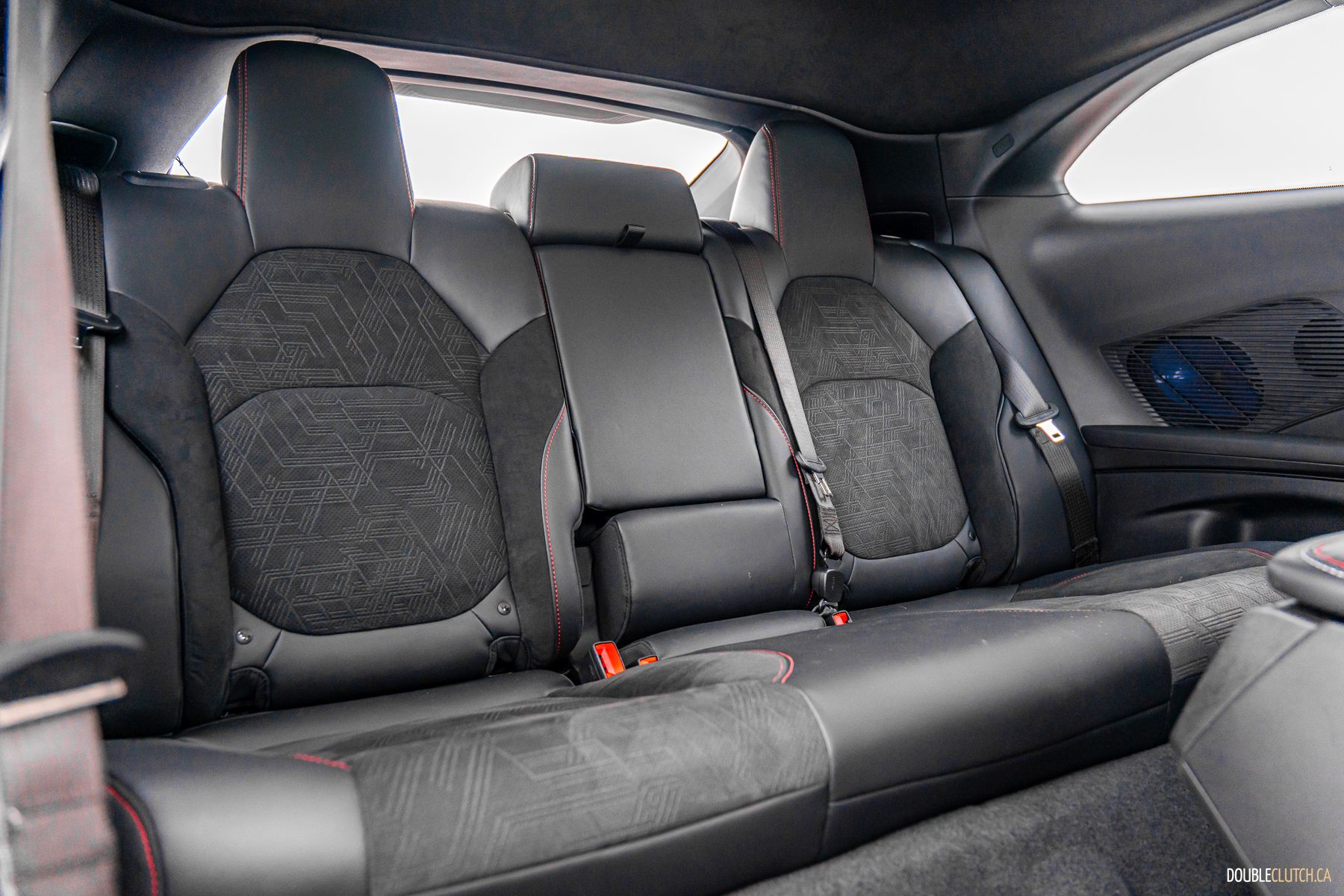
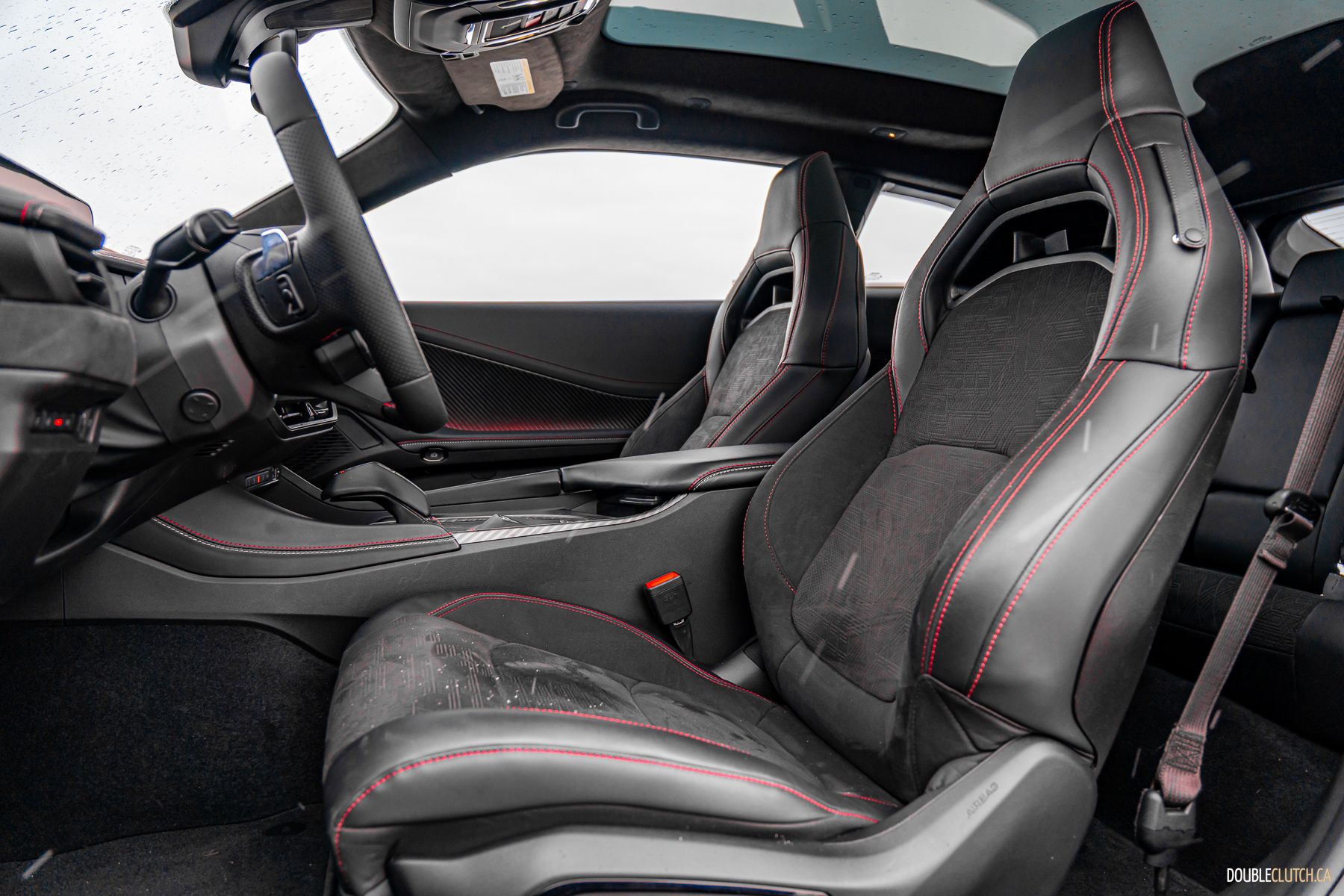
The new interior is certainly an improvement over the outgoing Charger, but it’s hardly perfect. Some of the switchgear feels cheap and hollow, the oblong — or squircle, whatever term you prefer — steering wheel is awkward at first, and the gun-shaped shift lever is peak ‘Murica. Not to mention, the touch controls sometimes require a couple of extra prods to register inputs, the refresh rate for the digital speedometer is painfully laggard, and fit-and-finish is disappointingly so-so given the rattles we encountered, despite the mileage on the clock. That being said, the extra practicality from the liftback, not to mention the comfy seats and generous legroom and headroom, make up for the shortcomings.
You can’t help but wonder how devotees to the church of Mopar would’ve received this next-generation Charger if they started with the gasser first. Killing off an engine as characterful and beloved as the Hemi was already a dicey move; V8 aficionados aren’t particularly open-minded about alternatives to their beasts with fewer, but the 2026 Dodge Charger Sixpack makes lemonade out of lemons. It doesn’t have the bark, but it sure has the bite; it’s more powerful, faster, and an all-around better performer than its Hemi-powered predecessor. Where do we go from here? Well, the writing’s on the wall.