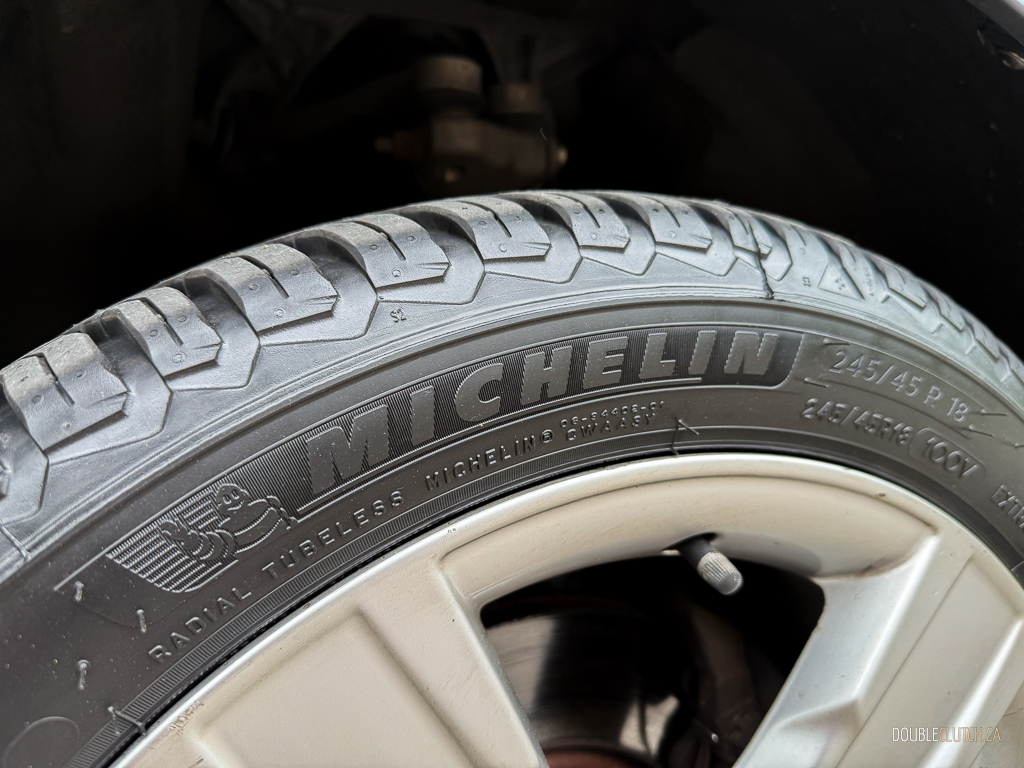
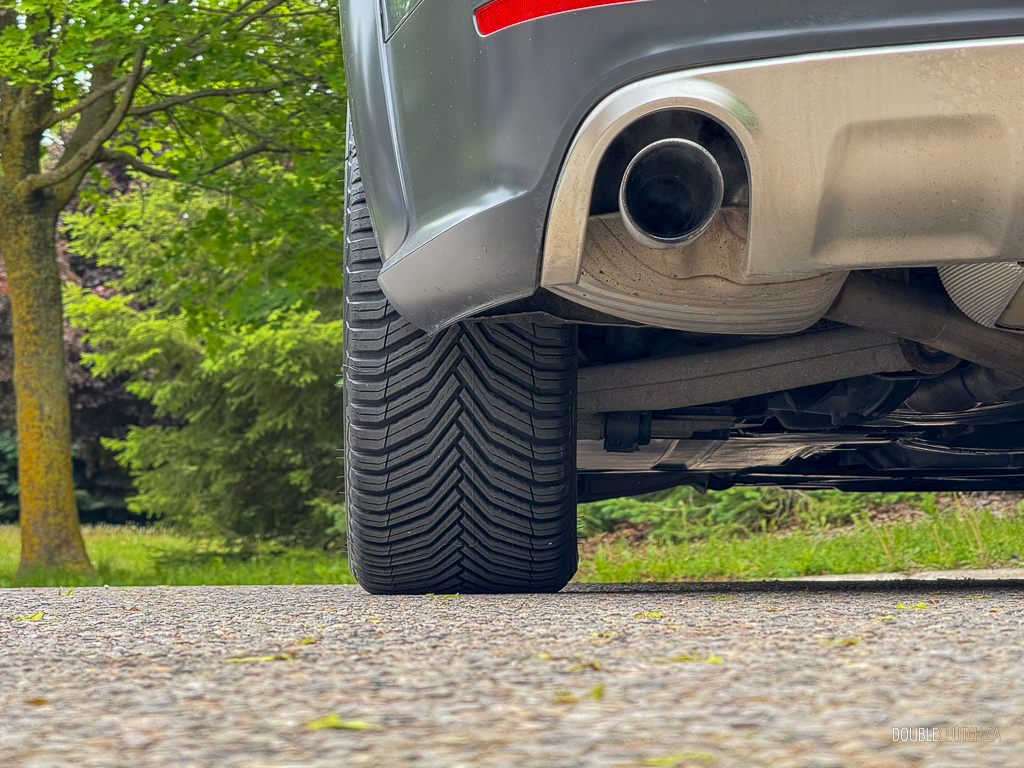
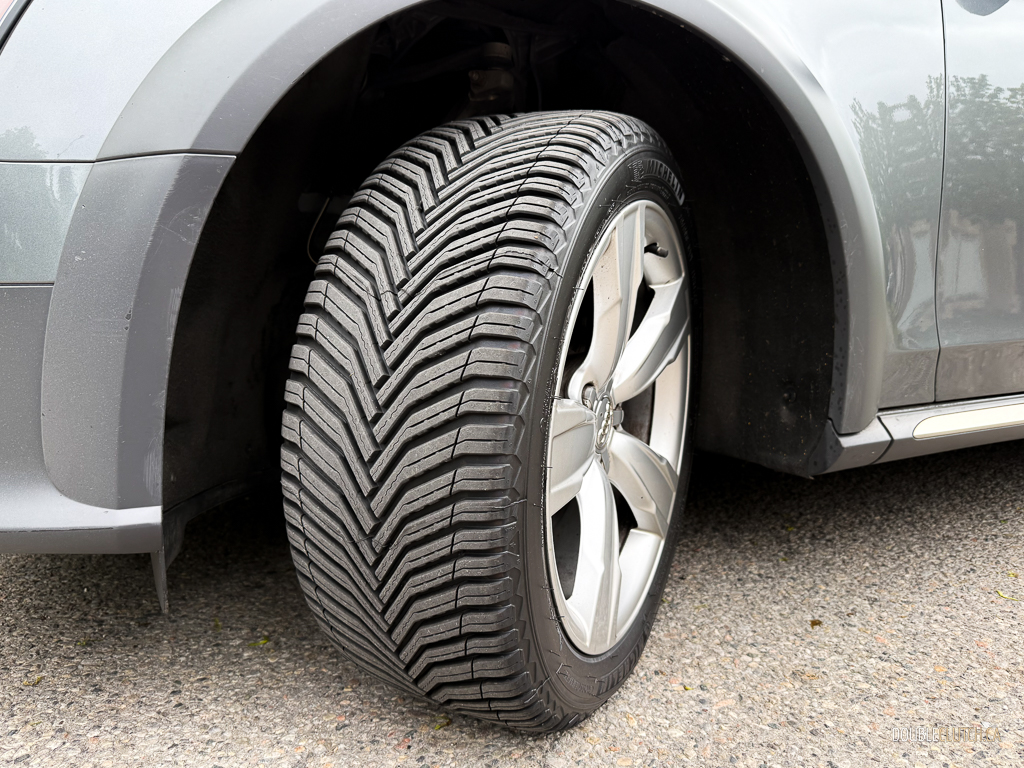
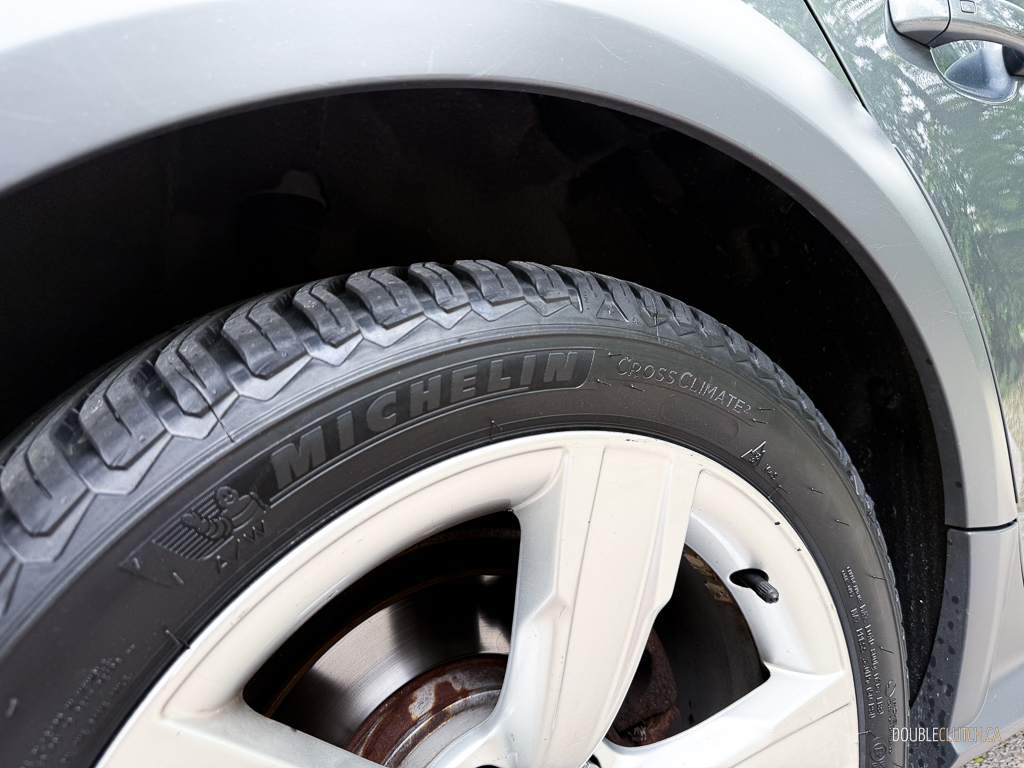
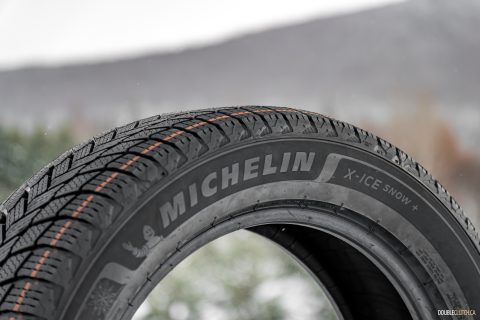
The first time I saw Michelin’s CrossClimate 2 tread pattern, it looked more like something from a concept car than a typical all-season tire, with sharp V-shaped grooves and angled blocks that seem to defy convention. It felt different, almost defiant. And that fits, because this tire isn’t just another “all-season.” It’s a declaration that one tire really can do it all, or at least come remarkably close.
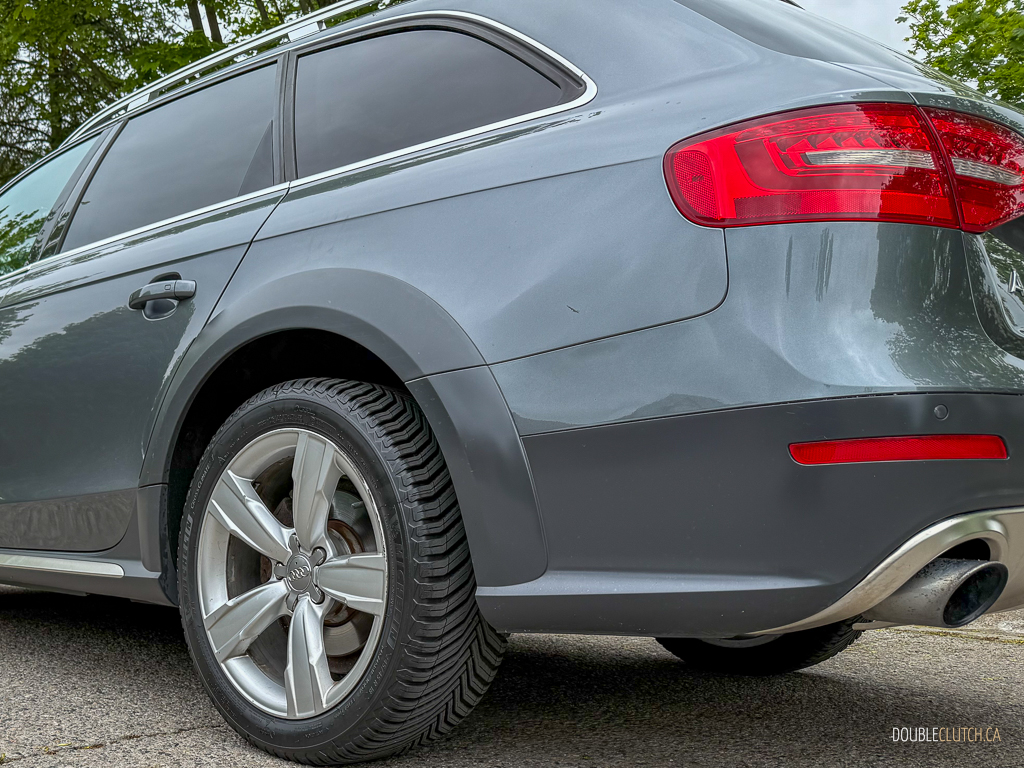
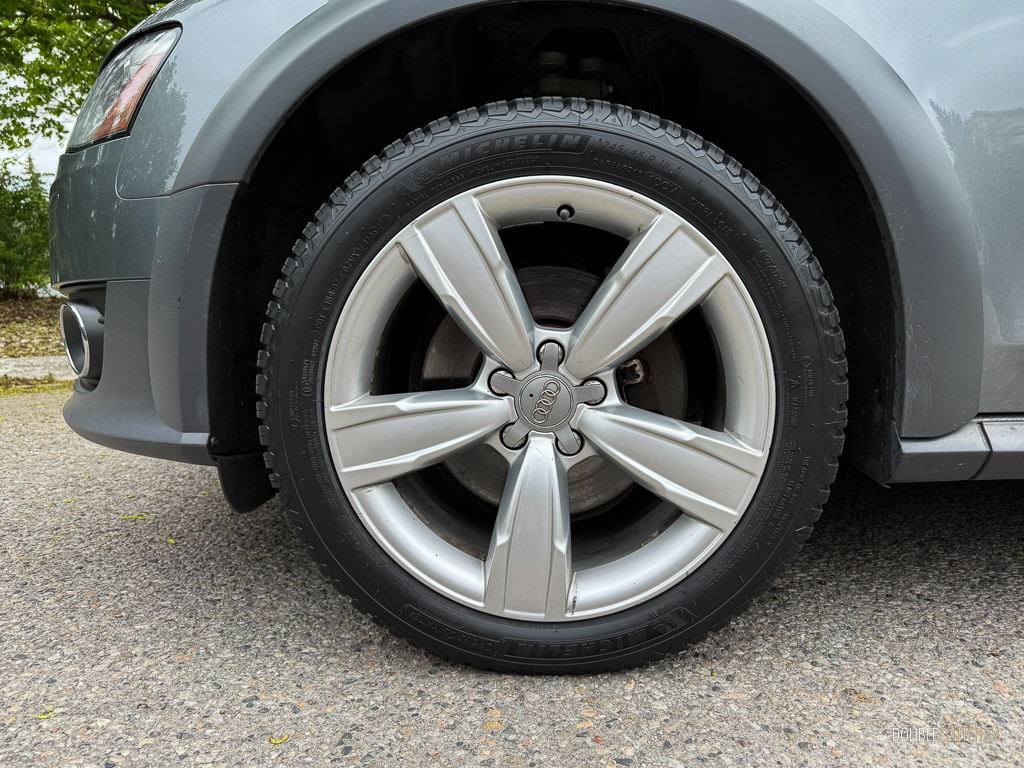
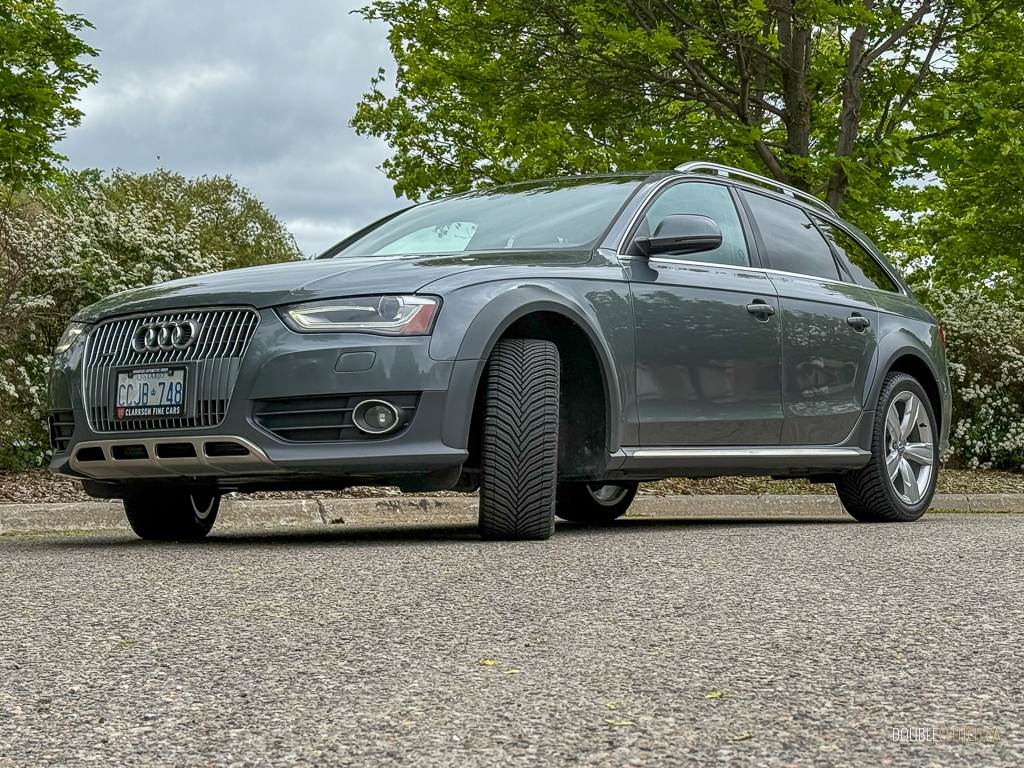
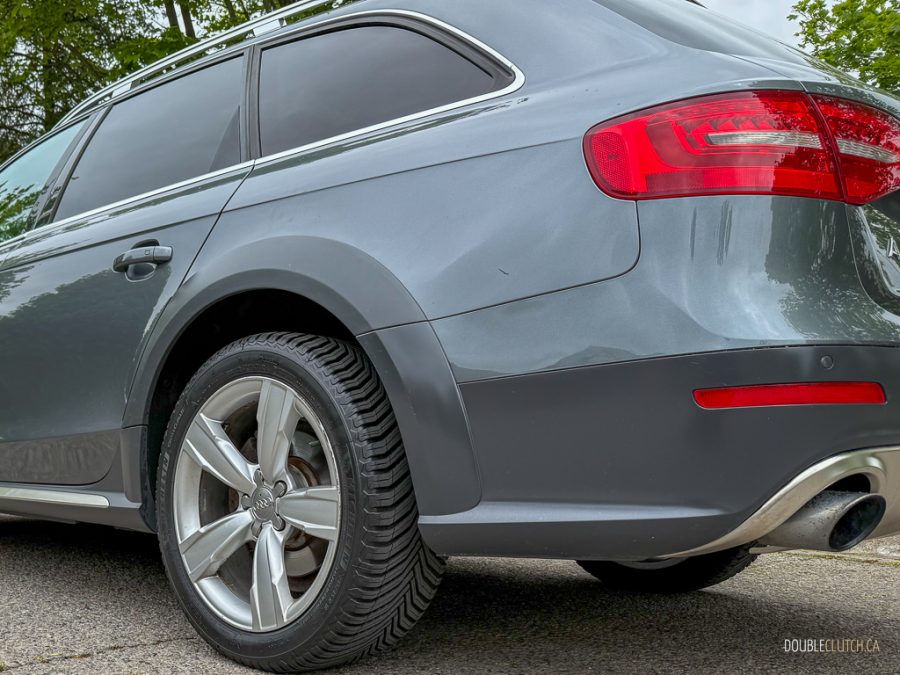
I mounted a set on my 2016 Audi Allroad late last summer, just as warm evenings started turning into crisp mornings. Since then, the CrossClimates have seen everything from hot pavement to freezing ice, from heavy rain to deep snow. Through it all, they’ve done something unexpected: they’ve made me question the need to ever switch tires again.
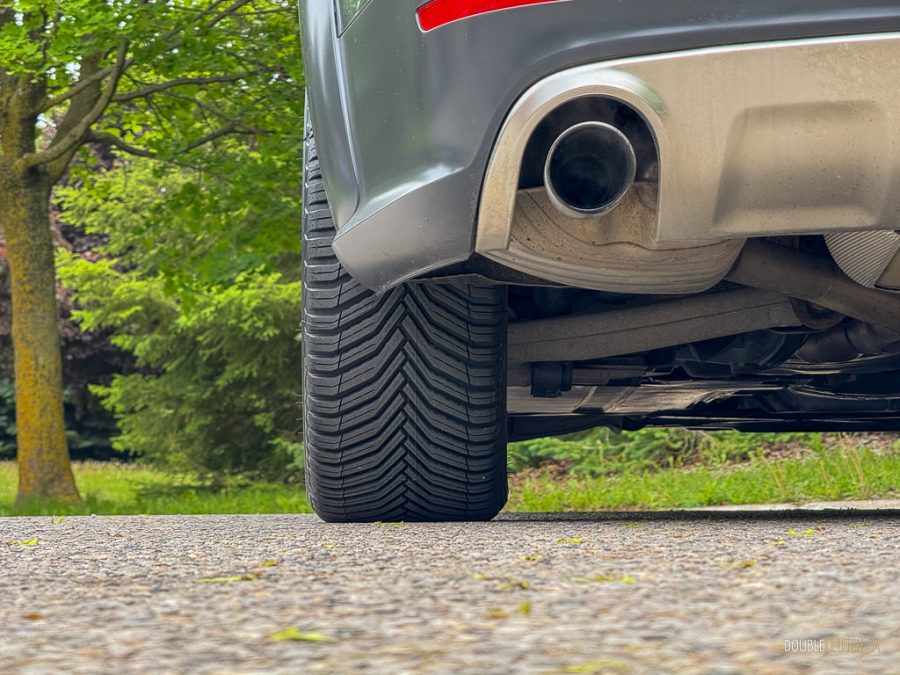
All-weather tires are still a relatively new concept for North American drivers. Nokian has offered them since the 1990s, but Michelin only entered the scene in 2015 with the original CrossClimate. The CrossClimate 2, introduced in 2020, refined the formula and helped make all-weather tires a real mainstream option. Most products that claim to “do it all” usually end up being average at everything. The CrossClimate 2 feels like the rare exception.
On warm, dry roads, it behaves more like a summer touring tire than something carrying the winter snowflake symbol. Steering is crisp and confident, and the Audi’s all-wheel-drive system feels perfectly matched to the Michelins. Coming from a set of Continental DWS06 tires, which are among my all-time favourites, I expected to lose a bit of precision or feedback. But the CrossClimate 2 stayed composed and responsive. There was none of that vague, rubbery feeling that can plague all-weather compounds. It handled corners with poise and always felt eager to communicate what was happening beneath the car.
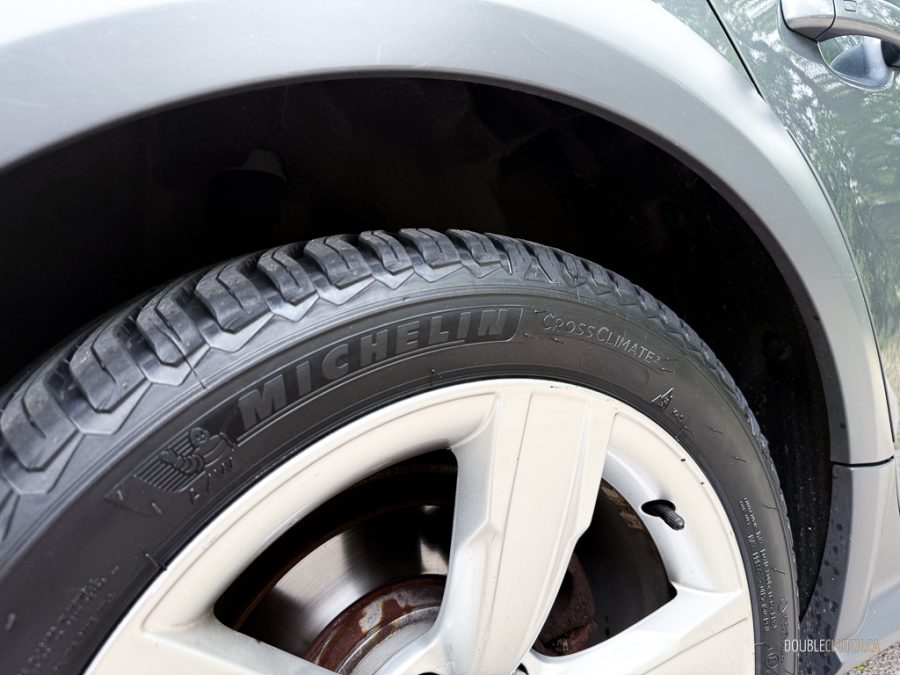
In the rain, the tire continued to impress. Whether it was highway puddles or city downpours, it never faltered. The resistance to hydroplaning is exceptional, and the steering remains steady even through standing water. On a particularly wet afternoon along Highway 407, the Allroad felt planted and predictable, never floating or twitching the way lesser tires might. It’s the kind of confidence that builds quietly over time and soon feels second nature.
When winter arrived, the CrossClimate 2 truly proved its worth. My Allroad usually runs a set of Gislaved NordFrost 200s for the snowy months, and those have set a high bar for performance in Canadian winters. Yet the Michelins matched them, and in some conditions, even surpassed them. Ice traction was excellent, braking felt surefooted, and the tires maintained grip even on slick intersections. On snowy residential streets and unplowed roads, they clawed through confidently. For an all-weather tire, that’s an achievement worth celebrating.
If there’s one compromise, it’s noise. On smooth asphalt, they’re pleasantly quiet, but on the grooved concrete sections of the 407, there’s a noticeable hum. It’s not intrusive, just a reminder that this is still a tire balancing multiple priorities. I would place it slightly louder than a summer performance tire, but quieter than many budget winter options. For the versatility you gain, it’s an easy trade-off to accept.
After several months and thousands of kilometres, the tread still looks healthy, and the performance hasn’t changed. The CrossClimate 2 feels like more than a clever marketing experiment. It’s a genuine evolution in tire technology, one that bridges the long-standing divide between summer precision and winter confidence.
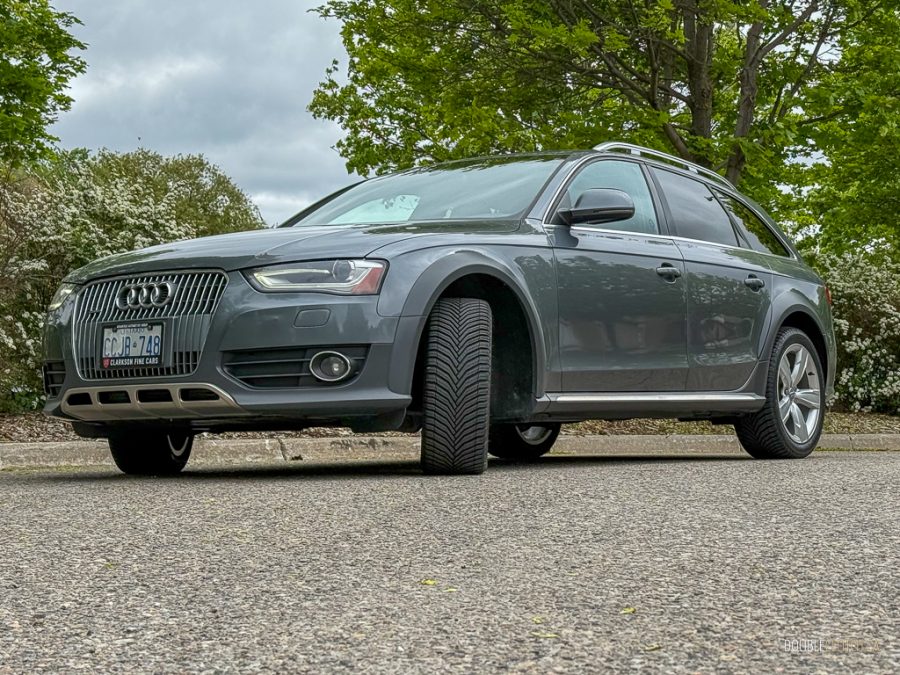
Every time I catch sight of that distinctive V-pattern, I think about what it represents: a shift in how we approach driving year-round. For decades, we’ve been taught that versatility always means compromise. But Michelin’s CrossClimate 2 challenges that idea. It doesn’t ask you to settle. It simply asks you to drive.