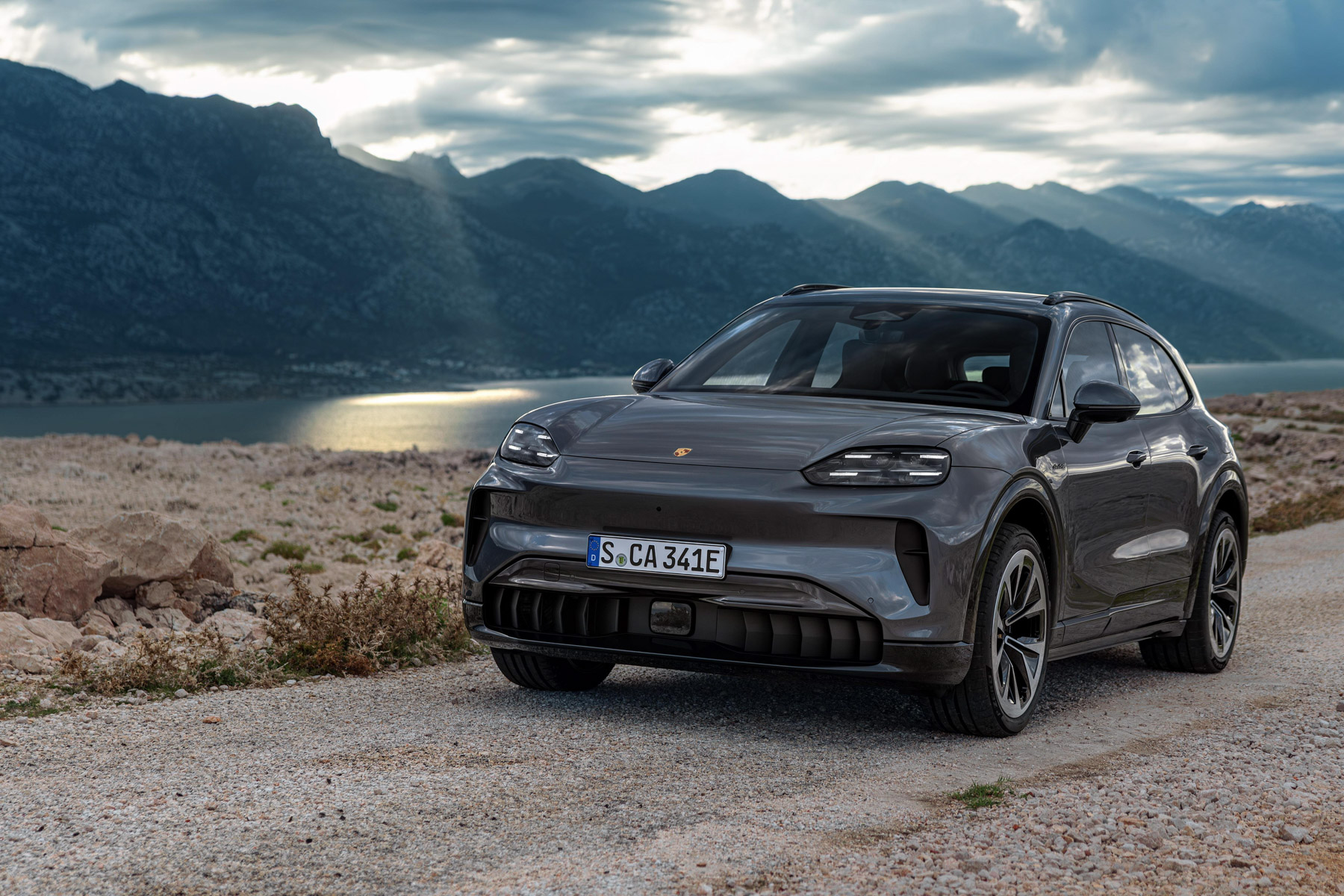
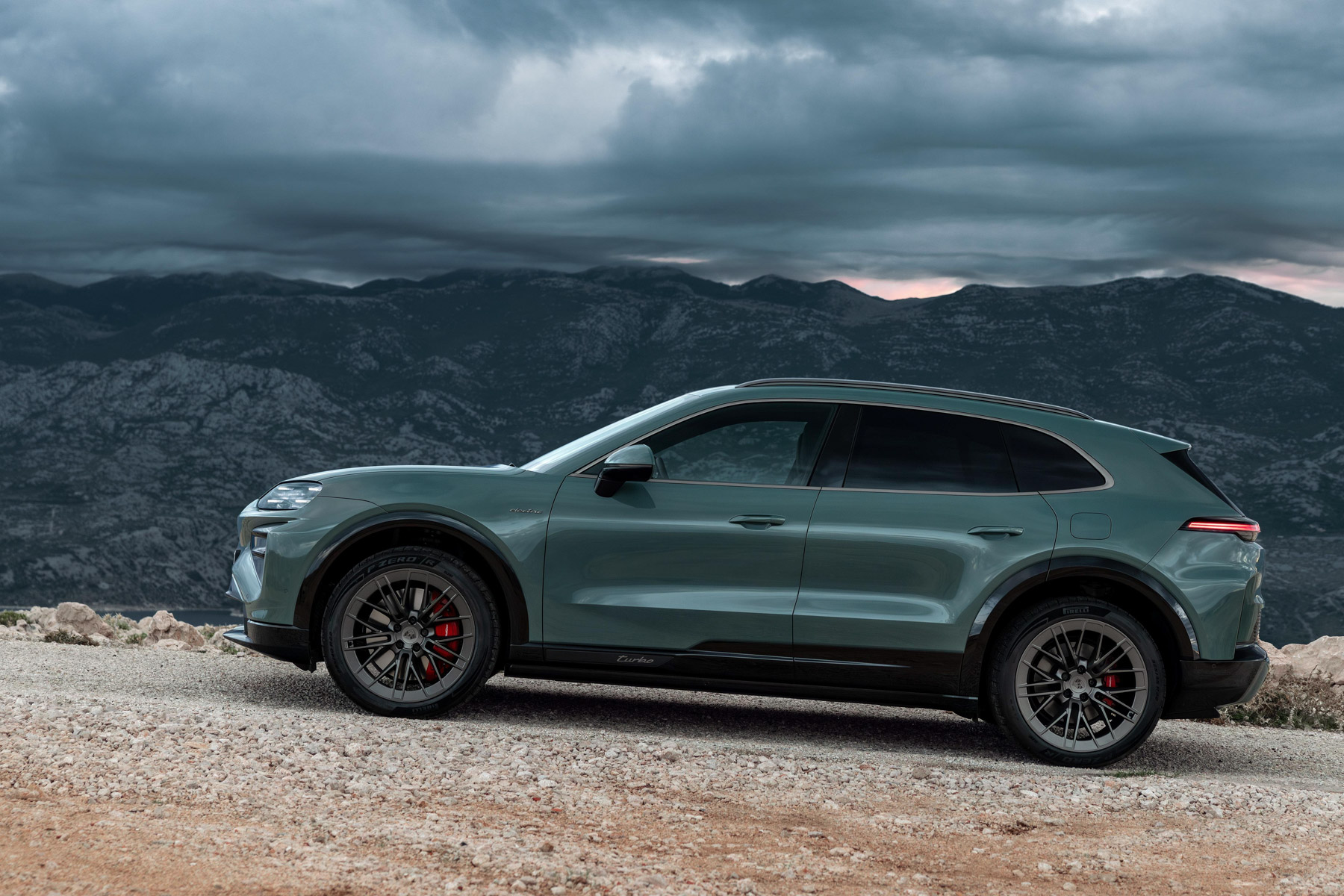
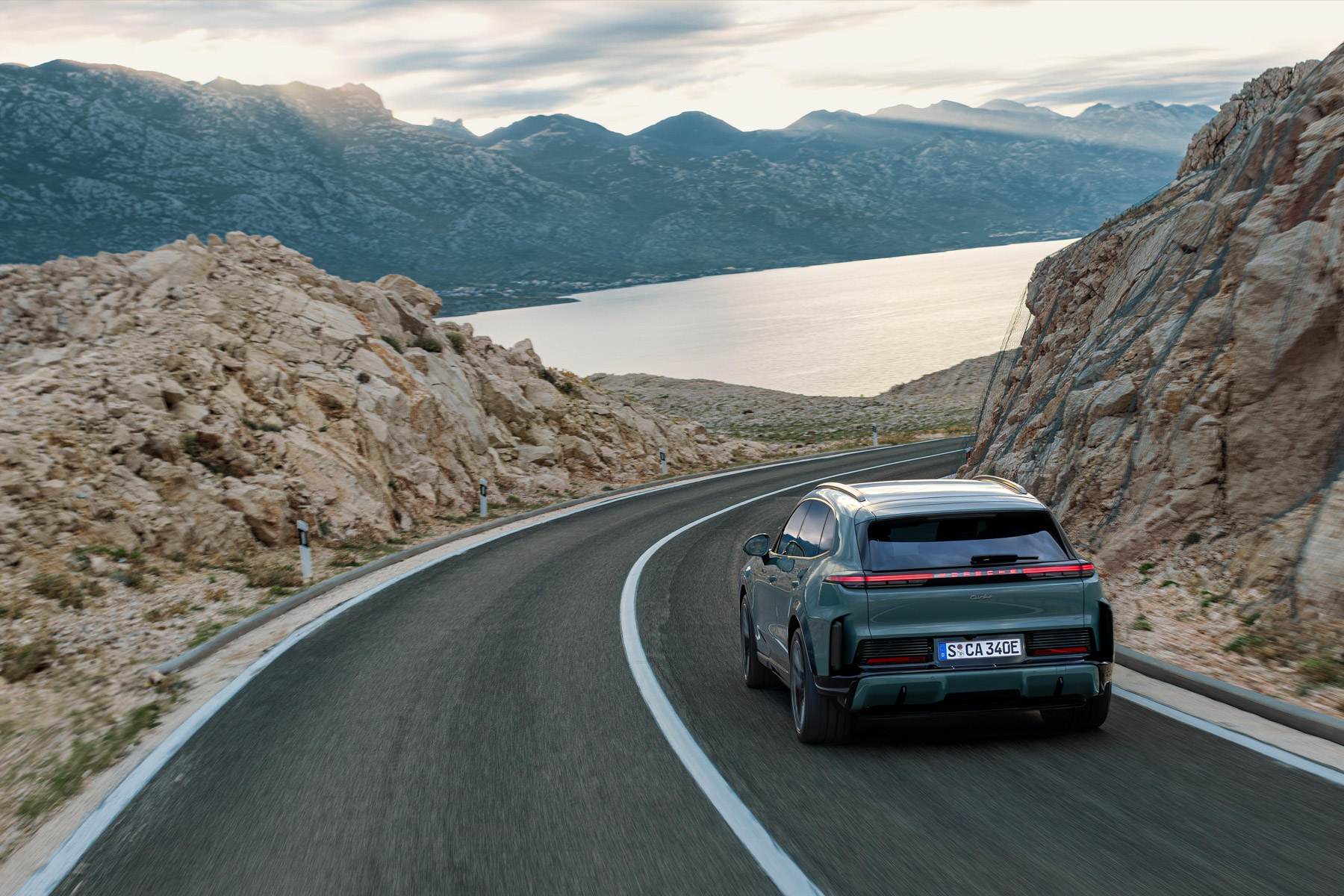
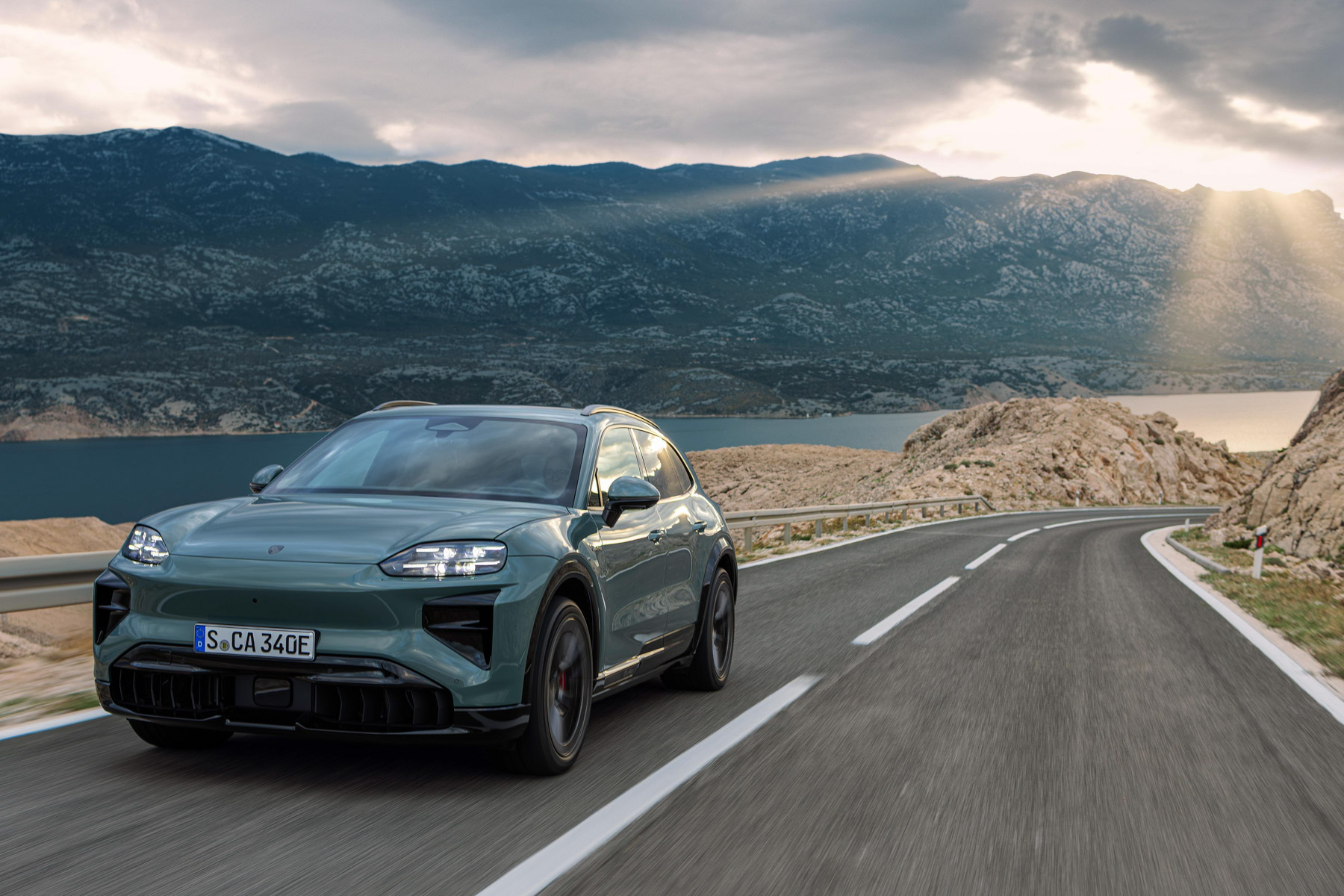
Porsche’s fully electric Cayenne is finally coming into fruition. This is the 2026 Porsche Cayenne Electric, and we only have two words: holy sh-t.
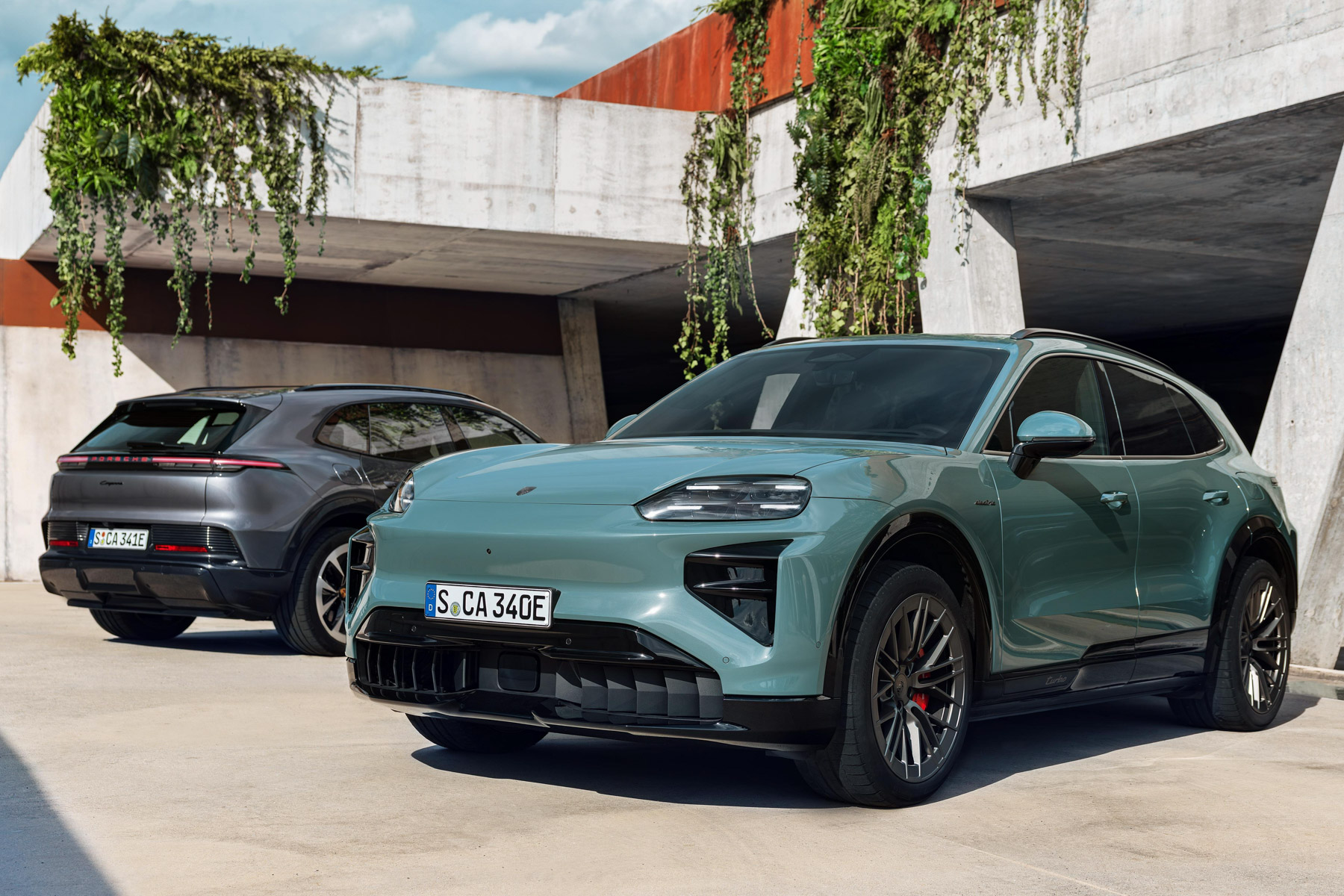
More variants are guaranteed to join the lineup over the next few months, but right now, Porsche is starting with two models: the entry-level Cayenne Electric, and the range-topping-for-now Cayenne Turbo Electric. They weren’t kidding when they promised “over 1,000 horsepower.”
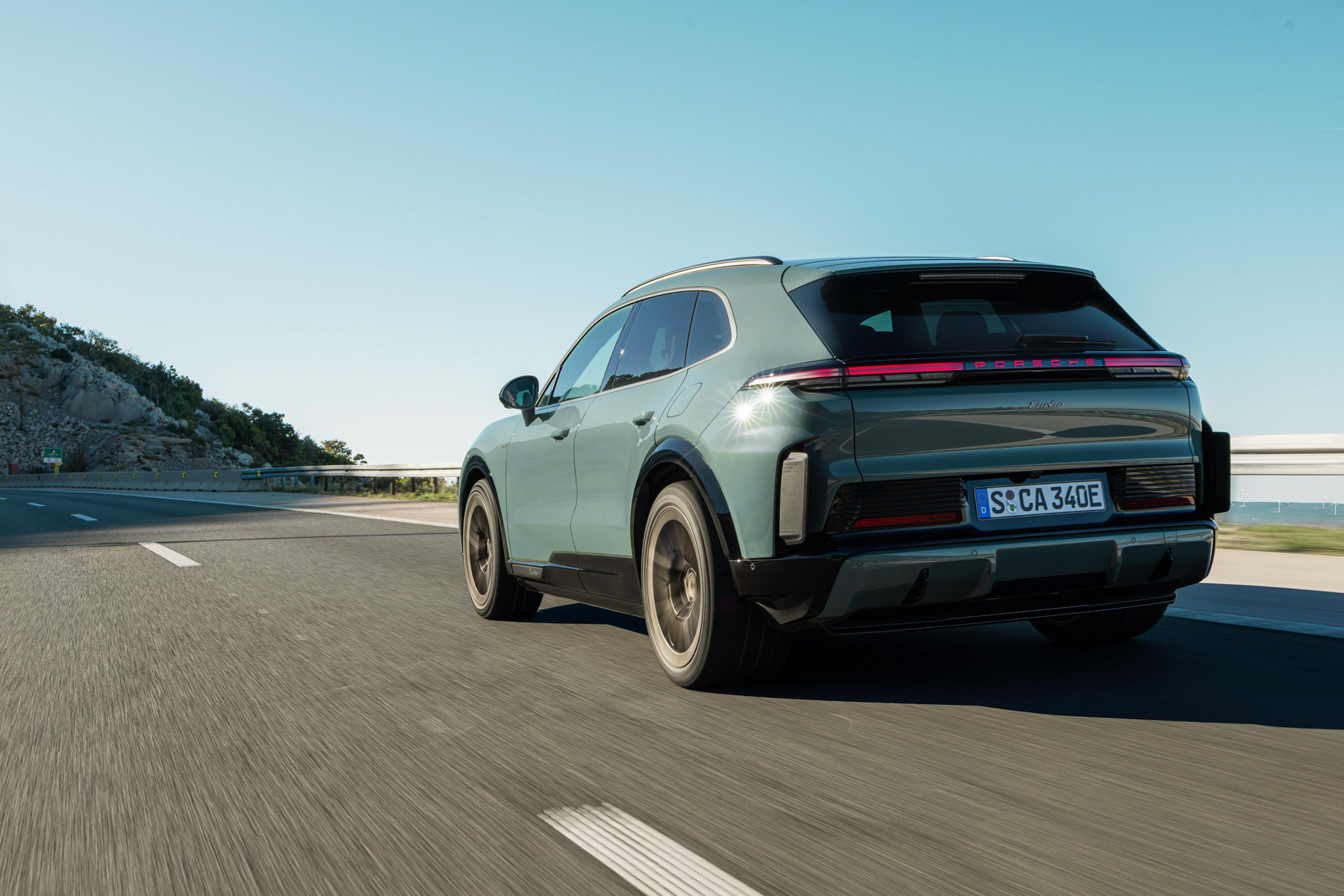
The Cayenne Turbo Electric is clearly the star of the show in this initial reveal. It puts out 845 horsepower as a baseline, but with launch control enabled, that’s bumped to a whopping 1,139 horsepower and 1,106 pound-feet of torque. Just like that, the Cayenne is now the most powerful P-car of all time. It’s not the fastest, but with a quoted zero-to-100 km/h run of 2.5 seconds and a quarter-mile run of 9.9 seconds, the Cayenne Turbo Electric is poised to be rather brisk.
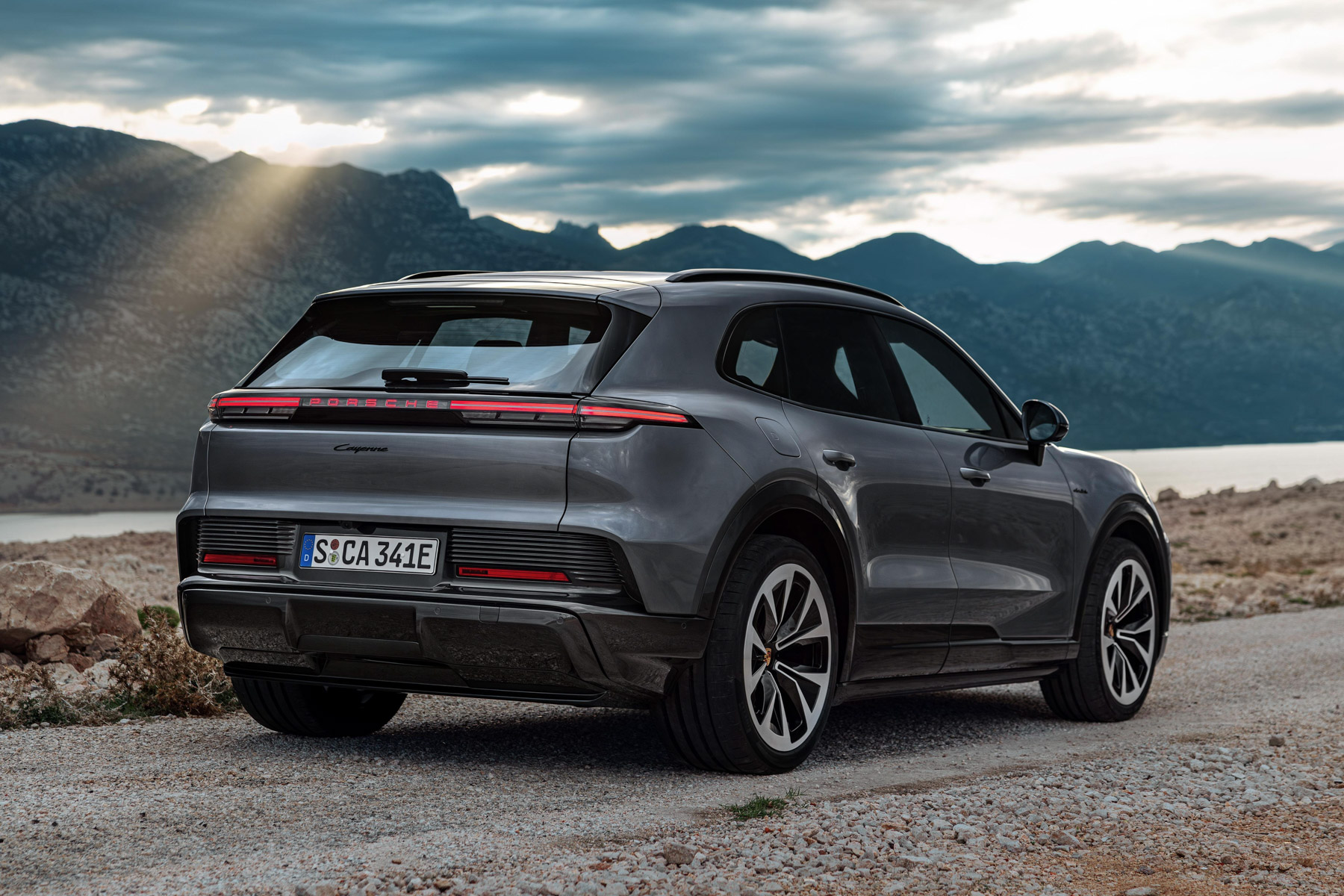
The base Cayenne Electric is a little more down-to-earth. It’s rated at 402 horsepower as a baseline; enabling launch control kicks it up to 435 hp. It may be slower relative to the Turbo, but its zero-to-100 and quarter-mile runs of 4.8 and 13.2 seconds are hardly slow. It’s about on par with the V8-powered Cayenne S, which we felt was the sweet spot of the gassers.
All Cayenne Electric models come standard with a two-valve air suspension setup and their PASM system. Playing around with the configurator — come on, you know you did it, too — 20-inch wheels are standard on the base Cayenne Electric, and you can upgrade to 21s or 22s. Turbos come standard with 21s, and 22s are optional. Spec a very specific 22-inch design and you can select stickier Pirelli P-Zero R summer tires for a few extra loonies. Turbos also get a locking rear diff, a better cooling setup, and the ability to regenerate up to 600 kW of power upon letting off the skinny pedal.
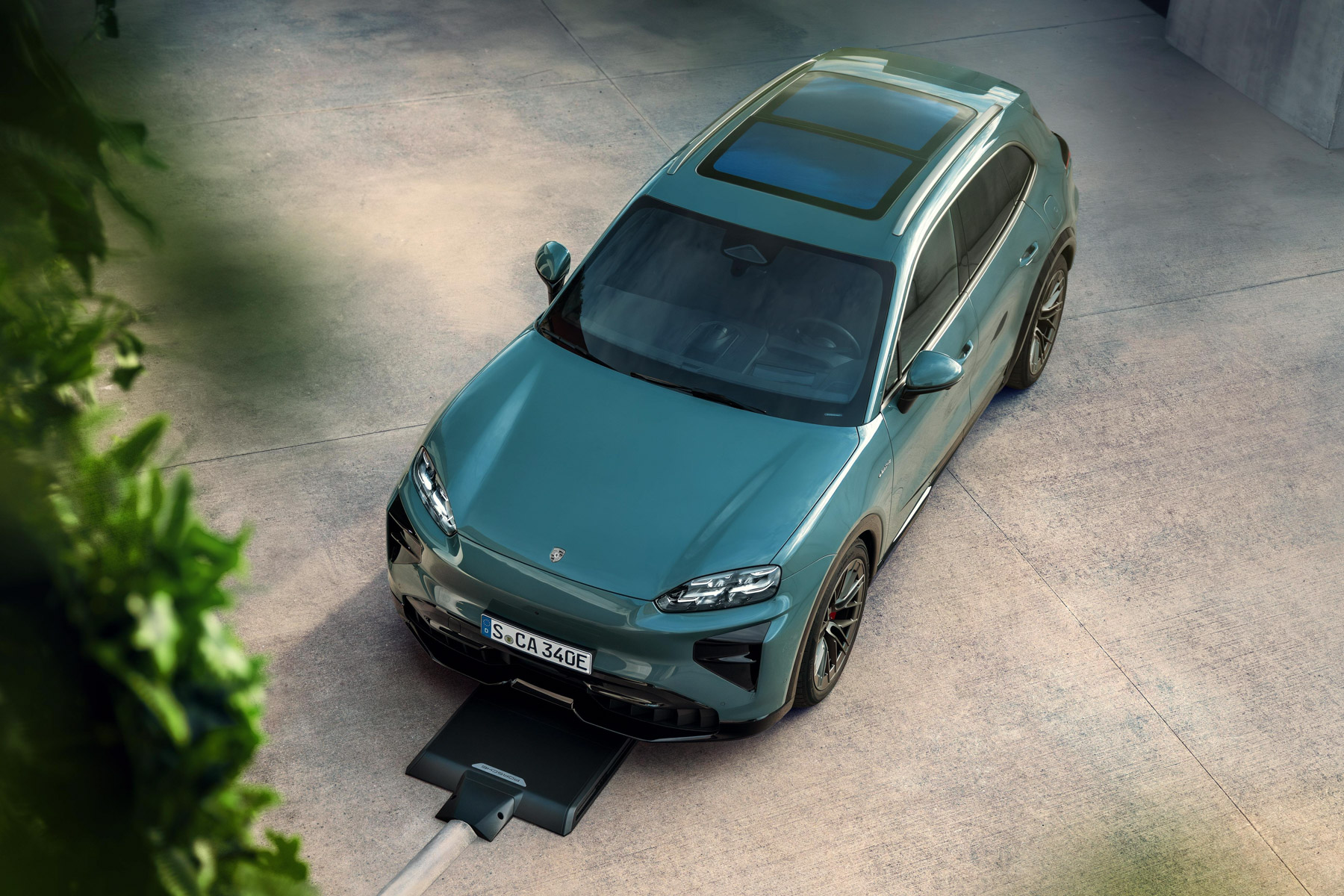
All Cayenne EVs are built atop Volkswagen’s PPE underpinnings, meaning they share a platform with models like the Macan Electric and Audi SQ6 E-Tron. They all use a 108 kWh net-capacity battery pack as well, and use an 800-volt electric architecture capable of recharging said battery pack at speeds of up to 400 kW — technically faster than any Level 3 fast-charger you can plug into in all of North America. Porsche lets you recharge the Cayenne Electric in one of three ways: using the Tesla-style NACS port on the left side for fast-charging on the go, the J1772 port on the right side for Level 2 charging at home or the office, or by parking atop an optional wireless charging pad.
Porsche also throws in an SAE Combo adapter — the non-Tesla fast-charger connectors you’re probably used to seeing. Using the adapter at a non-Tesla Supercharger gets you the fastest 10-to-80 per cent recharge, at 16 minutes. Porsche says it takes a bit longer using the NACS port directly, because those top out at 200 kW. Hooking up to a Level 2 charger, or using the wireless charging pad, is good for 11 kW, though Porsche didn’t say how long a full charge would take. Range estimates come in at 642 and 623 kilometres for the base and Turbo models, respectively.
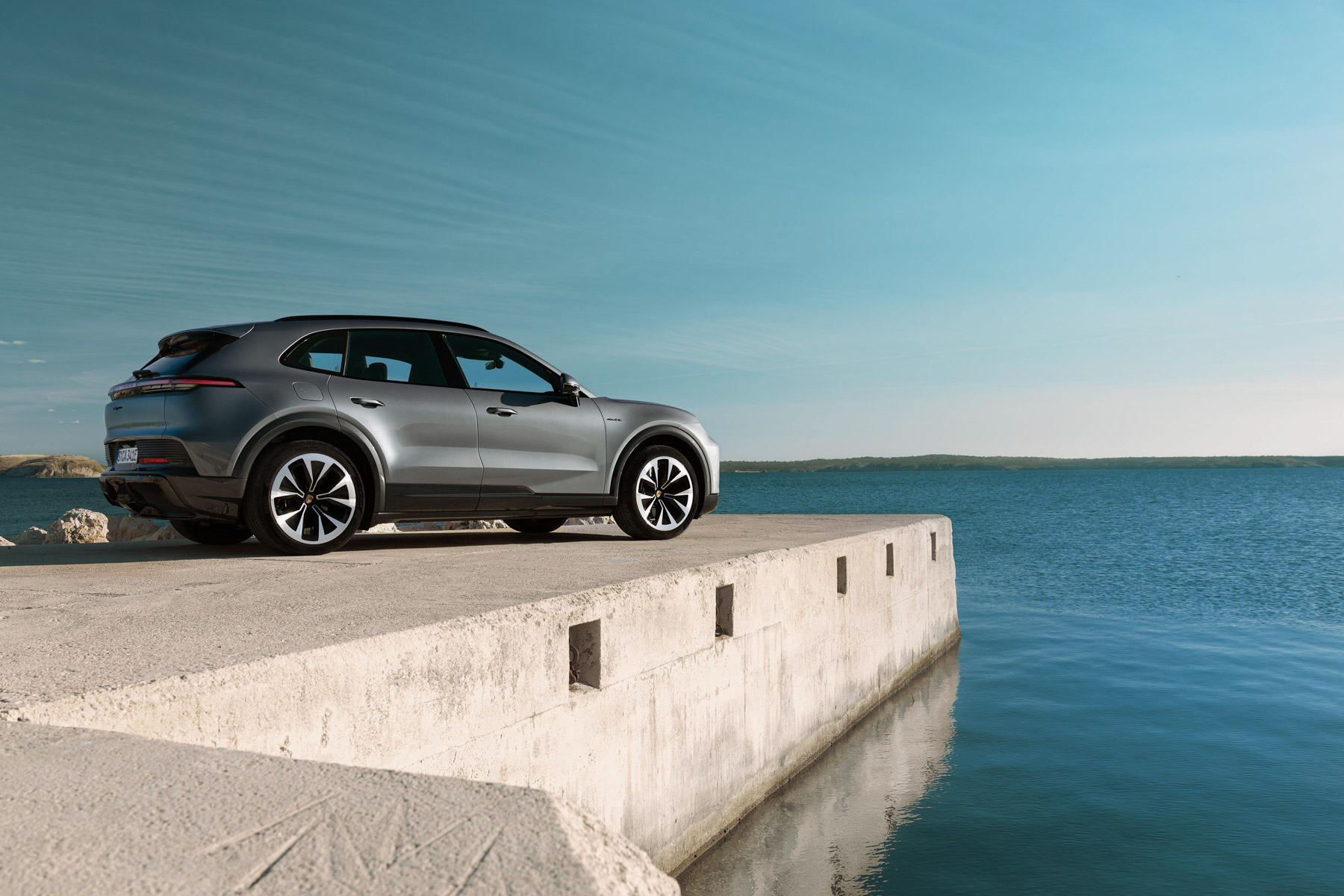
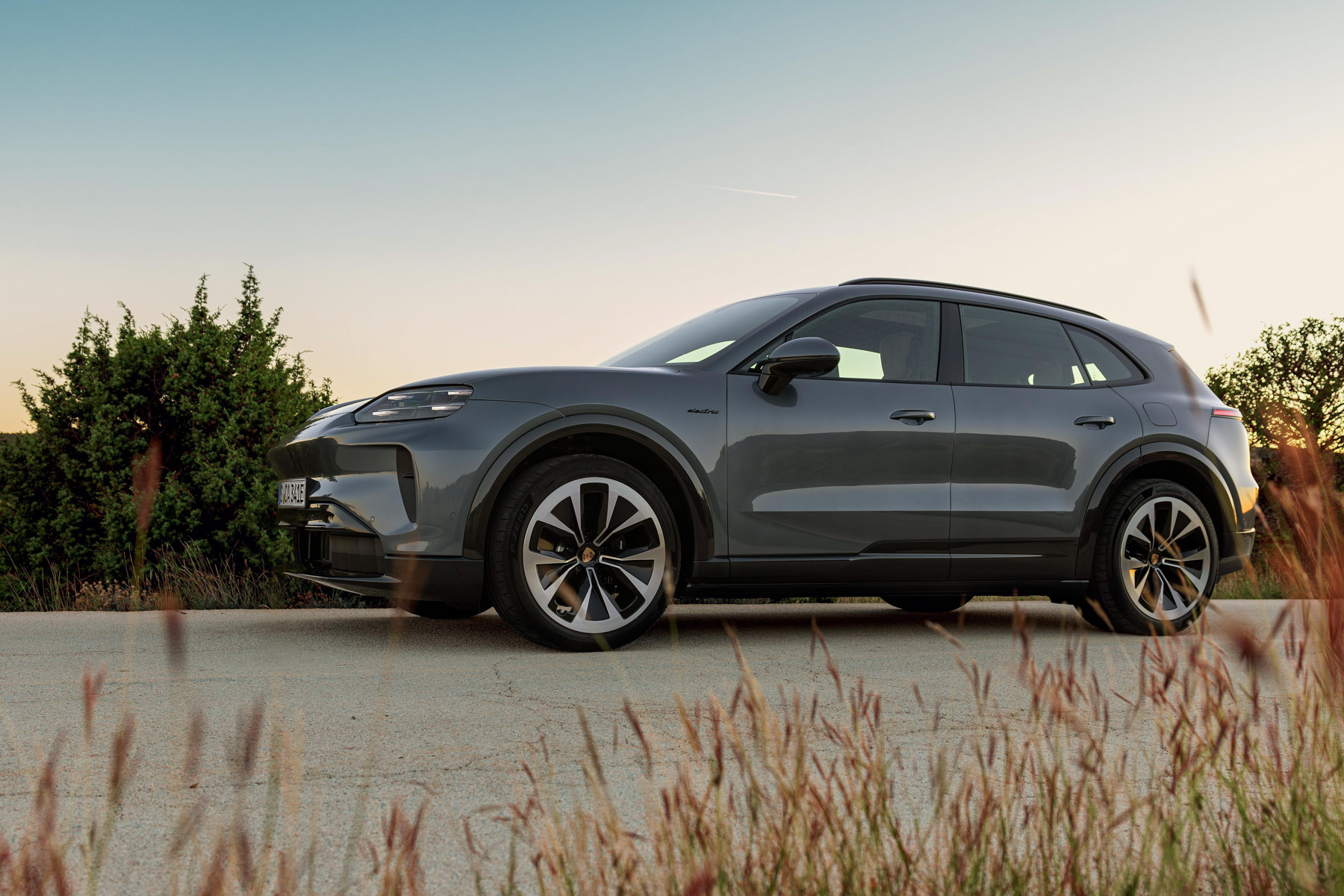
The battery design is an interesting one. Most other EVs enclose the battery in a one-piece shell, but Porsche instead bolted six modules to the Cayenne EV’s floor. Each module contains 32 cells, and another cover gets bolted on top of that. This yields two benefits; the obvious one being servicability. This way, you don’t have to take apart nearly the entire friggin’ car to service the battery. The second benefit to this battery design is, well, the overall design of the Cayenne Electric. Like the Macan EV, it’s billed as a separate model from the gassers, and therefore has a separate body. The Cayenne Electric’s silhouette is sleeker than the gas Cayenne, lowered by about an inch, but the lower floor means you have more headroom.
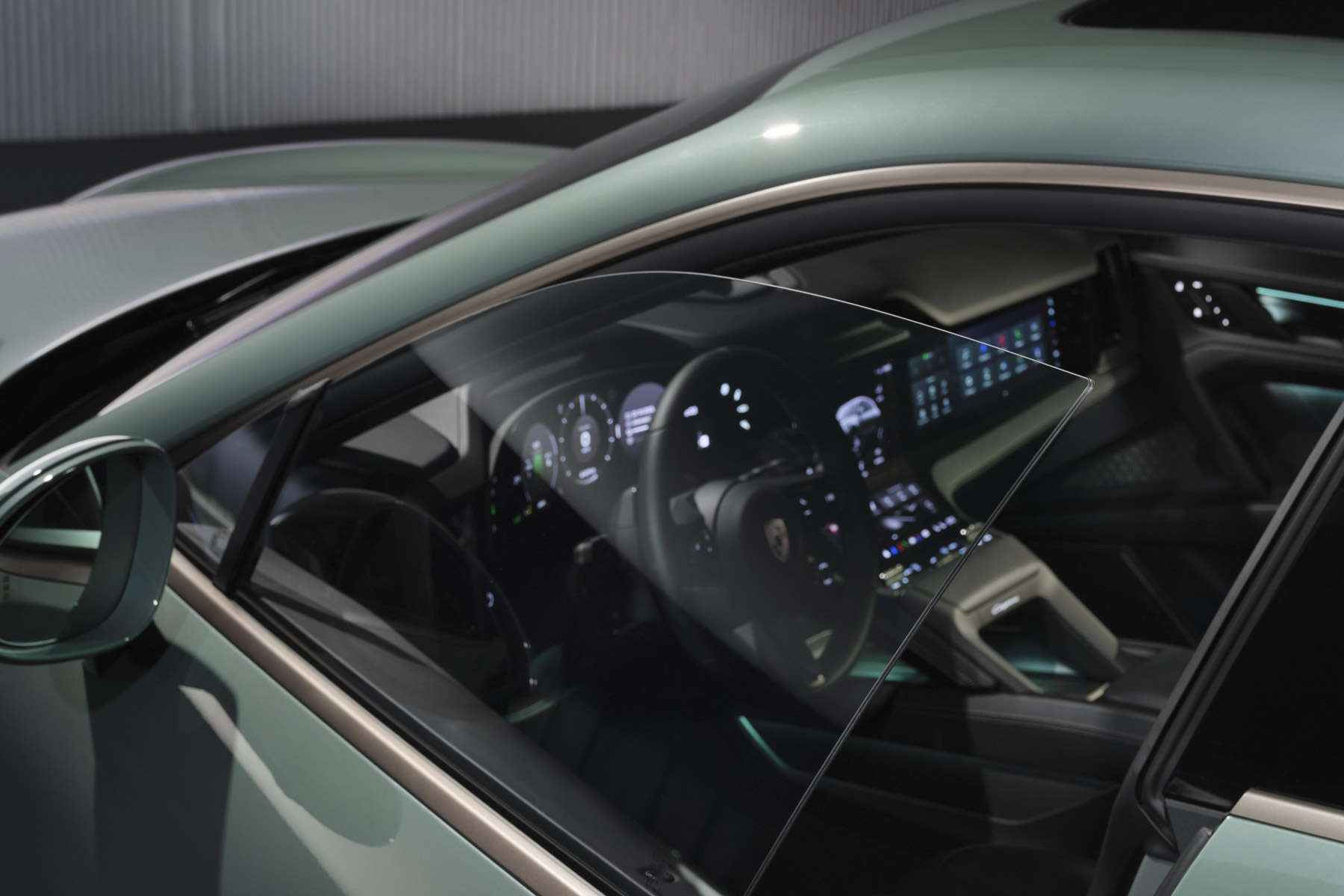
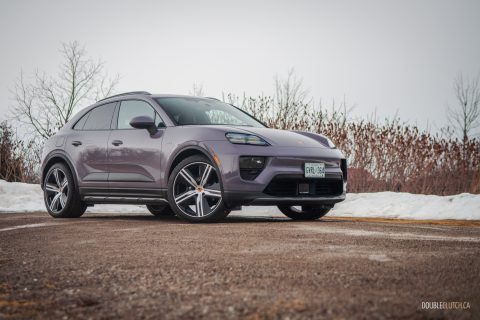
The Cayenne Electric shares many design cues with its siblings. We see a lot of Taycan and Macan EV in the front fascia, albeit more squared-off. Perhaps we need to see it in-person, but the side profile looks a little visually chunky with the high belt line, big wheel arches and body cladding, and the sharper-edged rear quarter window. The Taycan and Macan EV influences appear once again ’round the back, finished off with P-O-R-S-C-H-E lettering that obviously lights up.
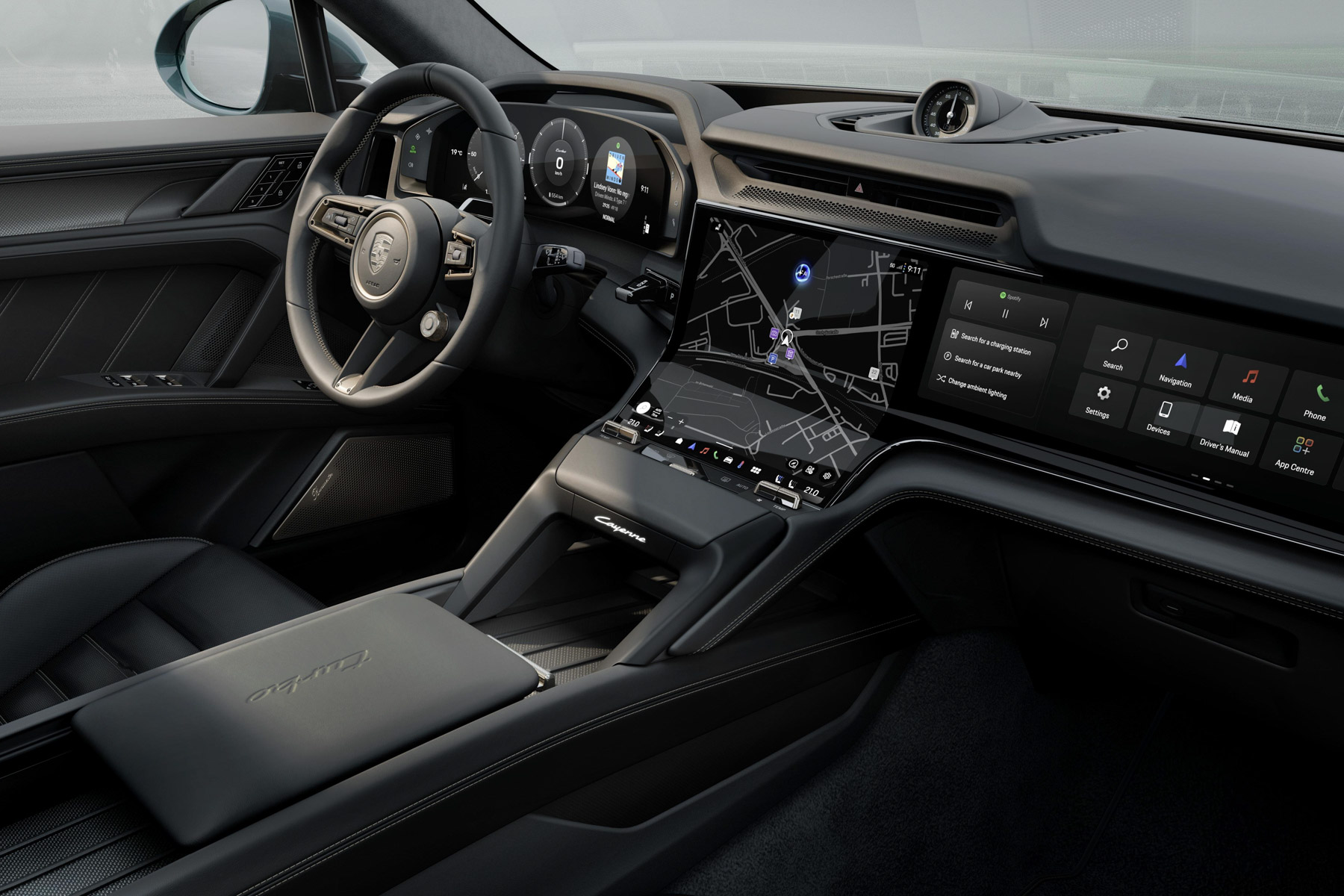
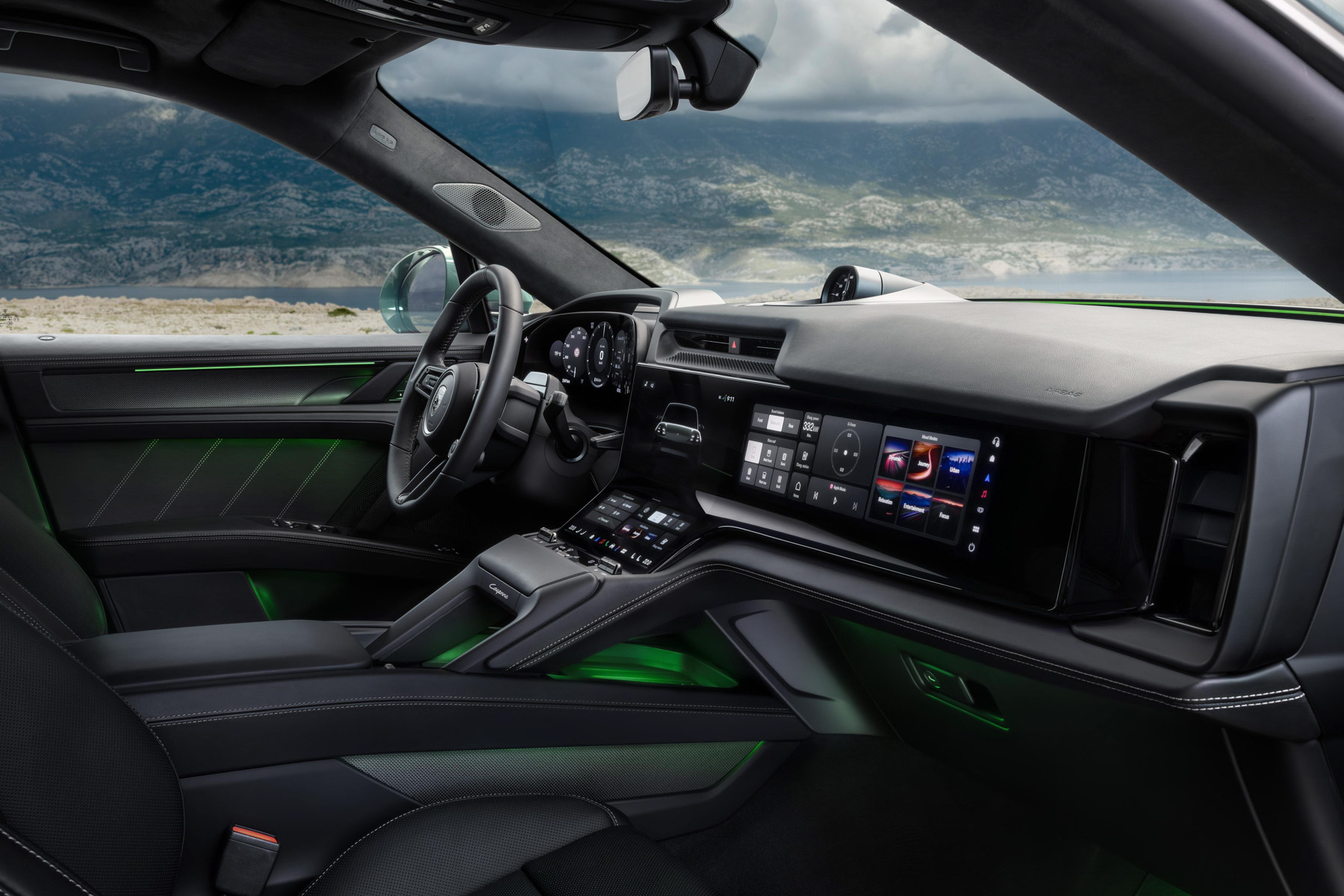
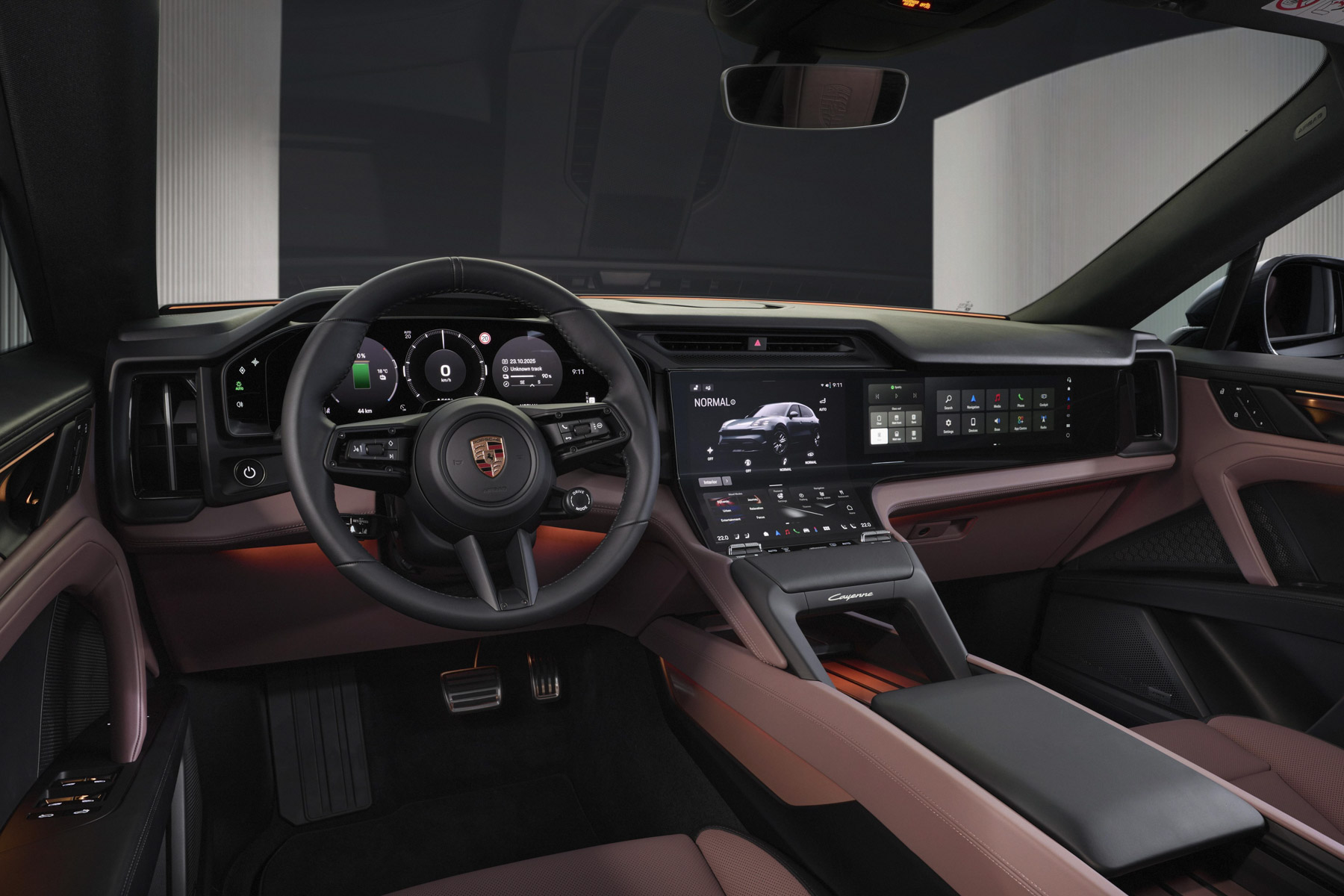
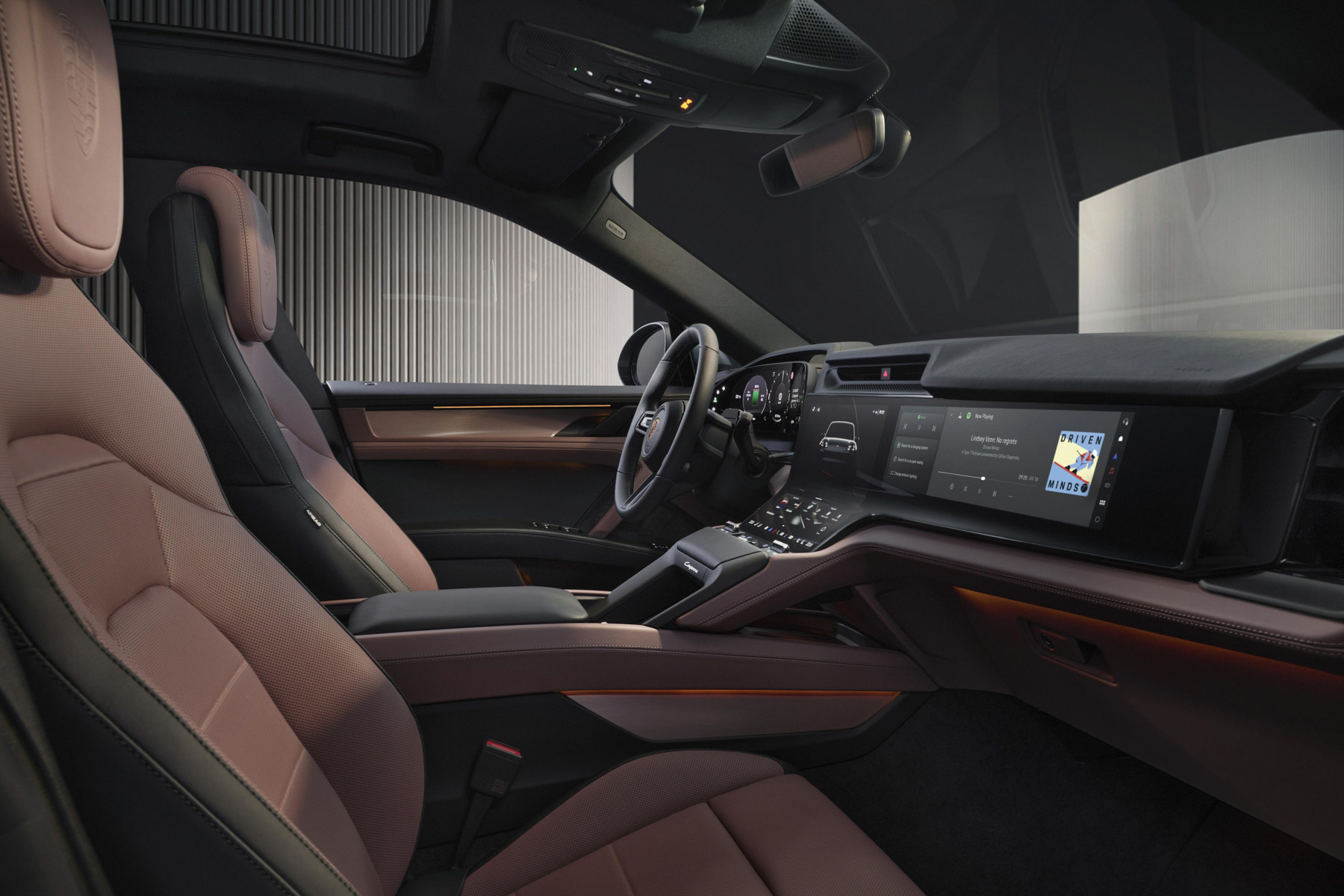
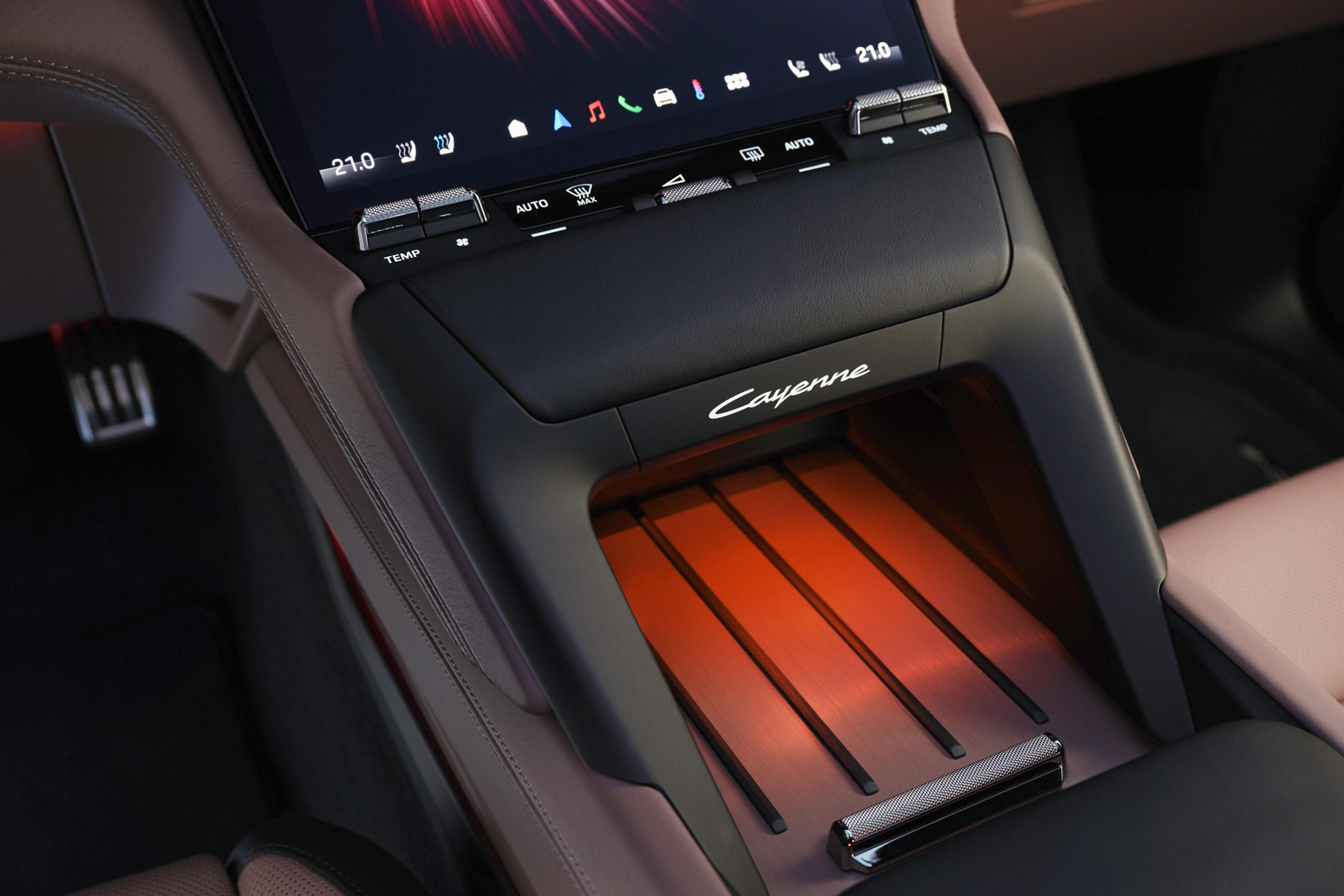
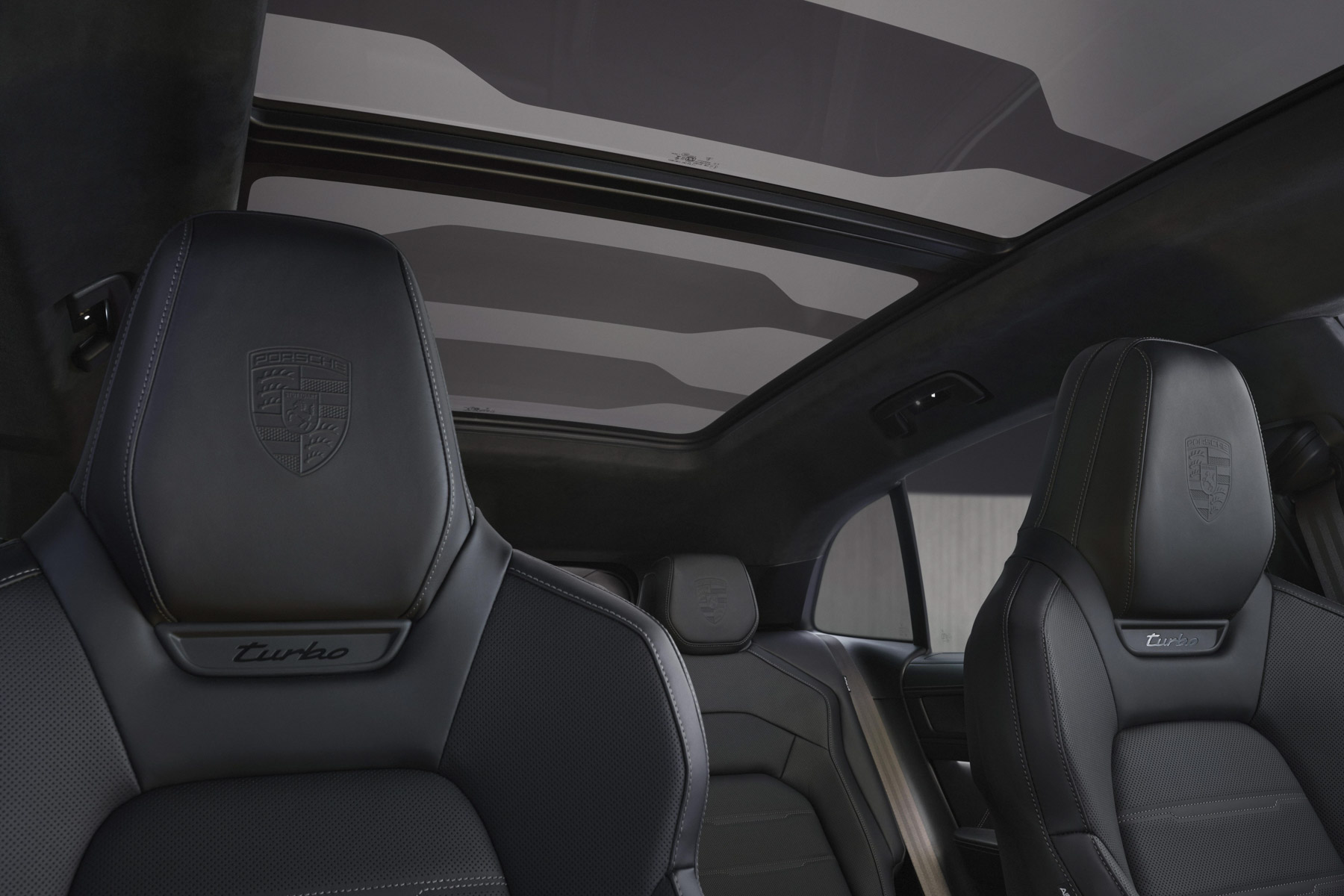
Inside, the Cayenne Electric doesn’t skimp on the screens. The central 12.25-inch touchscreen spills into a secondary screen encompassing the lower climate controls, a row of physical switchgear, and a wrist rest. As much as we complain about screen overload and gloss-black-everything, this solution does look slick, and as fans of mouse pads with jelly wrist rests, surprisingly ergonomic. Of course, there’s an optional screen for front passengers as well, and a 14.25-inch display serves as the gauge cluster. It all looks well-integrated, and because it’s a Porsche, probably well-built.
Pricing kicks off at $131,300 for the 2026 Porsche Cayenne Electric, $178,300 for the Cayenne Turbo Electric, and deliveries begin next summer. Now let this marinate: the Cayenne, the one purists reviled almost a quarter-century ago, is now the most powerful Porsche.