Just because Stellantis’ electrification plans look a lot different today than they did even a year ago, doesn’t mean they’ve pulled the plug entirely — pun not intended. Electric Jeeps are still coming; the Wagoneer S is finally real and tangible, and at long last, the 2026 Jeep Recon is next.
In all fairness, we were supposed to see this thing a lot sooner. Jeep unveiled the Recon at the tail end of 2022 as a concept — albeit one that looked very production-ready. From there, the production-spec Recon was supposed to follow in 2023, and production scheduled to kick off in 2024. But even with much of parent company Stellantis’ electrification plans walked back, delayed even further, or downright cancelled, Jeep is still working to future-proof its lineup. To that end, the 2026 Recon is very much better-late-than-never.
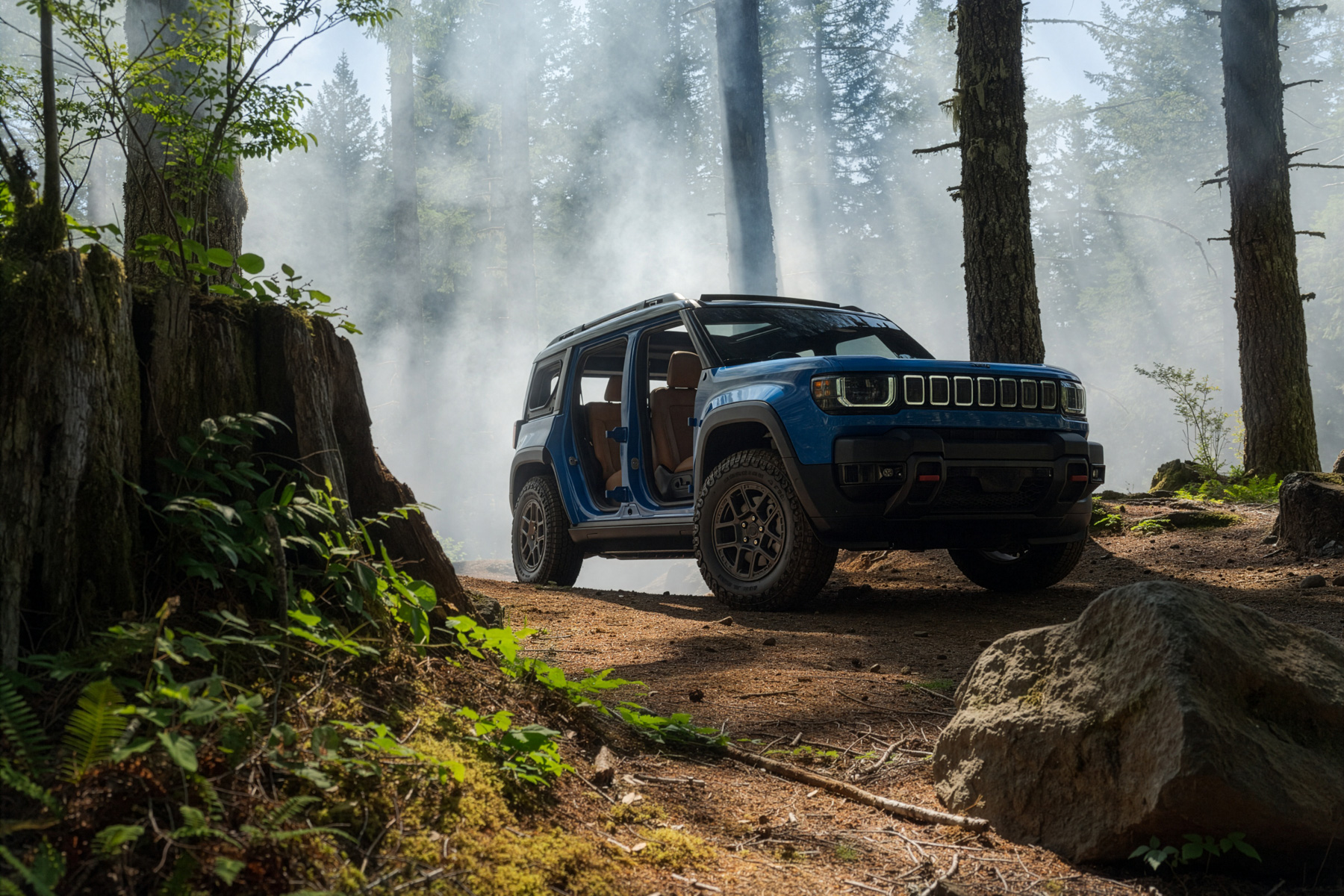
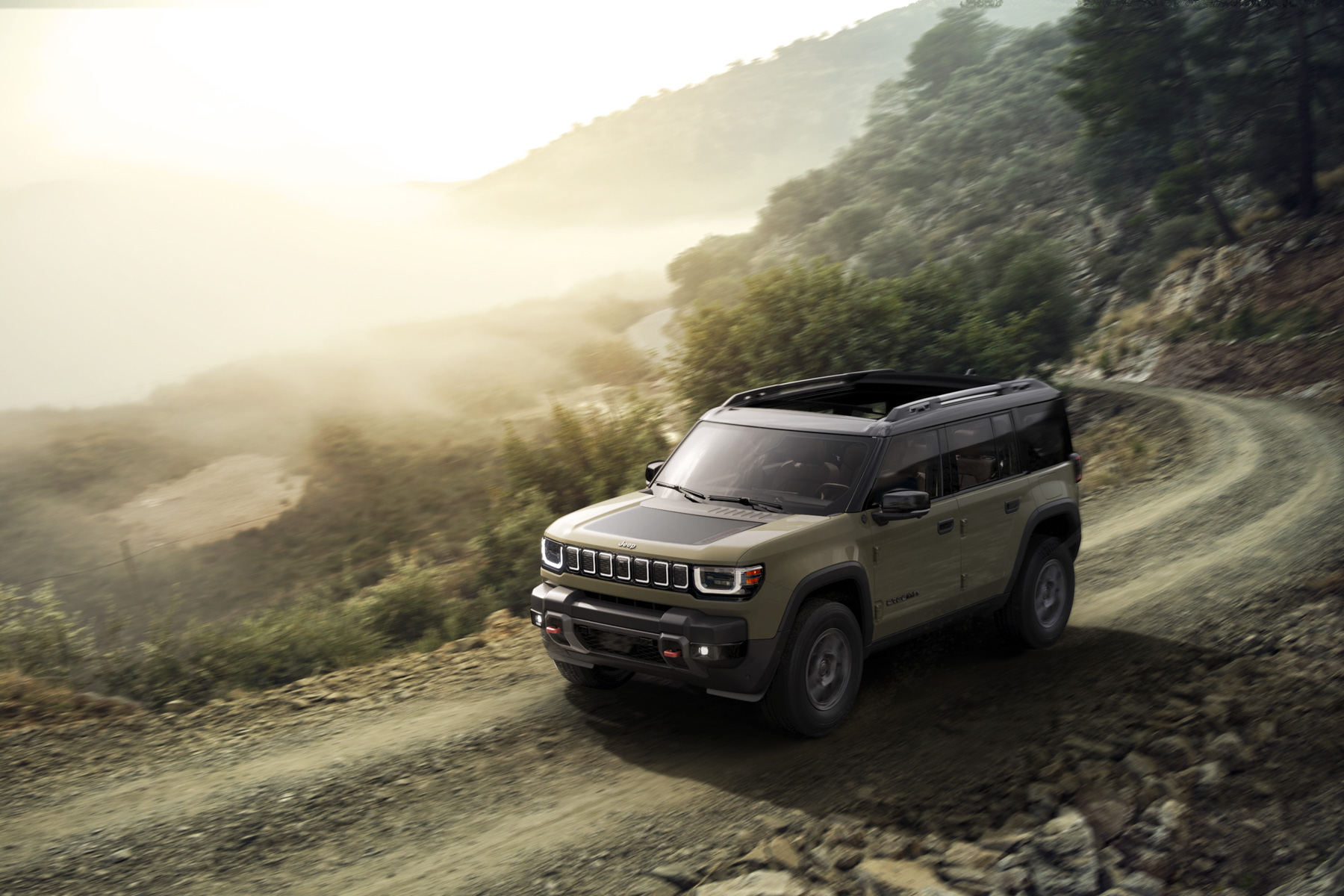
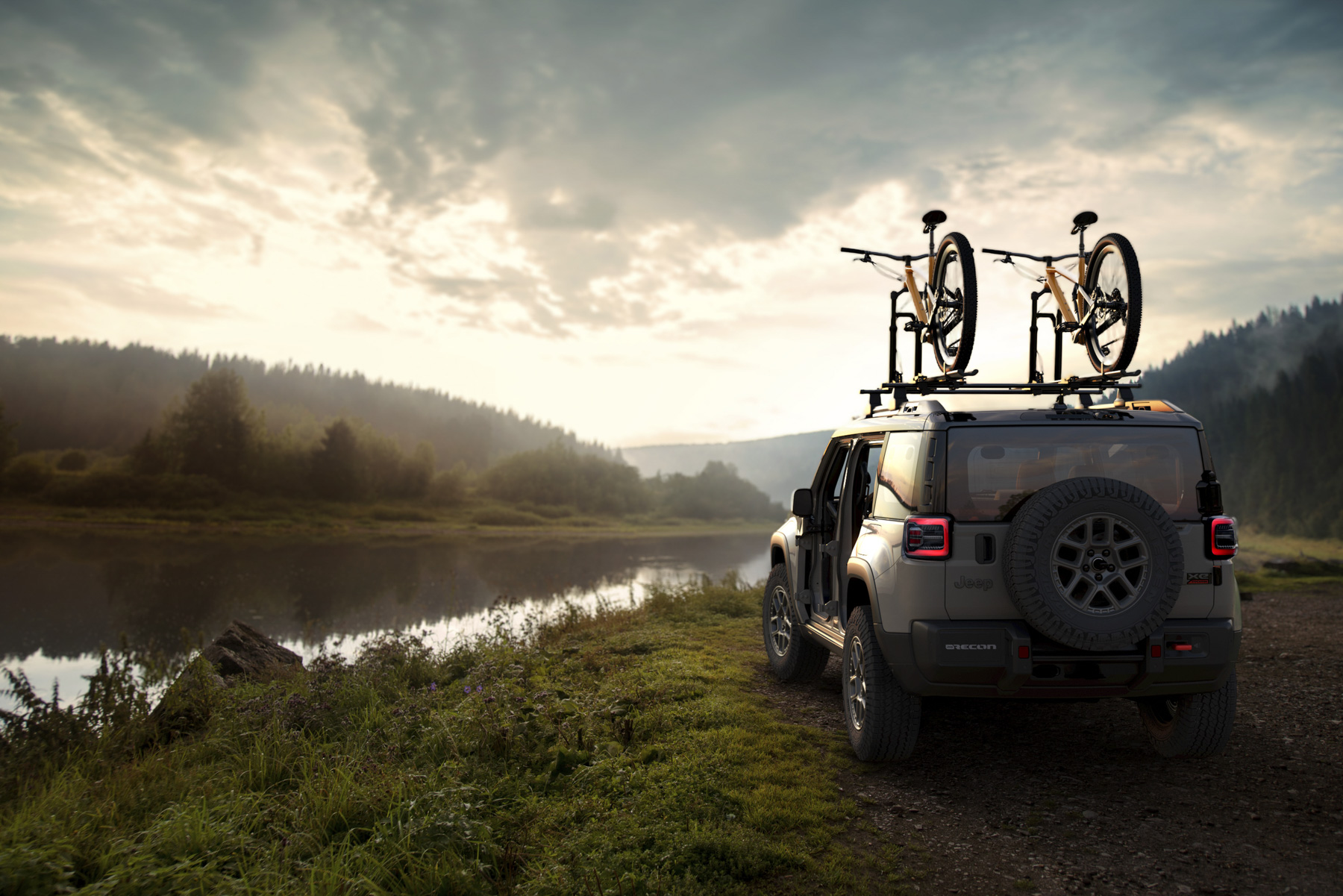
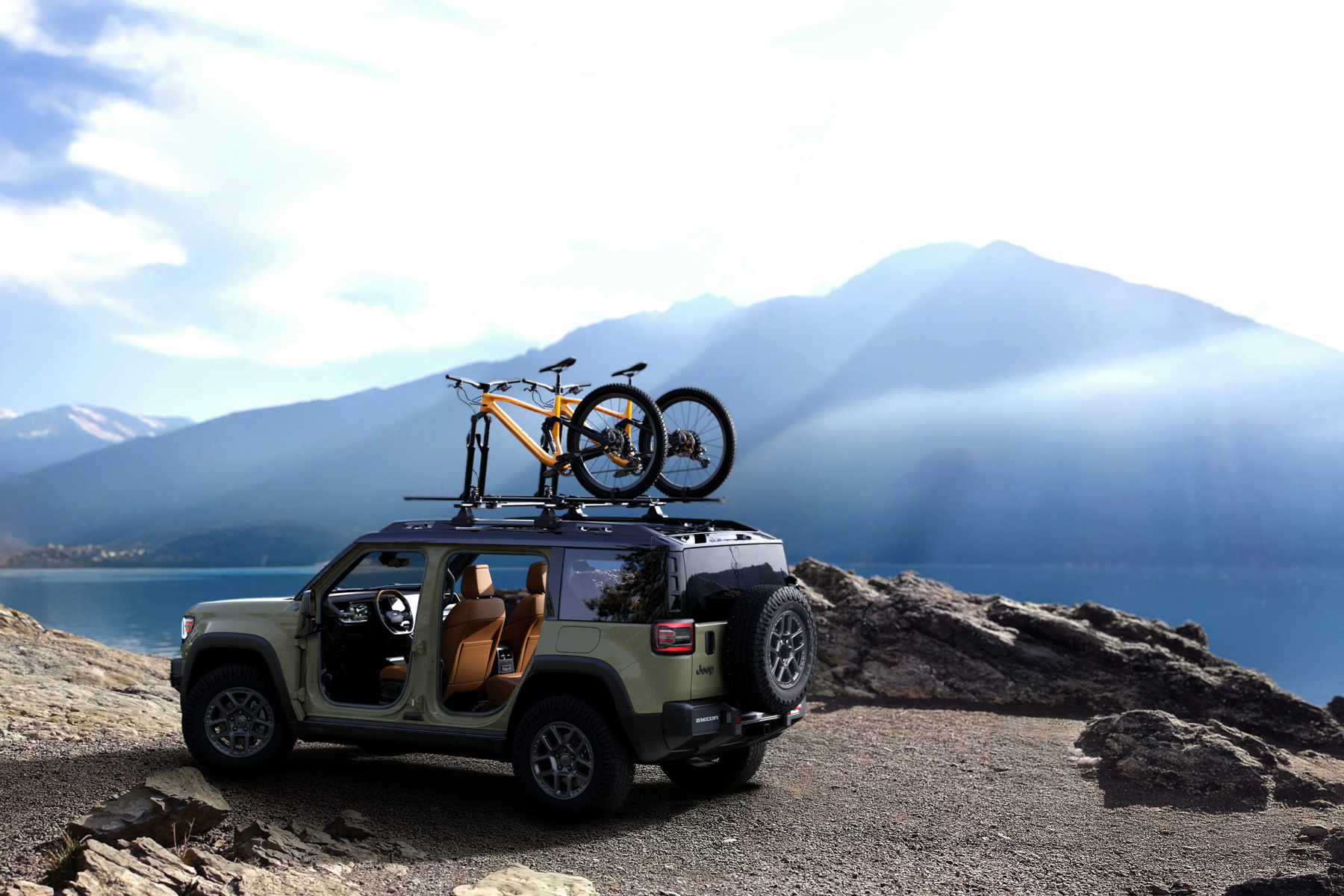
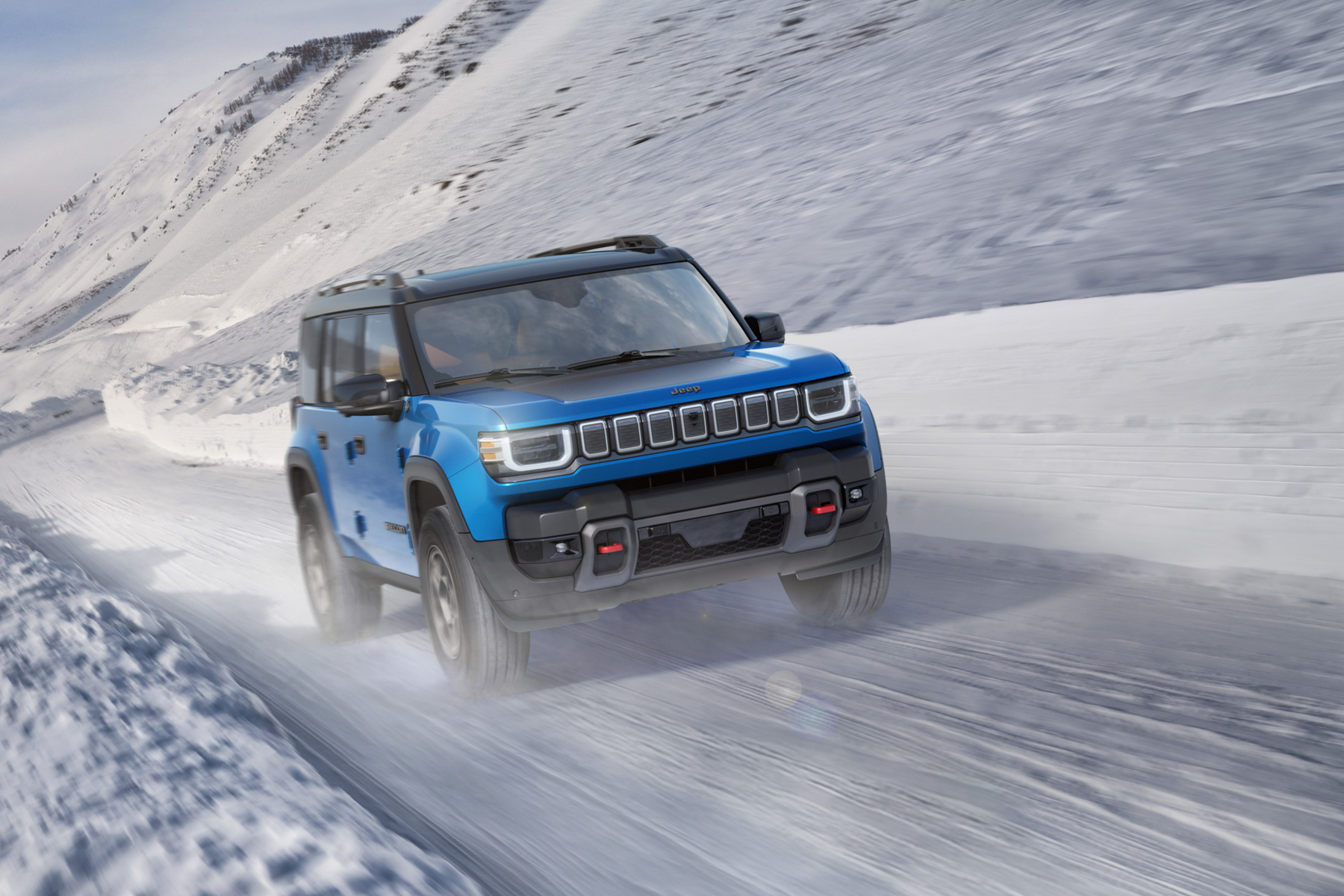
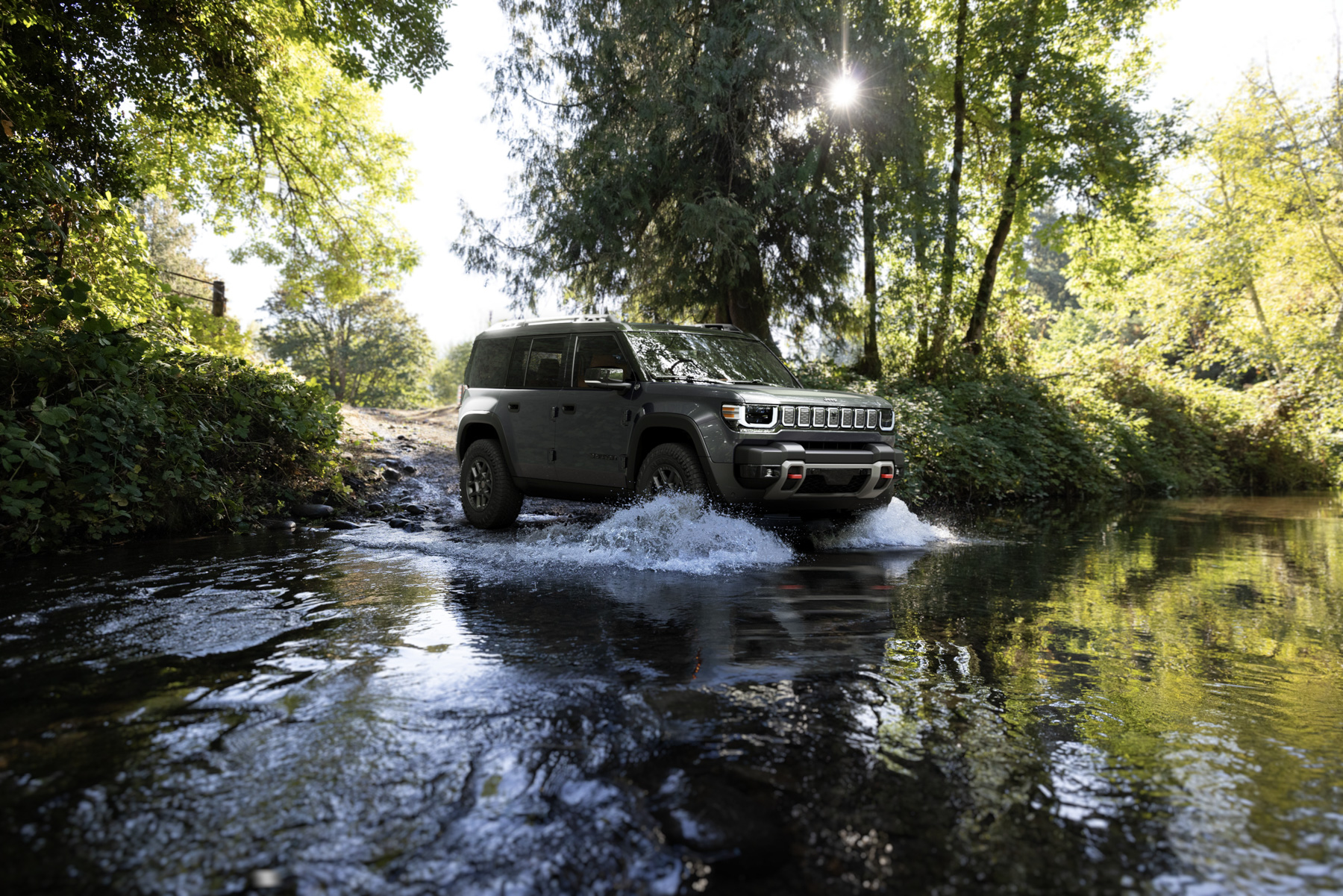
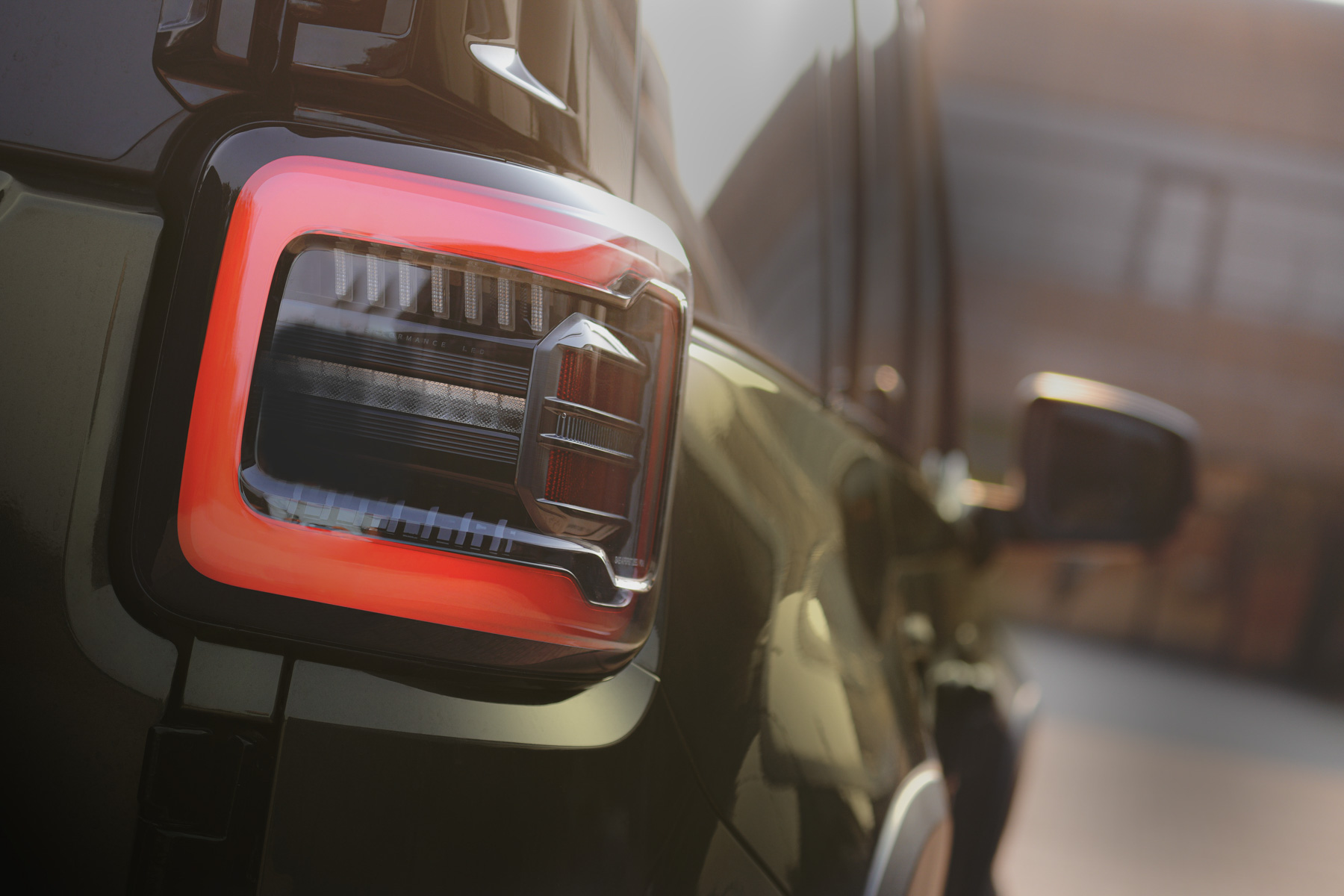
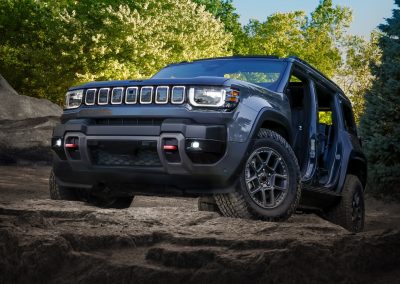
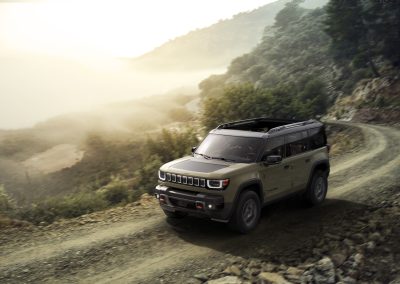
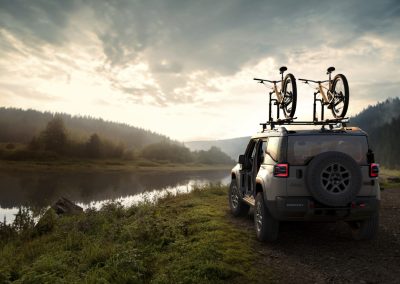
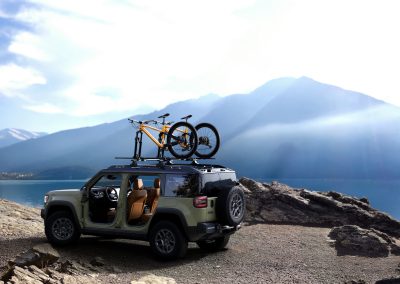
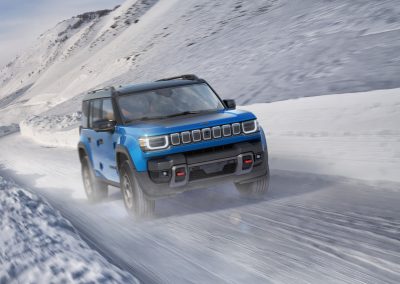
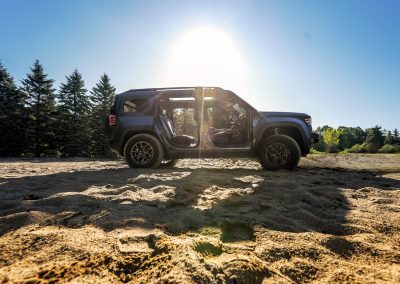
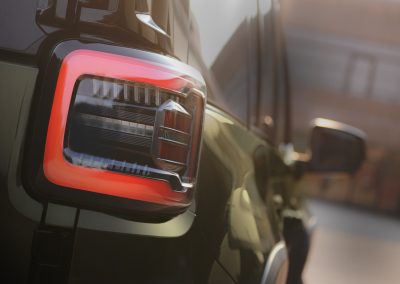
Right away, the 2026 Recon is recognizably Jeep. It draws heavily from the Wrangler, with its boxy aesthetic, tail light design, and externally mounted spare tire. The front end, particularly the headlight and grille treatment, is reminiscent of the reborn Cherokee. Keep squinting and there’s shades of Land Rover Defender with how the wheel arches bulge out, and the top half of the Recon could pass as a Bronco. The Recon will launch first with only the Moab trim, pitched as the extra-rugged
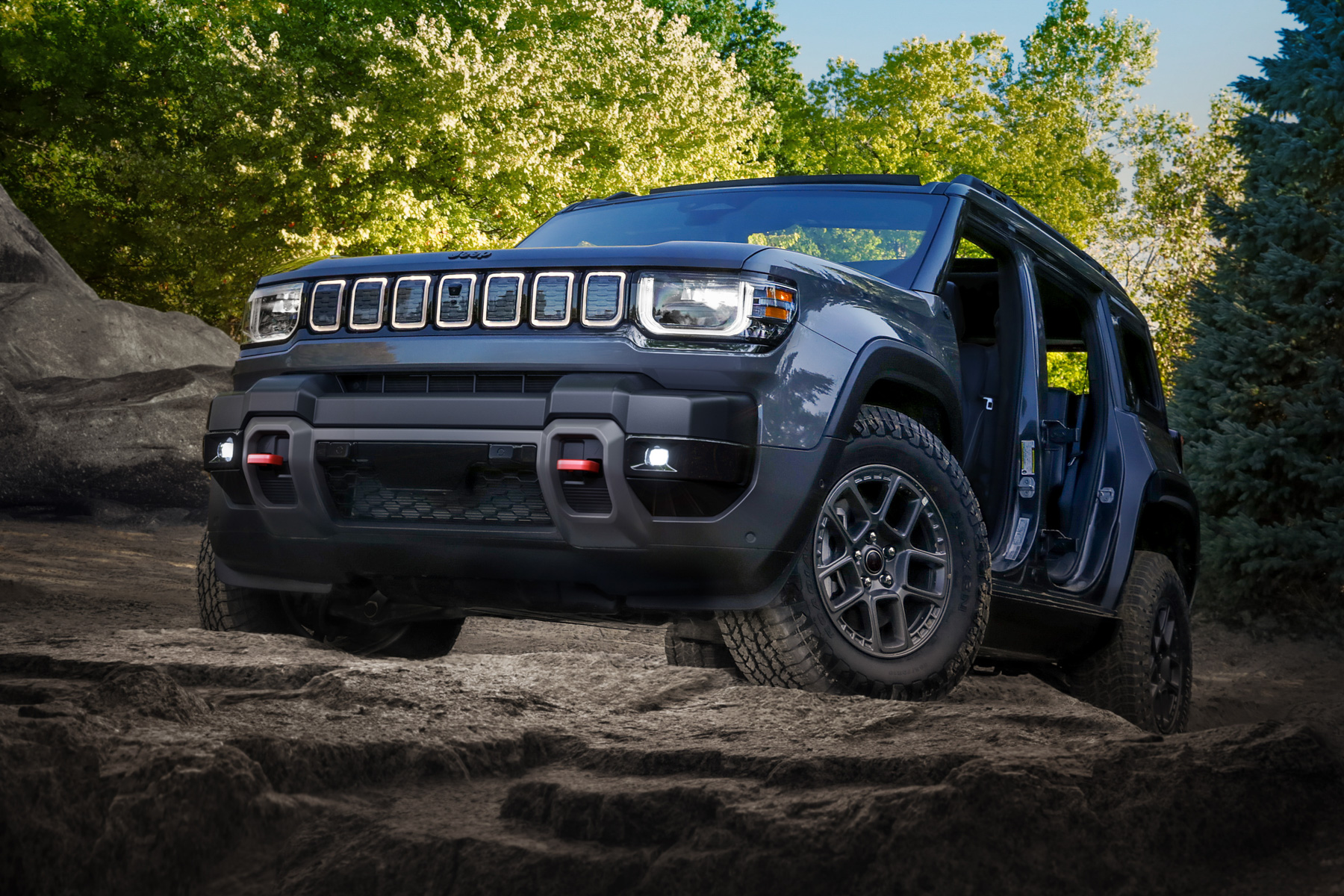
Right away, the 2026 Recon is instantly recognizable as a Jeep. It draws heavily from the Wrangler, with its overall boxy aesthetic, tail light design, and externally mounted spare tire. We see a lot of the reborn Cherokee up front, particularly in the headlight-and-grille section. If we squint a little more, the bulging, integrated fender flares give us shades of Land Rover Defender, and the top half of the Recon could probably pass as a Bronco. The first trim making its debut is the Recon Moab, pitched as the rugged variant with gloss black trim, red accents, a matte hood graphic, optional rock sliders, and the requisite badging.
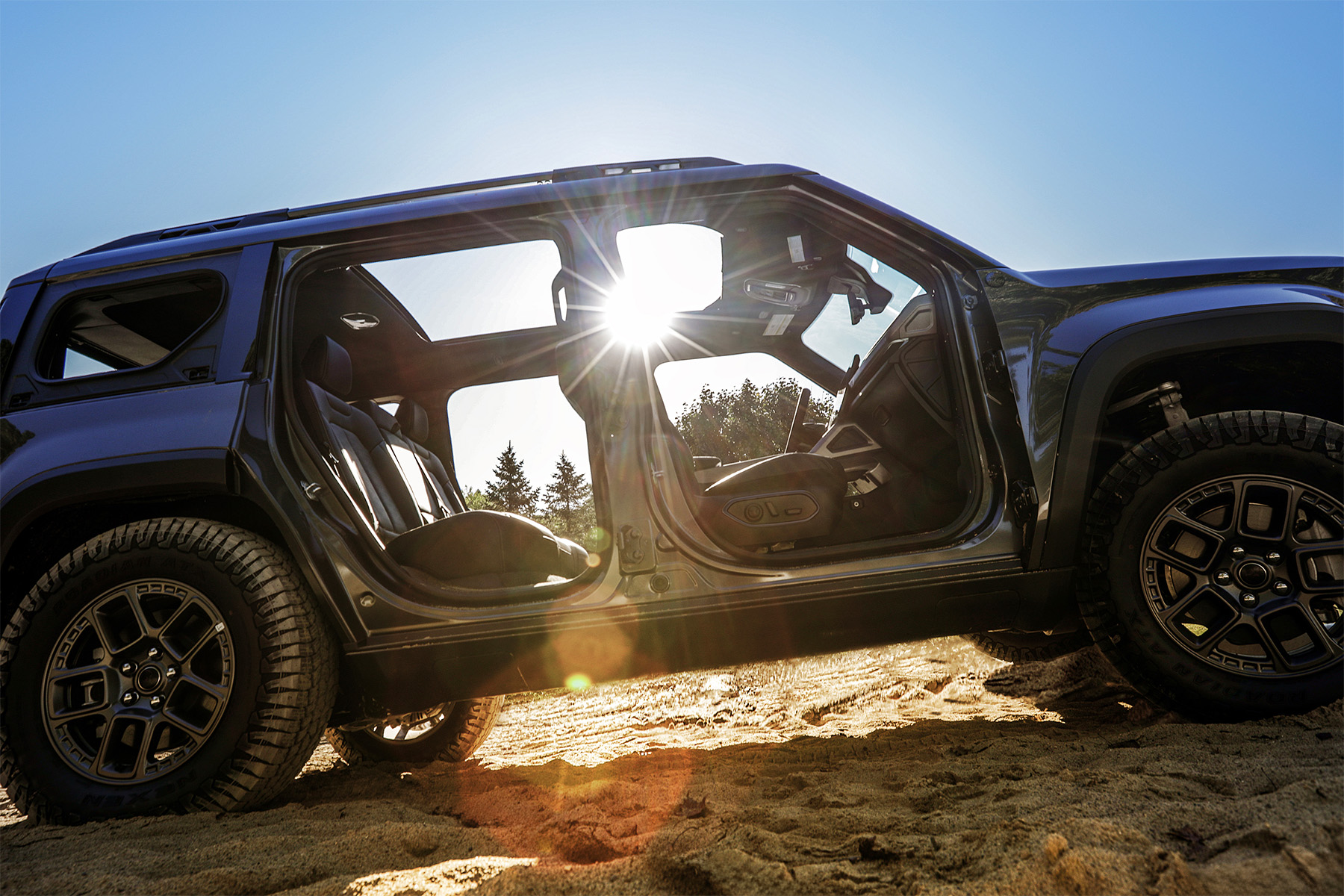
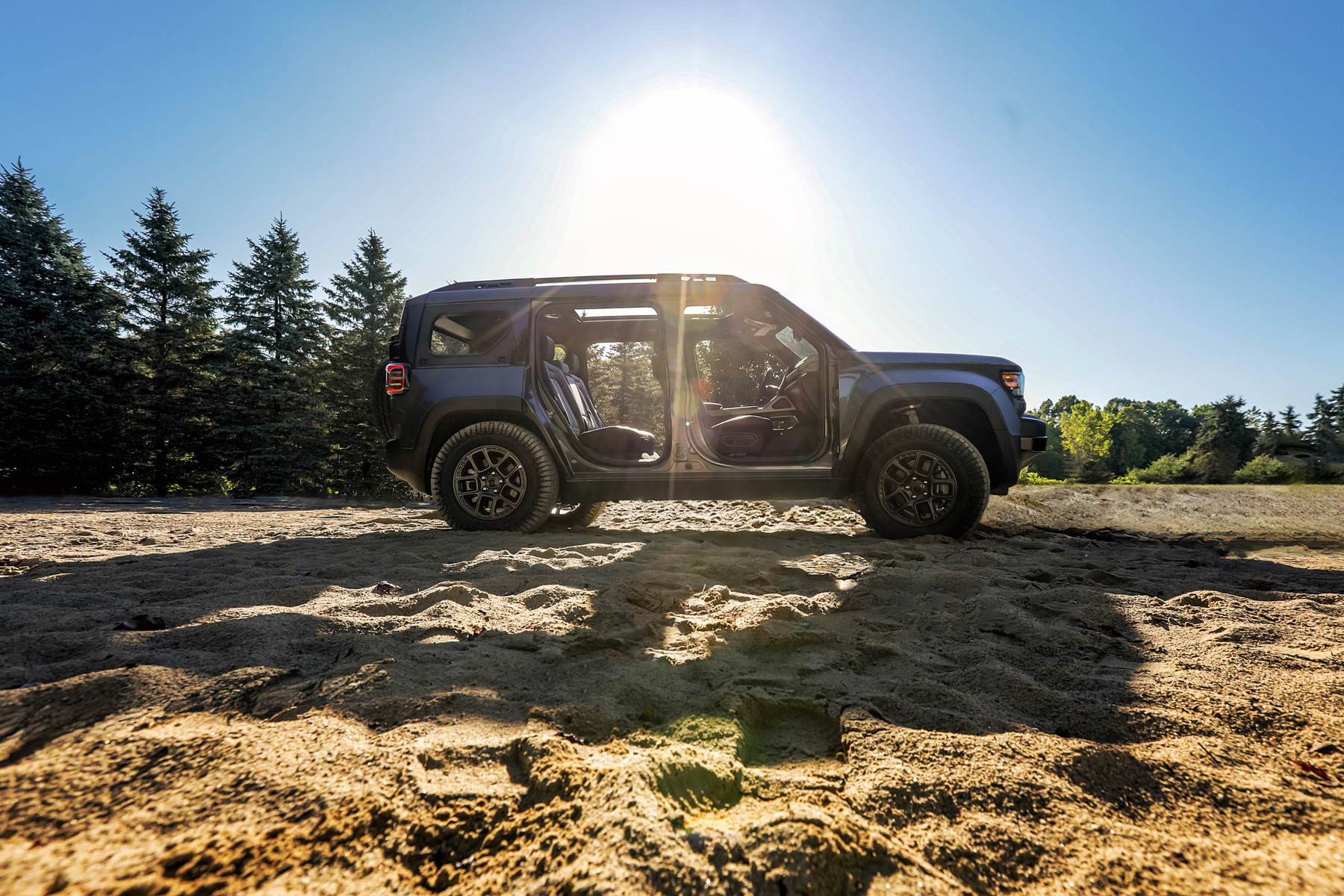
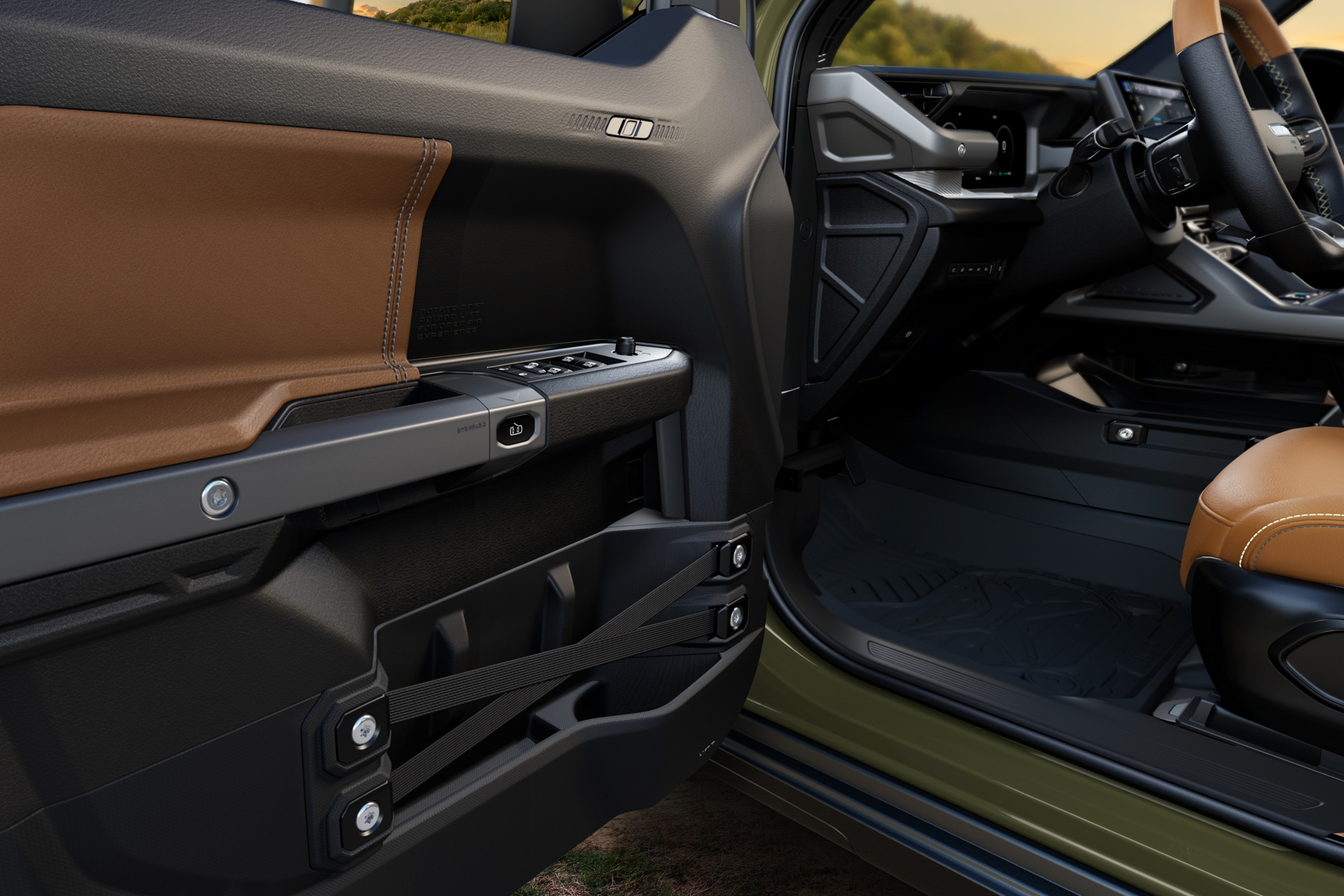
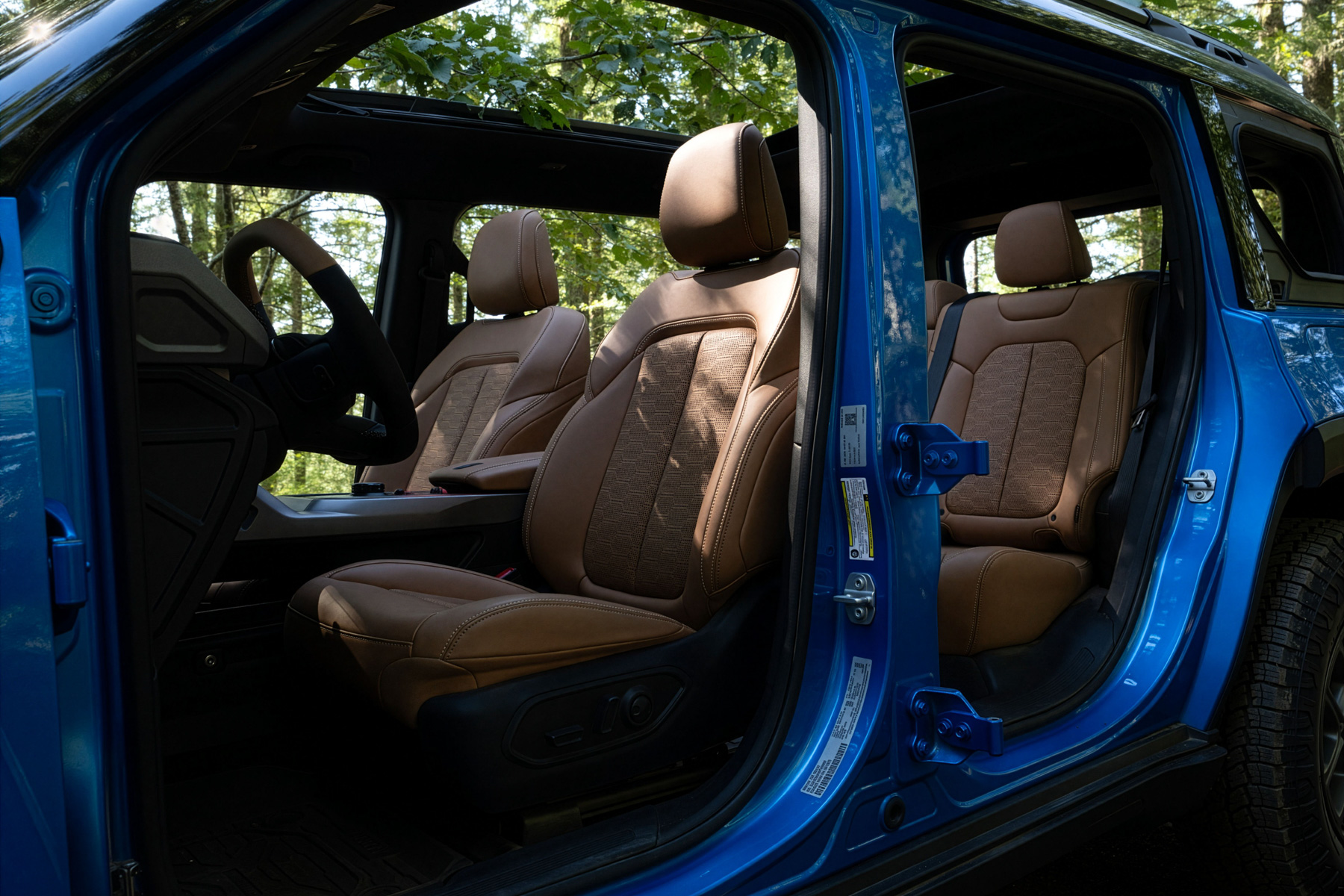
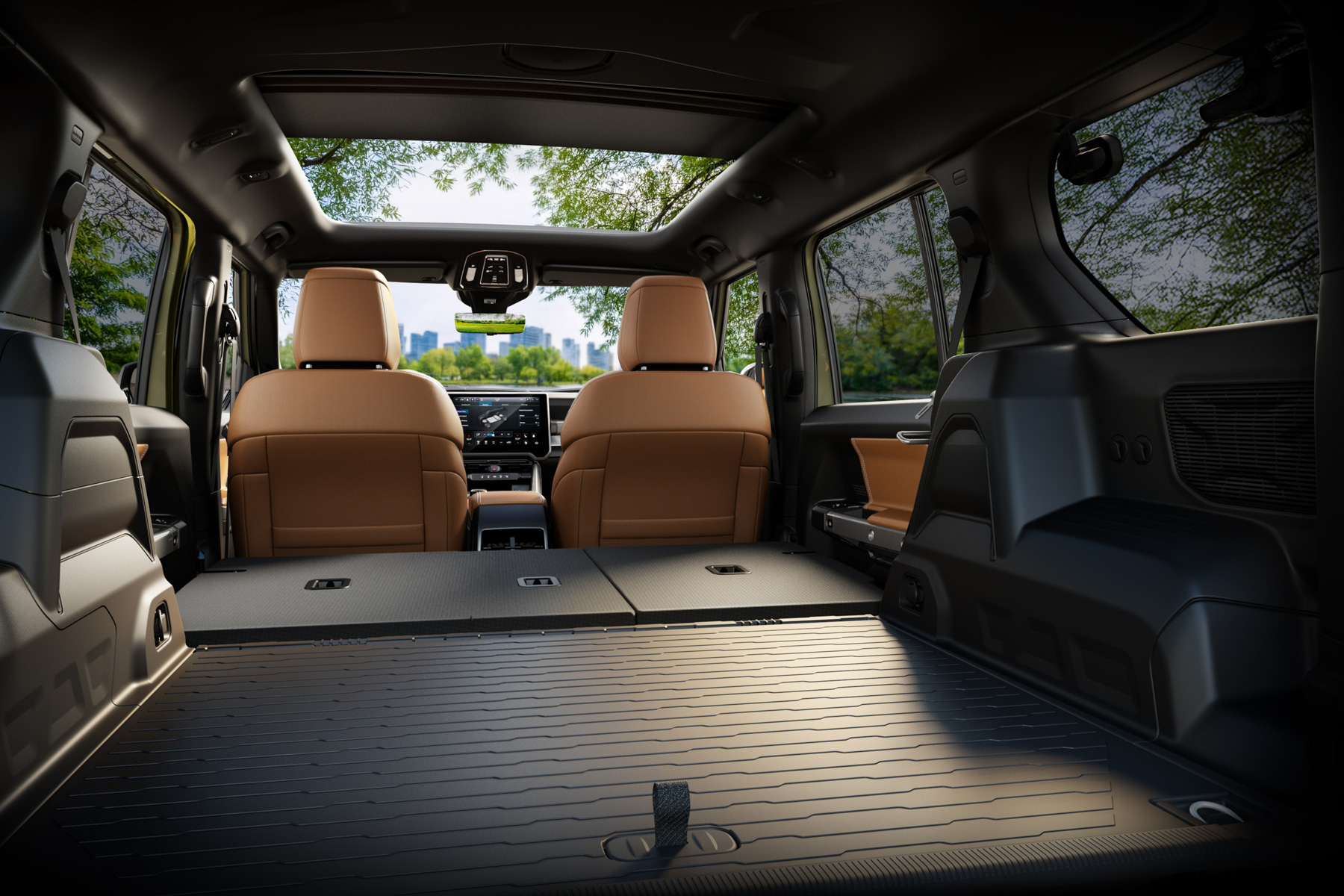
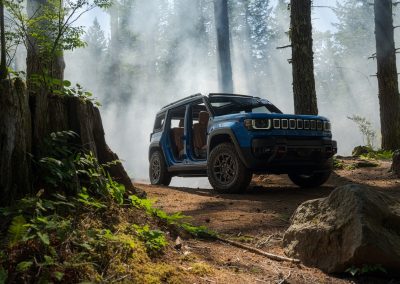
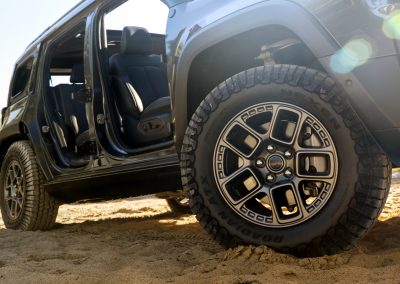
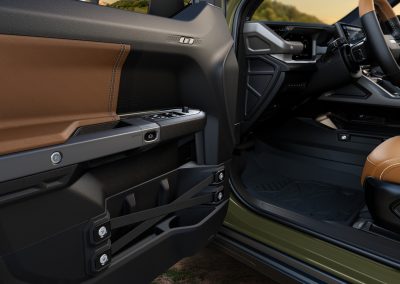
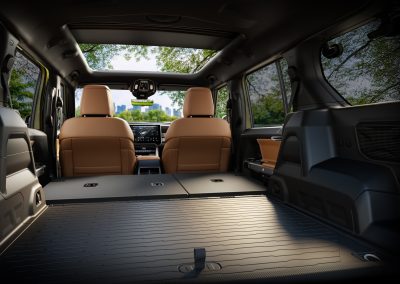
Playing up the Wrangler influence are the Recon’s removable doors. They’ve made the removal process much easier here: the flush-mounted handles have an electronic release, meaning no tools are required, though you still might want someone else’s help to lift. Also removable is the rear quarter and tailgate glass, though unlike the Wrangler, the windshield stays put. The roof itself also stays put, but Jeep keeps the al-fresco experience going with a standard panoramic sunroof, or its optional Sky One-Touch power top that’s really more of a fabric sunroof. Still, fresh air’s fresh air.
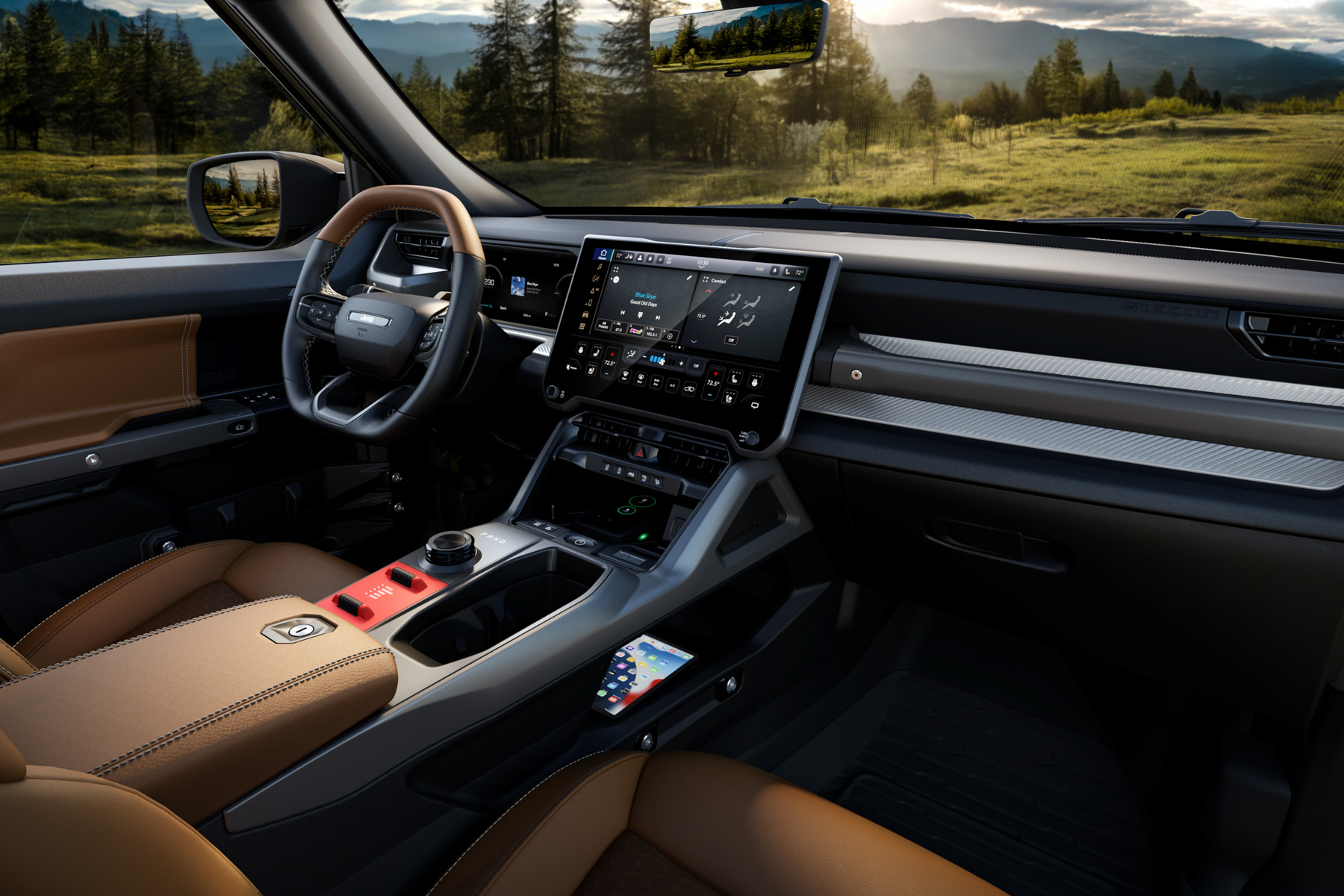
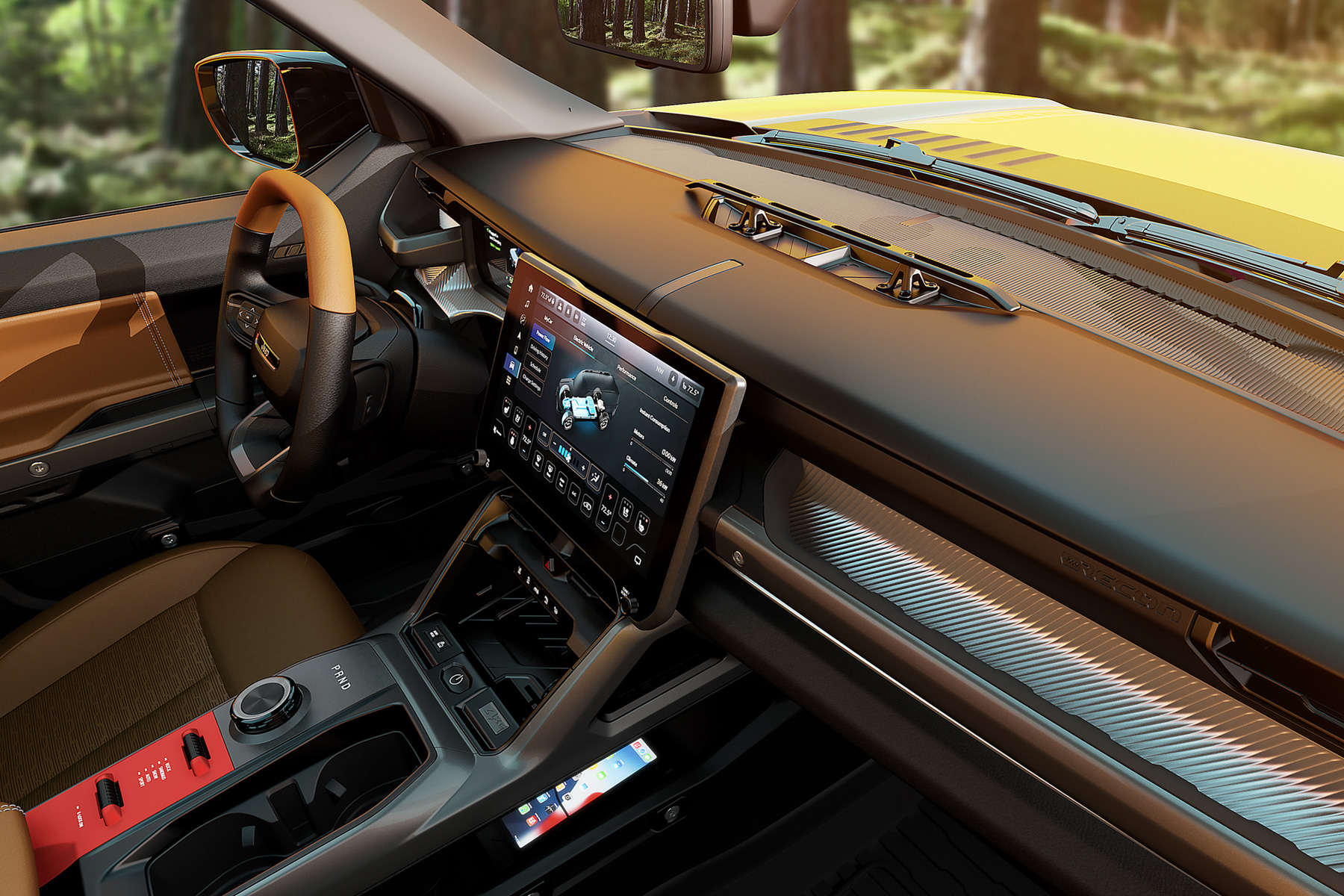
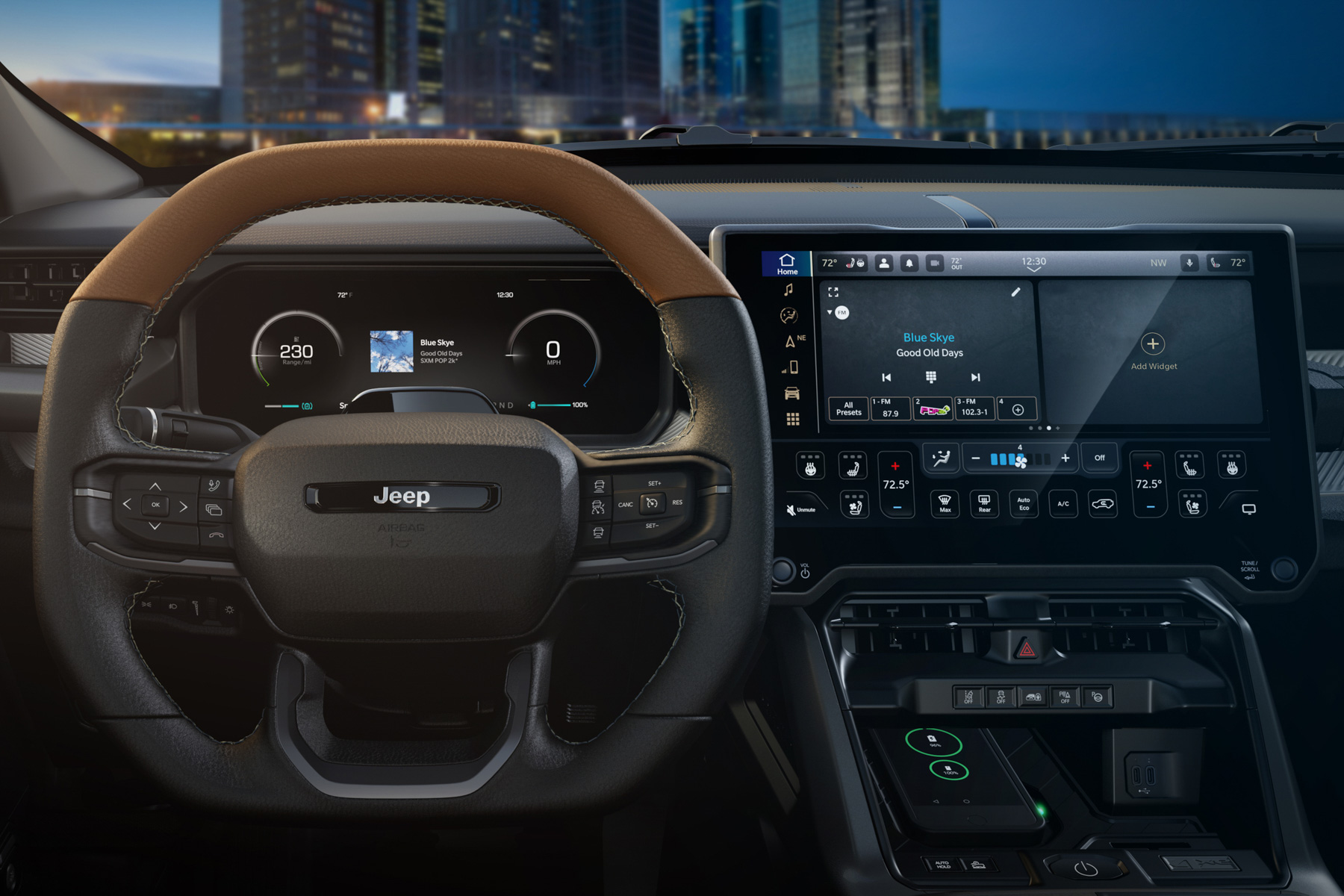
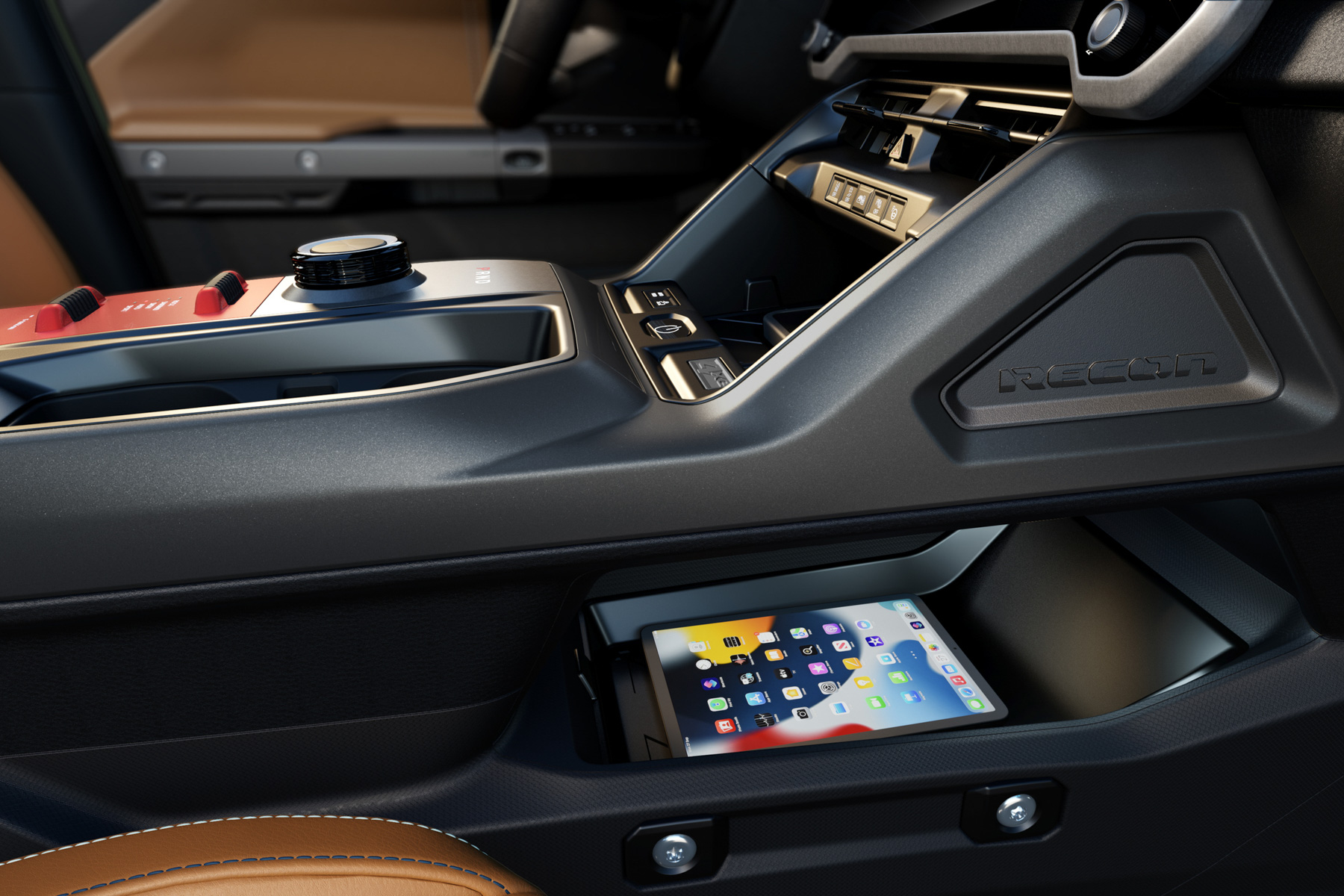
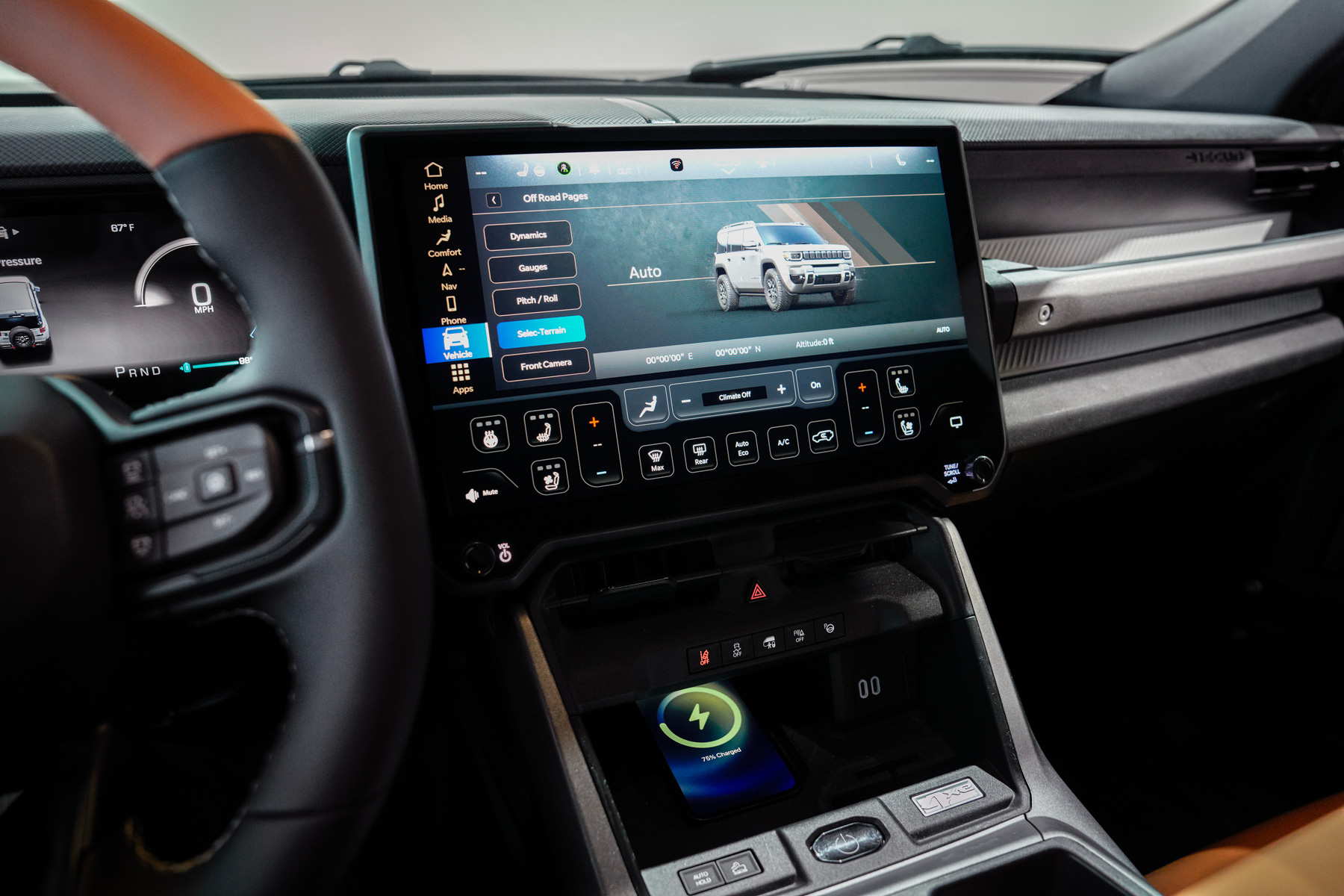
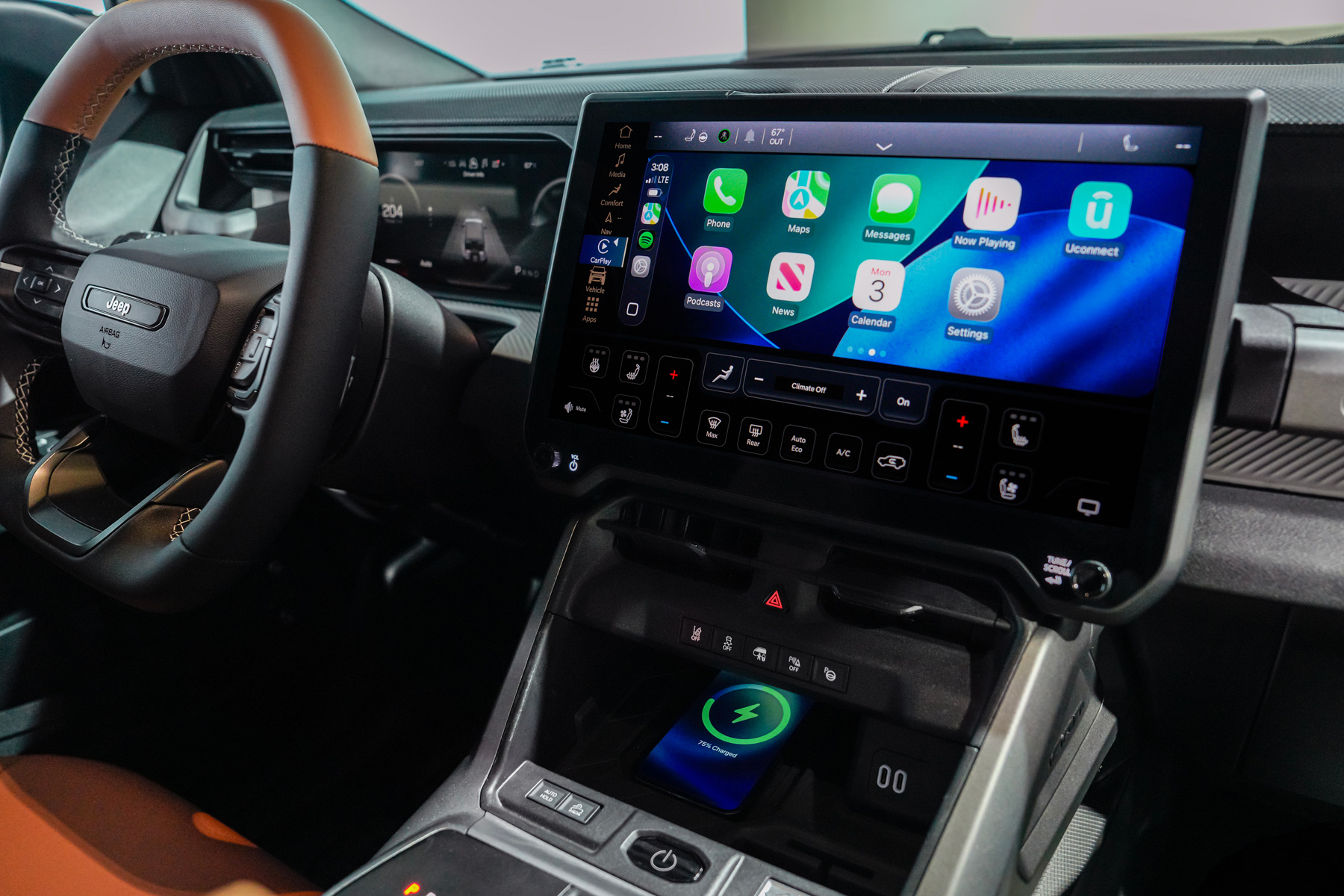
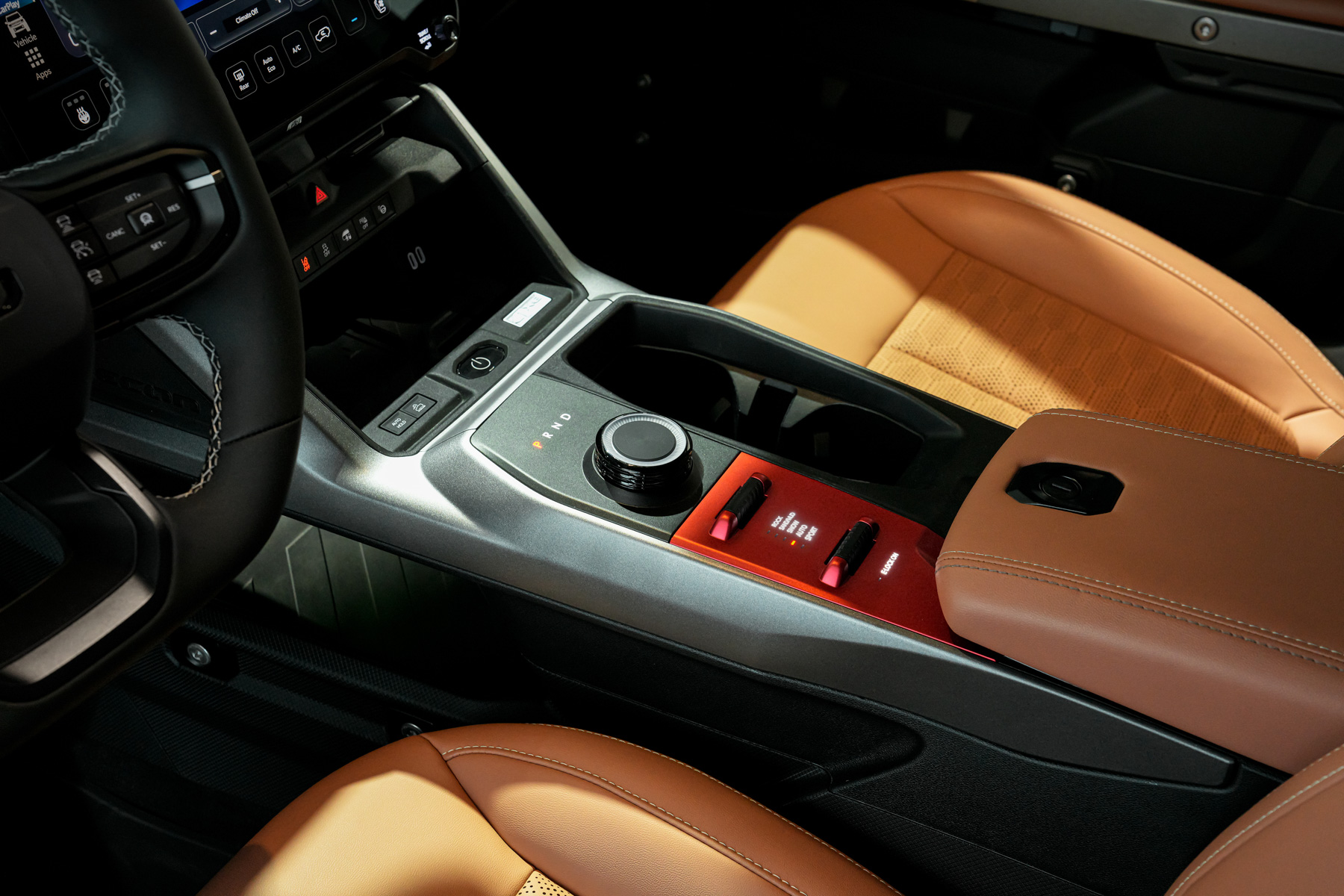
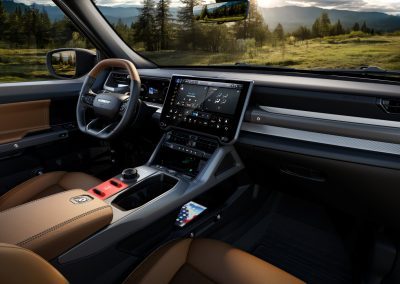
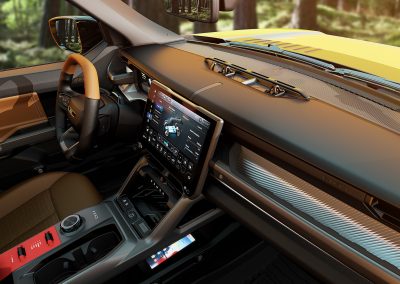
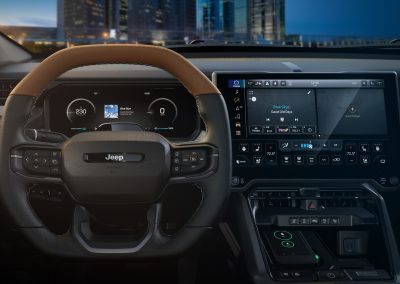
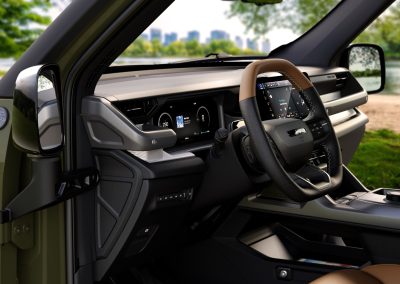
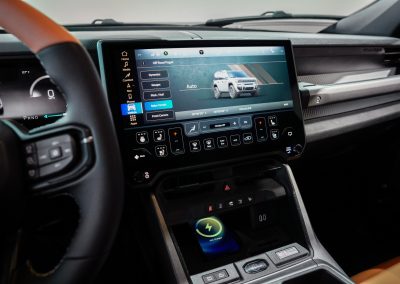
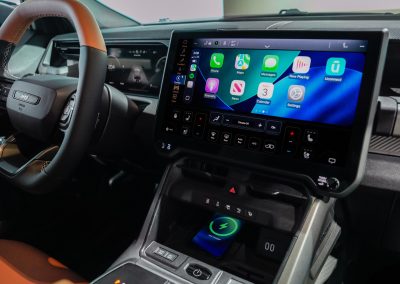
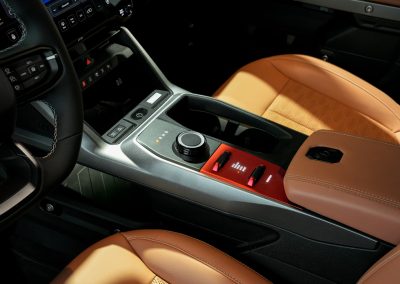
Inside, the Wrangler influence remains strong, but there’s some “fancy Jeep” sprinkled in. The dash design admittedly looks like a mishmash of Wrangler, Bronco, and Defender, but that’s a good thing. The touch points look chunky, the bar running across the passenger-side dash is perfect for whoever is riding shotgun to steady themselves as you send it through muddy puddles, and at 14.5 inches, Jeep’s biggest touchscreen ever juts out of the dash. It still runs Uconnect 5, and it’s supplemented by a 12.3-inch digital gauge cluster in its own separate binnacle. We’re not thrilled about the lack of physical switchgear for the climate controls, but at least they appear to stay on-screen all the time, and it still has a volume and tuning knob.
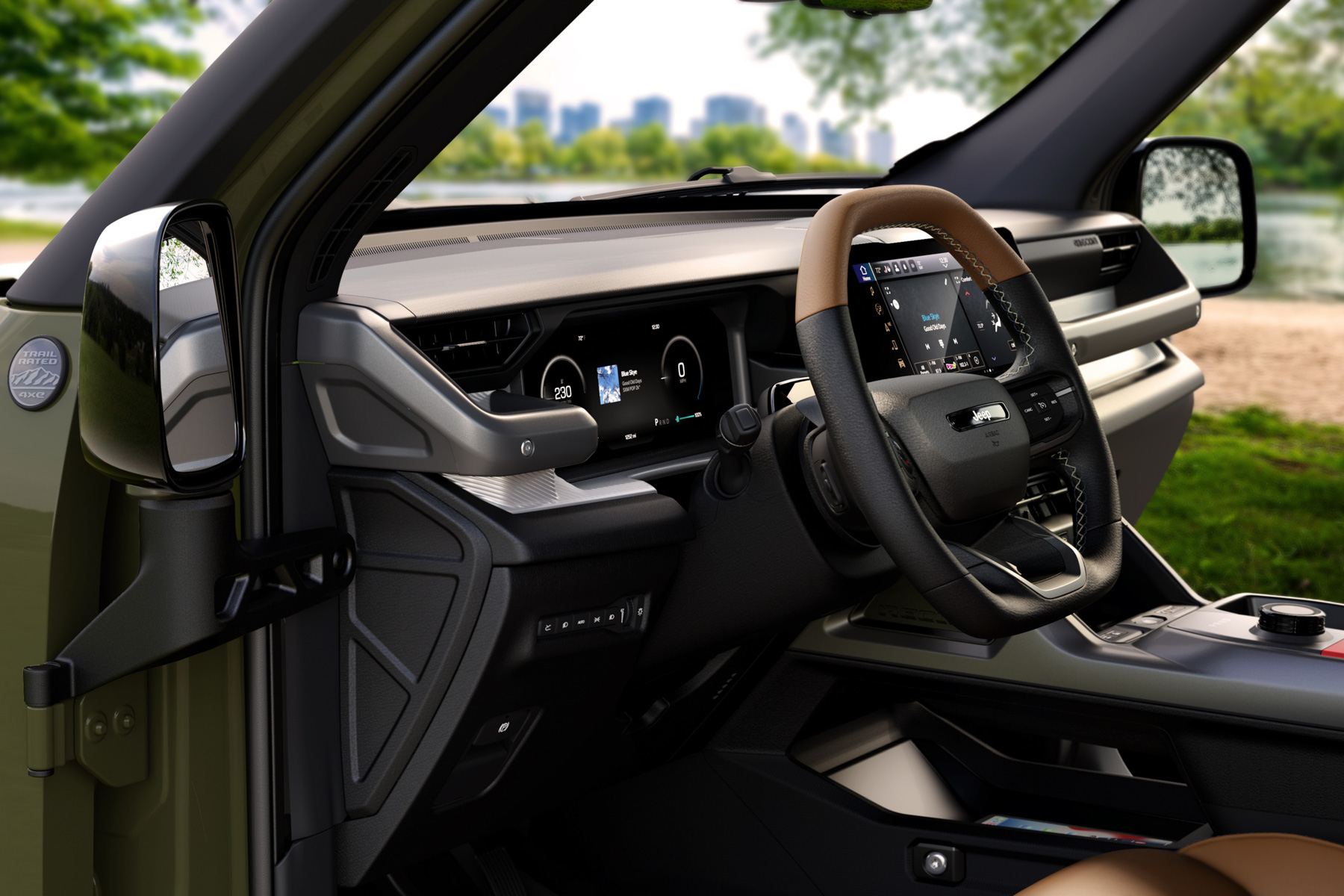
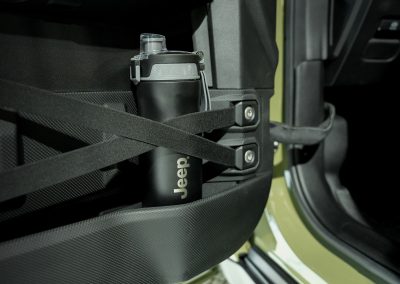
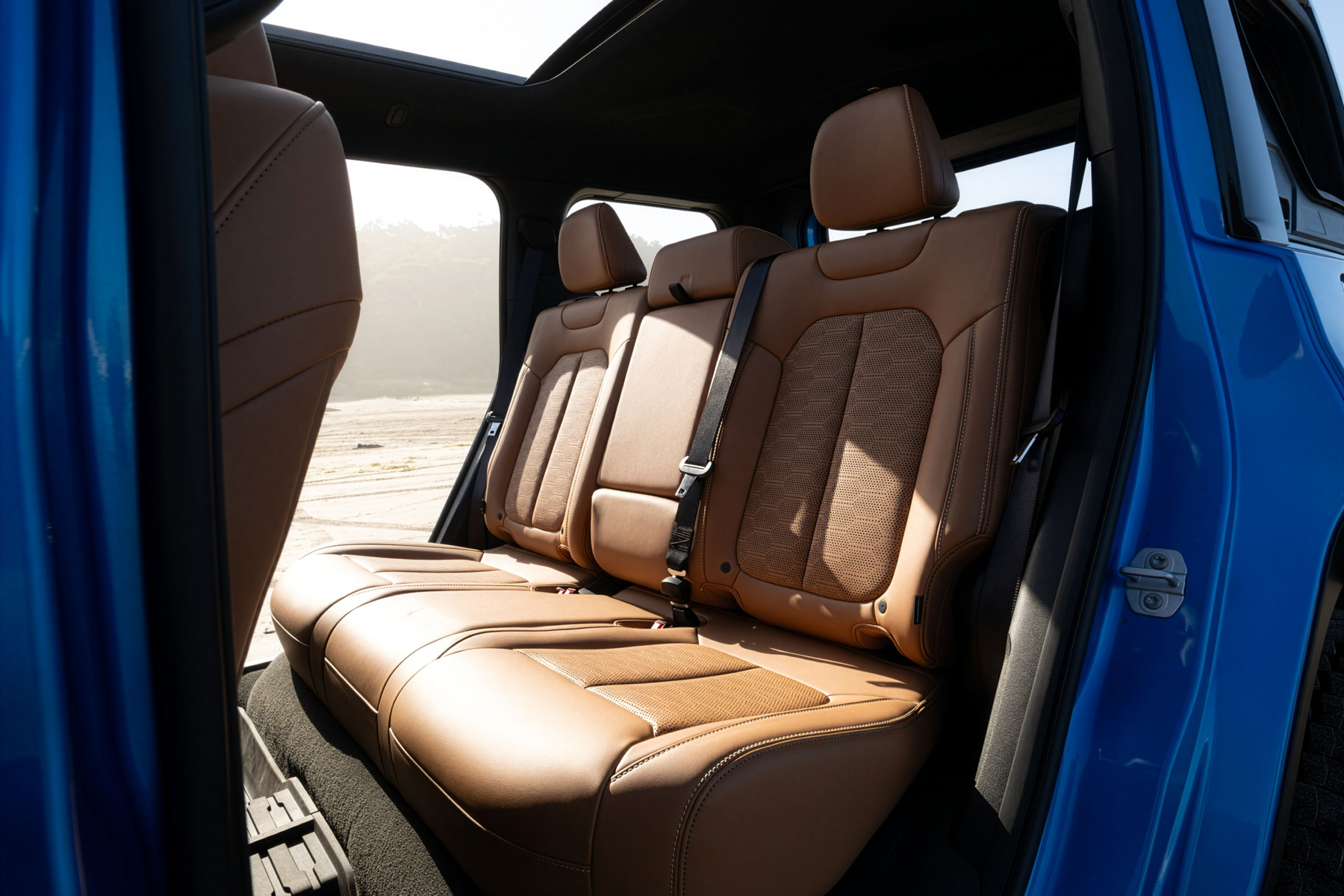
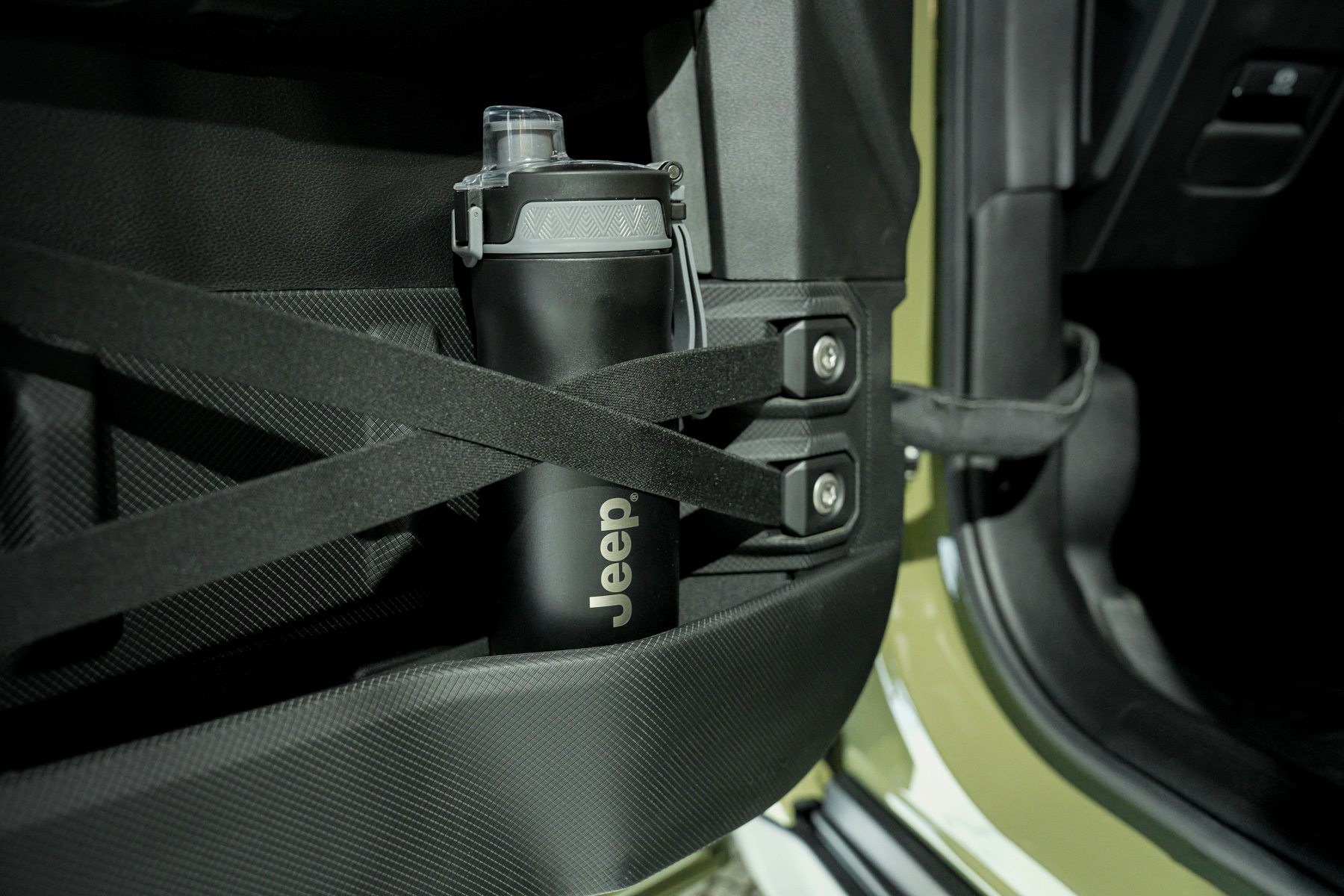
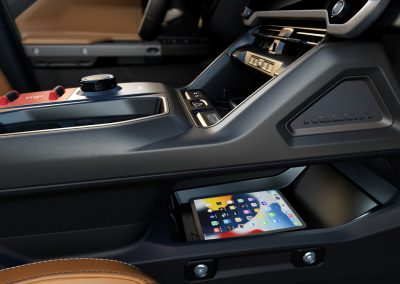
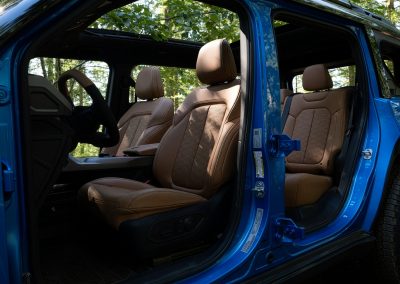
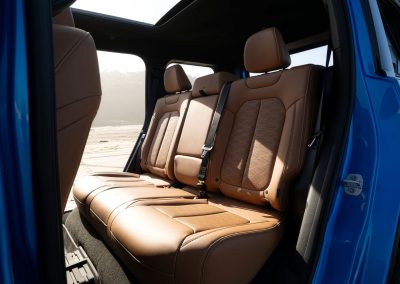
This being a heavily Wrangler-influenced product, the Recon includes a bunch of clever, outdoorsy touches. There’s an accessory rail in the middle of the dash that can accomodate various mounts, the door panels have elastic straps instead of a storage cubby and bottle holder — take note, Porsche — and the new interior colour called Joshua Tree Tan looks appreciably outdoorsy.
Underneath it all, the 2026 Recon is built atop Stellantis’ so-called STLA Large platform — the same underpinnings as the Wagoneer S and new Cherokee, the controversial Dodge Charger, and a few others coming down the pipeline. It uses two 250 kW electric motors on each axle, a 100 kWh battery pack, and a 400-volt charging architecture. Jeep says that’s good for 650 horsepower, 620 pound-feet of torque, a zero-to-60 mph run in 3.6 seconds, about 400 kilometres of range, and a five-to-80 per cent charge in 28 minutes, as long as you can find a Level 3 fast-charger that’s actually fast.
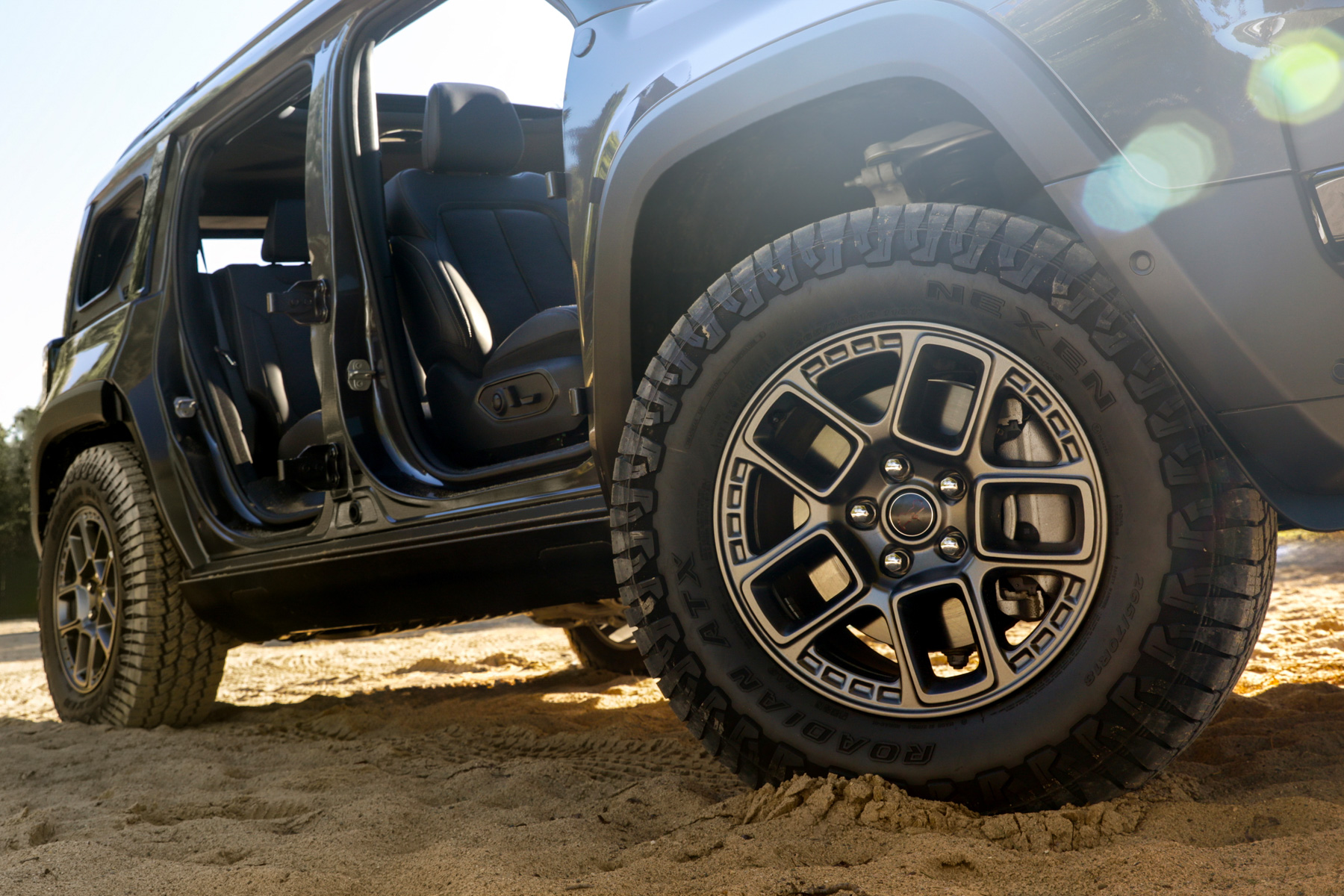
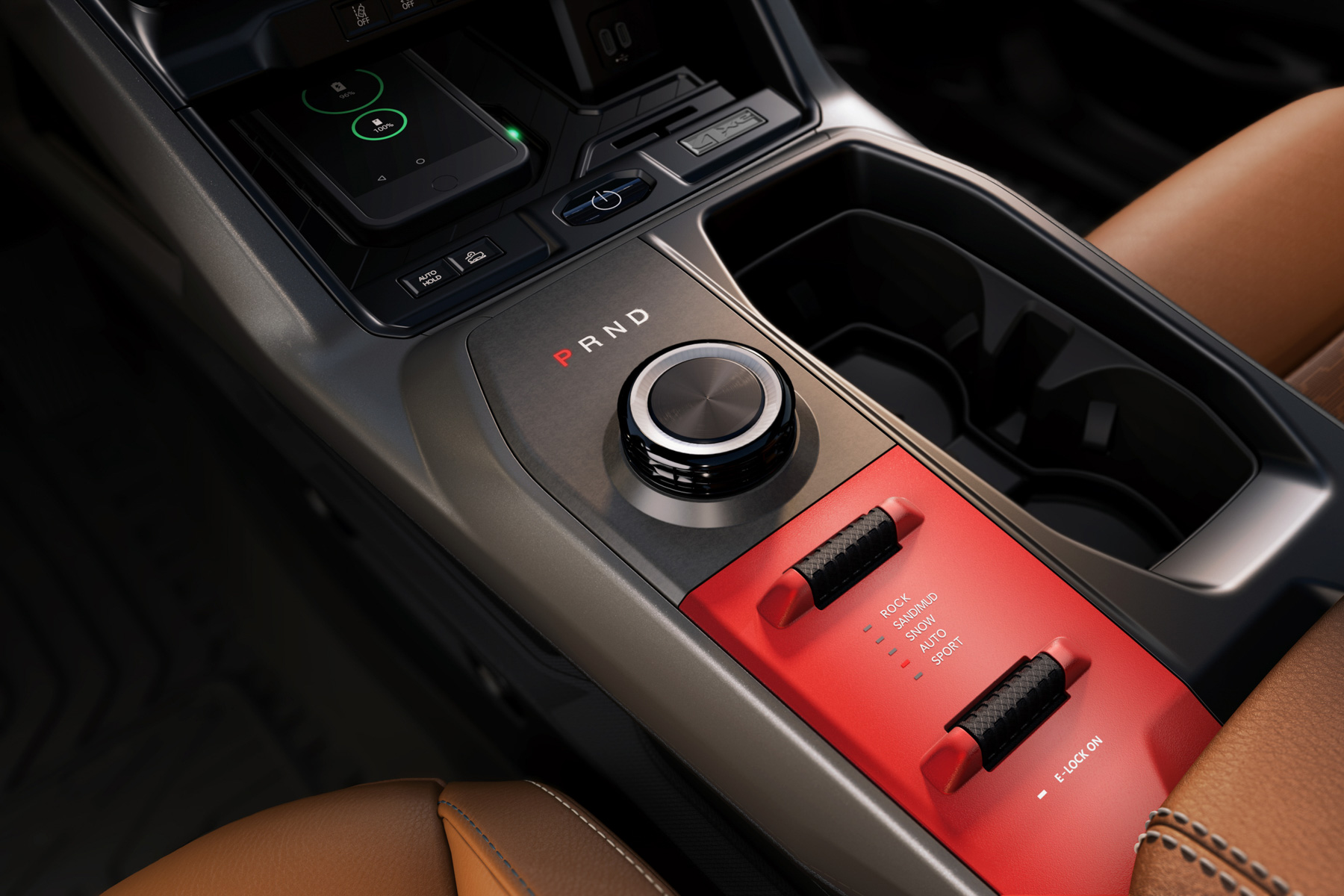
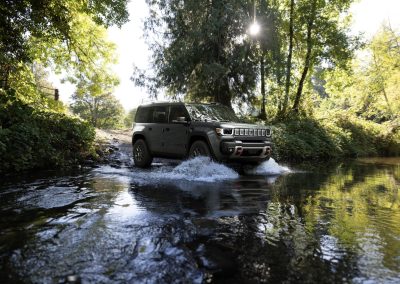
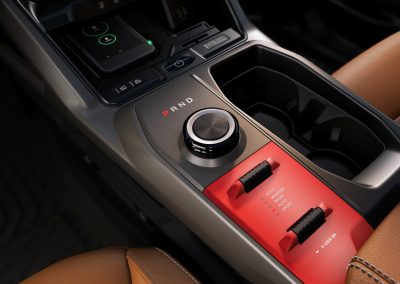
The Recon Moab takes a slight range hit — it’s rated at about 370 km — but makes up for that with enough beefed-up, off-road-ready components to make it Jeep’s first “trail-rated” EV. Among the extras are a locking electronic rear differential, larger-diameter half shafts, 33-inch all-terrain tires, different final-drive ratios for the electric motors for smoother throttle applications and more grunt off-road, and a Rock drive mode for, well, rocks.
Jeep says production for the 2026 Recon kicks off early next year. Canada and the U.S. will be the first two markets to get the Recon, followed by a “global expansion” down the road. Canadian pricing is still a secret, but south of the border, the 2026 Jeep Recon will start at US$65,000.
-
-
-
-
2026 Jeep Reco
-
-
-
-
-
-
-
-
-
-
-
-
-
-
-
-
-
-
-
-