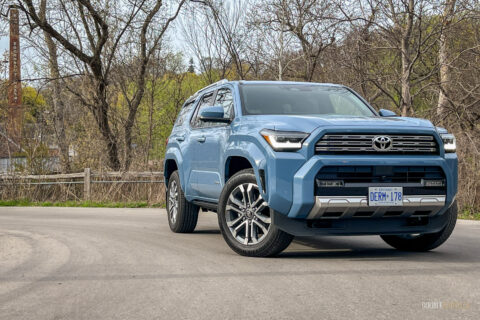
Updating an iconic truck like the Toyota 4Runner is an extremely tall task. You have to consider the fact that, despite the outgoing model being outdated in almost every aspect, people love truck for exactly the reason it needed to be replaced – it is a dinosaur. There is serious appeal in that age-old V6 engine, the interior design came from an era that pre-dated the birth of my near-teenage child. Yet, its simple and practical charm is something that most manufacturers can only dream to achieve, and the sheer confidence from that sense of indestructibility is enough for people to not want anything to change ever. So, how did the 2025 Toyota 4Runner TRD Pro do? Well, it absolutely hit it out of the park.
Updates: outside
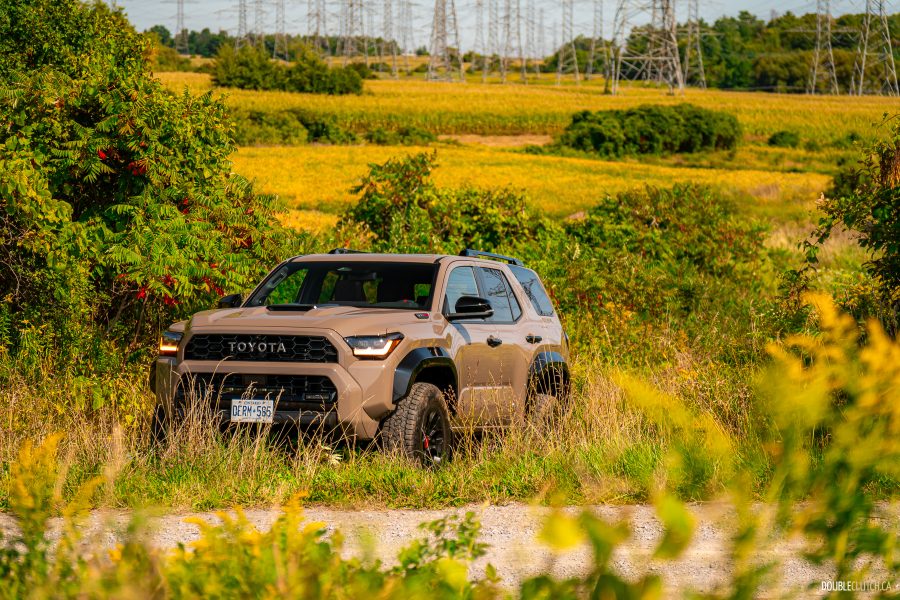
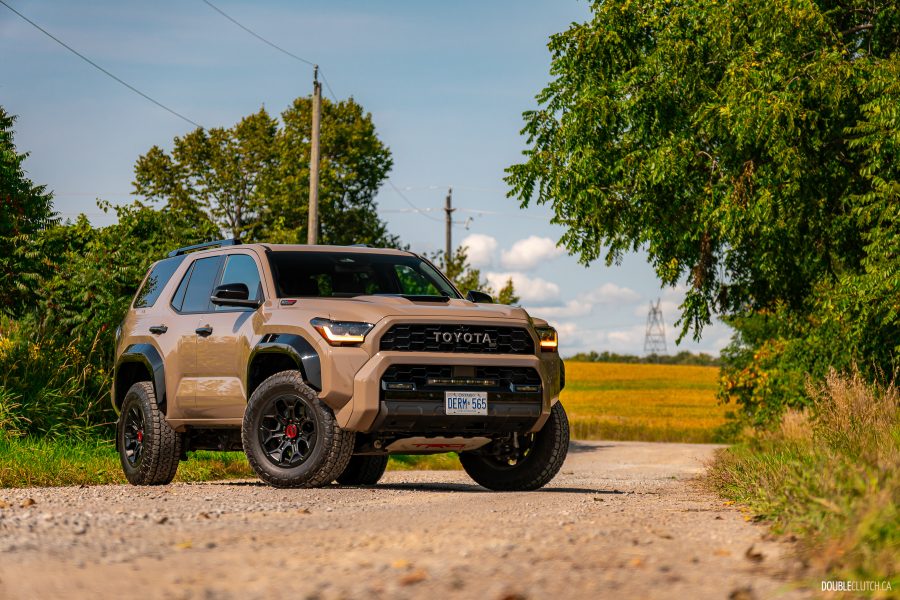
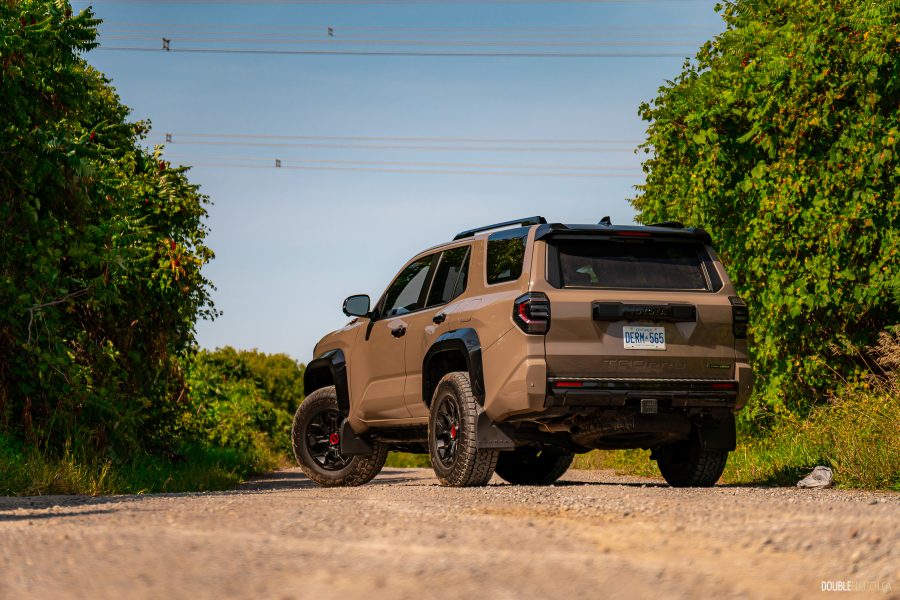
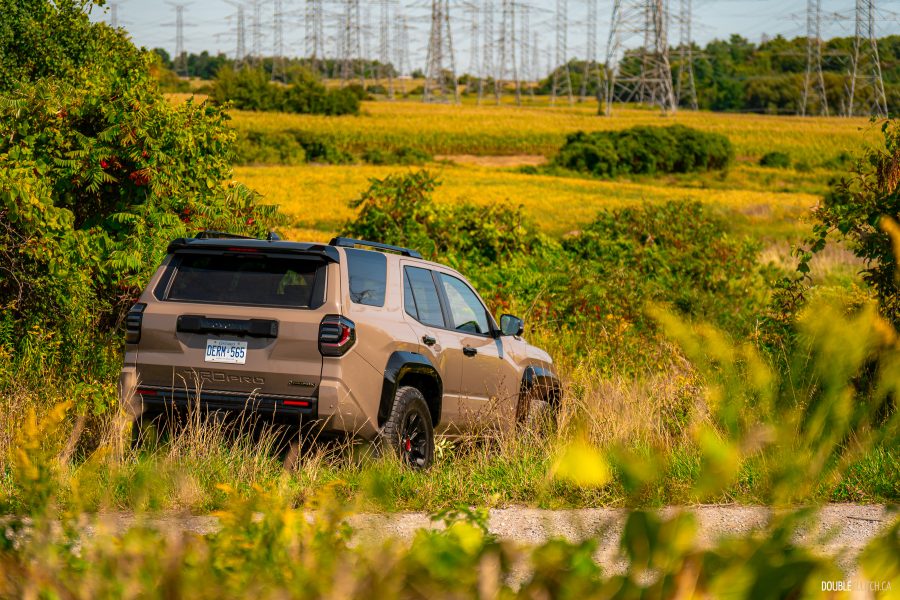
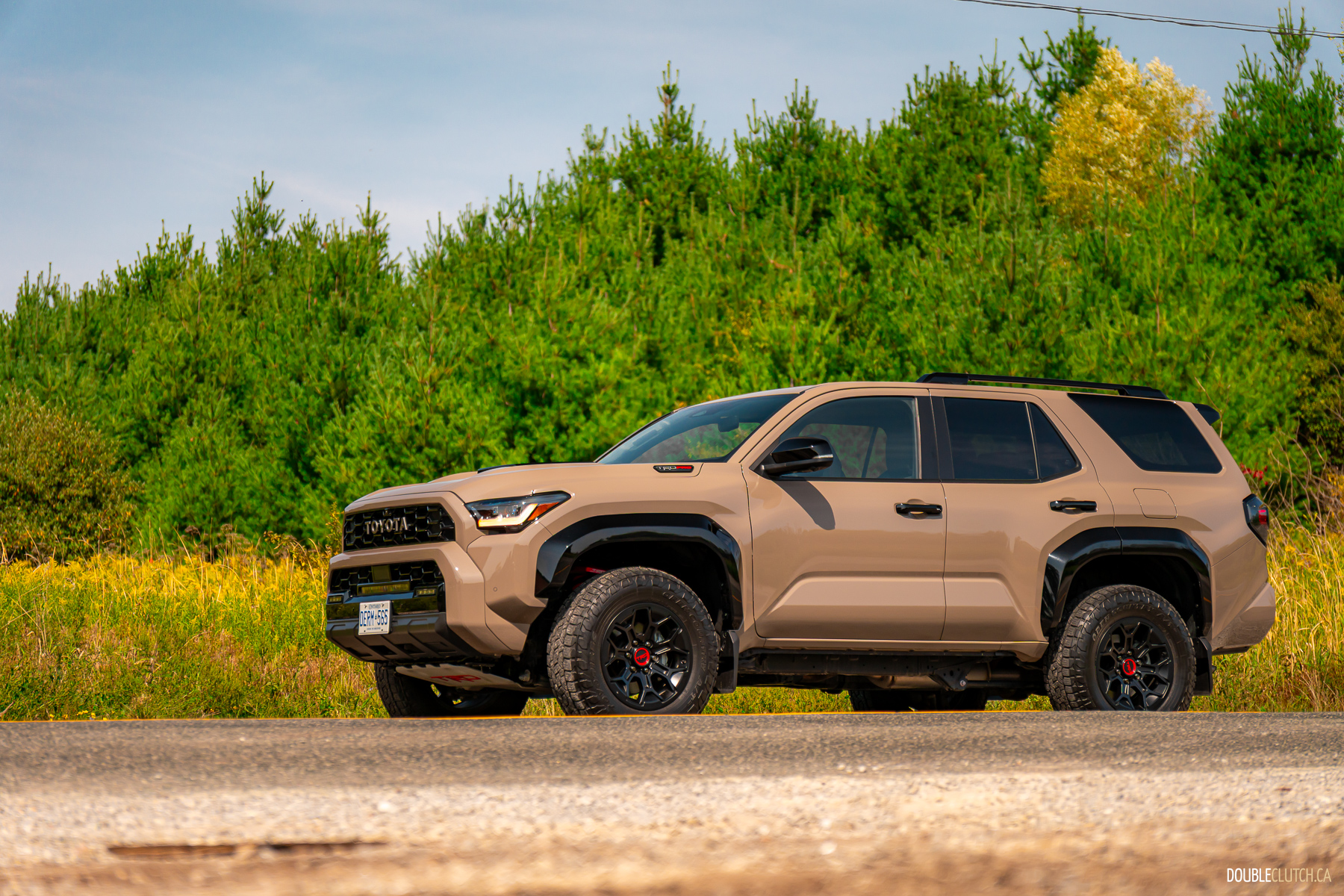
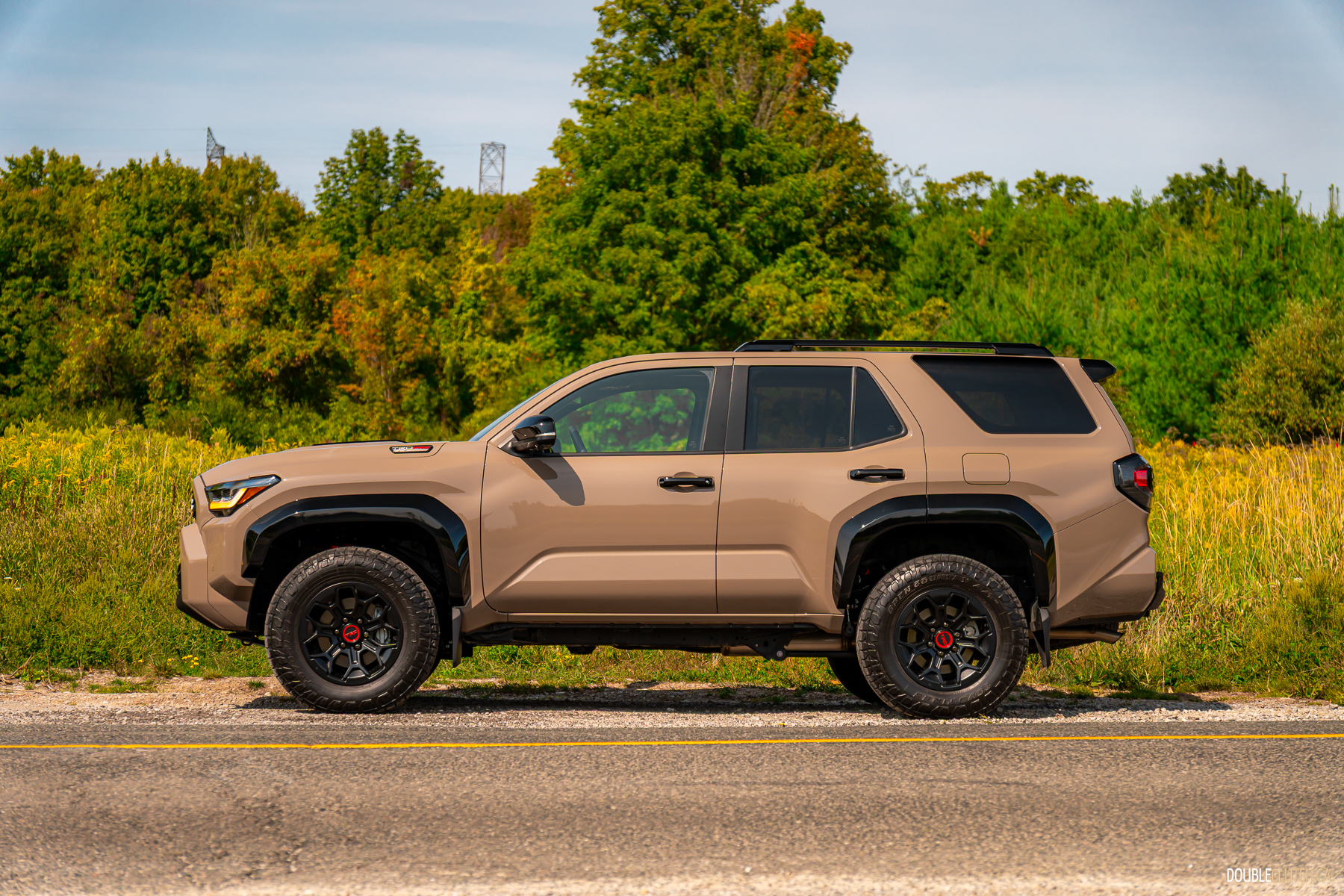
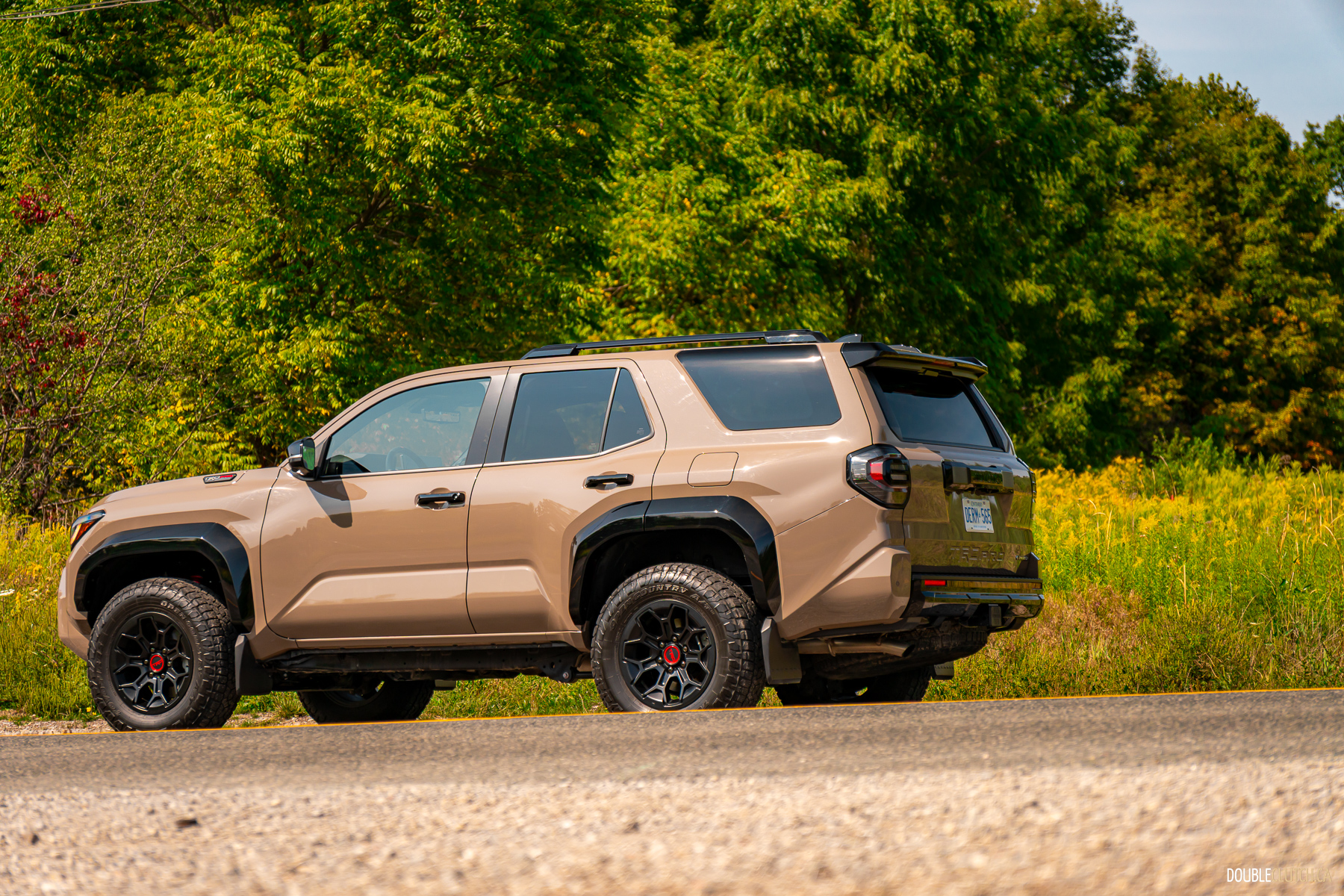
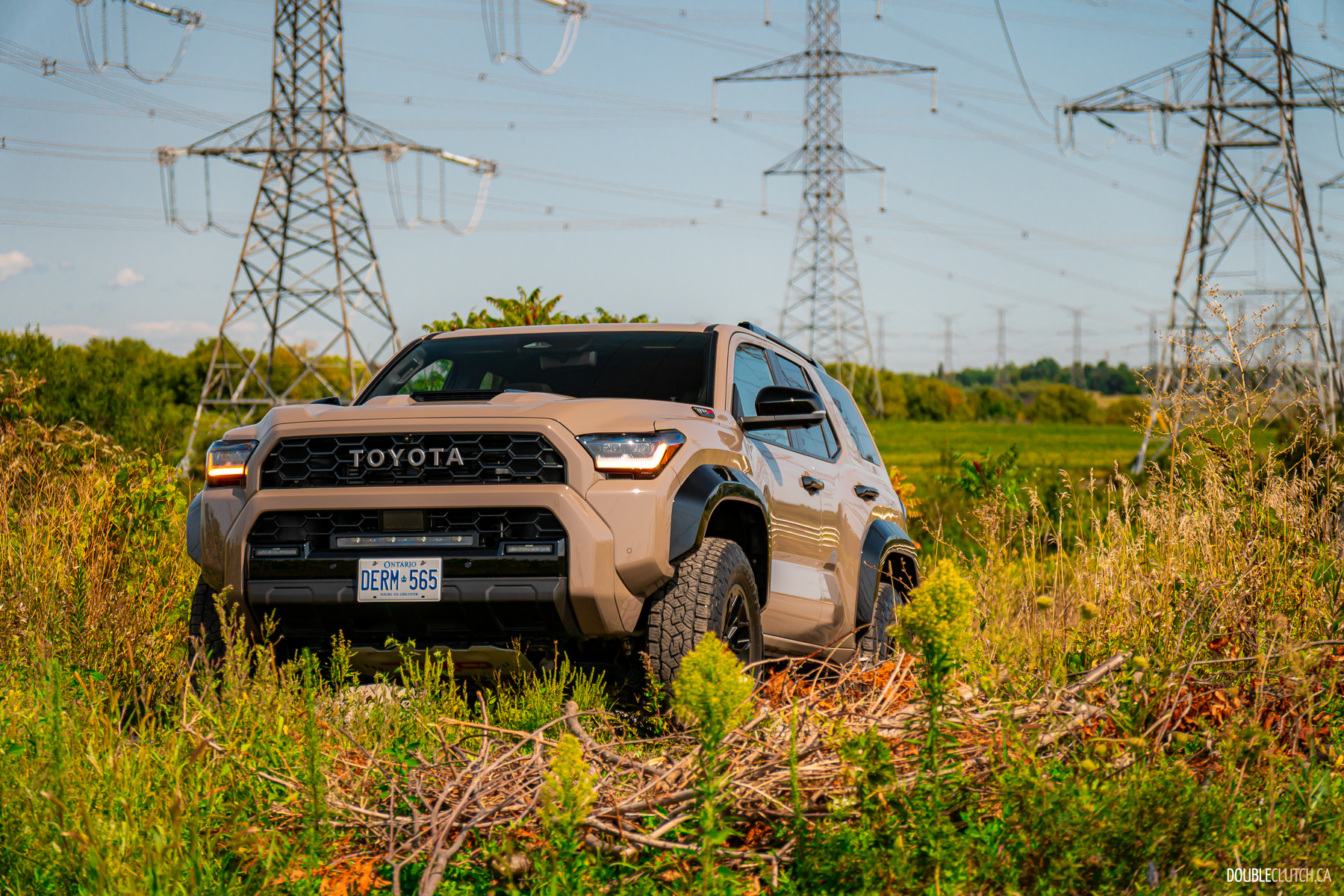
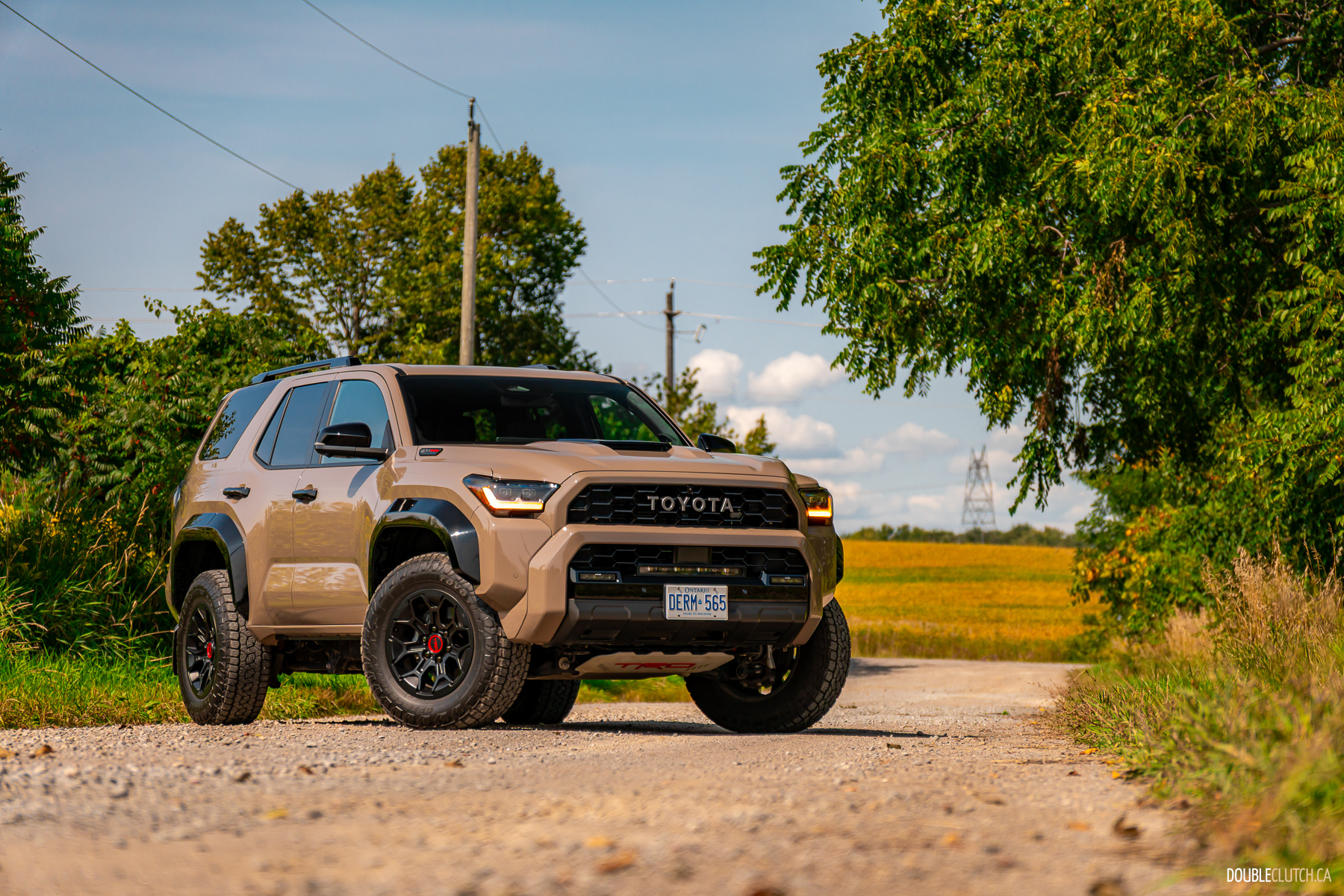
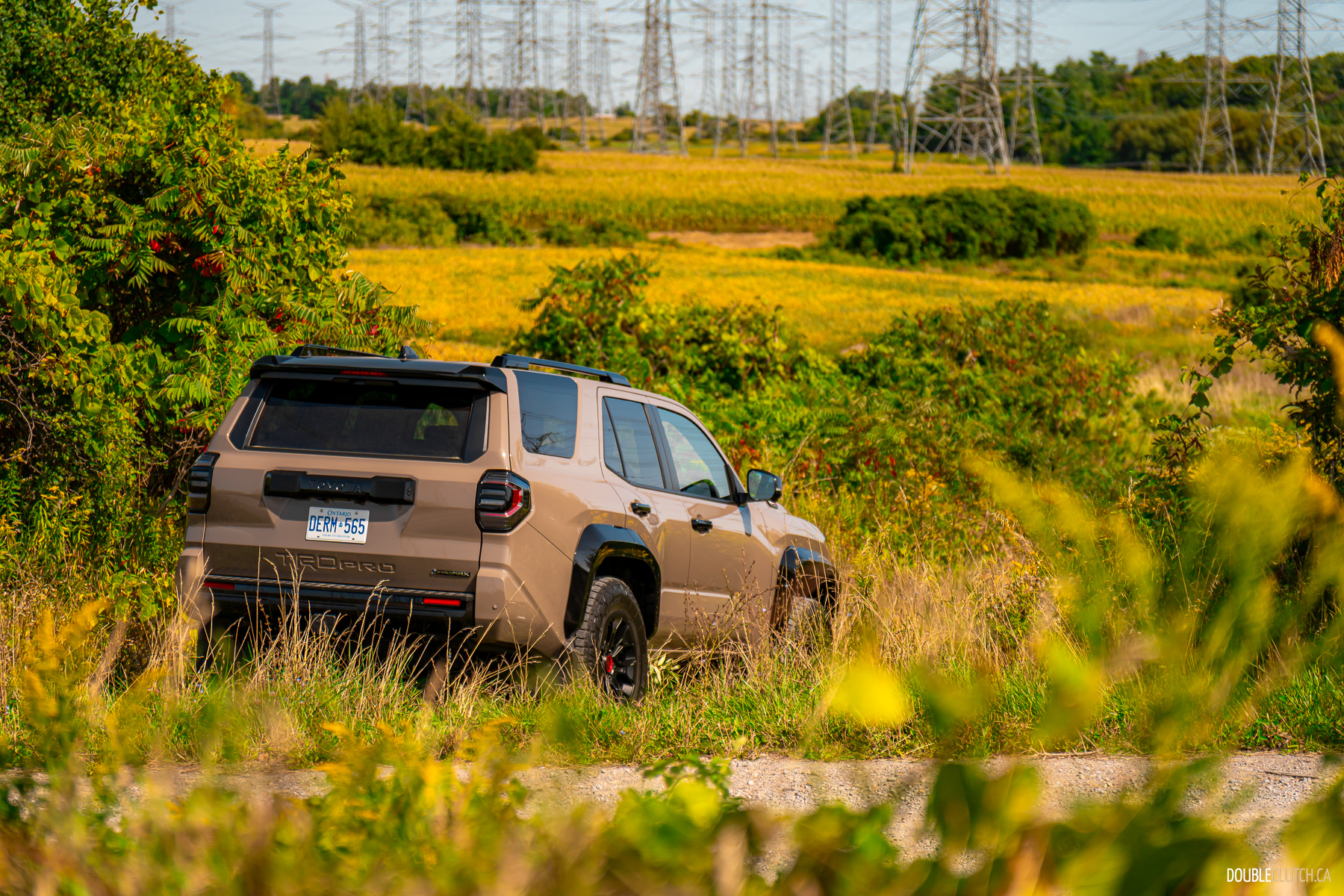
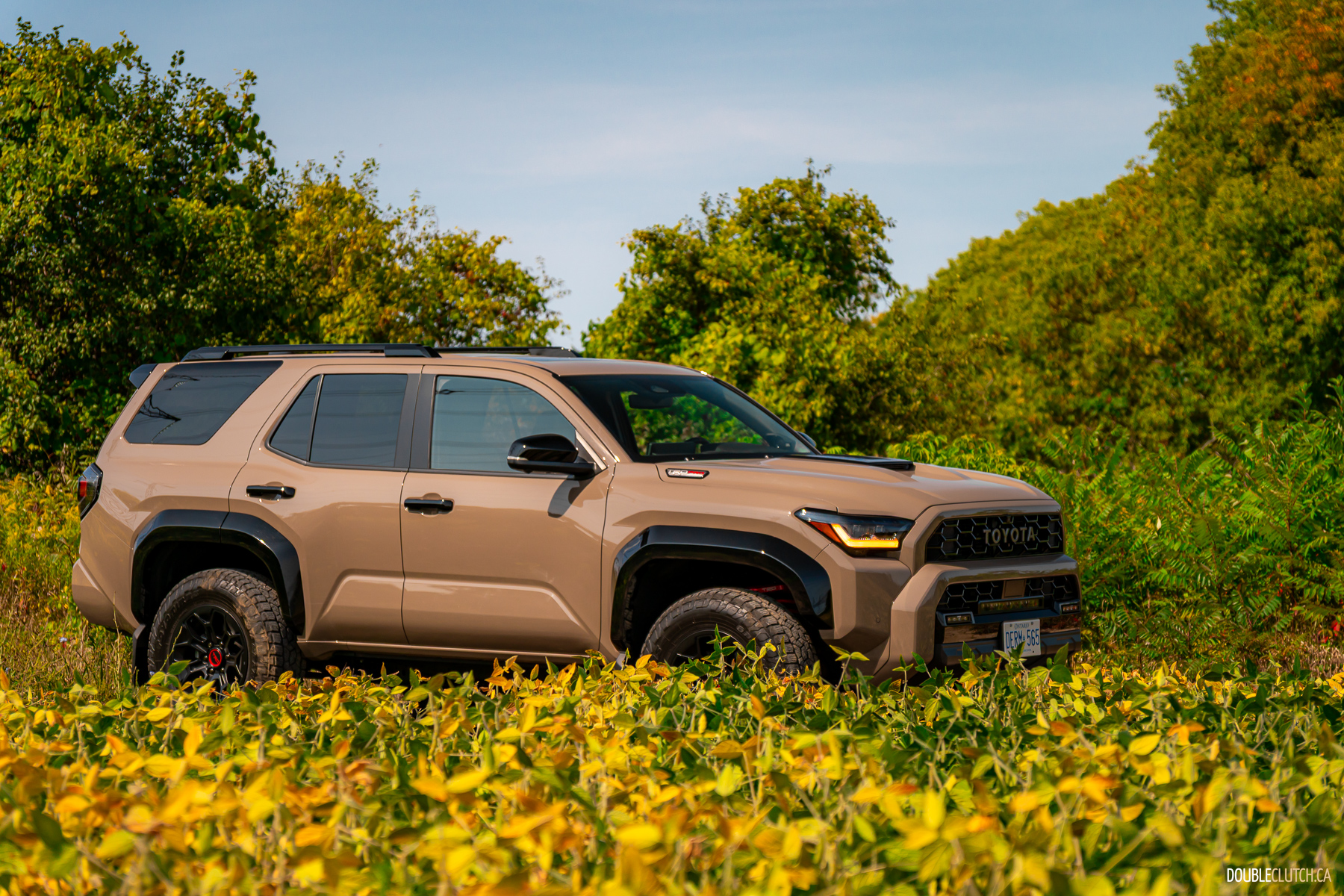
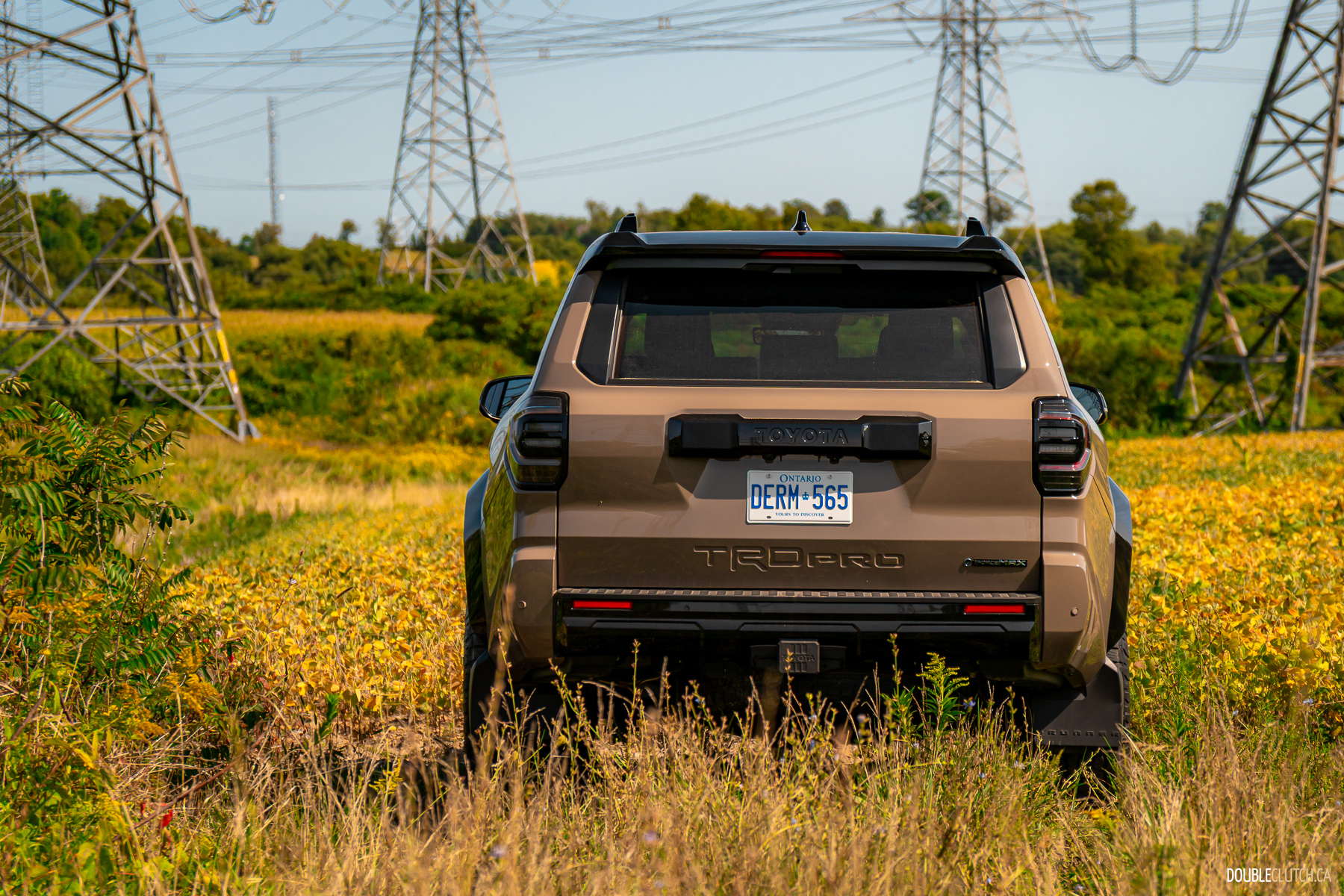
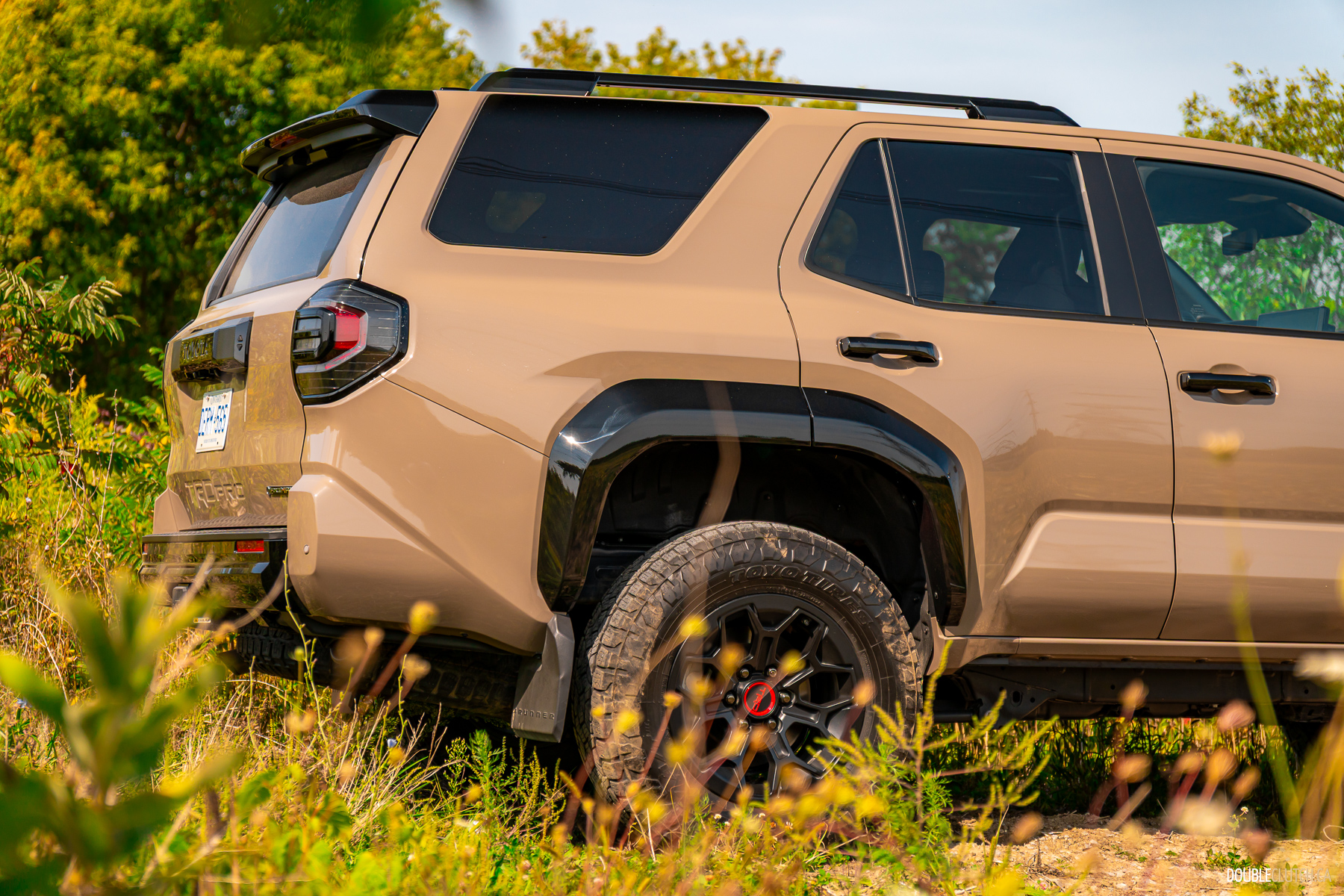
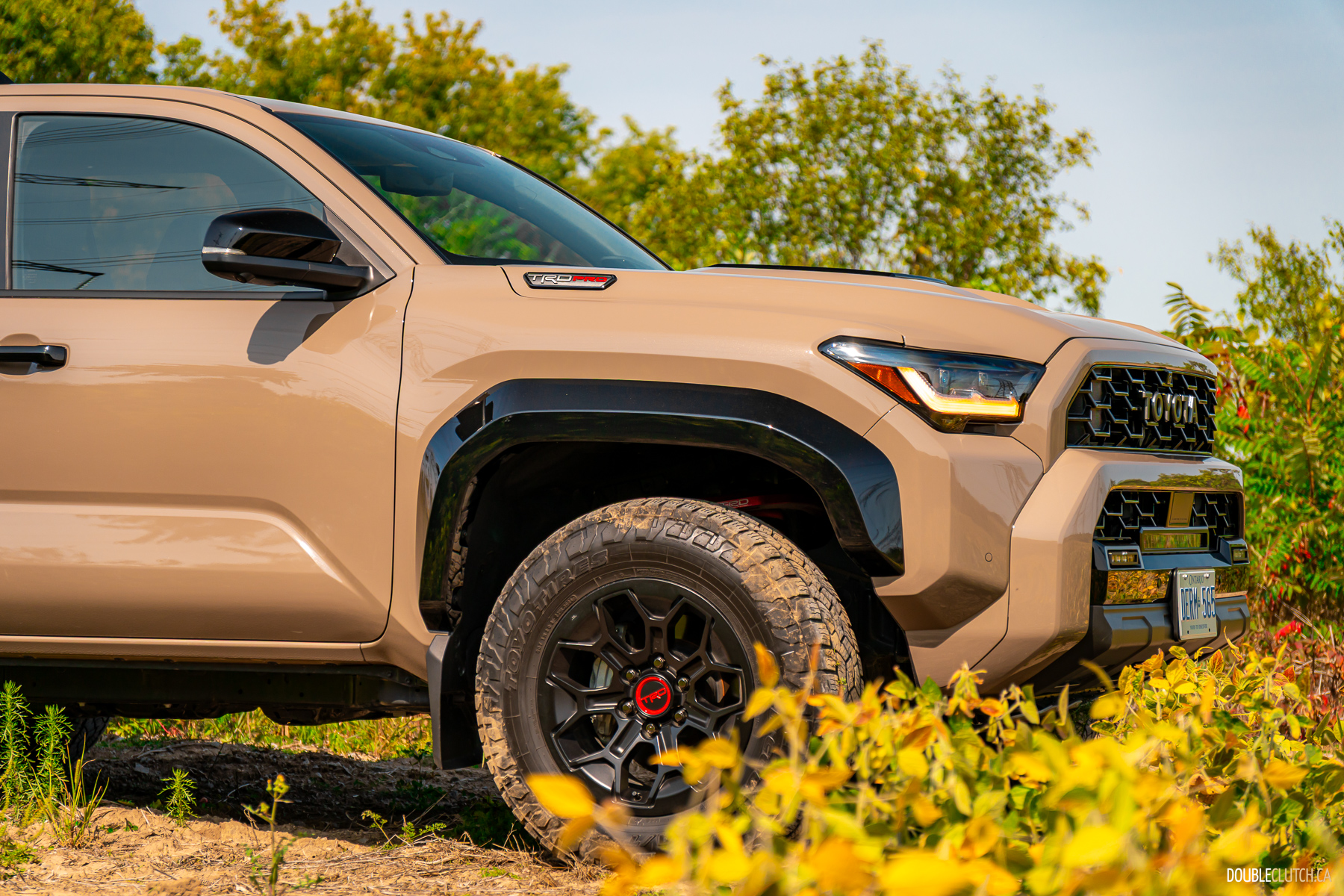
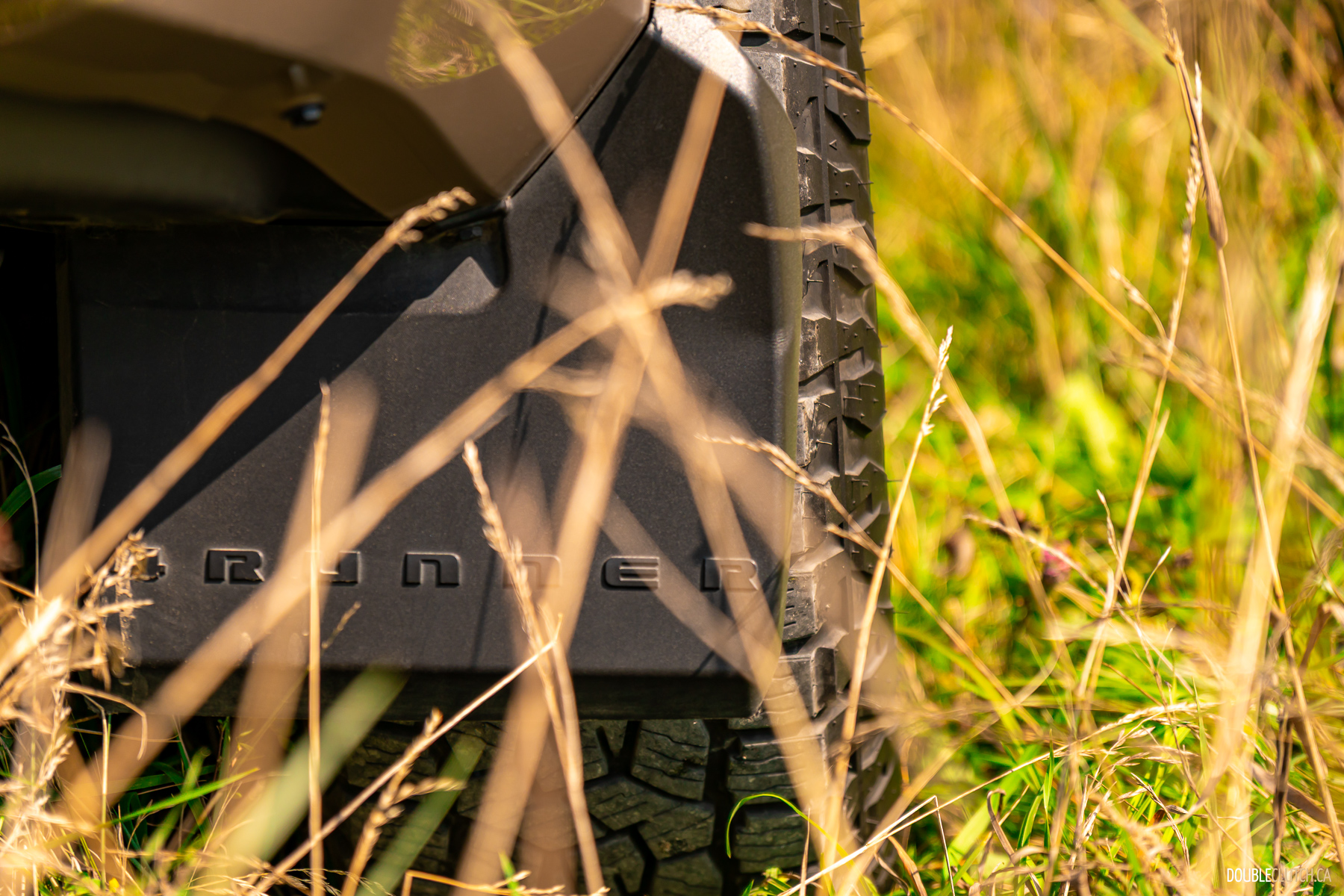
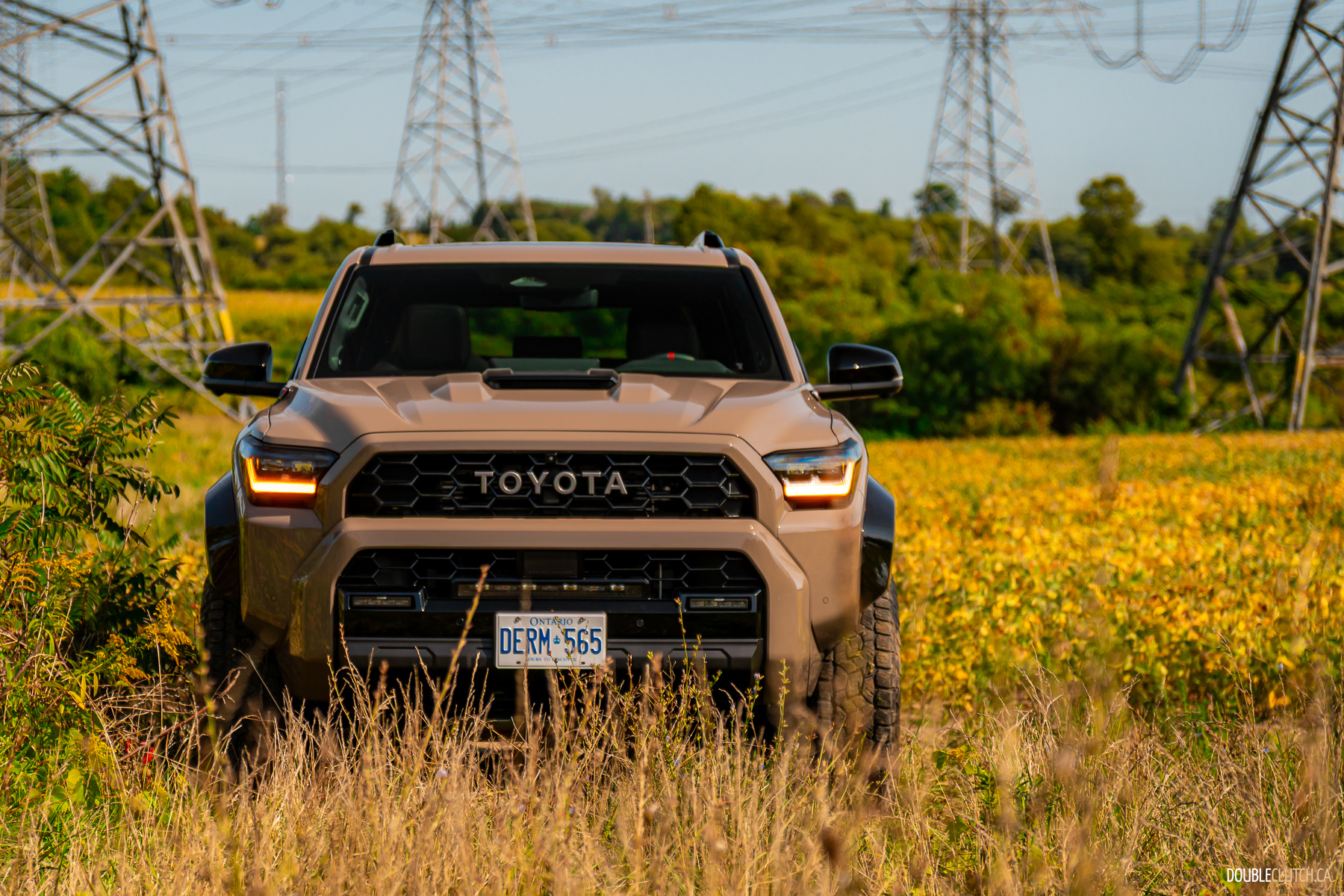
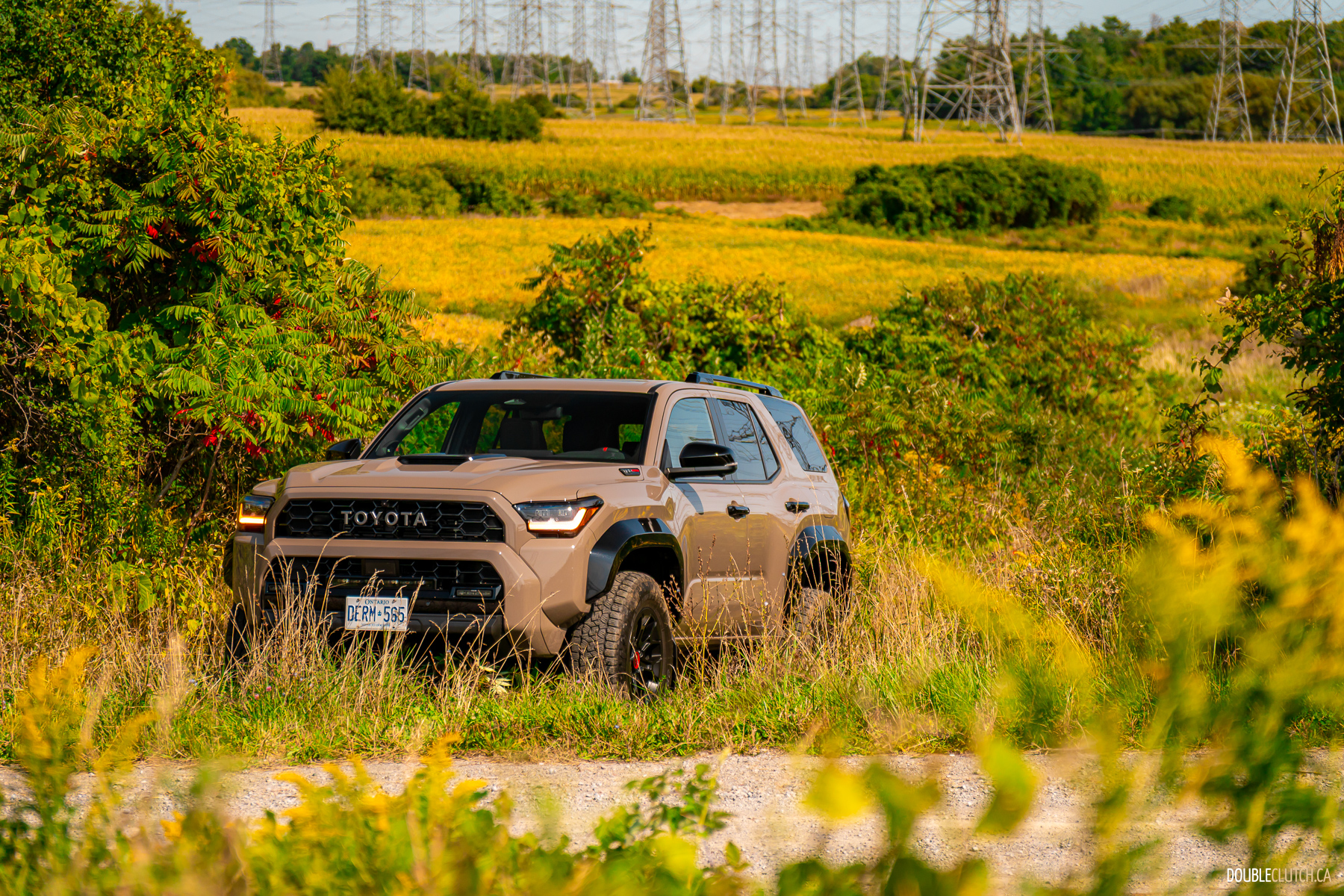
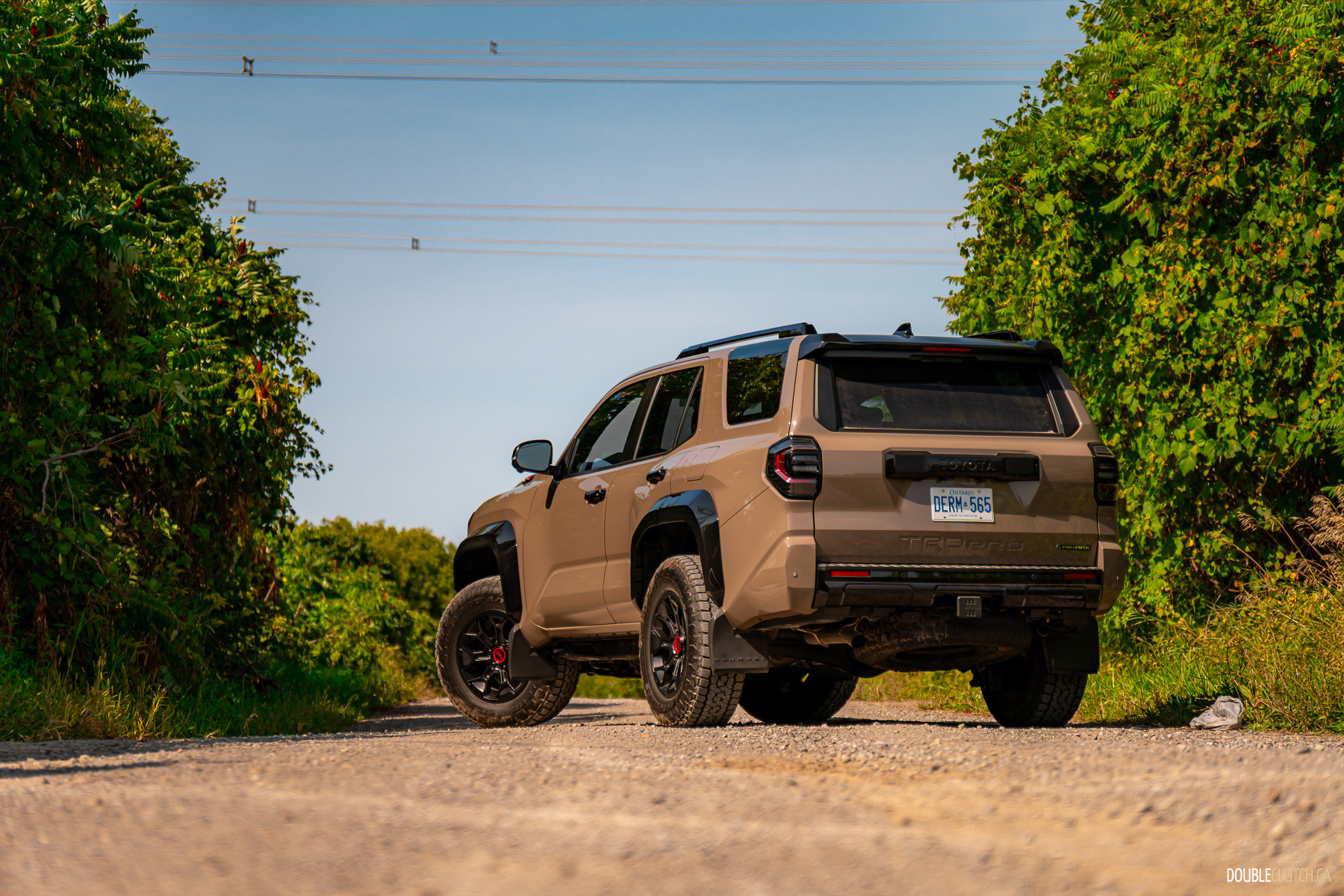
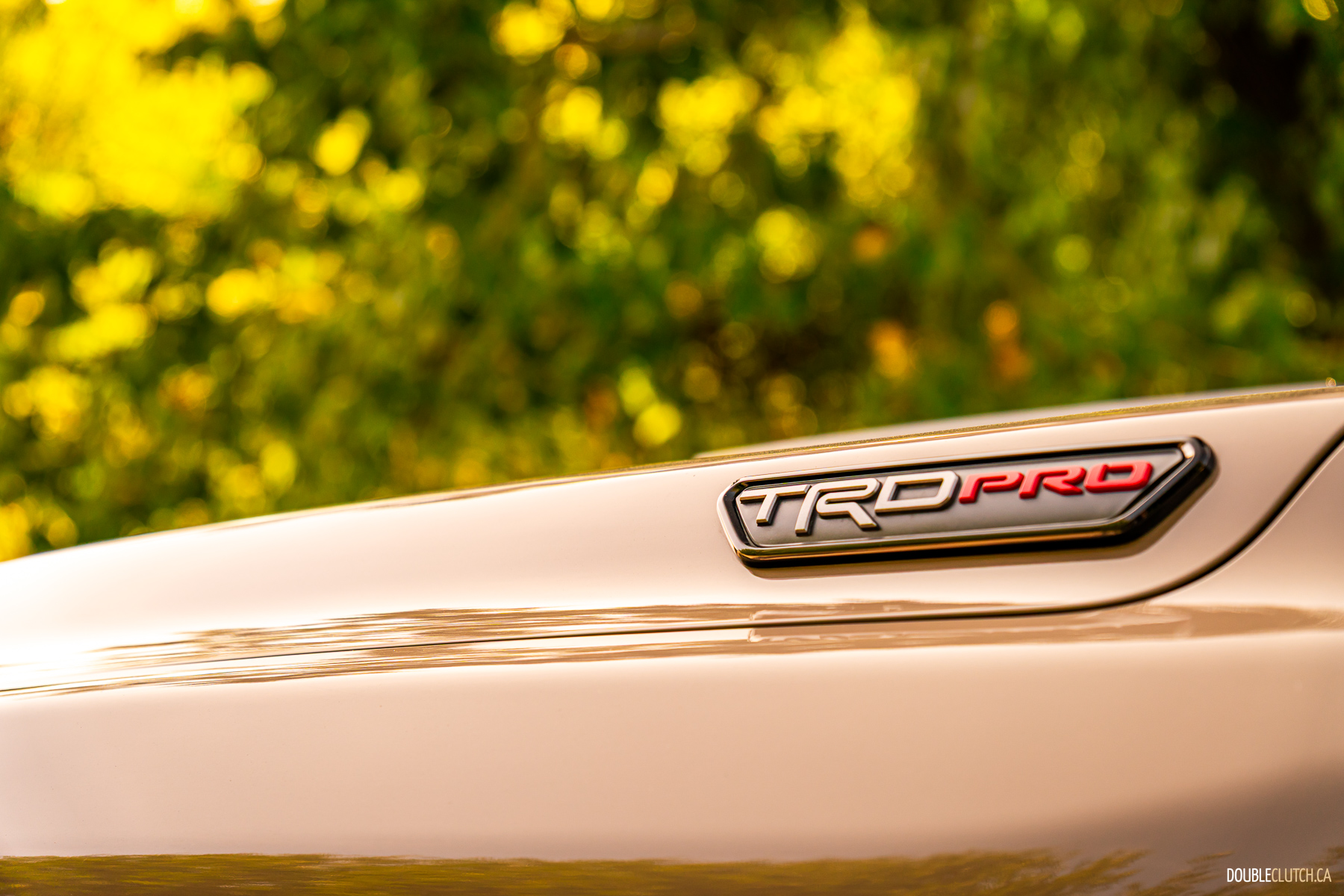
Let’s start with the styling; this new sixth generation has seen a complete redesign through and through, yet it somehow remains unmistakable as anything but the most dependable and capable all-terrain rig. The lighting units look modern and focused, the silhouette reflects proper truck proportions, the heavily sculpted body looks lean and athletic, and the overall styling is unbelievably attractive for a company known for making mundane commuters. Our TRD Pro trim gains a hood scoop on top of the unique retro front grille and integrated LED light bar, and is further differentiated by the TRD Pro, wearing exclusive 18-inch wheels wearing all-terrain tires.
Updates: inside
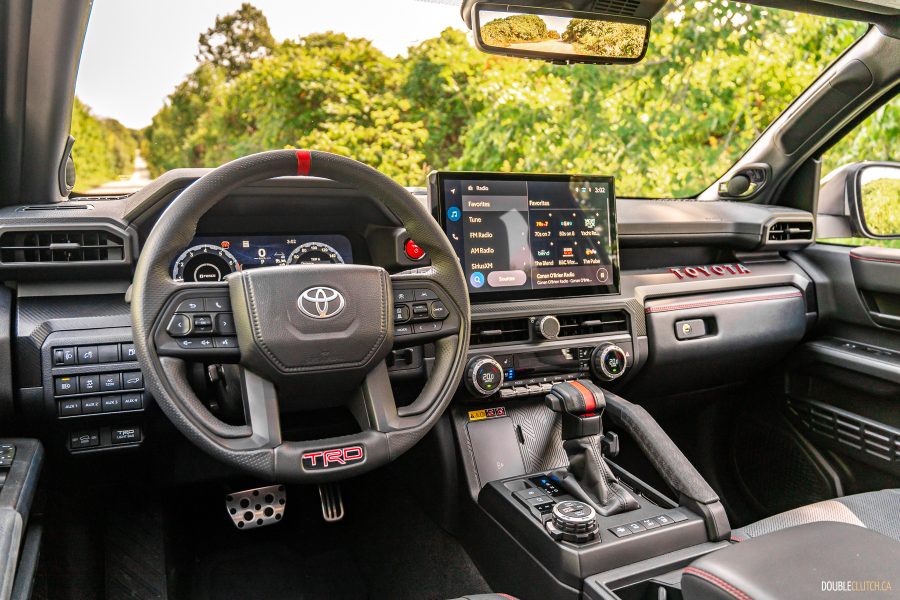
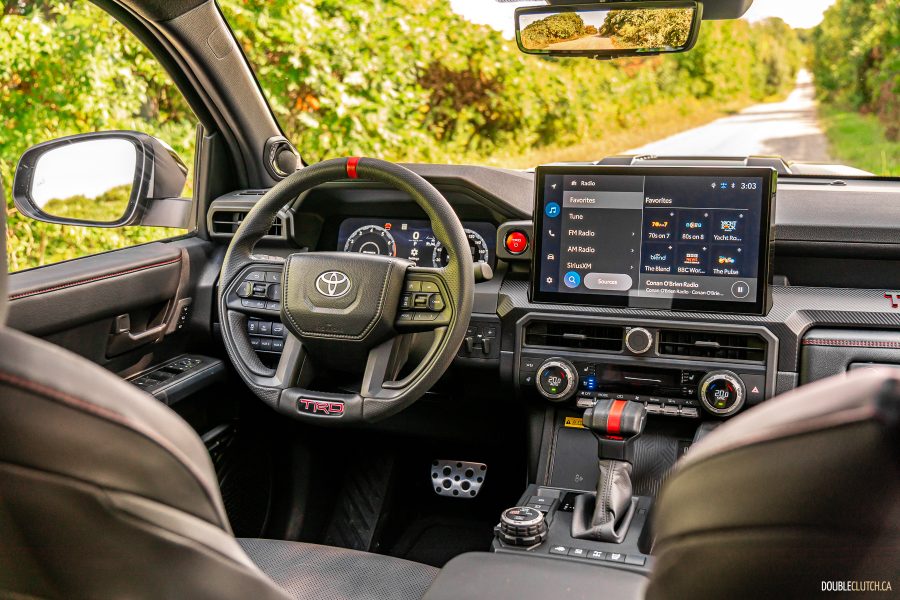
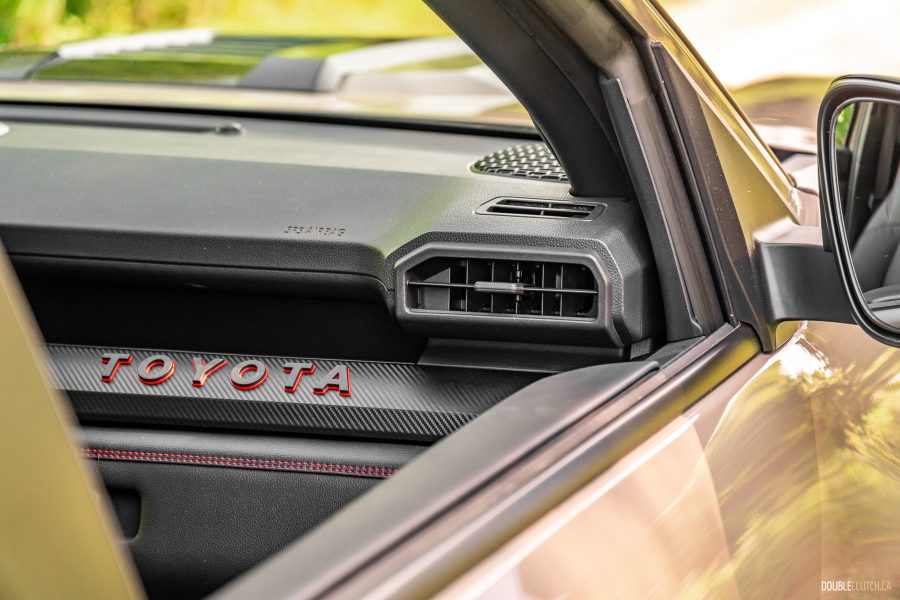
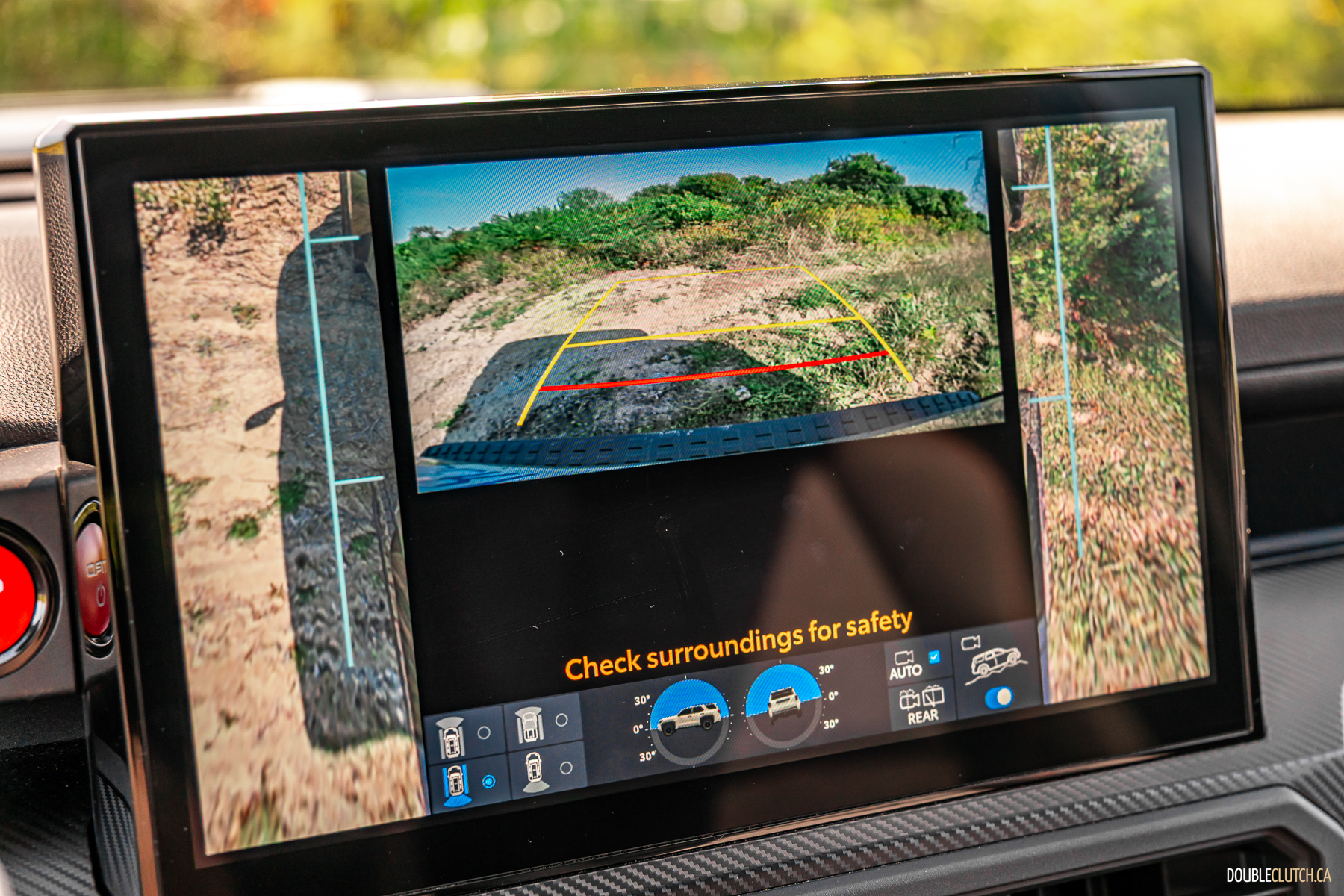
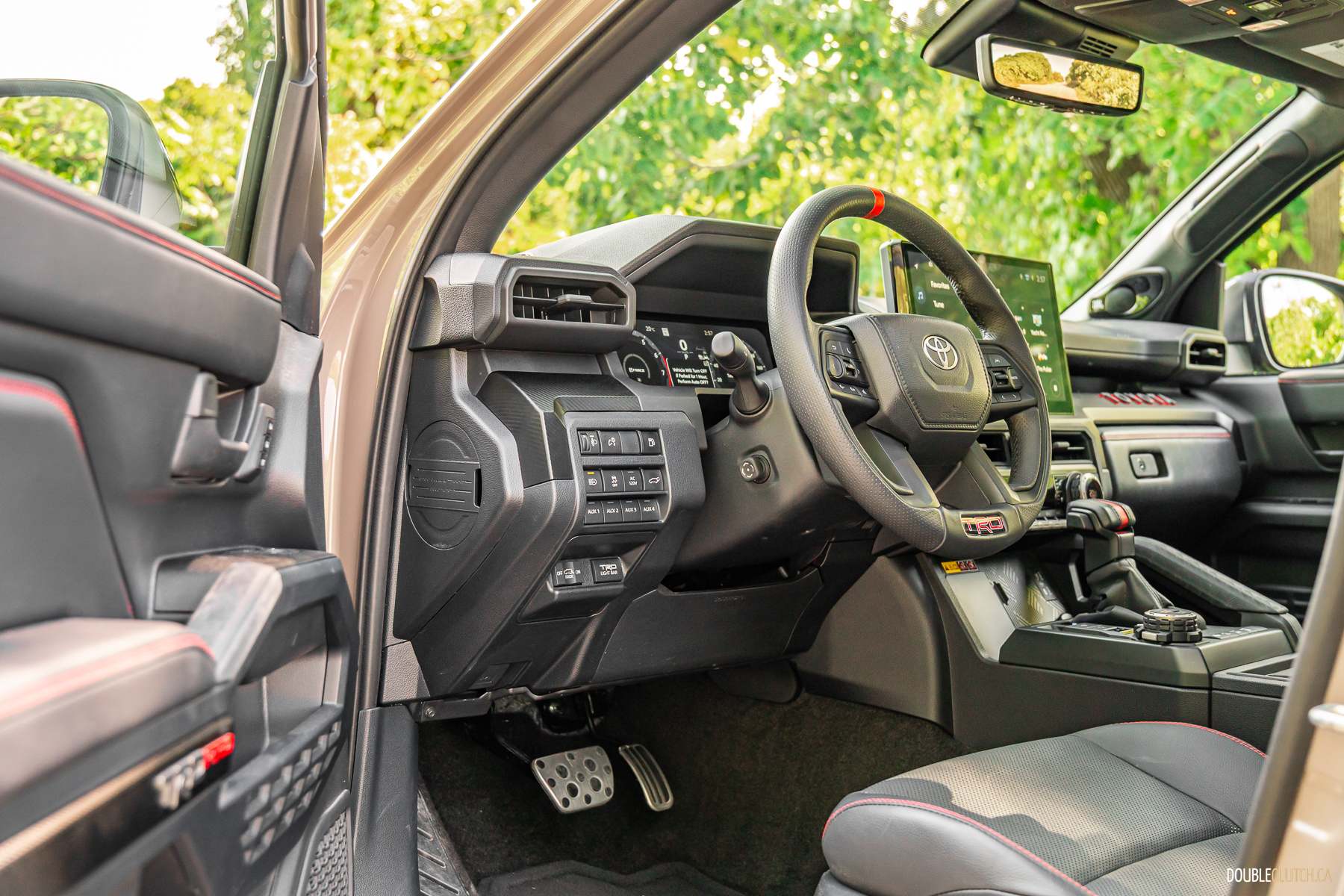
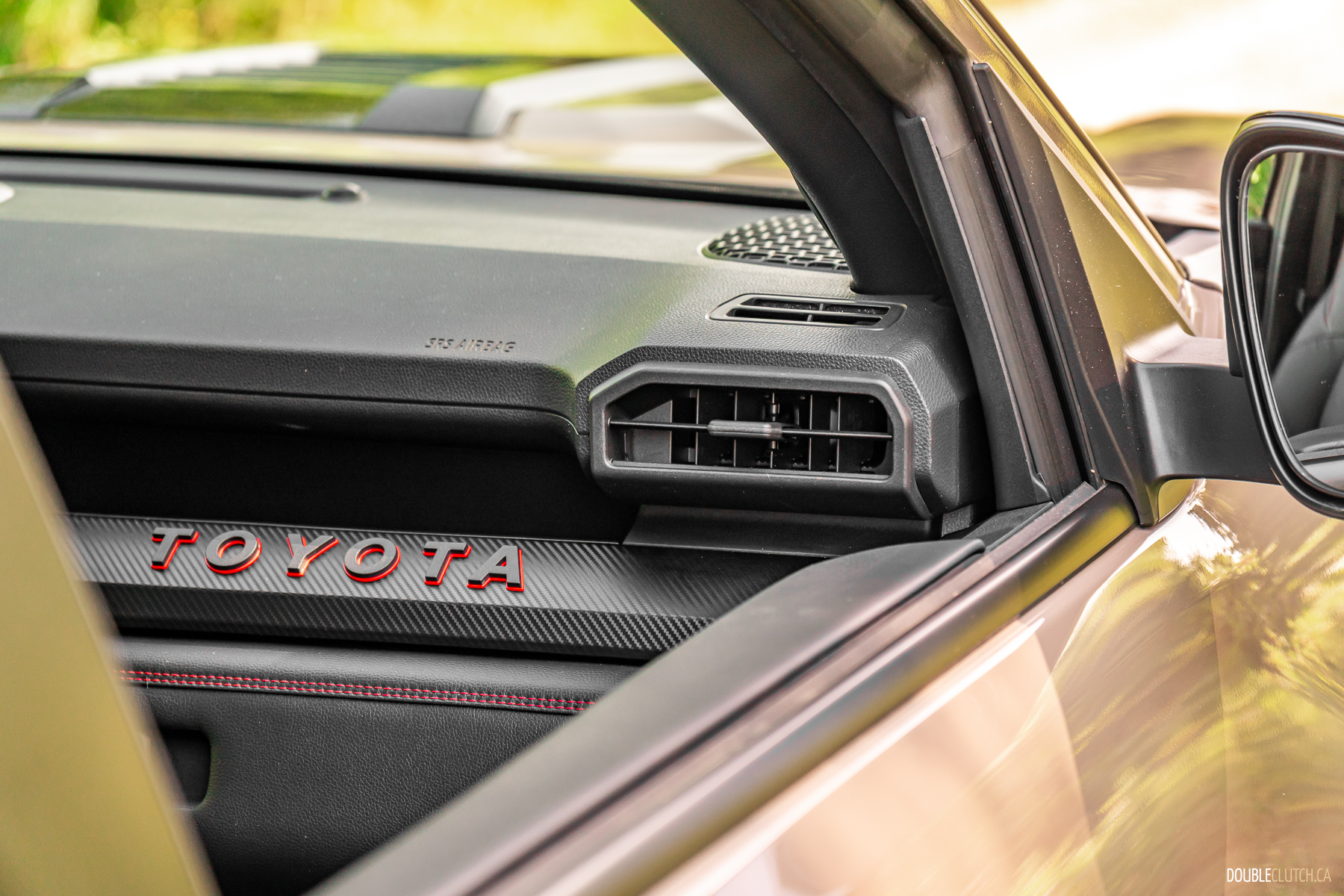
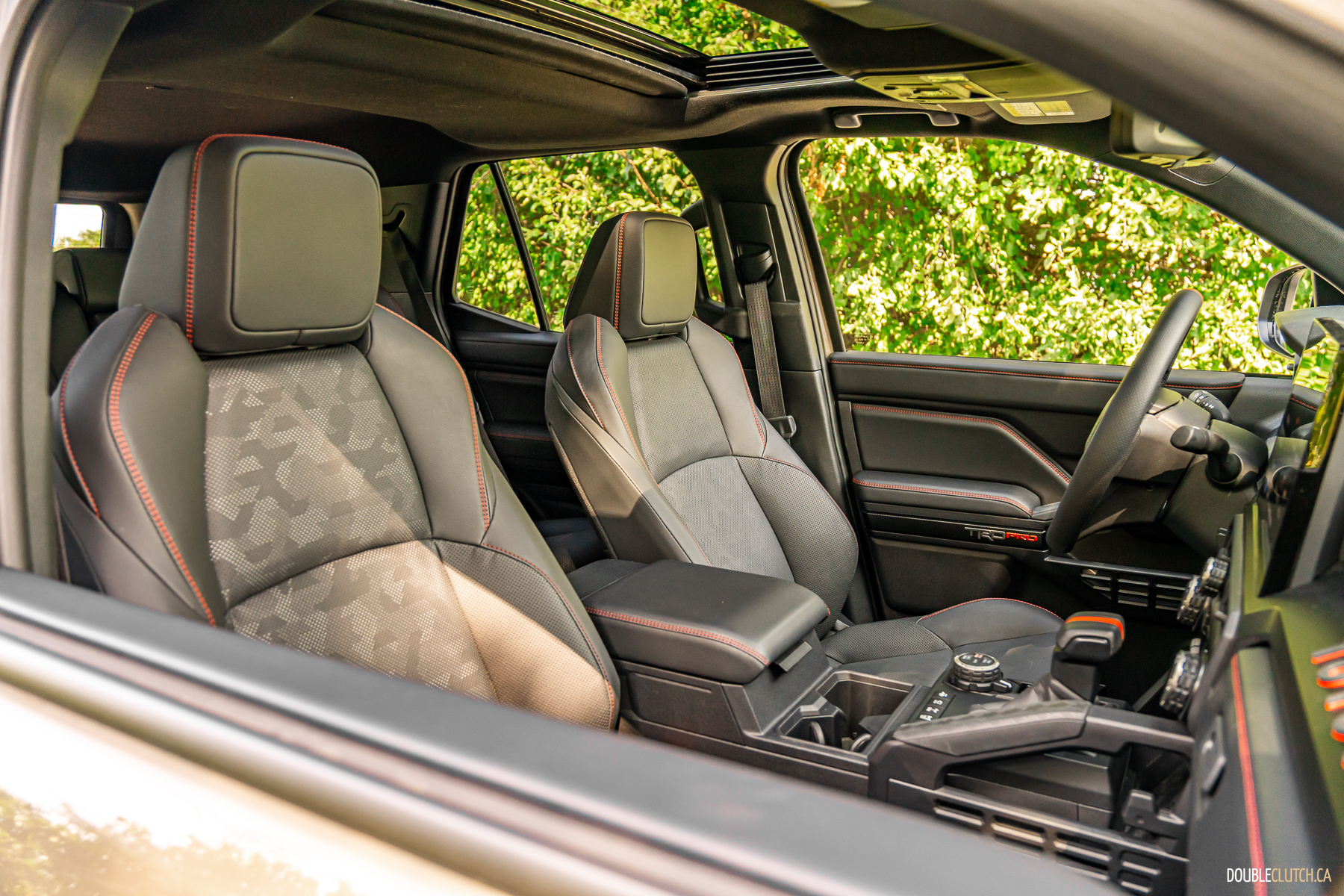
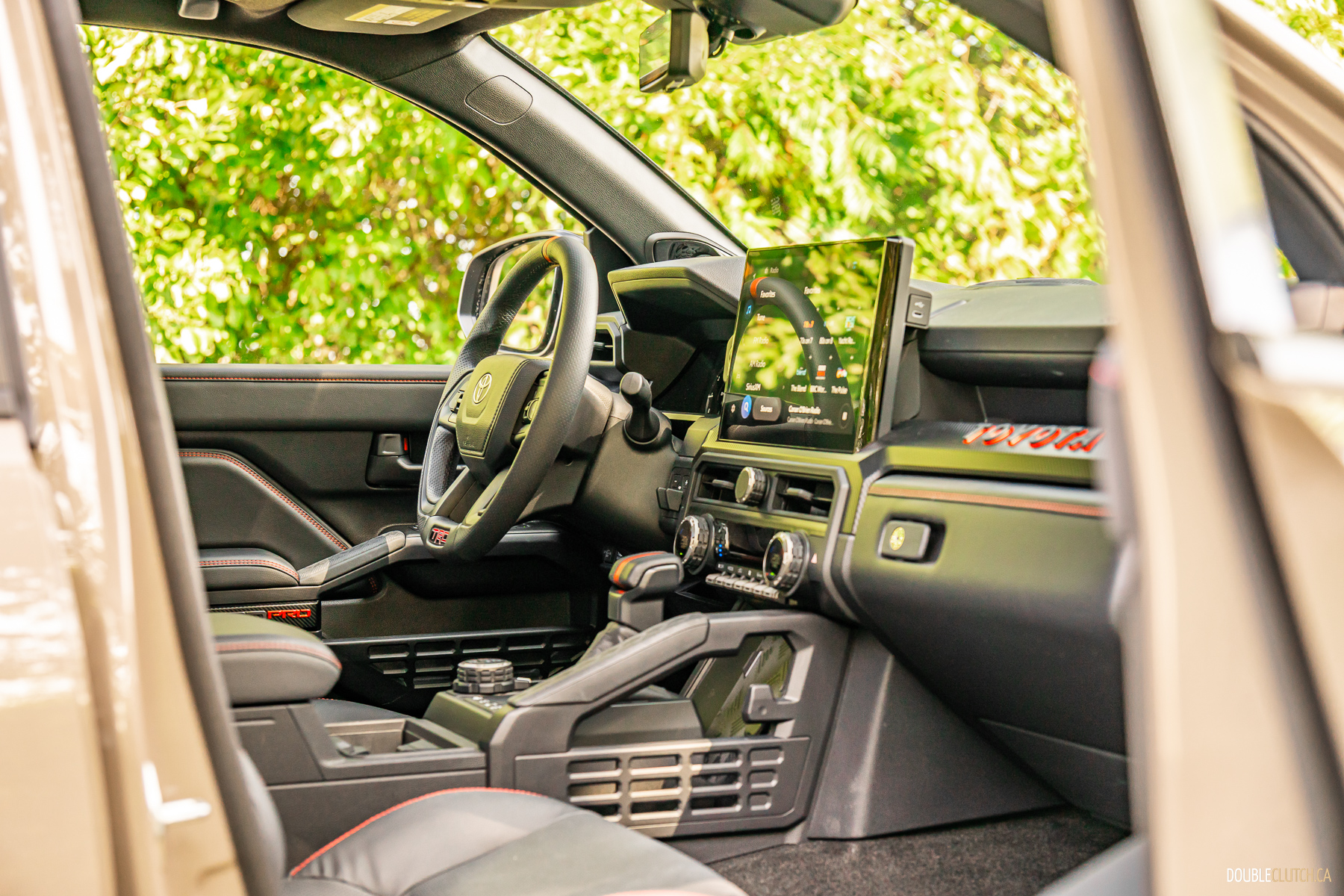
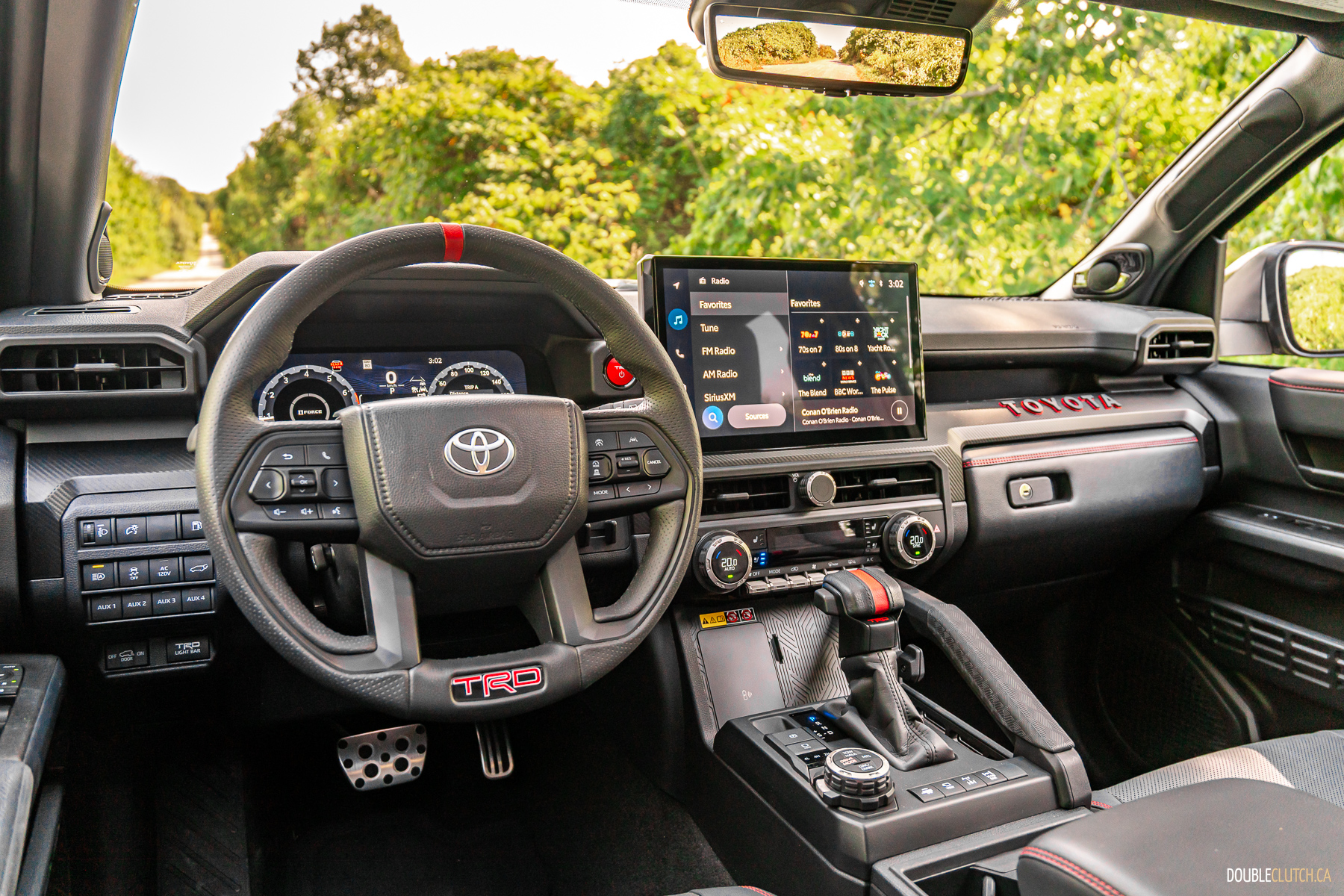
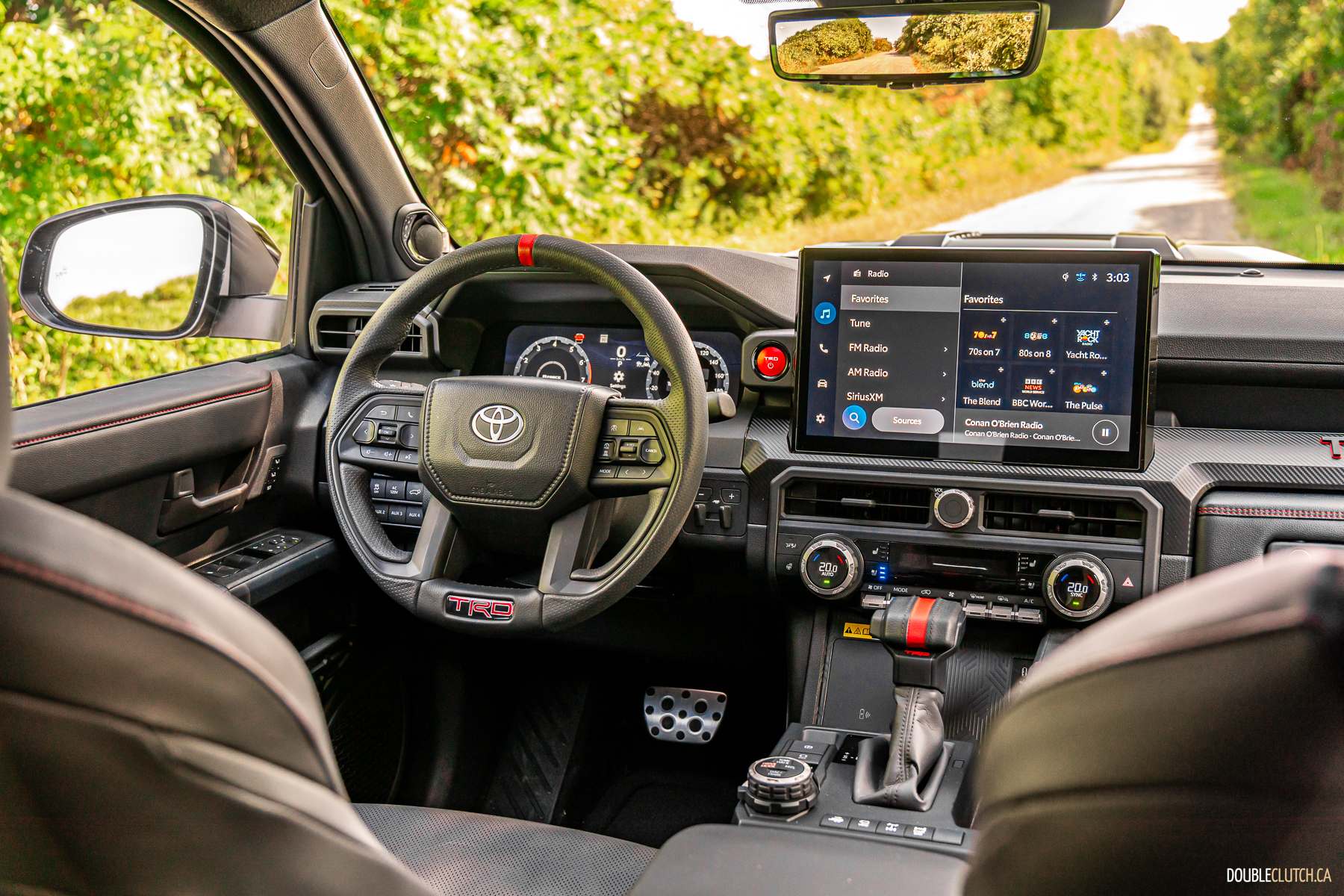
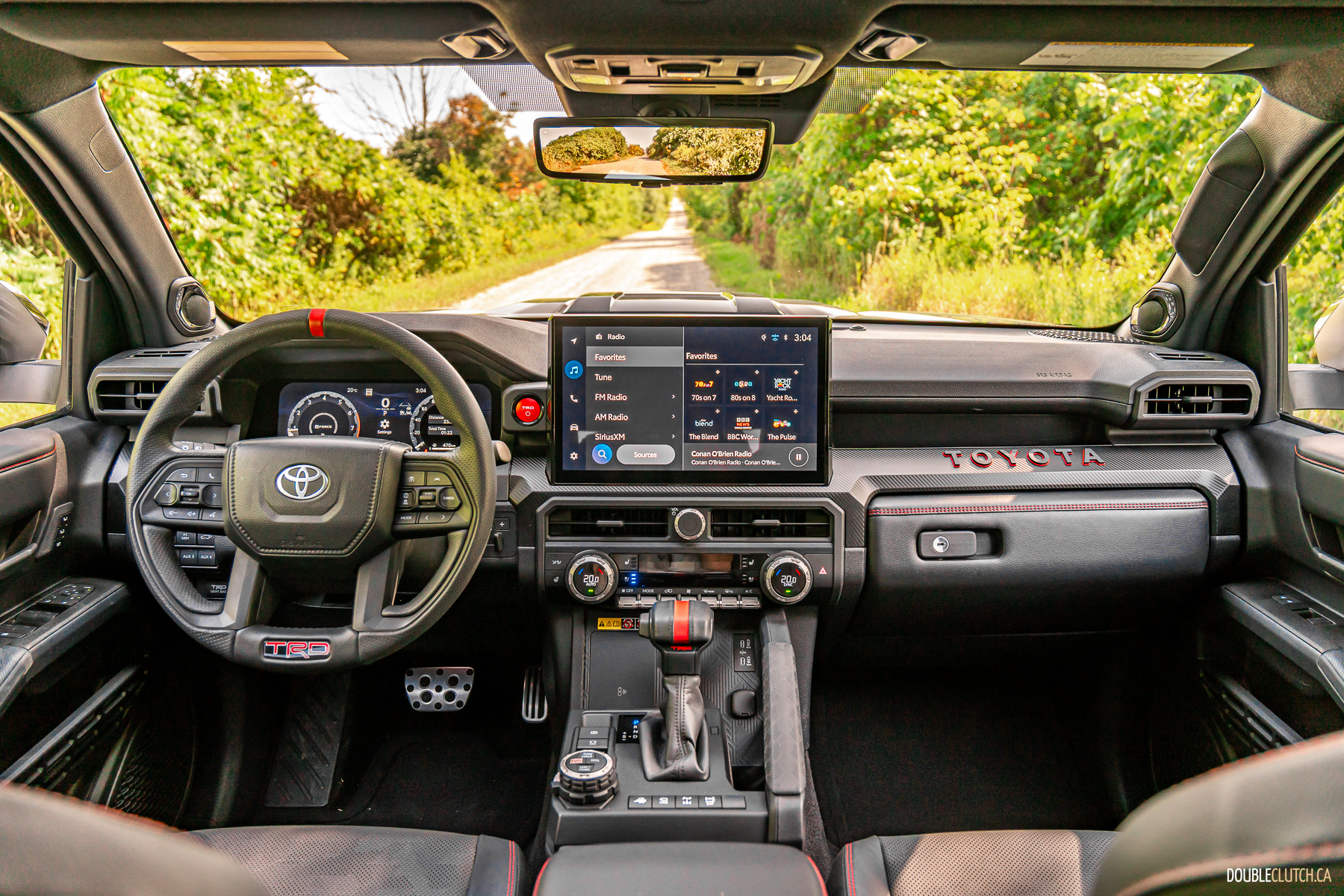
As drastic as the changes are on the outside, it is the redesigned cabin that impresses me the most. The team at Toyota has completely modernized the interior with the massive 14-inch touchscreen that is prominently displayed on the dashboard, and added a host of modern gadgets such as USB-C charging ports, wireless charging capability, and wireless Android Auto and Apple CarPlay connectivity. However, it is important to note that it is incredibly easy to add the toys, but difficult to be able to do it in a way that does not take away the rugged and utilitarian spirit of the Toyota 4Runner.
Another key update to the Toyota 4Runner is the inclusion of Toyota Safety Sense 3.0 driver assistance system, which includes pre-collision system with pedestrian detection, lane departure alert with steering assist, lane tracing and road sign assist, and Proactive Driving Assist that helps drivers to handle some moderate driving duties such as applying gentle braking and steering while following the vehicle ahead as well as going into curves.
Bye-bye V6
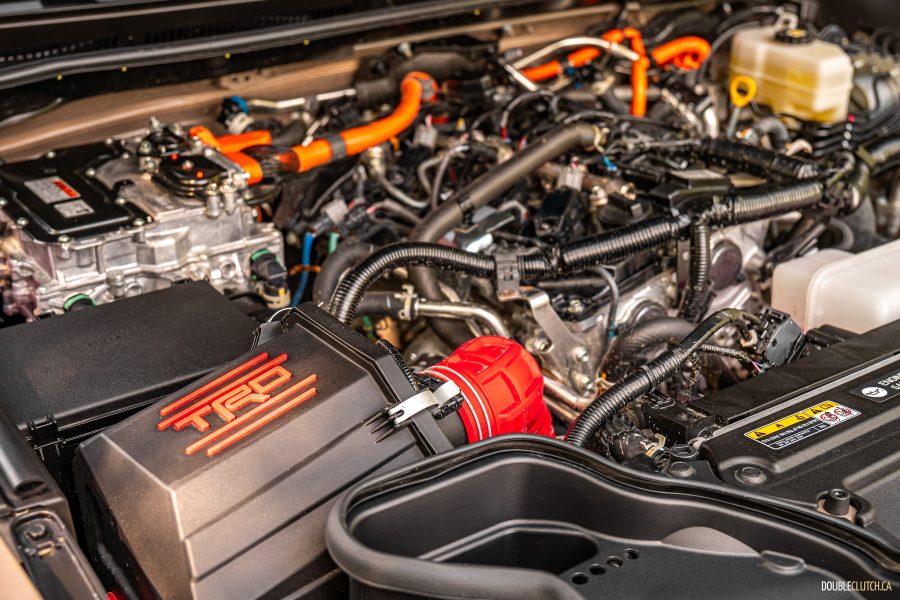
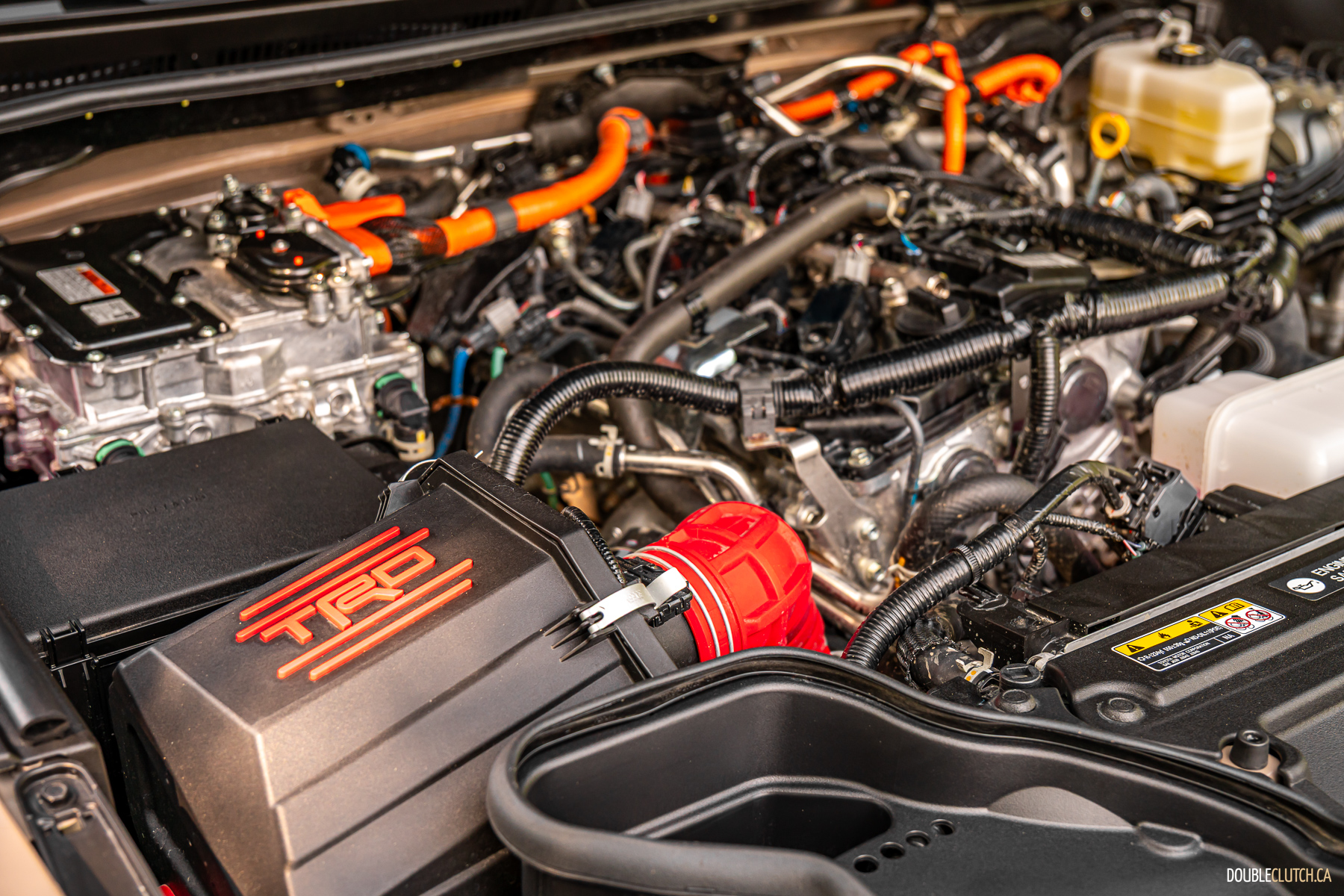
Two engines can be found in the 2025 Toyota 4Runner – a base 2.4-litre turbocharged four-cylinder that churns out 278 horsepower, and our Hybrid model has paired that base engine with a 48-horsepower electric motor to produce 326 horsepower and a very hearty 465 lb-ft. of torque. In my opinion, this new i-Force Max powerplant has completely transformed the Toyota 4Runner.
Yes, the V6 engine was a solid and dependable choice, but it feels too outdated in today’s market, and this turbocharged 2.4-litre is way more responsive and made the 4Runner actually feel fast. I had no issues in powering the 4Runner up to speed in any situation, and this torquey turbocharged engine is a pretty perfect pairing that no one knew they needed. Those who would like to tow with the 4Runner Hybrid will be able to do so up to its 5,800-pound limit – only 200-shy of the regular 2.4T.
Off-road
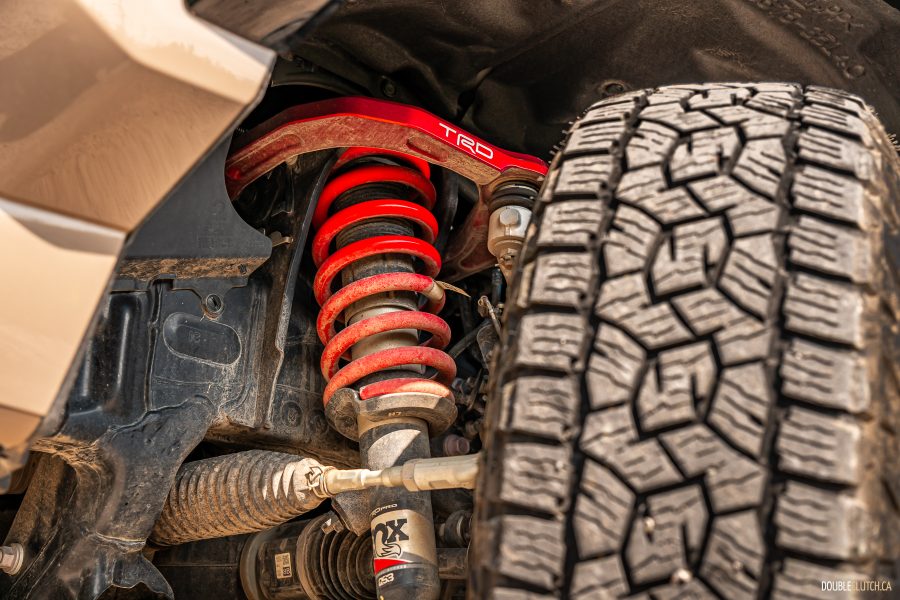
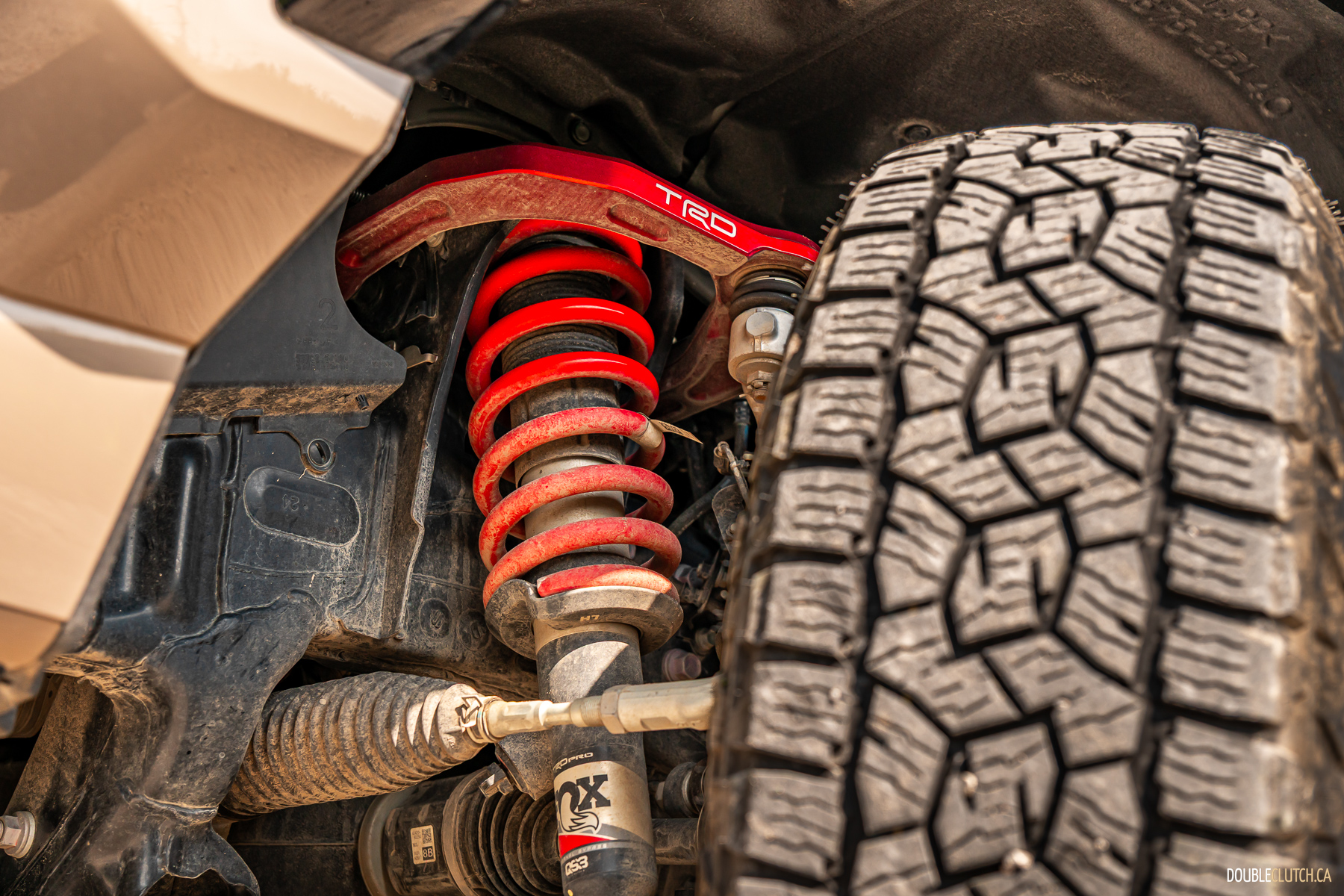
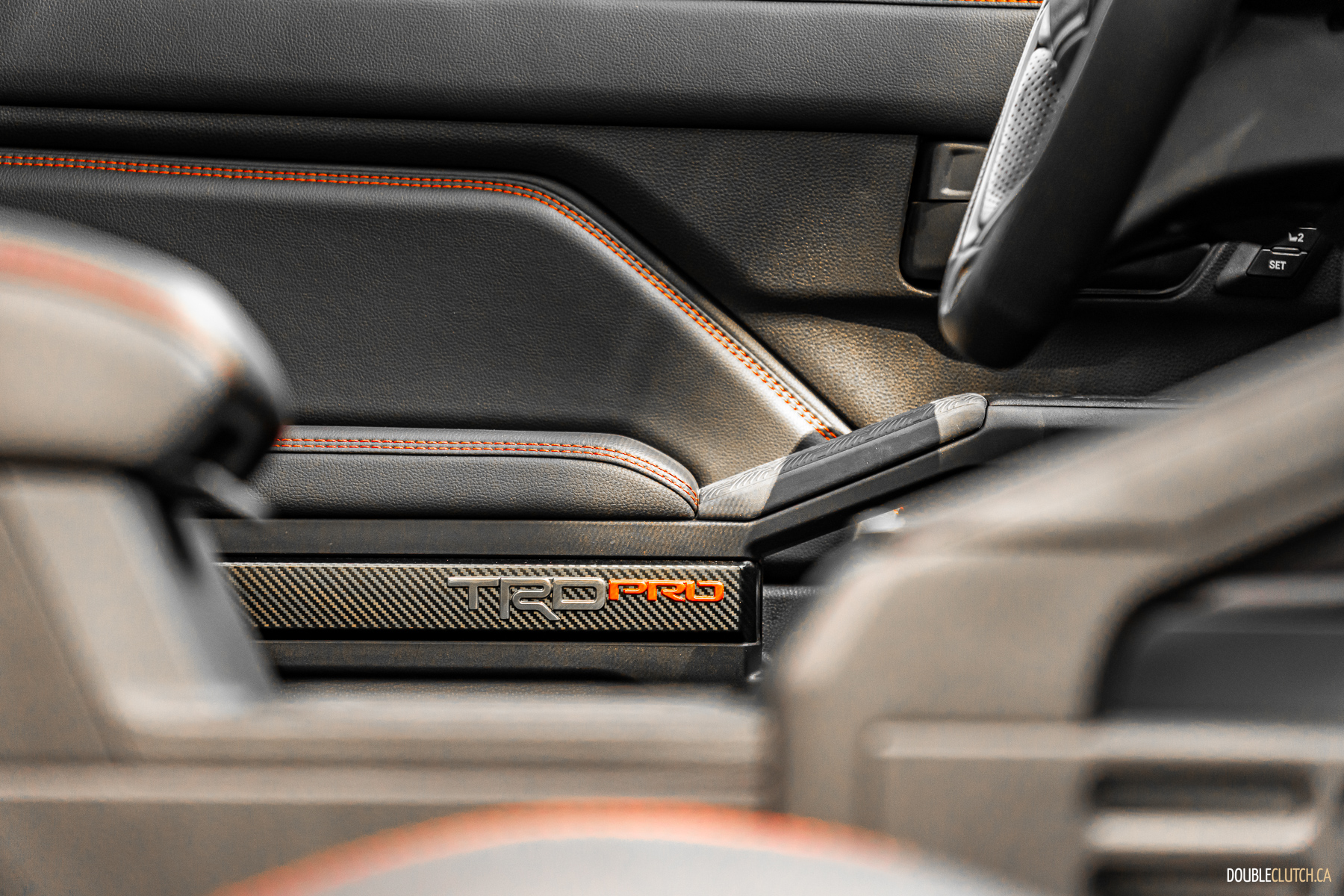
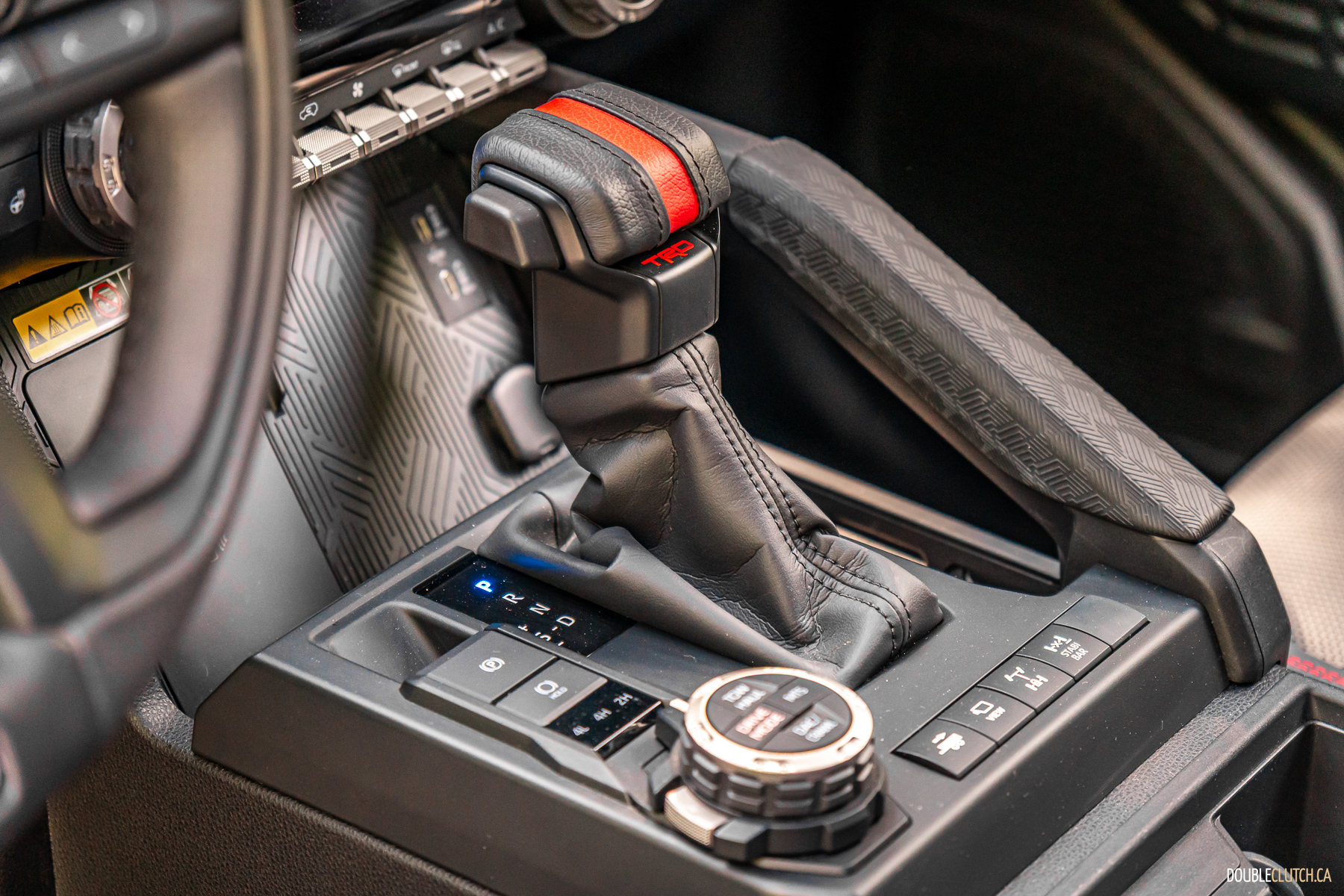
In terms of off-road capability, the 4Runner Hybrid TRD Pro is specially equipped with Fox shock absorbers with three manually adjustable damping settings, and a Front Stabilizer Disconnect Mechanism system that allows the 4Runner to overcome the most treacherous terrain. I like that the 4Runner has simplified the way its users can choose between high and low range and select between various terrain profiles through a rotary dial below the shifter, though I would not be surprised if the 4Runner’s die-hard enthusiasts would prefer having a traditional lever for high-low range selection.
Fuel economy
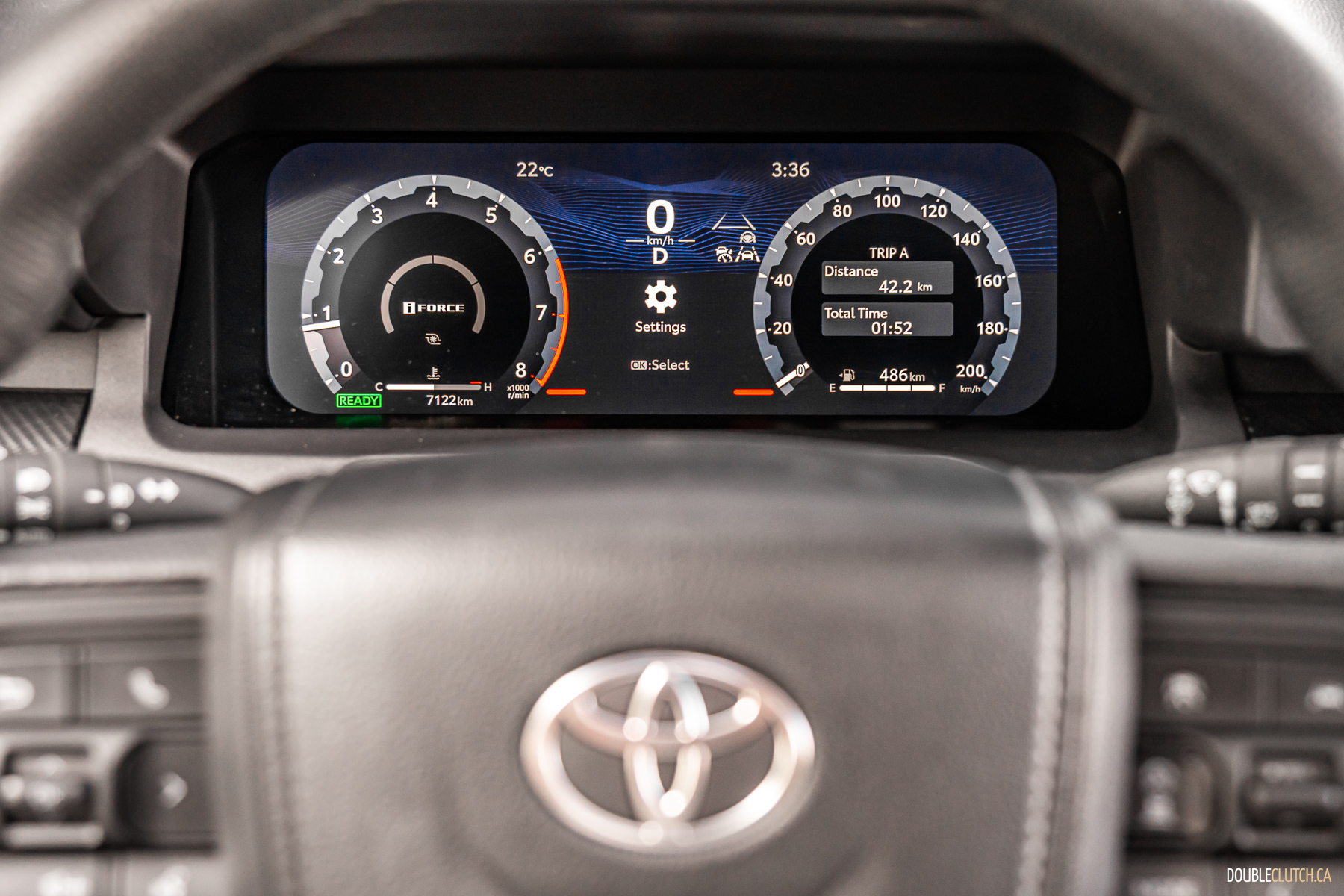
Fuel consumption is rated at 10.3L/100km in the city and 9.5L/100km on the highway for a combined figure of 9.9L/100km. Our observed number came in at a higher than expected 12.2L/100km for our city-heavy commute, but we expect that to normalize over longer stretch of mixed driving. Regular grade fuel is accepted for its 72-litre tank.
Pricing
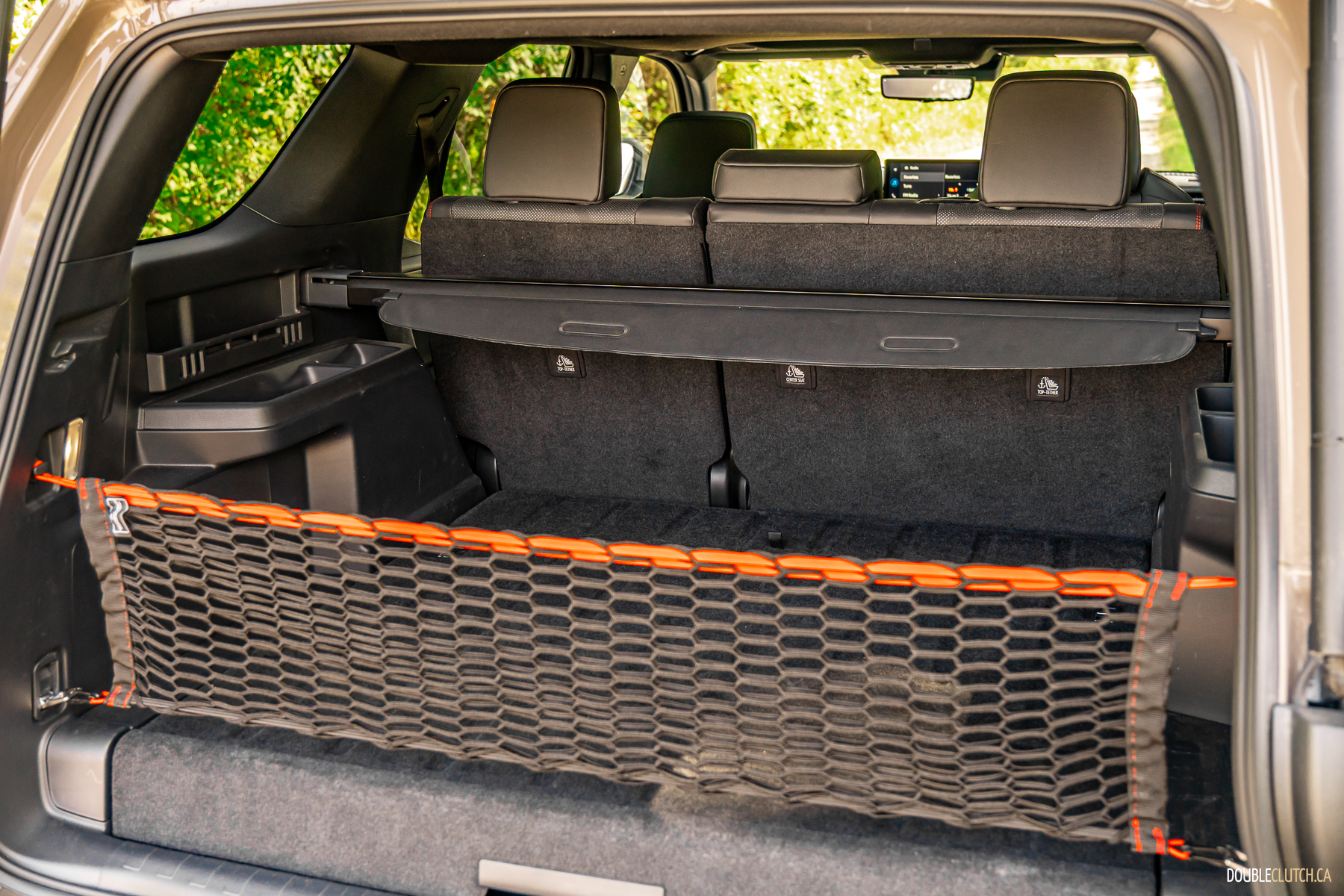
Base price for the 2025 Toyota 4Runner is set at $54,200 for the SR5 model and the hybrid model takes a bit of a leap to start at $67,336 for the TRD Off Road Premium. Our TRD Pro model tacks on another $13,166 to bring the as-tested total above the $80K mark, which is a touch more than the Jeep Wrangler 4XE we had reviewed recently, but is quite a bit more practical.
Wrap it up
The market for these rugged off-road SUVs operates a bit different than mainstream one – buyers in this segment don’t always chase for the latest and greatest, but they would rather it be tried-and-true for the dependability they need. The Toyota 4Runner has always been at the forefront of this unique preference, and I think that it has really struck that fine balance of keeping with the tradition as well as the times. I expect current 4Runner enthusiasts will have no problem jumping to the new one, and I also expect the updated hardware, like this hybrid powertrain, to draw a new breed of drivers.

Senior Editor
Ben has been living and breathing car magazines, spec sheets, and touring auto shows for his entire life. As proud member of the Automotive Journalists Association of Canada, he keeps a close eye on the latest-and-greatest in the auto industry. When he isn't geeking out about the coolest new cars, he's probably heading to the next hidden-gem ice cream shop with his three quickly growing kids.
Current Toys: '97 Integra Type R, '07 LS 460 RWD, '18 Odyssey Touring

Editor-in-Chief
Nathan is an eccentric car enthusiast who likes driver-focused cars and thoughtful design. He can't stand listening to people reminisce about the "good ole days" of cars because he started doing it before it was cool, and is also definitely not a hipster doofus.