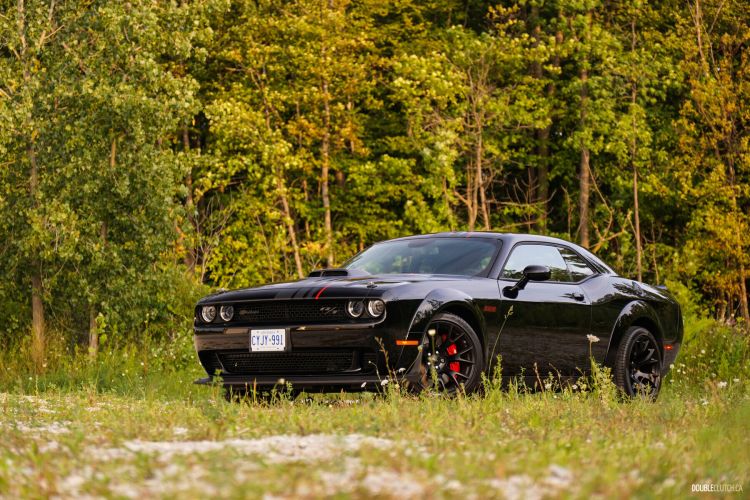
Throughout the years there’s been a number of cars that defined each generation of the muscle car, but one thing has always remained constant, a big, burly, hairy chested V8 stuffed under the front hood acting as the emotional heart of the muscle car. That formula has gone virtually unchanged for over half a century.
Now is that how the muscle car is defined? Or is it defined by the outcome of what that V8 produces? Power, smoke, wheelspin, sound and speed. The new 2025 Dodge Charger Daytona Scat Pack EV is betting on the latter. It’s damn near faster than any muscle car before it, but is the muscle car driver looking for performance or emotion, or both?
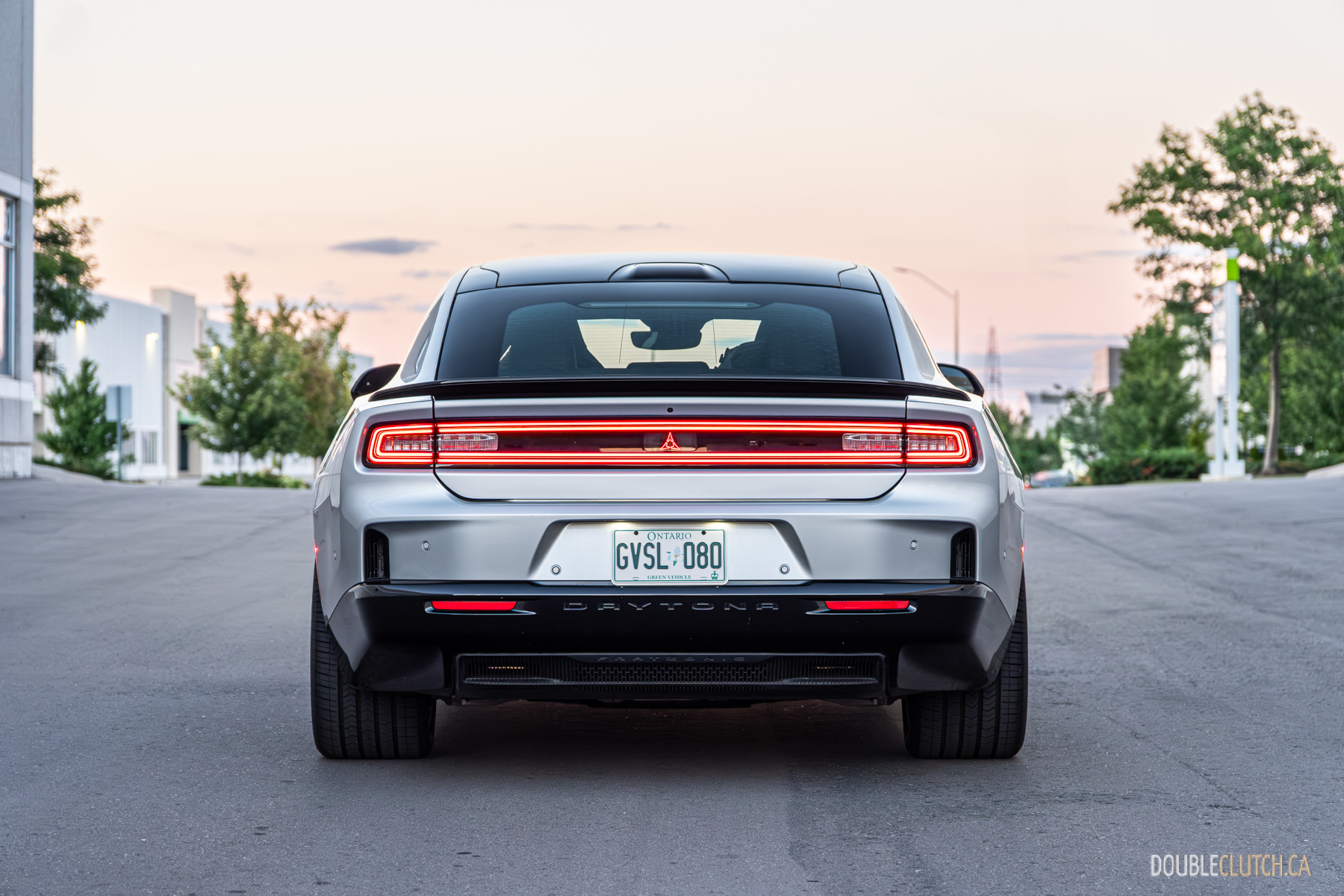
A new era
Electrification is coming for us all, so it was inevitable a muscle car would get the EV treatment at some point. First off, kudos to Dodge for taking a risk and being first to the party. Neither of Dodge’s American rivals have done the same, unless you count the Mustang Mach-E (you shouldn’t). It’s commendable because the formula has been so entrenched in American culture for so long that it will be a monumental task to sway your traditional buyer, unless you have a near perfect product that hits both the performance and emotional formula out of the park.
And therein is the challenge. EVs are inherently emotionless, and although new age muscle cars have their flaws, emotion isn’t one of them. Dodge has tried to circumvent this in a couple of ways. One is by pulling at your heart strings with performance stats. This is an all-wheel-drive dual motor 670 horsepower and 627 lb-ft of torque monster, capable of sprinting to 100 in as little as 3.3 seconds and crushing the quarter mile in 11.1. For reference, that’s almost half a second quicker than a gas powered Charger Hellcat. So from a performance standpoint it’s got that on lock.
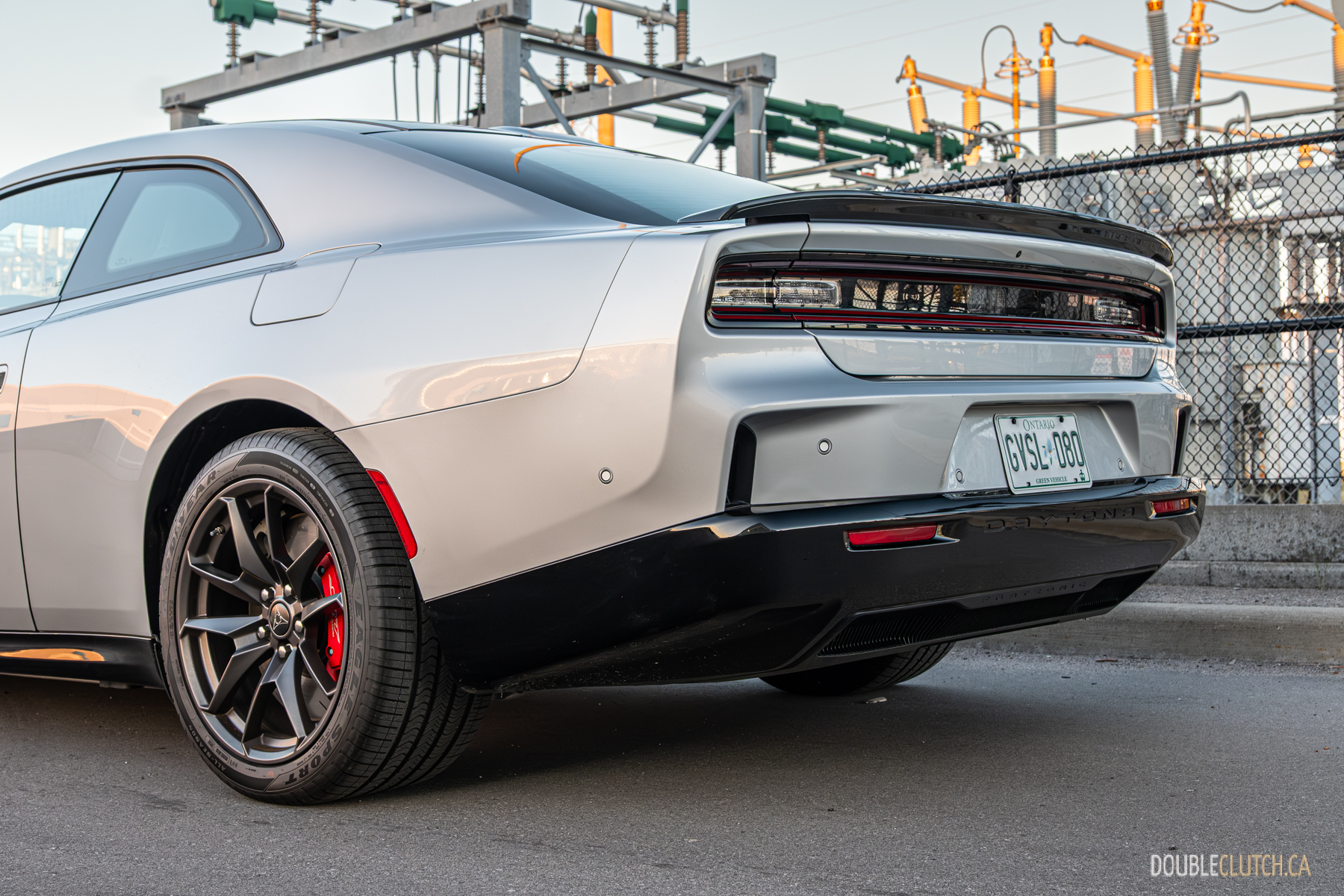
The second way it tries to win over that emotional quotient is in the way it sounds. Dodge went all in on this. But wait, EVs don’t sound like anything you say? You’d be right, but Dodge understands that noise is a big part of the muscle car experience, so has gone out of its way to develop a faux “exhaust” system that tries its best to mimic the gutteral sound of the American V8. It dubs this system their “Fratzonic” exhaust, which is essentially a system of speakers and carefully designed chambers to make it sound like there’s an actual exhaust hanging out back. It’s also designed to send vibrations into the cabin to give you both the sound and feel of a fuel burning V8.
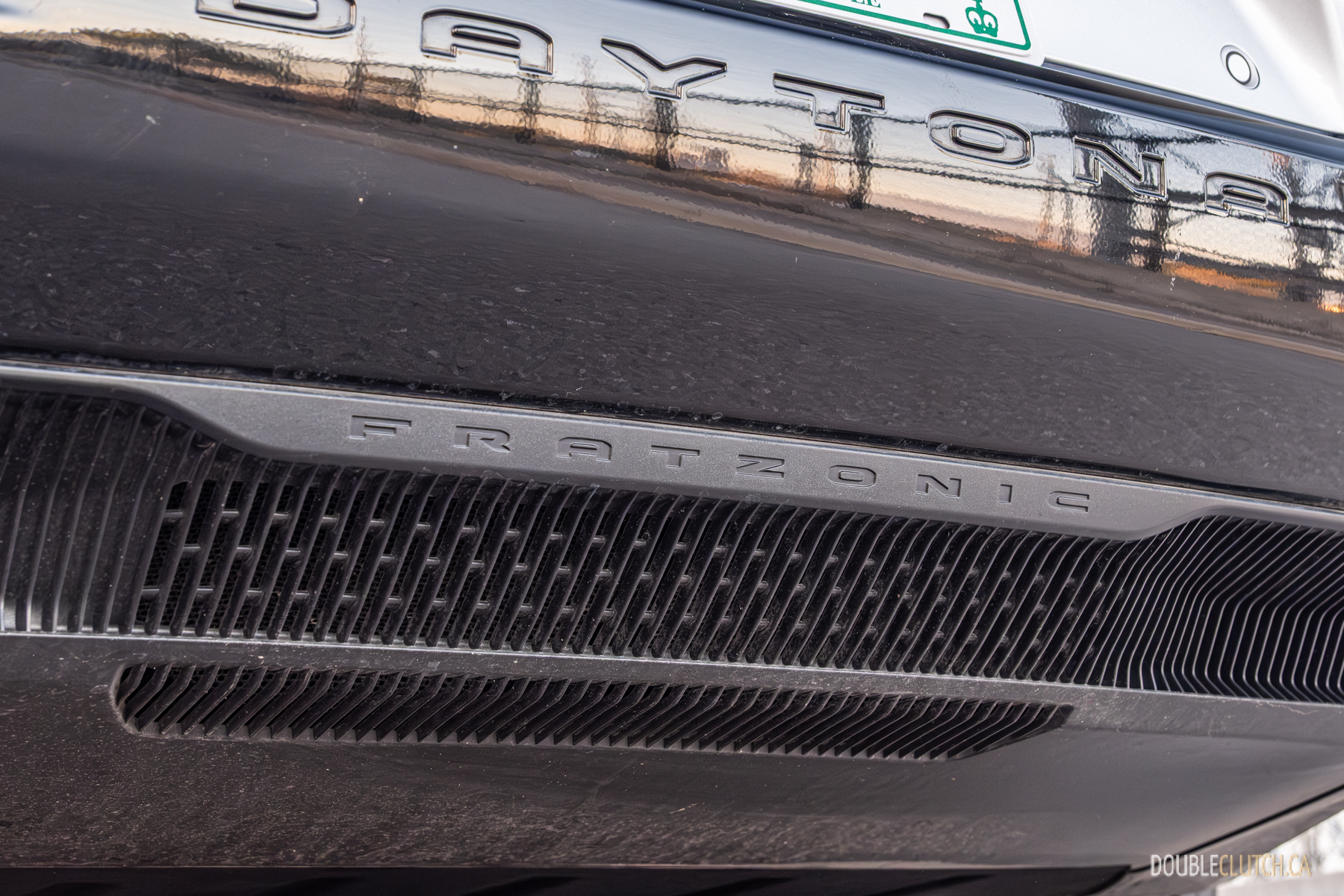
The result is….mixed. The startup sound is LOUD, and blends a bit of an old school V8 sound with a spaceship whirr. I’ll admit it sounds kind of cool but it’s hard not to feel a bit embarrassed knowing it’s completely fake. Idle sound and vibration varies in different drive modes, with track mode resulting in a loud “burble” that reverberates throughout the cabin. From the inside it doesn’t sound half bad, from the outside it sounds a tad too synthesized. Same goes for when you’re on throttle, it sounds pretty good from the inside but a little too fake on the outside, unless you’re at a distance from the car.
Although the sound is a bit of a mixed bag, it does up the emotional connection with the car, something most EVs outside the Hyundai Ioniq 5 N entirely fail at. So I still give it a pass, especially since you can completely turn it off if you prefer your muscle car incognito. Too bad Dodge didn’t go as far as Hyundai in making a simulated gearbox to go along with the sound.
Where it does miss the mark is in hooliganism. Since it’s all-wheel-drive and powered by instantaneous electrons sans a transmission, there’s no tire burnout shenanigans to be had. I don’t miss this much, but I can imagine actual muscle car owners might. In its place you do have a bonafide launch control system that will pin you to your seat. A happy tradeoff in my books.
It also doesn’t quite handle like a muscle car. Don’t get me wrong, that isn’t a benchmark to target, because I’d argue this Charger Daytona EV handles better than most every Dodge muscle car that came before it. It’s just that it feels more like a kind of sporty big sedan than it does a muscle car. It’s actually quite competent, although like most muscle cars it can’t hide its 5,800 lb weight.
A welcome interior
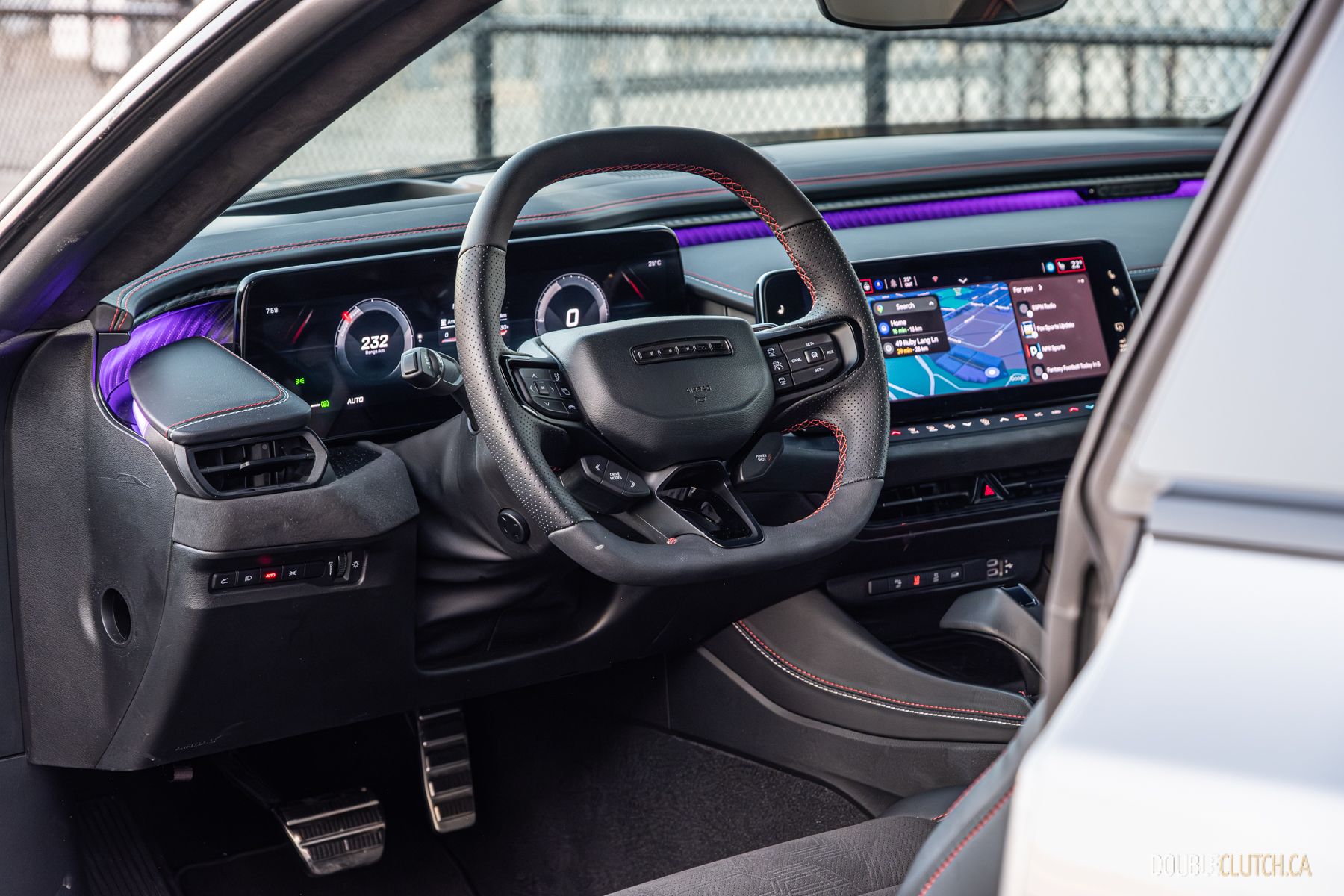
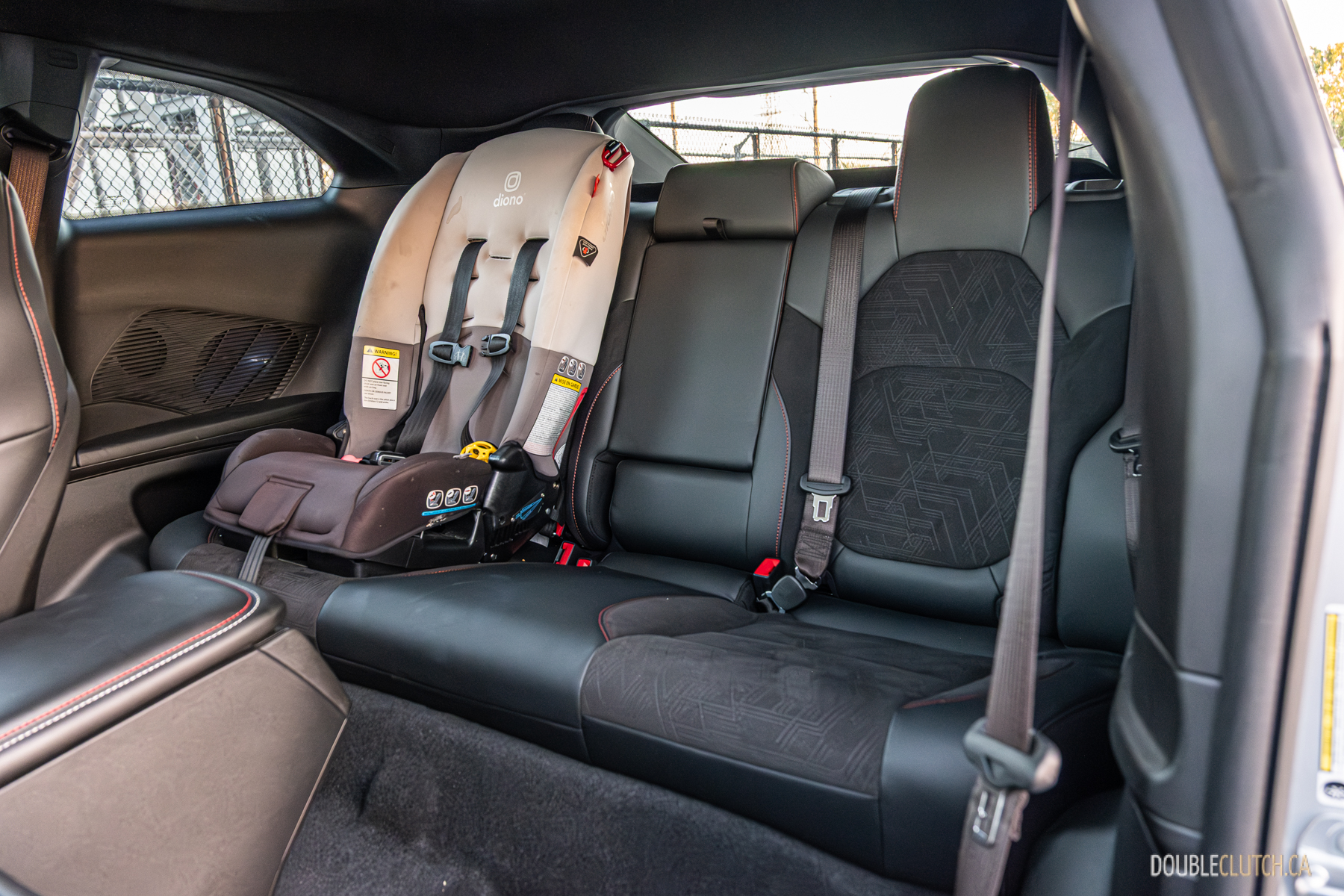
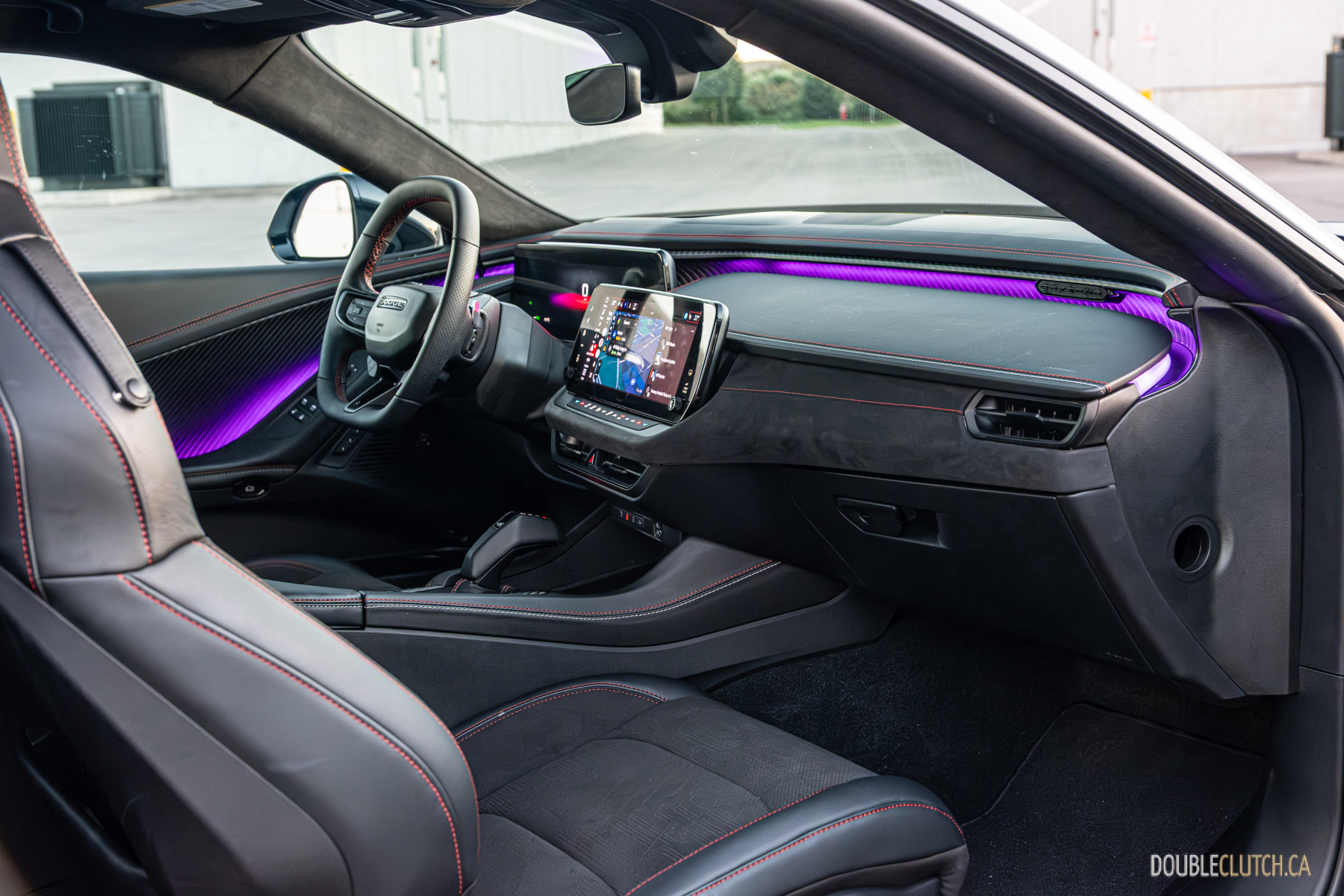
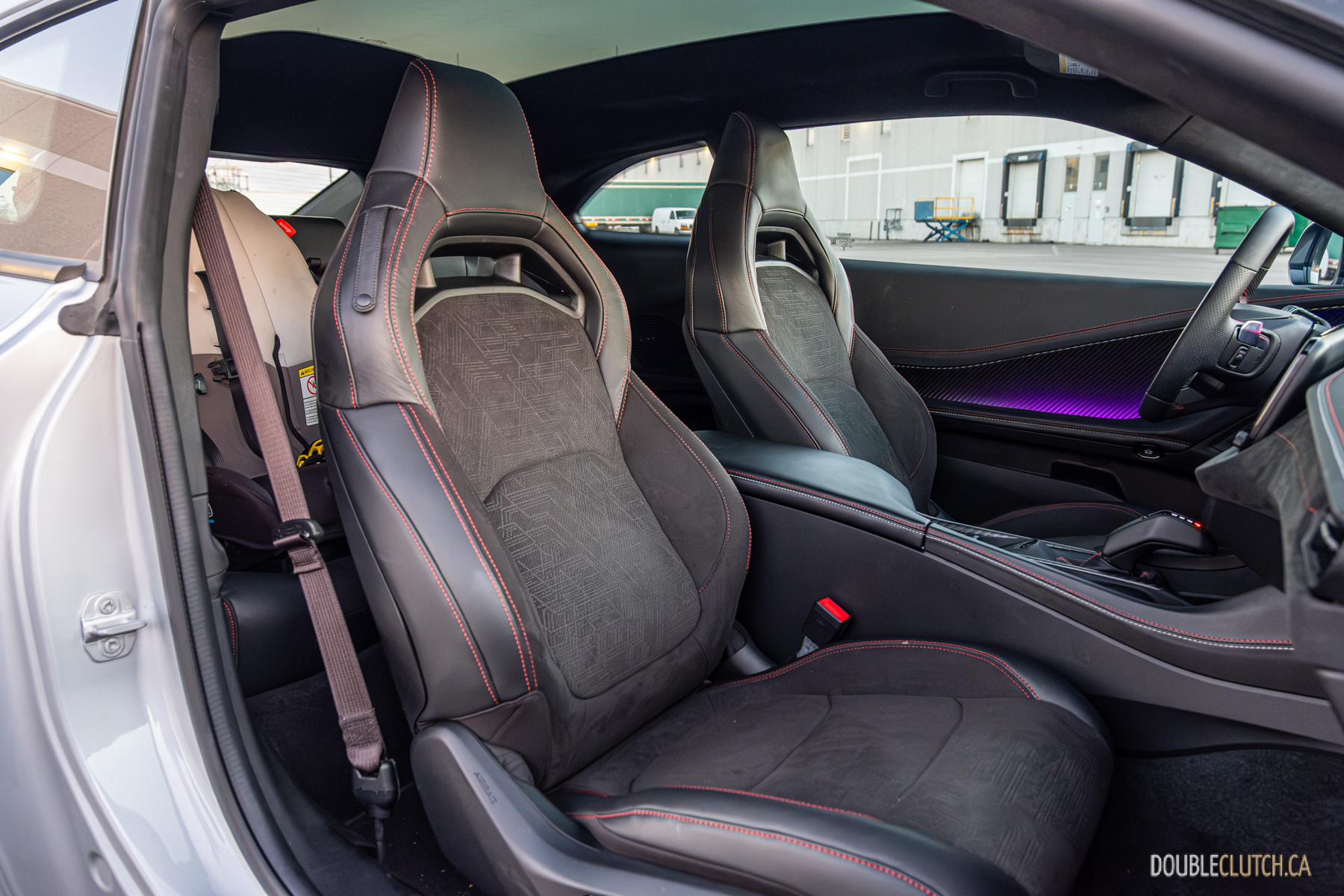
Where the Charger Daytona really shines is on the inside, offering loads of space both front and rear. Despite this being a coupe, the rear seats have more legroom than many sedans, with adults fitting back there with ease for not just short stints, but full on road trips. The front seats are well cushioned and comfortable, and the cabin overall is airy and spacious, thanks in part to the Charger Daytona’s 206” length, which is just two inches shy of a Mercedes S-Class sedan.
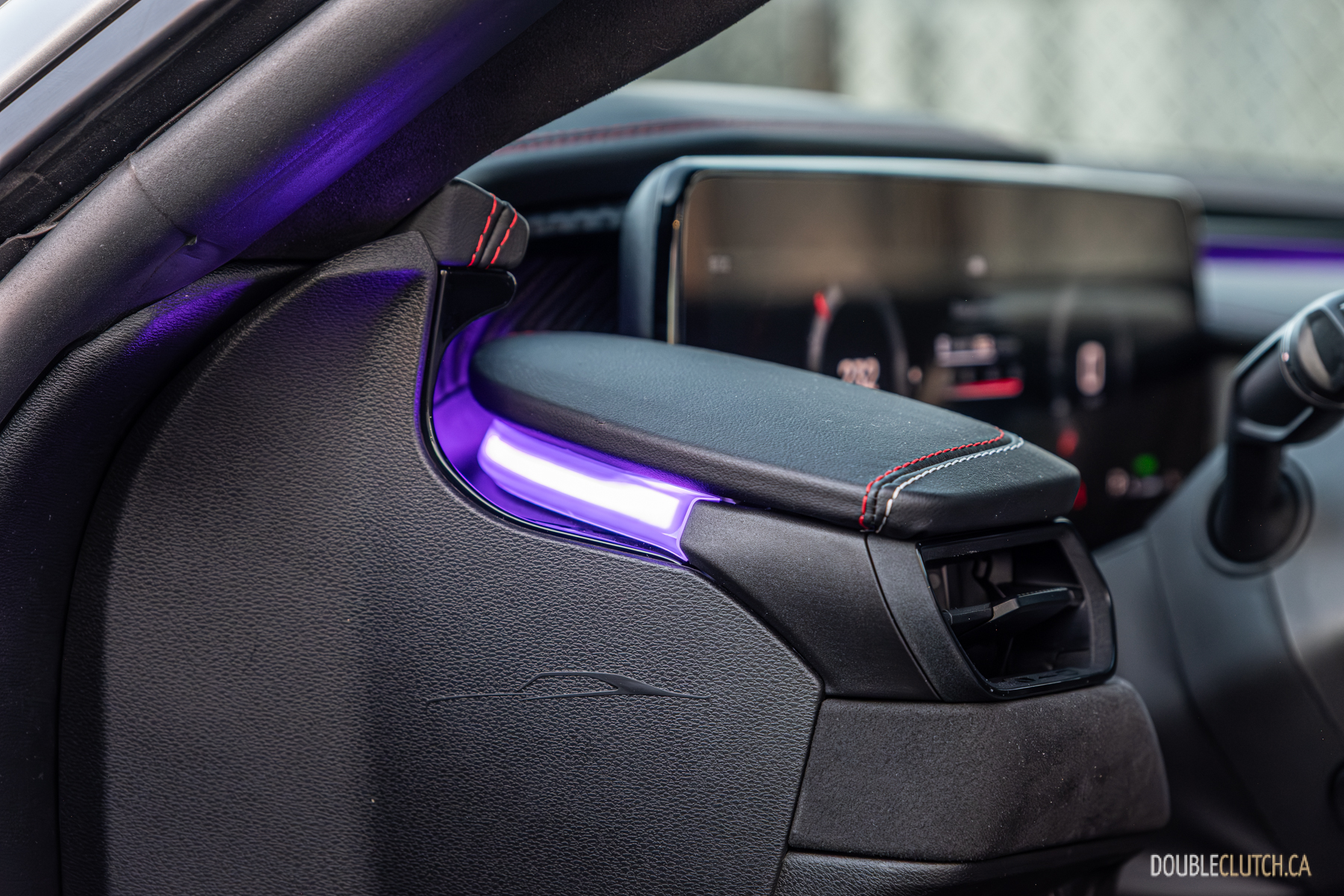
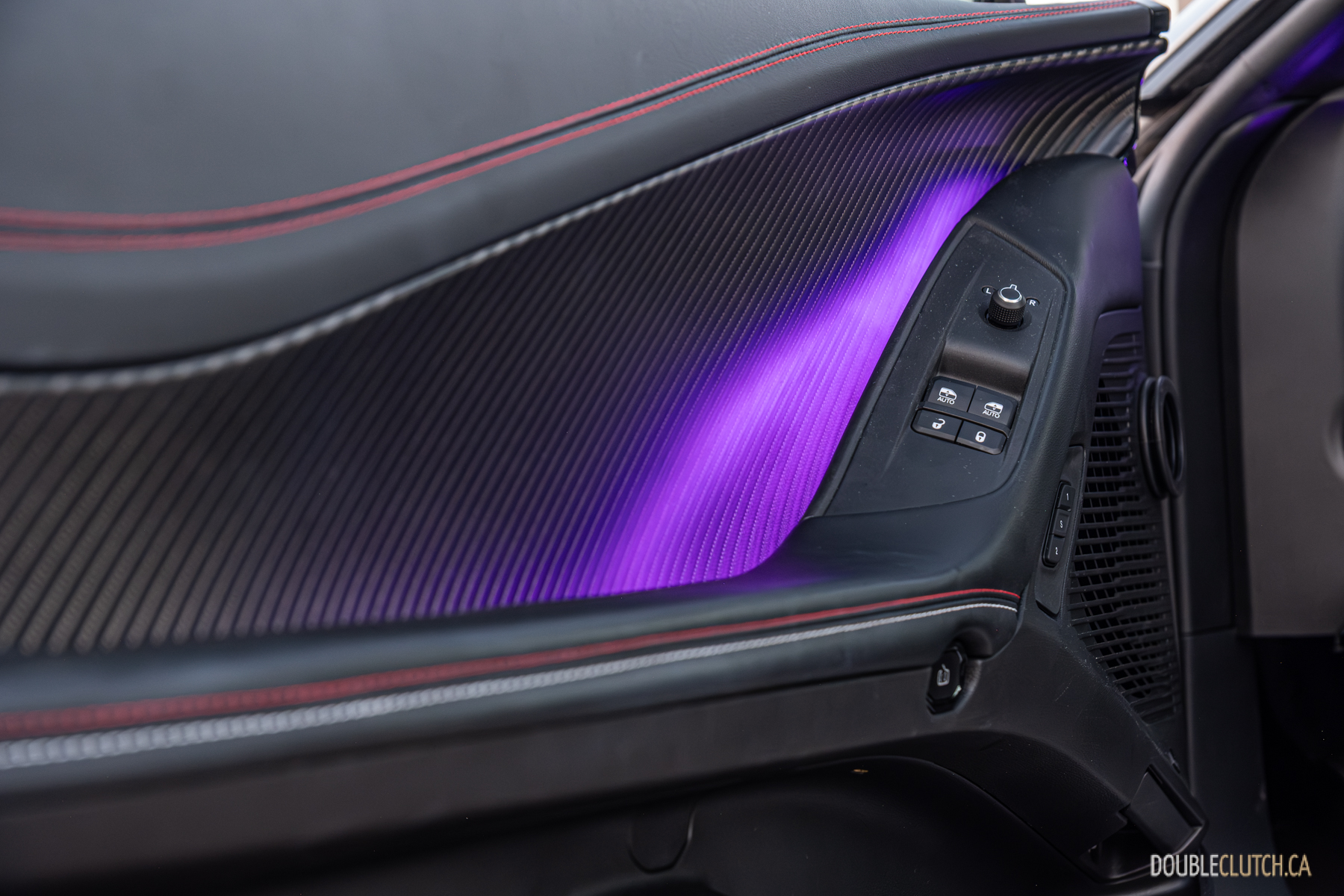
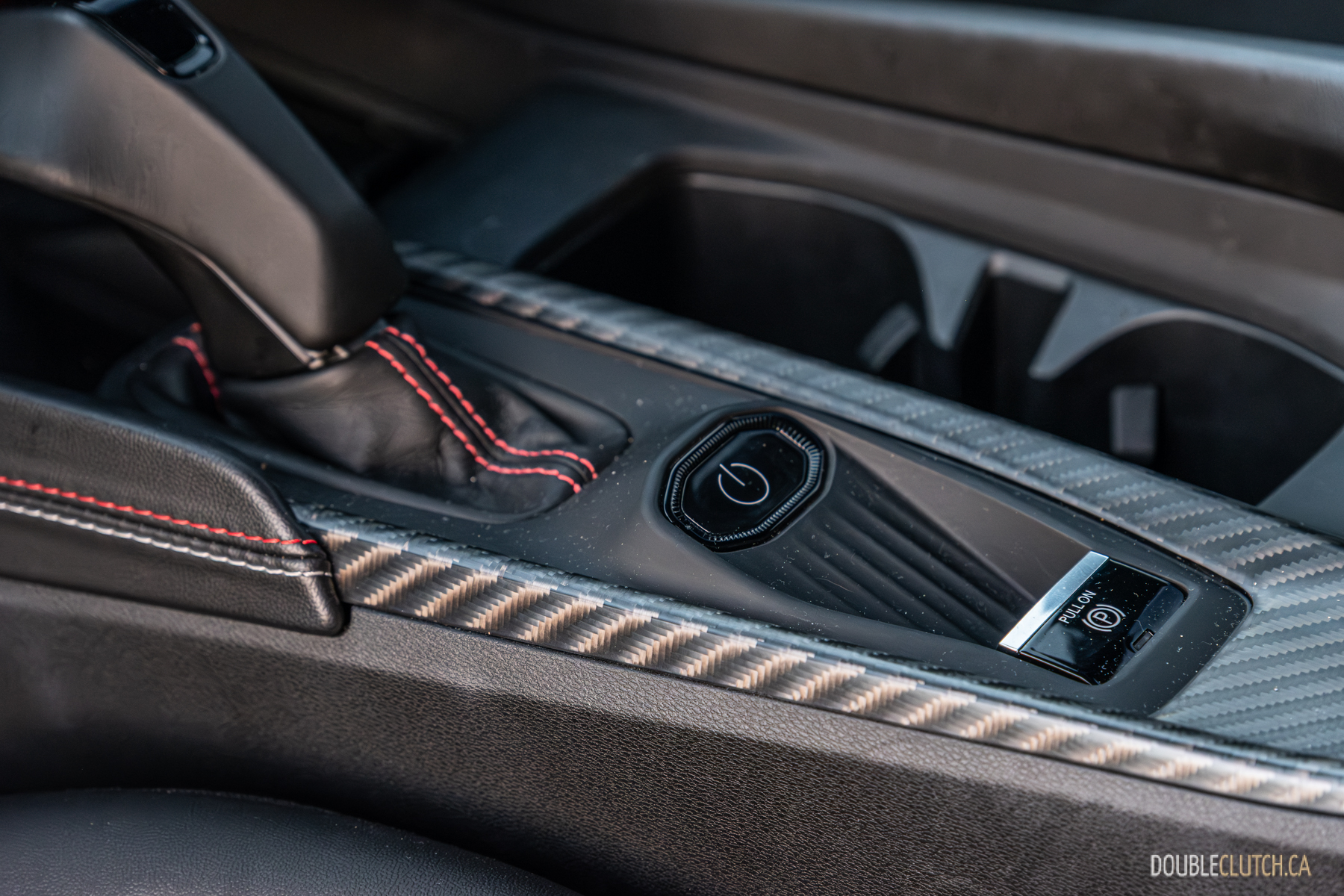
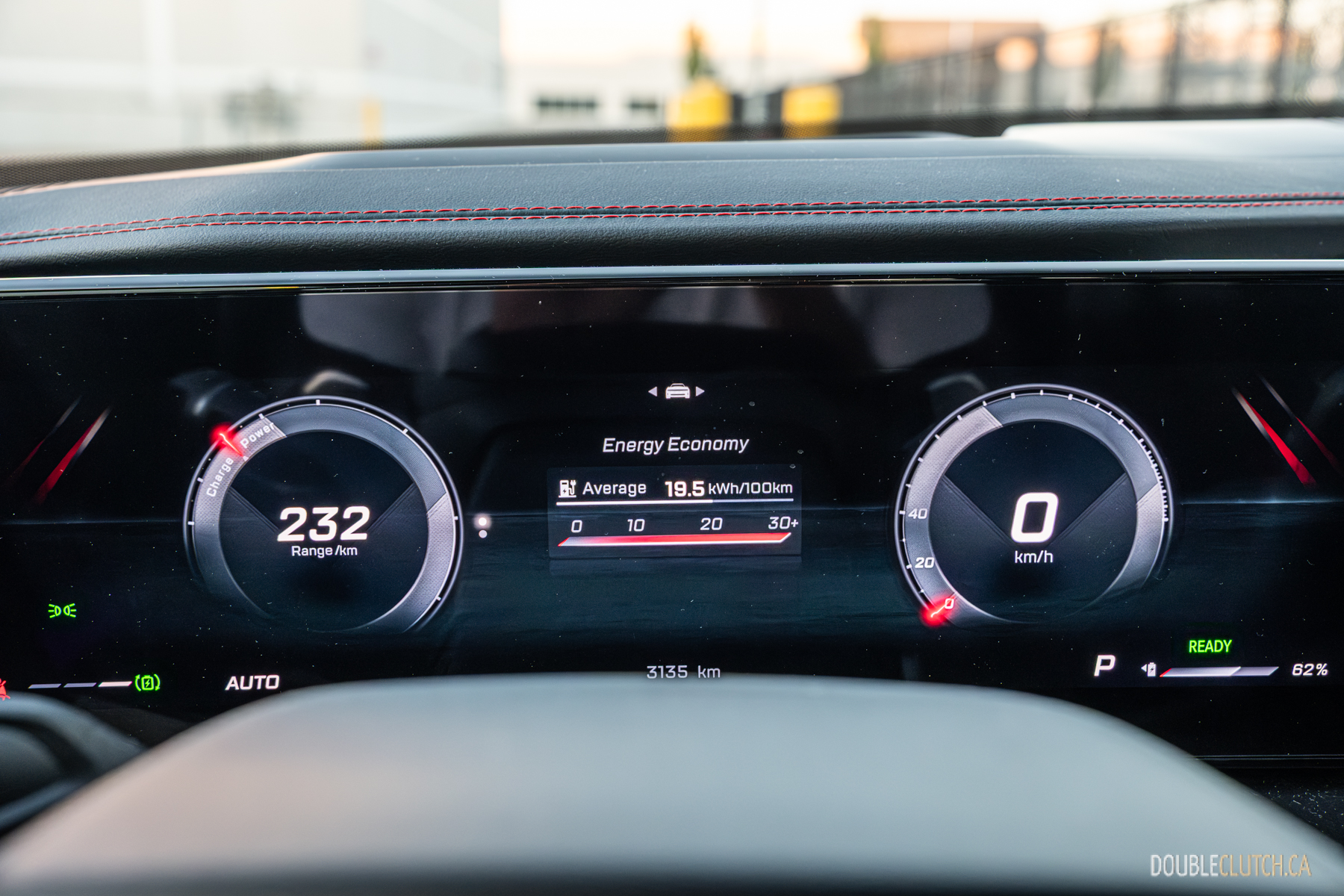
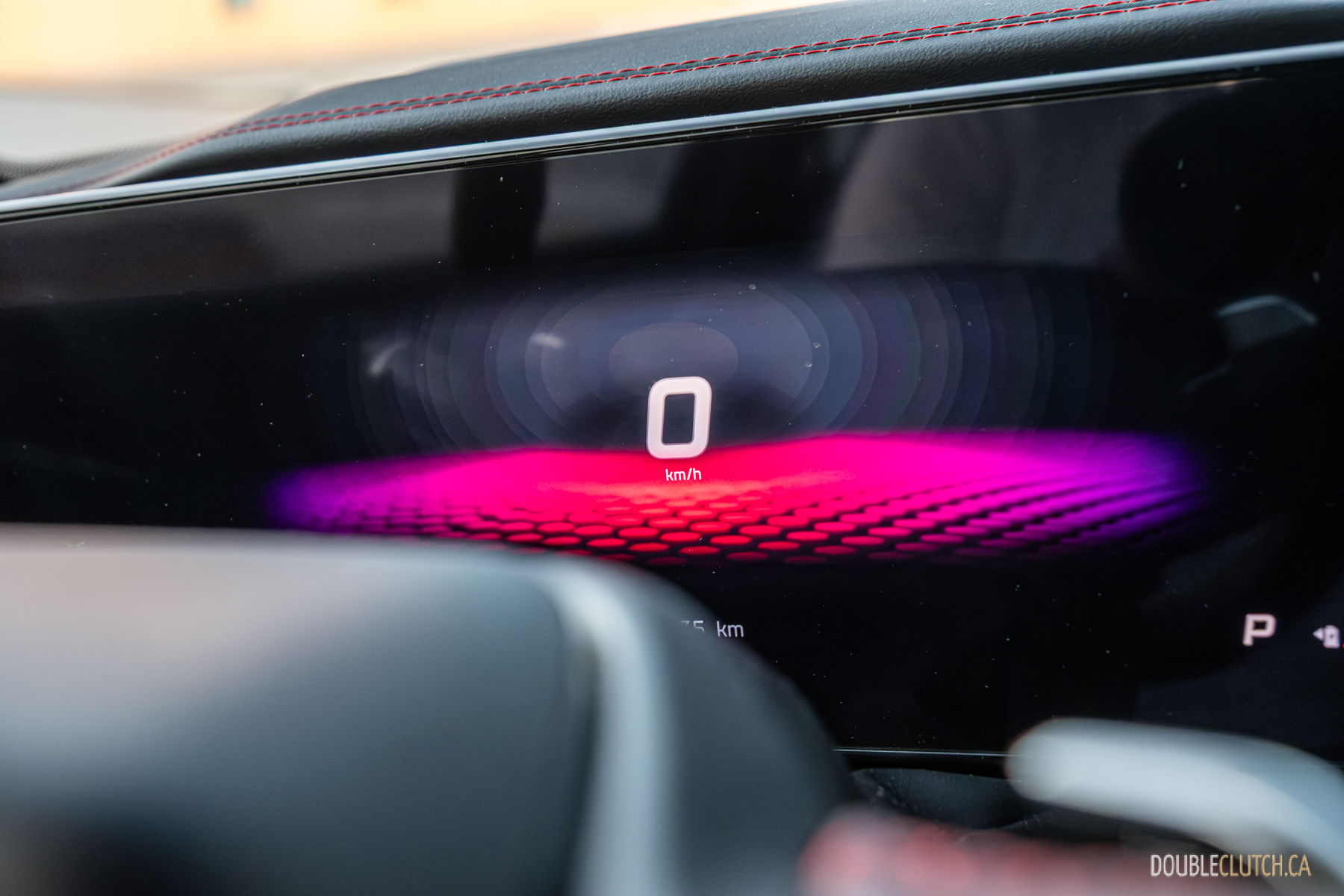
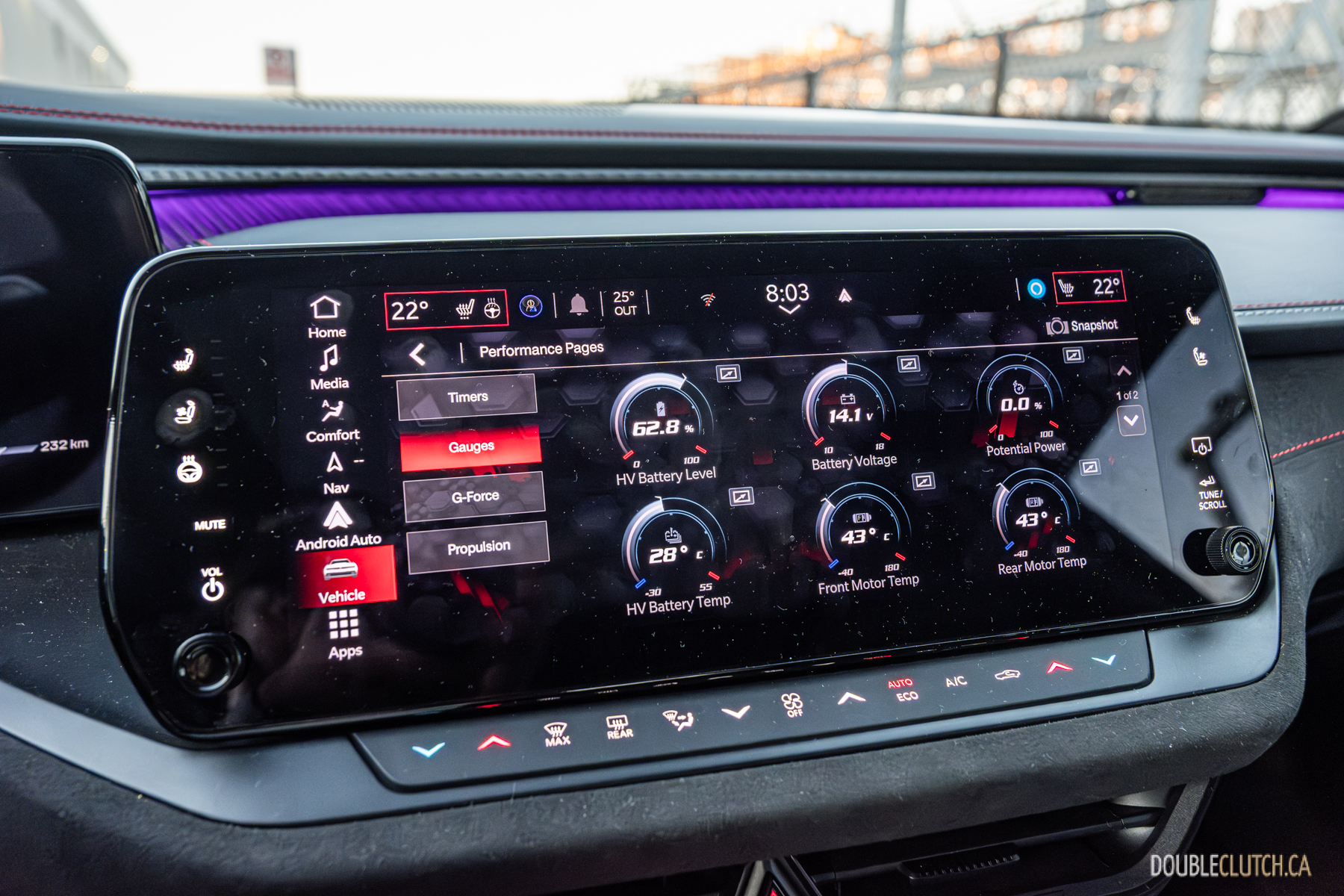
The unique glow of the ambient lighting on the optional carbon trim looks fantastic, and spans essentially the entirety of the doors and dash. The suede trim from the same optional package adds a nice premium touch to the cabin. It’s one of Dodge’s nicest interiors in my books. The 12.3” infotainment screen that runs the latest UConnect software looks and works pretty well, although there are some instances of lag. Same goes for the digital instrument cluster, which looks great but reacts slow to drive mode changes and has a slow refresh rate for the gauges.
Looks the part
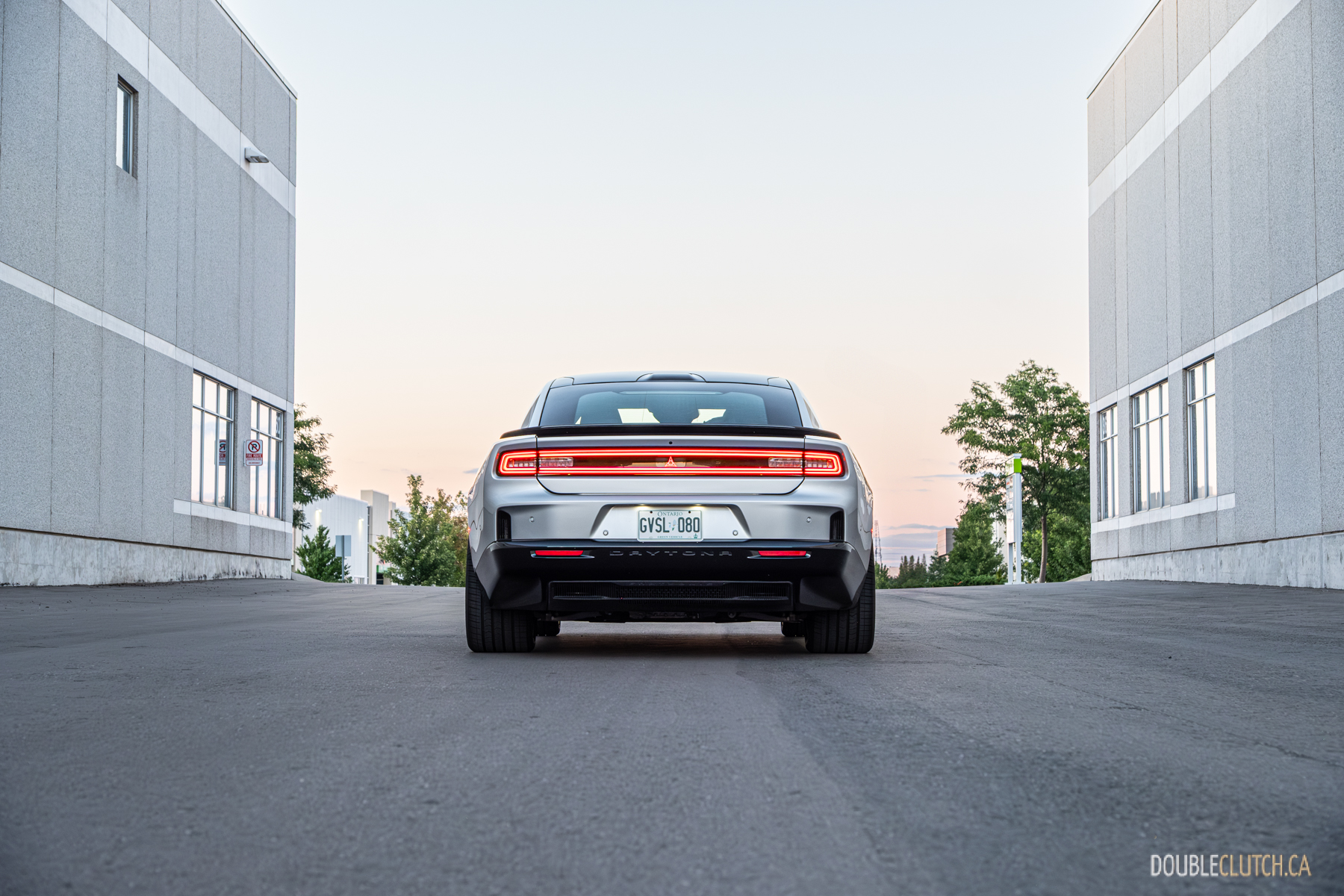
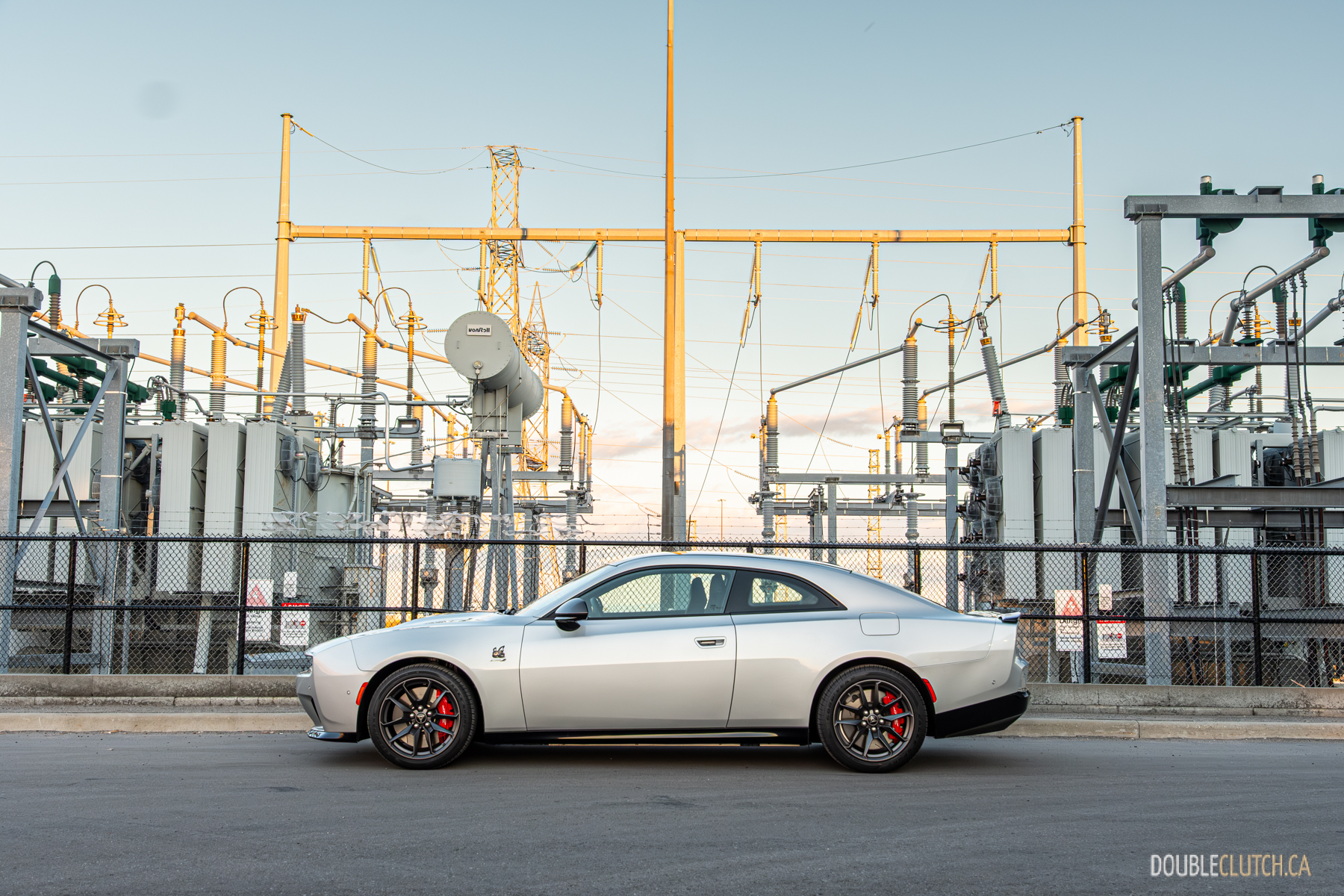
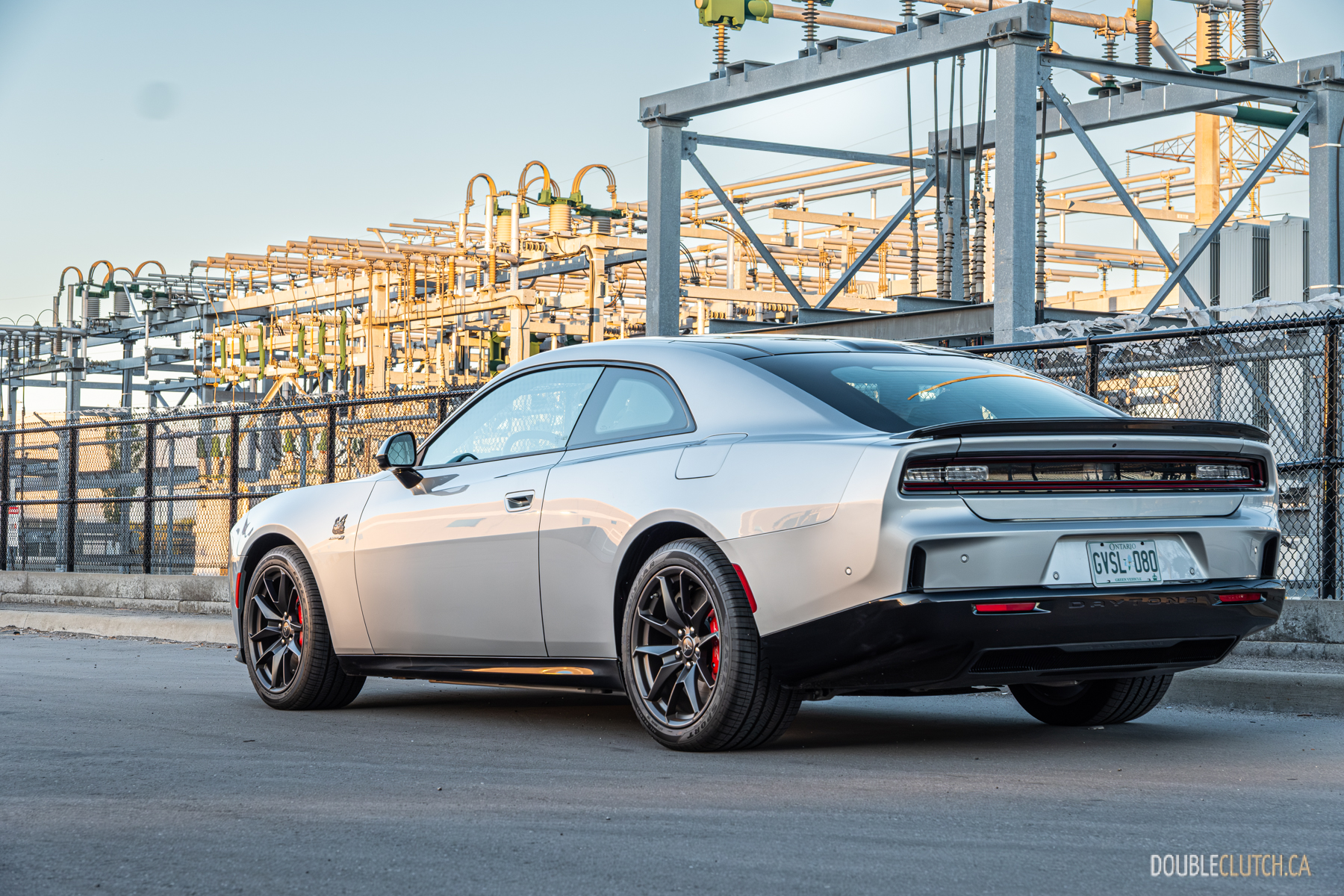
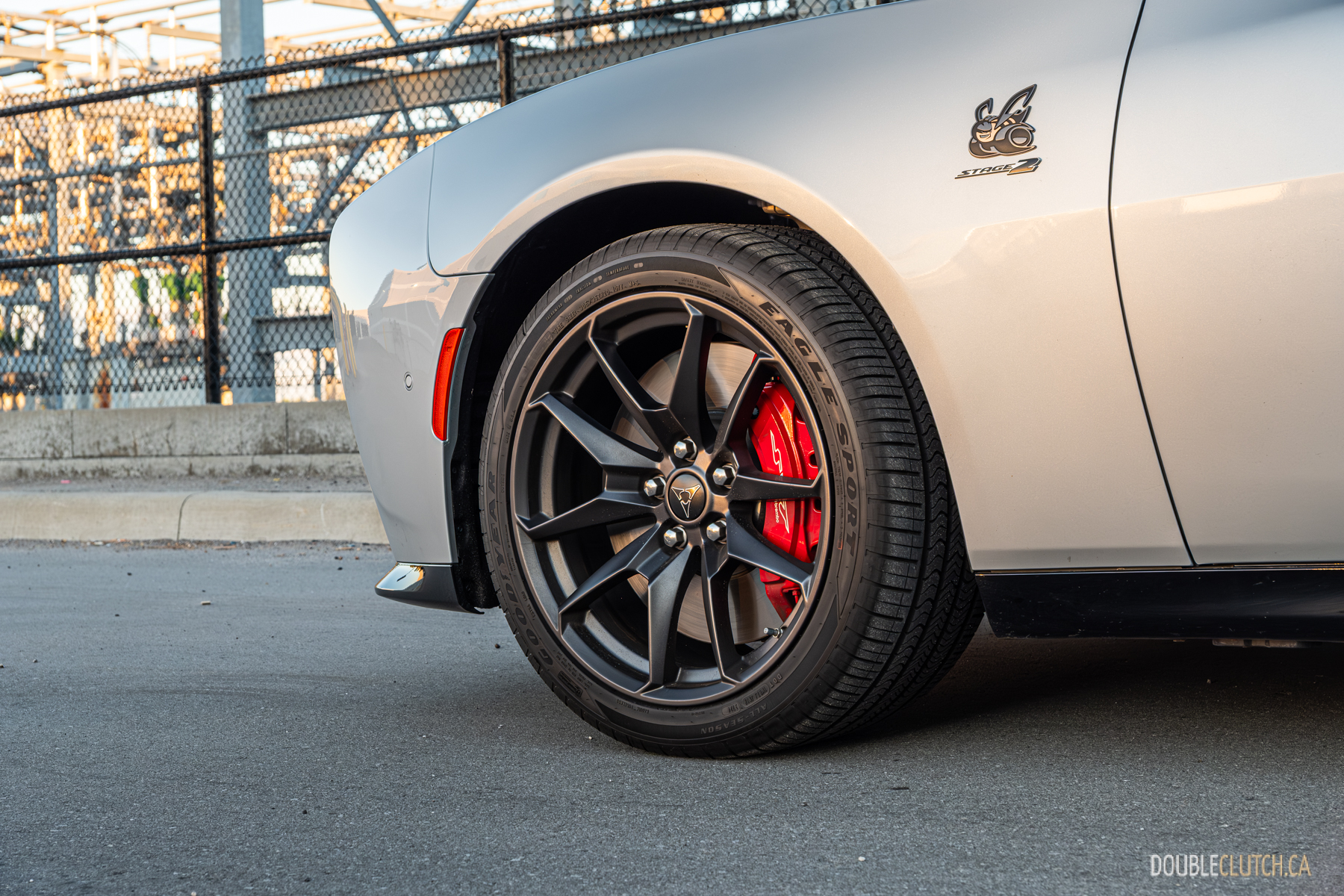
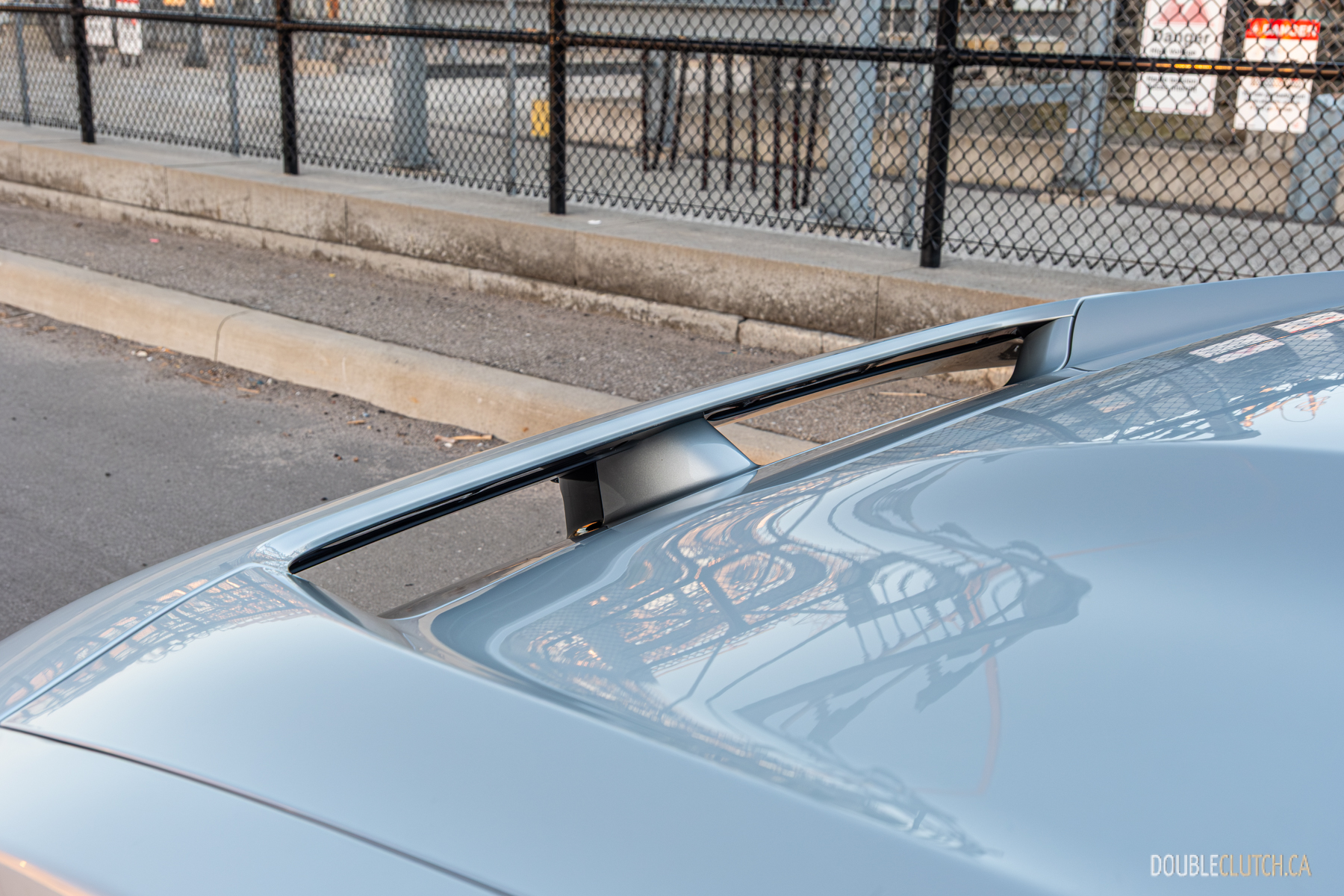
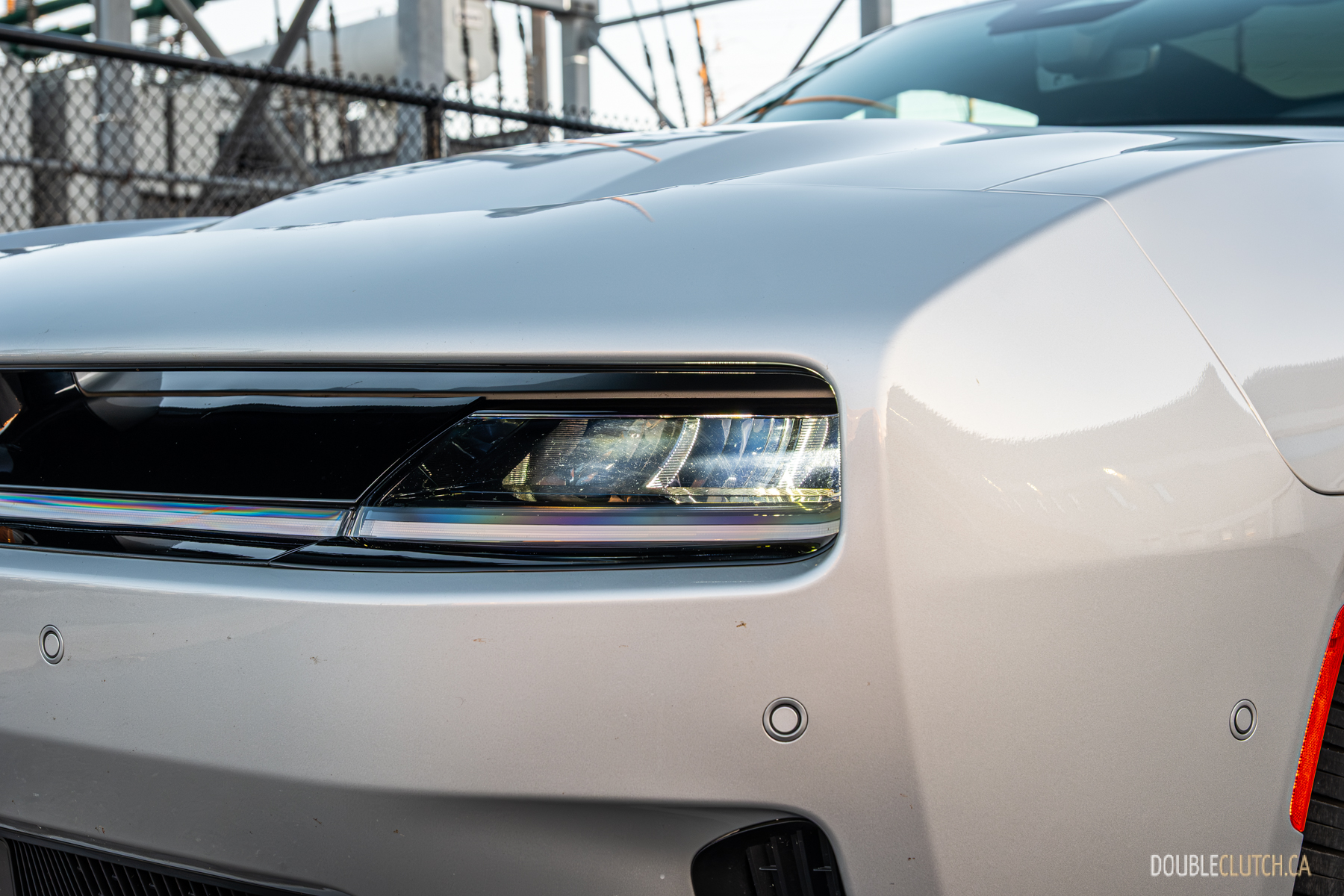
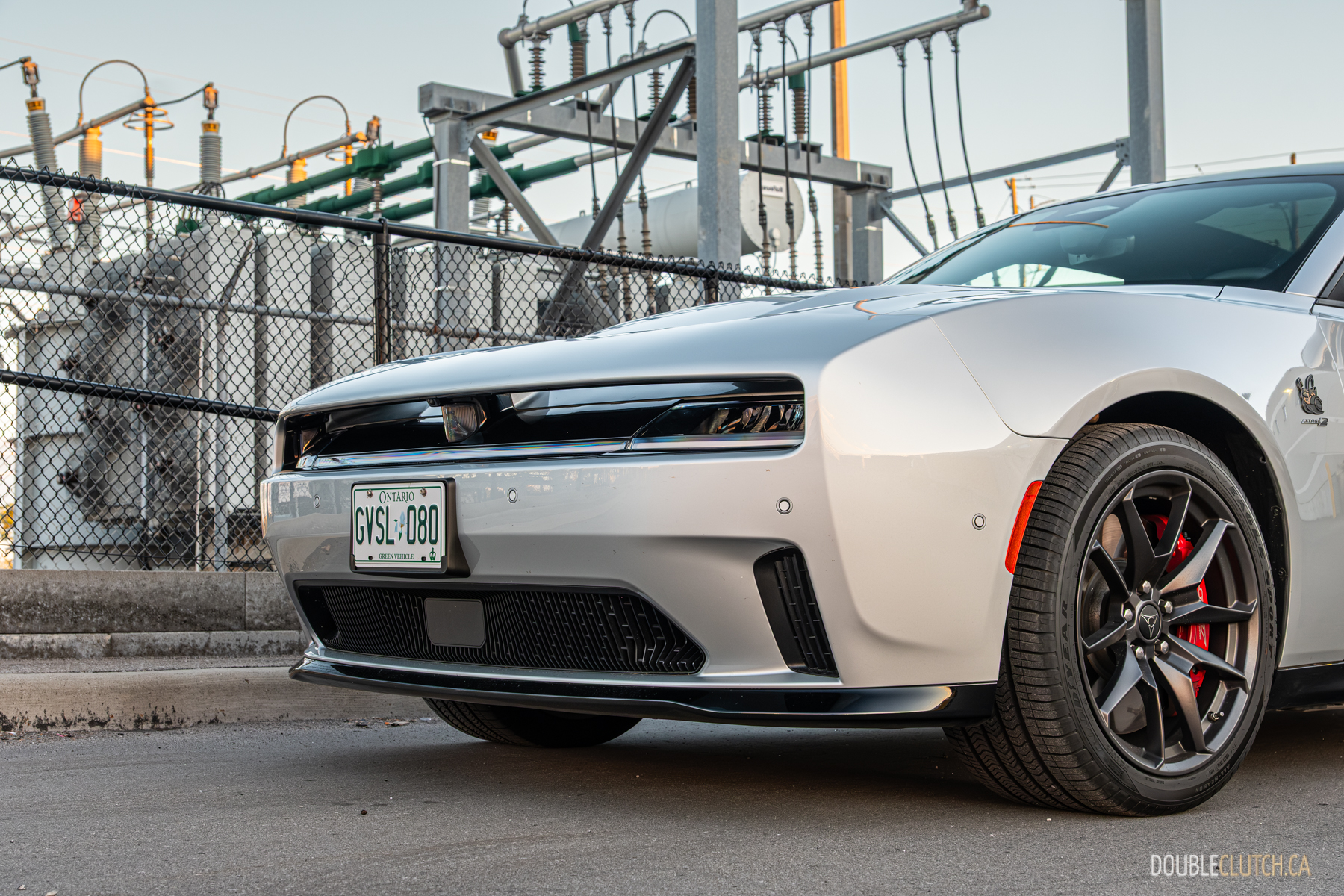
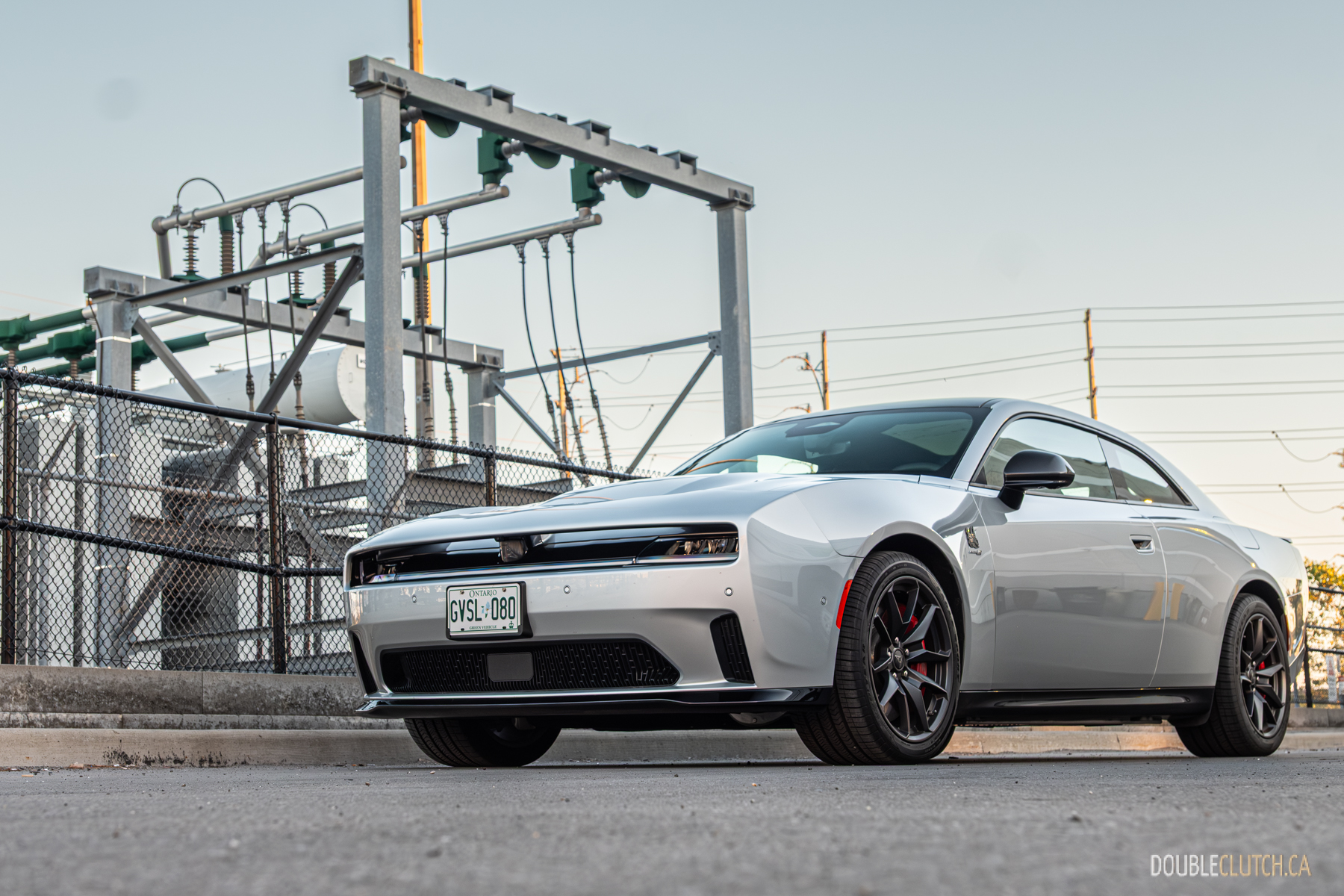
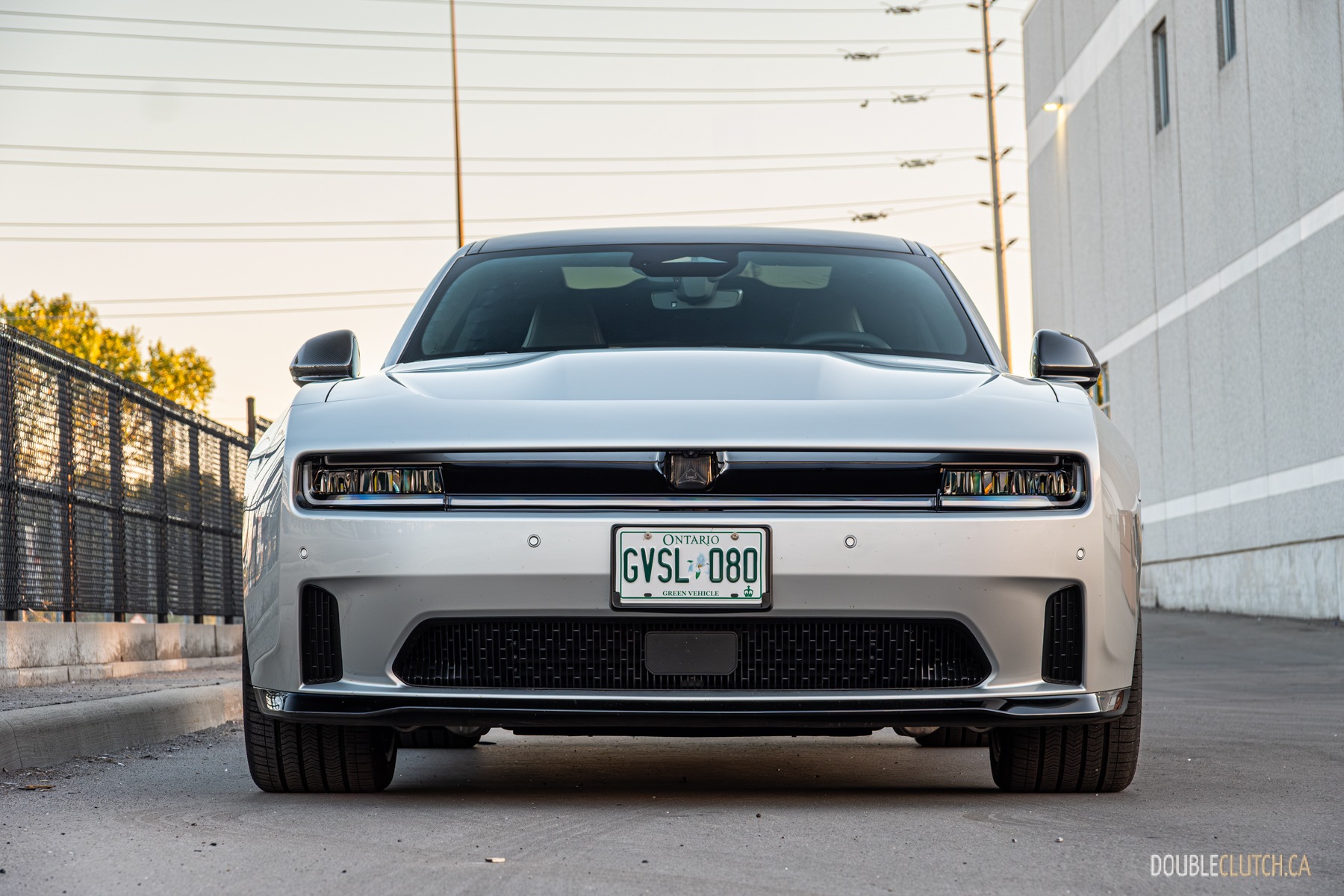
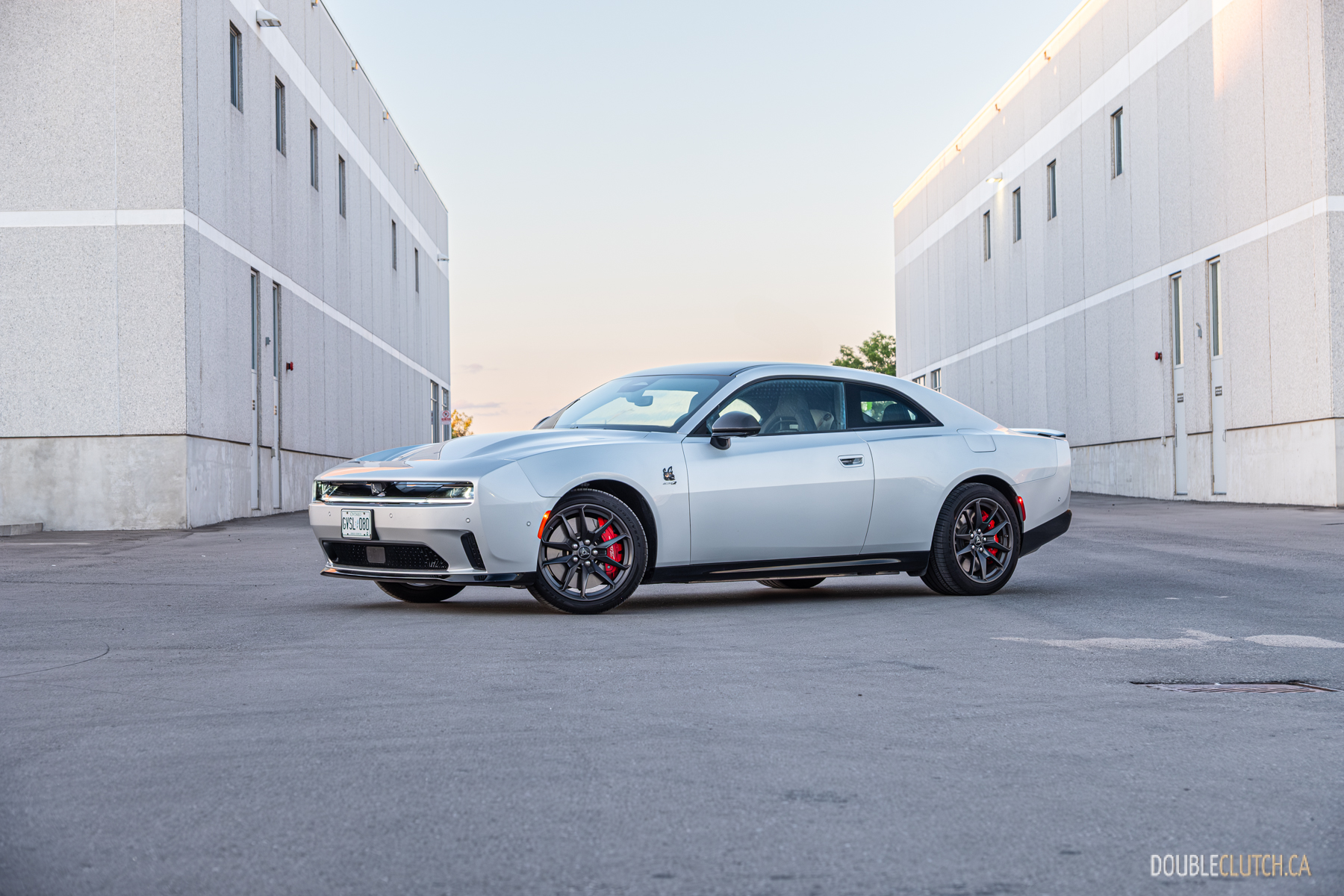
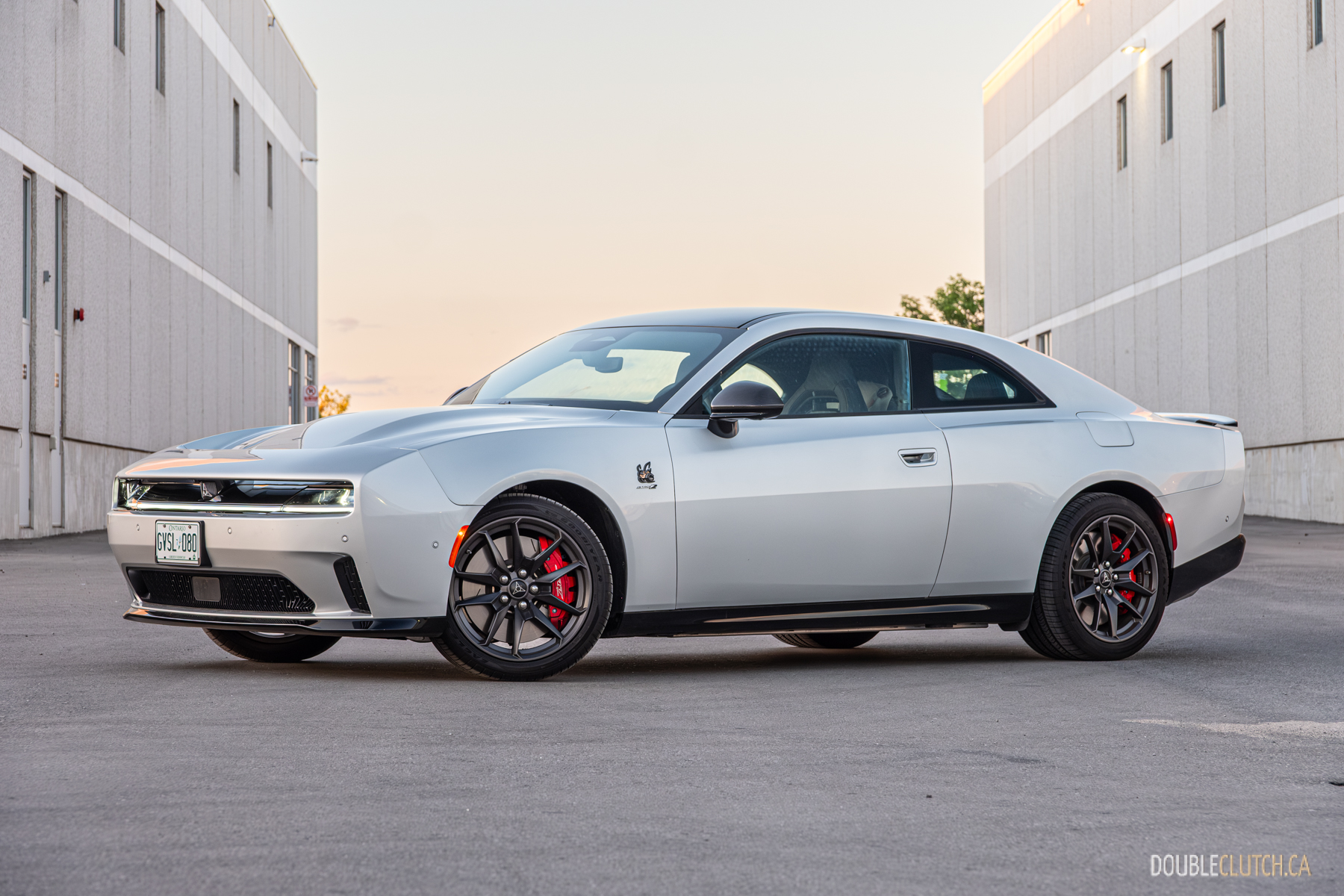
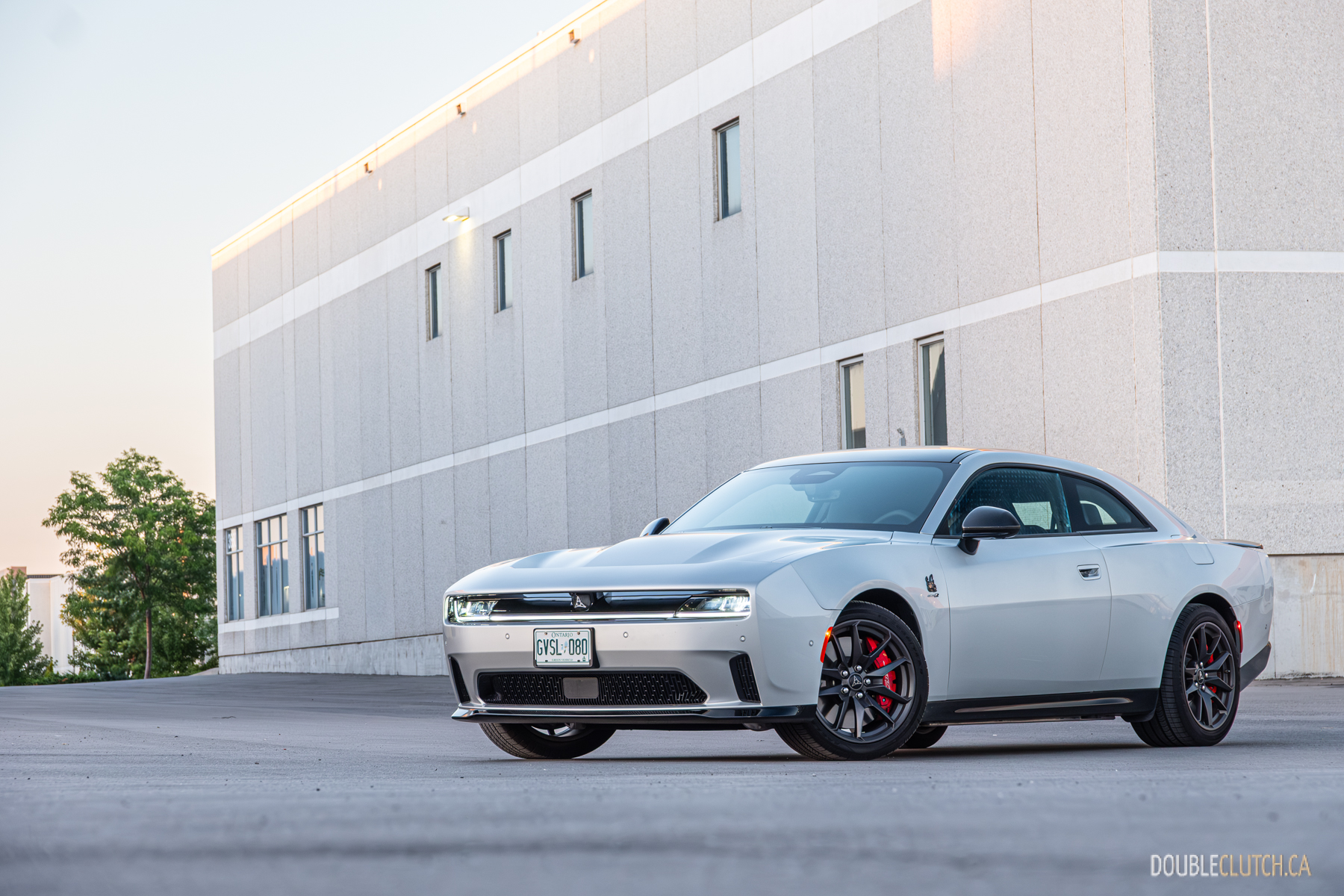
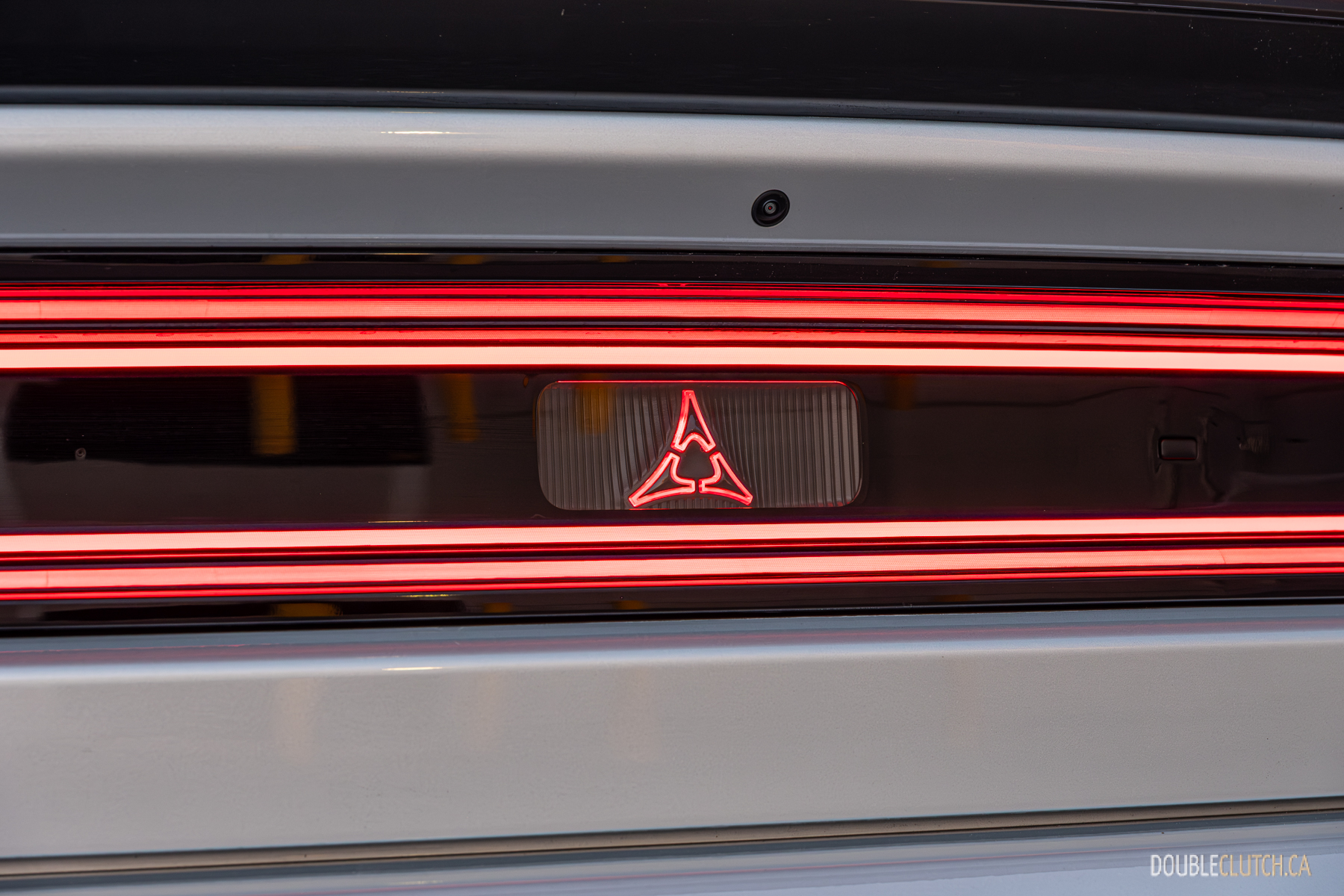
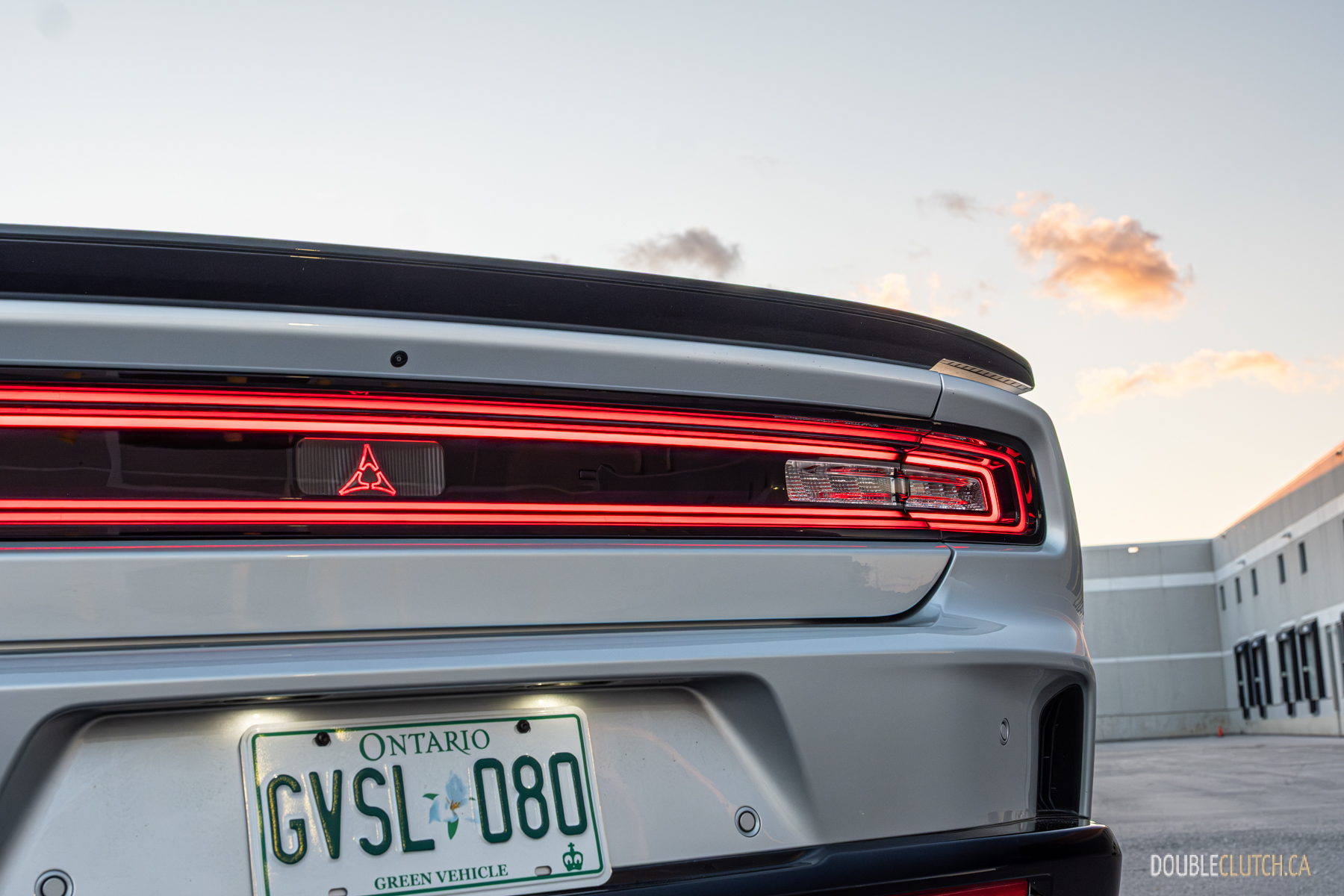
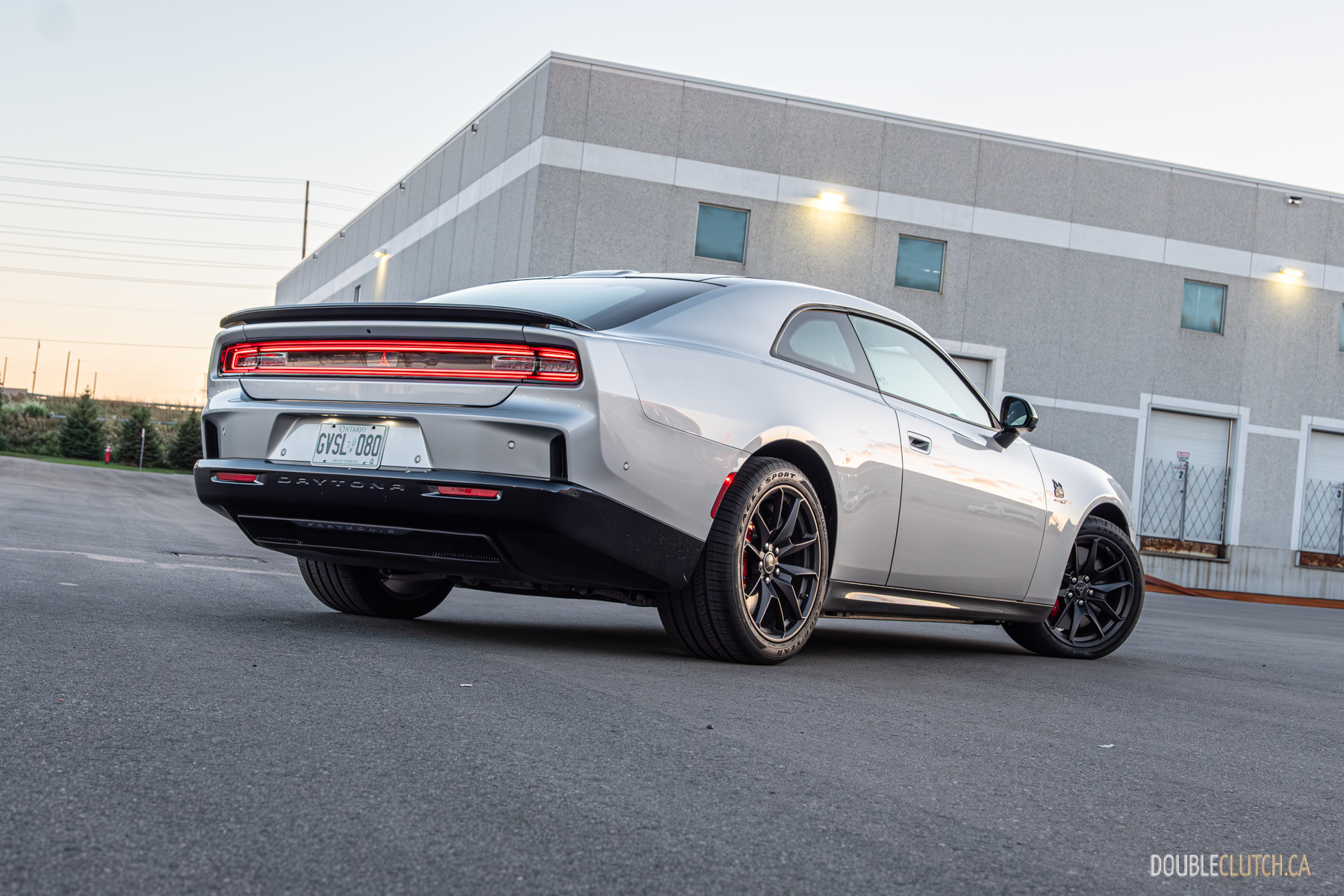
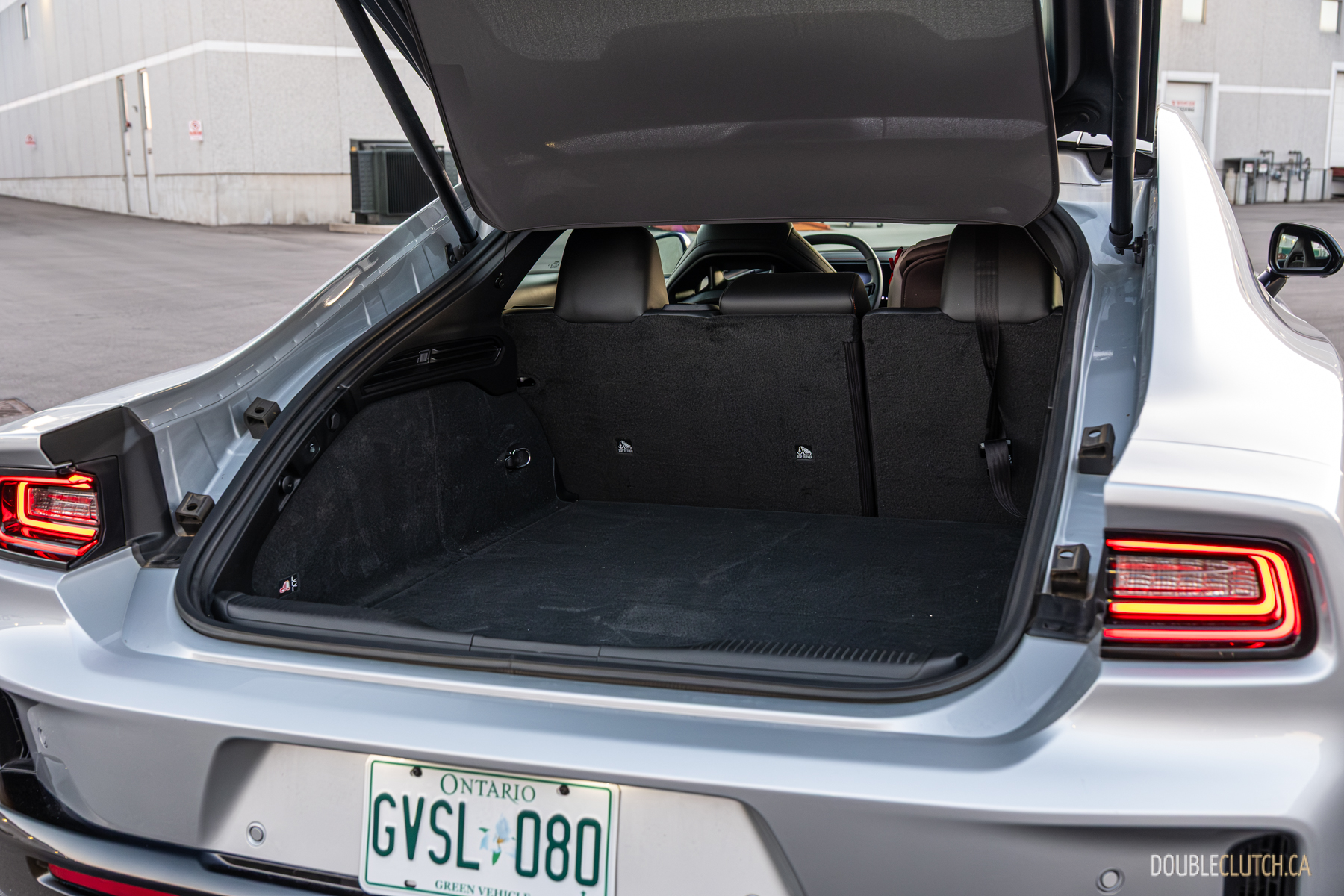
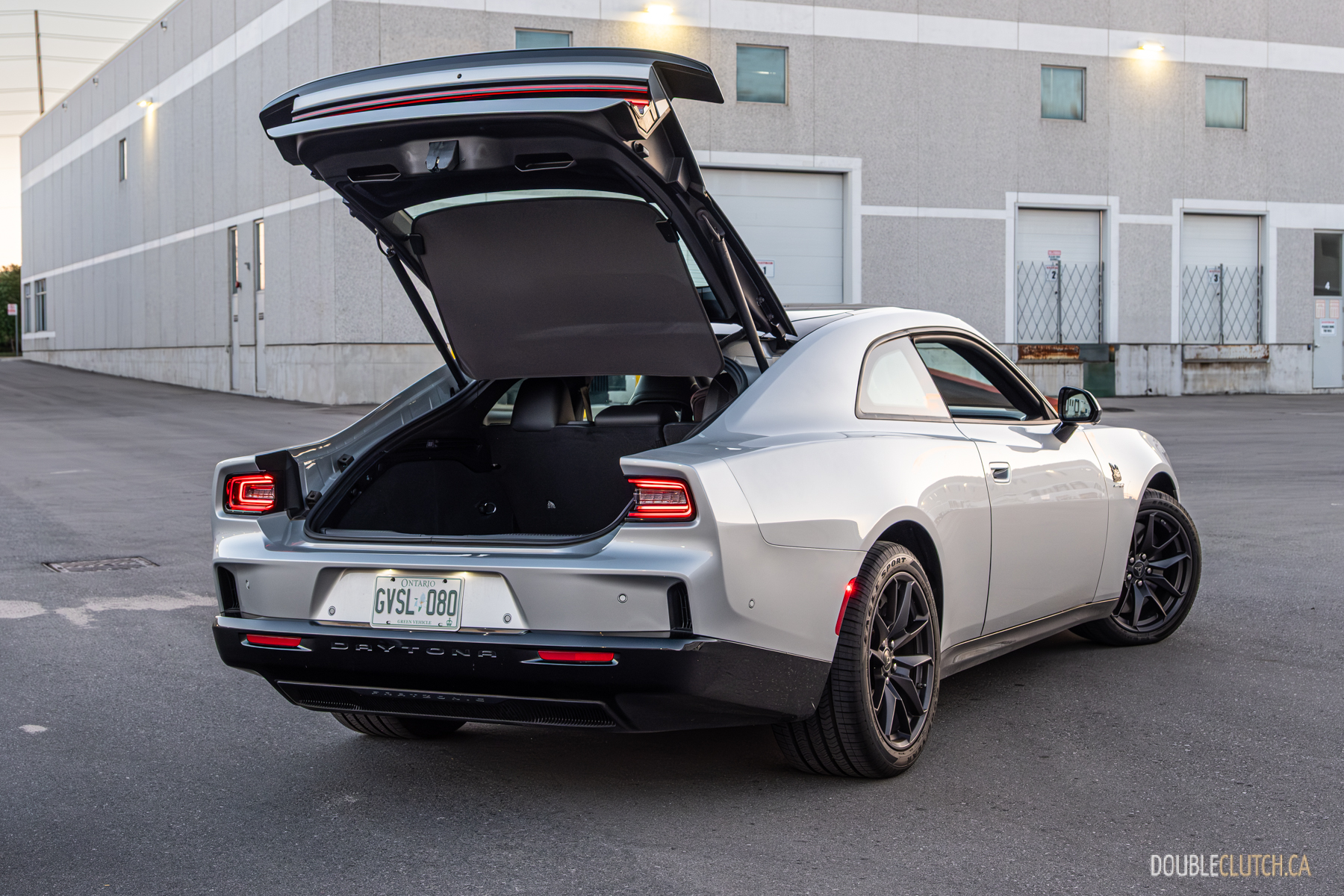
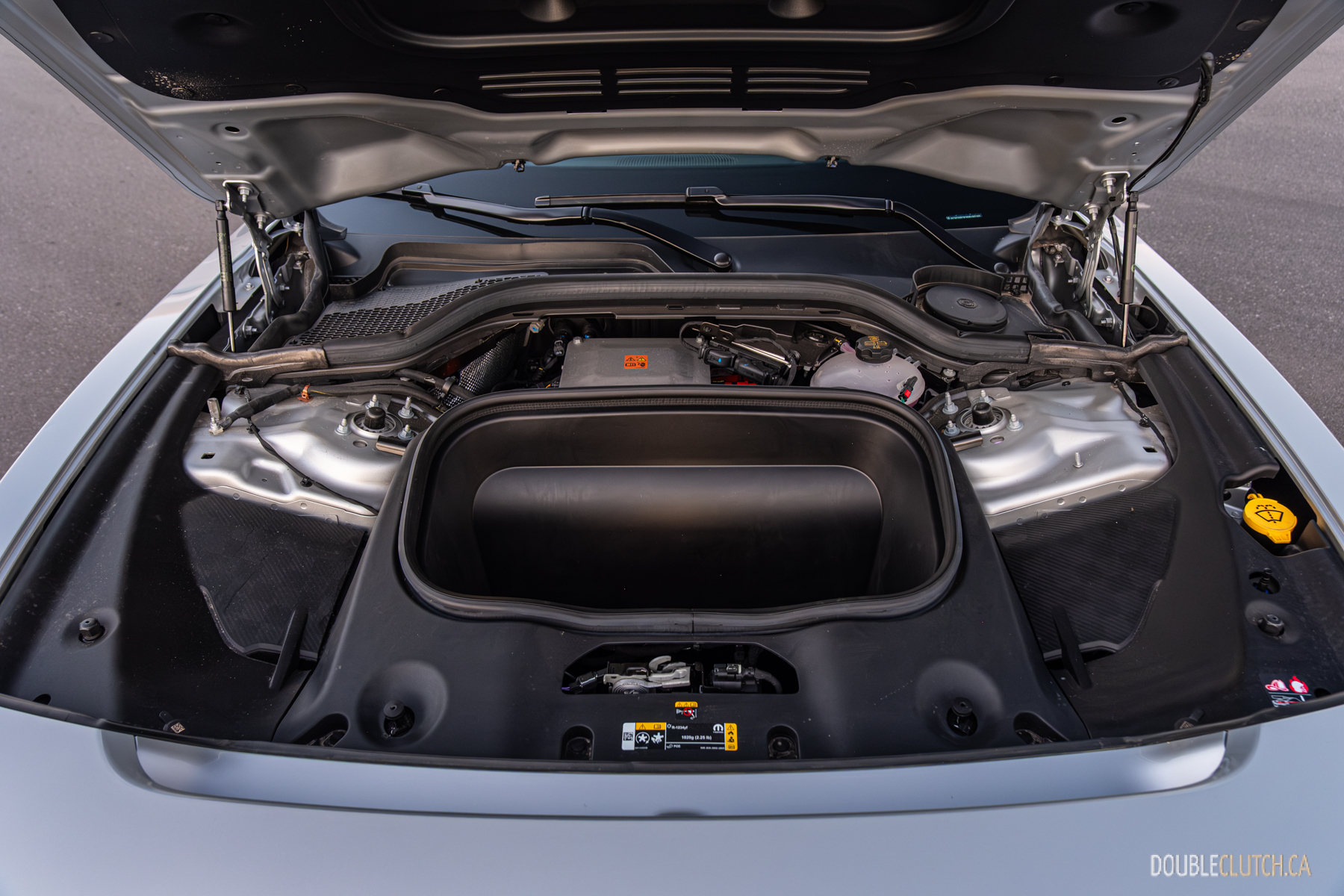
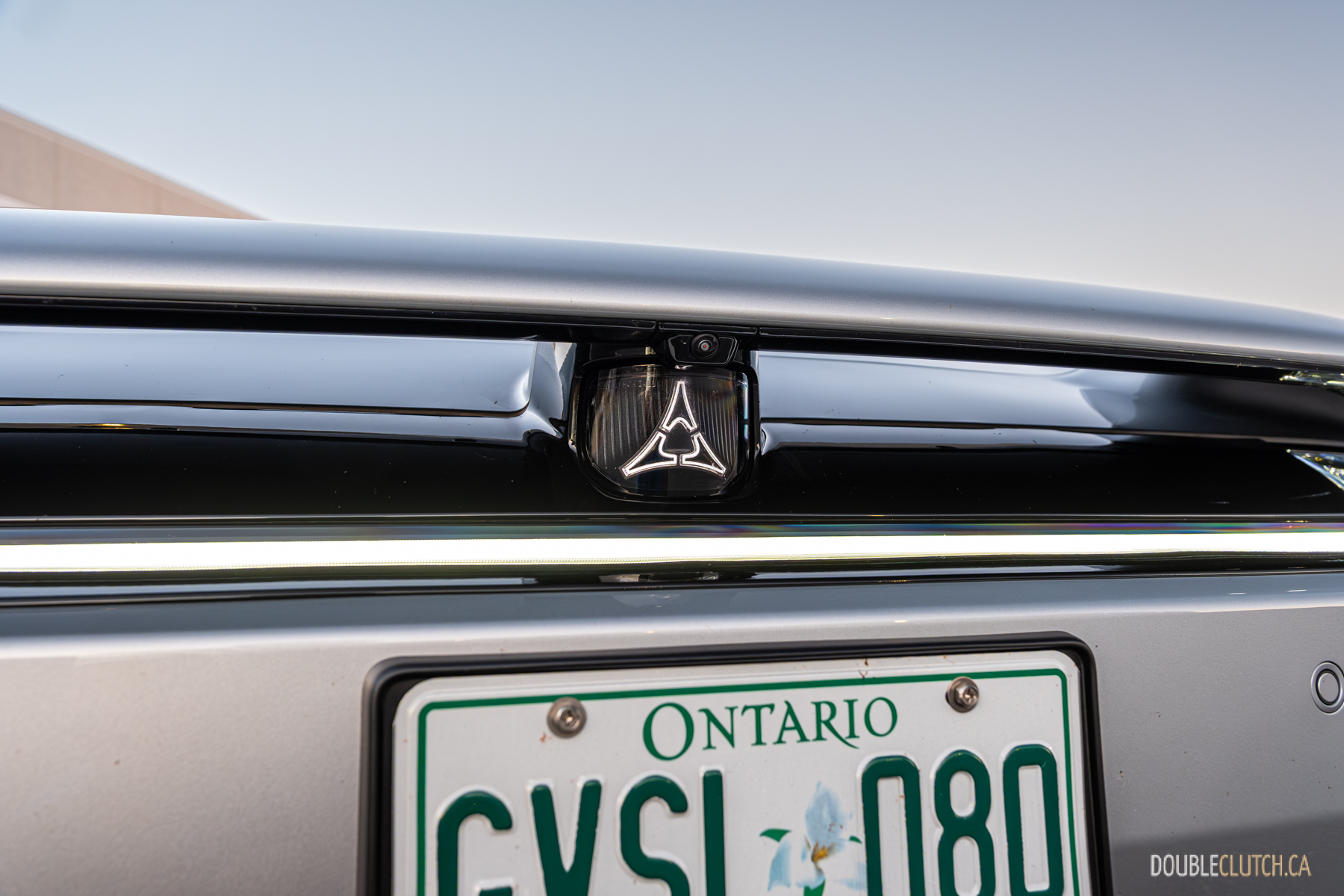
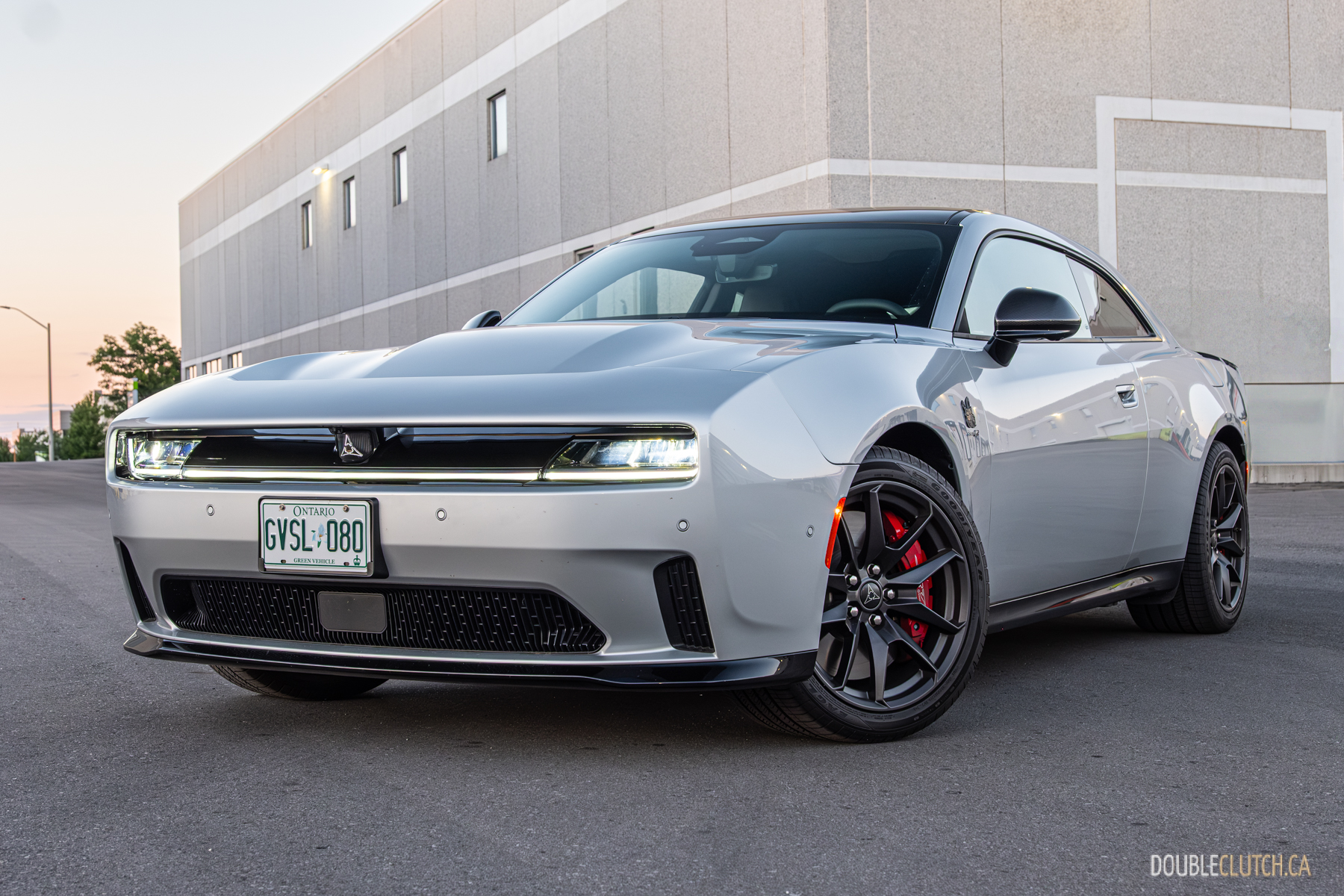
The Charger Daytona Scat Pack turns heads. It’s a rather masterful execution of a modern day Charger, not straying too far from its roots but coming off clean and futuristic all the same. The front end features a long hood, a rectangular headlight design with a clean DRL LED outline. The back end is unmistakably Dodge, with a similar rectangular illuminated light signature. The sportback design means there’s plenty of trunk space, which is somewhat compromised by the high floor. The 20” wheels manage to look small on such a large car, but the 305 and 325 width tires are certainly chunky. The overall look is a home run, with lots of compliments coming its way during my time with it.
Is it any good?
I’m conflicted. First off, I’m not sure anyone who’s looking for a Charger wants an EV, and I’m also uncertain if anyone who wants an EV is looking for a Charger. It also doesn’t accomplish being a great Charger nor does it accomplish being a great EV. It misses out on some of what makes the traditional Charger appealing to many, and doesn’t have the range to make it a good EV despite having a large 93.9 kWh battery. What it does get right is being a good car. It’s big, it’s comfy, and it can be quiet with the fake exhaust turned off. It’s also quick and handles competently for a big heavy car. It has a nice spacious interior, a banging 18 speaker Alpine audio system, and all the active safety tech you’d expect in a modern car. It also looks good, perfectly executing what you’d think an EV Charger would look like. So it certainly has something going for it, but the 2025 Dodge Charger Daytona Scat Pack is far from perfect, and far from cheap. As spec’d you’re looking at north of $100K, which really makes me question who the buyer is for this type of competent short range cruiser but flawed EV and uncharacteristic Charger.

Staff Writer
Imran is a true enthusiast who you'll find at shows, local meets, Sunday drives or the track. He appreciates the variety the car industry has to offer, having owned over a dozen cars from different manufacturers. Imran is grateful to own one of his childhood poster cars and enjoys inspiring the next generation. When Imran is not behind wheel he is found playing basketball or spending time with family.
Current Toys: '13 Boxster S 6MT, '24 Integra Type S, '08 328xi