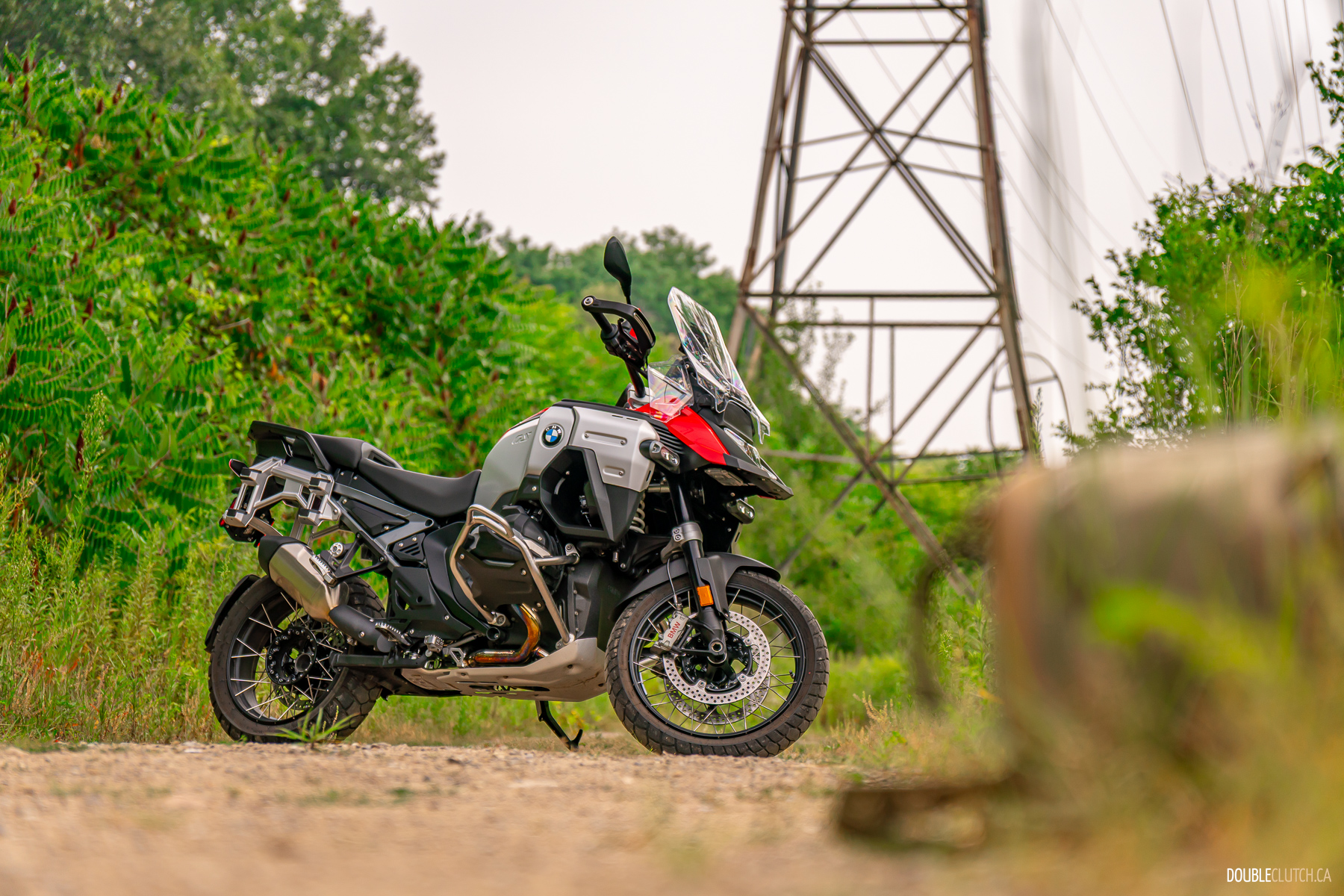
BMW is often credited with starting the entire adventure bike segment. Their big, multi-purpose bikes have always been among the top choices for those crossing continents, running the Paris-Dakar rally, or just going on weekend adventures on a whim. I recently spent a week going on adventures with the newest big deal of BMW’s big bikes: the 2025 BMW R 1300 GS Adventure.
Let me get something out of the way really quick: BMW developed an extremely clever automated shift assistant, or ASA for short. The R 1300 GS is the first bike to have it as an option — one this particular bike was not fitted with. It’s absolutely brimming with technology, features, and electronically controlled assistants, but this particular bike still keeps you in total control of the experience. Albeit with a lot of help.
This bike is a ridiculously complicated machine. There’s more going on here than in a lot of cars, which might be worrying to some of you. It sure would’ve worried me if I had done my homework prior to picking it up — but I was in a hurry that morning, and I didn’t do any research. I showed up at BMW, grabbed the key fob, strapped my haggard photography bag to the back of it, and rode off without thinking much beyond, “Jesus, it’s huge.”
Bigger is better
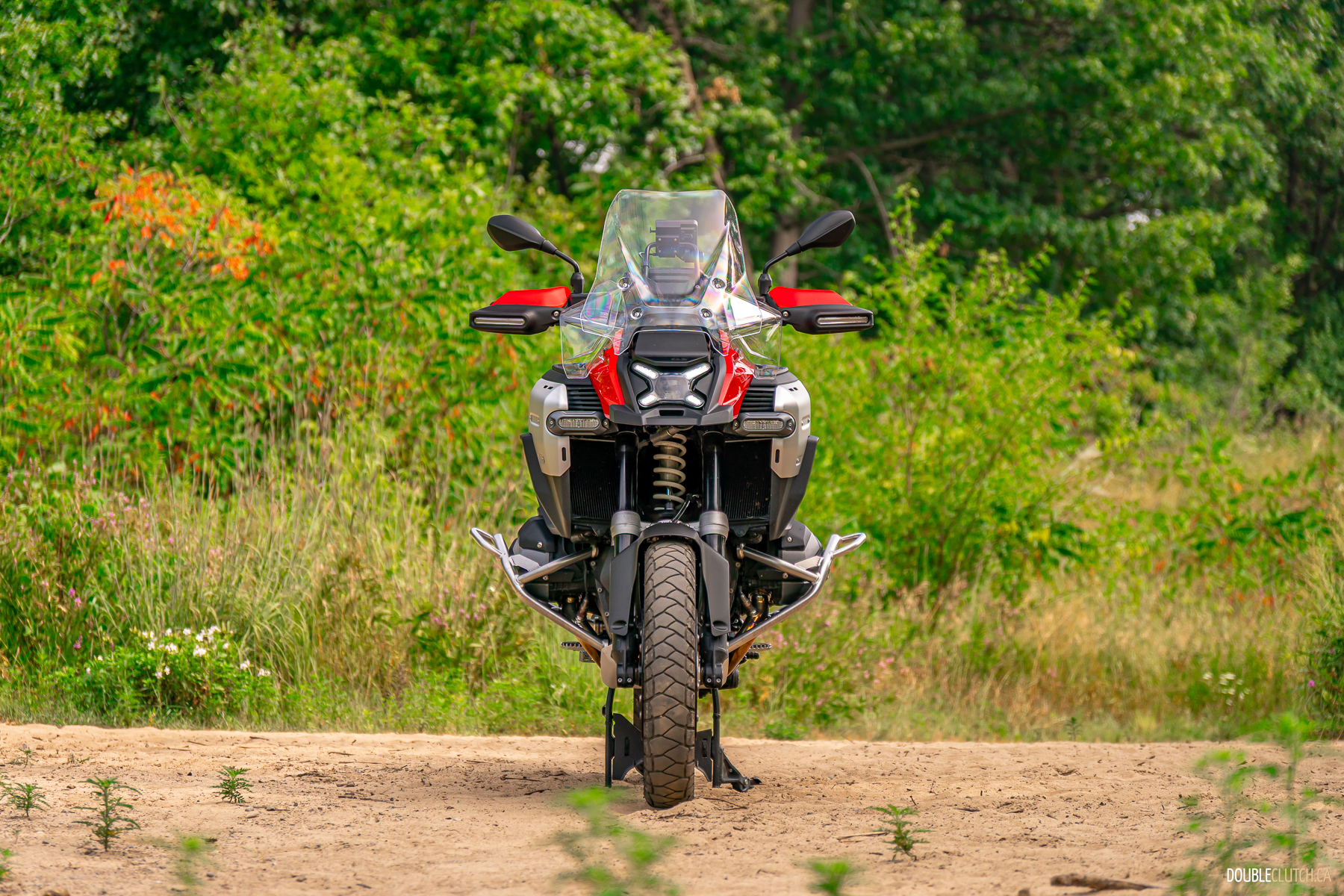
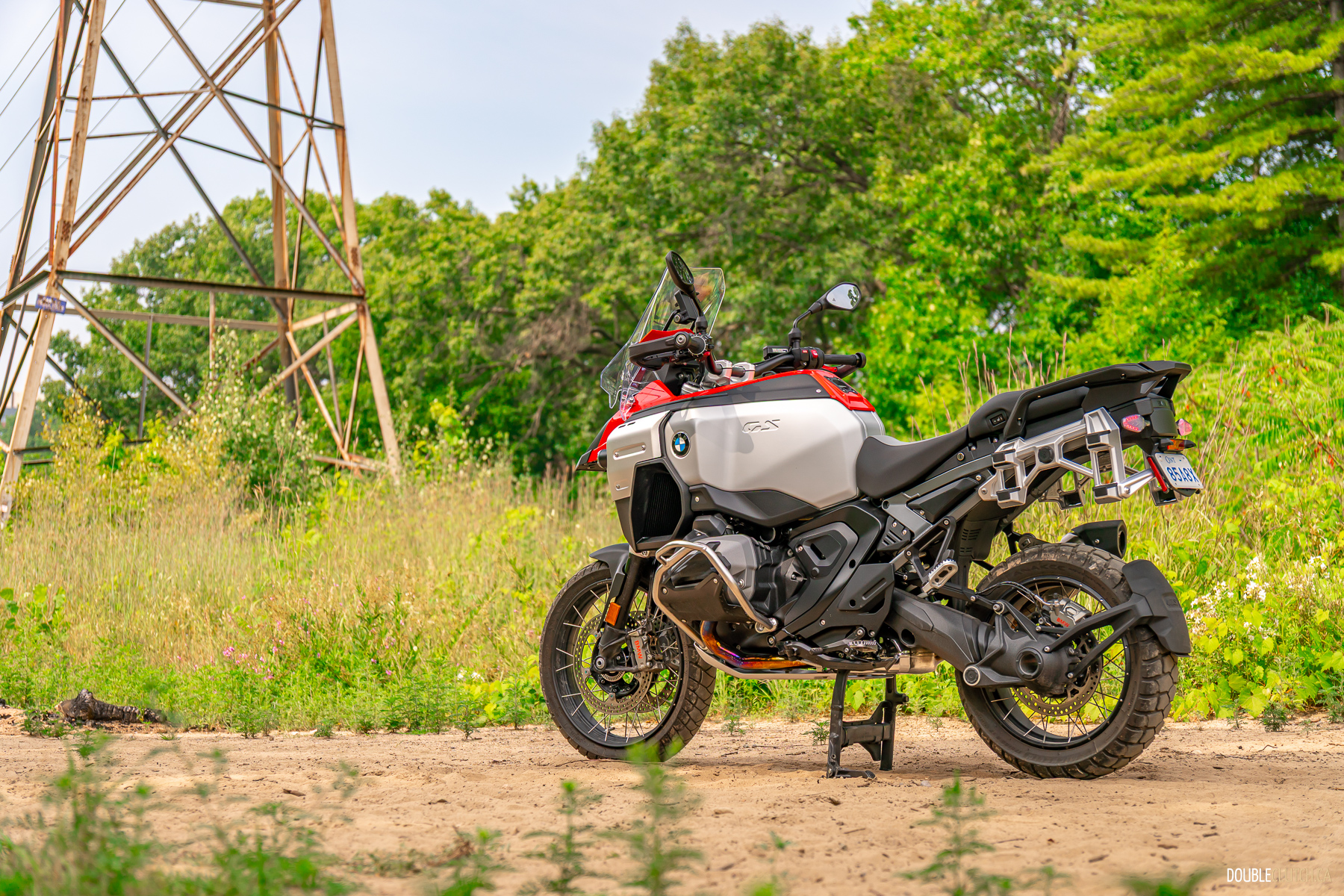
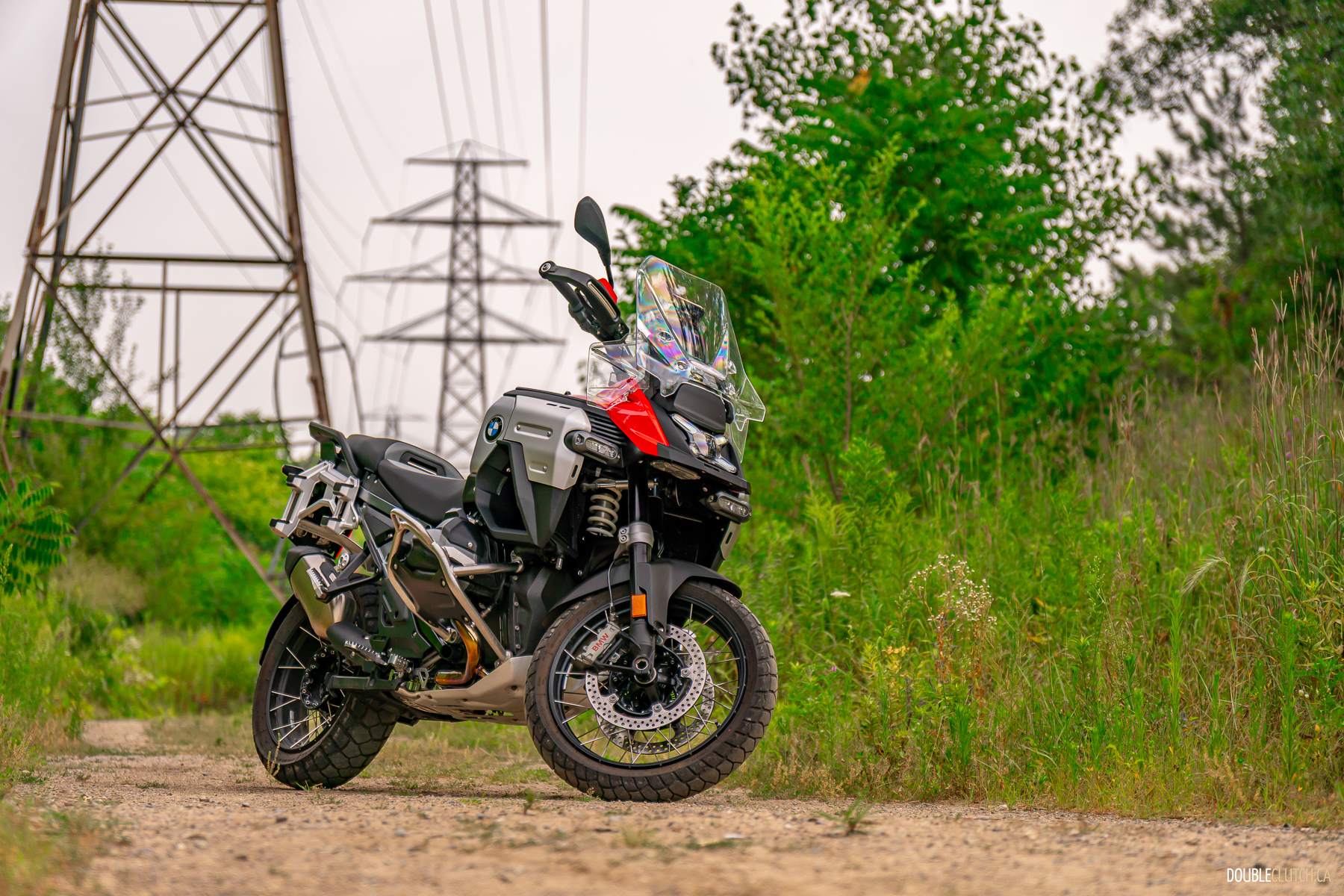
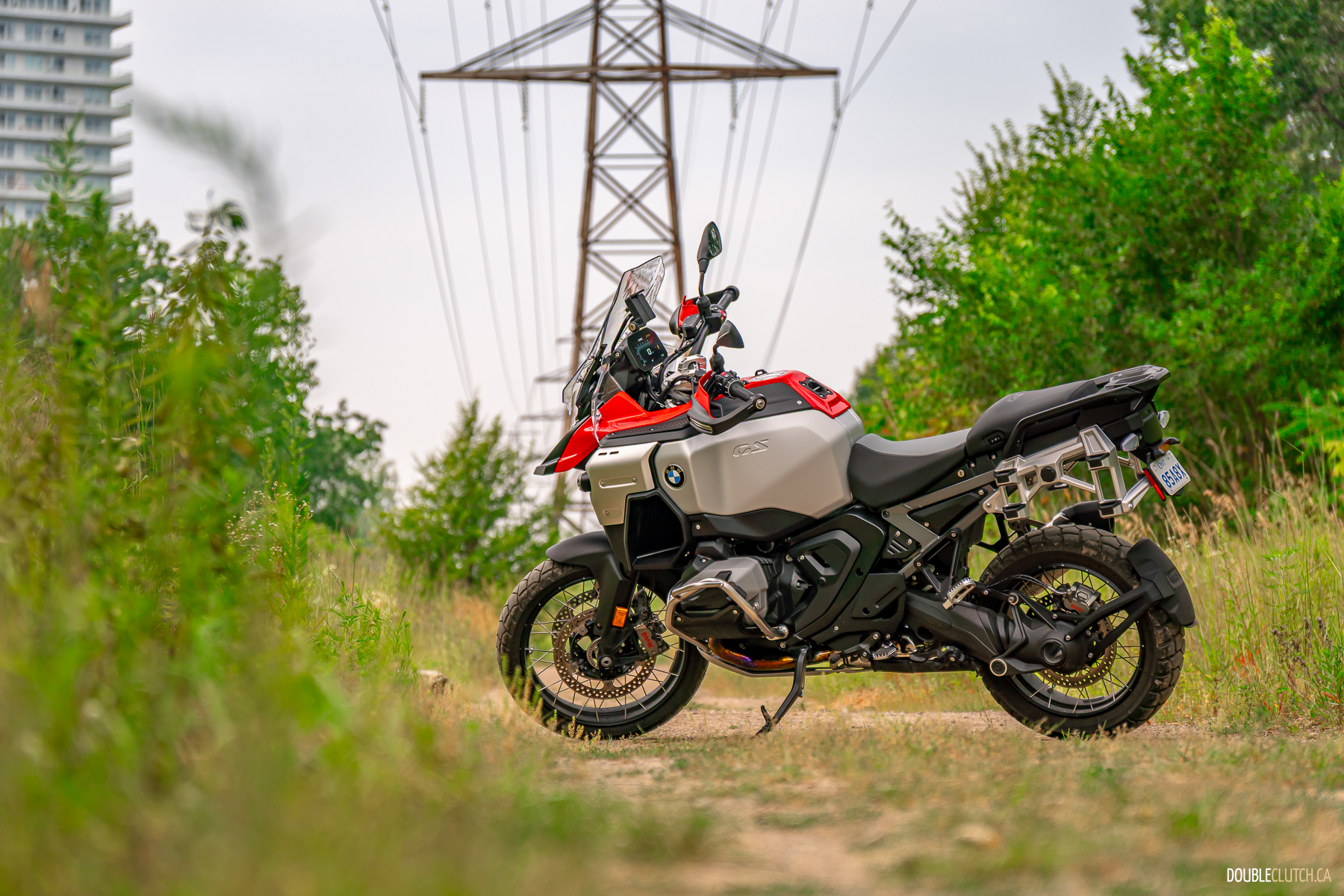
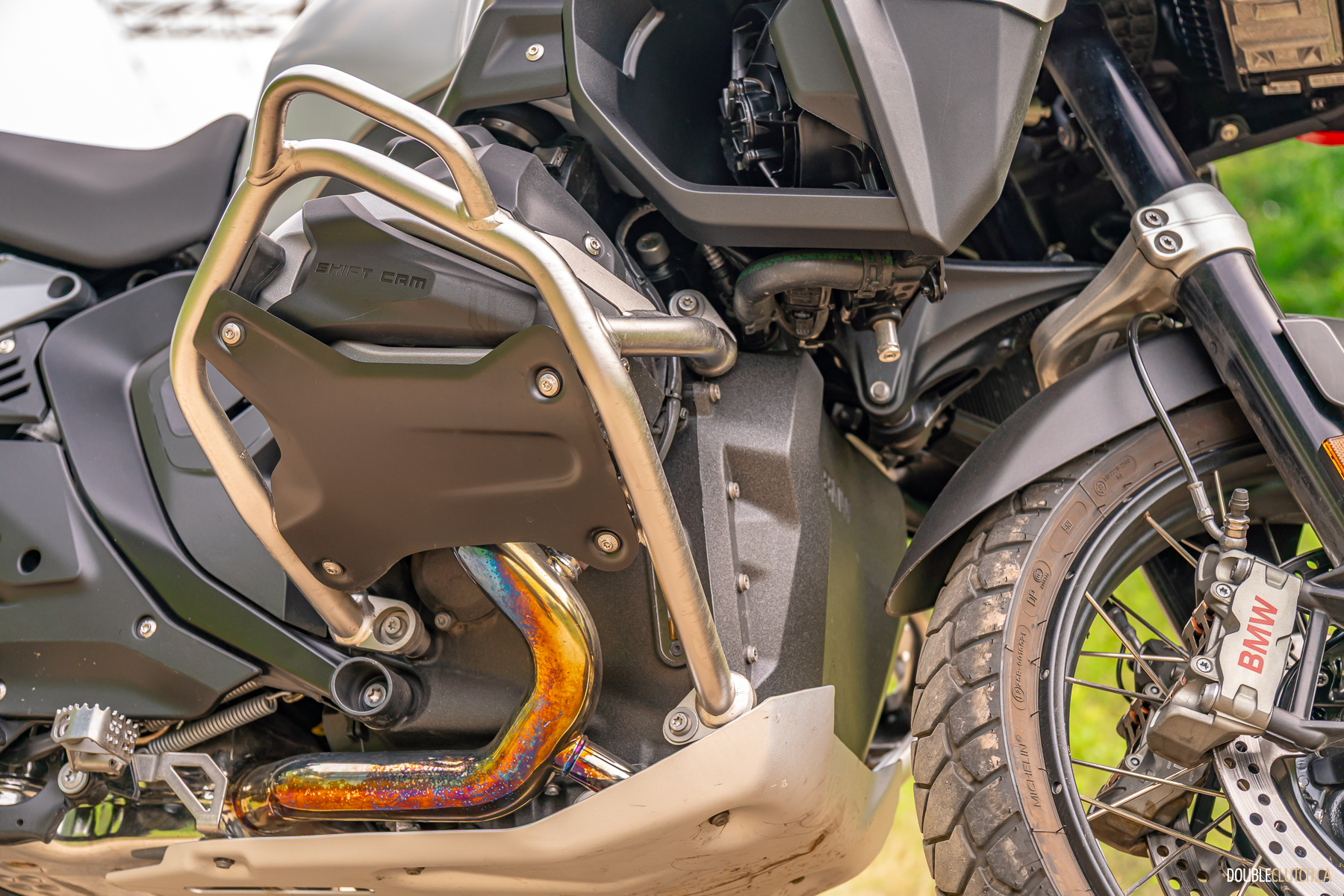
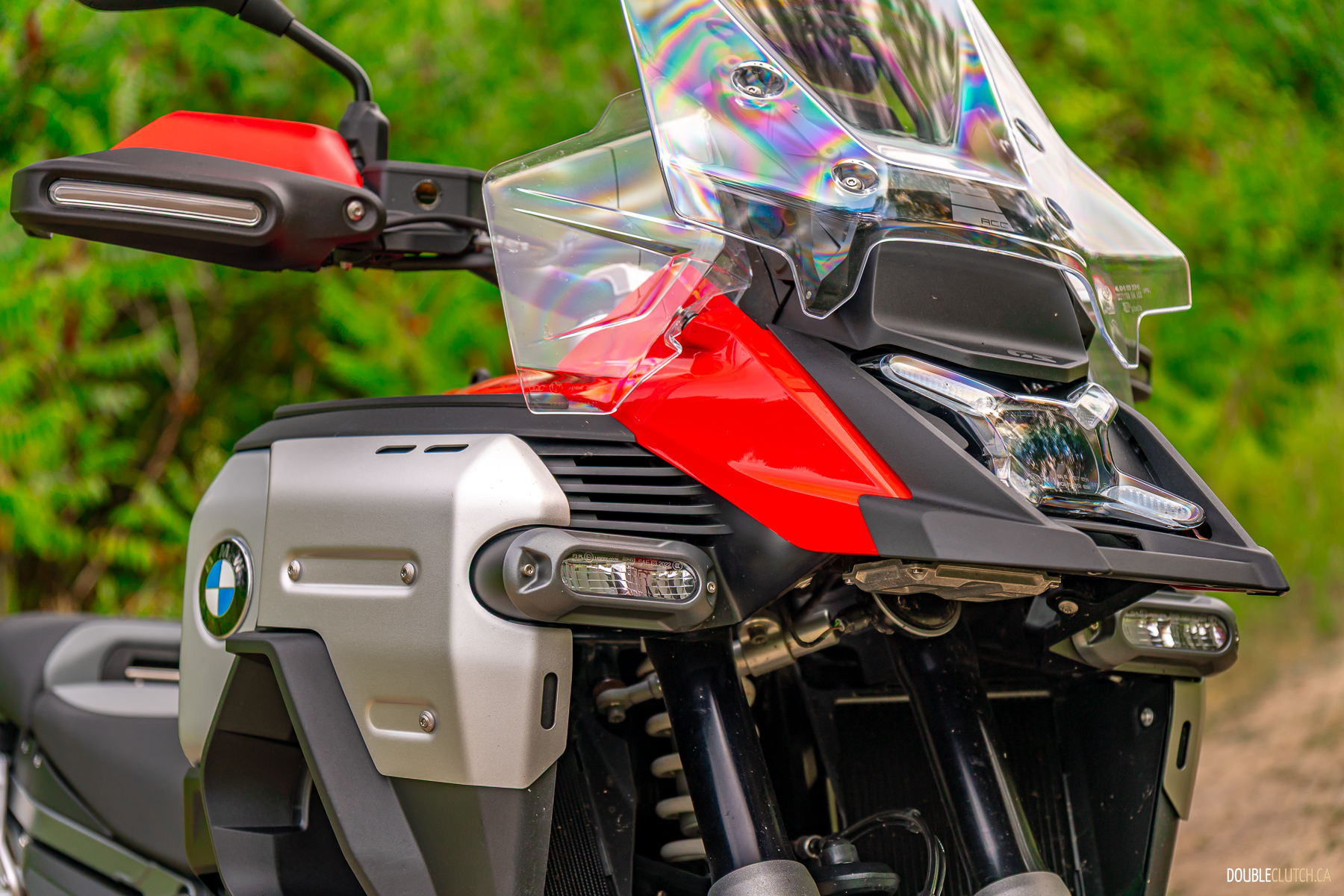
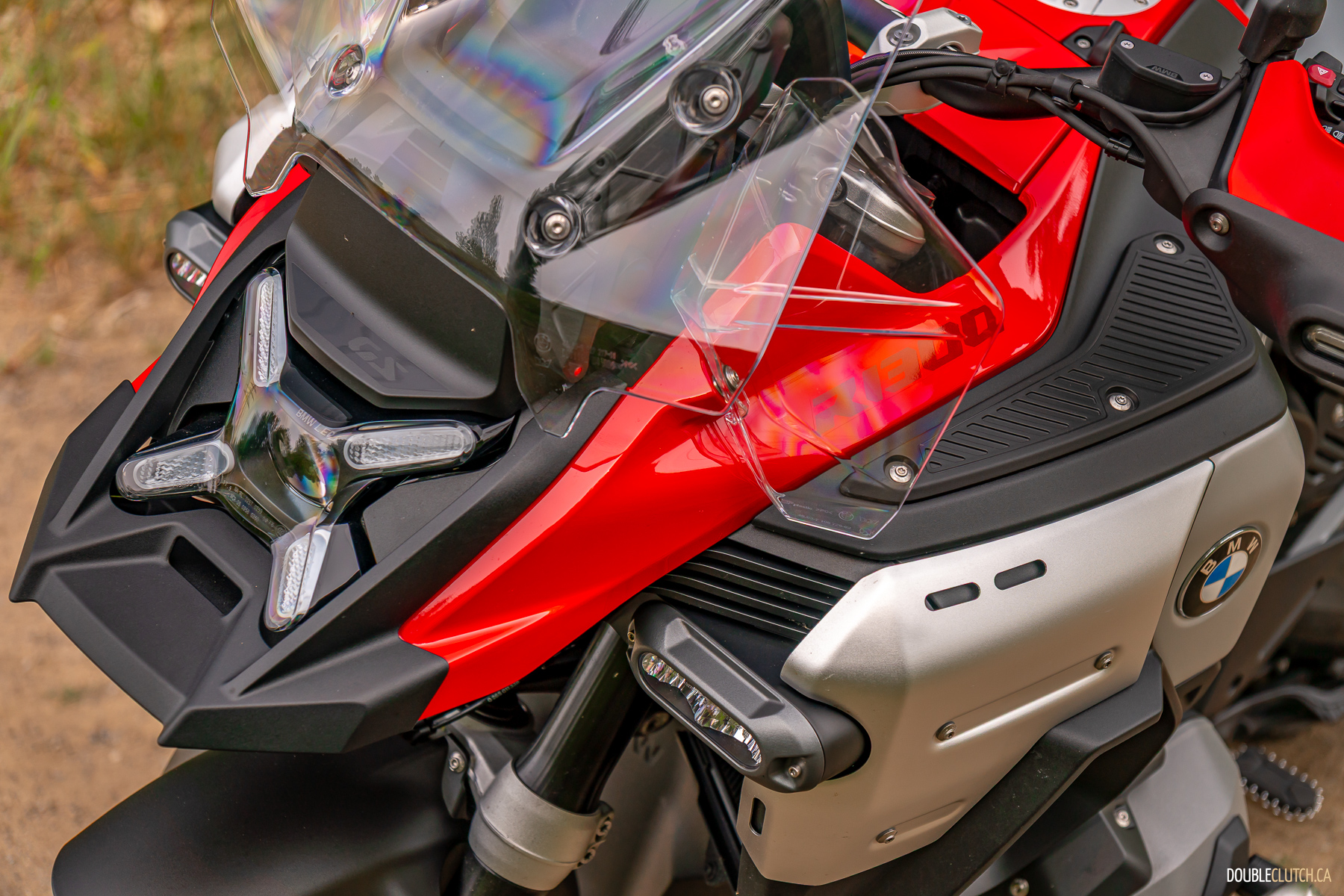
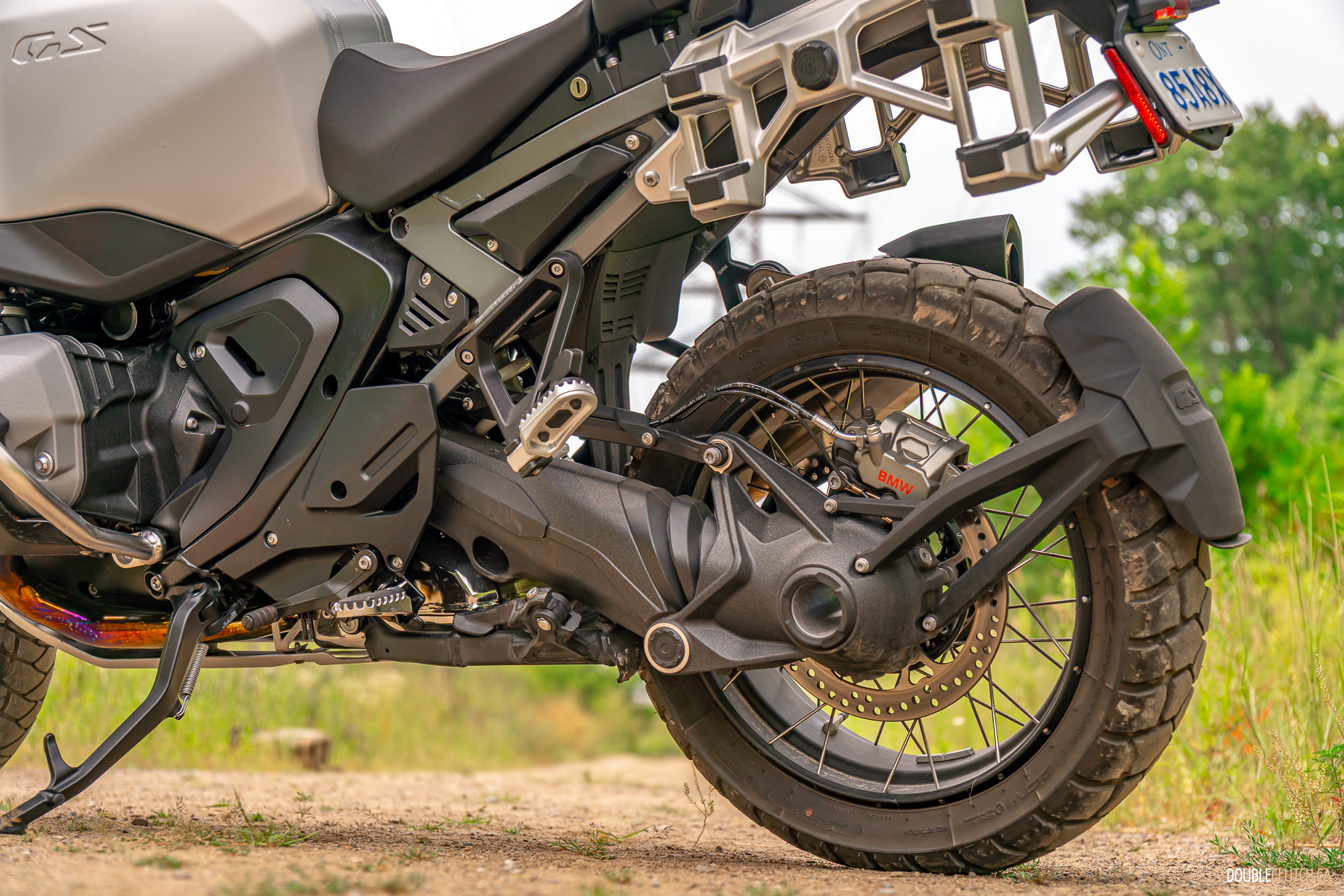
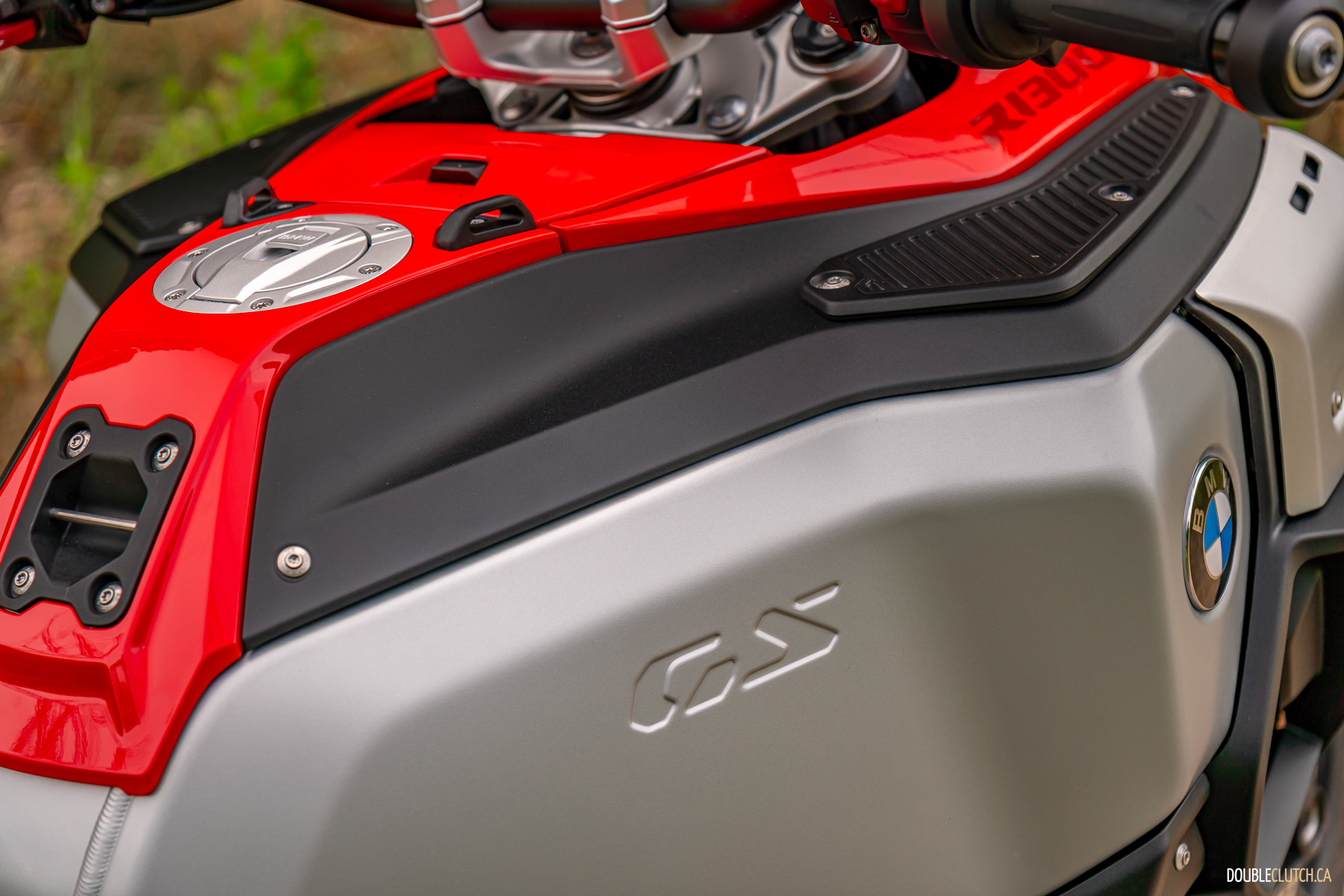
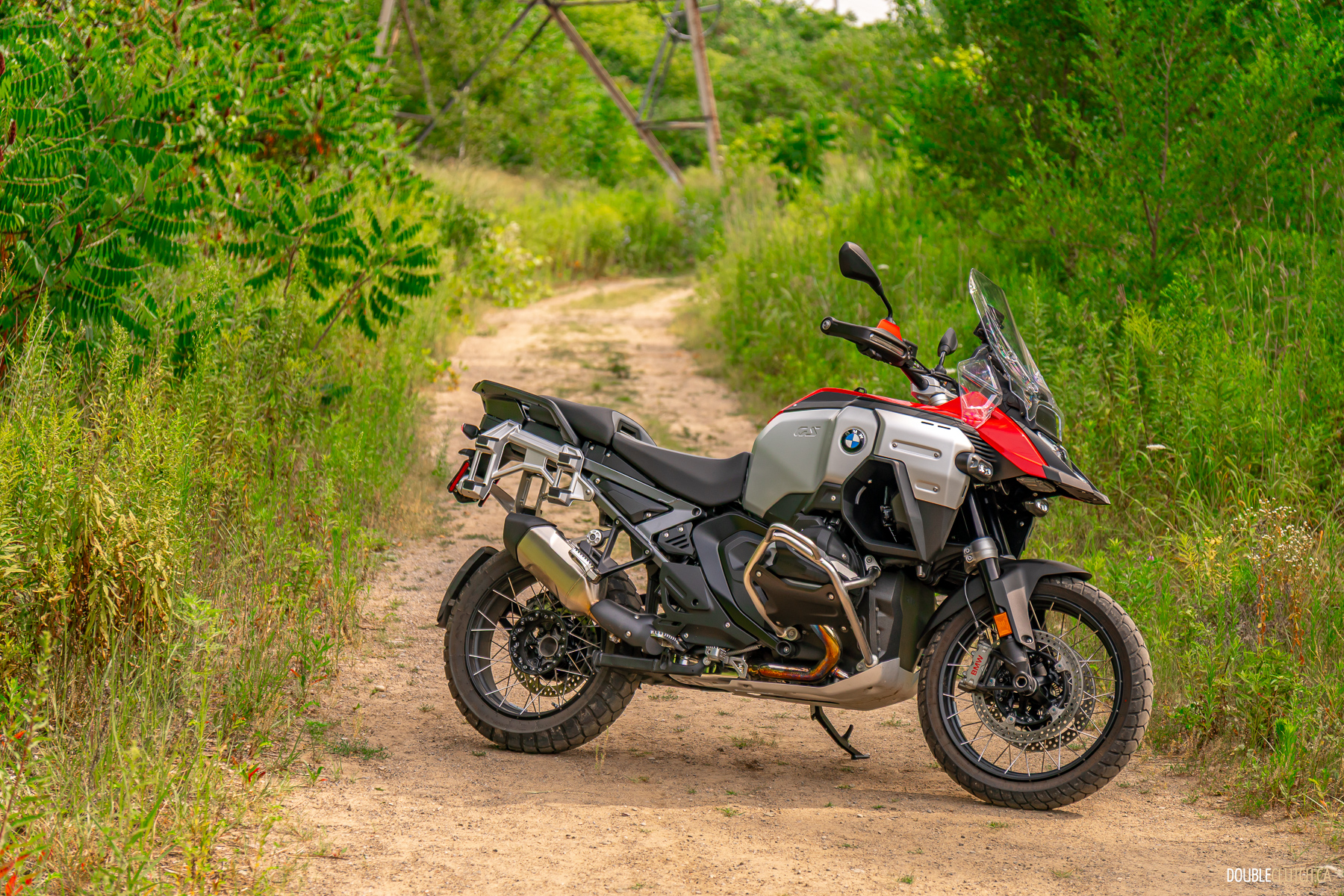
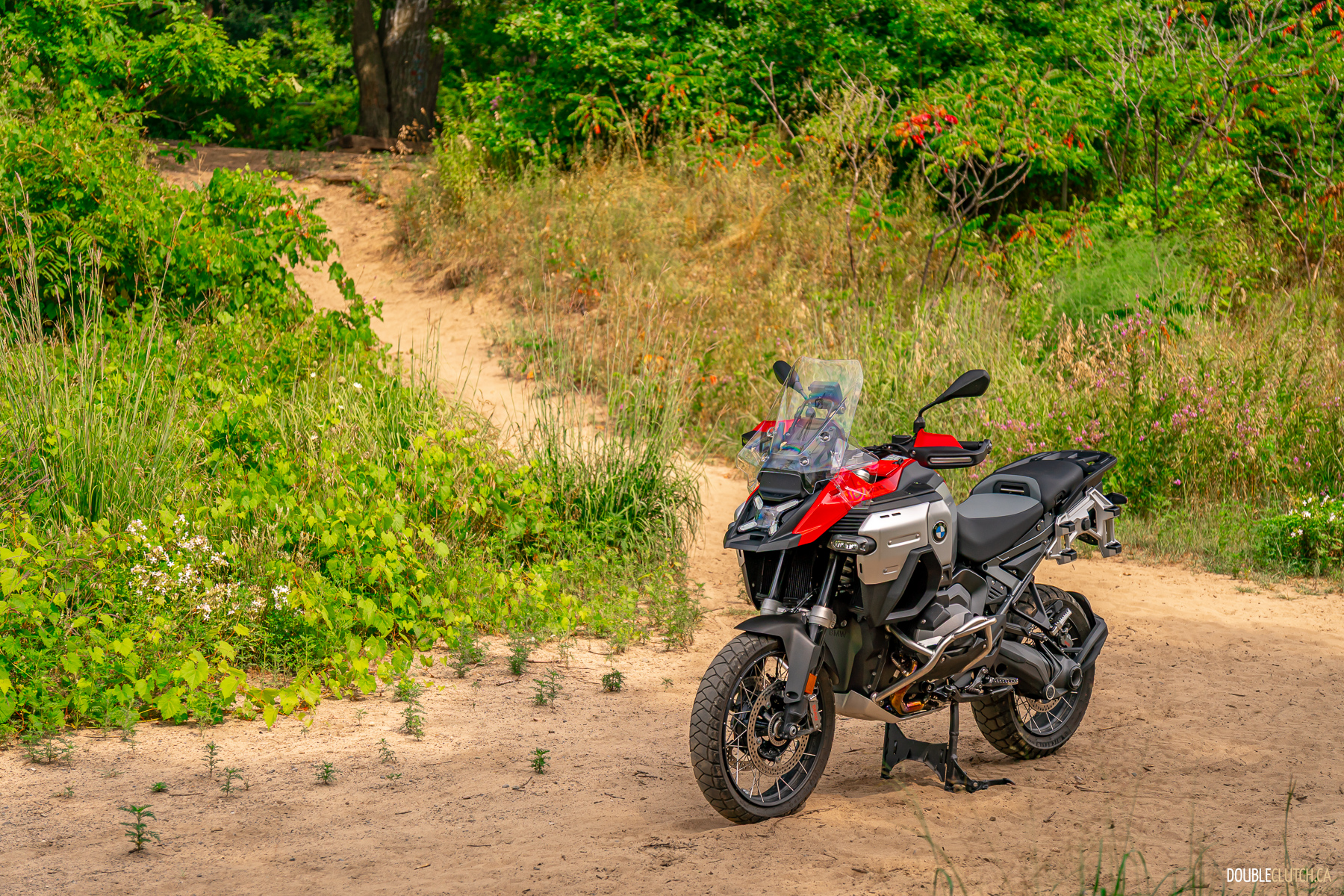
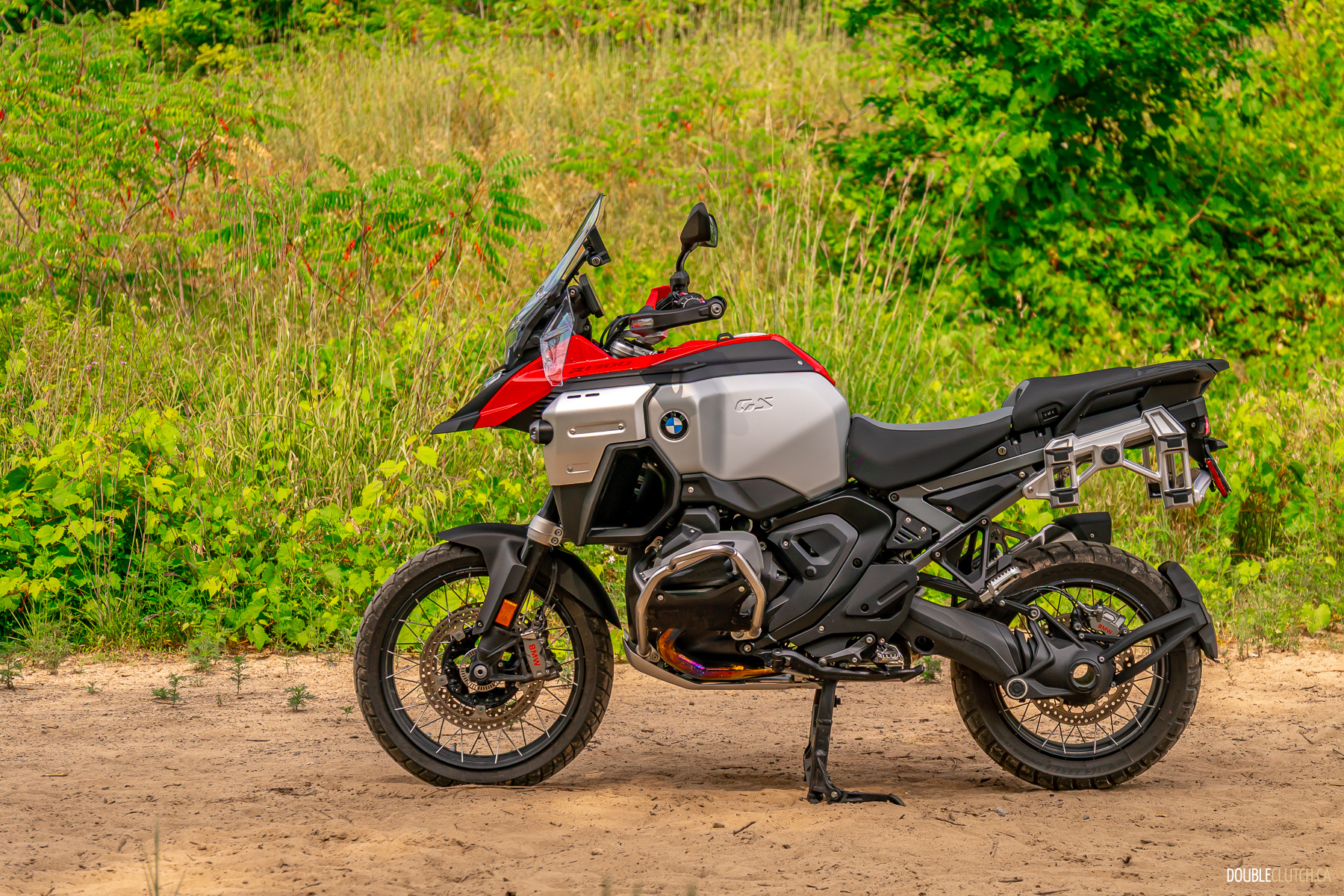
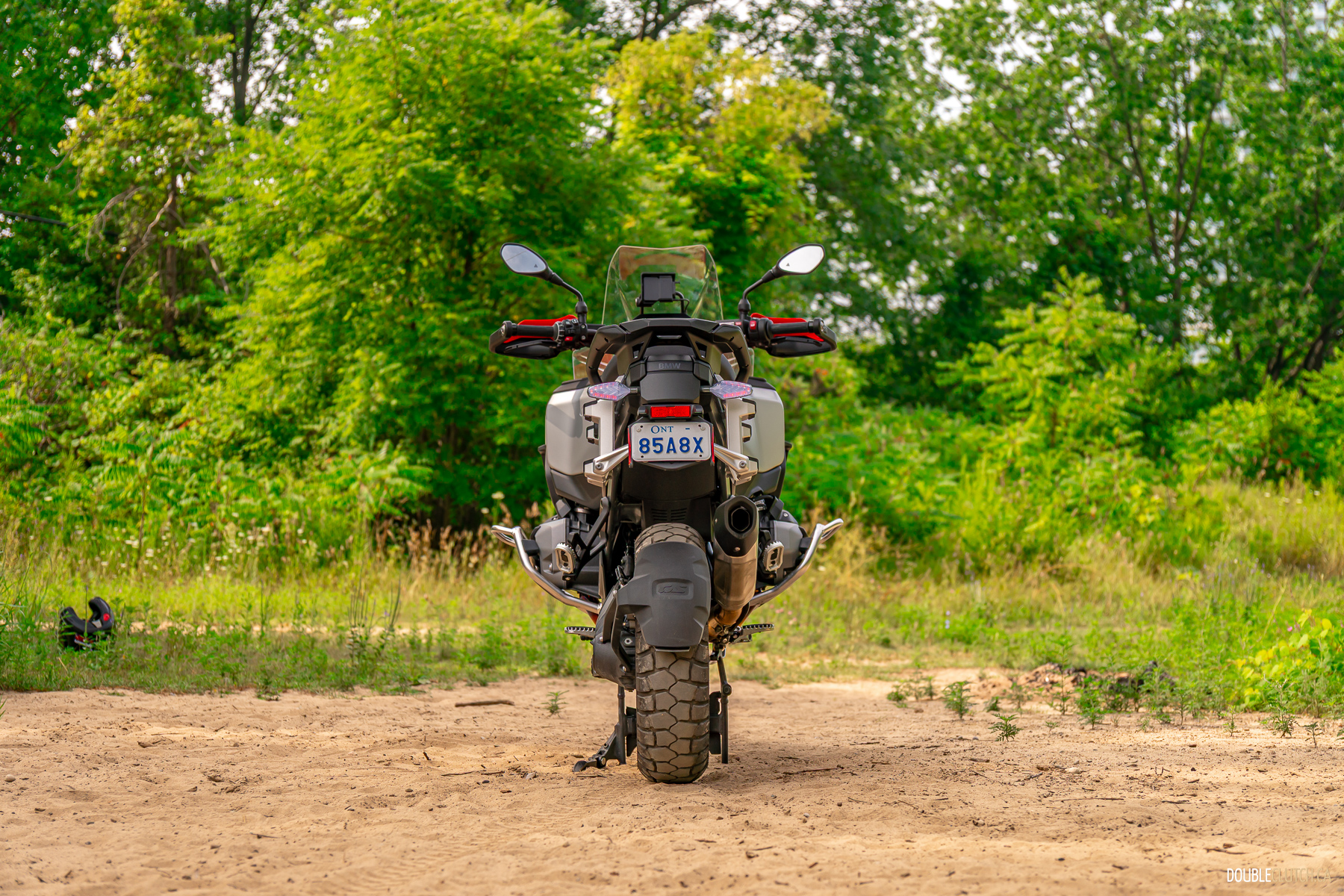
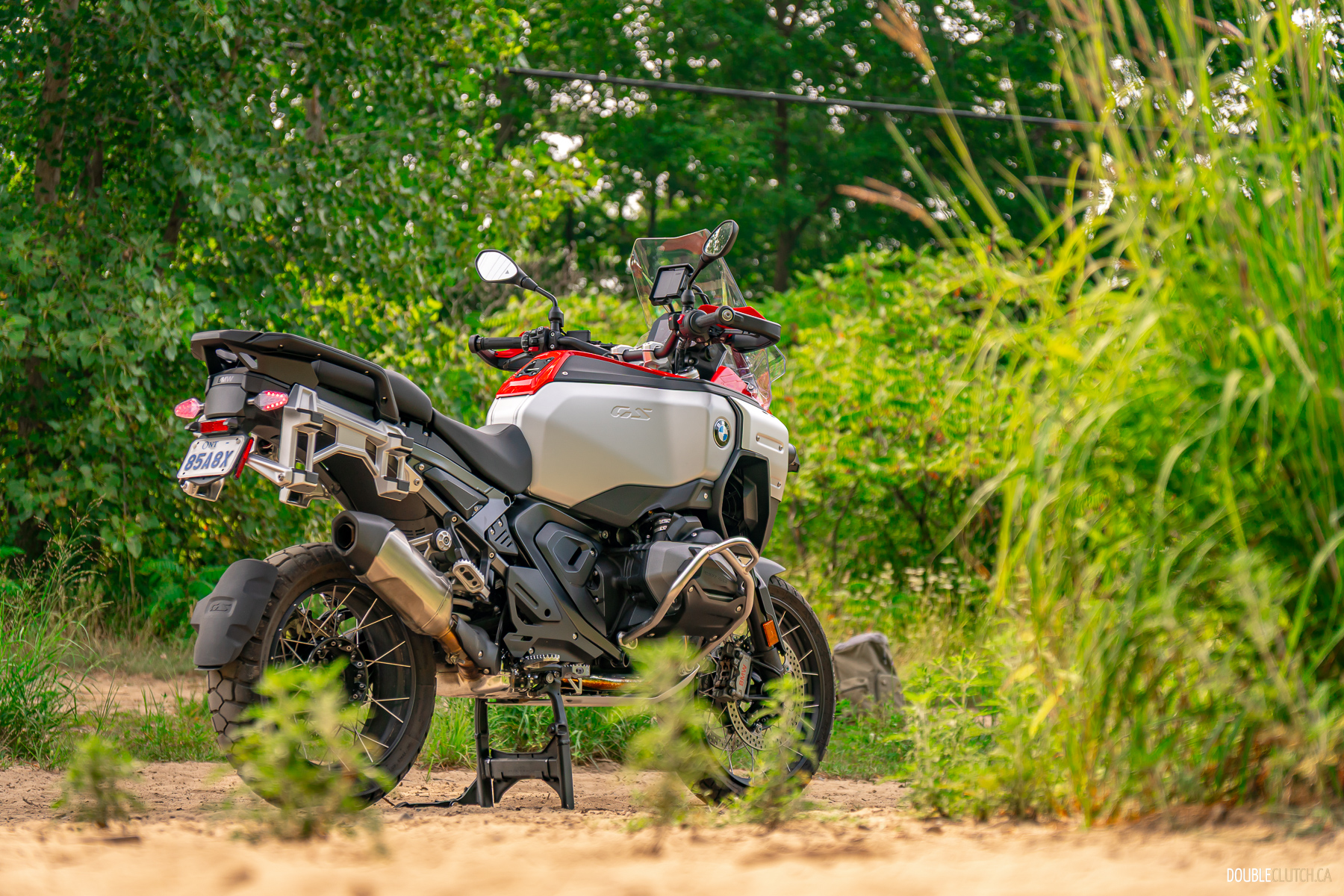
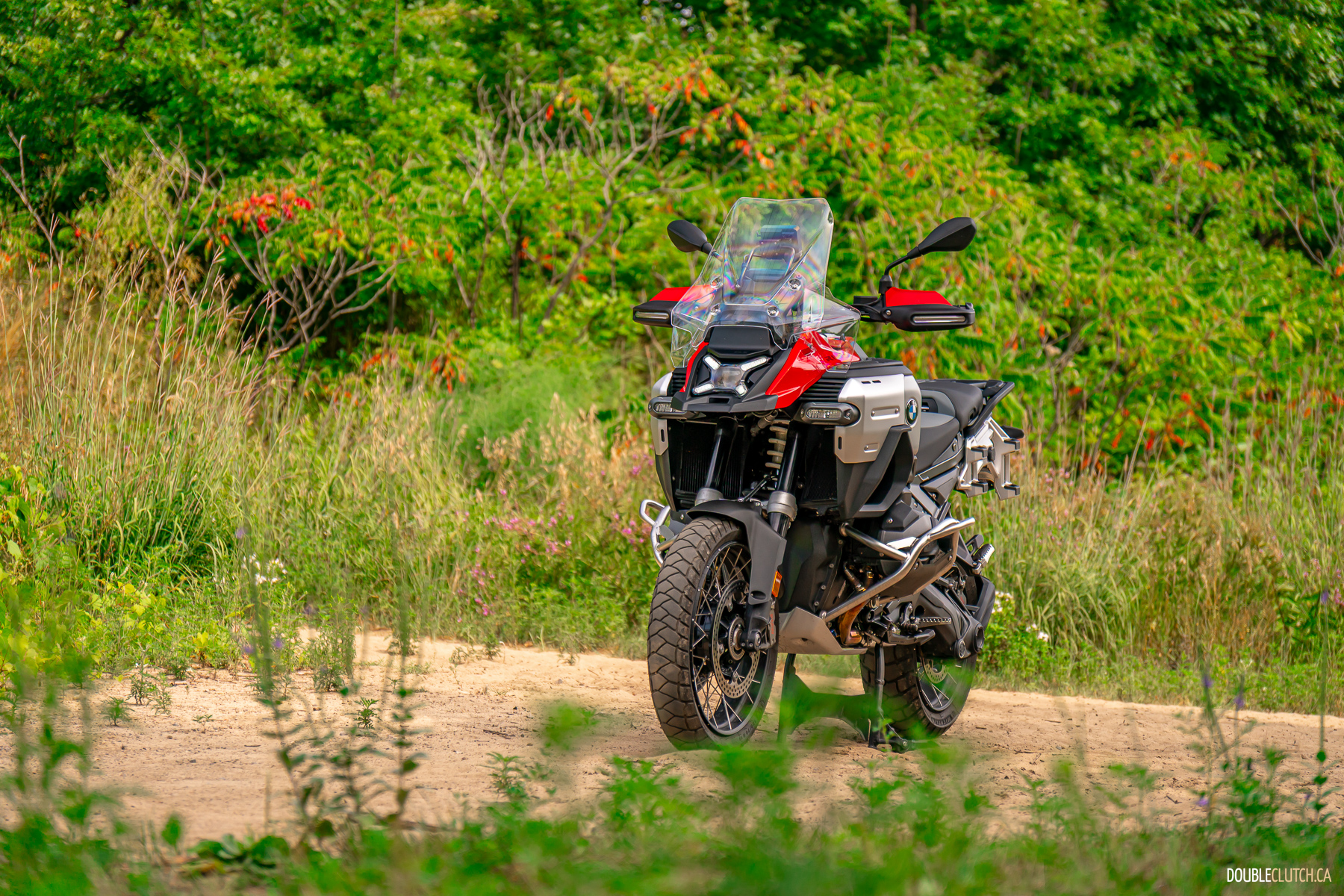
It’s a large bike for sure, but it’s visually gigantic. A colossal, 30-litre fuel tank sits atop of two radiators and electric fans, with big handlebars with even bigger hand guards up above. Its honking, 1,300-cc engine spilling its cylinder heads out of both sides, each encased by beefy guard bars. A big, X-shaped LED headlight, a full complement of wind deflectors, and an overall angular yet striking design only add to the R 1300 GS Aventure’s sense of bigness.
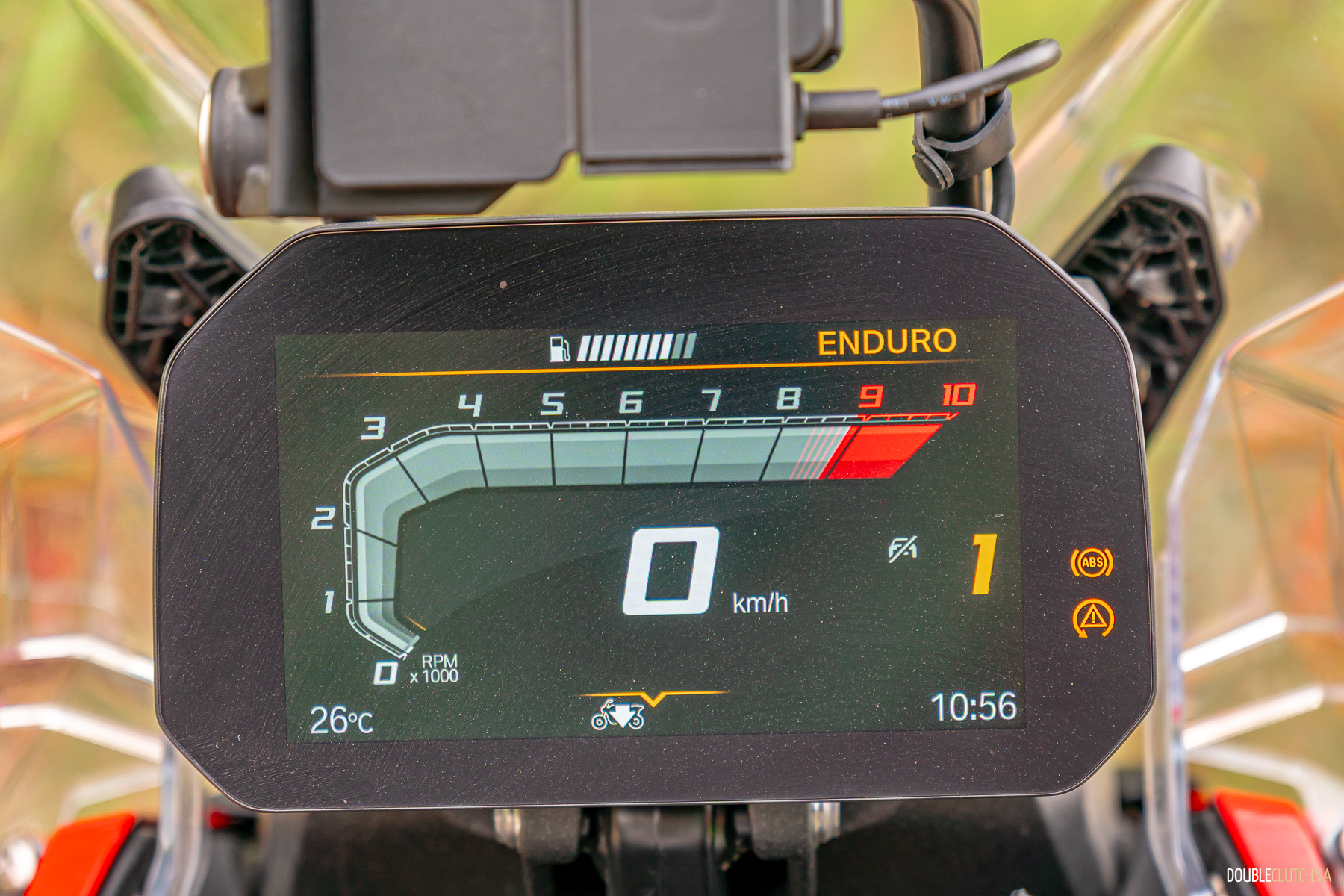
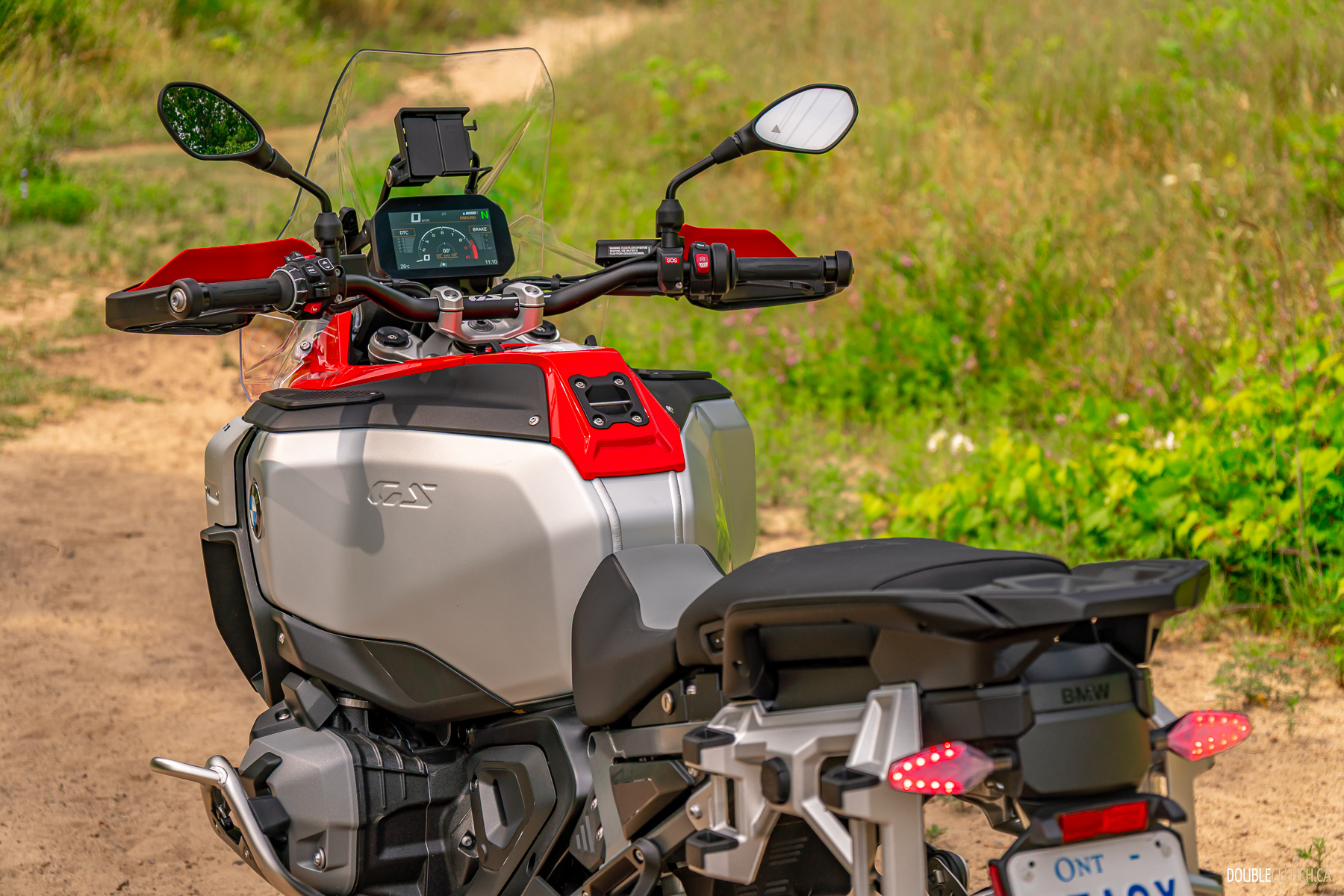
The R 1300 GS Adventure doesn’t really feel like a lot when you’re on it, though. The monster gas tank is sculpted such that your legs aren’t splayed wide, and the flat engine means the it carries its substantial 593-pound heft quite low. The GSA feels more manageable than that number might convey; I didn’t realize it at first, but it’s also fitted with an active suspension system that lowers the whole bike by 20 millimeters. It does so automatically whenever you’re slowing to a stop, so you can have your feet flat on the ground when at rest or trundling in traffic. I wouldn’t have noticed it working were it not for the light on the 6.5-inch TFT display.
Tech tricks
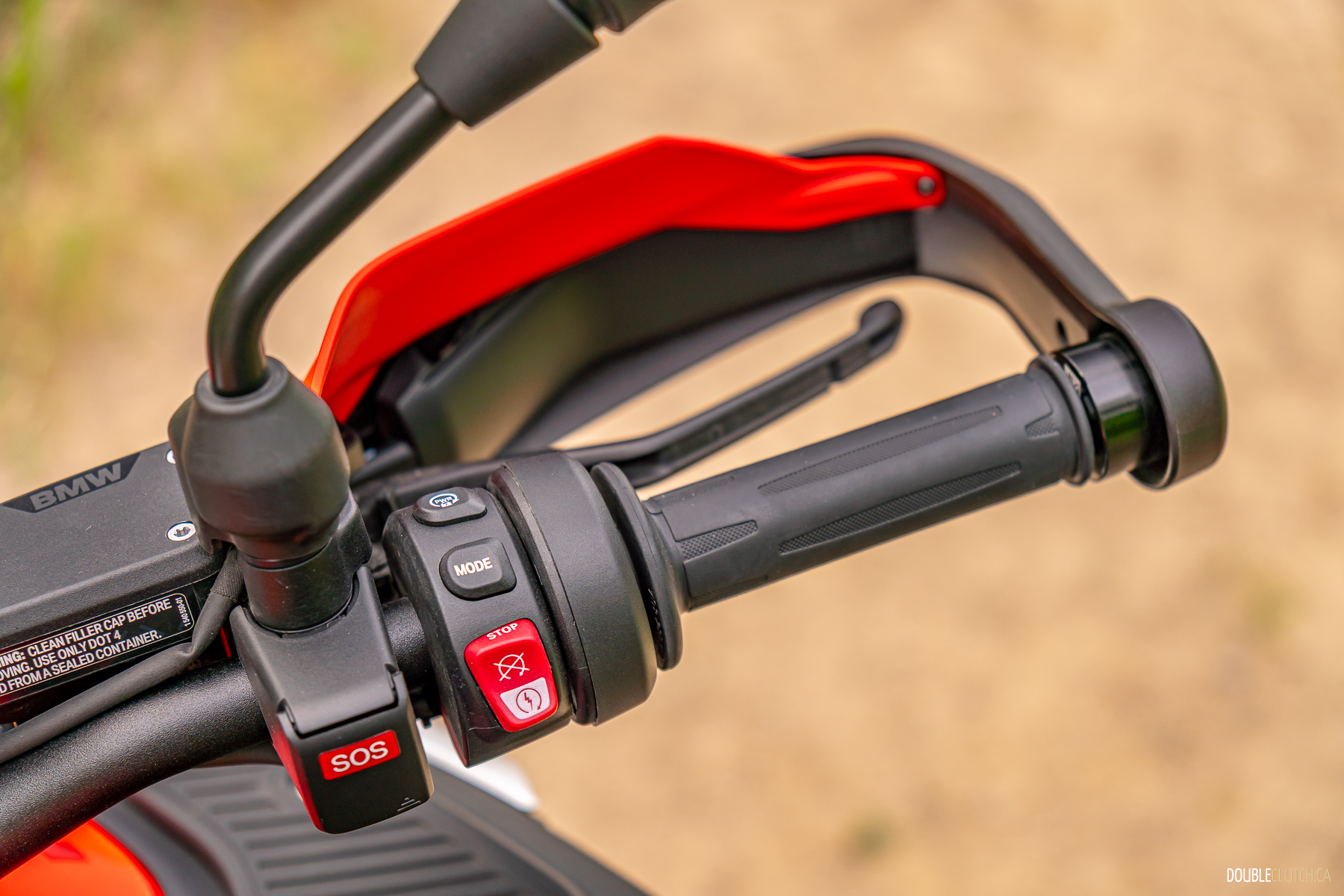
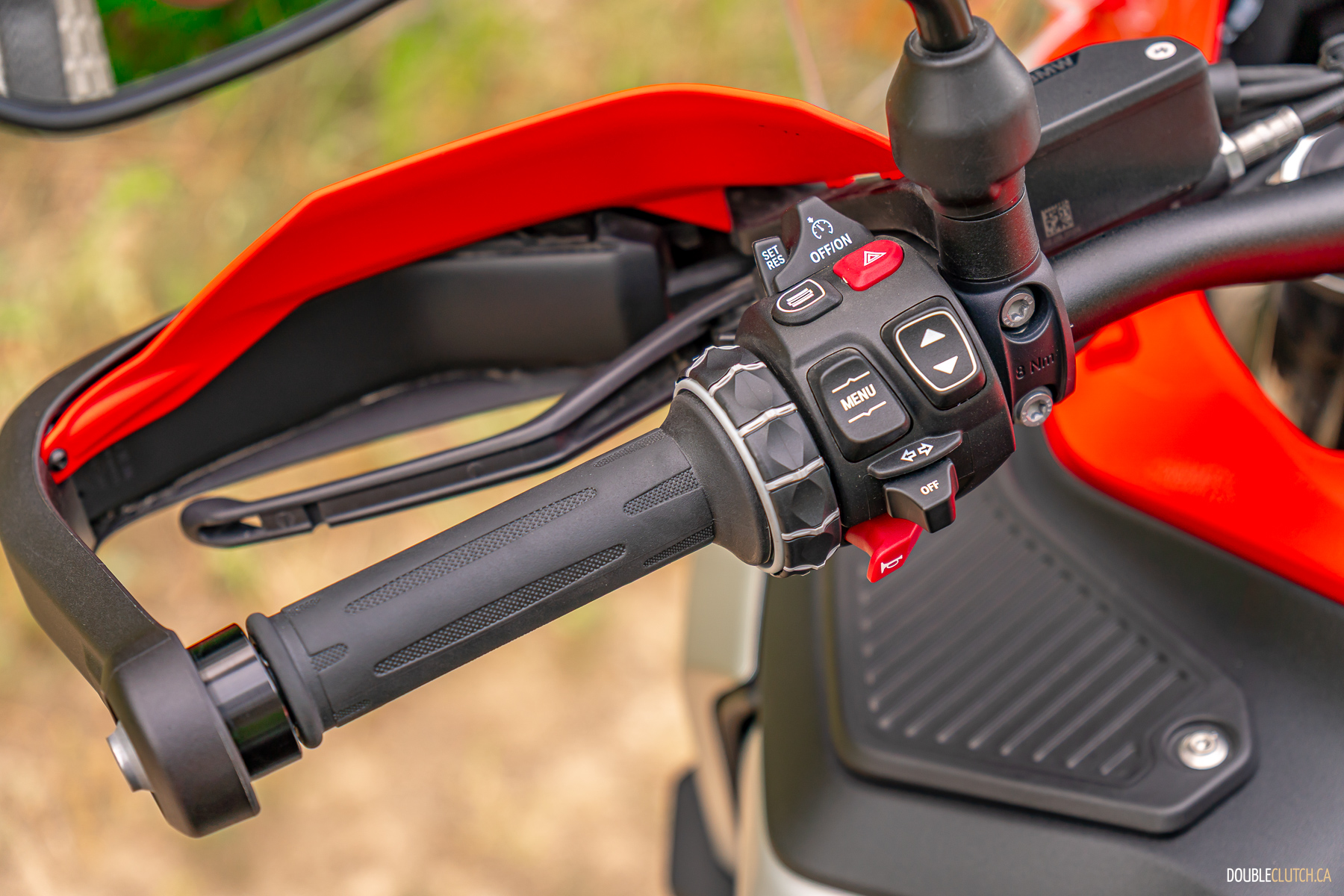
It’s the same easy-to-read and slick display on other new BMW bikes. It can do a lot, so the infotainment isn’t the simplest thing in the world, but I wouldn’t call it unintuitive. It just takes some learning — learning that’s easy enough to do in traffic, on the way to your next adventure, as I did. To cope with this big GSA’s additional functions, BMW added couple of new buttons to quickly access some of the key features on the fly. These include the aforementioned height adjustment, or the highlight feature: adaptive cruise control.
Yes, really. I couldn’t believe it. I thought the GSA was misbehaving when it refused to follow the speed I set. It took me a minute to realize it wasn’t a bug, but actually a feature! And one that works really well, at that. Part and parcel with a system like this is blind-spot monitoring, which sounds redundant on a bike, but I quickly grew to appreciate the little light in the mirrors letting me know when they could see something I couldn’t. I would have seen that Civic beside me when I did my shoulder check anyway, but I liked being told it was there ahead of time. More awareness is always good.
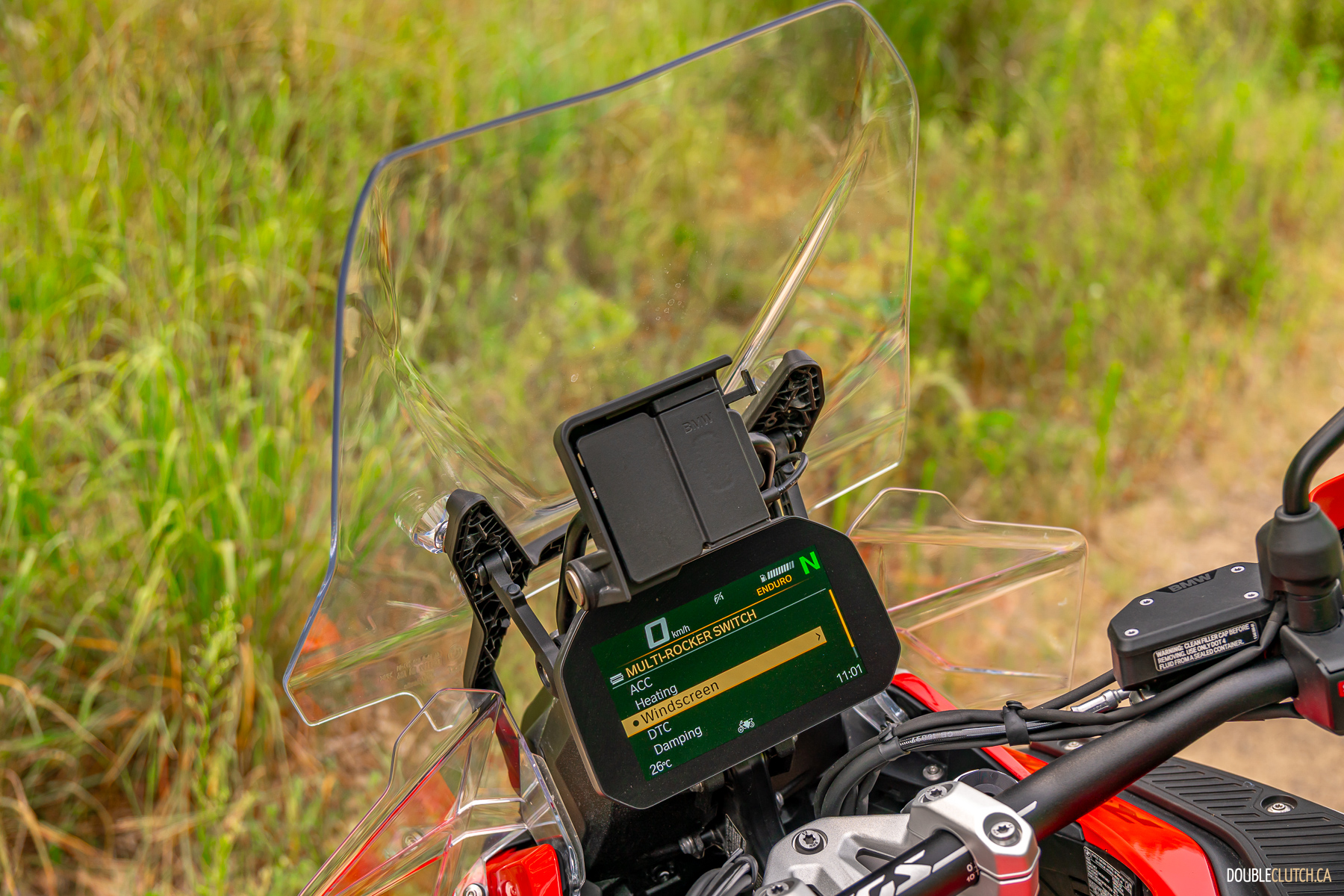
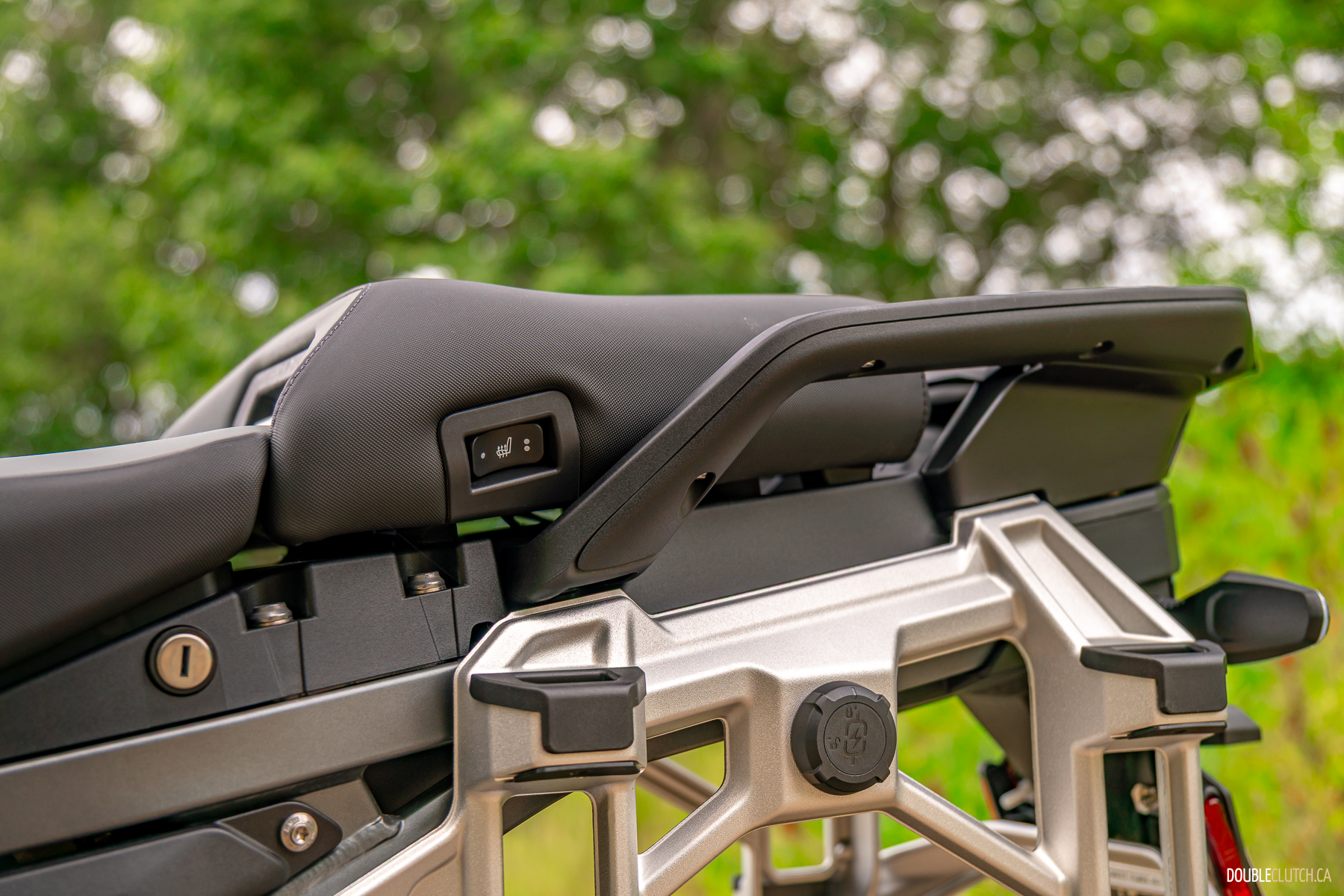
Another trick that’s accessible via the quick menu is the windscreen, which can raise or lower on the fly. There is almost no reason you’d want it to be other than to look fly, so that’s what I did whenever I wasn’t on the highway. Whether it’s up or down, wind turbulence is exceptionally well-controlled. There’s hardly any buffeting making its way to you, and it’s to a relative nil with the windscreen extended. If we weren’t in the middle of a heatwave, I might’ve appreciated it more. Speaking of, the grips are heated as you’d expect, but so is the front and rear seat. A very real part of me wants to re-book this bike in the fall, to see how viable it’d be at the chilly end of riding season. Or to see how viable it’d be, adventuring across cold continents. For science.

How does the R 1300 GS Adventure ride?
Either way, I didn’t have a ton of time to delve into these systems on my first ride. Treating the GSA like a regular bike, I saw its raw merits shine immediately. The engine is a gem that feels stronger than its hearty 145 horsepower and 109 pound-feet of torque convey. What matters more is the broad spread of that muscle, thanks to the engine’s variable valve timing, further aided by sheer displacement.
Nearly 90 per cent of the GSA’s peak torque is available from 3,600 all the way up to 7,800 rpm. Throttle response, especially in its angriest Dynamic Pro mode, is so urgent it’s almost frenetic. Lifting a wheel shouldn’t be a concern on a bike this big; it is, but there’s systems to manage it, of course. Having said that, it’s very linear and tractable, feeling just as at-home crawling around obstacles in loose sand as it is hurtling down a highway. The exhaust note has a distinct mechanical bark from its boxer layout, but is surprisingly subdued when cruising. Perfect for long hauls with the odd stint of silliness.

With its mass being so low, the R 1300 GS Adventure handles better than you’d expect. Hell, it’s just as fun on-road as it is off-road. The brakes are eager and linear, just like the engine’s responsiveness. The standard quick-shifter is slick and consistent, and the chassis encourages you to lean deeply while still having terrific highway stability. The GSA has good-enough manners to be demure, but it feels like it’s being demure just for you. It really wants to play and run all the time, and it’s only okay-at-best at hiding it, which I kind of love.
My only knock is take-off—the GSA demands a good amount of throttle and a confident hand on the clutch, because it has a slim and grabby bite point, and the engine’s layout gives it a proclivity for stalling. It’s not bad, the GSA is light on the fingers, but I wouldn’t call it easy.
Adventures for the sake of adventures
That didn’t stop me from making up reasons to go for a ride. When I picked it up, I didn’t appreciate the R 1300 GS Adventure as a technological tour-de-force. I just thought it was a really fun bike that was exceptionally comfortable. Over the course of the week, I took some time to learn its intricacies and only grew to appreciate the GSA more. Its many rider assists only serve as a quiet guiding hand rather than an overbearing safety net; for instance, its traction control is undefeatable, but is dialed to allow a good amount of slip in its off-road Enduro ride mode. Apparently, you can light up the back end and slide around in loose sand without the manic energy of the engine to overwhelm.
At face value, the R 1300 GS Adventure seems like way too much bike and too much engine for real off-road adventures, but it’s managed so effectively that it feels sensible despite seeming over-the-top. There’s no reason you should be riding in a narrow sand track with this much power, but BMW makes it feel right. With how infallibly capable the GSA is, in any and all conditions, its as-tested price of $32,085 feels right. It’s a set of panniers away from being able to slice across the world as the crow flies, or be a fantastic three-season companion.
For those who are serious about riding well and often, you’d be very hard pressed to do better than the 2025 BMW R 1300 GS Adventure. It’s such an impressive machine, even if its smorgasbord of tech isn’t the sort of thing I’d usually appreciate. But it’s implemented in such a way that on my first ride, I didn’t even know it was there, and it doesn’t get in the way of a fundamentally fabulous bike. The 2025 GSA is a hulking thing built to cross continents, and I wanted to do that. I came up with any reason to go on any adventure, big or small. Isn’t that what riding is all about?







Editor-in-Chief
Nathan is an eccentric car enthusiast who likes driver-focused cars and thoughtful design. He can't stand listening to people reminisce about the "good ole days" of cars because he started doing it before it was cool, and is also definitely not a hipster doofus.