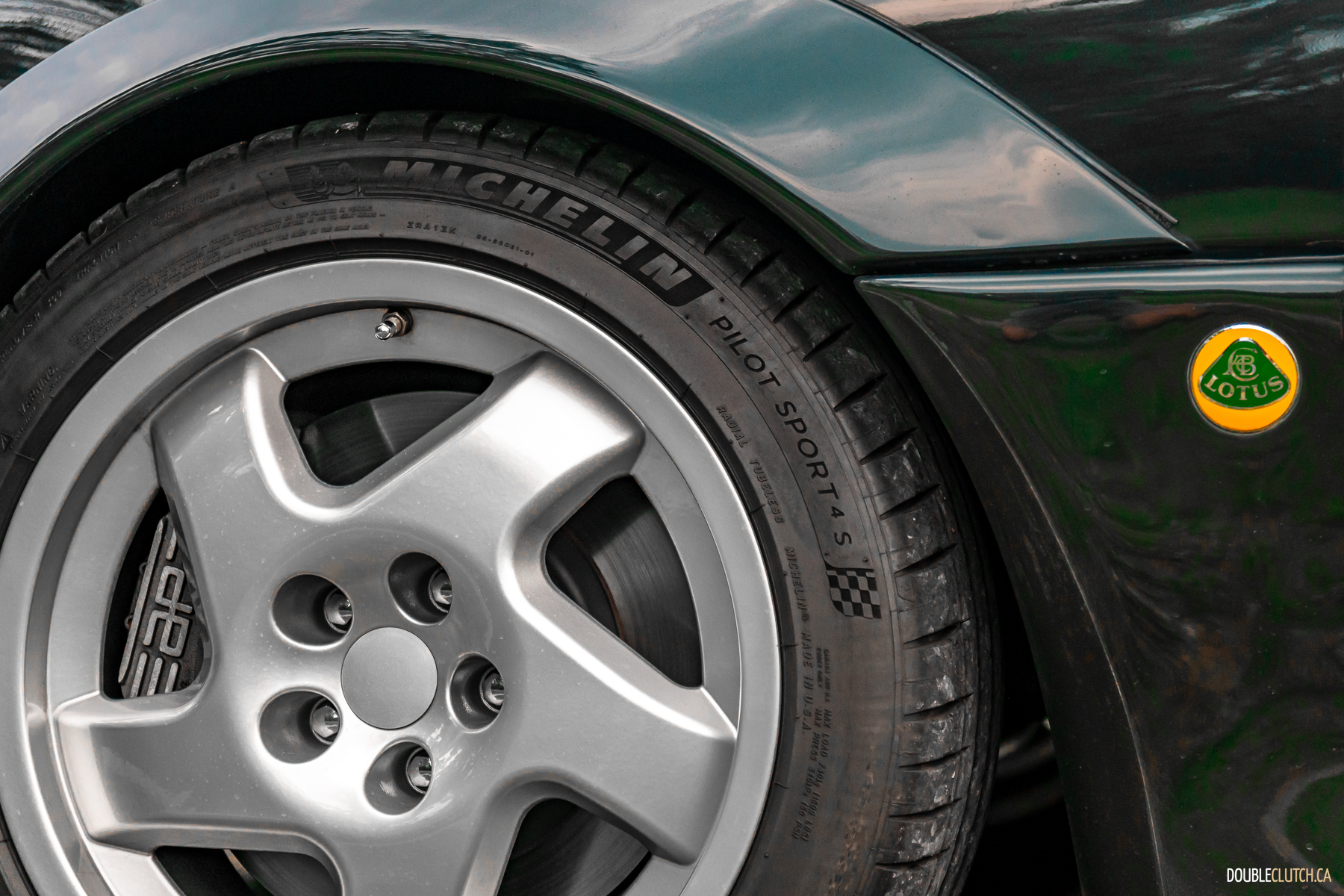
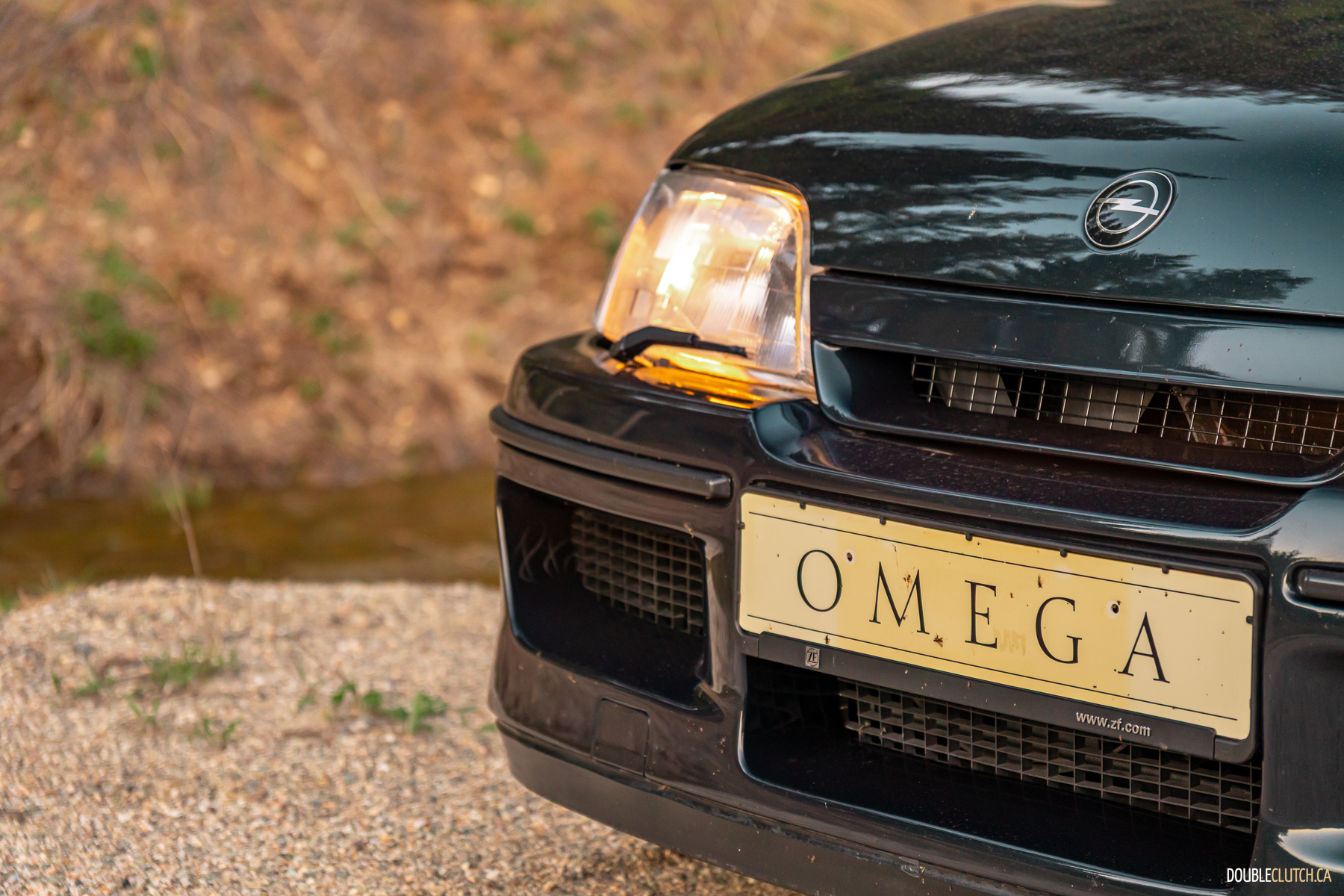
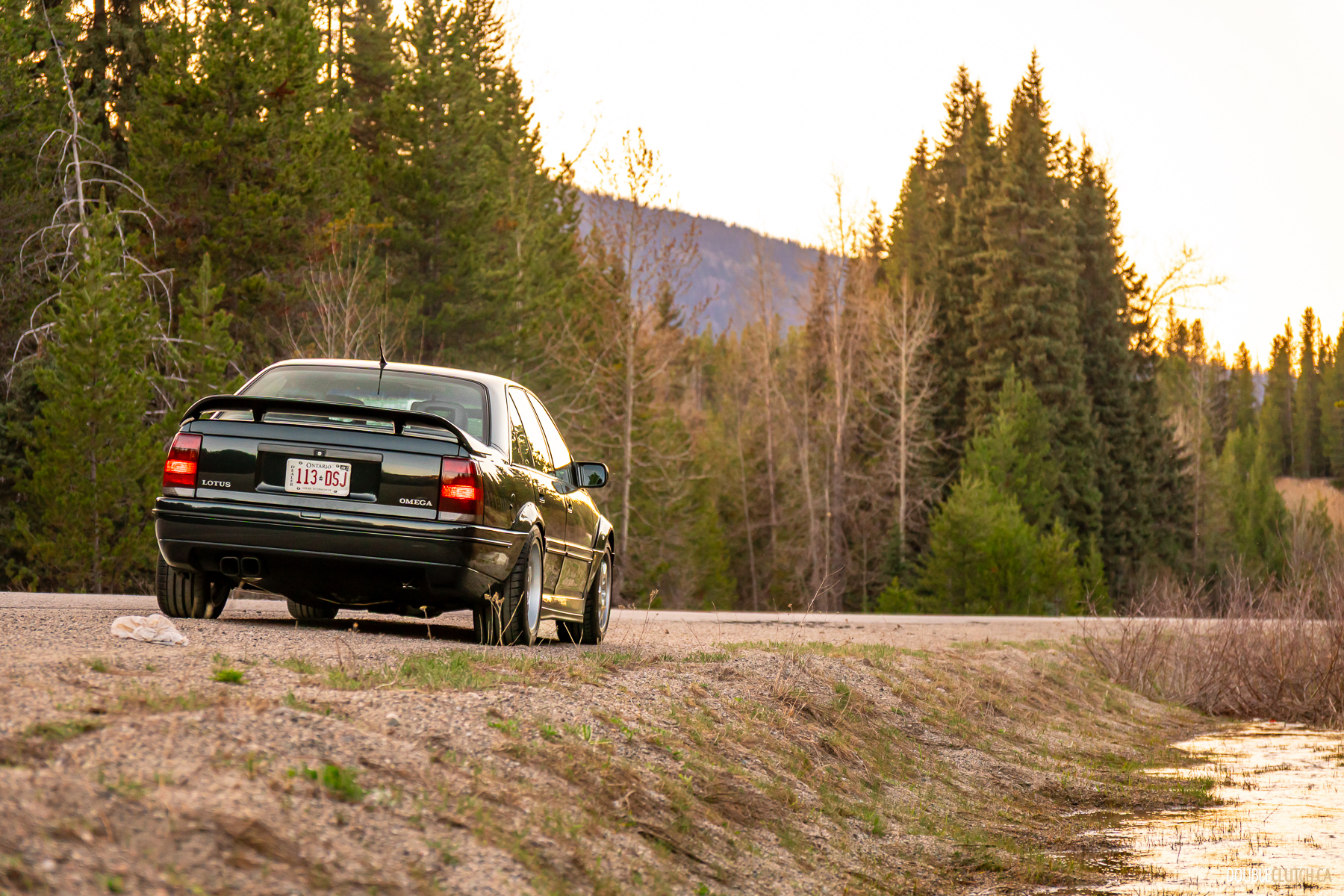
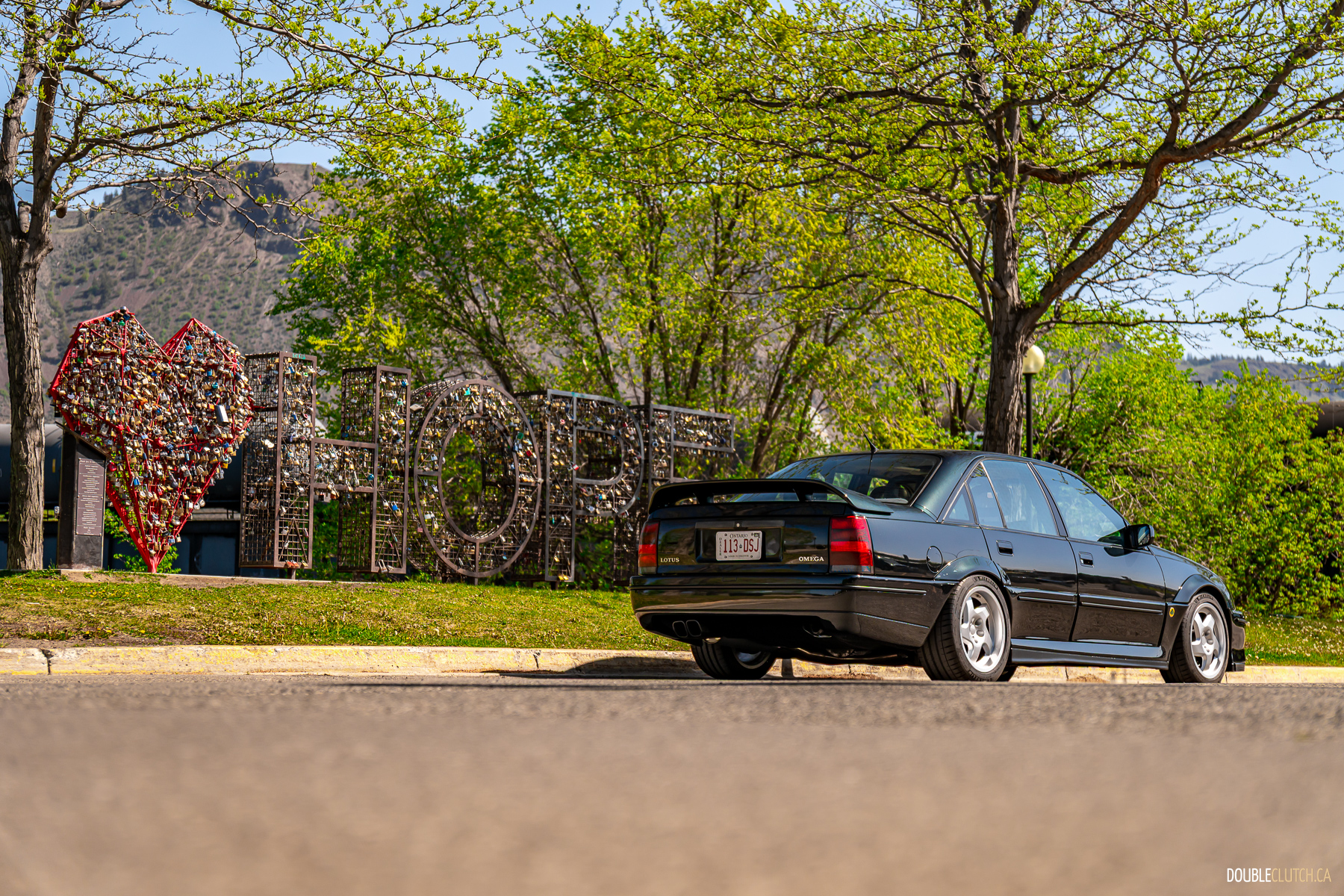
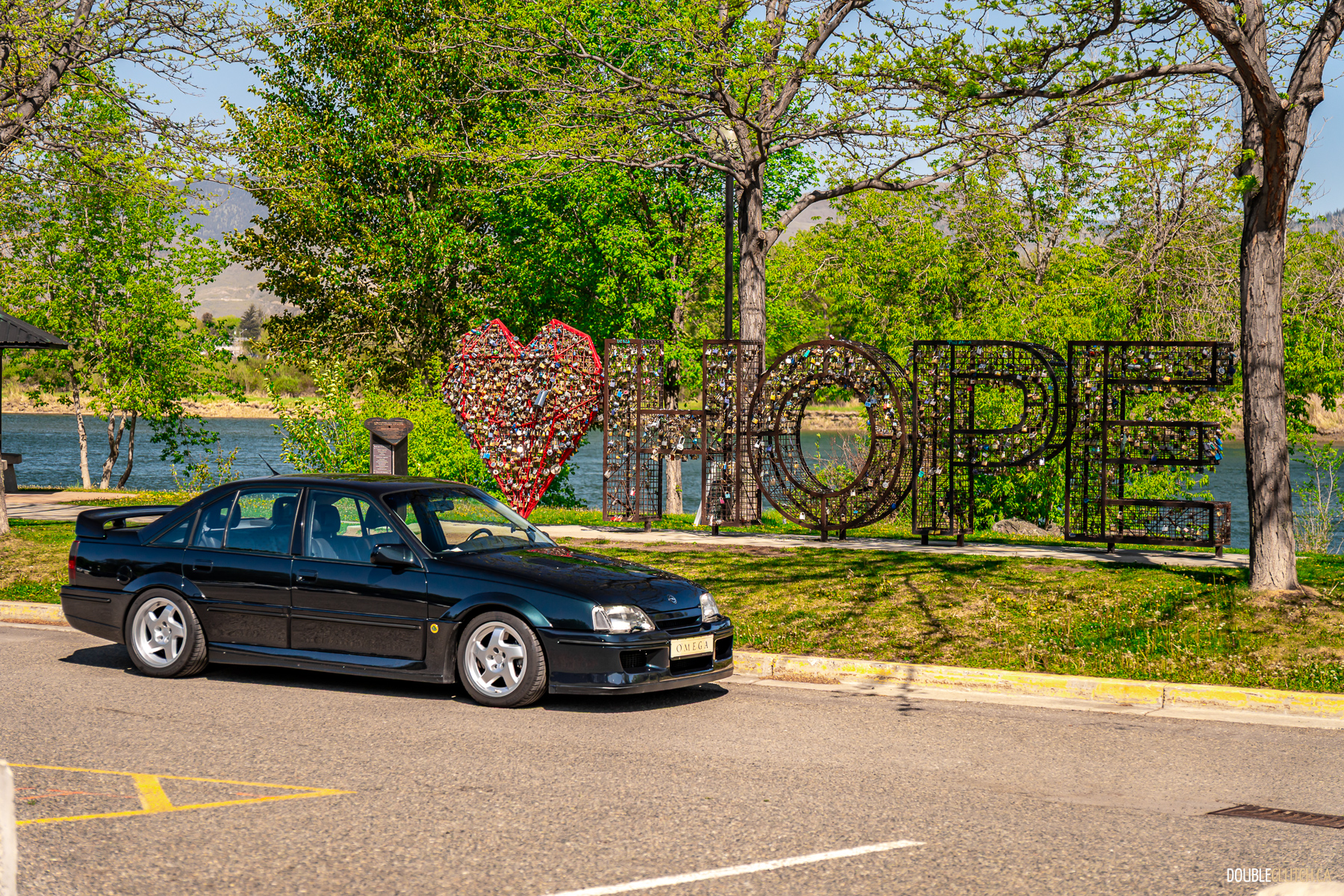
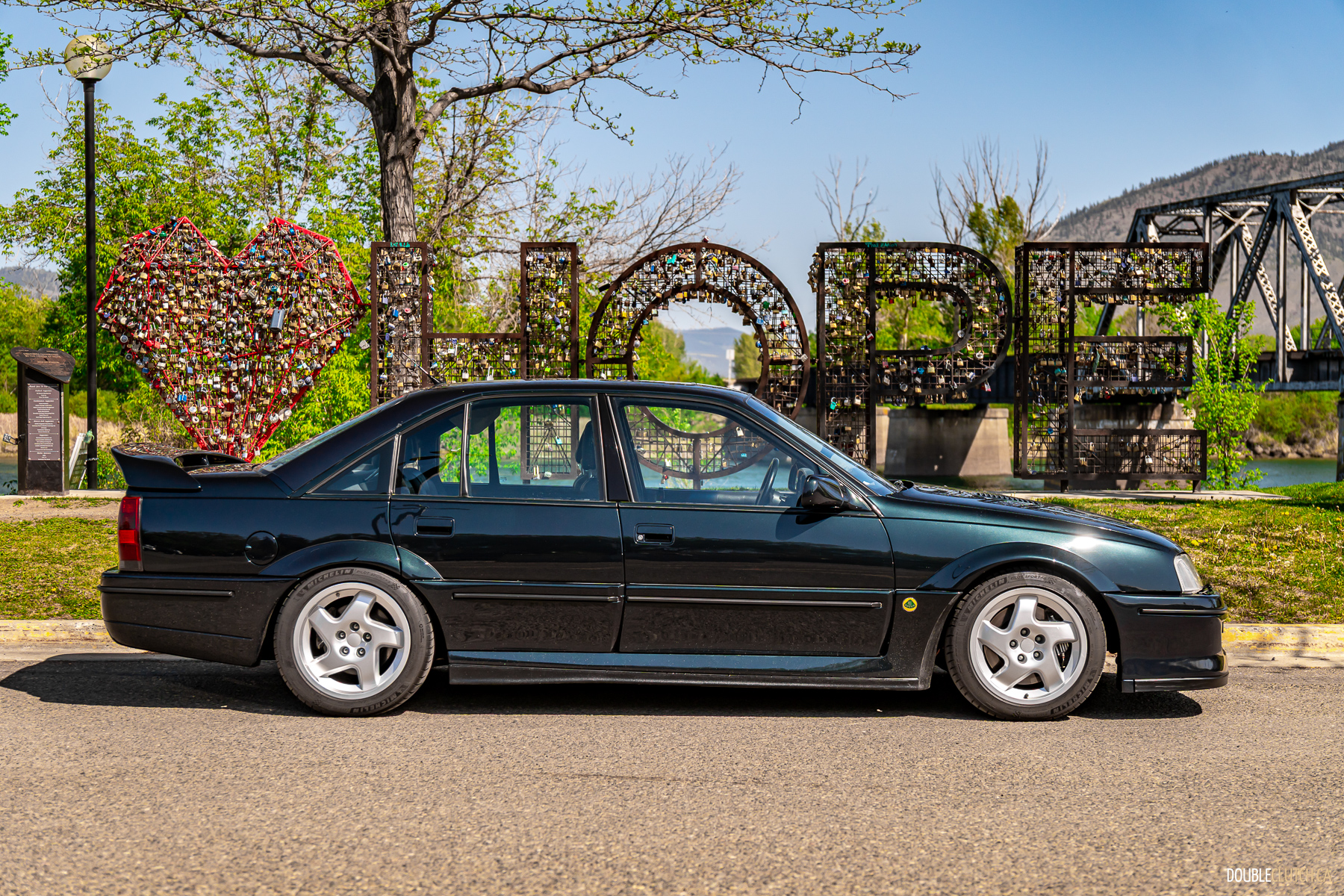
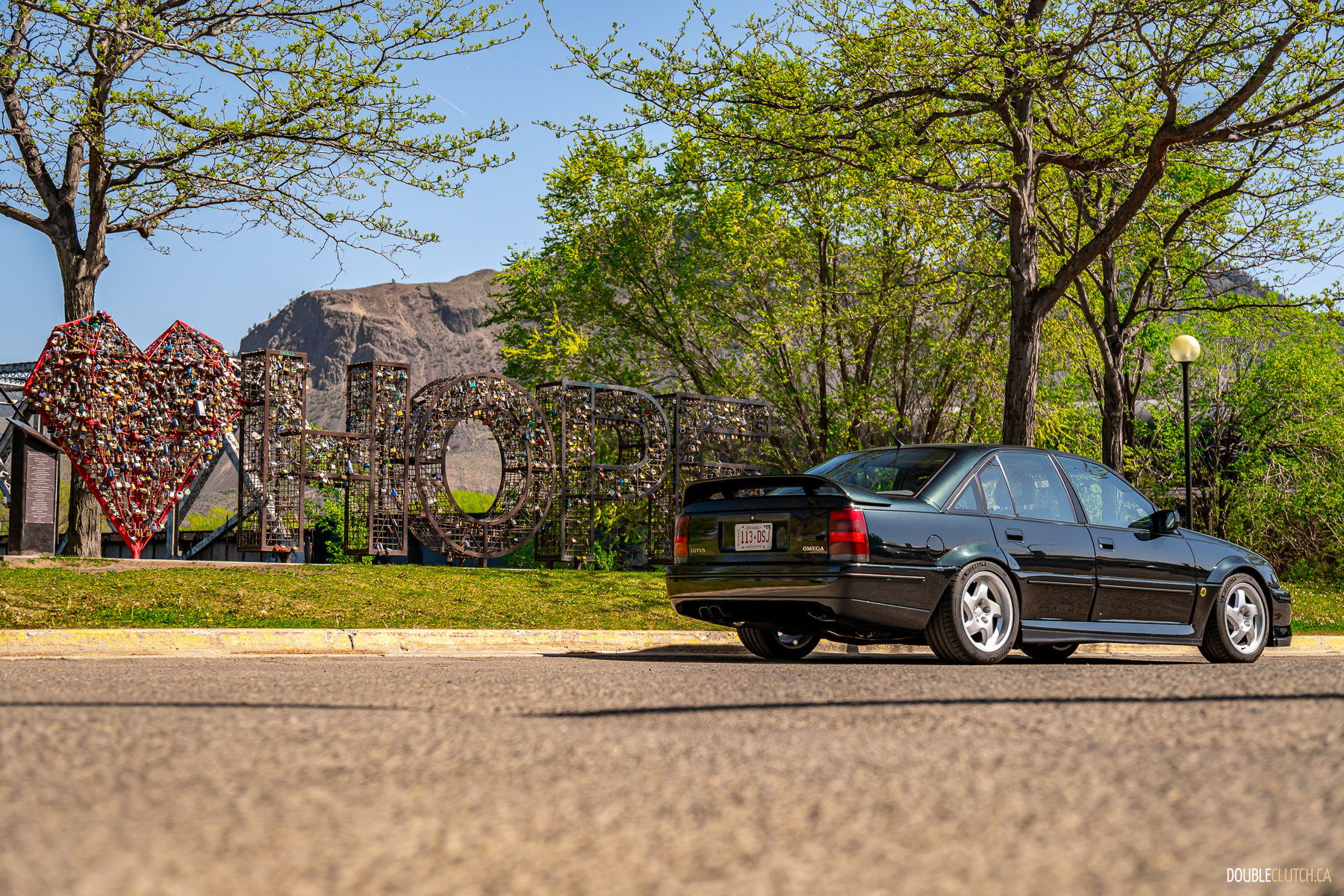
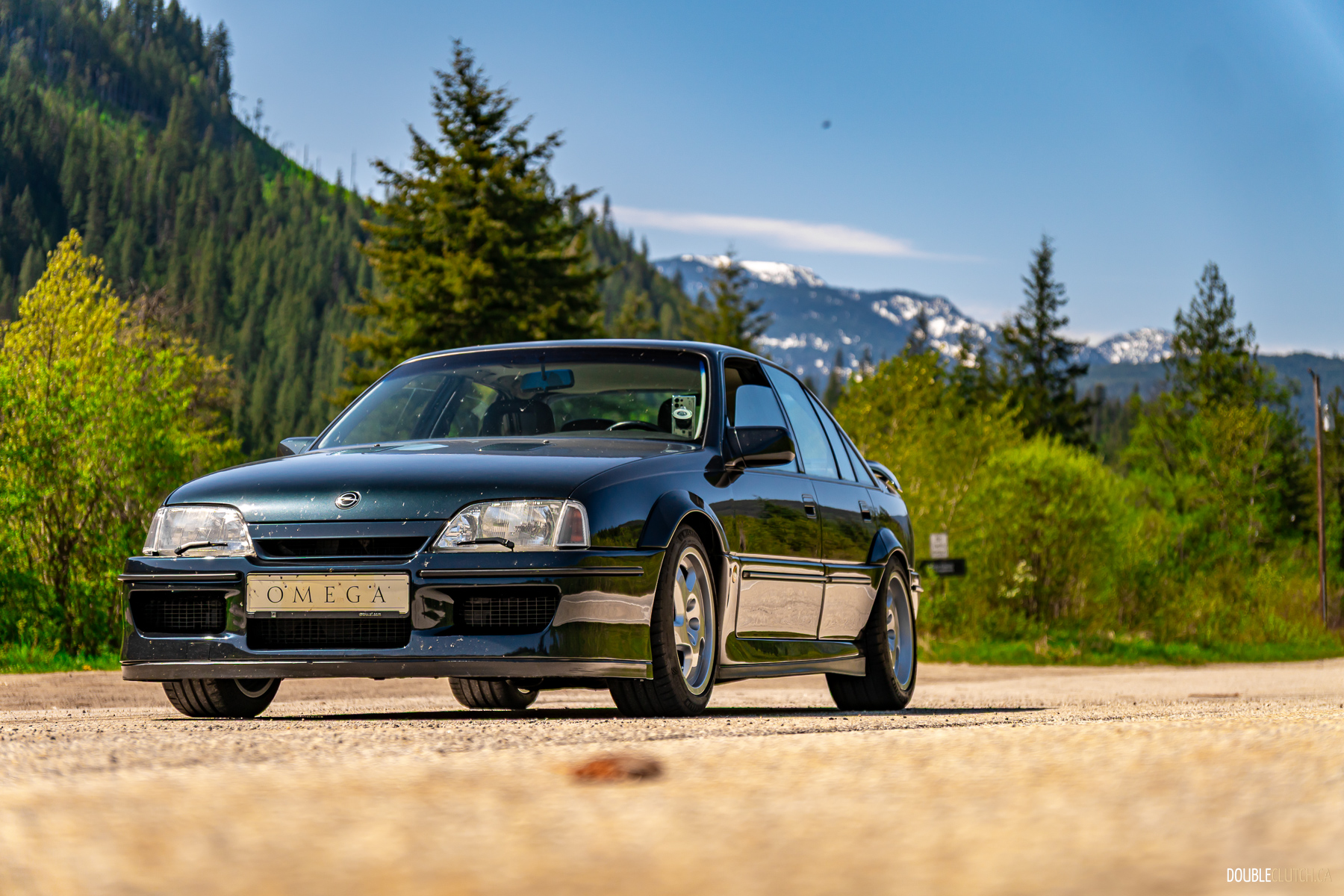
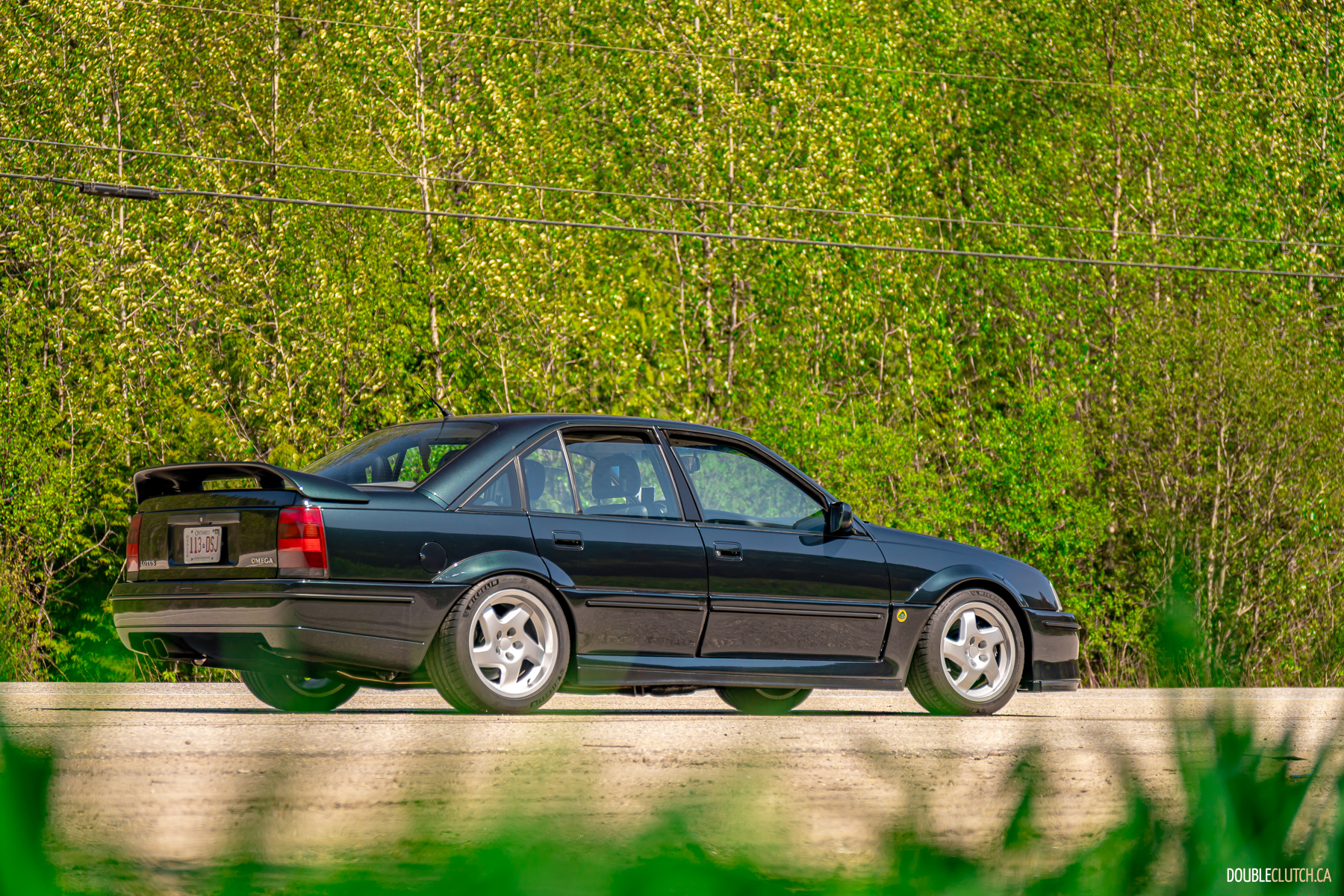
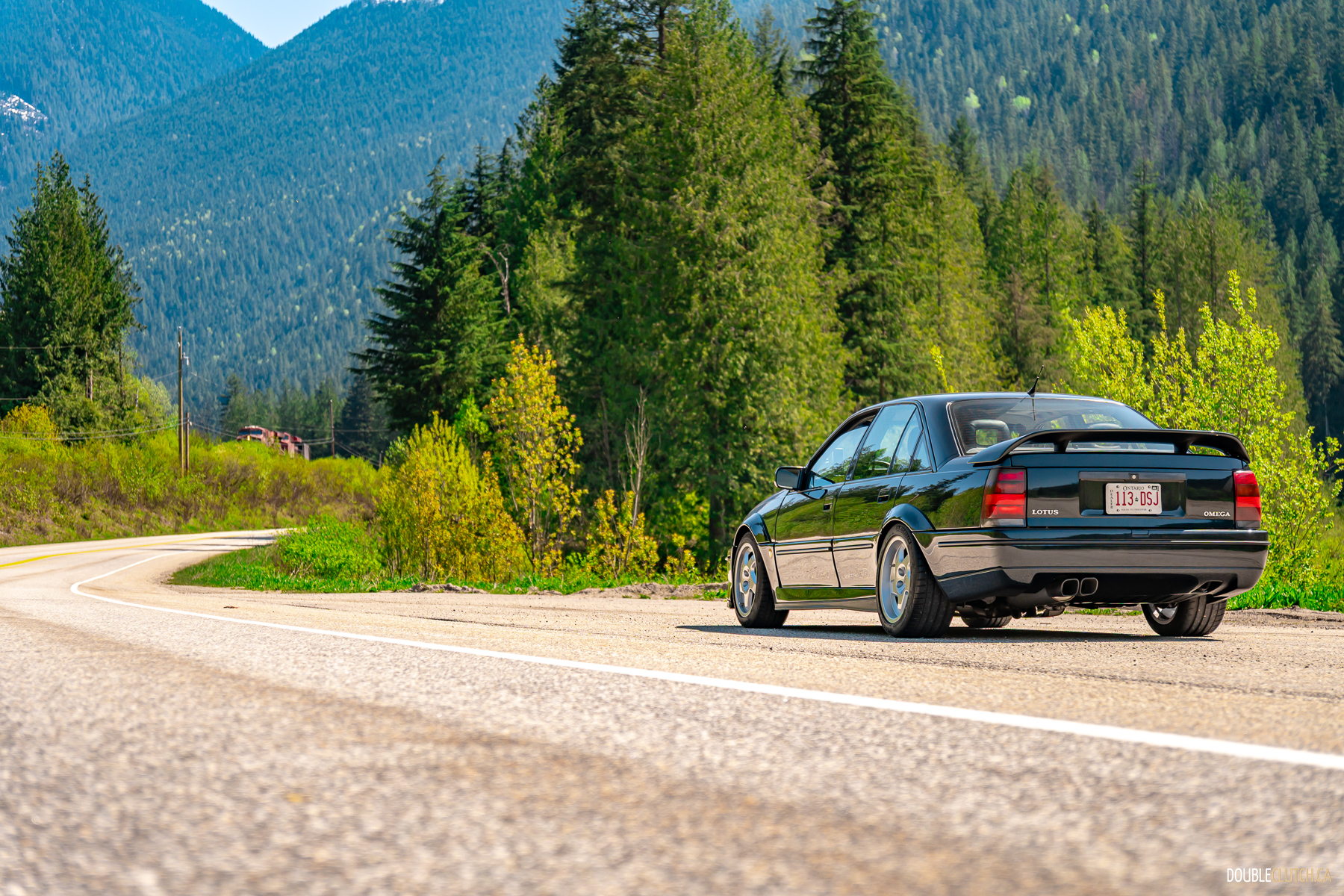
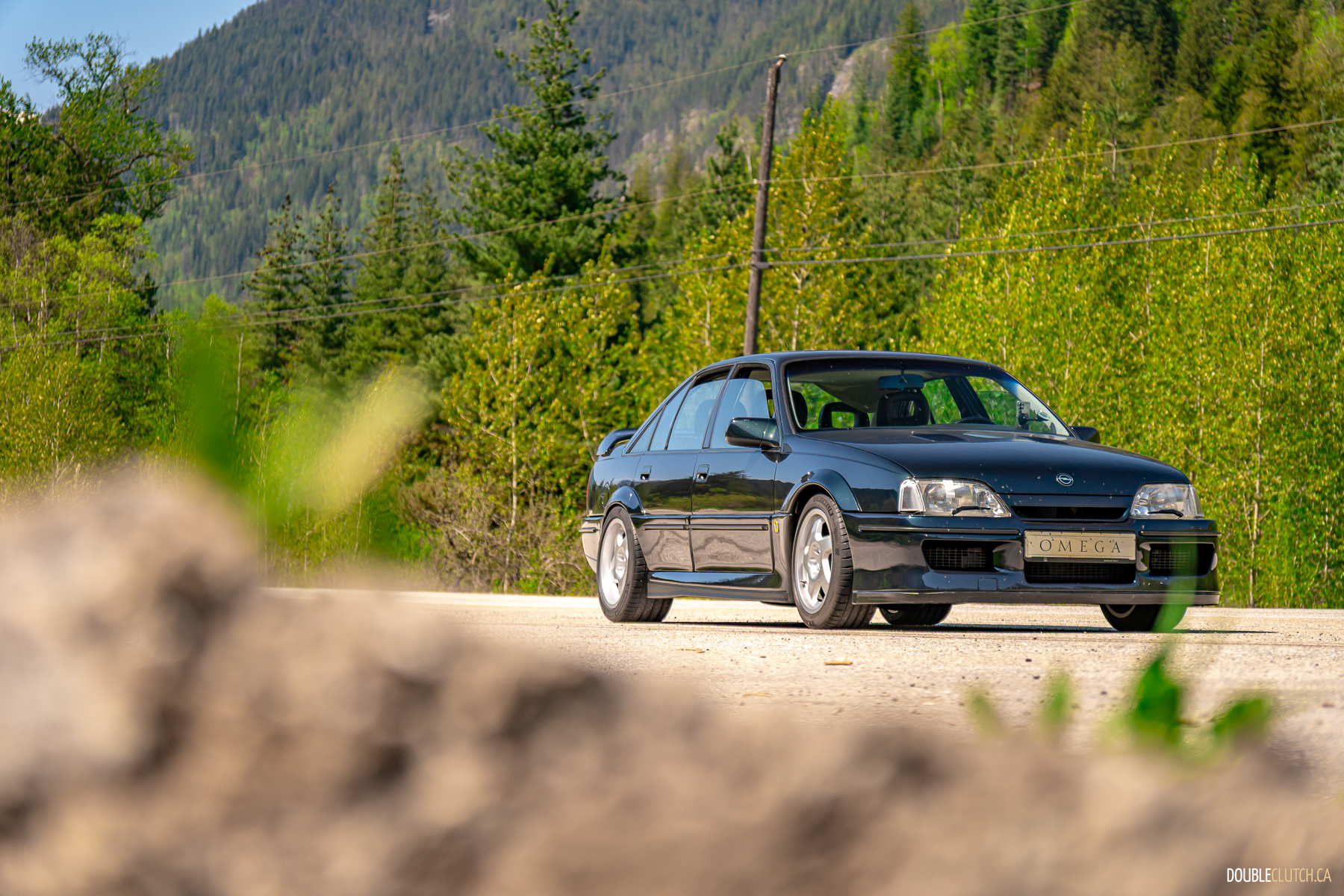
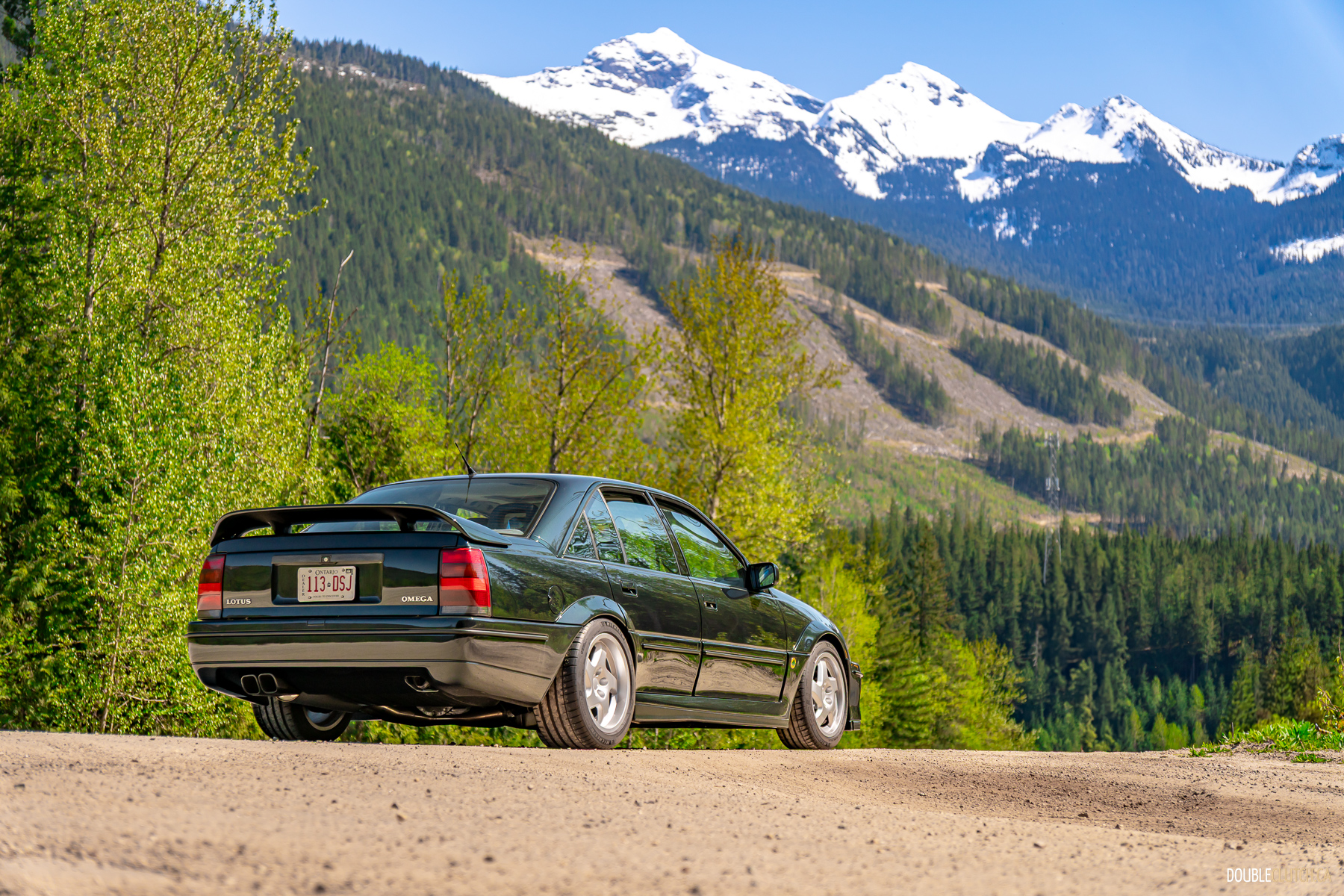
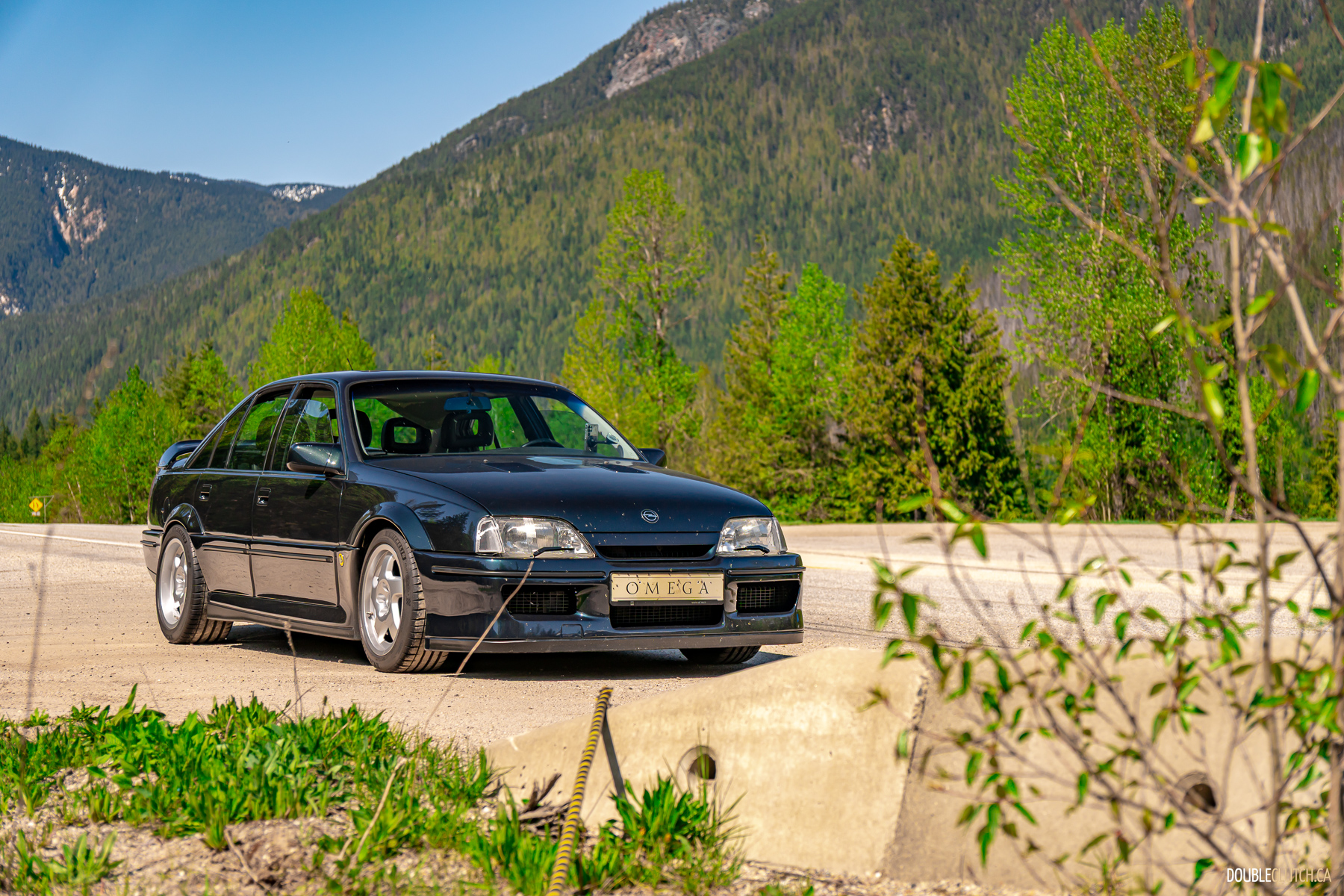
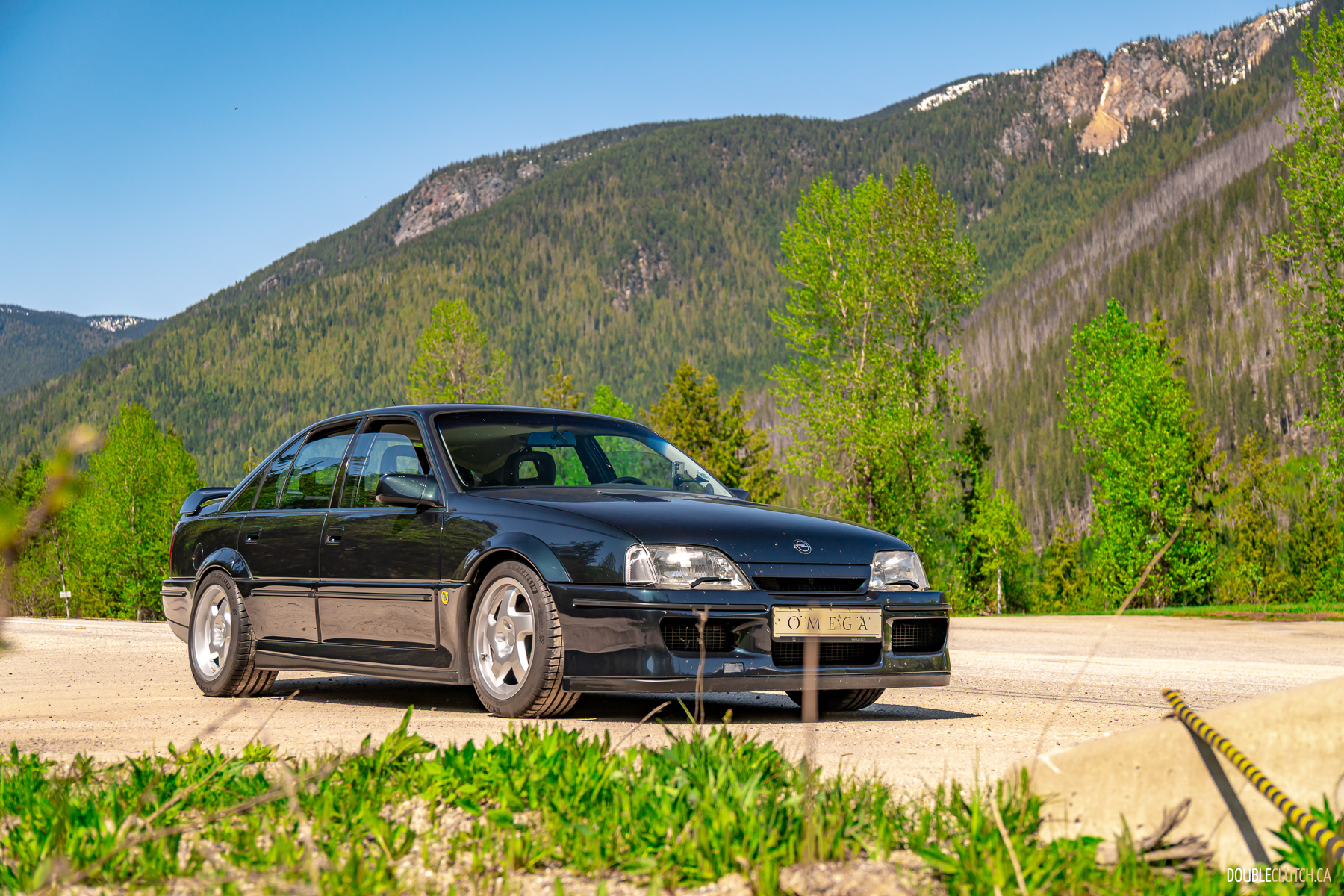
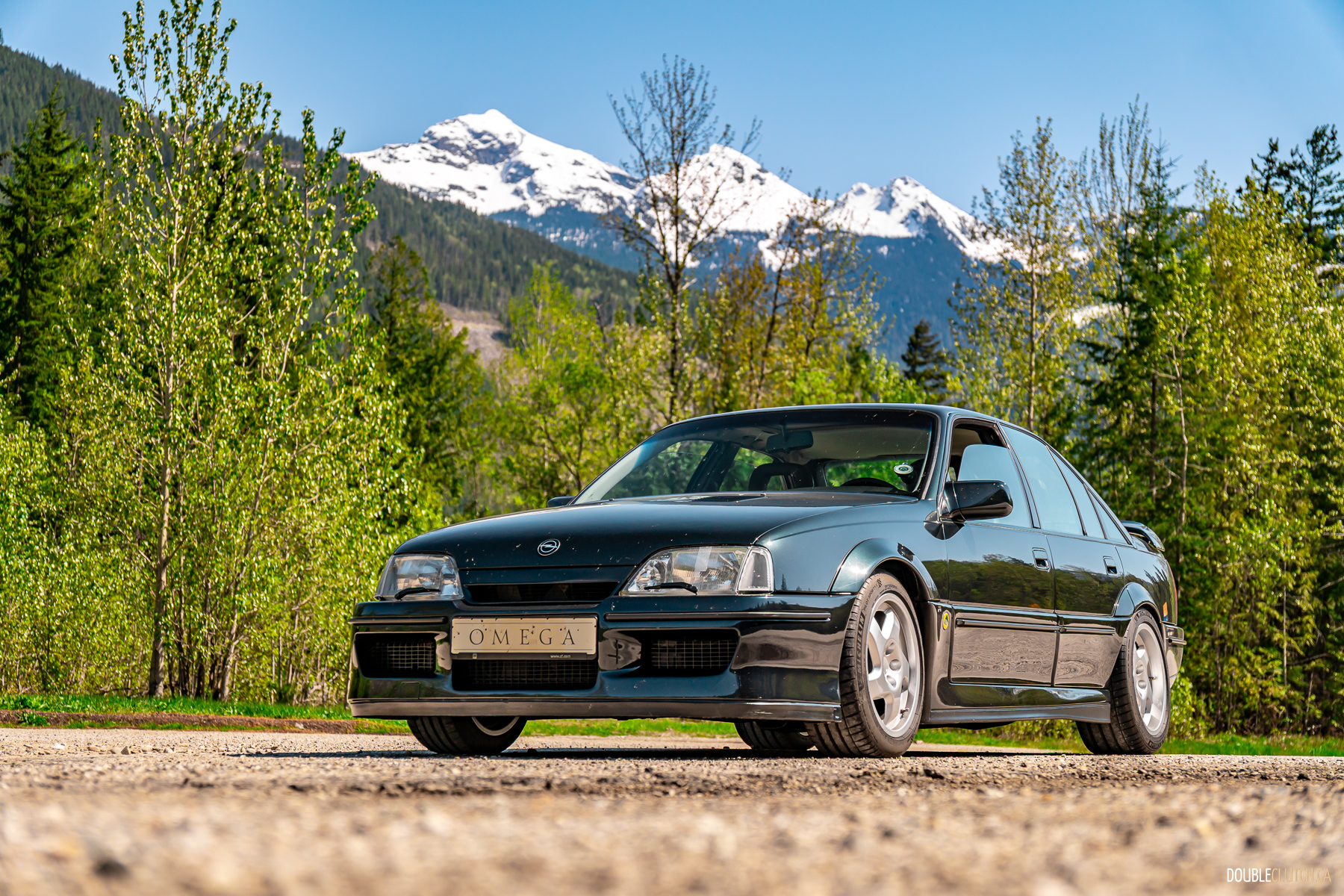
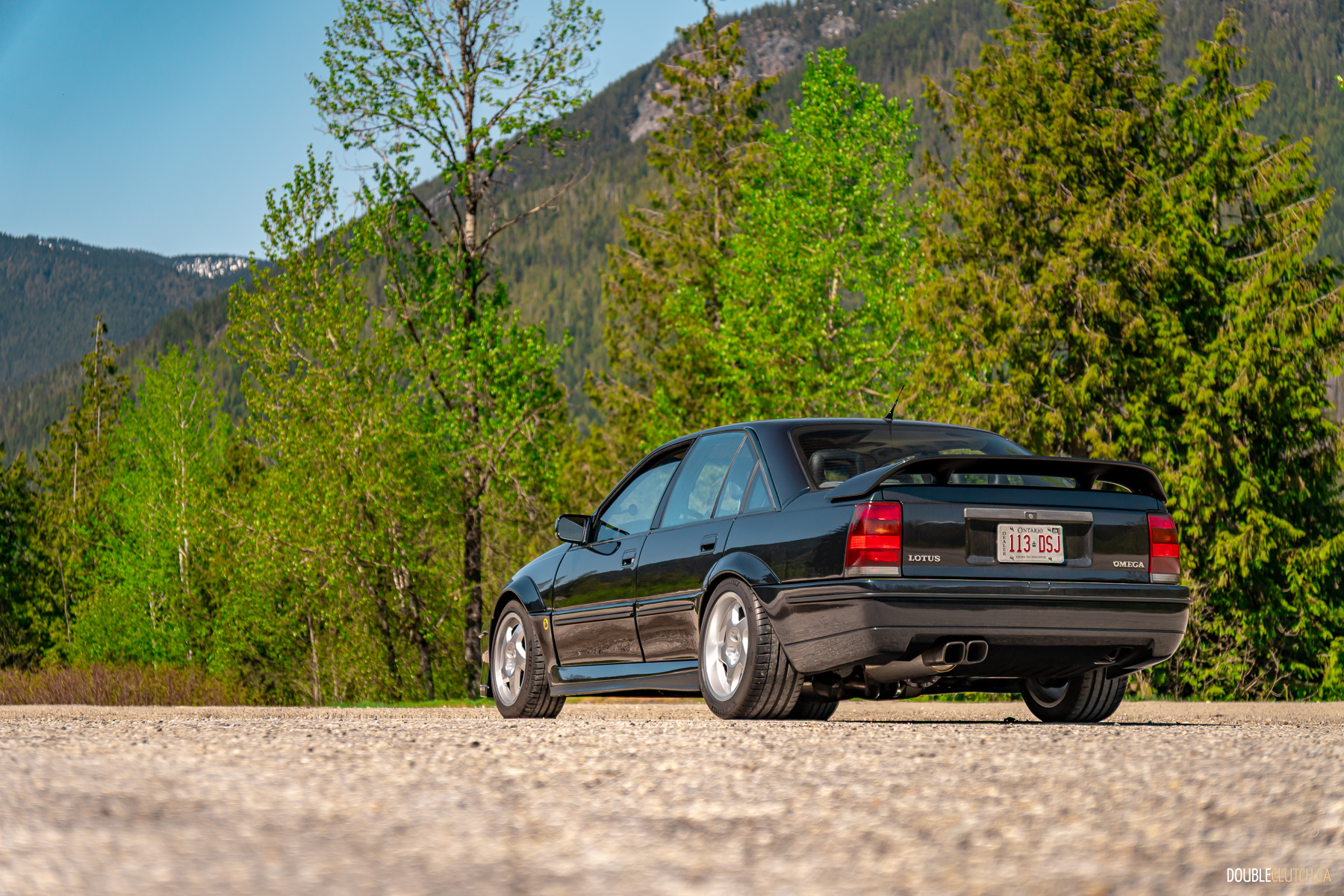
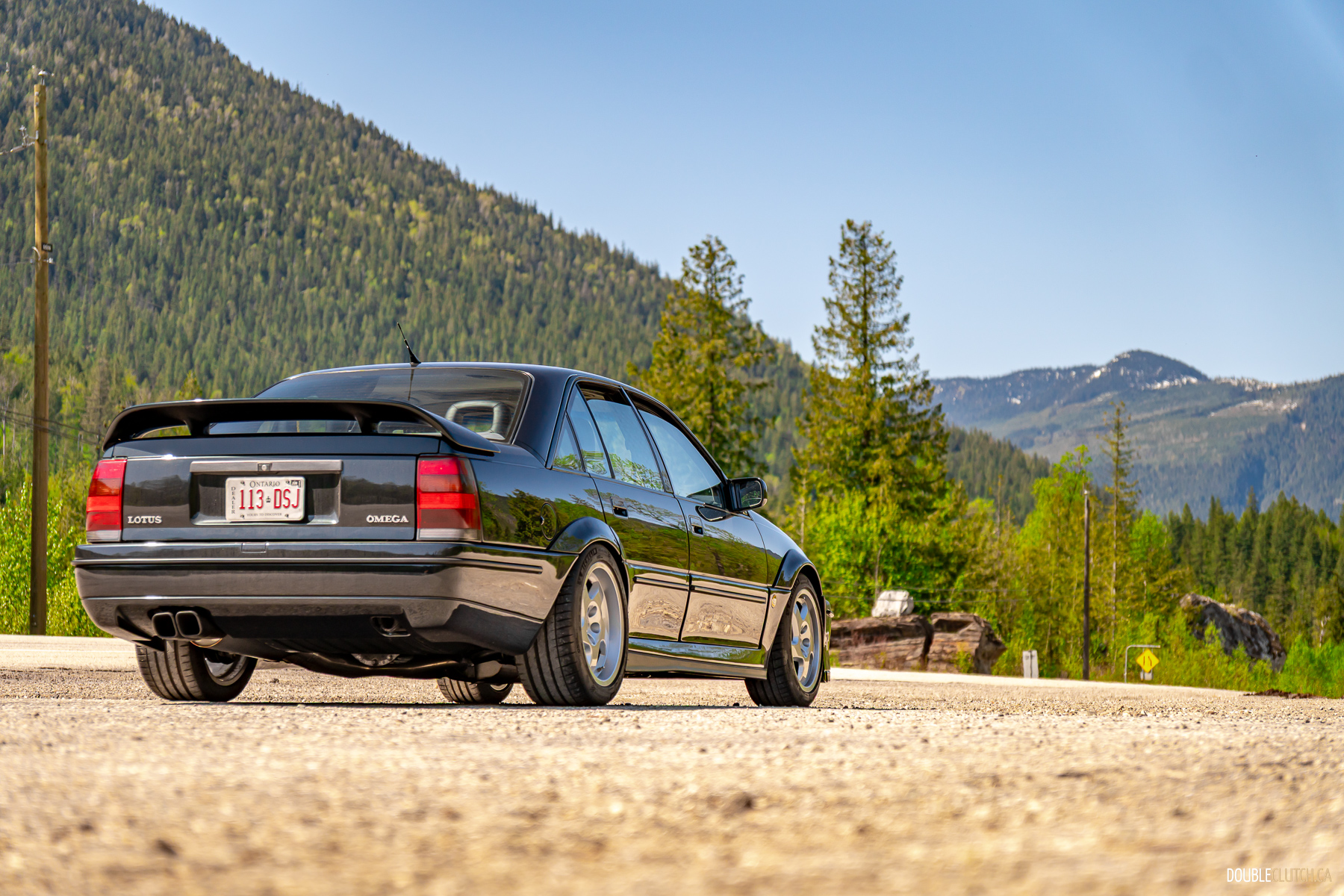
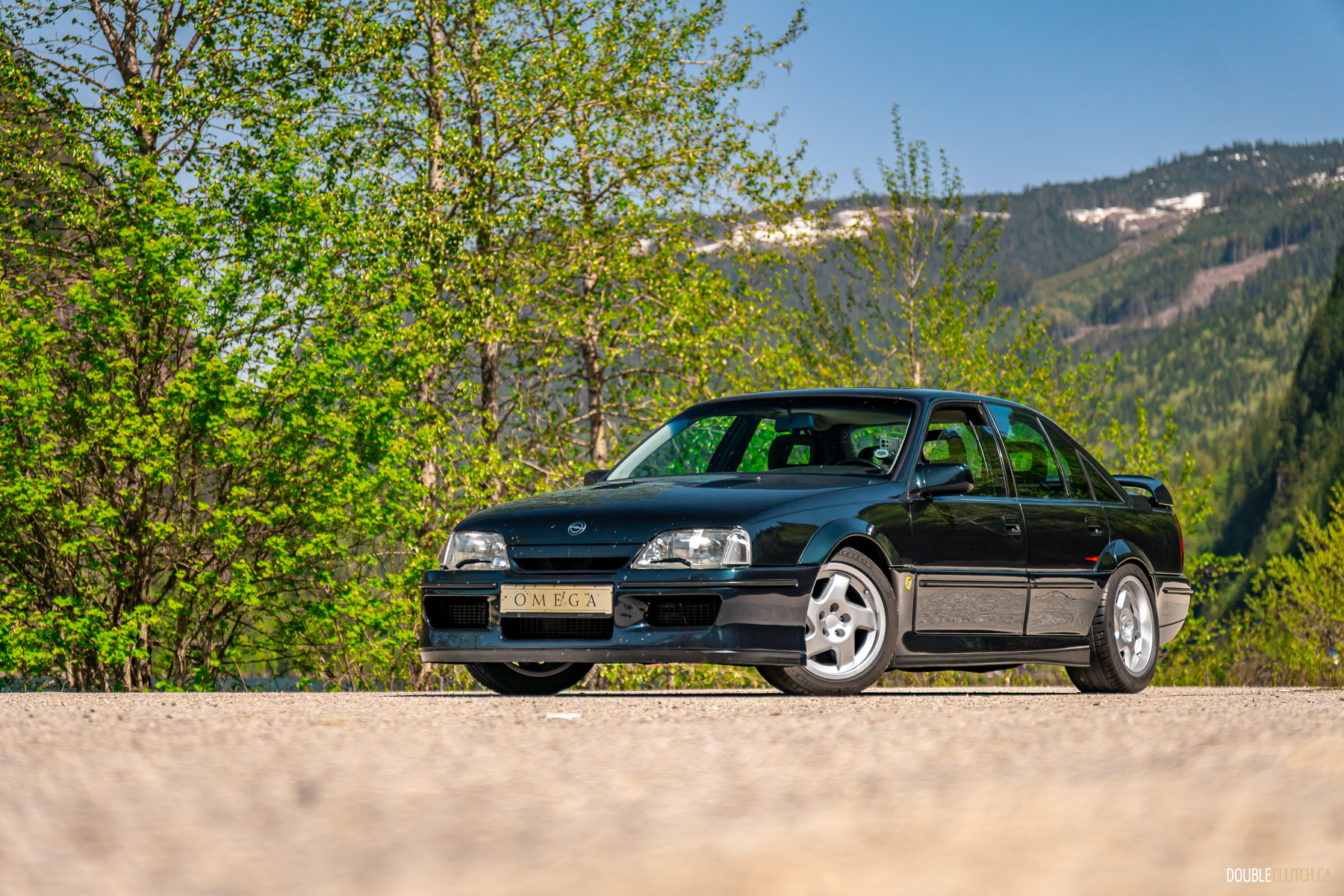
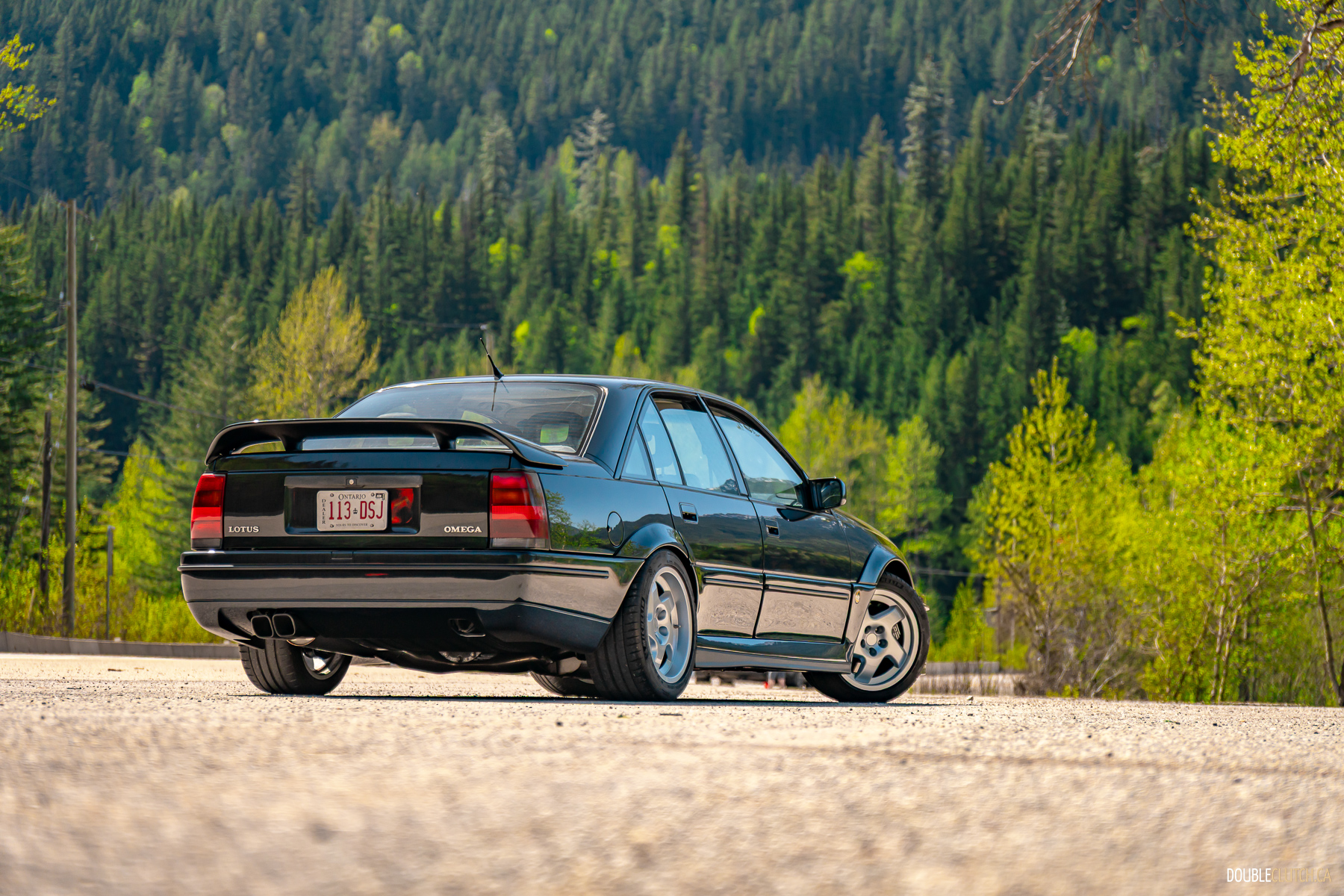
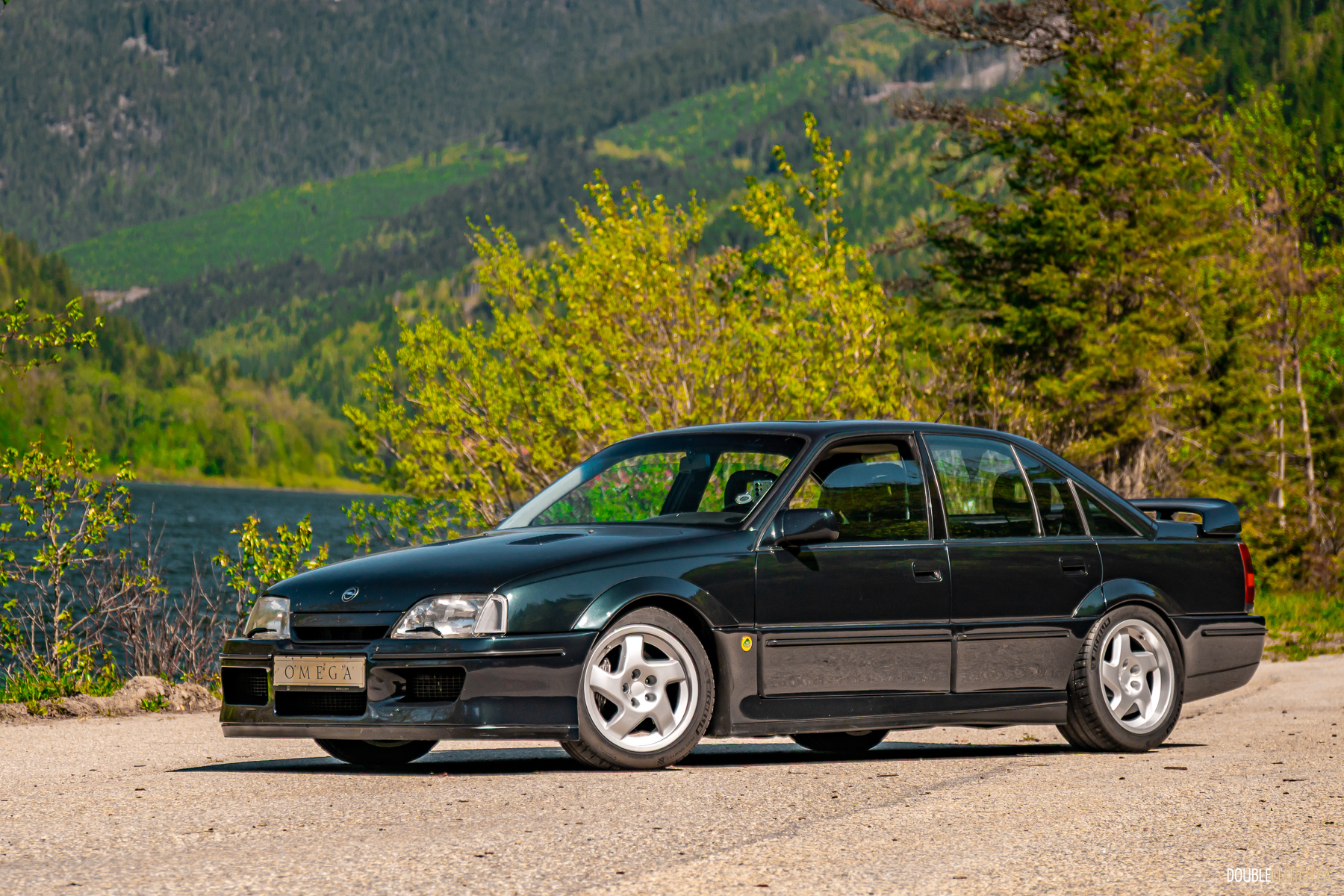
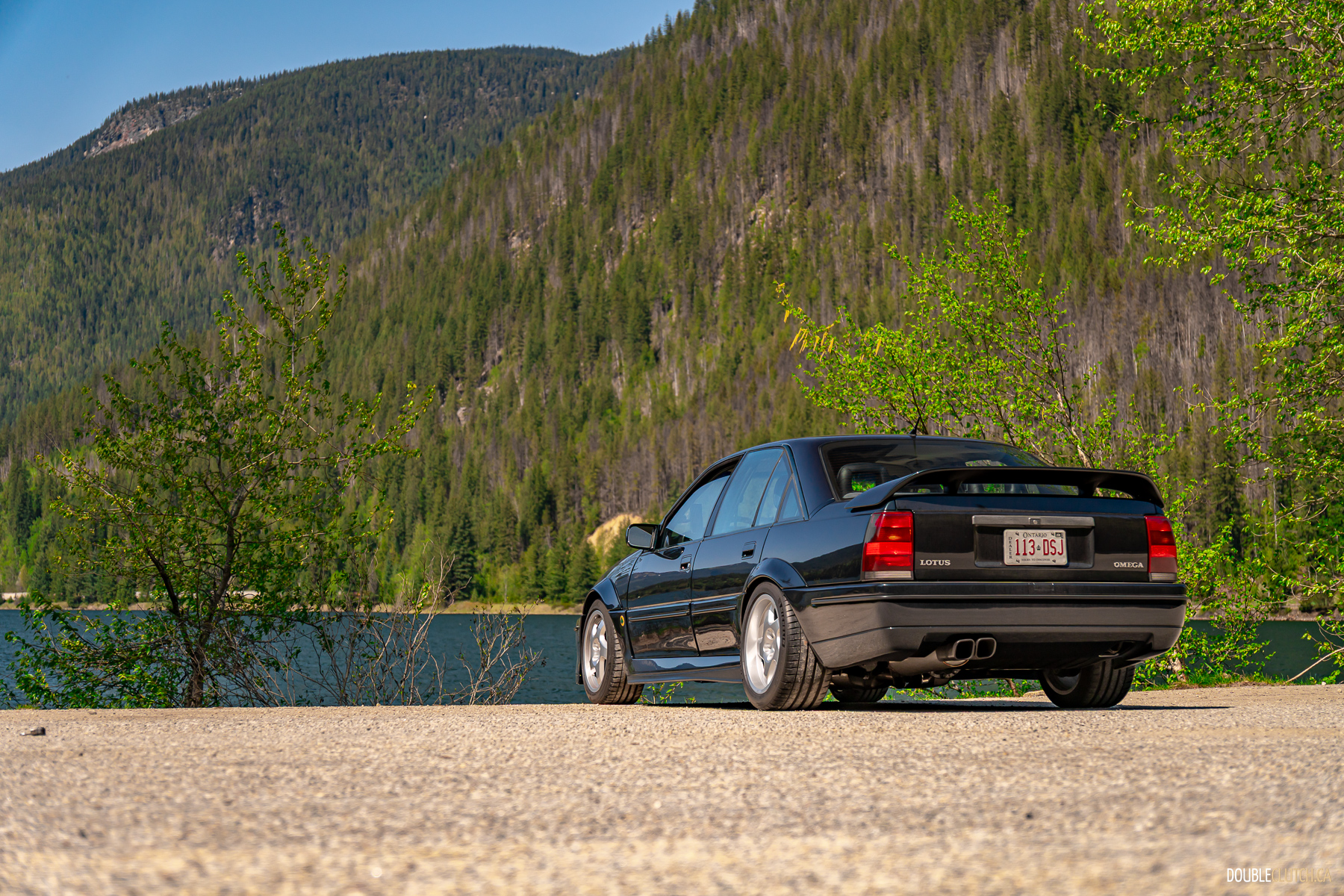
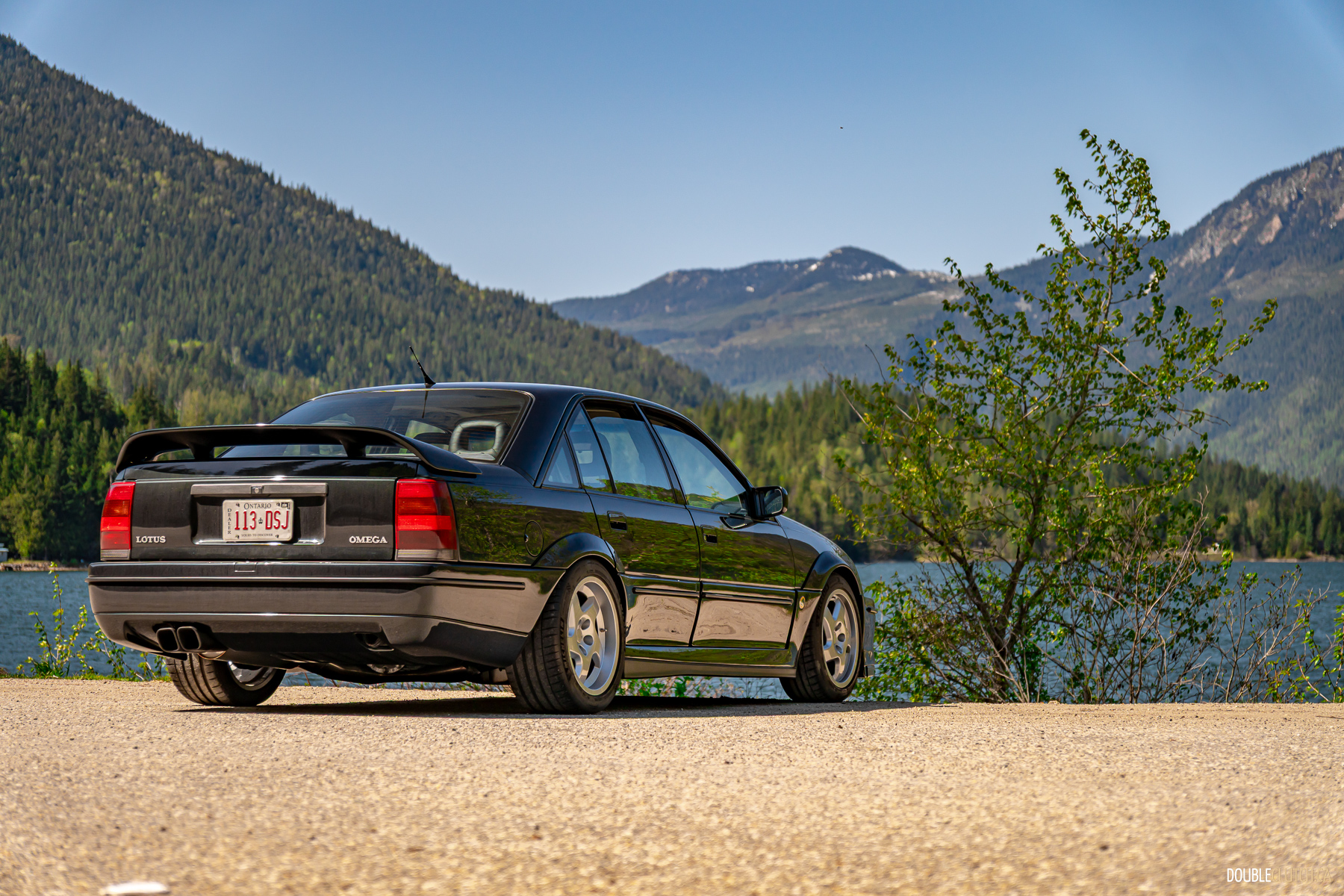
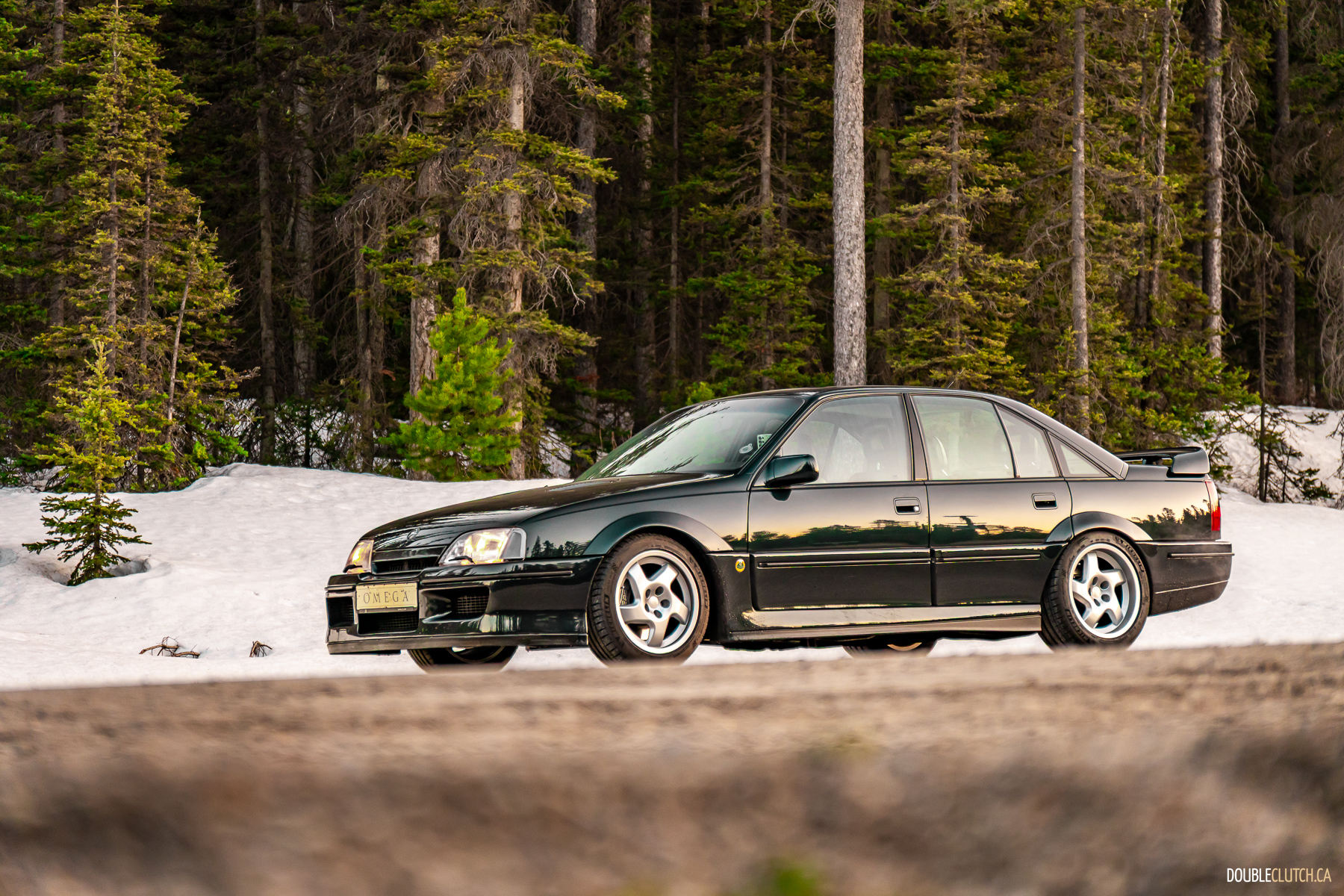
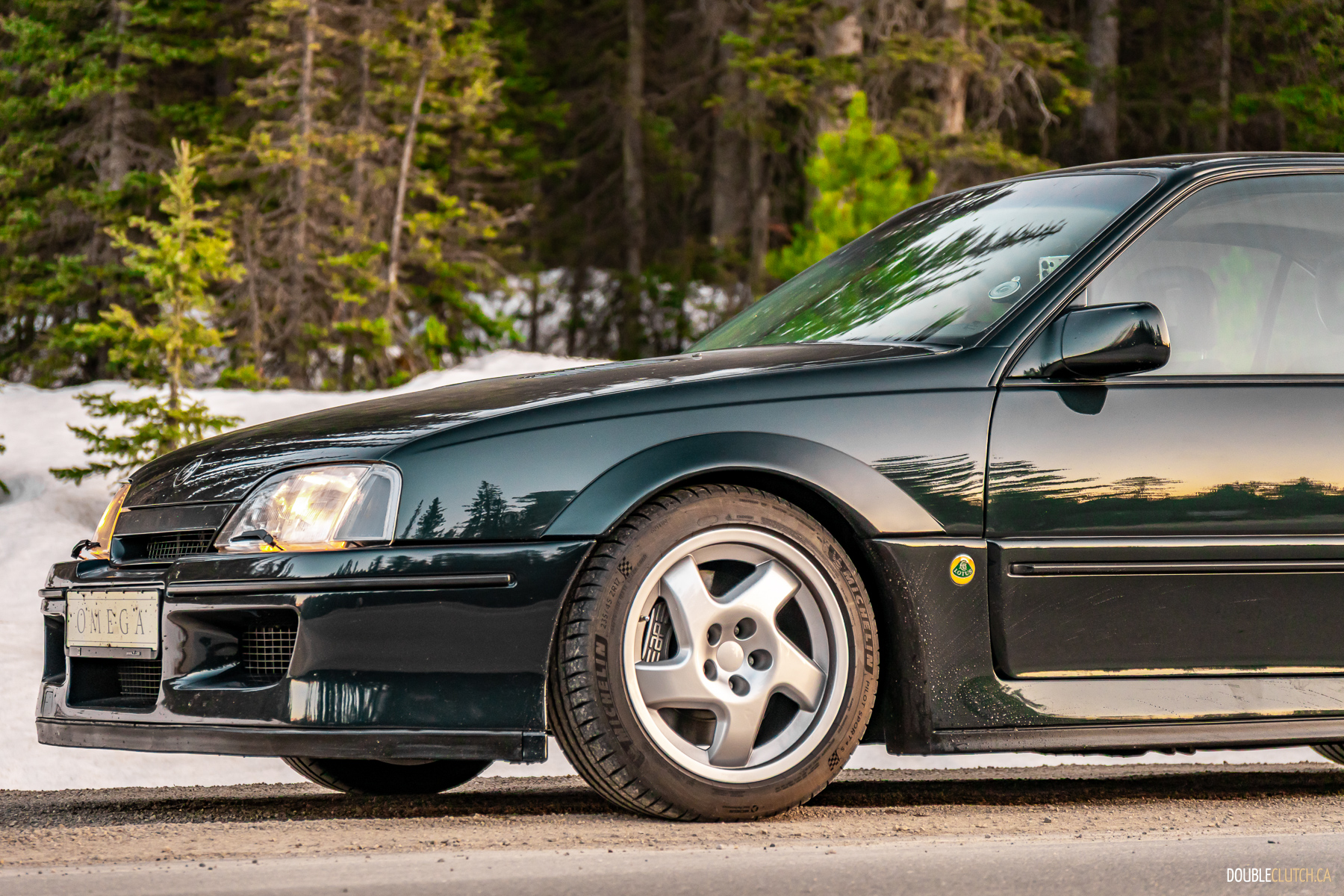
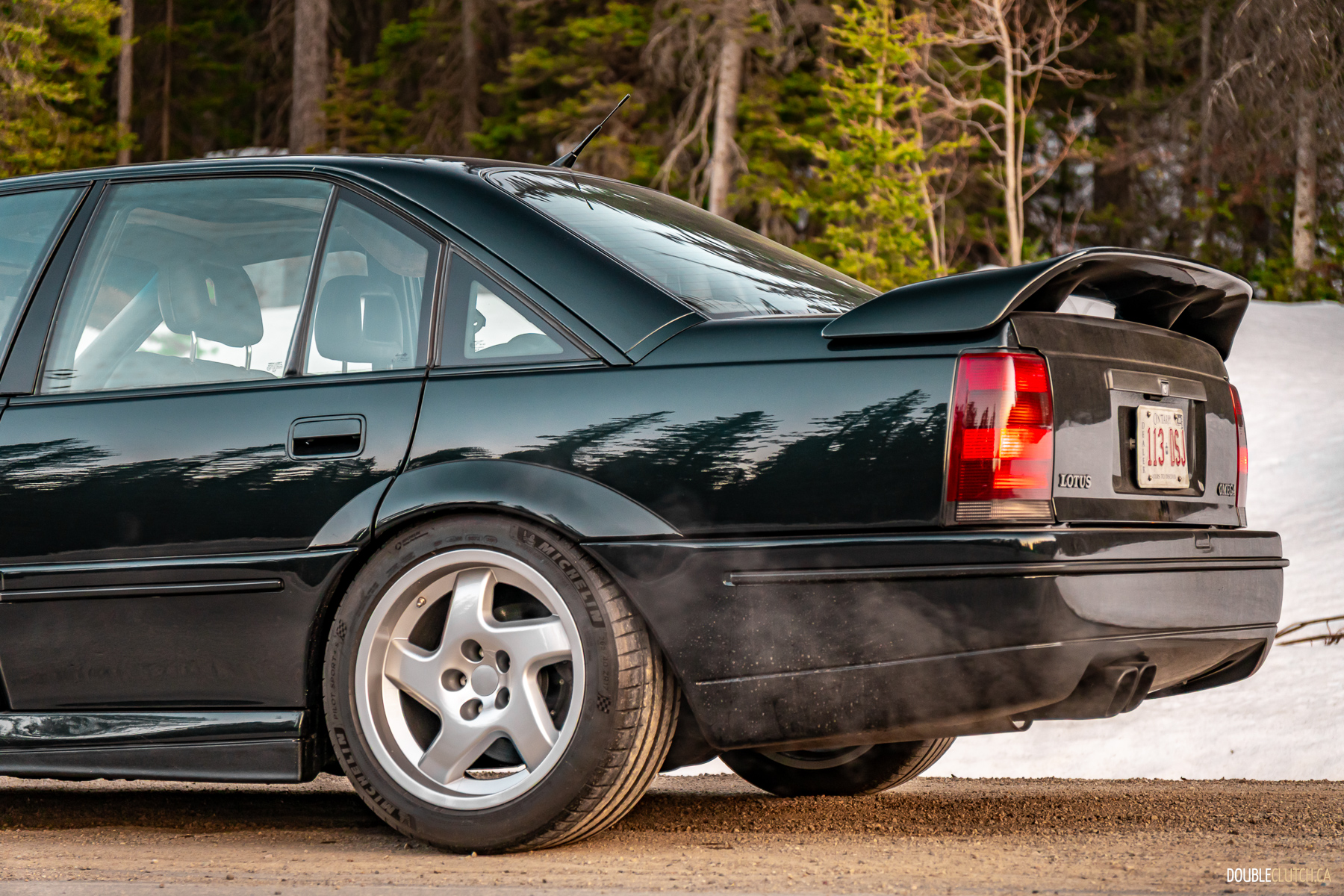
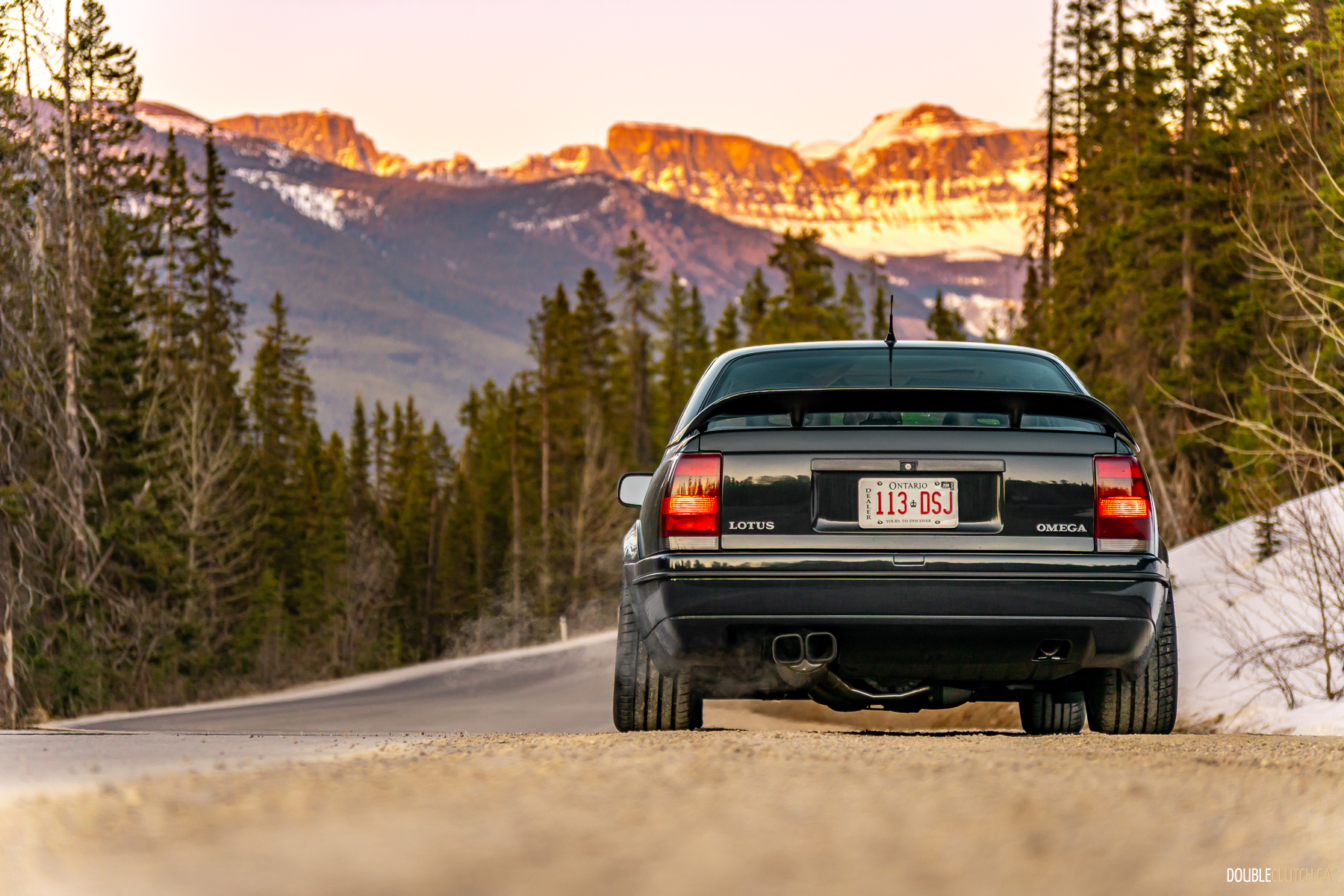
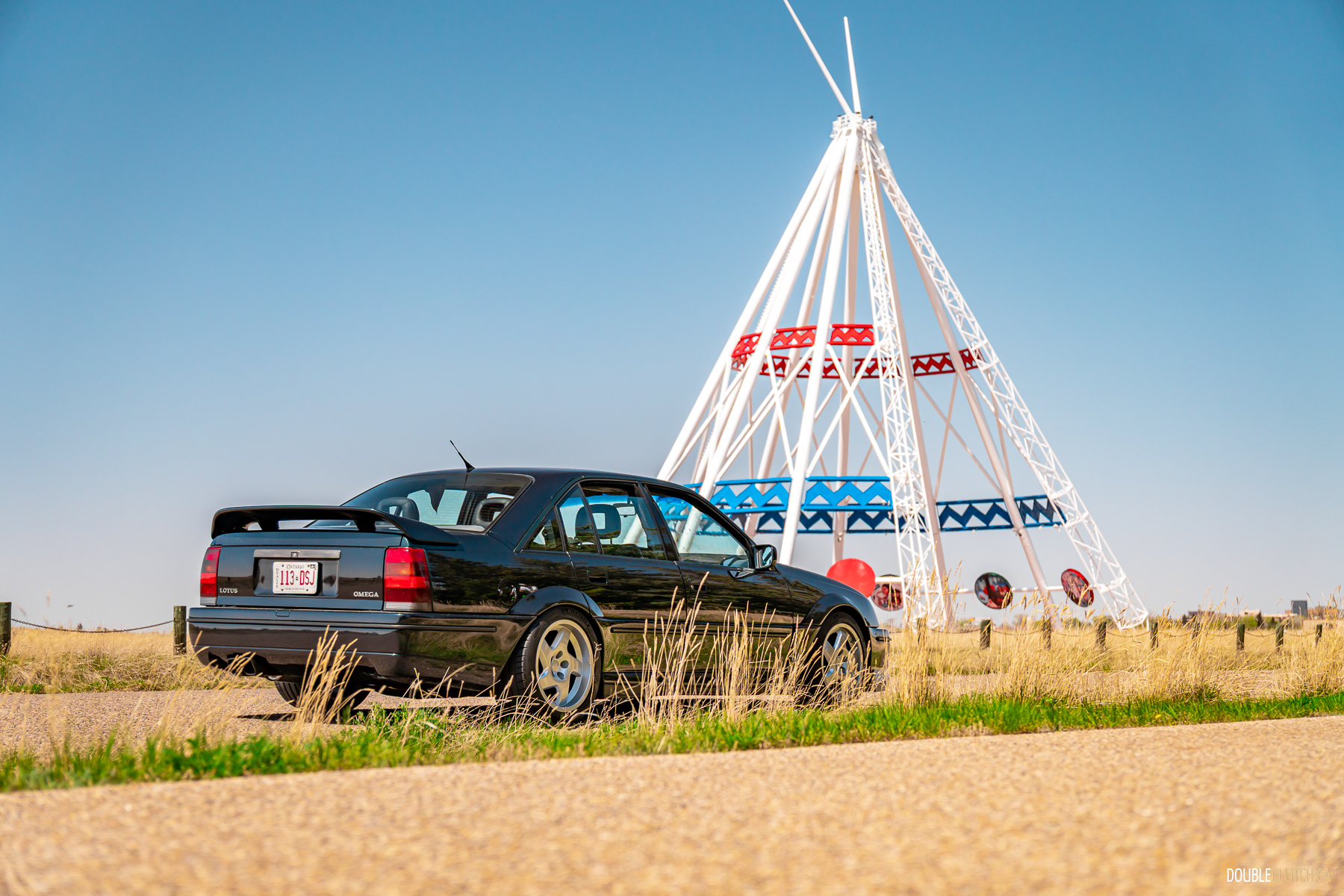
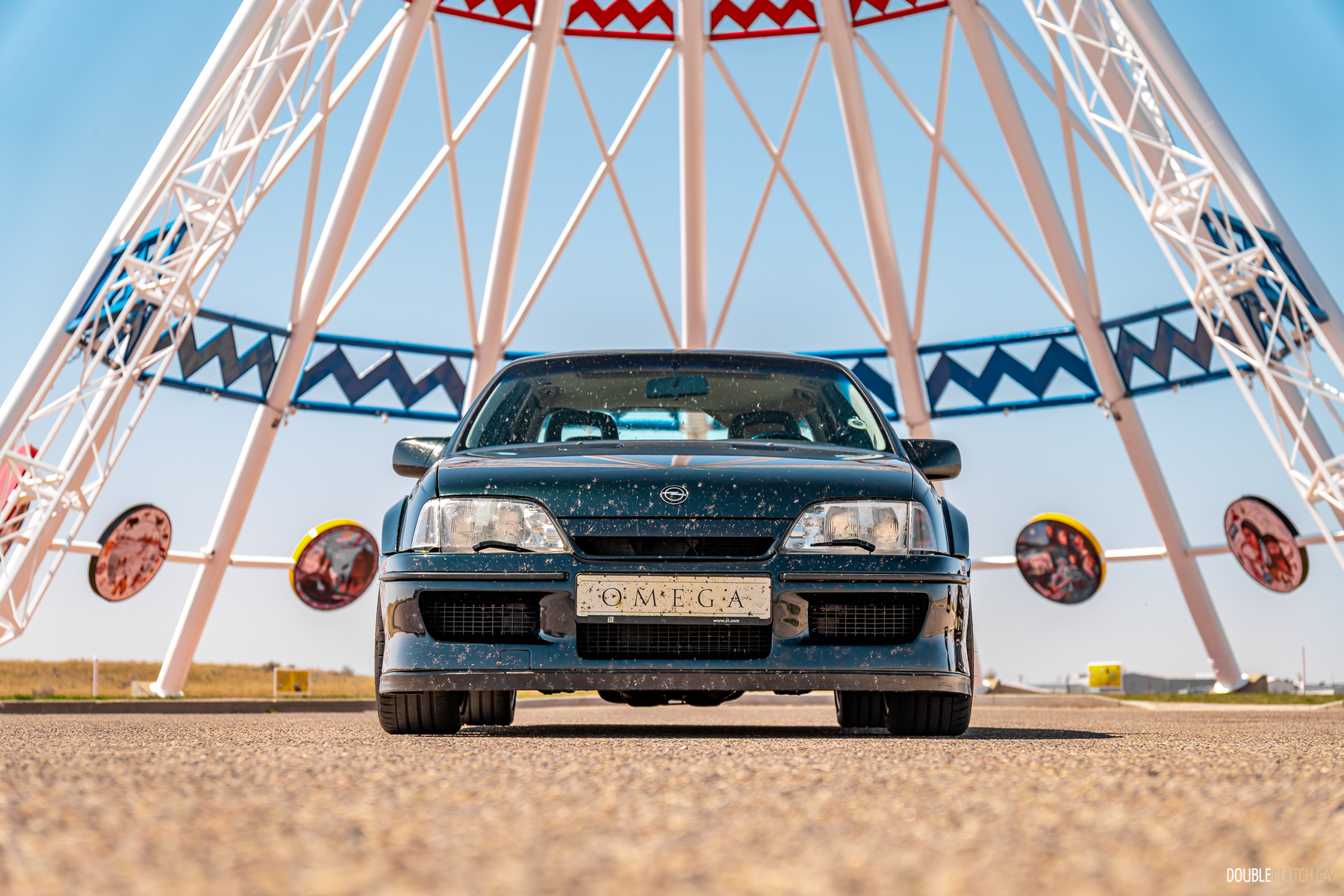
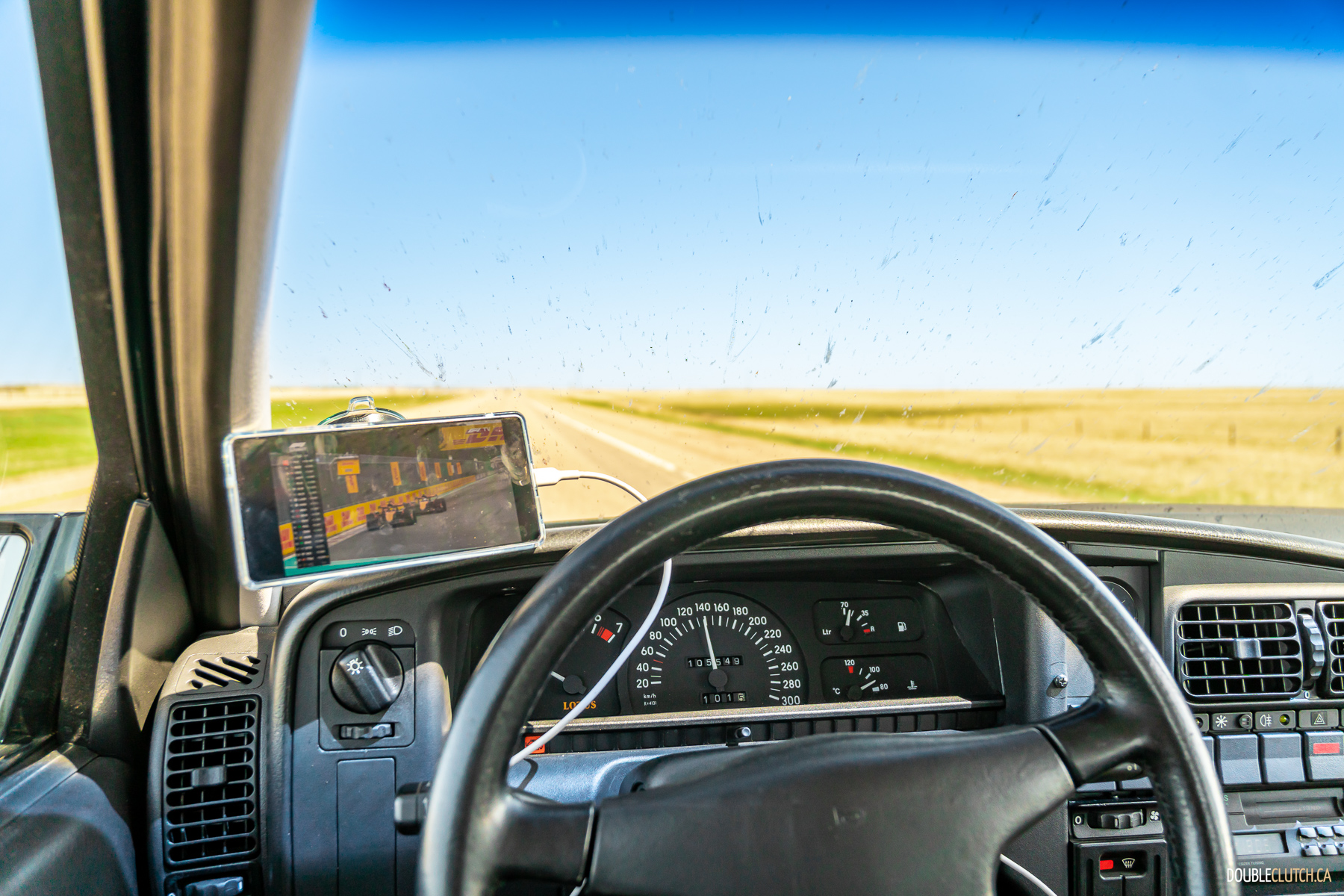
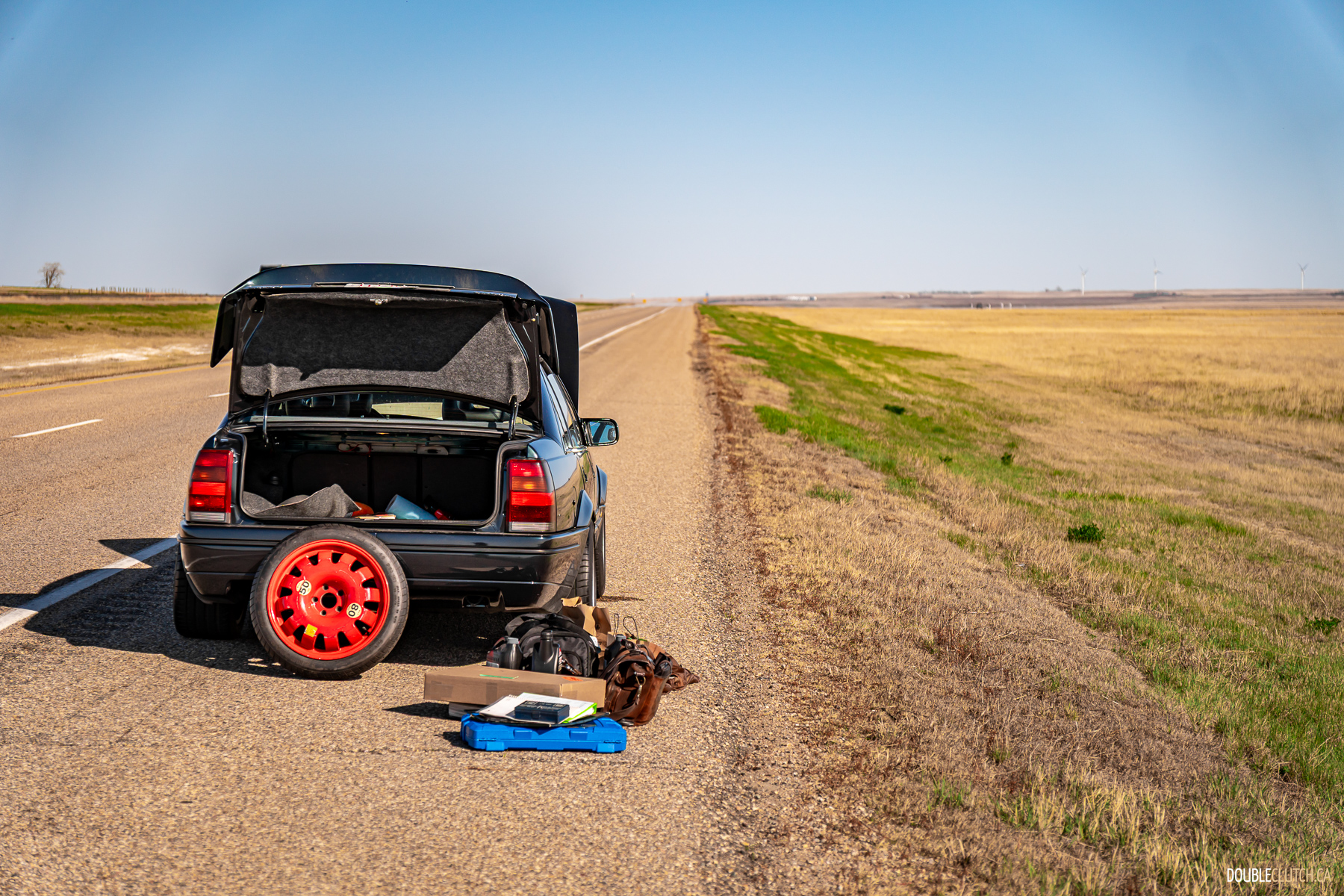
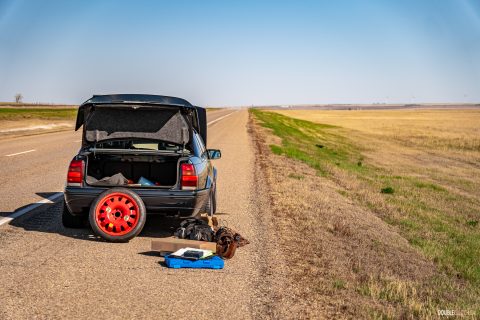
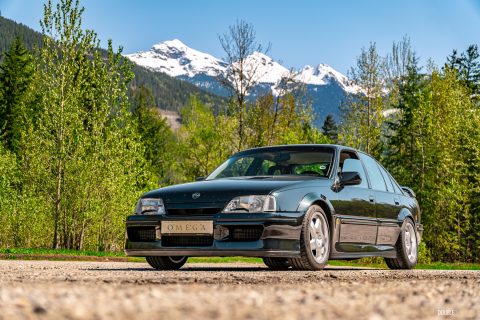
Almost four months have passed since the second-ever 1990 Lotus Omega landed at its new home. It arrived unceremoniously, on the back of a flatbed, with its spare wheel, a cracked AP Racing brake caliper, and a shattered Ronal rim in the trunk. It sat outside covered in smashed gnats from its cursed cruise across the prairies while a solution was sought; I can’t exactly call Canadian Tire and order parts for this exotic old thing.
When we got the car back, my hypothesis about its failure mode was confirmed. One of the bolts securing the front left brake caliper was missing in action, and the other was sheared off. It was one of several casualties of the brake caliper moving around and making contact with the wheel, sidelining me at the shores of Reed Lake.
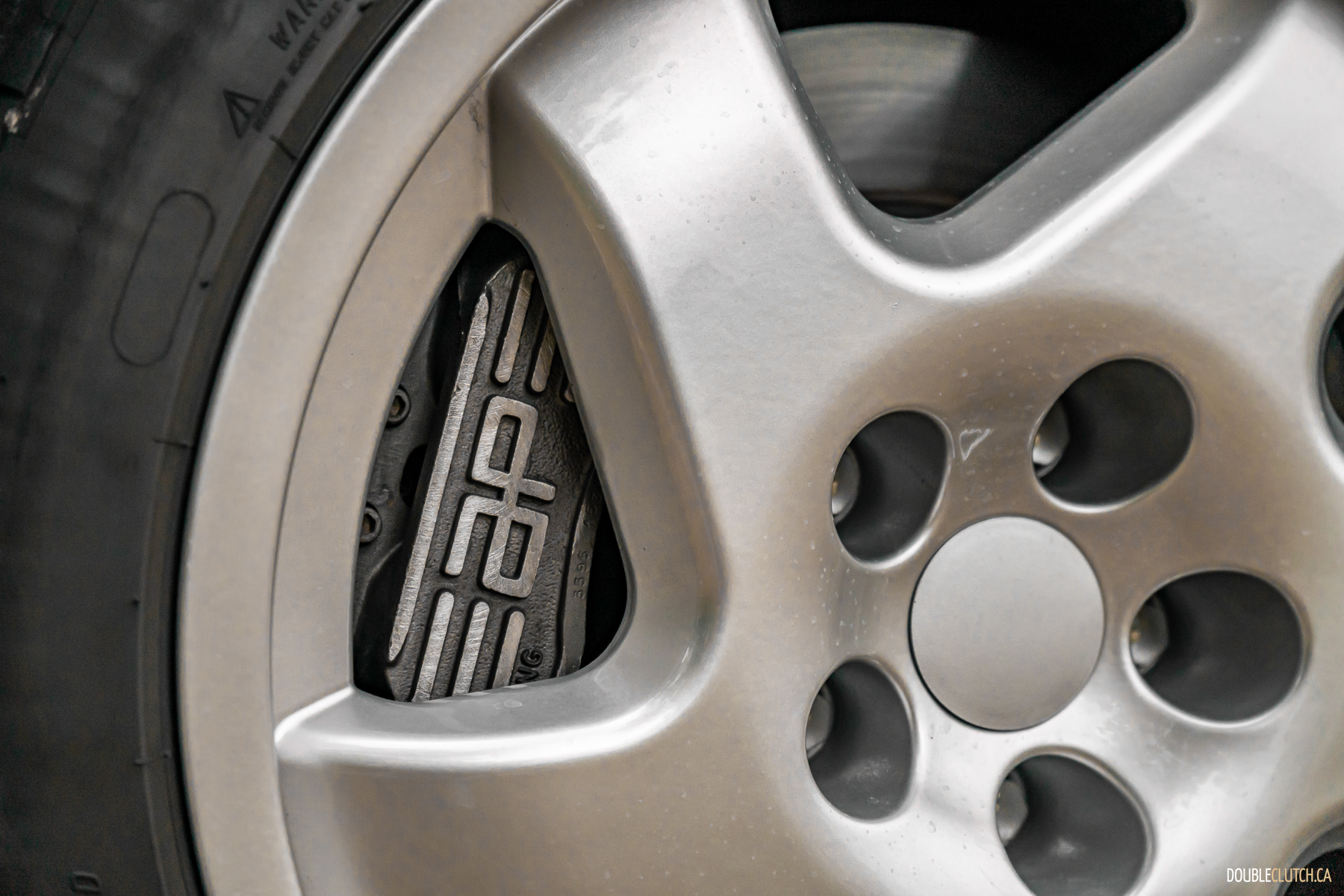
We sourced a spare wheel and a pair of haggard, but intact brake calipers from a Facebook group of Lotus Carlton/Omega owners. To my complete and utter disbelief, Leprecon Rim Repair in Toronto was able to repair what I thought was an obliterated cast aluminum wheel. It’s still actually in use on the car, without an egregious amount of balancing weights, as the spare we sourced sits on a shelf just in case.
Dennis at SpeedyPro reconditioned the AP Racing calipers. He runs a tiny little independent shop in Mississauga; it’s super old-school, more than a little grimy, and whatever else the opposite of fancy is. But he knows what he’s doing and he cares about doing it right. With a wheel and tire that could hold air and a brake system that could hold pressure again, the Omega was once again driveable, albeit very briefly.
It stalled and refused to start again in our parking lot, which was traced back to a faulty ignition module—an AC Delco part that interchanged with a Chevy Corsica. The Omega was back on the road 15 minutes and $22 later. It later ejected the contents of its cooling system via a split block-off on the heater valve; another easy fix, but one I’m glad I didn’t have to figure out at the side of the road in the middle of nowhere.
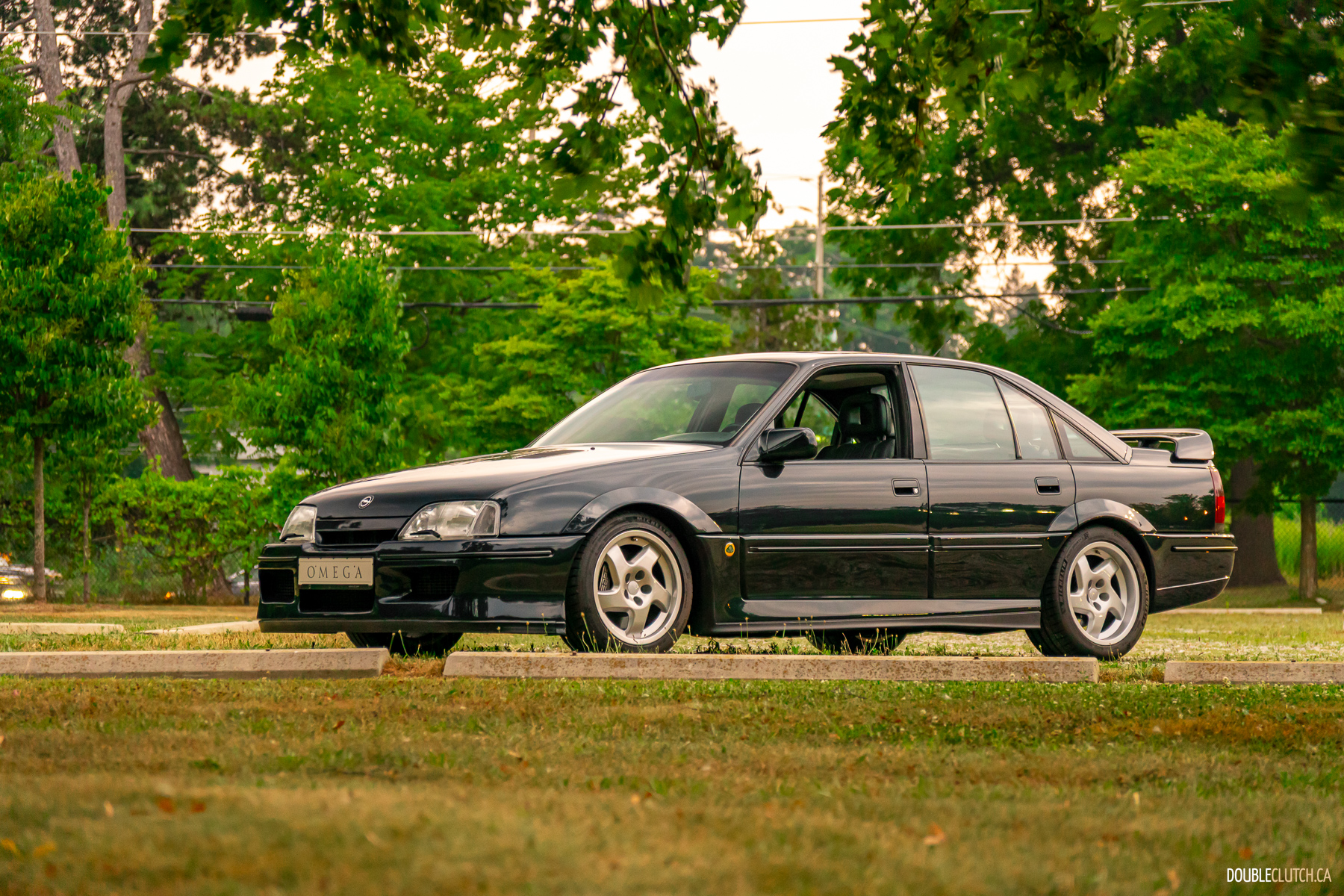
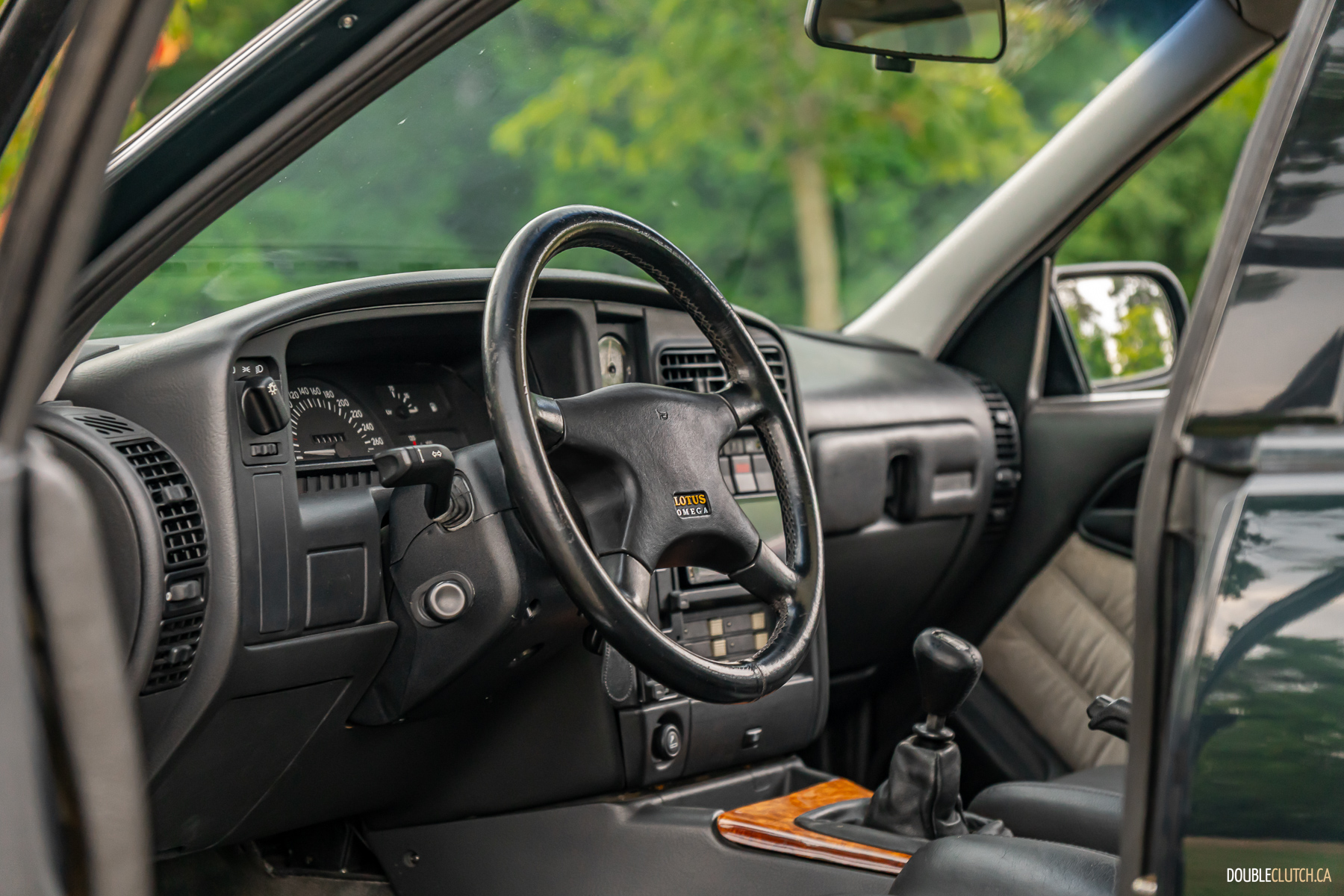
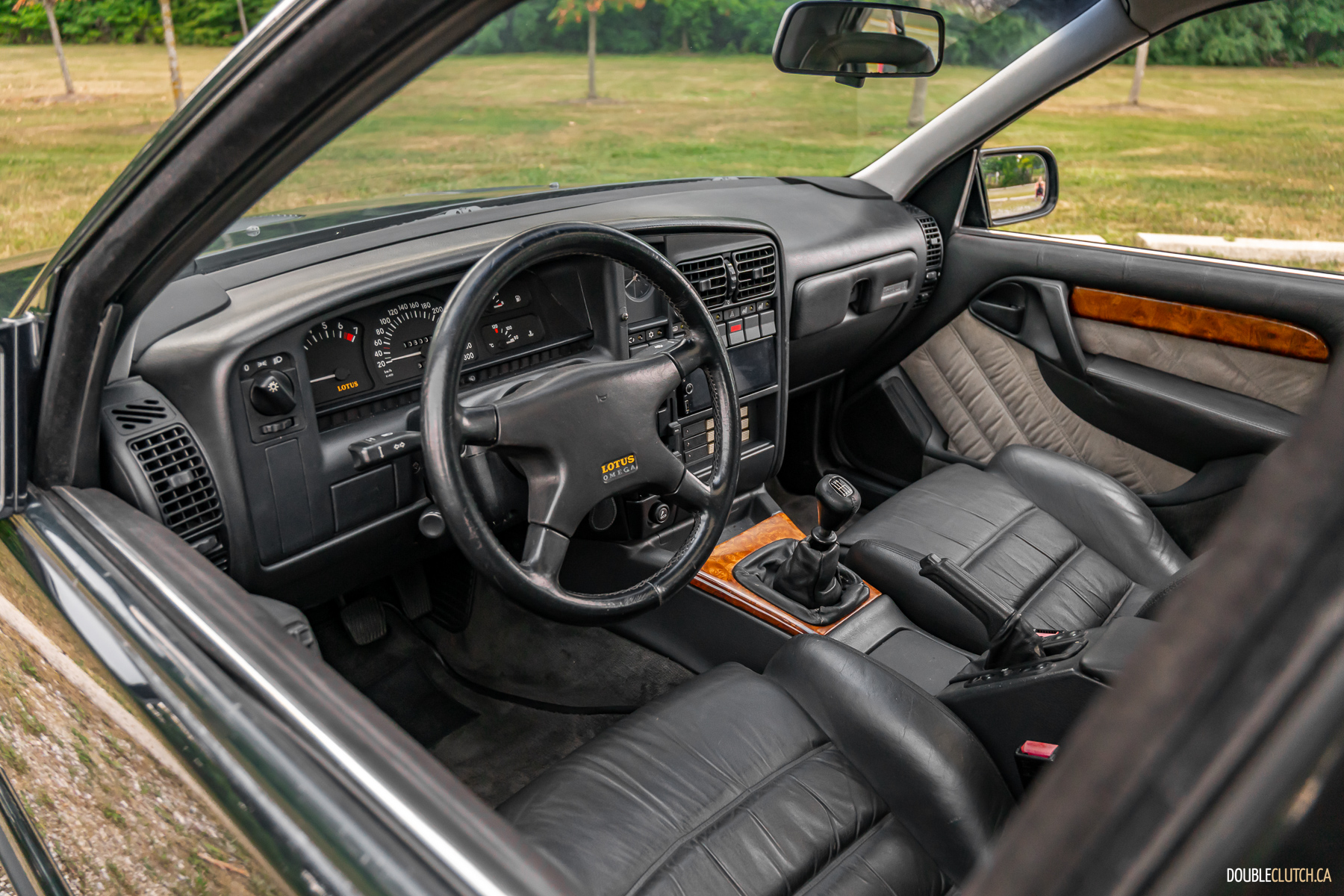
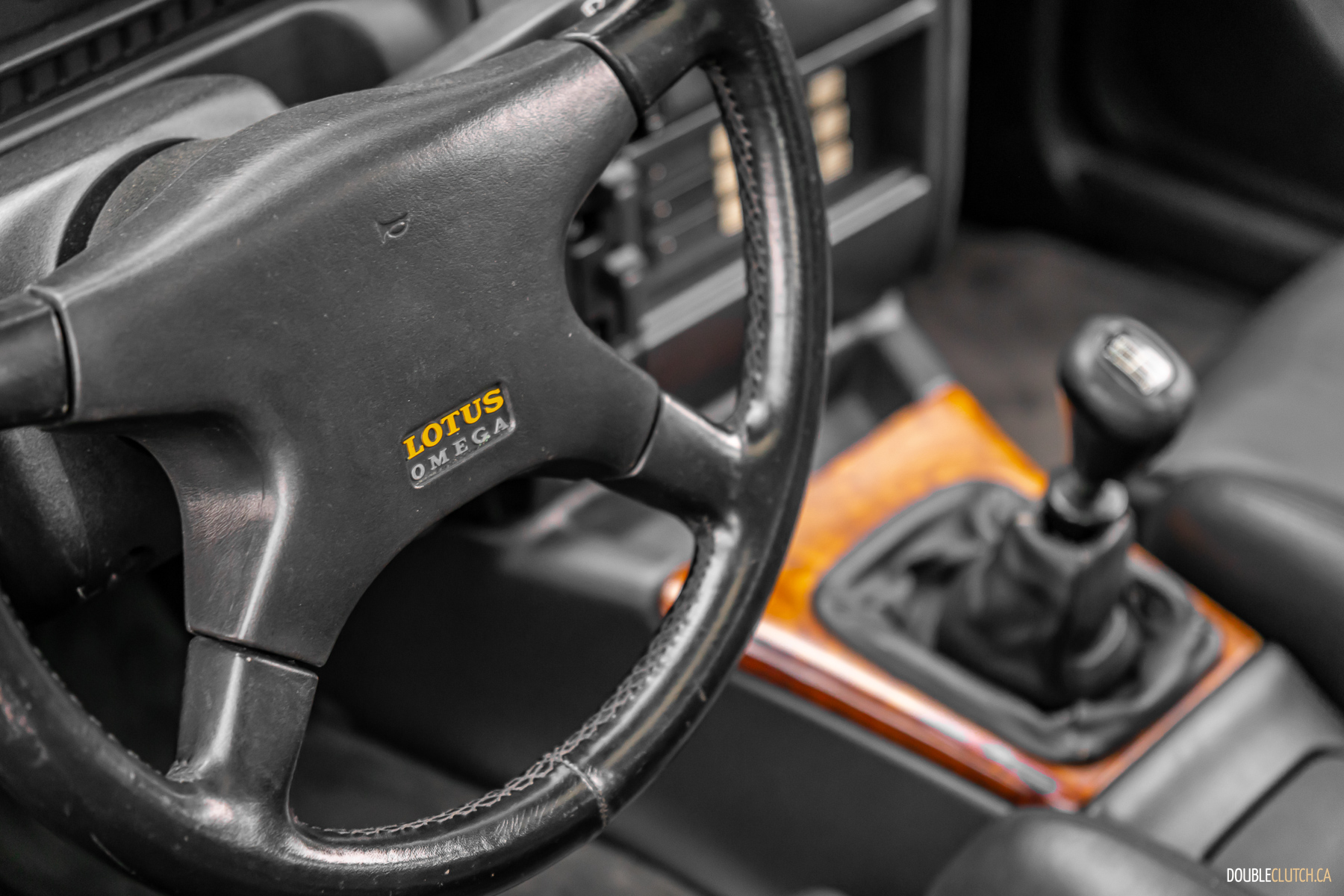
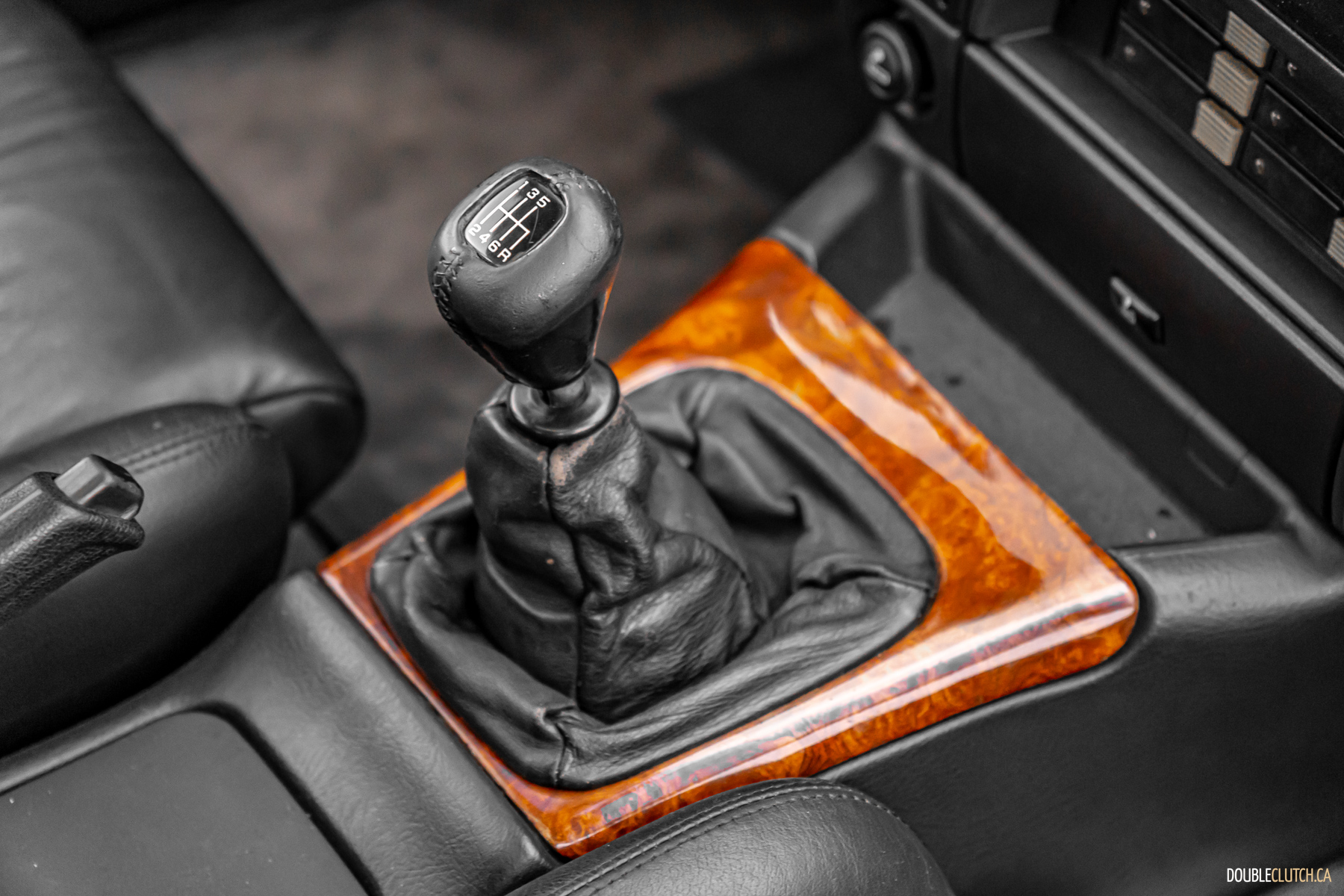
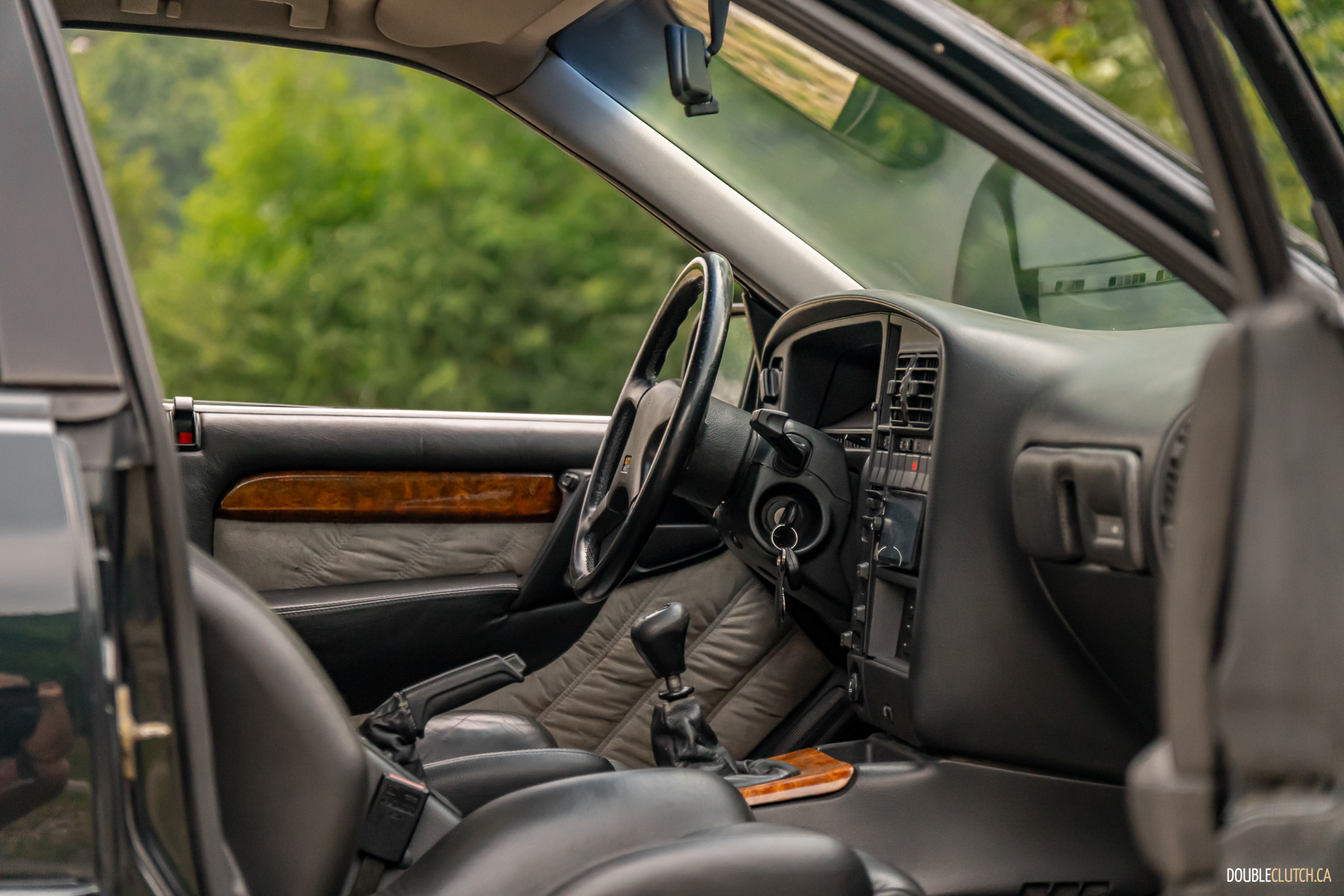
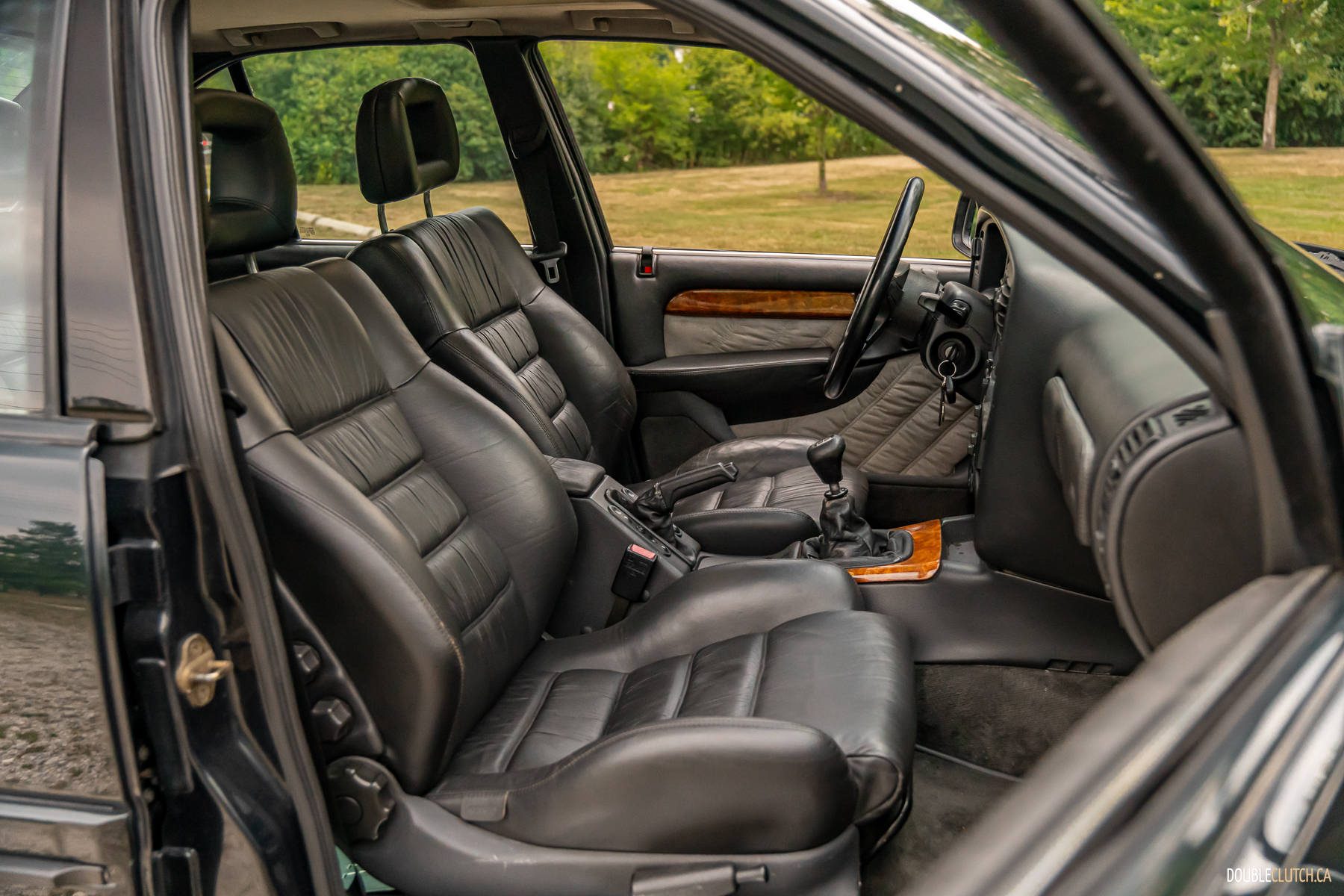
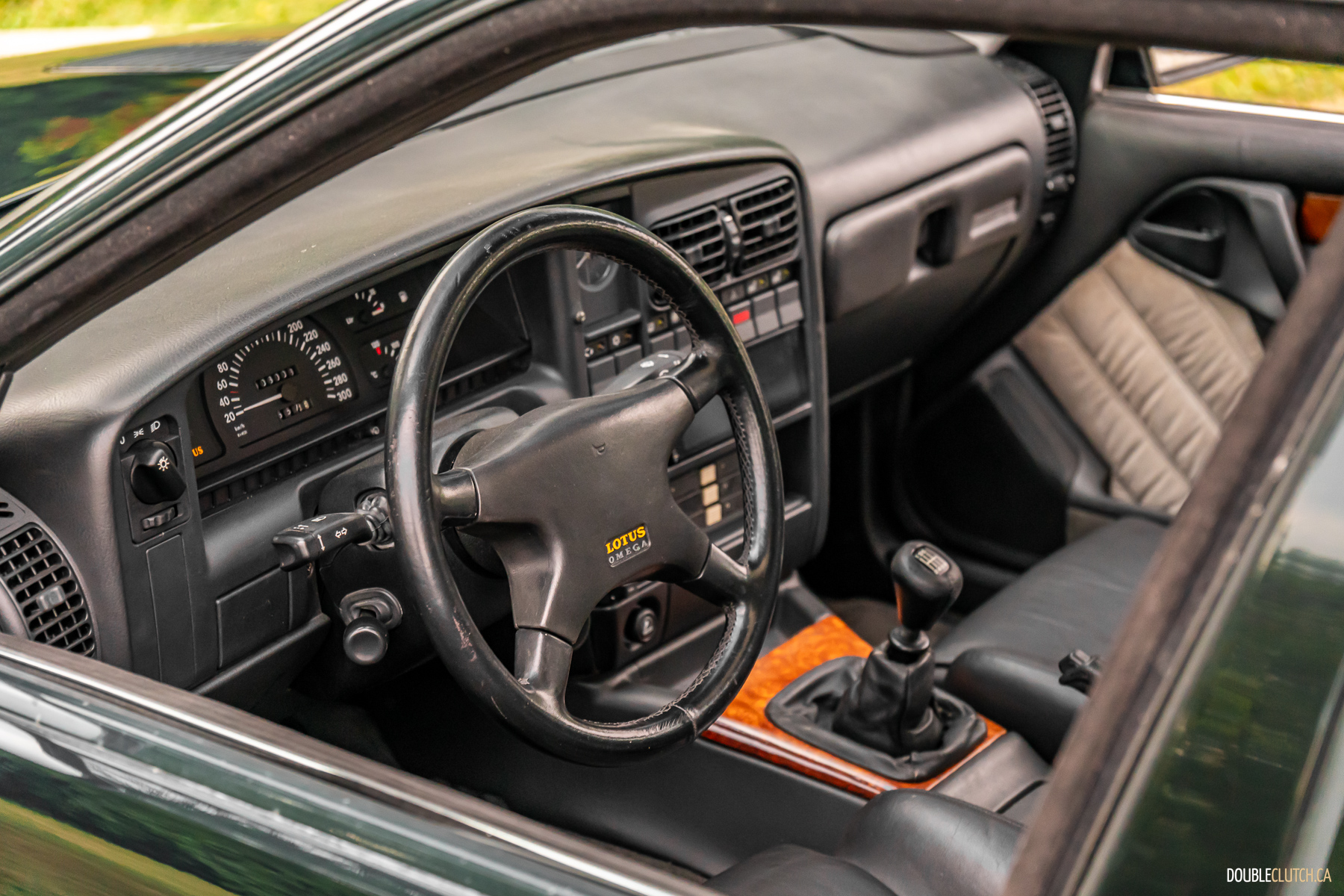
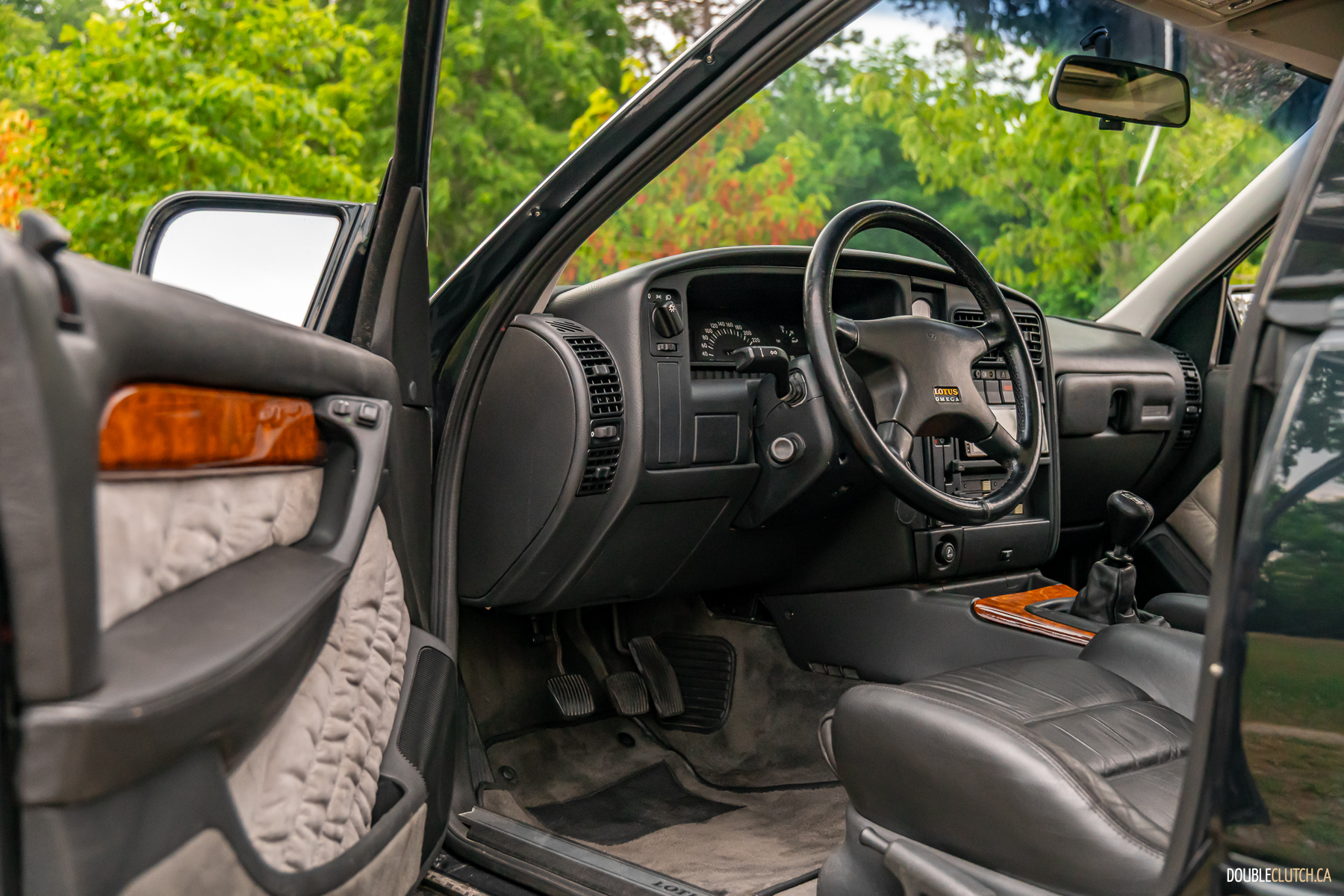
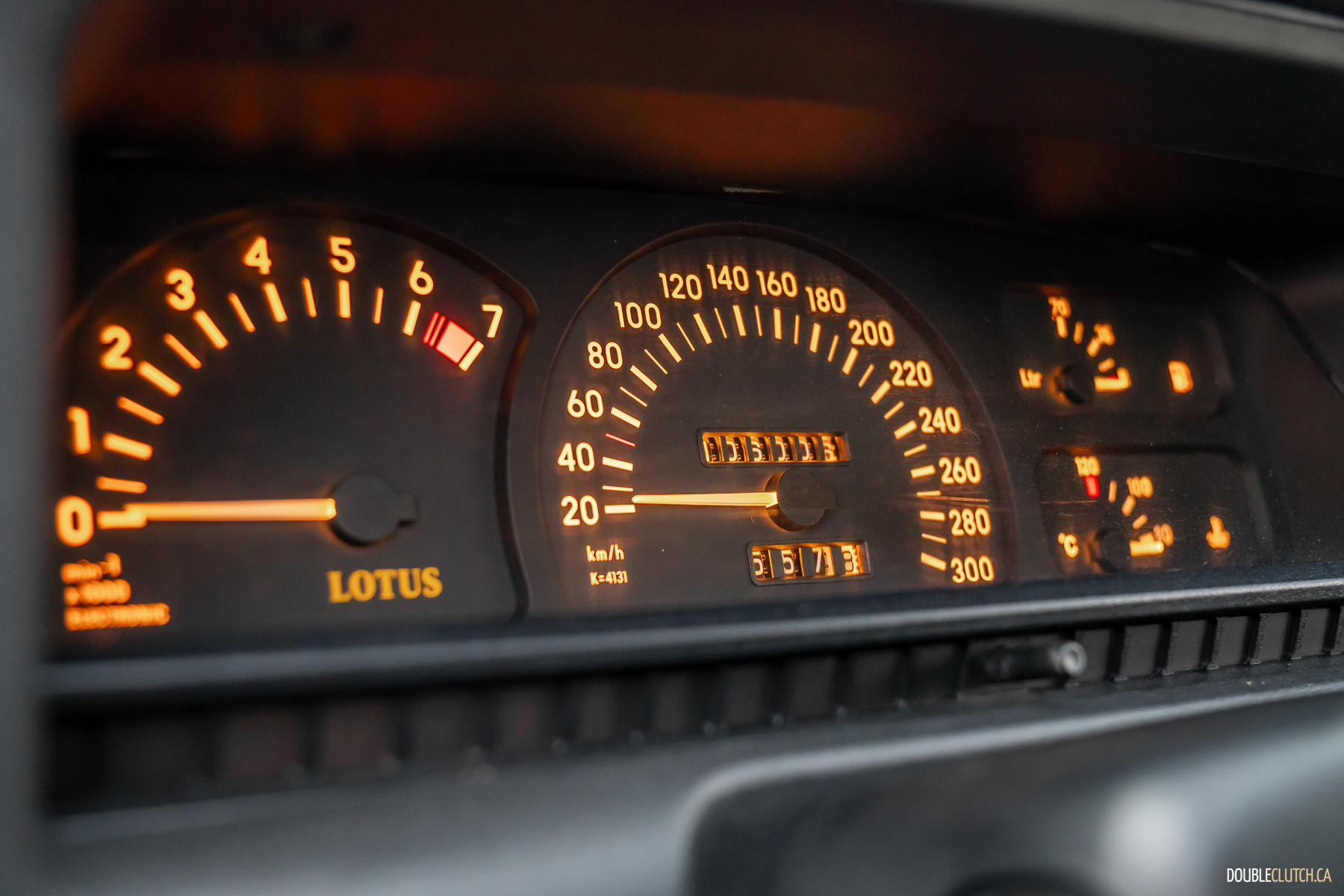
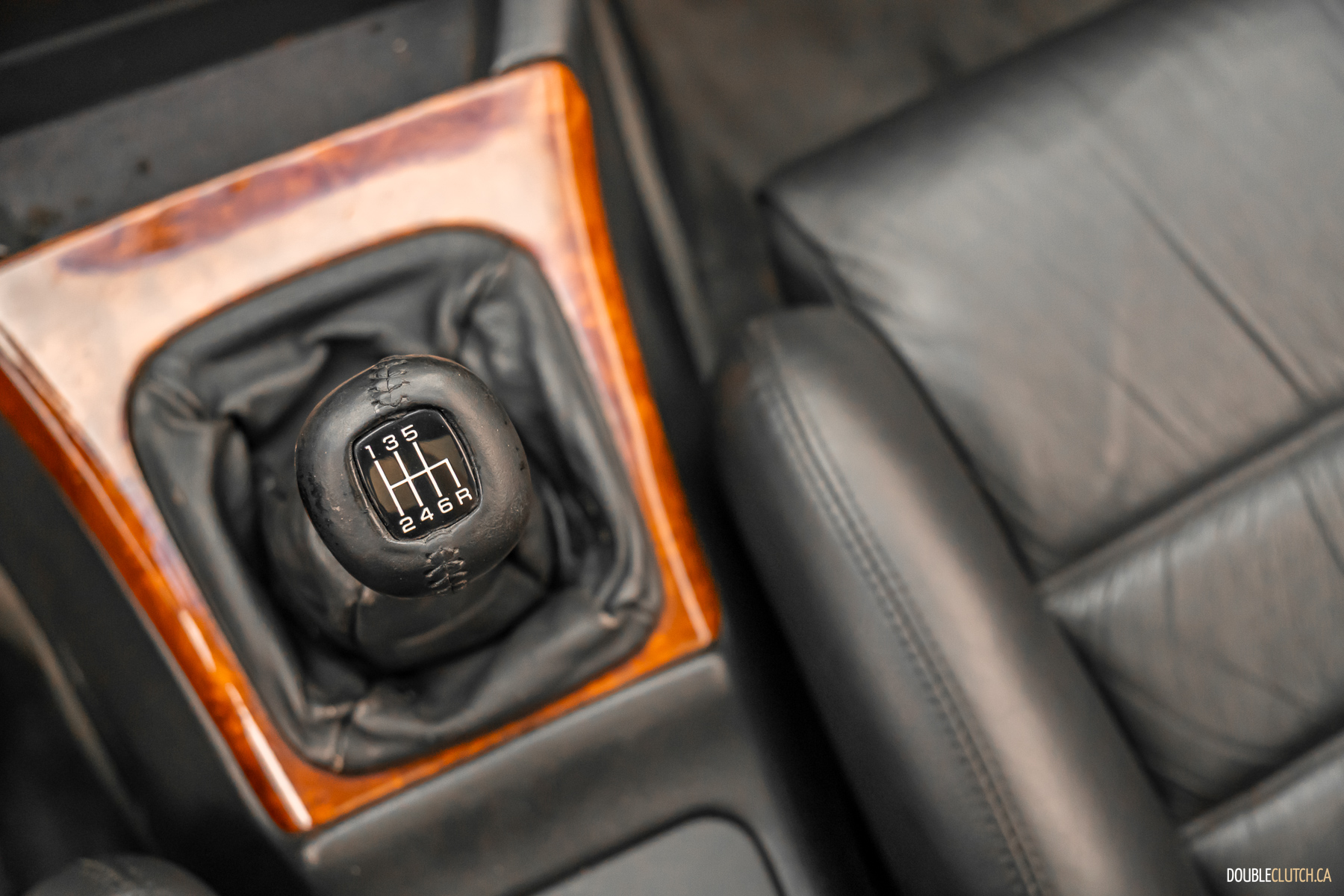
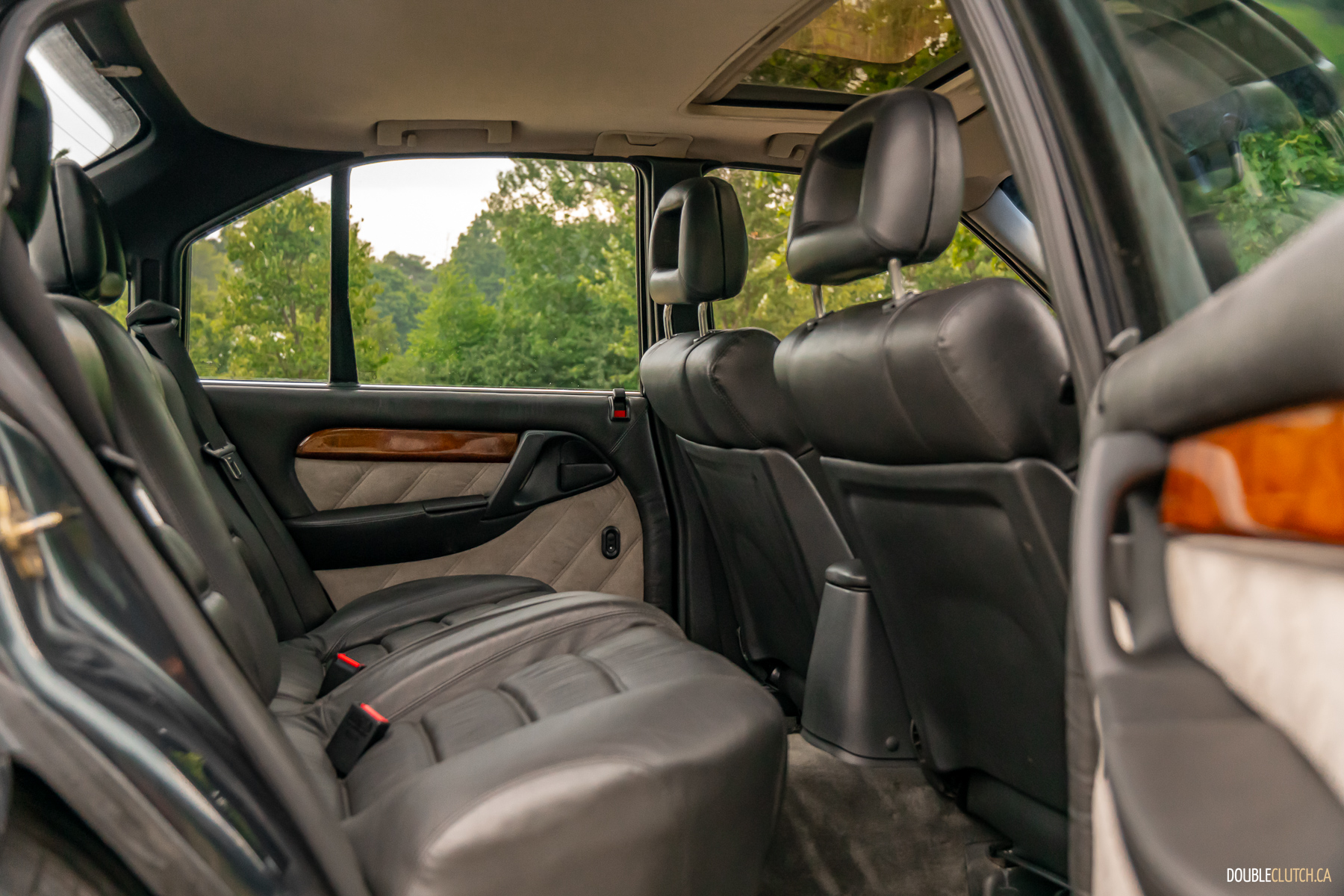
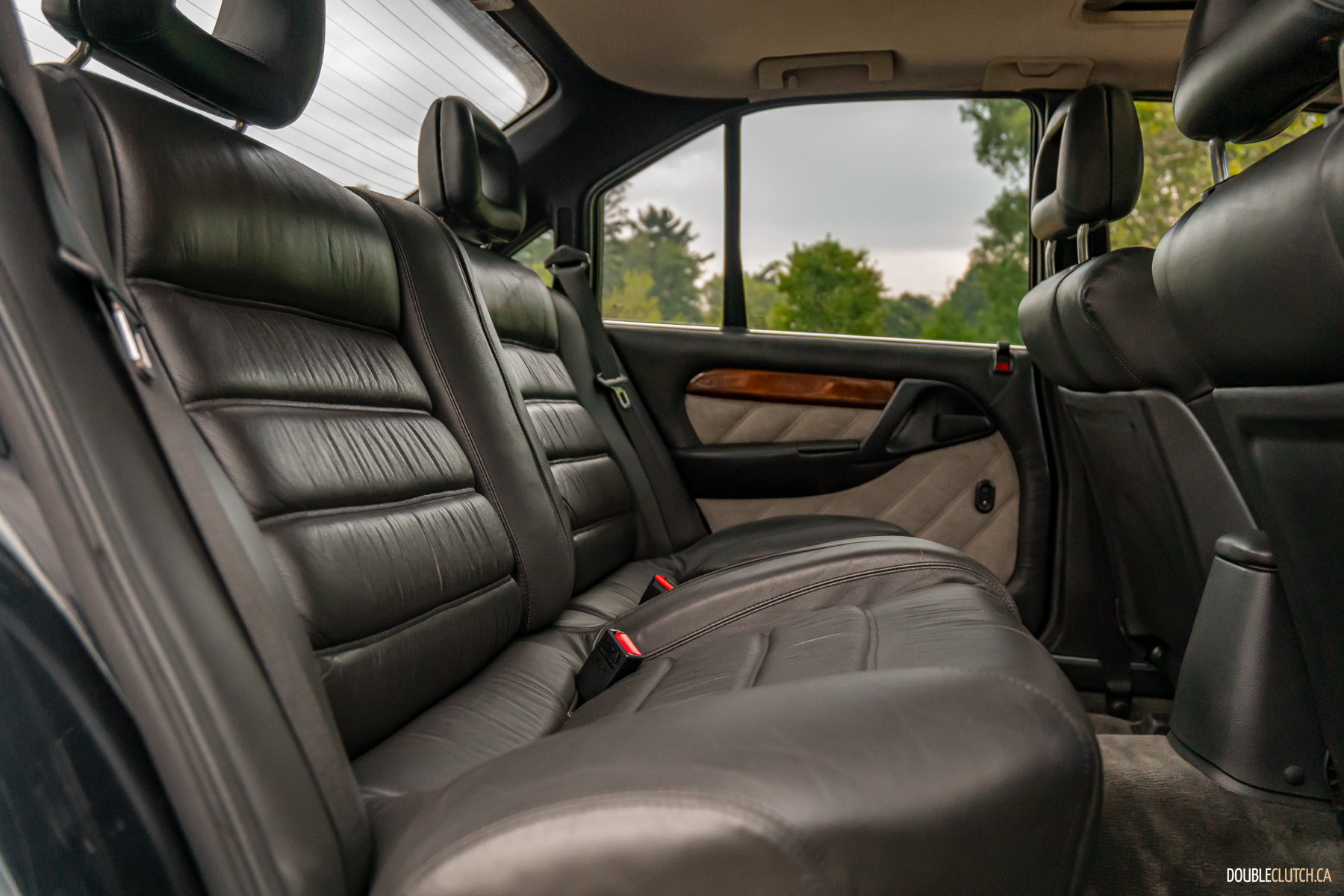
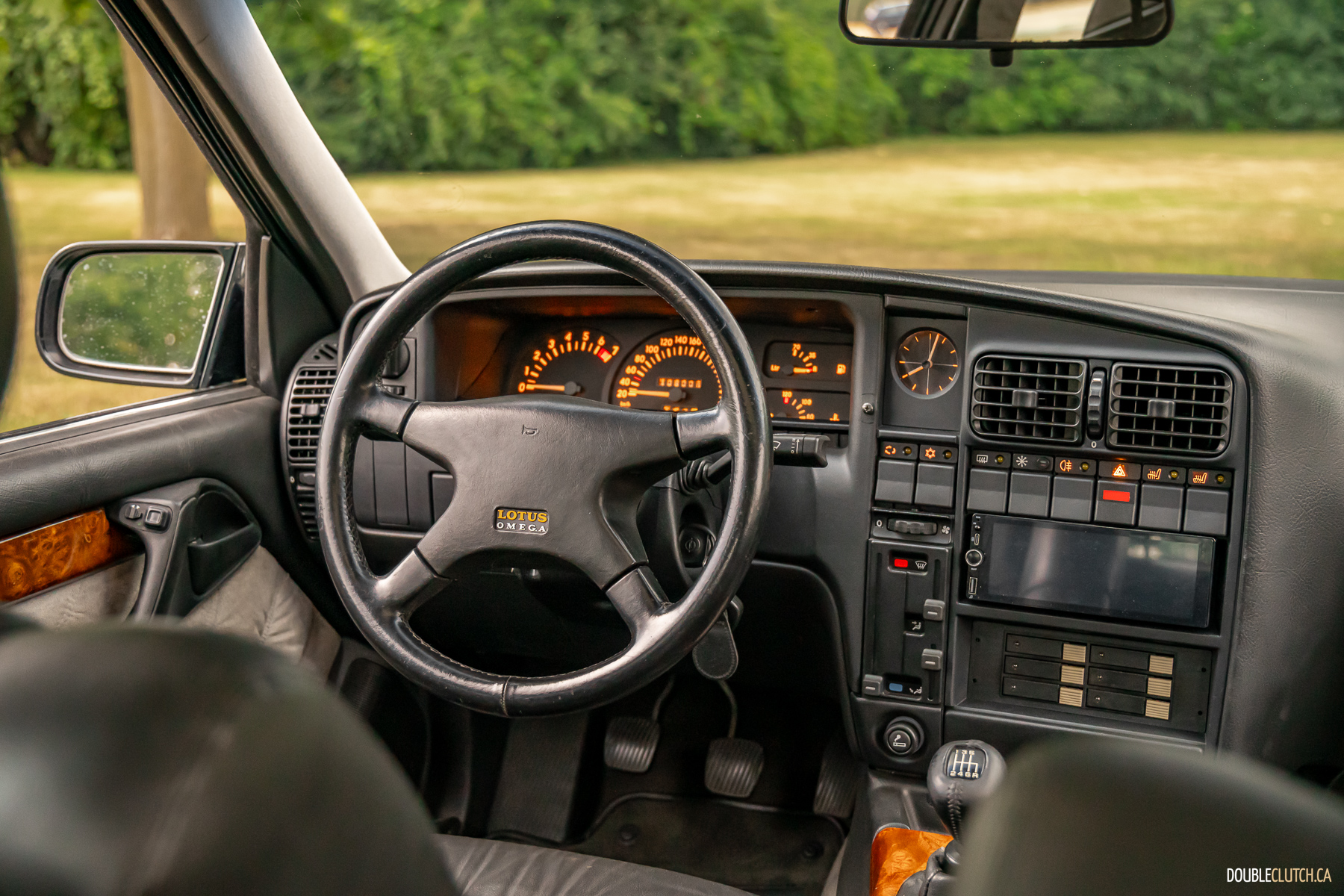
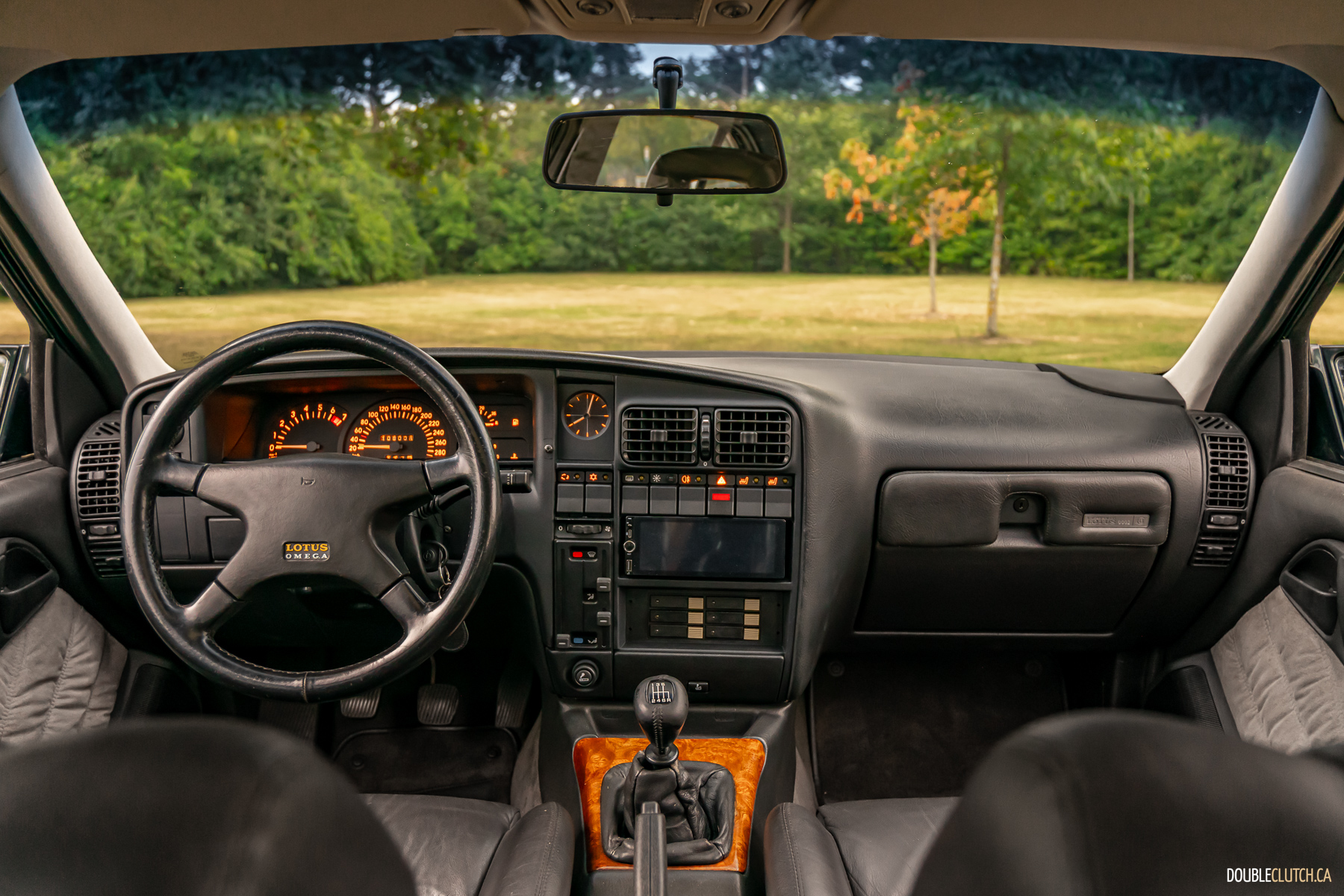
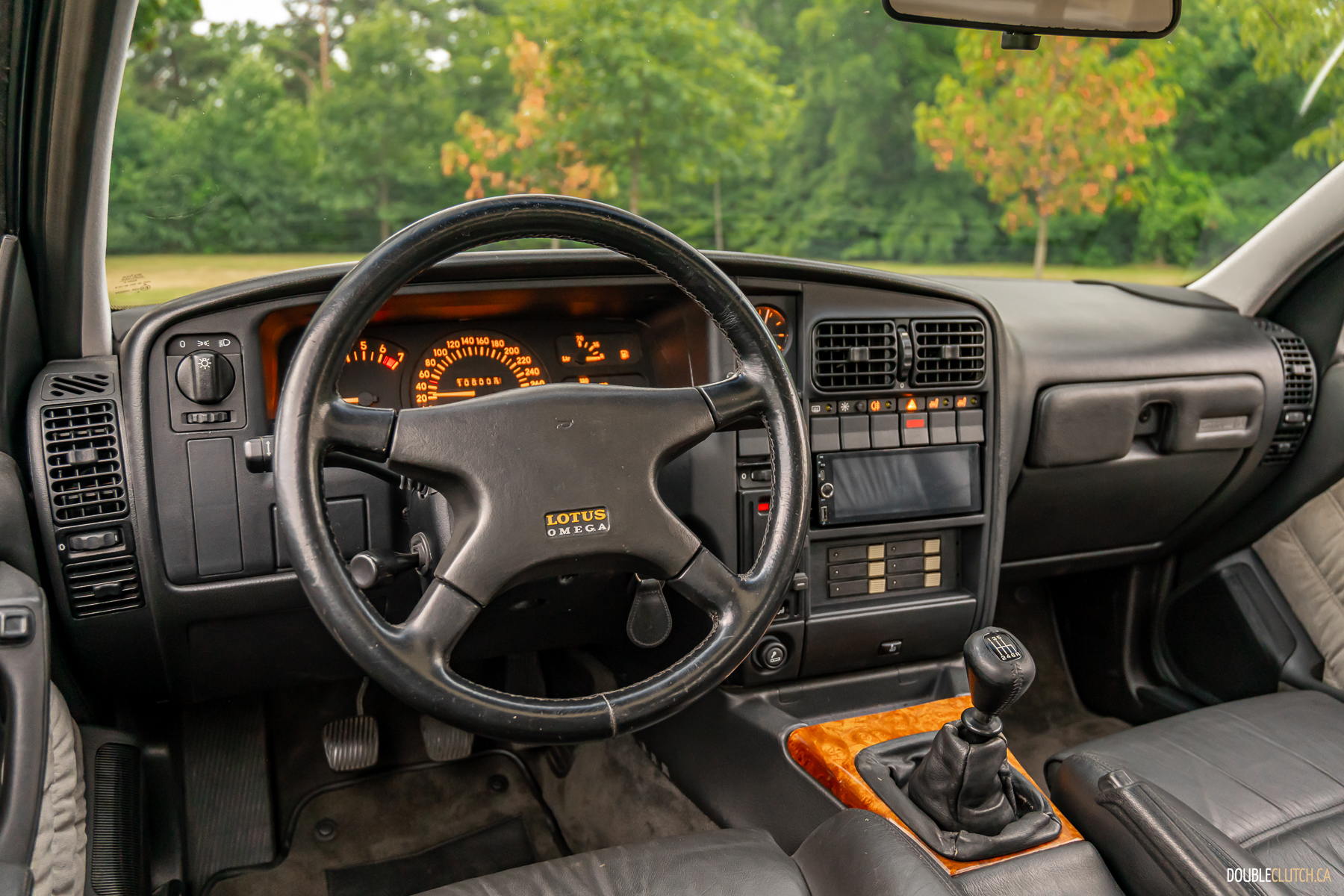
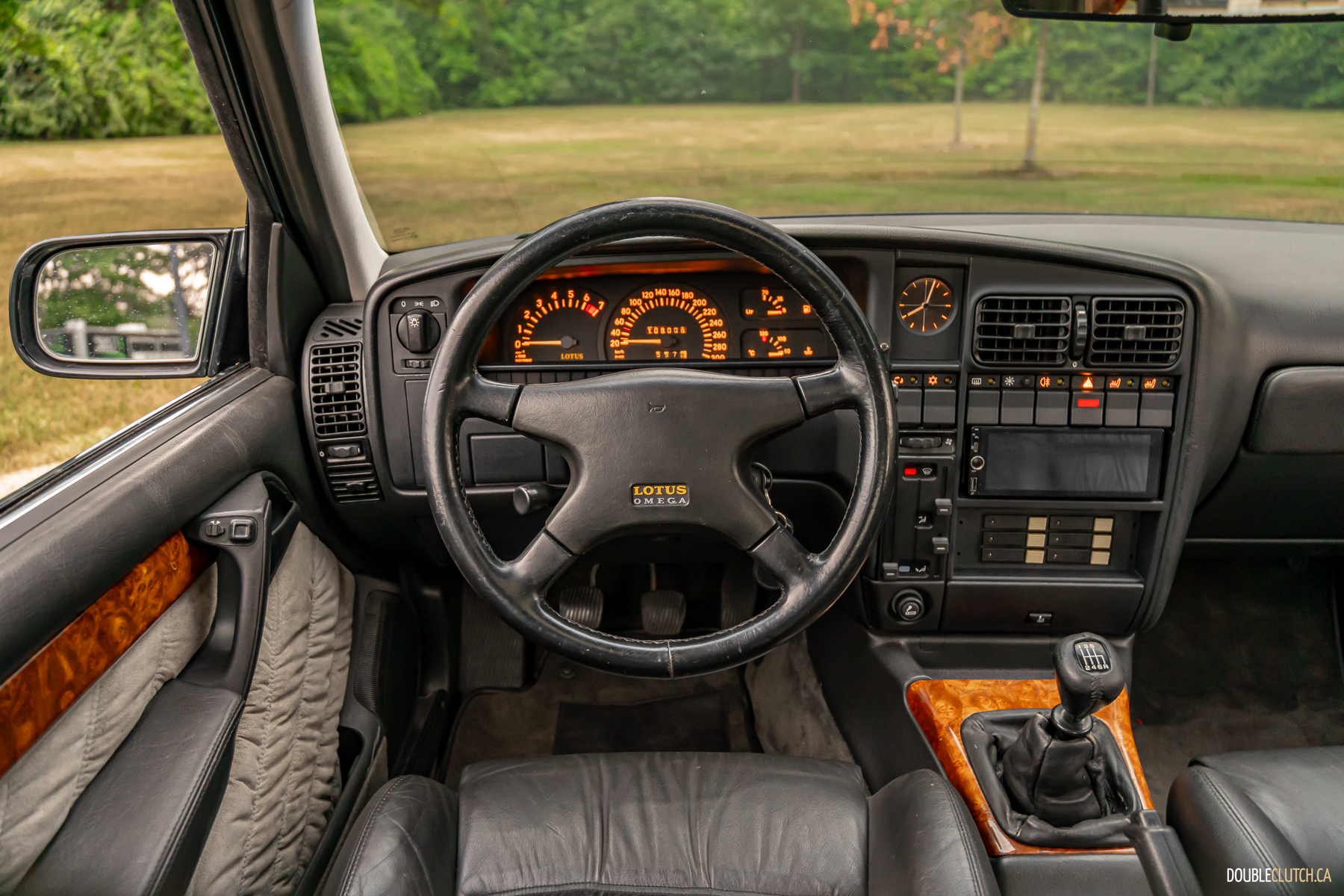
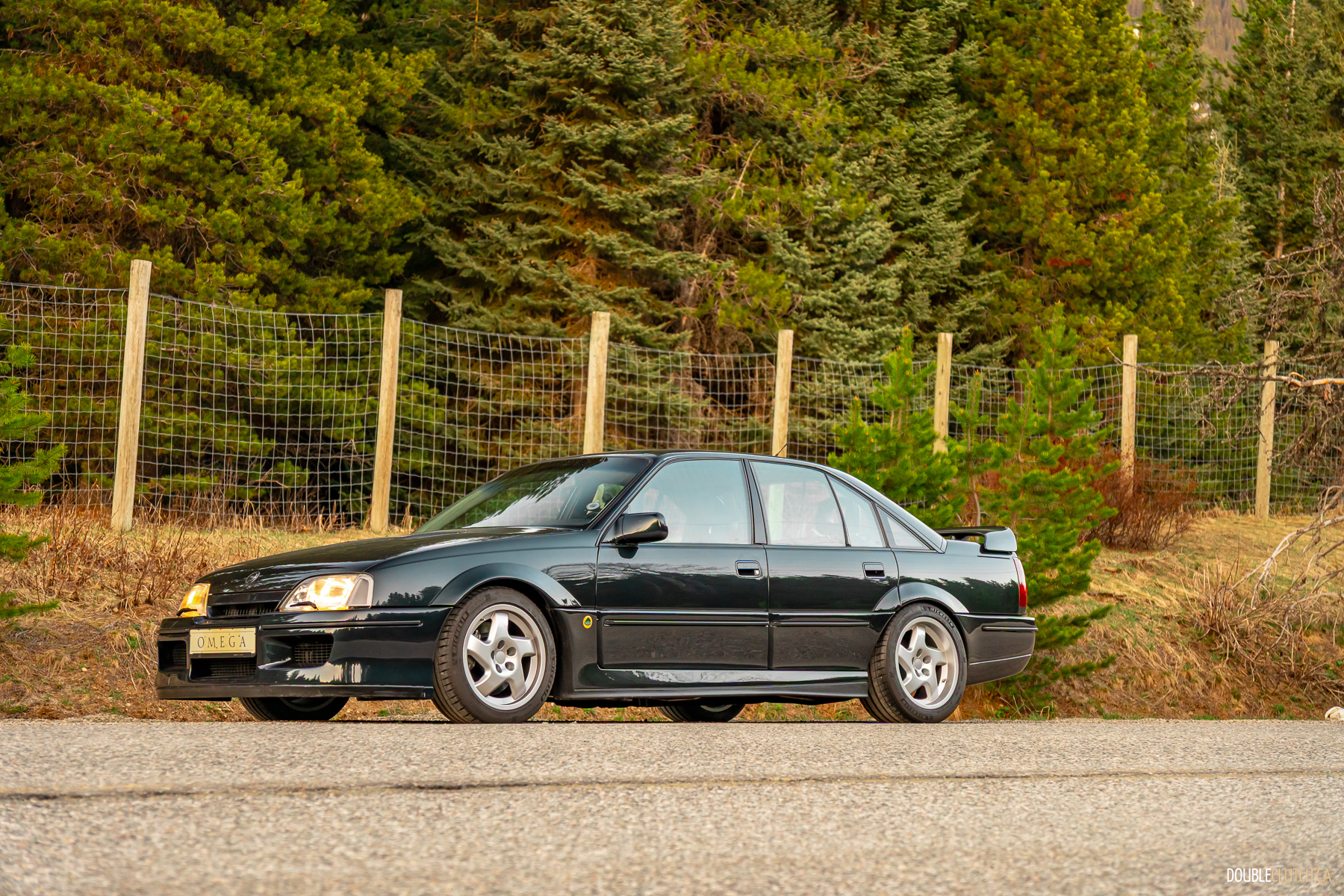
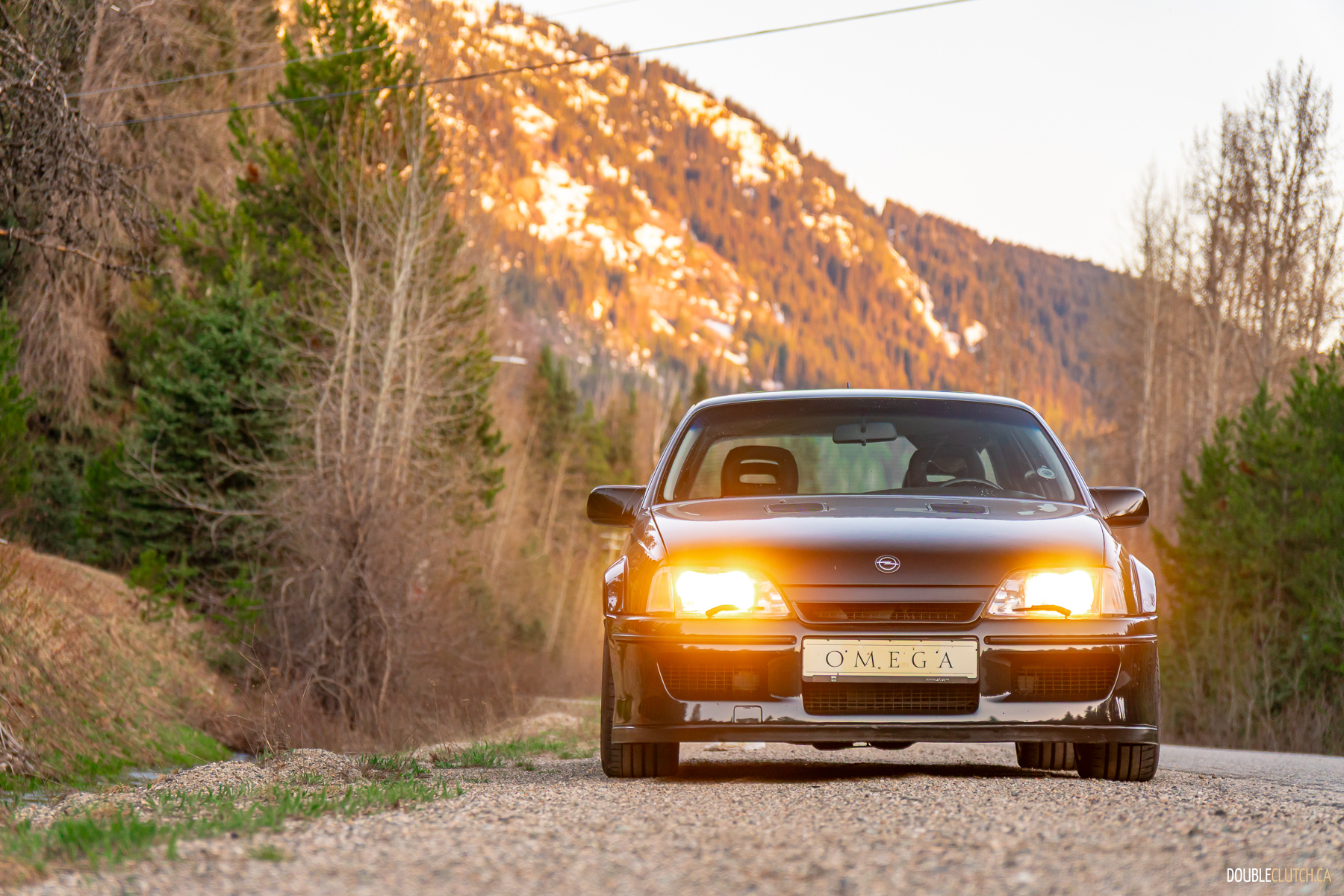
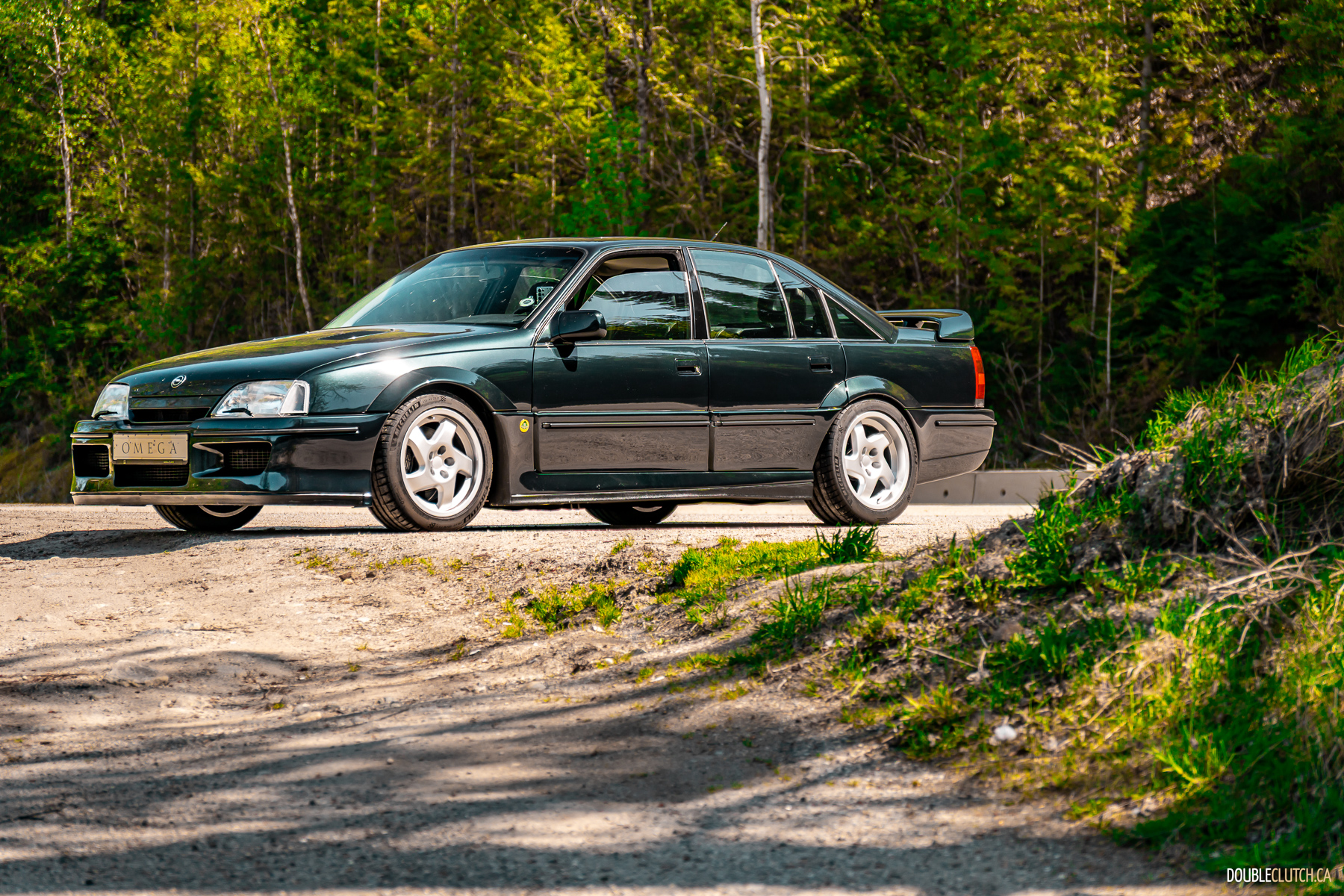
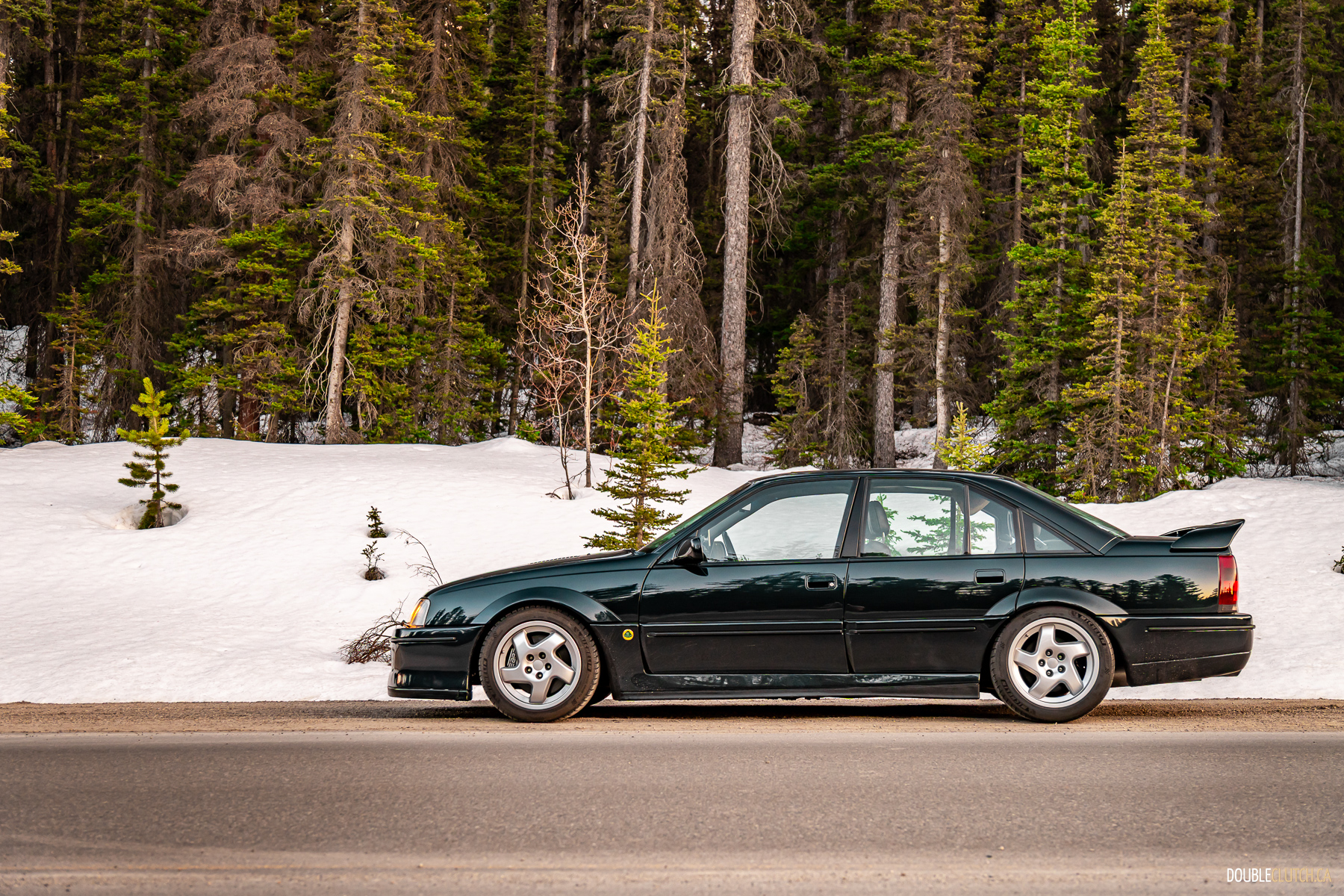
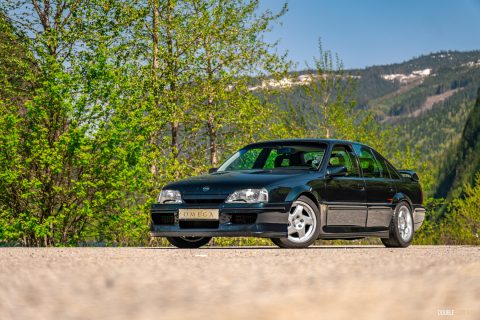
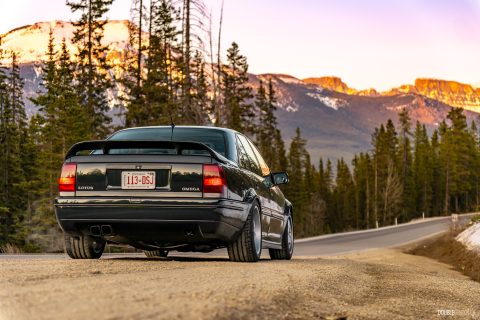
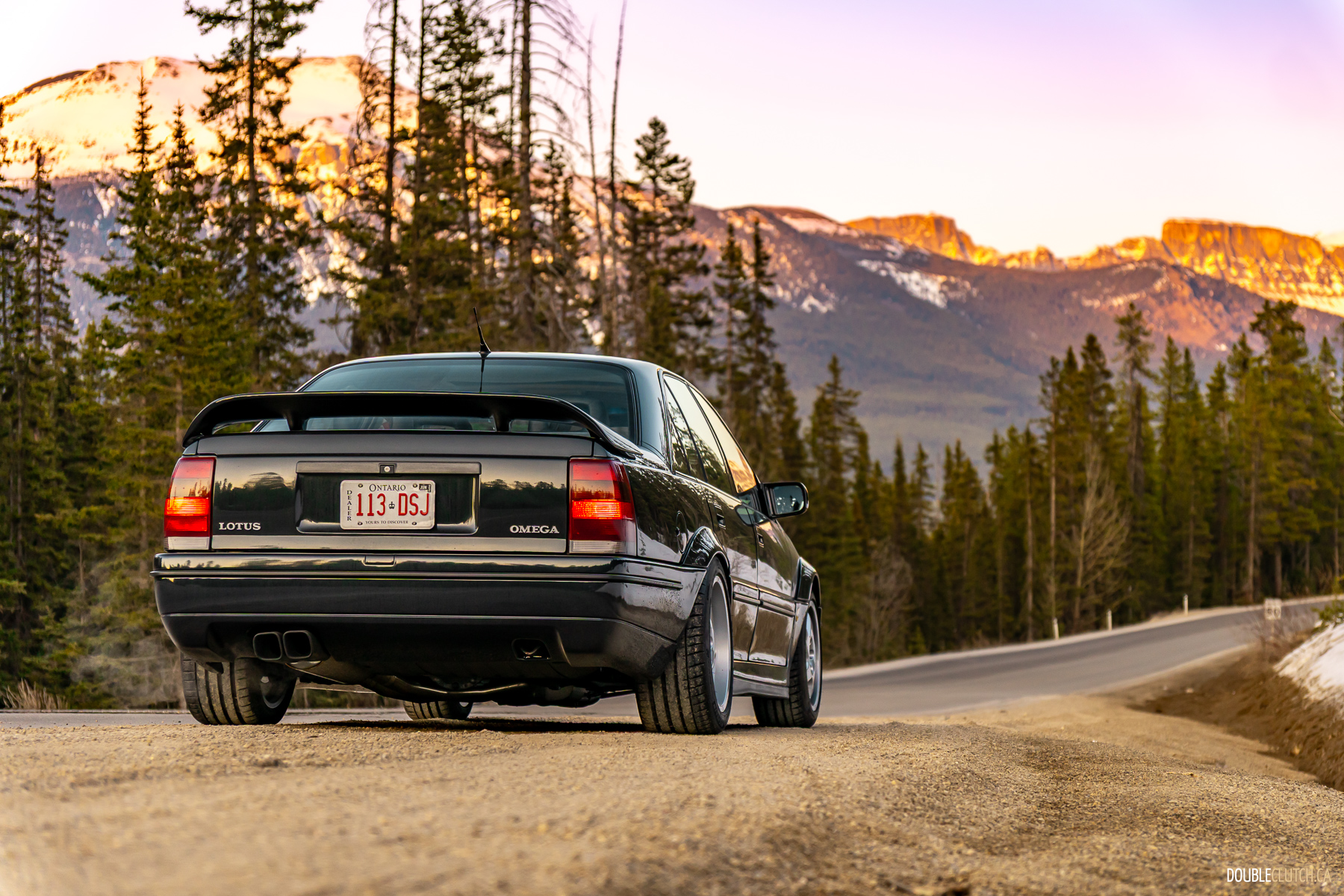
I was already smitten with the thing, but with it now being back home and sorted out, I’m even more taken aback by just how excellent the Lotus Omega is. More to the point, by how excellent this car still is, despite the decades of advancement that have followed it. The refinement of the engine alone is worth serious study; it has the flat, flexible powerband and crisp response that carmakers are still chasing decades later. The interior is beautifully appointed, impeccably screwed together, and quiet as a mouse. The chassis is among the most beautifully balanced and generally accomplished that I’ve ever had the privilege of experiencing. This decades-old sport sedan does not miss on anything.
Not only was the Lotus Omega leagues ahead of its time, it’s incredible that something so thoroughly and roundly accomplished was put together by such a small team working with such a short timeline. Like all the greatest creations of humankind, it was not driven by committee meetings, focus group studies, or profitability targets; the Omega was driven by the ambition and passion of a dedicated few, with a clear shared vision and a relentless force of will to bring into the world, despite the world not having seen anything like it. Or even being ready for it.
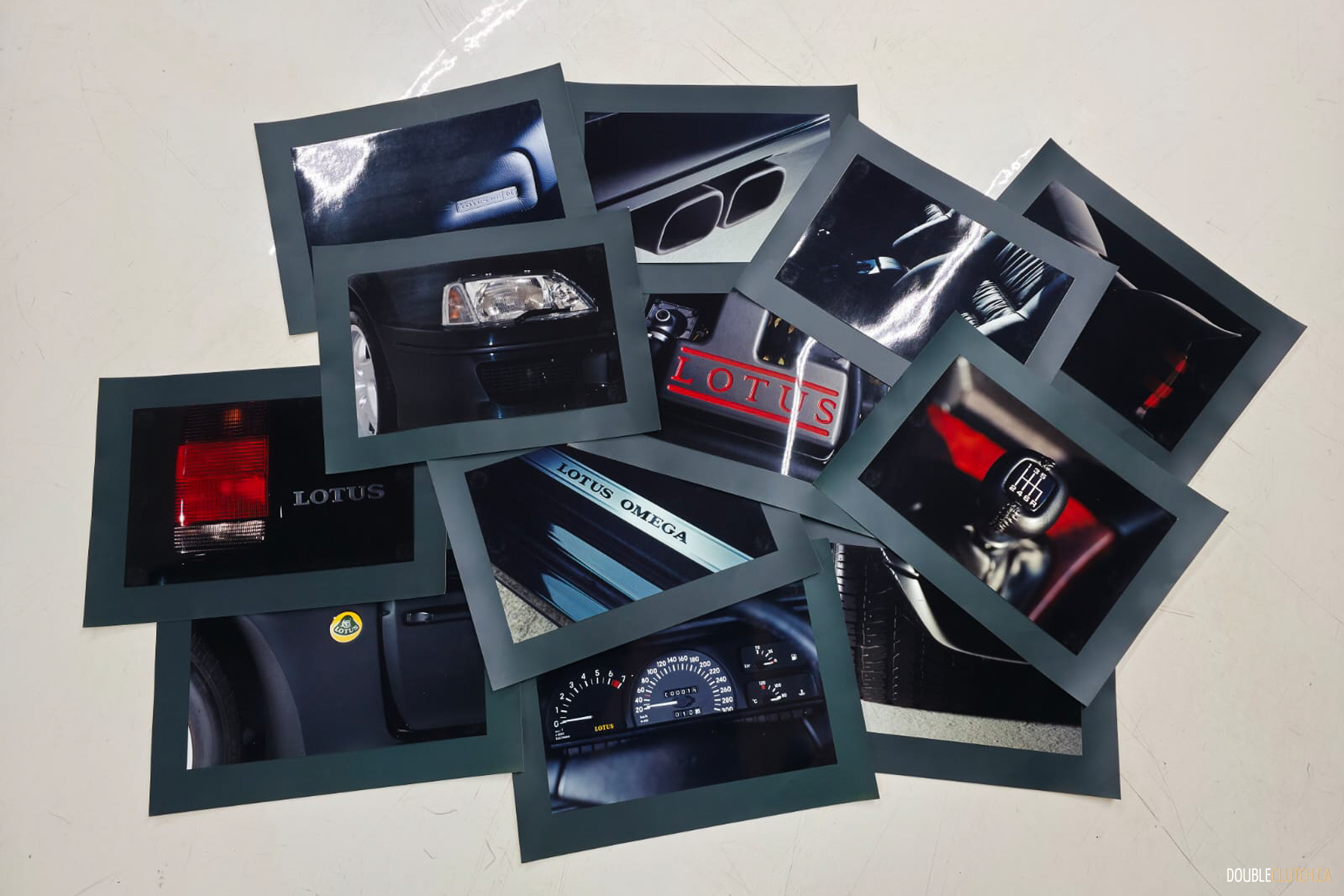
In researching this car and how it came to be, I found that there wasn’t a lot of very good information out there. The only concrete-ish information I could find was a loosely translated German summary from a book titled Lotus Carlton. It was published in 1991, while the Lotus Omega/Carlton was still in regular production at Factory Three in Hethel, and penned by Ian Adcock.
He also ran Lotus’ PR department during the gestation of the project, and as such is about as close to an empirical source as possible.
It was and is a rare book, with only 1750 copies having been printed. It’s a shame, because it’s wonderfully written and brim. ming with details about the car and how it came to be. Almost all of the details in Part One of this story, from the performance targets of the car to the tension between Opel and Lotus, and how the idea began at all, came from that book.
I got properly lucky and found a copy only a short drive away from Toronto, in a bookstore built out of one man’s home garage. His business is called the Armchair Motorist, and its owner and sole employee, Gordon, keeps an extensive collection of books about cars, racing, and anything else related to the world of cars. A good chunk of it is rare, out-of-print material like the book I bought from him. I could get lost forever in those shelves.
The book takes a lot of care to highlight the key individuals behind the Lotus Omega/Carlton. These people that worked so hard to make this car what it is weren’t just names in archival files; they were Ian’s colleagues and friends, all part of the same passionate small business with a legendary legacy.
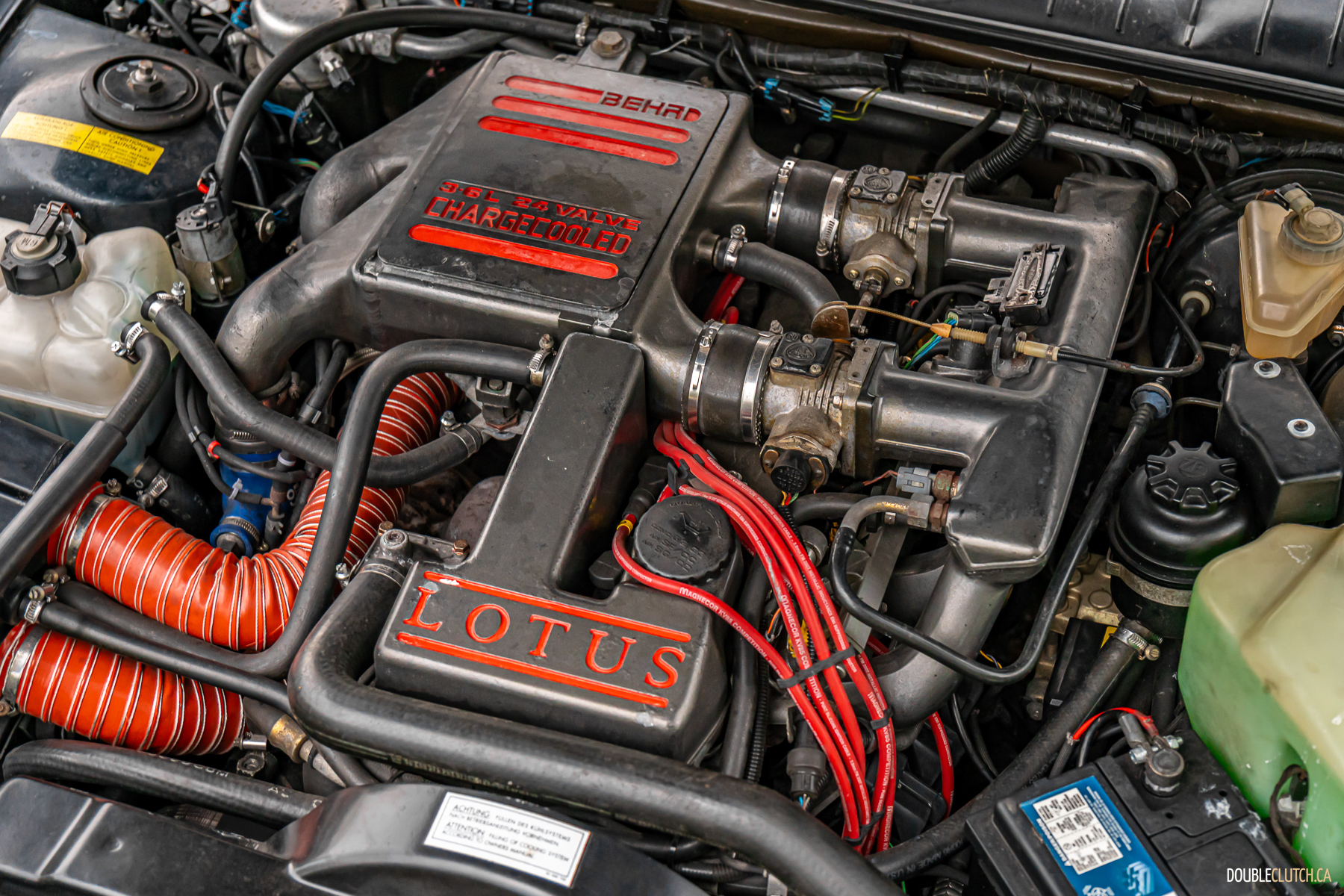
One name that comes up a lot in the story of this car is Simon Wood, the man who oversaw powertrain development. There wasn’t a very specific performance target set out for the car, just that it had to do zero-to-100 km/h in under six seconds, and everything else would fall into place. An initial goal of 360 horsepower was set for the engine, a goal that was nearly met on the quickly slammed-together prototype for the original concept car shown at the 1989 Geneva Motor Show.
In Simon’s own words, it was too easy. He wanted more. He wanted the most possible. He wanted to push the envelope and really show what Lotus could do. Like everyone else at the company, he was proud and fiercely protective of the legendary yellow badge on the front of their cars, bearing their founders initials. He worked with the man himself before his passing, like so many others still at Lotus did.
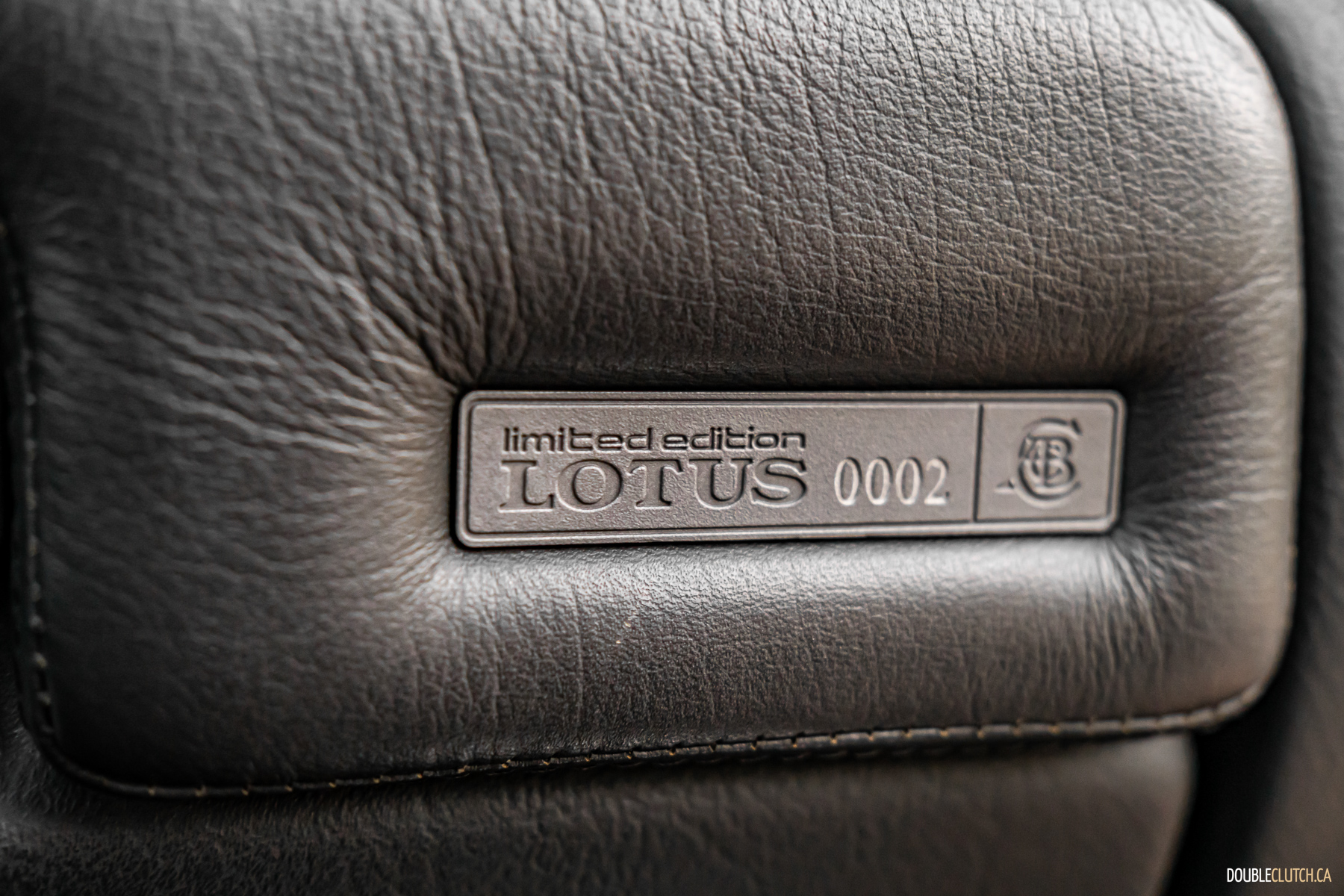
There was some internal questioning from Lotus, and a lot from Opel about whether or not all of this engineering effort was really necessary. Opel themselves were skeptical that anyone would be willing to pay over a hundred thousand Deutschmarks for an Opel saloon, even if it could hang with a Ferrari. Even by Lotus’ own admission, a lot of the engineering struggle behind this car came from Simon’s insistence to push it that last little bit to 377 horsepower while still meeting the stringent durability testing requirements mandated by the massive entity of General Motors. This car was going to be sold at GM dealers, and Lotus themselves were directly accountable for warranty claims against these monsters. They had to get it right.
It wasn’t just Simon’s powertrain team that went nuts on this car. Tony Shute, as head of chassis development, went just as far with their work, albeit in a different way. Engine development can be measured, chassis development can only be measured up to a point, and the rest is all intangible fine-tuning that blurs the lines between engineering and artistry that continued right up the very end, with the last of pre-production cars being used to dial in the last bit of calibrations to damper settings.
Dick Angier had the unenviable task of, you know, building the car. It was made exceptionally awkward by the fact that Opel already built the cars and refused to not build them. He was tasked with coordinating a production line out of what was previously a parts storage warehouse that not only had to build the Lotus Omega, but also had to eviscerate completed Opel Omegas first, then send anything valuable back to Russelsheim, all before making them into Lotuses. [Lotii? —Ed.]
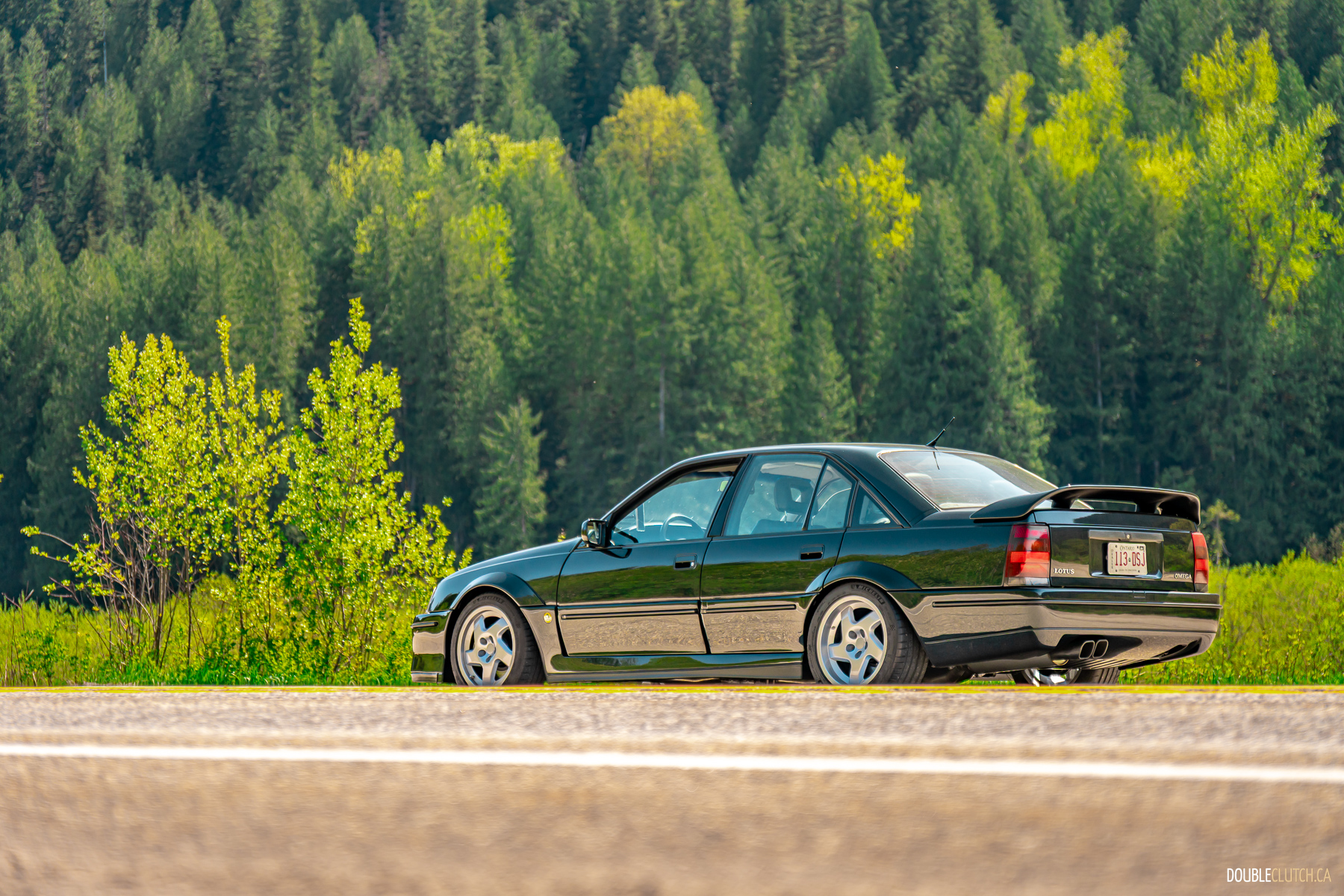
This is more of a task than it sounds. Almost every component of the car was modified, so the modifications to the body meant that the original anti-corrosion measures applied to the new unibodies had to be applied again. Proper paint finishing then had to be applied again as well, all to the standard of a multi-multi-billion dollar conglomerate, and then some.
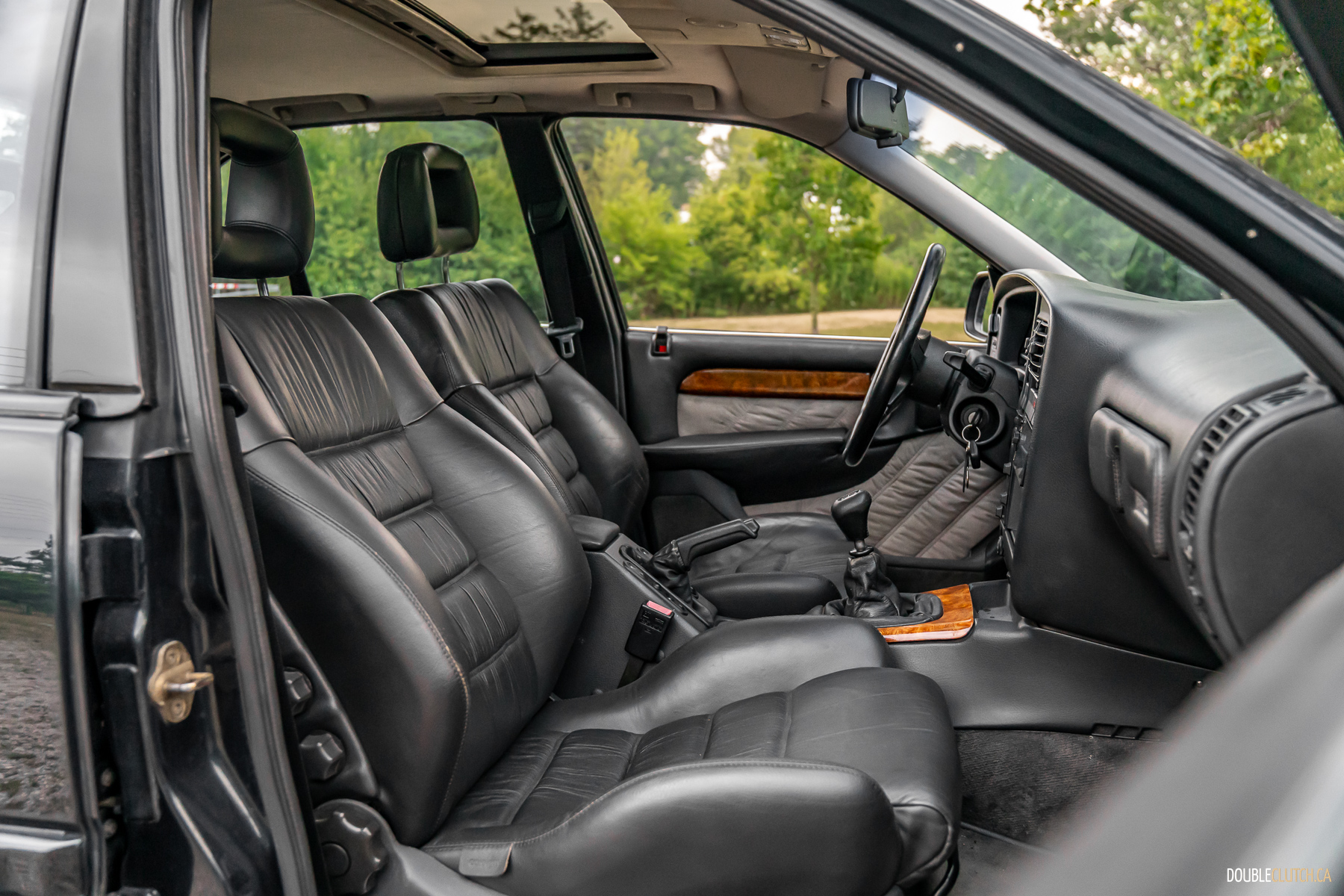
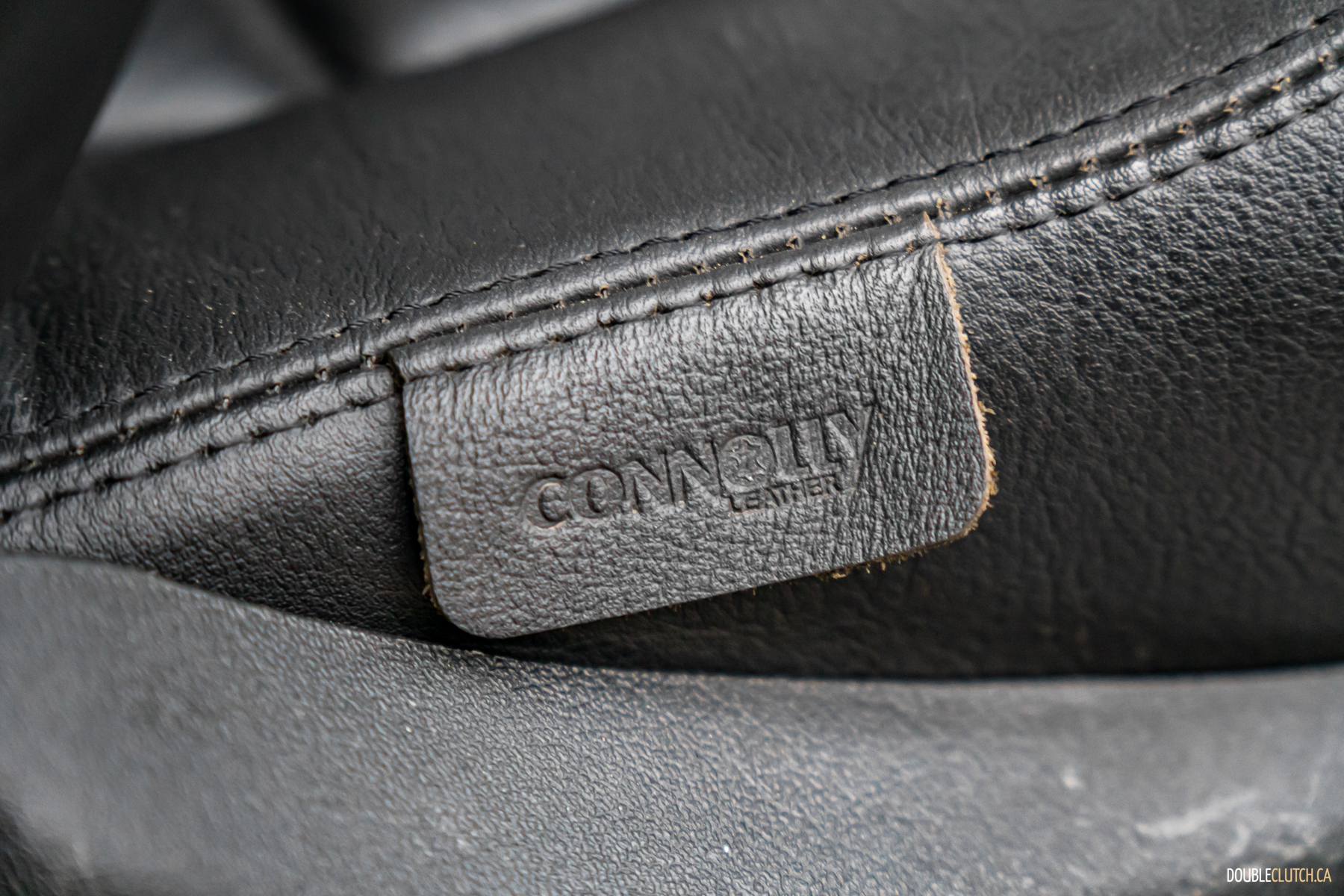
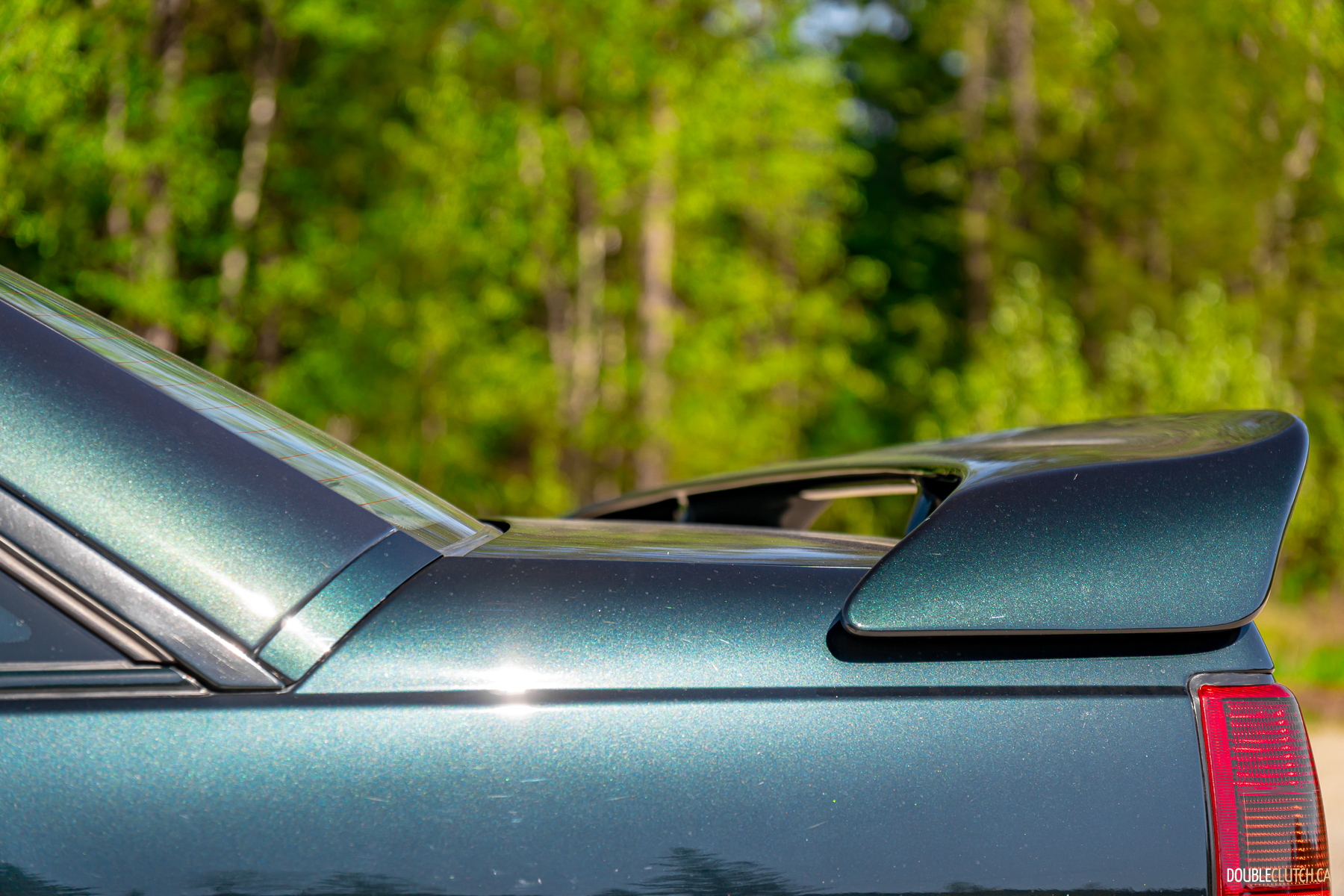
The bodies and their individually finessed fender flares and aero tweaks had to be impeccable in their fitment, lest they create aerodynamic drag at the extreme speeds the engines were capable of. The engines had to survive hundreds of hours in dyno torture testing in order to meet GM’s durability standards, let alone the test of time that this car’s engine has easily defeated. The interiors and their re-sculpted seats in thick Connolly leather were better than anything short of the exquisite houses of Bentley and Rolls-Royce.
I cannot stress enough how astonishing it is that a precariously positioned company of just 300 employees produced a car this good. As Autocar & Motor eventually said, “Vauxhall and Lotus have done their sums to produce a stunning supercar. That it has four doors, a comfortable ride, and a big boot is purely incidental.” This from the same publication that kickstarted the public furor about its supercar-slaying performance in the first place, and nearly got the cars banned from UK roads.
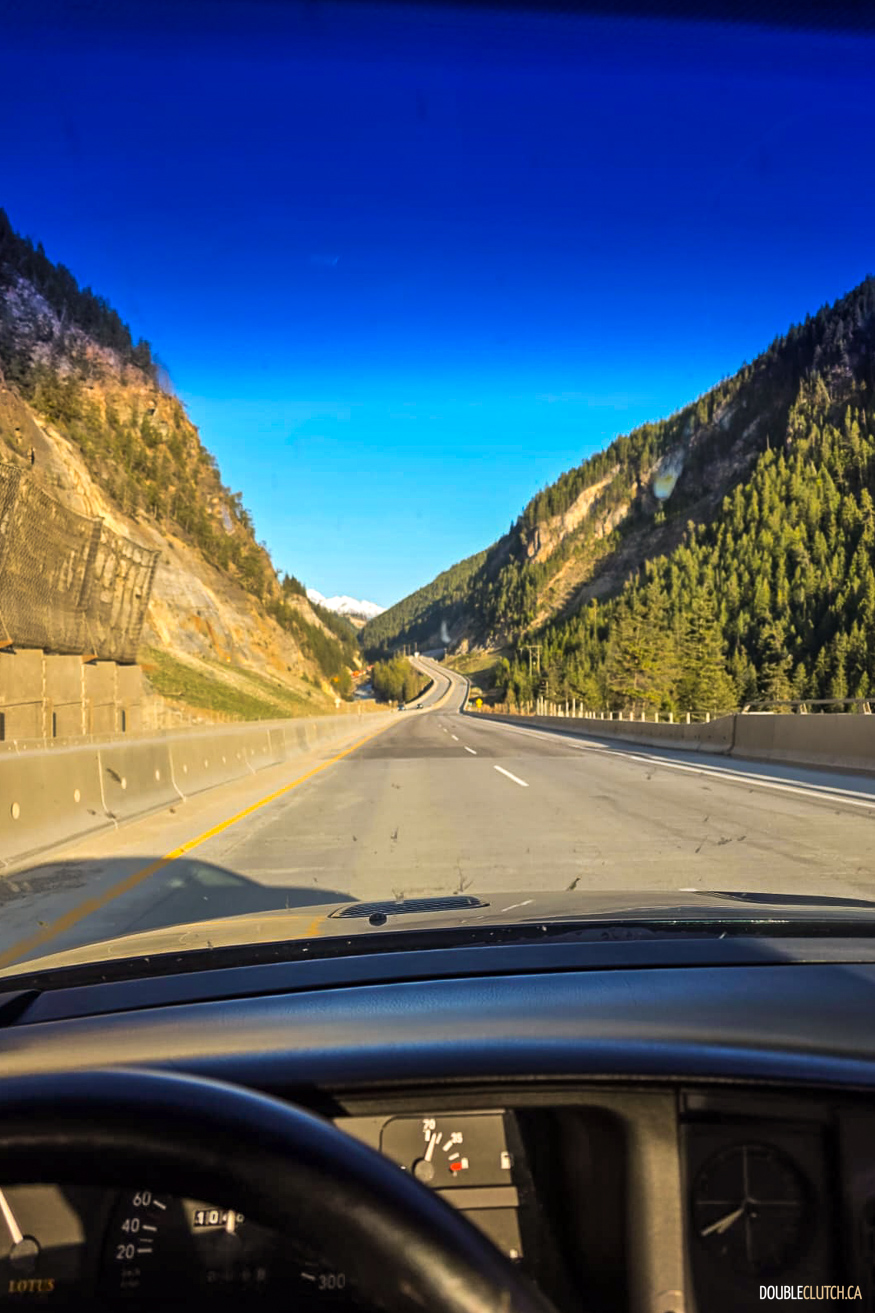
I cannot think of any other car I’d rather have embarked on this journey in. The Lotus Omega is so special, so interesting, and above all, so, so very well-suited to the task of blazing across the longest uninterrupted highway on Earth, even if it’s far removed from the side of the Earth it was designed for. My friend’s desire for this car, my stupidity in attempting to drive it across Canada, the help I received along the way, and its creators’ daring dream to make it happen at all; it’s all the result of people working together with a common goal, whether they know it or not even decades later.
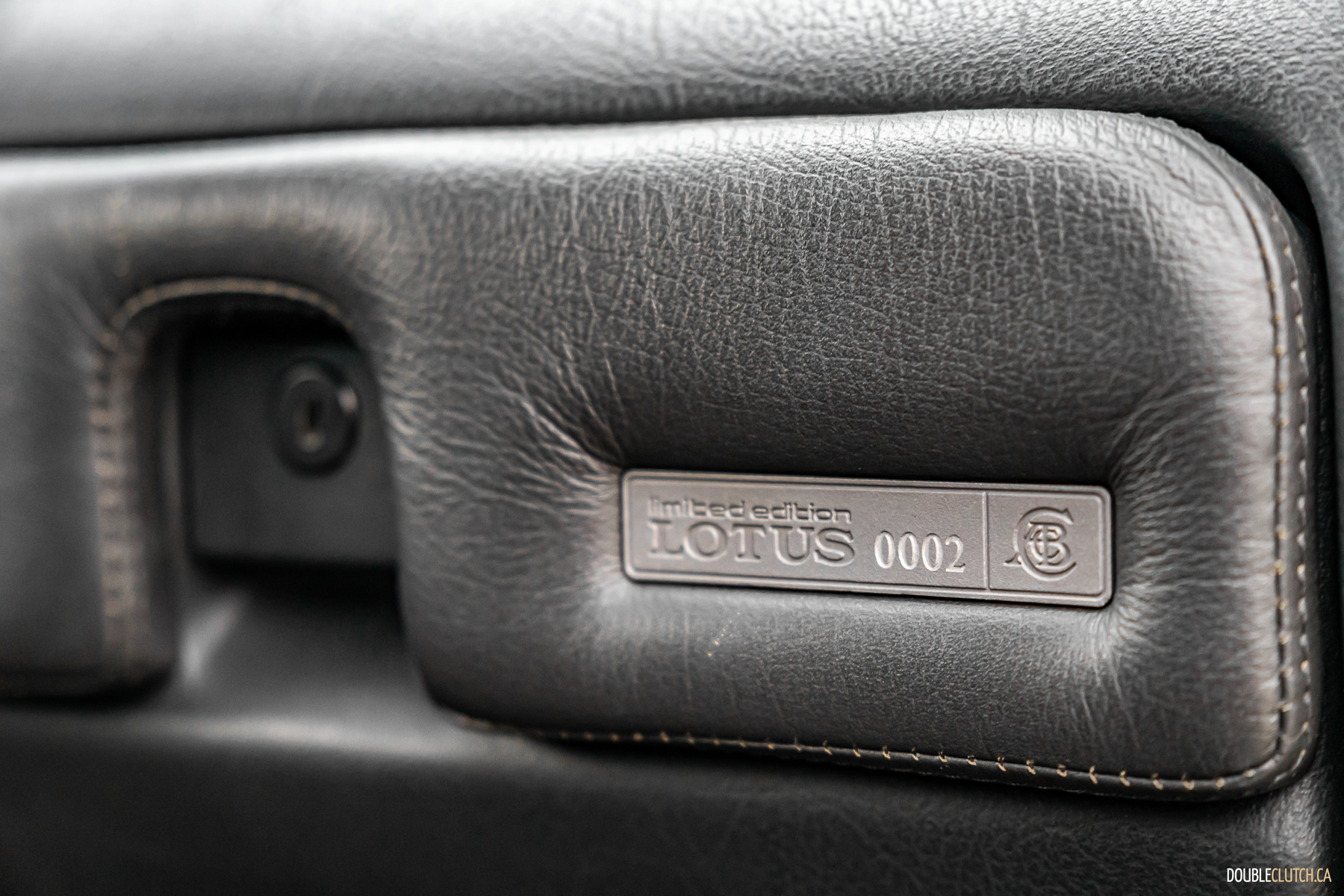
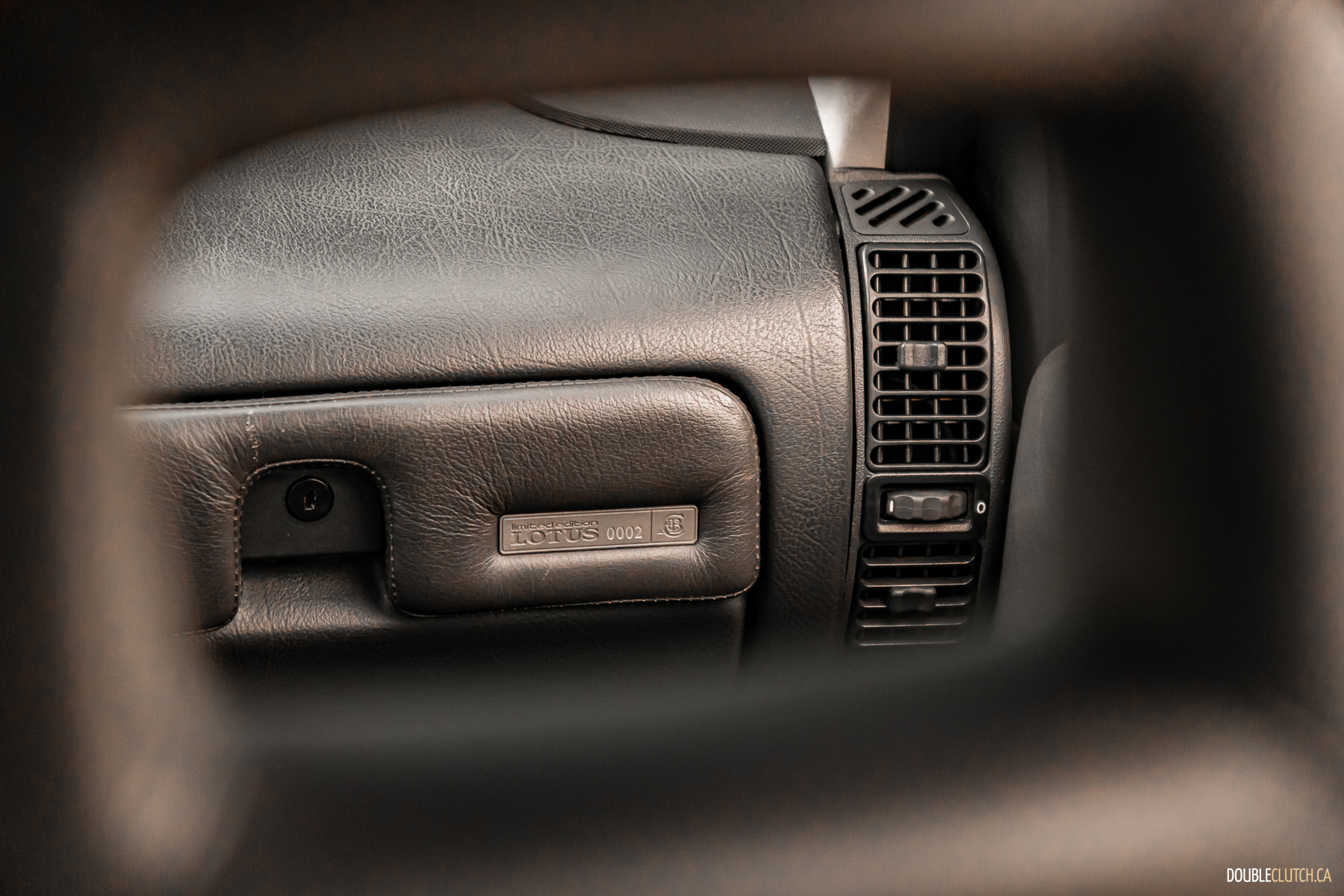
Mike Kimberley, Bob Eaton, Fritz Lohr, Fritz Indra, and Wayne Cherry all wanted to build something special out of an Opel sedan. Simon Wood, Tony Chute, Dick Angier, and more from Lotus made it happen against all odds. Multiple owners have stood in as custodians of this special example since then, each imparting their care into the car, calling upon the skills of specialists and dedicated enthusiasts to keep this car and others like it going over the years.
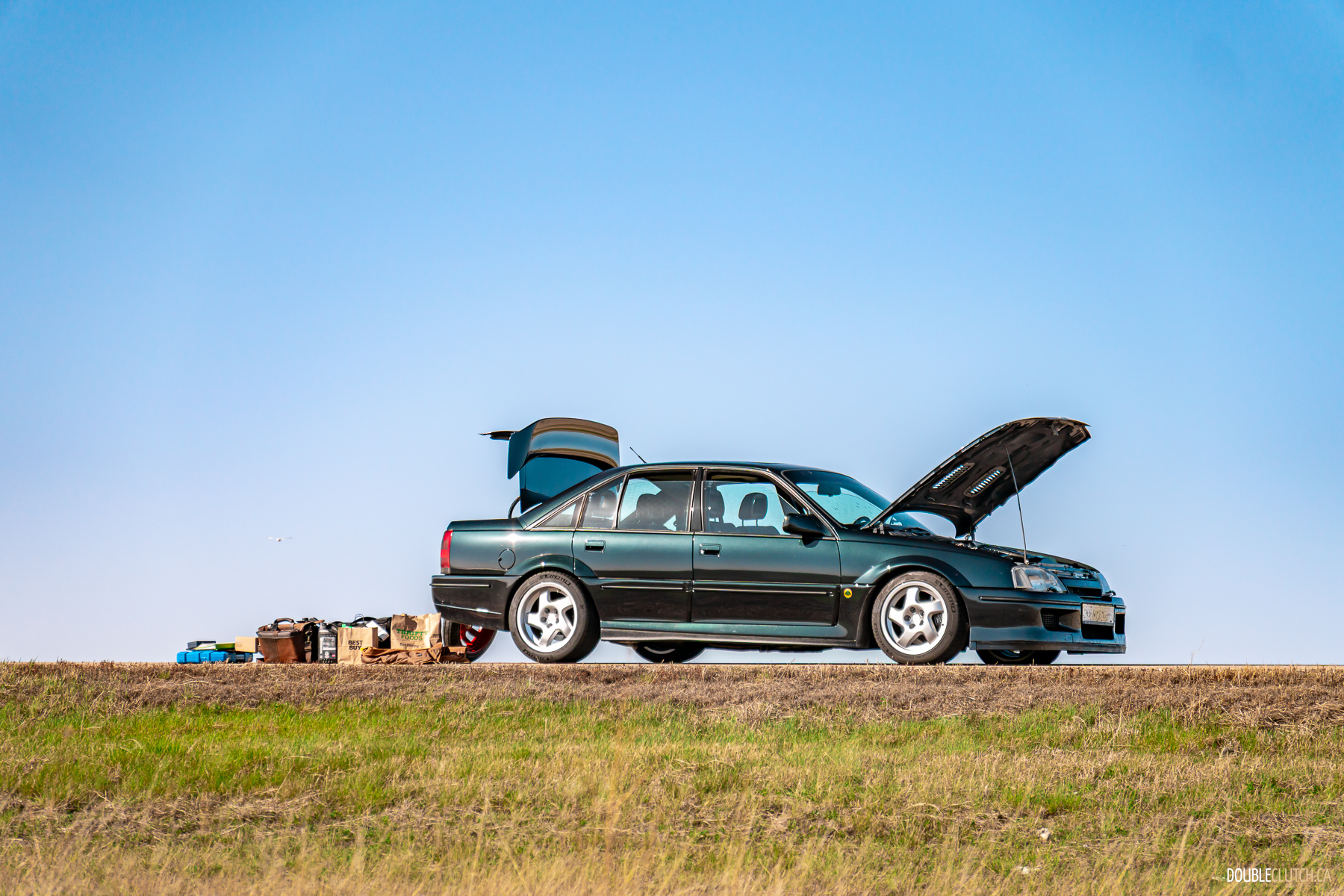
I was given the task of bringing this monument of engineering home because I wanted the task. Naturally, it didn’t go as planned, but it worked out in the end, and it’s all thanks to people who—just like those who created this car—may have had disparate visions but a shared goal. Matt from Porsche Centre Victoria, Brad Pitt’s nameless doppelganger from the boat launch, Jay from Carinport Towing, Mark, Nathan, Darren and Jarrod at Midas, and Ryan, Jon, Rush, and Pawel at Clarkson Fine Cars, and so many more in the past and present that all pitched in to make a car like this happen.
It takes a village to raise a child, and apparently it takes small army to raise a Lotus, but by God, what a car. I am so privileged to have been able to experience in the ambitious way that I did, to enjoy the fruits of so many talented people’s labour, and to meet so many new people who have all added so much to the story of Lotus Omega 0002 in such a short time.
This is what it’s all about. Experiencing spectacular machines like this, seeing new places, meeting new people, learning things new and old; this was the greatest adventure. This is why people get out of bed in the morning, and never in my life have I felt so motivated than when it was my job to drive this car.