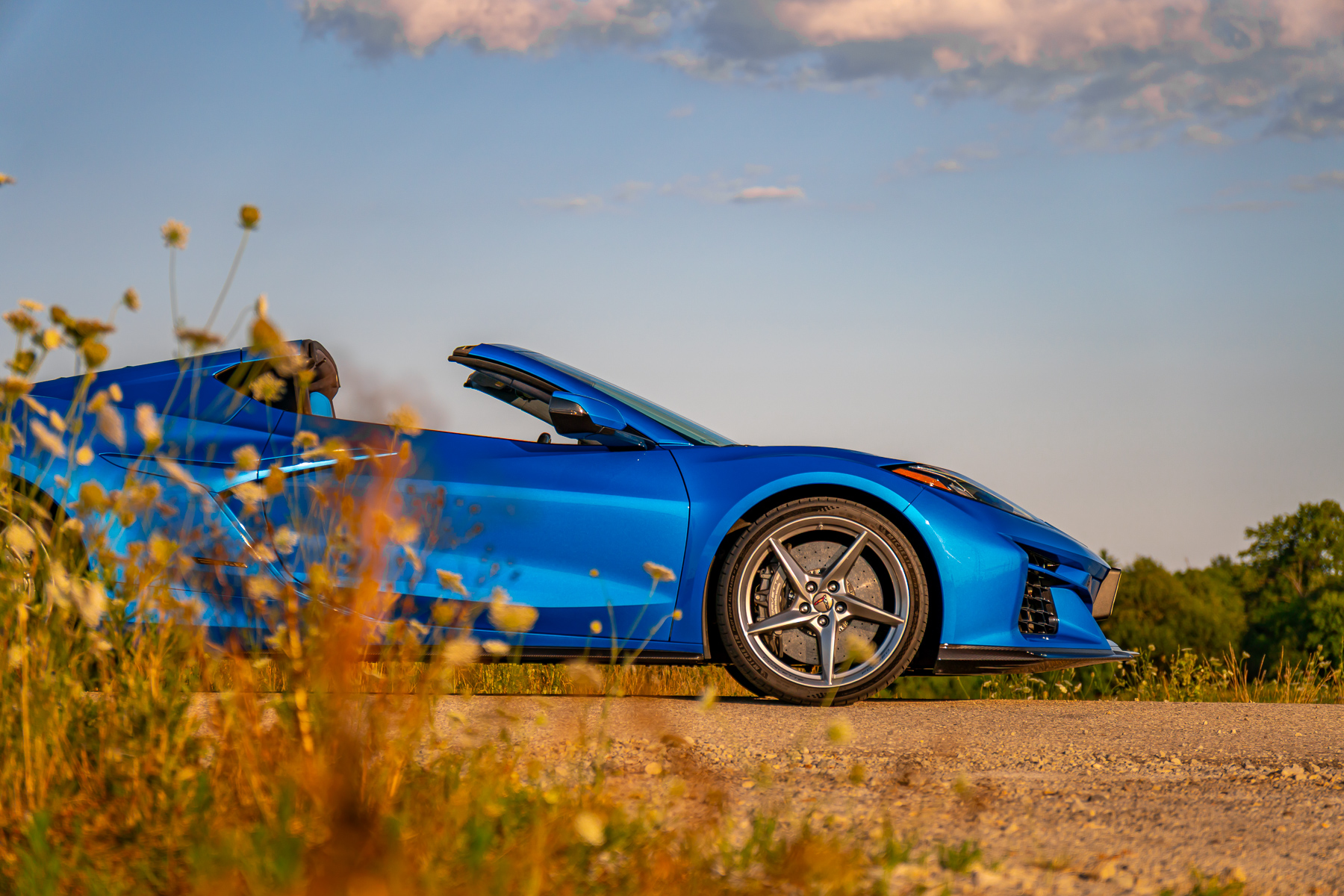
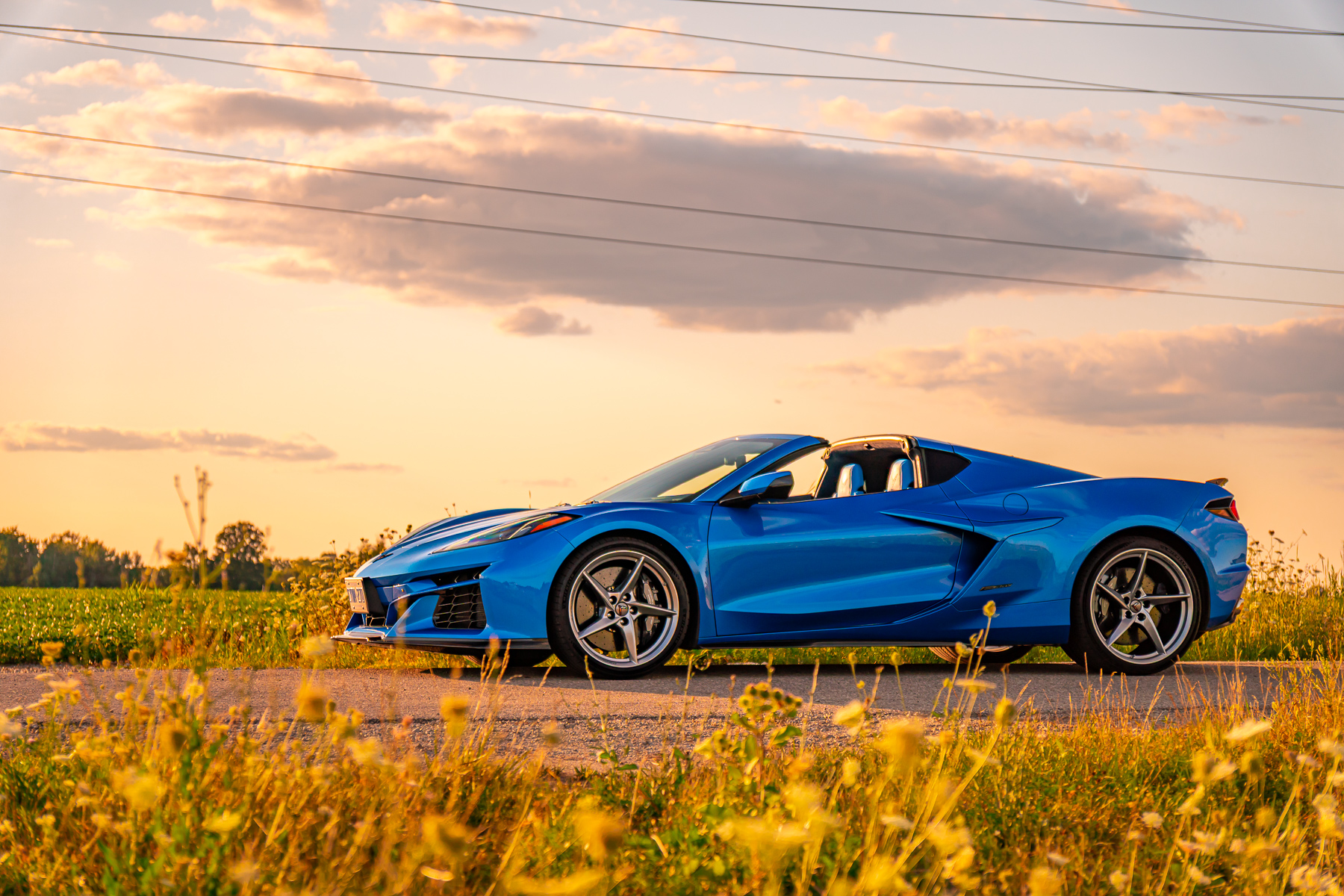
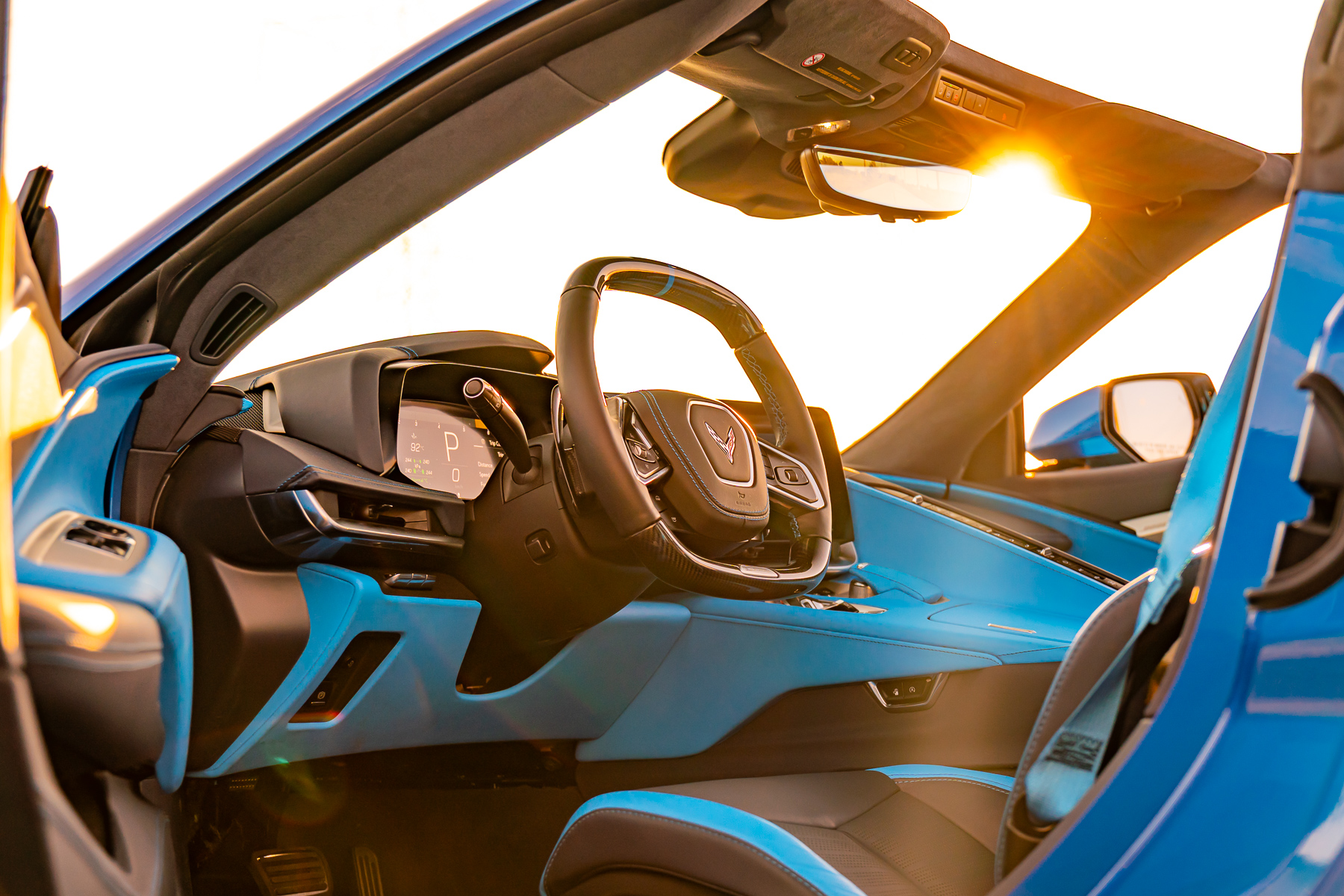
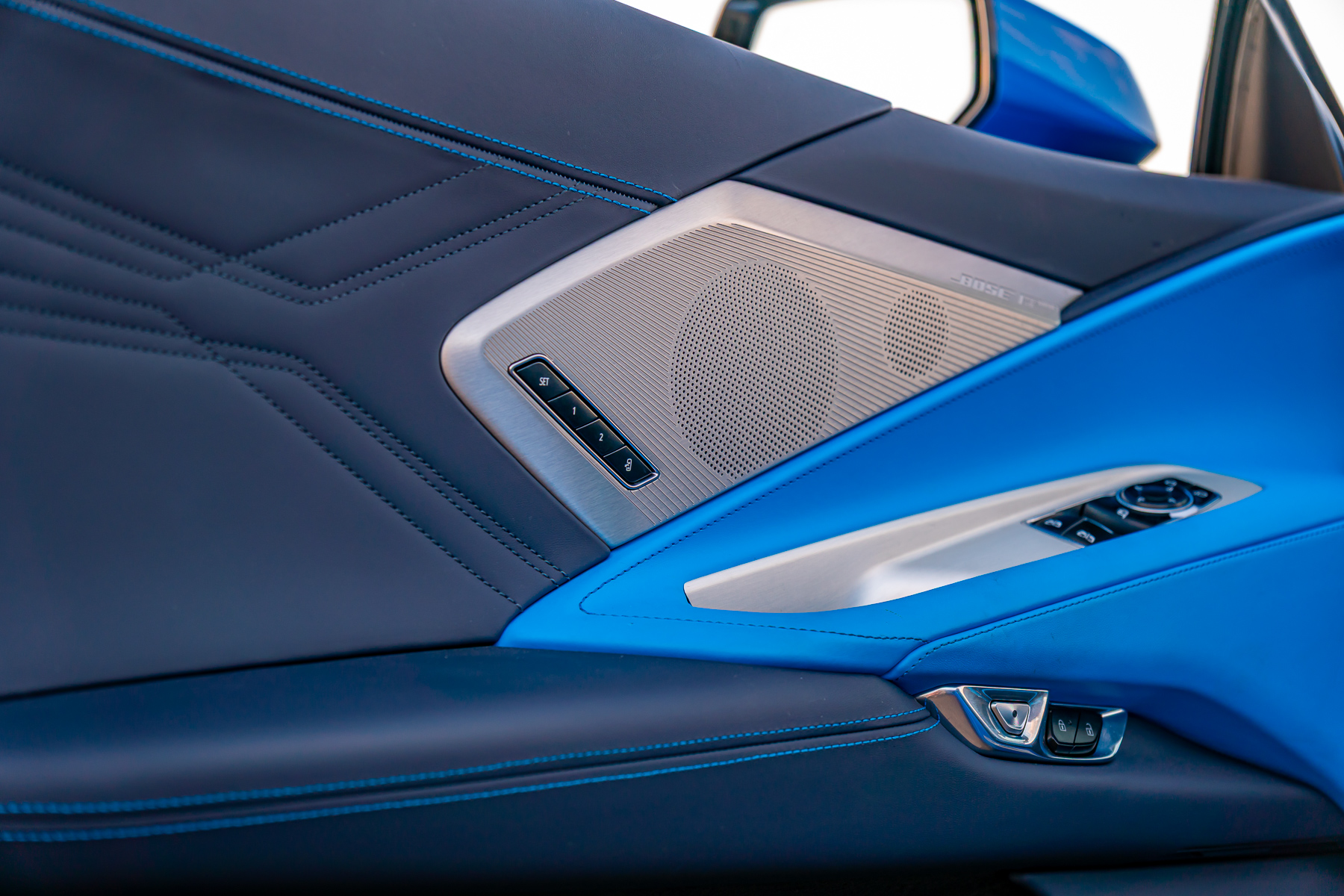
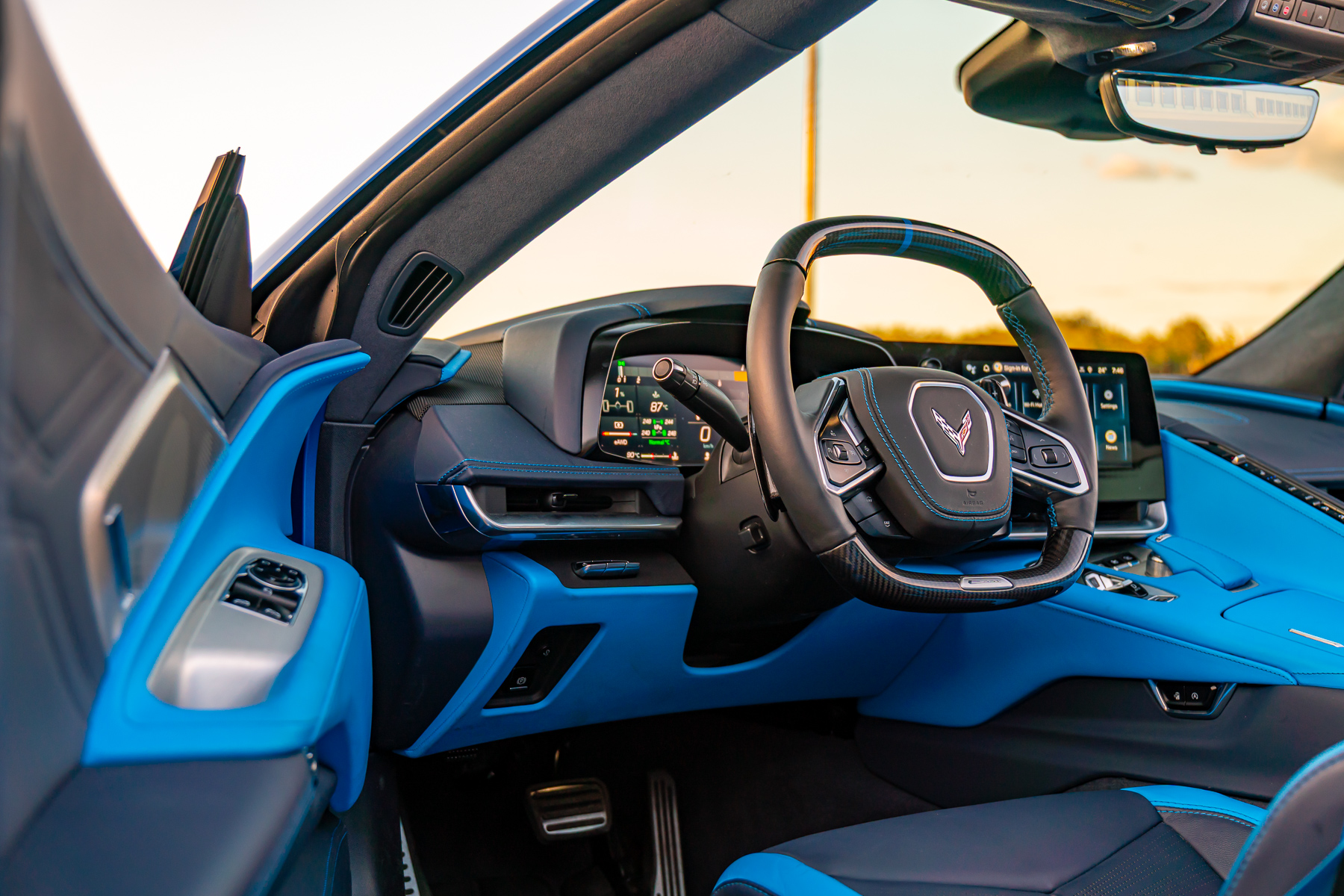
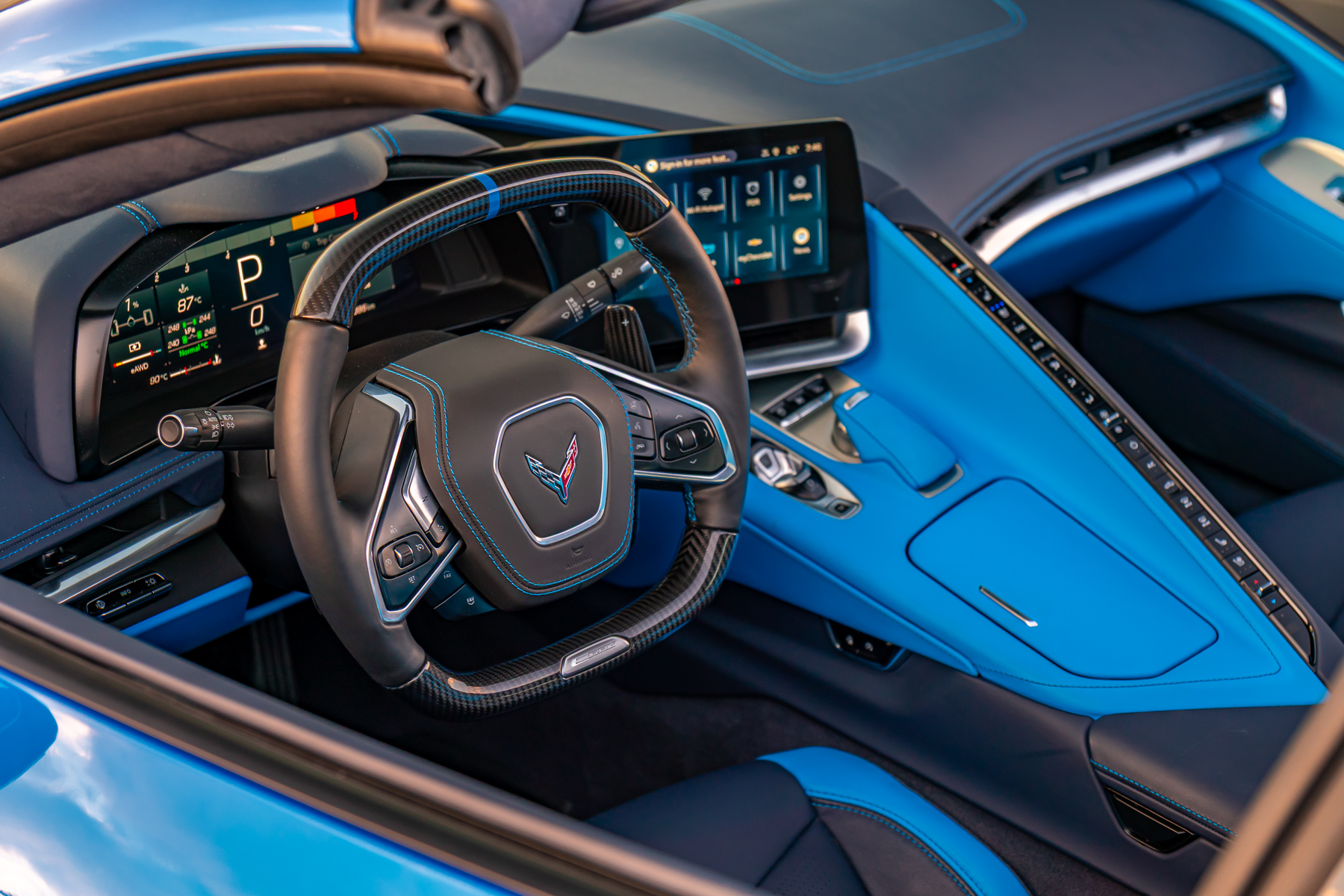
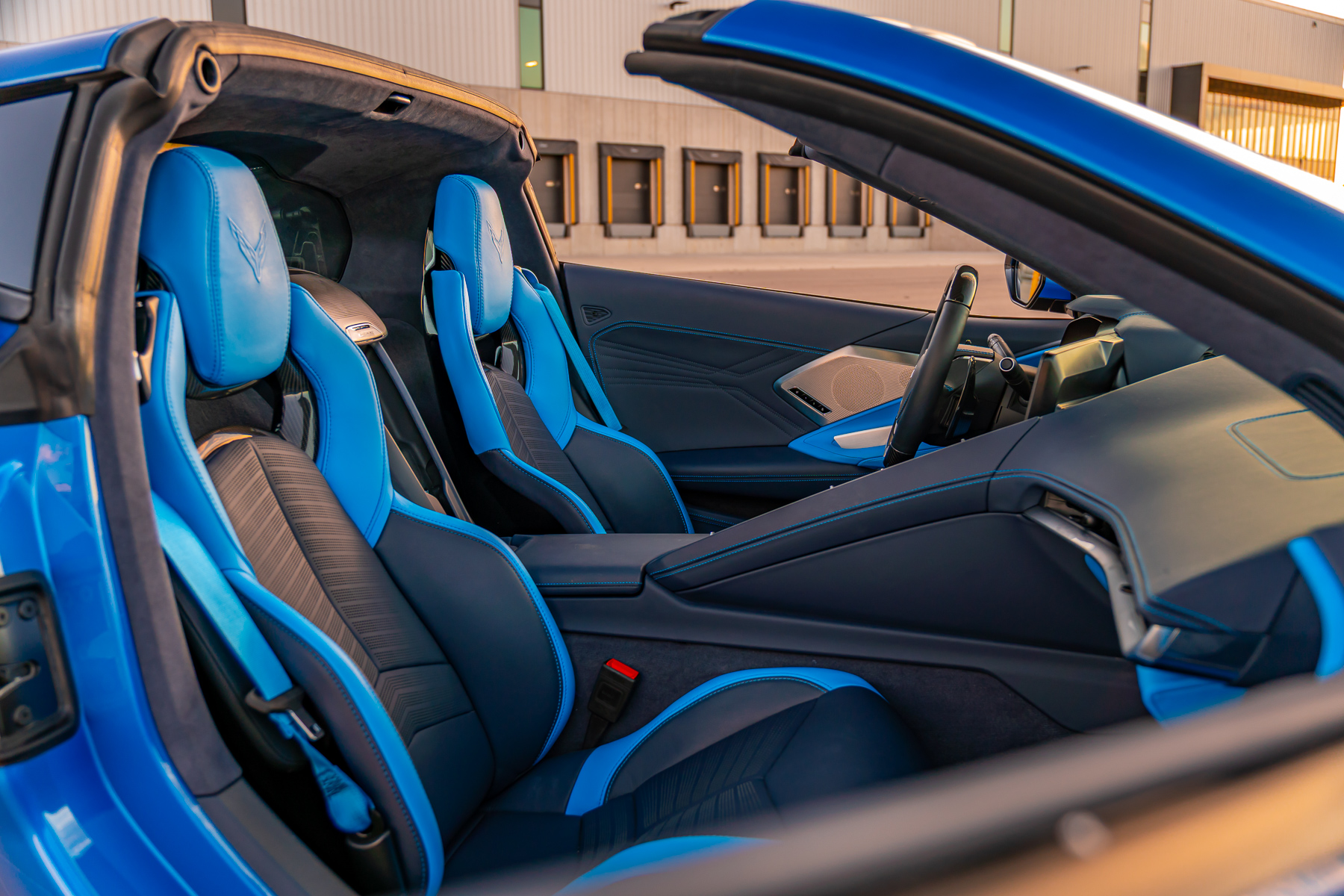
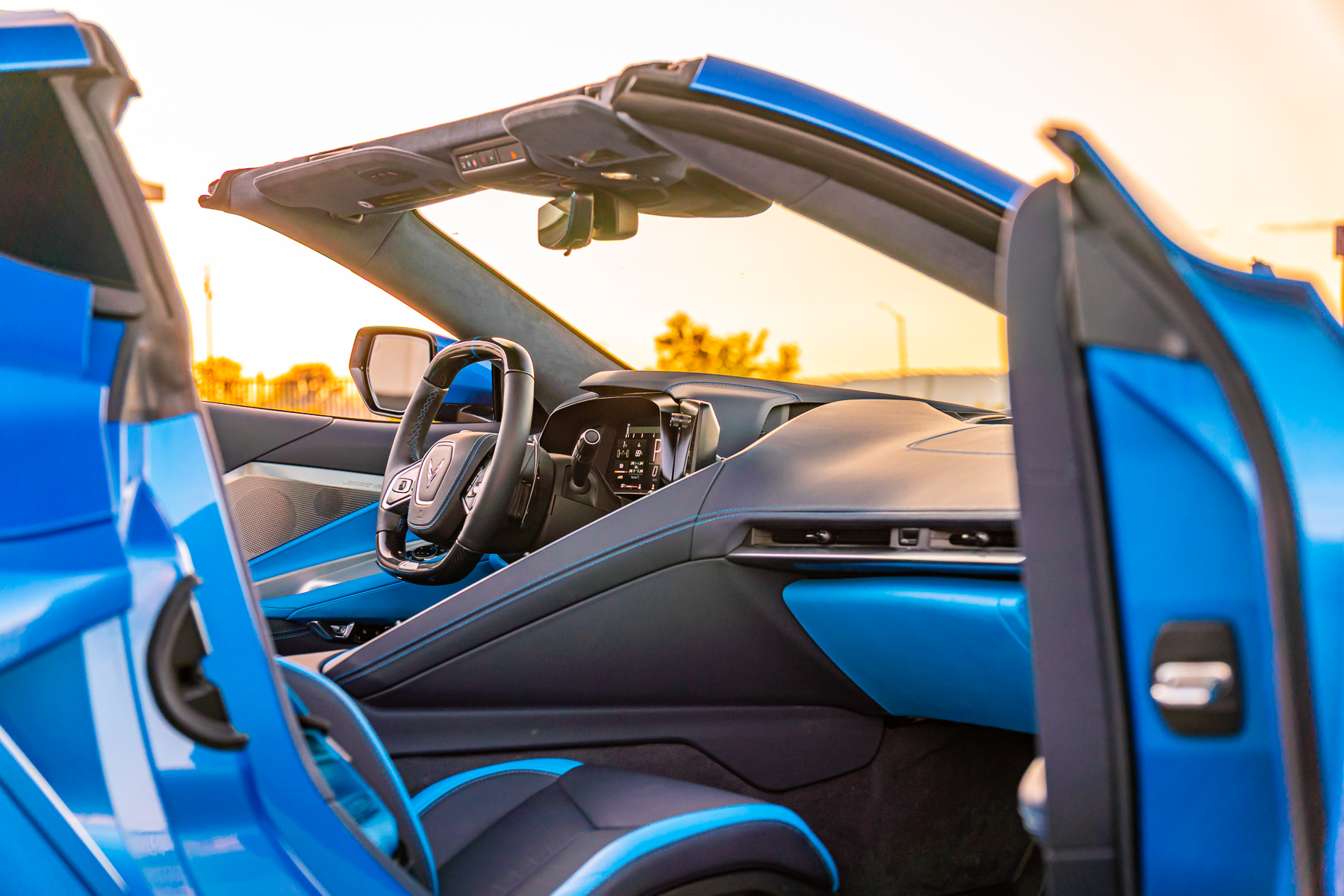
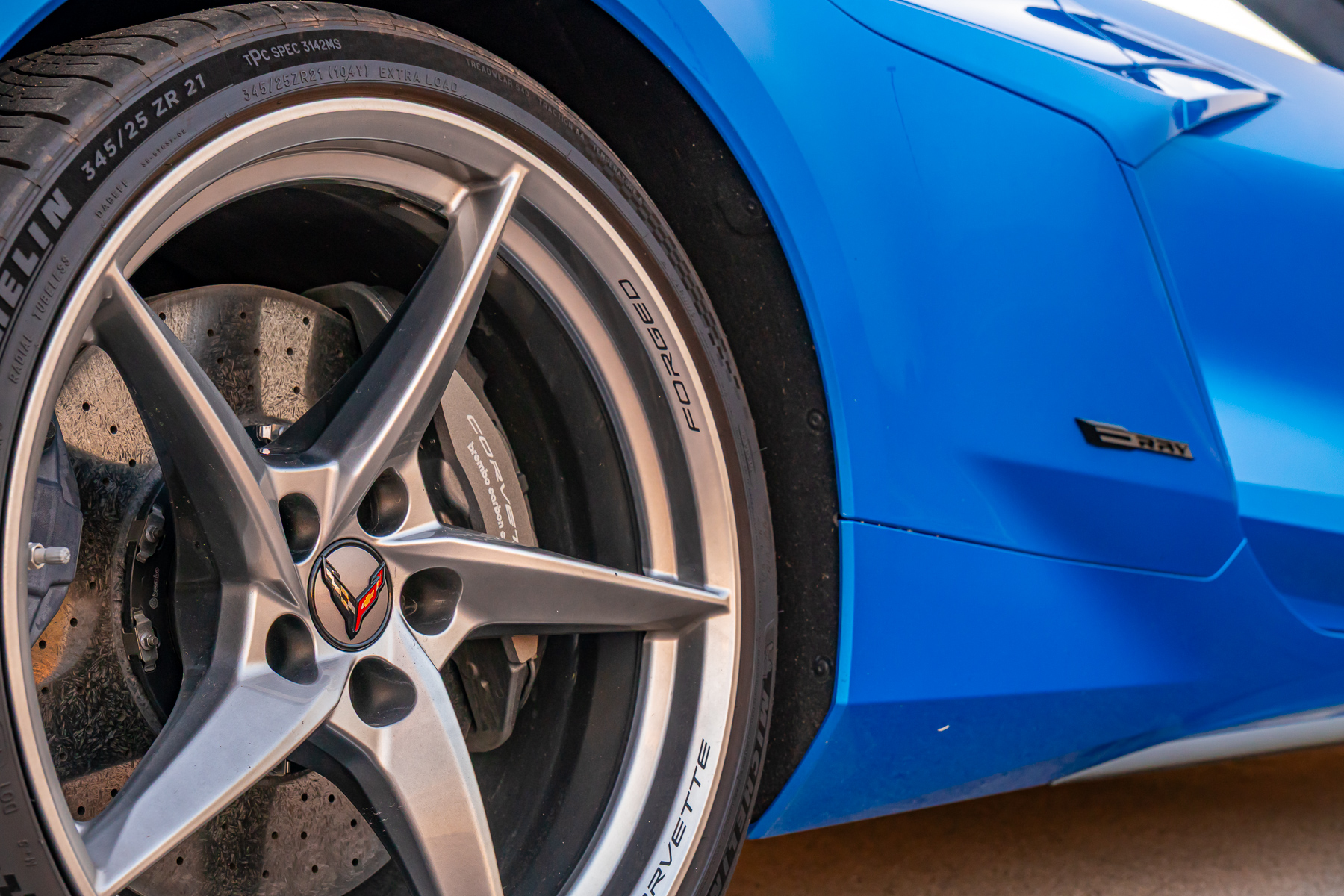
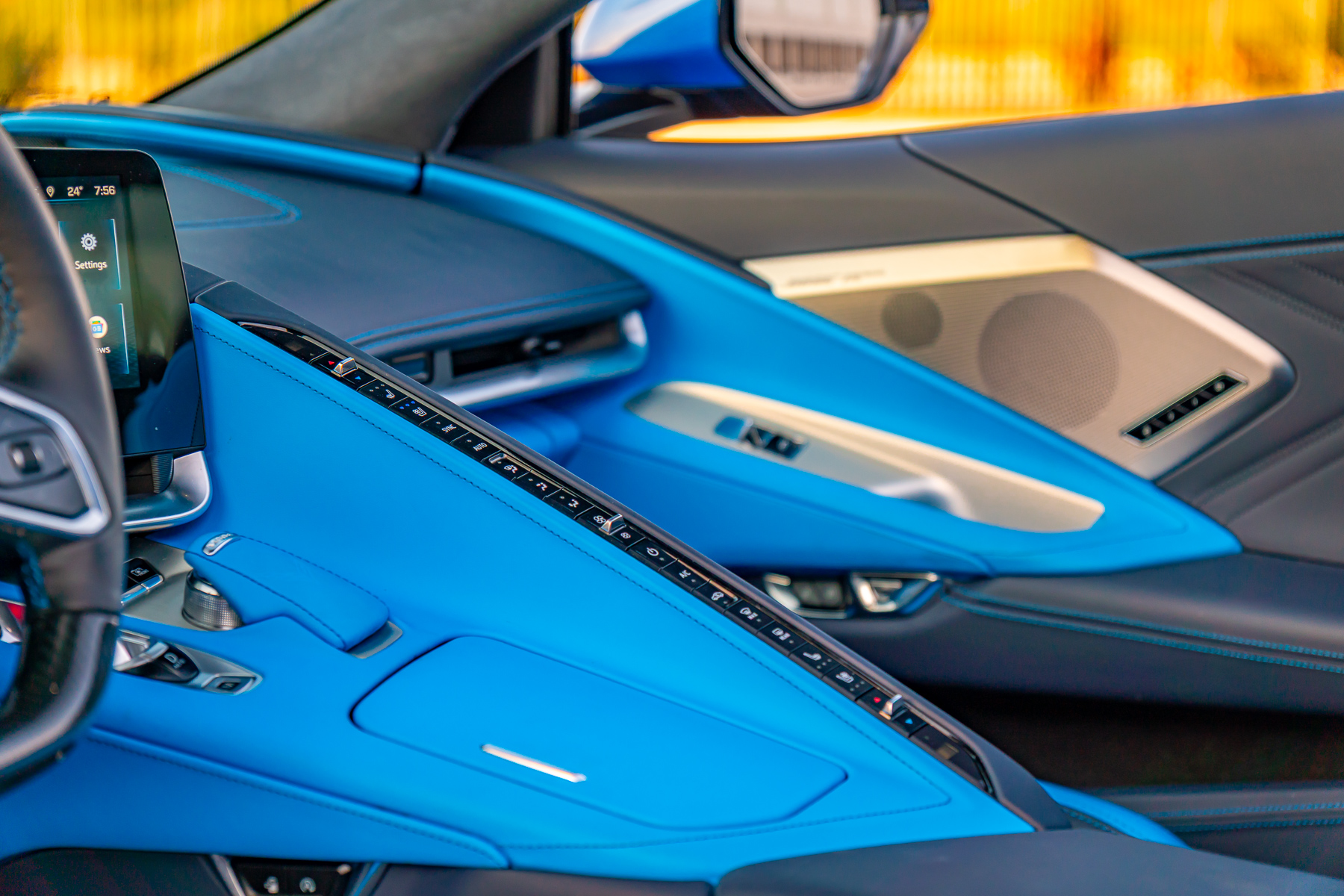
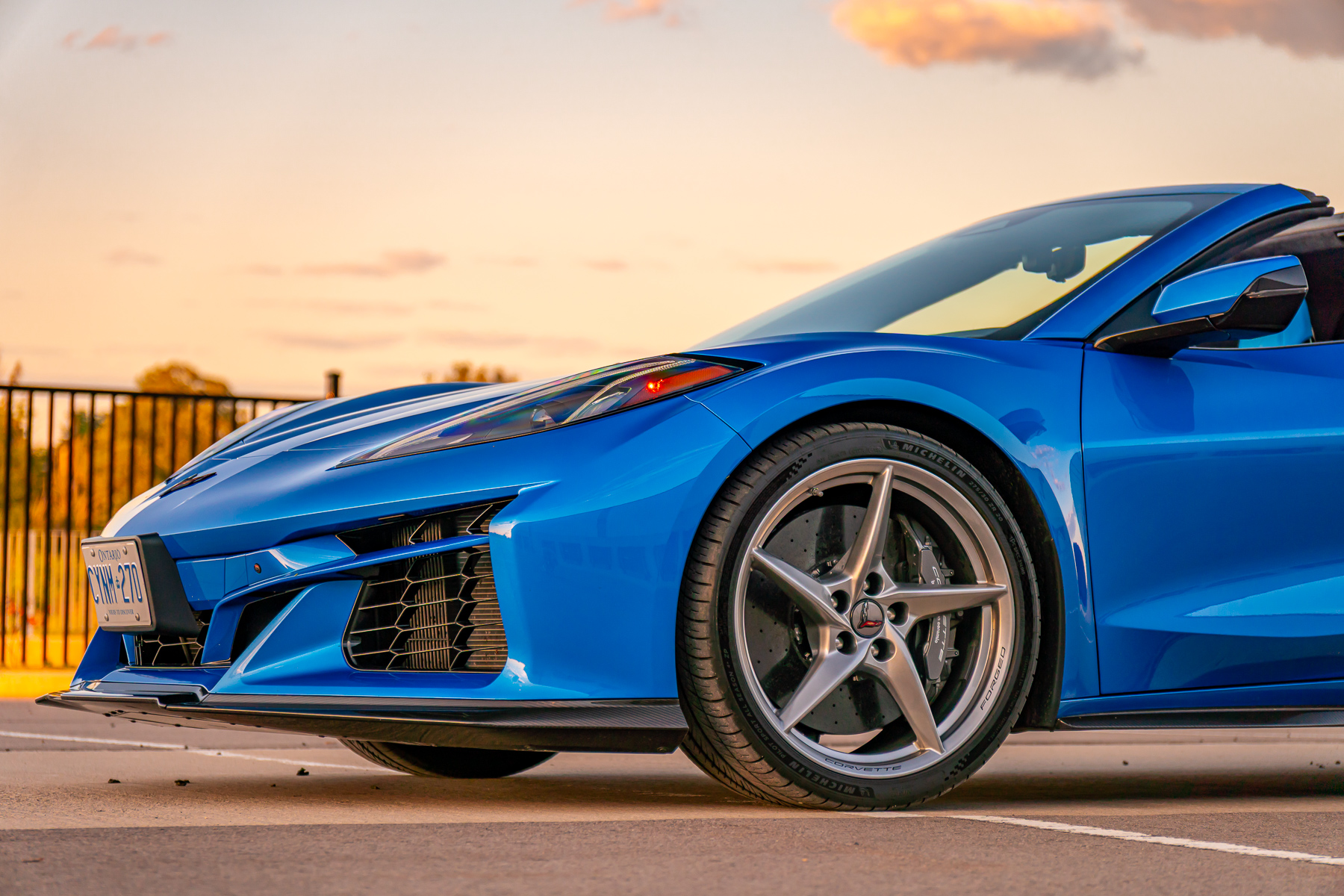
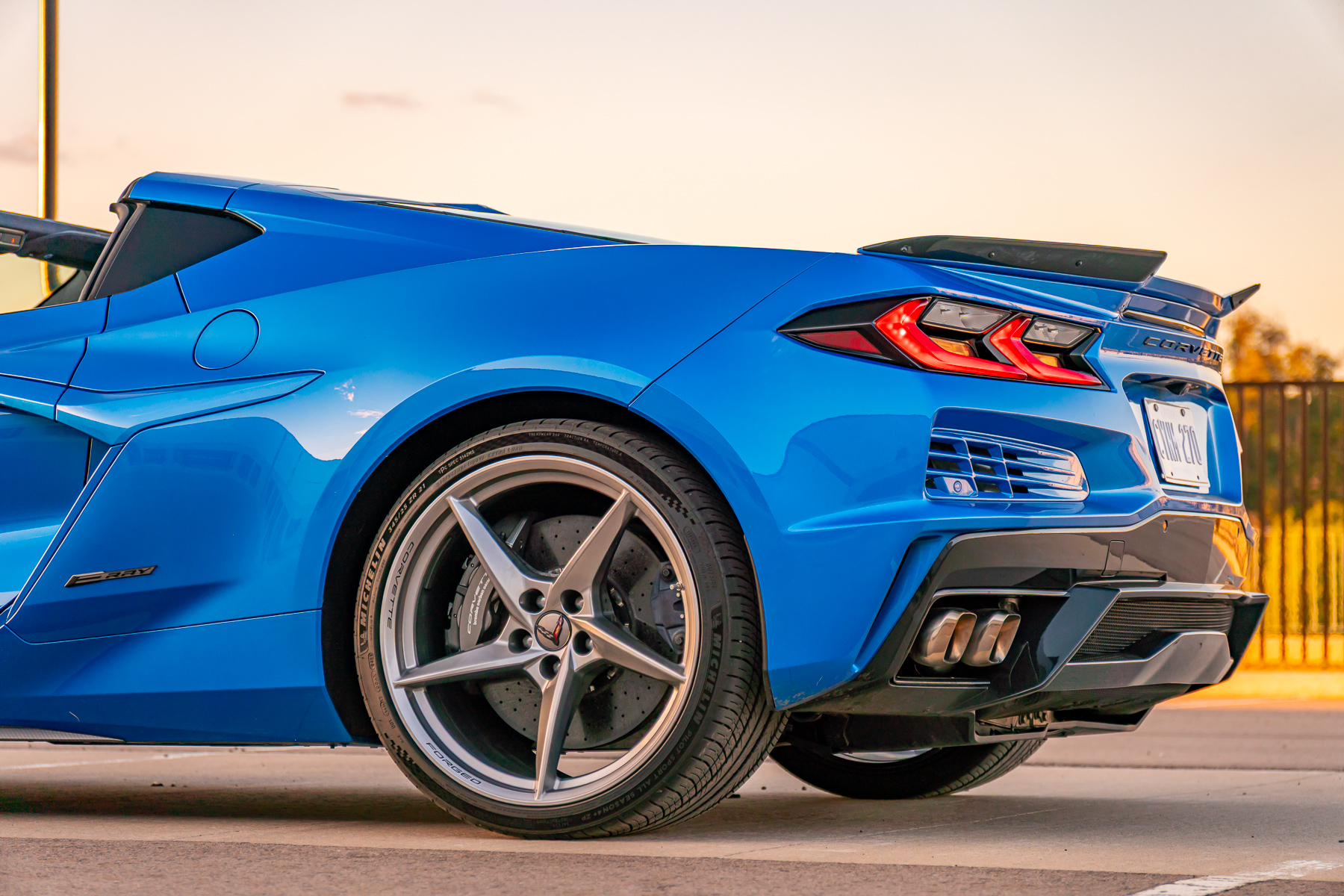
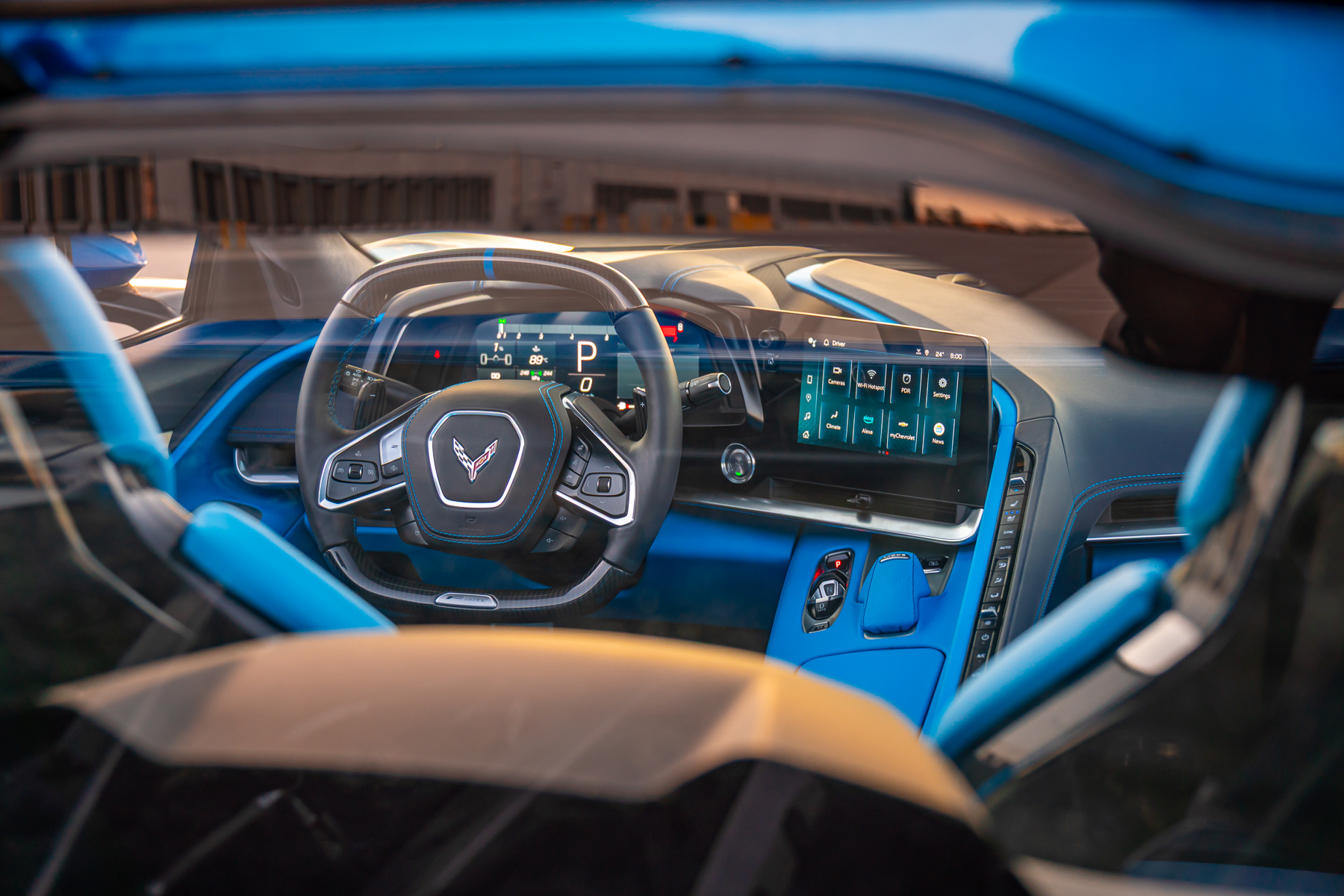
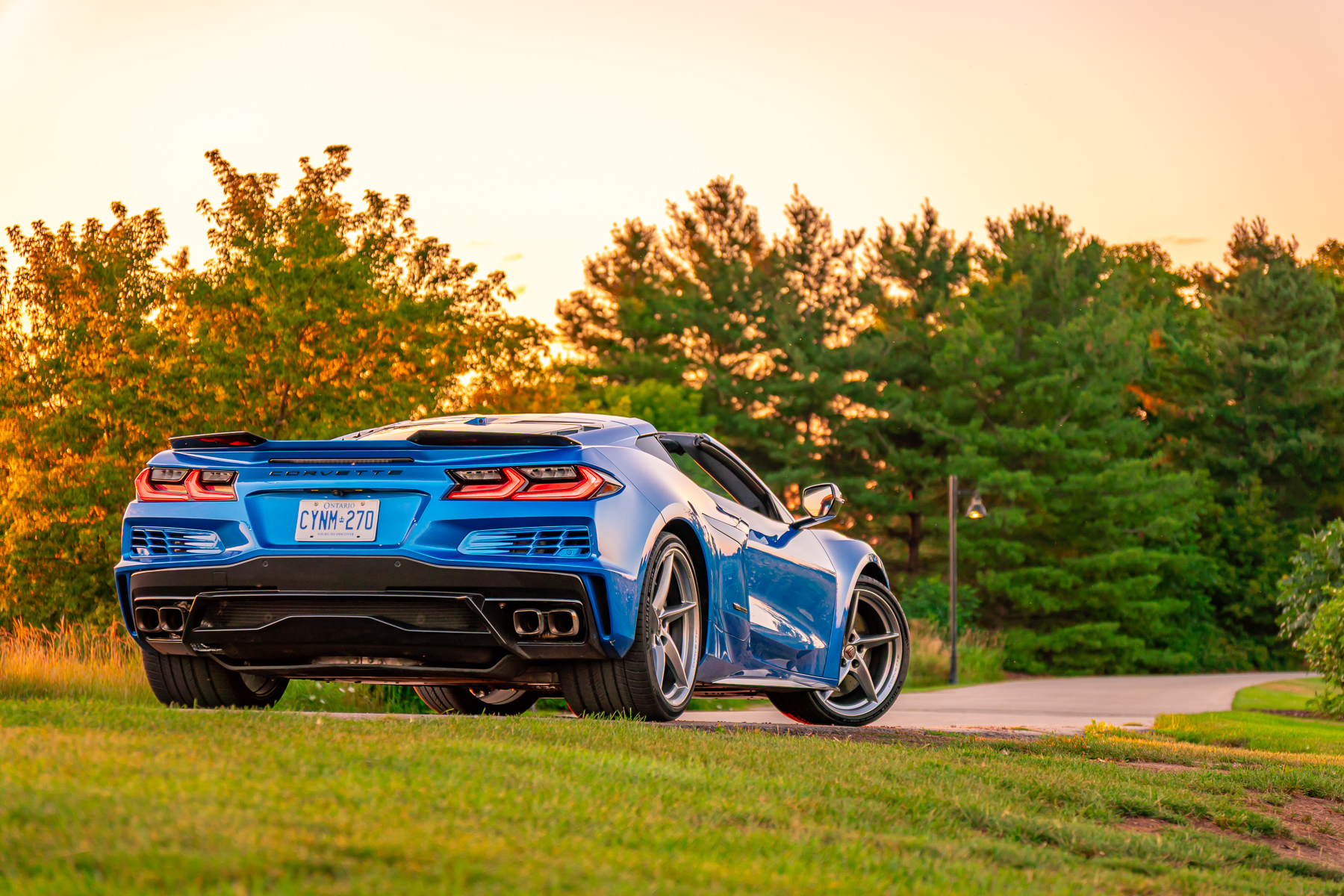
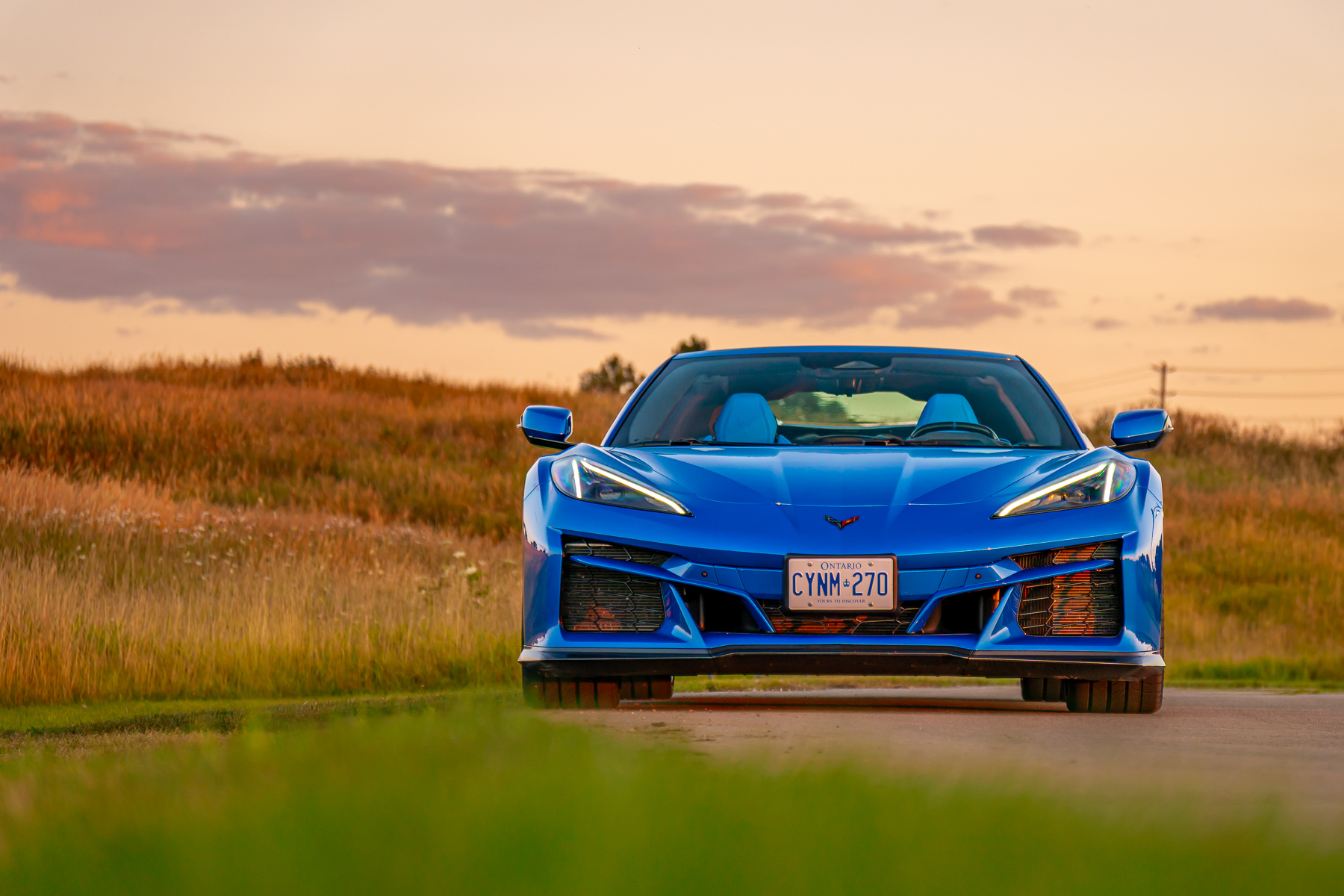
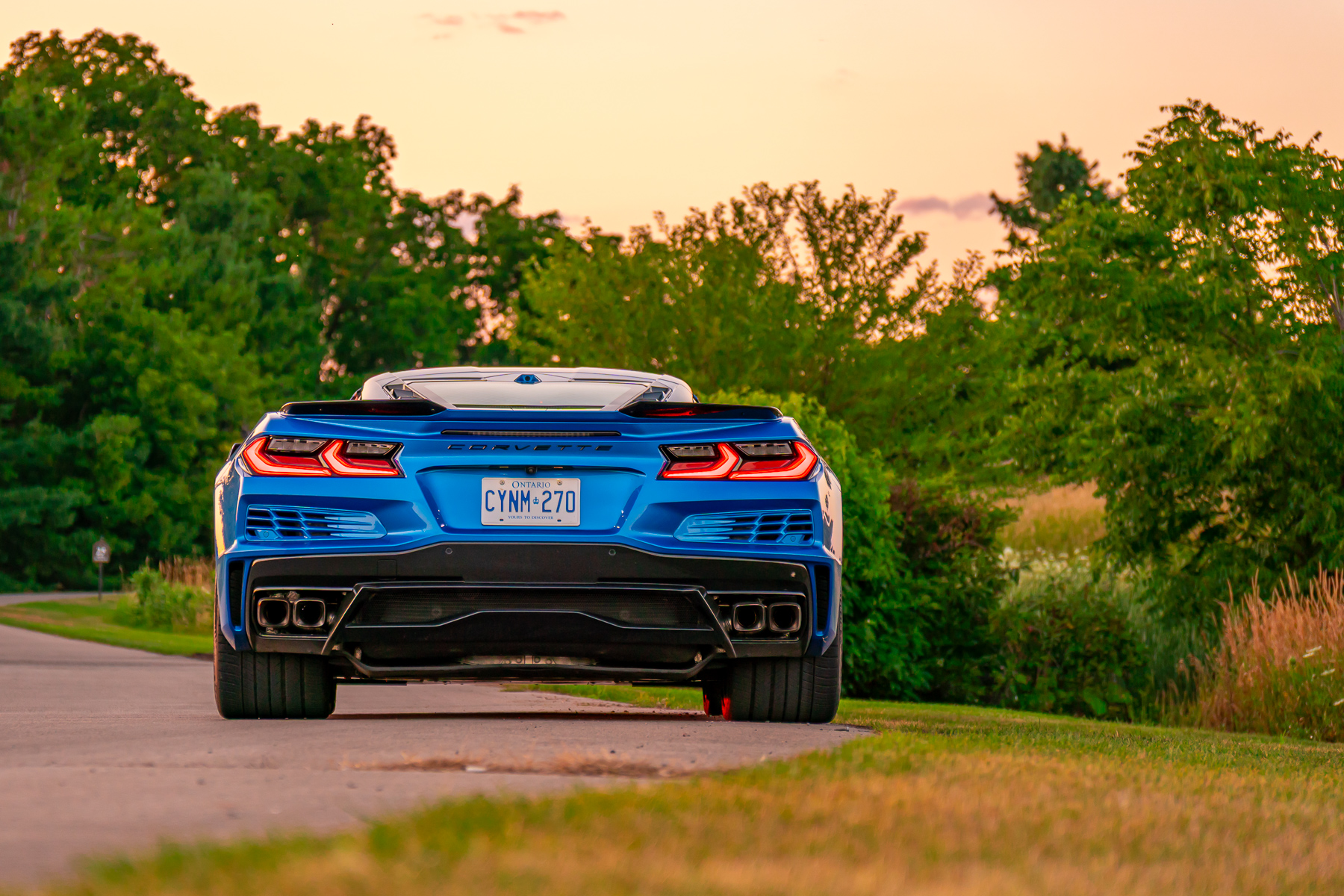
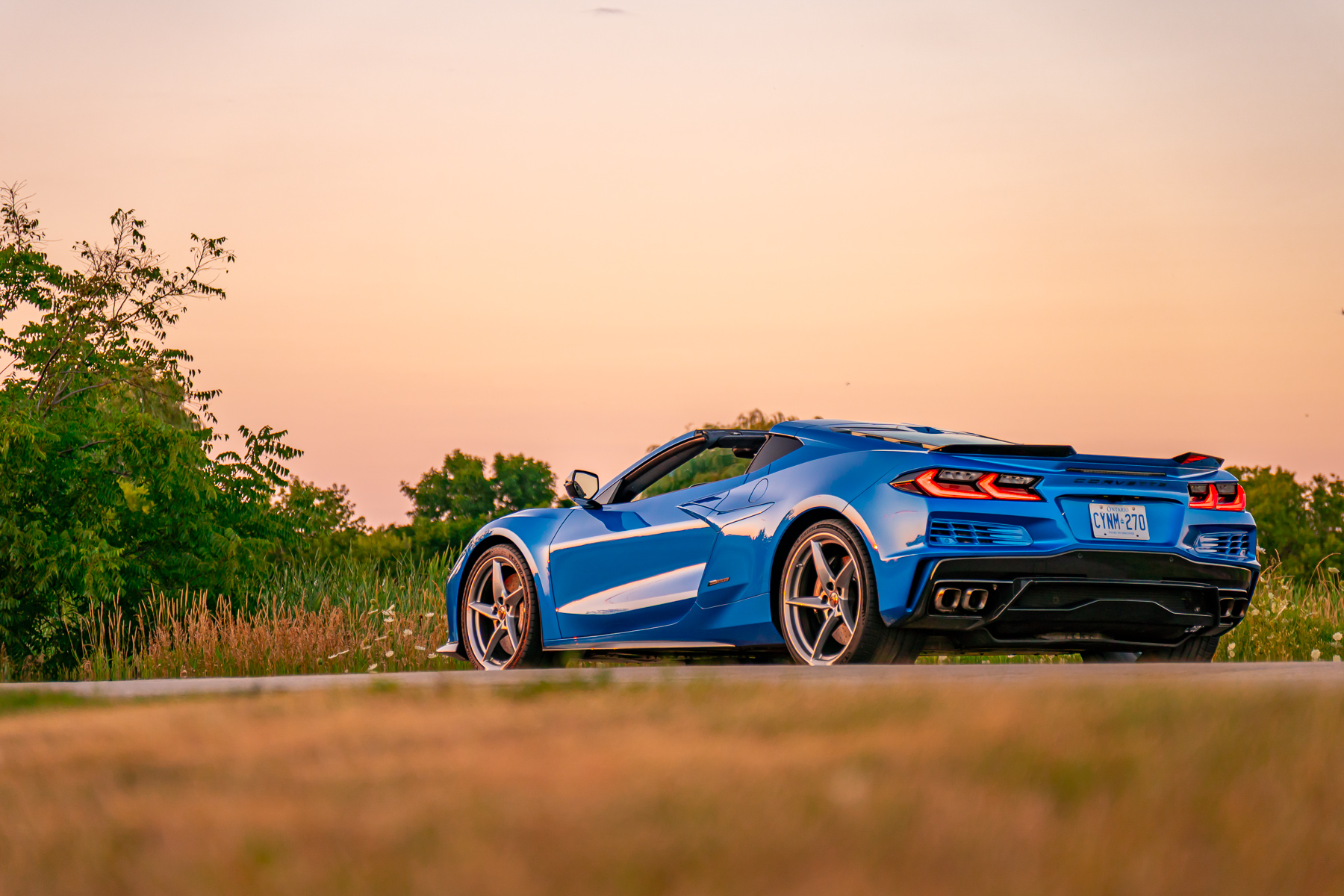
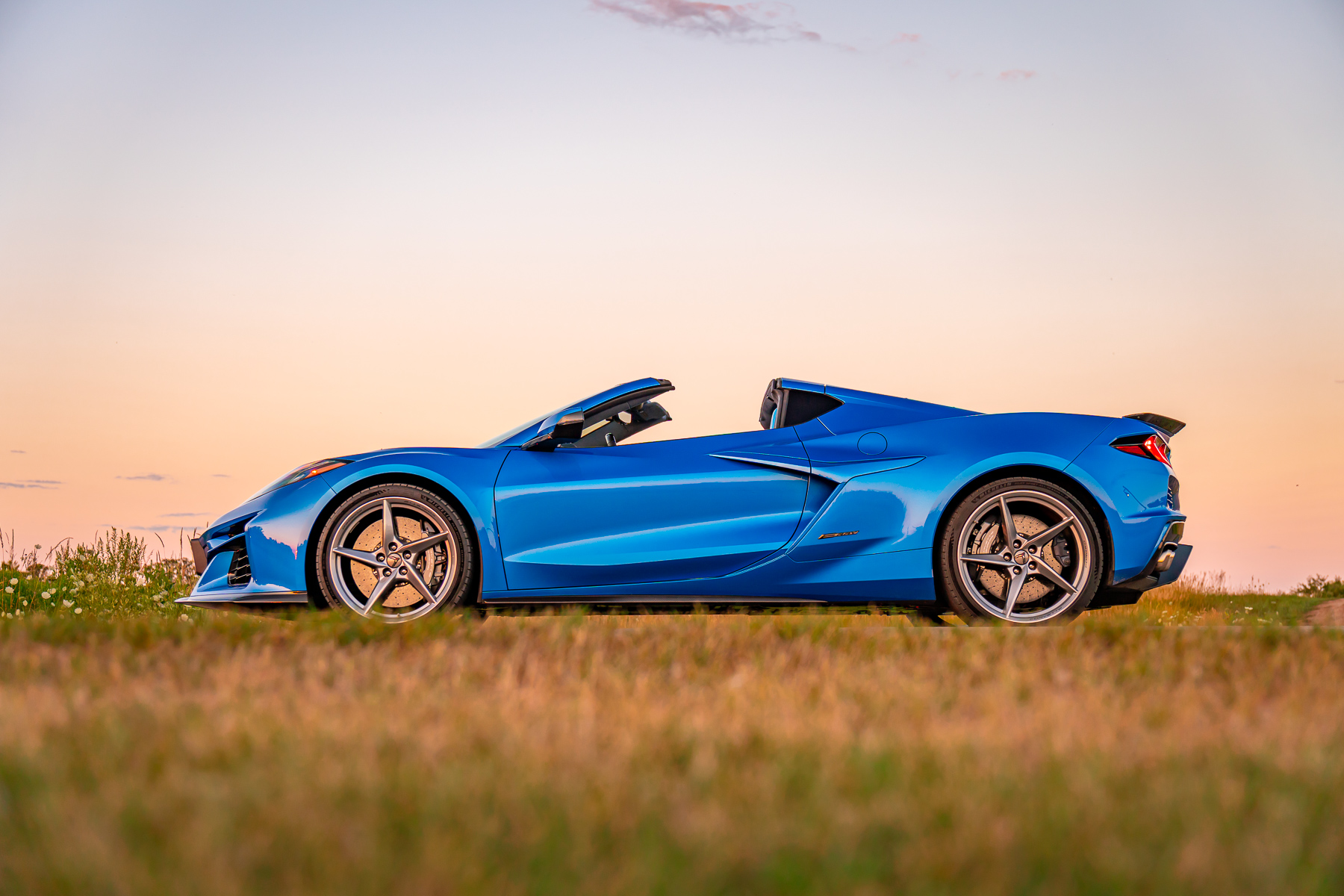
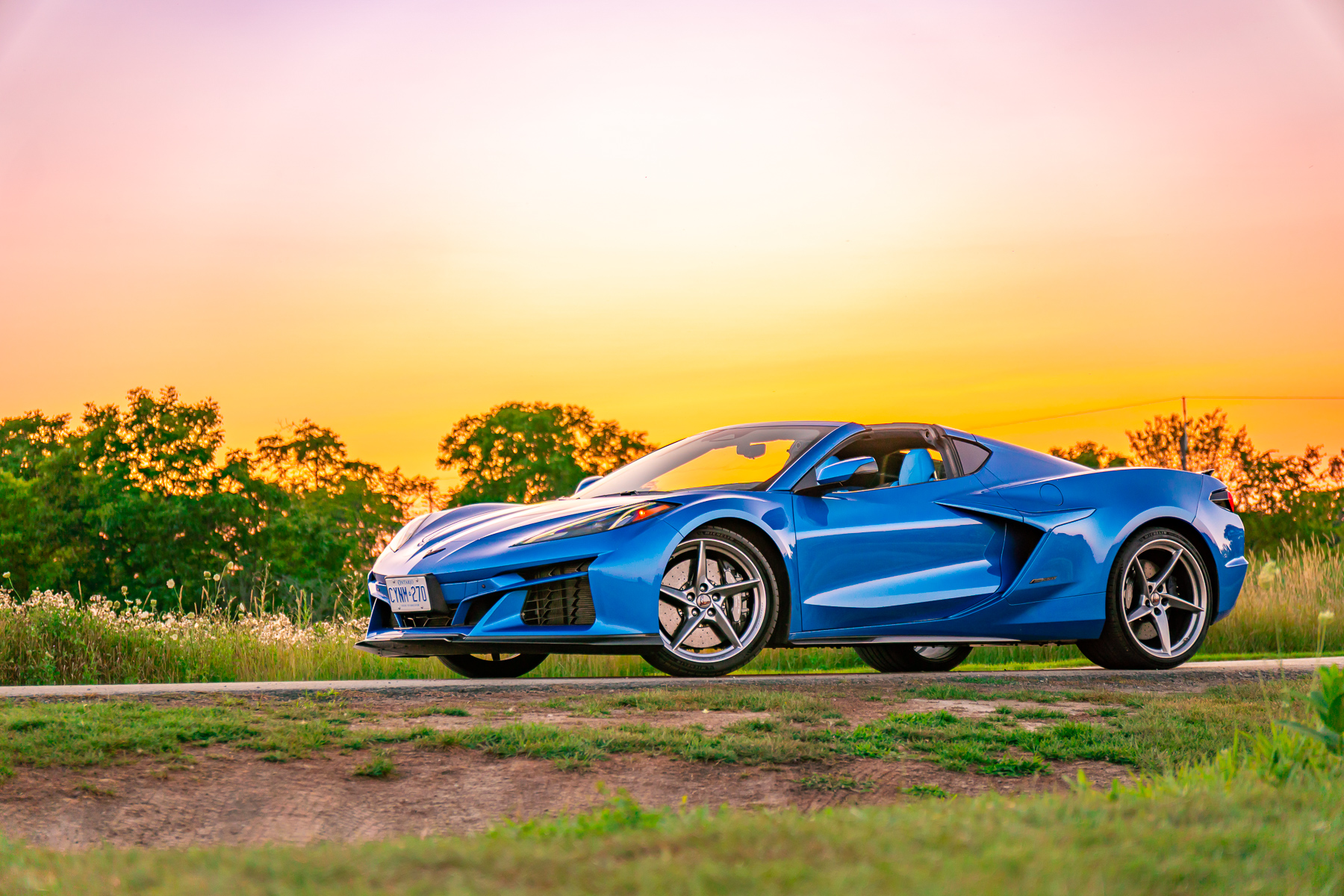
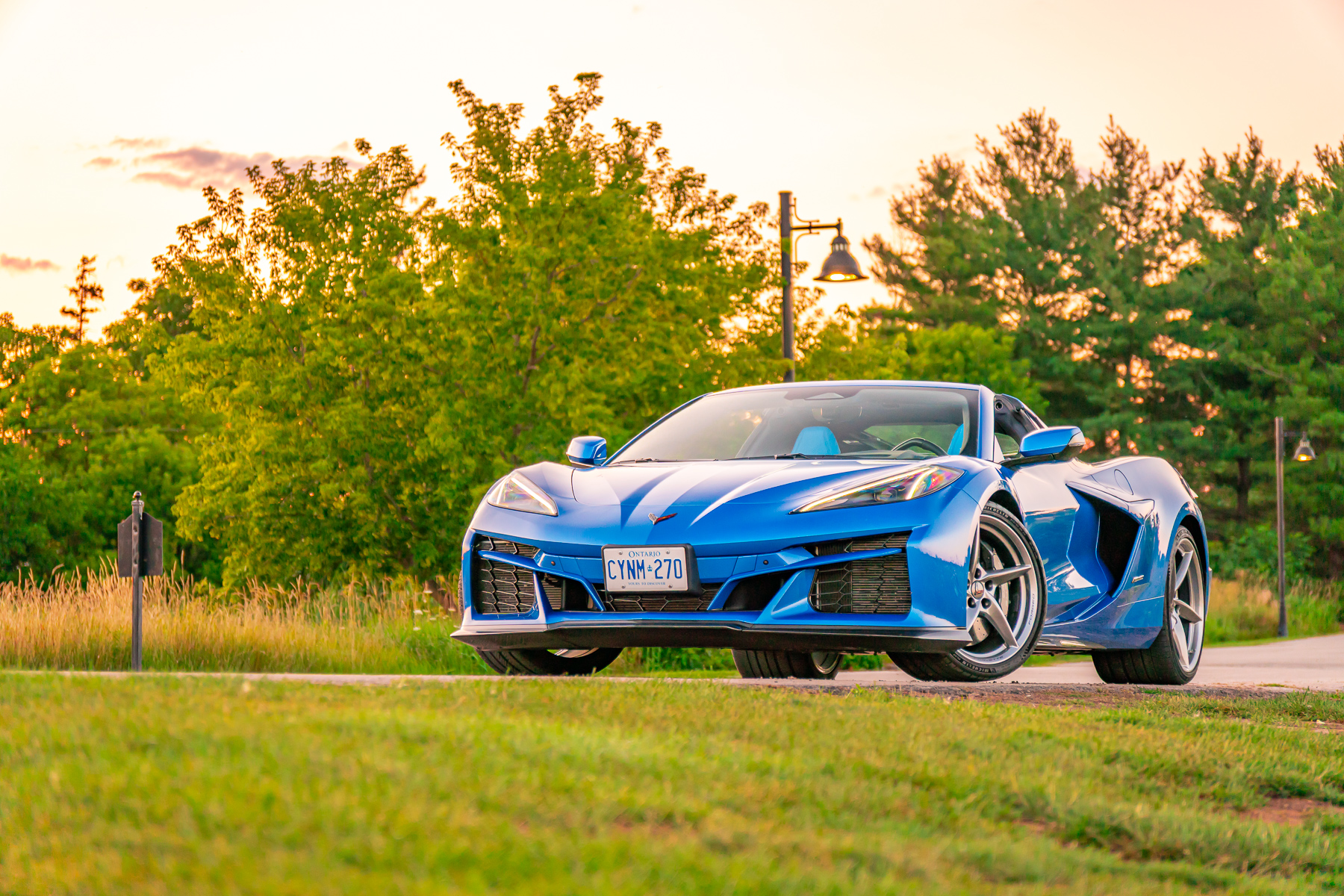
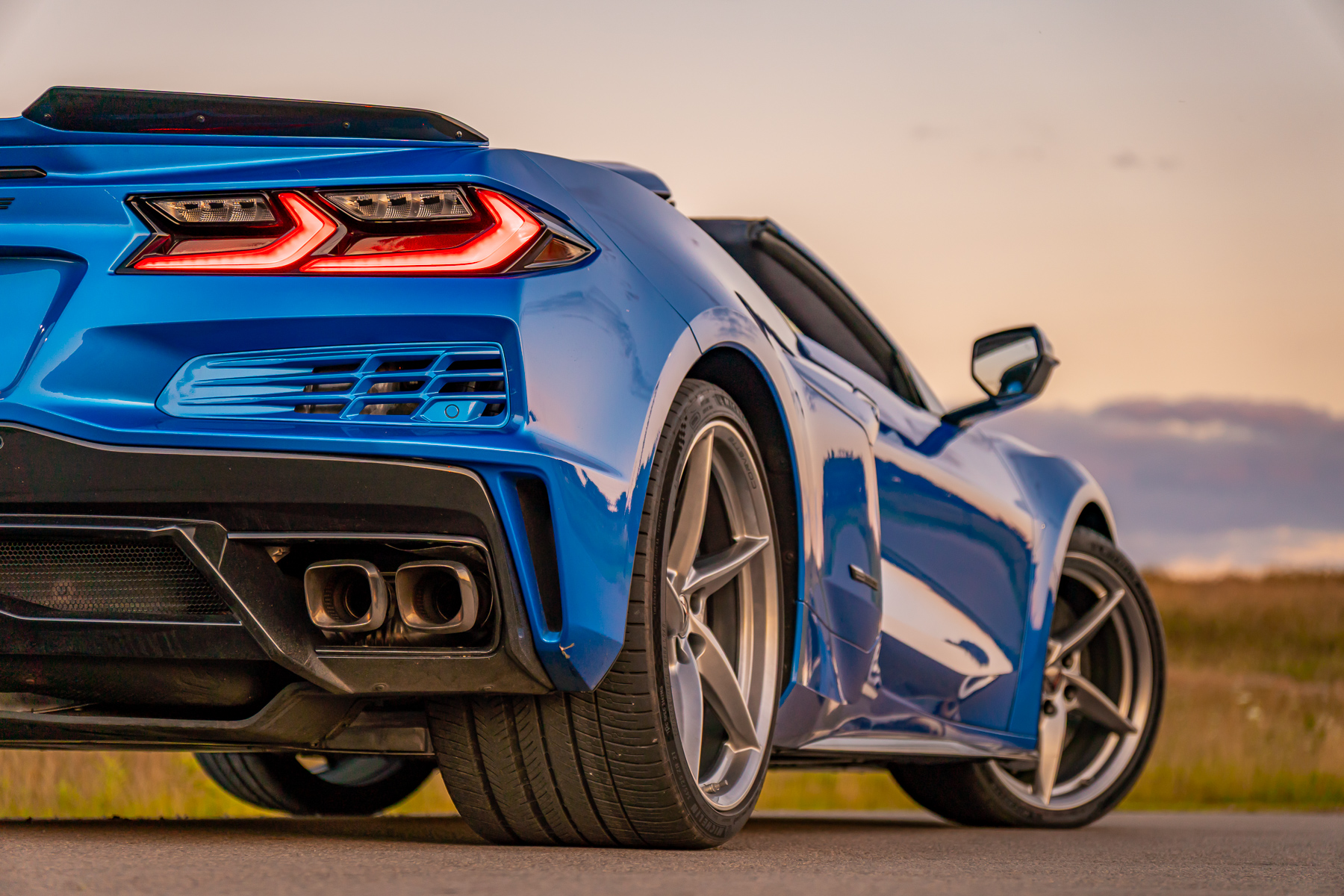
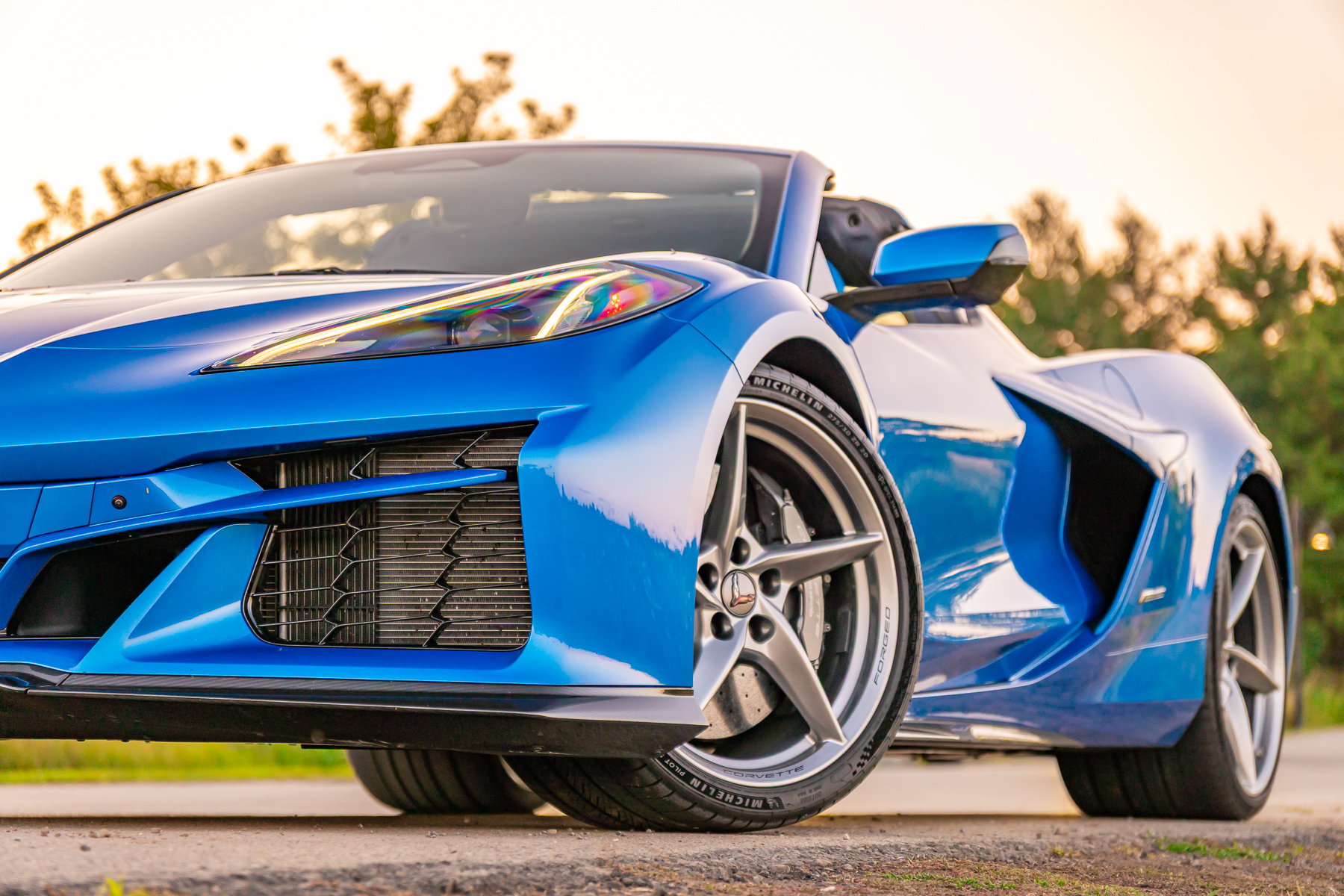
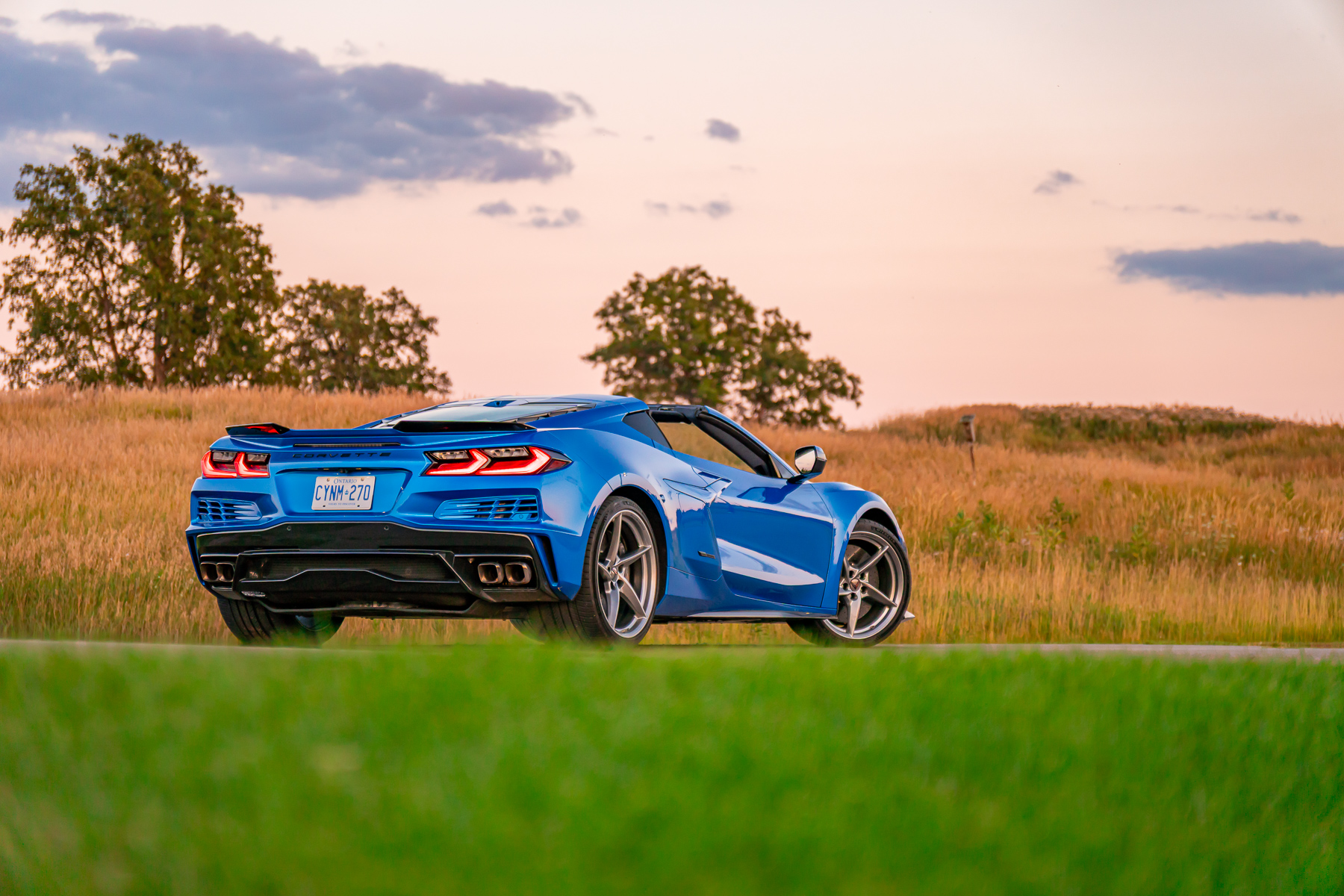
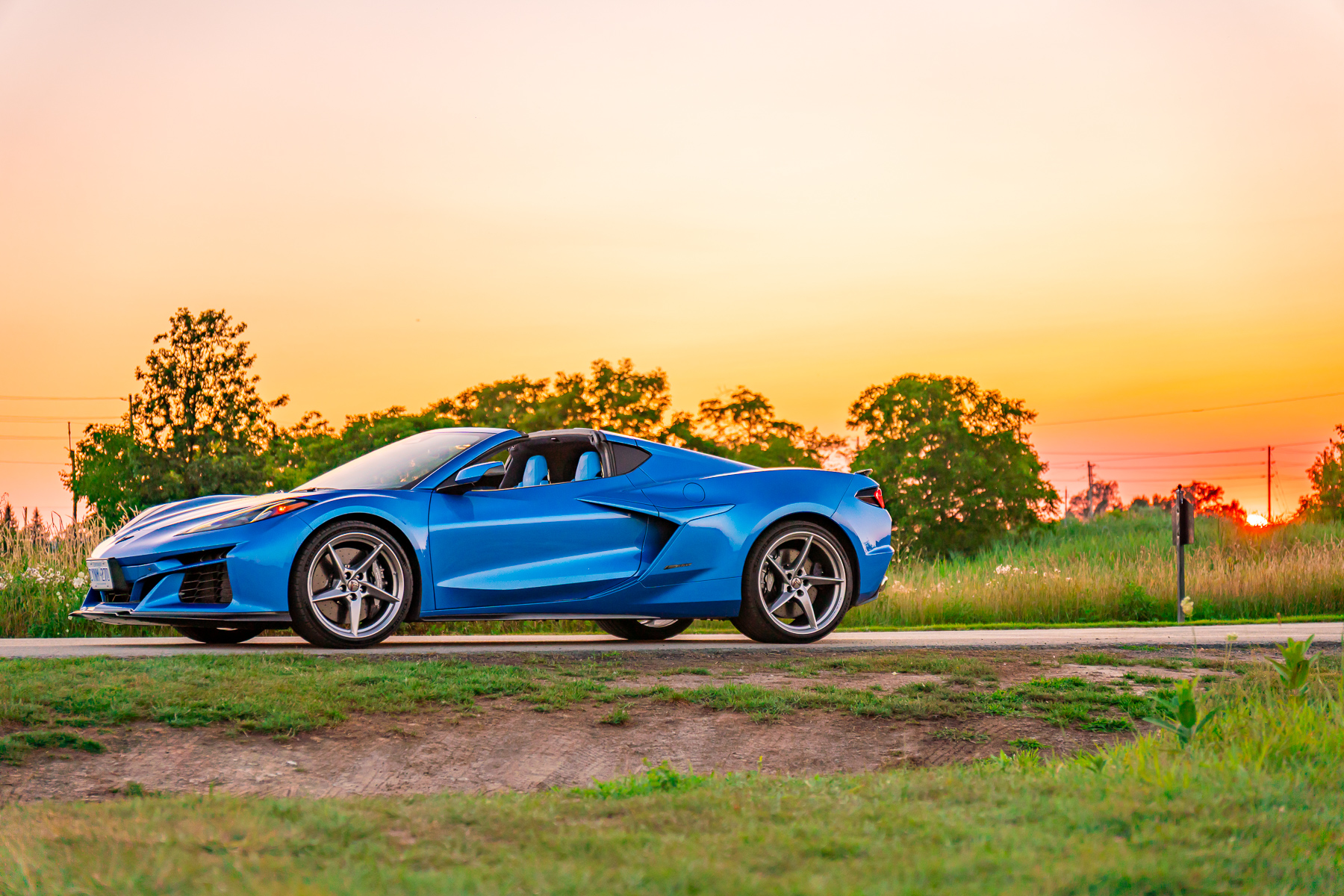
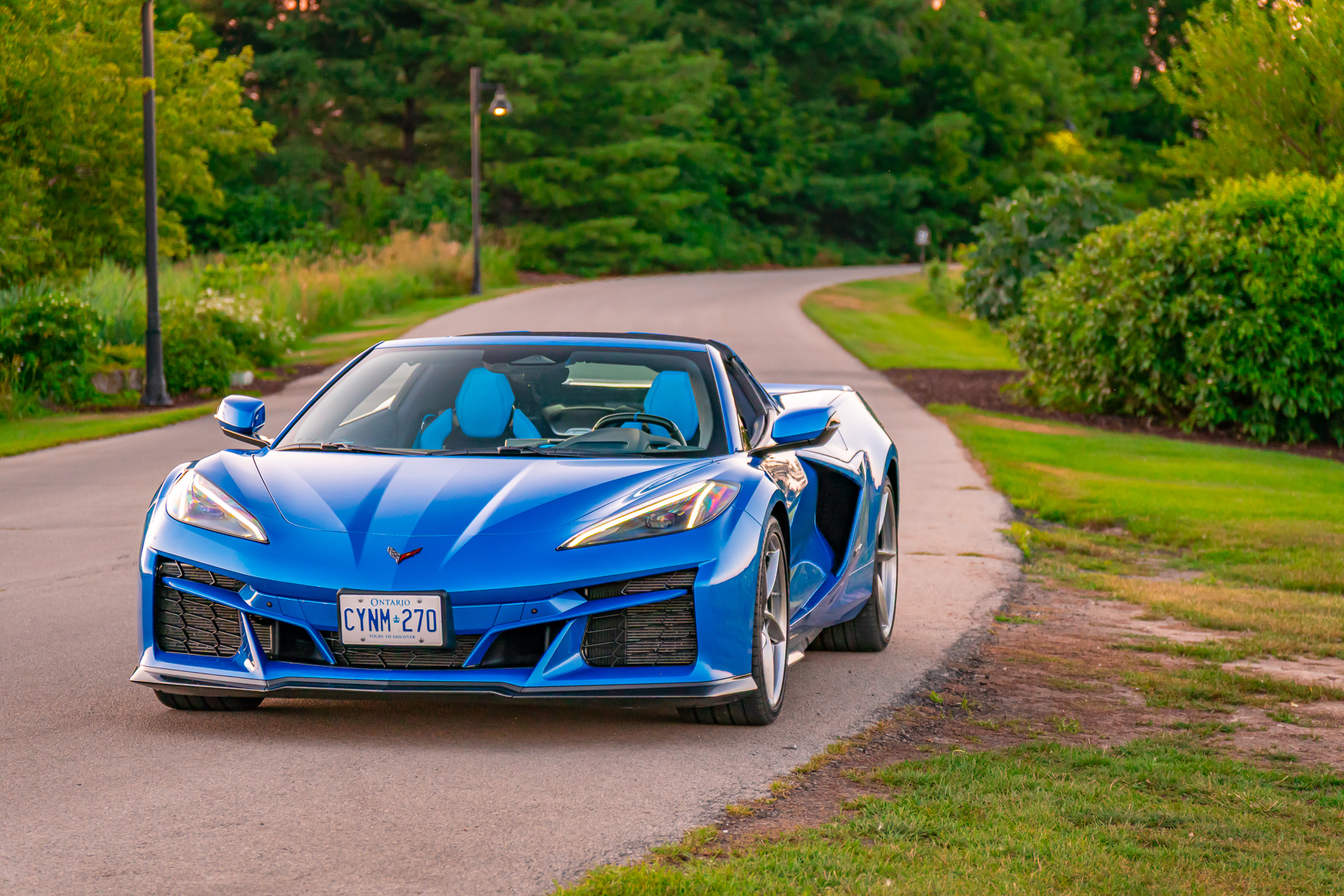
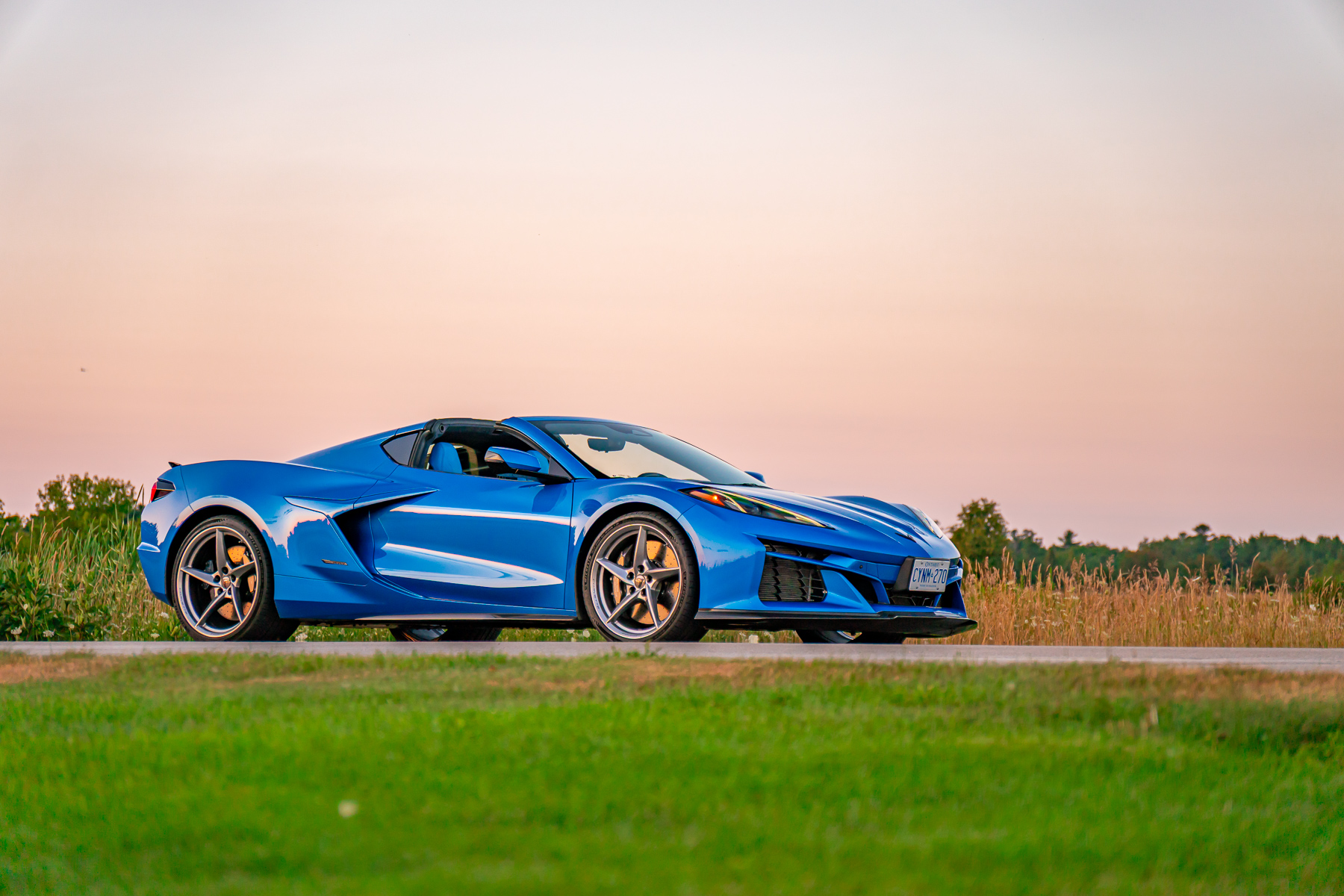
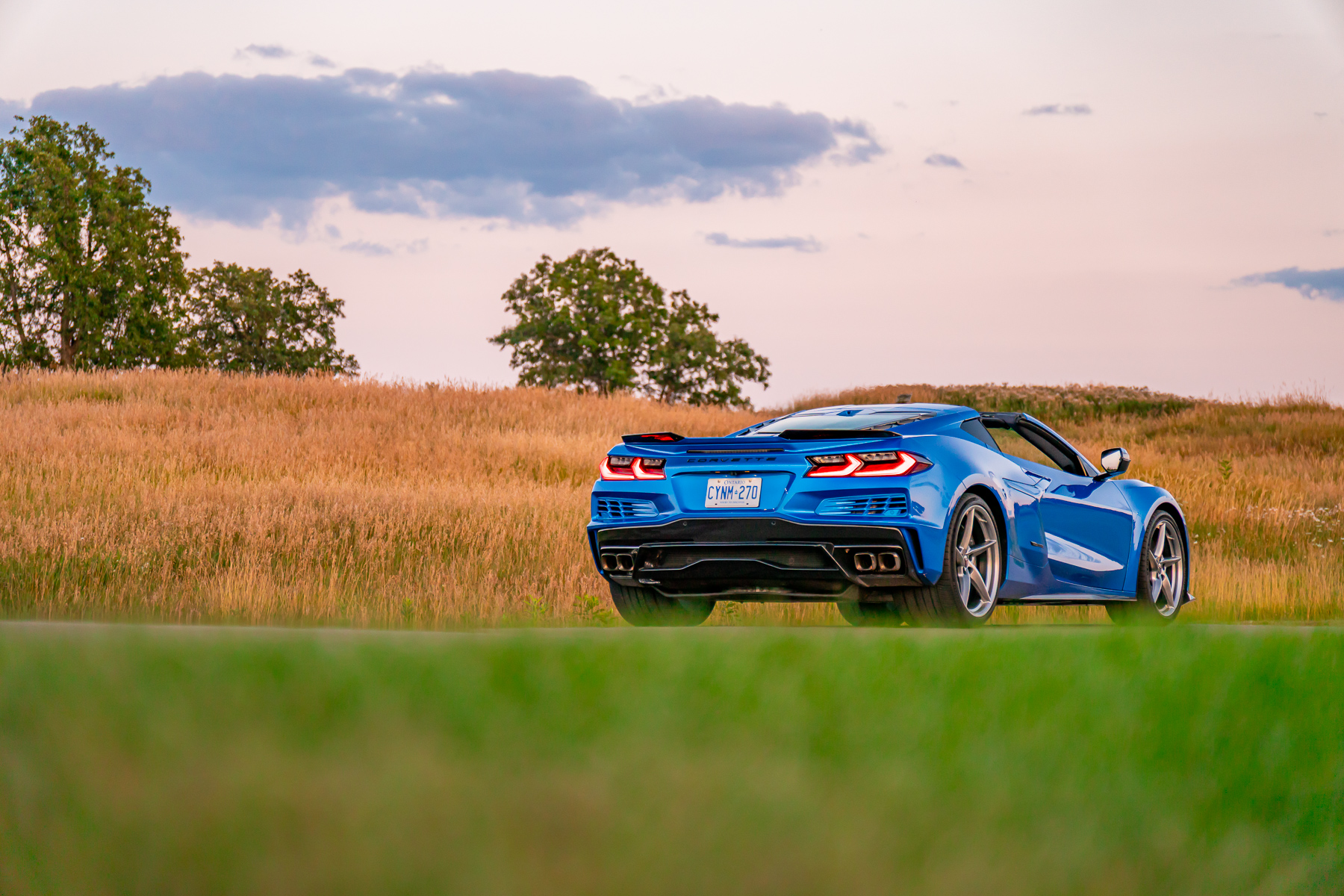
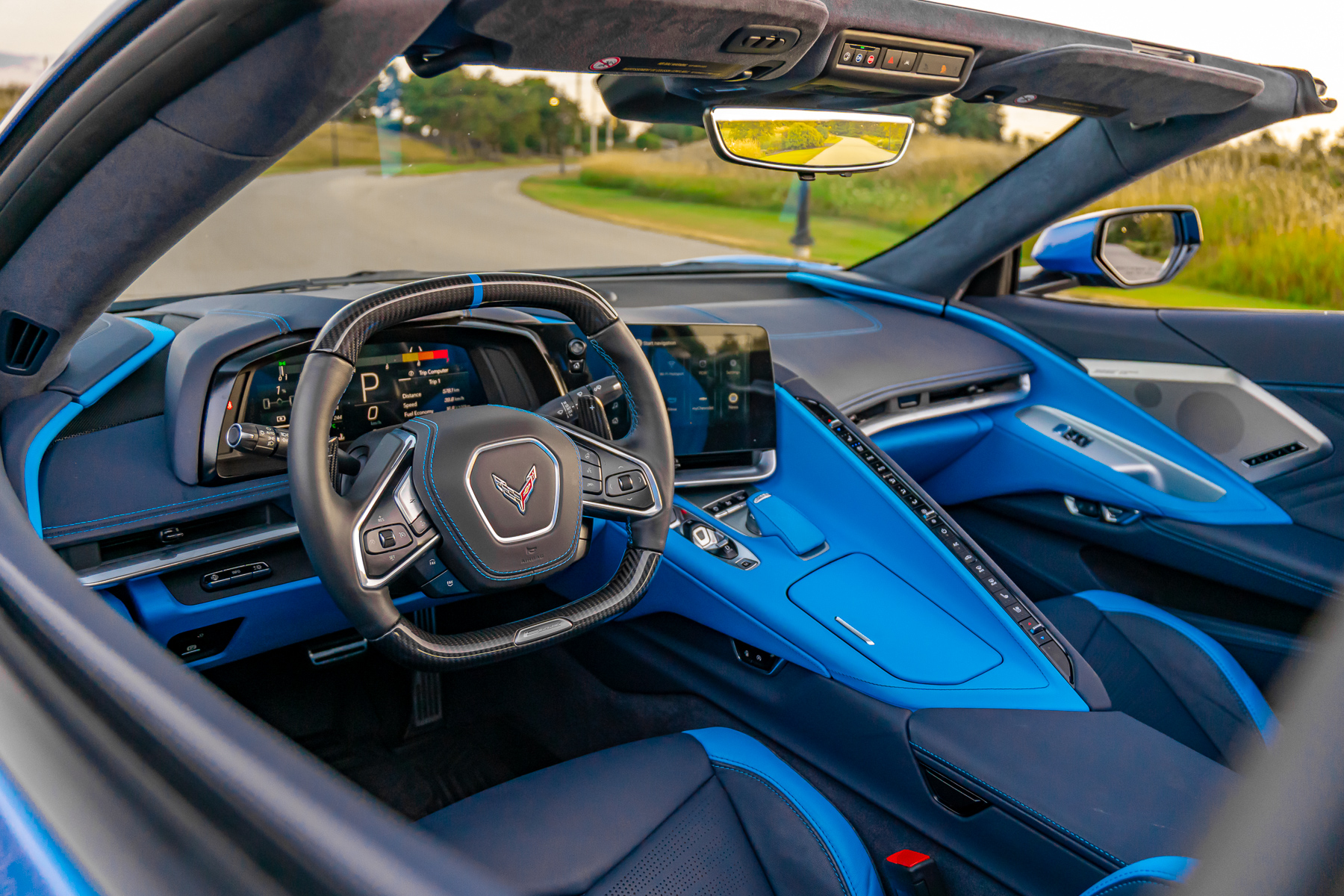
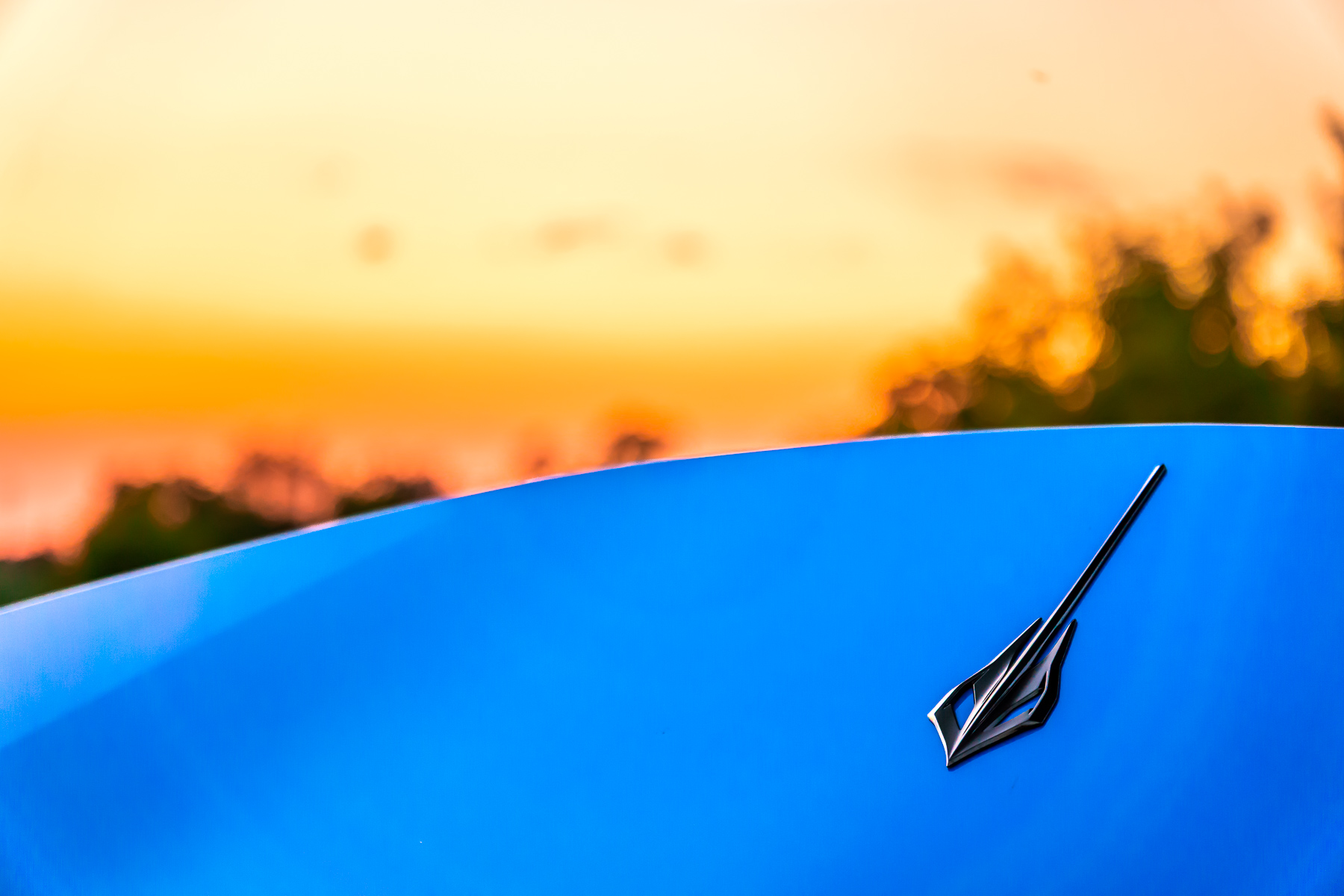
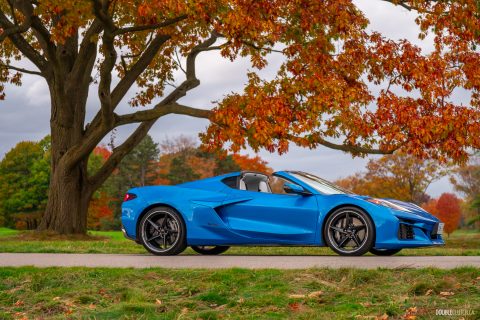
The 1960s were a tumultuous decade, fraught with fear from the Cold War and misguided uncertainty about the Civil Rights movement. It was an era of discontent and rebellion, an overarching desire for more — more glamorous cars, more sophisticated technology, more raucous music. Despite what may sound like so much unrest, it was overshadowed by so, so much optimism for the future. We remember the sixties not for its uneasiness, but for its impenetrable hope for the future. I think the 2025 Chevrolet Corvette E-Ray is a manifestation of that.
In that era, our neighbours to the south were the undisputed centre of the world. That world set its eyes on other worlds, and beyond. Gene Roddenberry’s Star Trek was just one of many shows that fantasized about the what-ifs of America winning the Space Race against the Ruskies and conquering the stars. It was not only well-executed, but more thoughtful than anything else out there.

He foresaw a humankind advanced to the point of casually spacefaring; a humankind above the many petty squabbles swallowing us today. He envisioned a humanity that had evolved beyond discrimination of sex, race, and religion; a humanity unified beyond old-nation state lines to work together; a humanity that forgot about something so trivial as money. What even is money? It’s a system of limitation and nothing more. This was a humankind that had no limits, and as such, no comprehension of petty monies.
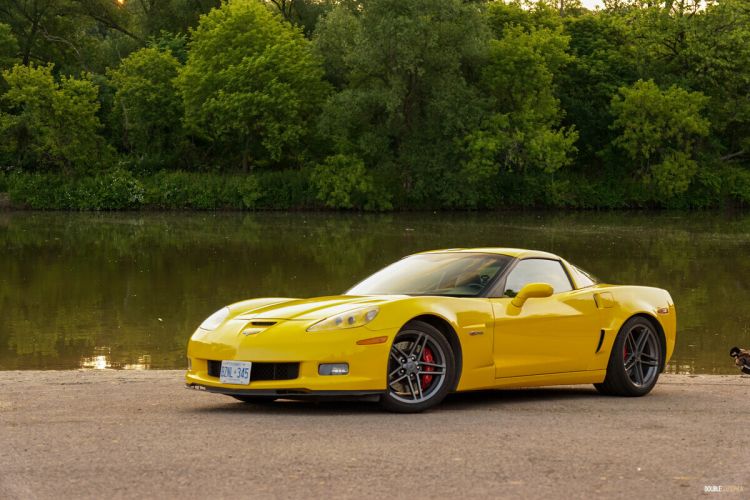
The forebearers of this higher human kind, the first people to venture into the great beyond and take those first giant leaps for man kind, all had something in common. They liked Corvettes.

Alan Shepard was the first American to pierce the Earth’s atmosphere and enter outer space way back in 1961, before back-up cameras, Bluetooth, airbags, or even Star Trek if you can imagine a society so primitive. As a reward for his brave endeavors into the wild unknown without air conditioning or Apple CarPlay, he was gifted a brand new Corvette — and so began a tradition of every NASA astronaut being gifted a shiny new example of America’s Sports Car until 1971. After Apollo 14, space travel wasn’t novel anymore. They were so bored with the moon that they started bringing golf clubs with them.
Now, space travel is at a point where it’s not only not novel, it’s a commodity. Another sad slave to the consumerist machine. There is no money in NASA’s budget for Corvettes these days, and GM can’t afford to gift them like they used to. Even if NASA were flying manned missions, the shareholders must be considered. I would opine that those astronauts, those vanguards of meaningful, measurable progress would specifically like the Corvette E-Ray. It’s ridiculously good at everything, and symbolizes the ingenuity and raw power of machinery that brought us to the stars in the first place.

Not only is it ridiculously good at everything, I believe it paves the way forward for cars to come. It so thoroughly undermines the industry-wide trend of downsizing engines, replacing proven powertrains with characterless glass cannons being kept alive on an insane life support system to meet arbitrary targets, and have no real future beyond their warranty term.
They may excel in tests and impress on paper, but I can tell you from actual experience anytime a new, downsized engine is introduced, it trades refinement and character for hearty peak torque figures it can’t sustain, with zero benefit to fuel economy. This electrified Corvette is the way forward that everyone else should be studying, because it isn’t a downsized, compromised, mobility product.

You might not think something like the Corvette’s monstrous, pushrod 6.2-litre V8 would benefit from hybrid assistance. I sure didn’t. The General’s V8s have always been the standard bearer of no-replacement-for-displacement, supplanting needlessly complicated tech with might-makes-right. We like them in their cars, we like them in their trucks, and despite their recent spate of issues, people still adore them whether they’re in-the-know or not.
Despite the God-given power imbued on a big ol’ muscle motor like Chevy’s small-block, the addition of a divorced electric powertrain on the front wheels of the E-Ray makes all the difference with minimal mechanical complication. More than one of my friends have derisively called it the E-Gay — and then I took one of them out in it, showed it’s still a big stonkin’ V8 that will roast tires, and the electric motor on the front axle isn’t there to save face for emissions. Instead, it’ll violently yank the car forward and take your breath away, working together in harmony to raise hell.

I’ve long thought we’re on the wrong path with downsized turbo engines that do well on tests, but fall flat on their face in the real world. They pull timing under hard acceleration to protect themselves, and return worse fuel economy in the quest to deliver power and not feel like the sad, tiny engines that they are. The Corvette E-Ray on the other hand, with its brutal acceleration and the ability to coast on electrification, shows us all that this can be the way forward to the enlightened future that we thought we could have. It’s comfortable, practical enough for a sports car, looks wild and exotic, and it’s one of the fastest cars on the planet without being as hard on gas as you think.
The Corvette E-Ray isn’t just about making numbers, even though it certainly can. It’s about delivering a complete, unified driving experience befitting the title of America’s Sports Car. It’s a monument to American ingenuity — the same ingenuity and optimism that fueled the whole world while they were afraid of nuclear annihilation. The 2025 Chevrolet Corvette E-Ray shows us all that there is a better way forward, a way to use our modern engineering prowess to create something special and meaningful that delivers on all fronts tangible and intangible. This is what Alan Shepard, Buzz Aldrin, and Neil Armstrong would’ve wanted to deliver us to Gene Roddenberry’s future. If the Corvette team ran a corporate entity like General Motors, we might actually get there.