I don’t think there any bad cars anymore, but in lieu of this, a lot of cars are bland appliances that are out outgunned in the charm department by the cutesy chime of a Samsung washer/dryer machine. No category of car has more dullards than the compact crossover, which is all the more upsetting given their inimitable popularity. The 2025 Volkswagen Tiguan is the new, third-generation of VW’s entry into this tough territory of transportation products. I’m pleased to report I actually enjoyed it.
What’s new for 2025?
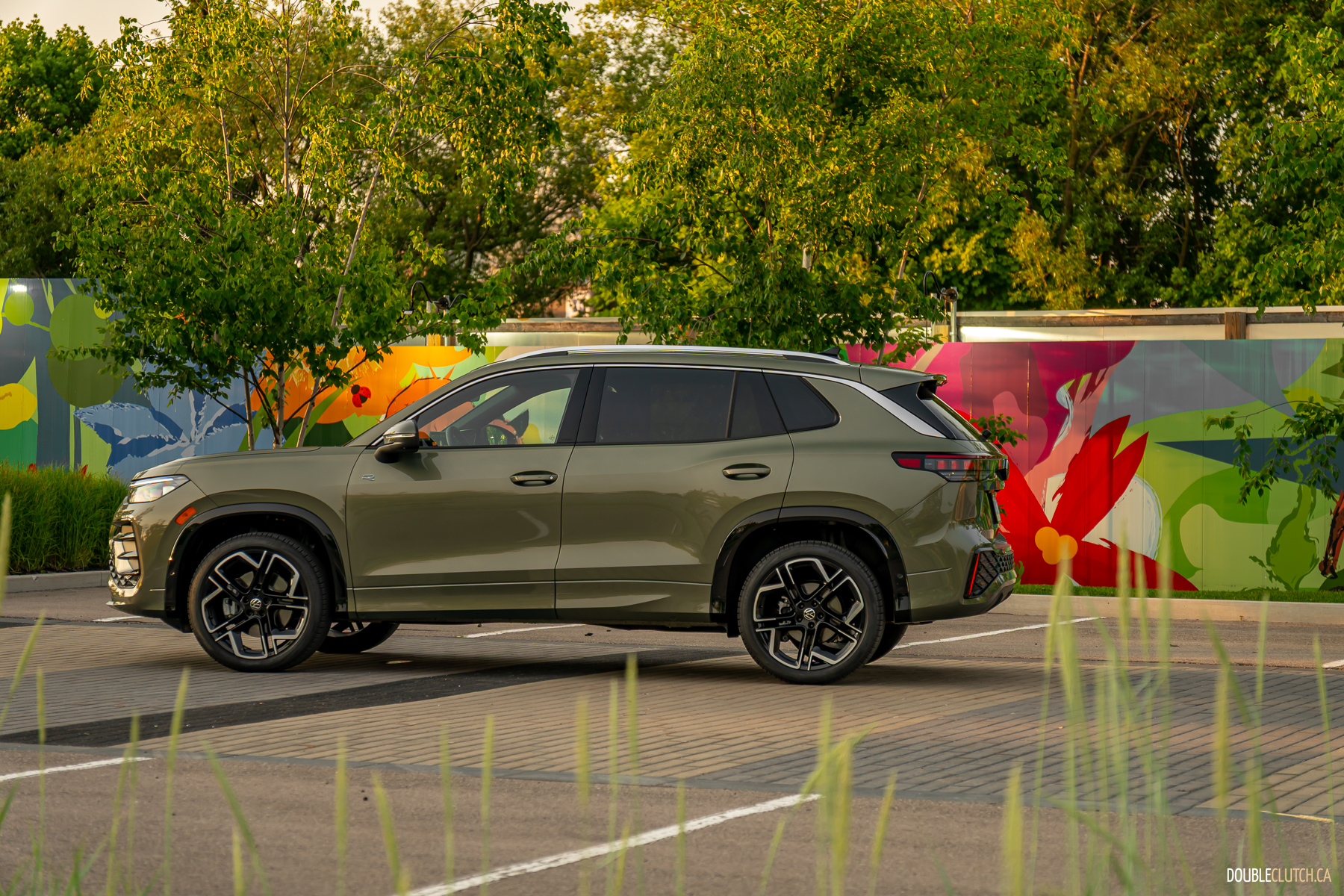
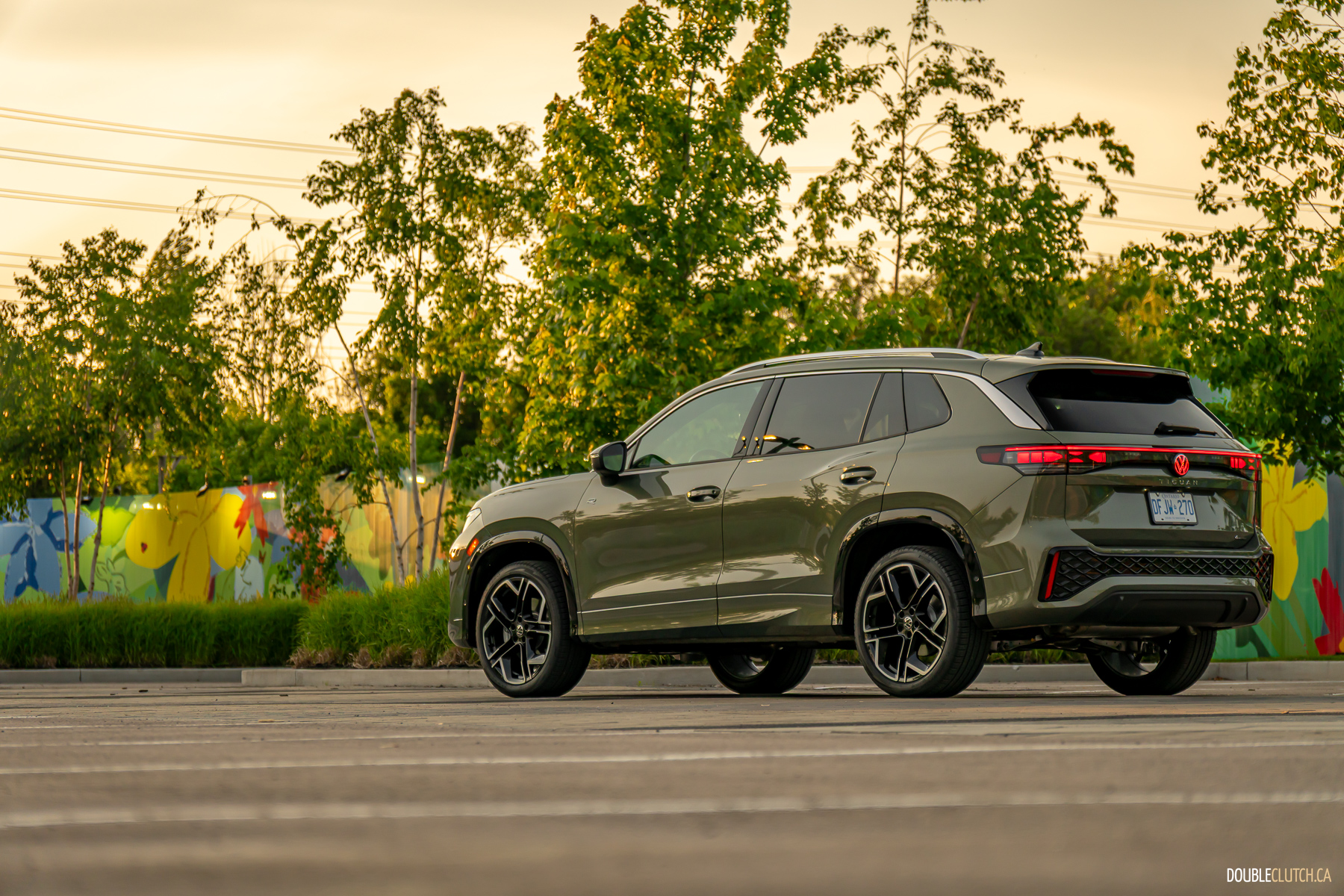
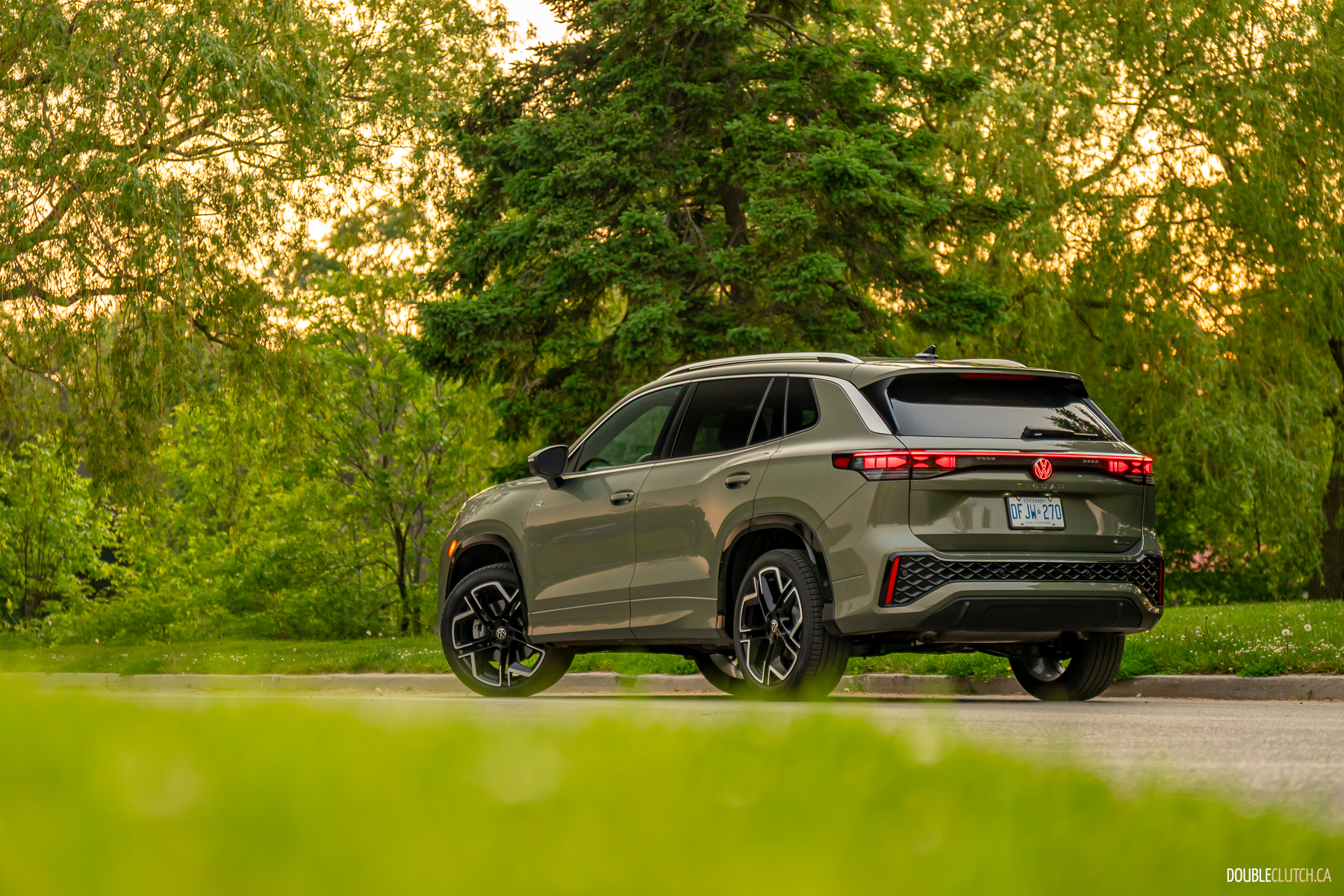
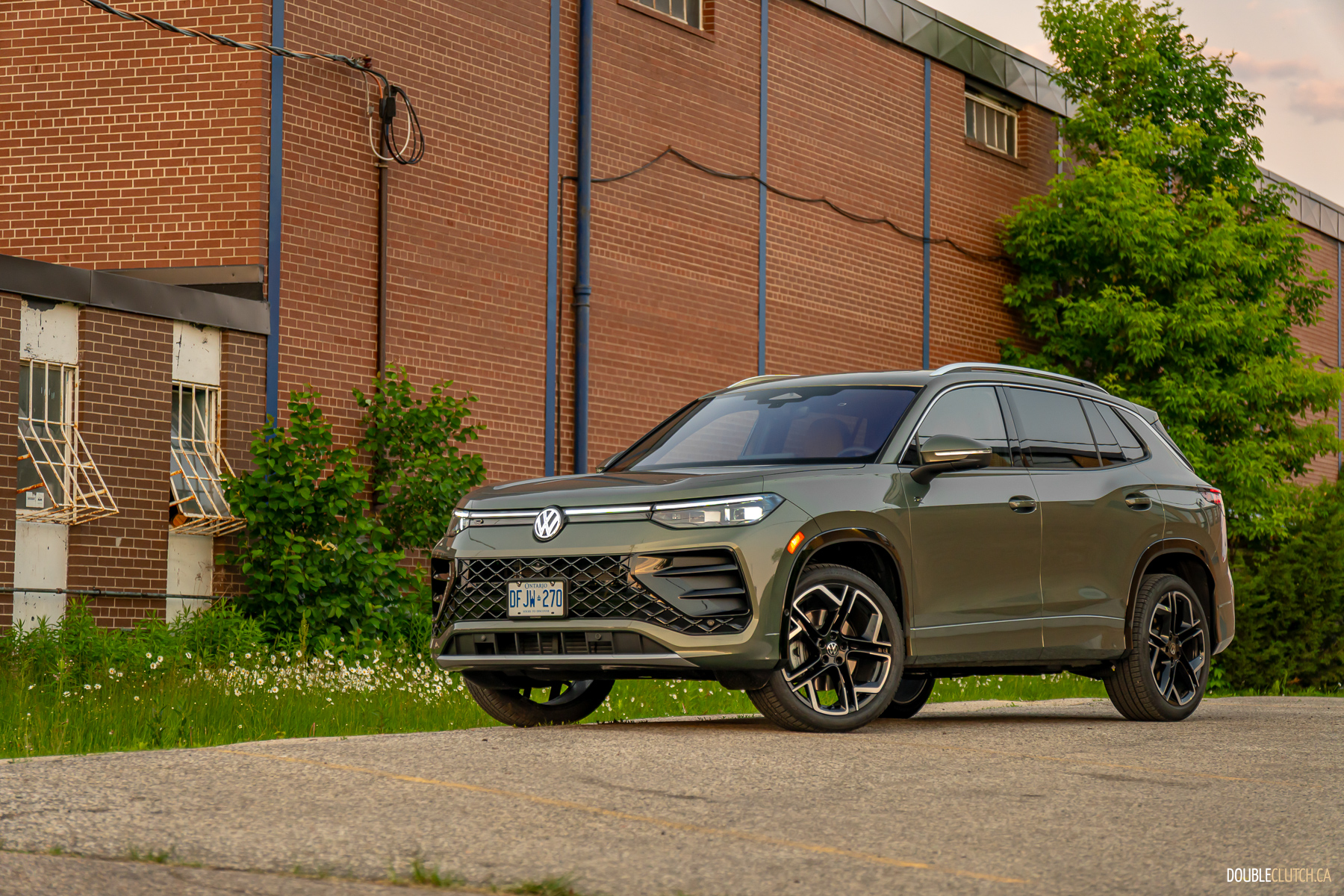
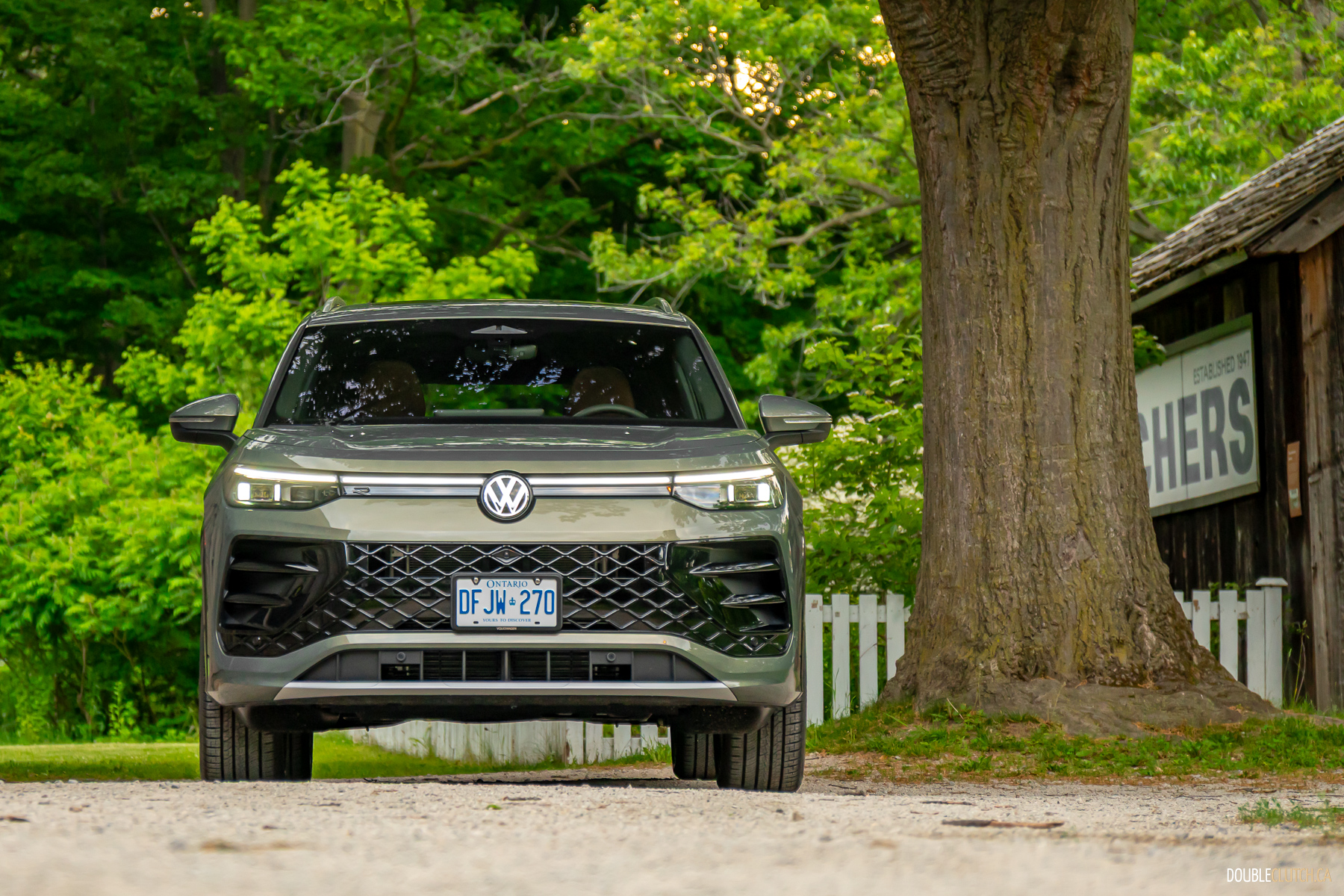
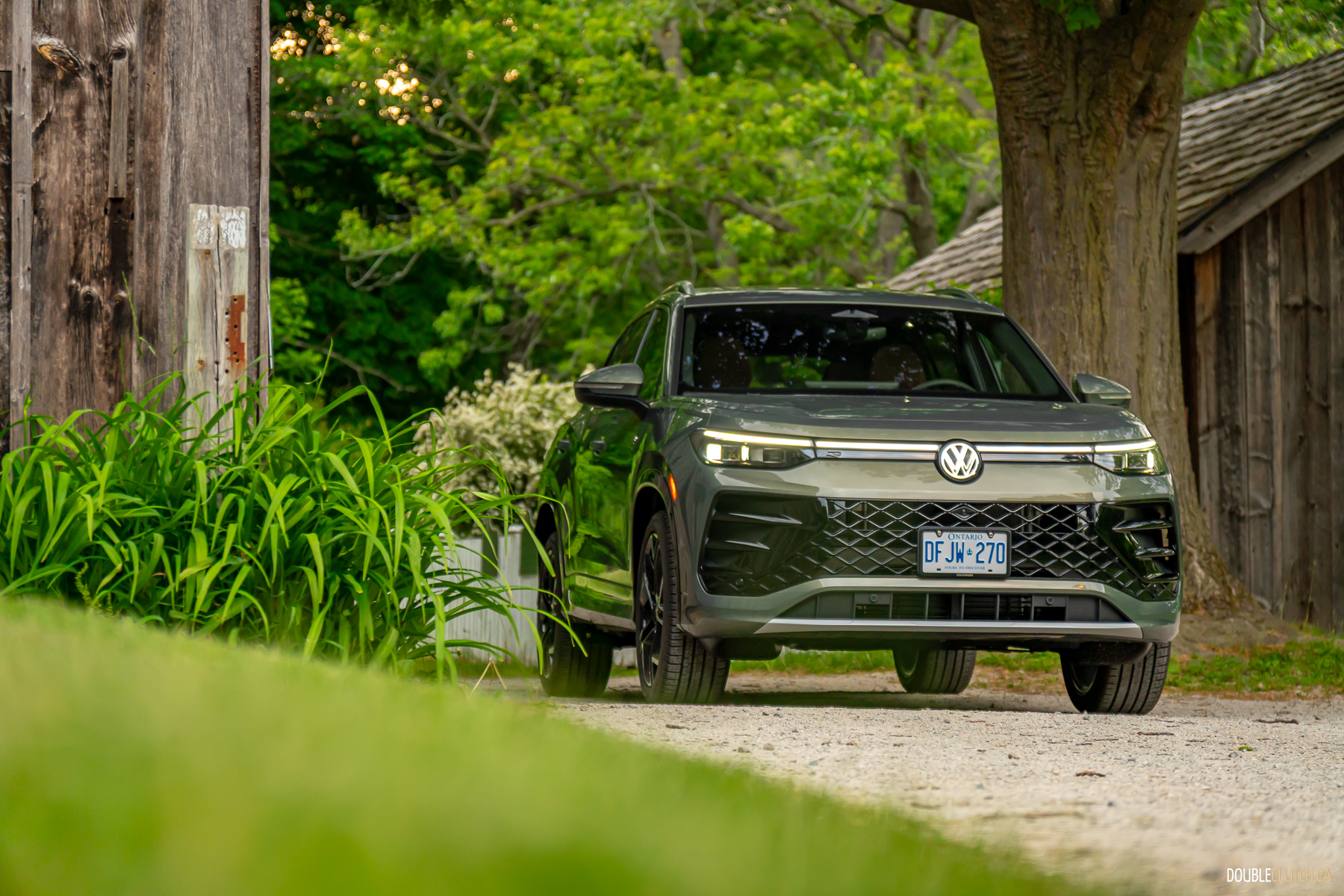
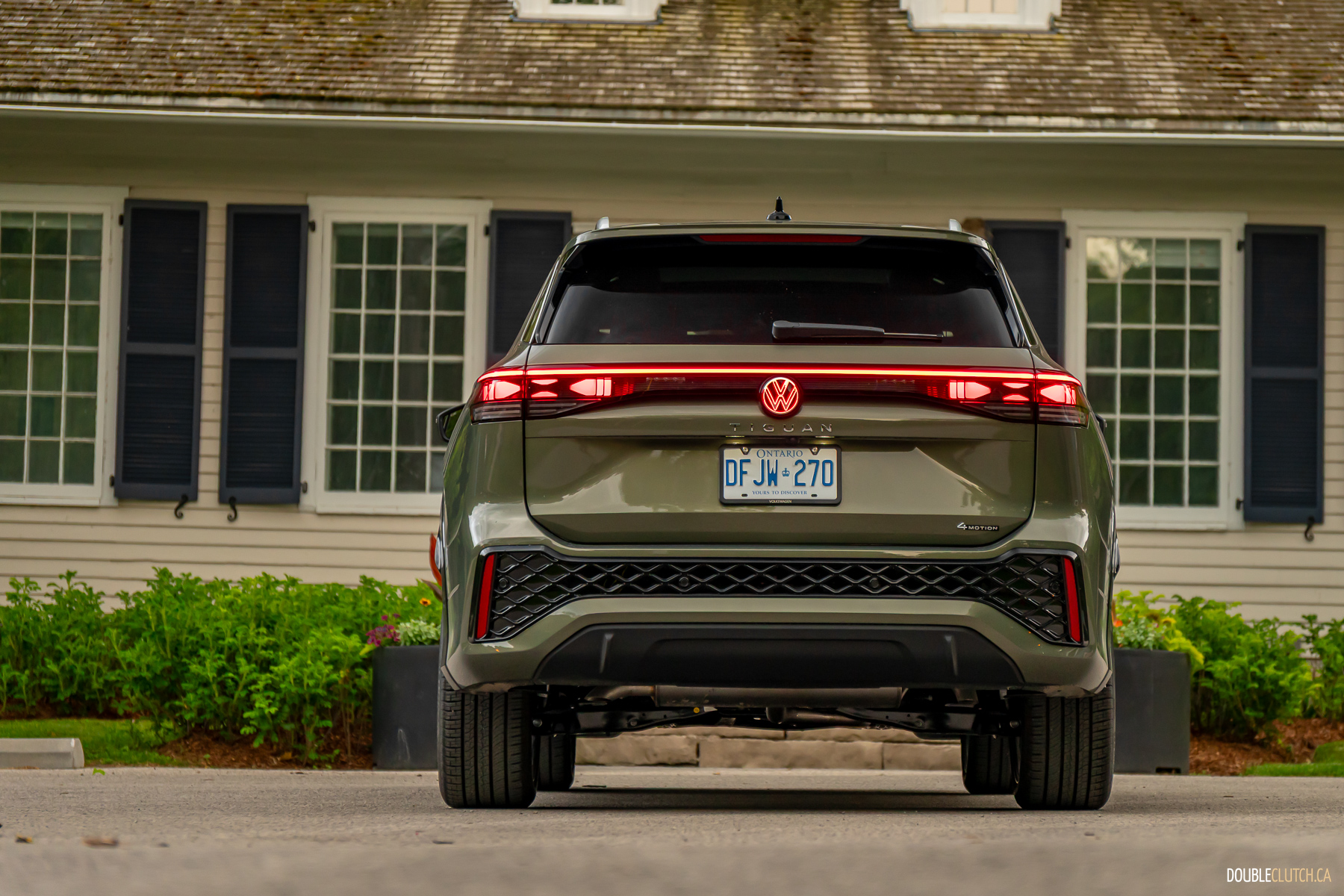
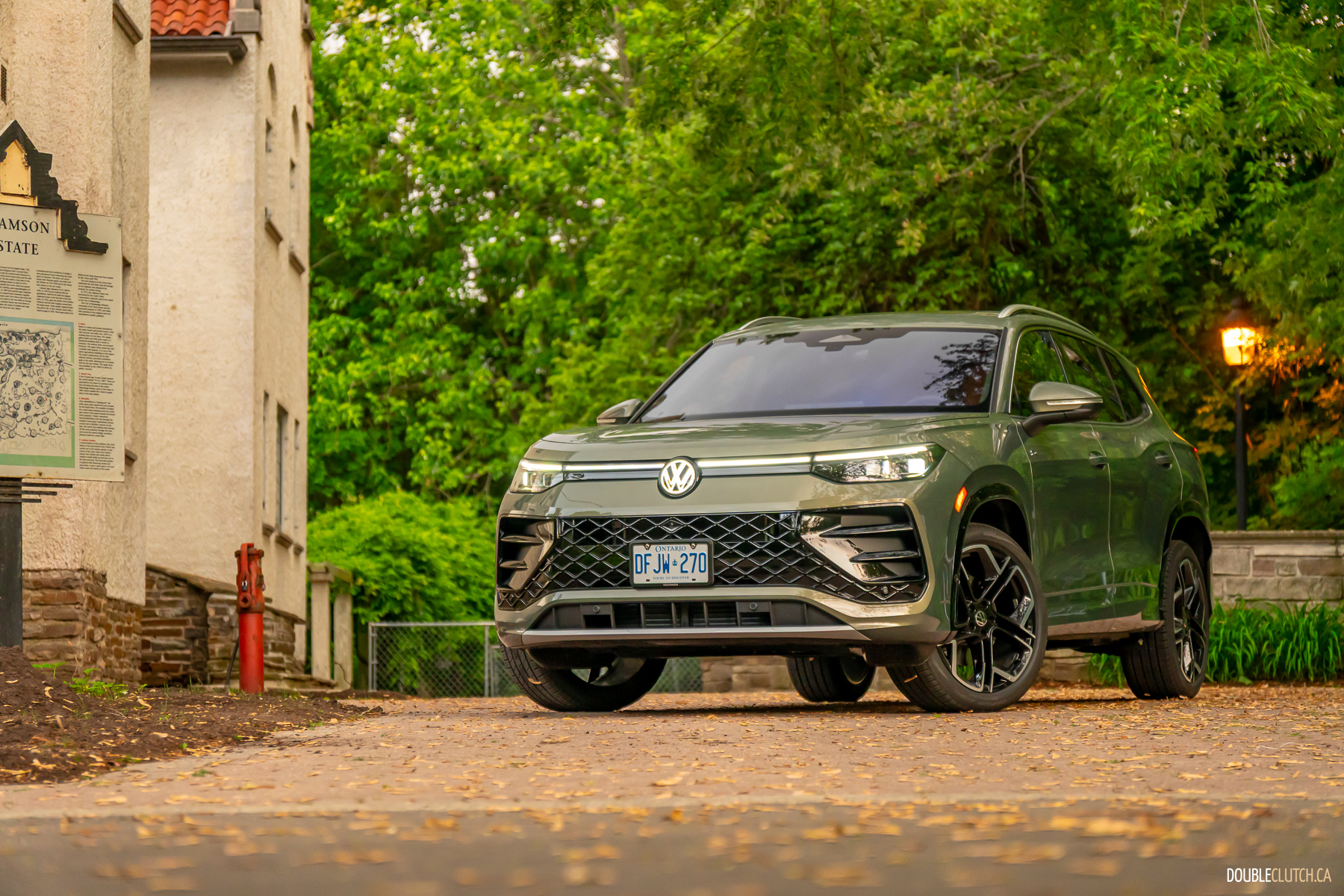
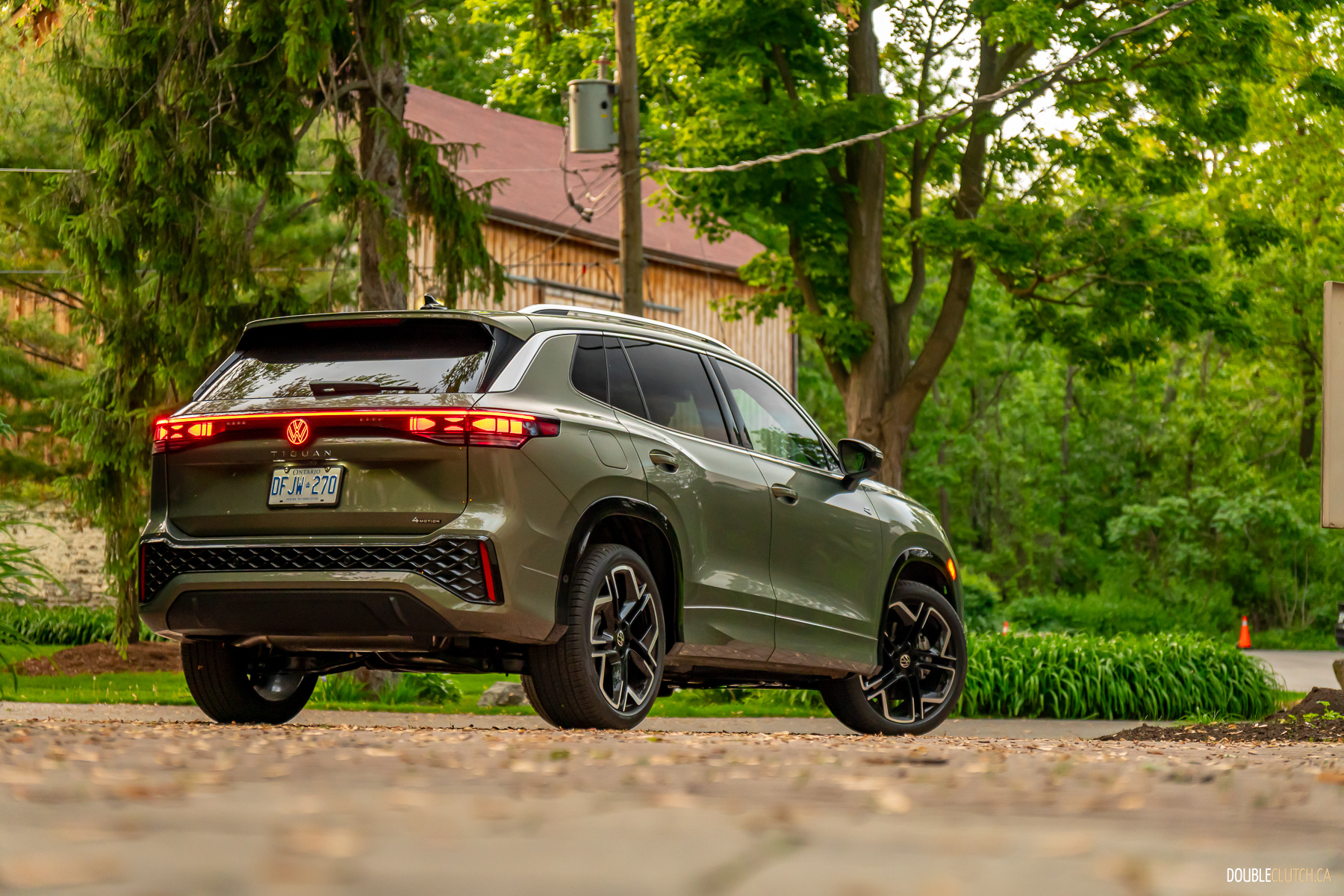
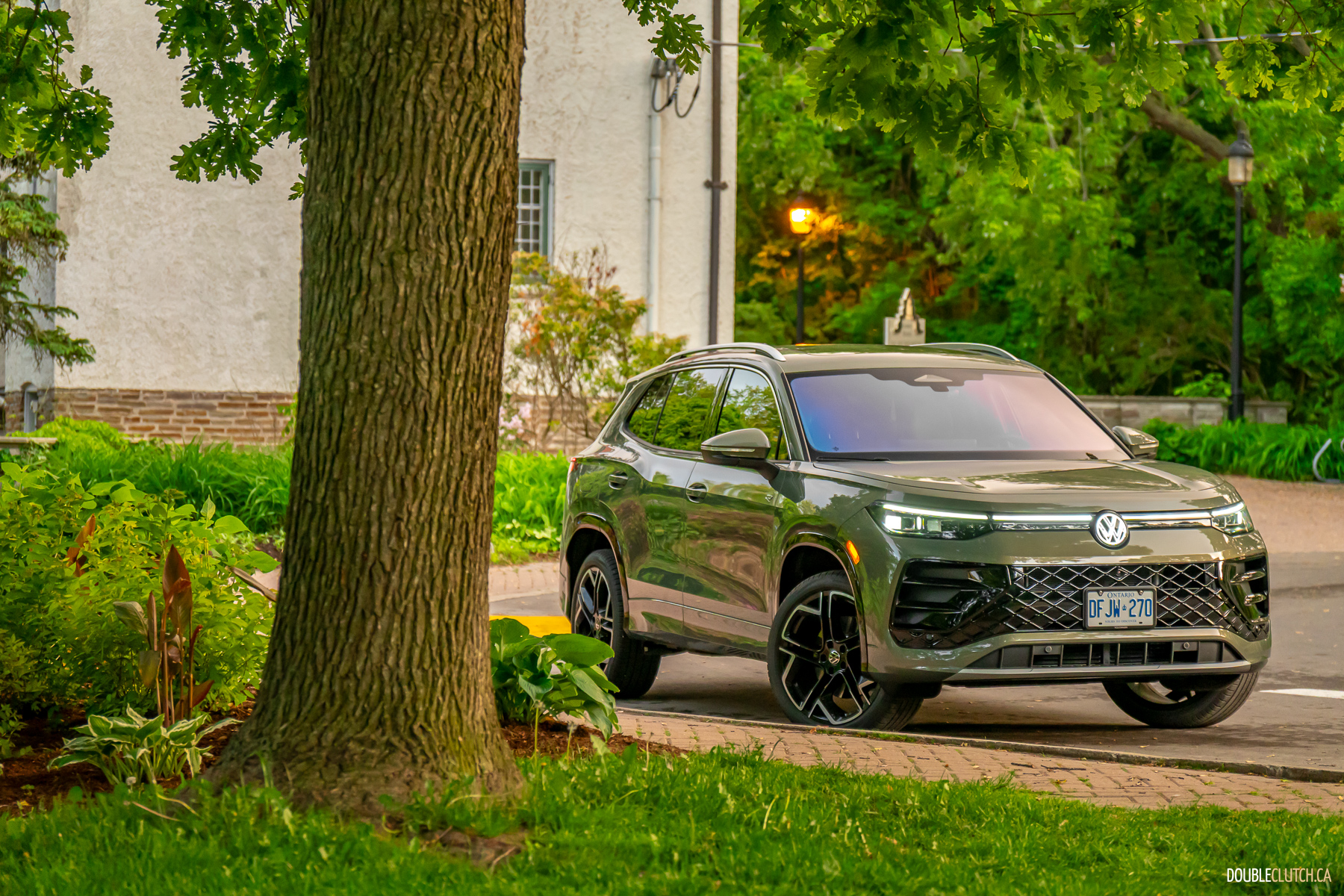
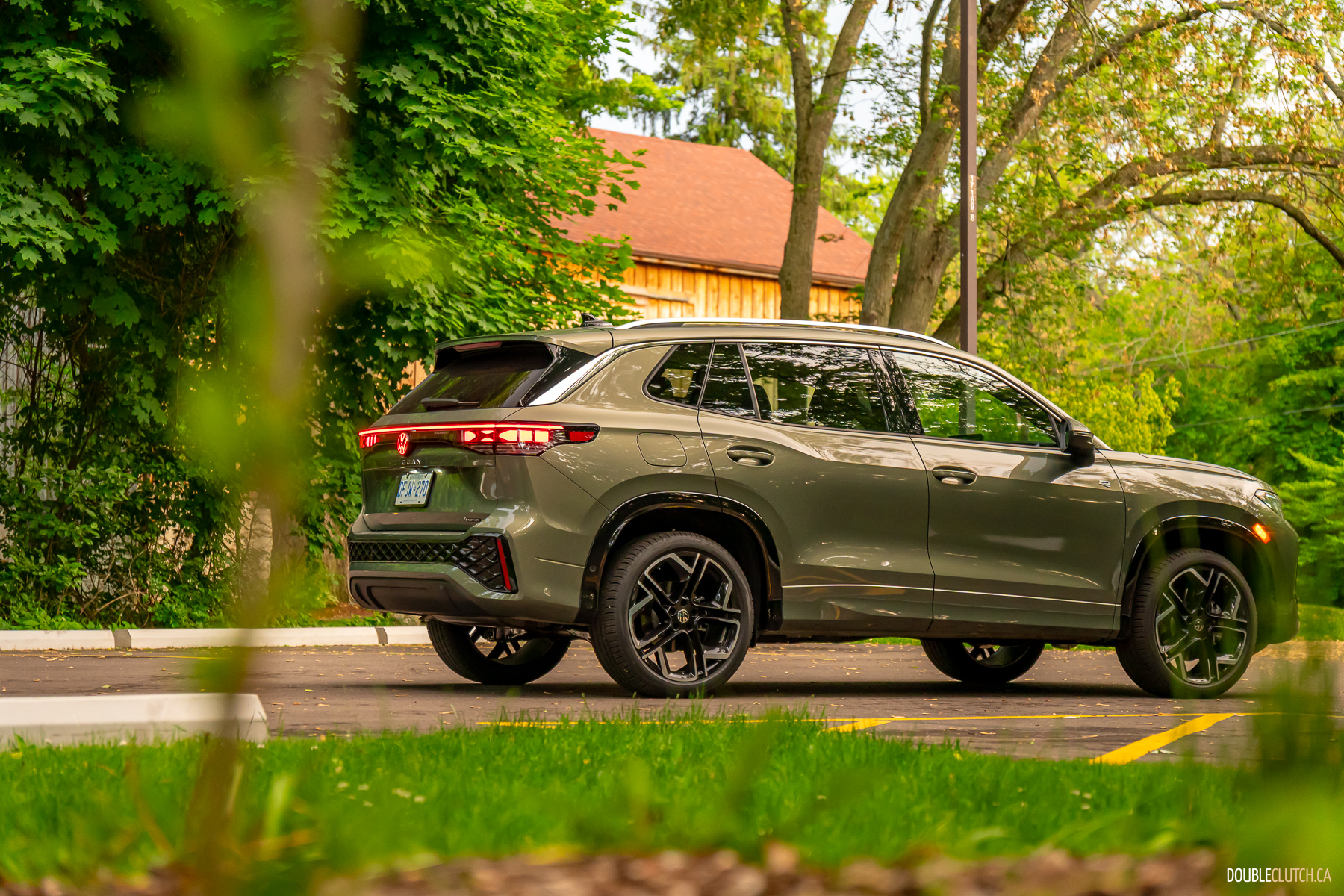
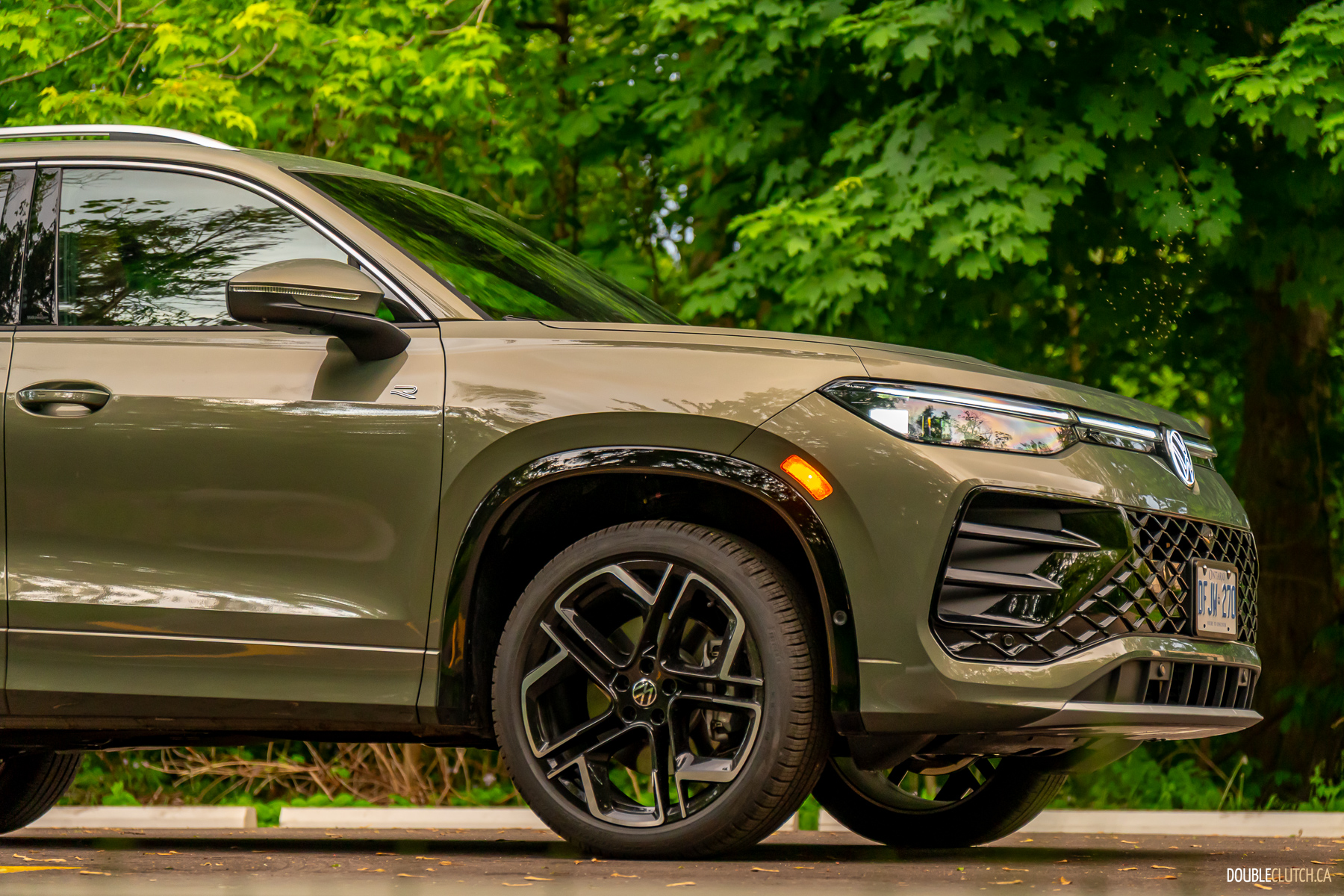
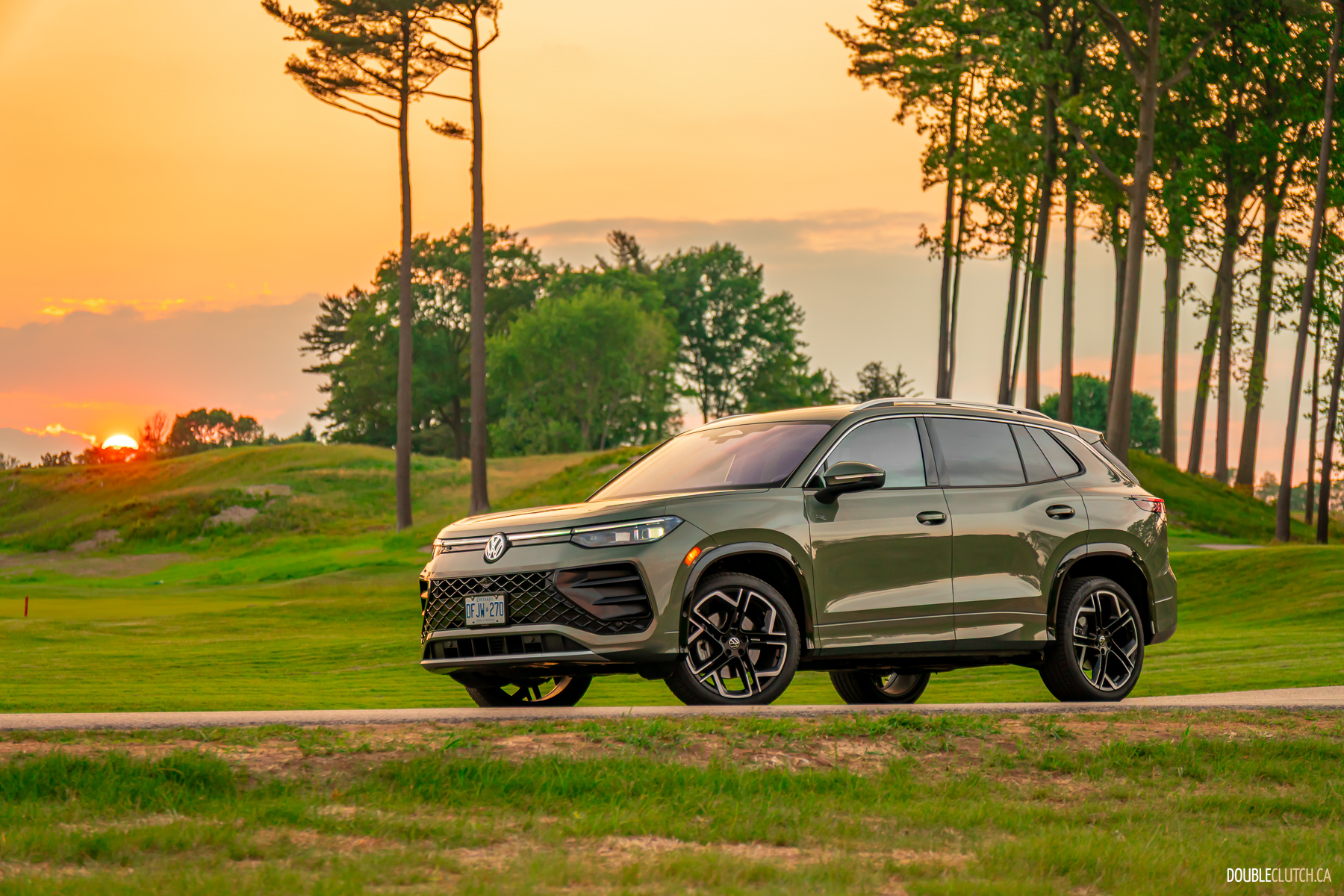
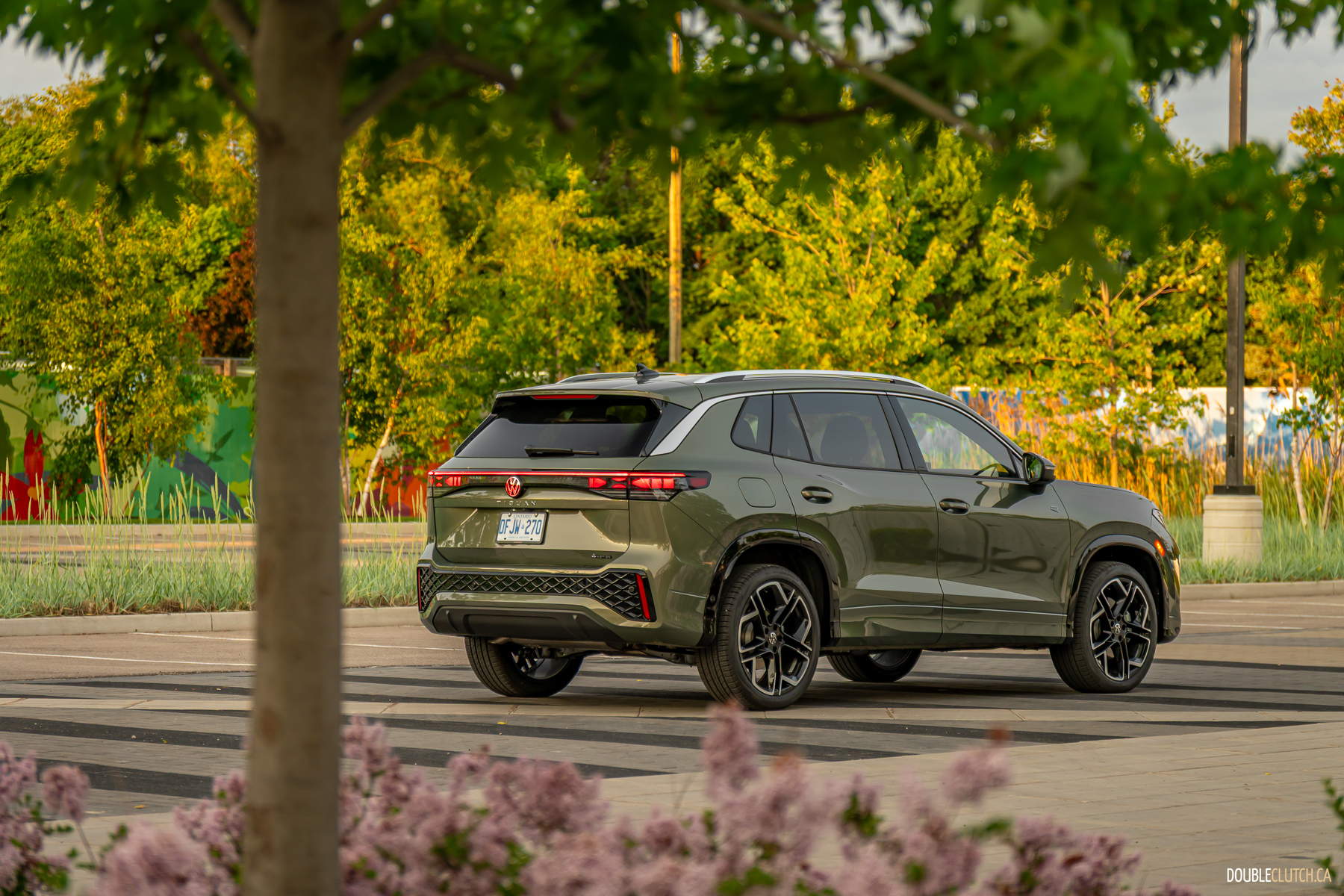
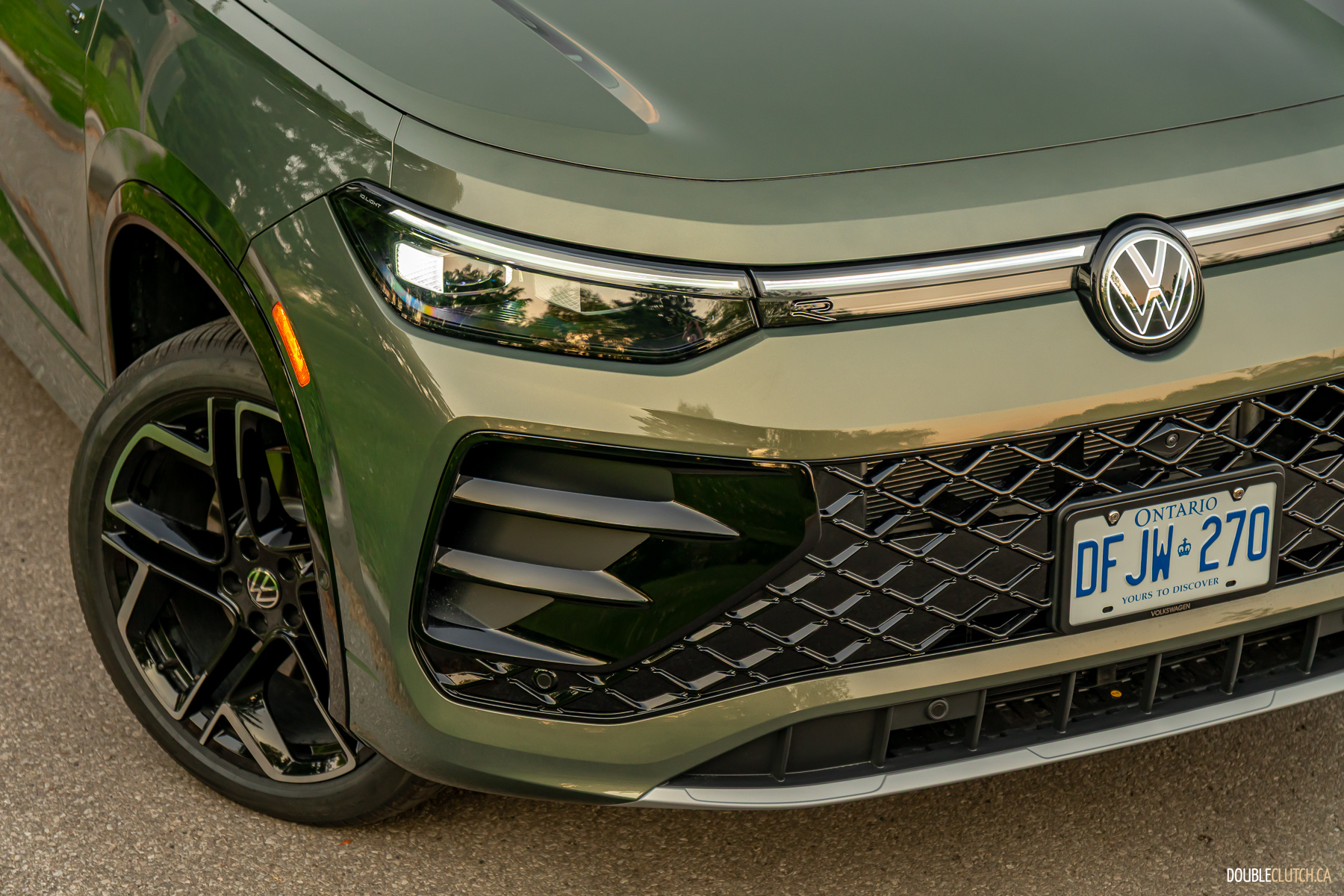
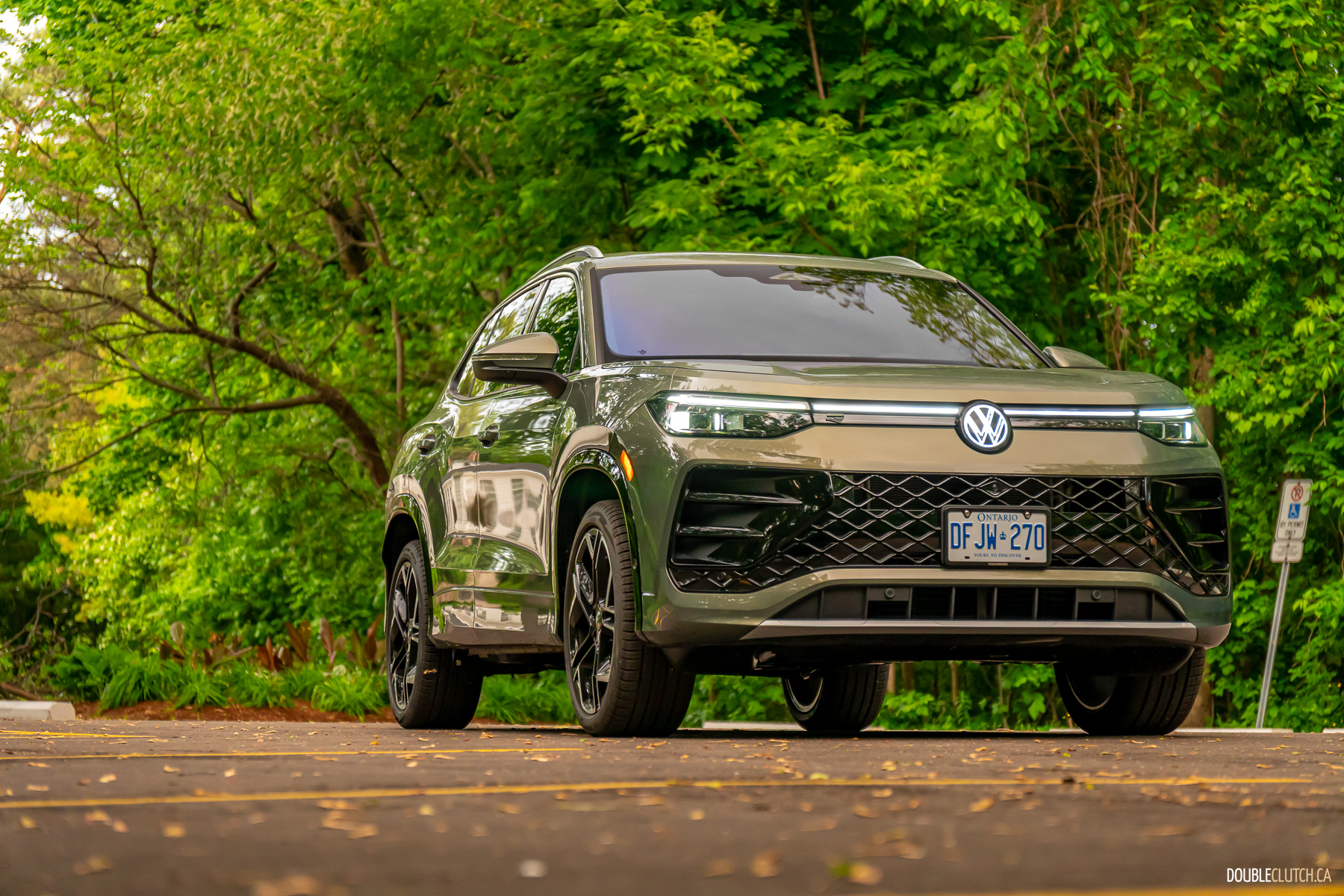
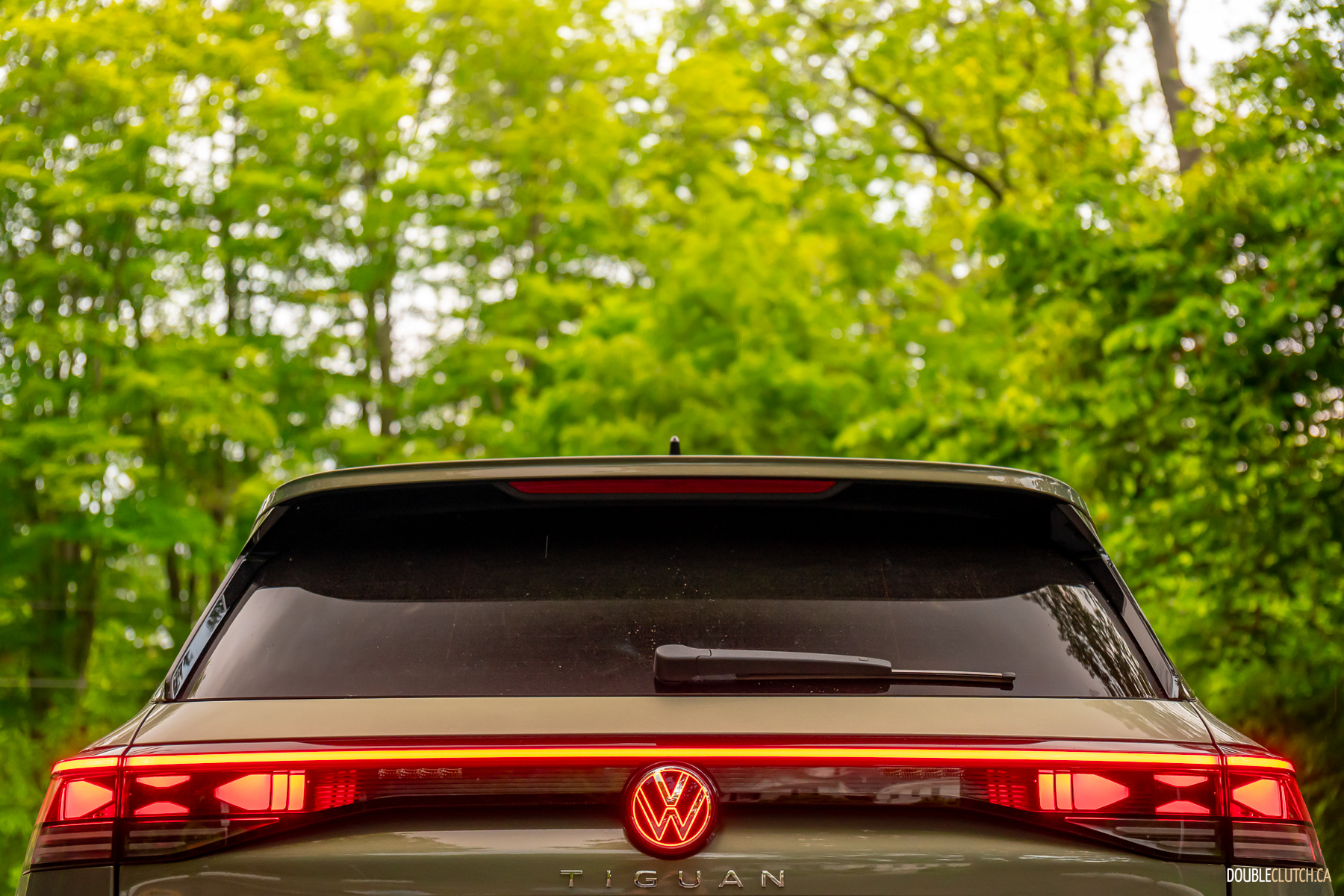
The 2025 Tiguan is all new, built on the new MQB Evo platform. This new version offers more interior space and better driving dynamics by virtue of using a greater percentage of high-strength steel in the chassis and more aluminum suspension components to keep weight down. It’s new exterior styling takes cues from its bigger brother Atlas, and that extends to the elegant Avocado Green Pearl paint on our tester. It’s softer edged baby-Atlas styling is a little less distinct than the sharp-creased big-Golf styling of its predecessor, but it’s still handsome enough.
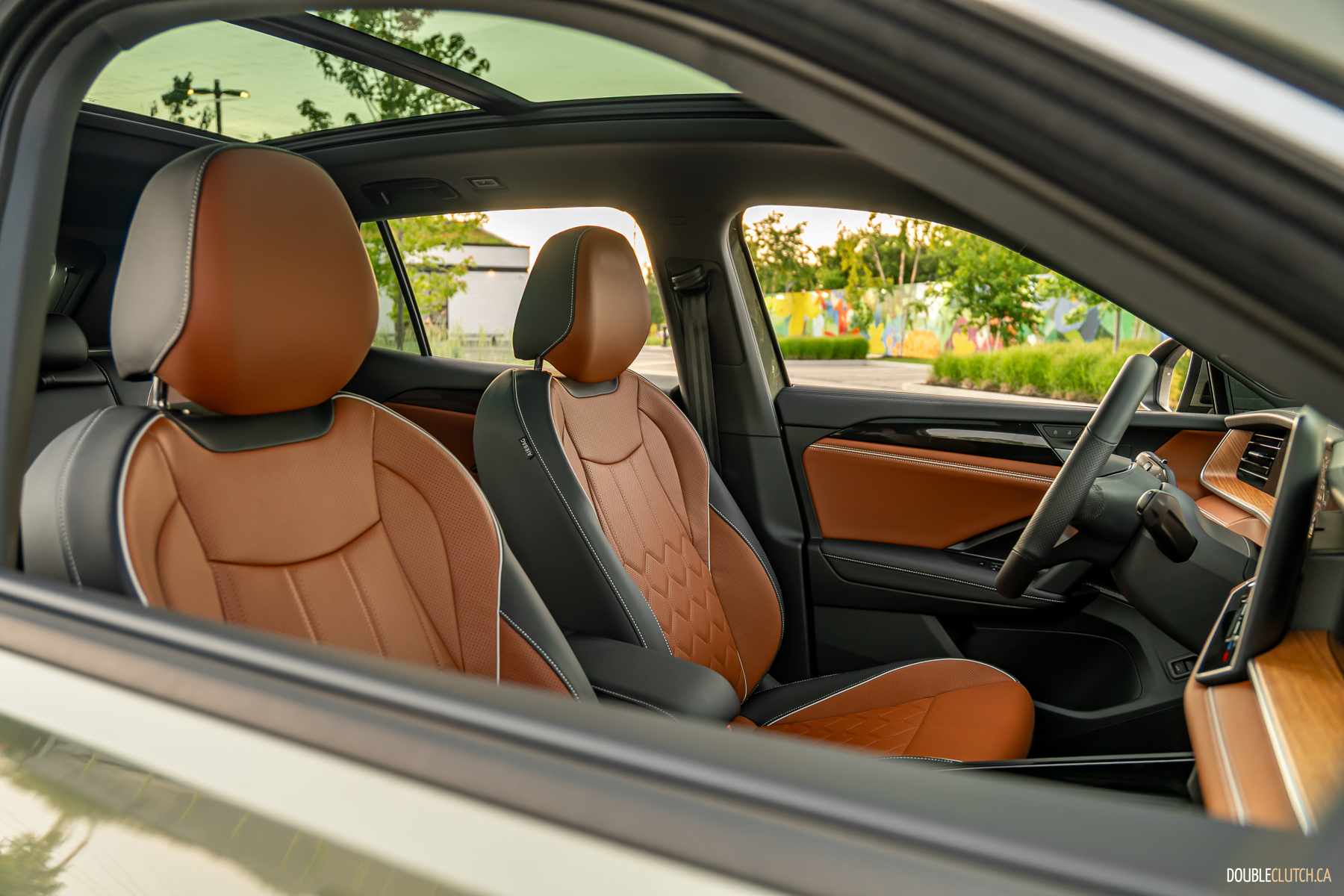
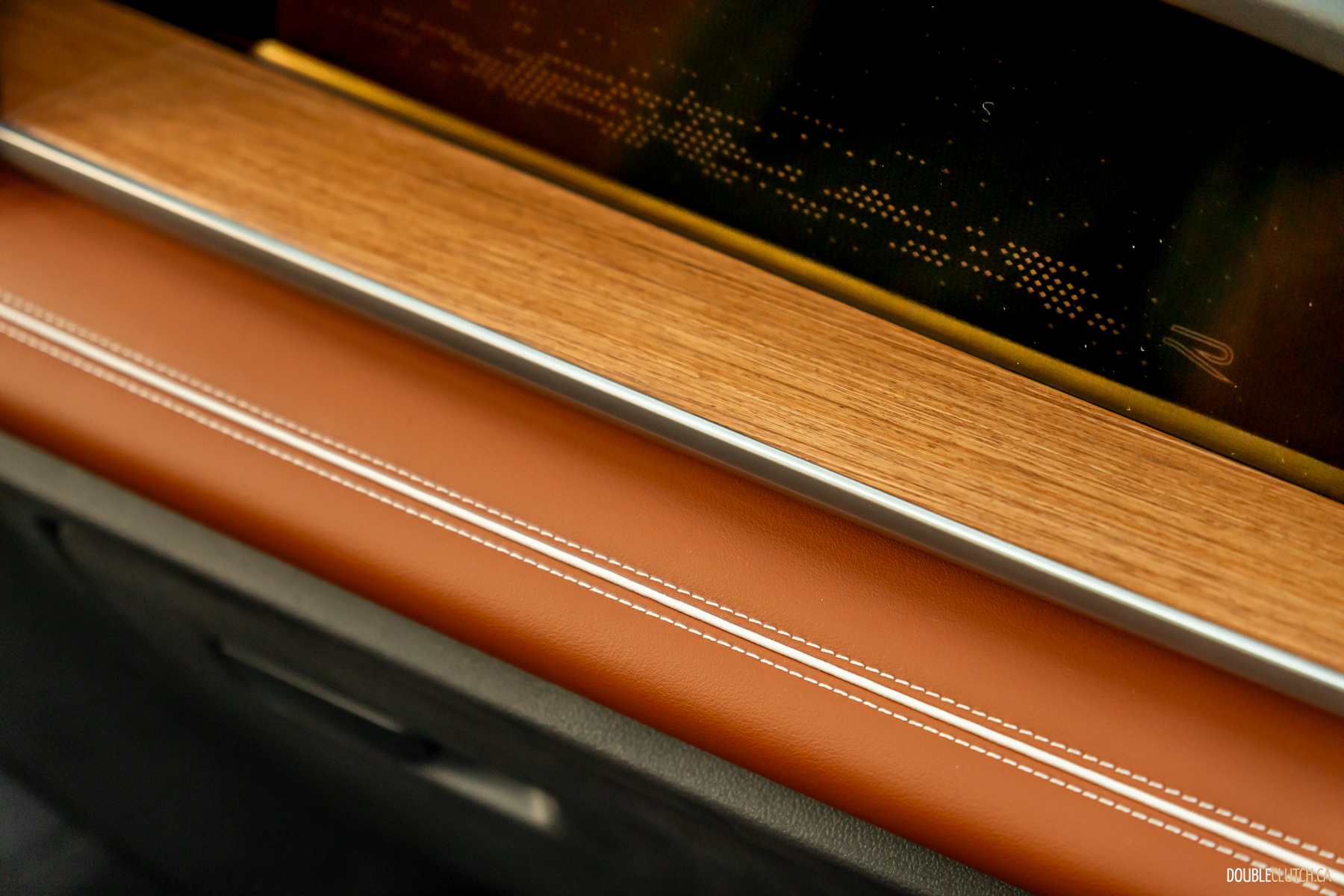
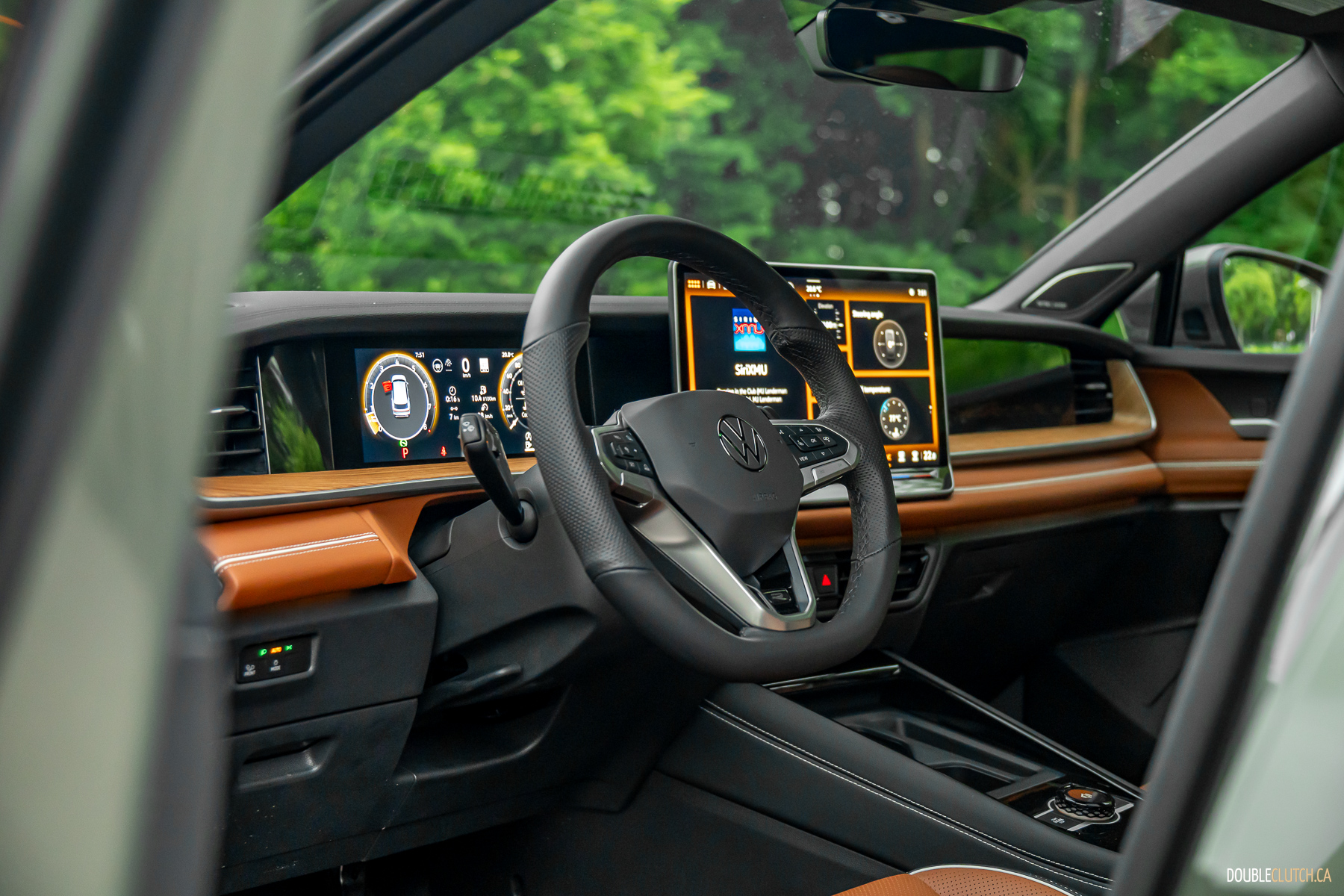
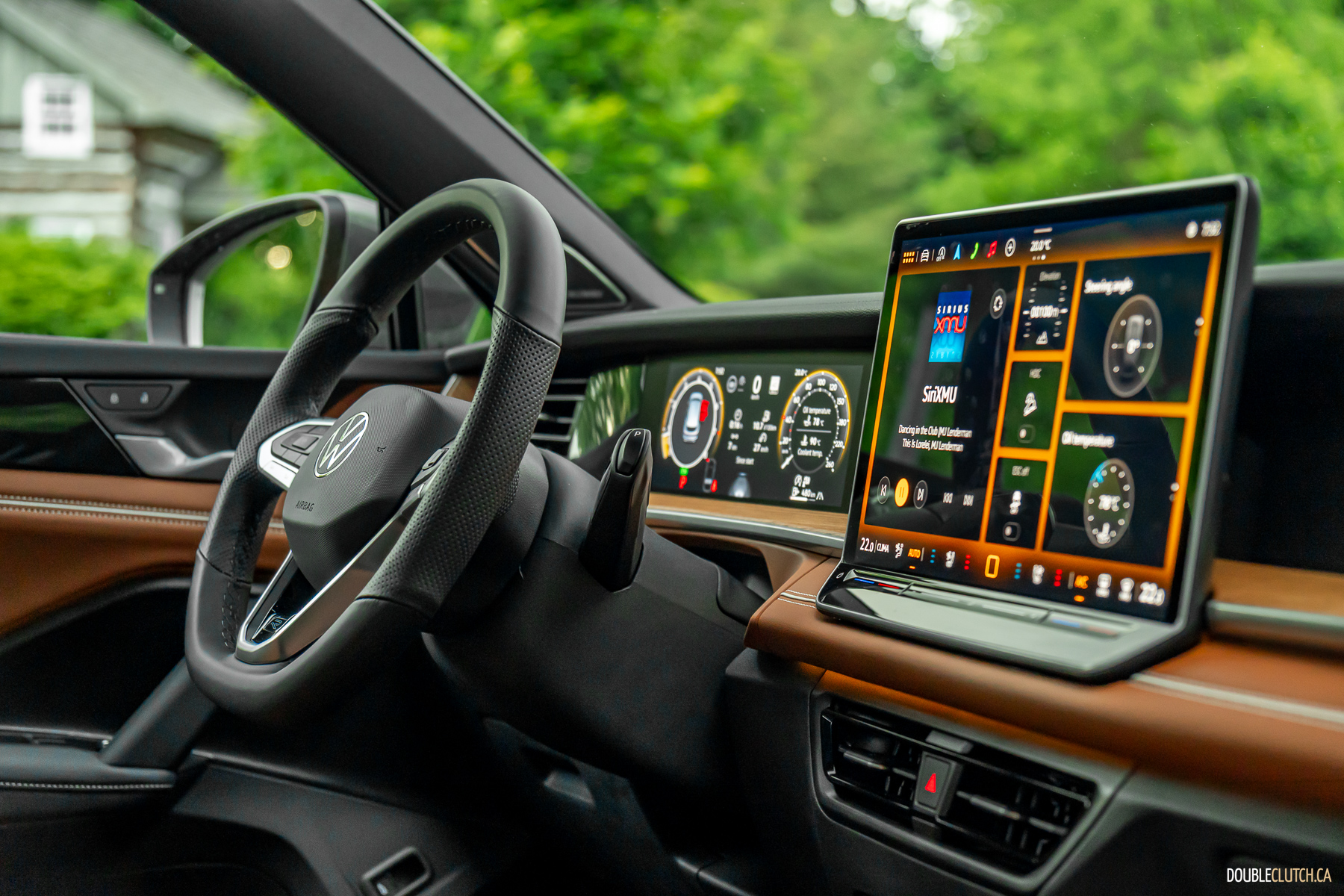
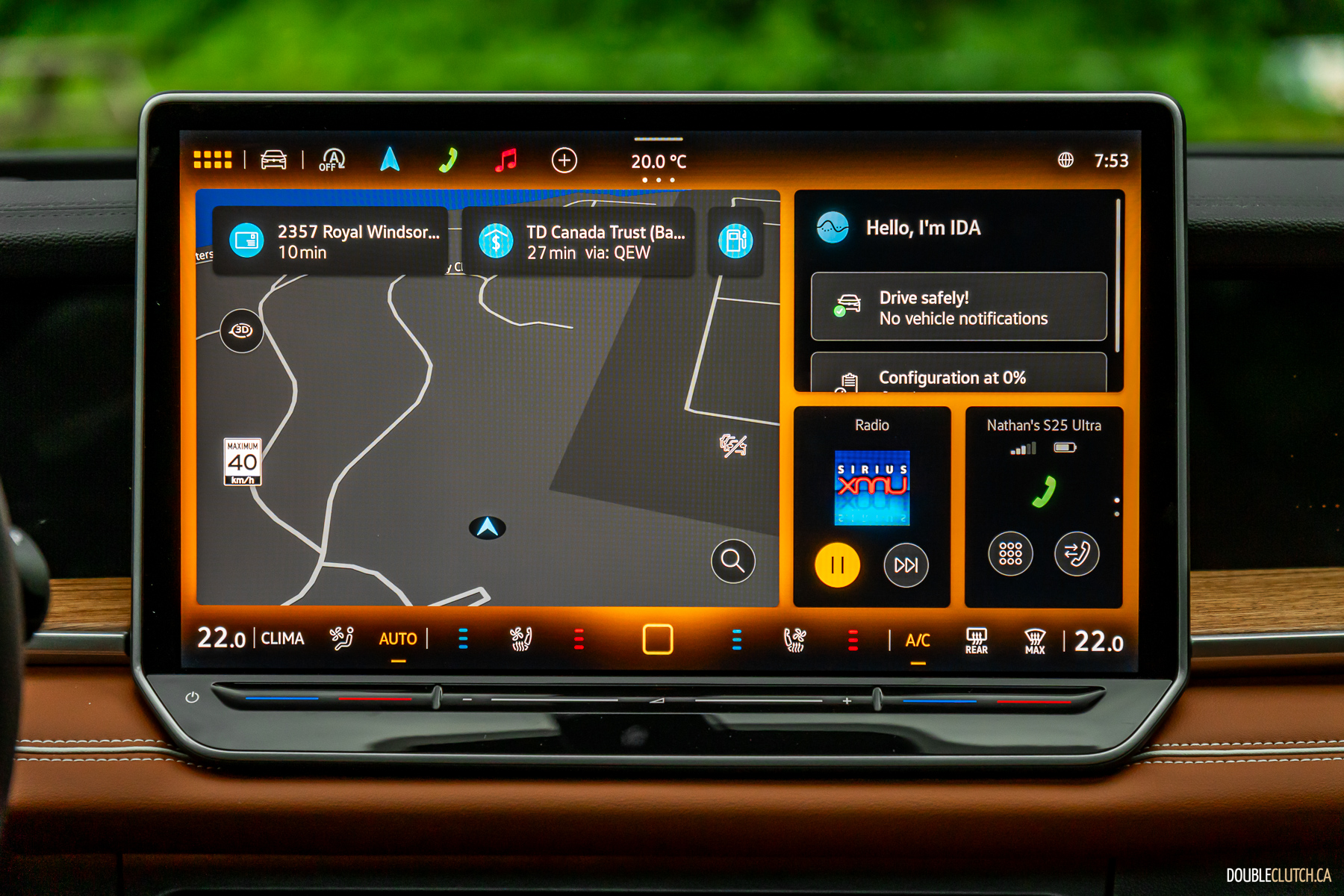
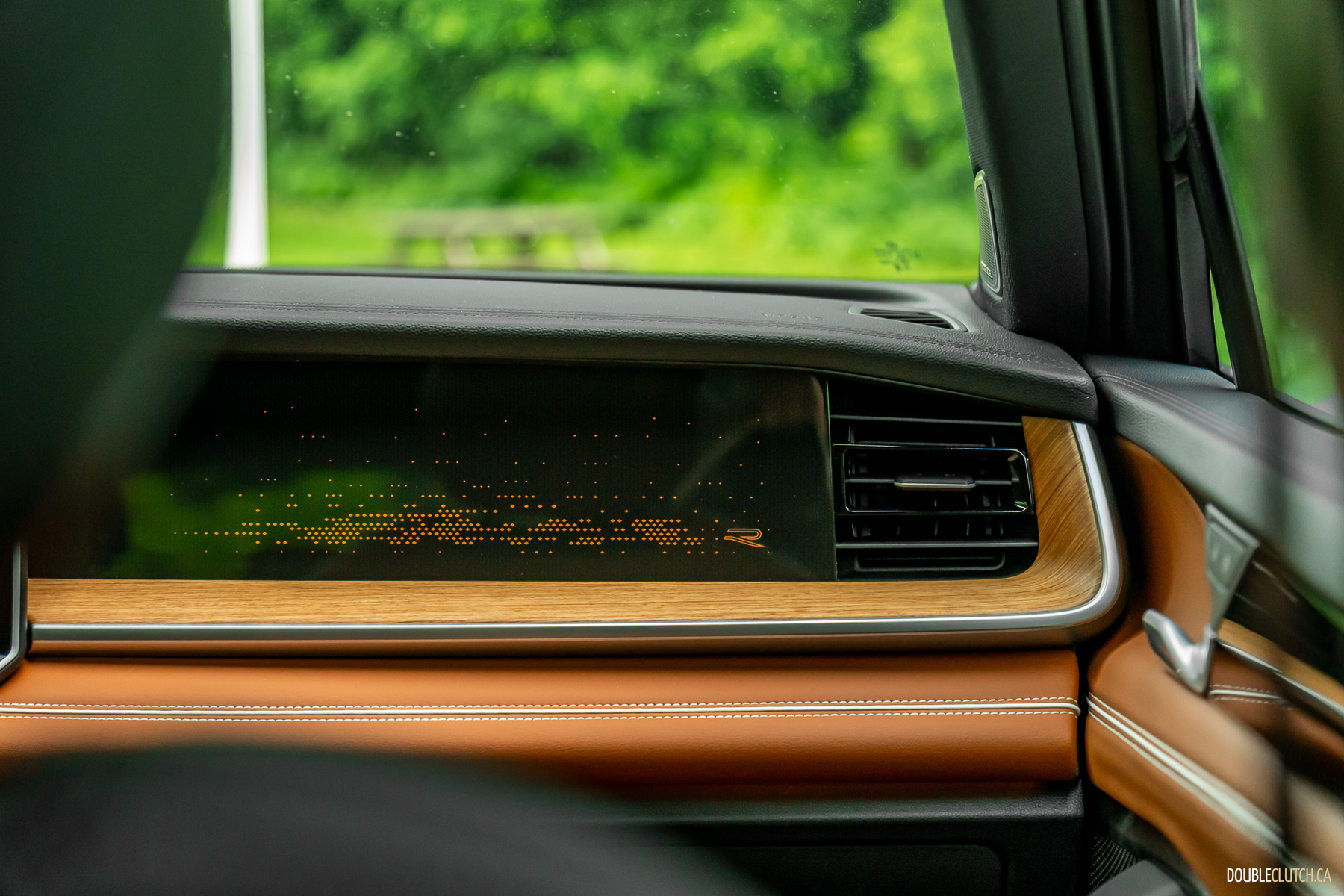
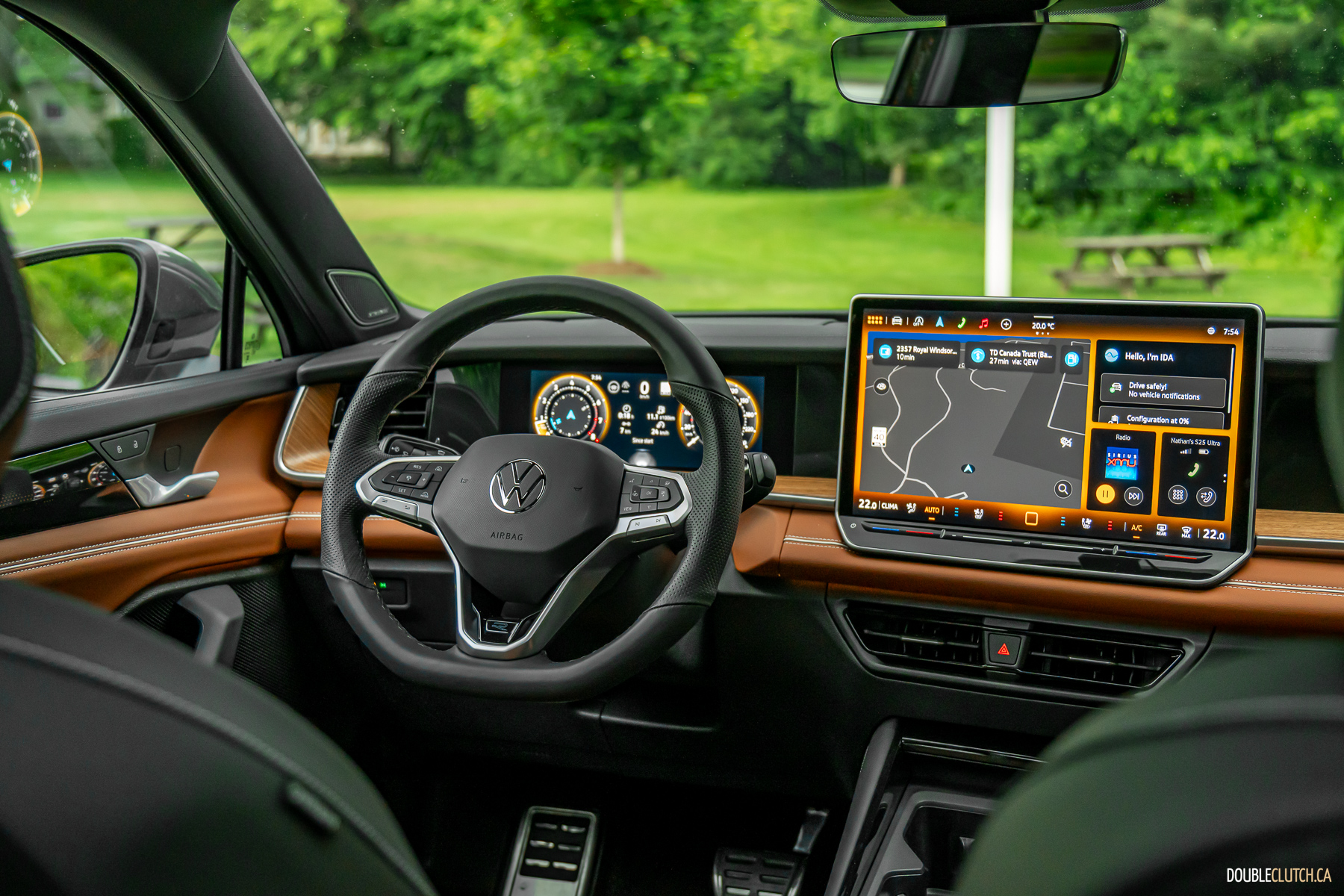
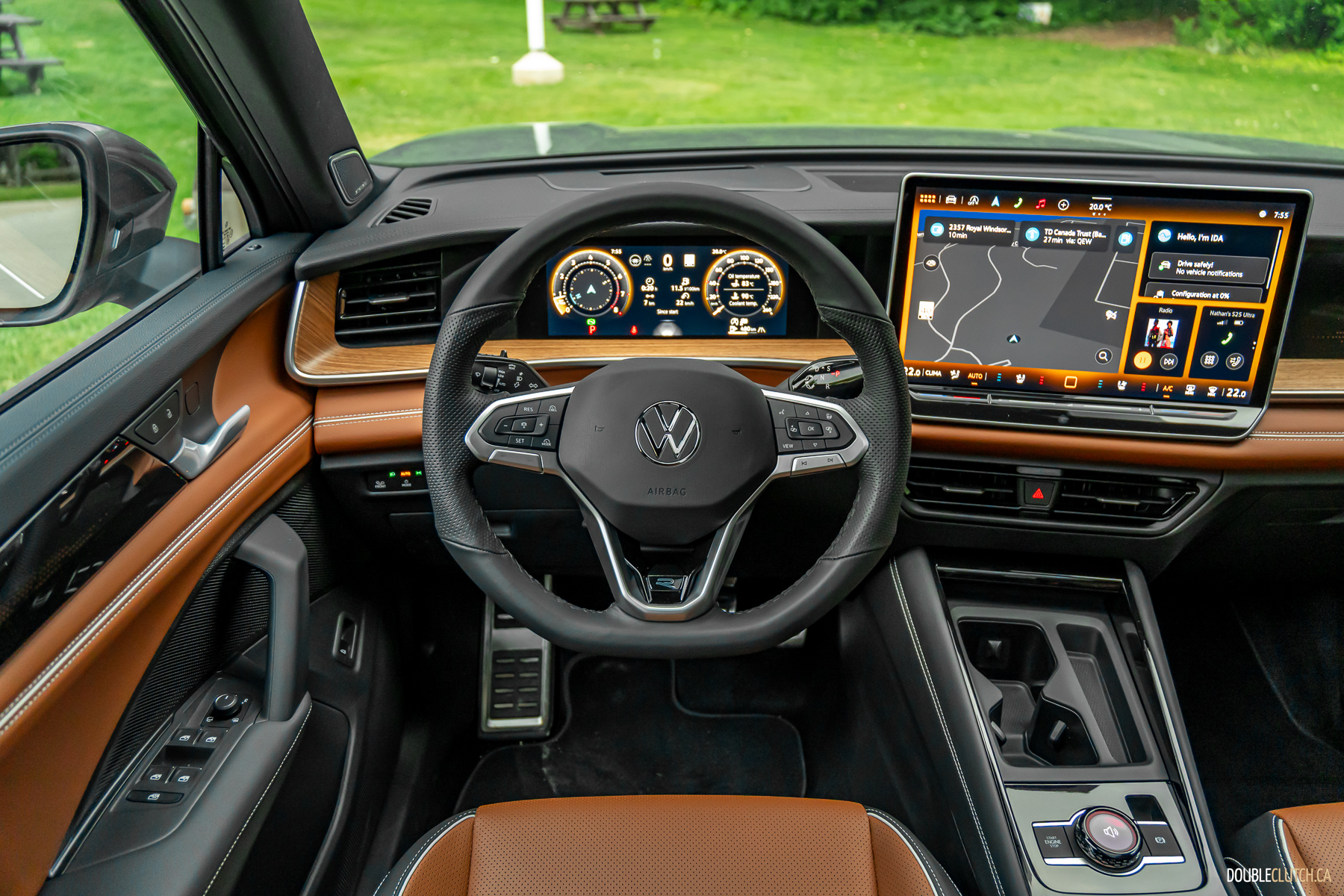
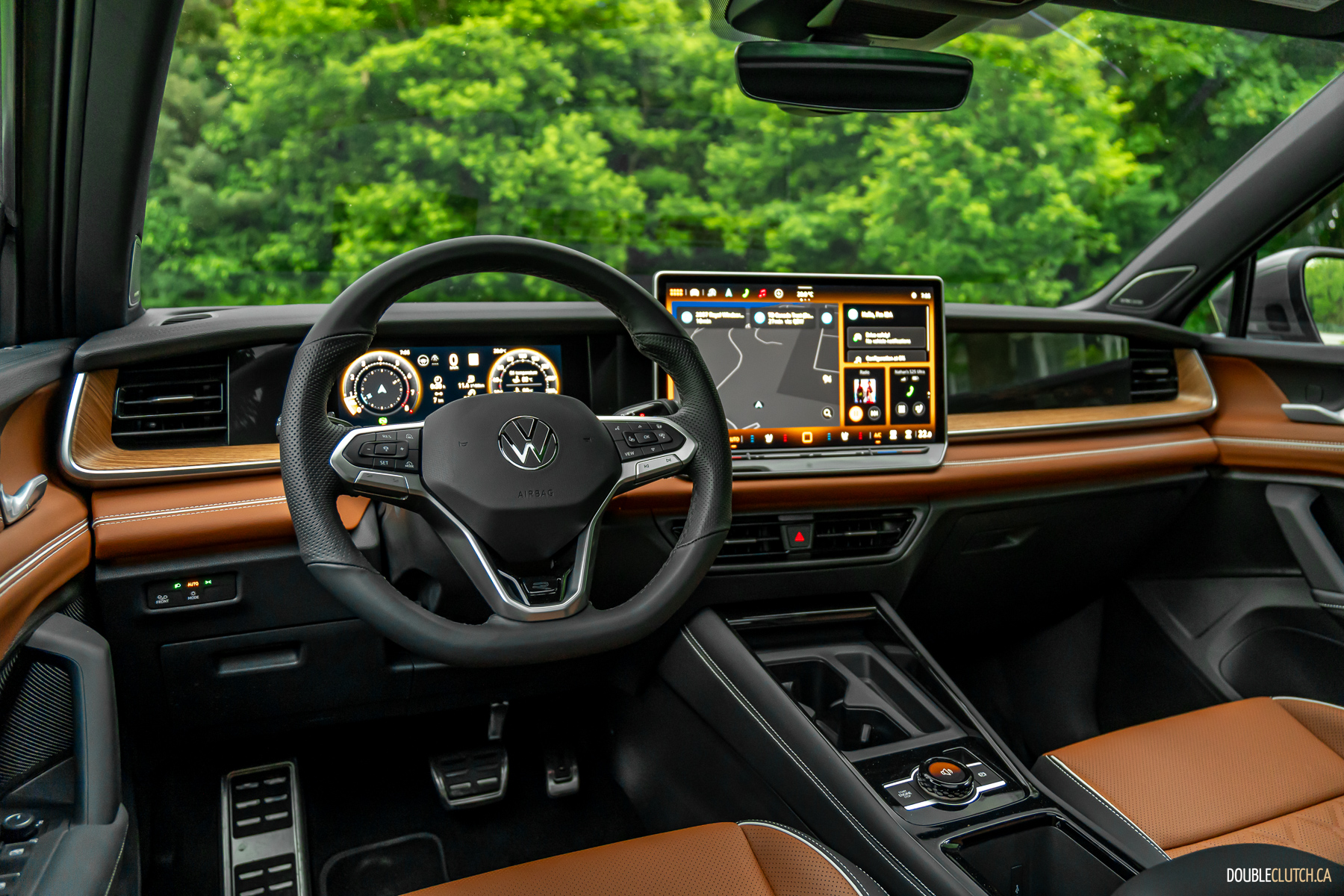
The theme continues inside, where the Tiguan has been hugely updated. It’s far cleaner and simpler than before, with a large 15-inch touchscreen on our loaded tester, and not a whole lot else to gum up the works. The dashboard is simple and largely symmetrical, with American Walnut trim to warm things up and subtly integrated accent lighting. The centre console has more usable space than before thanks to the gear selector having been moved to the steering column. This is where it belongs.
Is the tech as frustrating as the GTI’s?
Despite the deletion of almost every button off the dashboard, the Tiguan’s user experience is simple and straightforward, owing to a fairly intuitive software interface and carefully chosen essentials. Take large volume knob on the center console, for instance: it doubles as a drive mode selector. They’ve also backdated the steering wheel to get away from the glossy capacitive controls in favor of more traditional matte buttons.
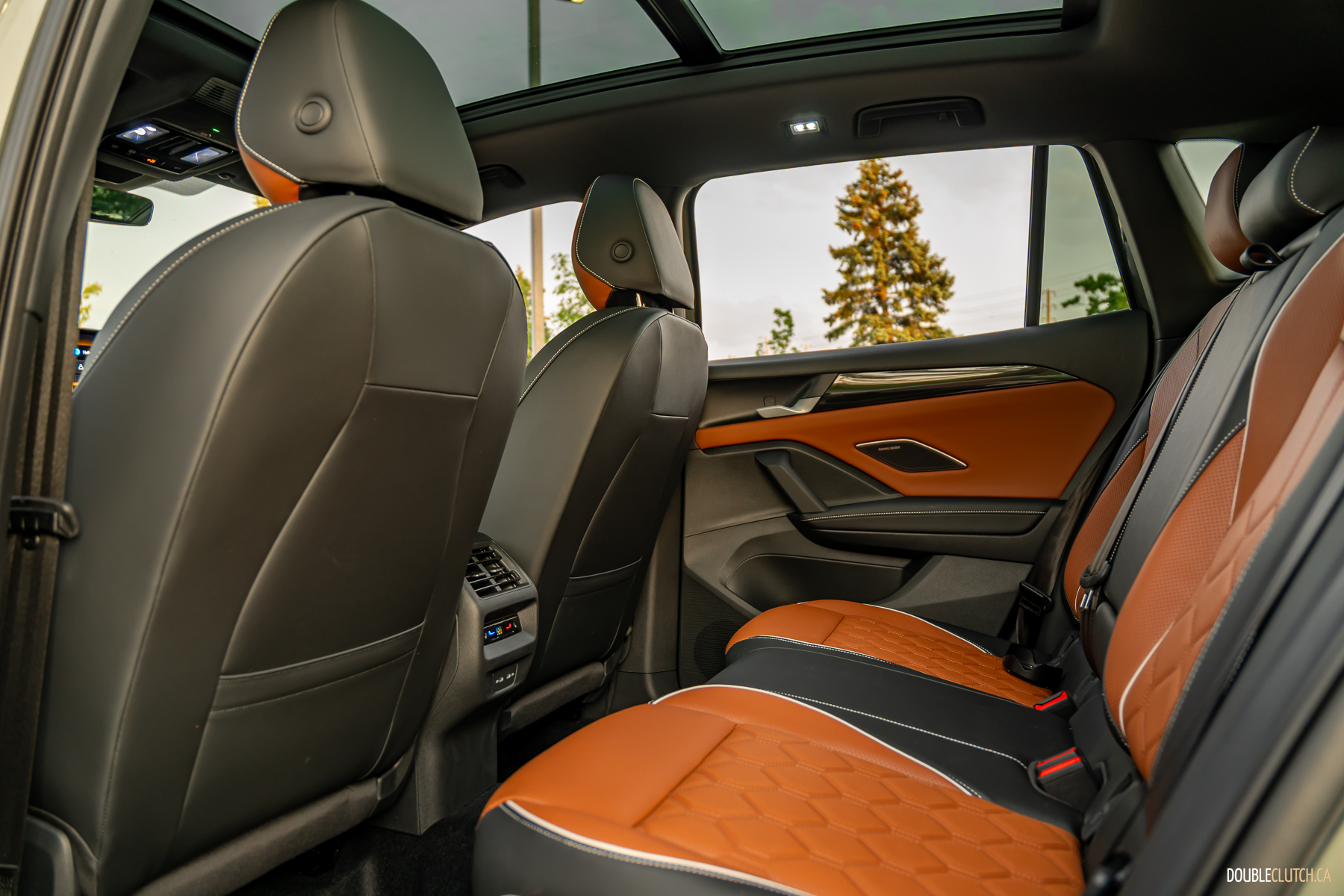
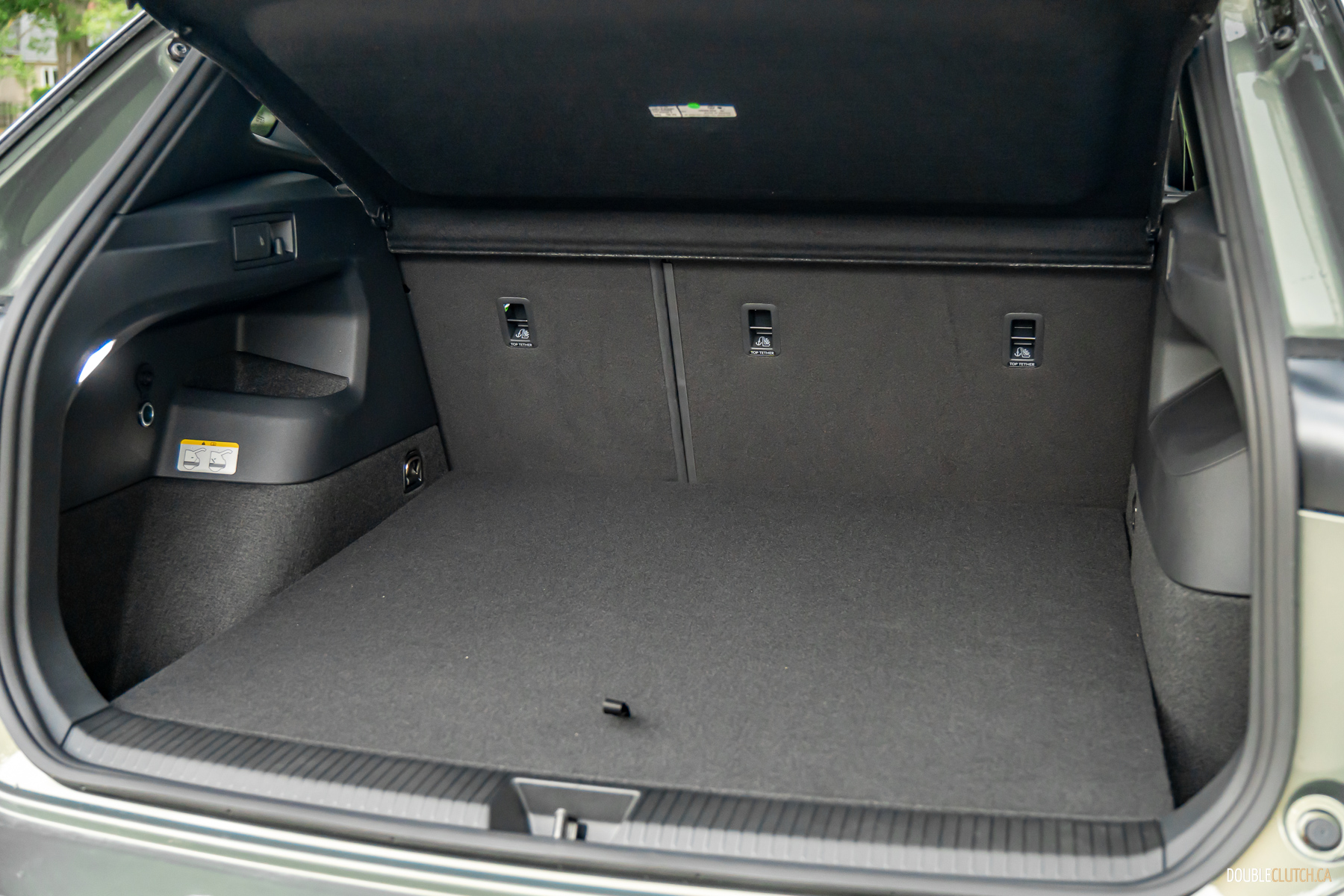
It’s a simple space and interface, but it’s about the farthest thing from being plain. Everything looks great, materials feel good enough, and the overall layout is easy to use and live with. The seats are very attractive with their two-tone quilted leather and contrasting stitching, and are plenty comfortable with power-everything plus heating, ventilation, and even massage. Rear seat and cargo space are excellent, and the optional third-row seat has been deleted. This makes sense with the Atlas around.
What’s under the hood of the 2025 Tiguan?
Like its bigger brother Atlas, the Tiguan is powered by the newest revision of Volkswagen’s ubiquitous EA888 2.0-litre turbocharged four-cylinder engine, albeit with a milder tune for the lighter Tiguan. It produces 201 horsepower and 227 pound-feet of torque — a meaningful power bump from last year’s model, and feels more powerful with better low-end response from the engine. Its revised eight-speed automatic transmissions makes smarter decisions now, too.
Its generally quite smooth in its operation and usually pretty quiet, but can sound a little guttural at times. With the added power and better transmission logic, the new Tiguan is more athletic and lively than before, able to confidently take off and merge onto the highway without drama, if a touch more reluctant to kick down than we’d like. There are some slouches in this class of crossover, but the Tiguan is decidedly not among them.

How comfy and refined is the new Tiguan?
This applies even more so to the 2025 Tiguan’s chassis tuning. Here, the merits of its new platform and Volkswagen’s typically taut manner of doing things pay dividends into making the Tiguan feel surprisingly athletic. The steering is precise and relatively communicative, brake pedal feel is unconventionally firm for a Volkswagen and therefore quite satisfying. It’s also setup to be decently balanced in corners, rather than immediately giving way to understeer. If you’re coming from a Golf, this won’t feel like a letdown. If you’re coming from pretty much anything else in this class, barring a Mazda CX-5 or CX-50, it might even feel fun.
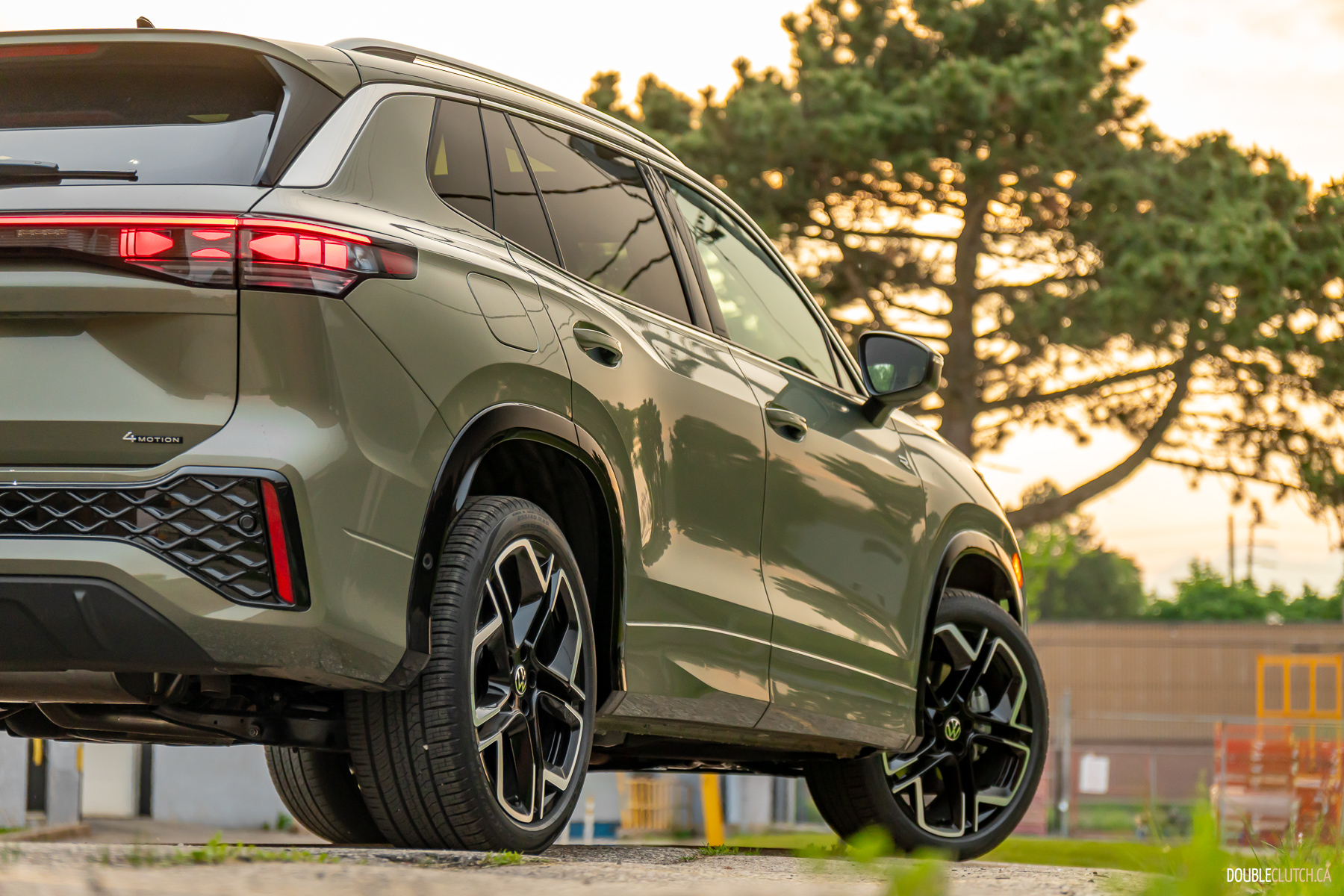
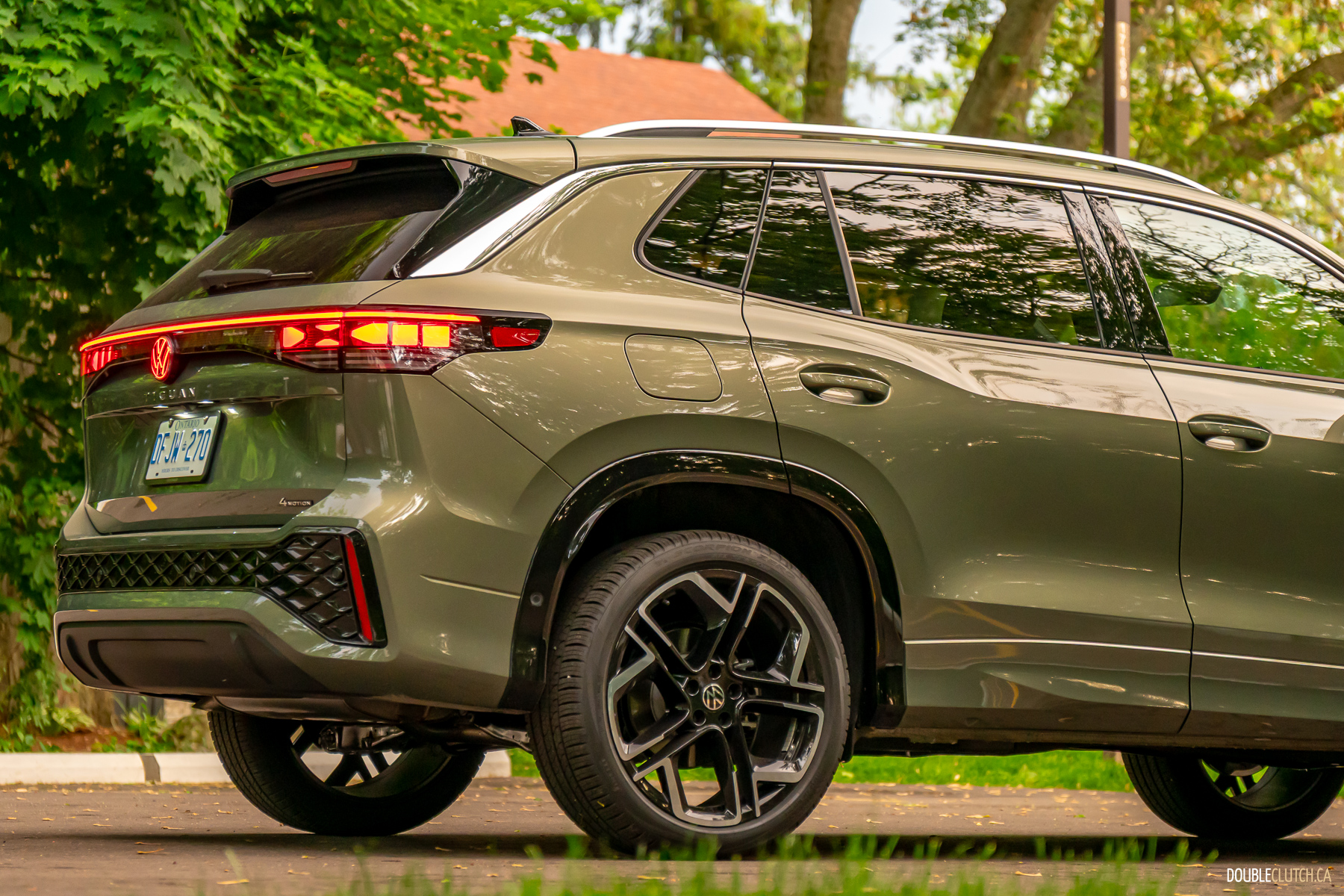
But the purpose of a compact crossover is first and foremost to be comfortable and inoffensive, and the Tiguan doesn’t lose sight of this. Like any VW, the driving position is excellent, visibility is good, and boosted by our tester’s surround-view cameras. Ride comfort is a hair on the firm side as you’d expect, but generally compliant, only undone ever-so-slightly by the (admittedly very cool-looking) 20-inch wheels on our tester With these wheels installed, the 3 can be a touch on the flinty side over sharper breaks in the pavement.
Similarly, while wind noise is well controlled, there’s a noticeable amount of tire roar from the rubber bands wrapped around the wheels. Such is the cost of fashion, although admittedly it’s not obtrusive by any stretch. The only thing about the Tiguan that I might be tempted to call disappointing is the Lane Assist function; it works well enough, but it suffers the same issue as some full-size trucks where it can’t detect that you’re holding the steering wheel unless you’re constantly tugging at it. It got so annoying that I ended up shutting it off and just using the adaptive cruise control, which has always worked well in Volkswagens and is no different here.
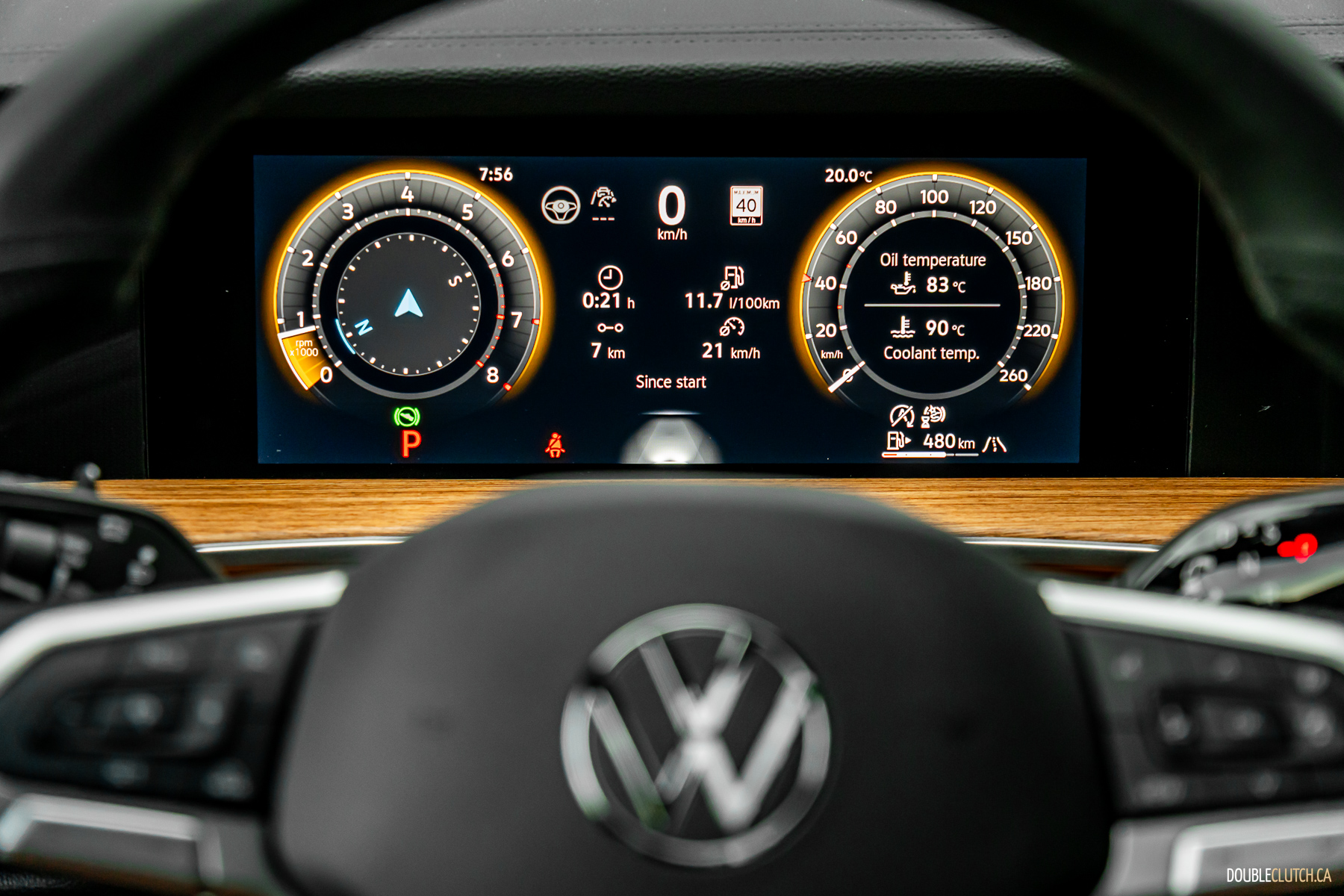
VW’s 4Motion all-wheel-drive is standard in Canada, and it stays out the way unless needed. The Tiguan’s automatic start/stop functionality feels like it’s been smoothed-out slightly, and fuel economy is quite healthy, averaging 8.7 L/100 km. The 2025 Tiguan is a practical, easy-to-live-with, and comfortable thing that’s packed with all the features we like to see and hardly any in the way of irritating fluff.
Is the 2025 Tiguan worth it?
Perhaps most importantly, it’s more interesting than a dishwasher. It successfully follows through on the occasionally self-defeating pursuit of more tech, more features, and more refinement without giving up on the core tenets of what’s always made VWs distinct and appealing. Pricing starts at $36,495 for a base Trendline, and goes up to $47,500 as-tested for our loaded Highline R-Line tester — it’s so lovely and loaded-up that it blurs lines with some luxury-badged offerings. In a category that’s chronically bland, I’m just happy the 2025 Volkswagen Tiguan hasn’t lost its charm.